Temple of Hatshepsut: The Terraced Temple Guide
How to visit the mortuary temple of Hatshepsut at Deir el-Bahari - the female pharaoh's story, the Punt reliefs, the architecture, tickets and timing.
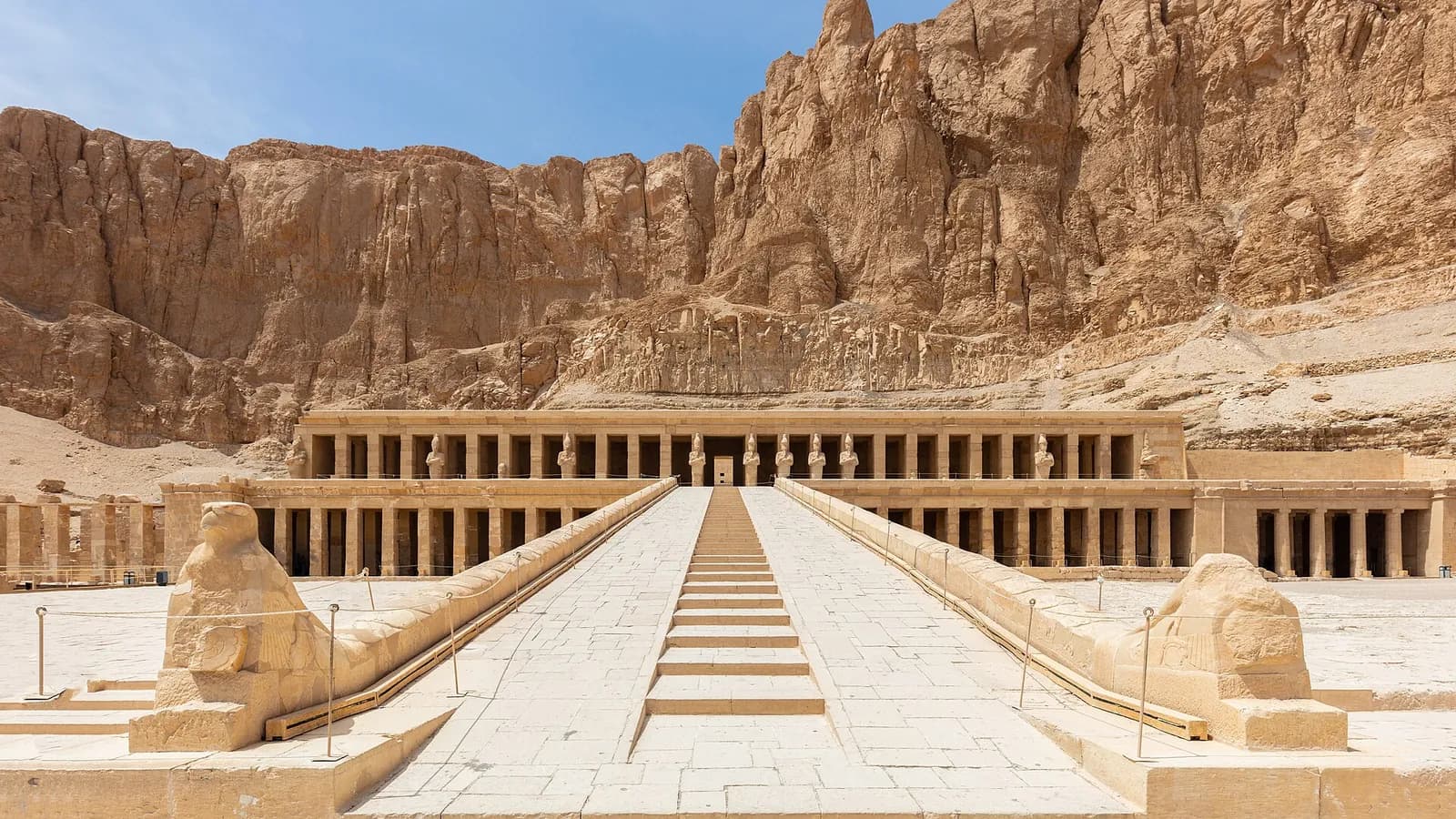
Quick answer: The mortuary temple of Hatshepsut rises in three colonnaded terraces against a wall of honey-coloured cliffs at Deir el-Bahari, on the west bank of the Nile at Luxor, directly opposite Karnak Temple across the river. It was built for one of the very few women to rule Egypt as pharaoh, and the design - long horizontal terraces linked by ramps and set flush into the rock - looks so clean it feels almost modern. Its ancient name says as much about its ambition: Djeser-Djeseru, "the Holy of Holies."
Most people see it as one stop on a half-day West Bank circuit alongside the Valley of the Kings and the Colossi of Memnon. The temple sits about 8 km west of Luxor, on the road toward the Valley of the Kings, so the three combine naturally into a single morning. Below is what makes Deir el-Bahari worth more than the usual quick photo stop.
Quick facts
| Where | Deir el-Bahari, Theban Necropolis, Luxor west bank (opposite Karnak) |
| Built for | Queen Hatshepsut, 6th pharaoh of the 18th Dynasty (reigned c. 1479-1458 BC) |
| Architect | Senenmut, chief steward of Amun |
| Ancient name | Djeser-Djeseru, "the Holy of Holies" |
| Height | Rises about 29.5 m (97 ft) against the cliff |
| Hours | Open daily 06:00-17:00 |
| Ticket | Foreigners EGP 440 adult / EGP 220 student (verify at booking) |
| Best time | Right at 06:00 opening - little shade later |
| Getting there | ~8 km west of Luxor, toward the Valley of the Kings |
Egypt's monument fees change often and the pound is volatile, so treat the ticket price as a guide and confirm the current rate when you book or at the gate.
Deir el-Bahari: what the name means
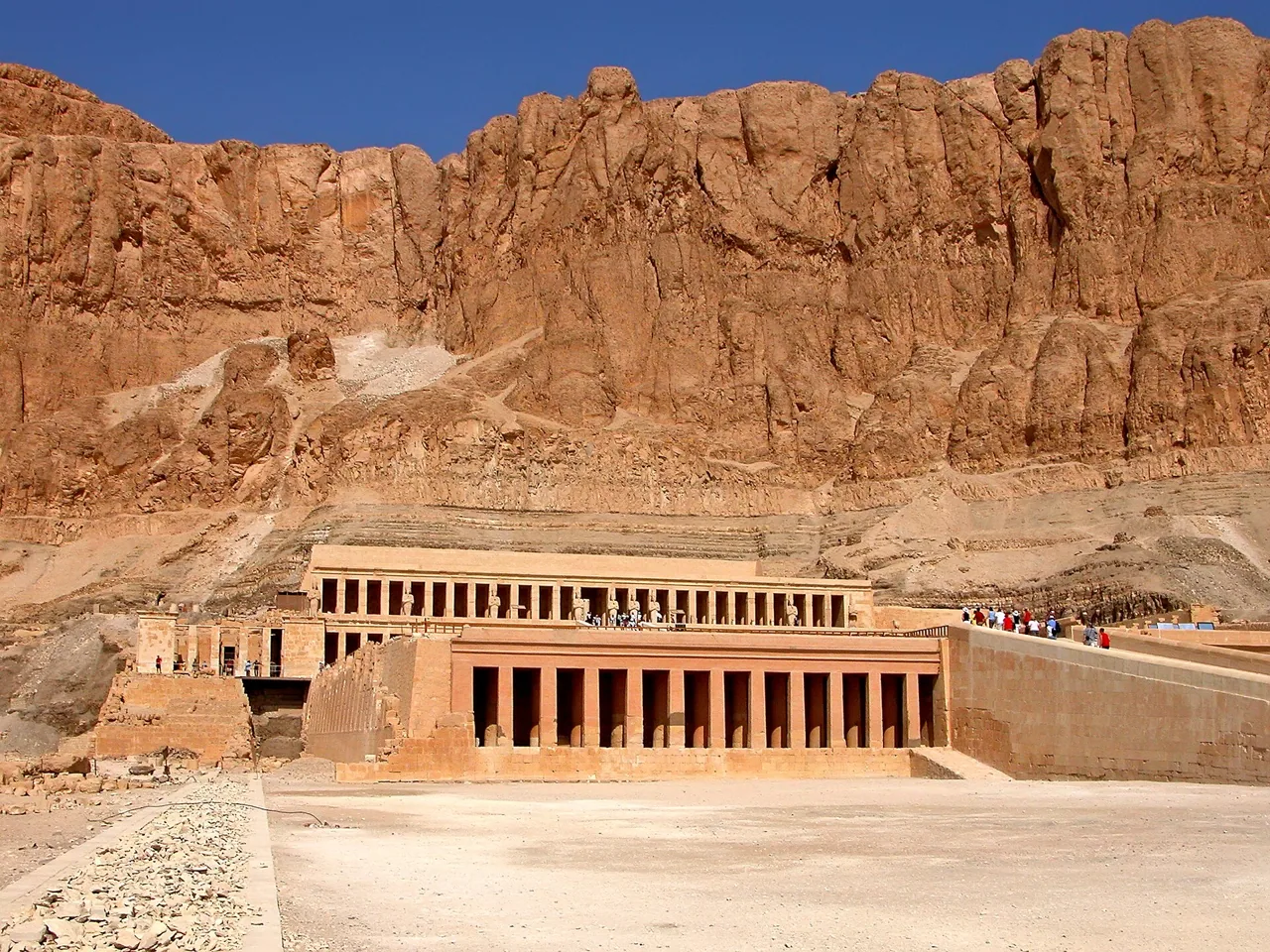 "Deir el-Bahari" is Arabic for "the Northern Monastery," a name that comes not from the pharaohs but from a 7th-century Coptic monastery that later stood on the site. The temple itself sits within the Theban Necropolis, tucked against the Deir el-Bahari cliffs and only a short distance over the ridge from the Valley of the Kings. The whole area belongs to "Ancient Thebes with its Necropolis," inscribed on the UNESCO World Heritage list in 1979 - the same listing that covers Karnak, Luxor Temple and the royal tombs across the river.
The woman who became pharaoh
Hatshepsut was one of the very few women ever to rule Egypt as pharaoh - the queen who became king. She began as co-regent for her young stepson, Thutmose III, then took the full titles of pharaoh for herself and ruled as senior king in her own right. She was the sixth pharaoh of the 18th Dynasty, and her reign lasted roughly 22 years, from about 1479 to 1458 BC. (The Ministry of Tourism and Antiquities gives her kingship as c. 1473-1458 BC; dating this far back is always approximate.)
She was not the first of her kind. Hatshepsut was Egypt's second confirmed woman to rule in her own right, following Sobekneferu of the 12th Dynasty centuries earlier. What set Hatshepsut apart was the scale of what she left behind. Her reign was largely peaceful and built on trade rather than war, and she poured its wealth into major building projects - including a pair of towering obelisks at Karnak, and this temple at Deir el-Bahari.
After her death, that legacy was deliberately attacked. About two decades later, Thutmose III - by then a formidable ruler in his own right - had her images and names erased and her statues smashed, here and on monuments elsewhere. The temple suffered again during the Amarna Period, when Akhenaten's campaign against the god Amun caused further damage to its Amun imagery. Look closely at the walls and you can still read this history in the stone: chiselled-out figures and hacked cartouches that are now part of what you come to see.
The architecture: Senenmut's terraces
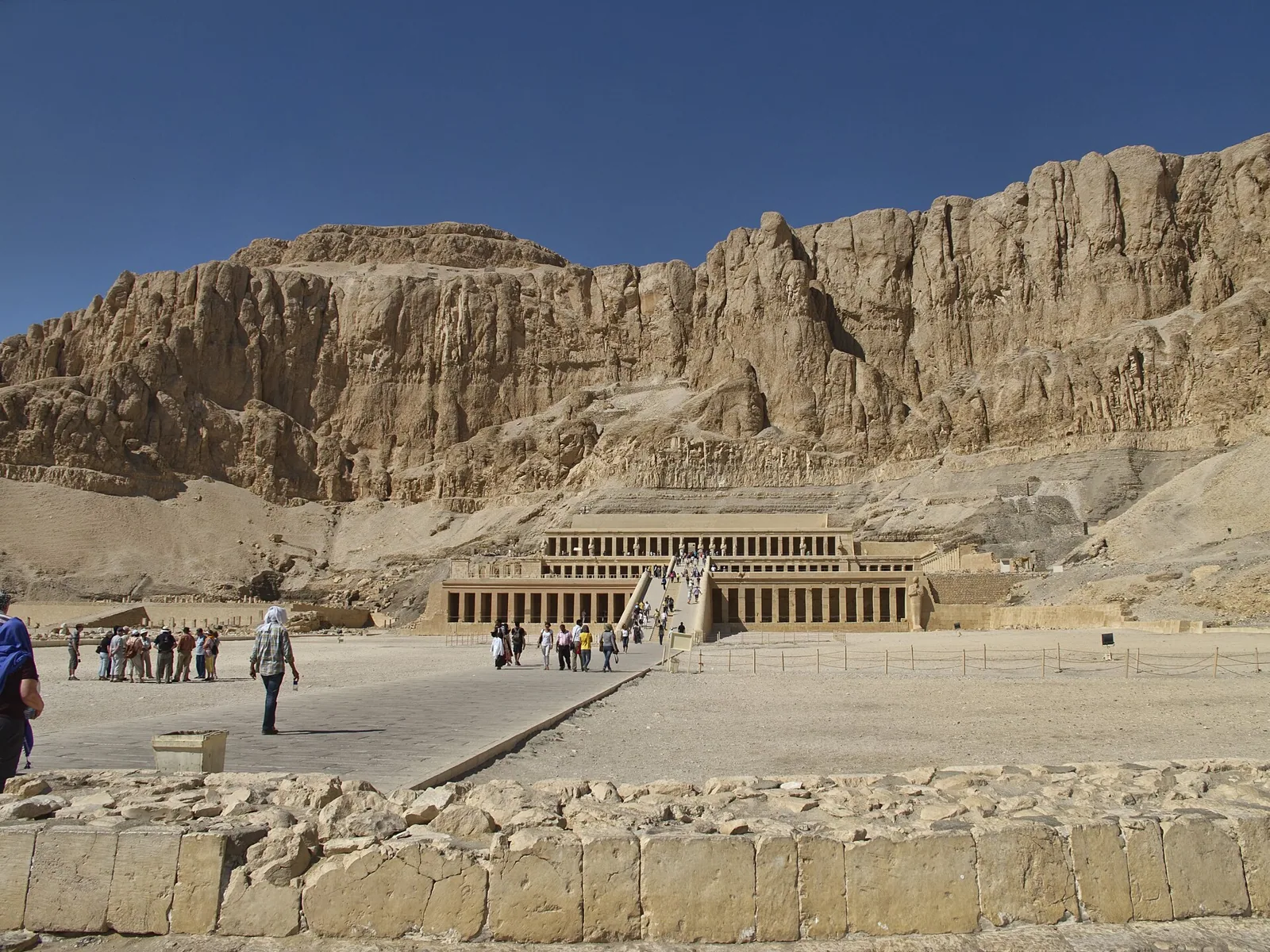 The temple was designed by Senenmut, chief steward of Amun and the queen's confidant. He was an unusually powerful courtier - ancient sources credit him with more than 80 titles, among them Chief Steward and tutor to Hatshepsut's daughter, Neferure. His design set three broad colonnaded terraces into the curve of the cliff, linked by long central ramps, so the whole building seems to grow out of the rock face behind it. From the forecourt it rises about 29.5 metres (97 feet) against the stone.
The design was not invented from nothing. It deliberately echoes and enlarges the adjacent Middle Kingdom temple of Mentuhotep II, which stands right beside it - Hatshepsut's architects took an older idea and made it grander and more symmetrical. What you actually walk through is a sequence of ascending levels: up the ramps from terrace to terrace, to the uppermost portico, whose pillars are fronted by mummiform Osiride statues of the queen. Aim your camera from the lower court or partway up a ramp for the classic shot of the whole temple framed by the cliffs.
The Osiride statues are one of the details worth pausing over. Carved as pillars, they show Hatshepsut in the mummiform pose of the god Osiris, lining the front of the uppermost portico - a row of standing royal figures that fixes the queen, forever, in the guise of the god of the afterlife.
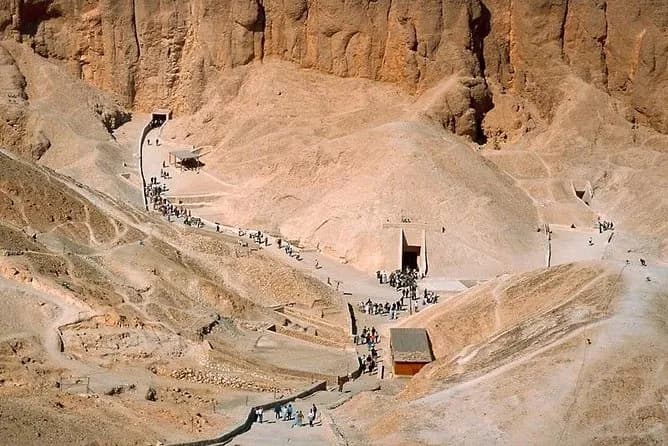
One thing worth keeping straight: this was Hatshepsut's mortuary temple, a place for her cult and worship - not her tomb. Her actual burial was in tomb KV20, cut into the rock of the Valley of the Kings on the other side of the same cliff - so the temple where her memory was honoured and the tomb where her body lay were, in effect, front and back of the same ridge of stone.
Who the temple honoured
Deir el-Bahari was dedicated chiefly to Amun, the great god of Thebes, but it also held a cluster of smaller cult spaces. There were chapels for the goddess Hathor and the jackal god Anubis, a chapel honouring Hatshepsut's father Thutmose I, and an open solar altar dedicated to Ra-Horakhty. Hathor, often shown as a cow or a woman with cow's horns, was closely tied to the Theban west bank; Anubis, the jackal-headed god, guided the dead. The Hathor and Anubis chapels are the ones most visitors seek out: as roofed, inset spaces they have kept far more of their carving and colour than the sun-blasted open terraces, and they are also the coolest corners of the site on a hot day. The open solar altar to Ra-Horakhty, by contrast, was built to lie under the sky, catching the sun the god embodied.
The Punt reliefs
The carvings on the middle terrace are the temple's most famous images. They record a royal trading expedition Hatshepsut sent by sea to the Land of Punt, a distant place reached along the Red Sea. Commissioned around her ninth regnal year, the voyage brought back extraordinary cargo - and the reliefs show it in unusual detail: sailing ships being loaded, live myrrh trees dug up for transport, incense and frankincense, and exotic animals. It reads almost like an official trade report carved in stone, and it is one of the earliest detailed visual records of a long-distance expedition anywhere.
Elsewhere, the Birth Colonnade carries the temple's other great piece of storytelling: reliefs of Hatshepsut's divine birth, which present the god Amun as her father. This was theology with a purpose - a way of legitimising a woman's claim to the throne by rooting her kingship in the gods themselves.
From ruin to reconstruction
What you see today is the result of more than a century of careful work. The temple was fully excavated between 1893 and 1906 by Edouard Naville for the Egypt Exploration Fund, clearing centuries of debris from the terraces. Since 1961, a Polish-Egyptian mission run by the Polish Centre of Mediterranean Archaeology (PCMA, University of Warsaw) has been conserving and reconstructing the temple - painstakingly rebuilding porticoes and refitting fallen blocks. Much of the crisp, legible structure visitors admire is thanks to that long restoration effort.
A note on the 1997 attack
Deir el-Bahari was also the site of a tragedy. On 17 November 1997, gunmen attacked the temple and 62 people were killed. In the years since, Egypt sharply increased security at its major heritage sites, and the temple today is heavily guarded. You will pass through checks on arrival; this is routine, and the visitor experience now is calm and well organised.
Where it fits on a West Bank day
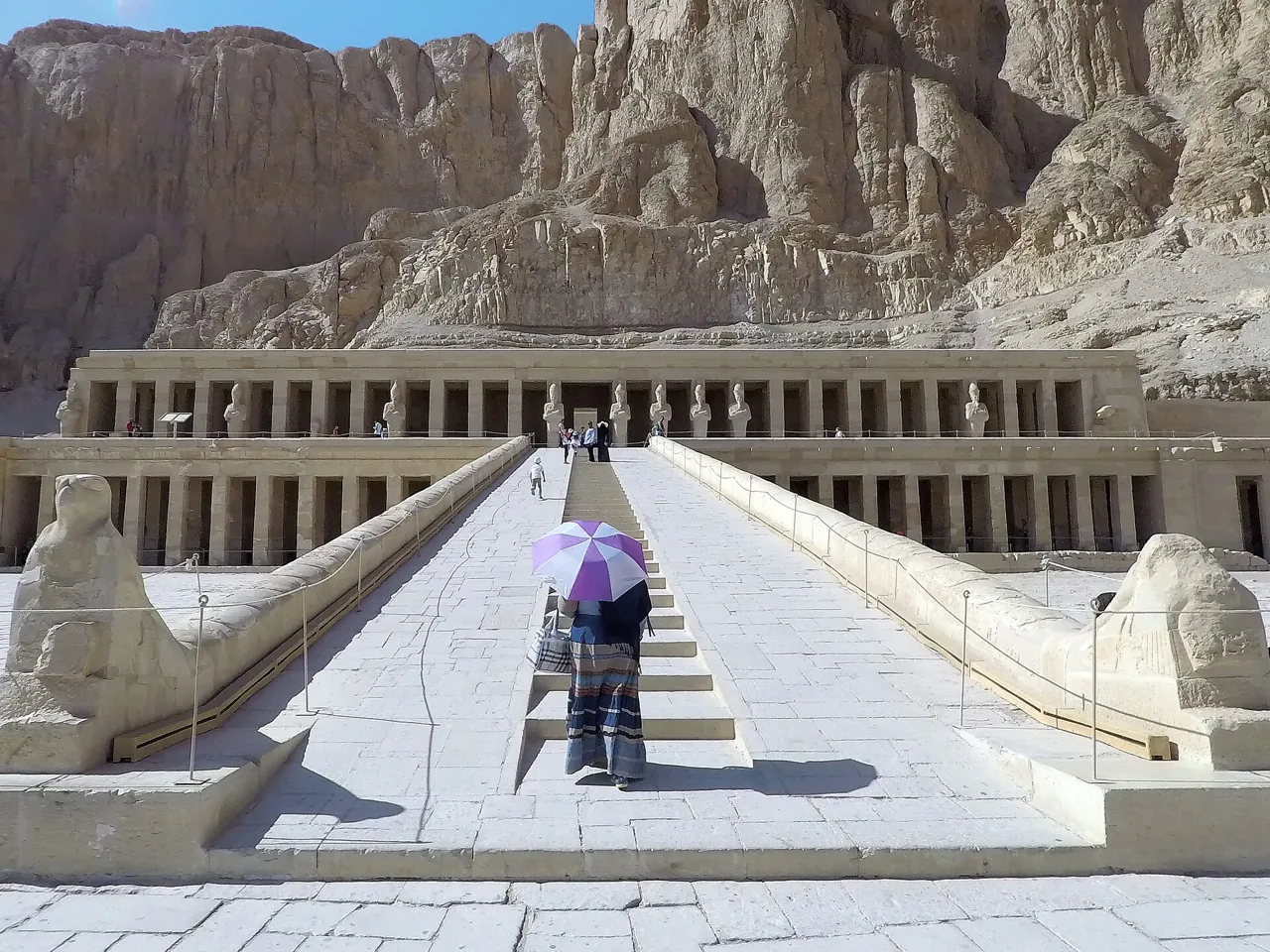 The Theban Necropolis packs a great deal into a small area, and Deir el-Bahari sits neatly in the middle of it. Because the temple lies about 8 km west of Luxor on the road toward the Valley of the Kings, it combines easily with the Valley of the Kings and the Colossi of Memnon in a single half-day. A sensible order is to visit the Valley of the Kings first, when it is coolest and least crowded, then Hatshepsut, and finish at the Colossi on the drive back toward the river.
For the wider picture of the west bank and how to string the sites together, see our guide to things to do in Luxor and the broader Luxor travel guide.
Tickets, timing and practicalities
The temple is open daily from 06:00 to 17:00. Tickets for foreign visitors are EGP 440 for adults and EGP 220 for students with valid ID - but because the Egyptian pound moves so much, always verify the current price when you book or at the ticket office.
The single best piece of advice is to go early. Aim to arrive right at the 06:00 opening: the temple sits in a natural amphitheatre of cliffs that traps heat, there is almost no shade once the sun is up, and both the crowds and the temperature climb quickly through the morning. Early light on the pale terraces is also the most flattering for photos. Bring water, a hat and sunglasses. A small shuttle runs from the entrance up closer to the temple, which is a welcome relief in the heat.
Make this a highlight of your trip - This is Egypt builds custom itineraries around the places you most want to see. Browse Luxor experiences to plan your West Bank day.
See it from the river. The great temples of Luxor bookend the classic Nile cruise between Luxor and Aswan — every cruise ship and sailing dahabiya moors here. Compare Nile cruise ships and dahabiyas, or read the Nile cruise guide.
A real team available 24/7 to assist you — free
Seif and the team reply on WhatsApp 24/7 — trip questions, custom plans and booking help.
Ask Seif on WhatsAppCommon questions
Who was Hatshepsut?
One of the very few women to rule ancient Egypt as pharaoh - the queen who became king. She began as co-regent for her young stepson Thutmose III, then took the full royal titles herself and reigned as senior king for around 22 years (c. 1479-1458 BC), the sixth pharaoh of the 18th Dynasty. She was Egypt's second confirmed female ruler, after Sobekneferu.
Where is the Temple of Hatshepsut and what does Deir el-Bahari mean?
It stands at Deir el-Bahari on the west bank of the Nile at Luxor, opposite Karnak Temple, set against the cliffs of the Theban Necropolis about 8 km from the city. "Deir el-Bahari" is Arabic for "the Northern Monastery," named after a 7th-century Coptic monastery that later stood on the site.
Who designed the temple?
Senenmut, chief steward of Amun and Hatshepsut's confidant. An unusually powerful courtier credited with more than 80 titles - including tutor to the queen's daughter Neferure - he set three colonnaded terraces into the curve of the cliff so the building appears to grow out of the rock. The design deliberately echoes and enlarges the neighbouring Middle Kingdom temple of Mentuhotep II.
Why was Hatshepsut's name erased from the temple?
About two decades after her death, Thutmose III had her images and names erased and her statues smashed here and on other monuments. The temple's Amun imagery was later damaged again during the Amarna Period under Akhenaten. You can still see the hacked-out cartouches and defaced figures on the walls today.
What are the Punt reliefs?
Carvings on the middle terrace showing a seagoing trade expedition Hatshepsut sent to the Land of Punt, reached along the Red Sea, around her ninth regnal year. They depict ships being loaded with myrrh, incense, frankincense, live myrrh trees and exotic animals - one of the earliest detailed visual records of a long-distance expedition anywhere.
How much does the Temple of Hatshepsut cost and when is it open?
It is open daily from 06:00 to 17:00. Tickets for foreign visitors are EGP 440 for adults and EGP 220 for students with valid ID. Because the Egyptian pound is volatile, confirm the current price when you book or at the ticket office.
Is the Temple of Hatshepsut visited with the Valley of the Kings?
Almost always. It sits about 8 km west of Luxor on the road toward the Valley of the Kings, within the same Theban Necropolis, and combines easily with the Valley of the Kings and the Colossi of Memnon. Do the Valley of the Kings first while it is cool, then Hatshepsut, then the Colossi on the way back.
When is the best time to visit?
Arrive right at the 06:00 opening. The temple sits in a curve of cliffs that traps heat and offers almost no shade, so it becomes hot and crowded as the morning goes on. Early also means the softest light on the pale terraces. Bring water, a hat and sunglasses; a small shuttle runs from the entrance closer to the temple.
Book it on This is Egypt
Turn this guide into a trip




Egypt's bestsellers
The experiences travelers book most, across the country




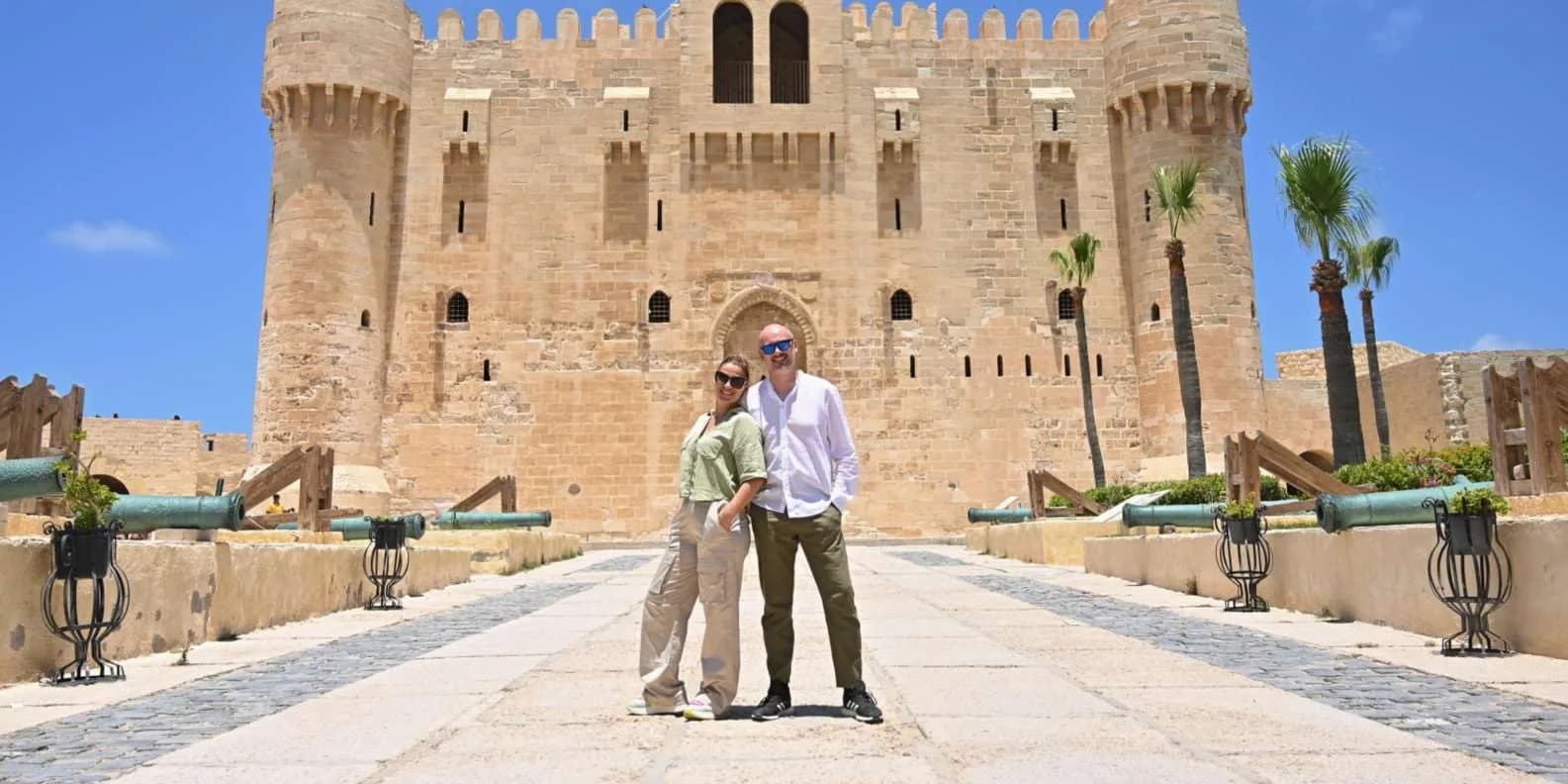
Keep reading
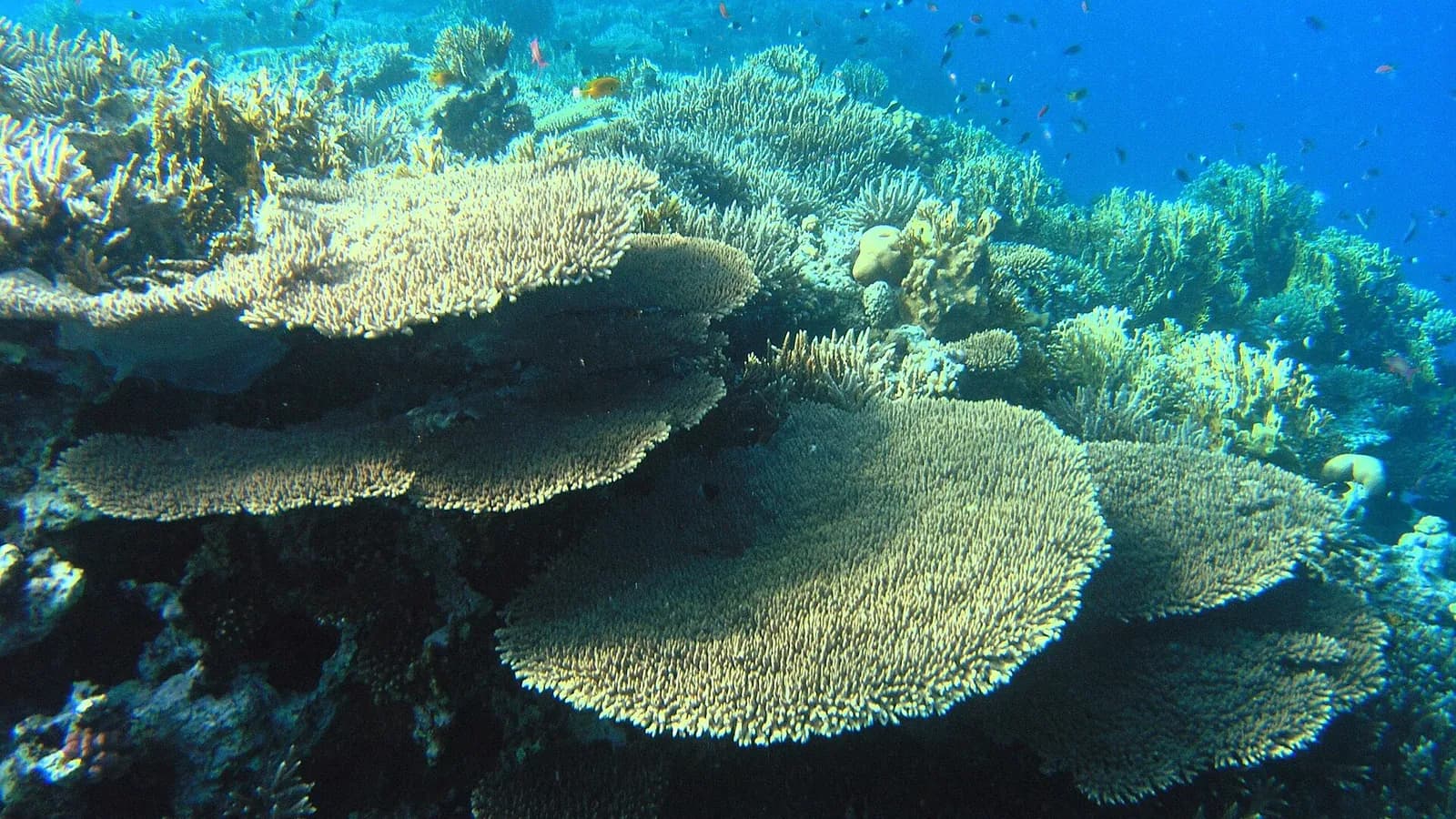
Hurghada Diving (2026): Best Sites, Packages & Prices
Diving in Hurghada — the best reefs (Giftun, Careless Reef, Dolphin House) and Abu Nuhas wrecks, Discover Scuba vs PADI courses, season and water temps, and real 2026 prices.
By TiE Editors7 min read
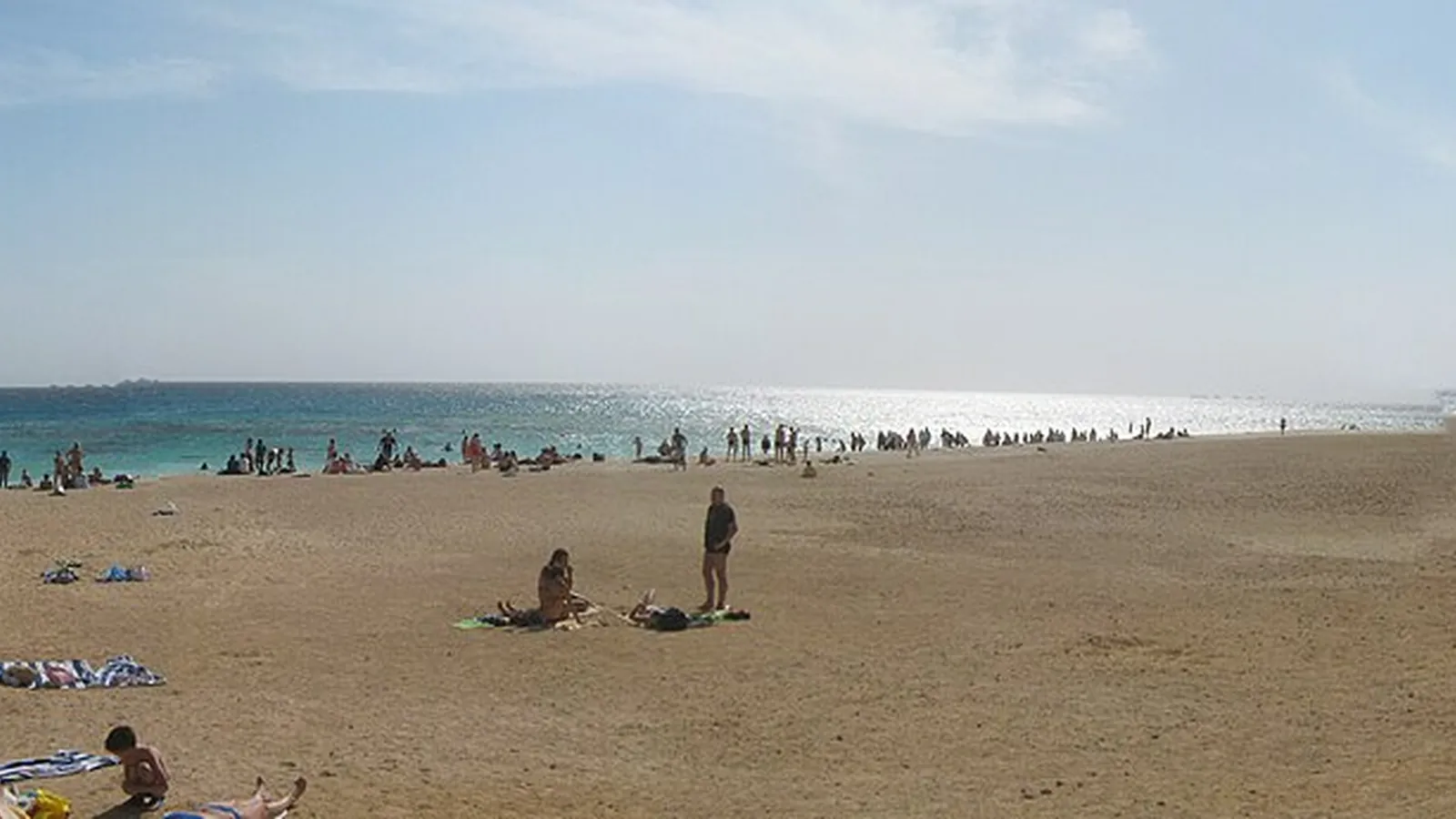
Hurghada Snorkeling Trips (2026): Best Reefs, Prices & How to Choose
Where to snorkel from Hurghada in 2026 — Orange Bay, Giftun, Mahmya, Utopia and Dolphin House — with boat types, marine life, month-by-month sea temperatures, family tips and real prices from 1,000+ bookable trips.
By TiE Editors7 min read
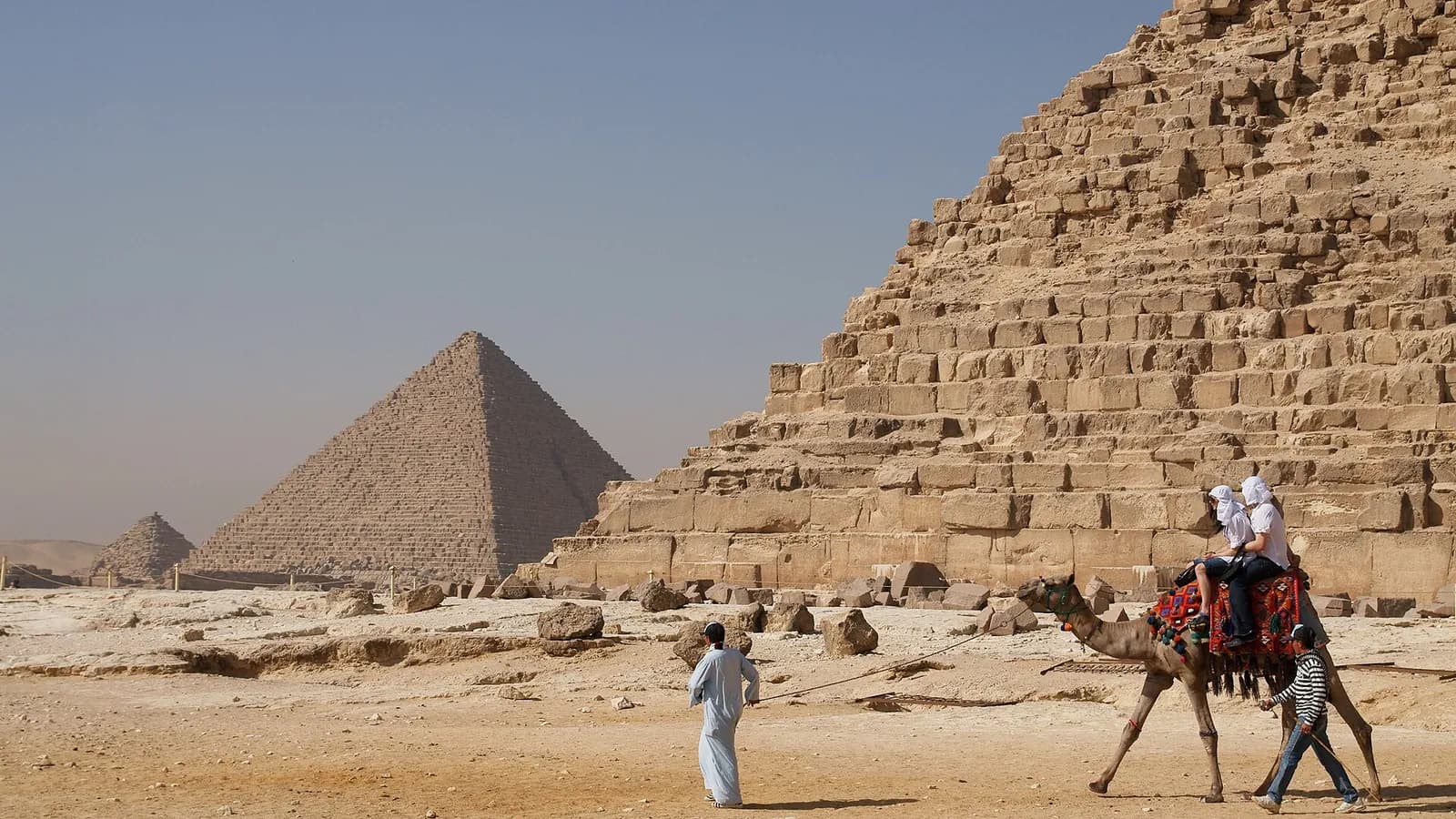
Egypt Tour Prices by Activity (2026): What Each Type Really Costs
What every type of Egypt experience costs — half day, full day or overnight — as a median and a mid-half range in US dollars, from 12,370 live bookable listings.
By TiE Editors6 min read