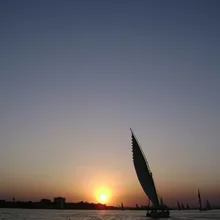

Nile River Cruise Guide (2026): Routes, Ships & Prices
The complete 2026 Nile cruise guide: the Luxor–Aswan route and every temple stop, 3 vs 4 vs 7 nights, ship tiers, what's included, best months, and real prices in USD and EGP.
Nile Cruises & Dahabiyas
Turn this guide into a trip
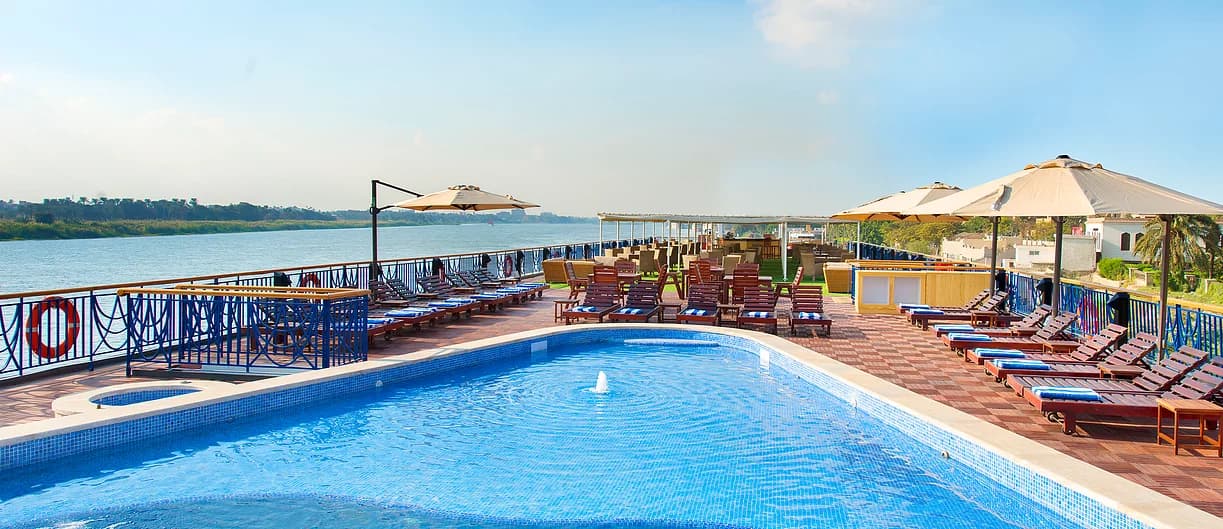
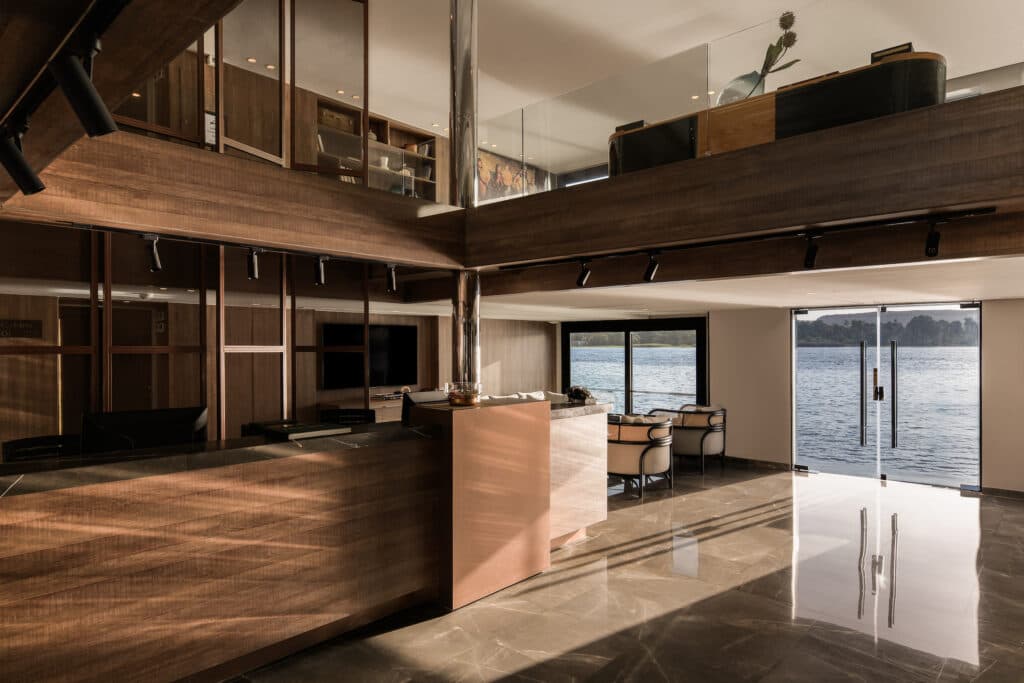
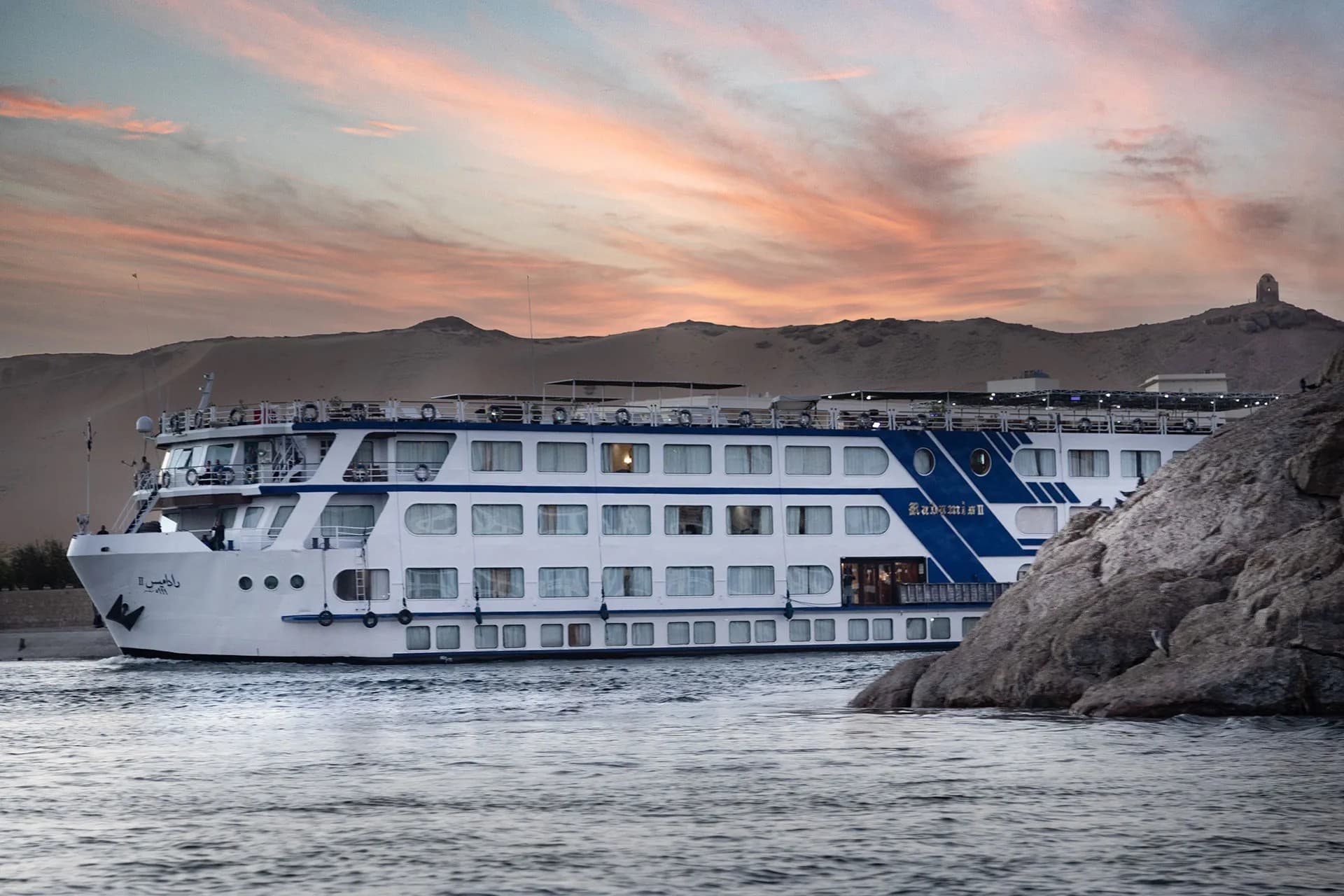
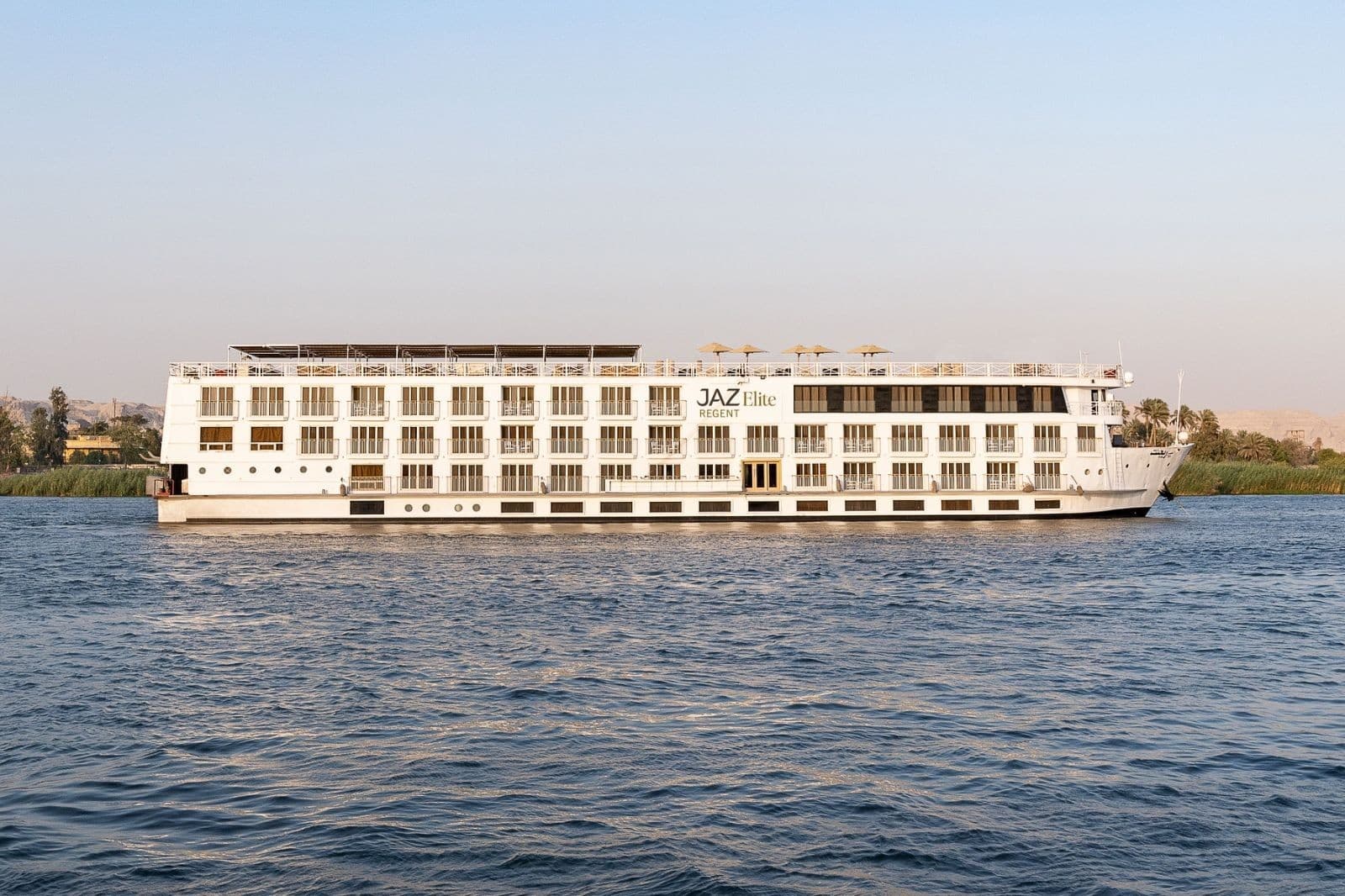
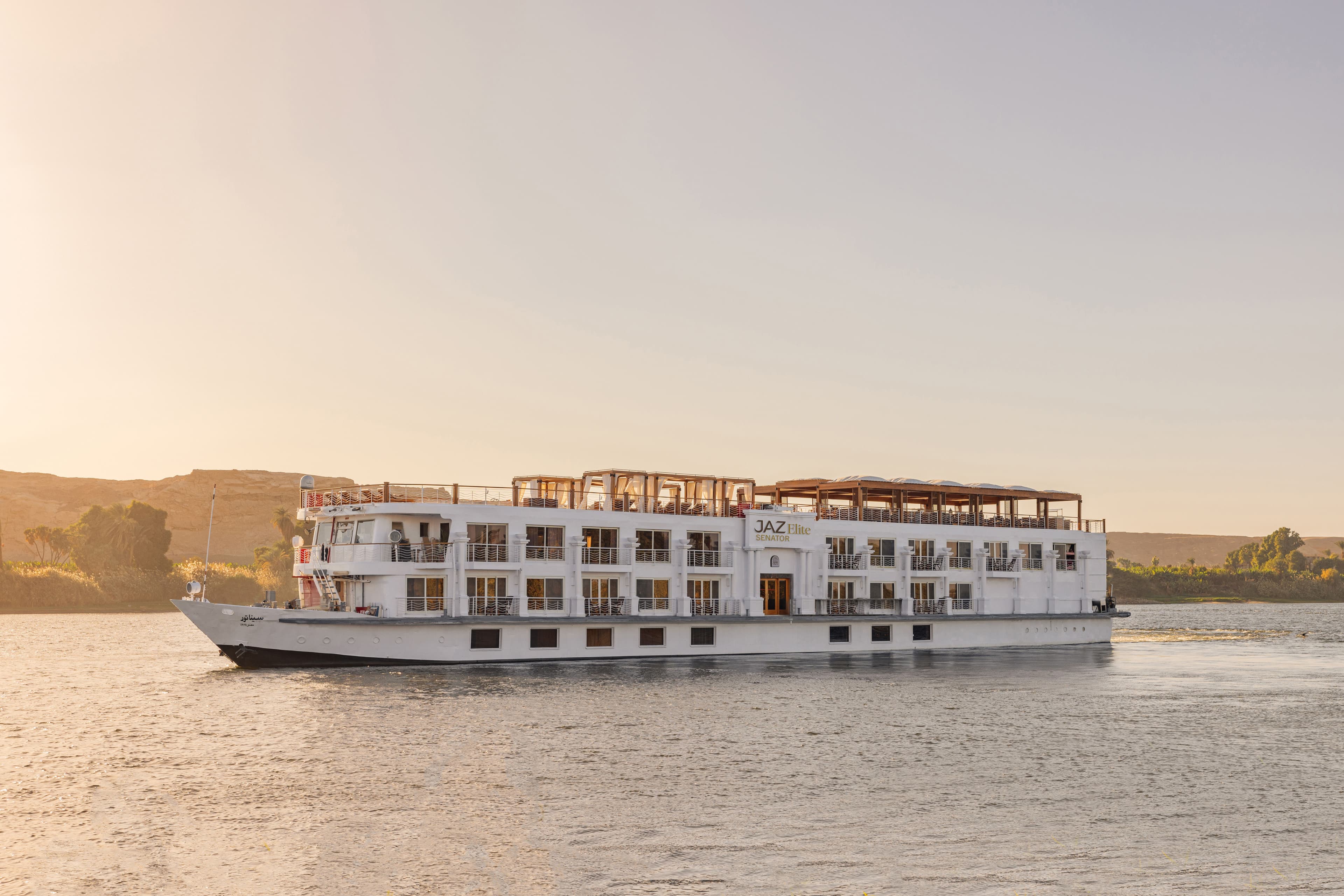
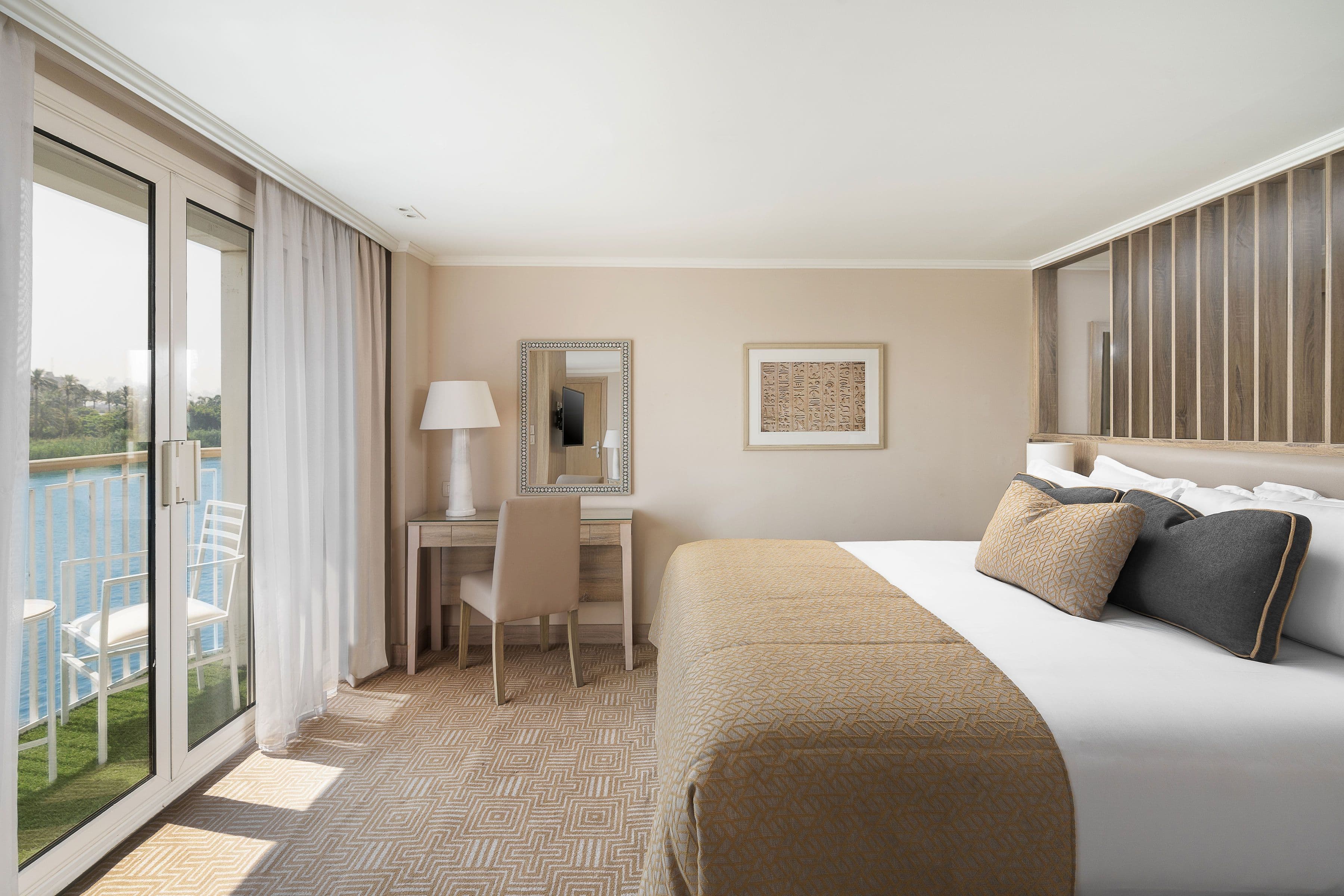
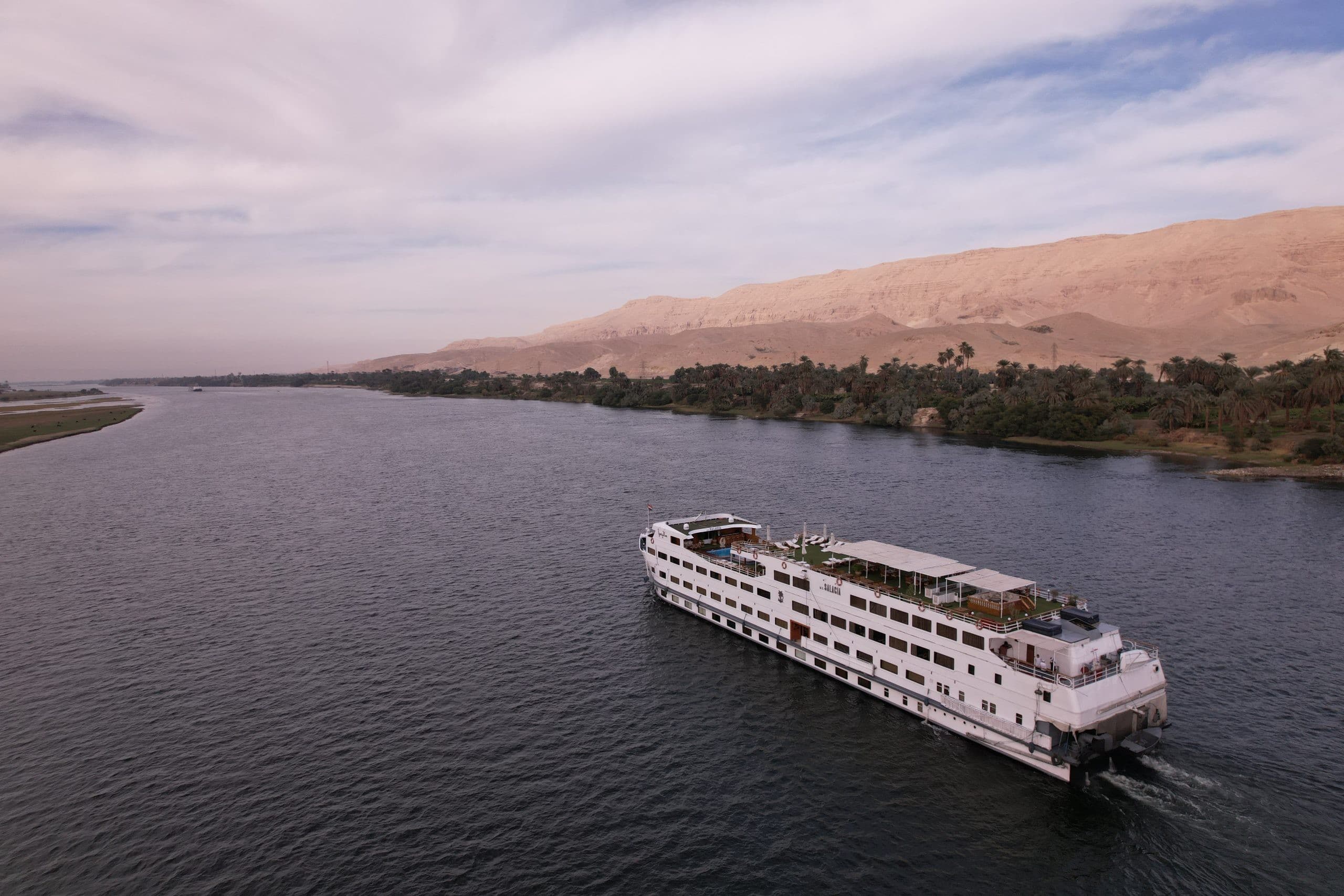
Quick answer: A Nile cruise sails the ~210 km between Luxor and Aswan (3 or 4 nights), stopping at Kom Ombo, Edfu, Karnak, the Valley of the Kings and Philae with an Egyptologist guide — the boat is both your transport and your hotel. Choose a five-star cruise ship (full facilities, ~100+ guests) or a dahabiya (small wind-powered boat, 8–24 guests). Compare the entire fleet — 68 ships and 104 dahabiyas — in the Nile cruise directory.
Nile cruise at a glance
| Route | Luxor ↔ Aswan (~210 km), either direction |
| Length | 3 nights (Aswan→Luxor) or 4 nights (Luxor→Aswan); longer on dahabiyas |
| Stops | Karnak, Valley of the Kings, Edfu, Kom Ombo, Philae |
| Boat types | Five-star cruise ships (68) or dahabiyas (104 small sailing boats) |
| Best months | October–April (cooler days on deck) |
| How to book | Enquiry-led — browse the directory and message a specialist on WhatsApp |
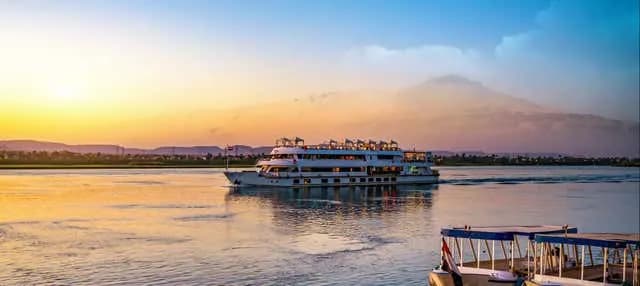
A Nile cruise is the most efficient way to see Egypt's greatest run of temples, because the boat is your transport and your hotel at once. You sail the roughly 210 km between Luxor and Aswan, stop at Kom Ombo and Edfu on the way, and see everything with a licensed Egyptologist who handles the logistics. The most popular length is a 4-night sailing (3 nights works if time is tight), October to April brings the best weather with the biggest crowds, and a comfortable 5-star cabin for those nights runs roughly US$650–1,300 (about 31,000–63,000 EGP) per person. This guide covers the route stop by stop, how many nights to sail, how to choose between roughly 68 boats across five price tiers, what's included, the best time to go, and exactly what it all costs in 2026.
Egyptians and visitors have been doing this for a very long time. Thomas Cook ran his first Nile steamer trips in the 1870s, Florence Nightingale wrote home rhapsodising about the river, and the sight of cruise boats working their way upstream is now, as the Egyptian Tourism Authority likes to put it, «as much a part of Egypt as the Pyramids.» What follows is the practical version.
Why do a Nile cruise at all?
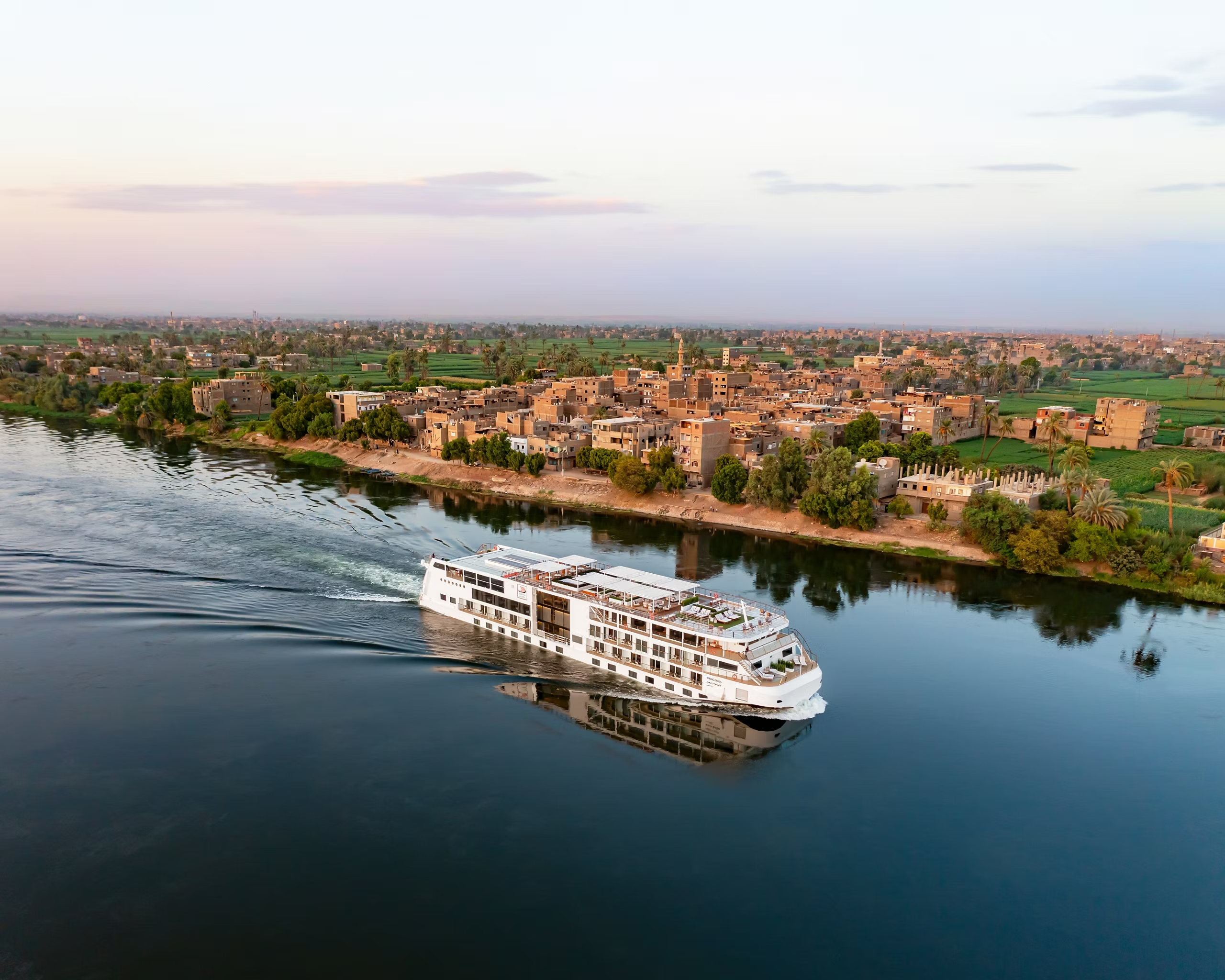
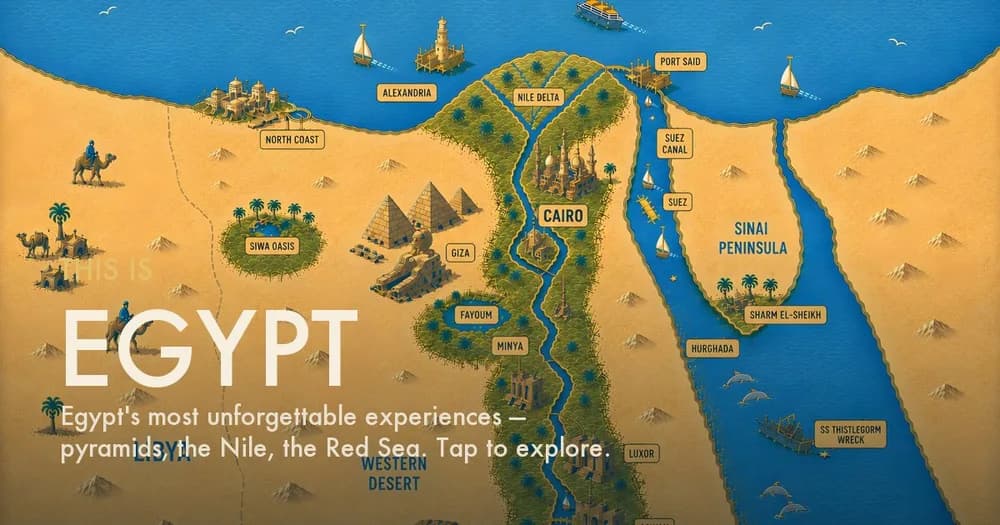
The temples of Upper Egypt are strung along the river like beads. Kom Ombo sits right on the bank; Edfu is a short ride inland; Karnak, Luxor Temple and the Valley of the Kings cluster around Luxor; Philae and the High Dam anchor Aswan. On a cruise you visit them in a logical order without a single hotel check-in, airport transfer, or hour spent staring at a highway. You unpack once. Between sites you're on a sun deck watching farmers, egrets and fishing skiffs slide past — the part everyone remembers.
The alternative is a land tour: hotels in Luxor and Aswan with day trips out to the temples. It gives you more flexibility and better food variety but adds transfers and admin. We break the two approaches down in full in Nile cruise vs land tour; for most first-timers the cruise wins on sheer ease.
The route: Luxor to Aswan and every stop
Almost every standard cruise sails the ~210 km between Luxor and Aswan. Direction matters less than people think — the same temples appear in reverse order — but there are small differences, and we cover both in depth in the Aswan-to-Luxor cruise guide.
- Luxor to Aswan (upstream, southbound): You start with Luxor's heavy hitters, then sail south to Edfu, Kom Ombo and Aswan. Ending in Aswan sets you up neatly for an Abu Simbel add-on.
- Aswan to Luxor (downstream, northbound): You begin gently in Aswan and finish with Luxor's temple overload. Some travellers prefer saving the biggest sites for last.
Here is what you actually see, in river order:
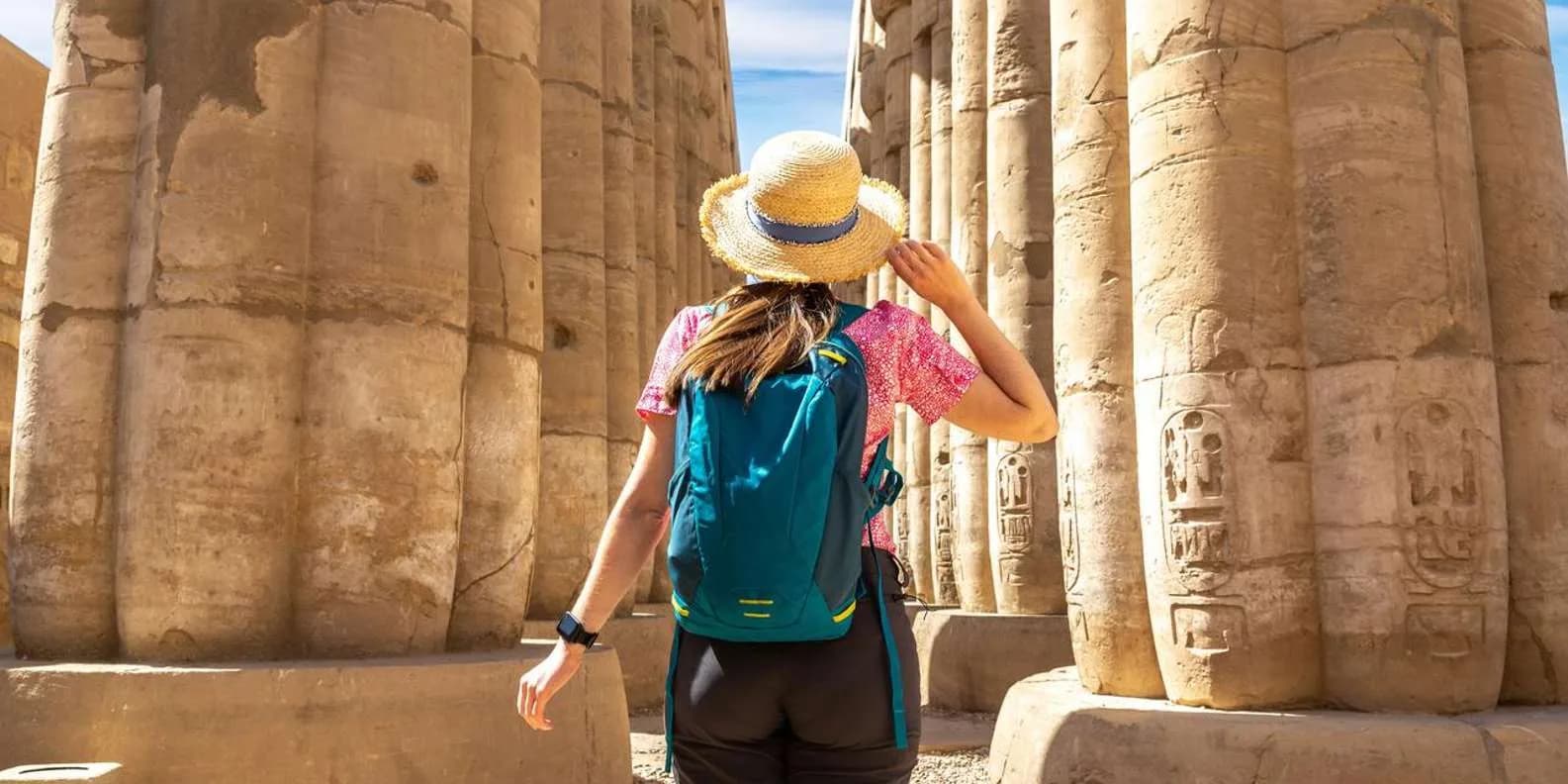
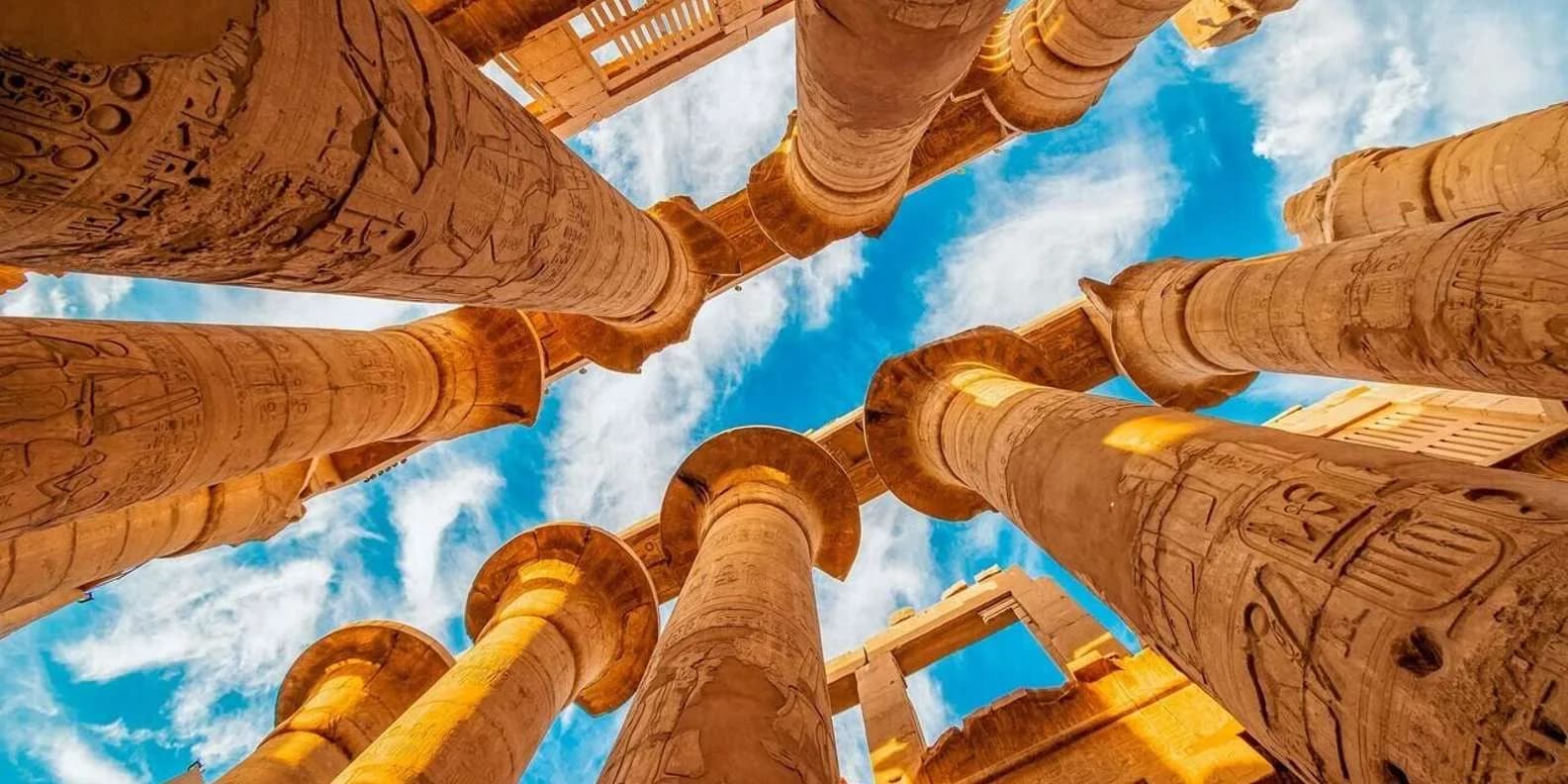
- Karnak Temple (Luxor East Bank) — the largest religious complex ever built, a forest of 134 giant columns in the Great Hypostyle Hall. A morning here is intense; pace yourself.
- Luxor Temple (Luxor East Bank) — smaller, elegant, and best seen floodlit after dark, connected to Karnak by the reopened Avenue of Sphinxes.
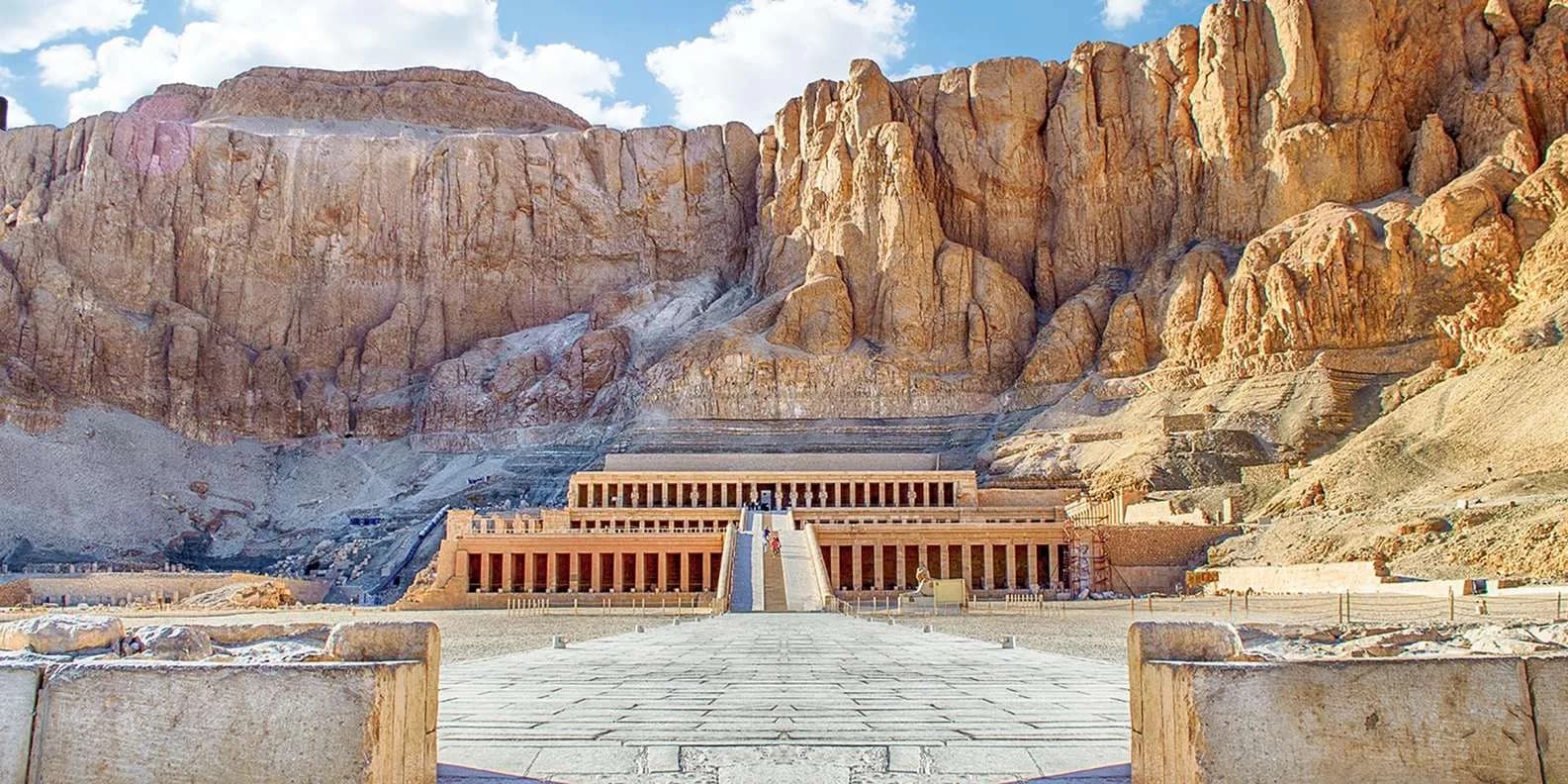
- Valley of the Kings (Luxor West Bank) — your standard ticket covers three royal tombs; Tutankhamun and Seti I cost extra. Nearby are Hatshepsut's terraced temple at Deir el-Bahari and the Colossi of Memnon. Go early, before the heat.
- Esna lock — the boat locks through the barrage at Esna, a slow, oddly enjoyable bit of river theatre where hawkers in rowboats toss up towels and tablecloths for sale. Note the closure warning below.
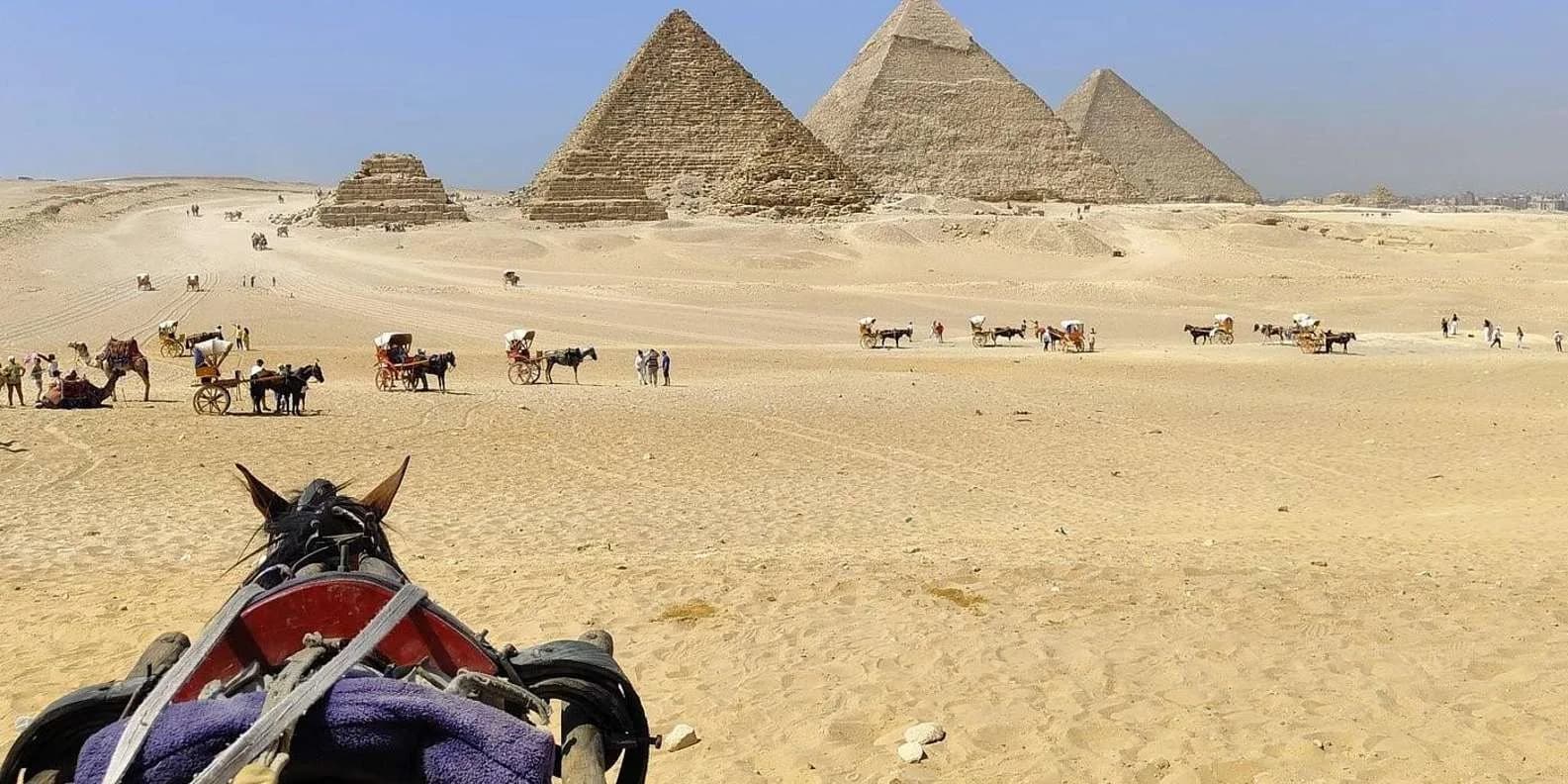
- Edfu (Temple of Horus) — the most completely preserved temple in Egypt, reached by a short horse-carriage (calèche) ride from the mooring. You can walk its roofline and read reliefs that are almost intact.
- Kom Ombo (Temple of Sobek and Haroeris) — an unusual double temple standing right on a bend of the river. Boats usually arrive late afternoon, and it's magical at dusk. Look for the ancient surgical-instrument carvings.
- Philae Temple (Aswan) — the island temple of Isis, moved stone by stone to Agilkia Island to save it from the rising lake, reached by motorboat.
- Aswan High Dam — the 1960s engineering feat that created Lake Nasser; most itineraries pair it with the Unfinished Obelisk in its ancient granite quarry, and a felucca sail past the islands at sunset if there's time.
One quirk worth knowing: the Esna lock closes for maintenance for roughly two weeks each in December and June. During those windows boats can't pass and operators substitute a road transfer for part of the route. Ask before you book if your dates fall in early-to-mid December.
How many nights? 3 vs 4 vs 7
| Nights | Direction | Ports and stops | Best for |
|---|---|---|---|
| 3 nights | Aswan → Luxor (downstream) | Aswan (Philae, High Dam) · Kom Ombo · Edfu · Luxor (Karnak, Valley of the Kings) | Short add-ons to a Cairo itinerary |
| 4 nights | Luxor → Aswan (upstream) | Luxor (Karnak, Luxor Temple, West Bank) · Esna lock · Edfu · Kom Ombo · Aswan | The sweet spot — every major temple, unhurried |
| 7 nights | Round-trip Luxor ↔ Aswan | All of the above in both directions, more free time; some reach Dendera | Slow holidays, dahabiyas, repeat visitors |
Most travellers do 3 or 4 nights, and 4 is the one we'd point you to: it hits every headline temple without feeling rushed and gives you a full day in both Luxor and Aswan. Three nights is fine but a little brisk. Seven-night round-trips exist and suit people who want a genuinely slow holiday — they're the norm for dahabiya sailboats, which move at wind speed.
A Nile cruise slots naturally into a two-week trip: Cairo and the pyramids for three or four days, fly south, cruise, fly home from Luxor.
Choosing a ship: the five tiers
There are around 68 cruise boats working the Luxor–Aswan corridor in 2026, and «5-star» is stretched across a huge quality range. It helps to think in tiers. Our full boat-by-boat breakdown lives in Nile cruise ships 2026; here's the shape of the market.
| Tier | Example boats | Guests | What you get | 3–4 nights, pp |
|---|---|---|---|---|
| Budget / value | Jaz Crown Jubilee, MS Mayflower, Steigenberger Legacy | 60–160 | Clean cabin, buffet meals, basic guiding | US$95–350 (~4,600–17,000 EGP) |
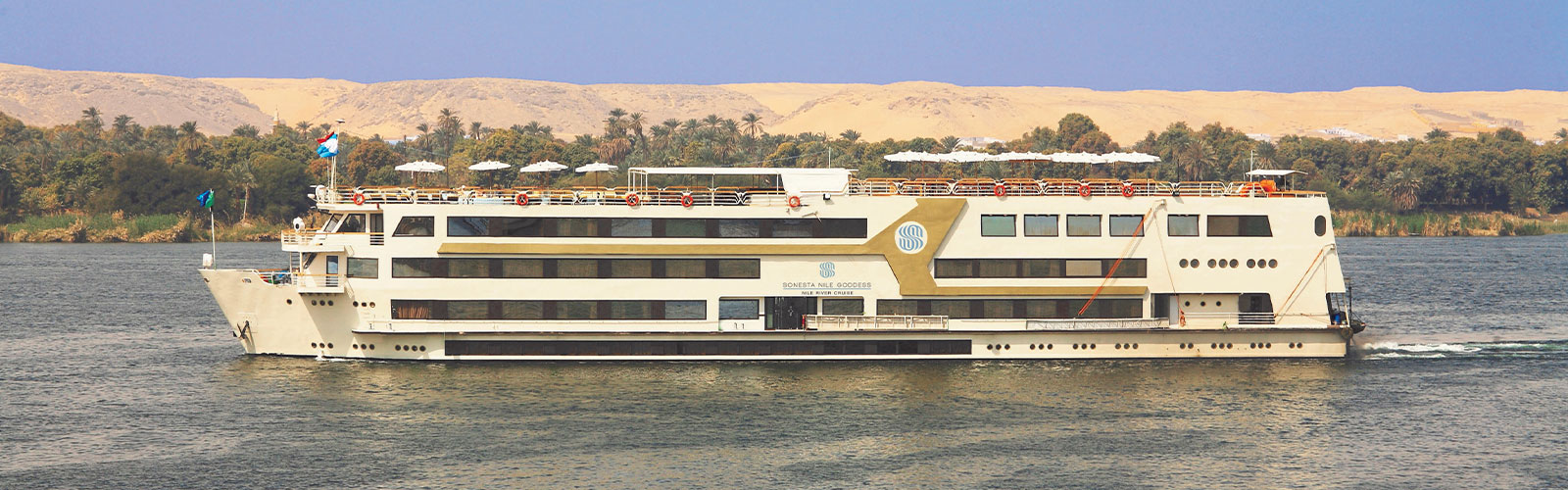
| Standard 5-star | Sonesta Nile Goddess, Mövenpick Royal Lily, Jaz Regent | 50–120 | Pool, bars, nightly entertainment, licensed Egyptologist | US$650–1,300 (~31,000–63,000 EGP) |
| Boutique / suite 5-star-deluxe | Historia, Sonesta Star Goddess, Le Fayan Suites | 22–53 | Larger suites, à-la-carte dining, calmer atmosphere | US$1,300–3,800 (~63,000–184,000 EGP) |
| Ultra-luxury | The Oberoi Philae, The Oberoi Zahra, Sanctuary Sun Boat IV | 32–66 | Butlers, spa, all-suite, longer sailings | US$1,680–19,000 (~81,000–920,000 EGP) |
| Dahabiya (sail) | see the dahabiya guide | 4–12 | Wind-powered, private, quiet moorings | US$1,400–2,250 (~68,000–109,000 EGP) |
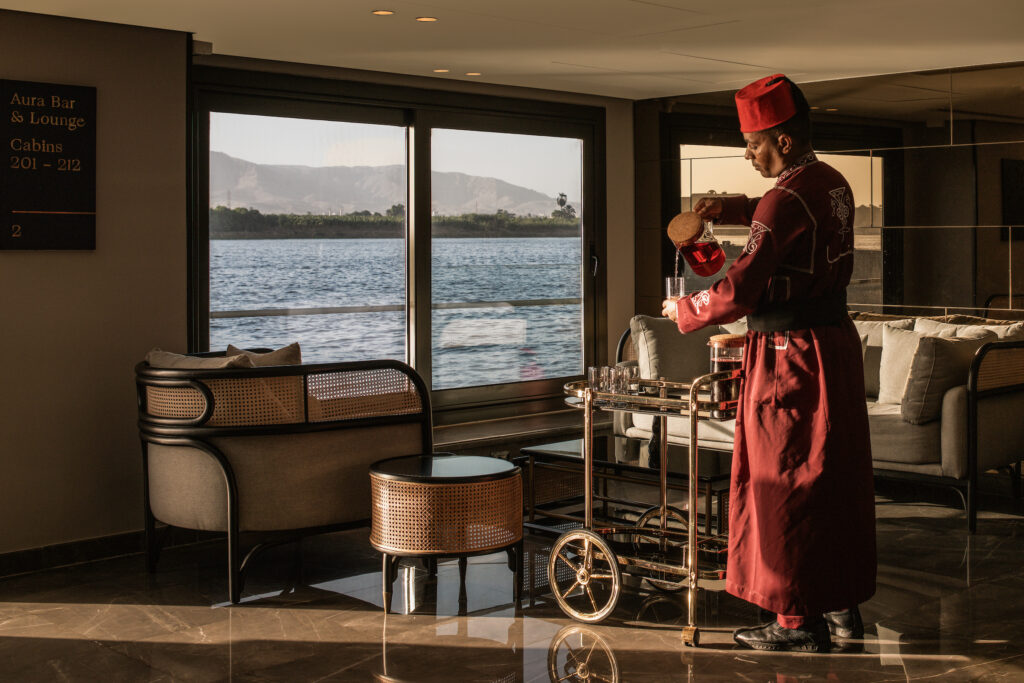
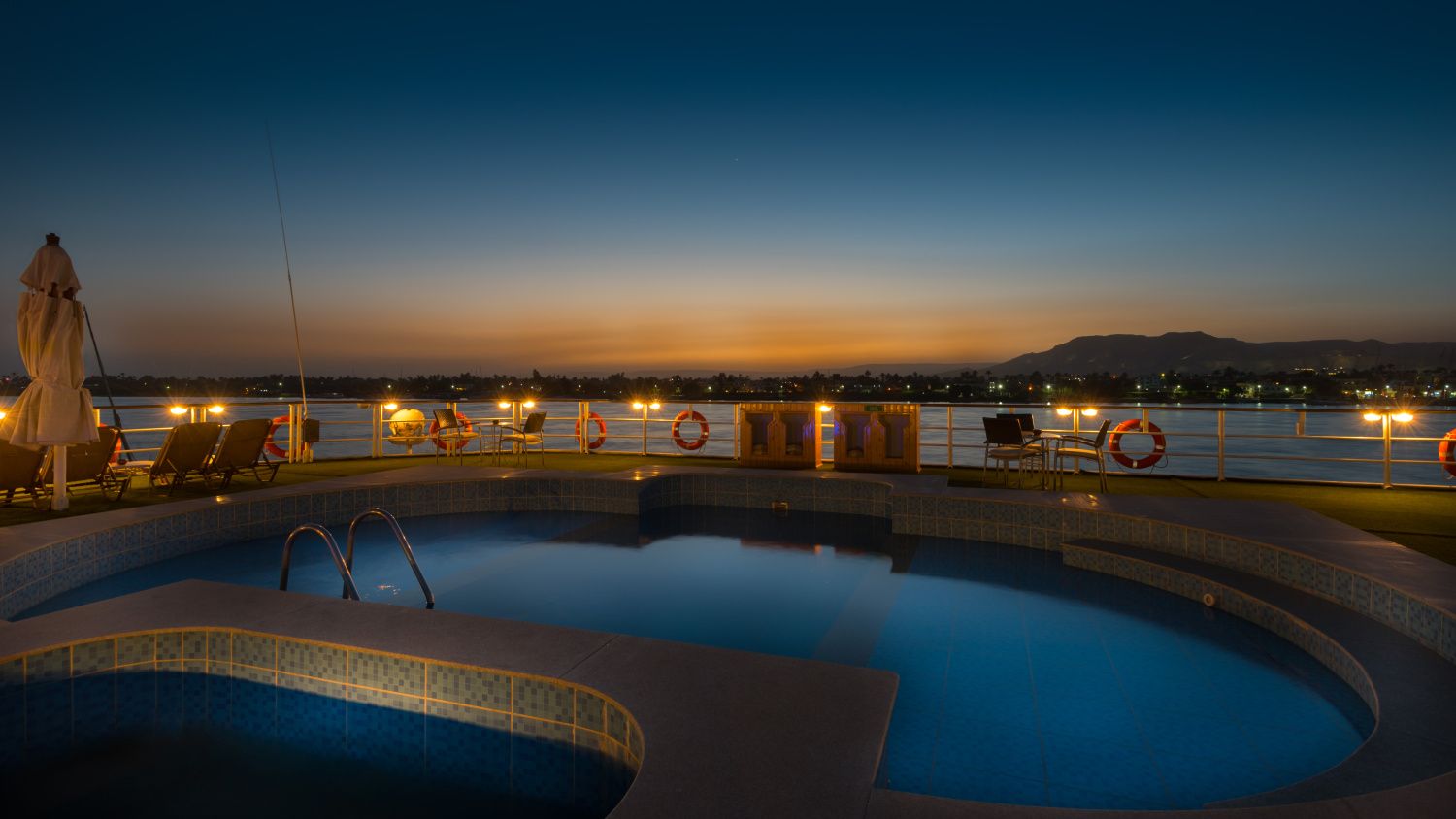
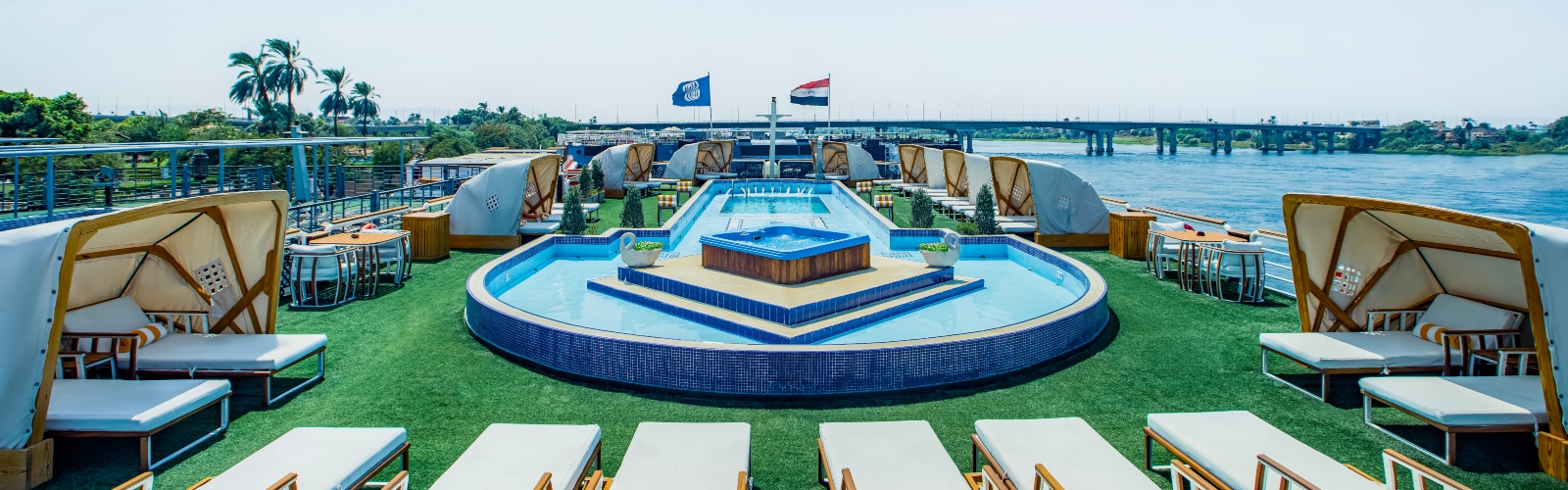
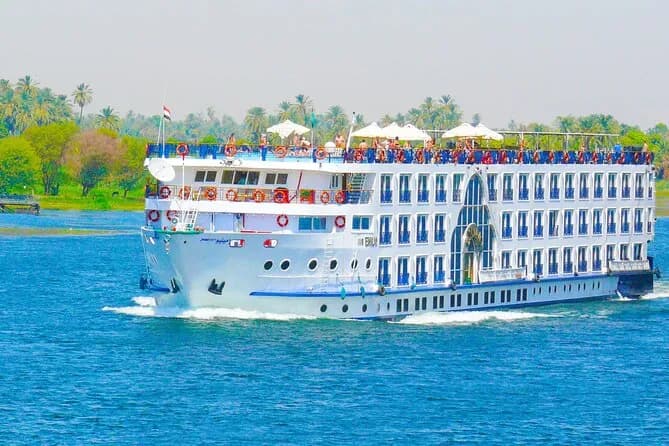
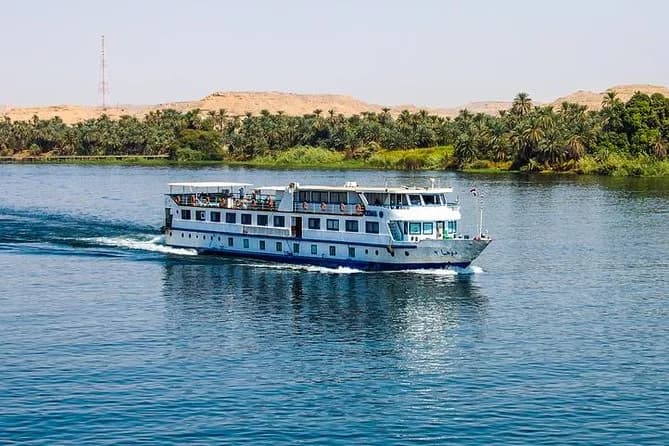
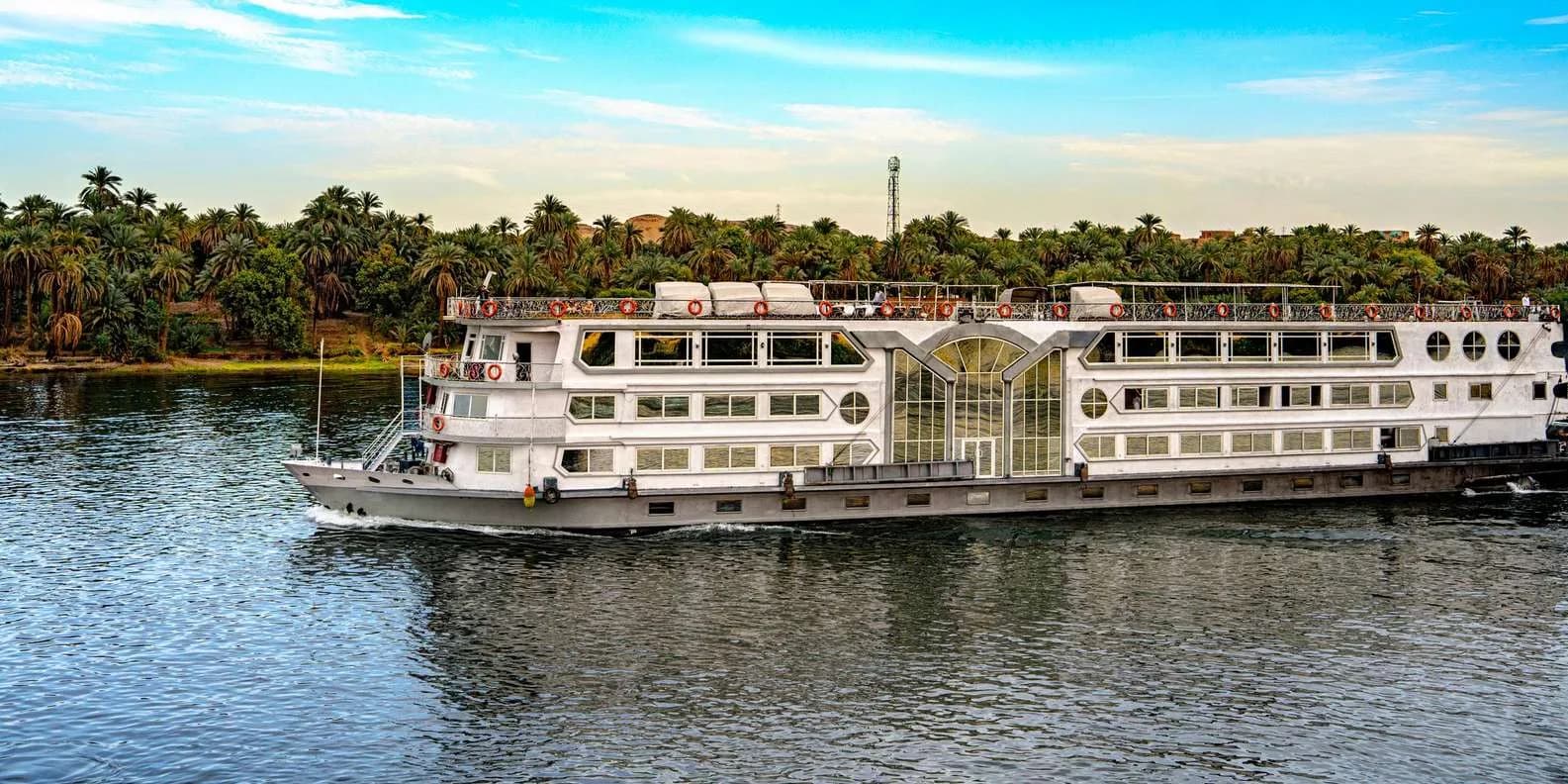
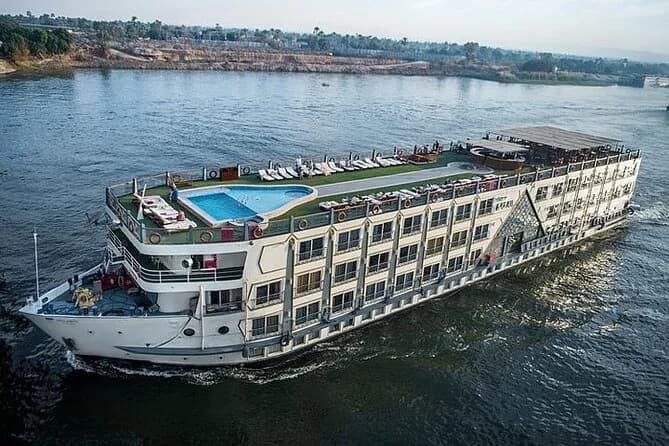
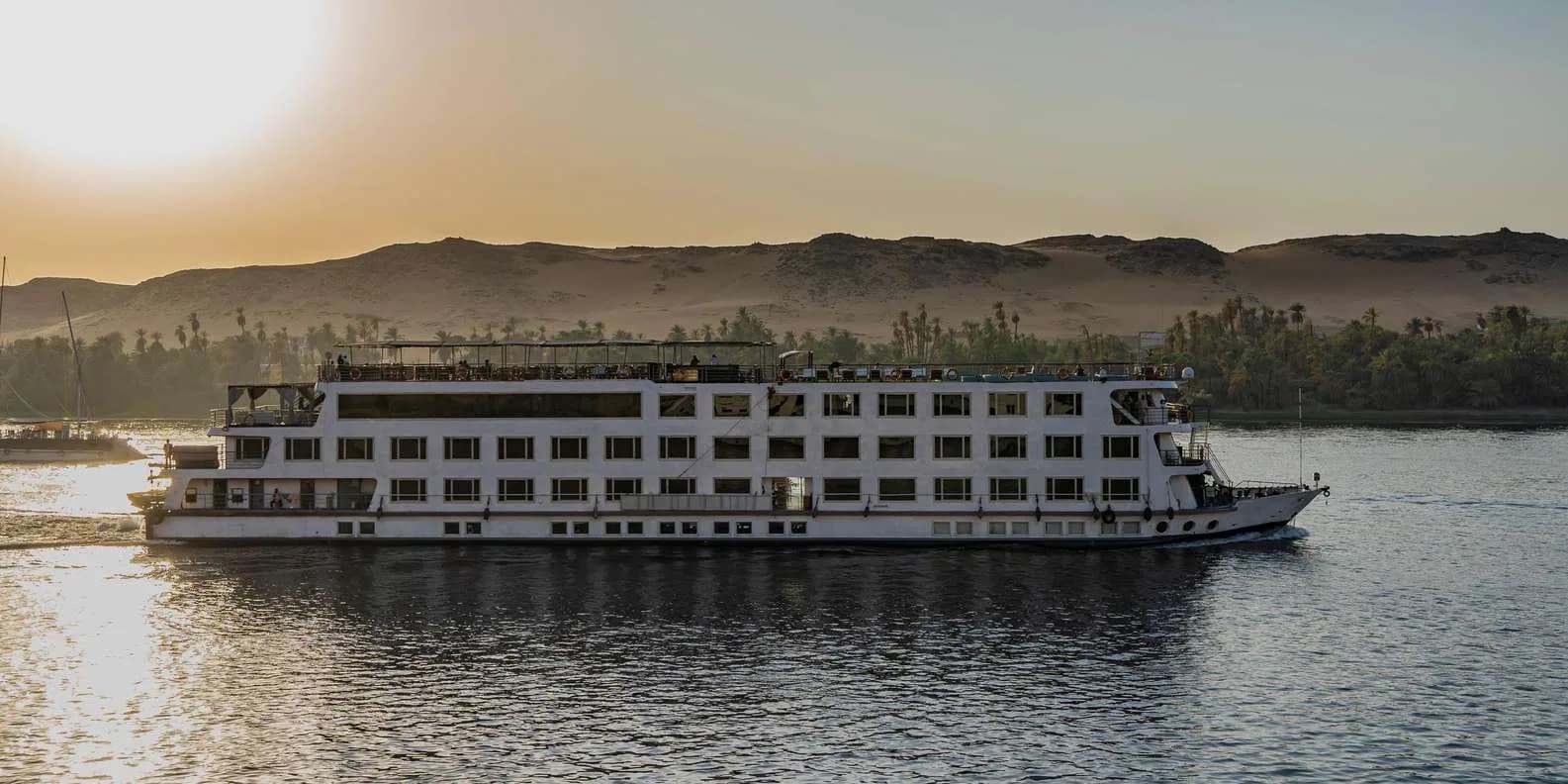
Cruise ships (nile cruisers) are floating hotels: four or five decks, 50 to 160 cabins, a sun deck with a small pool, restaurants, a bar, sometimes a spa. They're comfortable, air-conditioned, stable and social. The trade-off is scale — at popular stops a dozen ships moor side by side and you cross other boats' decks to reach the gangway, and shore visits move as a large group.
Dahabiyas are traditional twin-sailed wooden boats carrying a dozen guests or fewer. They sail (partly) under wind, moor at quiet sandbanks the big ships can't reach, and move at a slow, private pace. They cost more per night and have fewer facilities (usually no pool), but for romance and calm they're unbeatable — full detail in the dahabiya Nile cruise guide.
At the top end sit suite-only, small-capacity boats like The Oberoi Philae and Zahra and the Sonesta Star Goddess, plus international lines — Viking, AmaWaterways and Uniworld — that run 11-to-12-night round trips out of Cairo with a full land programme bolted on. Those premium round-Cairo sailings run from roughly US$5,800 to US$16,000 per person, and we cover the best of them in The best luxury Nile cruises and dahabiyas.
What's included (and what isn't)
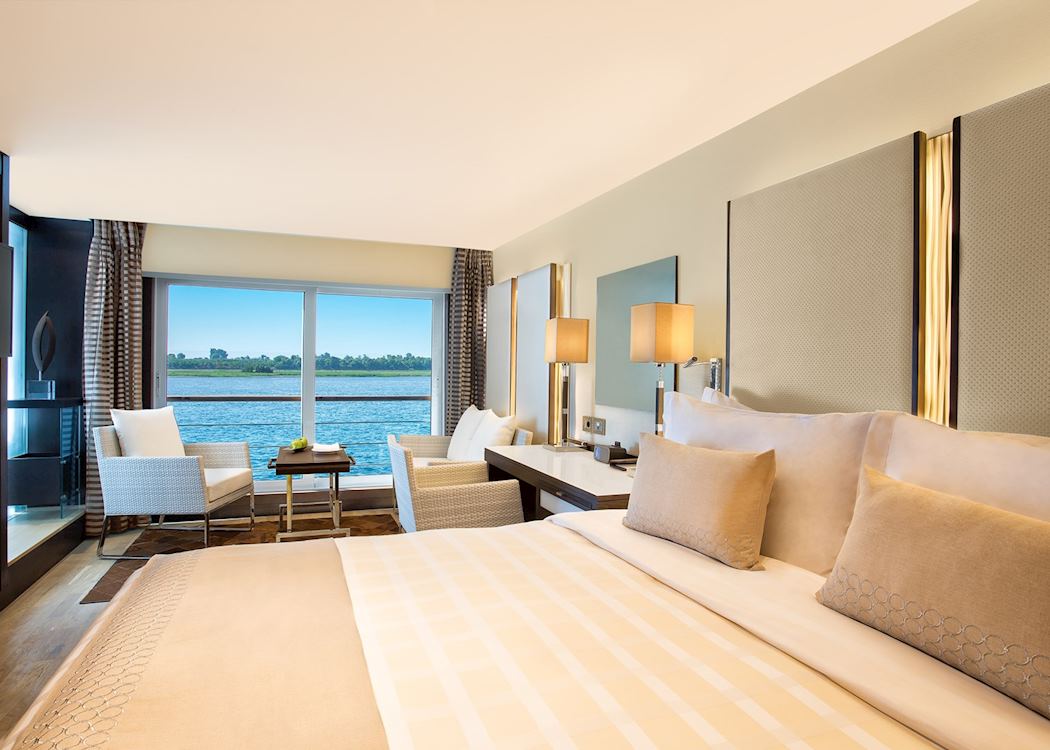
Standard 5-star cruise fares are close to all-inclusive of the essentials.
Usually included:
- Cabin accommodation for the nights of the cruise
- Three meals a day (mostly buffet; suite ships often do à la carte)
- Guided temple visits with a licensed Egyptologist
- Temple entrance fees on the standard itinerary
- Transfers between the boat and each site
- Onboard entertainment — a Nubian show, a galabeya party
Usually extra:
- Drinks — bottled water is sometimes included, but soft drinks, coffee and especially alcohol are billed on top and marked up. A beer can run 100–180 EGP onboard.
- Crew and guide tips — budget roughly US$8–12 per person per day for the crew tip box, plus a separate tip for your Egyptologist. This is expected, not optional.
- Abu Simbel — not on the standard route. The day trip from Aswan is a paid add-on, typically US$85–120 per person by road.
- Domestic flights to Luxor or Aswan, spa treatments, and optional excursions like a hot-air balloon over Luxor or a felucca sail.
Read the fine print on entrance fees. A few budget boats quote a low headline price then bill temple tickets separately — which can add US$60–100 (about 3,000–5,000 EGP) per person across the trip.
When to go: the Nile month by month
Upper Egypt is desert, so «season» here means heat, not rain.
| Season | Months | What to expect |
|---|---|---|
| Peak | Oct–Feb | Warm days (25–30°C), cool nights, calm river, biggest crowds, highest prices |
| Shoulder | Mar–Apr | Still pleasant, thinner crowds; watch for the khamsin dust winds |
| Low | May–Sep | 40°C+ in Luxor and Aswan; cheapest fares, quietest boats, brutal midday sun |
October to April is the classic window: comfortable temperatures for standing in open temple courtyards, and warm enough for the sun deck. December and January are the busiest and priciest, and coincide with the Esna lock closure — plan around it. Summer cruises are genuinely hot (Aswan regularly tops 42°C) but the boats are air-conditioned, prices drop sharply, and if you sightsee at dawn and rest at midday it's doable.
What a Nile cruise costs in 2026
Prices below are per person, double occupancy, for the cruise portion only (flights extra). We've pulled the ranges from live 2026 operator rates across the fleet, at roughly 48–49 EGP to the US dollar.
| Cruise type | 3–4 nights, per person | Roughly per night | Notes |
|---|---|---|---|
| Budget ship | US$95–350 (~4,600–17,000 EGP) | from ~US$30 | Cheapest Jaz and older hulls; confirm temple tickets aren't extra |
| Standard 5-star | US$650–1,300 (~31,000–63,000 EGP) | ~US$160–320 | Sonesta, Mövenpick, Jaz Regent — the mainstream pick |
| Boutique / suite | US$1,300–3,800 (~63,000–184,000 EGP) | ~US$325+ | Historia, Star Goddess, Le Fayan short sailings |
| Dahabiya (cabin) | US$1,400–2,250 (~68,000–109,000 EGP) | ~US$350+ | 7-night norm; slow sail, tiny guest count |
| International premium | US$5,800–16,000 (11–12 nights, incl. Cairo) | — | Viking, AmaWaterways, Uniworld round-trip Cairo |
In our own catalogue, Cruises & Sailing experiences run a median of around 13,900 EGP and climb well past 50,000 EGP for premium multi-day sailings — the widest price spread of any category we sell, which is exactly what you'd expect from a market that spans backpacker boats to private charters. Aswan, the usual cruise gateway, is also our priciest city by median experience price, so budget accordingly.
Budget more for: the Abu Simbel add-on (US$85–120), tips (US$40–60 per person over four nights), drinks, and the domestic flights to reach Luxor or Aswan. All in, a comfortable 4-night 5-star cruise with flights and extras usually lands somewhere between US$900 and US$1,700 per person (roughly 44,000–82,000 EGP).
How to choose a good cruise (and avoid a bad one)
Quality varies enormously between boats that all call themselves «5-star,» so:
- Read recent reviews, not the brochure. Refurbishment dates matter — a boat relaunched in the last two years is a different experience from a tired 2005 hull. Several fine ships (Historia, Le Fayan Suites, the newest Viking boats) only launched in 2021–2025.
- Confirm the Egyptologist is licensed and that guided visits (not just «free time» at temples) are included. The guide makes or breaks the trip.
- Check what's genuinely included — entrance fees, drinks, transfers, the Abu Simbel option — so you can compare like with like.
- Cabin location: upper decks have better views; lower decks are cheaper and steadier. Avoid a cabin directly over the engine at the stern.
- Book the boat, then the itinerary. A great boat on a tight 3-night schedule beats a mediocre one on 4 nights.
Practical tips for your cruise
A few things seasoned Nile cruisers know:
- Pack layers. Days are hot but early-morning temple starts and evenings on deck get cool, especially December–February. A light scarf doubles as sun cover and modest dress for temples.
- Bring small notes for tips — the crew tip box and your guide expect cash, and small denominations make it easier.
- Cash and cards: boats take cards for the bar bill, but you'll want cash for tips, felucca rides, market stalls in Aswan and the calèche driver at Edfu.
- Sun and stomach: the sun deck is relentless at midday — hat, sunscreen, water. Stick to bottled or filtered water and you'll usually be fine.
- Wi-Fi is patchy and often paid; treat the disconnection as part of the experience or buy a local SIM before you board.
- Book flights that leave room — don't schedule a same-day international connection out of Luxor after disembarking; give yourself a buffer.
Beyond the classic cruise
Two variations are worth knowing about. A felucca ride is the cheap, timeless version — a short sail on a traditional wooden boat, best at sunset in Aswan, or a rough-and-ready multi-day deck-sleeping trip for backpackers. And Lake Nasser cruises sail the reservoir south of the High Dam past a string of rescued Nubian temples — including Abu Simbel approached dramatically from the water — with a fraction of the crowds. Neither replaces the main Luxor–Aswan cruise, but both make brilliant additions if you have the days.
Ready to book a Nile cruise?
What guests say
Independent traveller reviews of boats in our directory, quoted with attribution via Tripadvisor and Cruise Critic:
- ★★★★★ “Excellent service by happy people. The reception and restaurant/bar staff were beyond amazing.” — RJRoberta (UAE), on Historia the Boutique Hotel · via Tripadvisor
- ★★★★★ “Everything was impeccable from start to finish—a truly unforgettable luxury experience.” — Rían O, on Anoush (dahabiya) · via Tripadvisor
- ★★★★★ “Great cruise boat. I really enjoyed the room with the view.” — CFC_KL (Kuala Lumpur), on Jaz Crown Jubilee · via Tripadvisor
Start by deciding your length and tier, then compare live sailings by rating and price. Browse the current Nile cruises and river sailings on This is Egypt search and filter by departure city and number of nights — most first-timers land on a 4-night Luxor-to-Aswan boat in the standard 5-star tier, which is the best balance of comfort, coverage and cost on the river.
A sample 3-night Nile cruise itinerary
Most short Nile cruises follow the same Aswan–Luxor shape. A typical 3-night sailing runs roughly like this (a Luxor–Aswan cruise simply reverses it):
- Day 1 — Aswan. Board in the afternoon; visit the island temple of Philae and the High Dam, then settle in for the first night moored at Aswan.
- Day 2 — Kom Ombo & Edfu. Sail north to the riverside double temple of Kom Ombo, then on to Edfu and the superbly preserved Temple of Horus (reached by a short horse-carriage ride), before passing through the Esna lock and continuing toward Luxor.
- Day 3 — Luxor. The great temples: Karnak and Luxor Temple on the East Bank, and the Valley of the Kings and Hatshepsut's temple on the West Bank.
- Day 4 — Luxor. Disembark after breakfast.
A 4-night sailing adds an extra stop or a slower pace; a 7-night cruise does the full round trip. Exact timings vary by boat and departure — the sequence of temples is the constant.
A real team available 24/7 to assist you — free
Seif and the team reply on WhatsApp 24/7 — trip questions, custom plans and booking help.
Ask Seif on WhatsAppCommon questions
How many nights should a Nile cruise be?
Four nights is the sweet spot — it covers every major temple between Luxor and Aswan without feeling rushed and gives you a full day in each city. Three nights works if time is tight but is a little brisk. Seven-night round-trips suit slower holidays and are standard for dahabiya sailboats.
What's the difference between Luxor-to-Aswan and Aswan-to-Luxor?
You see the same temples in reverse order. Luxor-to-Aswan (upstream) front-loads Luxor's biggest sites and ends in Aswan, which sets up an Abu Simbel add-on. Aswan-to-Luxor eases you in and saves Luxor's temple overload for last. Direction matters less than the boat and length.
What temples does a Nile cruise stop at?
A standard Luxor–Aswan cruise visits Karnak and Luxor Temple and the Valley of the Kings around Luxor, locks through at Esna, then calls at Edfu (Temple of Horus) and Kom Ombo (Temple of Sobek) on the way to Aswan, where you see Philae Temple, the High Dam and usually the Unfinished Obelisk.
How much does a Nile cruise cost in 2026?
Budget ships start around US$95–350 per person for 3–4 nights, standard 5-star runs US$650–1,300 (about 31,000–63,000 EGP), boutique and suite boats US$1,300–3,800, and dahabiyas from US$1,400. Add tips (US$40–60), drinks, Abu Simbel (US$85–120) and flights. A comfortable all-in 4-night cruise usually lands between US$900 and US$1,700 per person.
How do I choose which cruise ship to book?
Think in tiers — budget, standard 5-star, boutique/suite, ultra-luxury, or a dahabiya sailboat. Check the boat's refurbishment date, confirm a licensed Egyptologist and entrance fees are included, and pick your cabin on an upper deck away from the engine. Our Nile cruise ships 2026 guide compares boats one by one.
What's included in a Nile cruise price?
Standard 5-star fares include your cabin, three meals a day, guided temple visits with a licensed Egyptologist, standard entrance fees, and transfers. Drinks (especially alcohol), crew and guide tips, the Abu Simbel day trip, domestic flights and spa treatments are usually extra.
What's the best time of year for a Nile cruise?
October to April brings comfortable temperatures for standing in open temples, along with the biggest crowds and highest prices. Summer (May–September) is very hot — Aswan tops 42°C — but boats are air-conditioned and fares drop sharply if you sightsee at dawn and rest at midday. Note the Esna lock closes for about two weeks each December.
Ship or dahabiya — which is better?
A cruise ship is a comfortable floating hotel with a pool, bars and 50–160 guests — great for first-timers, families and value. A dahabiya is a traditional sailboat carrying a dozen guests or fewer, mooring at quiet spots the big boats can't reach — the choice for romance and calm, at a higher price per night.
Does a Nile cruise include Abu Simbel?
No — Abu Simbel is not on the standard Luxor–Aswan route. It's a paid add-on, usually a day trip from Aswan by road for about US$85–120 per person. Lake Nasser cruises are the exception; they sail right up to the temples from the water.
How many Nile cruise ships and dahabiyas are there?
This is Egypt's directory lists 68 five-star Nile cruise ships and 105 dahabiyas (traditional sailing boats) between Luxor and Aswan — operators include Viking, Mövenpick, Oriental Nile Cruises, Nour El Nil and Lazuli. Cruise ships carry roughly 6–80 cabins (typically around 50); dahabiyas are far smaller at 4–17 cabins (about 8 on average). Standard itineraries run 3, 4 or 7 nights.
How many nights is a Nile cruise?
Most Nile cruises run 3 nights (Aswan to Luxor), 4 nights (Luxor to Aswan) or 7 nights (a round trip); a few dahabiyas offer 5-night sailings. Across the fleet, 3- and 4-night trips are by far the most common.
Book it on This is Egypt
Turn this guide into a trip



Egypt's bestsellers
The experiences travelers book most, across the country




Attractions in this guide
Plan your Nile cruise
Popular Nile cruise ships
Free downloads
Take the Nile home with you
Two illustrated PDFs, no email required: our 12-page introduction to choosing between a cruise ship and a dahabiya, and the classic 4-night Luxor to Aswan itinerary, day by day.
Keep reading
Nile Cruise from Aswan to Luxor (or Luxor to Aswan): 2026 Guide
A 3 or 4 night cruise between Aswan and Luxor is the classic way to see Egypt's temples. The stops, real prices, why direction and boat choice matter, and how to avoid a bad one.
By TiE Editors9 min read
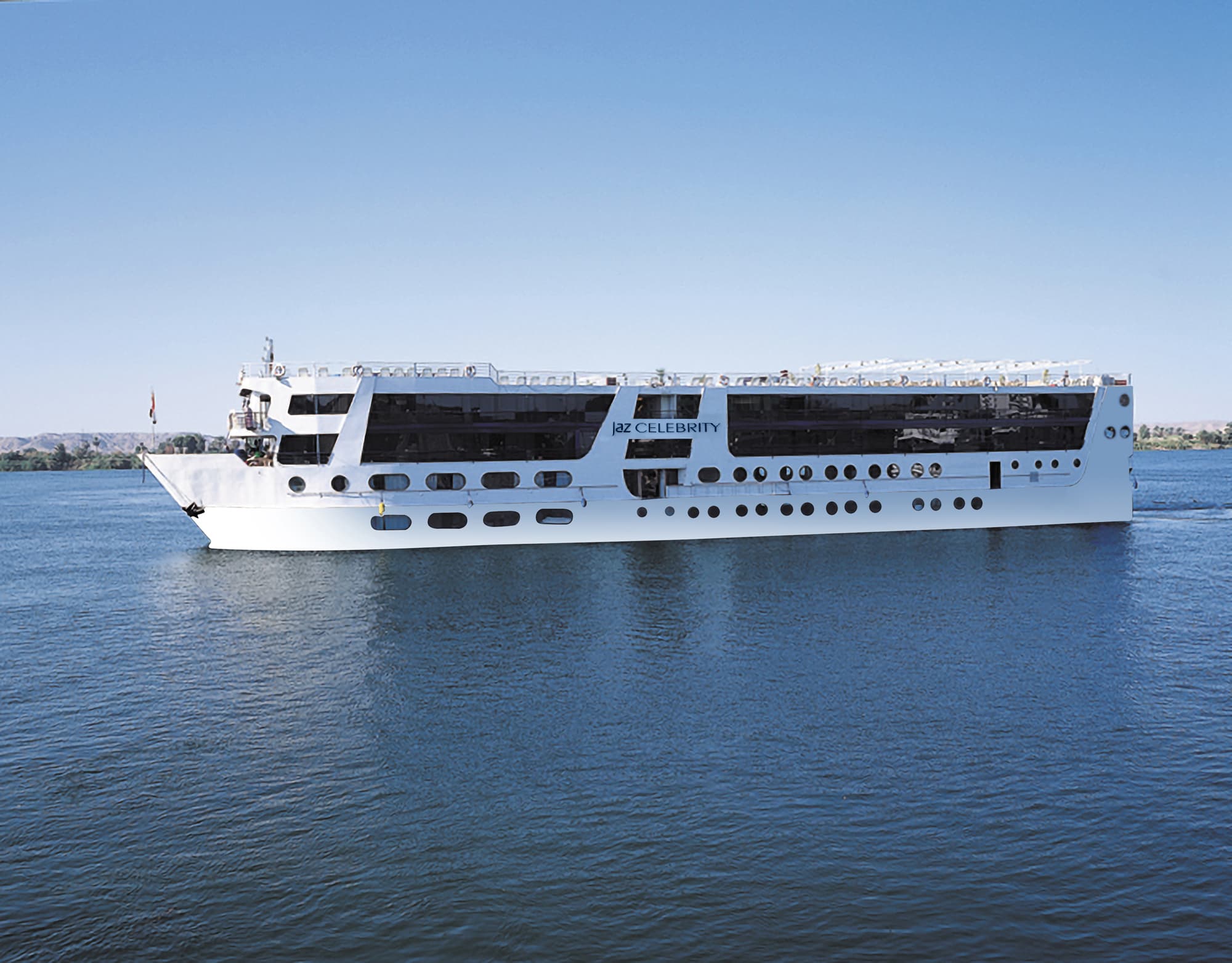
Jaz Nile Cruises (2026): Fleet, Routes & How to Book
Jaz is the Nile cruise arm of JAZ Voyages, part of Travco Group, and runs the largest fleet in our directory: twelve ships on the Luxor–Aswan route plus three Farouz El Nil dahabiyas.
By TiE Editors6 min read
Nile Cruise for the 2027 Solar Eclipse (Aug 2): Sail Egypt's Totality
On 2 August 2027 a total solar eclipse passes over Luxor with 6+ minutes of totality. A Nile cruise is the best way to see it — in the path, accommodation solved. How eclipse sailings work and why to book early.
By TiE Editors5 min read