Nile Cruise vs Land Tour: Which Is Better for Egypt? (2026)
A 2026 head-to-head on cost, comfort, sites, pace, seasickness and food — so you know whether to sail the Luxor–Aswan stretch or base in hotels and day-trip out.
Nile Cruises & Dahabiyas
Turn this guide into a trip
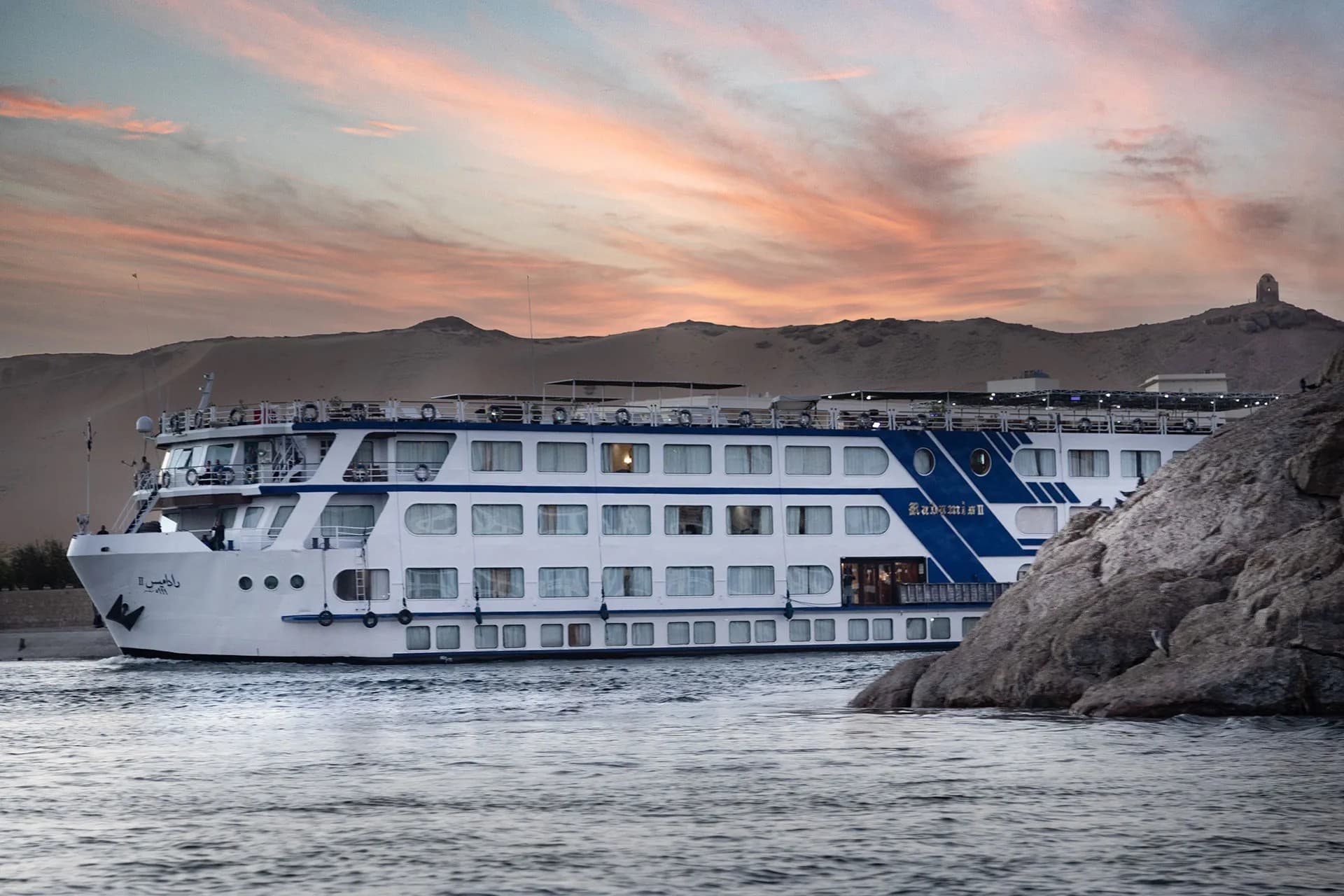
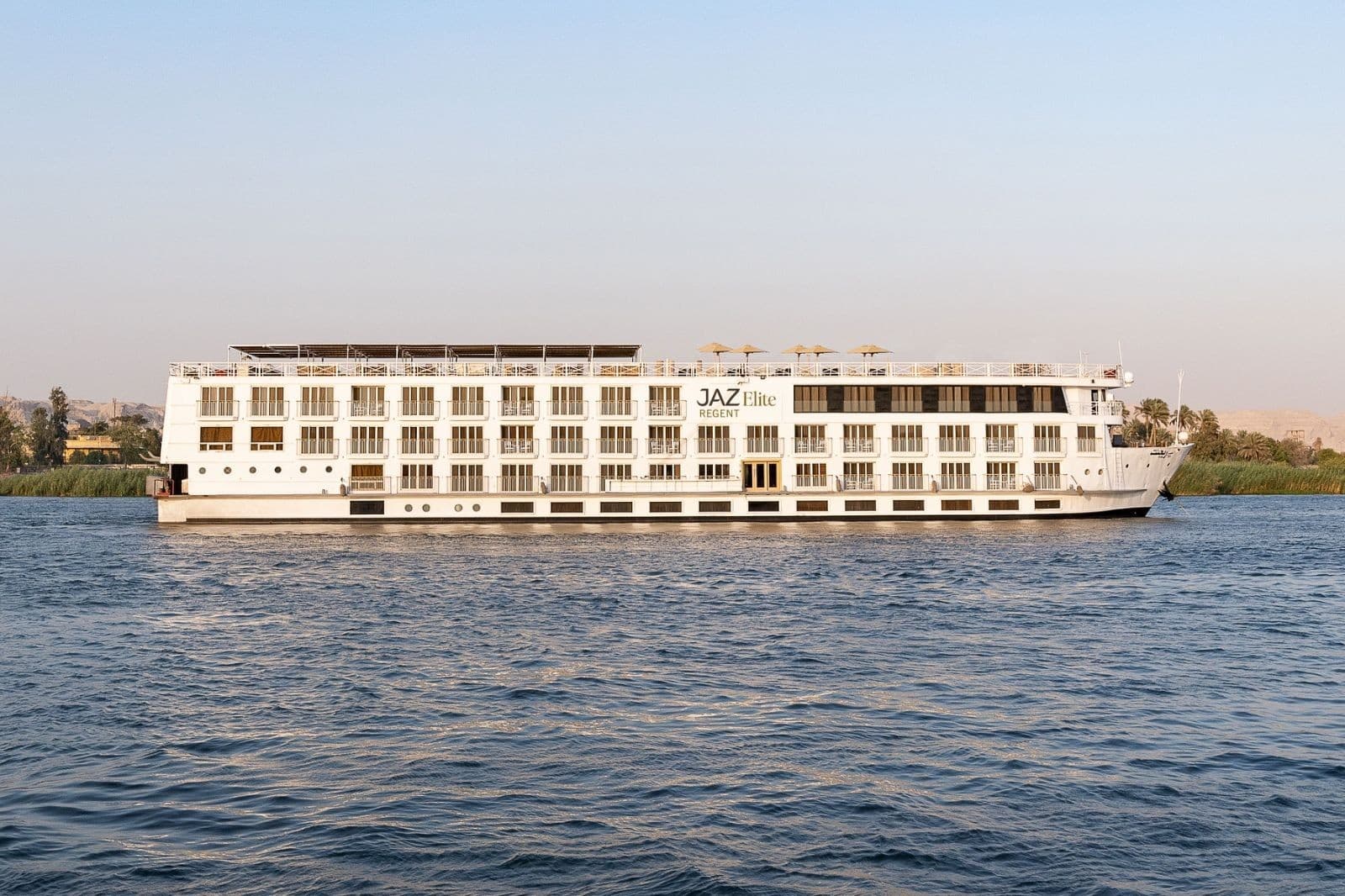
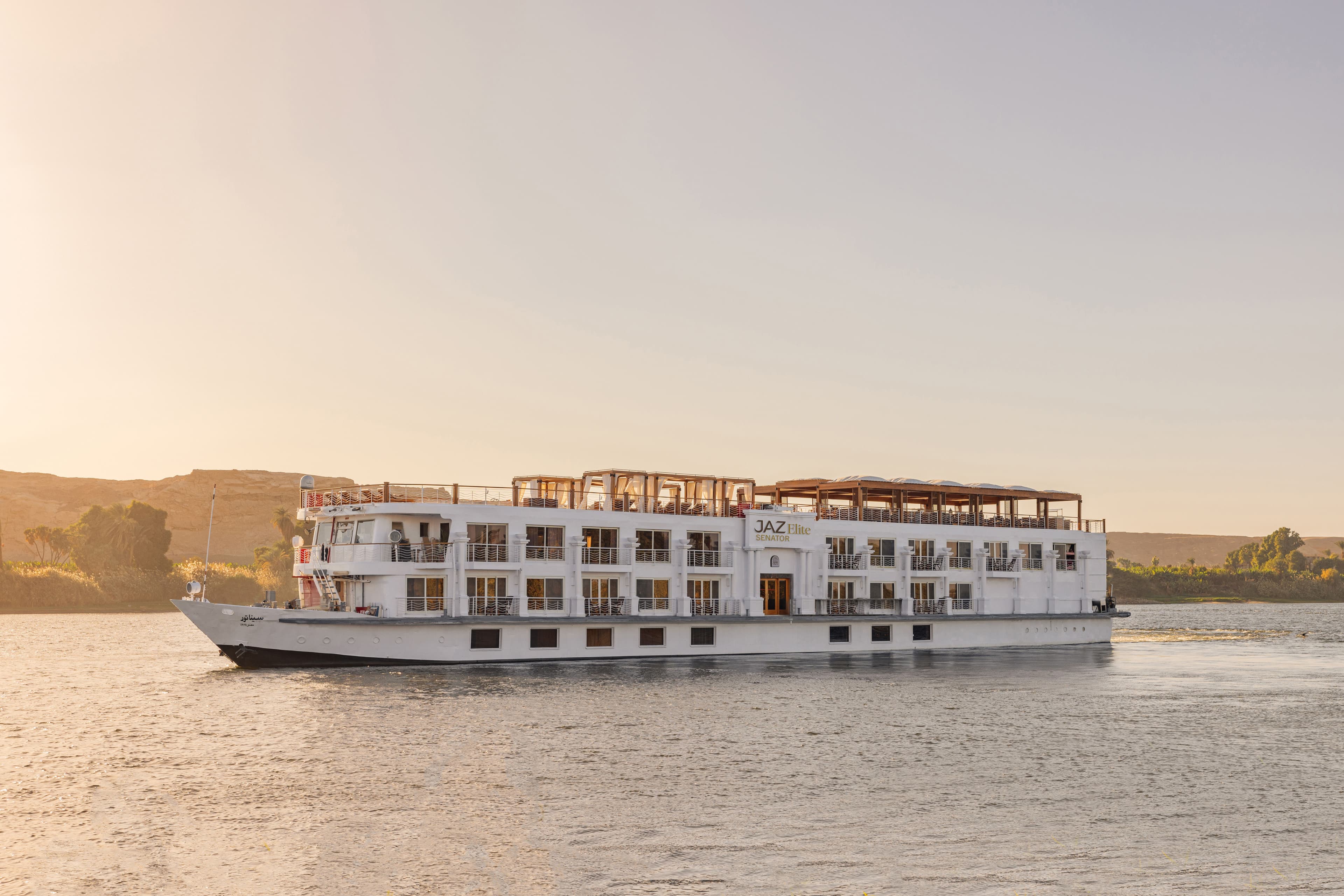
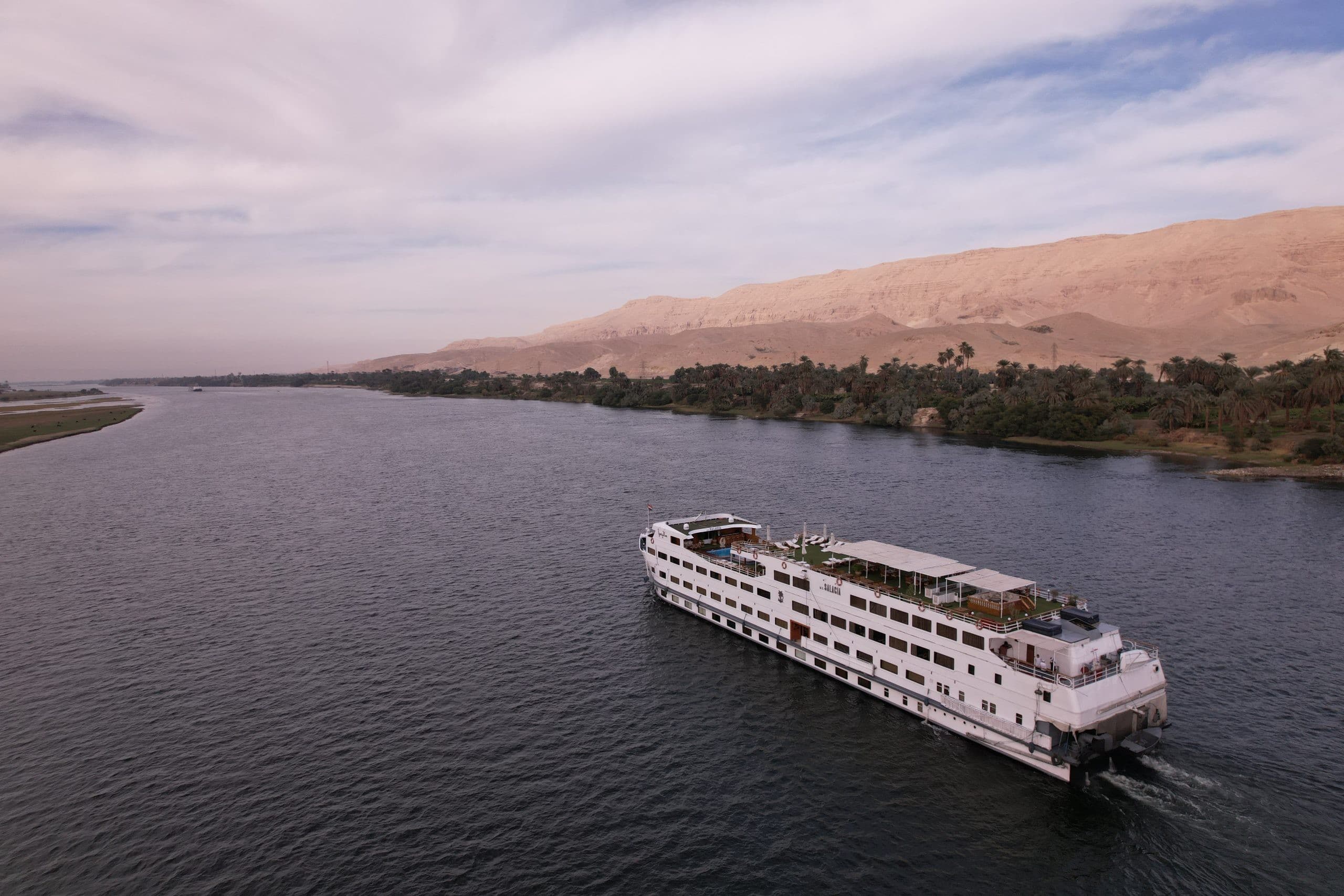
Quick answer: For the Luxor–Aswan stretch, a Nile cruise bundles transport, hotel and guided temple visits into one moving package and reaches Kom Ombo and Edfu effortlessly; a land tour keeps you in full-size hotel rooms and drives you out to the sites. A cruise wins on convenience and the riverside temples; a land tour wins on room comfort and flexibility.
For the Luxor–Aswan stretch, the real Egypt decision is a Nile cruise versus a land-based tour with hotels. A cruise bundles transport, accommodation and guided temple visits into one moving package and hands you Kom Ombo and Edfu effortlessly; a land tour keeps you in full-size hotel rooms and drives you out to the sites, trading convenience for flexibility, better food and more time at each temple. For most first-timers, the cruise wins on ease. Independent travellers, foodies, and anyone prone to seasickness, mobility limits or crowd fatigue often lean land. Plenty of people do both. Here is how the two actually compare in 2026, with real ships and real numbers.
The short answer
Book a Nile cruise if you want it all handled, you are seeing Egypt for the first time, and the romance of watching the river drift past matters to you. Book a land tour if you value flexibility, want to eat where locals eat, prefer to linger at sites on your own clock, or the idea of a floating hotel does not appeal. On the classic Luxor–Aswan corridor neither is objectively better — the question of a nile cruise vs land tour comes down to how you like to travel, and what you are willing to trade.
Head-to-head comparison
| Dimension | Nile cruise | Land tour |
|---|---|---|
| Logistics | One check-in; the boat moves you and your room together | Multiple hotels, transfers and more day-to-day admin |
| Kom Ombo & Edfu | Included effortlessly — the boat docks at both | Need a long day trip by road, often skipped |
| Time at each site | Fixed group schedule, usually 1–2 hours per stop | You set the pace and can linger or return |
| Food | Buffet-heavy, plentiful and safe, but repetitive | Restaurants, koshari, kebab, Nubian meals — real variety |
| Room & comfort | Cabins are smaller; some gentle motion | Full-size hotel rooms, no motion |
| Seasickness & mobility | River is calm; steep gangplanks and decks between moored boats | Solid ground, but long drives and frequent hotel changes |
| Crowds | Boats moor several deep; temples fill when a cluster arrives | Avoidable if you time visits early or late |
| Off-river sites | Bound to the water — no Giza, Abydos or desert from a boat | Free to add White Desert, Dendera, Abu Simbel, extra tombs |
| Typical cost (4 nights, pp) | ~US$220–1,600 all-in for most 5-star ships | ~US$400–1,400 once hotels, meals and tours are added |
| Best for | First-timers, families, hands-off travellers | Independent travellers, foodies, flexible planners |
What you actually see
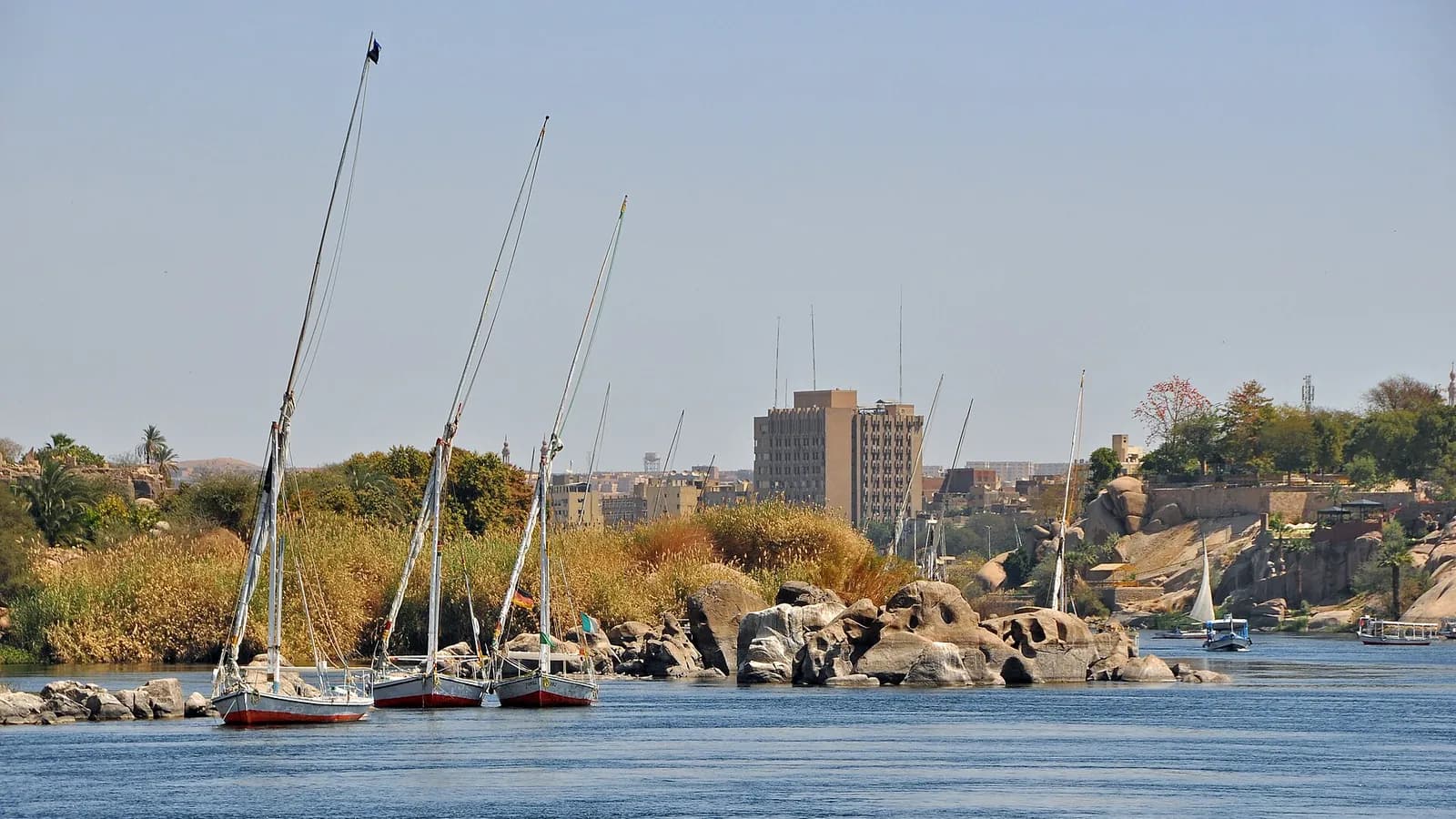
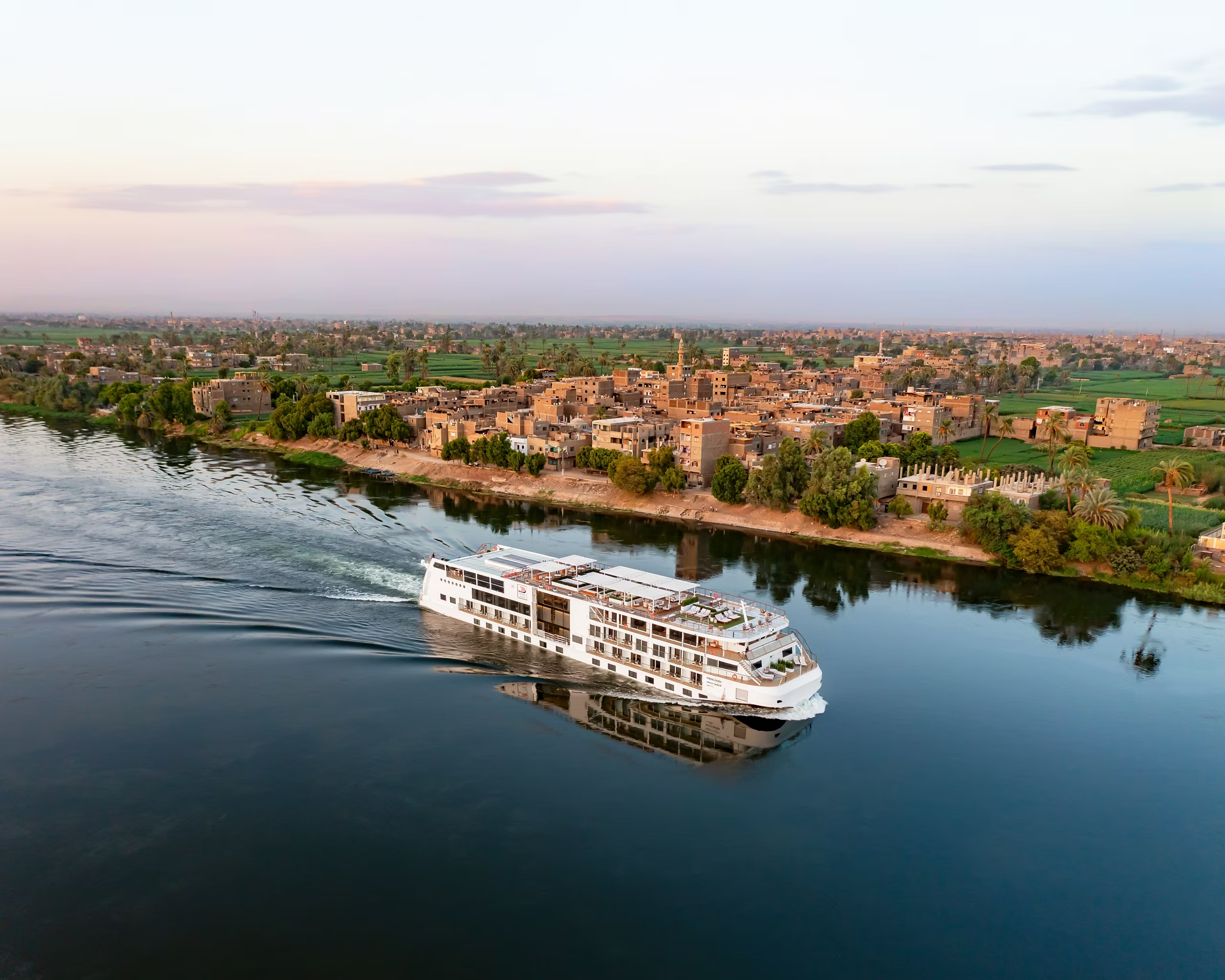
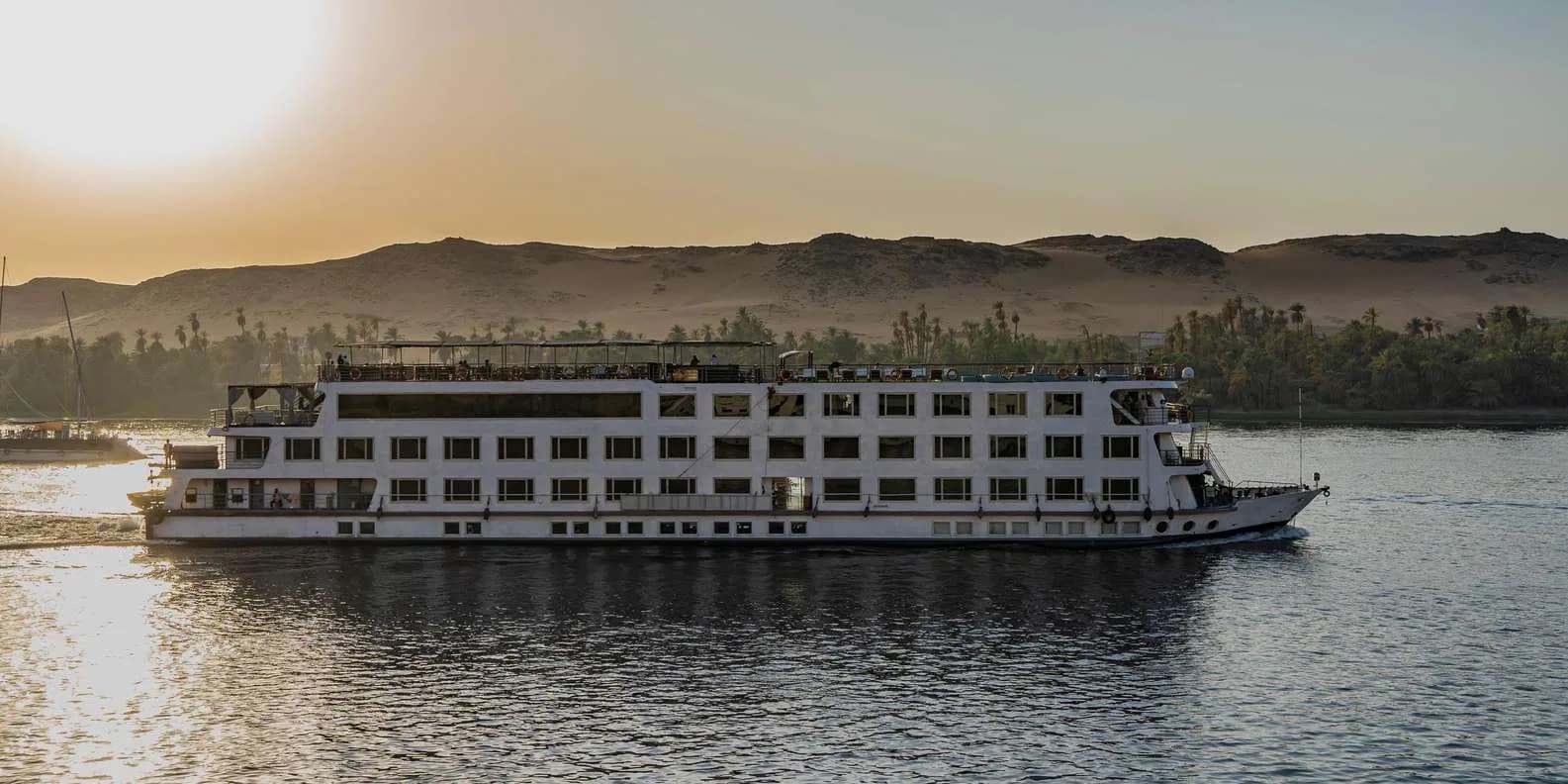
The cases split cleanly. From a cruise you watch Egypt from the water: date palms and sugar-cane fields, water buffalo at the bank, kids waving from mud-brick villages, and the slow theatre of the Esna lock — an engineering set-piece overland travellers never see. Between stops you visit the great river temples in logical order.
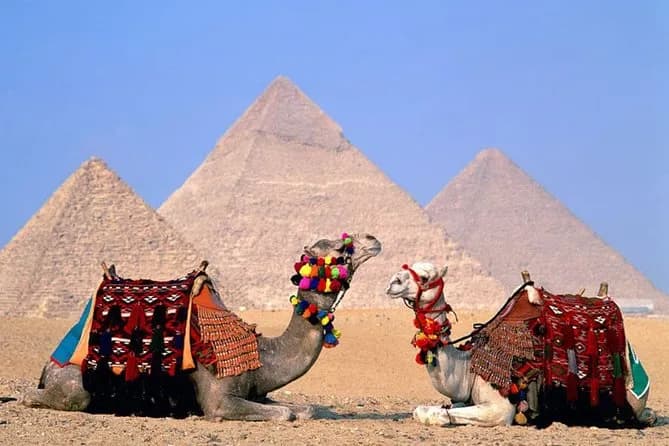
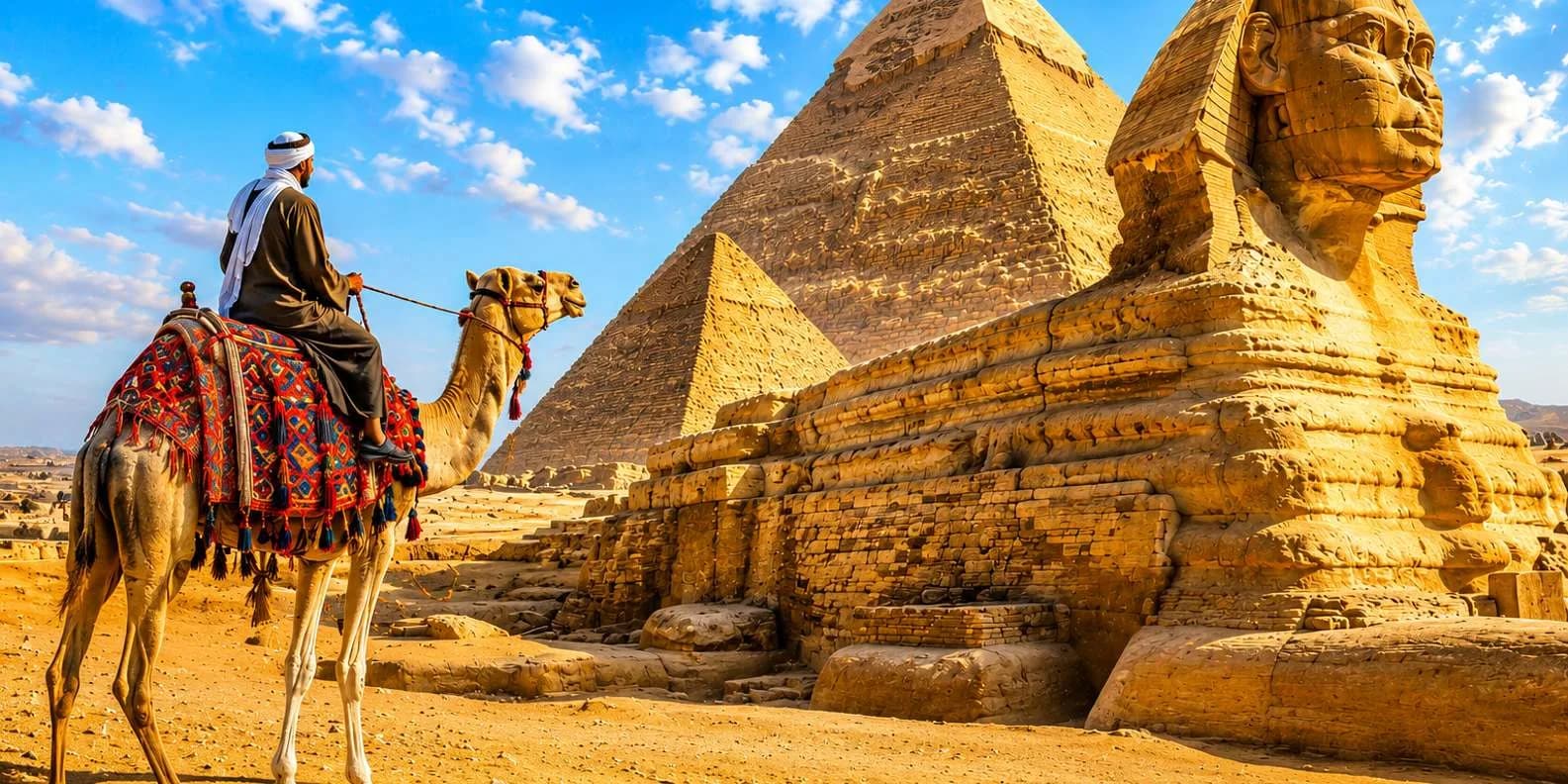
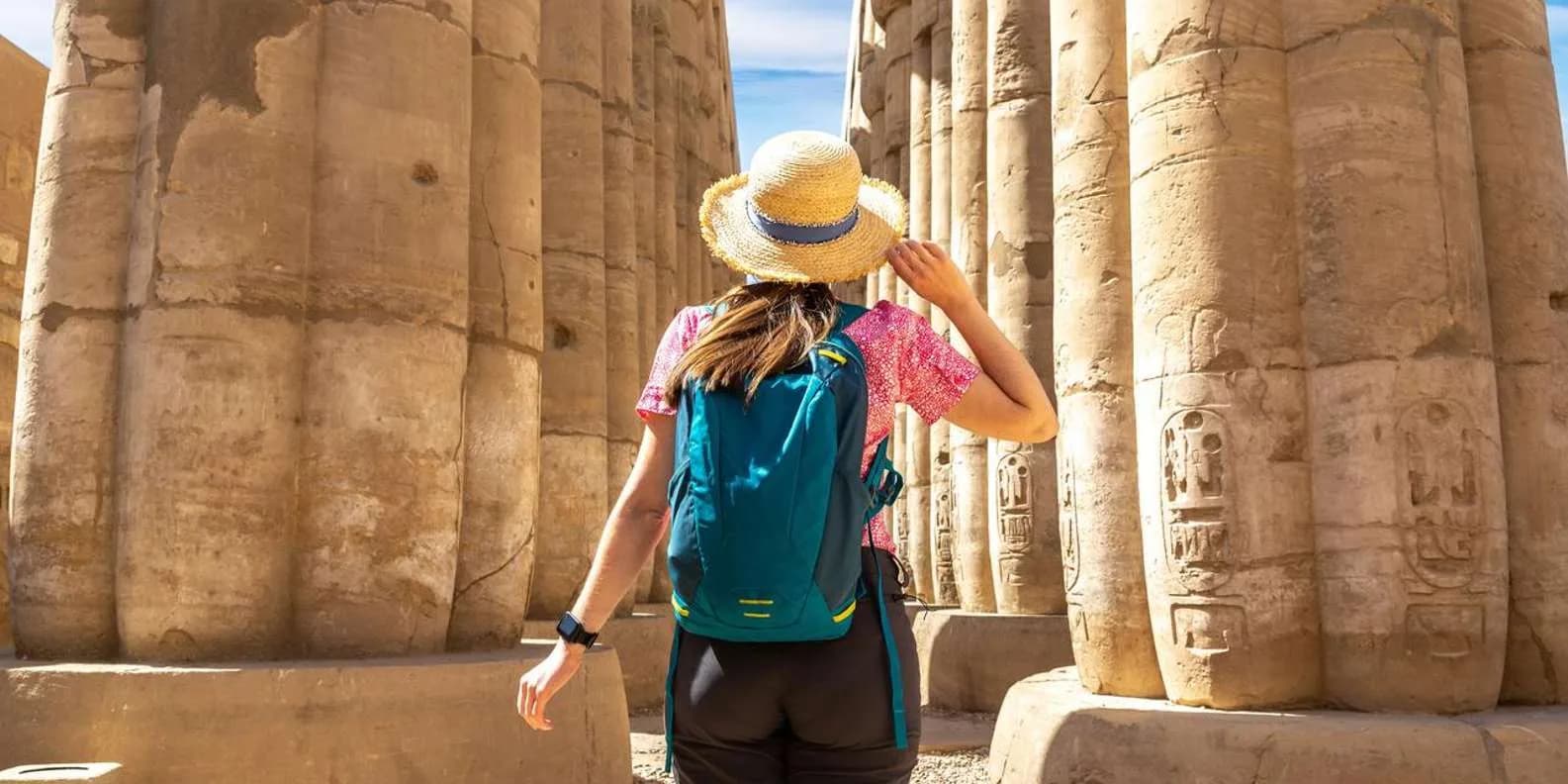
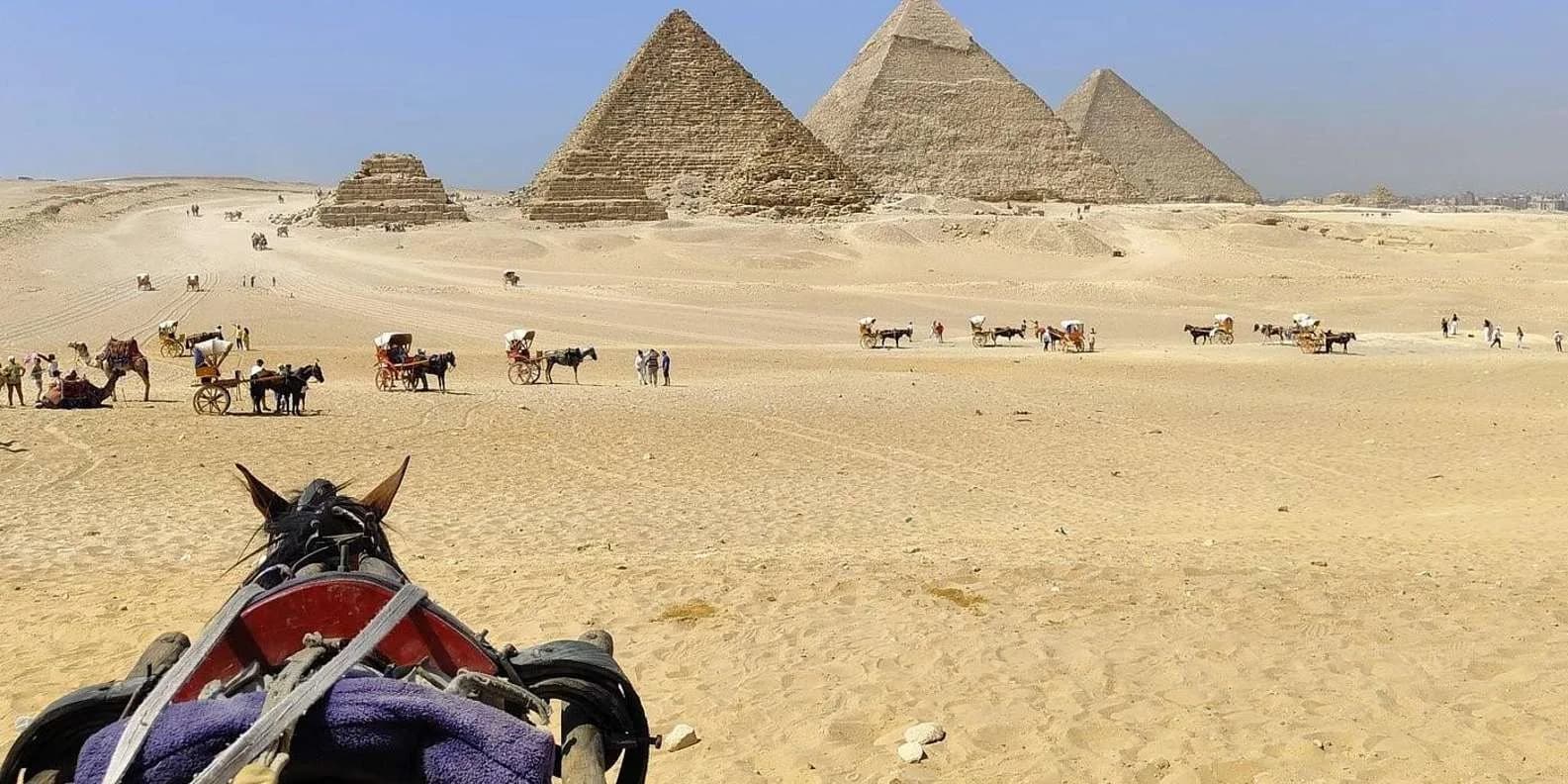
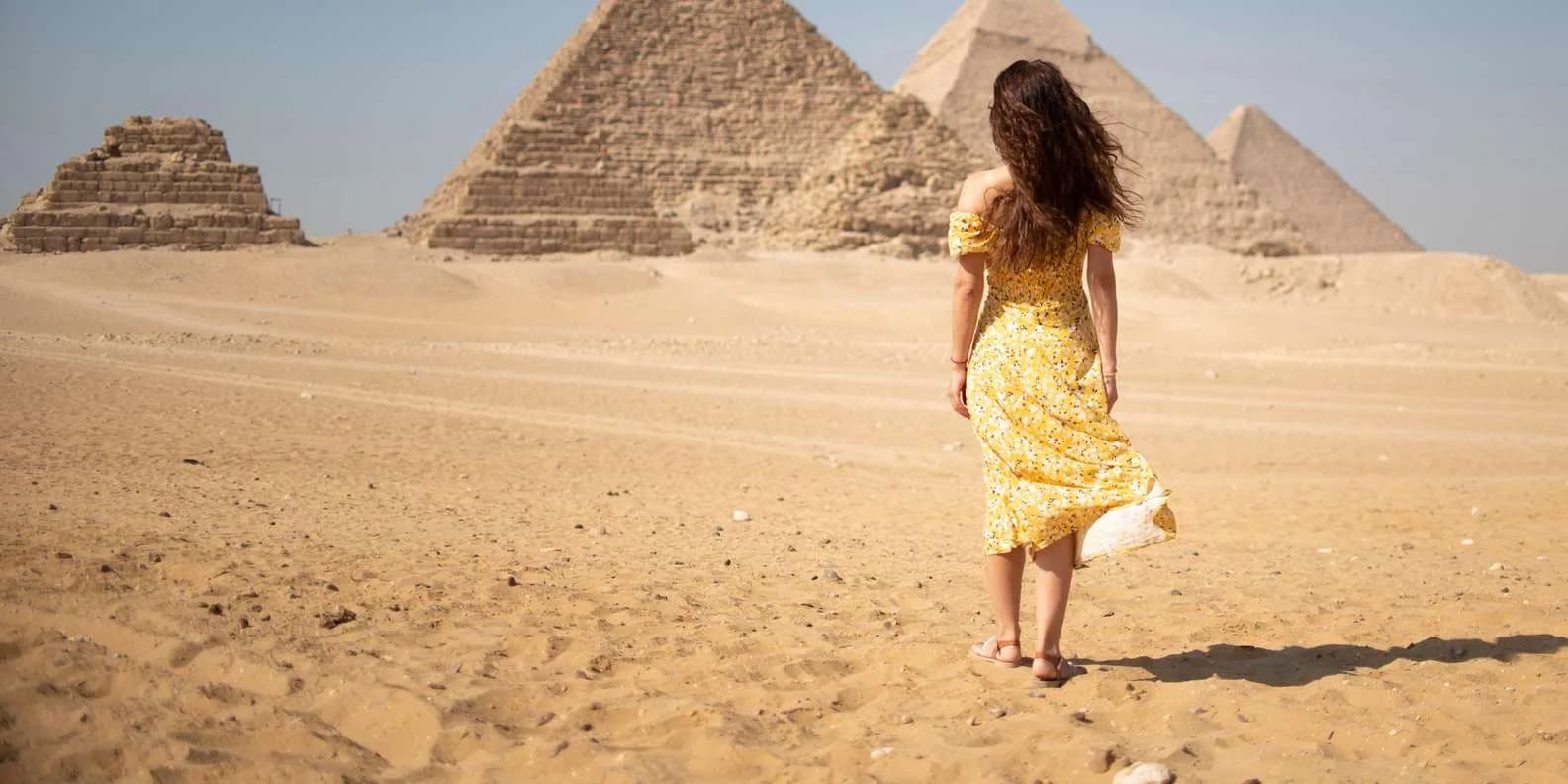
From a land tour you get everything the river gives you at Luxor and Aswan — Karnak, Luxor Temple, the Valley of the Kings, Philae, the High Dam — plus the freedom to bolt on places a boat cannot reach: Dendera and Abydos north of Luxor, extra tombs, even the White Desert if your trip is long enough. And the one thing no Luxor–Aswan boat can show you is the sight most people picture first: the Giza pyramids, near Cairo, which belong to the land side of any itinerary — which is why the egypt cruise vs hotel question is rarely all-or-nothing.
Sites: the cruise's trump card
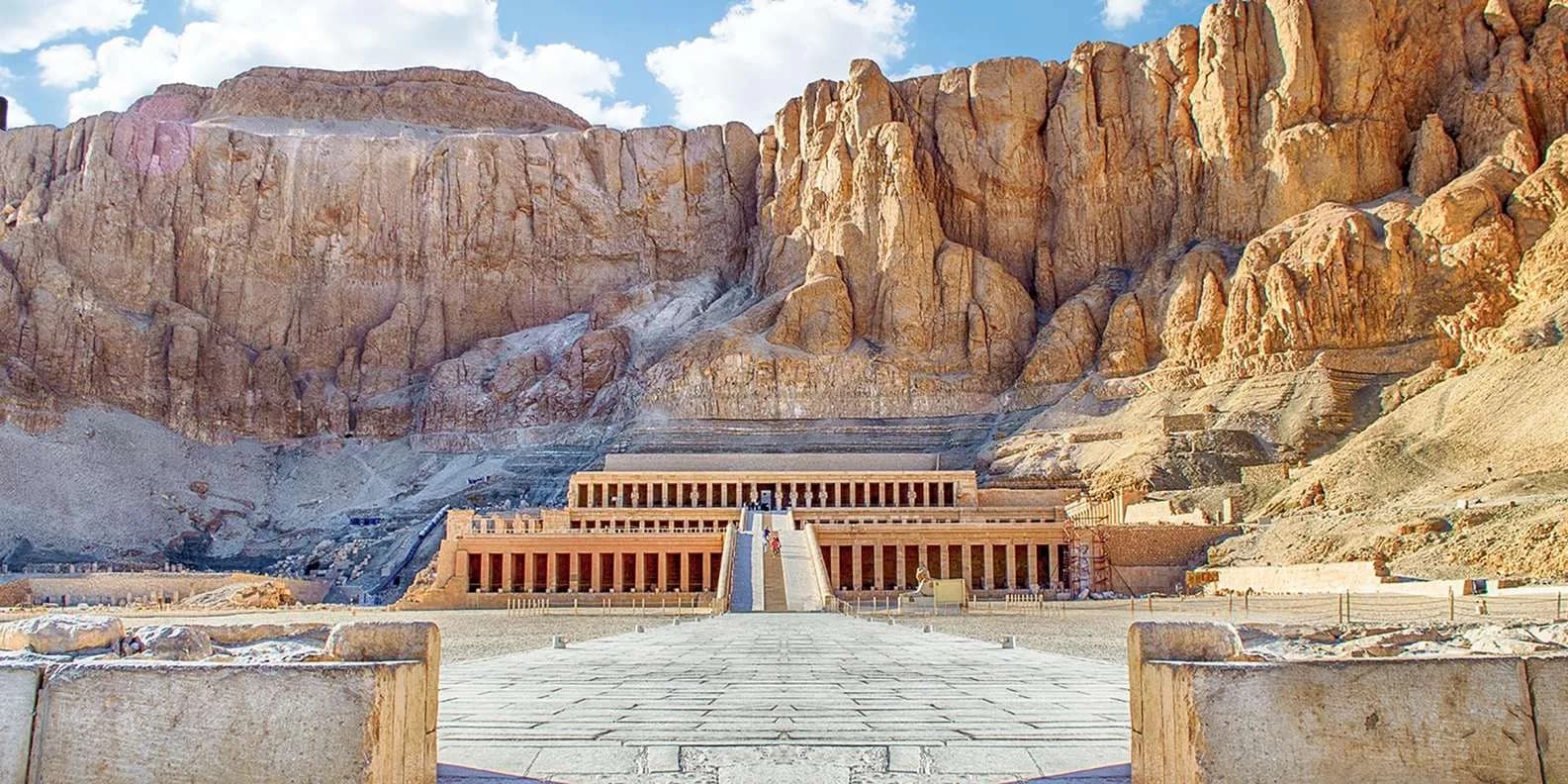
The single strongest argument for cruising is Kom Ombo and Edfu. These two temples sit on the river between Luxor and Aswan with nothing else nearby, and they are among the best-preserved on the whole Nile. On a cruise the boat simply pulls in — Kom Ombo stands right on the bank above its dock, Edfu is a short calèche ride inland — and you visit as the ship travels, usually at first light or golden hour. On a land tour you reach the same two temples via a long round-trip drive from Luxor or Aswan, which many overland travellers either endure as a full-day excursion or quietly skip.
Everything else clusters around the two cities where you would be based on land anyway, so the river really only buys you those two mid-stream temples and the Esna lock — but for many people that is enough to tip a nile cruise or land tour decision toward the water. For the ship-by-ship picture, our 2026 Nile cruise ships guide breaks down fleets, cabins and routes.
Comfort, cabins and pace
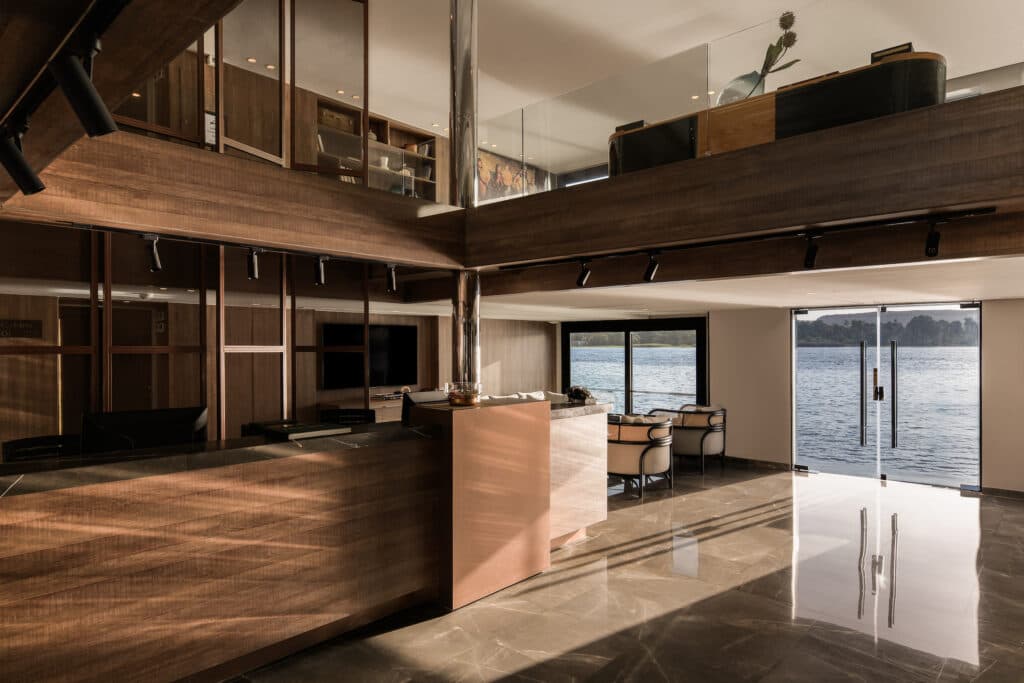
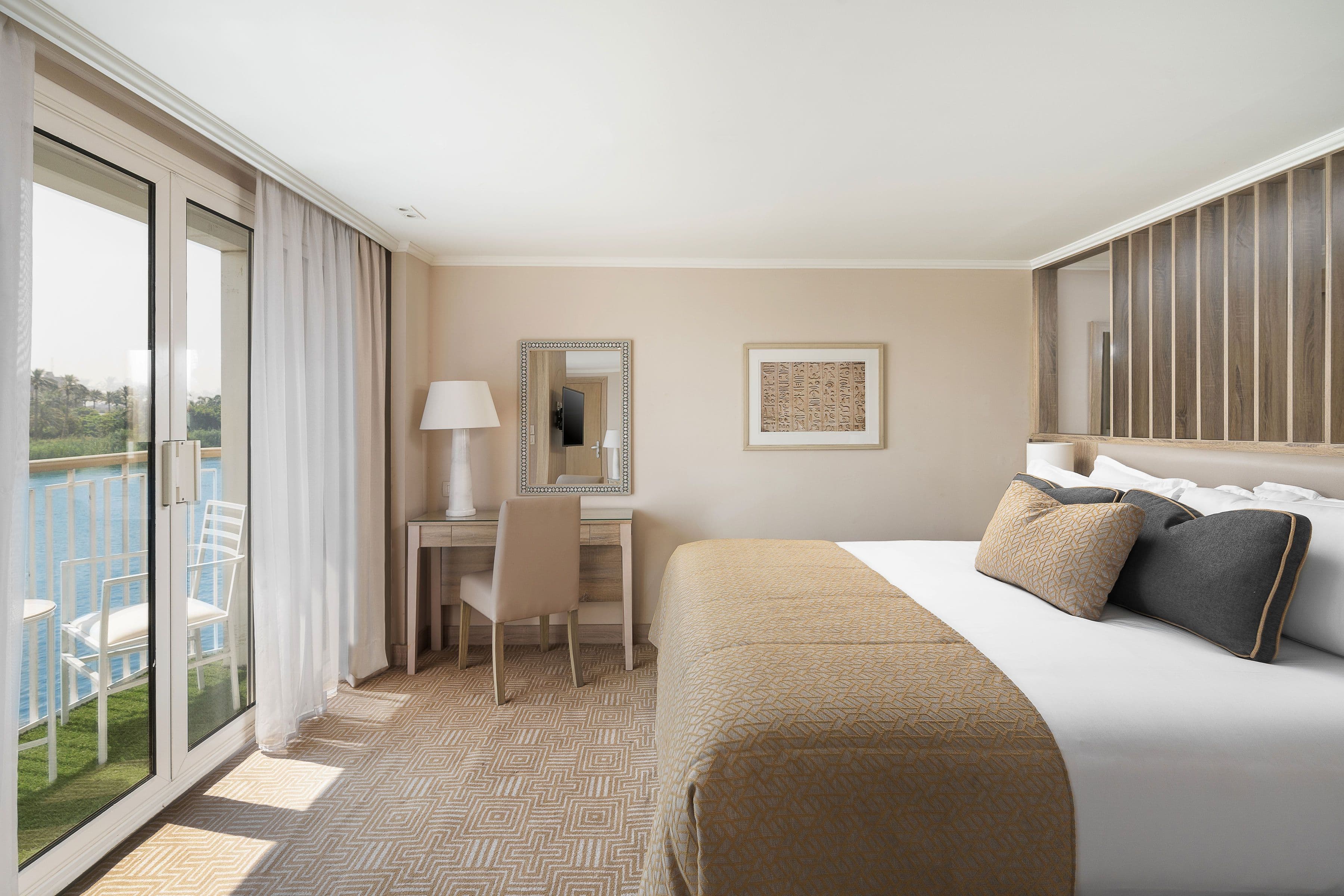
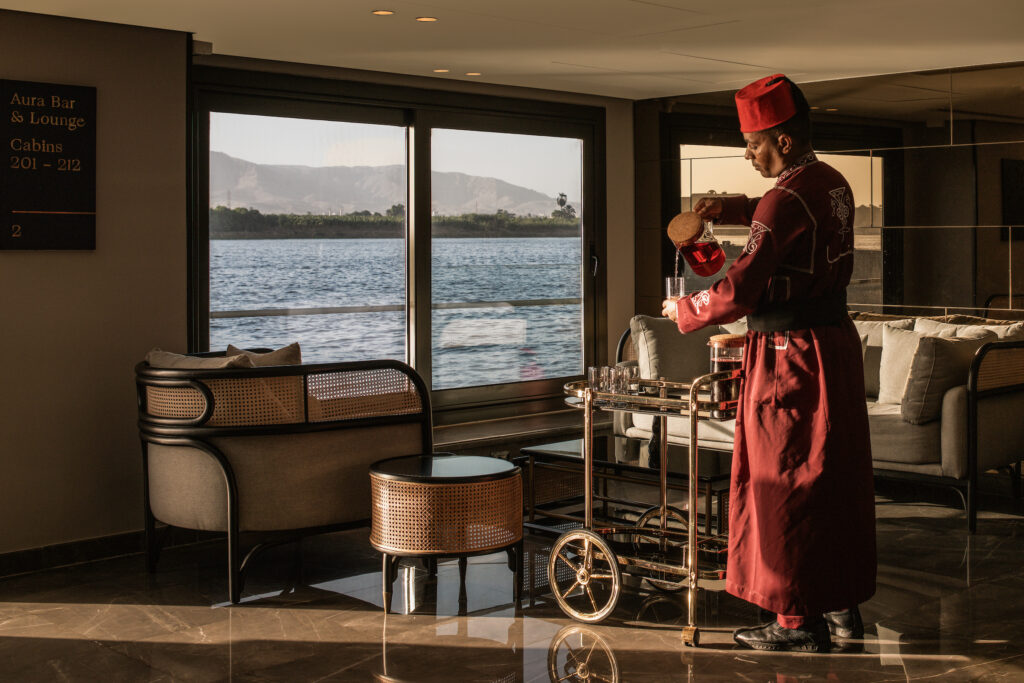
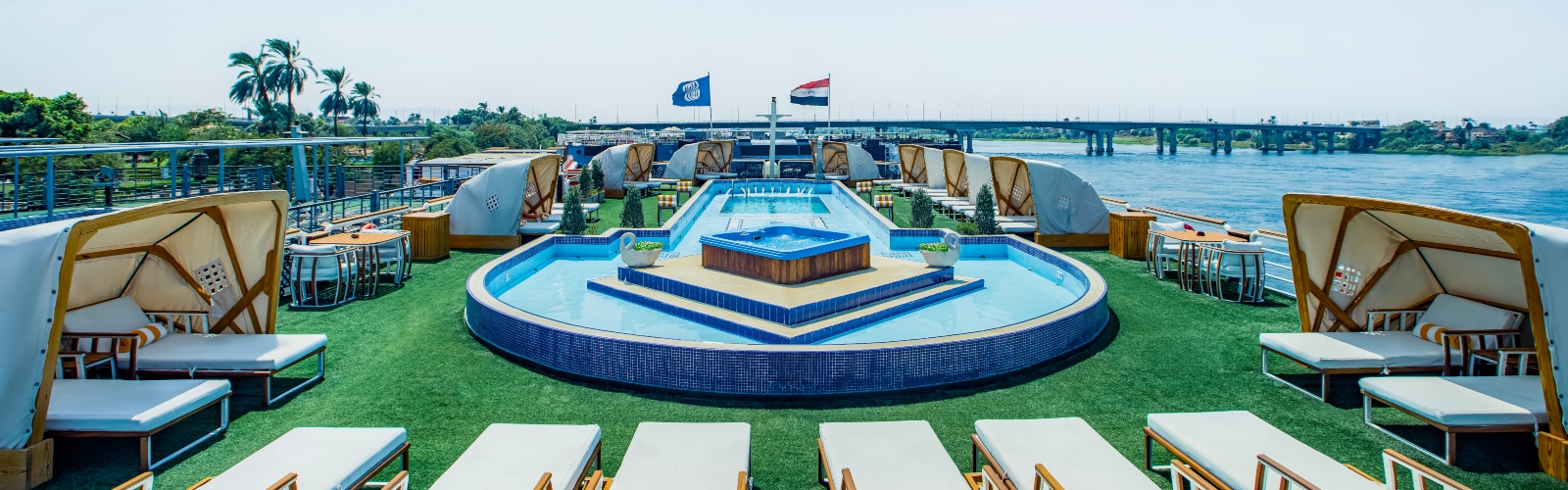
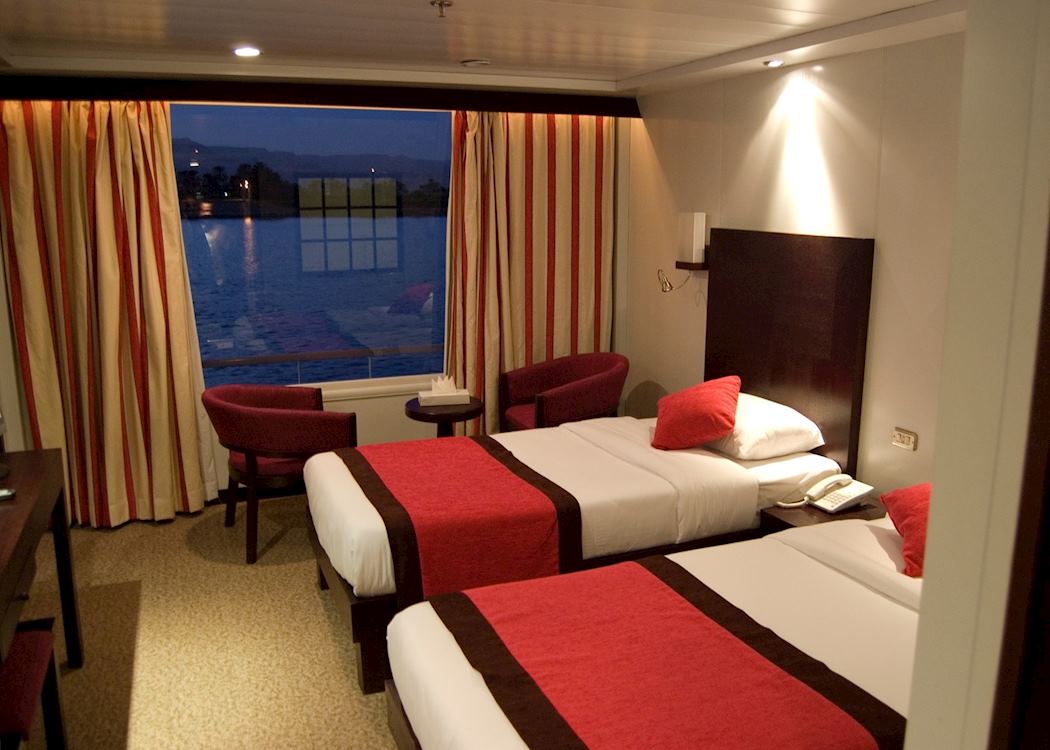
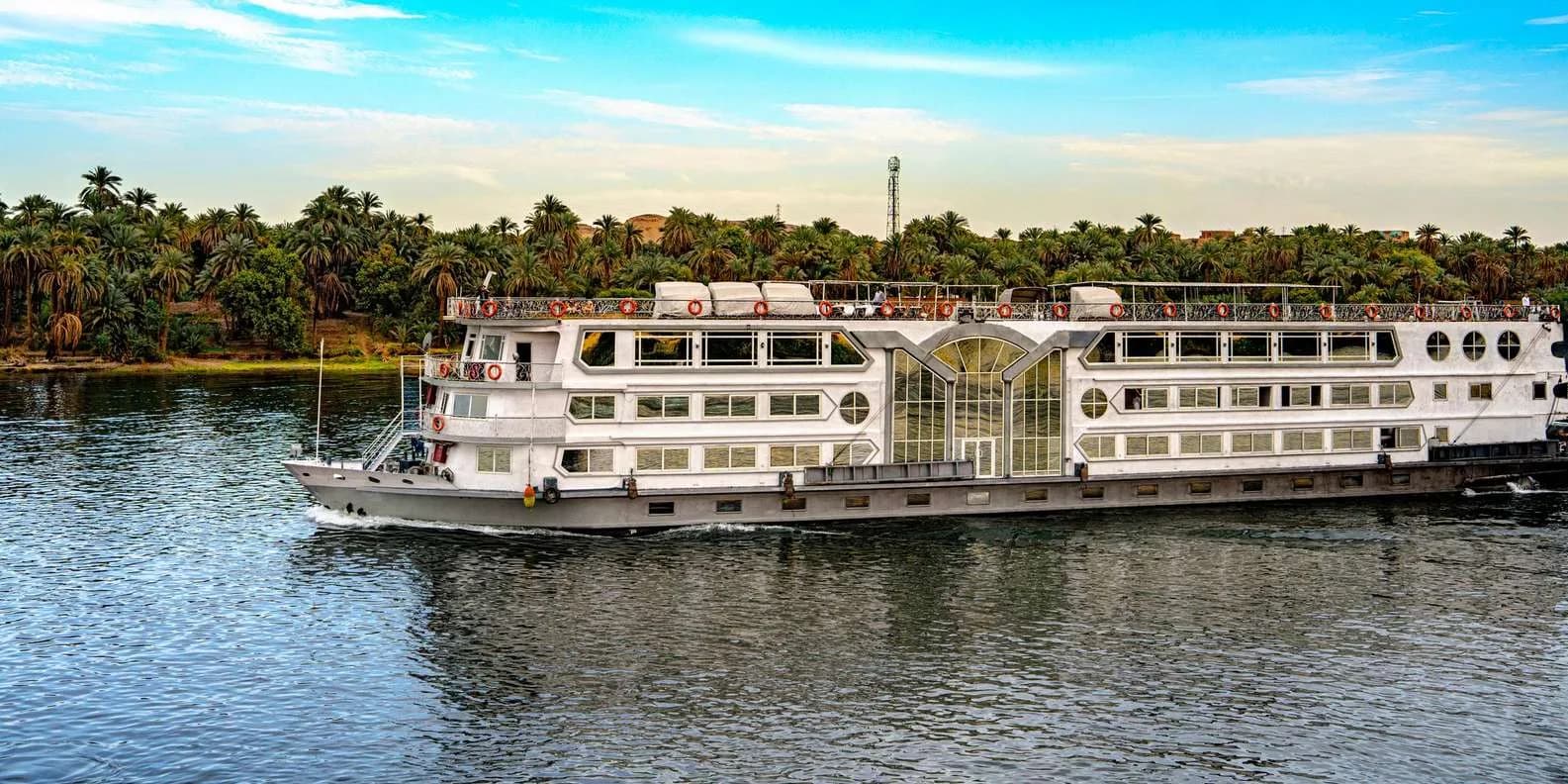
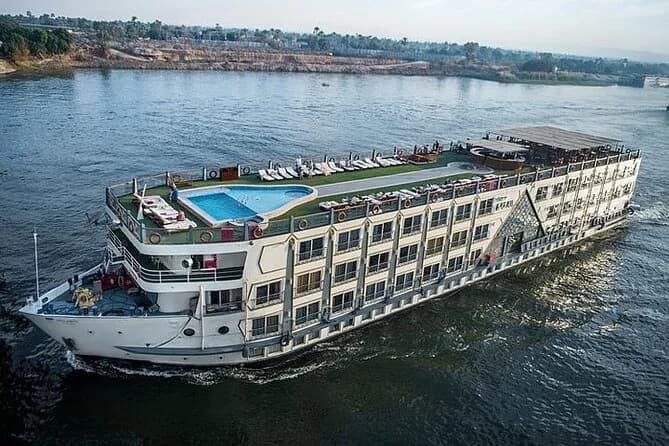
Cruise cabins are comfortable and most face the water, but they are smaller than a hotel room — a typical 5-star ship cabin runs around 18–22 m², while boutique and luxury boats such as the Oberoi Philae or Sonesta Star Goddess push suites to 35–40 m². There is gentle motion, rarely enough to trouble anyone, and the schedule is fixed: the boat sails when it sails, and shore visits move as a group on the guide's timetable. That structure is a gift if you never want to plan, and a constraint if you like to sit in a temple courtyard until the light is right.
A land tour gives you full-size rooms, no motion at all, and control over your own hours. You can be first through the gate at the Valley of the Kings before the cruise groups arrive, take a lazy pool morning and sightsee in the cooler late afternoon, or add a second night somewhere that grabbed you. The price is more transfers and the mild hassle of switching hotels between Luxor and Aswan.
Seasickness and mobility
Good news for queasy travellers: the Luxor–Aswan Nile is flat, slow water, and the cruise is often the calmest part of an entire Egypt trip. Genuine seasickness is uncommon. The real physical catch on a cruise is access, not motion — ships moor several boats deep at busy quays, so reaching land can mean crossing the decks and lobbies of two or three neighbouring vessels, and gangplanks can be steep. Travellers with limited mobility, wheelchairs or strollers should ask specifically about docking and step counts before booking, and look at larger or newer ships with lifts.
Land tours put you on solid ground with hotel lifts and step-free lobbies, which suits some travellers better — but they trade that for long road transfers (a Luxor–Aswan drive, or worse a Cairo–Luxor overland leg, eats the better part of a day) and repeated packing and unpacking. Neither option is strenuous; they simply tire different people in different ways.
Families
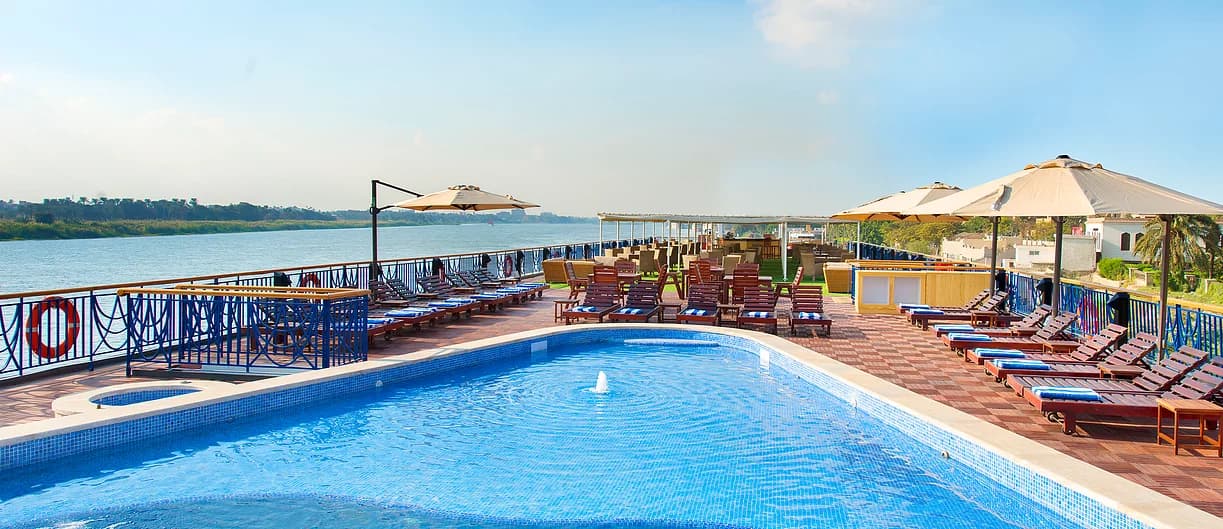
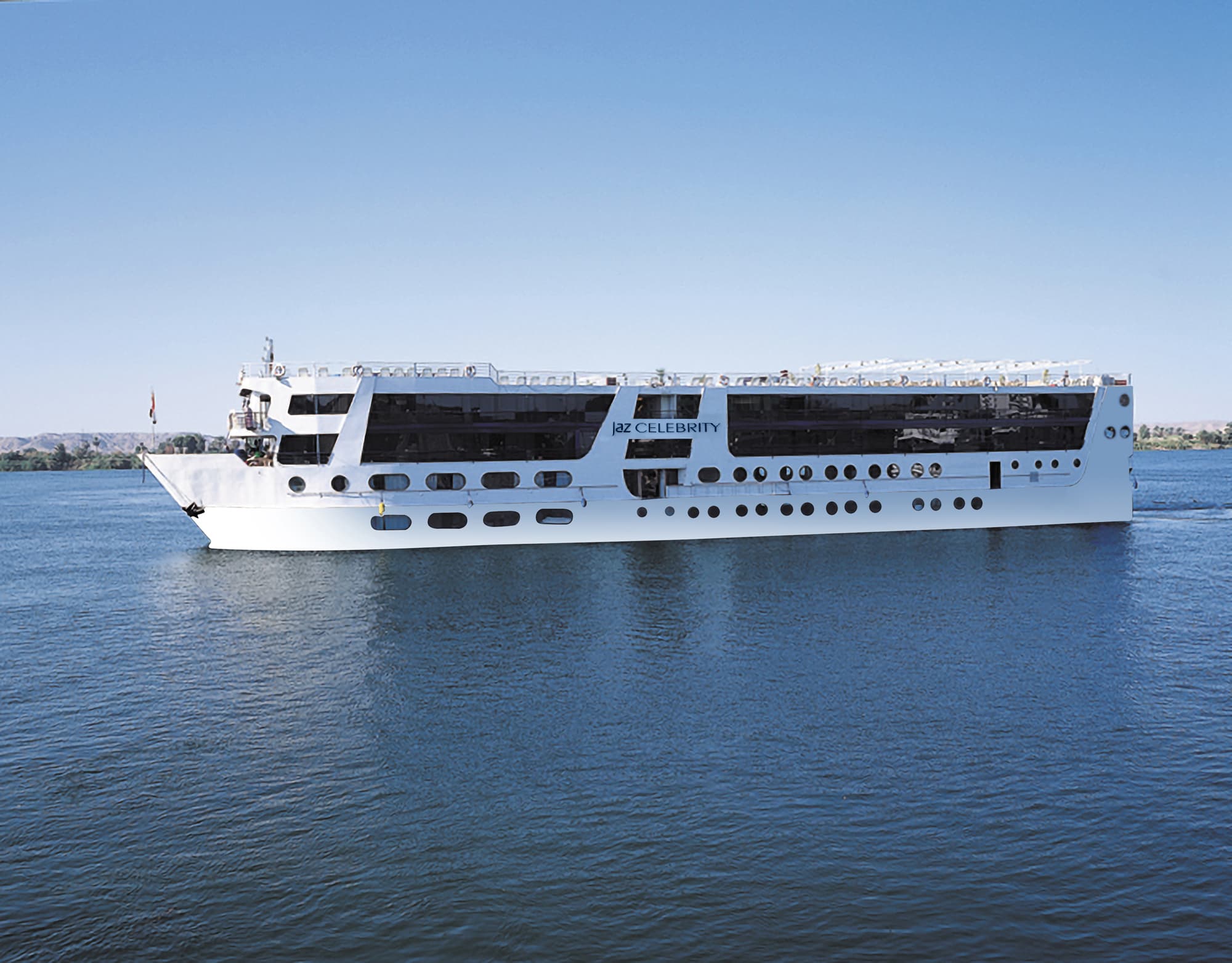
For families, a cruise is usually the path of least resistance: you unpack once, there is a pool on the sun deck, meals are included and endless, and kids are contained between shore visits. Larger ships such as the Mövenpick fleet or Jaz boats have proper pools and space to roam. The downside is pace — temple mornings can feel long for young children, and there is limited room to burn off energy.
A land tour gives families more control: shorter, better-timed site visits, hotel pools and gardens, and the freedom to swap a temple for a felucca sail or a downtime afternoon when the day runs hot. The trade is more transfers and logistics for the parents to manage.
Photography
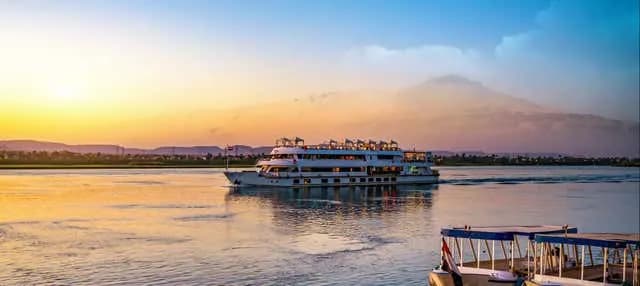
Photographers split down the middle. A cruise owns the golden-hour river shots no land trip can replicate — the sun deck at dusk, temples rising off the bank, feluccas in silhouette — from a moving vantage point. But you shoot temples on the group's clock, often in harsh mid-morning light with crowds in frame. A land tour lets you chase the light: dawn at the Valley of the Kings, blue hour at Karnak, an empty Kom Ombo. If controlling your own shooting hours beats the river panoramas, land wins.
Crowds
At peak stops the ships moor several deep, and popular temples fill when a cluster of boats arrives on a similar schedule. A well-planned land tour can dodge this by arriving at first light or late afternoon, when the day-cruise groups have moved on. A cruise also front-loads its temple visits into fixed windows, so you are rarely at a site more than 90 minutes to two hours; on land, if a place grabs you, you can stay longer or come back next morning. That freedom cuts both ways — some travellers love not having to think about timing, others chafe at being marched back to the boat before they are ready. A small dahabiya sailboat, which moors at quieter spots, is one way to keep the cruise experience while ducking the crush.
Food
Cruise food is buffet-style, plentiful and safe, but it repeats across a 4-night trip and skews toward international hotel fare rather than Egyptian cooking. On land you can seek out proper koshari, a grilled-kebab lunch, or a Nubian meal in Aswan — variety no ship galley can match. If eating well is part of how you travel, that is a genuine mark in the land column. Our Egyptian food guide is a good primer either way; on a cruise you will lean on it for the one or two meals you take ashore.
What it costs
The two are closer than the headline fares suggest, because a cruise price already includes accommodation, all meals, guided visits and transfers, while a land tour's lower sticker grows once you add hotels, restaurant meals, a driver, entrance fees and the Kom Ombo/Edfu day trip. Using real 2026 per-person cruise rates from the current fleet (US$1 ≈ 49 EGP):
| Cruise tier | Example ships | 3–4 nights, pp (USD) | pp (EGP approx) |
|---|---|---|---|
| Value 5-star | Jaz Crown Jubilee, MS Mayflower, Steigenberger Legacy | ~US$95–350 | ~4,700–17,000 |
| Standard 5-star | Sonesta Nile Goddess, Jaz Royale, Steigenberger Minerva, Mövenpick Royal Lily | ~US$350–800 | ~17,000–39,000 |
| Premium / boutique | Historia, Soleil, MS Farah, Sonesta St. George I | ~US$800–1,600 | ~39,000–78,000 |
| Luxury / ultra-luxury | Oberoi Zahra & Philae, Sanctuary Sun Boat III, AmaWaterways AmaDahlia, Uniworld S.S. Sphinx | ~US$1,700–7,000+ | ~83,000–343,000+ |
Multi-night and suite packages on the top boats climb far higher — the Oberoi Zahra tops out near US$19,000 per person for its longest luxury sailings, and Viking's 12-day round-trip-Cairo programmes (which fold in the Giza land days) run US$6,500–16,000. A land tour bills differently — you assemble it:
| Land-tour component | Budget | Mid-range | Luxury |
|---|---|---|---|
| Hotel per night (Luxor/Aswan) | ~US$25–45 | ~US$70–140 | ~US$250–600 (Old Cataract, Aswan) |
| Private guide + car per day | ~US$45–70 | ~US$70–110 | ~US$120–200 |
| Site tickets per day (pay at gate) | ~US$12–25 | ~US$20–35 | ~US$25–40 |
| Kom Ombo + Edfu road day trip, pp | ~US$60–90 | ~US$90–130 | ~US$150+ |
| Meals per day | ~US$10–18 | ~US$20–40 | ~US$50+ |
Add those up over four days and a mid-range land tour lands close to a standard 5-star cruise — often within 10–20% either way, with the road day trip to reach the mid-river temples being the line that quietly narrows the gap. As a benchmark, our catalogue's median Luxor experience runs about 4,460 EGP and Aswan about 6,360 EGP, and cruises-and-sailing overall sit near 13,900 EGP per person. Always confirm current rates on the day. For the full cruise pricing breakdown see our Nile river cruise guide, and for the top-end boats, luxury Nile cruises.
Which ship tier suits you
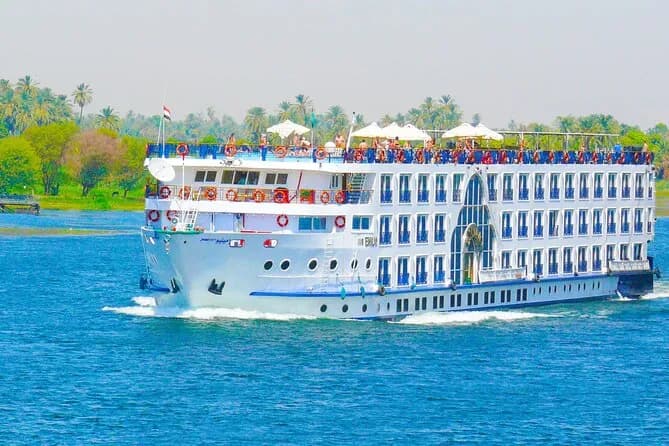
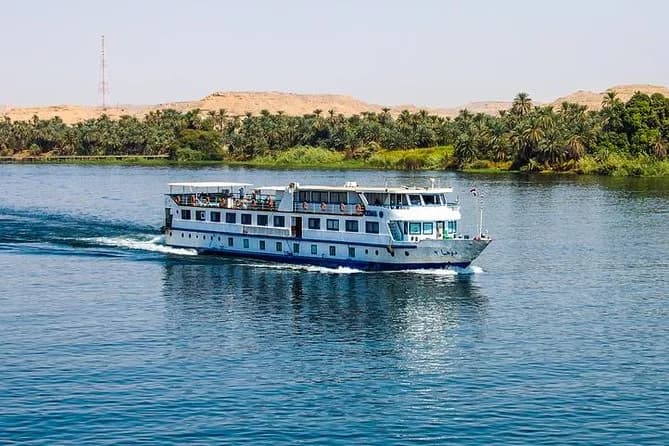
If you go the cruise route, the boat changes the trip more than the itinerary does — most ships sail the same Luxor–Aswan ports. Value 5-star ships like the Jaz Crown Jubilee or MS Mayflower cover the temples comfortably at the lowest price and are fine for first-timers who care most about the sites. Standard 5-star boats — Sonesta, Steigenberger Minerva, Mövenpick Royal Lily — add better pools, food and cabins for a modest premium. Boutique newcomers such as the Historia or 2024's Soleil trade size for style and quieter decks. And at the top, the Oberoi Zahra and Philae, Sanctuary Sun Boat III, AmaWaterways and Uniworld run all-suite ships with tasting-menu dining and far fewer passengers — the closest a cruise gets to a land tour's comfort while keeping the river. Compare live sailings across all tiers in our 2026 Nile cruise ships guide.
Who each option suits
Choose a cruise if you are:
- A first-time visitor who wants the classic Egypt experience with zero logistics
- A family that values one unpack and a pool on the sun deck
- Short on time and keen to bag Kom Ombo and Edfu without a separate day trip
- After the romance of the river — honeymooners often love it, and can upgrade to a dahabiya for something more private
Choose a land tour if you are:
- An independent traveller who wants to set your own pace and hours
- A foodie who would rather eat in restaurants than a buffet
- Concerned about mobility, steep gangplanks or a small cabin
- Keen to beat crowds, chase the best light, or add off-river sites like Dendera and Abydos
Why not both?
The most common answer in practice is a hybrid: start on land in Cairo for the pyramids and the Grand Egyptian Museum, take the 75-minute flight south, do a 3–4 night cruise for the Luxor–Aswan temples (collecting Kom Ombo and Edfu the easy way), then add a night or two on land in Luxor or Aswan to eat well, shoot at your own pace and slot in extras like a Luxor hot-air balloon or an Abu Simbel run. That structure captures the cruise's convenience for the mid-river temples and the land tour's flexibility everywhere else — and it is why so many operators sell exactly this combination. See how the days fit together in our 10-day Egypt itinerary.
The verdict
First-timer who wants the smoothest run at the great temples? Book the cruise — the effortless Kom Ombo and Edfu stops alone justify it. Independent traveller who wants control over pace, food, light and timing? A land tour rewards you. And if you can spare the days, a short cruise wrapped inside a longer land trip gives you the best of both.
Ready to see it from the water? Browse handpicked Nile cruises and Luxor–Aswan tours on This is Egypt — from value 5-star ships to intimate dahabiyas and full luxury sailings.
A real team available 24/7 to assist you — free
Seif and the team reply on WhatsApp 24/7 — trip questions, custom plans and booking help.
Ask Seif on WhatsAppCommon questions
Is a Nile cruise or land tour cheaper?
They end up closer than they look. A 3–4 night 5-star cruise runs roughly US$220–1,600 per person all-in, including accommodation, meals, guided visits and transfers. A land tour books cheaper on paper but adds hotels, restaurant meals, a driver, entrance fees and a costly day trip to reach Kom Ombo and Edfu — so a mid-range land tour usually lands within 10–20% of a standard cruise.
Can you see Kom Ombo and Edfu without a cruise?
Yes, but it is a long day trip by road from Luxor or Aswan, and many land travellers skip one or both. A cruise passes them naturally — Kom Ombo sits right on the bank and Edfu is a short ride inland — which is the single strongest reason to sail rather than stay on land.
Do you get seasick on a Nile cruise?
Rarely. The Luxor–Aswan Nile is flat, slow water and the motion is gentle, so genuine seasickness is uncommon — it is often the calmest part of an Egypt trip. The bigger physical catch is access: ships moor several deep, so reaching land can mean crossing neighbouring boats over steep gangplanks.
Which is better for travellers with limited mobility?
Often a land tour, because hotels have lifts and step-free lobbies while ships raft together and use steep gangplanks. If you prefer a cruise, ask specifically about docking, step counts and onboard lifts, and choose a larger or newer ship. Land tours trade easier access for long road transfers and frequent hotel changes.
Is the food better on a cruise or a land tour?
A land tour, if food matters to you. Cruise meals are buffet-style, safe and plentiful but repetitive and skewed toward international hotel fare. On land you can seek out koshari, kebabs and Nubian cooking — more variety and more genuinely Egyptian.
Which is better for a first-time visitor to Egypt?
A cruise, for most first-timers. It handles all the logistics, delivers the great Luxor–Aswan temples in a logical order, and includes an Egyptologist guide — so you focus on the sights rather than transfers, check-ins and planning.
Can you combine a cruise and a land tour?
Yes, and many people do. A common plan is Cairo on land for the pyramids and Grand Egyptian Museum, a 75-minute flight south, a 3–4 night cruise for the mid-river temples, then a night or two on land in Luxor or Aswan. It captures the strengths of both.
Are Nile cruises crowded?
At peak stops, ships moor several deep and you cross neighbouring decks to disembark, and temples fill when a cluster of boats arrives together. A land tour lets you dodge this by timing visits early or late. A dahabiya sailboat, which moors at quieter spots, is another way to avoid the crush.
How many days do you need for the Luxor–Aswan section?
Three to four nights on a cruise, or two to three days each in Luxor and Aswan on a land tour with a day trip in between. Four cruise nights is the sweet spot, and a hybrid that mixes a short cruise with a couple of land nights covers it comfortably.
How many Nile cruise options are there versus a land tour?
A Nile cruise bundles transport, hotel and temples into one boat — This is Egypt's directory has 68 cruise ships and 105 dahabiyas to choose from. A land tour uses hotels in Luxor and Aswan with drives or a train between them; it suits travellers who want more time in each city or get seasick.
Book it on This is Egypt
Turn this guide into a trip



Egypt's bestsellers
The experiences travelers book most, across the country




Plan your Nile cruise
Popular Nile cruise ships
Free downloads
Take the Nile home with you
Two illustrated PDFs, no email required: our 12-page introduction to choosing between a cruise ship and a dahabiya, and the classic 4-night Luxor to Aswan itinerary, day by day.
Keep reading
Nile Cruise from Aswan to Luxor (or Luxor to Aswan): 2026 Guide
A 3 or 4 night cruise between Aswan and Luxor is the classic way to see Egypt's temples. The stops, real prices, why direction and boat choice matter, and how to avoid a bad one.
By TiE Editors9 min read
Jaz Nile Cruises (2026): Fleet, Routes & How to Book
Jaz is the Nile cruise arm of JAZ Voyages, part of Travco Group, and runs the largest fleet in our directory: twelve ships on the Luxor–Aswan route plus three Farouz El Nil dahabiyas.
By TiE Editors6 min read
Nile Cruise for the 2027 Solar Eclipse (Aug 2): Sail Egypt's Totality
On 2 August 2027 a total solar eclipse passes over Luxor with 6+ minutes of totality. A Nile cruise is the best way to see it — in the path, accommodation solved. How eclipse sailings work and why to book early.
By TiE Editors5 min read