

Egyptian Food Guide: 15 Dishes You Must Try (2026)
The Egyptian dishes worth ordering, from koshary, ful medames and taameya to molokhia, hawawshi, feteer and om ali, with what is in each and how to eat well and safely.
Book it on This is Egypt
Turn this guide into a trip


Quick answer: Egyptian cooking runs on beans, bread, rice and slow-cooked vegetables, and the best of it is sold from carts and single-dish shops rather than white-tablecloth restaurants. Ful medames, the fava-bean breakfast, was eaten in the Nile Valley thousands of years ago and is still on every corner this morning. This is a cuisine of comfort and repetition, cheap and generous, built to feed a lot of people well. Below are the dishes worth ordering, what goes into each one, where to find them, and the practical tips that keep a food trip enjoyable rather than nervous.
At a glance: Egypt's core dishes are koshary, ful medames and taameya for cheap staples; molokhia, mahshi, hawawshi and fattah for home-style mains; grilled kofta and, in Alexandria, fresh seafood; and om ali, konafa and basbousa for dessert. Most street meals cost 30 to 90 EGP. Drink sealed bottled water, eat where there is a local queue, carry small notes, and tip a little everywhere. For where to find it all in the capital, see the guide to where to eat in Cairo.
The staples you eat every day
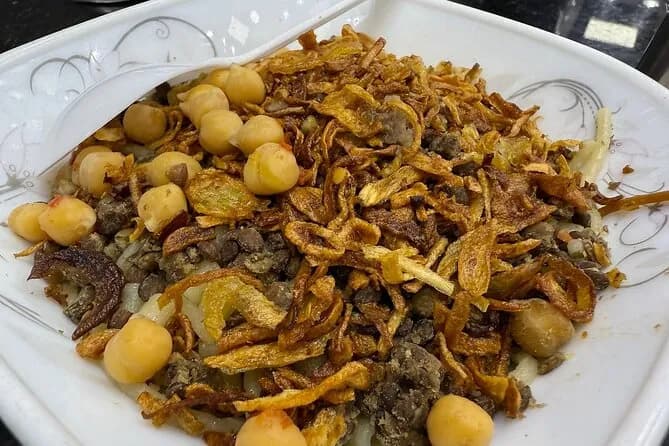
Koshary is the national dish and the reference point for cheap eating: rice, brown lentils, macaroni and chickpeas piled in one bowl, topped with a spiced tomato sauce, crisp fried onions and a garlic-vinegar dressing called daqqa. You stir it together yourself, then add chili oil to taste. It is vegan by accident rather than design, filling out of all proportion to its price, and the meal every Egyptian eats when money is short and hunger is not. Abou Tarek downtown serves nothing else across several floors and is the best-known koshary house in Cairo, though a good neighbourhood koshary shop is never far away.
Ful medames is the standard breakfast: fava beans simmered overnight in a tall pot, then dressed at the counter with olive oil, lemon, cumin and garlic and scooped up with warm baladi flatbread. Taameya is the Egyptian falafel, and it is genuinely different from the Levantine version, made from crushed dried fava beans rather than chickpeas, so it is green inside, softer, and heavy with coriander and fresh herbs. It is fried to order, rolled into bread with salad, tahini and pickles. A ful-and-taameya sandwich can cost less than a bottle of water, and eaten side by side the two make the classic Egyptian breakfast.
Home-style mains
Molokhia is the dish locals miss most when abroad: a thick green stew of finely chopped jute mallow leaves cooked in a garlicky broth, finished with coriander fried in ghee and served over rice with chicken, rabbit or shrimp. Its faintly viscous texture divides first-timers, but give it a fair try. Mahshi means stuffed vegetables, and it is the taste of a home kitchen, zucchini, eggplant, peppers, cabbage or vine leaves packed with herbed spiced rice and braised until soft. Every family swears its own version is correct, and in Upper Egypt the rice is spiced harder than on the coast.
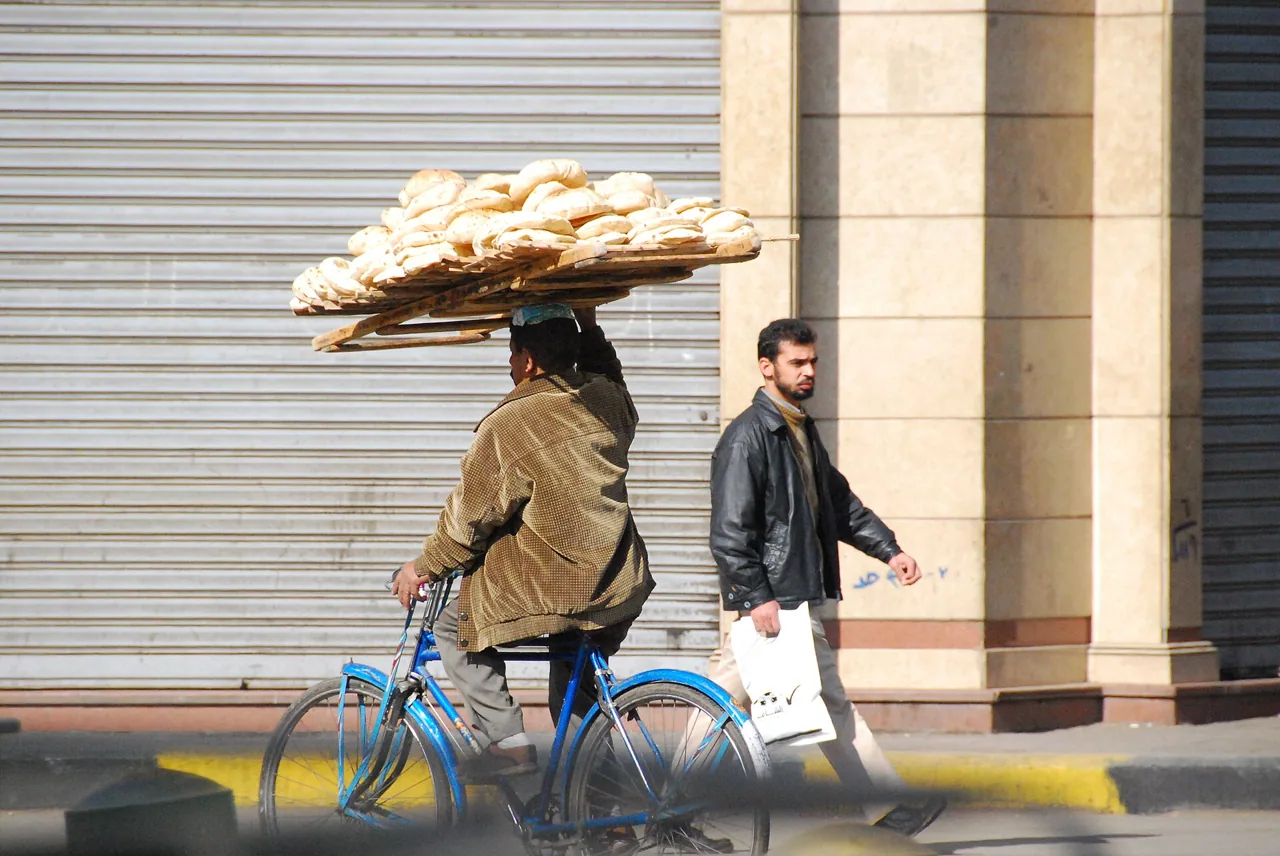
Hawawshi is spiced minced meat with onion, pepper and chili packed into baladi bread and baked or grilled until the crust crackles and the fat soaks in; it is one of the great cheap hot sandwiches anywhere. Grilled kofta and kebab, ordered by weight at a charcoal grill and brought with tahina, salad and bread, are the standard sit-down meal, smoky and unhurried. Fattah, built from layers of rice, crisp fried bread and meat under a garlic-and-vinegar sauce, is the festive centrepiece served at Eid al-Adha. Grilled pigeon, hamam mahshi, stuffed with spiced freekeh or rice, is a Cairo and Delta delicacy worth ordering once for the experience. And fresh baladi bread, puffed hot and hollow straight from the oven, comes with almost everything.
Fiteer and the bread world
Feteer meshaltet is a laminated pastry folded over on itself many times with ghee and baked until it shatters into crisp layers, somewhere between a pie crust and a pancake and utterly its own thing. It comes plain with honey and molasses to tear and dip, stuffed savoury with cheese and sausage, or sweet with cream and nuts, and is sold from dedicated feteer bakeries where you watch the dough being spun and stretched. One is filling enough to feed two. Sujuk sausage and the fenugreek-cured beef called basterma turn up sliced into sandwiches and feteer fillings, sharp and aromatic.
Seafood on the coast
Alexandria is where the menu changes. Two thousand years of Mediterranean trade left the city eating Greek, Italian, Levantine and Turkish flavours, and here fish takes over from beans and grilled meat. You pick your catch from a bed of ice, pay by weight, and it comes back grilled or fried within the hour. Sayadeya, fish baked over cumin-and-coriander-scented rice with caramelised onions, is the signature dish; gambari (prawns) and calamari come grilled or in a garlicky casserole; and whole sea bass or bream is best simply grilled with lemon. Eat it in the seafood houses around the Anfoushi fishing harbour, where turnover is high and the fish never sat around. Port Said, Damietta and the Red Sea resorts share this seafood tradition; inland cities largely do not.
Sweets and drinks
Om ali is the dessert to order first: torn pastry baked in hot milk with nuts, raisins and coconut and served warm, a richer, more fragrant cousin of bread pudding. Konafa is fine shredded pastry over a filling of cream, nuts or cheese, soaked in sugar syrup and browned, and it appears on every table during Ramadan. Basbousa is a semolina cake drowned in syrup; baklava layers filo, nuts and syrup; the date-filled biscuits called kahk are baked by the tin for Eid; and roz bel laban, cool rice pudding, rounds out any patisserie counter.
To drink, karkade is a hibiscus tea, deep red and tart, served hot in winter or iced in summer, and it is Egypt's welcome drink. Sahlab is a warm, thick milk drink dusted with cinnamon, coconut and chopped nuts, a cold-weather comfort. Sugarcane juice, pressed to order at bright-green asab stalls, is the classic street refresher, served alongside fresh mango and guava when in season. Mint tea, poured strong and sweet, is the social default you will be offered constantly, and Turkish-style coffee, ordered by sweetness rather than size, follows most meals. If you like it barely sweet, ask for ahwa mazbout.
Is Egyptian food good for vegetarians?
Very. Egypt is one of the easiest countries in the region to eat meat-free, because so much of the traditional table already is. Koshary, ful, taameya, vegetarian mahshi, lentil soup and most of the mezze spread contain no meat at all, and the whole of the Coptic fasting tradition is effectively vegan cooking. The only thing to watch is ghee and butter used in cooking; if you avoid all animal products, tell the server bidoun lahma, bidoun samn (no meat, no butter). Vegetarians will eat extremely well without ever ordering a special dish.
Eating well and safely
The single best rule is turnover: eat where there is a local queue, because a busy stall sells food that was cooked minutes ago rather than sitting out in the heat. Stick to sealed bottled water, check the cap has not been tampered with, and skip ice and raw salads unless you are somewhere clearly upmarket. Peel fruit yourself. A day or two of stomach adjustment, the traveller's "pharaoh's revenge", is common and usually just your gut meeting new bacteria, so ease in gently rather than opening with the richest, fattiest dish on day one, wash or sanitise your hands before eating with bread, and carry rehydration salts just in case.
Etiquette, tipping and where to eat
Egyptians eat generously and will press more food on you; taking a second helping is a compliment, and if you are invited into a home, a small gift and a good appetite go a long way. Tipping, baksheesh, is woven into daily life rather than optional, because service wages are low. Many restaurants add a 12 percent service charge that goes to the house, not the waiter, so leave an extra 5 to 10 percent in cash; at a small local eatery with no service charge, round up 10 to 15 percent. Keep a pocket of small notes for the man who brings your bread, parks your car or points you to the right counter.
As for where to eat, think in three tiers. Street stalls and single-dish shops, the koshary house, the ful cart, the taameya window, are the cheapest, freshest and most authentic, and where you should eat most of your meals. Local sit-down restaurants, the charcoal grills and seafood houses, are a step up in comfort and where you settle in for kofta or a whole fish. And a guided food tour on your first day is worth it, threading the backstreet spots a newcomer would never find and taking the guesswork out of ordering; you can browse and book one through our search. For the wider trip, see the complete Egypt travel guide and the Cairo travel guide.
A real team available 24/7 to assist you — free
Seif and the team reply on WhatsApp 24/7 — trip questions, custom plans and booking help.
Ask Seif on WhatsAppCommon questions
What food should I try first in Egypt?
Start with koshary, the national dish of rice, lentils, macaroni and chickpeas under spiced tomato sauce and fried onions. Then have ful medames and taameya for breakfast, hawawshi or grilled kofta for a main, and om ali for dessert. Those five cover the core of Egyptian eating and are available almost everywhere. In Alexandria, add a plate of fresh grilled fish.
What is Egypt's national dish?
Koshary. It layers rice, brown lentils, macaroni and chickpeas in one bowl, topped with spiced tomato sauce, crisp fried onions and a garlic-vinegar dressing called daqqa. You stir it together and add chili oil to taste. It is cheap, filling and happens to be vegan. Abou Tarek in downtown Cairo is the most famous koshary house.
Is Egyptian street food safe to eat?
Generally yes, if you choose busy stalls with high turnover, because the food is cooked fresh and does not sit out. Drink sealed bottled water, avoid ice and raw salads outside upmarket places, peel your own fruit, and wash your hands before eating with bread. A mild stomach adjustment in the first day or two is common, so ease in gradually rather than starting with the richest dishes.
What is taameya and how is it different from falafel?
Taameya is Egyptian falafel made from crushed dried fava beans rather than chickpeas, which makes it green inside, softer, and heavier on coriander and fresh herbs. It is fried to order and served hot in baladi bread with salad, tahini and pickles, usually alongside ful for a classic Egyptian breakfast.
Is Egyptian food good for vegetarians and vegans?
Very. Much of the traditional table is already meat-free: koshary, ful, taameya, vegetarian mahshi, lentil soup and most of the mezze. Vegetarians eat well without ordering anything special. Vegans should watch for ghee and butter used in cooking; say bidoun lahma, bidoun samn (no meat, no butter) to be sure.
What desserts and drinks should I order in Egypt?
For dessert, try om ali (warm pastry baked in milk with nuts), konafa (shredded pastry with cream or nuts in syrup) and basbousa (syrup-soaked semolina cake). To drink, order karkade (hibiscus tea), fresh sugarcane juice from an asab stall, warm sahlab in winter, and strong sweet mint tea or Turkish coffee after a meal.
How much should I tip when eating out in Egypt?
Tipping, or baksheesh, is expected because service wages are low. Many restaurants add a 12 percent service charge that goes to the house, so leave an extra 5 to 10 percent in cash for the waiter. At a small local eatery with no service charge, round up 10 to 15 percent. Keep small notes handy for the people who bring bread or help you find a seat.
Where is the best seafood in Egypt?
Alexandria, on the Mediterranean coast. You pick your fish from ice, pay by weight and it is grilled or fried to order. Look for sayadeya (fish over spiced rice), grilled prawns and whole grilled sea bass, best eaten in the seafood houses near the Anfoushi fishing harbour. Port Said, Damietta and the Red Sea resorts share this seafood tradition; inland cities mostly do not.
Book it on This is Egypt
Turn this guide into a trip



Egypt's bestsellers
The experiences travelers book most, across the country



Keep reading

Hurghada Diving (2026): Best Sites, Packages & Prices
Diving in Hurghada — the best reefs (Giftun, Careless Reef, Dolphin House) and Abu Nuhas wrecks, Discover Scuba vs PADI courses, season and water temps, and real 2026 prices.
By TiE Editors7 min read

Hurghada Snorkeling Trips (2026): Best Reefs, Prices & How to Choose
Where to snorkel from Hurghada in 2026 — Orange Bay, Giftun, Mahmya, Utopia and Dolphin House — with boat types, marine life, month-by-month sea temperatures, family tips and real prices from 1,000+ bookable trips.
By TiE Editors7 min read

Egypt Tour Prices by Activity (2026): What Each Type Really Costs
What every type of Egypt experience actually costs — from a 1,700 EGP camel ride to a 48,500 EGP Nile cruise — based on 29,710 real bookable tours across seven platforms.
By TiE Editors6 min read