
The Perfect 10-Day Egypt Itinerary: Cairo, Aswan, Abu Simbel & Luxor
A day-by-day 10-day Egypt itinerary covering Cairo, the Pyramids, Aswan, Abu Simbel, a Nile cruise, and Luxor — with tips to shorten or extend your trip.
Nile Cruises & Dahabiyas
Turn this guide into a trip

Quick answer: Ten days is the sweet spot for a first trip to Egypt. It's long enough to see the Pyramids, cruise the Nile, and explore the temples of Luxor and Aswan at a comfortable pace — without the whiplash of trying to cram it all into a long weekend. This day-by-day itinerary follows the classic route down the Nile, and at the end you'll find tips for trimming it to a week or extending it to two.
This is Egypt runs this exact route as a private, fully-guided tour — flights, Nile cruise, and hotels included. See the package Compare Nile cruises →
About This Itinerary
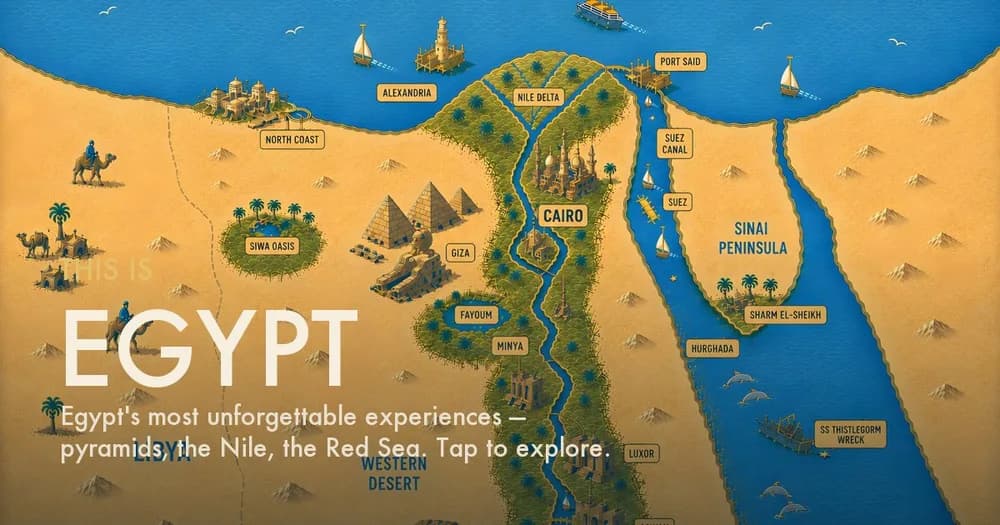
This plan flies you south to Aswan first, then works north down the Nile to Luxor and back to Cairo — the direction most Nile cruises sail, and the one that saves the two biggest days (Luxor's temples and tombs) for when you've already learned the history. You'll want a mix of domestic flights and a Nile cruise to make the distances work; both are noted in each day. A private guide for the Cairo and Luxor days is close to essential. For the big-picture basics — visas, budget, safety, what to pack — start with our complete Egypt travel guide.
Day 1 — Arrive in Cairo
Land at Cairo International Airport, transfer to your hotel, and take it easy. If you arrive early, ease into the city with dinner overlooking the Nile or a first wander through the buzz of downtown. Get a good night's sleep — tomorrow is the big one.
Where to stay: pick a hotel in Giza with pyramid views, or in Zamalek for a quieter, leafy base.
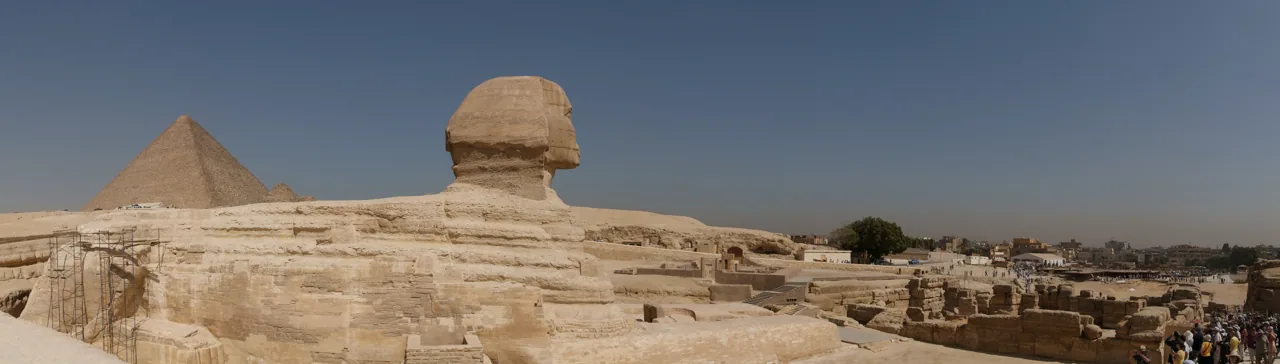
Day 2 — The Pyramids of Giza & the Grand Egyptian Museum
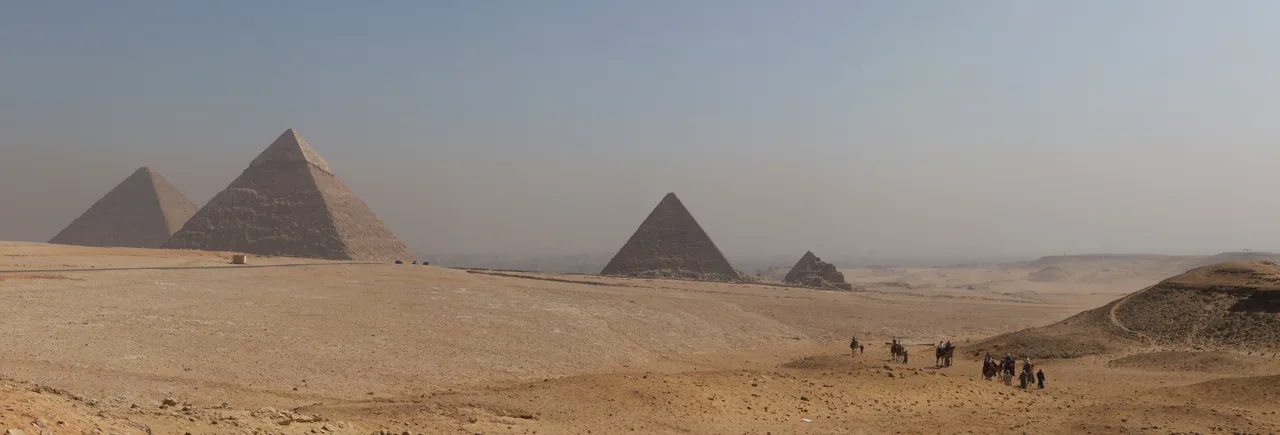
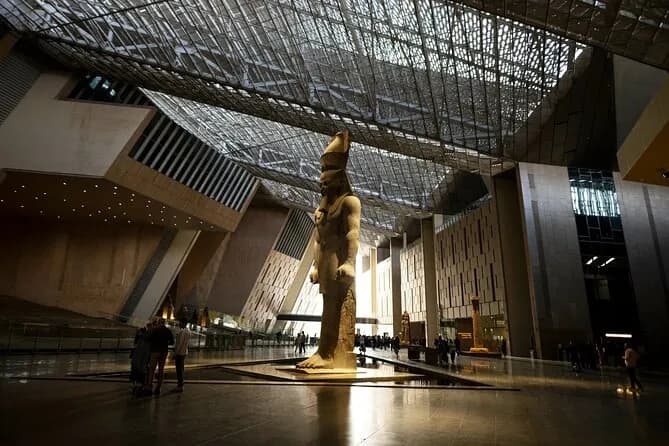
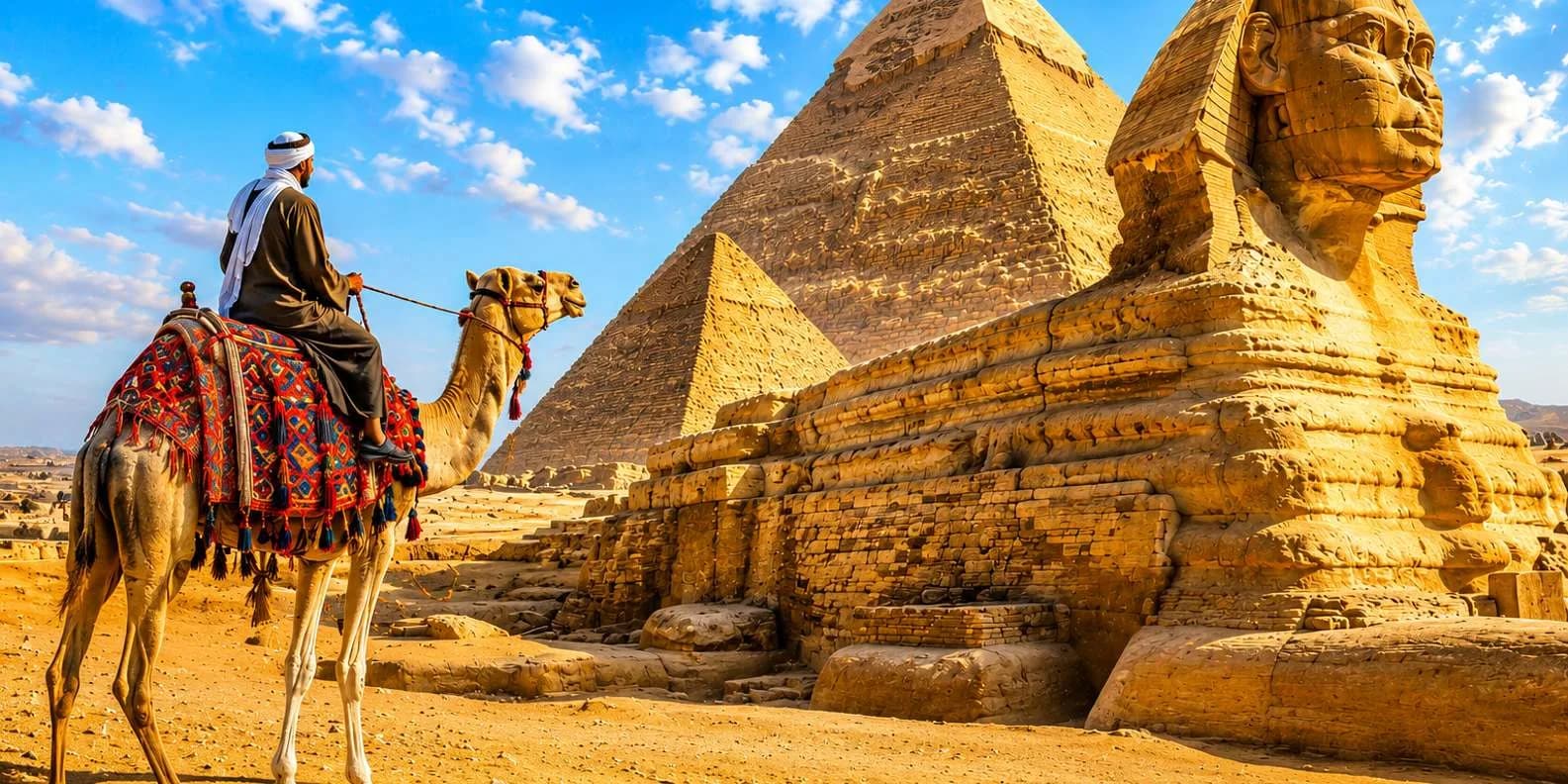
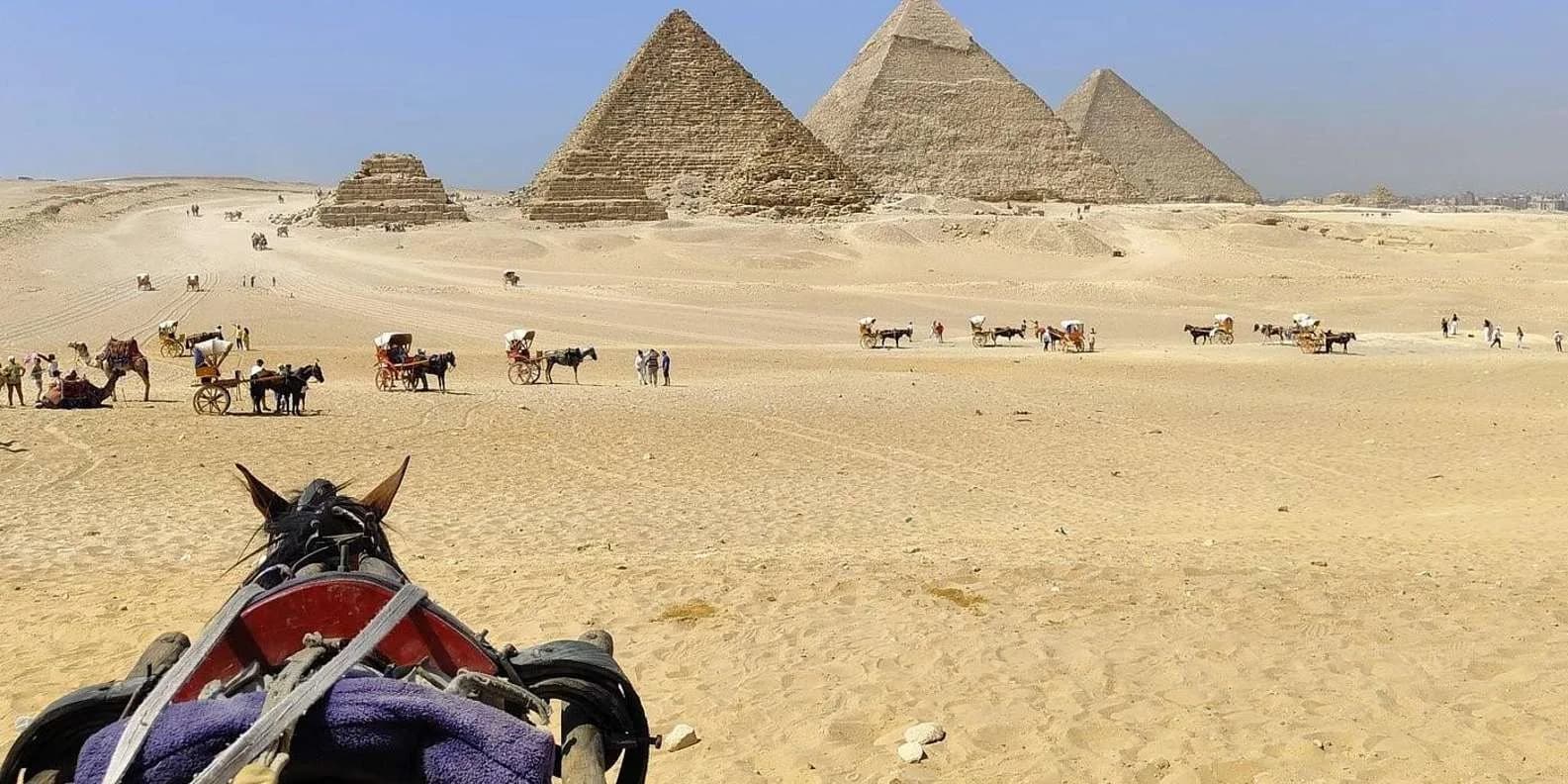
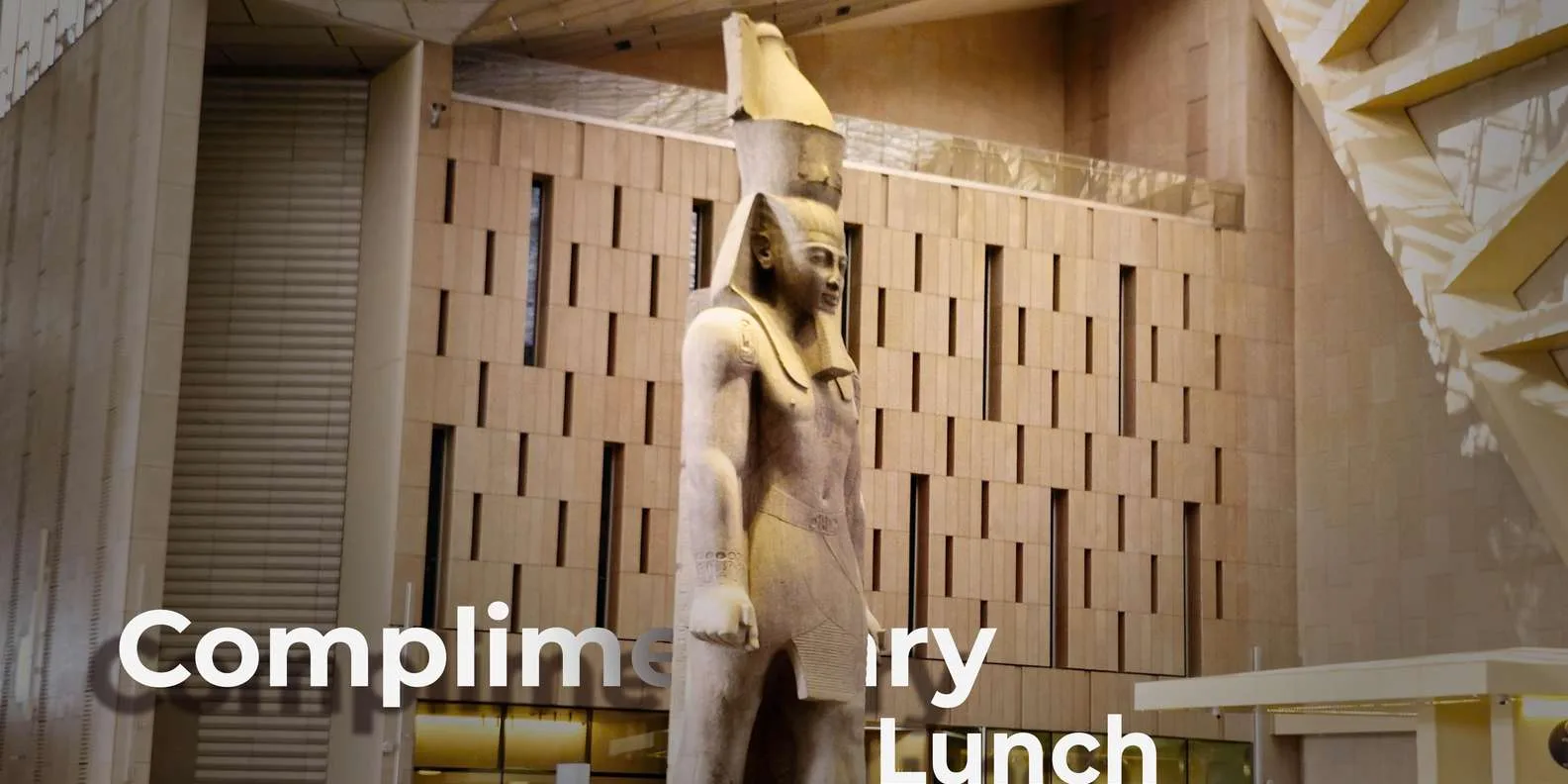
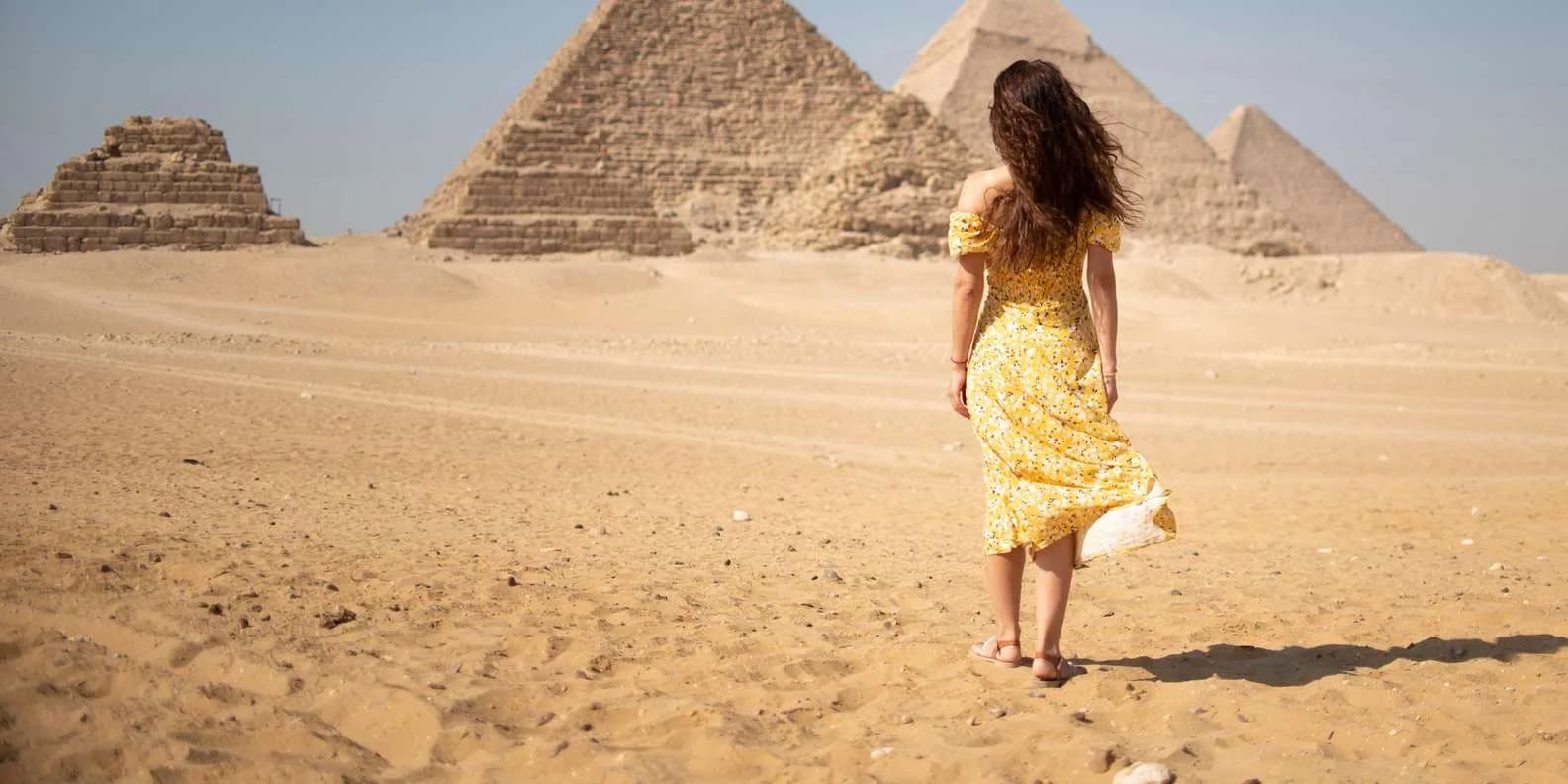
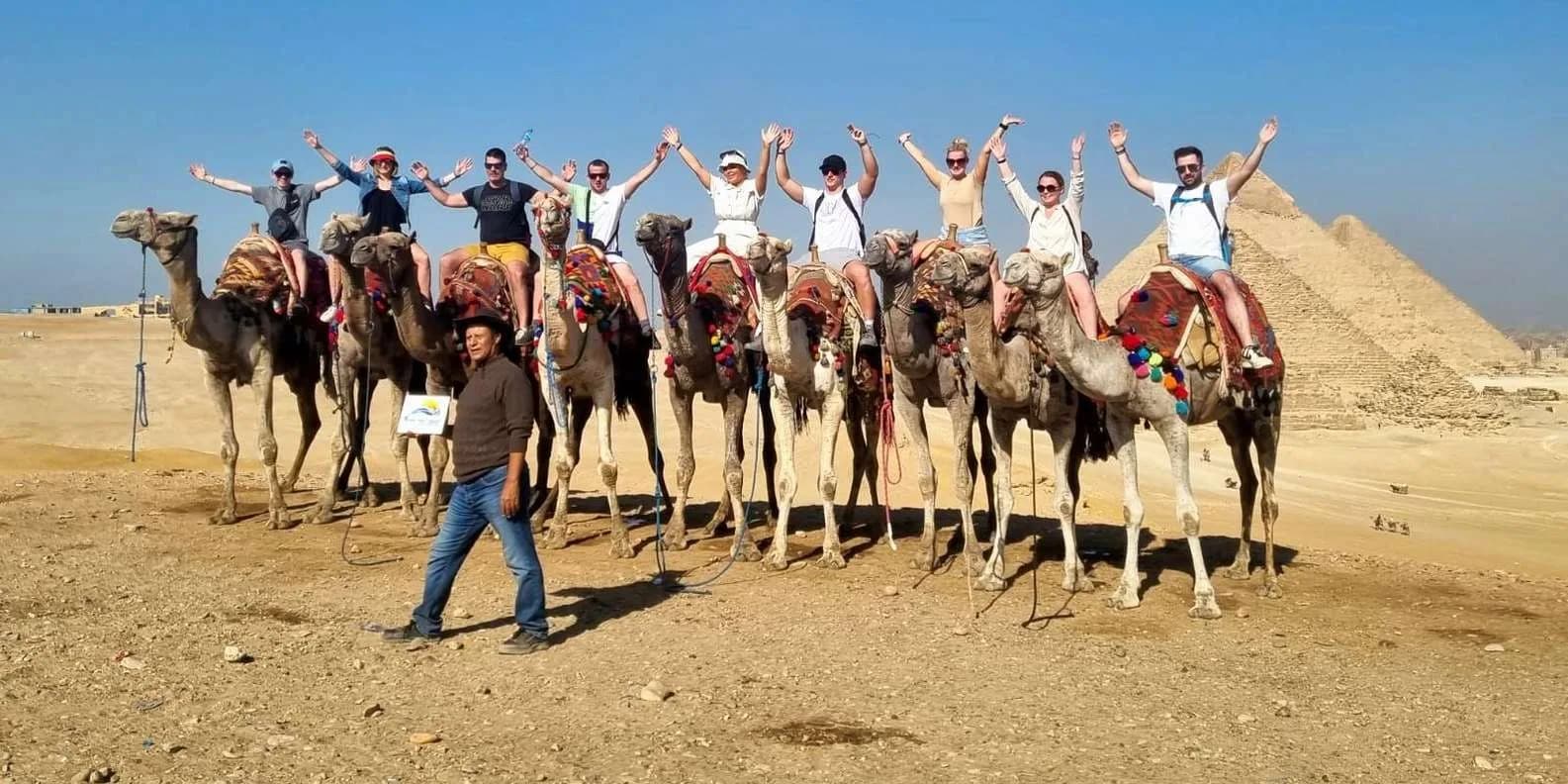
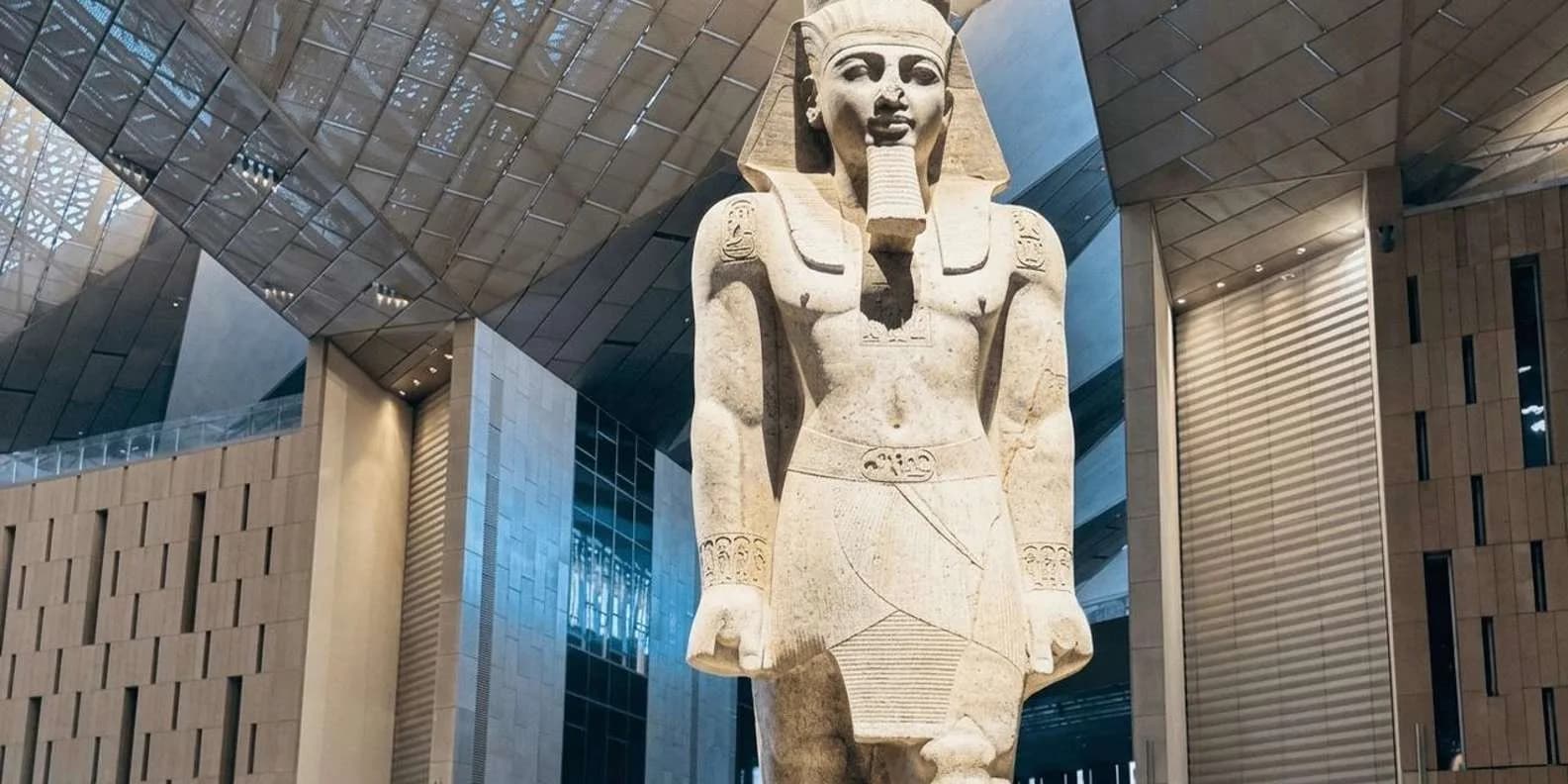
Start early at the Pyramids of Giza to beat the heat and the crowds. Marvel at the Great Pyramid, pay extra to go inside if you're not claustrophobic, meet the Sphinx, and take the panorama-point photos from the desert plateau. In the afternoon, head to the Grand Egyptian Museum, the world's largest archaeological museum, and walk through the full, dazzling treasure of Tutankhamun's tomb in one place for the first time in history.
Tip: agree any camel or horse ride price in writing before you start, and expect persistent vendors — a friendly, firm "no thank you" works best.
Day 3 — Saqqara, Memphis & Dahshur, then Fly to Aswan
Spend the morning at the older pyramid sites most visitors skip: the Step Pyramid of Saqqara (the world's oldest stone pyramid), the open-air ruins of Memphis, and the perfectly proportioned Bent and Red Pyramids of Dahshur, where you can often climb inside with almost no crowds. In the late afternoon, catch a short domestic flight to Aswan, Egypt's laid-back southern city on a beautiful stretch of the Nile.
Where to stay: a Nile-view hotel in Aswan, or board your Nile cruise ship if yours departs from here.
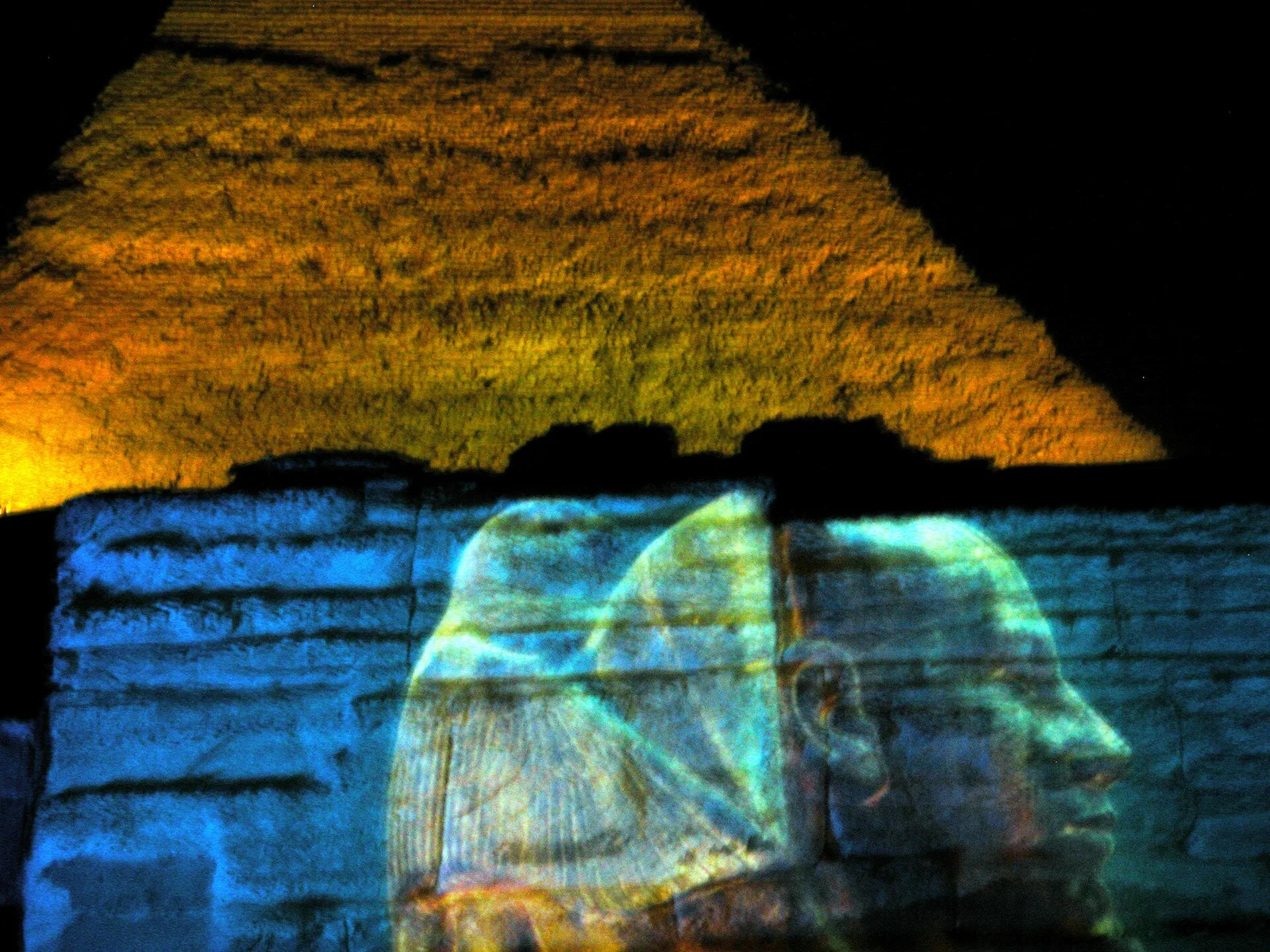
Day 4 — Aswan
Aswan is the most relaxed stop on the route. Visit the Philae Temple on its island, see the High Dam and the Unfinished Obelisk, then spend the golden hour sailing in a traditional felucca around Elephantine Island and the Nubian villages. If you have energy, a Nubian village visit for dinner is a warm, colorful highlight.
Day 5 — Day Trip to Abu Simbel
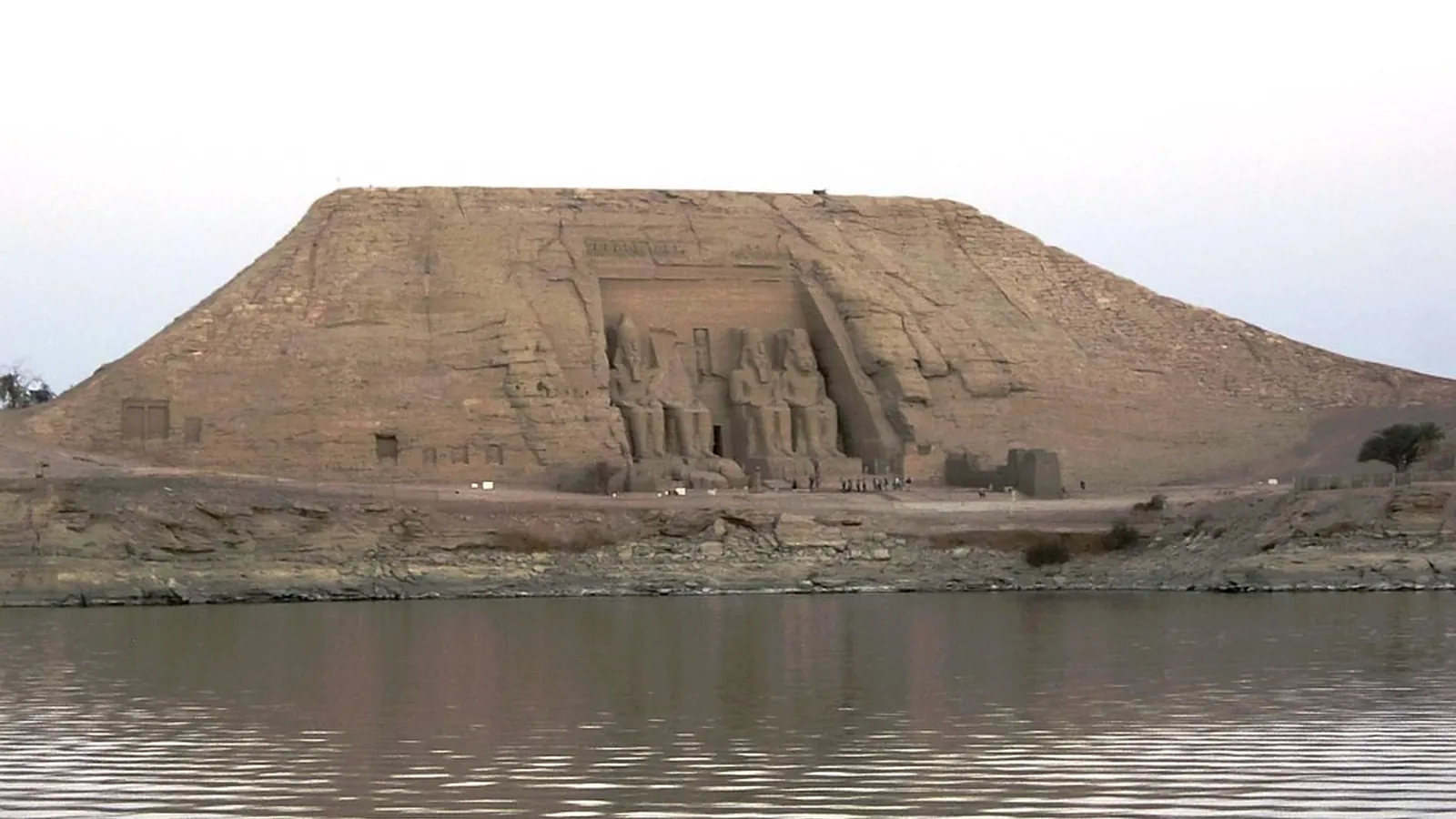
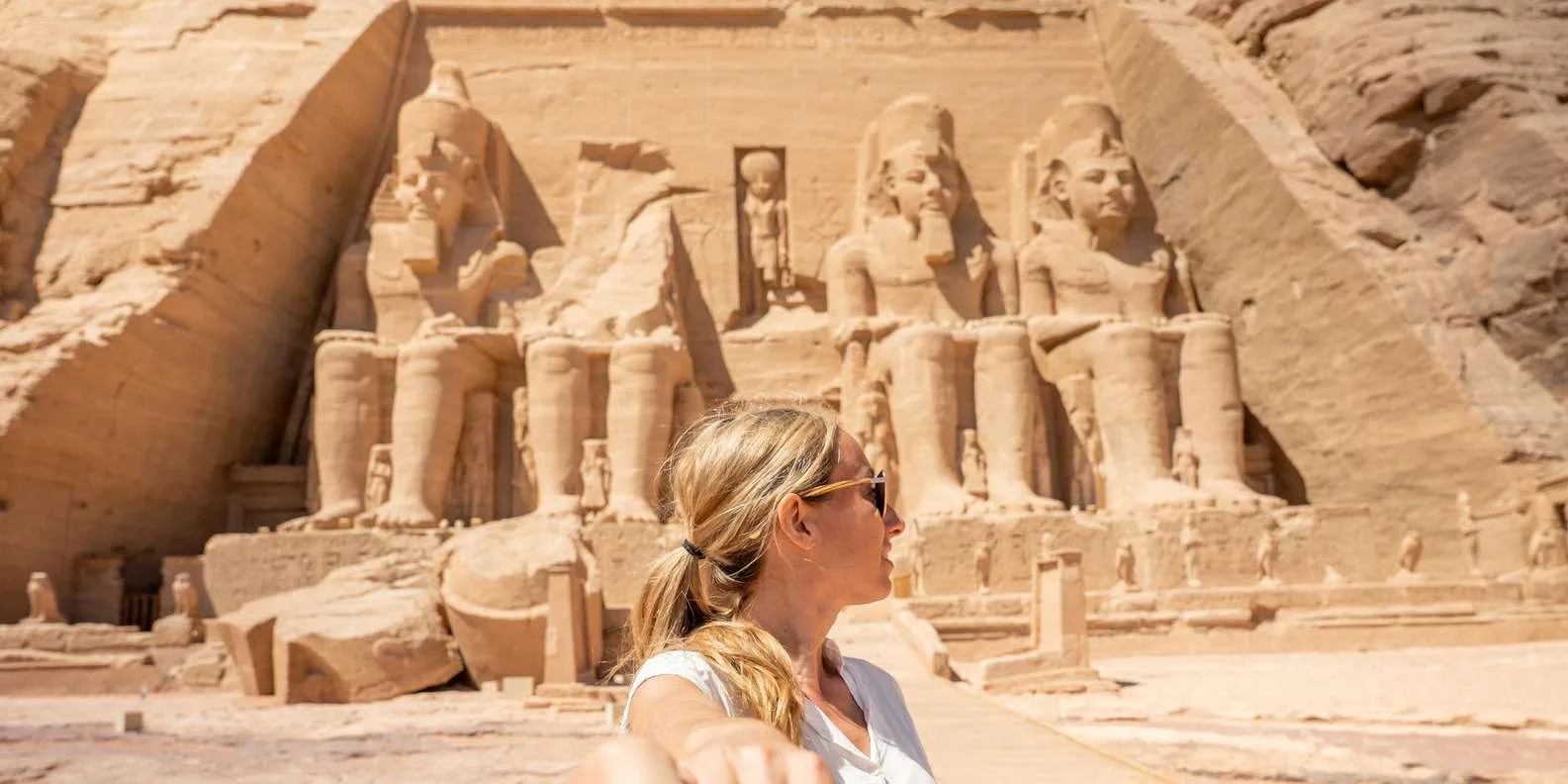
Rise before dawn for the trip south to Abu Simbel, Ramesses II's colossal twin temples carved into a cliff and famously relocated block by block when Lake Nasser rose behind the dam. The four giant seated figures at the entrance are one of Egypt's defining images. Return to Aswan and, if you're cruising, settle into your ship for the sail north.
Tip: you can also reach Abu Simbel by a short flight, which turns a long road day into a half-day.
Day 6 — Sail the Nile: Kom Ombo & Edfu
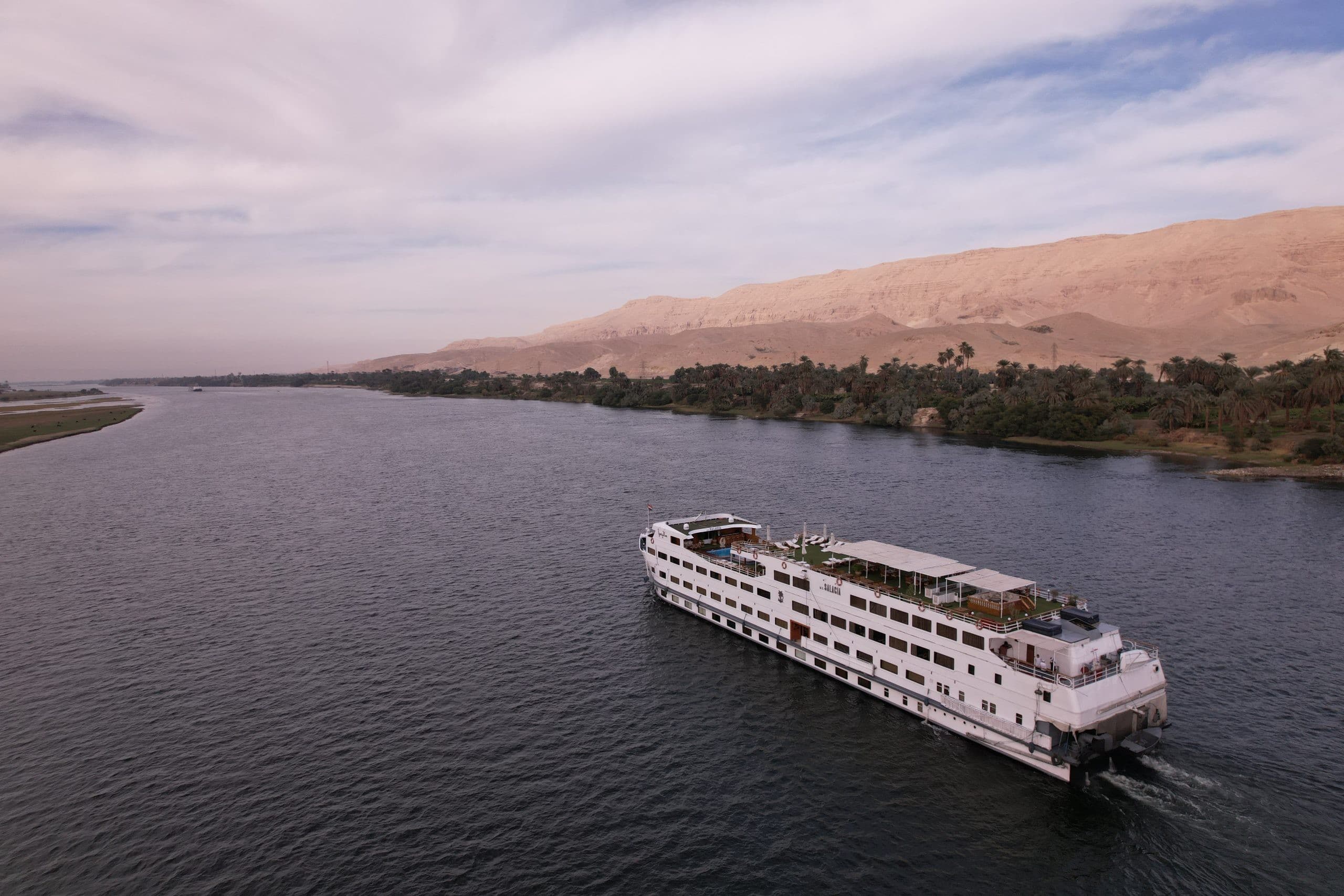
Today is pure Nile. As your cruise glides north (or as you drive the same route), stop at the riverside Temple of Kom Ombo, unusually dedicated to two gods and home to a chilling collection of mummified crocodiles, and the beautifully preserved Temple of Edfu, one of the most complete temples in Egypt. Between stops, watch rural Egypt drift past from the sun deck — this is the day people remember most.
Day 7 — Luxor: The West Bank
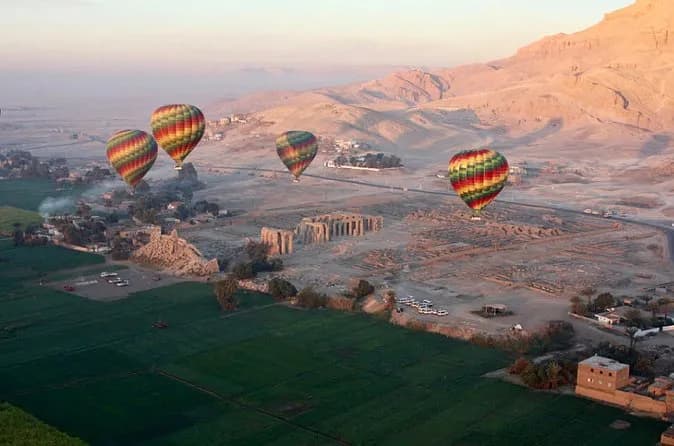
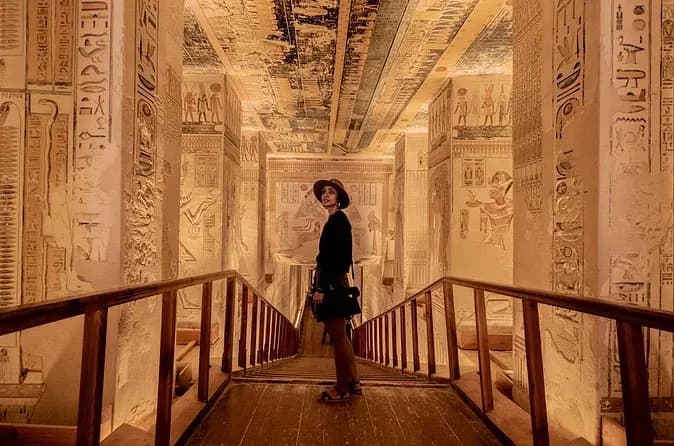
Arrive in Luxor, the world's greatest open-air museum. Spend the morning on the West Bank exploring the Valley of the Kings, where you'll descend into the vividly painted tombs of the pharaohs (Tutankhamun's among them), then visit the elegant Temple of Hatshepsut and the towering Colossi of Memnon. For an unforgettable start, book a sunrise hot air balloon over the whole west bank.
Where to stay: a Nile-view hotel on Luxor's east bank puts you near the temples and restaurants.
Day 8 — Luxor: The East Bank
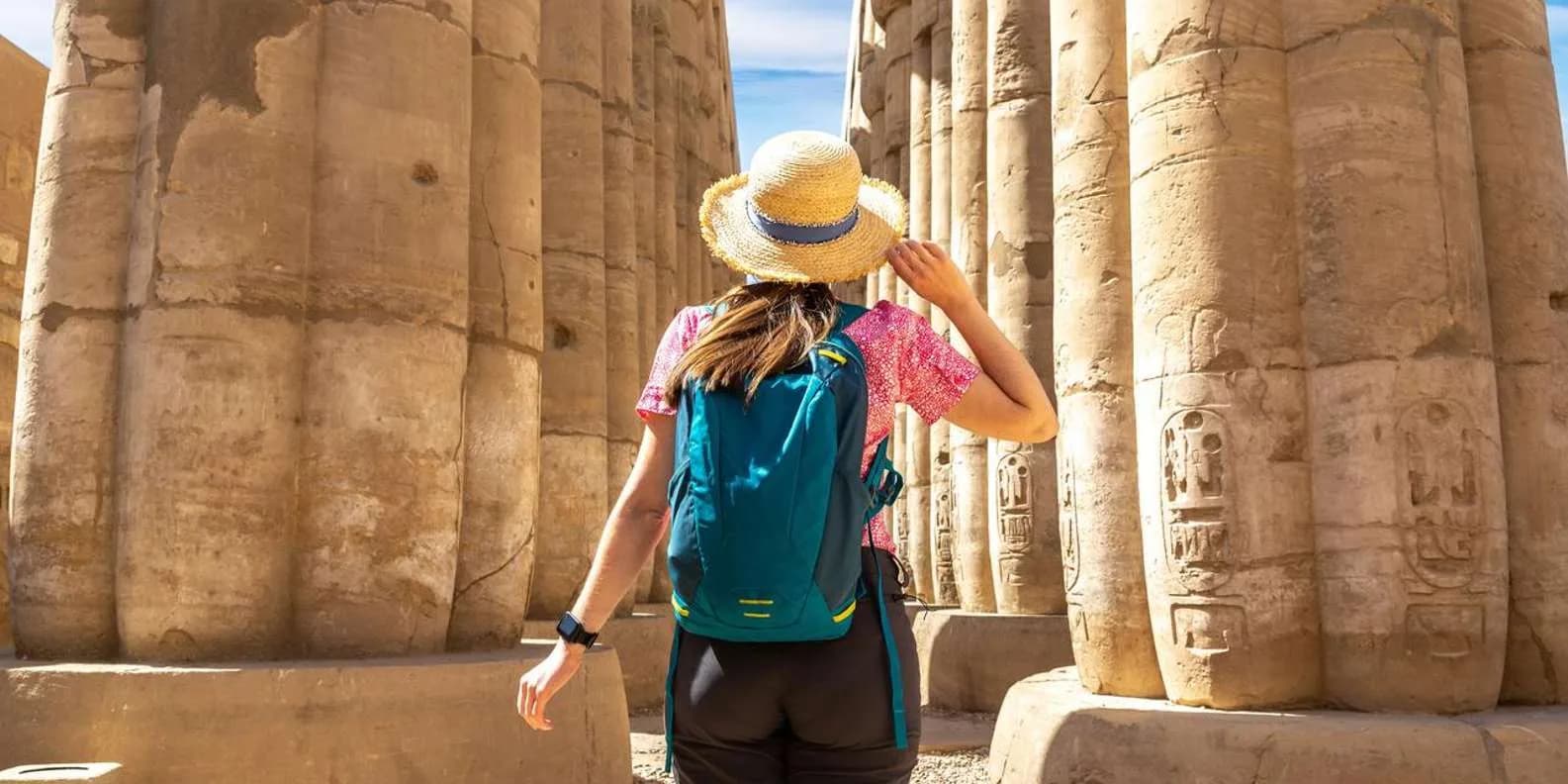
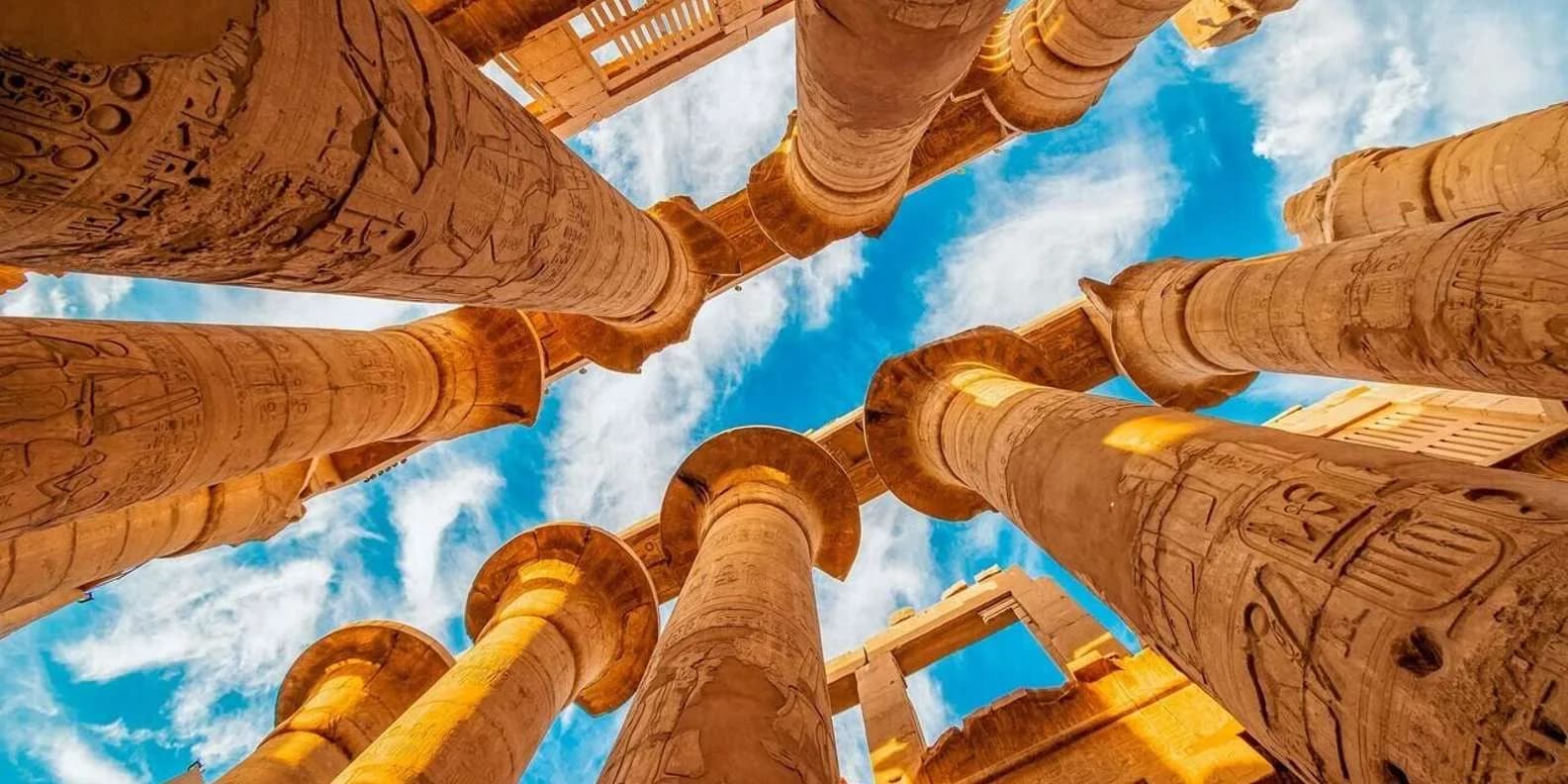
Cross to the East Bank for the two giants: Karnak Temple, a staggering forest of 134 columns in its Great Hypostyle Hall, and the graceful Luxor Temple, best seen in late afternoon and after dark when it's beautifully lit. Round out the day at the Luxor Museum, a small but superbly curated collection that's the perfect counterpoint to the crowds.
Day 9 — Fly to Cairo
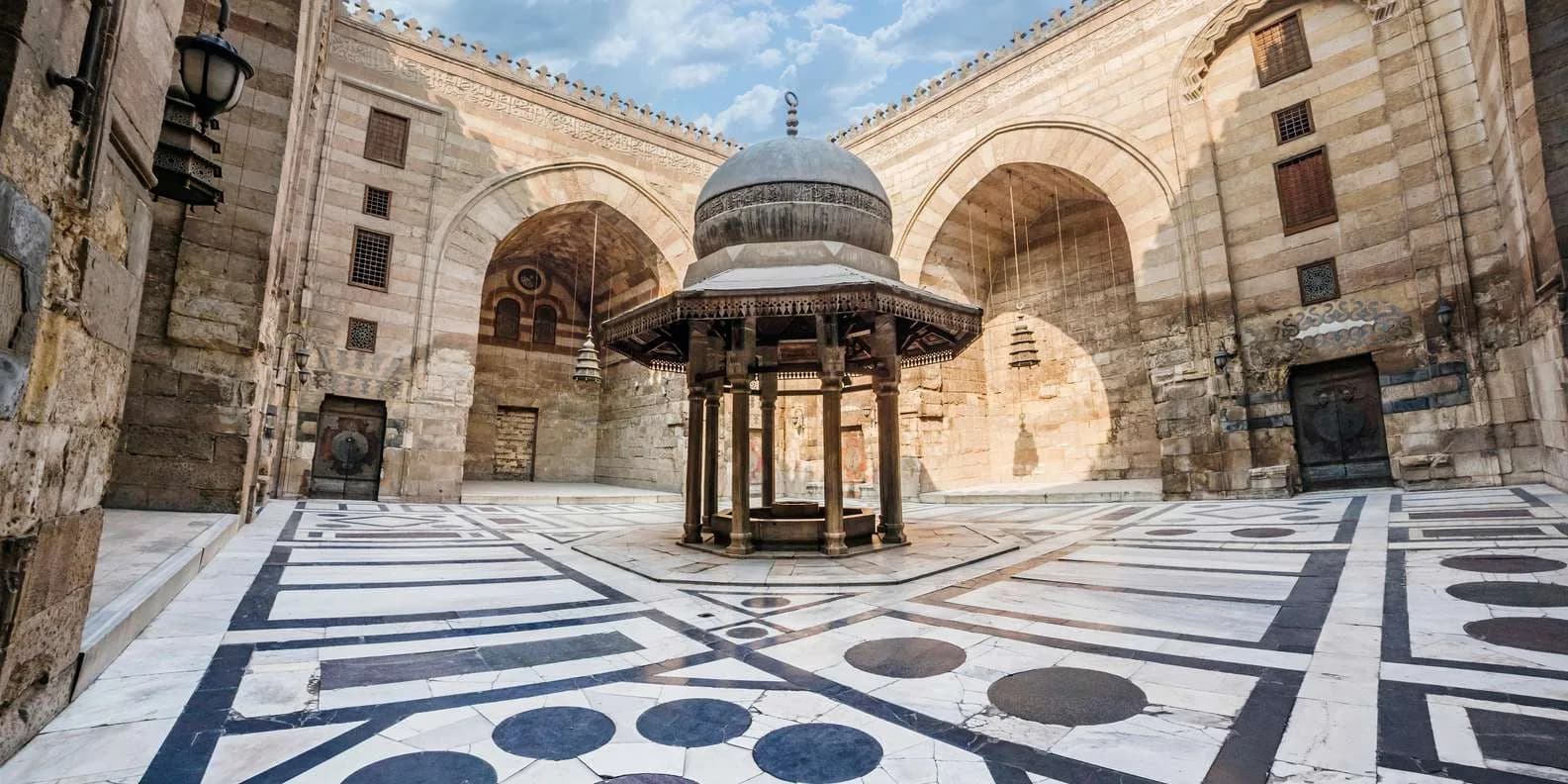
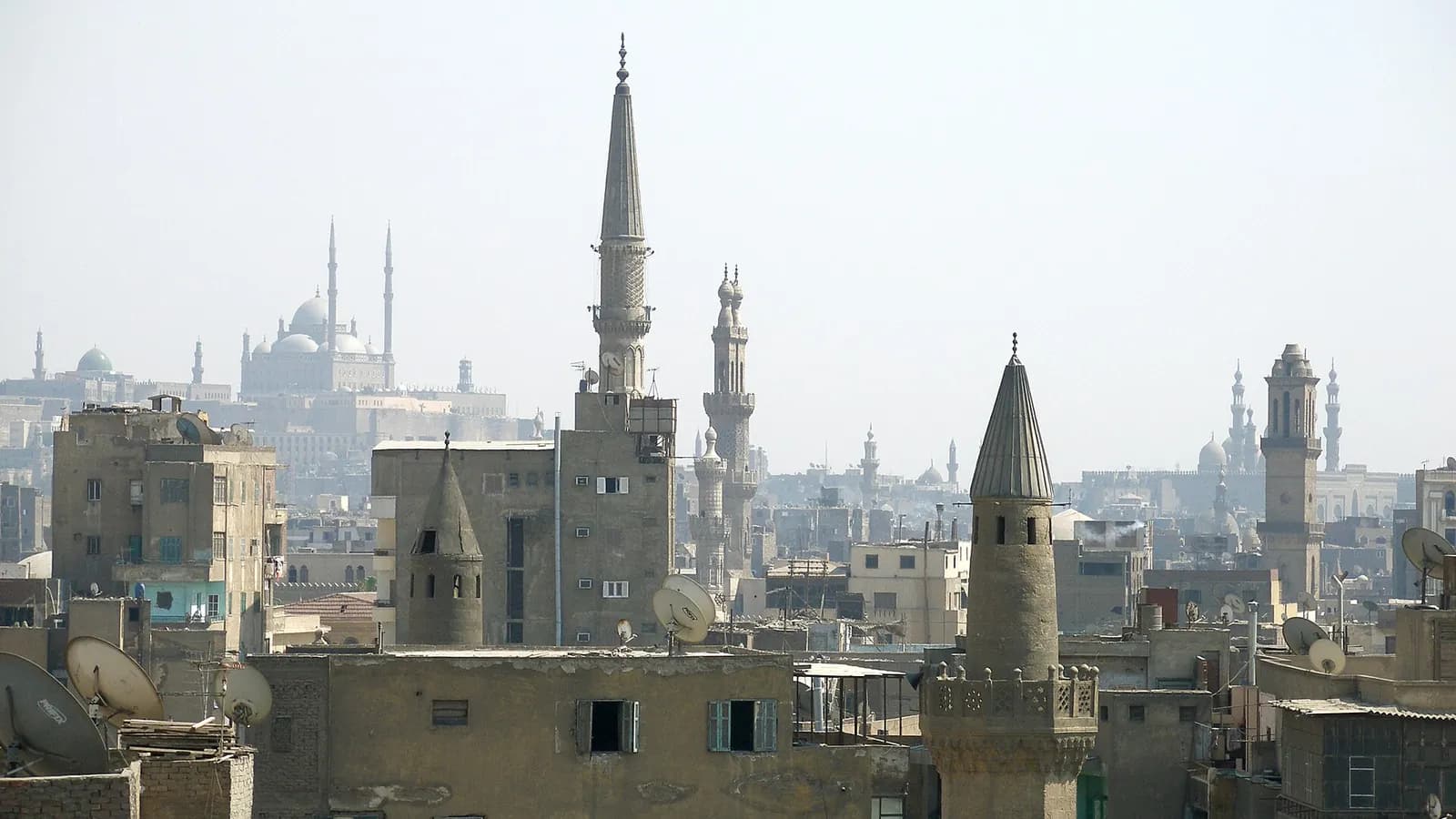
Fly back to Cairo and use your final full day to catch what you missed. Good options: Islamic Cairo and the Citadel for its mosques and skyline views, the medieval maze and lantern-lit stalls of the Khan el-Khalili market, or Coptic Cairo with its ancient churches and the Ben Ezra Synagogue. Finish with a farewell dinner cruise on the Nile.
Day 10 — Depart
Transfer to the airport for your flight home, most likely still processing 5,000 years of history in a week and a half.
How to Shorten This Itinerary
Short on time (5–7 days)? Keep Cairo (Days 1–2) and fly straight to Luxor for the west and east banks (Days 7–8), skipping Aswan and Abu Simbel. You'll still hit the Pyramids, the Valley of the Kings, and Karnak — the headline sights — in under a week.
How to Extend This Itinerary
Got two weeks? Excellent additions include a few days on the Red Sea (Hurghada or Dahab) for diving and beach time, a desert overnight in the surreal White Desert, a day trip to Alexandria on the Mediterranean, or the remote oasis of Siwa. See our things to do in Egypt roundup for more ideas to slot in.
Should You Add a Nile Cruise?
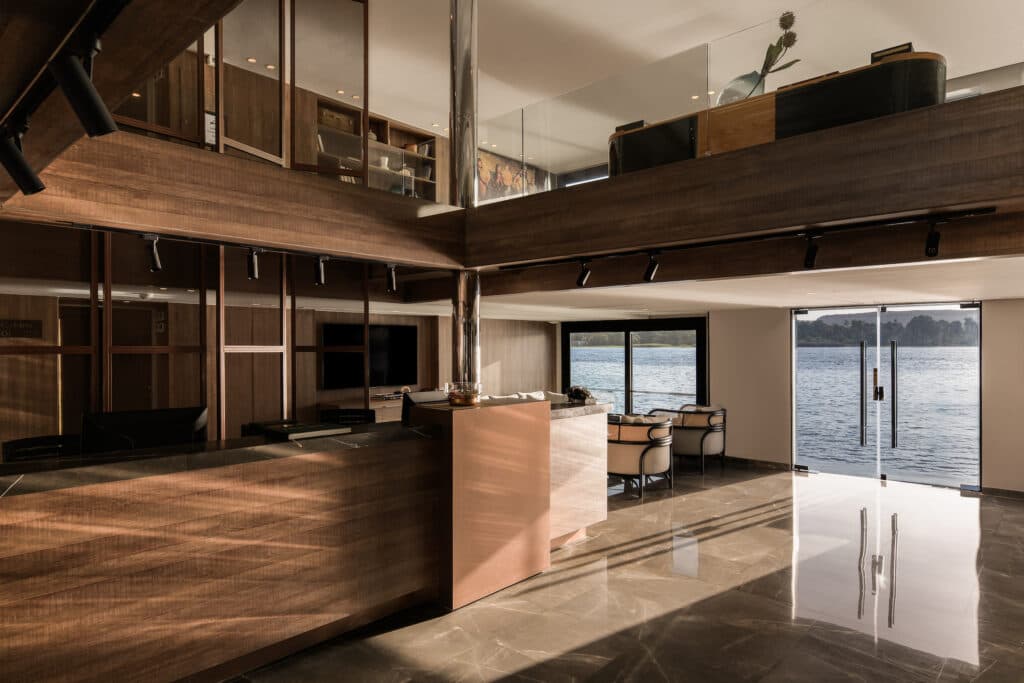
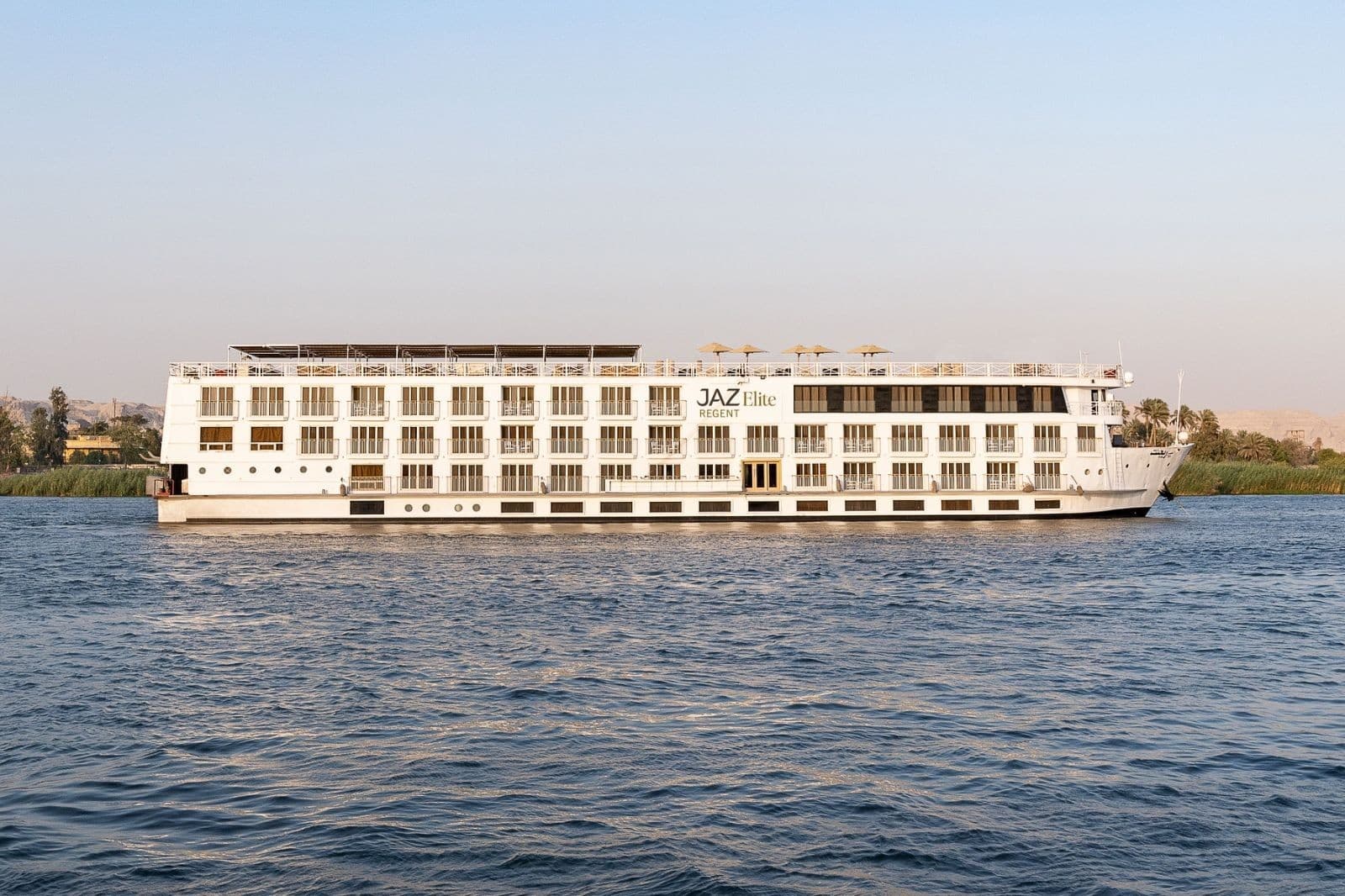
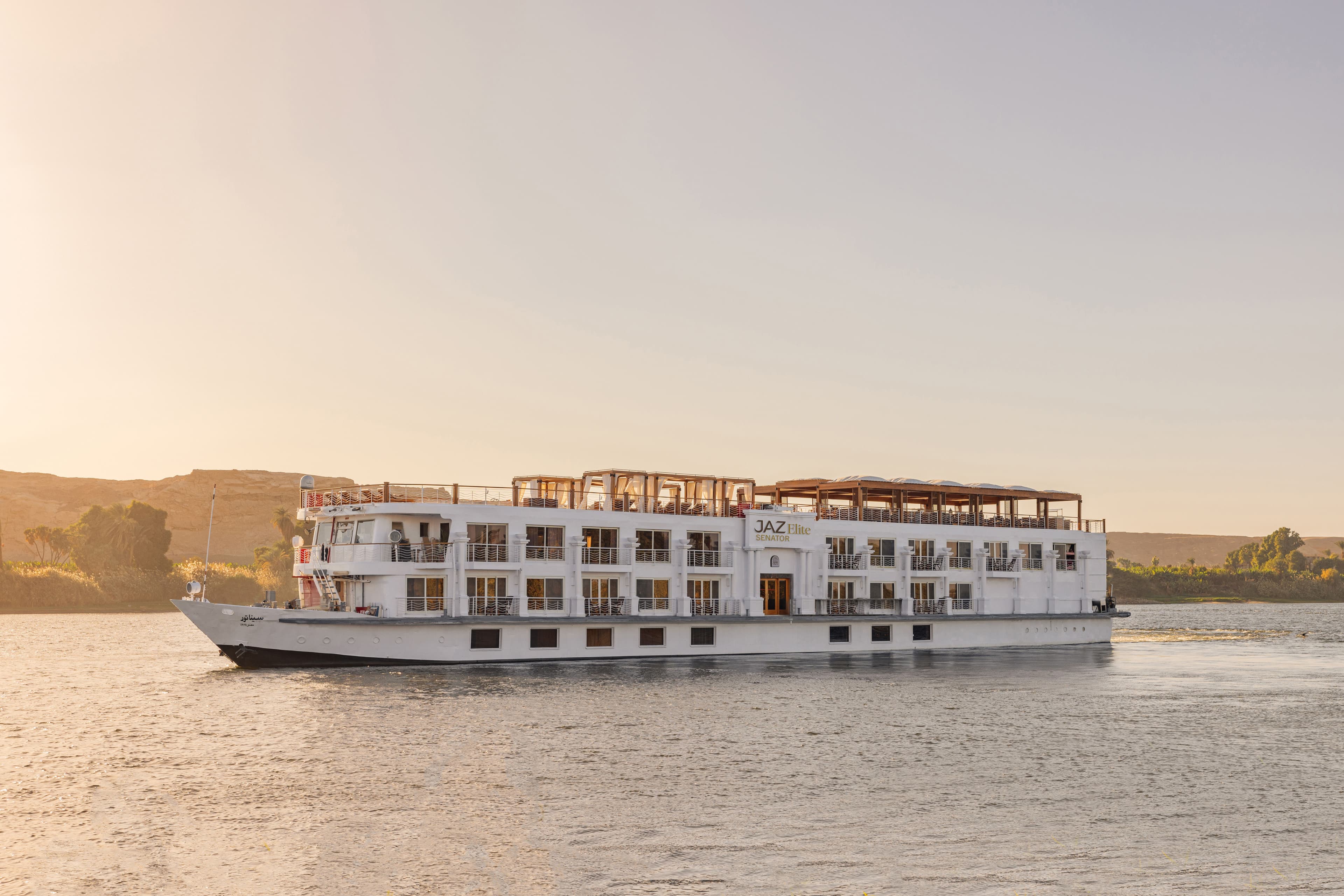
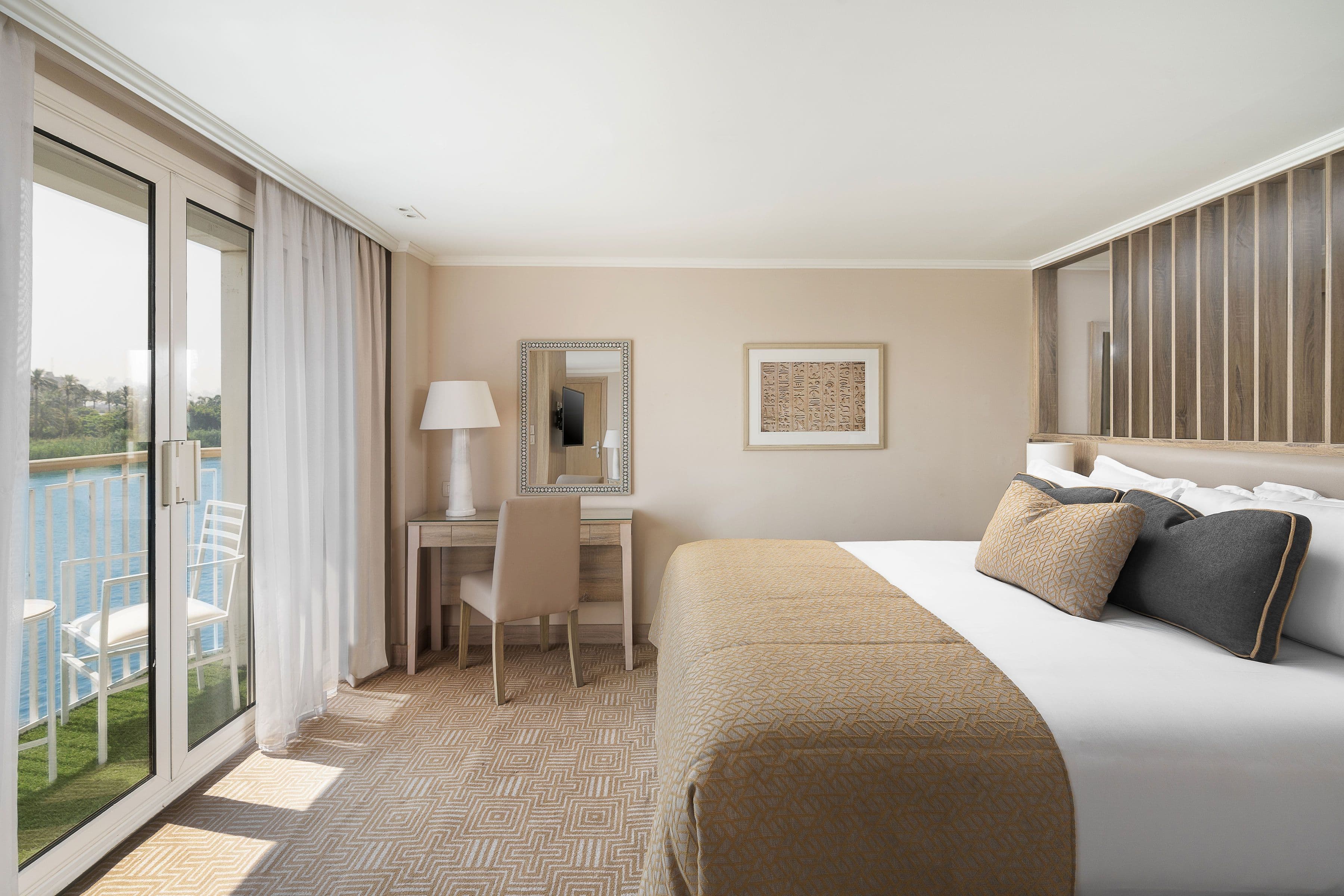
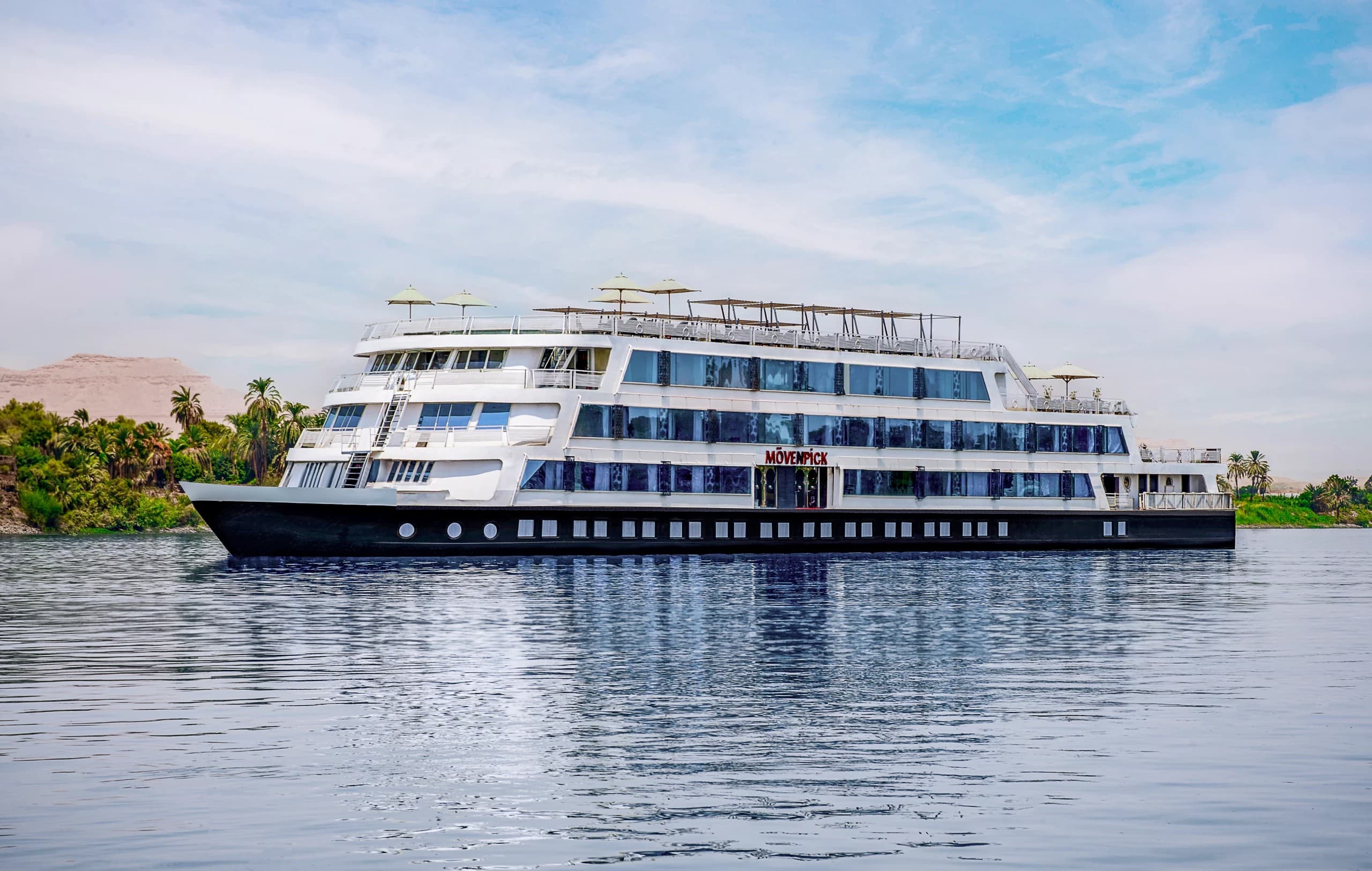
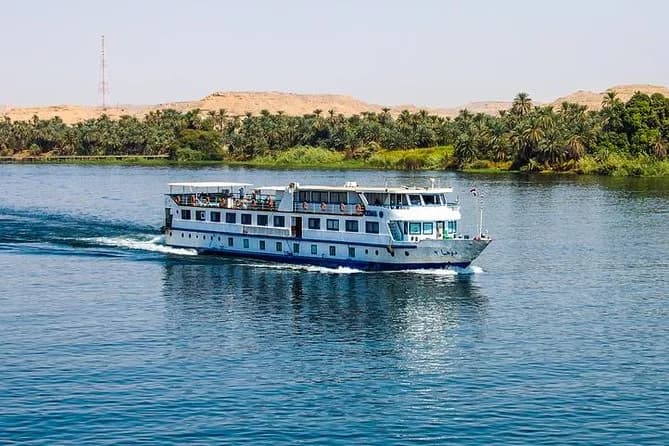
For most travelers, yes. A Nile cruise between Aswan and Luxor (Days 5–7 above) doubles as your transport and your hotel, delivers the riverside temples of Kom Ombo and Edfu with zero logistics, and gives you the most romantic stretch of the whole trip from your own deck. Options range from large cruise ships to intimate traditional dahabiya sailboats.
This is Egypt offers handpicked Nile cruises for every style and budget — compare cruise options Compare Nile cruises →
Best Time to Do This Trip
Aim for October to April for comfortable sightseeing temperatures. Upper Egypt (Aswan and Luxor) is brutally hot from May to September, though you'll trade the heat for thin crowds and lower prices. For the full seasonal breakdown, see our Egypt travel guide.
Plan Your Egypt Trip
This itinerary is your backbone — now layer in the experiences that excite you most from our best things to do in Egypt, and check the full travel guide for visas, budgeting, and packing.
Want this itinerary run for you end to end? This is Egypt's private guides, transfers, and Nile cruise take care of every detail. Get your custom quote Get a custom quote →
A real team available 24/7 to assist you — free
Seif and the team reply on WhatsApp 24/7 — trip questions, custom plans and booking help.
Ask Seif on WhatsAppCommon questions
Is 10 days enough for Egypt?
Yes — 10 days is the sweet spot for a first trip. It covers Cairo and the Pyramids, Aswan and Abu Simbel, a Nile cruise, and Luxor's temples and tombs at a comfortable pace.
Should this itinerary include a Nile cruise?
For most travelers, yes. A cruise between Aswan and Luxor doubles as transport and hotel, delivers the temples of Kom Ombo and Edfu with no logistics, and is the most scenic stretch of the trip.
Can I do Egypt in 7 days instead?
Yes — keep Cairo and the Pyramids, then fly straight to Luxor for the west and east banks, skipping Aswan and Abu Simbel. You'll still see the headline sights in under a week.
Which direction should I travel the Nile?
Flying south to Aswan first and working north to Luxor is the direction most cruises sail, and it saves Luxor's biggest sights for when you've already learned the history.
What's the best time of year for this itinerary?
October to April for comfortable sightseeing temperatures. May–September is very hot in Upper Egypt but cheaper and less crowded.
Book it on This is Egypt
Turn this guide into a trip





Egypt's bestsellers
The experiences travelers book most, across the country





Keep reading
3 Days in Cairo: The Perfect First-Timer's Itinerary
Pyramids, Islamic Cairo, Coptic alleys and the Grand Egyptian Museum: a tested 72-hour Cairo plan with real timings, transport and prices.
By TiE Editors9 min read

7-Night Nile Cruise: Luxor to Aswan Round Trip (2026)
The complete 7-night Luxor-Aswan-Luxor Nile cruise: a relaxed pace, every major temple, optional Abu Simbel and Dendera add-ons, and the full classic Egypt experience.
By TiE Editors8 min read

5-Day Nile Cruise: The Ideal Itinerary (2026)
A relaxed 5-day, 4-night Nile cruise from Luxor to Aswan taking in Karnak, Valley of the Kings, Edfu, Kom Ombo and Philae — with time to spare for Abu Simbel, Egypt's fuller cruise option.
By TiE Editors7 min read