

7-Night Nile Cruise: Luxor to Aswan Round Trip (2026)
The complete 7-night Luxor-Aswan-Luxor Nile cruise: a relaxed pace, every major temple, optional Abu Simbel and Dendera add-ons, and the full classic Egypt experience.
Nile Cruises & Dahabiyas
Turn this guide into a trip
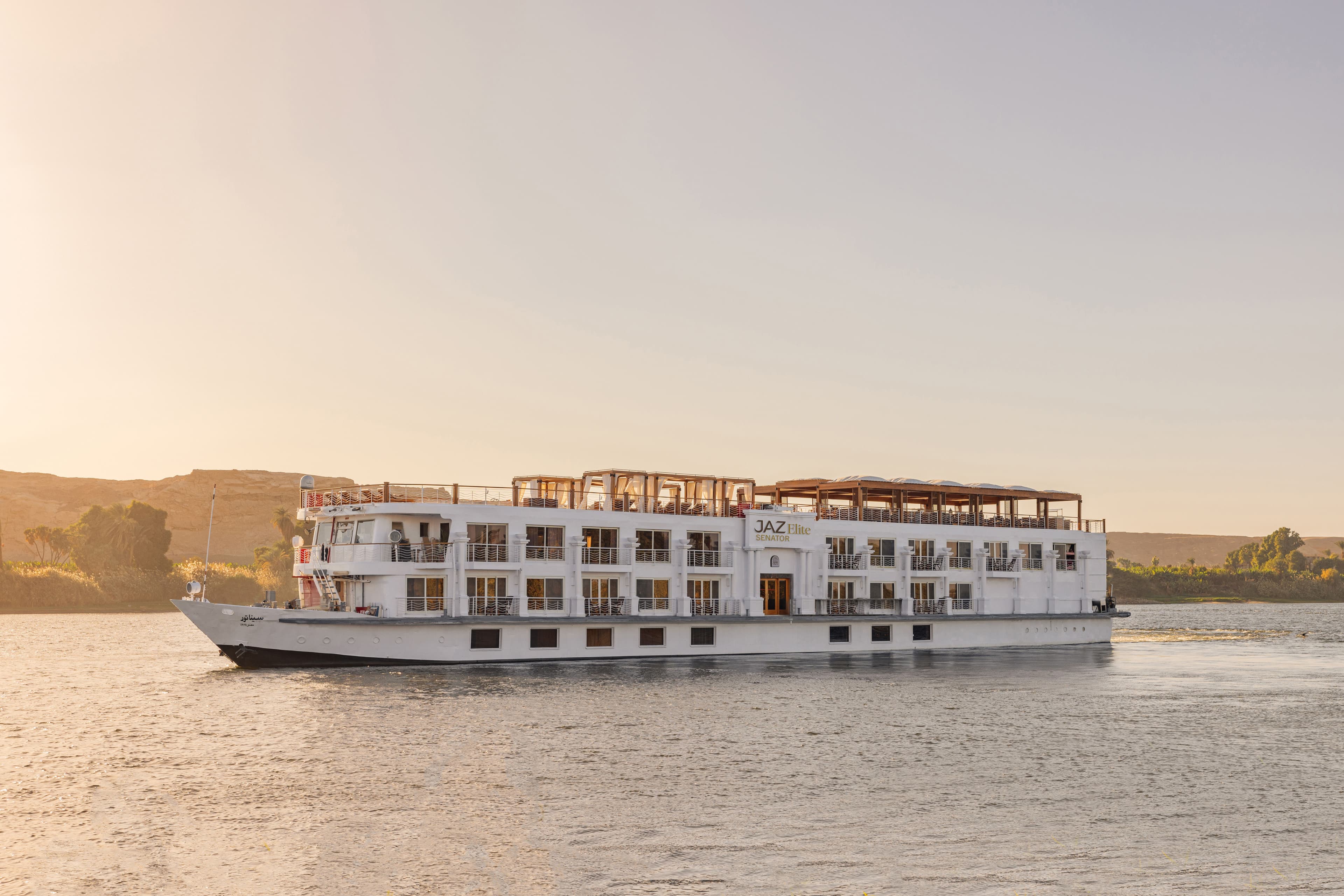
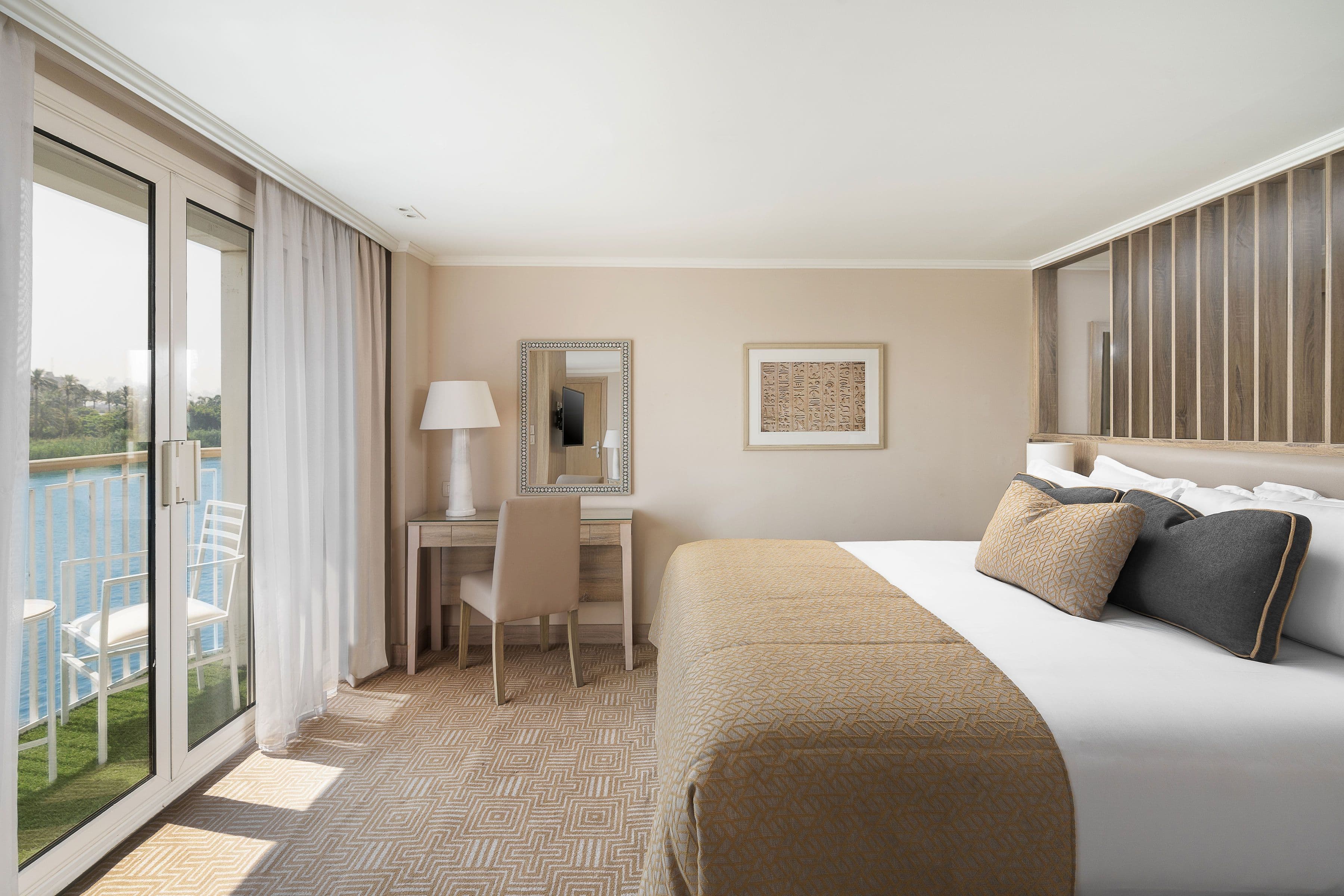
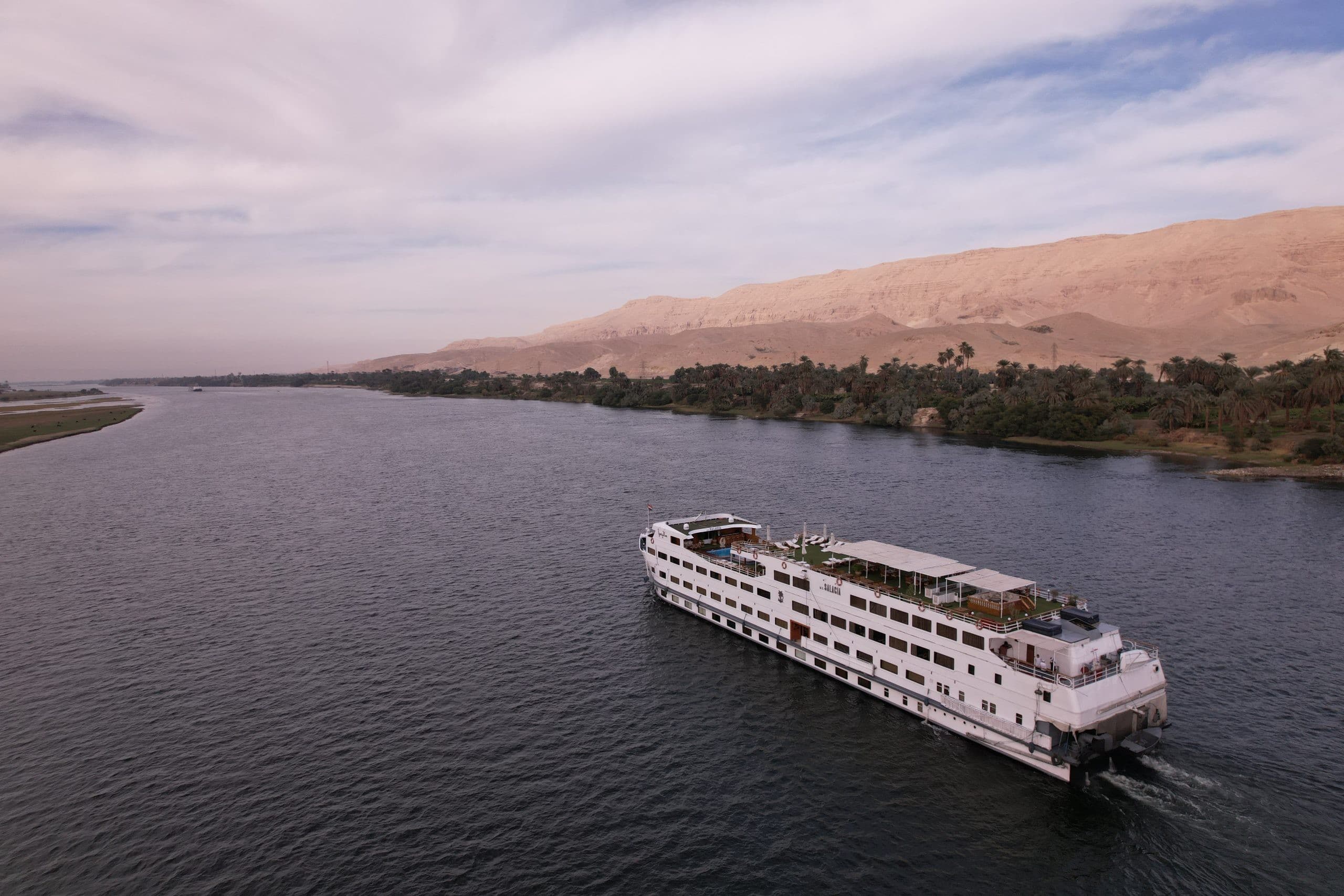
Quick answer: A 7-night Luxor–Aswan–Luxor round-trip Nile cruise is the complete, unhurried version — every major temple at a relaxed pace, with optional Abu Simbel and Dendera add-ons. Because it sails the route in both directions, it leaves nothing out.
The Classic, Unhurried Way to See the Nile
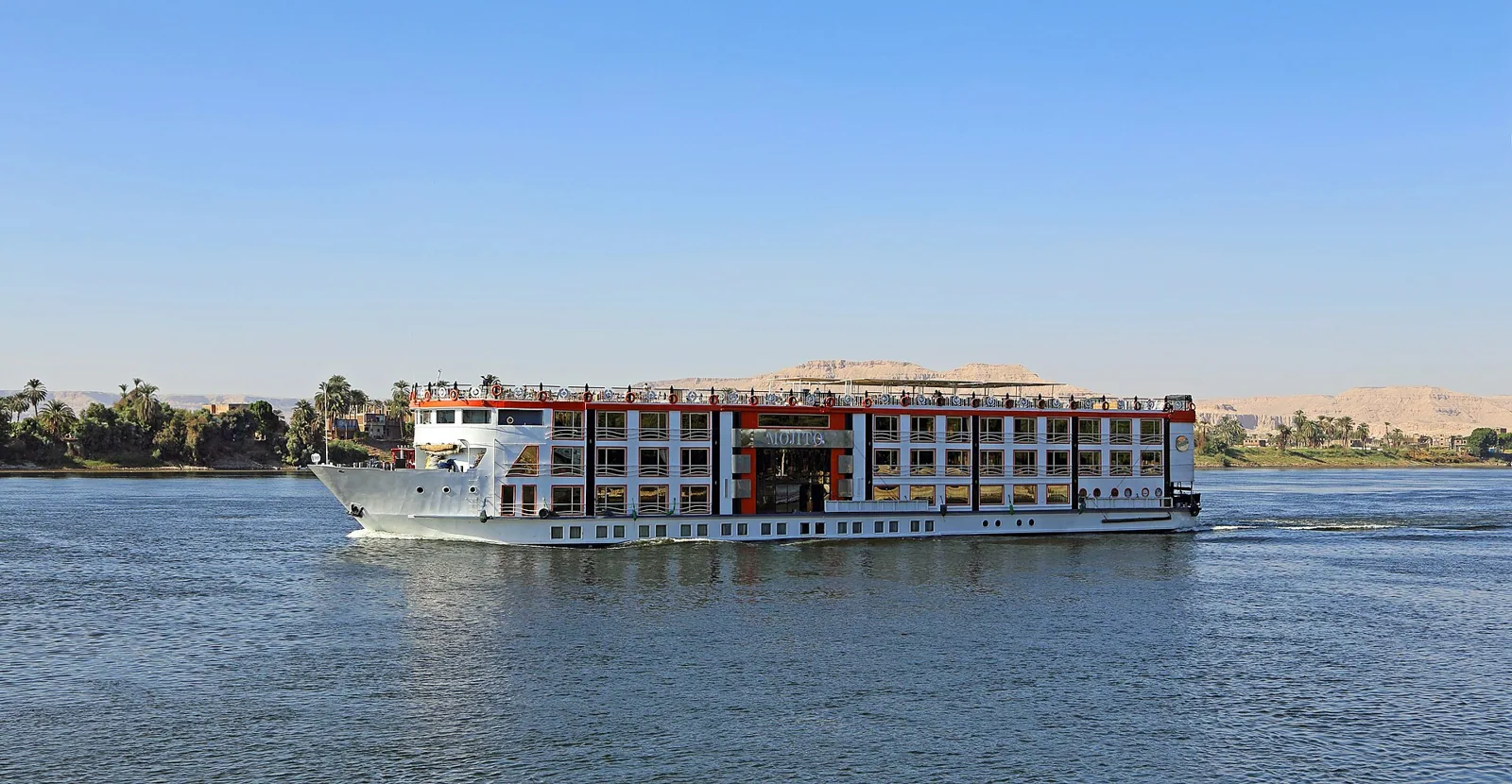 Of all the ways to sail Egypt's river, the 7-night round trip between Luxor and Aswan is the one that leaves nothing out. Rather than sailing one direction and disembarking at the far end, you cruise upstream to Aswan and then sail back down to Luxor, spending a full week aboard instead of the more common three or four nights. That extra time changes the character of the trip completely: temples that other itineraries rush through in an hour become unhurried mid-morning visits, sailing days are genuinely restful rather than compressed, and there is room to add Abu Simbel or Dendera without sacrificing anything else. For a broader look at how Nile cruising works in general, including routes, boat types and booking basics, see our Nile river cruise guide.
Round Trip vs One-Way: The Trade-off
Most Nile cruises run one-way, either Luxor to Aswan (downstream to upstream, against the current) or Aswan to Luxor, typically over three or four nights. Those shorter, one-way sailings are efficient: you see the highlights, disembark at the opposite city, and fly home from there. Our 5-day Nile cruise itinerary covers that faster format in detail. The 7-night round trip works differently. Because the ship returns you to Luxor, your flights and transfers stay simple; you fly into and out of the same city, which is genuinely convenient if you are combining the cruise with time in Cairo beforehand or afterward. The cost is time and money: you are paying for extra nights aboard, and a handful of days are simply sailing between ports with no shore excursions. If your holiday time is limited, a one-way three or five-night sailing covers the essential temples in far less time. The round trip is for travelers who see the extra days as the point, not a cost.
A Realistic Day-by-Day Itinerary
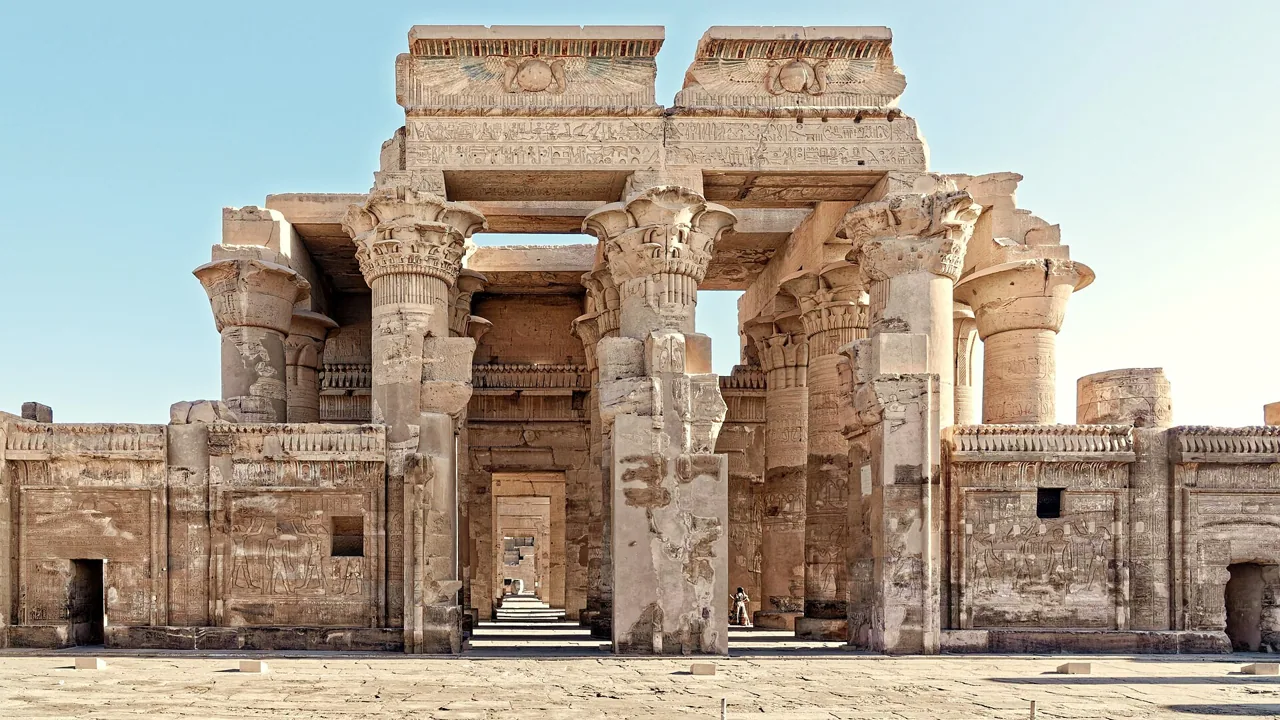 While every operator varies the order slightly, a typical 7-night round trip runs something like this:
Day 1 - Luxor: Embark in the afternoon, settle into your cabin, and sail that evening or the next morning.
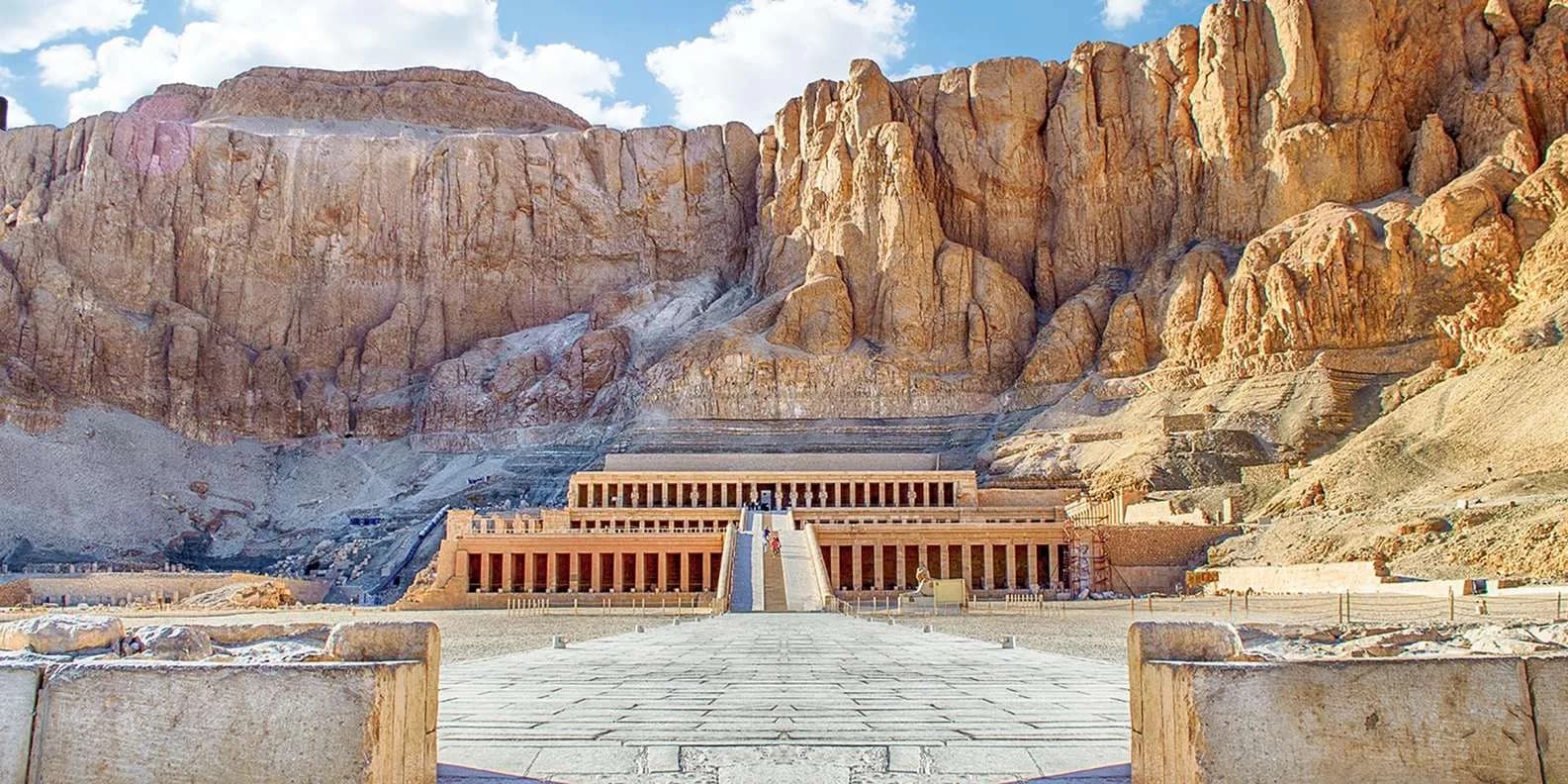
Day 2 - Luxor: A full day touring the East Bank (Karnak and Luxor Temples) and West Bank (Valley of the Kings, Hatshepsut's Temple, the Colossi of Memnon) before the ship departs upriver that evening.
Day 3 - Edfu: Morning sailing, then a visit to the Temple of Horus at Edfu, one of Egypt's best-preserved temples, usually reached by horse-drawn carriage from the dock.
Day 4 - Kom Ombo and Aswan: An early stop at the unusual double temple of Kom Ombo, dedicated jointly to Sobek and Horus, then continuing to Aswan by afternoon.
Day 5 - Aswan: A full day for the High Dam, the Unfinished Obelisk, and Philae Temple by boat, plus an optional overnight excursion to Abu Simbel, which is far easier to fit into a 7-night schedule than a shorter cruise.
Day 6 - Sailing back, with a twist: Many round-trip itineraries use the return leg to visit sites the northbound leg skipped, occasionally extending as far as Dendera Temple near Qena, dedicated to Hathor, which shorter cruises rarely include at all.
Day 7 - Esna and back to Luxor: Passing through the Esna lock and arriving back in Luxor by evening, with a farewell dinner on board.
Day 8 - Disembarkation: Breakfast and departure after breakfast.
The extra nights are what allow this pacing. On a 3-night sailing, Edfu and Kom Ombo are often combined into a single rushed morning; here they get their own dedicated stops, and you are rarely rushed off a site before you have properly seen it.
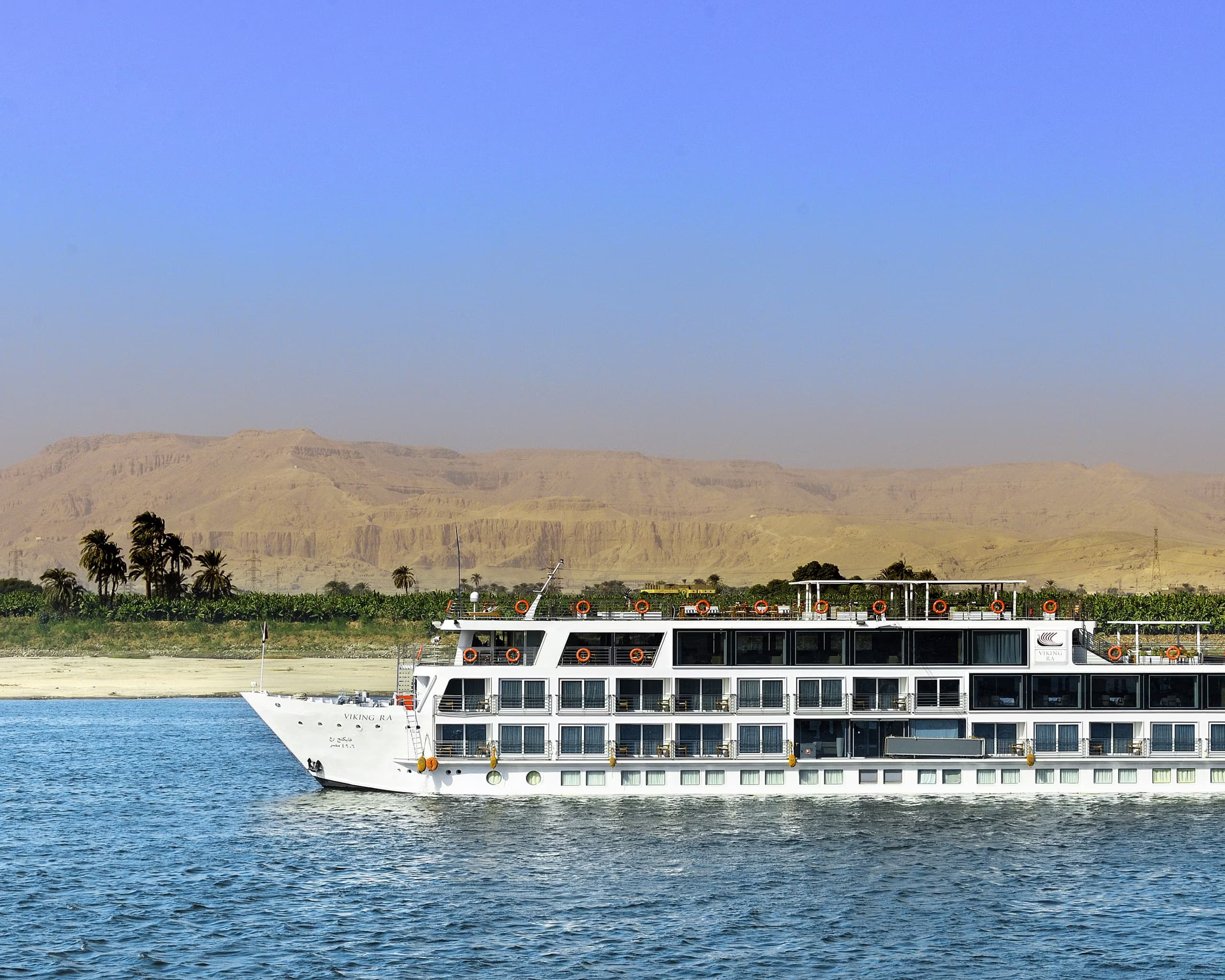
The long sailing stretches between Luxor, Edfu, Kom Ombo and Aswan are also part of the appeal rather than dead time. The riverbanks slide past with palm groves, small farming villages, water buffalo at the shoreline and feluccas tacking across the current, and most ships have a sun deck built exactly for watching it go by with a book or a cold drink in hand. On a shorter cruise these stretches feel like a means to an end; on a full week they become one of the more memorable parts of the trip.
What is Typically Included
A standard 7-night package covers full board (breakfast, lunch, afternoon tea and a multi-course dinner daily), your cabin with river views, all the guided shore excursions listed above with an Egyptology guide and licensed site entry fees, onboard entertainment such as a galabeya party or Nubian folklore night, and port and mooring fees. What is usually excluded: flights to and from Egypt, the domestic flight or overnight train if you are not starting in Luxor, drinks beyond water and tea at meals, tipping (which adds up over a week and is worth budgeting for separately), and the Abu Simbel and Dendera extensions, which are almost always optional add-ons rather than included stops.
5-Star Ships and Dahabiya Options for a Full Week
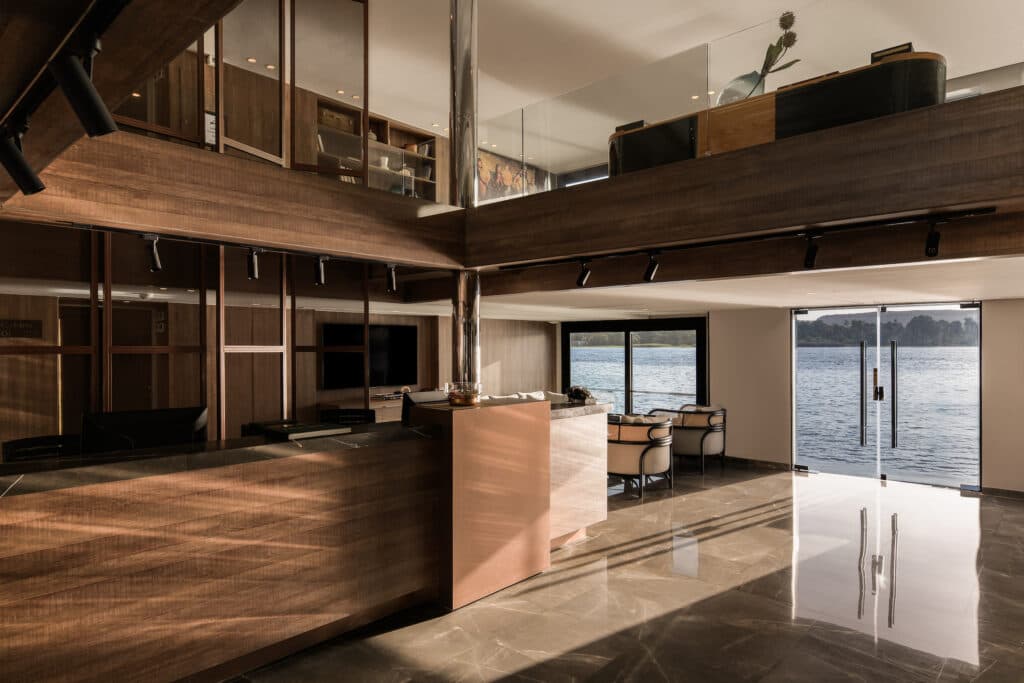
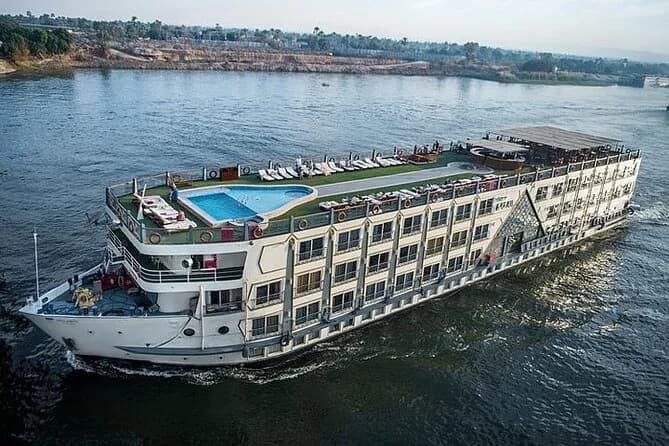
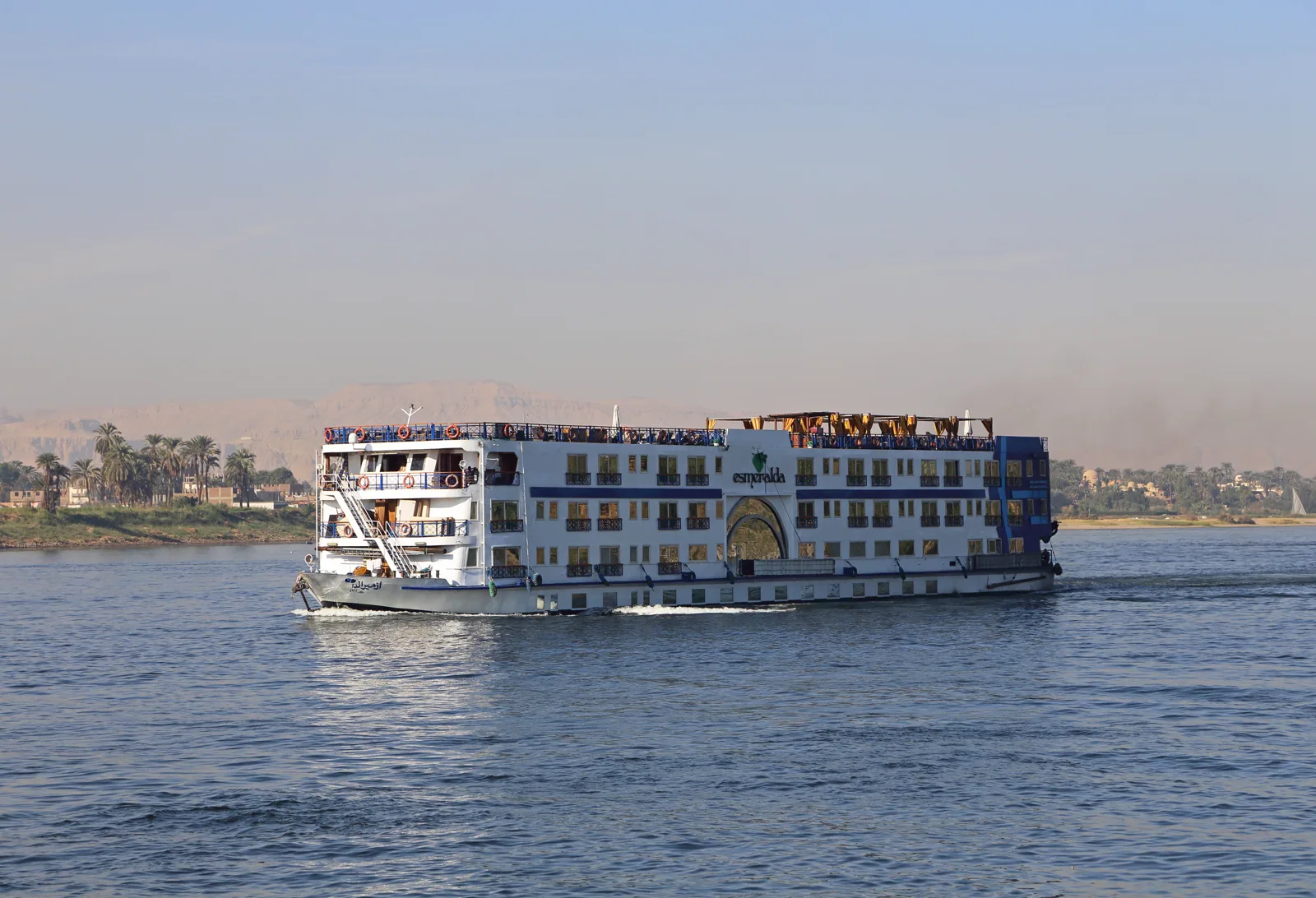 A full week aboard is long enough that the choice of vessel matters more than it does on a quick 3-night hop. At the higher end, 5-star Nile cruisers offer larger cabins, a sun deck pool, spa treatments and better food, which is worth the premium when you are living on board for seven nights rather than three. Our guide to luxury Nile cruises goes into the specific ship classes and what separates a genuine 5-star experience from a marketed one. At the other end of the spectrum, a dahabiya, a small traditional sailboat carrying a handful of cabins, suits travelers who want intimacy over amenities: no pool, no entertainment programme, but a quieter, slower, more characterful week with a much smaller group and more flexible mooring spots away from the larger ship traffic.
Best Time to Sail
October through April is the comfortable window, with daytime temperatures in the twenties Celsius and cooler evenings on deck. December and January are the coolest and busiest, with the Christmas and New Year period commanding premium pricing. May through September brings serious heat, often above 40C in Aswan by midday, which is genuinely taxing for a week of temple walking, though it also brings the lowest prices and thinnest crowds at the sites themselves.
Who a 7-Night Cruise Actually Suits
This itinerary is built for first-time visitors who want the complete classic Egypt experience in one trip rather than returning for a second cruise later, for honeymooners and anniversary travelers who want a slower, more romantic pace with real downtime between excursions (browse our curated Nile cruises for a sense of what is available), and for anyone who finds the idea of rushing through four or five temples in three days more stressful than enjoyable. It is a poor fit for travelers on a short Egypt trip of a week or less overall, since the cruise alone would consume the whole visit, and for budget-conscious travelers, since seven nights aboard is meaningfully more expensive than the shorter sailings.
Packing and Temple Dress Code
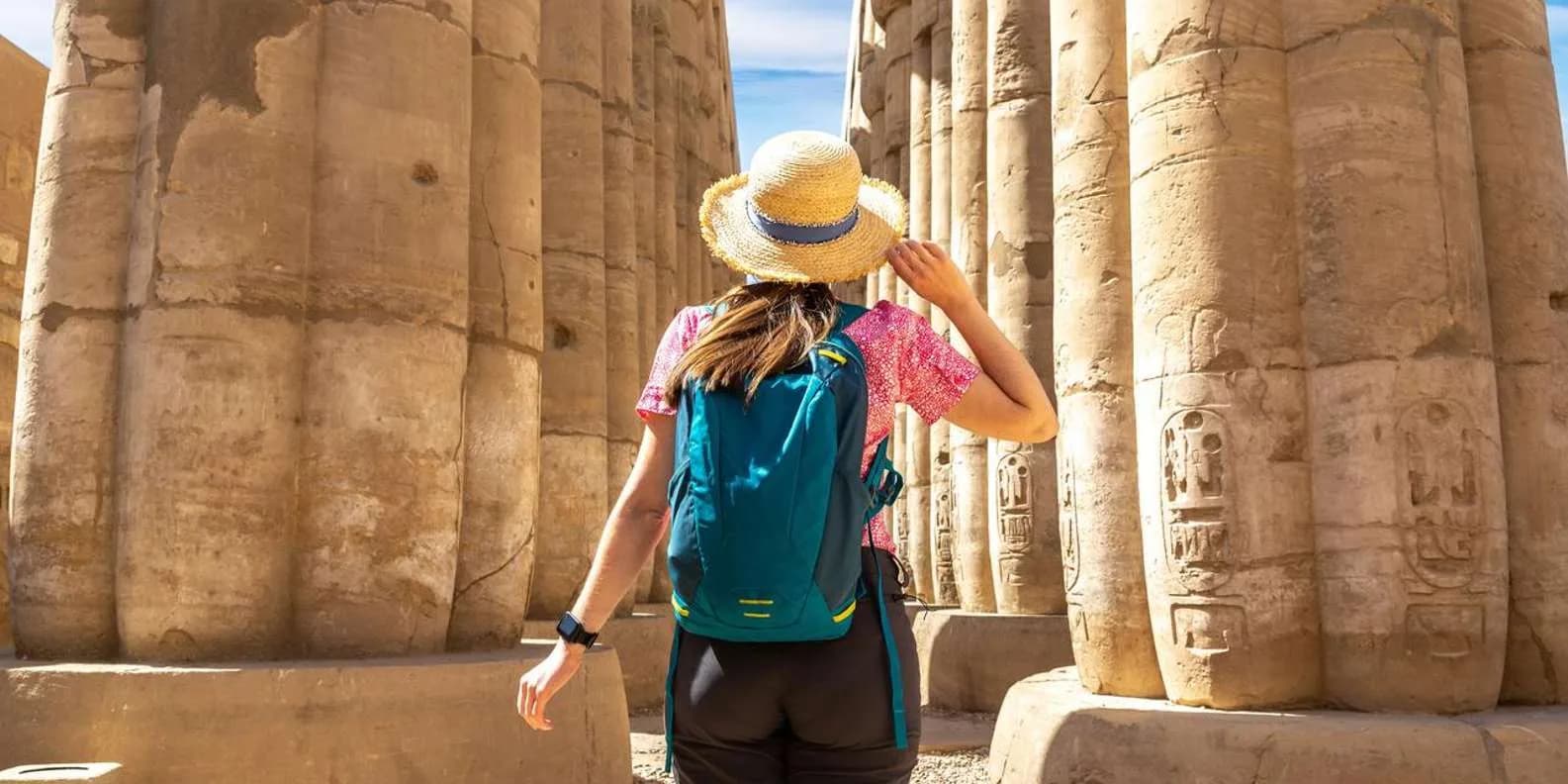
Pack light layers: warm days, cool evenings on the sun deck, and one smarter outfit for the captain's dinner. Modest dress is expected at all temple sites, meaning shoulders and knees covered for both men and women; a light scarf or shawl is useful for shade and modesty in one item. Comfortable closed shoes matter more than sandals given the uneven stone underfoot at Karnak and the Valley of the Kings, and a hat, sunscreen and a reusable water bottle are essential given how much time each day is spent outdoors in direct sun.
Combining with a Few Days in Cairo
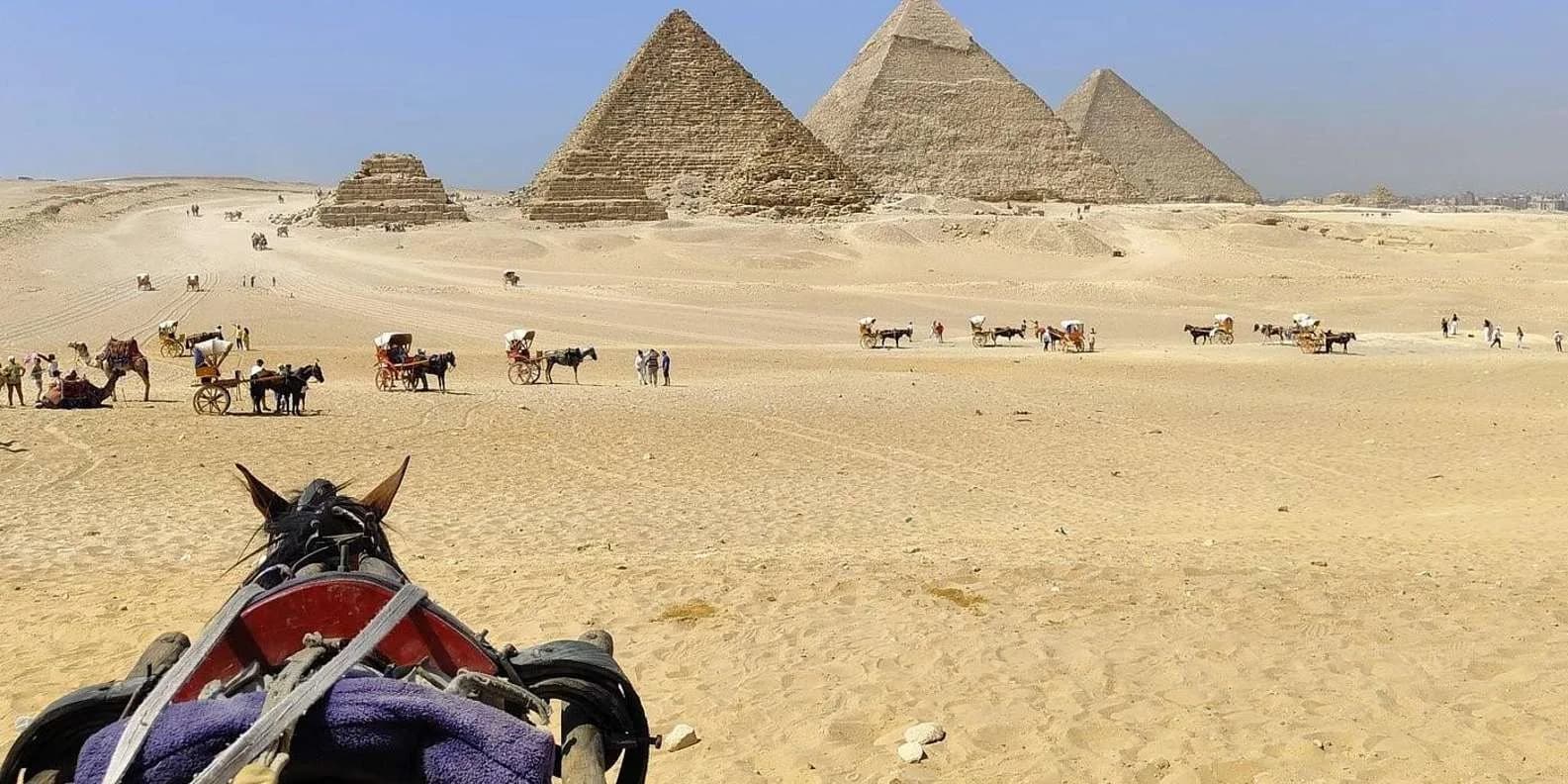
Because the round trip returns you to Luxor, it pairs cleanly with two or three days in Cairo either before or after the cruise, seeing the Pyramids of Giza, the Egyptian Museum and Islamic Cairo without needing to backtrack across the country. Flying Cairo to Luxor and back is a short, frequent domestic hop, so the logistics stay simple even with a full week on the river in between.
Is Seven Nights Worth It
Honestly, it depends on what you are optimizing for. The 7-night round trip is the most expensive and longest standard Nile cruise format, and for many travelers it is more time and money than the highlights actually require; a 3 or 5-night one-way sailing captures Karnak, the Valley of the Kings, Edfu, Kom Ombo and Philae just as thoroughly, only faster. What the extra nights buy is pace: fewer 6am wake-up calls, real leisure time at each site, and room for Abu Simbel and Dendera without cutting anything else. If that slower rhythm sounds like the holiday you want, seven nights delivers it properly. If you are trying to see Egypt efficiently on a tighter schedule, it is probably more cruise than you need.

A real team available 24/7 to assist you — free
Seif and the team reply on WhatsApp 24/7 — trip questions, custom plans and booking help.
Ask Seif on WhatsAppCommon questions
What is the difference between a 7-night round trip and a one-way Nile cruise?
A one-way cruise sails Luxor to Aswan or Aswan to Luxor over 3 to 5 nights and you disembark at the far city. The 7-night round trip sails from Luxor to Aswan and back to Luxor, so you start and finish in the same place, with a slower pace and more time at each site.
Is Abu Simbel included in a 7-night Nile cruise?
Usually not included by default. Most operators offer it as an optional add-on excursion from Aswan, either as a day trip by road or a short flight, and it is much easier to fit into a 7-night schedule than a shorter 3-night sailing.
How much does a 7-night Nile cruise cost?
Pricing varies widely by ship class, season and cabin category. A standard 4 or 5-star cruise typically runs from around USD 1,200 to well over USD 3,000 per person for the week, with luxury ships and dahabiyas at the higher end and low season (summer) pricing noticeably cheaper.
Do I need a full week, or would a shorter cruise be enough?
A 3 or 5-night one-way cruise covers the same core temples: Karnak, Luxor Temple, the Valley of the Kings, Edfu, Kom Ombo and Philae. The 7-night round trip adds a slower pace, extra time at each stop, and easier room for Abu Simbel or Dendera, but it is not strictly necessary to see the highlights.
What is the best time of year for a 7-night Nile cruise?
October through April offers comfortable daytime temperatures for a week of temple visits. December and January are the coolest and busiest months. May through September is very hot, often above 40C in Aswan, but prices are lowest and sites are less crowded.
Is a dahabiya a good choice for a full week?
Yes, for travelers who prioritize intimacy and a quieter, slower pace over onboard amenities. A dahabiya carries far fewer passengers than a standard cruiser, has no pool or entertainment programme, and moors in quieter spots, which many find suits a full week better than a large ship.
What should I wear when visiting the temples?
Modest, breathable clothing covering shoulders and knees, for both men and women. Comfortable closed shoes are important given the uneven stone at sites like Karnak and the Valley of the Kings, and a hat, sunscreen and water bottle are essential since most temple visits happen outdoors in direct sun.
How many boats offer a 7-night Nile cruise?
63 vessels in This is Egypt's directory offer a 7-night round trip (Luxor-Aswan-Luxor), the longest standard Nile itinerary, letting you see every temple on the reach at an unhurried pace.
Book it on This is Egypt
Turn this guide into a trip





Egypt's bestsellers
The experiences travelers book most, across the country







Plan your Nile cruise
Popular Nile cruise ships
Free downloads
Take the Nile home with you
Two illustrated PDFs, no email required: our 12-page introduction to choosing between a cruise ship and a dahabiya, and the classic 4-night Luxor to Aswan itinerary, day by day.
Keep reading

Nile Cruise from Aswan to Luxor (or Luxor to Aswan): 2026 Guide
A 3 or 4 night cruise between Aswan and Luxor is the classic way to see Egypt's temples. The stops, real prices, why direction and boat choice matter, and how to avoid a bad one.
By TiE Editors9 min read
Jaz Nile Cruises (2026): Fleet, Routes & How to Book
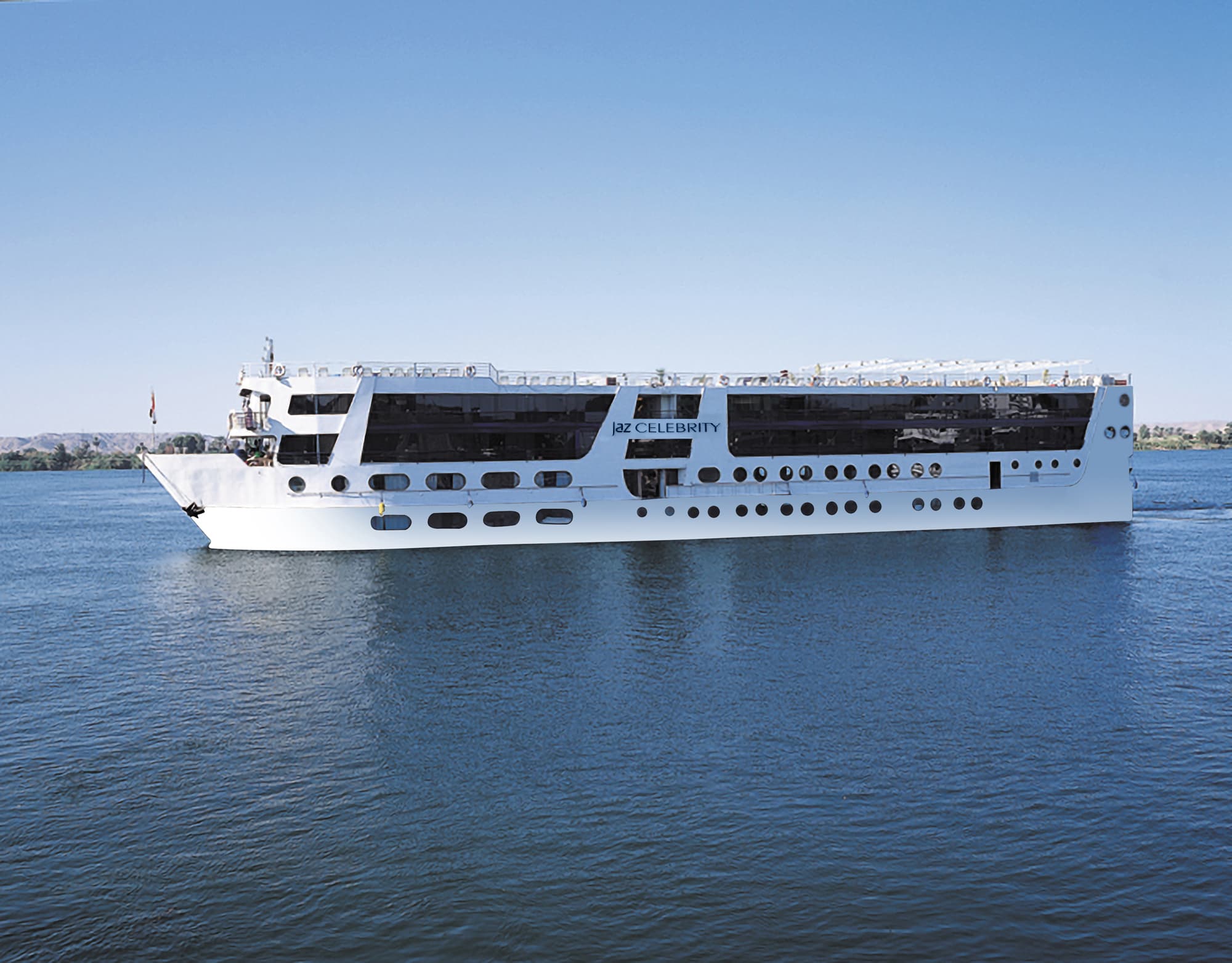
Jaz is the Nile cruise arm of JAZ Voyages, part of Travco Group, and runs the largest fleet in our directory: twelve ships on the Luxor–Aswan route plus three Farouz El Nil dahabiyas.
By TiE Editors6 min read
Nile Cruise for the 2027 Solar Eclipse (Aug 2): Sail Egypt's Totality
On 2 August 2027 a total solar eclipse passes over Luxor with 6+ minutes of totality. A Nile cruise is the best way to see it — in the path, accommodation solved. How eclipse sailings work and why to book early.
By TiE Editors5 min read