5-Day Nile Cruise: The Ideal Itinerary (2026)
A relaxed 5-day, 4-night Nile cruise from Luxor to Aswan taking in Karnak, Valley of the Kings, Edfu, Kom Ombo and Philae — with time to spare for Abu Simbel, Egypt's fuller cruise option.
Nile Cruises & Dahabiyas
Turn this guide into a trip
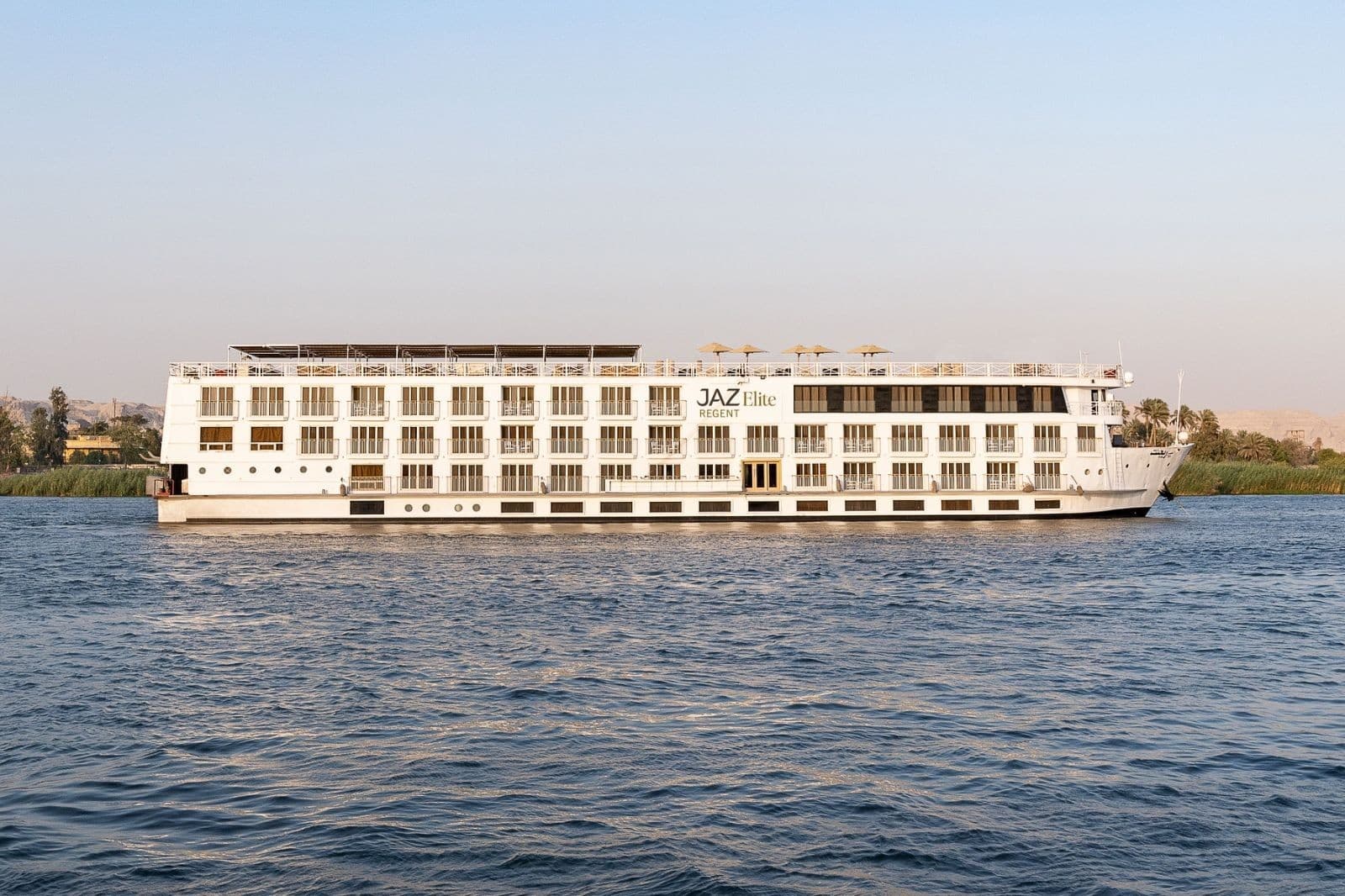
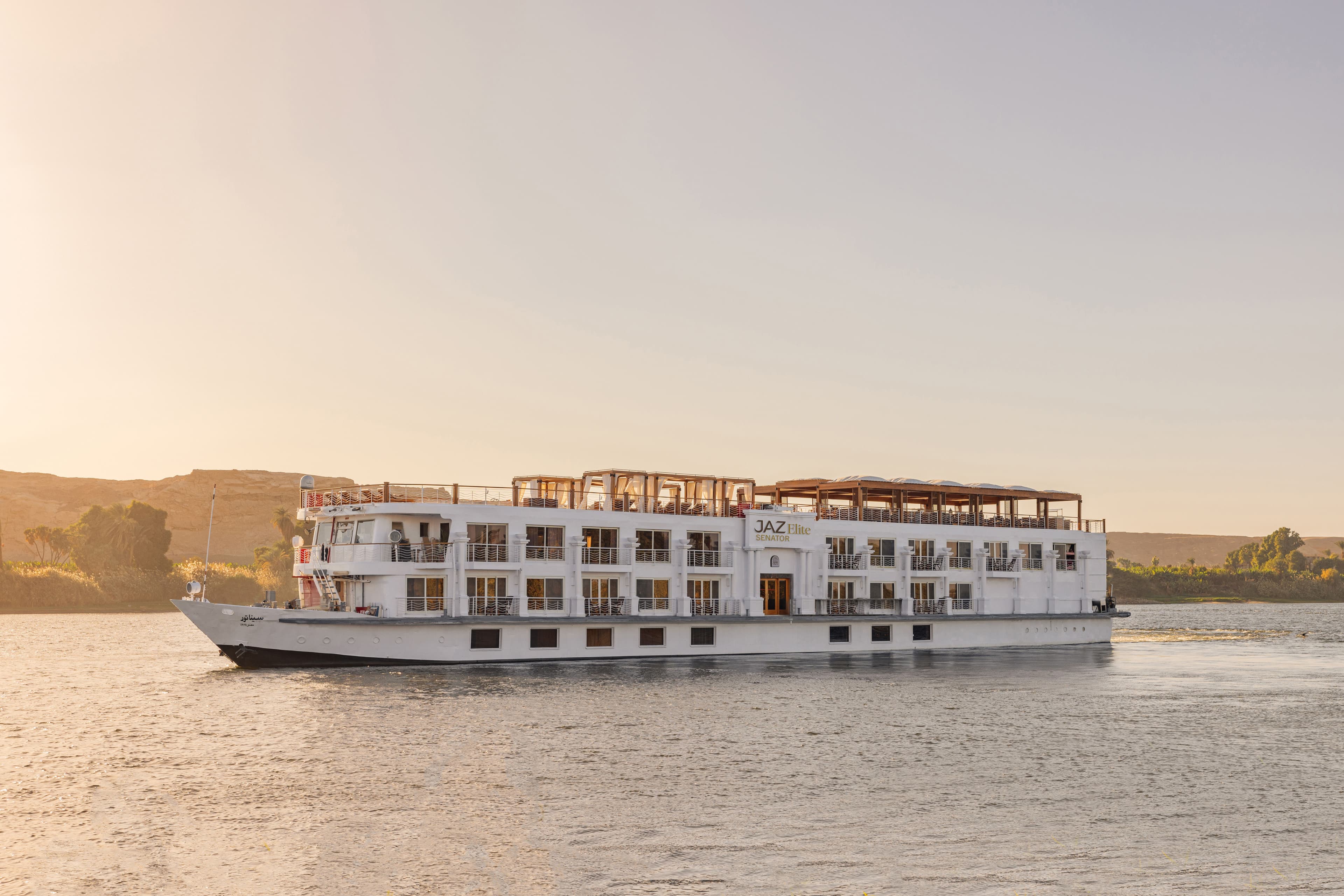
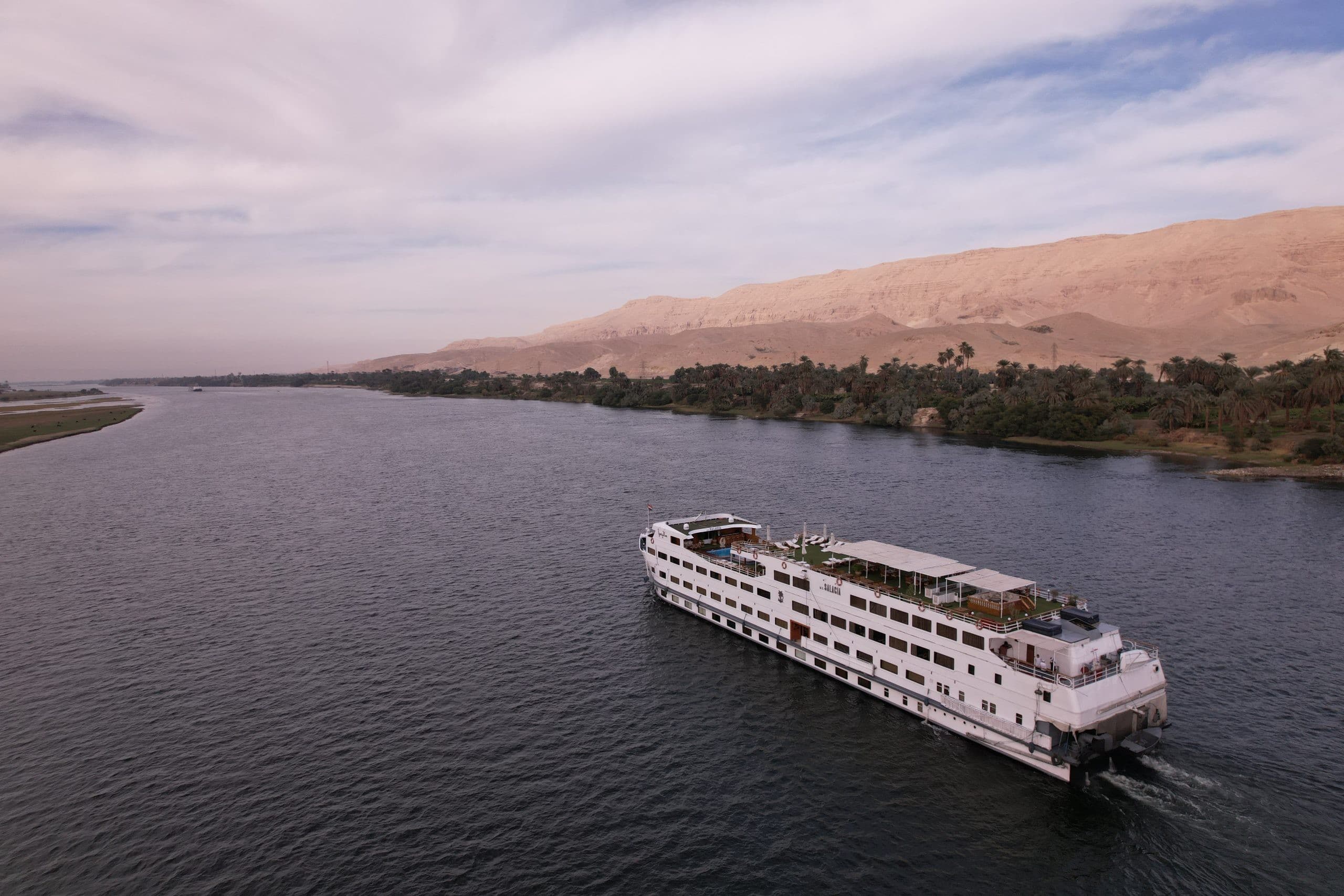
Quick answer: A 5-day, 4-night Nile cruise from Luxor to Aswan is the most popular length — enough to see all the major sites (Karnak, the Valley of the Kings, Edfu, Kom Ombo, Philae) without feeling rushed, with time to add Abu Simbel. It is the fuller, more relaxed cruise option.
How a 5-Day Nile Cruise Works
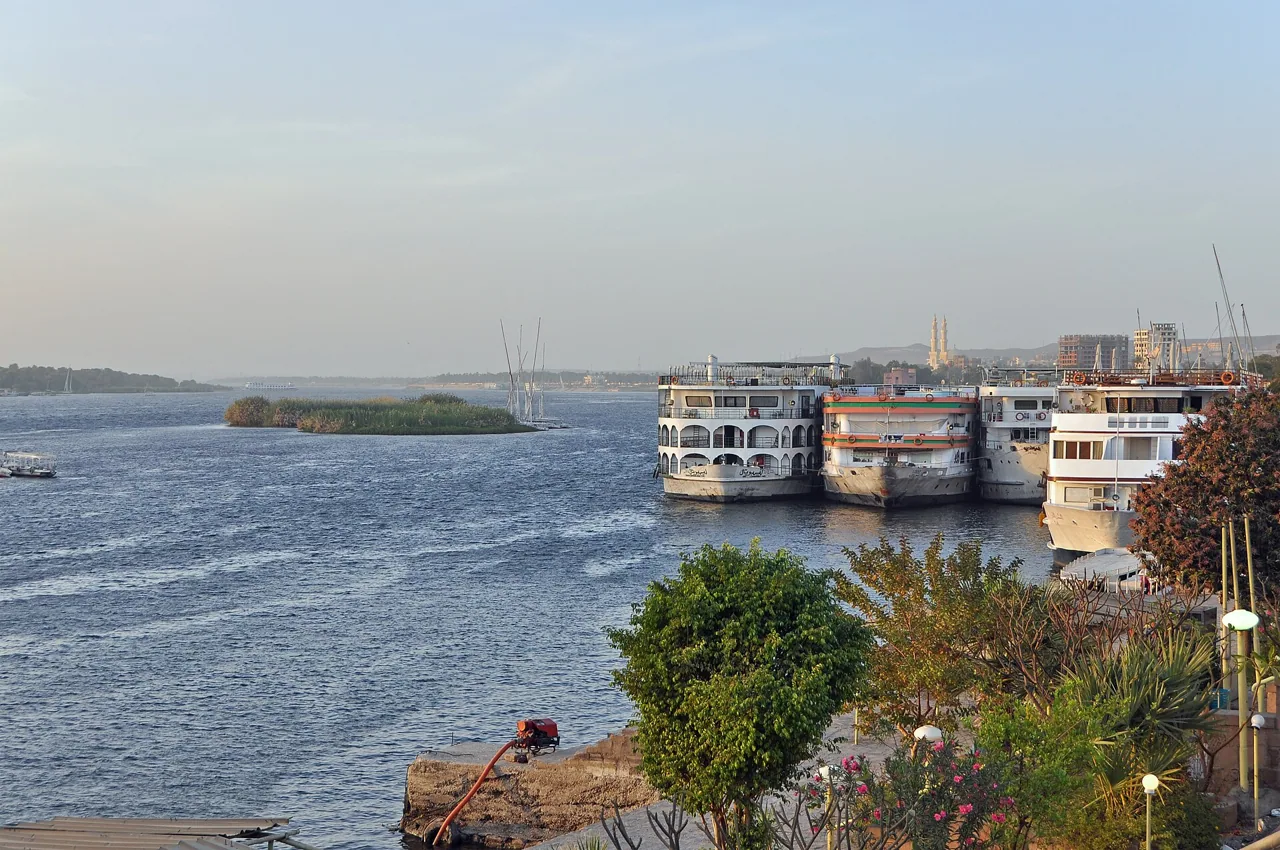 A 5-day, 4-night Nile cruise is the most popular length for travelers who want to see all of Luxor and Aswan's major sites without feeling rushed. It typically runs one-way between Luxor and Aswan (or Aswan to Luxor), covering roughly 200km of river past temples, tombs, and riverside villages that have barely changed in centuries. Unlike the compact 3-day Nile cruise itinerary, which crams the same core sites into two nights and often skips or rushes Edfu and Kom Ombo, five days gives you a full extra day and night on the water — usually the difference between a "greatest hits" trip and one where you can actually relax on the sun deck, watch the shoreline drift by, and add Abu Simbel without exhausting yourself. For a broader primer on how Nile cruising works in general, see our Nile river cruise guide.
Most 5-day cruises sail in one direction only (Luxor to Aswan or vice versa), with guests flying, training, or transferring onward from wherever the boat docks. Boats depart most days of the week from both cities, so it slots easily into a wider Egypt itinerary that also includes Cairo and the Red Sea.
Day-by-Day Itinerary
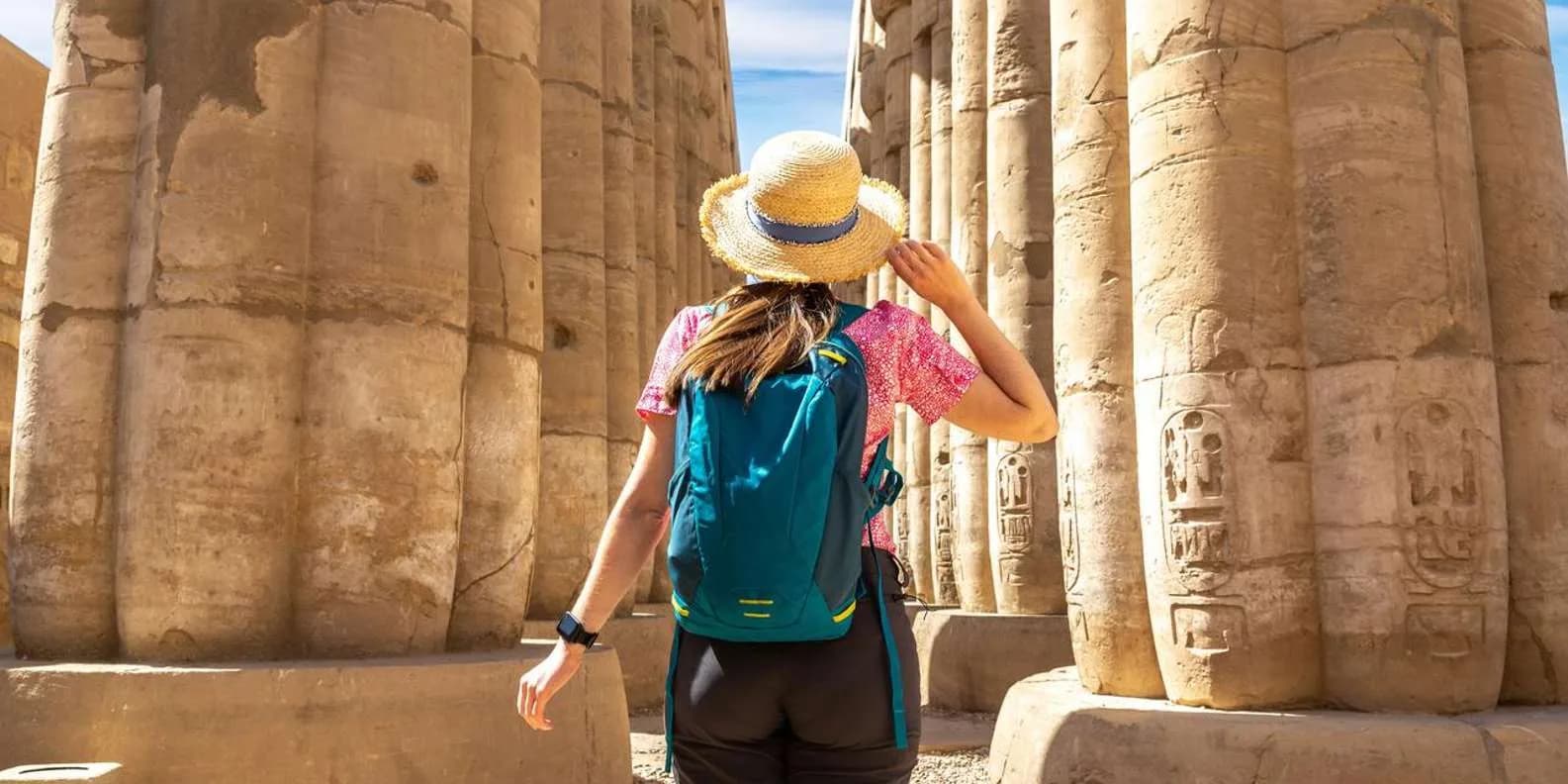
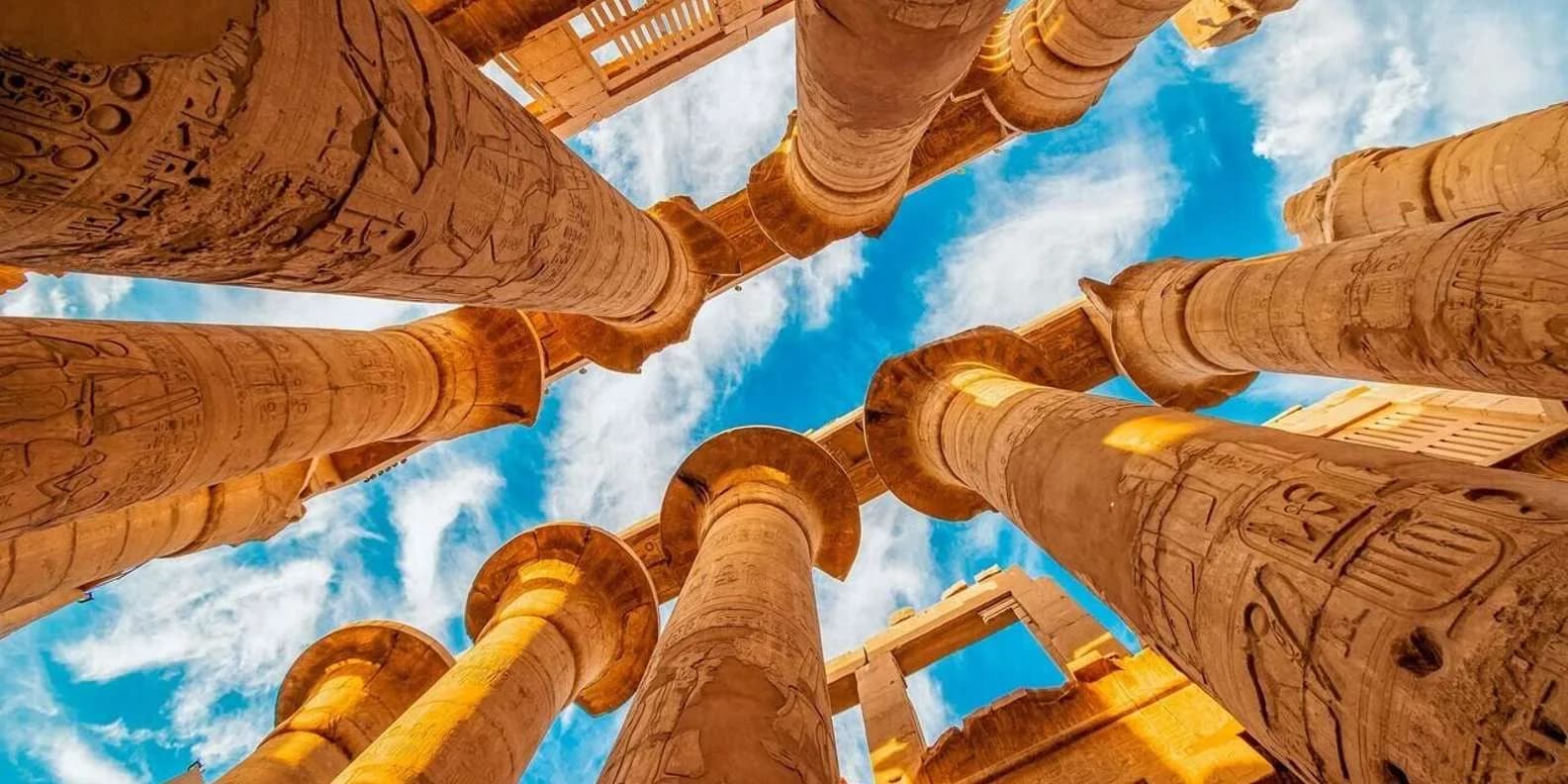
 Day 1: Embark in Luxor. Most cruises begin with an afternoon boarding, followed by an evening visit to Luxor Temple, beautifully lit after dark, and Karnak Temple's Hypostyle Hall — 134 towering columns that rank among Egypt's most photographed sights. Overnight moored in Luxor.
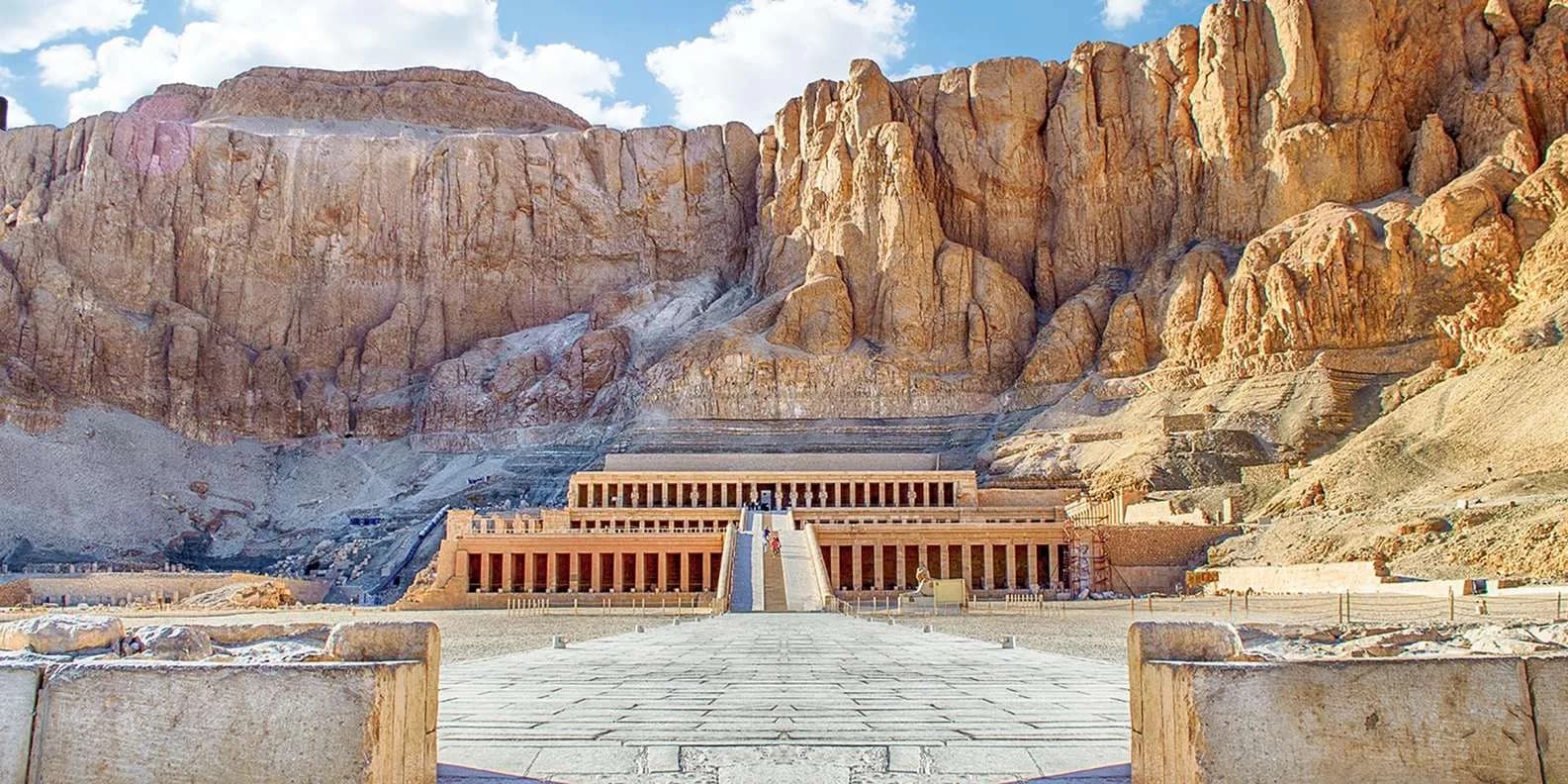
Day 2: Luxor's West Bank, then sail to Edfu. After breakfast, cross to the West Bank for the Valley of the Kings, where you'll enter two or three royal tombs (Tutankhamun's tomb usually costs extra), then continue to the Mortuary Temple of Hatshepsut, carved into the cliffs at Deir el-Bahari, and the Colossi of Memnon. By early afternoon the ship casts off and sails south toward Edfu, giving you your first full afternoon of Nile scenery and downtime on deck.
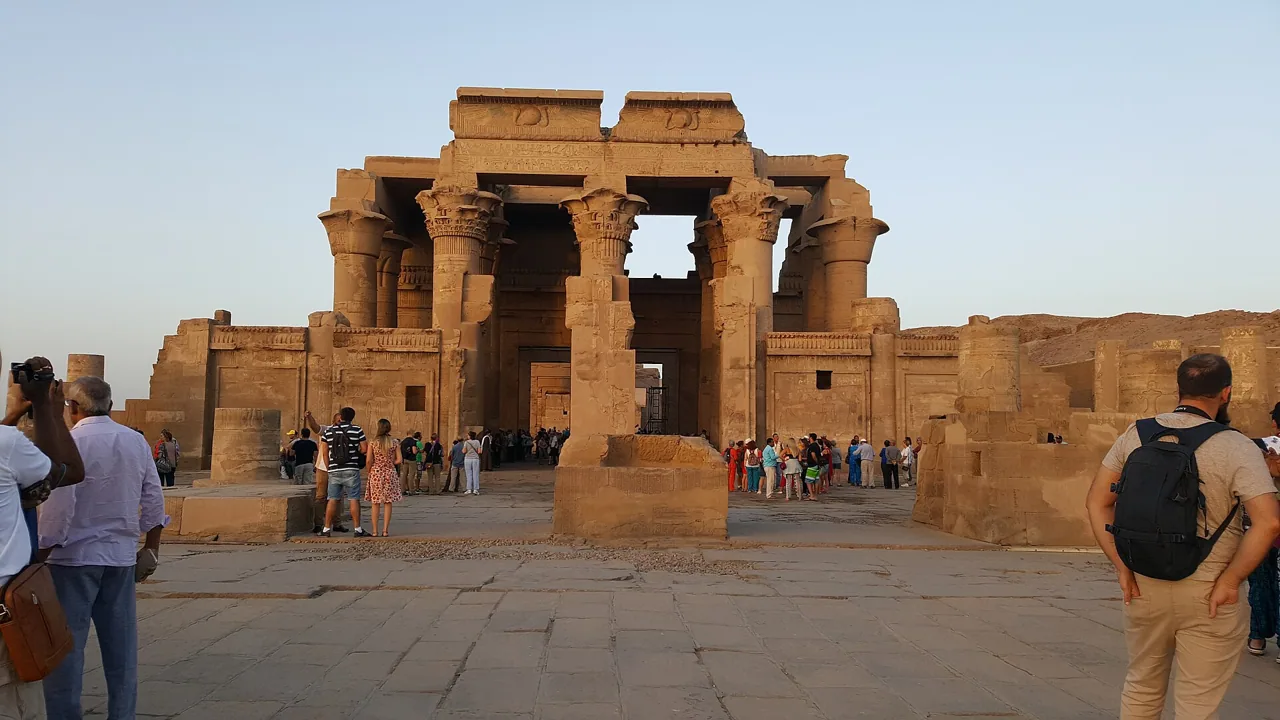
Day 3: Edfu and Kom Ombo. This is the day the 3-day cruise usually rushes or cuts entirely. In the morning, a horse-drawn carriage or tuk-tuk takes you from the dock to the Temple of Horus at Edfu, one of the best-preserved temples in Egypt thanks to centuries buried under sand. The ship then continues to Kom Ombo, a unique double temple dedicated to the crocodile god Sobek and the falcon god Horus, usually visited in the late afternoon or at sunset when the light on the riverside columns is at its best. Overnight sailing toward Aswan.
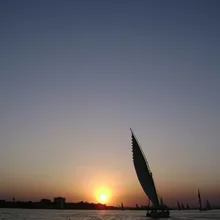
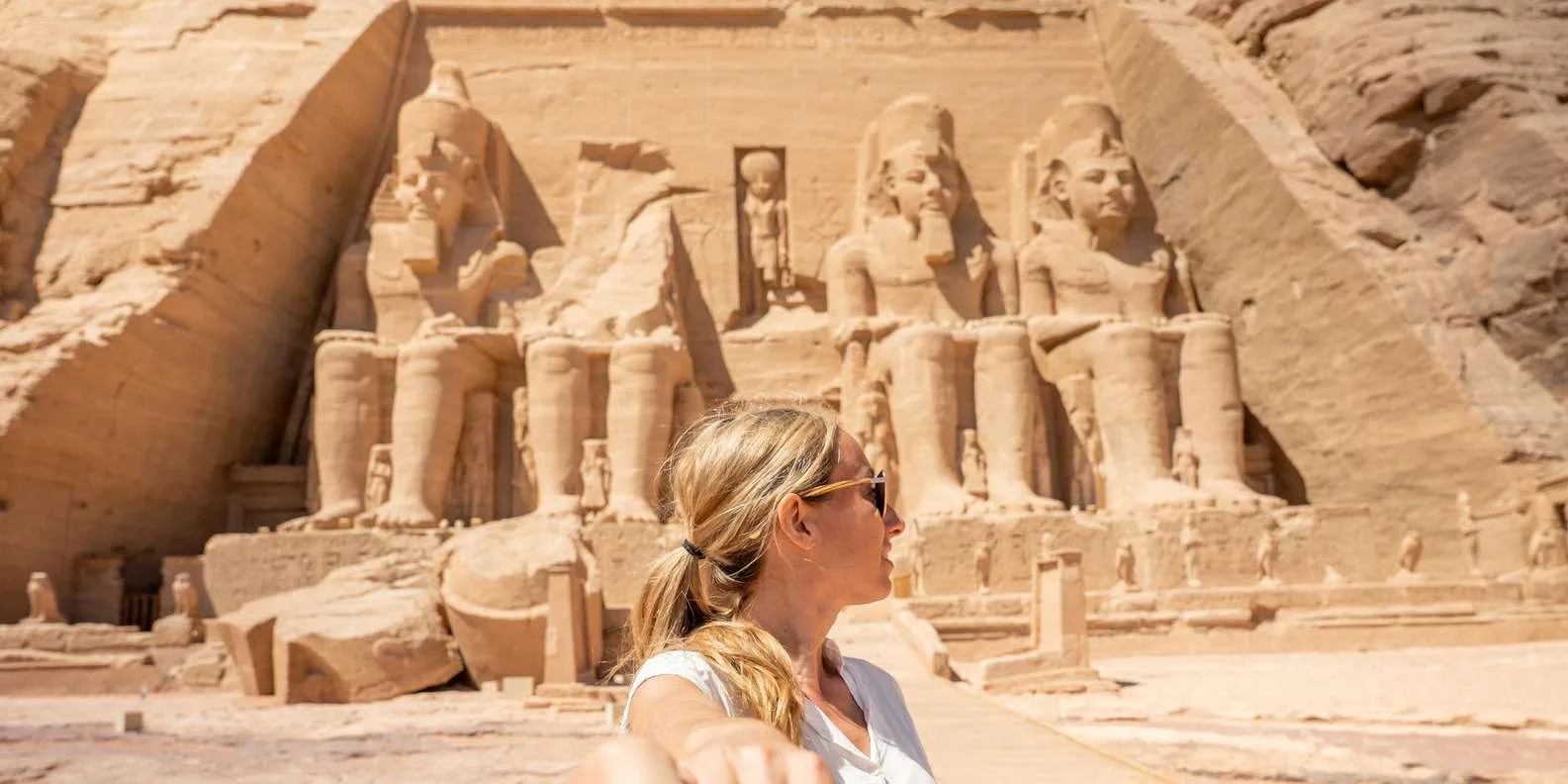
Day 4: Aswan — temples, the High Dam, and a felucca sail. Arriving in Aswan, you'll typically visit the Temple of Philae (relocated to Agilkia Island when the Aswan High Dam was built), the High Dam itself, and sometimes the unfinished obelisk in the ancient granite quarries. Late afternoon is usually reserved for a felucca sail around Elephantine Island and the Aga Khan Mausoleum — a quiet, unhurried hour that's often the most-loved part of the whole trip. This is also the day to add an optional full-day excursion to Abu Simbel, either by road convoy (about three hours each way) or a short flight; see our Abu Simbel guide for timing and cost details.
Day 5: Disembark in Aswan. After a final breakfast, checkout is usually late morning, in time for onward flights, a train to Cairo, or a transfer to Abu Simbel if you didn't add it on Day 4.
What's Included (and What Isn't)
Nile cruise packages are sold full-board: all meals on the ship (breakfast, lunch, dinner, often a mid-morning and afternoon snack), your cabin, and — critically — most of the core guided excursions listed above, with an Egyptology guide and shared transport to each site. What's usually extra: entrance tickets for optional add-ons like Tutankhamun's tomb or Abu Simbel, drinks (alcohol, soda, bottled water beyond a token daily bottle), tipping (baksheesh for guides, drivers, and cabin crew adds up — budget roughly $8-12 per person per day), spa treatments, and Wi-Fi. Always check whether your quote is per person based on double occupancy, and whether Egypt entry visa costs are included — they usually aren't.
5 Days vs 3 Days: Which Should You Choose
The honest comparison: a 3-day cruise (2 nights) covers Luxor's highlights plus Aswan's Philae and the High Dam, but it typically skips or speed-runs Edfu and Kom Ombo, and there's little slack to add Abu Simbel without a brutal schedule. Five days adds a full, comfortable day for Edfu and Kom Ombo, plus enough breathing room to bolt on Abu Simbel without sacrificing anything else. If your total Egypt trip is under a week and cruising is only one piece of it, 3 days works fine. If the Nile is a highlight of your trip rather than a box to tick, or you're traveling as a couple or family and want unhurried mornings, five days is the length most travelers end up recommending in hindsight.
5 Days vs 7 Nights: Going Longer
At the other end, some operators — mostly luxury lines and dahabiyas — offer 7-night itineraries that sail further, stop at smaller sites like Esna, or spend two nights in Aswan with more felucca and village time. Seven nights suits travelers who see the cruise itself as the vacation rather than one stop on a wider tour. For most first-time visitors combining Cairo, the Nile, and maybe the Red Sea or Sinai in a 10-14 day trip, five days strikes the better balance between depth and pace.
Choosing Your Boat: 5-Star, Standard, or Dahabiya
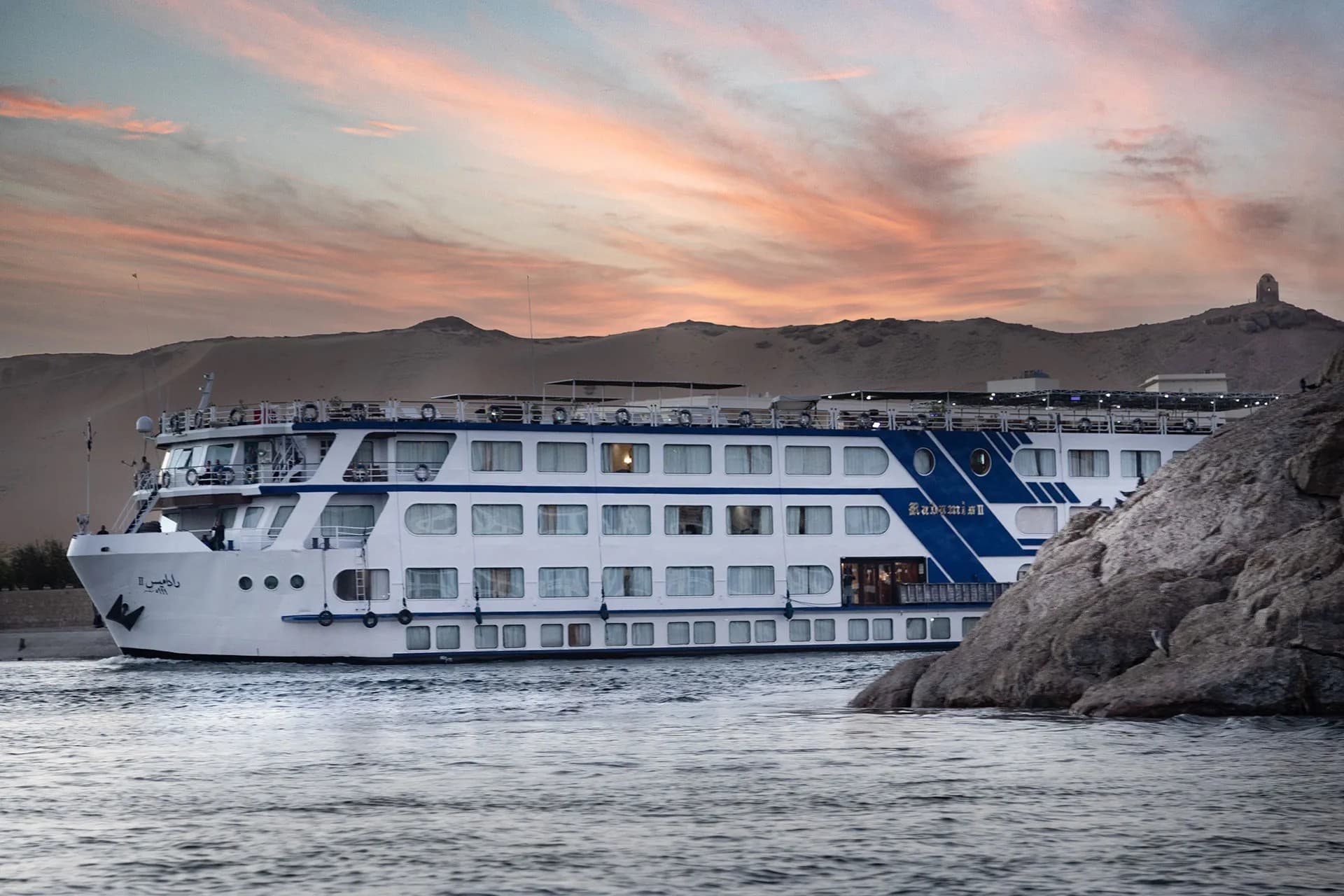
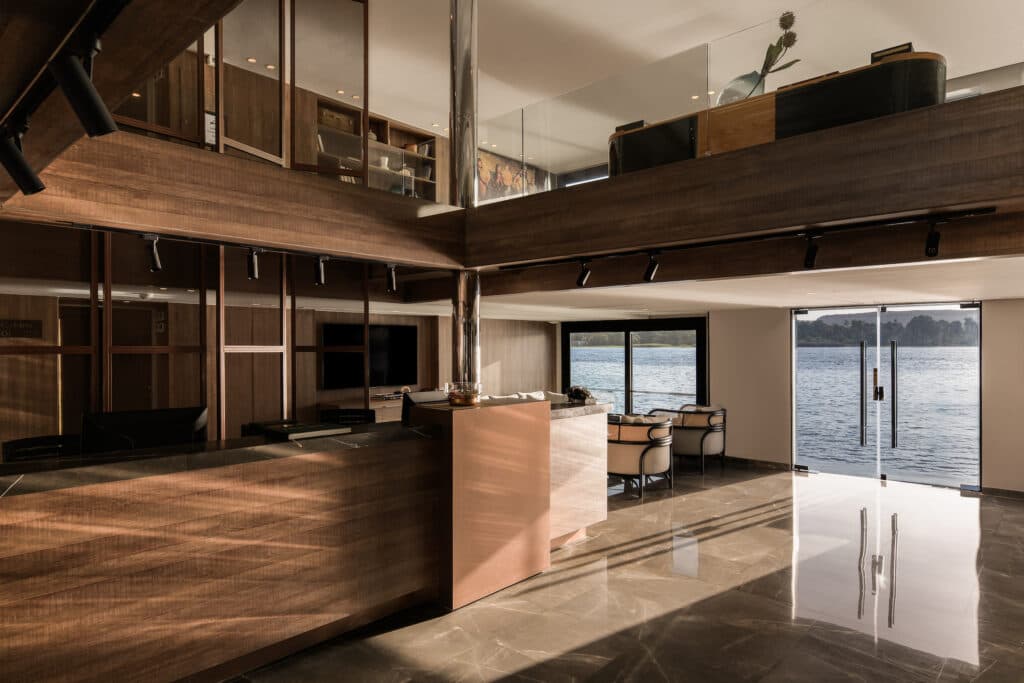
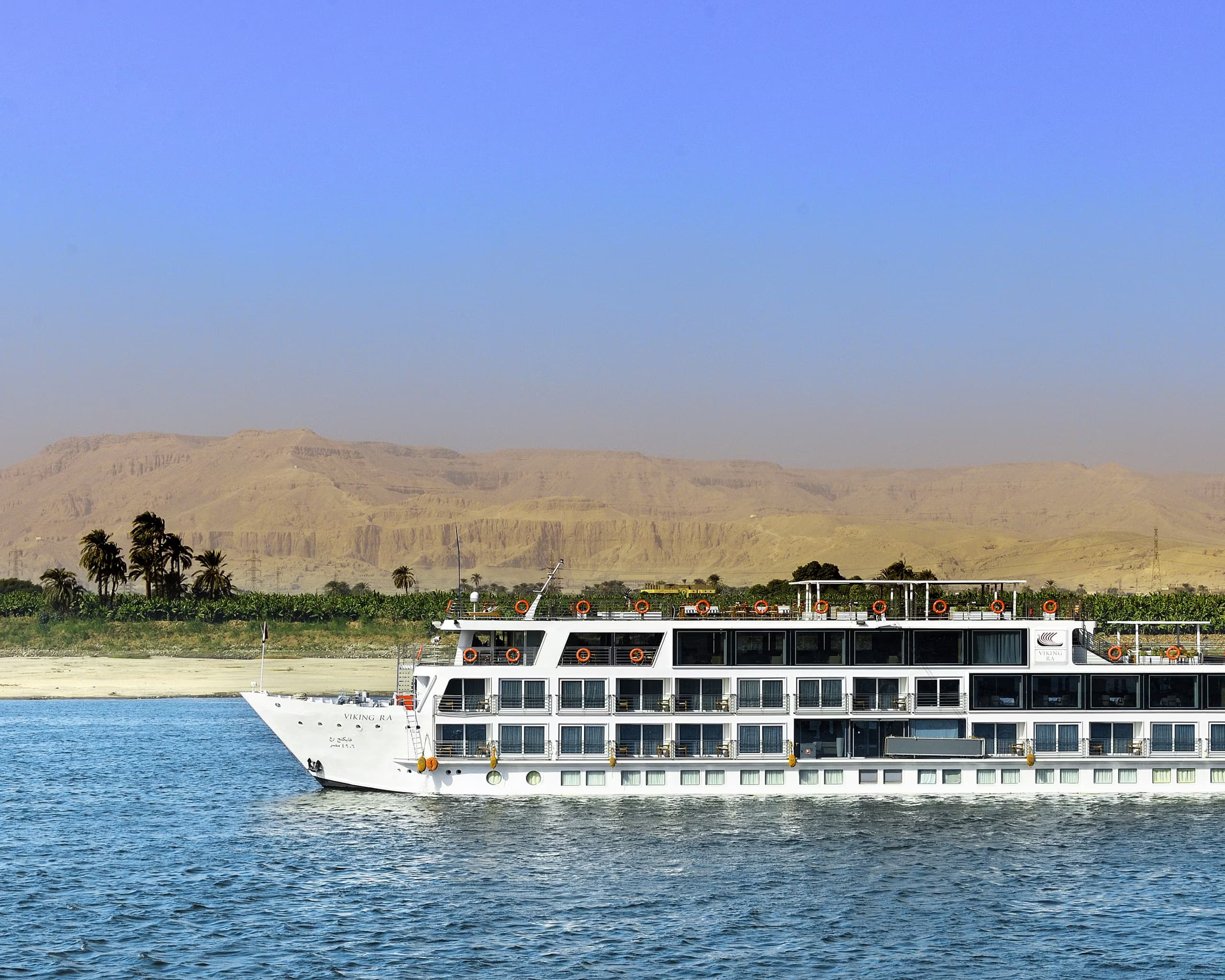
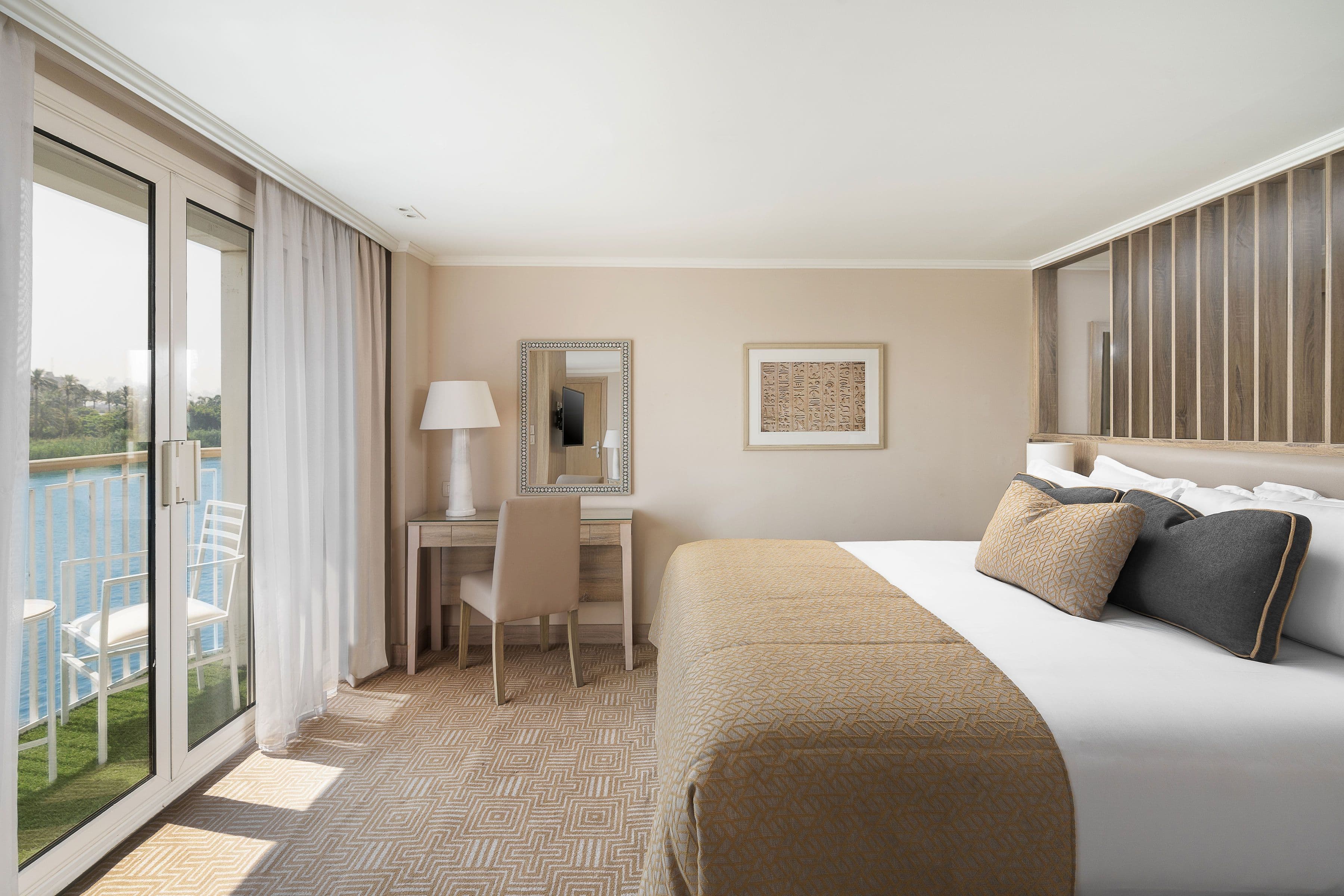
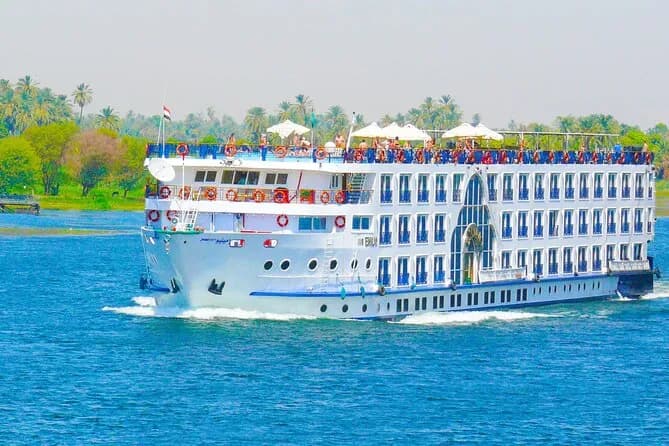
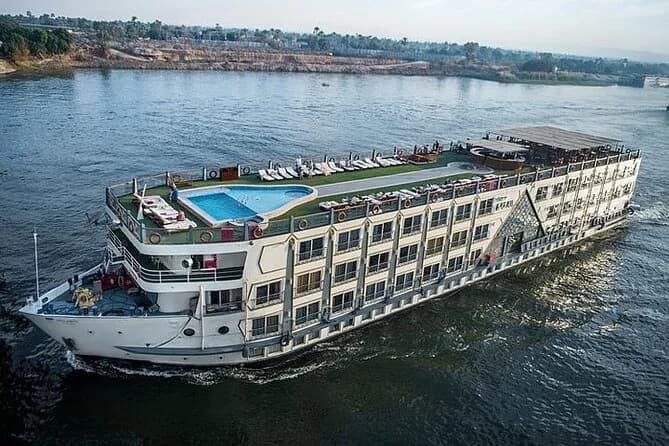
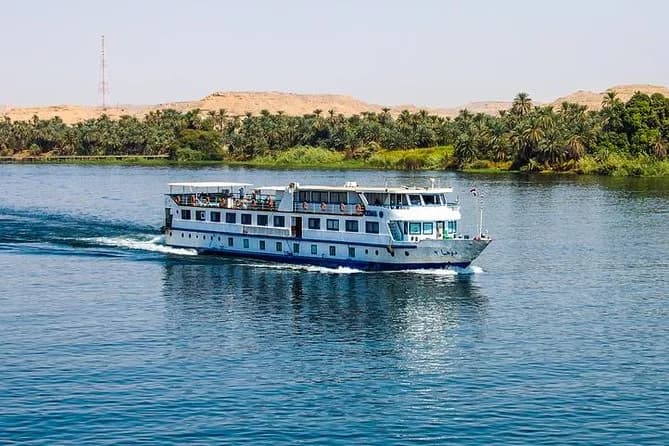
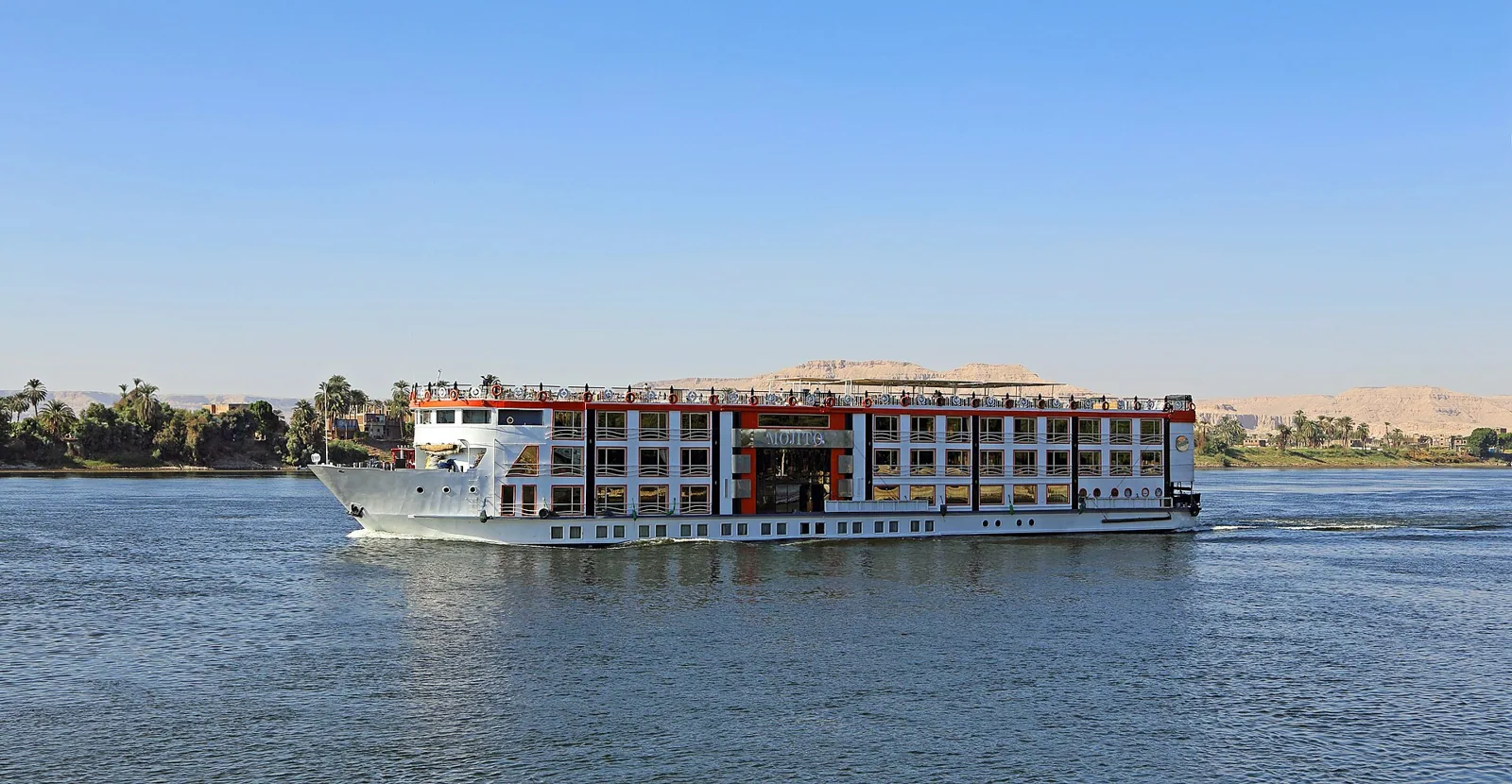 Standard 3- and 4-star boats are perfectly comfortable and the most common choice, with straightforward cabins, buffet dining, and a pool deck. 5-star boats add nicer cabins, better food, spas, and sometimes suites with private balconies — worth it for a honeymoon or anniversary trip; browse options under Nile cruises. Dahabiyas are a different experience altogether: small, sail-powered or lightly motorized boats carrying 8-12 guests, with a more flexible itinerary, quieter mooring spots away from the big-boat crowds, and a slower, more intimate pace — ideal if you want calm over amenities, though they cost more per night and offer fewer onboard facilities.
Best Time to Sail
October through April is peak season, with warm, dry days and cool evenings — comfortable for the outdoor temple visits that make up most of the itinerary. December and January are the coolest and busiest months (and priciest); October, November, March, and April offer a good balance of pleasant weather and lighter crowds. May through September is hot, often exceeding 40°C (104°F) at midday, which makes the West Bank tomb-and-temple mornings tough going, though prices drop significantly and mornings on the water are still lovely.
What to Pack
Lightweight, breathable clothing in neutral colors, a wide-brimmed hat, sunglasses, and high-SPF sunscreen are essentials year-round. Bring a light jacket or shawl for cooler winter evenings on deck and for temples, where shoulders and knees should be covered (see below). Comfortable closed-toe shoes help on uneven temple stone floors, and a reusable water bottle is worth packing since bottled water sold onboard adds up. A portable phone charger is handy too, as cabin outlets are sometimes limited.
Temple Dress Code and Etiquette
Egypt's temples are not beach destinations, even in the heat. Shoulders and knees covered is the general rule for both men and women, and it's respected practice at religious and historical sites throughout the country. Loose linen trousers or midi skirts paired with light long-sleeve tops keep you both cool and appropriately dressed. Bring a scarf that doubles as sun protection and modest covering. Guides will also remind you not to touch carved reliefs, which are more fragile than they look after thousands of years of exposure.
Booking Tips
Book through a reputable operator or a well-reviewed local agent rather than the cheapest listing you find — cabin quality and itinerary reliability vary widely between boats even at similar price points. Confirm in writing which direction you're sailing (it changes your Day 1 and Day 5 logistics), whether Abu Simbel is bundled or optional, and what the tipping expectations are before you go. Booking two to three months ahead secures better cabins in peak season (October-April); last-minute deals are more common in the shoulder and summer months.

A real team available 24/7 to assist you — free
Seif and the team reply on WhatsApp 24/7 — trip questions, custom plans and booking help.
Ask Seif on WhatsAppCommon questions
Is a 5-day Nile cruise better than a 3-day cruise?
For most travelers, yes. Five days adds a full, unhurried day for Edfu and Kom Ombo, which the 3-day itinerary often rushes or skips, and leaves enough slack to add Abu Simbel without exhausting yourself. Choose 3 days only if your overall Egypt trip is short and the cruise is a minor add-on.
What's included in a 5-day Nile cruise?
Full-board meals, your cabin, and the core guided excursions (Karnak, Luxor Temple, Valley of the Kings, Hatshepsut's temple, Edfu, Kom Ombo, Philae, and the High Dam) with an Egyptology guide. Optional tomb tickets, Abu Simbel, drinks, tipping, spa treatments, and Wi-Fi are usually extra.
Can I add Abu Simbel to a 5-day Nile cruise?
Yes — it's the most common add-on, typically slotted in on Day 4 while the ship is docked in Aswan, either as a road convoy (about three hours each way) or a short flight. See our Abu Simbel guide for full timing and cost details.
When is the best time for a 5-day Nile cruise?
October through April, when days are warm and dry and evenings are cool enough to enjoy the sun deck. December and January are busiest and most expensive; October, November, March, and April balance good weather with smaller crowds.
Which direction should I sail — Luxor to Aswan or Aswan to Luxor?
Both directions cover the same sites, so it usually comes down to logistics: sail Luxor to Aswan if you're arriving via Luxor (from Cairo or Hurghada) and want to end near Abu Simbel for an easy add-on; sail Aswan to Luxor if your onward plans start in Luxor. Neither direction is objectively better.
Should I choose a dahabiya or a big cruise ship?
A standard cruise ship suits most travelers and is more affordable, with a pool, buffet dining, and a set daily schedule. A dahabiya — a small sail-powered boat carrying 8-12 guests — costs more per night but offers a quieter, more flexible pace and access to smaller mooring spots away from the crowds.
What's the dress code for visiting the temples?
Shoulders and knees covered, for both men and women, at every temple. Lightweight linen trousers or a midi skirt with a light long-sleeve top works well in the heat, and a scarf doubles as sun protection. Swimwear and short shorts are not appropriate for temple visits.
How many Nile cruise boats are there to choose from?
This is Egypt's directory lists 68 five-star cruise ships and 105 dahabiyas sailing between Luxor and Aswan, from operators including Viking, Movenpick, Oriental Nile Cruises, Nour El Nil and Lazuli.
Book it on This is Egypt
Turn this guide into a trip






Egypt's bestsellers
The experiences travelers book most, across the country






Plan your Nile cruise
Popular Nile cruise ships
Free downloads
Take the Nile home with you
Two illustrated PDFs, no email required: our 12-page introduction to choosing between a cruise ship and a dahabiya, and the classic 4-night Luxor to Aswan itinerary, day by day.
Keep reading

Nile Cruise from Aswan to Luxor (or Luxor to Aswan): 2026 Guide
A 3 or 4 night cruise between Aswan and Luxor is the classic way to see Egypt's temples. The stops, real prices, why direction and boat choice matter, and how to avoid a bad one.
By TiE Editors9 min read
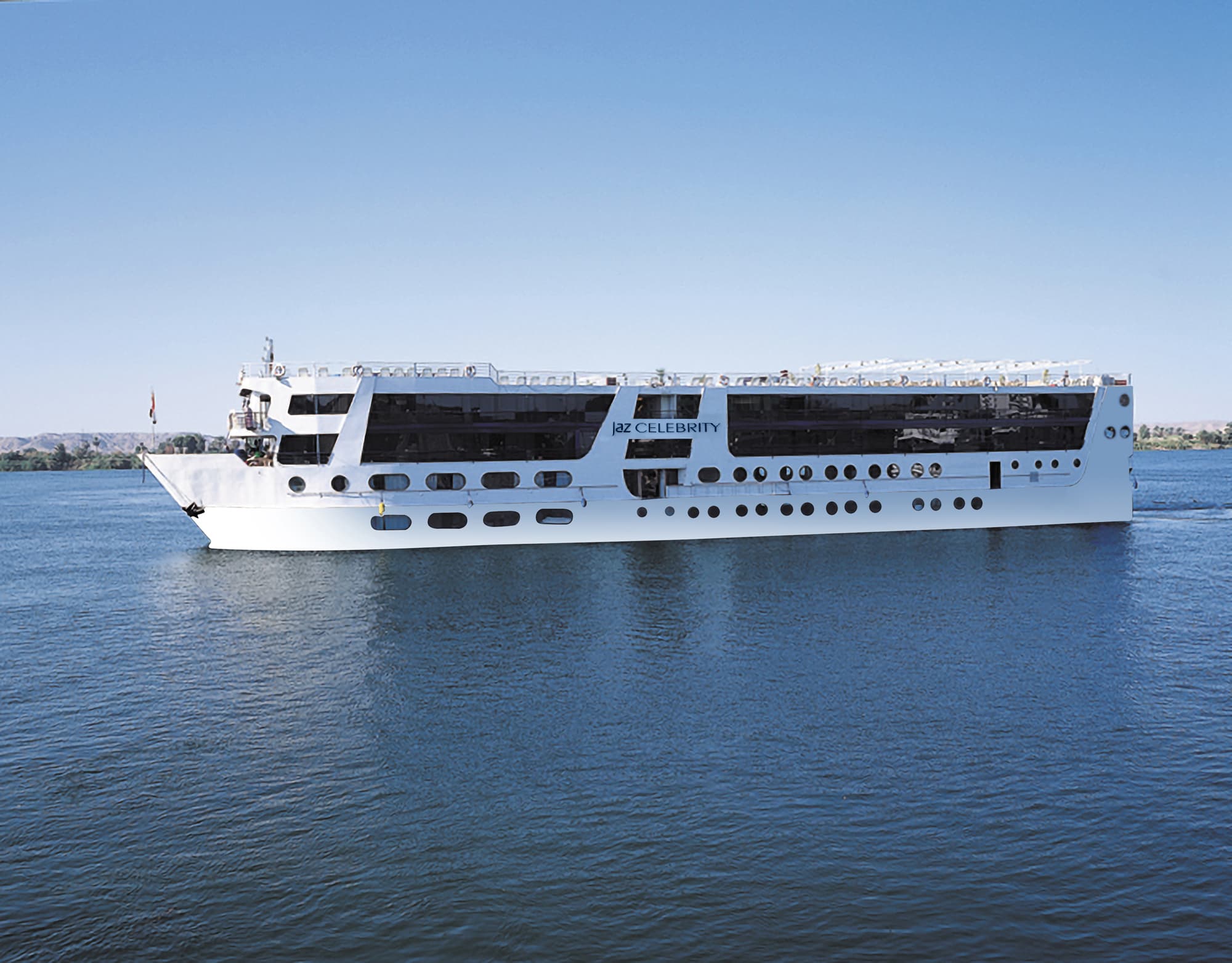
Jaz Nile Cruises (2026): Fleet, Routes & How to Book
Jaz is the Nile cruise arm of JAZ Voyages, part of Travco Group, and runs the largest fleet in our directory: twelve ships on the Luxor–Aswan route plus three Farouz El Nil dahabiyas.
By TiE Editors6 min read
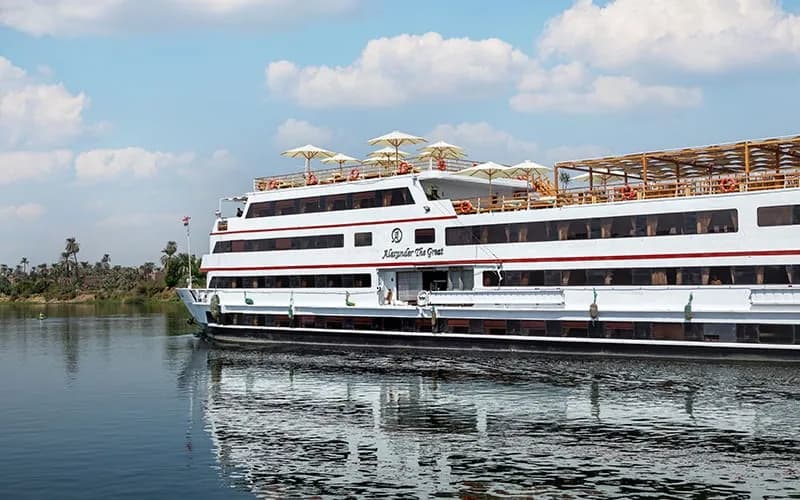
Nile Cruise for the 2027 Solar Eclipse (Aug 2): Sail Egypt's Totality
On 2 August 2027 a total solar eclipse passes over Luxor with 6+ minutes of totality. A Nile cruise is the best way to see it — in the path, accommodation solved. How eclipse sailings work and why to book early.
By TiE Editors5 min read