3-Day Nile Cruise: The Perfect Short Itinerary (2026)
Only got three days? Here's exactly what a 3-day Nile cruise between Aswan and Luxor looks like day by day, what's included, and whether it's really enough time.
Nile Cruises & Dahabiyas
Turn this guide into a trip
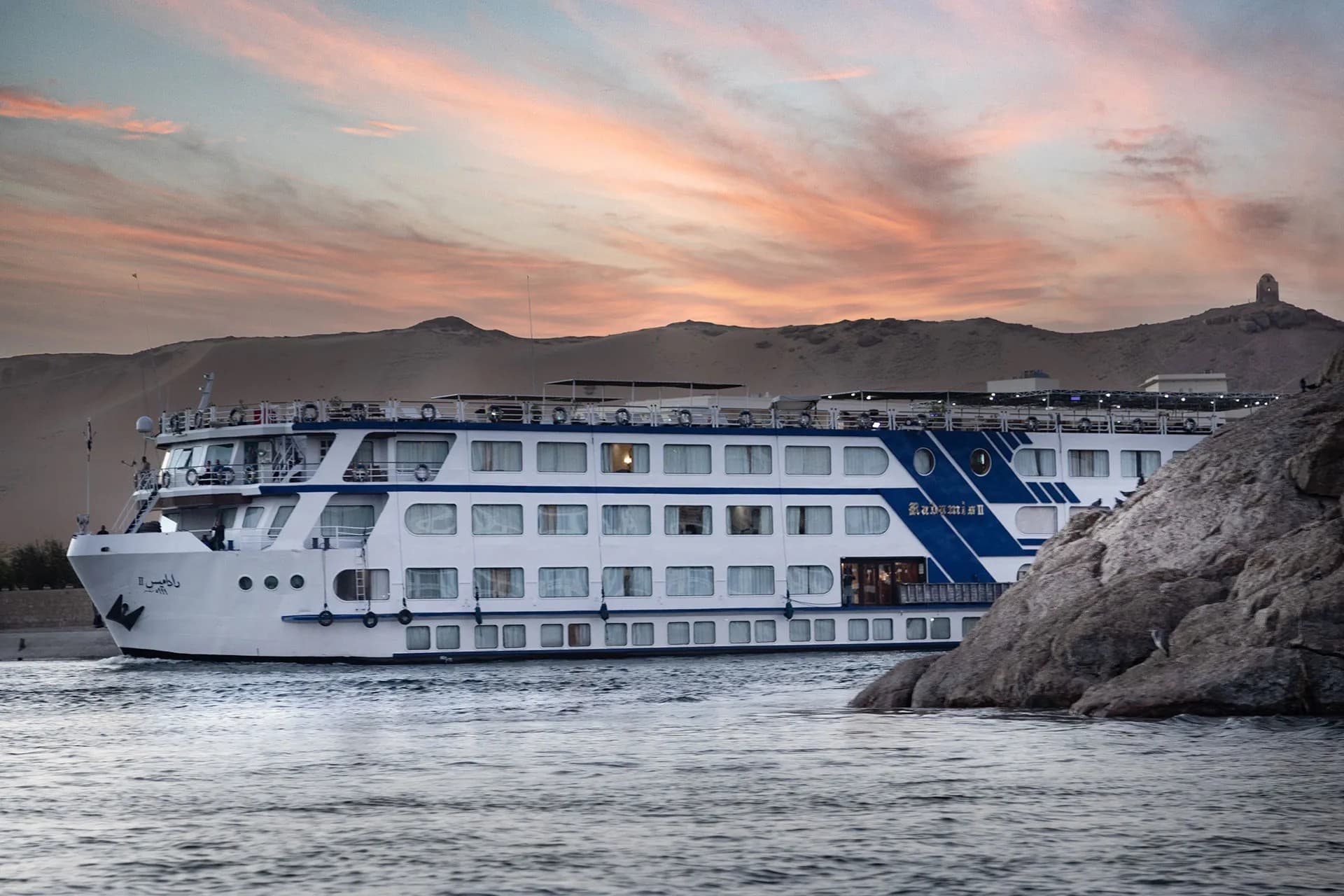
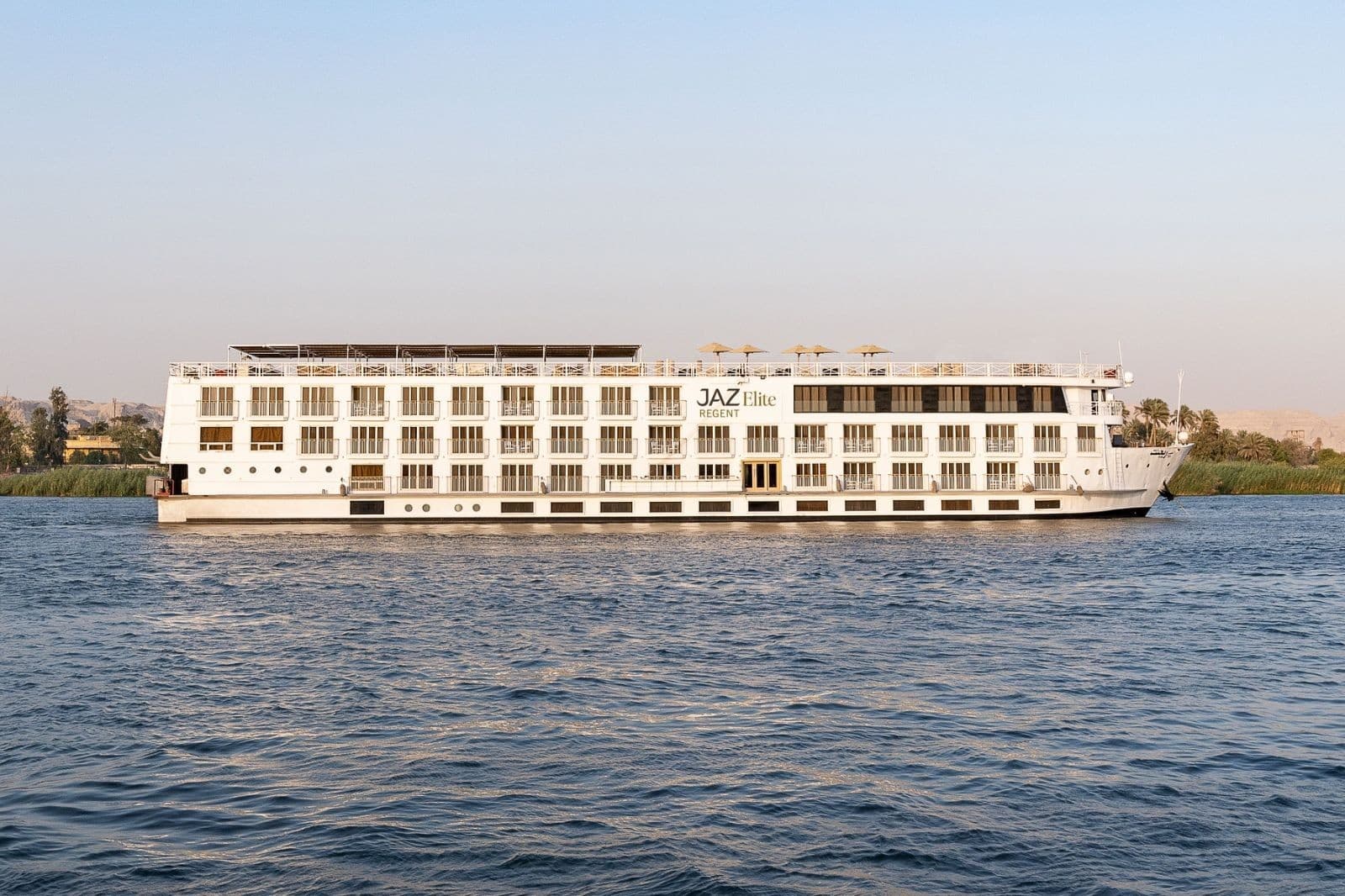
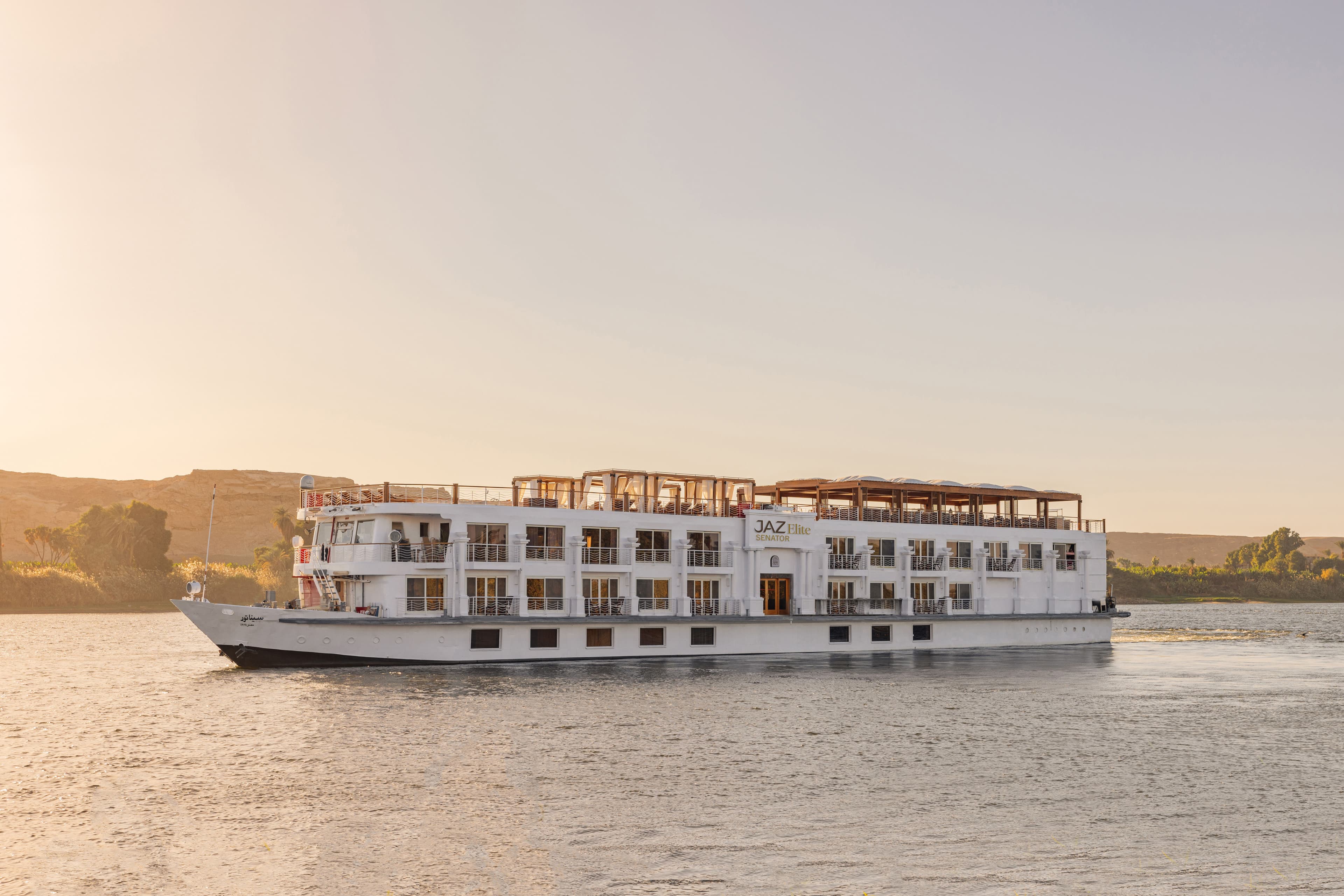
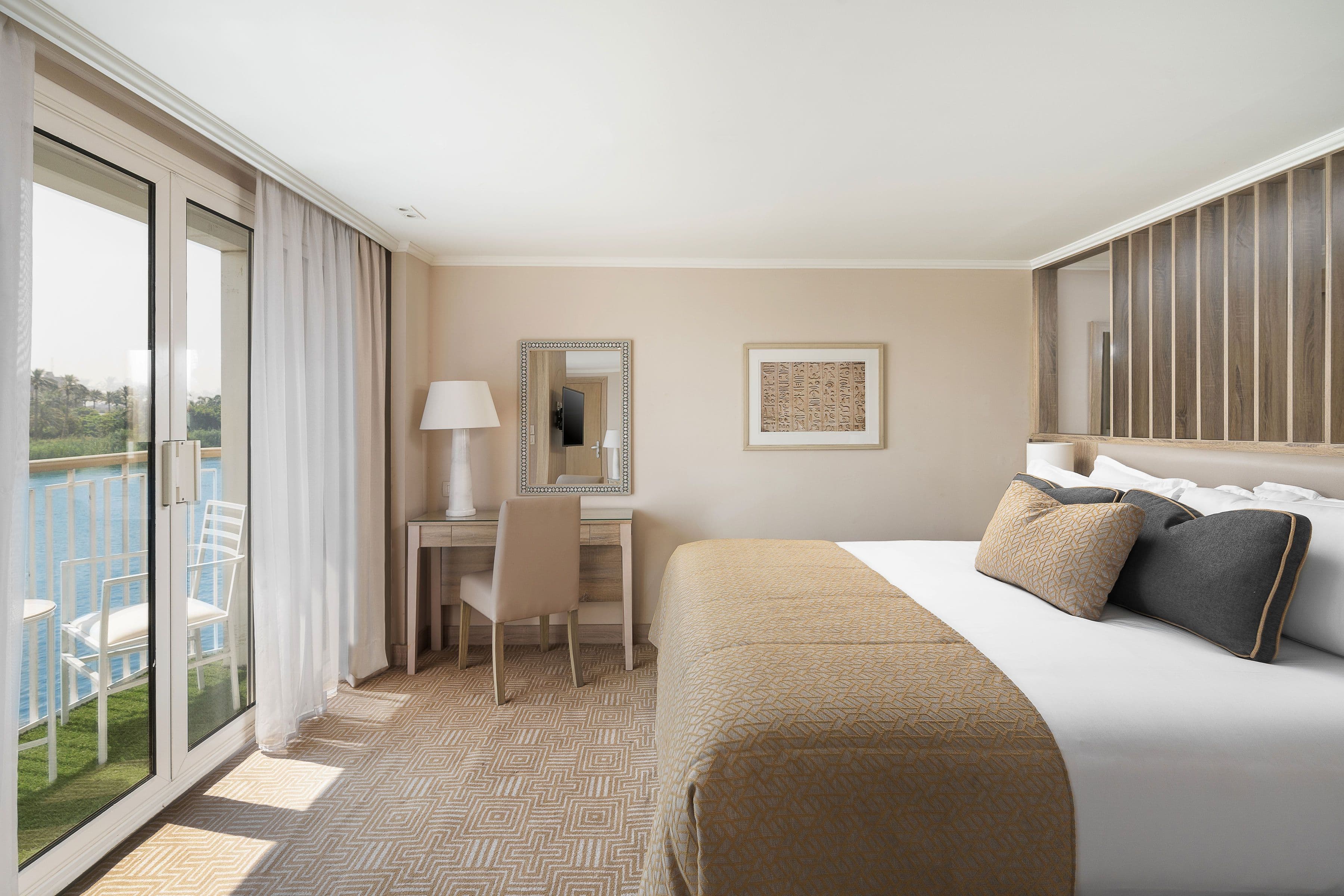
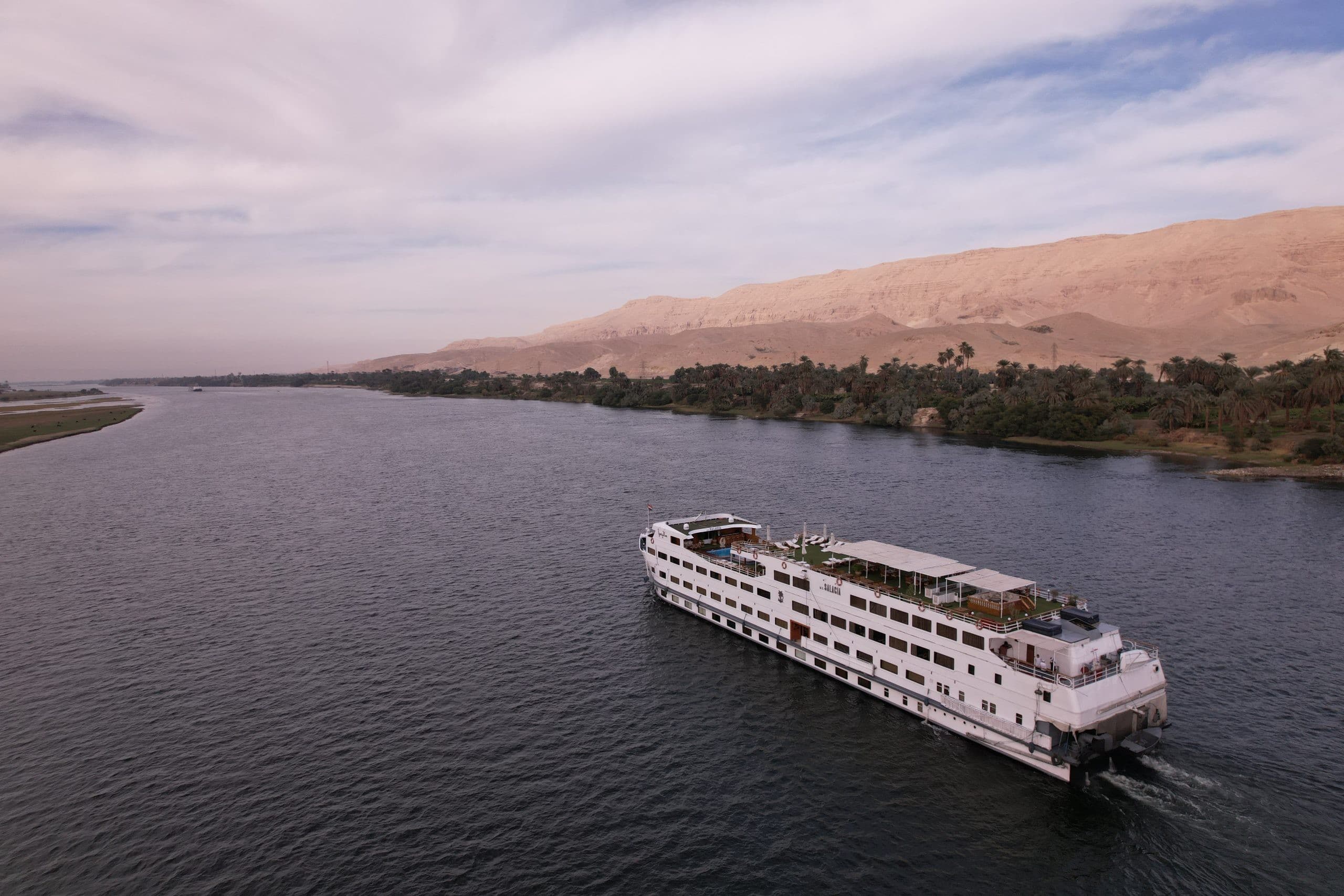
Quick answer: A 3-day / 2-night Nile cruise between Aswan and Luxor is the fastest way to link the two cities by water, waking beside a new temple each morning. It is the tightest version of the classic itinerary — enough for the highlights, though travellers with more time usually choose 4 nights or longer.
If your Egypt trip is short on time but you still want the Nile, the 3-day / 2-night cruise is the fastest way to link Aswan and Luxor while sleeping on the water and waking up to a different temple each morning. It is the tightest version of the classic Nile cruise itinerary — most travelers with more flexibility choose 4 nights or longer (see our full Nile river cruise guide for the longer options) — but 3 days still covers the highlight reel: Philae Temple, the High Dam, Kom Ombo, Edfu, and your first look at the Valley of the Kings and Karnak, all without burning a full week of vacation.
Aswan to Luxor or Luxor to Aswan?
Nile cruise boats travel in both directions, and the short 3-day itinerary is almost always sold as Aswan to Luxor, not the reverse. That's because the river current flows north (from Aswan down toward Luxor and Cairo), so sailing downstream is faster and lets cruise lines fit more sightseeing into fewer days. The 4-night version, by contrast, is more commonly sold Luxor to Aswan, giving boats time to sail upstream against the current with a fuller schedule. If you're weighing which route suits your trip, our dedicated comparison of Aswan to Luxor vs Luxor to Aswan breaks down the pros, cons, and logistics of each direction in more depth. For a 3-day cruise specifically, book Aswan to Luxor unless a specific operator tells you otherwise — it's the standard flow and the one with the most sailing dates available.
Day 1: Embark in Aswan
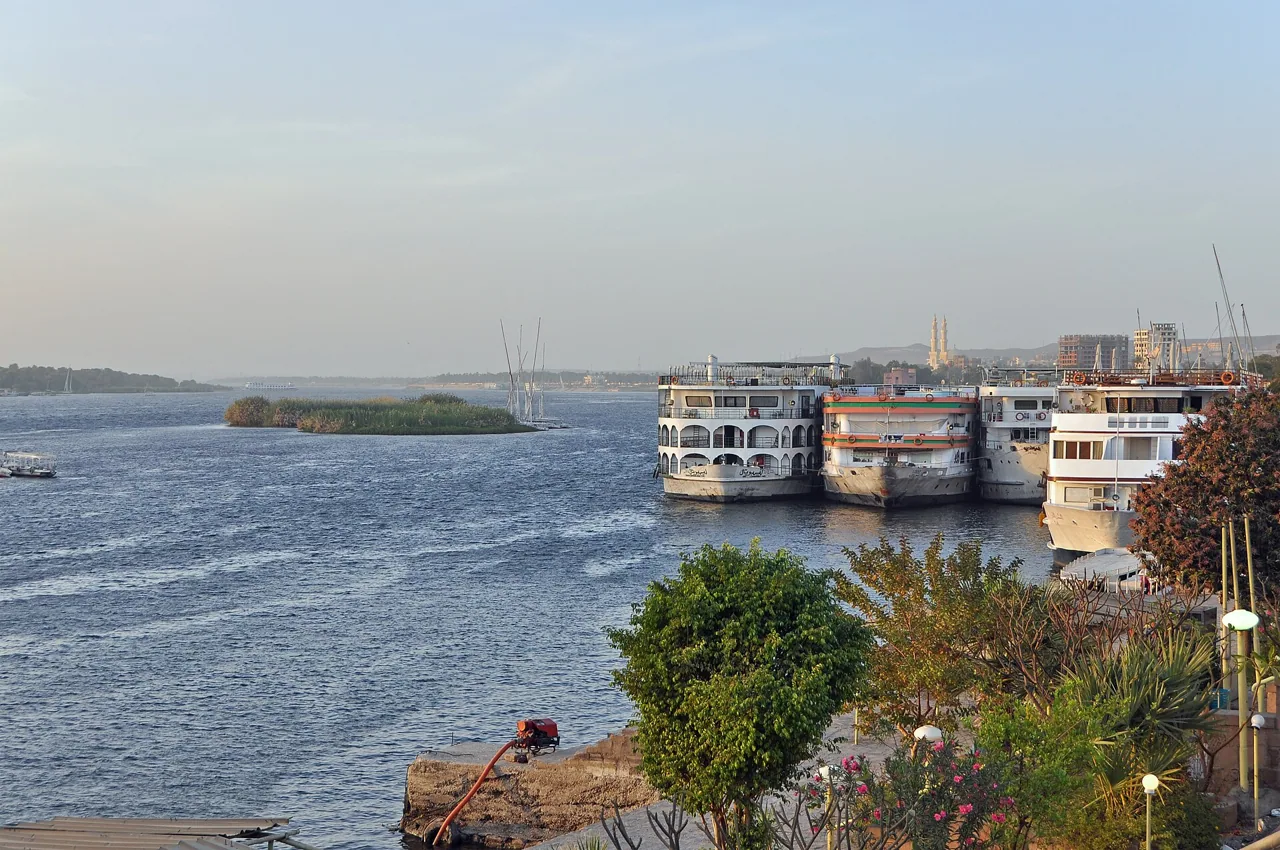 Most 3-day cruises begin with a late-morning or midday embarkation in Aswan, Egypt's southernmost major city and gateway to Nubia. After checking into your cabin and a welcome lunch on board, the afternoon is typically spent sightseeing on land rather than sailing:
- Philae Temple — dedicated to the goddess Isis, this temple was relocated stone-by-stone to Agilkia Island in the 1970s to save it from flooding after the Aswan High Dam was built. You reach it by a short motorboat ride across the water.
- The Aswan High Dam — a quick stop to see the dam that created Lake Nasser and reshaped the entire Nile Valley's water management.
- Unfinished Obelisk — an enormous granite obelisk abandoned mid-carving in an ancient quarry, useful for understanding how the Egyptians worked stone.
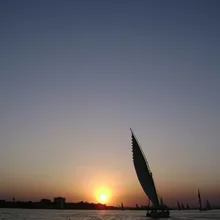
- Felucca sail at sunset — the signature Aswan experience: a quiet ride on a traditional wooden sailboat around Elephantine Island and the Aga Khan Mausoleum as the sky turns orange. Most cruise packages include this, though some sell it as an optional add-on.
The boat stays docked in Aswan overnight, and dinner and entertainment (often a folkloric show or galabeya party) happen on board.
Day 2: Sailing to Kom Ombo and Edfu
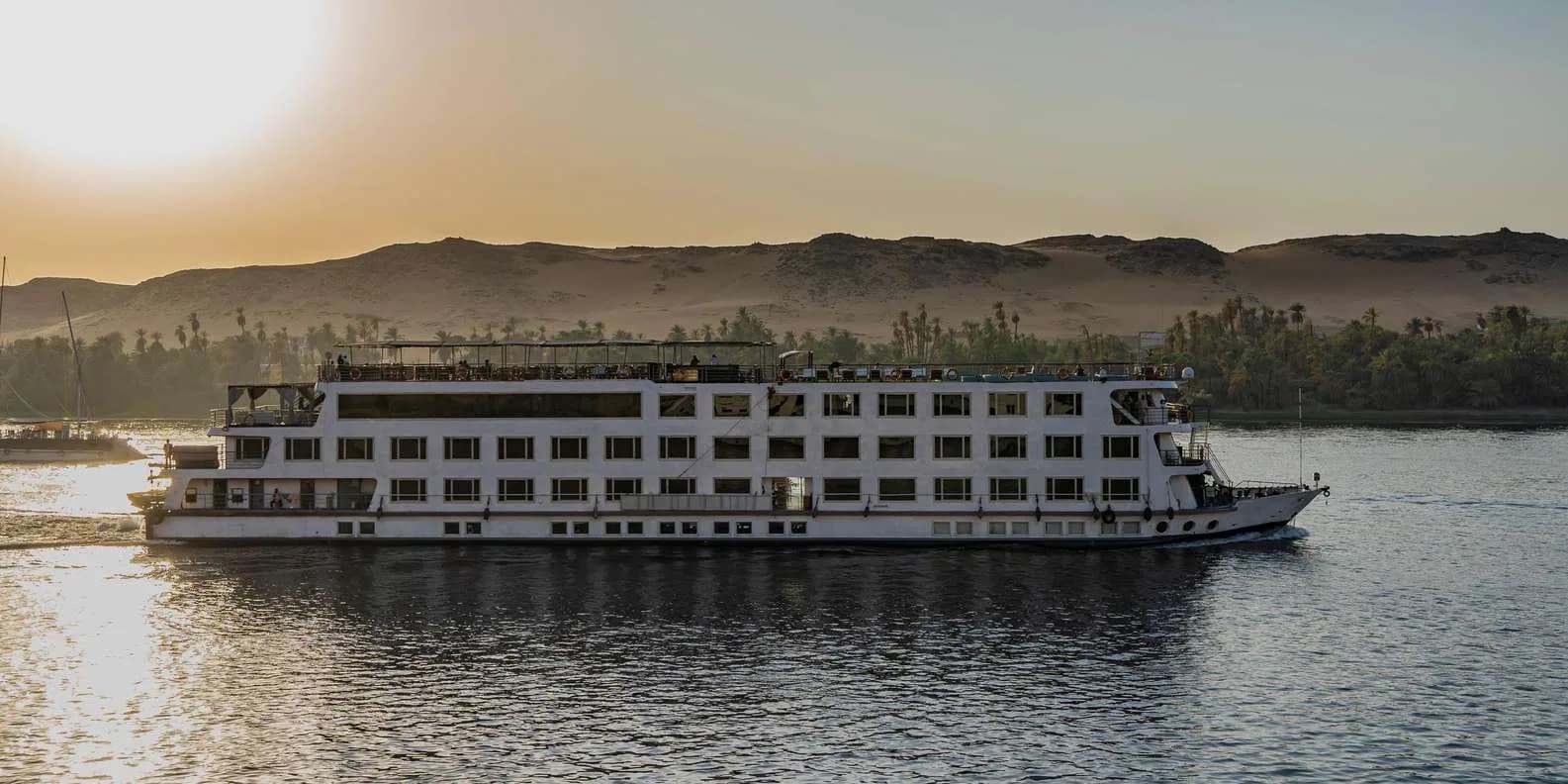
 This is the day the ship actually moves, and it's the most scenic stretch of the trip — banana plantations, sandstone cliffs, and small riverside villages roll past as you sail north.
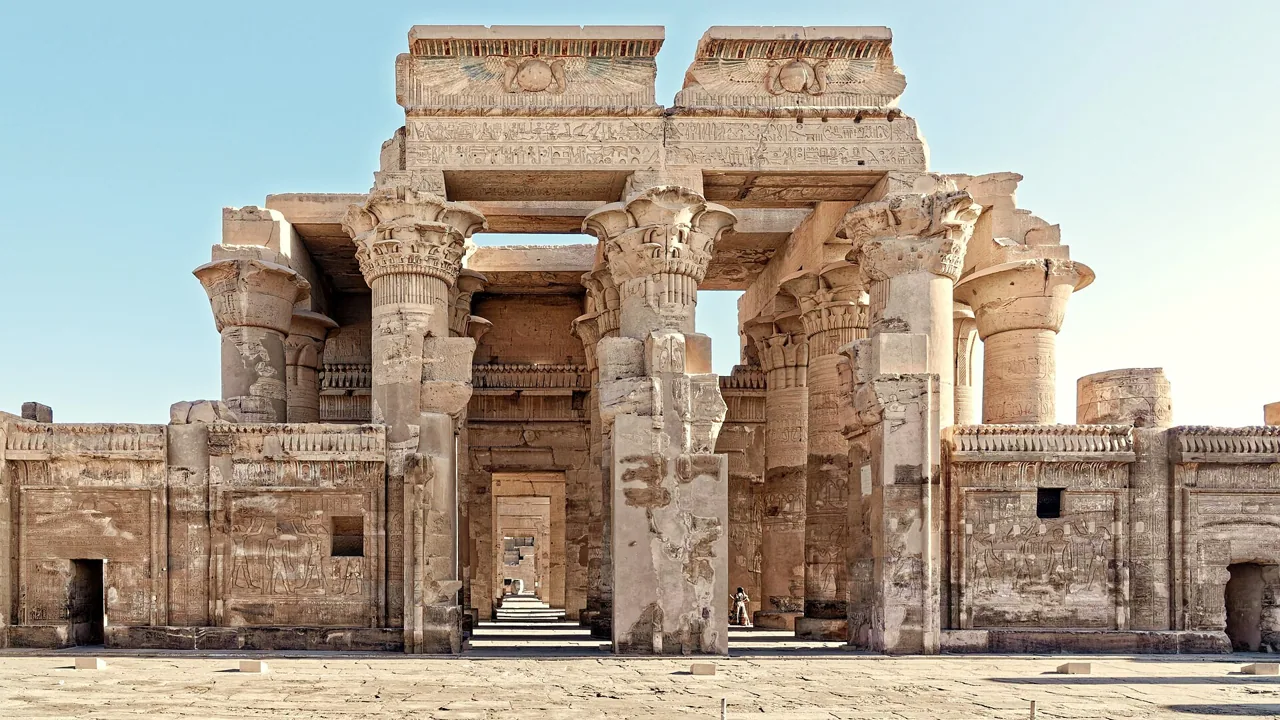
- Kom Ombo Temple — reached by late morning or early afternoon, this is a unique double temple dedicated to two gods simultaneously: Sobek (the crocodile god) and Horus. It sits right on the riverbank, so boats dock within walking distance. There's also a small Crocodile Museum with mummified crocodiles found nearby.
- Edfu Temple — one of the best-preserved temples in Egypt, dedicated to the falcon god Horus. Because it's set slightly back from the river, most cruises bus passengers there by horse-drawn carriage (calèche) from the dock, which is a fun, slightly chaotic part of the experience.
By evening the ship continues sailing toward Luxor, and you'll have dinner on board while the boat is underway or moored for the night depending on the schedule.
Day 3: Arrival in Luxor
 The final day is the busiest, since it packs in Luxor's biggest sights before disembarkation:
- Valley of the Kings — the burial ground of pharaohs including Tutankhamun, Ramses II, and Seti I, cut into the hills of the West Bank. Entry tickets typically cover three tombs, with Tutankhamun's tomb and a few others requiring an extra ticket. Our Valley of the Kings guide covers which tombs are open, ticket pricing, and how to avoid the worst of the heat.
- Colossi of Memnon — two enormous stone statues visible right from the road, a quick photo stop on the way to or from the West Bank.
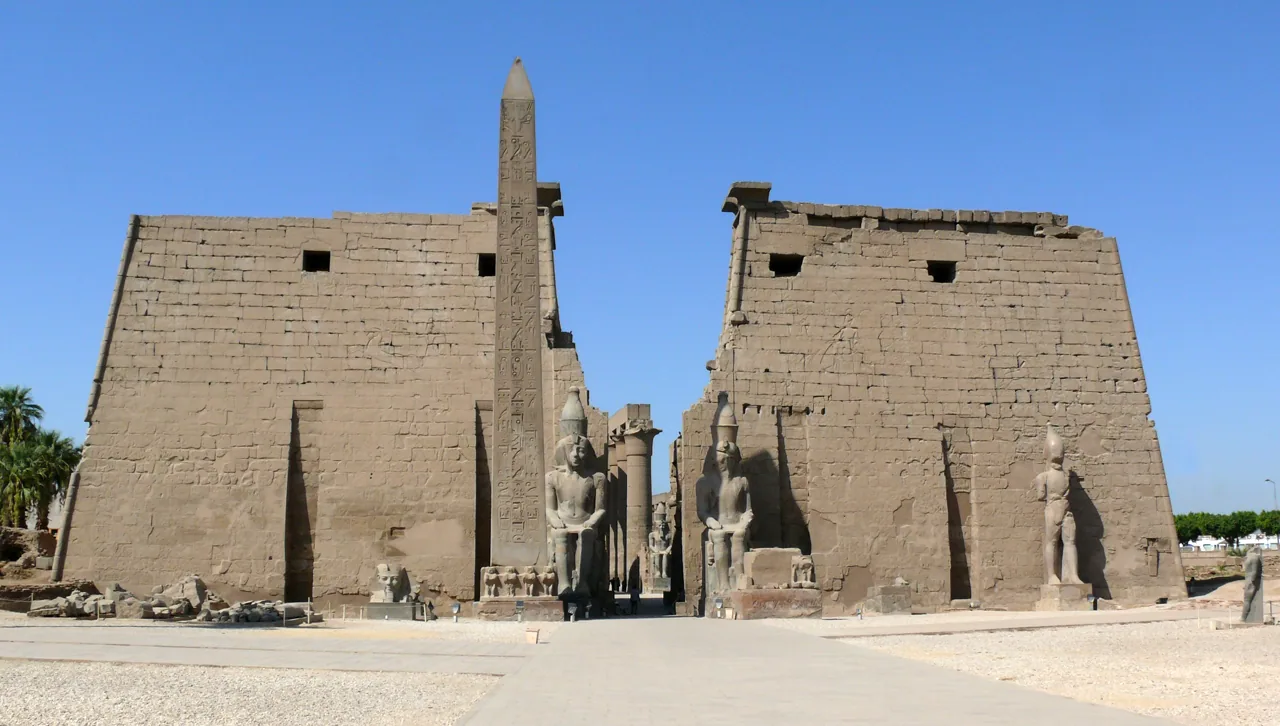
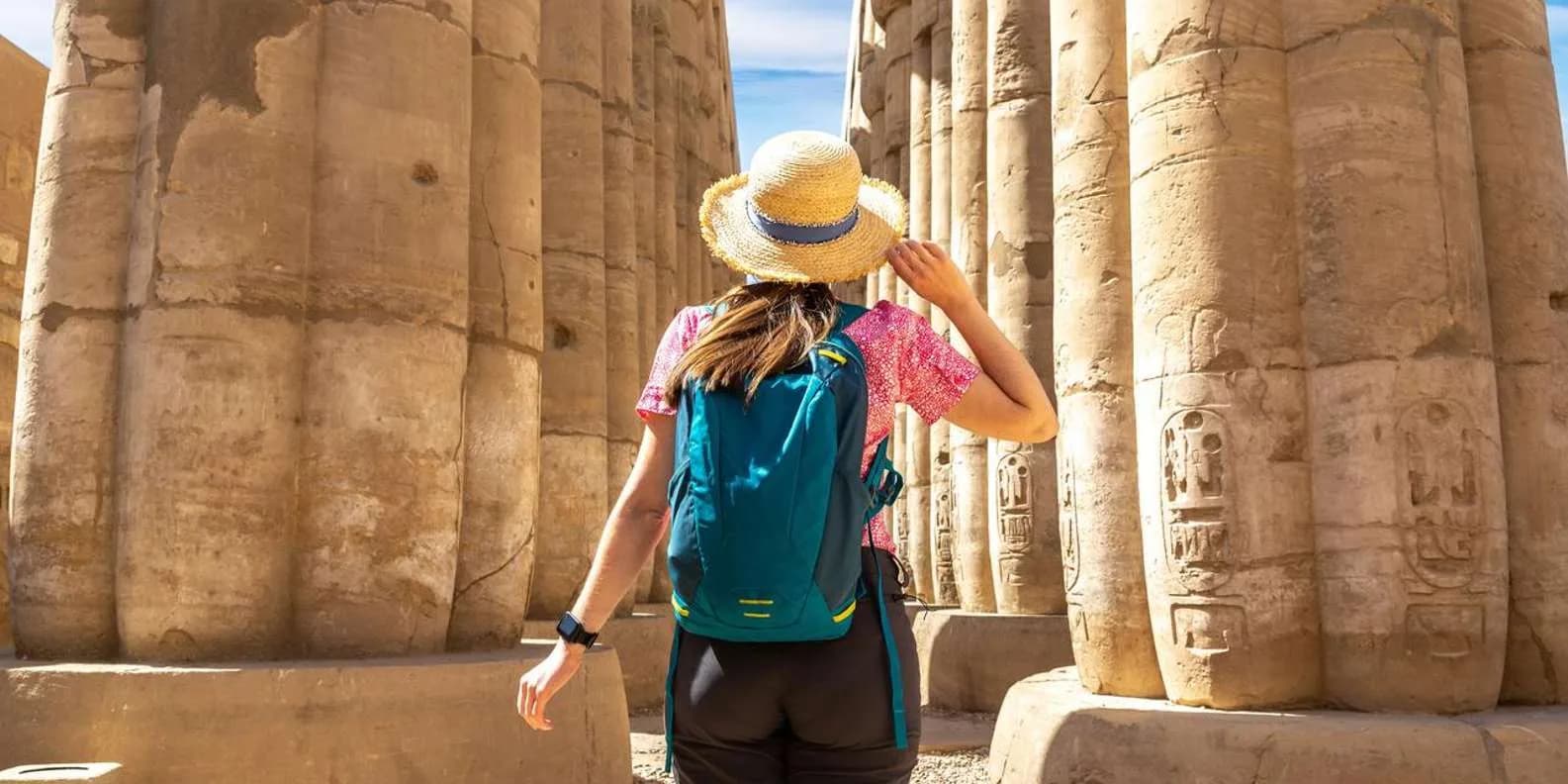
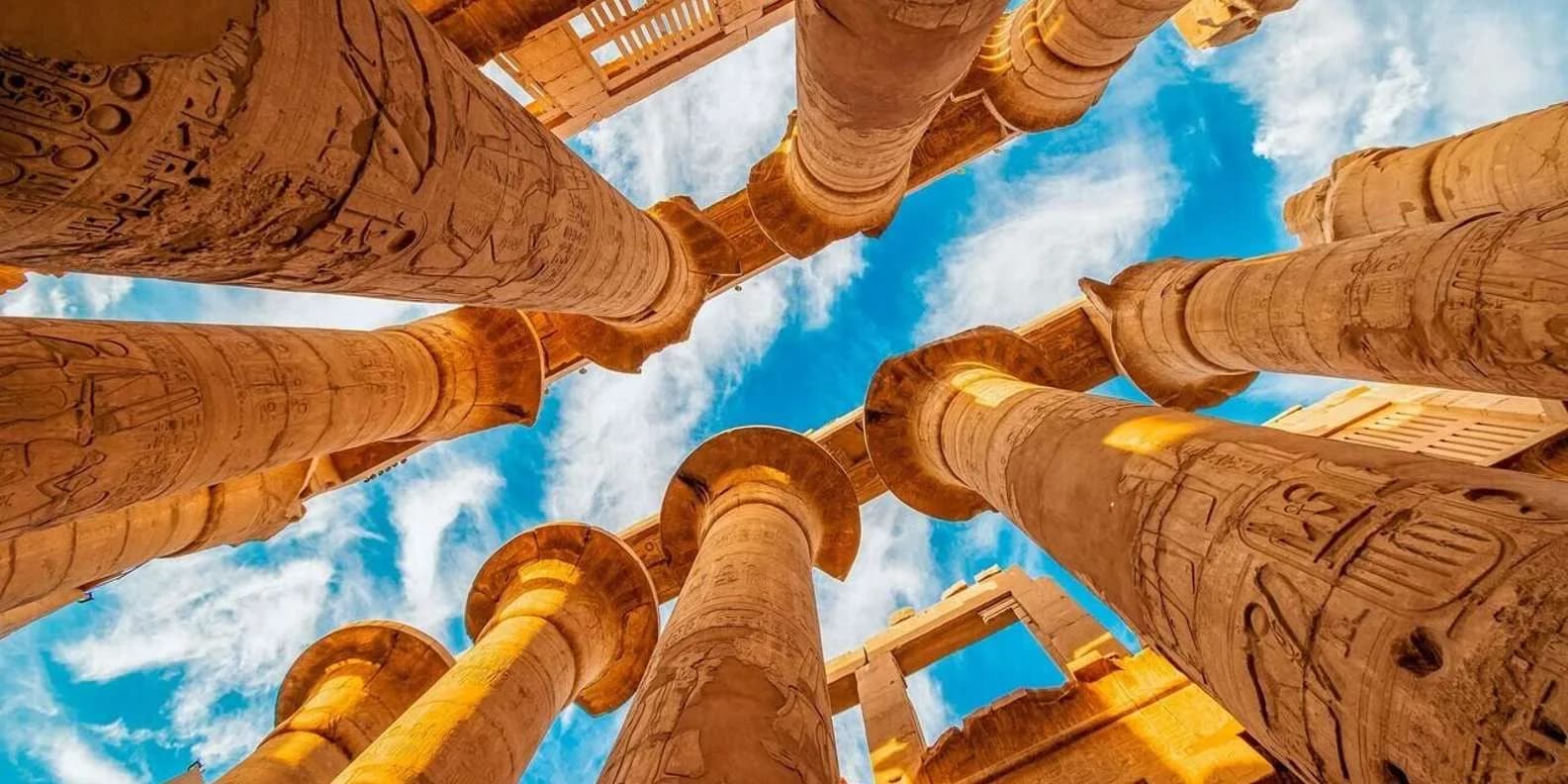
- Karnak Temple — the largest religious complex ever built, on the East Bank. The Hypostyle Hall of 134 giant columns is the single most photographed spot in Luxor and usually the last stop before checkout.
Disembarkation is generally around midday or early afternoon on Day 3, after which most travelers either fly out of Luxor airport or continue on to Cairo or Hurghada.
What's Included on a 3-Day Nile Cruise
Nearly every Nile cruise package, regardless of length, includes full board (breakfast, lunch, dinner on the ship), your cabin, and basic on-board entertainment. What varies is the excursion package:
- All-inclusive packages bundle guided entry to Philae, Kom Ombo, Edfu, Valley of the Kings, and Karnak, plus an Egyptologist guide and transport between the dock and each site.
- Cruise-only packages cover the boat and meals but charge separately for shore excursions, guides, and entrance tickets — this is more common with budget boats and can add up quickly once you're there.
- Almost always extra: drinks (including bottled water and soft drinks in some cases), the felucca ride on some boats, hot air balloon rides in Luxor, tipping (baksheesh for guides, crew, and drivers), and entry to King Tut's tomb specifically.
Always ask your operator to spell out exactly which excursions and entrance fees are included before booking — this is the single biggest source of confusion and unexpected costs on Nile cruises.
Dahabiya, Large Cruiser, or Something Else
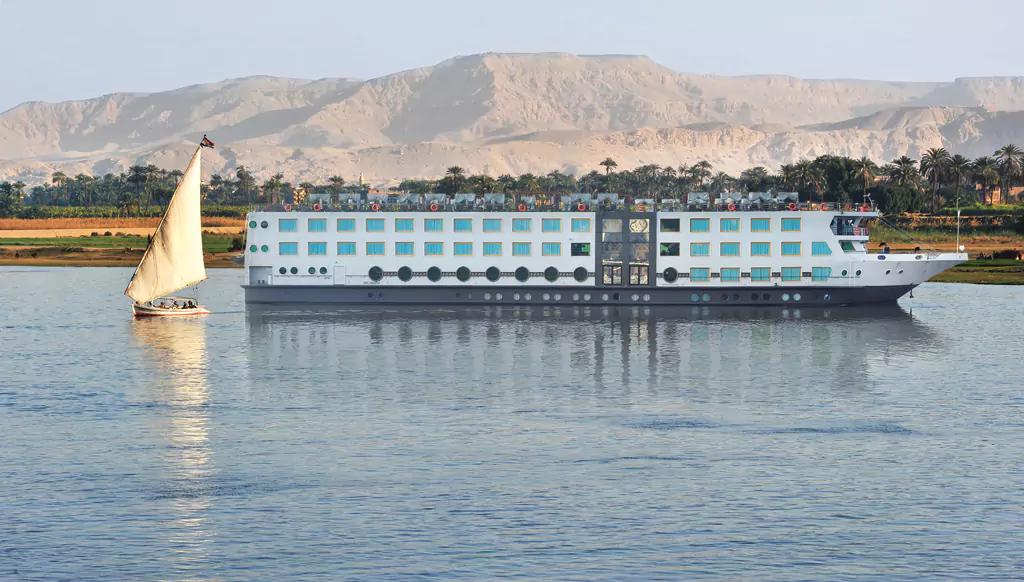
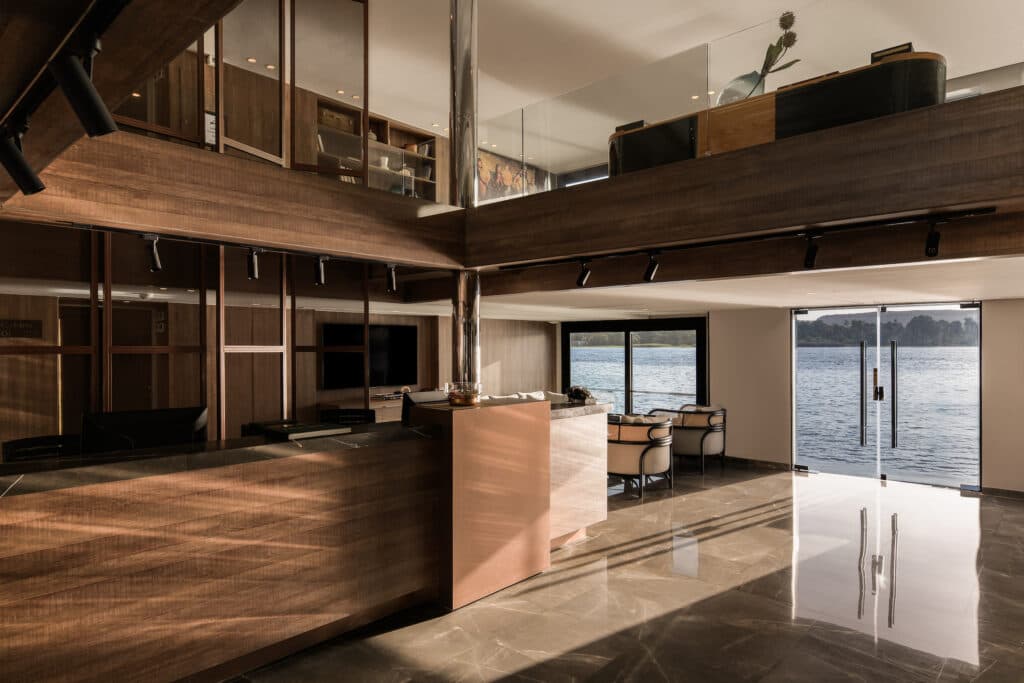
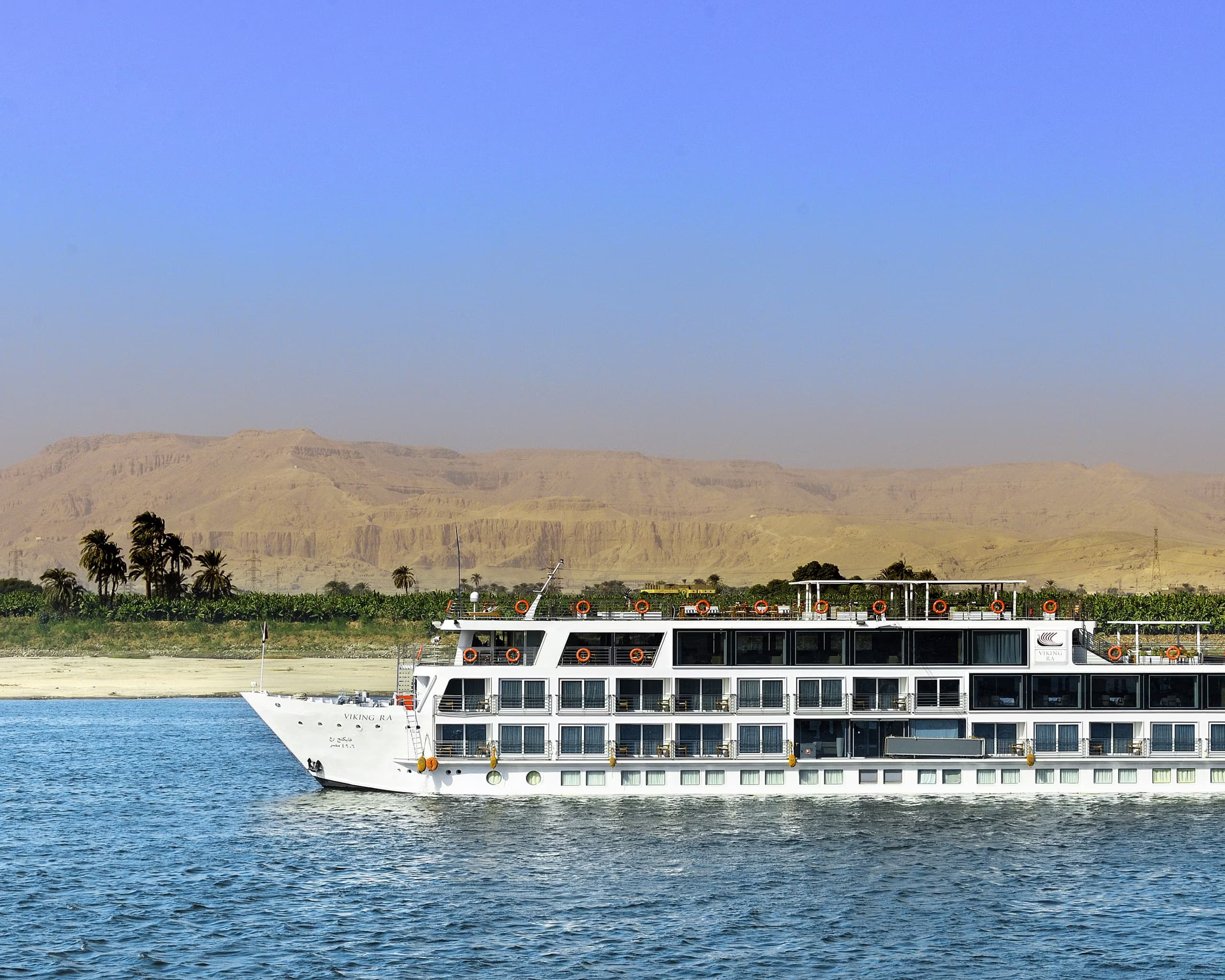
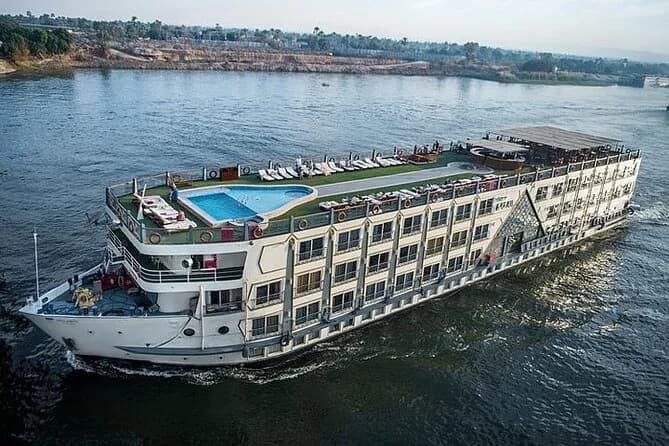
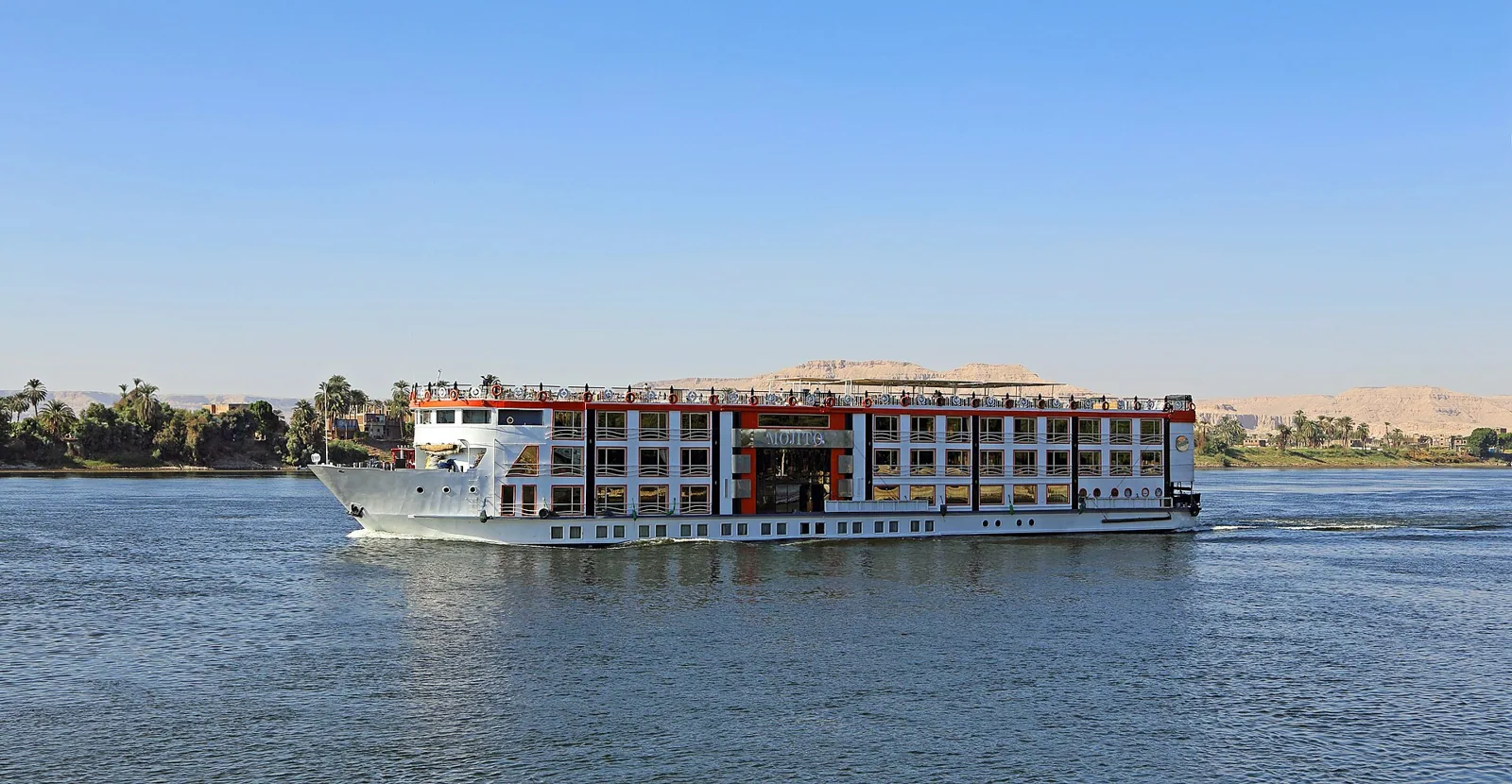 Most 3-day itineraries run on standard multi-deck cruisers carrying anywhere from 60 to 150+ passengers, with a pool deck, restaurant, and lounge — comfortable, efficient, and the cheapest per-night option. A dahabiya (a smaller, sail-powered traditional boat carrying 8–20 guests) offers a quieter, more intimate experience with a shallower draft that lets it stop at sites the big boats skip, but dahabiyas rarely run the compressed 3-day schedule since they sail slower and rely more on wind — they're usually booked for 4 nights or more. If a peaceful, boutique feel matters more to you than ticking off every temple in three days, it's worth checking dahabiya availability directly rather than assuming the short cruise applies. Browse current sailings and boat types under Nile cruises.
Best Time to Sail
The Nile cruise season runs essentially year-round, but October through April is by far the most comfortable window, with daytime temperatures in Aswan and Luxor typically in the mid-20s to low-30s°C (mid-70s to high-80s°F). December and January are the coolest and busiest months, so book early if you're targeting peak winter dates. May through September gets genuinely hot — Aswan regularly hits 40°C+ (104°F+) — which is manageable if you don't mind the heat and want lower prices and thinner crowds at the temples, but it makes the outdoor excursions (especially the Valley of the Kings, which has minimal shade) considerably tougher.
What to Pack
Light, breathable clothing is the priority, plus a few Egypt-specific items: a sun hat, high-SPF sunscreen, sunglasses, and a light scarf or shawl for temple visits and sun coverage. Modest clothing (shoulders and knees covered) is expected inside temples and tombs. Bring comfortable closed-toe shoes for uneven temple floors, a reusable water bottle, cash in small Egyptian pound notes for tipping, and a swimsuit if your boat has a pool deck. A light jacket is useful for cooler evenings in winter months, and a basic first-aid kit with anti-diarrheal medication is worth packing, as is common for any Egypt trip.
Is 3 Days Enough?
Honestly — it's a taster, not the full experience. Three days covers the essential sights (Philae, Kom Ombo, Edfu, Valley of the Kings, Karnak) and gives you the core Nile cruise feeling of waking up somewhere new, but the schedule is tight, with some days involving two or three excursions plus sailing time. If you can spare it, a 4- or 5-night cruise adds a more relaxed pace, extra stops like the Aswan Botanical Garden or a Nubian village visit, and more unstructured time on deck actually watching the river go by, which is a big part of why people choose a cruise over a bus tour in the first place. But if three days is genuinely all you have, it's still a worthwhile and efficient way to see Upper Egypt's biggest monuments without sacrificing the boat experience entirely — just go in expecting an early alarm most mornings.

A real team available 24/7 to assist you — free
Seif and the team reply on WhatsApp 24/7 — trip questions, custom plans and booking help.
Ask Seif on WhatsAppCommon questions
Is a 3-day Nile cruise enough time?
It covers the essentials — Philae, Kom Ombo, Edfu, Valley of the Kings, and Karnak — but the pace is tight with back-to-back excursions. It's a good option if time is limited, but a 4- or 5-night cruise gives a fuller, more relaxed experience if your schedule allows it.
Should I book Aswan to Luxor or Luxor to Aswan?
For a 3-day cruise, book Aswan to Luxor. It's the standard direction for the short itinerary because boats sail downstream with the current, fitting more sightseeing into fewer days. Luxor to Aswan sailings are more common on longer 4-night cruises.
What's included in a 3-day Nile cruise?
Full board (breakfast, lunch, dinner) and your cabin are almost always included. Guided excursions to the temples and entrance tickets vary by operator — some packages bundle everything in, others charge extra for guides, tickets, and specific sites like Tutankhamun's tomb. Always confirm inclusions before booking.
When is the best time to take a Nile cruise?
October through April offers the most comfortable temperatures for sightseeing. December and January are the coolest and busiest months. May through September is hot, especially in Aswan, but comes with lower prices and fewer crowds.
Should I choose a dahabiya or a large cruiser?
Large cruisers are the standard choice for a 3-day itinerary — they're efficient, affordable, and run the compressed schedule reliably. Dahabiyas offer a quieter, more boutique experience but usually operate on 4-night-plus itineraries rather than the tight 3-day route.
Do I need to pre-book my excursions?
Most 3-day cruise packages include the core excursions (Philae, Kom Ombo, Edfu, Valley of the Kings, Karnak) as part of the booking, with a guide arranging tickets on-site. Optional extras like hot air balloon rides or King Tut's tomb entry are worth reserving or budgeting for in advance, since availability and pricing can change.
Should I start my cruise in Aswan or Luxor?
For a 3-day cruise, start in Aswan. Most short itineraries are designed to embark in Aswan and disembark in Luxor, matching the downstream sailing direction and letting you fly out of Luxor's airport at the end rather than backtracking.
How many boats offer a 3-night Nile cruise?
Of the 68 cruise ships and 105 dahabiyas in This is Egypt's directory, 87 sail a 3-night itinerary — usually the Aswan-to-Luxor direction. A 3-night cruise covers Kom Ombo, Edfu and the Aswan and Luxor temples.
Book it on This is Egypt
Turn this guide into a trip




Egypt's bestsellers
The experiences travelers book most, across the country





Plan your Nile cruise
Popular Nile cruise ships
Free downloads
Take the Nile home with you
Two illustrated PDFs, no email required: our 12-page introduction to choosing between a cruise ship and a dahabiya, and the classic 4-night Luxor to Aswan itinerary, day by day.
Keep reading
Nile Cruise from Aswan to Luxor (or Luxor to Aswan): 2026 Guide
A 3 or 4 night cruise between Aswan and Luxor is the classic way to see Egypt's temples. The stops, real prices, why direction and boat choice matter, and how to avoid a bad one.
By TiE Editors9 min read
Jaz Nile Cruises (2026): Fleet, Routes & How to Book
Jaz is the Nile cruise arm of JAZ Voyages, part of Travco Group, and runs the largest fleet in our directory: twelve ships on the Luxor–Aswan route plus three Farouz El Nil dahabiyas.
By TiE Editors6 min read
Nile Cruise for the 2027 Solar Eclipse (Aug 2): Sail Egypt's Totality
On 2 August 2027 a total solar eclipse passes over Luxor with 6+ minutes of totality. A Nile cruise is the best way to see it — in the path, accommodation solved. How eclipse sailings work and why to book early.
By TiE Editors5 min read