3 Days in Cairo: The Perfect First-Timer's Itinerary
Pyramids, Islamic Cairo, Coptic alleys and the Grand Egyptian Museum: a tested 72-hour Cairo plan with real timings, transport and prices.
Book it on This is Egypt
Cairo · Turn this guide into a trip
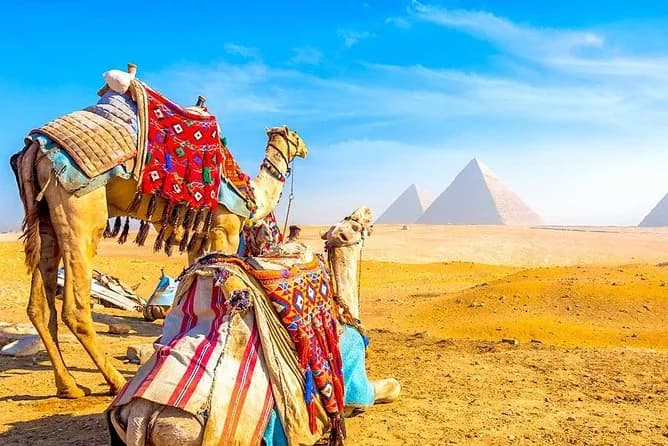
Quick answer: Three days is enough to do Cairo properly if you plan around the geography rather than fighting it. Greater Cairo holds more than 22 million people, the traffic is relentless, and the headline sights sit far apart, so the winning move is to group them: pyramids and the new museum on one side of the river, the medieval and Coptic city in the center, and a deeper or slower final day rounded off on the Nile. Do that and you leave with the icons ticked, a real feel for the old city, and enough left in the tank to enjoy it.
At a glance: Day 1 is Giza and the Grand Egyptian Museum. Day 2 is Islamic Cairo and Coptic Cairo. Day 3 is a choice between the older pyramids at Saqqara, the Egyptian Museum at Tahrir, or a slow day that ends with a Nile dinner cruise. Best months are October to April. Budget roughly 200 to 400 USD per person for tickets, an Uber-based transport day, a guided Giza morning, and meals, before hotels. Ride everywhere with Uber or Careem.
Day 1: Pyramids of Giza, the Sphinx and the Grand Egyptian Museum
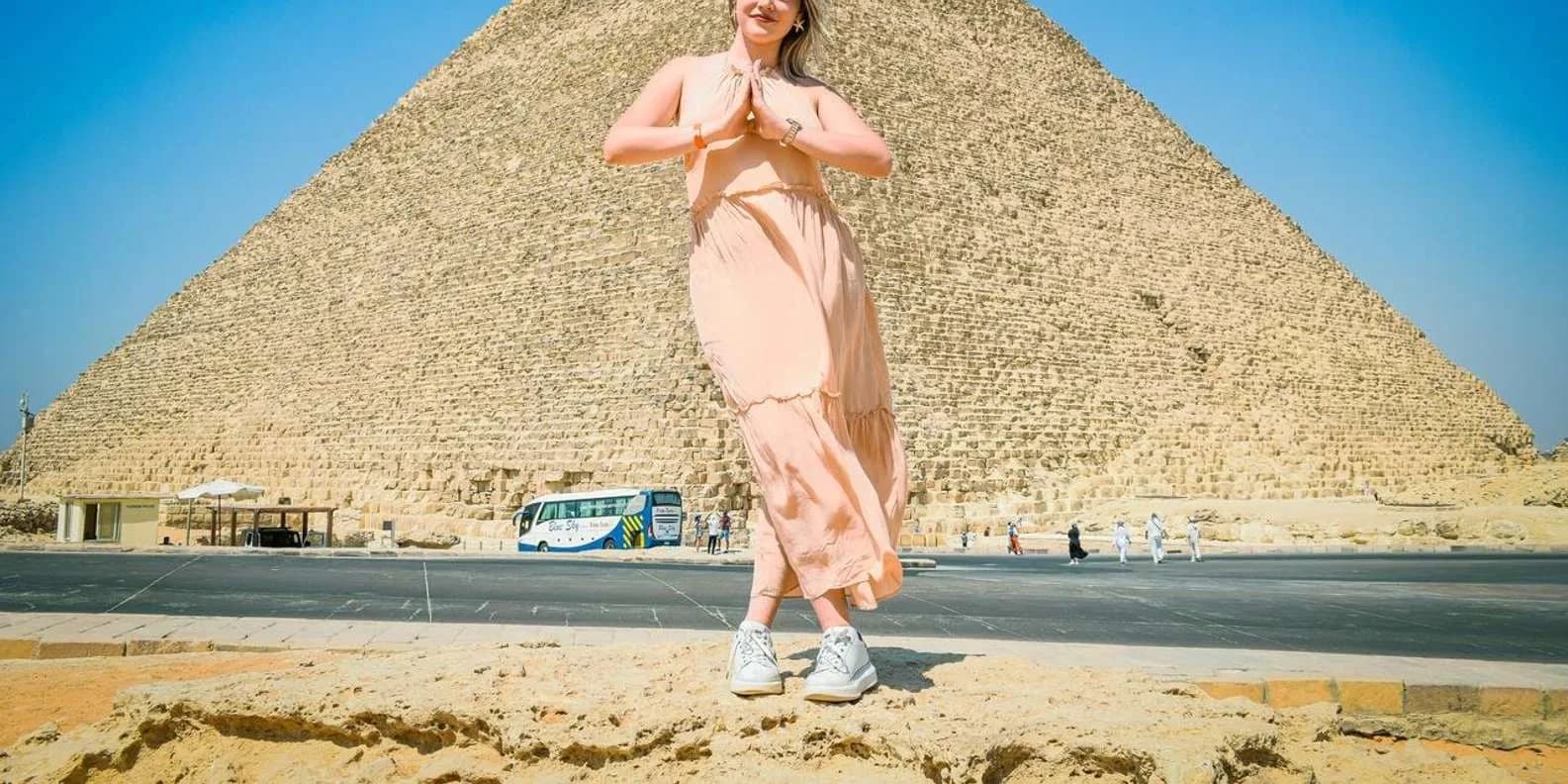
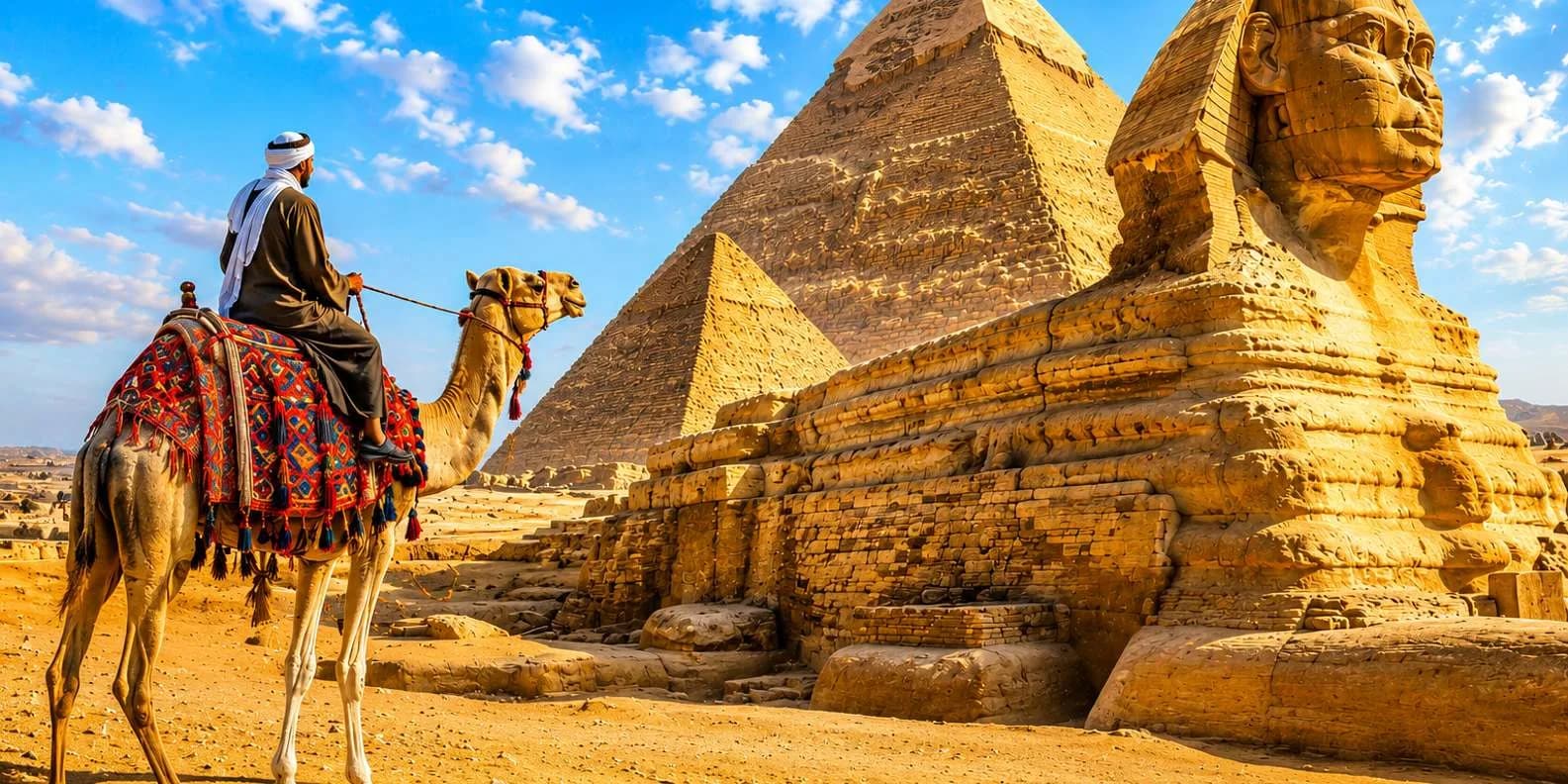
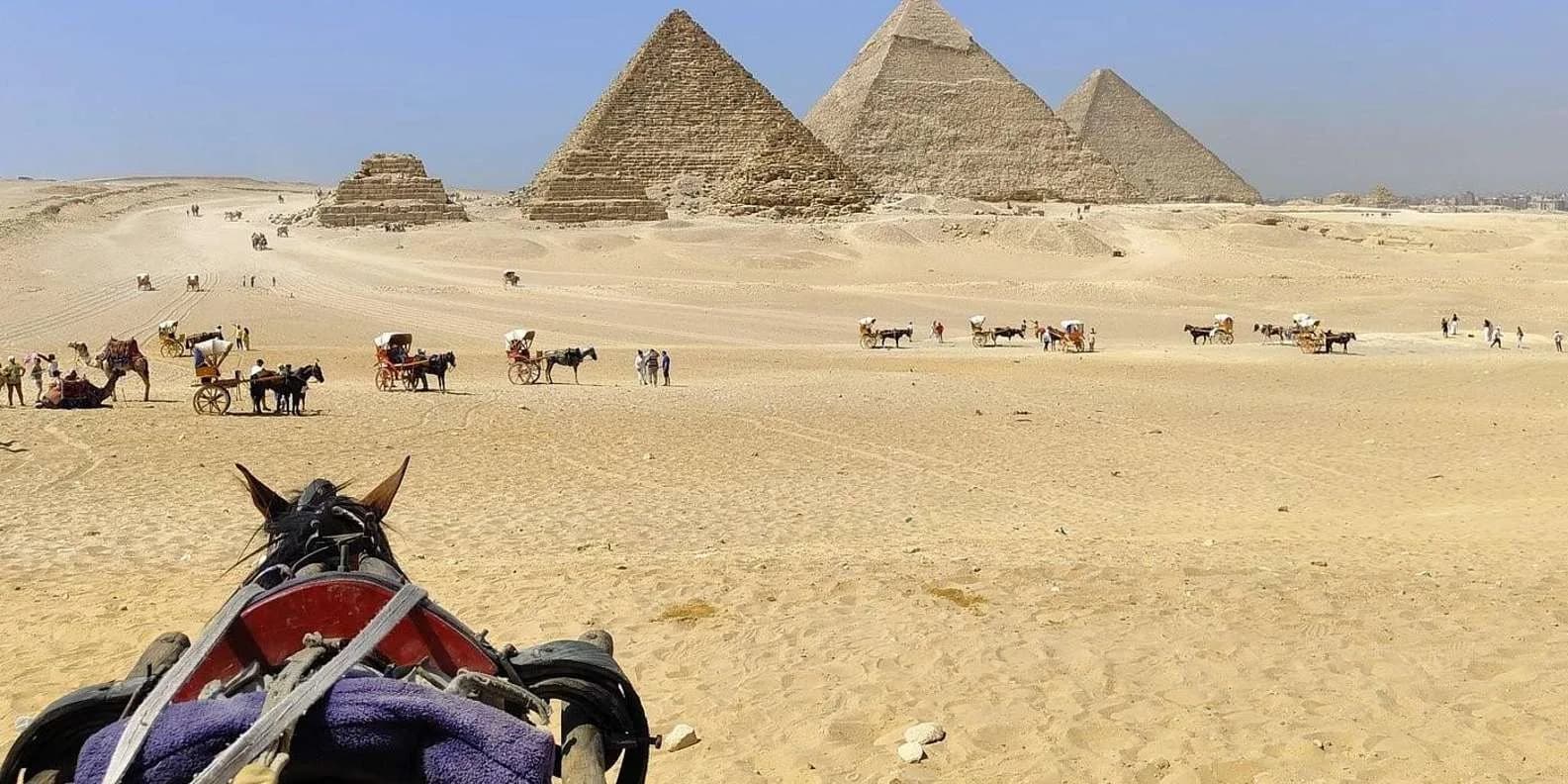
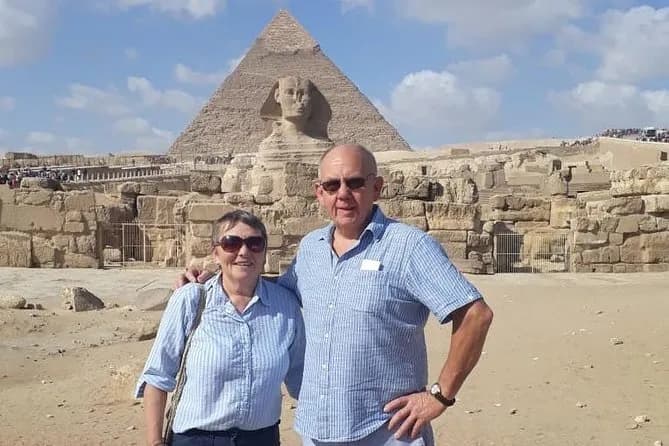
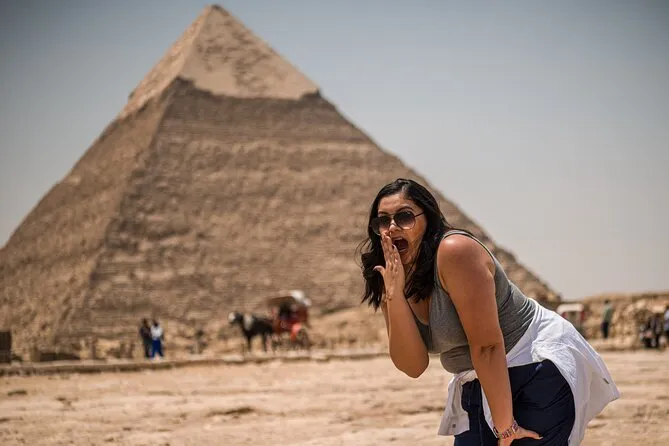
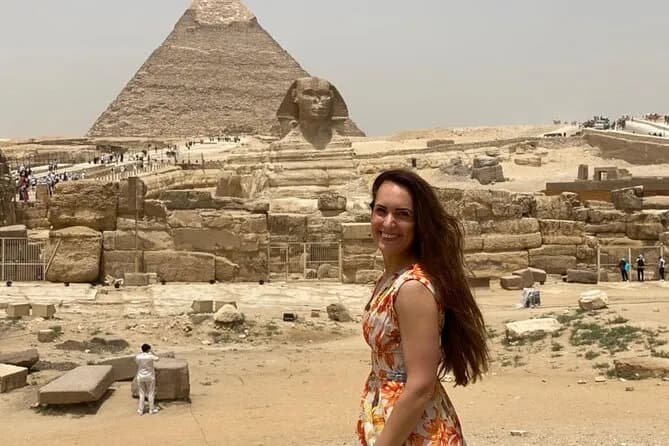
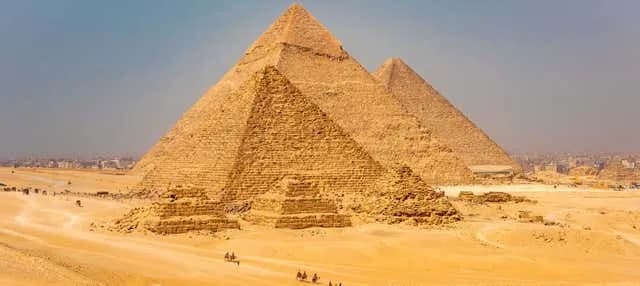
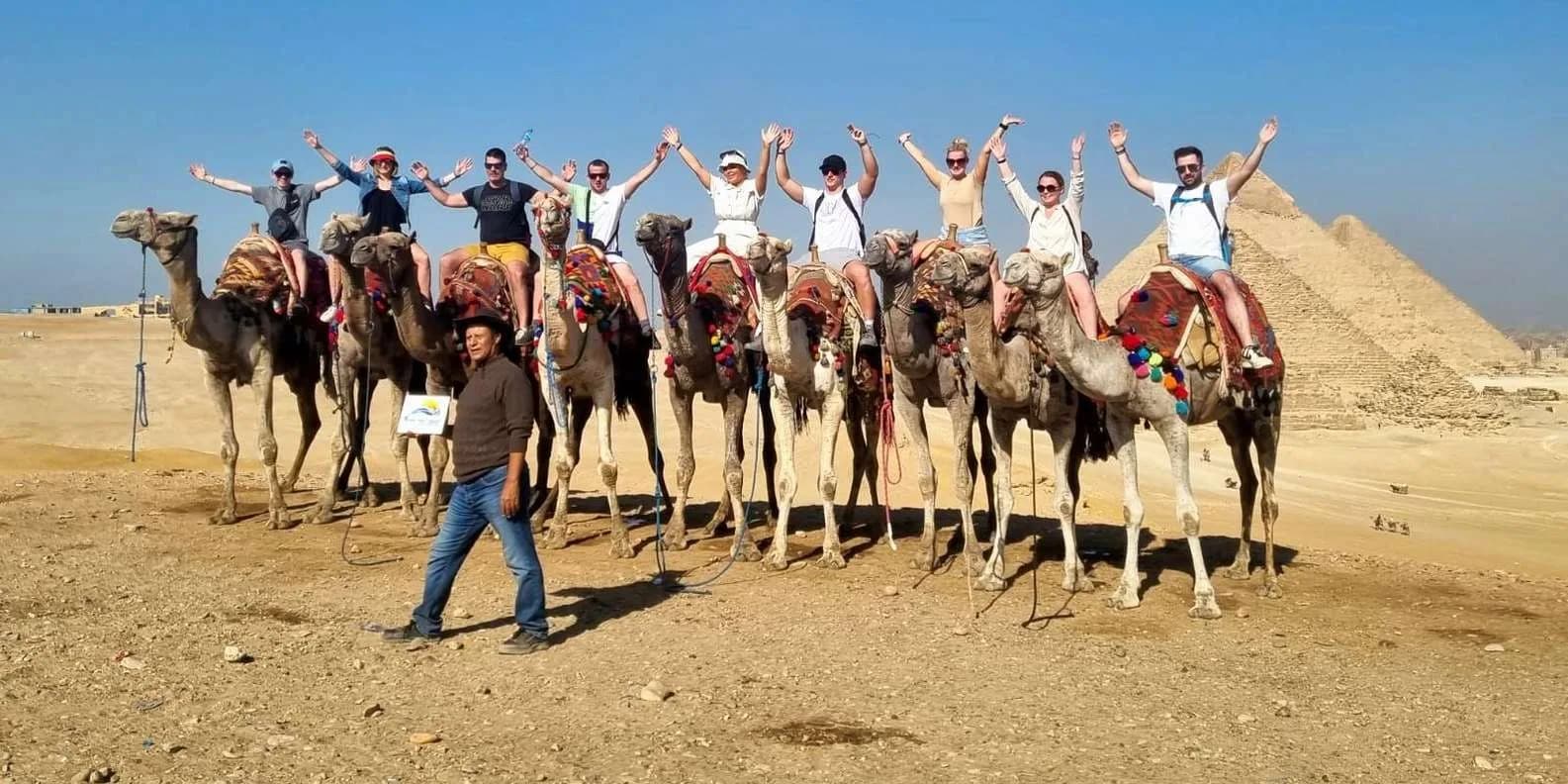
 Start at the Pyramids of Giza at the 7am opening, before the heat builds and the tour buses arrive. Two to three hours is plenty to take in the three pyramids of Khufu, Khafre and Menkaure, walk down to the Sphinx, and reach the panorama point in the desert where all three line up for the classic photograph. Entry to climb inside the Great Pyramid costs extra and the daily tickets are capped, so buy that early or skip it, since the interior is a hot, low, empty passage rather than a treasure chamber. If you want a camel or horse for the walk between monuments, agree the price in writing before you mount, and expect to pay a fraction of the first number quoted.
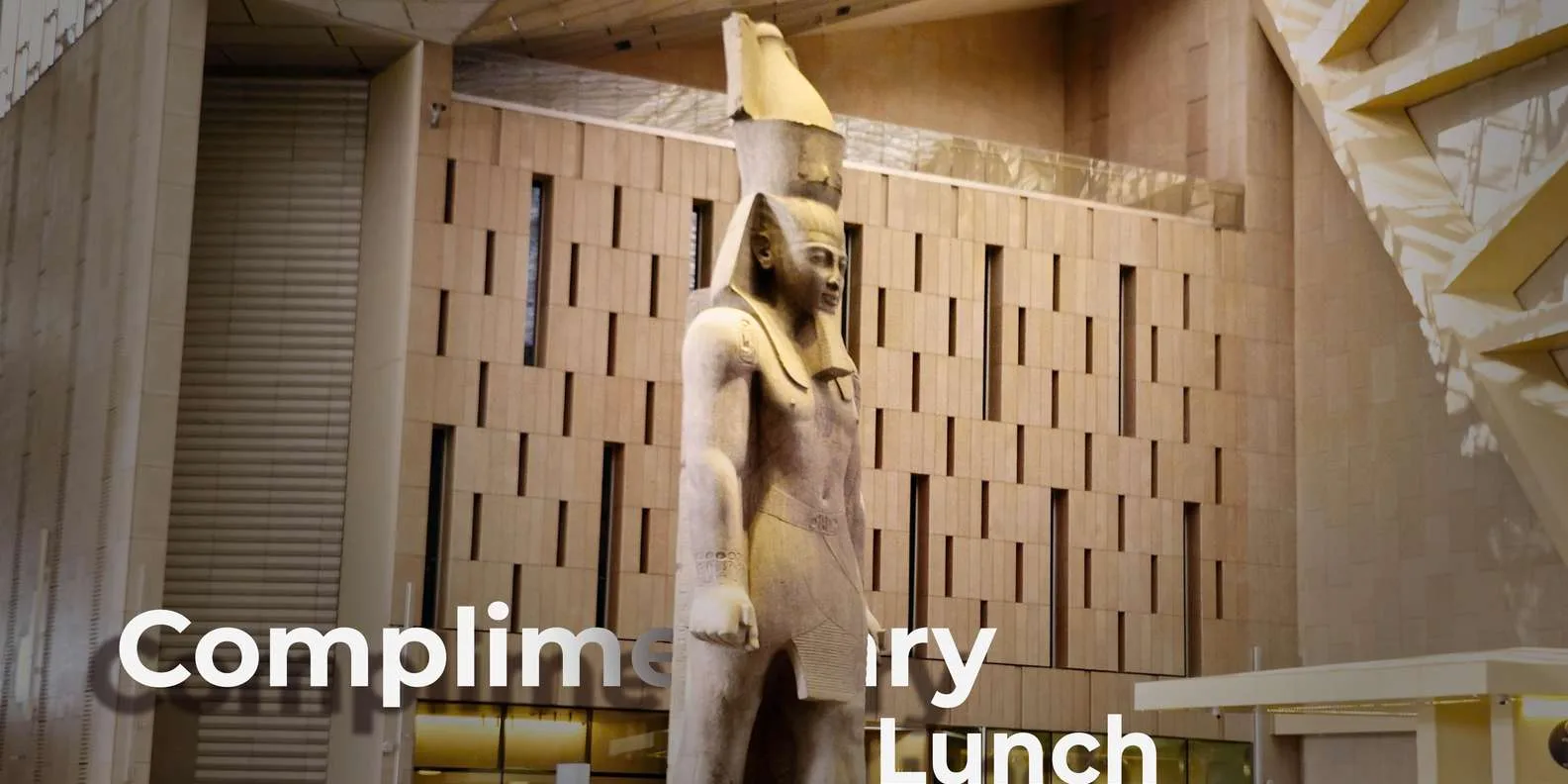
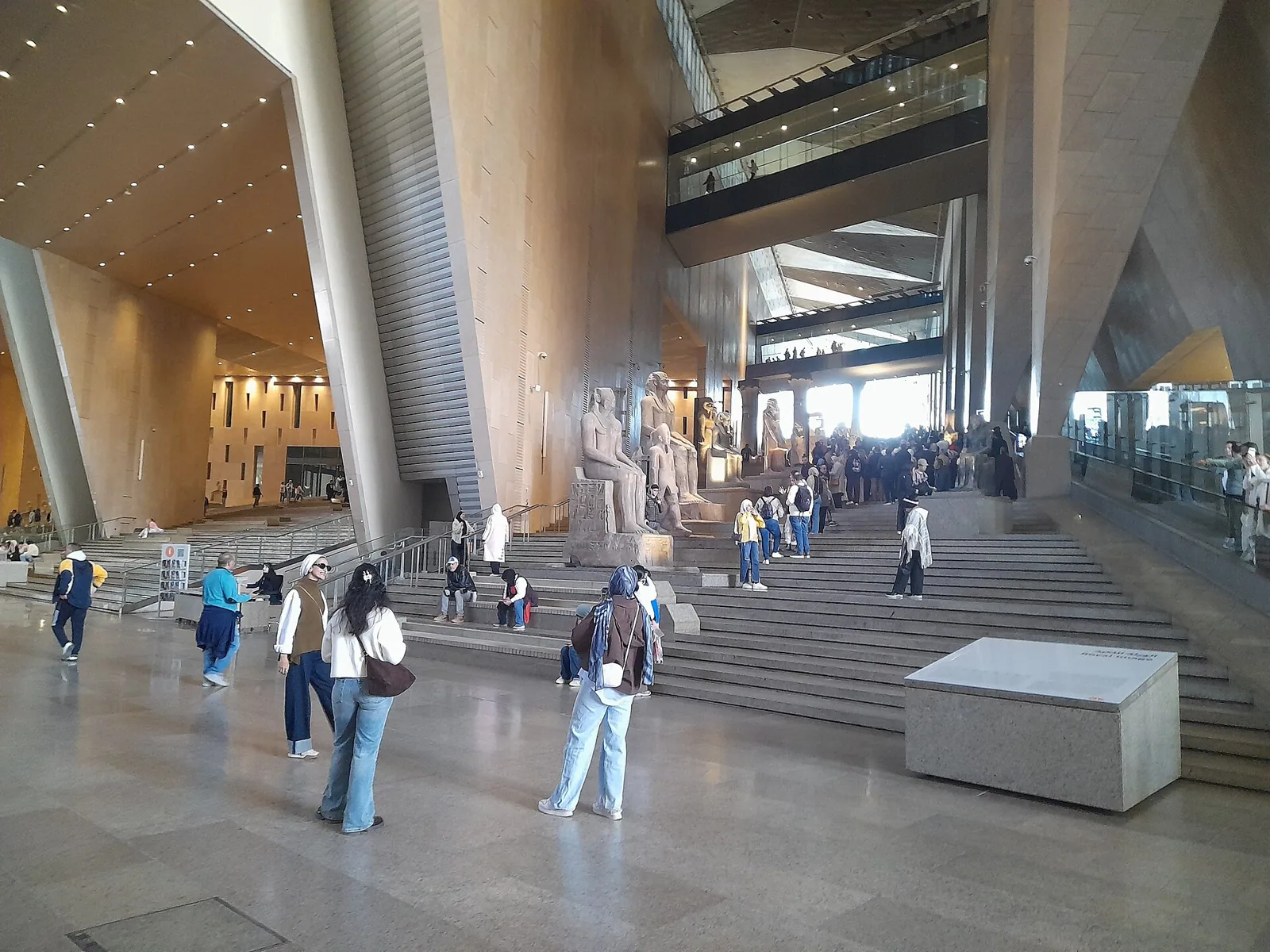
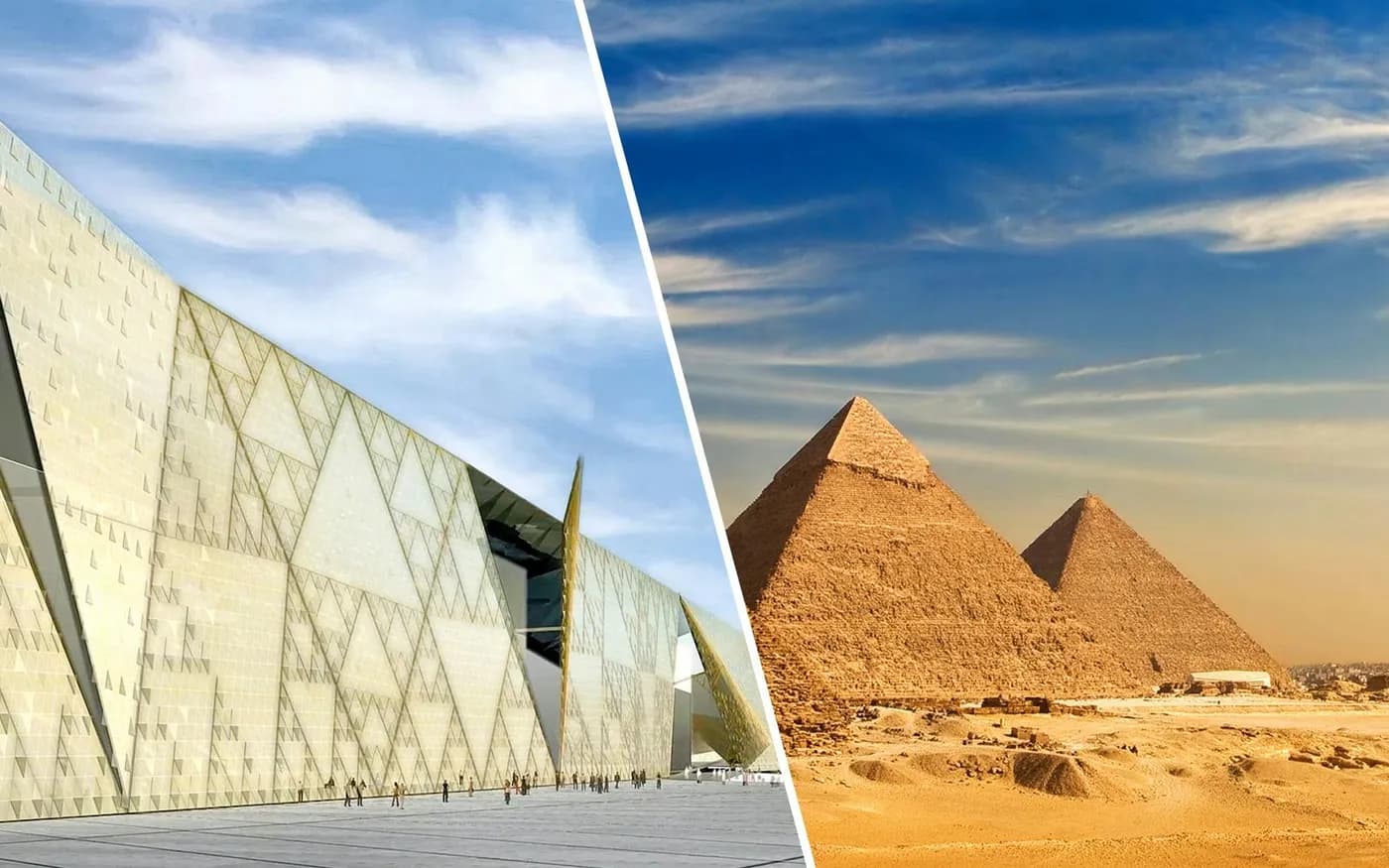
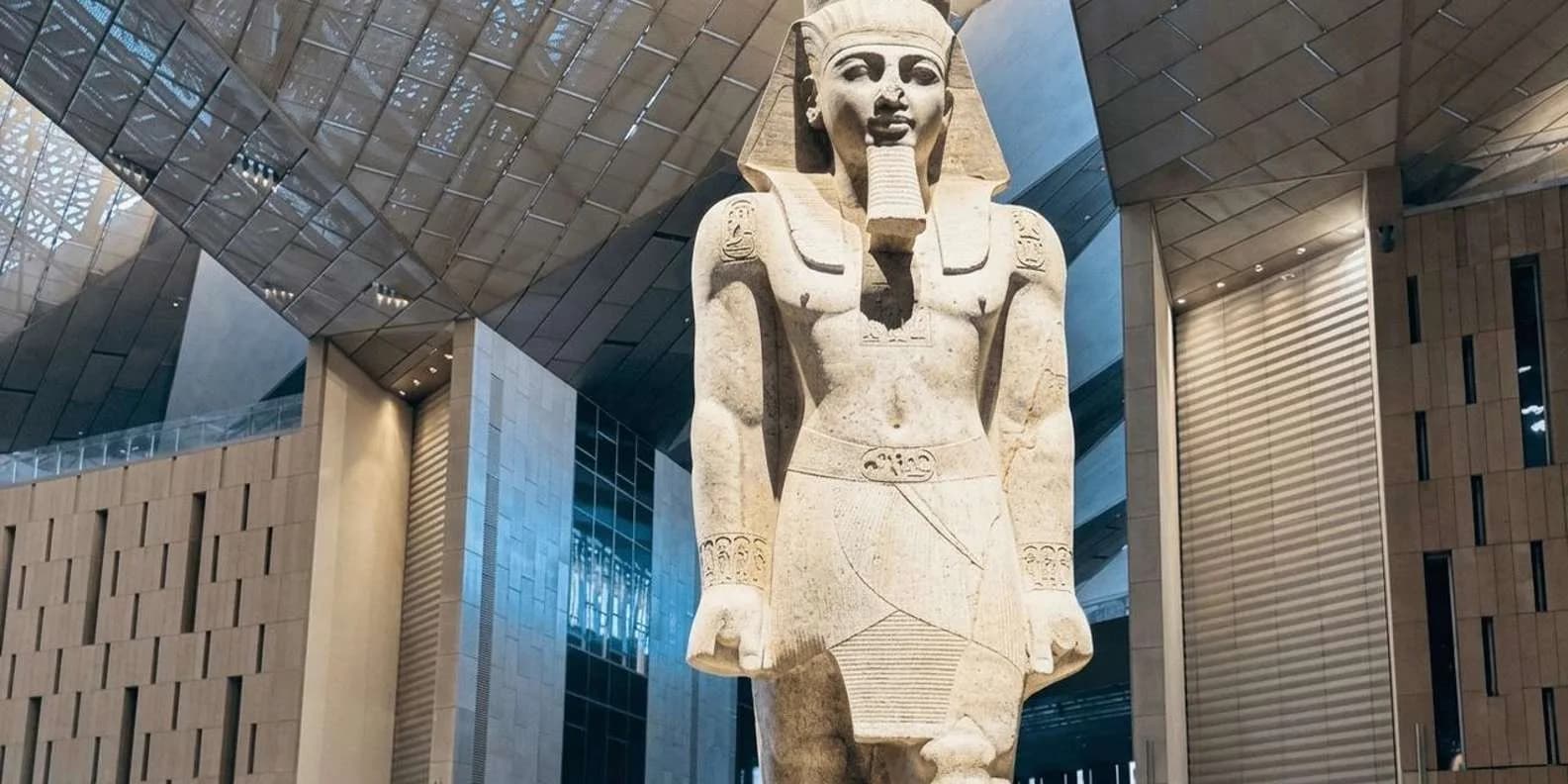
Break for lunch, then cross to the Grand Egyptian Museum, which held its formal opening on 1 November 2025 and is now fully open. This is the reason Giza deserves a whole day rather than a rushed morning. The museum is the largest in the world devoted to a single civilisation, and for the first time the complete Tutankhamun collection, more than 5,000 objects including the gold funerary mask, chariots and jewellery, is displayed together under one roof. Give it three hours minimum: the grand staircase lined with royal statues, the hanging obelisk at the entrance, and twelve main galleries reward a slow walk. Buy timed entry online in advance, and see the Grand Egyptian Museum guide for gallery order and the best route through the Tutankhamun halls. The museum sits within sight of the plateau, so the two fit together logically without a long transfer.
Day 2: Islamic Cairo and Coptic Cairo
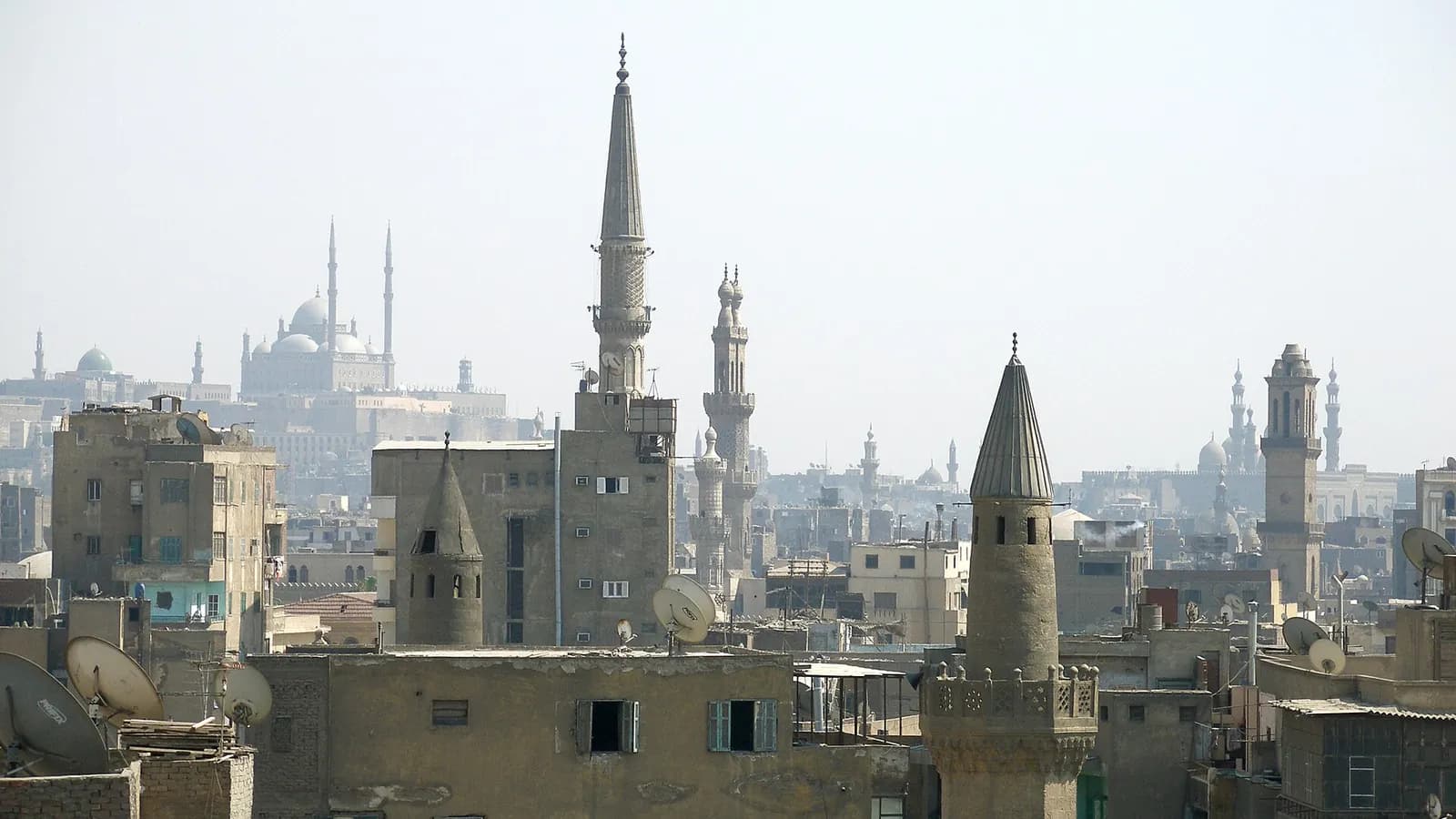
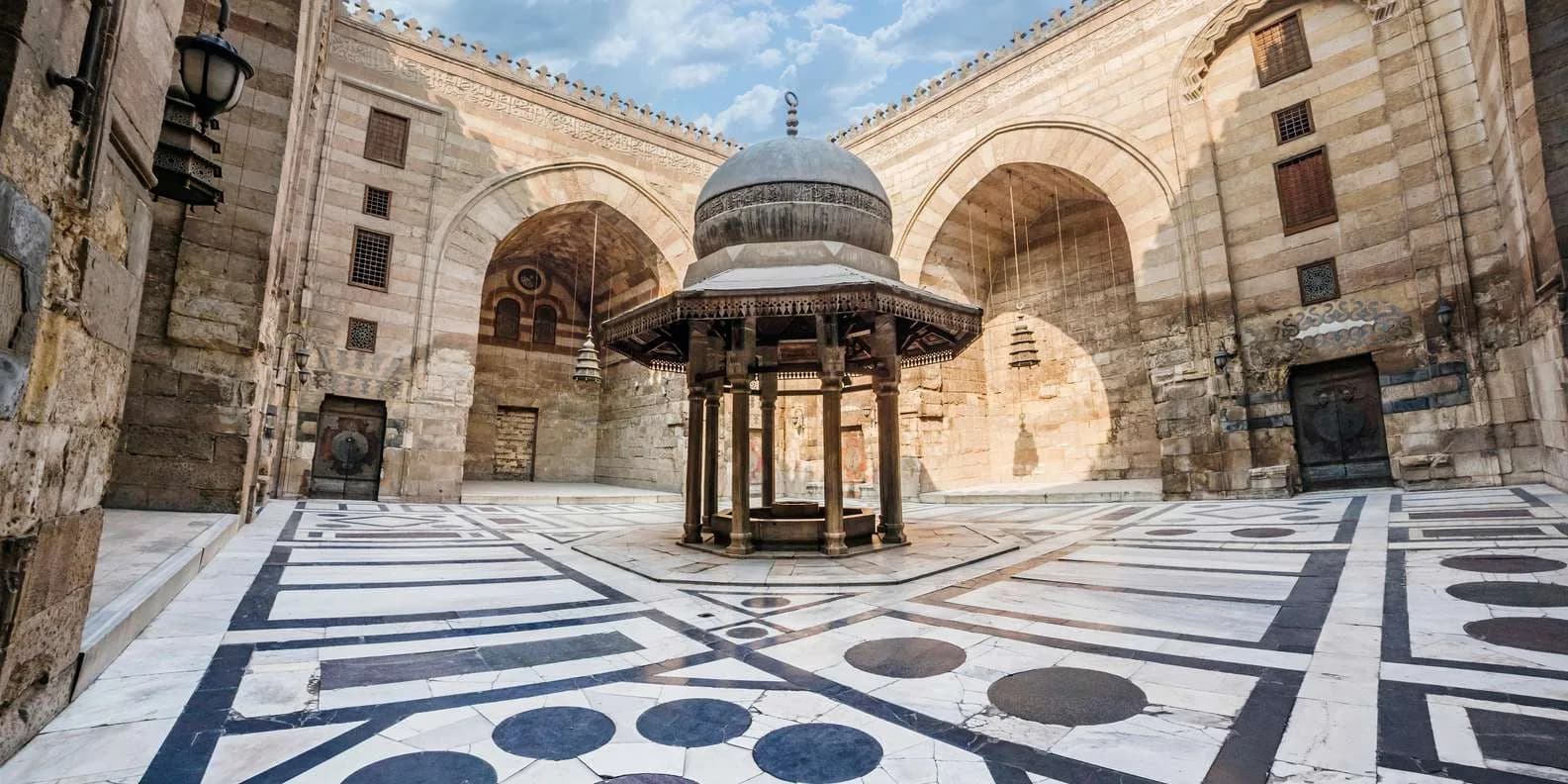
 Day 2 is medieval Cairo on foot. Begin at the Citadel of Saladin, the twelfth-century fortress crowned by the Mosque of Muhammad Ali, whose alabaster walls and Ottoman domes give the city one of its defining silhouettes. On a clear morning the terrace looks all the way to the pyramids. From the Citadel it is a short ride to the Mosque-Madrasa of Sultan Hassan, a fourteenth-century masterpiece whose sheer scale and stonework outshine anything else in the quarter, best paired with the Rifa'i Mosque directly opposite.
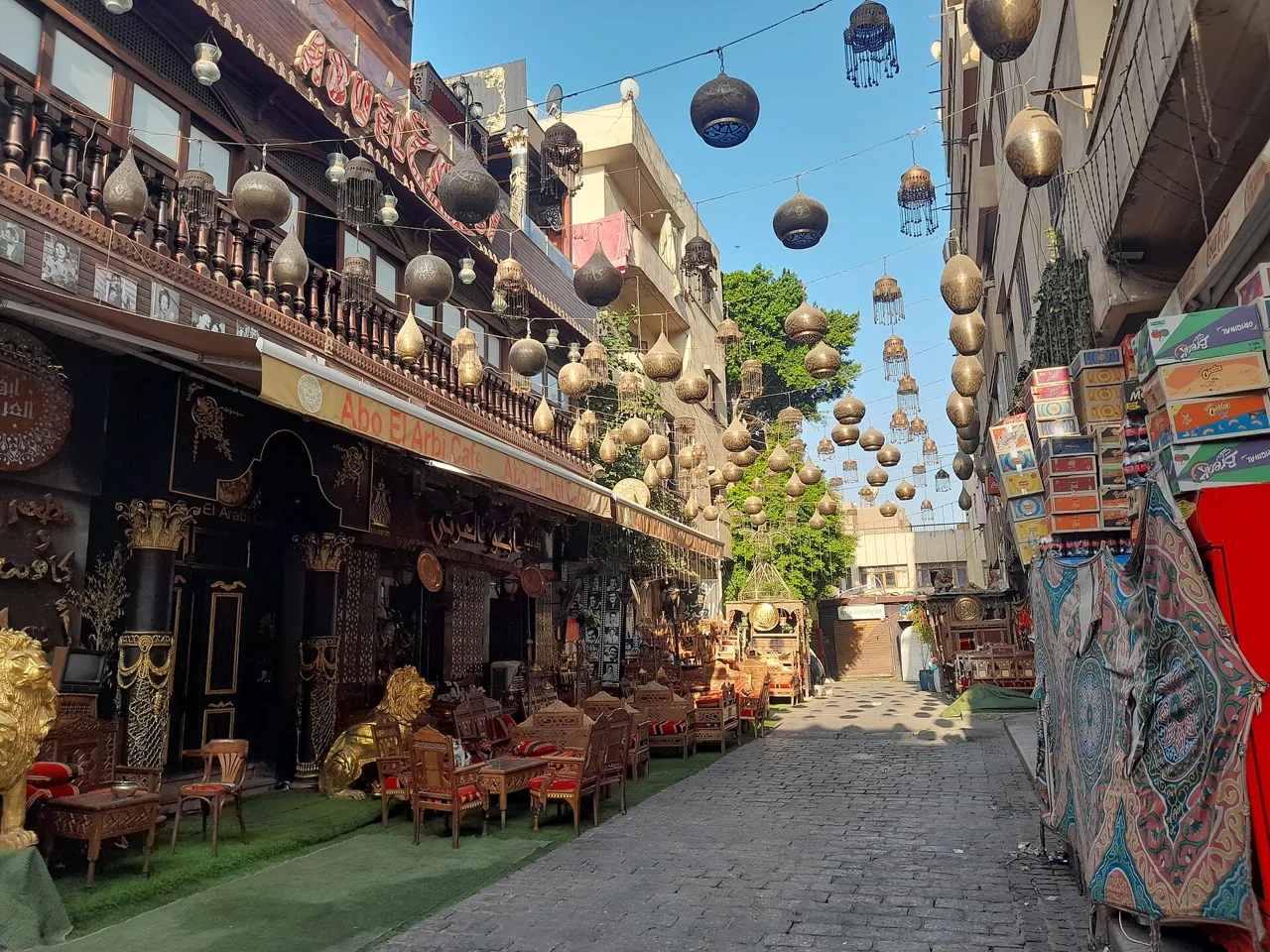
From there, walk Al-Muizz Street, a kilometre-long open-air museum of Mamluk mosques, fountains and merchant houses, arriving at Khan el-Khalili by early afternoon. The bazaar has been trading since the fourteenth century; haggle for lanterns, spices, silver and inlaid boxes, and stop for mint tea and shisha at El Fishawy, the coffeehouse open since 1773. Prices start high for foreigners, so counter at roughly half and be ready to walk away.
If you still have energy, spend the late afternoon in Coptic Cairo in Old Cairo, where the Hanging Church, the Ben Ezra Synagogue and the Coptic Museum sit within a few quiet, walkable minutes of each other, a complete change of pace from the bazaar. If a full day of both quarters feels like too much, keep the Citadel and Khan el-Khalili and save Coptic Cairo for a slower Day 3.
Day 3: the older pyramids, the Egyptian Museum, or a Nile finish
 Pick the version of Day 3 that matches your interests.
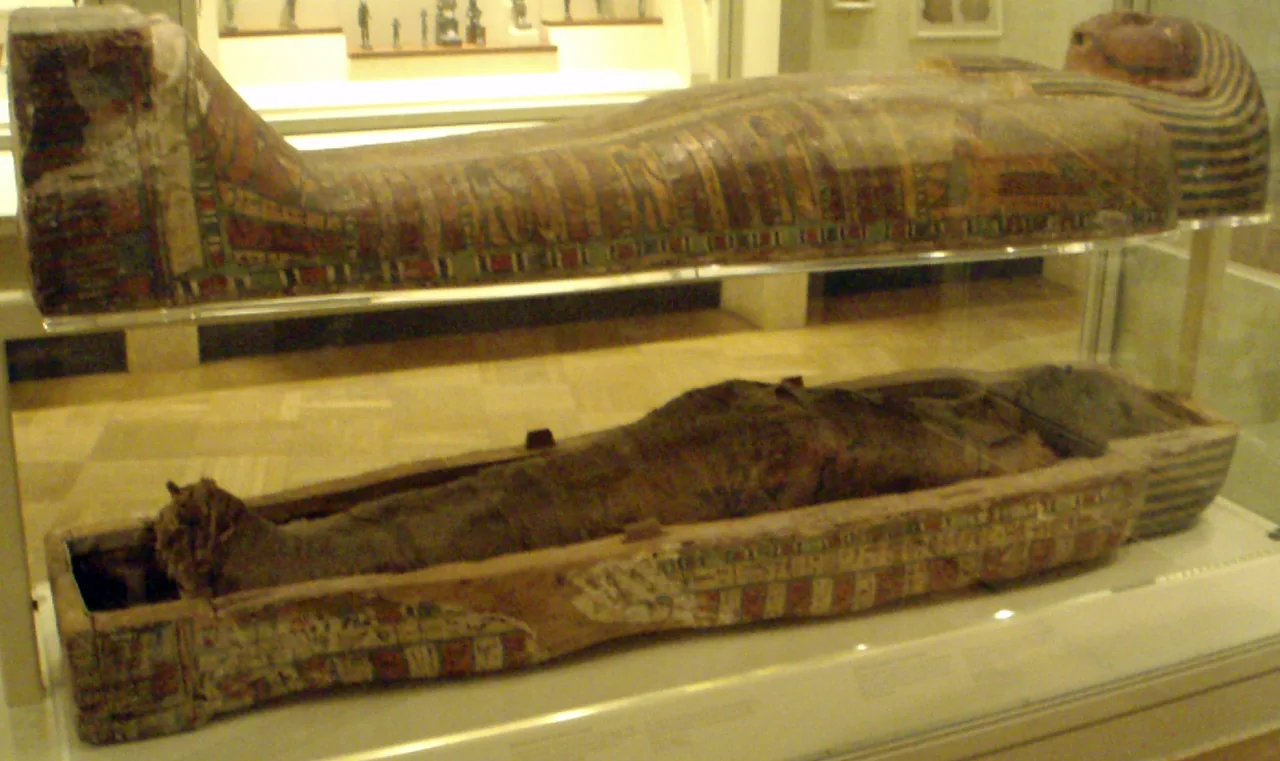
Option A, the older pyramids. Take a half-day to Saqqara, Memphis and Dahshur, roughly 40 minutes south and far quieter than Giza. Saqqara holds the Step Pyramid of Djoser, the world's oldest stone pyramid and the ancestor of Giza. Memphis, the ancient capital, has a colossal recumbent statue of Ramesses II. At Dahshur you can walk right up to and inside the Bent Pyramid and the Red Pyramid, the first true smooth-sided pyramids, usually with almost no crowds. This is the archaeology-lover's day.
Option B, the Egyptian Museum at Tahrir. The older museum on Tahrir Square still holds tens of thousands of antiquities and remains a wonderfully dense, old-school collection. Pair it with a walk through downtown's Belle Epoque streets. Note that Tutankhamun and the royal mummies have moved out, the mummies now star at the National Museum of Egyptian Civilization in Fustat, where 22 kings and queens including Ramesses II and Hatshepsut lie in the dedicated Royal Mummies Hall, an excellent alternative morning.
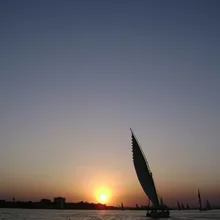
Option C, slow down and sail. Save the day for a felucca sail at golden hour and a long lunch in leafy Zamalek, then close the trip with a Nile dinner cruise, which pairs a buffet with a Tanoura folk show for around 1,900 EGP. Whichever you choose, Day 3 is the flexible one, so book it once you know how much walking Day 2 left in your legs.
Where to stay
Two areas make sense for a three-day trip, and they suit different travellers. Giza, near the plateau, means you can be at the pyramids gate within minutes of waking; several hotels offer rooms with a direct pyramid view, which is unforgettable at sunrise. The trade-off is that Giza is otherwise low on nightlife and restaurants, and every other sight is a drive away. Zamalek and Downtown, on and around the island in the Nile, put you central: leafy Zamalek is the calm, green, cafe-and-gallery choice, while Downtown is grittier but closer to the Egyptian Museum, Khan el-Khalili and the river. A common approach is one Giza night for the sunrise view and the rest in Zamalek, but a single well-located base in Zamalek works fine given how much you will be in a car anyway. Mid-range hotels run roughly 40 to 90 USD a night, with pyramid-view rooms and five-stars well above that.
Getting around
Uber and Careem are the answer in Cairo. Both are metered through the app, far cheaper and calmer than negotiating with street taxis, and a cross-city ride typically runs 80 to 200 EGP. Use them for everything, including the Giza and Saqqara runs, or hire a car with driver for the day if you are combining sights outside the center. The Cairo Metro is fast for north-south hops, costs 8 to 15 EGP, and has women-only carriages in the middle of each train, though it does not reach Giza's plateau or the bazaar directly. Keep small notes on hand for the tips that smooth entry, photos and restrooms everywhere, and download an offline map before you go.
Adding a fourth day: Alexandria or Fayoum
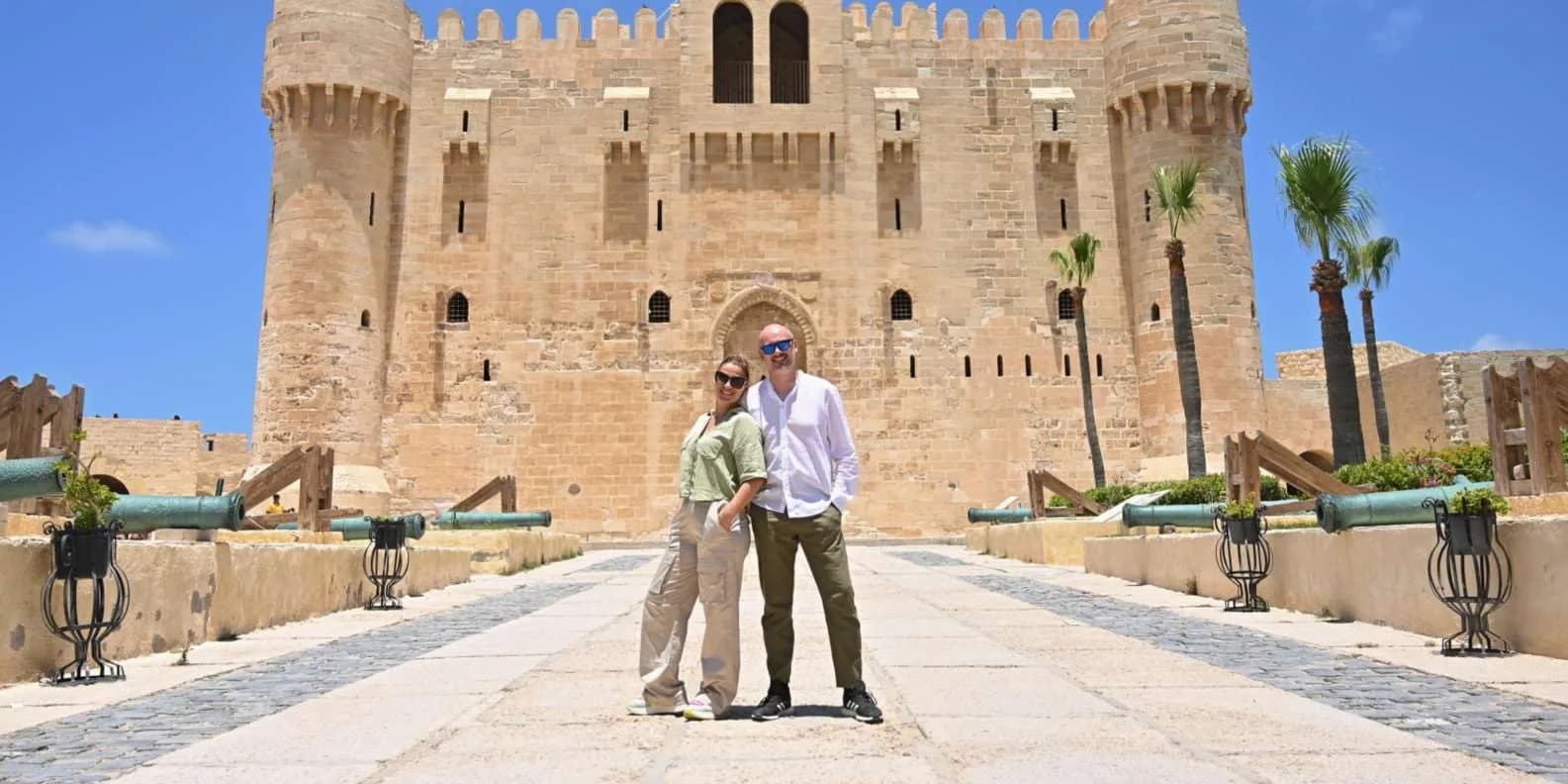
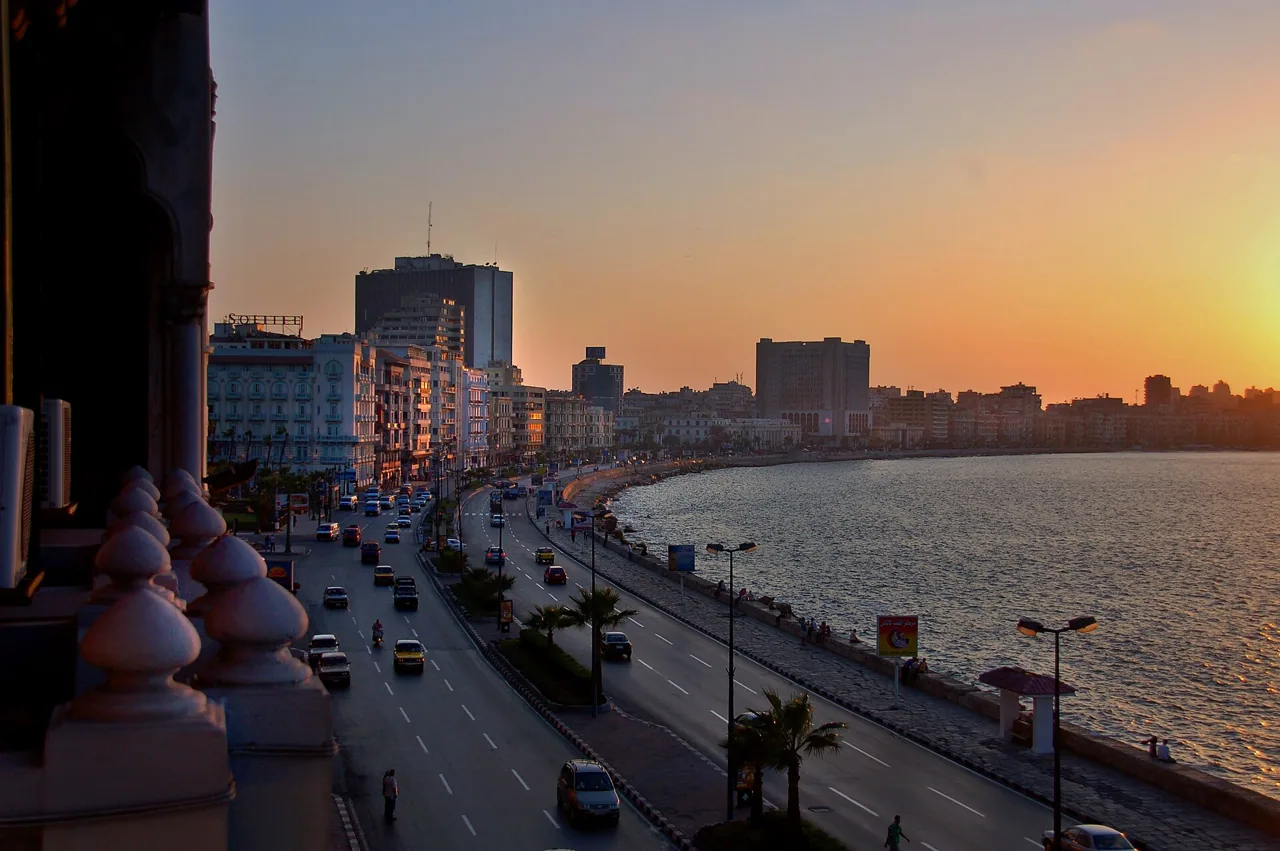 With a fourth day, take a day trip out of the capital. Alexandria, two to three hours north by car or a fast train, is the history-and-coast option: the Mediterranean Corniche, the modern Bibliotheca Alexandrina, the Roman catacombs of Kom el-Shoqafa, Pompey's Pillar and the seafront Citadel of Qaitbay, finished with grilled fish by the harbour. Fayoum, around 90 minutes to two hours southwest, is the nature option: the palm-fringed shores of Lake Qarun, the waterfalls and dunes of Wadi El Rayan, the fossils of the Valley of the Whales, and the pottery village of Tunis. Choose Alexandria if you want more monuments and city life, Fayoum if you want desert, lakes and quiet. Both work best as a private car or organised tour given the distances.
Best time to go and practical tips
October to April is the comfortable window, with daytime highs around 20C to 28C and cool evenings. Summer pushes past 38C, which makes the Giza plateau punishing by midday, so if you visit then, start even earlier and keep afternoons for the air-conditioned museum. A few things that make the trip smoother: carry a light scarf for mosque visits and women should cover shoulders and hair to enter; wear real walking shoes for the sand and cobbles; and keep small EGP notes, because card acceptance is patchy at bazaar stalls and smaller cafes. For food, order koshari, the lentil, rice and pasta national dish, at Abou Tarek downtown for about 60 to 90 EGP, try kofta and stuffed pigeon at a local grill, and drink fresh mango or sugarcane juice on any corner. Tourist areas are well policed and busy, so the usual city-crowd sense keeps valuables safe in Khan el-Khalili.
Ready to build it? Reserve the Giza morning first, since it is the one slot you do not want to leave to chance, then read the Cairo travel guide for neighbourhoods and the wider Egypt itinerary if Cairo is the start of a longer trip. When you are ready to lock in tours and tickets, browse and book Cairo experiences and hold the dates before they fill up in high season.
What's On in Egypt
Events in Cairo

A Trade In Dreams Exhibition
Tahrir Cultural Center (AUC) · Downtown (Wust El Balad)

Egypt Press Photo Exhibition
Tahrir Cultural Center (AUC) · Downtown (Wust El Balad)

Exhibition Open Call
Tahrir Cultural Center (AUC) · Downtown (Wust El Balad)
A real team available 24/7 to assist you — free
Seif and the team reply on WhatsApp 24/7 — trip questions, custom plans and booking help.
Ask Seif on WhatsAppCommon questions
Is 3 days enough for Cairo?
Yes for the essentials. Three focused days cover the Pyramids of Giza, the Sphinx, the fully open Grand Egyptian Museum, Islamic and Coptic Cairo, Khan el-Khalili, and a Nile felucca or dinner cruise. What you trade off is Day 3: you can do the older pyramids at Saqqara, the Egyptian Museum at Tahrir, or the Royal Mummies, but usually only one of them.
Is the Grand Egyptian Museum open now?
Yes. The Grand Egyptian Museum near the Giza plateau held its formal opening on 1 November 2025 and is now fully open, with the complete Tutankhamun collection of more than 5,000 objects on display together for the first time. Buy timed entry online in advance and allow at least three hours.
How do you get around Cairo in 3 days?
Use Uber or Careem for everything. Both are app-metered, calmer than street taxis, and cost roughly 80 to 200 EGP across the city. For sights outside the center like Giza or Saqqara, a car with driver for the day is easy. The Metro is fast and cheap (8 to 15 EGP) for north-south trips and has women-only carriages, but does not reach the plateau or bazaar.
Should I stay in Giza or Zamalek?
Giza puts you minutes from the pyramids and offers pyramid-view rooms, but it is quiet on dining and every other sight is a drive away. Zamalek and Downtown are more central, greener and better for restaurants. A good hybrid is one night in Giza for the sunrise view and the rest in Zamalek, though a single Zamalek base works fine since you will be in a car most days.
What should you not miss in Cairo?
The Giza pyramids and Sphinx, the Grand Egyptian Museum with the full Tutankhamun collection, the Citadel and Muhammad Ali Mosque, Sultan Hassan Mosque and Al-Muizz Street in Islamic Cairo, the Hanging Church in Coptic Cairo, and Khan el-Khalili bazaar. Add the Royal Mummies at the National Museum of Egyptian Civilization if time allows.
How can I add a 4th day near Cairo?
Take a day trip. Alexandria, two to three hours north, is the history-and-coast option: the Corniche, Bibliotheca Alexandrina, Roman catacombs and the Qaitbay Citadel. Fayoum, around 90 minutes to two hours southwest, is the nature option: Lake Qarun, Wadi El Rayan and the Valley of the Whales. Choose Alexandria for monuments, Fayoum for desert and lakes.
How much does 3 days in Cairo cost?
Budget about 200 to 400 USD per person for tickets, transport, a guided Giza morning, and meals, before hotels. The Grand Egyptian Museum ticket and a Giza group tour are the biggest single items. Mid-range hotels add roughly 40 to 90 USD a night, with pyramid-view and five-star rooms well above that.
Is Cairo safe for tourists?
Yes for the standard sights. Giza, Islamic and Coptic Cairo, Zamalek and Downtown are well policed and busy. Use app-booked Uber or Careem rides, keep valuables discreet in Khan el-Khalili crowds, and agree camel or horse prices in writing at Giza before mounting to avoid disputes.
Book it on This is Egypt
Turn this guide into a trip

Egypt's bestsellers
The experiences travelers book most, across the country





Keep reading

7-Night Nile Cruise: Luxor to Aswan Round Trip (2026)
The complete 7-night Luxor-Aswan-Luxor Nile cruise: a relaxed pace, every major temple, optional Abu Simbel and Dendera add-ons, and the full classic Egypt experience.
By TiE Editors8 min read

5-Day Nile Cruise: The Ideal Itinerary (2026)
A relaxed 5-day, 4-night Nile cruise from Luxor to Aswan taking in Karnak, Valley of the Kings, Edfu, Kom Ombo and Philae — with time to spare for Abu Simbel, Egypt's fuller cruise option.
By TiE Editors7 min read
3-Day Nile Cruise: The Perfect Short Itinerary (2026)
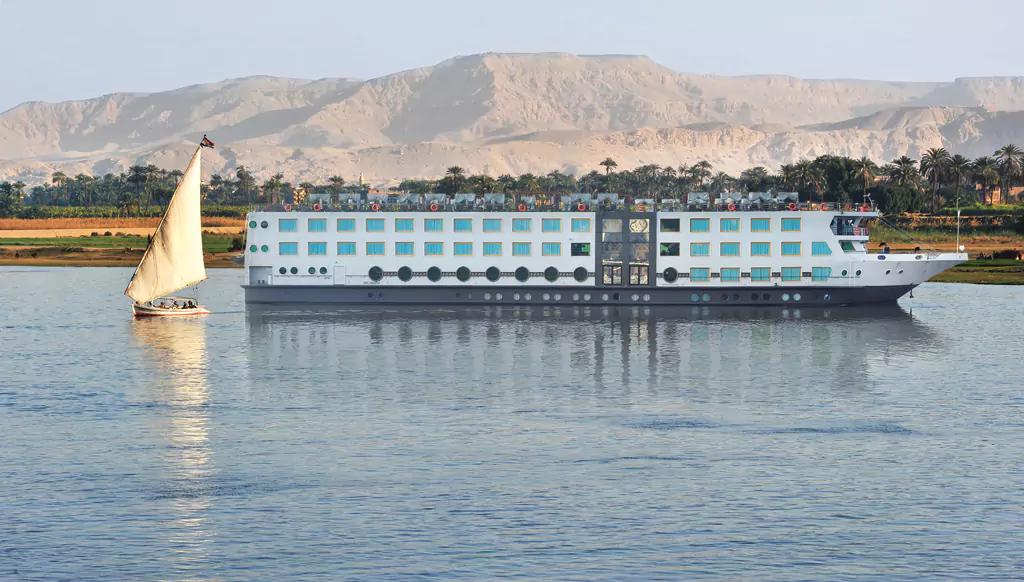
Only got three days? Here's exactly what a 3-day Nile cruise between Aswan and Luxor looks like day by day, what's included, and whether it's really enough time.
By TiE Editors8 min read