Cairo Travel Guide: Top Things to Do (2026)
The pyramids and the new Grand Egyptian Museum, medieval bazaars and Coptic churches, a city of twenty million on the banks of the Nile. A complete guide to what to do in Cairo and Giza, where to stay and eat, and how to get around.
Quick answer: Cairo does not ease you in. It arrives all at once: twenty million people, a thousand minarets, car horns as a kind of weather, and on the western edge the only surviving wonder of the ancient world. Give it two or three full days and it rewards you handsomely. The short version: base yourself near the pyramids or on Zamalek island, spend one day at Giza and the new Grand Egyptian Museum, one in medieval Islamic Cairo, and one splitting Coptic Cairo with the old Tahrir museum. Use Uber or Careem to skip the traffic haggling, and eat far better than the guidebooks let on. Here is how to make all of that work.
The unmissable two: Giza and the Grand Egyptian Museum
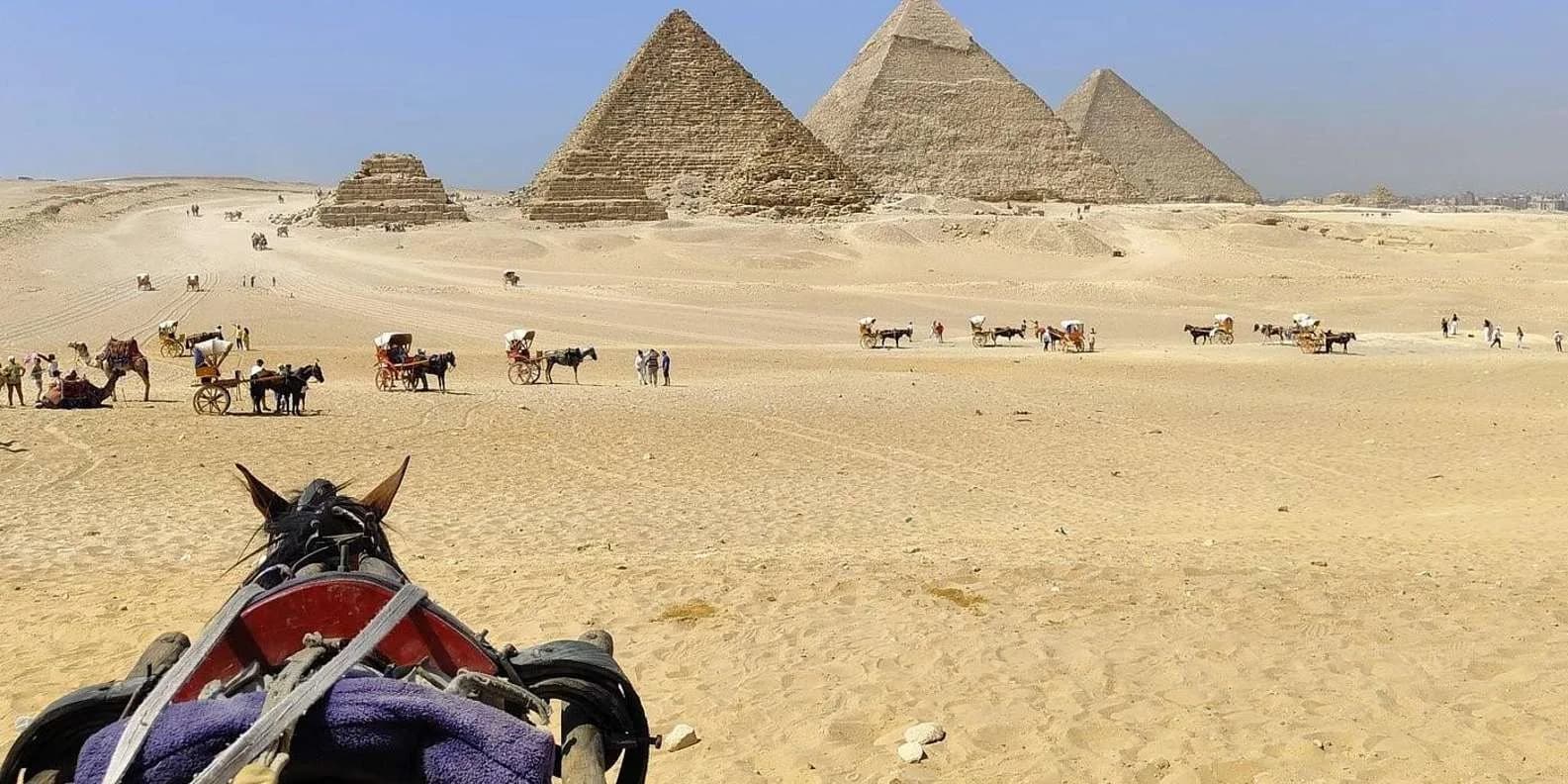
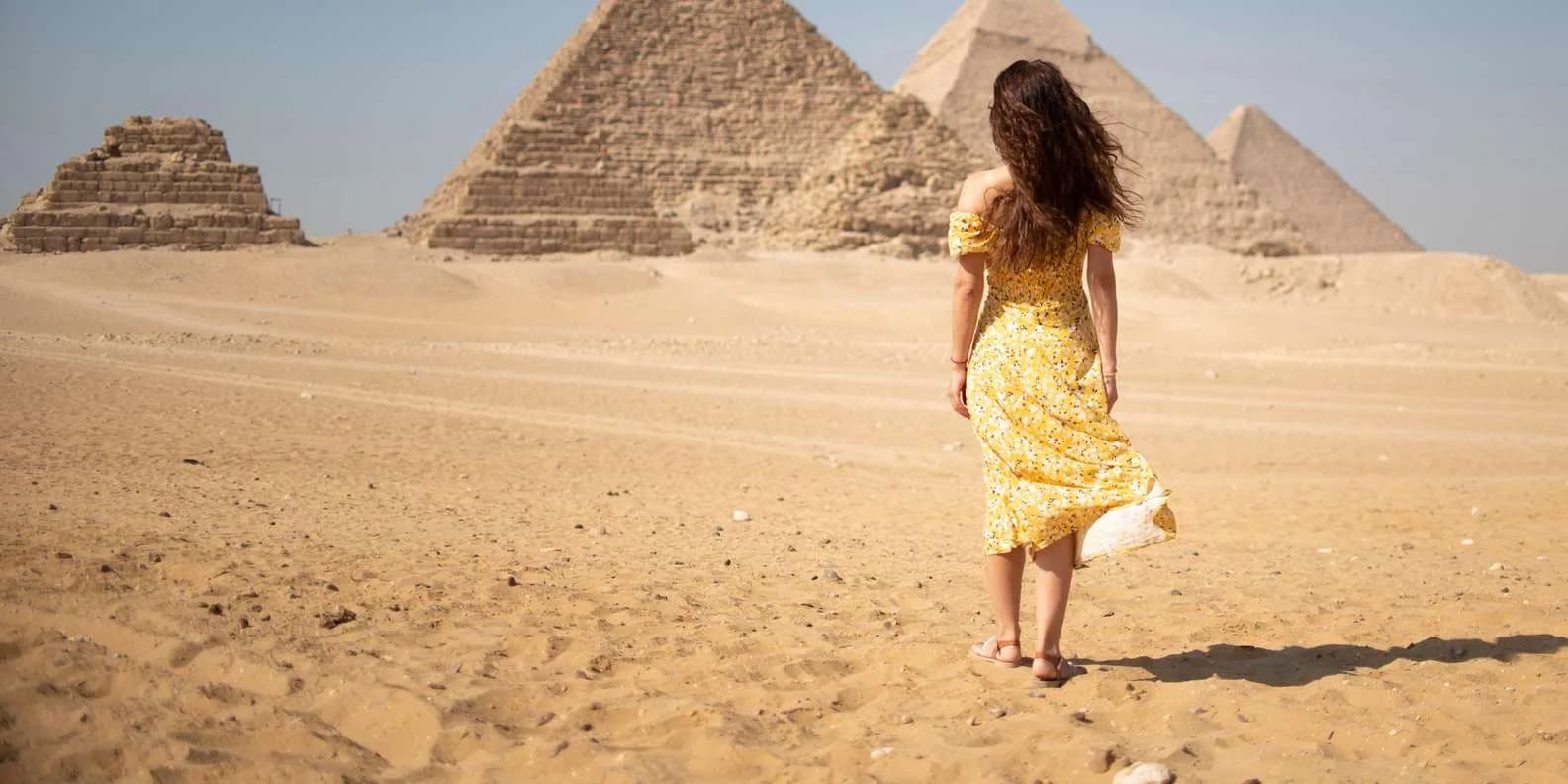
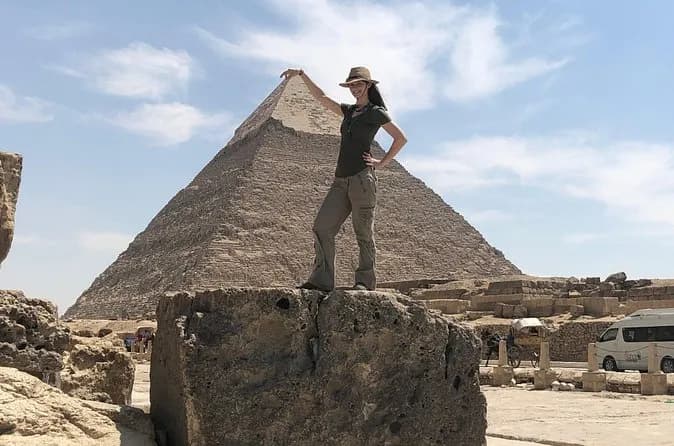
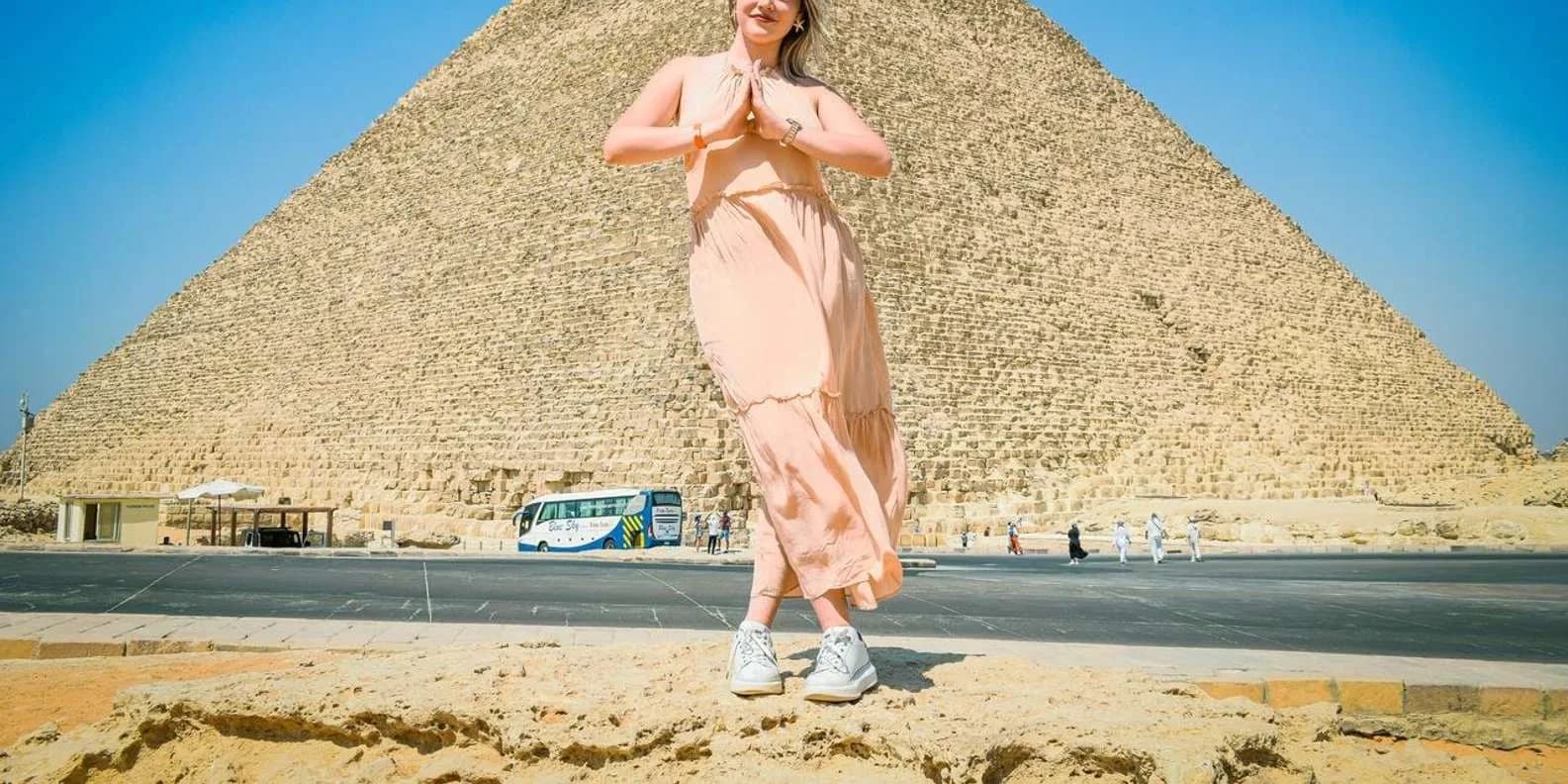
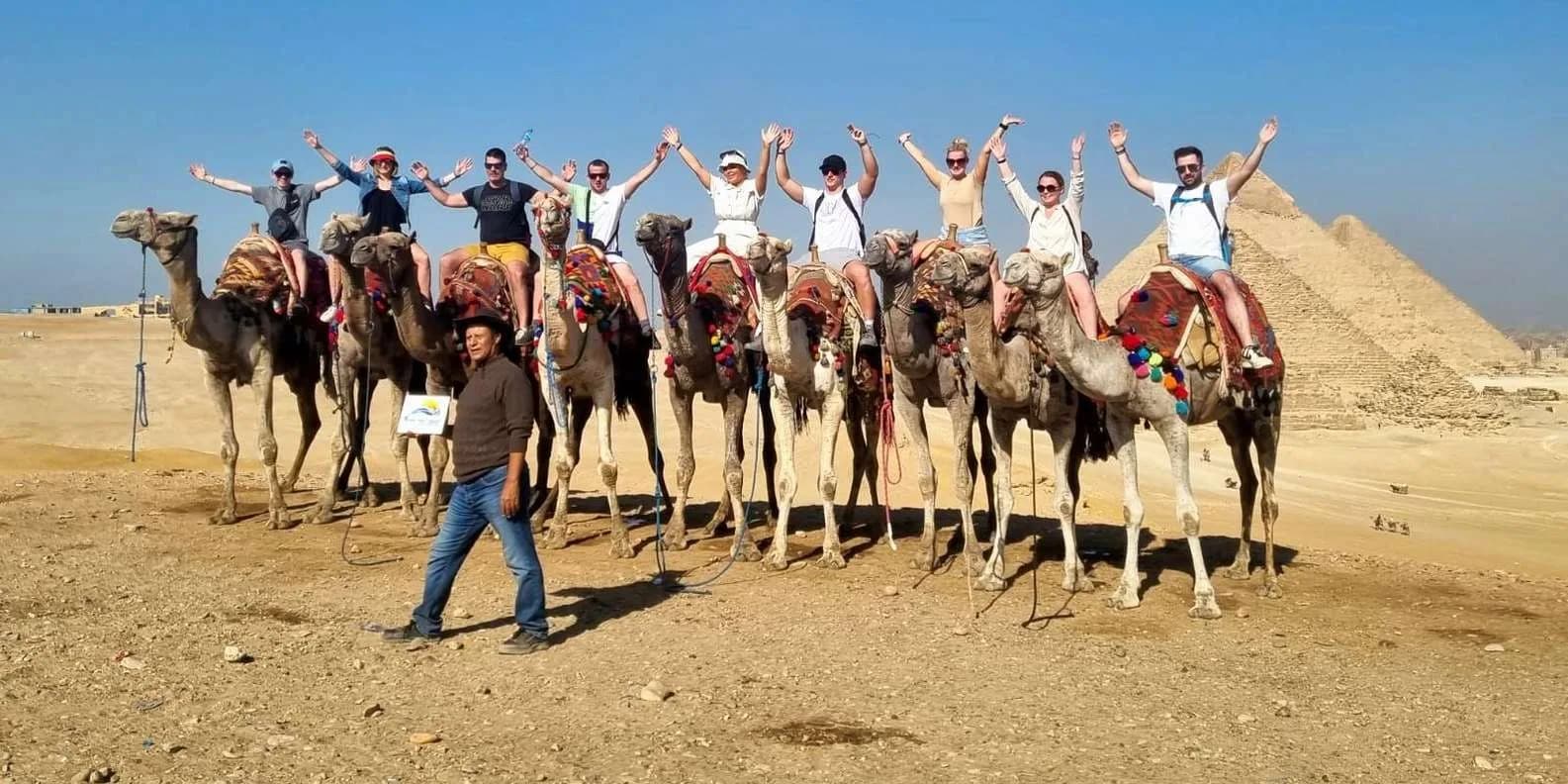
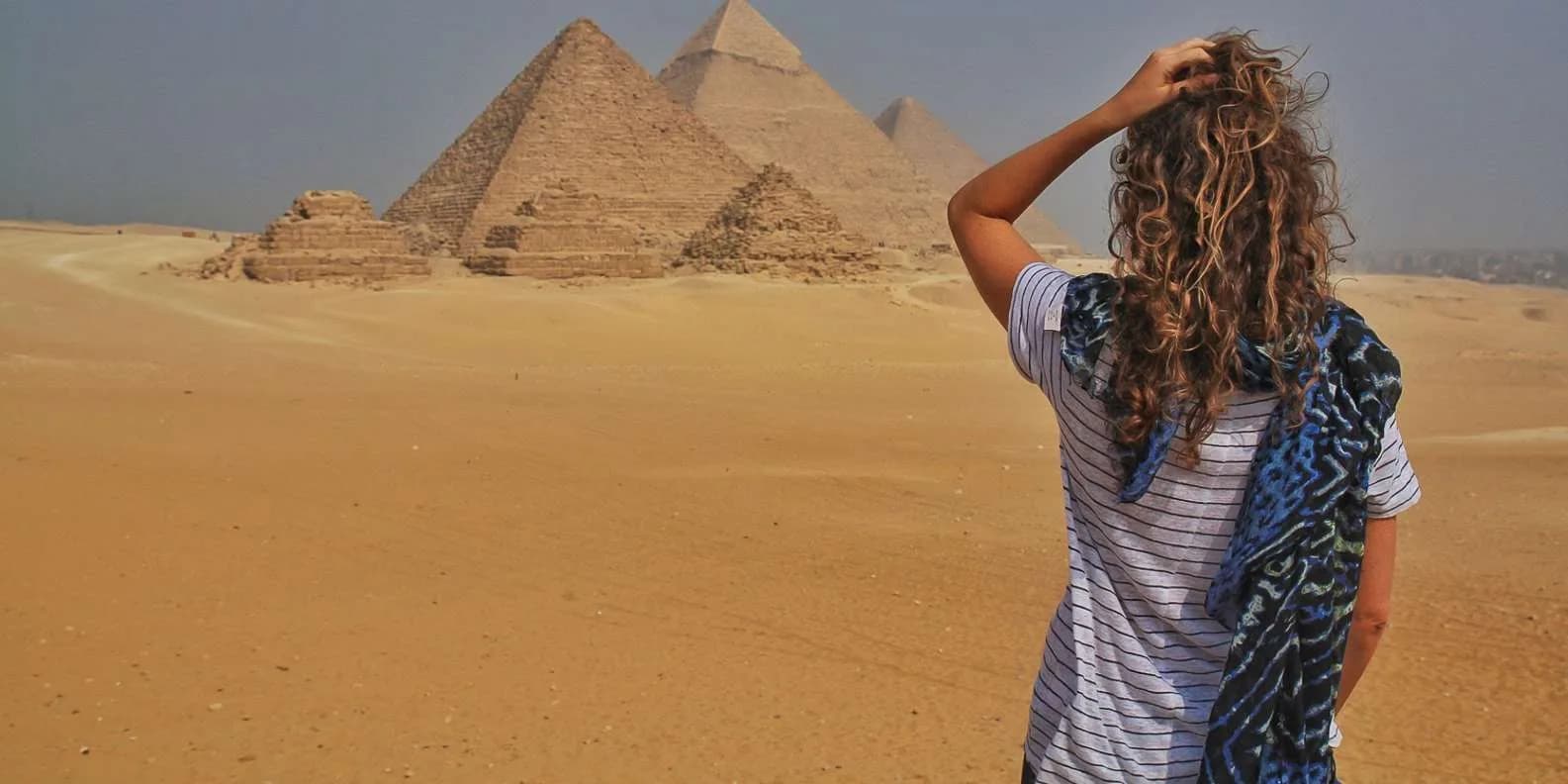
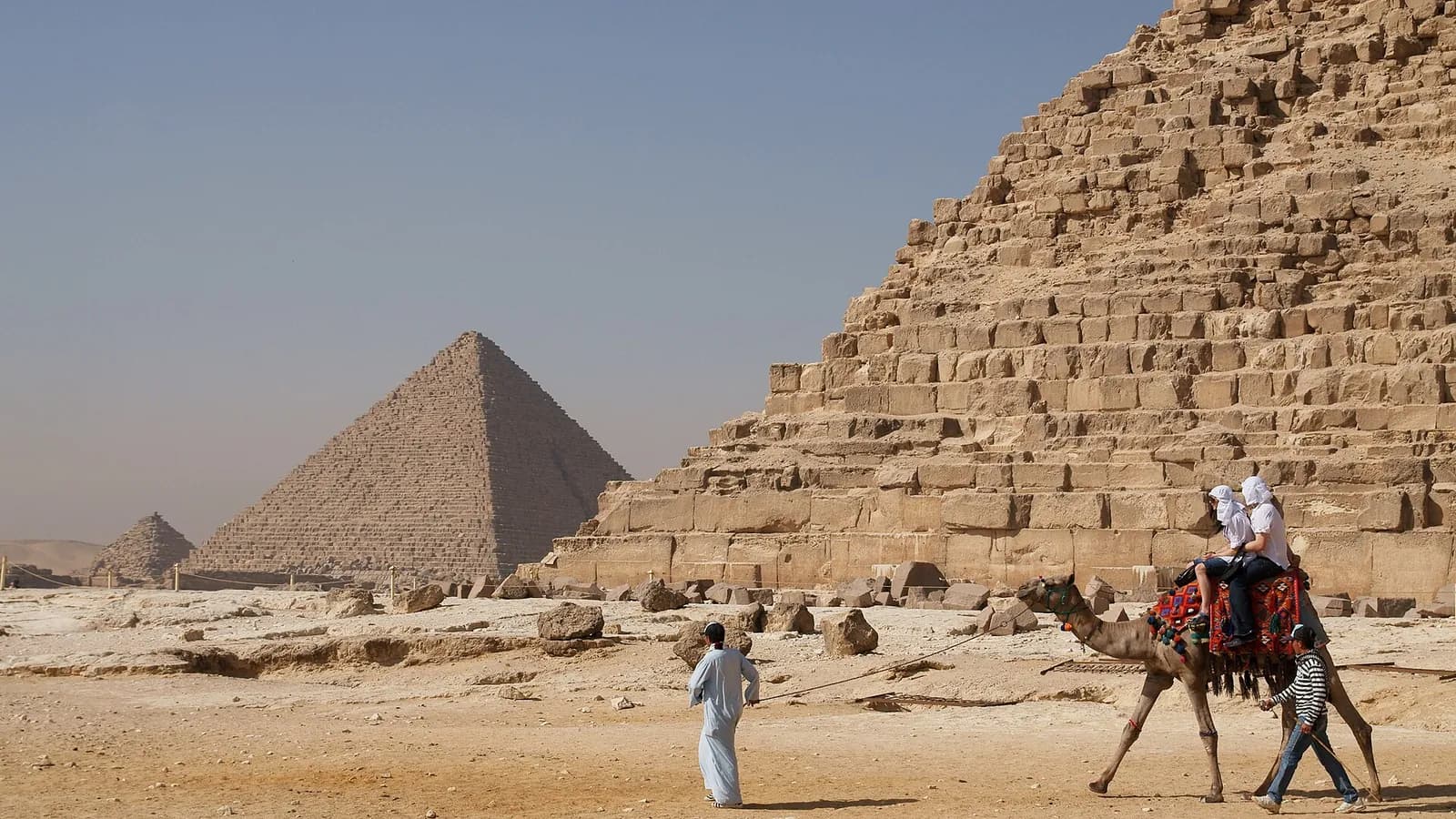
 Start where everyone should. The Pyramids of Giza and the Great Sphinx sit on a plateau on the city's edge, close enough that the suburbs lap right up against the desert. The Great Pyramid, raised around 2560 BC, is the last of the Seven Wonders still standing, and getting to its base rearranges your sense of scale. General site entry is 700 EGP for adults (350 for students), and the site opens at 7am and closes around 4pm, so go at opening for softer light and thinner crowds. Going inside the Great Pyramid costs an extra 1,000 EGP; it is a hot, low, crouching climb into an empty chamber, worth it for the experience rather than the view. Walk out to the panorama point south of the plateau for the classic three-pyramid shot. Guided group tours of the plateau start from around 2,200 EGP and climb toward 4,000 EGP for smaller, private, camel-inclusive versions. Our complete Pyramids of Giza guide breaks down every ticket and the camel-versus-quad question.
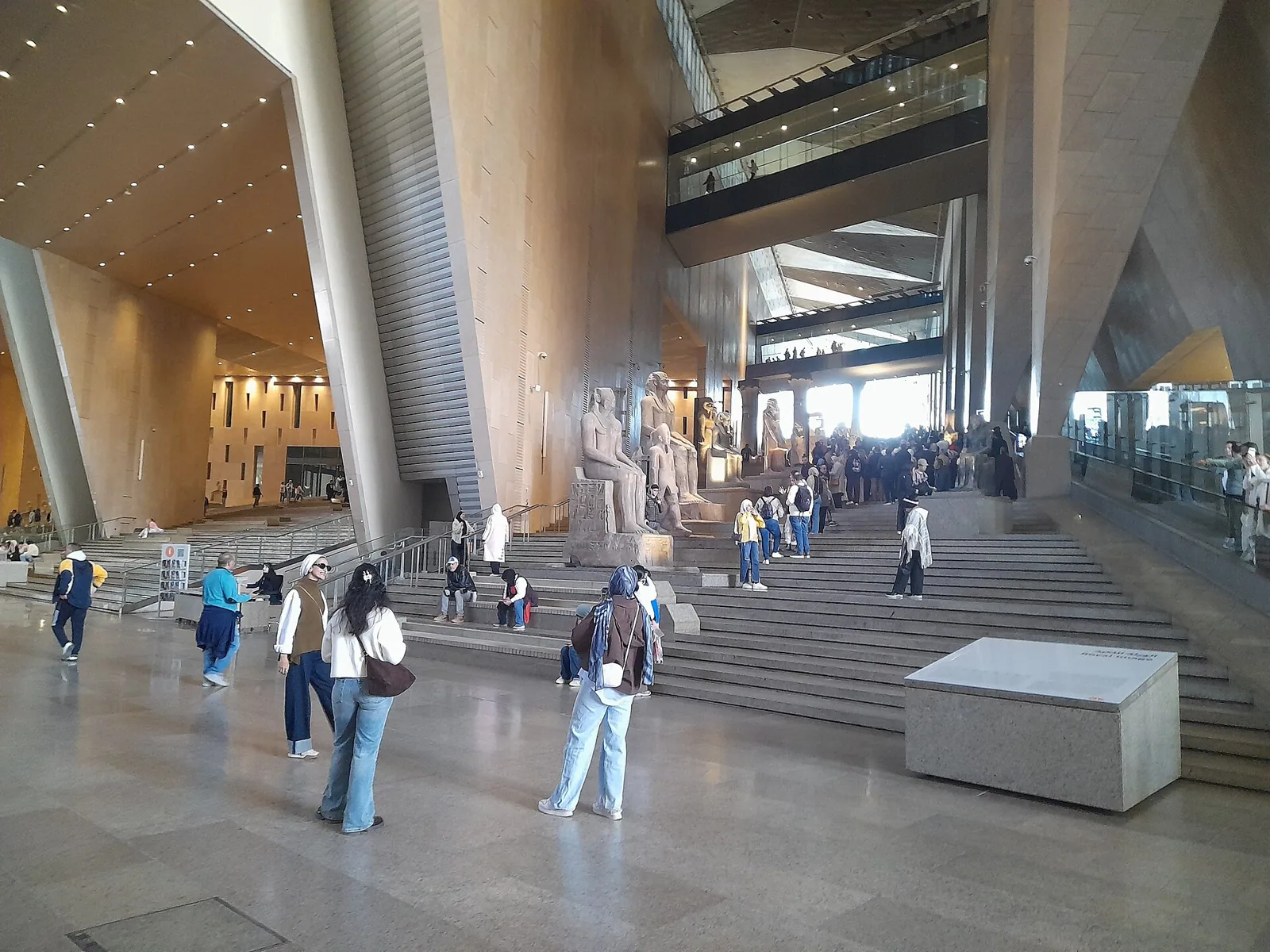
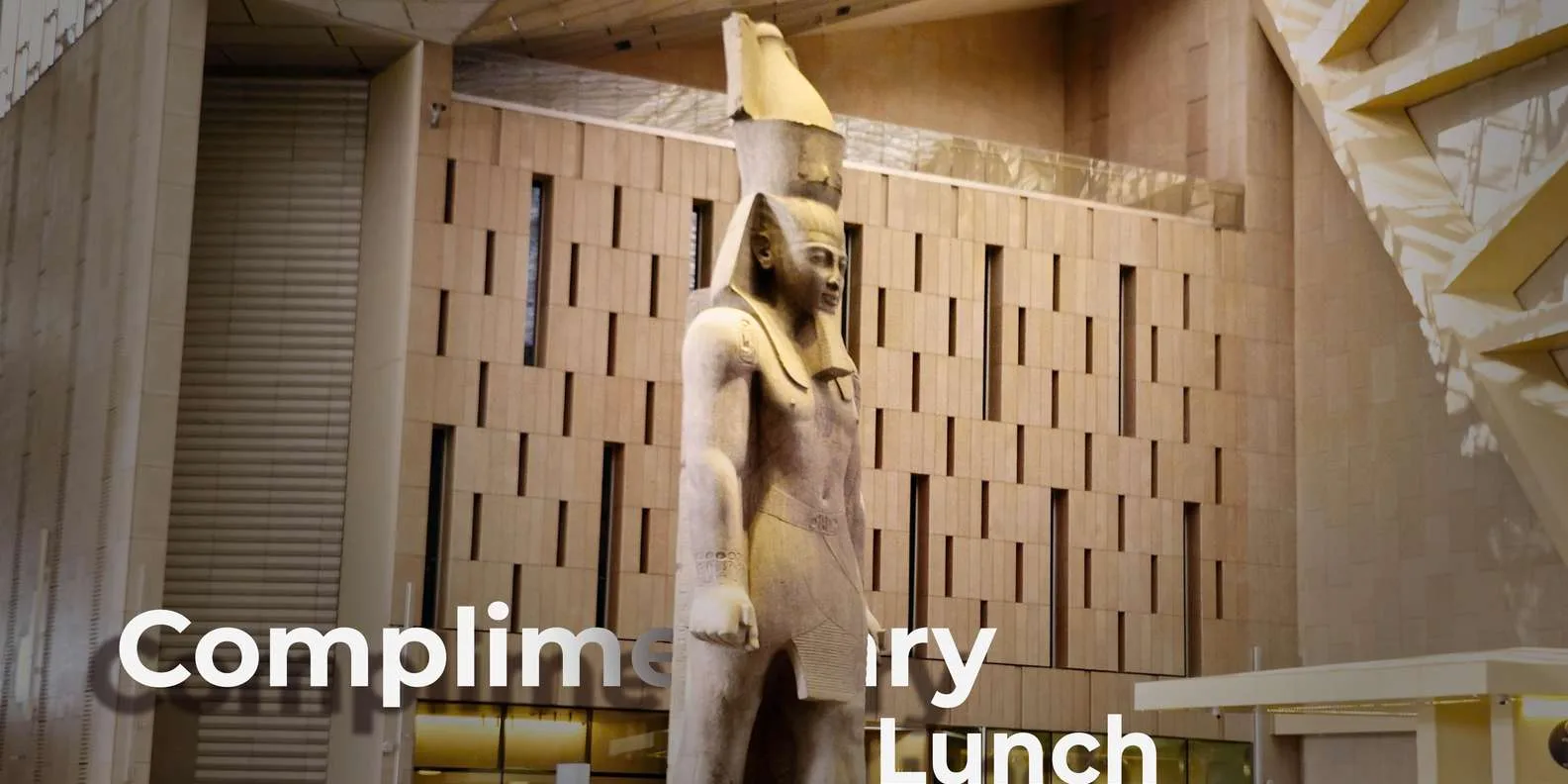
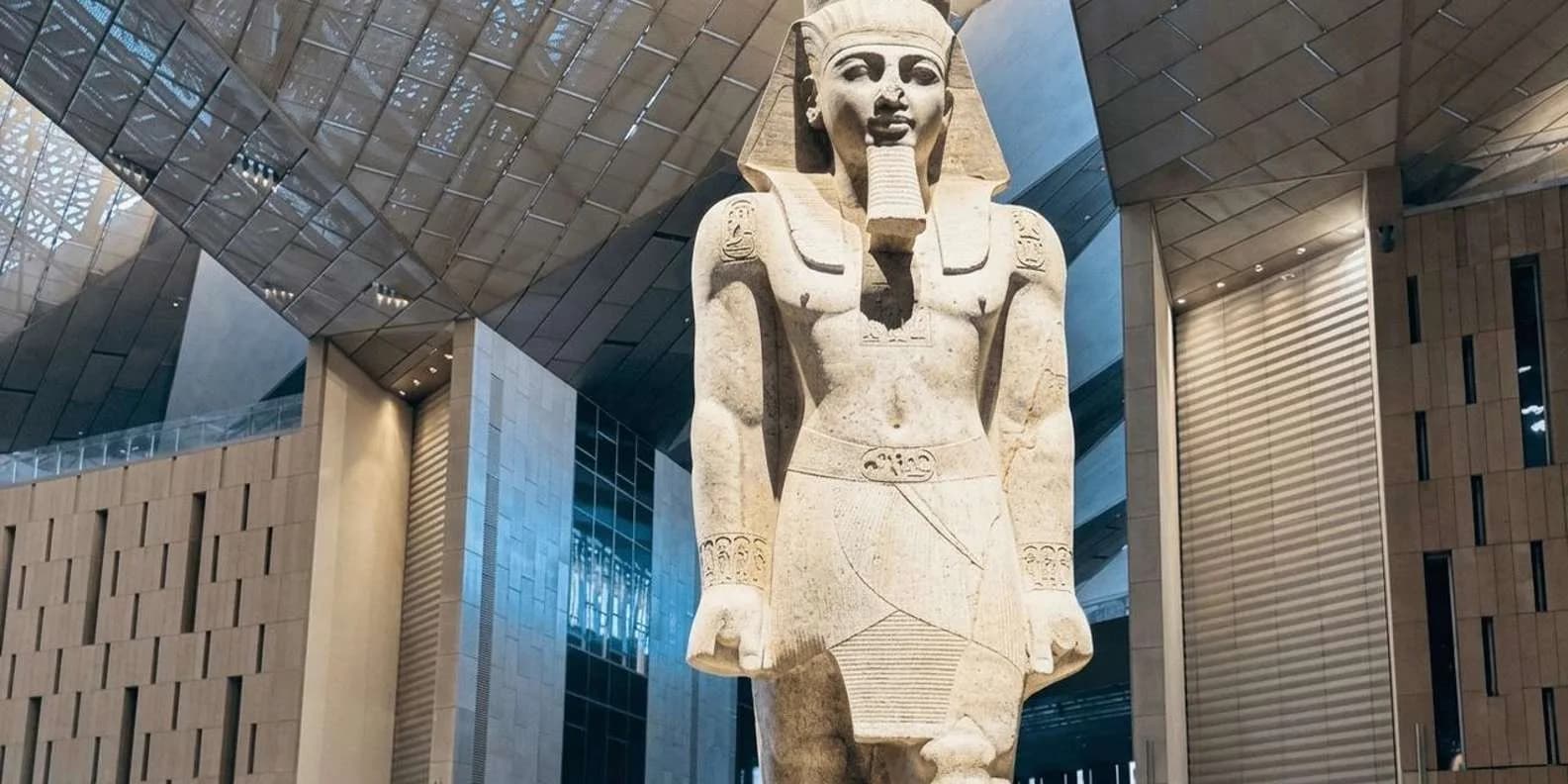
A few minutes' drive away stands the reason 2026 is the year to come. The Grand Egyptian Museum held its full grand opening in November 2025 and is now the largest archaeological museum on earth, home to Tutankhamun's complete tomb collection — all 5,398 objects shown together for the first time since Howard Carter found them in 1922. Entry is 1,450 EGP for foreign adults (about 30 USD), roughly 730 EGP reduced, and children under six go free. Buy online in advance through the official site, because on-site sales have been phased out. The galleries run 9am to 6pm, with late hours until 9pm on Wednesdays and Saturdays. Give it half a day at minimum; the grand staircase of colossal statues alone eats an hour. Our Grand Egyptian Museum visitor guide covers what to prioritise and how to pace it, and GEM vs the Egyptian Museum helps you decide how to split your museum time. Because the GEM sits minutes from the plateau, plan Giza and the museum as one linked day or two rather than separate crossings of the city.
Islamic Cairo and Khan el-Khalili
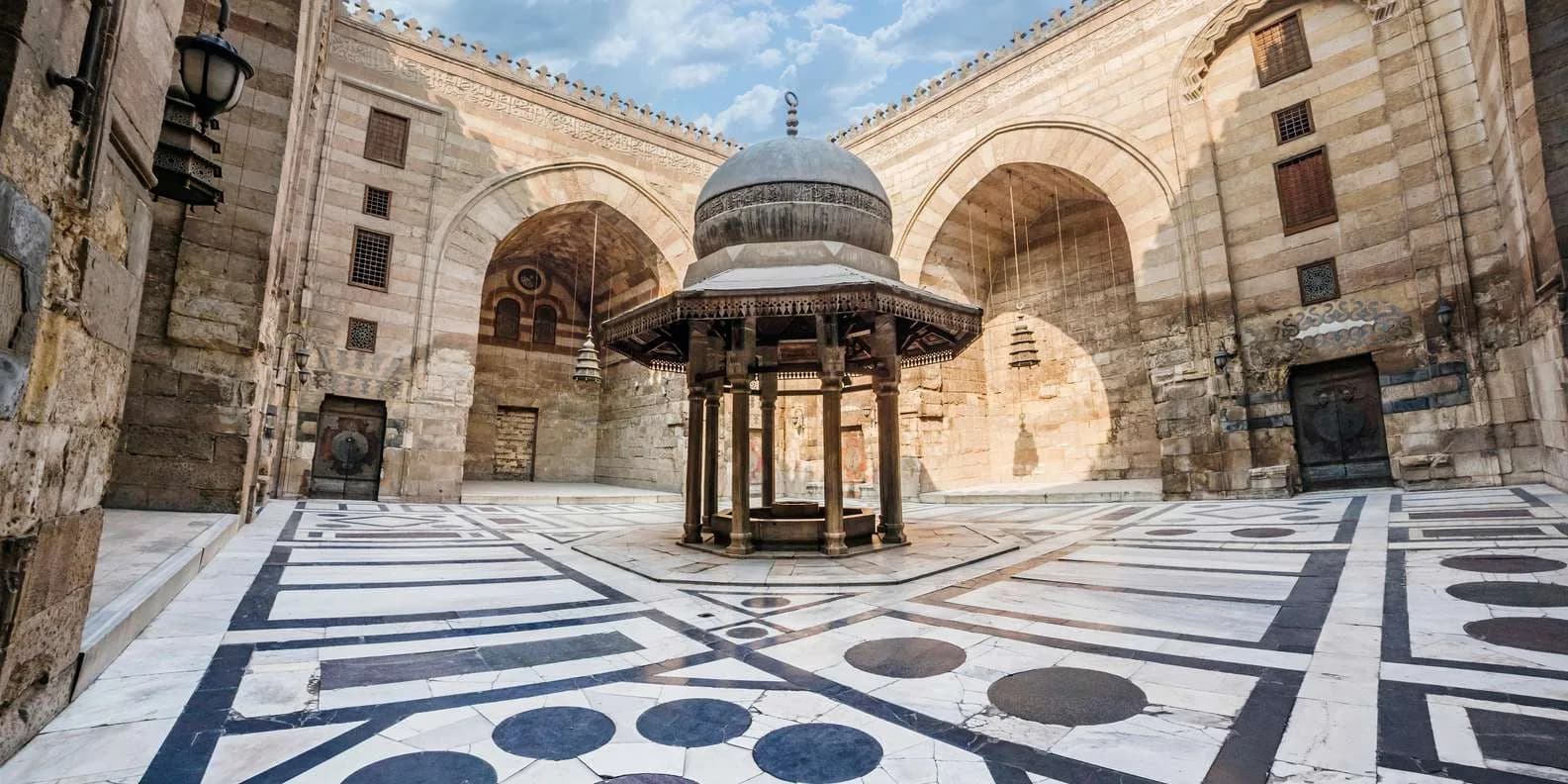
 Trade the ancient for the medieval. Islamic Cairo holds one of the densest concentrations of medieval architecture anywhere on earth. The towering mosque-madrasa of Sultan Hassan faces the Al-Rifa'i mosque across a single square; the ancient Al-Azhar mosque and university has taught continuously for over a thousand years; and the twin-minaret gate of Bab Zuweila can be climbed for a rooftop sea of domes. Walk the length of Al-Muizz Street, one of the oldest streets in the Islamic world and now largely pedestrianised, floodlit and open into the evening.
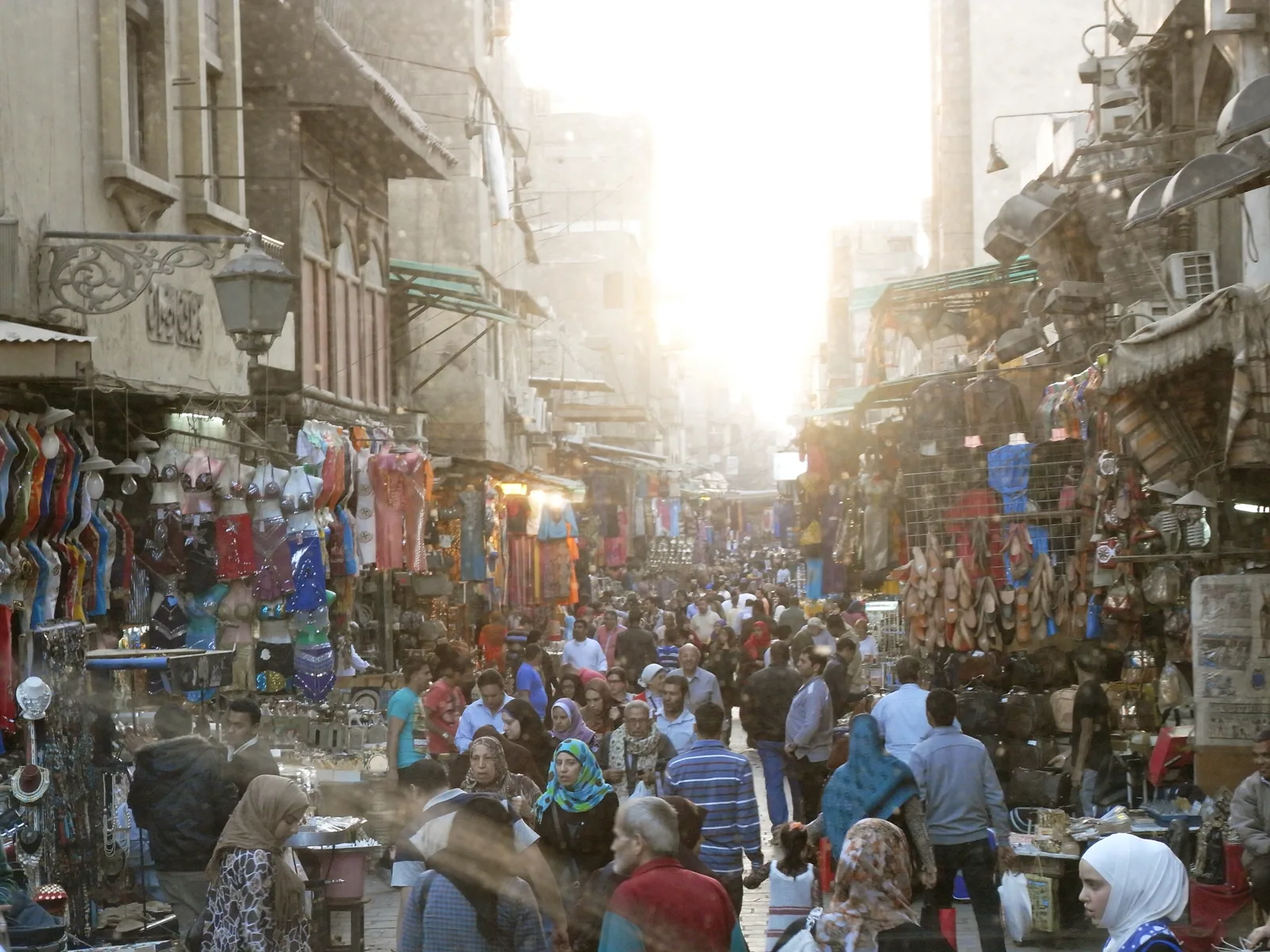
At the heart of it, the Khan el-Khalili bazaar has been trading since the 14th century — a warren of lanterns, spices, silver, glass and coppersmiths. Prices are negotiable and the first quote is theatre; offer roughly half and settle somewhere in the middle. The best buys are the things actually made here — hand-blown glass, inlaid boxes, brass and copperware, spices and dried hibiscus — rather than the mass-produced trinkets near the entrance. Stop for mint tea at El Fishawy, a coffeehouse that has been pouring, they say, more or less continuously since the 1700s. Go in the early evening: the light through the lattices is best, the daytime bus crowds have thinned, and the whole quarter takes on a warmer glow as the shopfronts light up. Guided walks of the old city run from around 2,500 EGP and are worth it here — the layers of Fatimid, Mamluk and Ottoman history are hard to read alone. Our Islamic Cairo and Khan el-Khalili guide maps a half-day on foot.
The Citadel and Coptic Cairo
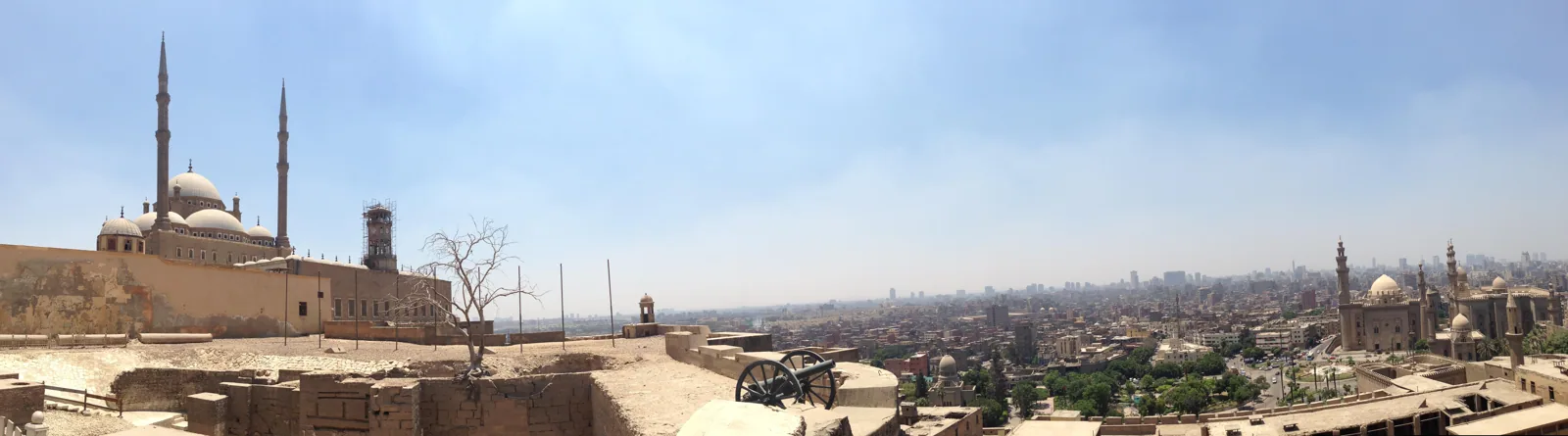 The Citadel of Saladin crowns the city, its silver-domed Mosque of Muhammad Ali visible for miles and its terrace giving Cairo's best panorama on a clear day — you can pick out the pyramids on the far horizon. To the south lies Coptic Cairo, quieter and older still, where the Hanging Church, the Coptic Museum and the Ben Ezra Synagogue cluster in a few walkable lanes that hold Egypt's Christian and Jewish heritage. It is an easy, calm half-day, and the Mar Girgis metro stop drops you right at the gate — one of the rare Cairo sights the metro reaches directly.
The Egyptian Museum on Tahrir
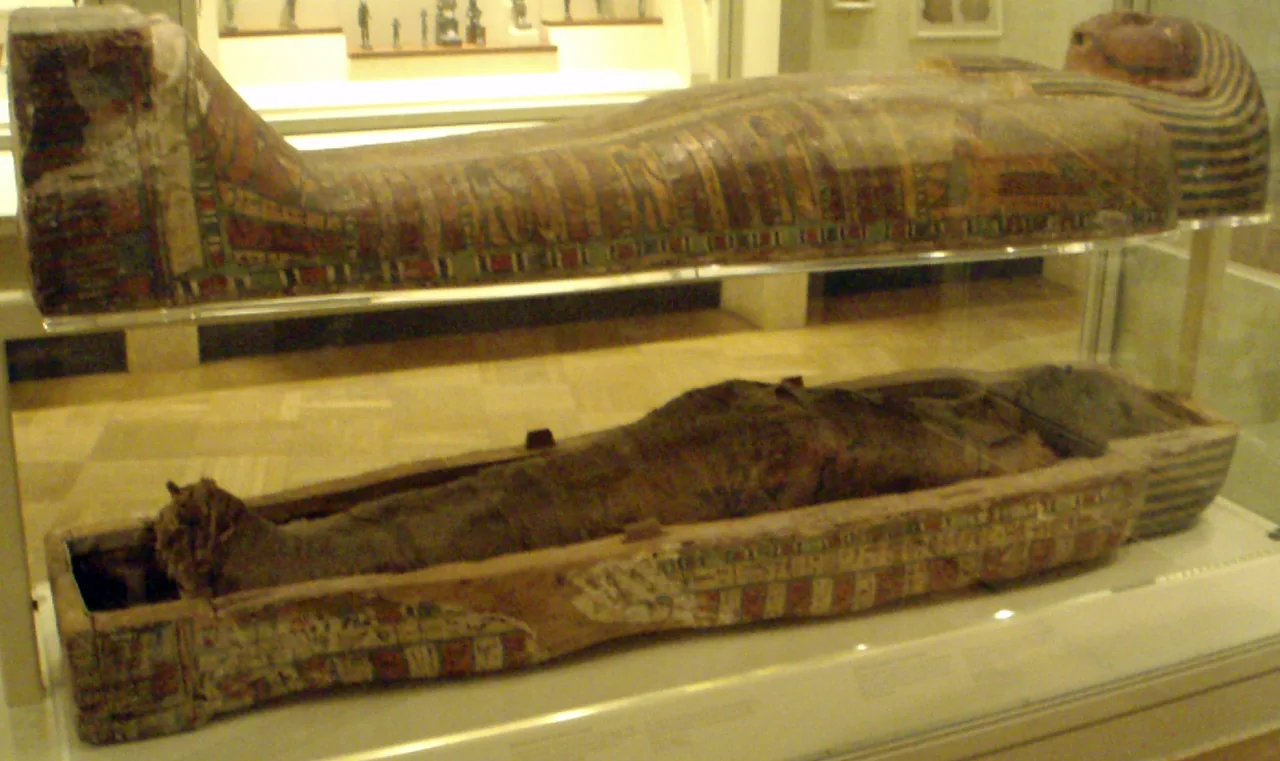 The historic Egyptian Museum on Tahrir Square is still worth a visit even as its star pieces migrate to the GEM. Open since 1902, its dense, faded, high-ceilinged halls are a different experience — more crowded treasure-house than modern museum. Entry runs about 550 EGP for foreign adults. The Royal Mummies themselves moved to the National Museum of Egyptian Civilization (NMEC) in Fustat back in 2021, where they now rest in a purpose-built, dimly lit hall that is genuinely moving; NMEC is the better bet if the mummies are your priority. The ministry has confirmed the Tahrir museum stays open at least to 2030, with phased renovation planned in 2027–2029.
The Nile after dark
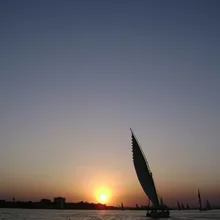
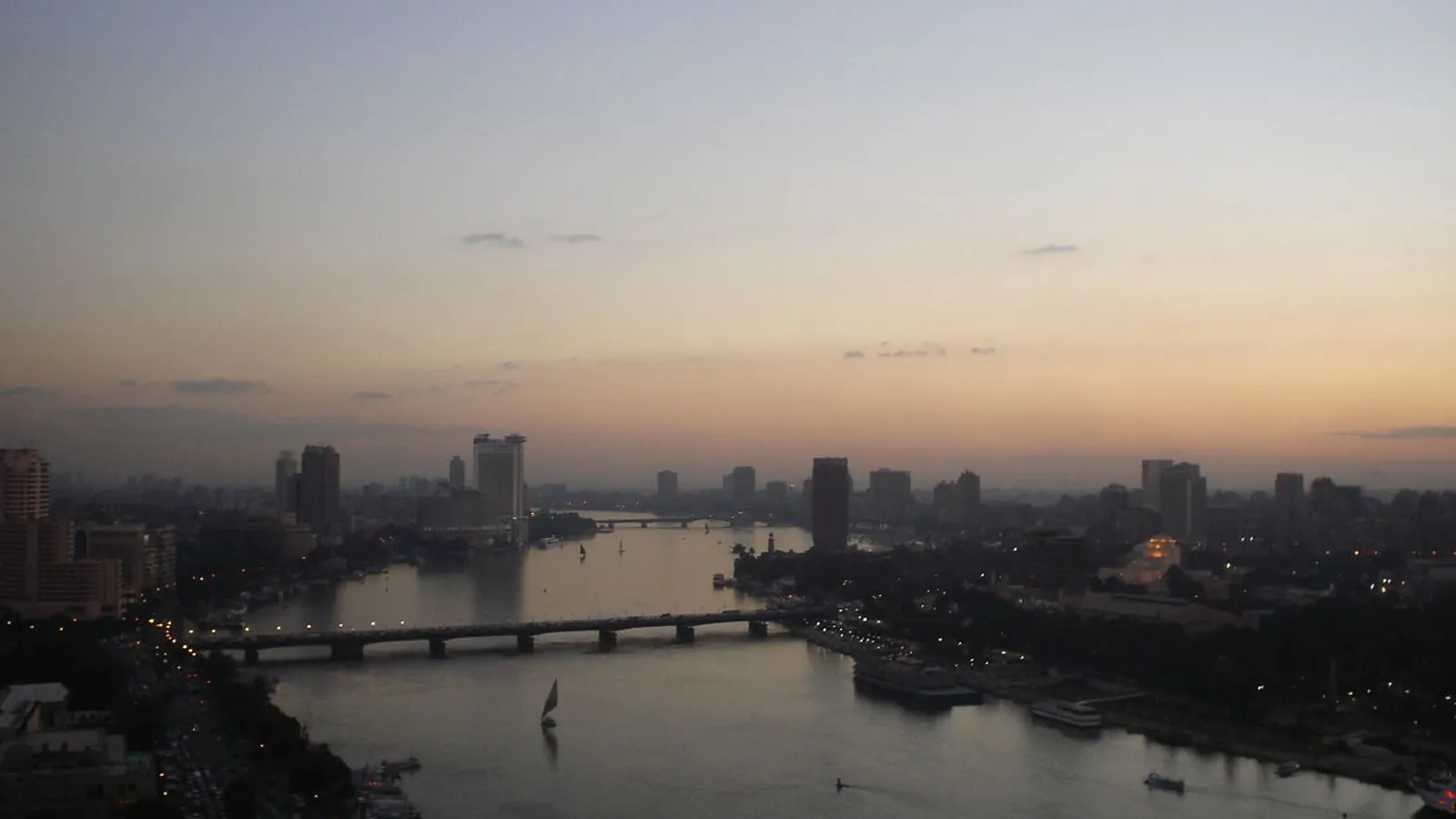
End a Cairo day on the river. A felucca at golden hour costs little and runs on wind alone; a Nile dinner cruise with a buffet, live music and a tanoura show turns the city's spine into its calmest stretch, from around 1,900 EGP. It is the simplest reliable pleasure in Cairo, and a soft landing after a hard day of monuments. The dinner boats leave mostly from the Garden City and Giza corniches; the felucca captains work the stretch around the Nile Corniche and Zamalek. Our Nile dinner cruise guide sorts the good boats from the tourist traps.
Scams and street smarts
Cairo's hustle is more persistent than dangerous, and knowing the common plays defuses them. At the pyramids, someone may drape a headscarf on you or hand you a "gift" and then demand payment; a firm, smiling la shukran (no thank you) and walking on handles it. Camel and horse touts quote a low ride price and then a steep "get-down" fee — agree the full round-trip price up front, in writing on your phone if needed, and pay only at the end. Perfume, papyrus and "free" tea invitations often end at a shop; go if you want the tea, but you are under no obligation to buy. For taxis, use Uber or Careem so the fare is fixed. Keep a stash of small notes for tips (baksheesh), which oil everything from bathroom attendants to the man who "guards" your shoes at a mosque. None of this should put you off — Cairenes are famously warm, and most exchanges are genuine hospitality. Our Egypt travel tips guide covers money, etiquette and scams in full.
Where to eat
Cairo eats well at every level, and eating cheaply here is a feature, not a compromise. A paper bowl of koshari — rice, lentils, macaroni and spiced tomato under crisp fried onions, the unofficial national dish — at a downtown institution like Abou Tarek costs a dollar or two and is one of the best-value meals anywhere. Ful and ta'ameya (the Egyptian falafel, made with fava beans rather than chickpeas) carts handle breakfast; charcoal grills pile the table with kofta, grilled pigeon and mezze; and the riverside hotels and the leafy island of Zamalek hold the city's best fine dining and Nile-view tables. Don't leave without trying hawawshi (spiced minced meat baked into bread), feteer (a flaky layered pastry, sweet or savoury), and a glass of fresh sugarcane juice from a corner stand. For dessert, chase down om ali, a warm bread-and-milk pudding, or basbousa from a bakery. Our where to eat in Cairo guide has the full rundown from street carts to white-tablecloth, and the Egyptian food guide covers the dishes to hunt down nationwide.
Where to stay
Pick your base by what you came for.
| Area | Best for | The trade-off |
|---|---|---|
| Giza (near the plateau) | Pyramid-view mornings, easy GEM access | Far from downtown nightlife and museums |
| Zamalek (Nile island) | Restaurants, galleries, a calmer base | Traffic on and off the bridges at peak |
| Garden City / Downtown | Nile-front, walkable to Tahrir and old Cairo | Busier, noisier streets |
| New Cairo | Modern hotels, malls, quiet nights | A long drive from every historic site |
The heritage Marriott Mena House in Giza famously frames the Great Pyramid in the window; see Cairo luxury hotels for the top addresses across the city.
Getting around
Cairo traffic is heavy and improvisational, so stay near your priorities to save real time. Use ride-hailing apps — Uber and Careem both operate widely — for fixed, fair fares and no haggling; a cross-town ride rarely tops a few dollars. The metro is one of the cheapest in the world (fares run 10 to 20 EGP by distance across three lines) and genuinely useful for a few routes, Coptic Cairo above all; women can use the dedicated women-only carriages if they prefer. There is no direct metro link to the airport yet, so budget an Uber or a hotel car for arrivals. If you take a street taxi, agree the fare before you get in.
Day trips and how long to stay
Two to three days covers Giza, the GEM and central Cairo at a civilised pace; our 3 days in Cairo itinerary sequences it hour by hour. With a spare half-day, drive 30 minutes south to the stepped pyramid of Saqqara and the true pyramids of Dahshur, older and far emptier than Giza — see beyond Giza. With a full day, the fast train reaches Alexandria on the Mediterranean in about 2.5 hours for a change of pace and grilled sea bass on the Corniche; our Cairo to Alexandria day trip covers the logistics, or push out to Fayoum for waterfalls and Whale Valley.
Visit between October and April for comfortable days in the low twenties Celsius; July and August bake. Cairo is where almost every Egypt trip begins, and most travellers continue south to Luxor and the Nile. To weave it into the bigger picture, browse Cairo experiences on This is Egypt or start with the Egypt Travel Guide 2026.
What's On in Egypt
Events in Cairo

A Trade In Dreams Exhibition
Tahrir Cultural Center (AUC) · Downtown (Wust El Balad)

Egypt Press Photo Exhibition
Tahrir Cultural Center (AUC) · Downtown (Wust El Balad)

Exhibition Open Call
Tahrir Cultural Center (AUC) · Downtown (Wust El Balad)
A real team available 24/7 to assist you — free
Seif and the team reply on WhatsApp 24/7 — trip questions, custom plans and booking help.
Ask Seif on WhatsAppCommon questions
How many days do you need in Cairo?
Two to three days is the sweet spot: one for the Pyramids of Giza and the Grand Egyptian Museum, one for Islamic Cairo and the Citadel, and one splitting Coptic Cairo with the Tahrir museum or NMEC. Add a half-day for Saqqara or a full day for Alexandria if you have time.
Is the Grand Egyptian Museum open in 2026?
Yes. The GEM held its full grand opening in November 2025 on the Giza plateau and now displays Tutankhamun's complete tomb collection, all 5,398 objects together for the first time. Galleries run 9am to 6pm (until 9pm Wednesdays and Saturdays); entry is 1,450 EGP for foreign adults, and you must book online in advance.
How much does it cost to visit the Pyramids of Giza?
General site entry is 700 EGP for adults (350 for students), which covers the whole plateau, the three pyramids' exteriors and the Sphinx. Going inside the Great Pyramid of Khufu costs an extra 1,000 EGP. Guided group tours start around 2,200 EGP; the site opens 7am to 4pm.
What is the best area to stay in Cairo?
Giza for pyramid views and easy GEM access, Zamalek (a Nile island) for restaurants and a calmer base, or Downtown/Garden City to be near the museums and the river. Traffic is heavy, so staying near your priorities saves real time.
How do you get around Cairo?
Use Uber or Careem for fixed, fair fares with no haggling; they are cheap and cover the whole city. The metro is one of the cheapest in the world (10 to 20 EGP) and handy for Coptic Cairo. Agree any street-taxi fare before getting in. There is no metro link to the airport yet, so use a car for arrivals.
Where are the Royal Mummies now, the Tahrir museum or the GEM?
Neither. The Royal Mummies moved to the National Museum of Egyptian Civilization (NMEC) in Fustat in 2021, where they sit in a purpose-built dark hall. The Tahrir museum still holds a vast antiquities collection, and the GEM holds the Tutankhamun treasures. All three are worth splitting your time across.
Do you need a guide for Cairo?
Not for the GEM or the pyramids' exterior, which are easy to do independently. A guide earns its cost in Islamic Cairo, where the layered history of the mosques and streets is hard to read alone, and on a Giza tour if you want the site's stories and hassle-free transport.
Is Cairo safe for tourists?
Yes, tourist Cairo is generally safe and heavily policed around the monuments. The usual big-city caution applies: watch your bag in crowded bazaars, use ride-hailing apps rather than unmarked cars at night, and expect persistent but harmless touts at the pyramids. See our dedicated safety guide for details.
Book it on This is Egypt
Turn this guide into a trip



Egypt's bestsellers
The experiences travelers book most, across the country





Keep reading
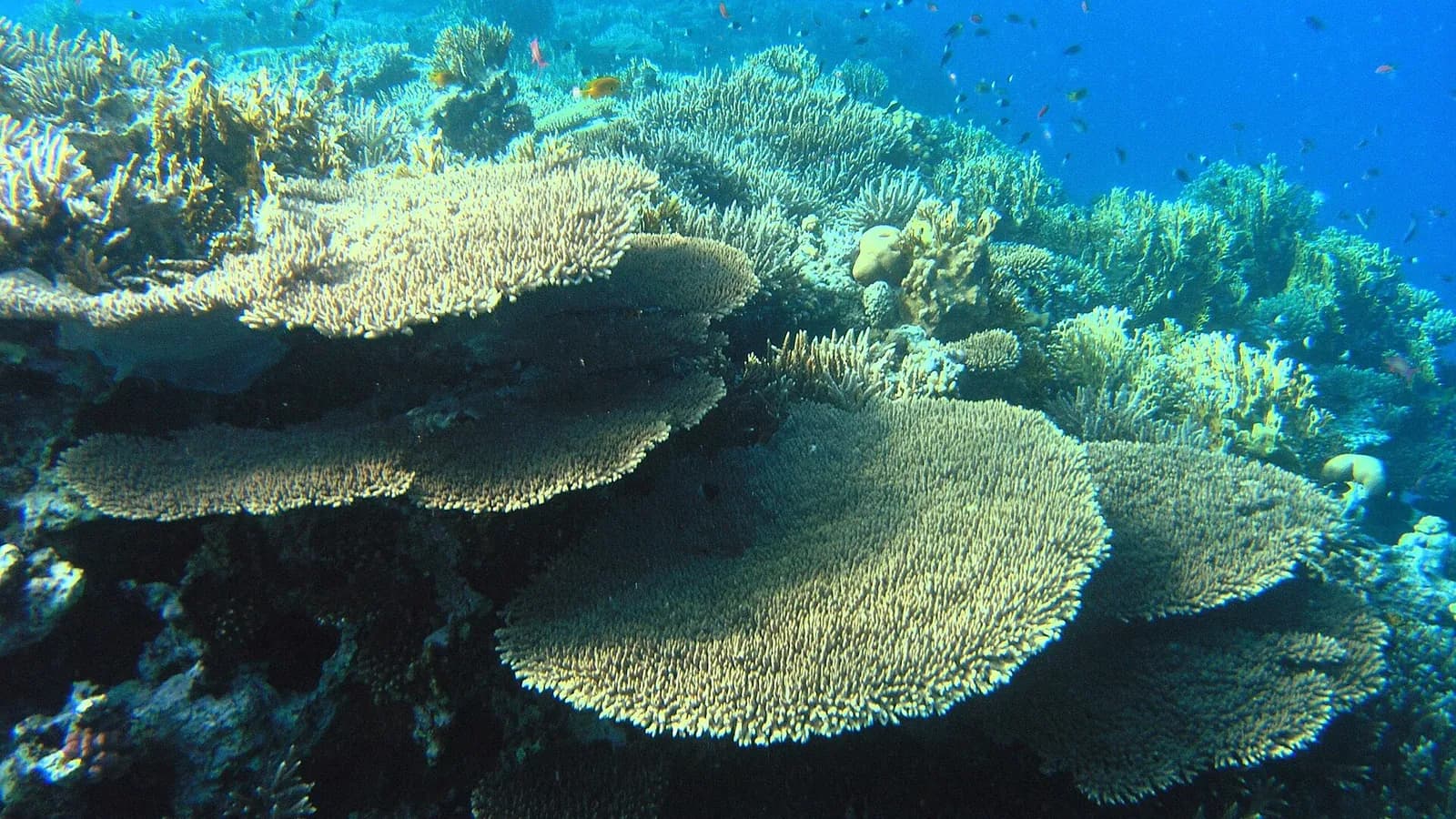
Hurghada Diving (2026): Best Sites, Packages & Prices
Diving in Hurghada — the best reefs (Giftun, Careless Reef, Dolphin House) and Abu Nuhas wrecks, Discover Scuba vs PADI courses, season and water temps, and real 2026 prices.
By TiE Editors7 min read
Hurghada Snorkeling Trips (2026): Best Reefs, Prices & How to Choose
Where to snorkel from Hurghada in 2026 — Orange Bay, Giftun, Mahmya, Utopia and Dolphin House — with boat types, marine life, month-by-month sea temperatures, family tips and real prices from 1,000+ bookable trips.
By TiE Editors7 min read
Egypt Tour Prices by Activity (2026): What Each Type Really Costs
What every type of Egypt experience costs — half day, full day or overnight — as a median and a mid-half range in US dollars, from 12,370 live bookable listings.
By TiE Editors6 min read