Ägypten-Reisetipps: Geld, Sicherheit, Etikette & Betrug
Die praktischen Dinge, die Erstbesucher gern gewusst hätten — Bargeld und Trinkgeld, was man anzieht, sicher bleiben und die sanfte Kunst des Neinsagens.
Jetzt buchen auf This is Egypt
Mach aus diesem Reiseführer deine Reise
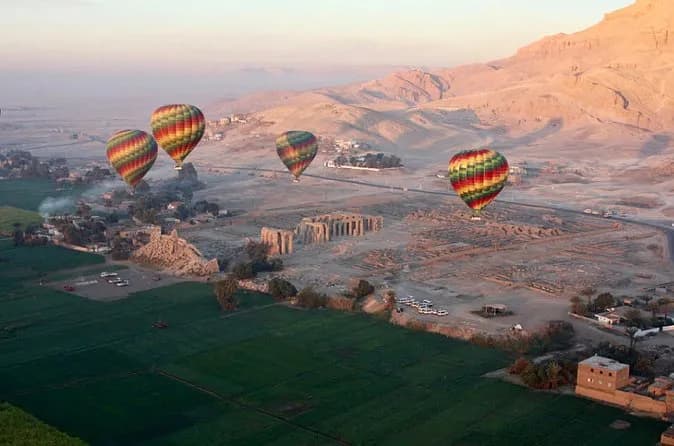
Heißluftballonfahrt in Luxor, Ägypten, inklusive Transfers
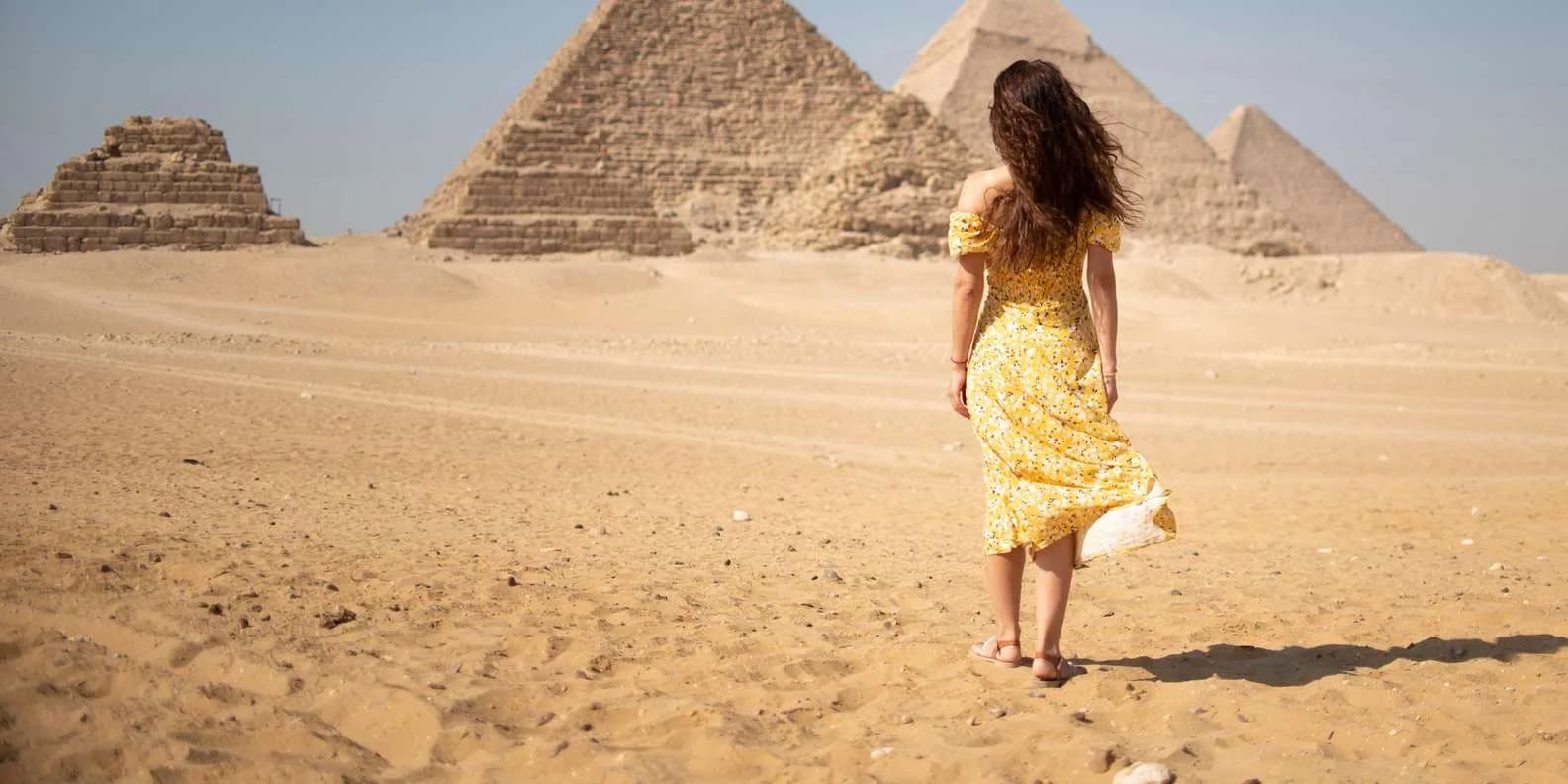
Ab Kairo: Halbtagestour zu den Pyramiden von Gizeh und dem Sphinx
Kairo: 8-stündige private Tour zu den Pyramiden und dem Großen Ägyptischen Museum
Kombi (8 % sparen): Skip-the-Line-Eintritt zum Gizeh-Komplex + Skip-the-Line-Tickets für das Große Ägyptische Museum
Ägypten ist wärmer, sicherer und einfacher zu bereisen, als sein Ruf vermuten lässt, doch eine Handvoll bestimmter Gewohnheiten erspart Erstbesuchern echtes Geld und echten Ärger. Die meiste Reibung entsteht durch Bargeldlogistik, Trinkgeld und ein paar altbekannte Betrügereien, die sich alle leicht umgehen lassen, sobald man sie kennt.
Auf einen Blick: Holen Sie sich ein Visum bei Ankunft für 25 USD oder ein E-Visum im Voraus; nutzen Sie Uber oder Careem, niemals Straßentaxis; führen Sie kleine EGP-Scheine für das ständige Trinkgeld mit; trinken Sie nur abgefülltes Wasser; kleiden Sie sich abseits der Resorts so, dass Schultern und Knie bedeckt sind.
Einreise und Fortbewegung
Die meisten Nationalitäten, einschließlich Pass-Inhaber aus den USA, dem Vereinigten Königreich, der EU, Kanada und Australien, können ein 30-tägiges Touristenvisum bei Ankunft für 25 USD in Kairo, Hurghada und anderen Hauptflughäfen kaufen, in bar am Bankschalter vor der Einwanderung bezahlt. Das E-Visum online vermeidet die Schlange und kostet ungefähr dasselbe. Nutzen Sie in Städten Uber und Careem, die einen festen Fahrpreis anzeigen und das Feilschen abschaffen; Straßentaxis nutzen selten das Taxameter und verlangen von Touristen den zwei- bis dreifachen Preis. Für Reisen zwischen Städten verbinden einstündige Inlandsflüge mit EgyptAir Kairo, Luxor, Assuan und Hurghada günstig.
Geld und Trinkgeld (Baksheesh)
Die Währung ist das ägyptische Pfund (EGP). Karten funktionieren in Hotels, Einkaufszentren und großen Restaurants, aber für Märkte, Taxis, kleine Cafés und Trinkgelder brauchen Sie Bargeld. Heben Sie an Bankautomaten ab, nehmen Sie kleinere Beträge und bitten Sie um kleinere Stückelungen, da das Wechseln eines 200-EGP-Scheins ein täglicher Kampf ist. Trinkgeld ist strukturell, nicht optional. Halten Sie eine Tasche mit 5-, 10- und 20-EGP-Scheinen für Gepäckträger, Toilettenpersonal, Fahrer und jeden bereit, der hilft. Ein Guide bekommt 200 bis 400 EGP pro Tag, eine Kreuzfahrtbesatzung poolt 300 bis 500 EGP pro Gast für die Reise. Das ist erwartet und normal. Führen Sie auch etwas US-Dollar in bar mit, da die Visumgebühr und einige Touranzahlungen in USD angegeben werden.
Feilschen ohne Stress
Handeln wird auf Märkten wie Khan el-Khalili erwartet, aber nicht in Geschäften mit festen Preisen, Supermärkten oder Restaurants. Wenn Sie feilschen, beginnen Sie bei etwa der Hälfte des Startpreises, bleiben Sie freundlich und seien Sie bereit, wegzugehen, was den Preis meist schnell fallen lässt. Beginnen Sie nur zu verhandeln, wenn Sie tatsächlich kaufen wollen. Fahrdienst-Apps mit Festpreis machen das Feilschen um jedes Taxi überflüssig, bei dem die meisten Touristen Geld und Geduld verlieren.
Wann Sie fahren sollten
Das angenehme Zeitfenster ist Oktober bis April, wenn Kairo und Luxor tagsüber bei 20 bis 28 °C liegen. Mai bis September ist im Landesinneren brutal heiß, mit Luxor und Assuan über 40 °C, obwohl das Rote Meer ganzjährig zum Baden geeignet bleibt. Siehe beste Reisezeit für Ägypten für eine Aufschlüsselung Monat für Monat. Buchen Sie wichtige Sehenswürdigkeiten und Nilkreuzfahrten weit im Voraus über die Hochsaison im Dezember und Januar.
Was anziehen und wie sich verhalten
Ägypten ist außerhalb der Strandresorts konservativ. Am wohlsten und am meisten respektiert fühlen Sie sich in lockerer, leichter Kleidung, die Schultern und Knie bedeckt, und Moscheen verlangen sie. Frauen sollten einen Schal mitführen, um an religiösen Stätten das Haar zu bedecken; Resorts am Roten Meer sind entspannt, und normale Badebekleidung ist innerhalb davon in Ordnung. Fragen Sie, bevor Sie Menschen fotografieren, und fotografieren Sie niemals Militäranlagen, Brücken oder Kontrollpunkte. Vermeiden Sie es während des Ramadan aus Höflichkeit, tagsüber in der Öffentlichkeit zu essen oder zu trinken.
Sicher bleiben
Touristengebiete sind stark bewacht, und die meisten Besuche verlaufen ohne Zwischenfälle; lesen Sie den Ist Ägypten sicher-Führer für das umfassendere Bild und alleinreisende Frauen in Ägypten, falls relevant. Wenden Sie normalen Stadtverstand an: achten Sie in Menschenmengen auf Ihre Tasche, vereinbaren Sie jeden Preis, bevor die Dienstleistung beginnt, und nutzen Sie Fahrdienst-Apps. Frauen können mit etwas Aufmerksamkeit rechnen; zurückhaltende Kleidung, selbstbewusstes Auftreten und ein bestimmtes "la, shukran" (nein, danke) entschärfen fast alles.
Betrügereien, die Sie meiden sollten
- Ein "kostenloses" Geschenk, das Ihnen in die Hand gedrückt wird, gefolgt von einer Zahlungsforderung. Nehmen Sie nichts an, was Ihnen ungefragt gereicht wird.
- Kamel- oder Pferderitte, die niedrig angeboten und dann hochgetrieben werden, sobald Sie aufgestiegen sind. Vereinbaren Sie den Gesamtpreis und den Rückritt schriftlich, bevor Sie aufsteigen.
- "Die Stätte ist geschlossen, kommen Sie in mein Geschäft." Fast immer falsch; überprüfen Sie es am offiziellen Eingang.
- Ein Taxameter, das "kaputt" ist. Nutzen Sie stattdessen Uber oder Careem.
Essen, Wasser und Gesundheit
Leitungswasser ist nicht zum Trinken geeignet, kaufen Sie also versiegelte Flaschen und nutzen Sie sie auch zum Zähneputzen. Straßenessen wie Koshary und frischer Saft ist ein Höhepunkt, aber gewöhnen Sie sich langsam daran und bevorzugen Sie belebte Stände mit hohem Umsatz. Packen Sie Rehydrationssalze und ein Magenmittel ein, da Verdauungsbeschwerden bei Reisenden häufig und meist harmlos sind. Ägyptische Küche ist reich an Brot, Bohnen und gegrilltem Fleisch; Vegetarier kommen gut zurecht. Alkohol ist in Hotels, Resorts und lizenzierten Bars erhältlich, aber nicht in den meisten lokalen Restaurants.
Praktische Kleinigkeiten
Kaufen Sie eine SIM-Karte von Vodafone, Orange oder Etisalat am Flughafen mit Ihrem Reisepass für günstige Daten; rechnen Sie mit etwa 200 bis 400 EGP für ein Touristenpaket mit reichlich Gigabyte. Lernen Sie ein paar Wörter: shukran (danke), aiwa (ja), la (nein), die Türen öffnen und Verkäufer entwaffnen. Ägypten verwendet Stecker im europäischen Stil bei 220 Volt, bringen Sie also einen Adapter mit. Nichts davon sollte Sie abschrecken. Ägypter sind für ihre Gastfreundschaft berühmt, und die kleinen Reibungen verblassen schnell angesichts des Wunders der Sehenswürdigkeiten.
Chatte mit einem echten Menschen — kostenlos
Seif und das Team antworten rund um die Uhr auf WhatsApp — Reisefragen, individuelle Pläne und Buchungshilfe.
Seif auf WhatsApp fragenHäufige Fragen
Brauche ich für Ägypten ein Visum im Voraus?
Die meisten Nationalitäten, einschließlich Pass-Inhaber aus den USA, dem Vereinigten Königreich, der EU, Kanada und Australien, können ein 30-tägiges Touristenvisum bei Ankunft für 25 USD in Kairo und anderen Hauptflughäfen kaufen, in bar vor der Einwanderung bezahlt. Das E-Visum online kostet ungefähr dasselbe und überspringt die Schlange. Prüfen Sie vor dem Flug die Regeln Ihres konkreten Passes.
Ist Ägypten sicher für Touristen?
Touristengebiete sind stark bewacht, und die meisten Besuche verlaufen problemlos. Nutzen Sie Fahrdienst-Apps wie Uber und Careem statt Straßentaxis, vereinbaren Sie jeden Preis, bevor die Dienstleistung beginnt, und wenden Sie in Menschenmengen normalen Stadtverstand an. Vermeiden Sie es, Militäranlagen, Brücken und Kontrollpunkte zu fotografieren. Alleinreisende, auch Frauen, besuchen Ägypten regelmäßig ohne ernsthafte Probleme.
Wie viel sollte man in Ägypten Trinkgeld geben?
Trinkgeld (Baksheesh) ist strukturell. Halten Sie 5-, 10- und 20-EGP-Scheine für Gepäckträger, Toilettenpersonal und Fahrer bereit. Ein privater Guide bekommt 200 bis 400 EGP pro Tag, und eine Kreuzfahrtbesatzung poolt 300 bis 500 EGP pro Gast über die Reise. Kleine Trinkgelder glätten nahezu jede Interaktion und werden wirklich erwartet.
Brauche ich Bargeld in Ägypten?
Ja. Karten funktionieren in Hotels, Einkaufszentren und größeren Restaurants, aber Märkte, Taxis, kleine Cafés und alle Trinkgelder erfordern Bargeld in ägyptischen Pfund. Heben Sie an Bankautomaten ab, nehmen Sie kleinere Beträge und bitten Sie um kleinere Stückelungen, da das Wechseln eines 200-EGP-Scheins ein ständiges Ärgernis ist.
Was sollte ich in Ägypten anziehen?
Außerhalb der Strandresorts ist Ägypten konservativ. Lockere, leichte Kleidung, die Schultern und Knie bedeckt, ist die bequemste und am meisten respektierte Wahl, und Moscheen verlangen sie. Frauen sollten für religiöse Stätten einen Schal mitführen. Innerhalb der Resorts am Roten Meer sind normale Badebekleidung und Strandkleidung in Ordnung.
Jetzt buchen auf This is Egypt
Mach aus diesem Reiseführer deine Reise
Ägyptens Bestseller
Die meistgebuchten Erlebnisse im ganzen Land

Weiterlesen

Tauchen in Hurghada (2026): die besten Tauchplätze, Pakete und Preise
Tauchen in Hurghada — die besten Riffe (Giftun, Careless Reef, Dolphin House), Schnuppertauchen oder PADI-Kurse, echte Preise 2026 aus über 160 Ausfahrten und die bestbewerteten Tauchgänge.
Von TiE Editors7 Min. Lesezeit

Schnorcheln in Hurghada (2026): die besten Riffe, Preise und wie du wählst
Die besten Riffe und Inseln zum Schnorcheln ab Hurghada — Orange Bay, Giftun, Dolphin House — mit echten Preisen 2026 aus über 880 buchbaren Ausflügen, plus Saison, Meereswelt und Tipps.
Von TiE Editors7 Min. Lesezeit

Ägypten-Tourpreise nach Aktivität (2026): Was jede Art wirklich kostet
Was jede Art von Ägypten-Erlebnis tatsächlich kostet – vom 1.700-EGP-Kamelritt bis zur 48.500-EGP-Nilkreuzfahrt – auf Basis von 29.710 echten buchbaren Touren über sieben Plattformen.
Von TiE Editors6 Min. Lesezeit