Cairo to Fayoum Day Trip (2026): Waterfalls, Whale Valley and Magic Lake
An easy escape into desert, lakes and a UNESCO fossil valley, just south of Cairo. What to see in Fayoum, real prices, and how to plan the day.
Quick answer: Fayoum is Egypt's easiest nature escape from Cairo: a green oasis depression about 100km southwest of the capital where you can stand beside real desert waterfalls, walk a valley of 40-million-year-old whale fossils, and browse a hilltop village of potters, all in a single day trip. Reachable in roughly one and a half to two hours by road, it swaps temples and touts for lakes, dunes and quiet, and it is one of the most rewarding day trips near Cairo that most visitors never hear about.
If you have already seen the Pyramids, the Grand Egyptian Museum and Islamic Cairo, Fayoum is the natural next move. It is not a headline monument. It is landscape, calm and one genuinely world-class oddity, the Valley of the Whales, wrapped into an uncrowded day out.
Why Fayoum
 Fayoum is not a true oasis in the desert-spring sense. It is a vast, fertile depression fed by an ancient branch of the Nile, the Bahr Yussef canal, which turns the basin green with farmland, palm groves and orchards. At its heart sits Lake Qarun, the salty remnant of a far larger prehistoric lake, and beyond it the sand takes over completely.
That mix is what makes Fayoum special. Within an hour or two of Cairo's traffic you get farmland, a huge birdrich lake, waterfalls in the middle of the Sahara, colour-shifting dunes and a UNESCO fossil site, all in one loop. Because tourism here is still light, the crowds you fight at the Pyramids simply are not present. You will often have a waterfall or a dune to yourself. For families, repeat visitors and anyone craving a change of pace, it is the antidote to monument fatigue.
What to see in Fayoum
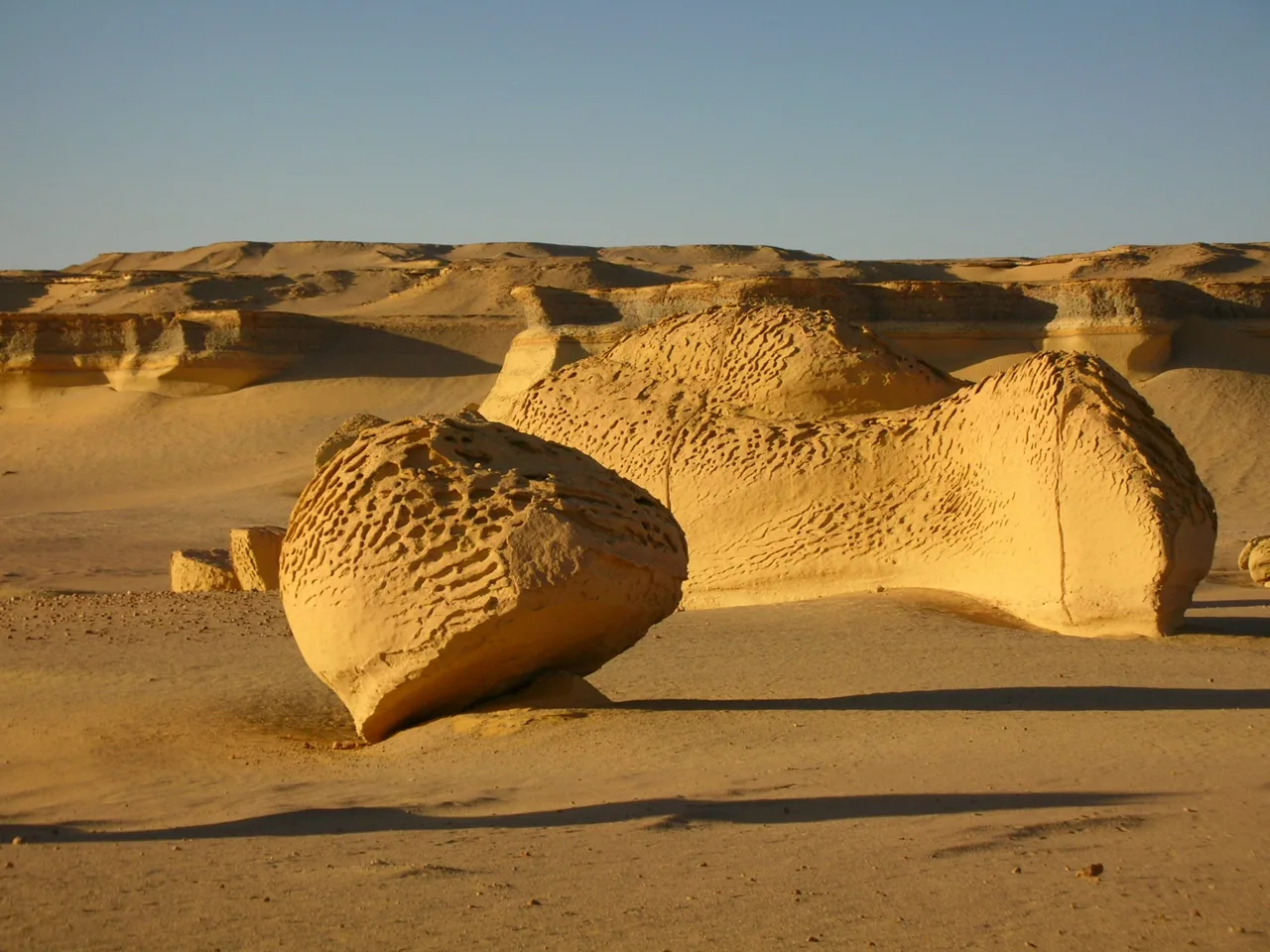
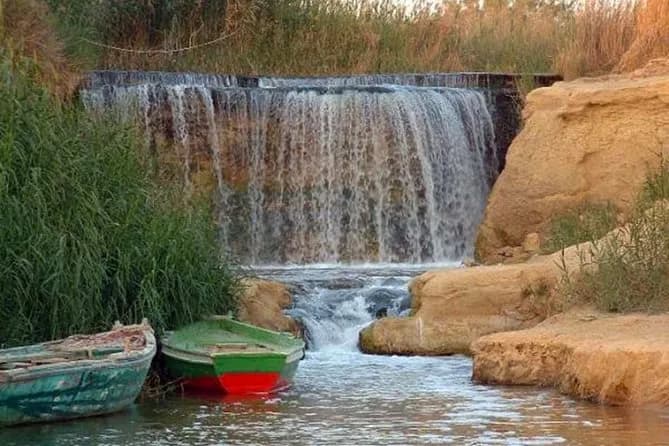
 Wadi El Rayan. The centrepiece of most day trips is the Wadi El Rayan Protected Area, two desert lakes linked by the only waterfalls in Egypt. The cascade is modest by world standards but genuinely surprising to find running through the Sahara, and the setting, golden dunes rolling down to blue water, is beautiful. The upper lake draws migratory birds, and the surrounding dunes are prime sandboarding territory.
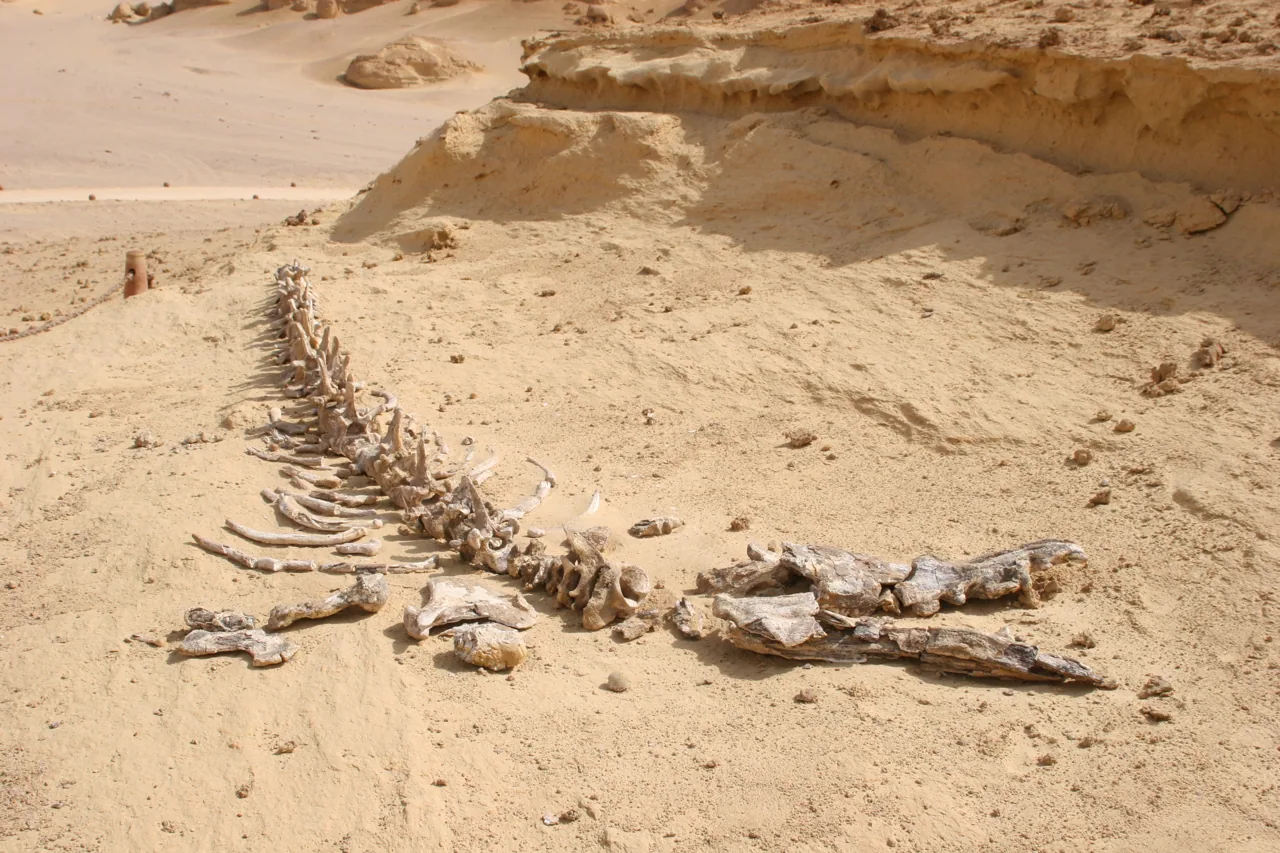
Wadi El Hitan, the Valley of the Whales. Deeper into the desert lies Fayoum's showstopper, a UNESCO World Heritage site holding the fossilised skeletons of primitive whales that swam here 40 million years ago, when this desert was ocean floor. More than 300 fossils lie in the sand, including whales, sharks and turtles, and a marked walking trail leads past 15-metre skeletons complete with tiny leg bones, the evolutionary link between land mammals and modern whales. A small open-air museum sets out the science clearly. It is one of the strangest and most memorable experiences in Egypt. The catch: it sits far out on rough desert track and needs a 4x4, so reaching it turns a standard day into a longer, pricier one.
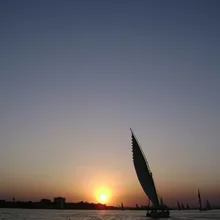
Lake Qarun. This vast salt lake, one of the oldest natural lakes on earth and the third largest in Egypt, defines the northern edge of the oasis. It is lined with birdlife, old fishing boats and faded lakeside resorts, and you can take a short felucca or motorboat ride across the calm water. Sunset here is quietly spectacular.
Magic Lake and Tunis Village. Magic Lake, tucked among dunes near Wadi El Rayan, earns its name from the way its water shifts colour through the day as sunlight and mineral content change. It is a favourite spot for sandboarding, camping and photography. On the northern shore sits Tunis Village, a hilltop artists' colony that grew up around pottery. Its studios, run by local ceramicists trained at the village pottery school, make it the best place in the oasis to browse handmade work, eat a relaxed lunch and take in panoramic views over the lake and desert.
Qasr Qarun temple. At the western end of Lake Qarun stands Qasr Qarun, a remarkably well-preserved Greco-Roman temple from the Ptolemaic period, around the 3rd century BC, dedicated to the crocodile god Sobek. Its intact chambers, staircases and rooftop, reachable on foot, are worth the short detour for a shot of ancient history amid all the nature. It is less commonly included on standard tours, so ask if you want it.
Sandboarding and the desert. Fayoum's dunes, especially around Magic Lake and Wadi El Rayan, are ideal for sandboarding, and most 4x4 safaris fold in a run or two down the slopes. Combine that with the desert drive itself and you have Fayoum's active, adrenaline side.
A realistic one-day plan
Leave Cairo by 7am to beat the traffic and make the most of daylight. Aim to reach Fayoum in around two hours, transferring to a 4x4 if your trip includes the deep-desert sites.
A well-paced day looks like this: start with Wadi El Rayan and its waterfalls mid-morning, then push on to Wadi El Hitan for the fossil trail and museum around midday if you have chosen the full 4x4 version. Break for a late lunch at Tunis Village, browse a pottery studio or two, then finish with sunset and sandboarding at Magic Lake or on the shores of Lake Qarun before the drive back, arriving in Cairo in the evening.
If you skip Wadi El Hitan, the day is gentler: Wadi El Rayan, Lake Qarun, Qasr Qarun and Tunis Village fit comfortably into a standard vehicle without the long desert track, leaving more time to linger.
Day trip vs overnight
A day trip works well and is what most visitors do. But Fayoum genuinely rewards an overnight, and Tunis Village is the reason. The village has a cluster of charming eco-lodges and campsites, places like Tunis Tone, Tzila Lodge and various sustainable guesthouses built from traditional materials, perched on the hill overlooking Lake Qarun. Staying over lets you catch both sunset and sunrise over the lake, wake to birdsong, and split the sights across two unhurried days instead of racing through one. If Fayoum's appeal, quiet and landscape, is exactly what you are after, an overnight in Tunis is the better version of the trip.
How to get there
Private car or driver is the easiest and most comfortable option, and your Cairo hotel can usually arrange one. It gives you flexibility over the route and timing, which matters when the sites are spread across the oasis.
A guided tour is the most popular choice and the smartest if you want Wadi El Hitan, because reputable operators supply the 4x4, the driver who knows the desert track, and often lunch and hotel pickup. For a multi-site day covering ground the public network does not, a tour saves real hassle.
Public transport is hard. Microbuses run from around Remaya Square near the Pyramids to Fayoum city in about one and a half to two hours, but from there the attractions are scattered far apart across desert with no easy onward links, and Wadi El Hitan in particular is unreachable without a 4x4. Independent public transport can get you to Tunis Village, but not around the sights, so plan on a car or tour for the day itself.
Best time to visit
Go in winter. The ideal window is roughly late October to early April, when the desert heat eases and days are pleasant for walking the fossil trail, riding the dunes and sitting by the lake. Summer, from May to September, is punishingly hot for the exposed desert sites and best avoided. Whatever the season, the early morning start pays off in cooler air and softer light.
Costs
Prices vary with the itinerary, the vehicle and whether you go private or join a group. As a rough guide, a standard oasis and lake excursion runs from about 4,046 EGP, and a private tour to Fayoum and the Wadi El Rayan waterfalls sits near 4,190 EGP (roughly 86 USD) per person. Adding Wadi El Hitan pushes the price up, from about 11,441 EGP for a full 4x4 day covering Fayoum, Wadi El Rayan and the Valley of the Whales, because it requires a capable vehicle and a longer route. Overnight eco-lodge stays in Tunis Village are generally affordable and priced separately.
Practical tips
- Decide on Wadi El Hitan first. It sets the whole trip. Yes means a 4x4 tour and a longer, pricier day; no means a standard vehicle and a cheaper, gentler one.
- A 4x4 is essential for Wadi El Hitan. The desert track is rough and impassable in an ordinary car.
- Start early. Leaving Cairo by 7am beats the traffic, keeps you ahead of the midday heat and gives you daylight for every stop.
- Bring layers and closed shoes for the desert wind and the uneven fossil trail.
- Carry water and snacks. Facilities in the desert are limited, especially out at Wadi El Hitan.
- Time it for sunset at Magic Lake, the dunes or Lake Qarun for the best light.
- Add sandboarding on the dunes if you want something active.
- Save it for later in your trip, after the headline Cairo sights, or turn it into an overnight if quiet nature is your priority.
The verdict
A Cairo to Fayoum day trip trades temples for waterfalls, dunes, a colour-changing lake and a valley of ancient whales, all within about two hours of the capital. It is the quiet, natural side of Egypt, from roughly 4,046 EGP for the standard oasis day or about 11,441 EGP for the full 4x4 trip to Wadi El Hitan. Not a first-timer's priority, but a genuine find for anyone with a spare day, and even better spread across an overnight in Tunis Village.
Planning a wider Egypt itinerary? See our Cairo travel guide for the headline sights before you head out to the oasis, our Egypt travel guide for the bigger picture, and our White Desert guide if Fayoum whets your appetite for more surreal desert landscapes. When you are ready to book, browse Fayoum day trips and desert tours and lock in your date.
What's On in Egypt
Events in Cairo

Egypt Press Photo Exhibition
Tahrir Cultural Center (AUC) · Downtown (Wust El Balad)

Exhibition Open Call
Tahrir Cultural Center (AUC) · Downtown (Wust El Balad)

She Arts Festival 2026: Voices of Peace – A Global Symphony
Tahrir Cultural Center (AUC) · Downtown (Wust El Balad)
A real team available 24/7 to assist you — free
Seif and the team reply on WhatsApp 24/7 — trip questions, custom plans and booking help.
Ask Seif on WhatsAppCommon questions
What is there to see in Fayoum?
Fayoum is an oasis depression southwest of Cairo with the Wadi El Rayan waterfalls (the only ones in Egypt), the UNESCO Valley of the Whales (Wadi El Hitan) and its 40-million-year-old whale fossils, the colour-changing Magic Lake, the vast Lake Qarun, the Greco-Roman Qasr Qarun temple, and Tunis Village, a hilltop artists' colony known for pottery. Sandboarding on the dunes is a popular add-on.
How much is a Fayoum day trip from Cairo?
A standard oasis and lake excursion runs from about 4,046 EGP, and a private tour to Fayoum and the Wadi El Rayan waterfalls is near 4,190 EGP (roughly 86 USD) per person. A full 4x4 day that also reaches Wadi El Hitan, the Valley of the Whales, costs more, from about 11,441 EGP, because it needs a 4x4 over rough desert track.
How far is Fayoum from Cairo and how long does it take?
Fayoum sits about 100km southwest of Cairo, roughly one and a half to two hours by road. It is a full-day trip, leaving early and returning in the evening. Wadi El Hitan is further into the desert and adds driving time on rough 4x4 track.
How do you get to Fayoum from Cairo?
The easiest options are a private car with driver (your hotel can arrange one) or a guided tour, which is best if you want Wadi El Hitan since it supplies the 4x4. Public transport is hard: microbuses run from near the Pyramids to Fayoum city, but the sights are scattered across the desert with no easy onward links, so you still need a car or tour for the day itself.
Is Wadi El Hitan worth visiting?
Yes, if you have a spare day and like the unusual. The Valley of the Whales is a UNESCO site where you walk a trail past fossilised skeletons of primitive whales that swam here 40 million years ago, with a small open-air museum. It sits deep in the desert and needs a 4x4, so it is a longer, pricier trip, but it is one of the most memorable experiences in Egypt.
When is the best time to visit Fayoum?
Winter, roughly late October to early April, when the desert heat eases and days are pleasant for the fossil trail, the dunes and the lake. Summer (May to September) is punishingly hot for the exposed desert sites and best avoided. An early morning start helps in any season.
Should I do Fayoum as a day trip or stay overnight?
A day trip works well and is what most visitors do. But Fayoum rewards an overnight thanks to Tunis Village, which has charming eco-lodges and campsites overlooking Lake Qarun. Staying over lets you catch both sunset and sunrise and split the sights across two unhurried days instead of racing through one.
Is Fayoum worth it for first-time visitors?
It is a change of pace rather than a headline, so it is best saved for after the Pyramids, the Grand Egyptian Museum and Islamic Cairo, or for repeat visitors and families who want desert, lakes and nature. The whale fossils are world-class, but Fayoum is about landscape and calm rather than grand monuments.
Book it on This is Egypt
Turn this guide into a trip







Egypt's bestsellers
The experiences travelers book most, across the country




Keep reading
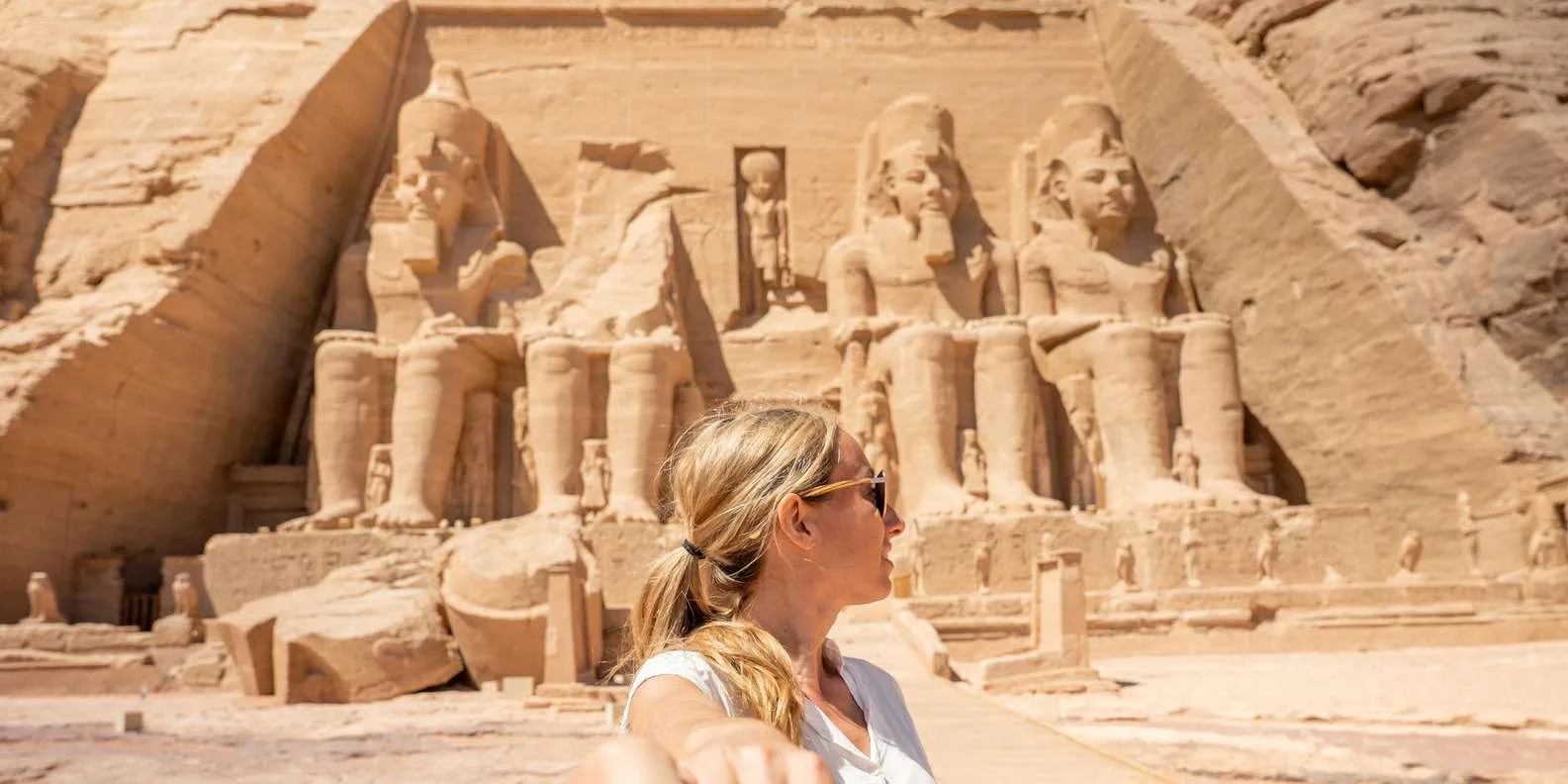
Abu Simbel Day Trip from Aswan (2026): Ramses II's Great Temples
The twin rock temples of Ramses II and Nefertari, moved stone by stone to escape Lake Nasser. How to visit from Aswan, real prices, the drive, and the sun festival.
By TiE Editors8 min read

Hurghada to Luxor Day Trip (2026): Is It Worth It?
The single most-booked tour in Egypt's Red Sea catalogue. What you see, how long the drive really is, prices, and whether to do it in a day or stay over.
By TiE Editors8 min read
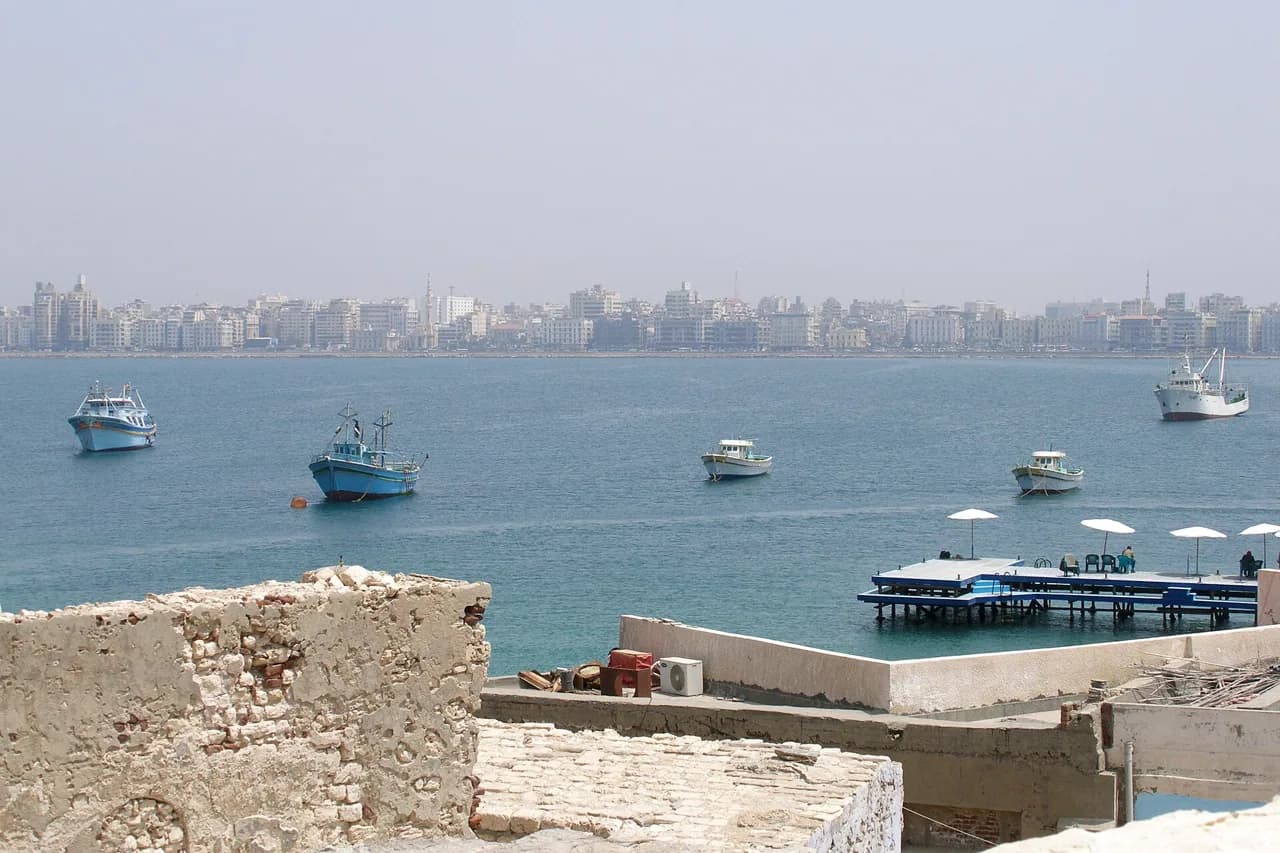
Egypt Cruise Ports: What You Can See on a Shore Day (2026)
From Alexandria and Port Said you can reach Cairo and the Pyramids; Luxor is only doable from Safaga. The honest map of what each Egyptian cruise port can actually reach in a day.
By TiE Editors4 min read