The White Desert: Camping Under the Stars (2026)
Egypt's White Desert near Bahariya Oasis: wind-carved white chalk formations, the Black Desert and Crystal Mountain, an overnight 4x4 camp under the stars, and how to go from Cairo.
Book it on This is Egypt
Turn this guide into a trip
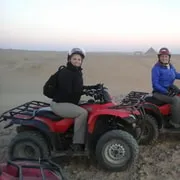

Quick answer: A few hours southwest of Cairo, the road runs out of anything familiar and drops you into one of the strangest landscapes in Egypt: the White Desert, a national park where wind and time have carved blinding chalk into mushrooms, towers, sphinxes and shapes that look like frozen animals grazing on the sand. At dusk the whole plain turns cream, then pink, then gold. After dark it stands beneath some of the clearest, darkest skies in the country. You cannot really day-trip it and do it justice. The White Desert is a place you camp in, and an overnight here is one of the great outdoor experiences in Egypt.
The short version: the White Desert National Park sits deep in the Western Desert, reached through Bahariya Oasis about four to five hours from Cairo. You go on a guided 4x4 safari, almost always with an overnight camp among the formations. The best season runs October to April, when days are mild and nights are genuinely cold, sometimes near freezing. You cannot go solo; you book an organised tour with a driver, a guide, camping gear and meals. Bring warm layers, more water than you think you need, and cash. Is it worth the long drive? For most travellers, absolutely.
What the White Desert actually is
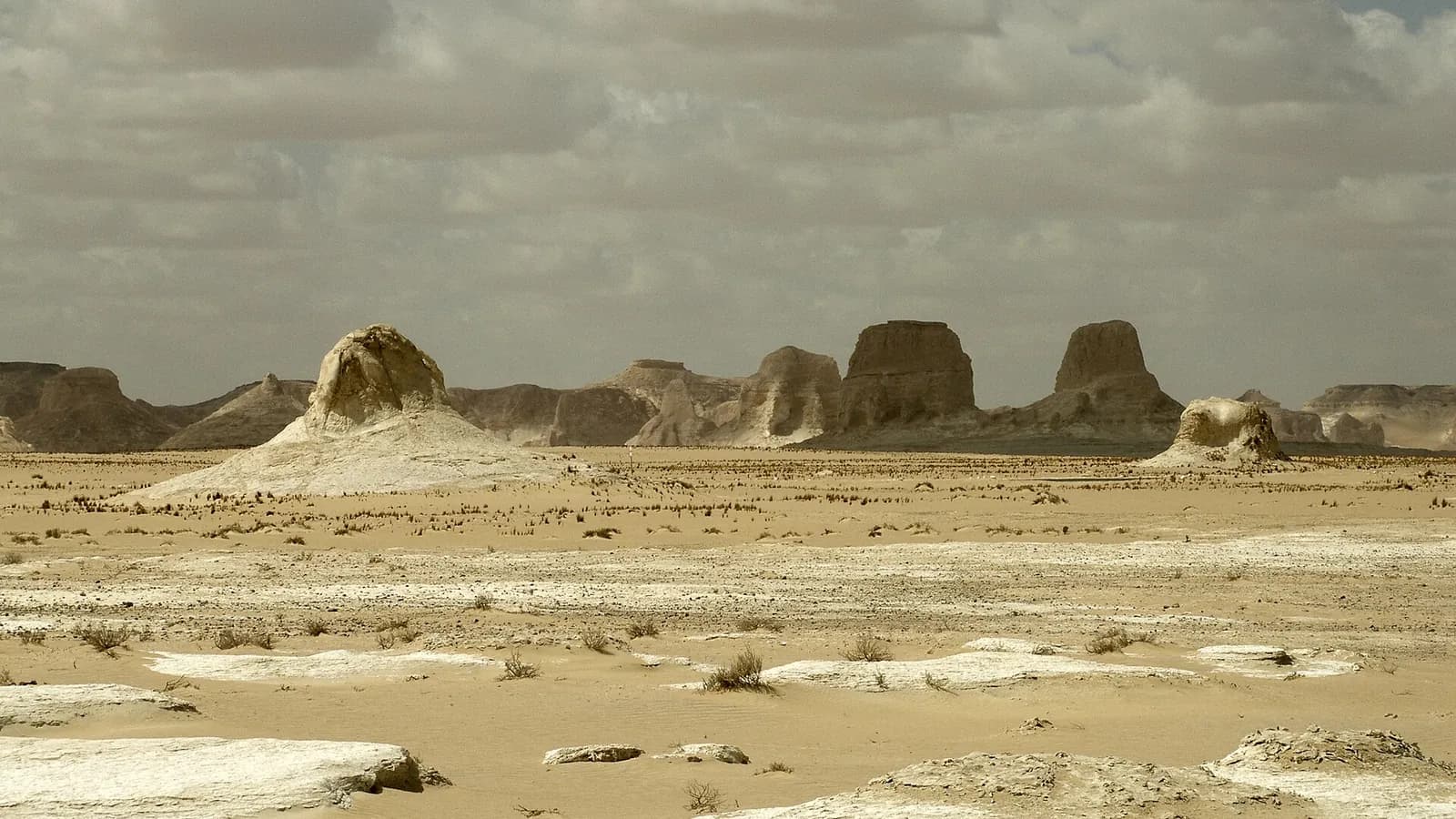
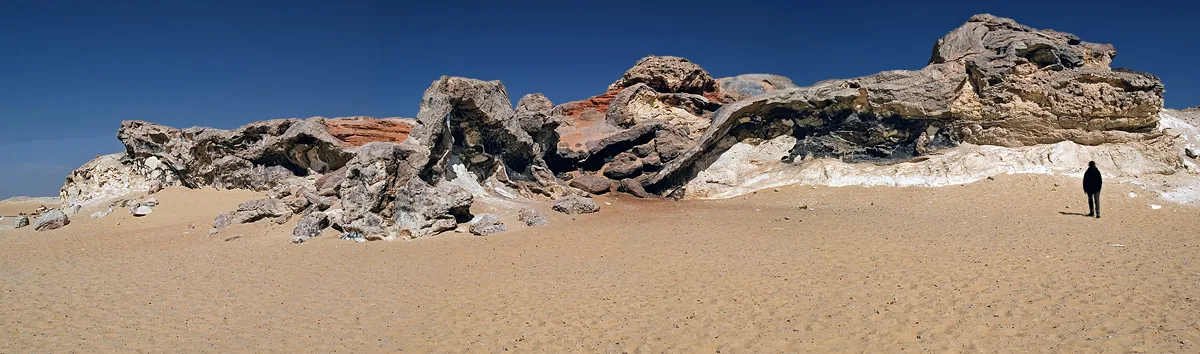
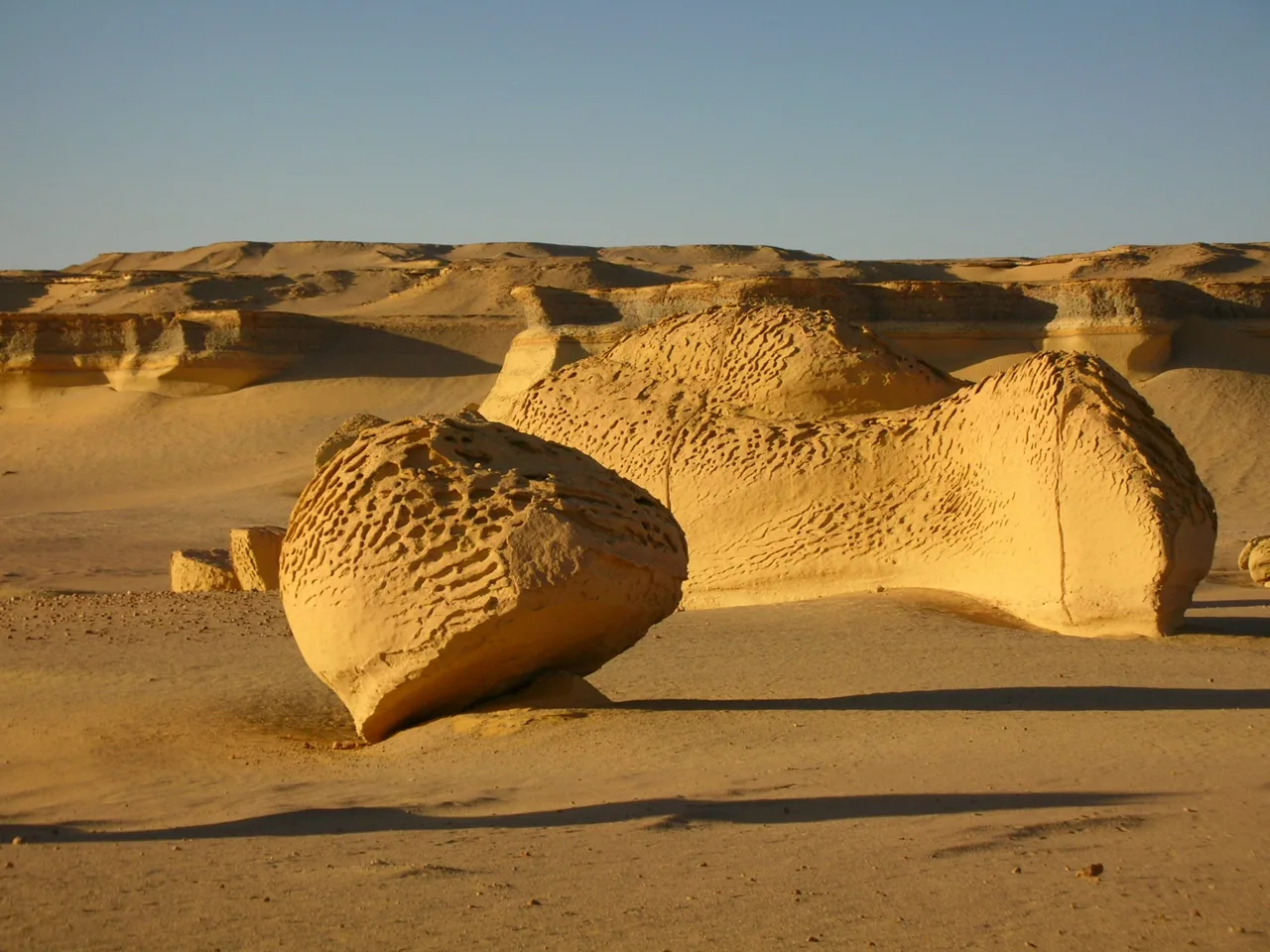
The White Desert, or Sahara el Beida, is a protected national park covering roughly 300 square kilometres of the Western Desert. Its surreal centrepiece is chalk, laid down when this whole region lay beneath a warm sea during the Cretaceous period. As the ancient seabed rose and the softer rock eroded, wind and blown sand sculpted the chalk into free-standing formations that scatter white across the pale desert floor. The most photographed, the so-called Mushroom Rock, balances a broad cap on a slender stem; others have earned nicknames like the chicken, the sphinx and the tent. Because the wind never stops, the formations are slowly rearranging themselves.
They are at their most extraordinary in the low, raking light of dawn and dusk, when the white catches colour and long shadows make every shape look sculpted on purpose. Midday sun flattens everything to a hard glare, which is one more reason the overnight camp beats a rushed daytime visit.
What else you see en route
The drive to the white chalk is a show in its own right, moving through several completely different desert landscapes in a single afternoon.
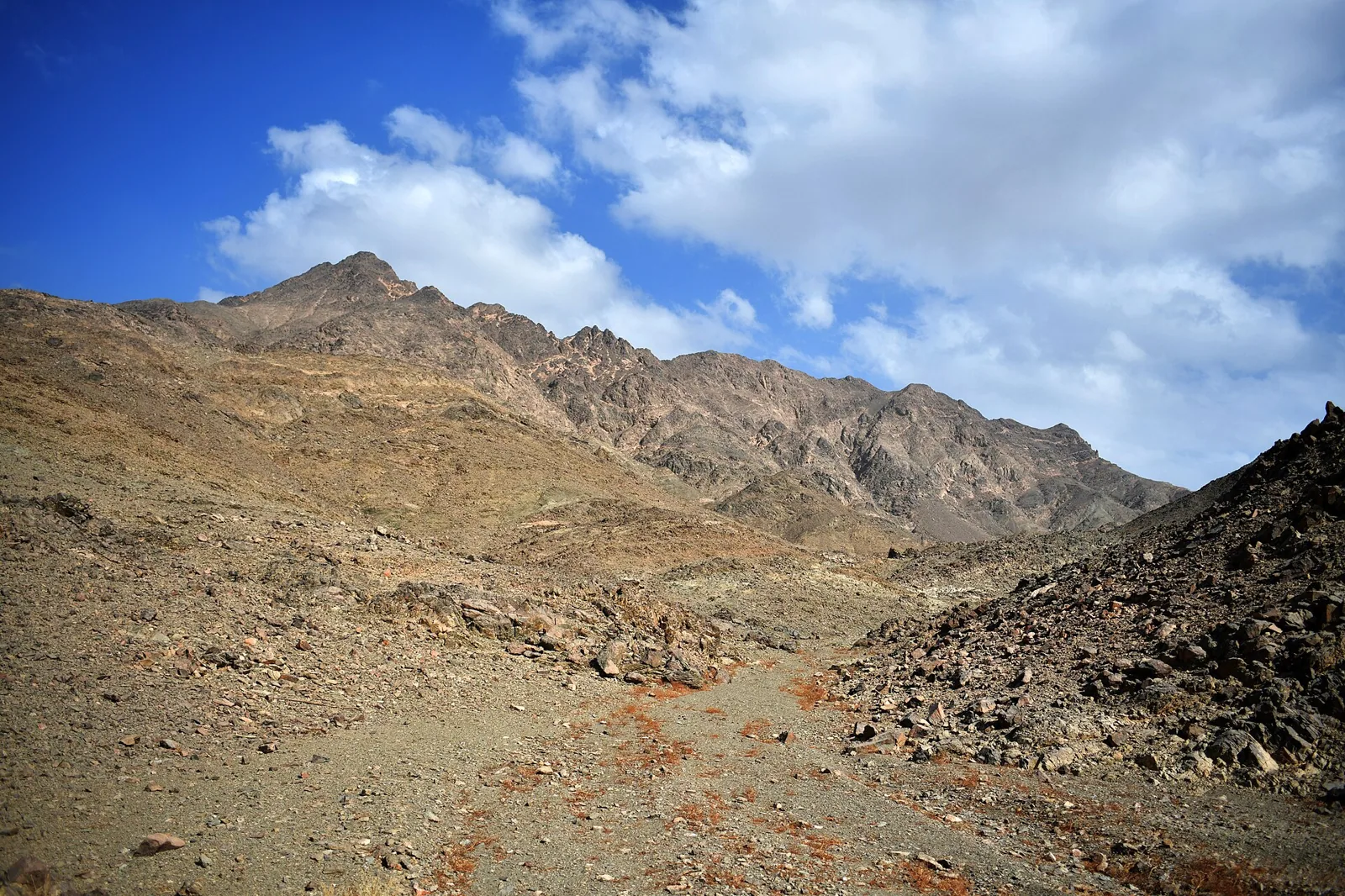
The Black Desert comes first, a run of low volcanic hills scattered with dark dolerite that turns the ground a burnt, rusty black. Climbing one of the cones gives a wide view over the plain, and the contrast with the white that follows could not be sharper.
Crystal Mountain is a small ridge studded with quartz crystals that glint and catch the light, with a natural arch you can walk through. It is an easy, brief stop, but a memorable one.
Agabat Valley is the transition zone between the black and white deserts, and for many travellers it is the visual highlight of the whole route: dramatic rock towers, chalk buttes and golden dunes rolling together in a way that feels almost staged.
Around Bahariya you can also stop at the oasis's famous hot and cold springs, such as Bir Sigam and the palm-fringed pools near Bawiti. The hot springs run genuinely hot, and a soak is a welcome ritual either side of a cold desert night.
Bahariya Oasis: your base and gateway
Almost every White Desert trip runs through Bahariya Oasis and its main town, Bawiti, where the tarmac ends and the safari begins. Bahariya is a real working oasis of date palms, springs and small guesthouses, and it functions as the launch pad: operators are based here, and this is where you swap your road vehicle for a 4x4 built for off-road driving. The national park lies further southwest, roughly toward Farafra Oasis. Many visitors spend a little time in Bawiti itself, wandering the palm groves and soaking in the springs, before or after the desert night.
The overnight camp under the stars
Sleeping out is the heart of the trip, and it is the reason to camp rather than day-trip. Late in the afternoon your 4x4 leaves any track and noses off into the formations to a remote spot for the night. There is no lodge, no walls, no light pollution. The guides set up a simple Bedouin-style camp: a low windbreak of blankets, bedding laid out in the open, a fire, and sweet tea brewing almost before you have stepped out of the jeep.
Dinner is cooked over the coals — usually grilled chicken or vegetables, rice, bread and salads — and eaten around the fire as the temperature drops and the sky fills up. On a moonless night the Milky Way is so bright it can throw a faint shadow, and guides often trace out constellations for you. Curious desert life shows up after dark too: fennec foxes, with their outsized ears, sometimes pad in toward the firelight, drawn by the smell of food.
Then you wake for sunrise, when the first light hits the chalk and the entire field of formations glows gold and rose around you. That single moment, standing in the cold with a cup of tea while the desert changes colour, is what people remember most, and it is only available to those who stayed the night.
How to get there, and why you need a tour
From Cairo it is a drive of about four to five hours southwest to Bawiti in Bahariya Oasis. Budget travellers can reach Bawiti by public bus, but the standard and far easier approach is a package that bundles the Cairo transfer, the 4x4, a licensed guide, permits, camping equipment and all meals into one price.
This is not a place to strike out on your own. The White Desert is a protected national park that requires permits, the terrain off the main road demands genuine off-road driving, and it is remote enough that navigation and safety really matter after dark. A guided tour is not just the convenient option here — it is effectively the only sensible one. Book with an established Bahariya operator or a Cairo agency, and confirm what is included before you go.
One night or two?
Most people do a two-day, one-night trip: leave Cairo in the morning, cover the Black Desert, Crystal Mountain, Agabat and the springs during the day, camp in the White Desert overnight, catch sunrise, and drive back the next day. It is the efficient way to see the highlights and get the star-filled night without eating up a week.
A three-day, two-night trip adds breathing room. You can slow down, explore more of Bahariya's springs and palm groves, add a second, quieter camp deeper in the desert, and spend less of your time driving. If you have travelled a long way to Egypt and want the desert to be more than a quick tick, the extra night is worth it. If you are tight on days, a single night still delivers the essential experience.
Best time to visit
Go between October and April. In those months daytime temperatures are comfortable for walking, driving and climbing dunes, and the desert is at its most enjoyable. The trade-off is the cold at night: desert temperatures fall sharply after sunset and can approach or dip below freezing between December and February, so warm layers are non-negotiable even after a warm afternoon.
Summer, from May to September, brings daytime heat that regularly pushes past 40°C, which makes camping genuinely unpleasant and is best avoided. There is effectively no rain to plan around at any time of year, and the light for photography is at its clearest and softest in the cooler months.
What to bring
The single most important thing to understand is the temperature swing. Pack warm layers, a hat and gloves for the night, plus a fleece or down jacket in deep winter. For the day, bring sunglasses, a sun hat and strong sun protection, since the white chalk reflects light fiercely. Add a headtorch, plenty of water beyond what the camp supplies, wet wipes and a small towel (washing facilities are minimal), any personal medication, and closed shoes against sharp rock and cold sand. A sleeping bag is usually provided, but confirm its warmth rating and consider a liner. Carry cash: there are no card facilities in the desert, and you will want to tip your guide and driver.
Costs
Prices depend heavily on group size, whether the tour is shared or private, and how many nights you stay. As a rough guide, a two-day, one-night shared tour from Cairo often lands around $150 to $300 per person, with private tours and three-day trips costing more. A good package should include hotel pickup and drop-off, the transfer to Bahariya, the 4x4 and driver, a professional guide, park permits, dinner and breakfast, camping equipment and water. Always confirm inclusions and group size before booking, since "per person" prices fall as the group grows.
Is it worth it?
For most travellers, yes. The White Desert is unlike anywhere else in Egypt — a surreal, silent, colour-shifting landscape topped by a night under some of the darkest skies you will ever see. It is a long drive and a cold night, and it asks a little more effort than a museum or a temple. But the payoff — dinner by a fire in the chalk, the Milky Way overhead, sunrise turning the formations to gold — is exactly the kind of memory people travel for. If you have the days to spare and want an Egypt beyond the Nile crowds, it earns its place on the itinerary.
Planning the wider trip? The White Desert slots neatly alongside a day out to the lakes and dunes of the Fayoum — see our Cairo to Fayoum day trip guide — and fits into a bigger loop of the country covered in our Egypt travel guide and our roundup of the best things to do in Egypt. When you are ready to book a desert safari or camp, search available experiences to compare operators and dates.
A real team available 24/7 to assist you — free
Seif and the team reply on WhatsApp 24/7 — trip questions, custom plans and booking help.
Ask Seif on WhatsAppCommon questions
Is the White Desert worth visiting?
Yes. It is one of Egypt's most surreal landscapes: wind-carved white chalk formations that glow pink and gold at sunset and stand under brilliant, dark skies at night. An overnight desert camp here, with dinner by the fire, the Milky Way overhead and sunrise on the formations, is a highlight for travellers who want something beyond the Nile and the pyramids. It is a long drive and a cold night, but for most people the payoff is well worth it.
How do you get to the White Desert from Cairo?
You drive about four to five hours southwest from Cairo to the town of Bawiti in Bahariya Oasis, then transfer into a 4x4 and head off-road into the national park. Almost everyone books a package that includes the transfer, driver, guide, permits, camping gear and meals. Budget travellers can reach Bawiti by public bus, but the organised tour is the standard and easiest way to go.
Can you visit the White Desert on your own without a tour?
Not realistically. The White Desert is a protected national park that requires permits, the terrain off the main road needs genuine off-road driving, and it is remote enough that navigation and safety matter, especially after dark. A guided, organised 4x4 tour with an established Bahariya operator is effectively the only sensible way to visit.
Should I do a one-night or two-night trip?
Most people do a two-day, one-night trip: see the Black Desert, Crystal Mountain, Agabat Valley and the springs by day, camp in the White Desert overnight, catch sunrise, and drive back. A three-day, two-night trip adds a slower pace, more time around Bahariya's springs and palm groves, and often a second camp deeper in the desert. If you have travelled far to Egypt, the extra night is worth it; if you are short on days, one night still delivers the core experience.
When is the best time to visit the White Desert?
October to April. Daytime temperatures in those months are mild and comfortable for walking, driving and climbing dunes. Nights are cold and can approach or drop below freezing between December and February, so warm layers are essential. Summer, from May to September, is too hot for comfortable camping, with daytime highs regularly above 40°C, and is best avoided.
What should I pack for an overnight in the White Desert?
Warm layers, a hat, gloves and a jacket for the cold night, plus a headtorch. For the day, bring sunglasses, a sun hat and strong sun protection, since the white chalk reflects light fiercely. Also pack extra water, personal medicine, wet wipes, a small towel, closed shoes and cash for tips, since there are no card facilities in the desert. A sleeping bag is usually provided, but confirm its warmth rating and consider a liner.
What else do you see besides the white chalk formations?
On the way in you pass the Black Desert, low volcanic hills covered in dark dolerite, and Crystal Mountain, a small ridge studded with quartz. Agabat Valley, the transition between the black and white deserts, has dramatic rock towers and golden dunes. Around Bahariya you can also stop at hot and cold springs. At camp you may spot fennec foxes drawn to the fire, and the sky is dark enough to see the Milky Way clearly.
How much does a White Desert tour cost?
It depends on group size, whether the tour is shared or private, and how many nights you stay. As a rough guide, a two-day, one-night shared tour from Cairo often runs around $150 to $300 per person, with private tours and three-day trips costing more. A good package should include pickup and drop-off, the transfer to Bahariya, the 4x4 and driver, a guide, permits, dinner and breakfast, camping equipment and water. Confirm inclusions and group size before booking, since per-person prices fall as the group grows.
Book it on This is Egypt
Turn this guide into a trip



Egypt's bestsellers
The experiences travelers book most, across the country

Keep reading
Hurghada Diving (2026): Best Sites, Packages & Prices
Diving in Hurghada — the best reefs (Giftun, Careless Reef, Dolphin House) and Abu Nuhas wrecks, Discover Scuba vs PADI courses, season and water temps, and real 2026 prices.
By TiE Editors7 min read
Hurghada Snorkeling Trips (2026): Best Reefs, Prices & How to Choose
Where to snorkel from Hurghada in 2026 — Orange Bay, Giftun, Mahmya, Utopia and Dolphin House — with boat types, marine life, month-by-month sea temperatures, family tips and real prices from 1,000+ bookable trips.
By TiE Editors7 min read
Egypt Tour Prices by Activity (2026): What Each Type Really Costs
What every type of Egypt experience actually costs — from a 1,700 EGP camel ride to a 48,500 EGP Nile cruise — based on 29,710 real bookable tours across seven platforms.
By TiE Editors6 min read