
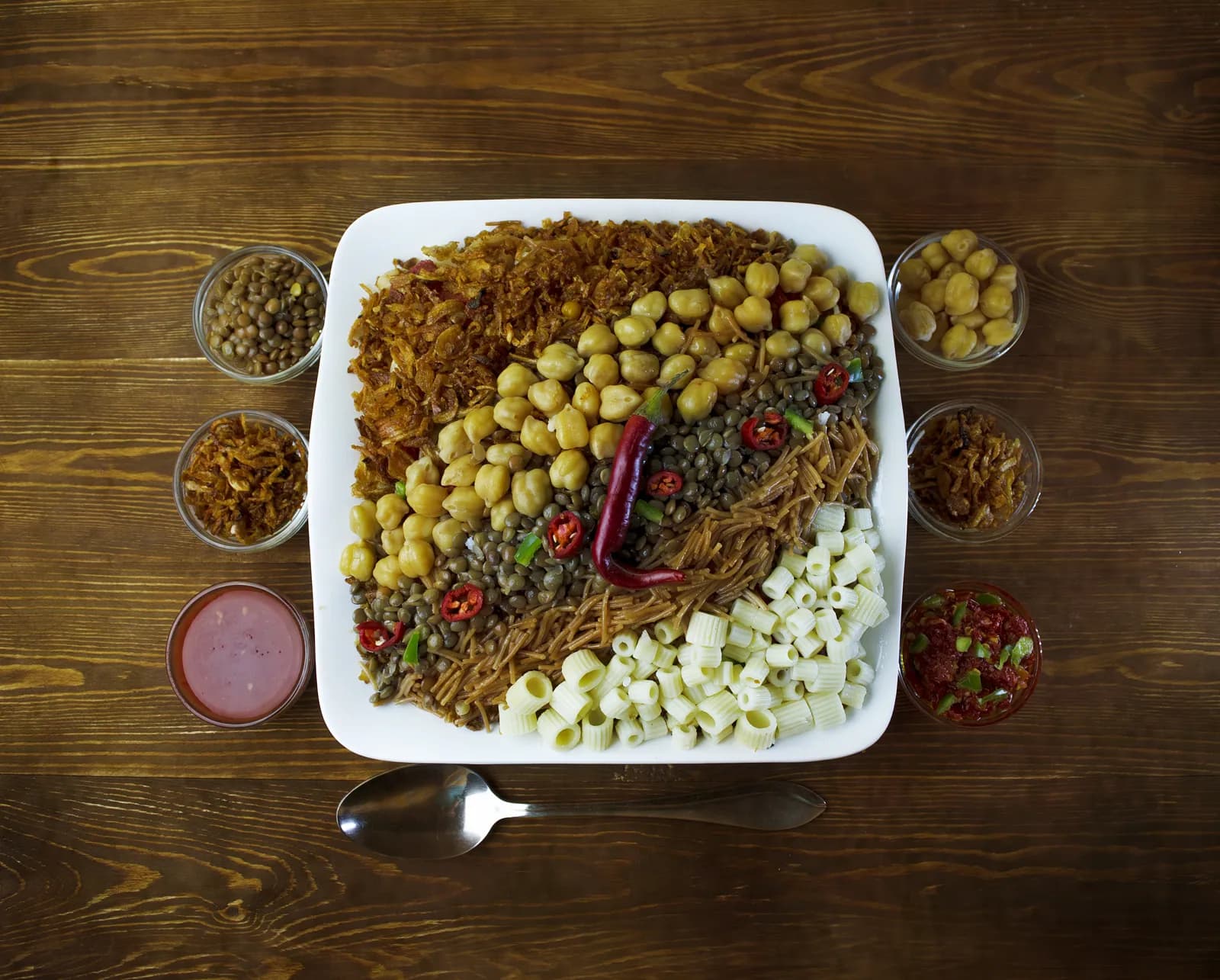
Egyptian Food History: From Pharaohs to Koshari
How 5,000 years of history sits on the Egyptian table — the ancient diet of bread, beer and beans, and the modern dishes like ful, taameya and koshari that descend from it.
Quick answer: Egyptians have been eating some of the same dishes for five thousand years. The bread, fava beans, greens and fish on a Cairo table today would be recognisable to a worker who built the pyramids — a line of culinary continuity almost unmatched anywhere on Earth. This guide traces that story: from the pharaohs' plates to the koshari cart, and what it means for what you eat in Egypt now.
If you want the practical "what to order" version, start with our Egyptian food guide and street food guide; this is the story behind them.
The Nile made the menu
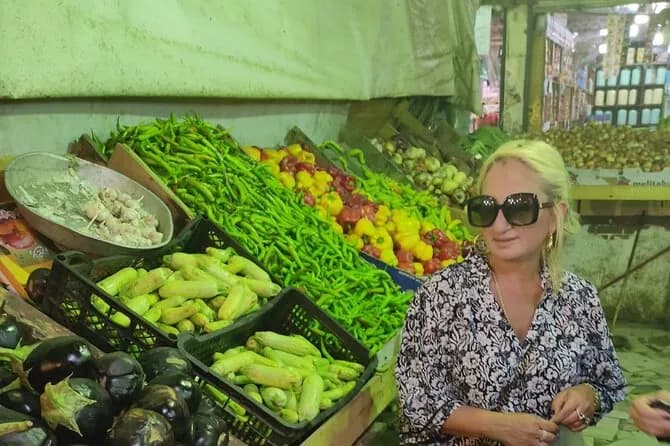
Everything begins with the river. Each year the Nile flooded, spread a layer of black silt across the valley, and made Egypt one of the ancient world's great breadbaskets. That reliable harvest of grain, and the fish and waterfowl of the river, shaped a cuisine built on bread, beer, beans and greens — plant-heavy, grain-rich, and thrifty, exactly as much of Egyptian home cooking still is.
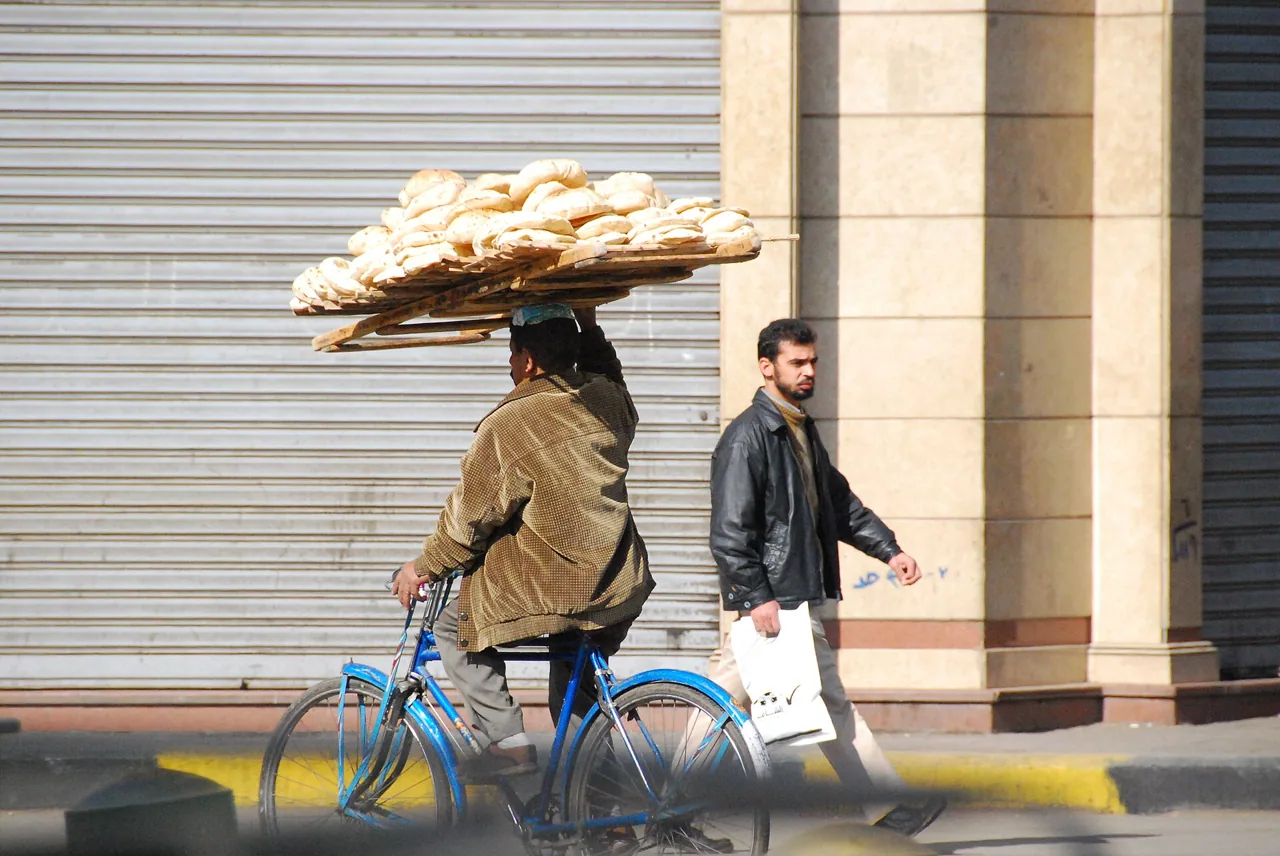
The centrality of bread is written into the language: the Egyptian Arabic word for bread is aish — which also means "life." No single detail says more about this food culture.
What the ancient Egyptians ate
Tomb paintings, offering lists and preserved food from burials give us an unusually clear picture. Peer-reviewed research on ancient Egyptian food culture traces a diet resting on:
- Bread, in dozens of shapes, baked from emmer wheat and barley — the staple calorie.
- Beer, thick and lightly alcoholic, drunk by everyone including children as a safe, nourishing staple (workers on the Giza plateau were partly paid in bread and beer).
- Fava beans, lentils and chickpeas — the everyday protein.
- Onions, garlic, leeks, lettuce, cucumbers and greens, including molokhia (jute mallow).
- Fish from the Nile, plus ducks and geese; meat was more of a feast food.
- Dates, figs, grapes and honey — the sweetness in a world without sugar.
Bakers and brewers appear again and again in tomb models, sometimes as little painted figures kneading and straining — the ancient kitchen frozen in miniature. You can see many of these objects in the Grand Egyptian Museum and the Egyptian Museum.
From ancient staple to modern plate
Here's the remarkable part: the throughline is unbroken. Several of Egypt's national dishes are, in essence, the ancient diet still being eaten.
| Ancient staple | Modern dish |
|---|---|
| Boiled, mashed fava beans | Ful medames — the national breakfast |
| Ground fava-bean fritters | Taameya — Egyptian falafel, made from favas not chickpeas |
| Jute-mallow greens | Molokhia — the classic green soup/stew |
| Preserved/salted Nile fish | Feseekh — eaten at the spring feast of Sham El-Nessim |
| Bread as the meal's foundation | Aish baladi — the puffy flatbread on every table |
Ful medames and taameya, eaten for breakfast across Egypt today, are direct descendants of the ancient fava-bean kitchen. Feseekh, the fermented fish eaten at Sham El-Nessim, is a spring-festival food thousands of years old.
Where the newer flavours came from
Not everything is pharaonic. Centuries of empire layered new tastes on the old base: Ottoman and Turkish cooking brought stuffed vegetables (mahshi), pastries and coffee culture; Levantine and Mediterranean neighbours added their own touches; and trade brought rice, tomatoes, chillies and pasta.
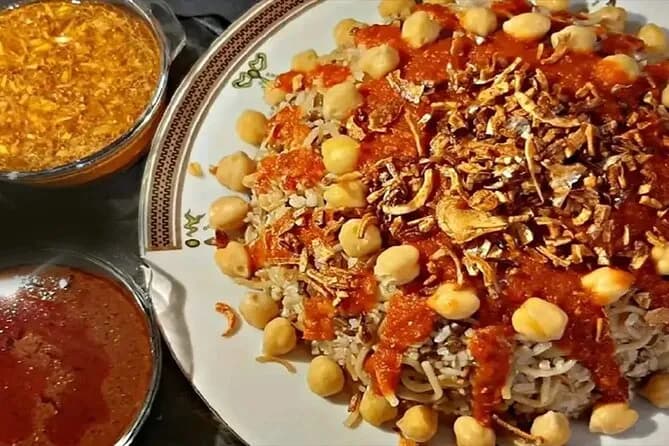
The most Egyptian dish of all, koshari, is actually a 19th-century invention — a carb-on-carb marvel of rice, lentils, macaroni, chickpeas, fried onions and spicy tomato sauce that fused Indian, Italian and native ingredients into the ultimate cheap, filling street meal. It's proof that Egyptian food never stopped evolving.
What this means for your trip
Eating in Egypt is a way of touching its history directly. Order ful and taameya for breakfast, molokhia with rabbit or chicken for lunch, koshari from a busy cart, and aish baladi with everything — and you're eating, more or less, what has fed this valley for millennia. It's also famously vegetarian-friendly: so much of the core cuisine is beans, greens and grains, as our vegetarian and vegan Egypt guide explains.
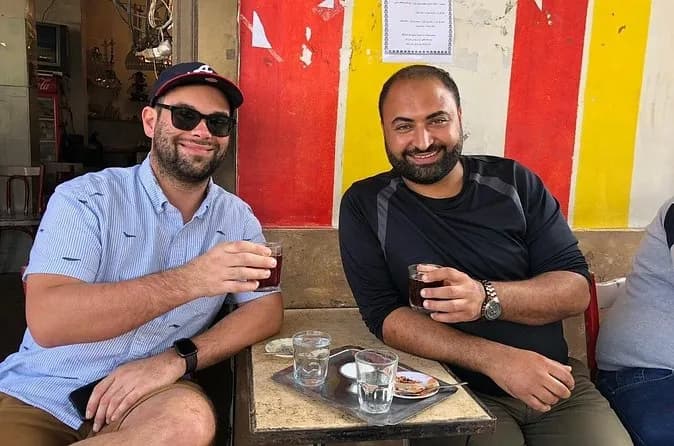
Wash it down the historic way — sweet mint tea or thick Turkish coffee in an ahwa — and finish with honeyed pastries whose lineage runs back to the ancient sweet tooth. For drinks specifically, see the Egyptian drinks guide.
Regional and seasonal tastes
Egyptian food shifts as you travel. On the Mediterranean coast, Alexandria is all about seafood — grilled fish, calamari and the famous fish market where you pick your catch. Head south and the cooking of Upper Egypt and Nubia leans on slow-cooked tagens (clay-pot stews), dried molokhia and hearty village bread. In Sinai and the deserts, Bedouin cooking means bread baked in the sand and meat grilled over embers.
The calendar matters too. Ramadan brings its own table: apricot qamar al-din, the sweet cheese pastry konafa and the stuffed pancakes qatayef. Sham El-Nessim means feseekh and coloured eggs; the Eids bring roasted and grilled meats. Eating seasonally, and regionally, is the difference between a good food trip and a great one — plan it alongside our festivals and moulids calendar.
Taste the history
The best way to understand Egyptian food is to eat your way through it with someone who can explain what you're tasting. Read our Egyptian food guide for the dish-by-dish rundown, find the best tables in our where to eat in Cairo guide, and browse food tours and experiences to eat five thousand years of history in an afternoon.
A real team available 24/7 to assist you — free
Seif and the team reply on WhatsApp 24/7 — trip questions, custom plans and booking help.
Ask Seif on WhatsAppCommon questions
How old is Egyptian cuisine?
Its foundations are around 5,000 years old. Staples like bread, fava beans, lentils, onions, greens and Nile fish anchored the ancient Egyptian diet and still anchor Egyptian home cooking today — an unusually unbroken culinary tradition.
What did ancient Egyptians eat?
A largely plant- and grain-based diet: many kinds of bread from emmer wheat and barley, thick nourishing beer, fava beans, lentils and chickpeas, onions, garlic, leeks and greens like molokhia, Nile fish and waterfowl, plus dates, figs and honey for sweetness.
Which modern Egyptian dishes come from ancient times?
Ful medames (mashed fava beans) and taameya (fava-bean falafel) descend directly from the ancient fava kitchen; molokhia is an age-old green stew; and feseekh, the salted fish of Sham El-Nessim, is a spring-festival food thousands of years old.
Is koshari an ancient Egyptian dish?
No — koshari is a 19th-century invention, fusing rice, lentils, macaroni, chickpeas, fried onions and tomato sauce from Indian, Italian and Egyptian influences. It shows that Egyptian food kept evolving well beyond pharaonic times.
Why is bread so important in Egyptian culture?
Bread was the core calorie of the ancient diet and remains central today. Tellingly, the Egyptian Arabic word for bread, aish, also means "life" — a clue to how fundamental it is to the culture and the table.
Did the pyramid builders really drink beer?
Yes. Beer was a dietary staple in ancient Egypt, lightly alcoholic and nourishing, and workers on the Giza plateau were partly paid in rations of bread and beer — evidence of a paid, fed workforce rather than slaves.
Is Egyptian food good for vegetarians?
Very. So much of the traditional cuisine — ful, taameya, koshari, molokhia, stuffed vegetables, bread and salads — is naturally plant-based, making Egypt one of the easier places to travel as a vegetarian or vegan.
What foreign influences shaped Egyptian cuisine?
Layered onto the ancient base, Ottoman and Turkish cooking brought stuffed vegetables, pastries and coffee culture, while Levantine and Mediterranean neighbours and global trade added rice, tomatoes, chillies and pasta.
Book it on This is Egypt
Turn this guide into a trip



Egypt's bestsellers
The experiences travelers book most, across the country




Keep reading
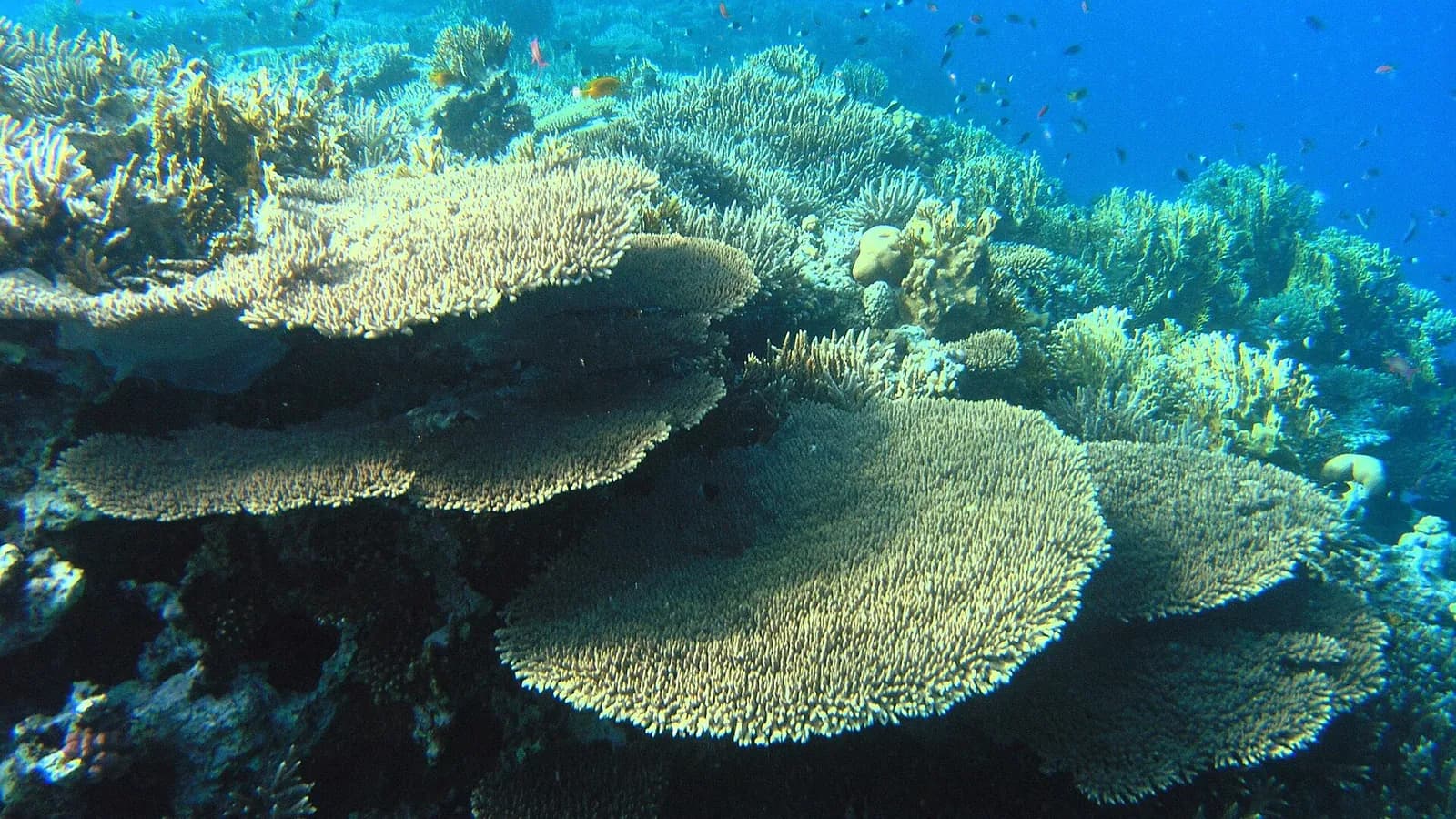
Hurghada Diving (2026): Best Sites, Packages & Prices
Diving in Hurghada — the best reefs (Giftun, Careless Reef, Dolphin House) and Abu Nuhas wrecks, Discover Scuba vs PADI courses, season and water temps, and real 2026 prices.
By TiE Editors7 min read
Hurghada Snorkeling Trips (2026): Best Reefs, Prices & How to Choose
Where to snorkel from Hurghada in 2026 — Orange Bay, Giftun, Mahmya, Utopia and Dolphin House — with boat types, marine life, month-by-month sea temperatures, family tips and real prices from 1,000+ bookable trips.
By TiE Editors7 min read
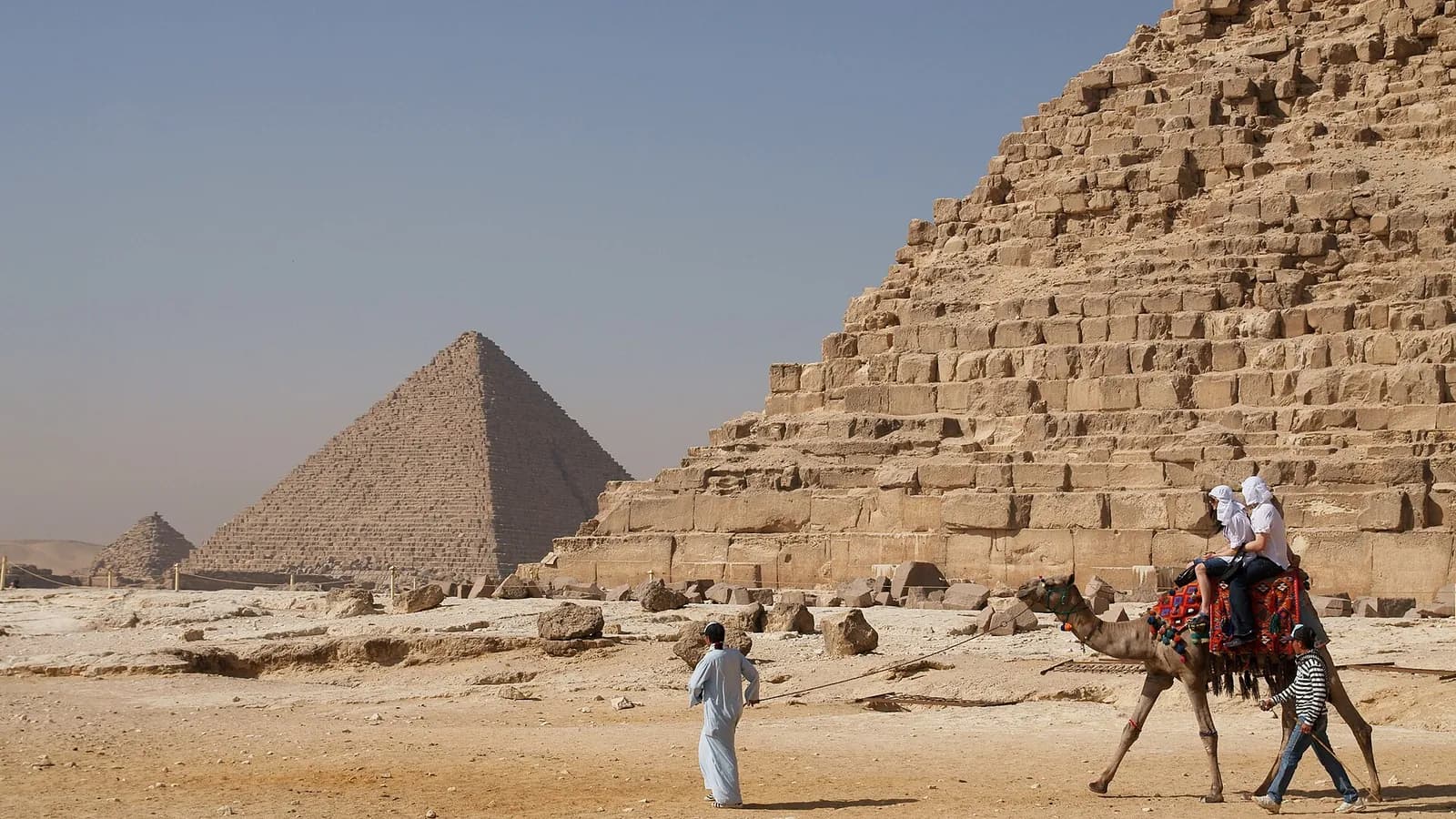
Egypt Tour Prices by Activity (2026): What Each Type Really Costs
What every type of Egypt experience costs — half day, full day or overnight — as a median and a mid-half range in US dollars, from 12,370 live bookable listings.
By TiE Editors6 min read