Egyptian Festivals & Moulids: A Traveller's Calendar
Egypt's year of celebration — Ramadan and the Eids, Coptic Christmas and Easter, saints' moulids, and the ancient spring feast of Sham El-Nessim. What they are, when, and how to join in.
Quick answer: Egypt runs on two calendars at once — Islamic and Coptic Christian — layered over festivals whose roots reach back to the pharaohs. The result is a year packed with celebration: Ramadan nights, saints' moulids that fill whole towns, an ancient spring picnic that predates the pyramids, and a temple where the sun itself keeps a festival date. This guide is a traveller's map to Egypt's festivals and moulids: what they are, when they happen, and how to experience them respectfully.
Timing a trip to one can transform it — just plan around the practicalities. For the biggest of them, see our dedicated Egypt during Ramadan guide.
A note on the calendars
Most Islamic festivals follow the lunar Hijri calendar, so they shift about 11 days earlier each year against the Western calendar — Ramadan, the two Eids and the Prophet's birthday all move. Coptic Christian feasts mostly track fixed dates (Christmas on 7 January) or the Coptic Easter cycle. A few national and ancient festivals sit on the solar calendar. Always check the exact dates for your travel year.
The major Islamic festivals
Ramadan is less a single day than a month-long change in the country's rhythm: fasting from dawn to sunset, then the city coming alive after the iftar meal — lanterns (fanous) strung across streets, special sweets, and a warm, communal buzy late into the night. Tourist sites stay open (often on shorter hours) and it's a fascinating, atmospheric time to visit, with some adjustments; our Ramadan guide covers them.
Eid al-Fitr caps Ramadan with three days of feasting, new clothes and family visits. Eid al-Adha, about two months later, is the "greater" Eid, marked by the sacrifice and huge domestic travel. Around both Eids, expect closures, packed trains and busy resorts — book ahead. Moulid an-Nabi, the Prophet Muhammad's birthday, fills streets with sweets stalls and processions.
Coptic Christian feasts
Egypt's Copts are the Middle East's largest Christian community, and their feasts are woven into the year:
- Coptic Christmas (7 January) — a public holiday, with a beautiful midnight liturgy; churches in Coptic Cairo are especially atmospheric.
- Coptic Easter — the most important feast, preceded by a long fast.
- The Feast of the Entry of the Holy Family (1 June) and the summer feasts along the Holy Family Trail, which draw big pilgrim crowds to monasteries like Deir El-Muharraq and Gabal El-Tair.
Moulids — Egypt's saints' festivals
A moulid celebrates the birthday of a Muslim or Coptic saint, and it's one of the most vivid things you can witness in Egypt: days of Sufi chanting (zikr), music, food stalls, fairground rides, and crowds that can number in the hundreds of thousands. The 19th-century writer Edward Lane devoted pages to them, and they've barely lost their intensity.
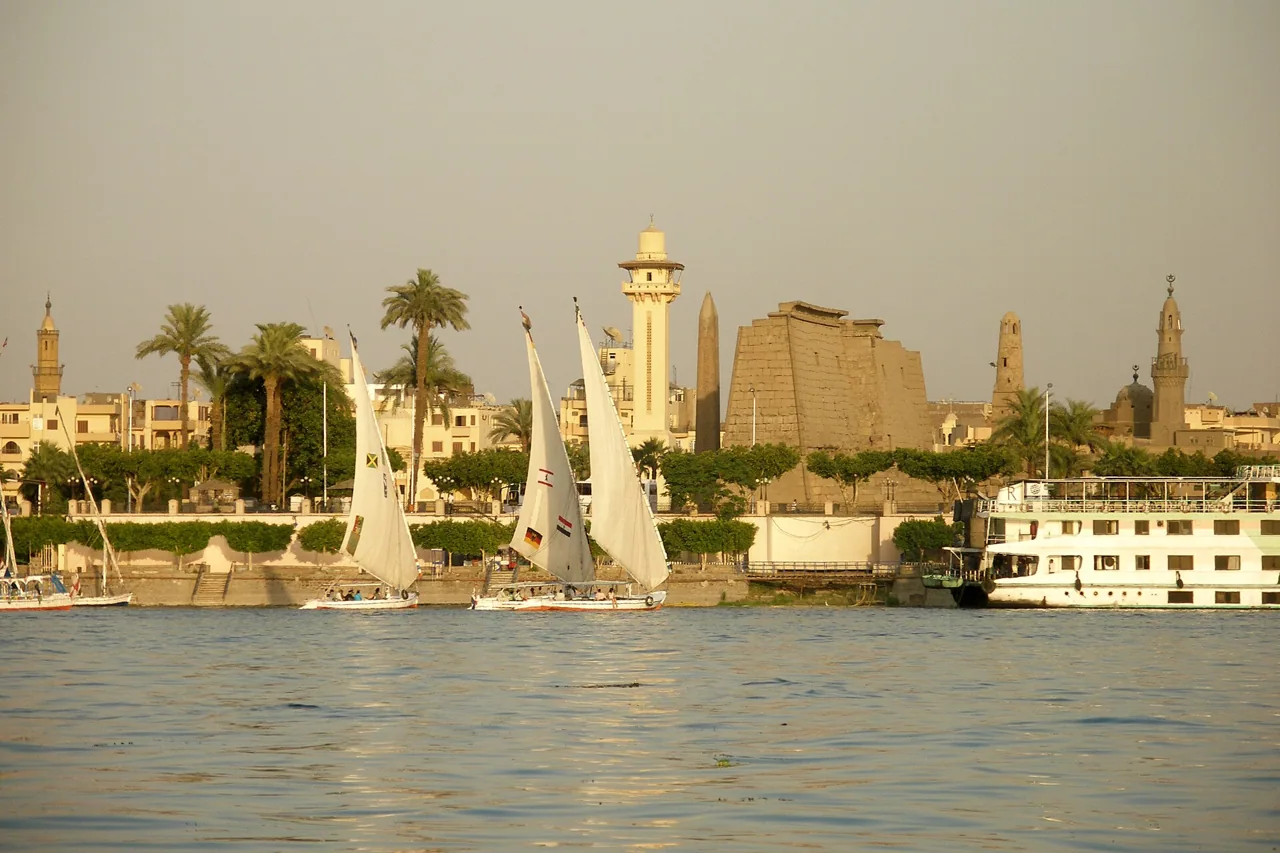
The biggest include the Moulid of Sayyed Ahmed al-Badawi in Tanta (Nile Delta), one of the largest gatherings in the Islamic world; the Moulid of al-Hussein and the Moulid of Sayyida Zeinab in Cairo, centred on their great mosques near Islamic Cairo; and, in Luxor, the Moulid of Abu el-Haggag, whose boat procession around the mosque built atop Luxor Temple echoes an ancient pharaonic festival on the very same spot. Moulids are joyful and welcoming but intensely crowded — go with a local, keep valuables secure, and dress modestly.
Ancient and national festivals
- Sham El-Nessim — a spring festival with roots in pharaonic times, celebrated on the Monday after Coptic Easter by Egyptians of all faiths. Families picnic in every park and along the Nile, eating salted feseekh (fermented fish), spring onions, lettuce and coloured eggs — a tradition thousands of years old.
- Wafaa El-Nil — marks the historic Nile flood, now a cultural festival of the river.
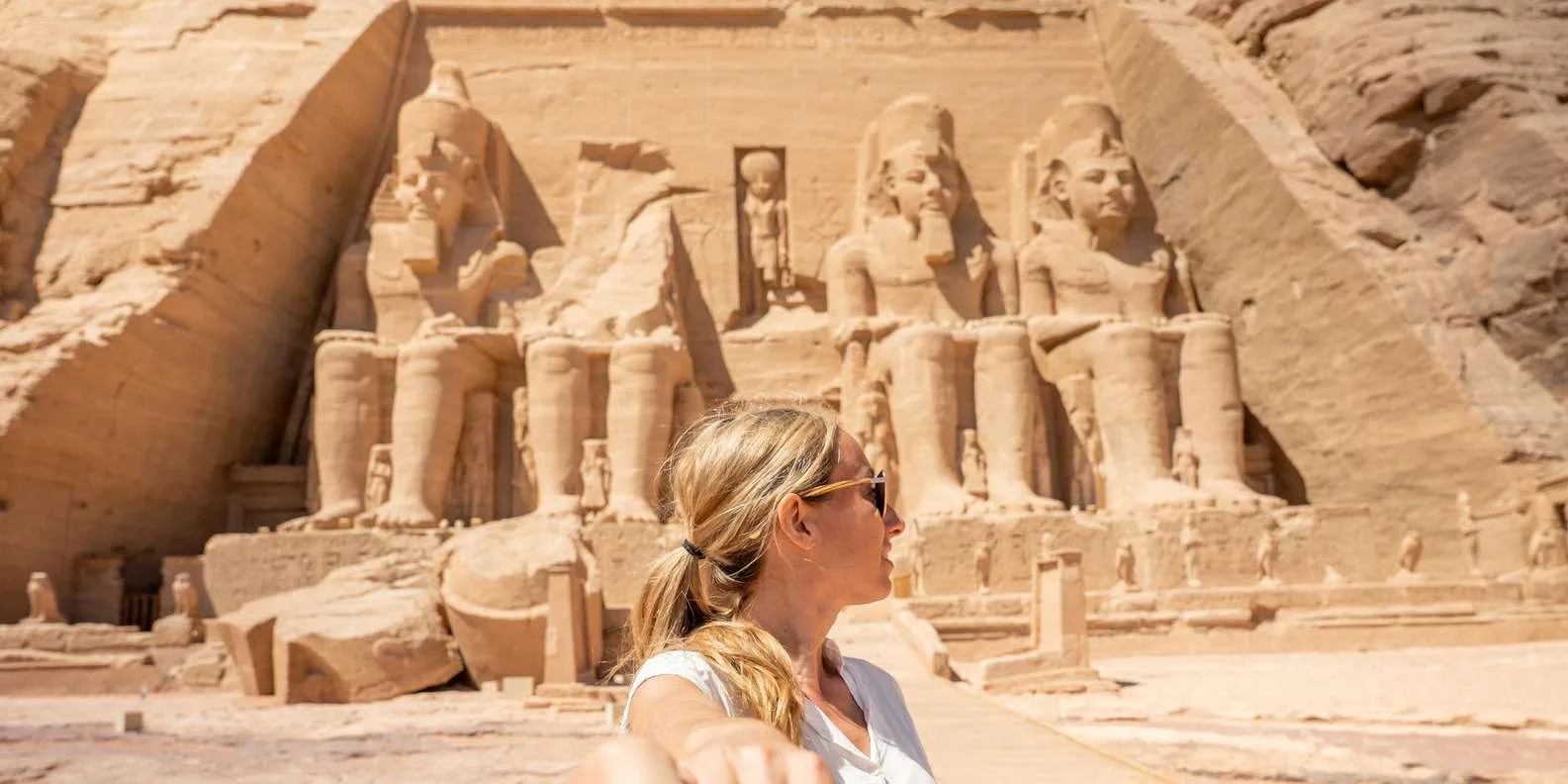
- The Abu Simbel Sun Festival (22 February and 22 October) — the sun aligns to light the inner sanctuary of Ramses II's temple, drawing crowds and Nubian celebration.
Festival calendar at a glance
| Festival | When | What it is |
|---|---|---|
| Coptic Christmas | 7 January | Christian public holiday; midnight liturgy |
| Abu Simbel Sun Festival | 22 Feb & 22 Oct | Solar alignment inside Ramses II's temple |
| Sham El-Nessim | Monday after Coptic Easter (spring) | Ancient nationwide spring picnic |
| Coptic Easter | Spring (moveable) | Most important Coptic feast |
| Ramadan | Moves ~11 days earlier yearly | Month of fasting and night celebration |
| Eid al-Fitr | End of Ramadan | Three-day feast |
| Eid al-Adha | ~2 months after Eid al-Fitr | The "greater" Eid |
| Moulid of al-Badawi (Tanta) | Autumn (lunar) | Huge Sufi saint's festival |
How to experience festivals respectfully
- Dress modestly, especially at religious events and moulids — covered shoulders and knees; a scarf for women is useful. See what to wear in Egypt.
- Ask before photographing people, particularly during prayer or zikr.
- Mind the logistics: around the Eids, transport and hotels are jammed and some sites close — build slack into your plans and read up on Egyptian culture and customs.
- Go with a local guide for moulids; they're safer, richer and easier to navigate with someone who knows the ropes.
Plan around the festivals
A festival can be the making of a trip — Ramadan nights in Cairo, a Coptic Christmas in an ancient church, or the Sun Festival at Abu Simbel. Check the dates for your year against our best time to visit Egypt guide, then browse cultural tours and experiences to see the country at its most alive.
A real team available 24/7 to assist you — free
Seif and the team reply on WhatsApp 24/7 — trip questions, custom plans and booking help.
Ask Seif on WhatsAppCommon questions
What is a moulid in Egypt?
A moulid is a festival marking the birthday of a Muslim or Coptic saint, featuring Sufi chanting (zikr), music, food stalls, fairground rides and enormous crowds. The largest, like the Moulid of Sayyed al-Badawi in Tanta, are among the biggest gatherings in the Islamic world.
What is Sham El-Nessim?
An ancient Egyptian spring festival with pharaonic roots, celebrated by all Egyptians on the Monday after Coptic Easter. Families picnic outdoors and eat salted feseekh fish, spring onions, lettuce and coloured eggs — customs thousands of years old.
When is Ramadan in Egypt?
Ramadan follows the lunar Islamic calendar and moves about 11 days earlier each year, so check the exact dates for your travel year. It's a month of daytime fasting followed by lively evening celebrations after the iftar meal.
Is it a good idea to visit Egypt during a festival?
It can be wonderful — Ramadan nights, Coptic Christmas or the Abu Simbel Sun Festival are unforgettable. Just plan around closures, crowded transport and busy hotels, especially around the two Eids, and book ahead.
When is Coptic Christmas celebrated in Egypt?
On 7 January, a public holiday in Egypt. The midnight liturgy the night before is especially beautiful, and the ancient churches of Coptic Cairo are at their most atmospheric.
What are the biggest moulids in Egypt?
The Moulid of Sayyed al-Badawi in Tanta is the largest. In Cairo, the moulids of al-Hussein and Sayyida Zeinab are major; in Luxor, the Moulid of Abu el-Haggag features a boat procession echoing an ancient pharaonic festival.
How should tourists behave at Egyptian festivals?
Dress modestly, ask before photographing people (especially during prayer or zikr), and consider going with a local guide for crowded moulids. Around the Eids, expect closures and packed transport, so allow extra time.
Do Islamic and Coptic festivals fall on the same dates each year?
Islamic festivals follow the lunar calendar and shift roughly 11 days earlier each year. Most Coptic feasts are on fixed dates (Christmas on 7 January) or the Coptic Easter cycle. A few, like Sham El-Nessim and the Sun Festival, are effectively solar. Always confirm dates for your year.
Egypt's bestsellers
The experiences travelers book most, across the country




Keep reading
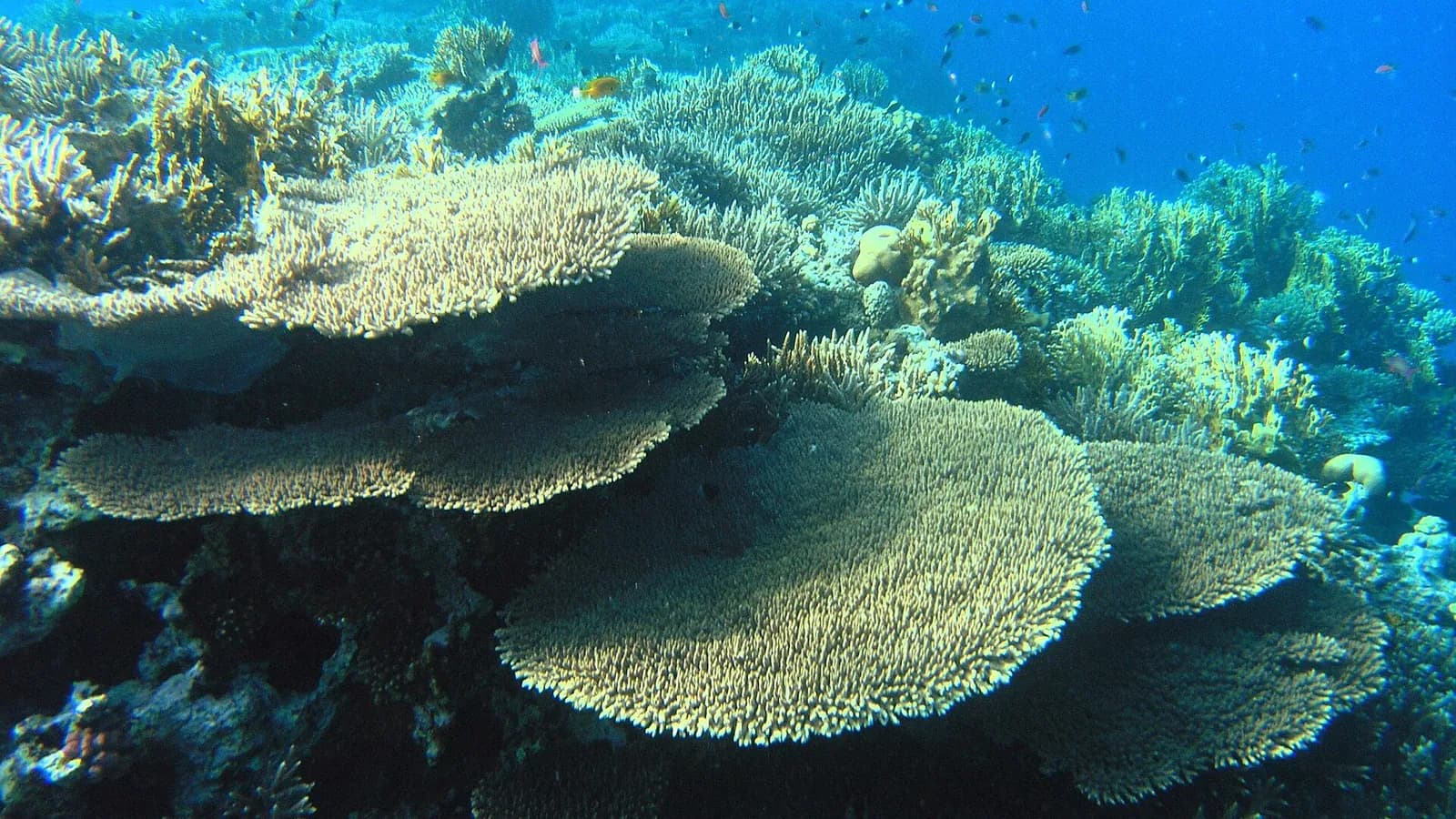
Hurghada Diving (2026): Best Sites, Packages & Prices
Diving in Hurghada — the best reefs (Giftun, Careless Reef, Dolphin House) and Abu Nuhas wrecks, Discover Scuba vs PADI courses, season and water temps, and real 2026 prices.
By TiE Editors7 min read
Hurghada Snorkeling Trips (2026): Best Reefs, Prices & How to Choose
Where to snorkel from Hurghada in 2026 — Orange Bay, Giftun, Mahmya, Utopia and Dolphin House — with boat types, marine life, month-by-month sea temperatures, family tips and real prices from 1,000+ bookable trips.
By TiE Editors7 min read
Egypt Tour Prices by Activity (2026): What Each Type Really Costs
What every type of Egypt experience costs — half day, full day or overnight — as a median and a mid-half range in US dollars, from 12,370 live bookable listings.
By TiE Editors6 min read