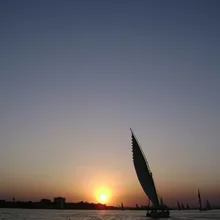
 Photo by Vyacheslav Argenberg, via Wikimedia Commons, CC BY 4.0
Egyptian Culture & Customs: A Traveler's Etiquette Guide
How to travel Egypt respectfully — greetings, hospitality, dress, mosque etiquette, bargaining, baksheesh, photography rules and the courtesy phrases that open doors.
Quick answer: Egyptians are warm, curious and generous with strangers, and a little cultural fluency turns a good trip into a great one. The essentials: dress modestly (shoulders and knees covered, more so at mosques and away from beach resorts), greet people before you ask them anything, use your right hand for eating and handshakes, ask before photographing anyone, keep small notes on you for baksheesh, and bargain with a smile rather than a scowl. Islam sets the rhythm of the week and the day, so expect prayer calls five times a day and a quieter, more reflective country during Ramadan. None of this is a minefield — Egyptians are forgiving of honest mistakes and delighted when you make an effort.
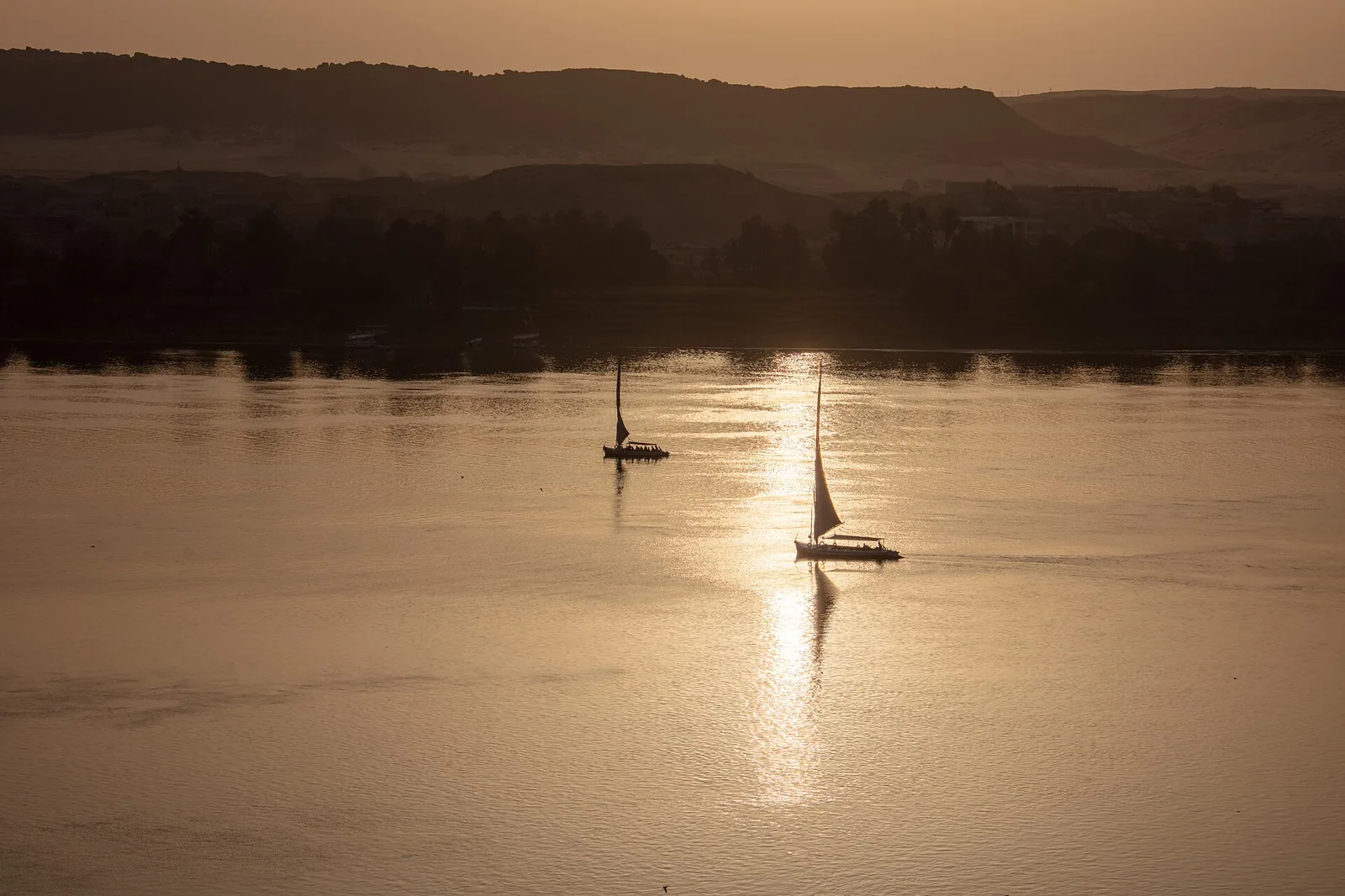
Religion and the rhythm of daily life
Egypt is officially a secular state, but Islam shapes the texture of ordinary life. You'll hear the call to prayer (adhan) five times a day, from before dawn to about 90 minutes after sunset, echoing across every city from thousands of minarets. Many people pause to pray; shops may briefly close; and it is completely normal to see someone praying on a mat by the roadside. The simple courtesy is never to walk directly in front of someone mid-prayer.
Friday is the main day of communal worship and the start of the Egyptian weekend (Friday–Saturday). Midday Friday prayers draw big congregations, so some sights and businesses open later or run reduced hours. Plan museum and market visits for the morning or afternoon rather than around noon on a Friday.
Egypt is also home to millions of Coptic Christians, one of the world's oldest Christian communities. Cairo's churches and the sites along the Holy Family Trail are living places of worship — the same modesty and quiet you'd bring to a mosque applies.
Ramadan basics for visitors
Ramadan is the holy month of daytime fasting; in 2026 it runs roughly 18 February to about 19–20 March (dates shift with the moon sighting). From dawn to sunset, observant Muslims don't eat, drink, smoke or take water. As a visitor you can still eat — hotels, tourist restaurants and resorts serve normally — but out of respect, avoid eating, drinking or smoking openly in the street or in front of people who are fasting. It's more than manners: public disregard can genuinely cause offence.
Ramadan is also one of the most atmospheric times to visit. After the sunset iftar meal the whole country comes alive — lantern-lit streets, packed cafés, generosity everywhere. Days are slower and some sites keep shorter hours, so build in flexibility.
Hospitality: how Egyptians treat guests
Hospitality here is close to a moral duty, and it hasn't changed much in centuries. Writing in 1842, the English scholar Edward Lane described his own social life in Cairo as ordered by "the common usages of Eastern hospitality... supplying them with pipes and coffee, and welcoming them to a share of my dinner or supper." Swap the pipe for a glass of sweet tea and you have modern Egypt exactly.
Expect to be offered tea (shai) or Turkish coffee constantly — by shopkeepers, hosts, sometimes near-strangers. Accepting is a gesture of goodwill and costs you nothing but a few minutes; refusing outright can feel like a small rejection. If you're invited into a home, bring a small gift (sweets or pastries are perfect), and expect a host to insist you eat more than you can manage. Praise the food, and don't be surprised if someone who catches you admiring a small object tries to give it to you — so admire things lightly.
One quirk worth knowing: refusal is rarely direct. A host may say "maybe" rather than "no," because a blunt refusal is considered rude. Read the softness, not just the word.
Greetings and body language
Greetings matter, and they come first — always exchange a hello before launching into a question or request. The universal opener is "As-salamu alaykum" ("peace be upon you"), answered with "wa alaykum as-salam." A handshake with a smile works between men, often followed by placing the right hand briefly over the heart to signal warmth and sincerity.
Between men and women, let the woman decide: some observant Egyptians prefer not to shake hands with the opposite sex, so wait and follow her lead. A hand over the heart with a nod is a gracious substitute either way.
A few body-language notes that go a long way:
- Right hand for everything social — eating, handing over money, giving or receiving gifts. The left hand is considered unclean.
- Don't show the soles of your feet or point them at someone when seated; keep both feet on the floor.
- Personal space is smaller than Westerners expect. People stand close and touch arms in conversation. Backing away repeatedly reads as coldness.
- Egyptians gesture a lot. A common "no" is a slight upward tilt of the head with raised eyebrows, sometimes with a tsk click — it's not rudeness.
Dress and modesty
Egypt is conservative by Western standards, and modest dress earns you respect and easier interactions — especially away from beach resorts. For everyone, that means shoulders and knees covered in cities, at religious sites and in villages. Lightweight, loose, breathable clothing does double duty against the sun. Our full breakdown is in what to wear in Egypt.
For women, this matters a bit more. In Cairo, Luxor and Aswan you don't need to cover your hair on the street, but loose clothing that covers shoulders, cleavage and knees will spare you unwanted attention. Beach resorts like Hurghada and Sharm el-Sheikh are relaxed — bikinis are fine at the pool and beach, just not walking through town.
At mosques, both sexes must cover shoulders and legs, remove shoes before entering, and women should cover their hair with a scarf (carry a light one). Many major mosques provide wraps at the door. Christian churches are less strict but the same modest cover is appreciated.
The art of bargaining
Bargaining is expected in souqs, bazaars and with most street vendors, taxi drivers and souvenir sellers — and it's meant to be social, not adversarial. Fixed-price shops, supermarkets, pharmacies and modern restaurants are not negotiable.
How it works: the first price is an opening bid, not an insult to counter angrily. A rough playbook —
- Decide what the item is worth to you before you start.
- Counter at roughly a third to a half of the opening price, then meet somewhere in the middle.
- Keep it good-humoured — smile, joke, accept the tea. Walking away slowly is a legitimate (and often effective) tactic.
- If you agree a price, you're expected to buy. Don't haggle hard over something you don't actually want.
Keep perspective too: the few pounds you're fighting over often mean far more to the seller than to you.
Baksheesh and tipping
Baksheesh — tipping, and small gratuities for small services — is woven through daily life in Egypt, and it isn't begging; it's how a lot of service work is paid. Carry a stack of small notes (5, 10, 20 EGP) so you're always ready.
| Situation | Typical baksheesh (approx.) |
|---|---|
| Restaurant (on top of any service charge) | 10% |
| Hotel porter / housekeeping | 20–50 EGP |
| Someone who genuinely helped (a photo, directions) | 20–50 EGP |
| Site guard opening a gate / good vantage point | 20–50 EGP |
| Private driver (per day) | 50–100 EGP |
| Tour guide (per day) | 150–300 EGP |
| Nile cruise crew (per passenger, 3–4 nights) | 200–400 EGP |
(~US$1 ≈ 48–49 EGP; treat these as ranges and adjust for real service.) You don't have to tip for nothing, and it's fine to decline pushy asks. But a small note for genuine help is normal and appreciated.
Photography etiquette
Egypt is wildly photogenic, but a few rules keep you out of trouble:
- Always ask before photographing people, especially women and older people. A smile and a gesture at your camera is enough; some will happily pose, and a small tip may be expected if they do.
- Never photograph military sites, checkpoints, bridges, airports or police. This is taken seriously and can lead to your device being confiscated or worse.
- Many temples and tombs allow photography with a photo ticket; some (like inside certain Valley of the Kings tombs) restrict it or ban flash. Check signs and buy the permit where required.
- Inside mosques and churches, ask first and never photograph people praying.
Mosque and church etiquette
Many of Cairo's great mosques welcome respectful visitors outside prayer times — Al-Azhar, Sultan Hassan, the Mosque of Muhammad Ali in the Citadel. Dress modestly, remove your shoes at the entrance, women cover their hair, keep your voice low, and stay clear of anyone praying. As a general courtesy, don't wander into a smaller neighbourhood mosque uninvited during prayers. The same quiet respect applies at Coptic churches and desert monasteries.
Alcohol and public behaviour
Alcohol is legal but low-key. You'll find it in hotels, licensed restaurants, bars and dedicated shops in tourist areas, and Egypt makes its own beer (Stella) and wine. It is not sold everywhere, drinking in the street is frowned upon, and during Ramadan availability narrows further. Public drunkenness is a serious social faux pas.
Public displays of affection between couples — kissing, prolonged hugging, even hand-holding in conservative areas — are best avoided; they make locals uncomfortable and are considered improper even between spouses. Keep conversation light with people you've just met: sport, food, family and travel are safe and warm topics, while religion, politics and sex are best left alone unless a local clearly leads there.
Notes for women travellers
Egypt is visited by huge numbers of solo and independent women, and most trips pass without incident — but staring and occasional persistent attention do happen, particularly in crowded markets and on public transport. A few habits help: dress on the modest side, wear sunglasses, project confidence, and don't feel obliged to engage — a firm "la, shukran" ("no, thank you") and walking on is completely acceptable. On the Cairo Metro, use the women-only carriages. A hotel-arranged driver or a reputable guided tour removes a lot of friction. None of this should put you off; it's the same street-smarts you'd use in any big city.
Useful Arabic courtesy phrases
English is widely understood in tourism, but a handful of Arabic words earns instant warmth:
| English | Egyptian Arabic |
|---|---|
| Hello / peace be upon you | As-salamu alaykum |
| (reply) and upon you peace | Wa alaykum as-salam |
| Thank you | Shukran |
| You're welcome | Afwan |
| Please (to a man / to a woman) | Min fadlak / Min fadlik |
| Yes / No | Aywa / La |
| Good morning | Sabah al-khair |
| God willing | Insha'Allah |
| Thank God (all's well) | Al-hamdulillah |
| Goodbye | Ma'a as-salama |
Even a single shukran delivered with a smile tends to change the temperature of an interaction.
Do's and don'ts at a glance
| Do | Don't |
|---|---|
| Greet before you ask; smile often | Skip the pleasantries and jump to business |
| Use your right hand for food, money, gifts | Hand things over with your left hand |
| Dress modestly, cover up at mosques | Wear shorts/vests at religious sites or in villages |
| Carry small notes for baksheesh | Photograph people (or military sites) without asking |
| Bargain with humour in souqs | Haggle over something you won't buy |
| Accept tea and hospitality graciously | Eat, drink or smoke openly in the street during Ramadan |
| Learn a few Arabic words | Show public affection or lose your temper in public |
Get the spirit right — courtesy, patience and a genuine smile — and Egyptians will meet you more than halfway. For more on the practical side of a smooth trip, see our Egypt travel tips.
Prefer to skip the logistics? This is Egypt plans your whole trip — guides, transfers, hotels and hand-picked experiences with people who know the culture from the inside. Browse curated Egypt experiences.
A real team available 24/7 to assist you — free
Seif and the team reply on WhatsApp 24/7 — trip questions, custom plans and booking help.
Ask Seif on WhatsAppCommon questions
What should I wear in Egypt as a tourist?
Modest, loose, breathable clothing that covers shoulders and knees in cities, villages and at religious sites. Women don't need to cover their hair on the street in Cairo, Luxor or Aswan, but should carry a scarf for mosques. Beach resorts like Hurghada and Sharm el-Sheikh are relaxed — swimwear is fine at the pool and beach.
How much should I tip (baksheesh) in Egypt?
Carry small notes. Rough guides: around 10% in restaurants, 20–50 EGP for hotel staff or someone who genuinely helps, 50–100 EGP per day for a private driver, 150–300 EGP per day for a guide, and 200–400 EGP per passenger for the crew on a short Nile cruise. Adjust for real service; ~US$1 ≈ 48–49 EGP.
Is it safe to travel to Egypt during Ramadan?
Yes, and it can be one of the most atmospheric times to visit. You can still eat and drink — hotels and tourist restaurants serve normally — but avoid eating, drinking or smoking openly in the street during daylight out of respect for those fasting. Expect slower days and shorter opening hours at some sites, and lively, welcoming evenings after sunset. In 2026 Ramadan runs roughly 18 February to about 19–20 March.
Can I take photos of people in Egypt?
Always ask first, especially with women and older people — a smile and a gesture toward your camera is enough, and a small tip may be expected if they pose. Never photograph military sites, checkpoints, bridges, airports or police, which is taken very seriously.
Do I need to cover my hair to enter a mosque in Egypt?
Women should cover their hair with a scarf inside mosques, and everyone must cover shoulders and legs and remove their shoes. Many major mosques provide wraps at the entrance. Keep your voice low and avoid photographing people at prayer. Coptic churches are less strict but modest dress is still appreciated.
Is bargaining expected in Egypt?
Yes, in souqs, bazaars and with most vendors, taxi drivers and souvenir sellers — but not in fixed-price shops, supermarkets, pharmacies or modern restaurants. Treat it as a friendly exchange: counter at roughly a third to a half of the opening price, keep it good-humoured, and only start if you actually intend to buy.
Can you drink alcohol in Egypt?
Yes, alcohol is legal and available in hotels, licensed restaurants, bars and dedicated shops in tourist areas, and Egypt produces its own beer and wine. It isn't sold everywhere, drinking in the street is frowned upon, availability narrows during Ramadan, and public drunkenness is a serious social faux pas.
Is Egypt safe for solo female travellers?
Many women travel Egypt independently with good experiences. Staring and occasional persistent attention can happen in crowds; dress modestly, project confidence, and a firm 'la, shukran' (no, thank you) with a walk-on handles most of it. Women-only Metro carriages, a hotel-arranged driver or a guided tour reduce friction.
What are the most useful Arabic phrases for visiting Egypt?
Start with 'As-salamu alaykum' (hello), 'shukran' (thank you), 'afwan' (you're welcome), 'min fadlak/fadlik' (please, to a man/woman) and 'la, shukran' (no, thank you). Even a single word delivered with a smile noticeably warms up any interaction.
Egypt's bestsellers
The experiences travelers book most, across the country




Keep reading
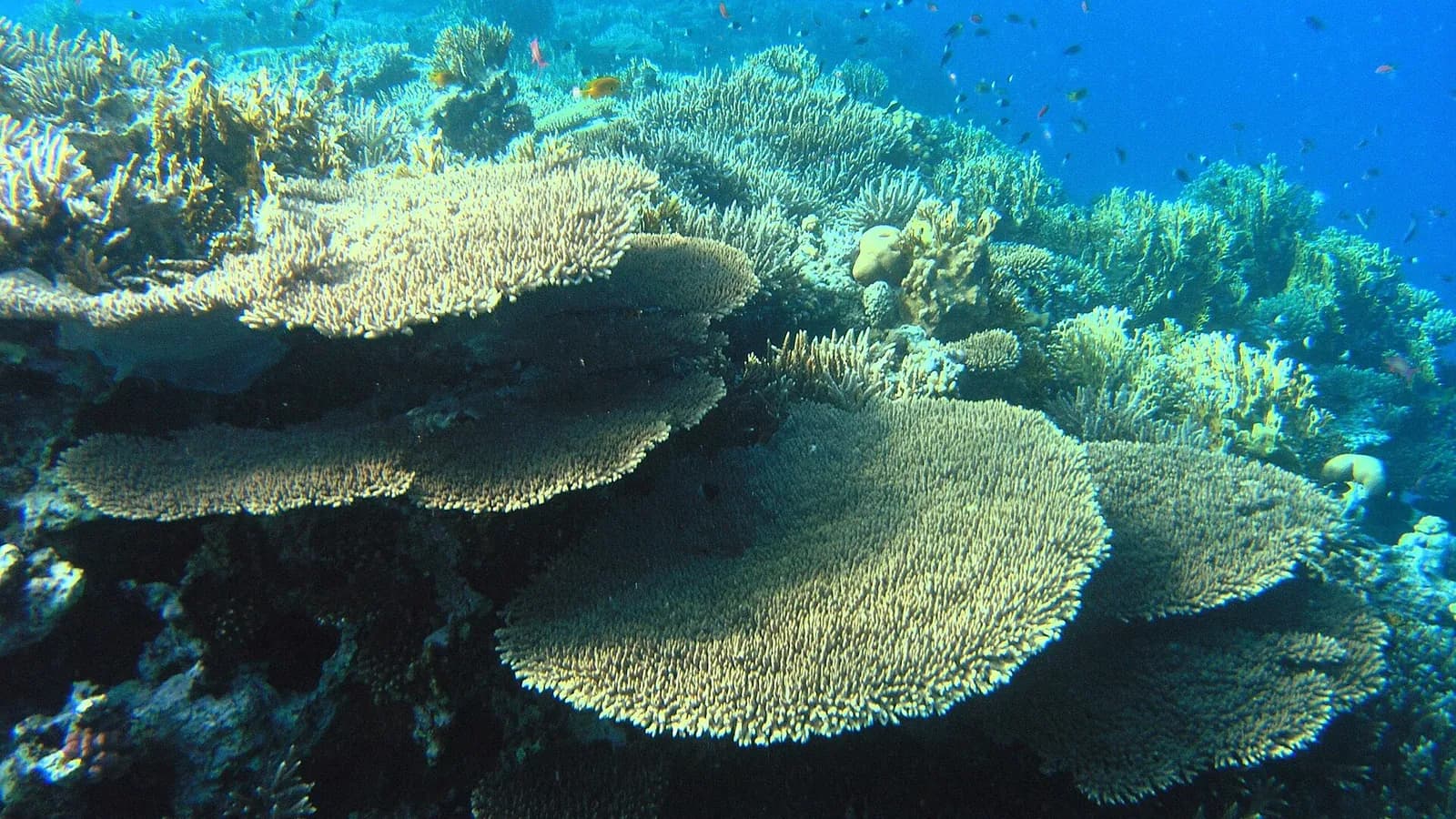
Hurghada Diving (2026): Best Sites, Packages & Prices
Diving in Hurghada — the best reefs (Giftun, Careless Reef, Dolphin House) and Abu Nuhas wrecks, Discover Scuba vs PADI courses, season and water temps, and real 2026 prices.
By TiE Editors7 min read
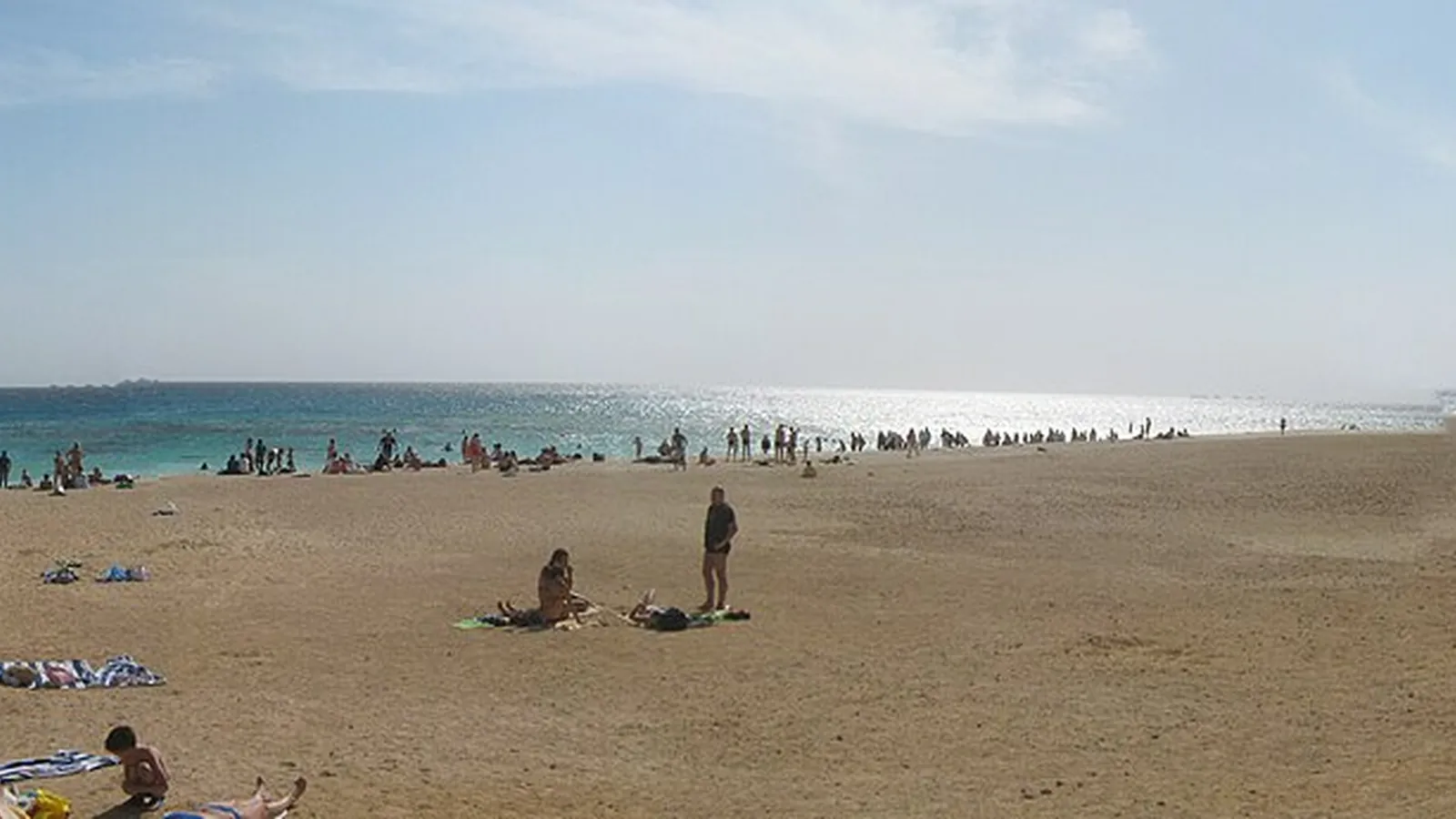
Hurghada Snorkeling Trips (2026): Best Reefs, Prices & How to Choose
Where to snorkel from Hurghada in 2026 — Orange Bay, Giftun, Mahmya, Utopia and Dolphin House — with boat types, marine life, month-by-month sea temperatures, family tips and real prices from 1,000+ bookable trips.
By TiE Editors7 min read
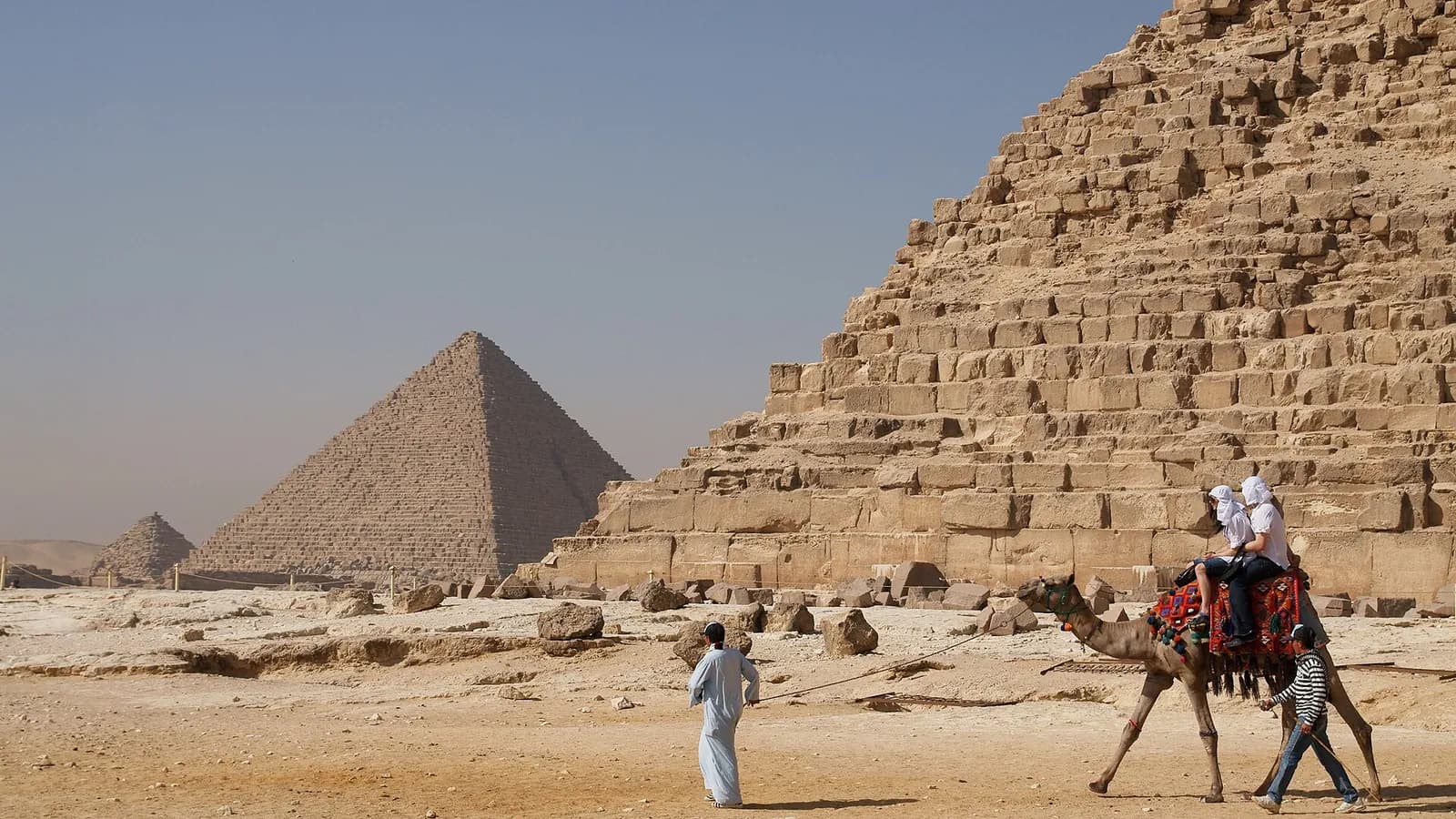
Egypt Tour Prices by Activity (2026): What Each Type Really Costs
What every type of Egypt experience costs — half day, full day or overnight — as a median and a mid-half range in US dollars, from 12,370 live bookable listings.
By TiE Editors6 min read