What to Wear in Egypt: A Practical Dress Guide (2026)
Cover shoulders and knees, choose light breathable fabrics, and carry a scarf for mosques. Here's exactly what to pack by season, site, and context.
Quick answer: The short answer: cover your shoulders and knees, choose light and loose fabrics, and carry a scarf. Egypt is a majority-Muslim country, and dressing modestly makes your days smoother, warmer with locals, and cooler in the sun. That means linen trousers, maxi skirts and dresses, tops with sleeves, and a lightweight scarf you can throw over your hair at a mosque. At Red Sea resorts the rules relax completely: normal swimwear and beachwear are fine. Everywhere else, aim for covered, breathable, and comfortable.
This is not about hiding. Cairo is a cosmopolitan city where you'll see plenty of women in Western clothes. The point is calibration: read the room, dress a notch more conservatively than you would at home, and you'll rarely think about it again.
The one rule that covers 90% of it
Cover shoulders and knees. Skip deep cleavage and see-through fabric. That single principle handles temples, tombs, markets, city streets, and casual restaurants. It applies to men too, not only women, though it matters more for women in terms of the attention you'll draw.
A few clarifications that trip people up:
- Your hair does not need to be covered in day-to-day Egypt. Streets, temples, restaurants, cruises, cafes, all fine bare-headed. A neat ponytail or bun is practical in the heat and the wind.
- Mosques are the exception. To enter one, women cover hair, shoulders, and arms, and everyone covers knees. Shoes come off. This is where your scarf earns its place. Many big mosques lend a robe or scarf, but bringing your own is easier and more hygienic.
- Leggings are not trousers. Skin-tight bottoms on their own read as underdressed. Pair them with a tunic or dress that reaches mid-thigh.
Fabrics: dress for the heat, not the photos
Egypt's climate is arid and intensely sunny, and the heat in Upper Egypt (Luxor, Aswan) is severe, though the low humidity takes the edge off. In summer, Luxor and Aswan routinely push past 45°C. The counterintuitive truth is that loose, long, light-coloured clothing keeps you cooler than shorts and a tank top, because it blocks the sun and lets air move.
What works:
- Cotton and linen for breathability. Natural fibres beat synthetics for all-day comfort.
- Loose cuts in pale colours. Flowing trousers, midi and maxi dresses, roomy shirts.
- A packable layer. Even in a scorching afternoon, desert and Nile nights turn cool, and interiors are fiercely air-conditioned.
What to leave home: heavy denim (hot and slow to dry), thick synthetics, and anything you'll be miserable in at noon.
What women should pack
You have plenty of freedom here as long as the silhouette stays modest. Maxi dresses and jumpsuits are ideal: one piece, cool, and already covered. Loose trousers with a sleeved top, or a midi skirt, work just as well.
A sensible women's kit:
- 2–3 maxi dresses or a mix of loose trousers and long skirts
- Several tops with sleeves (short sleeves are fine; avoid spaghetti straps for cities and sites)
- One lightweight scarf or pashmina, always in your day bag
- A cardigan or light jacket for evenings, cruises, and cold AC
- Swimwear if you're heading to the Red Sea or a hotel pool
- One smarter outfit for a nice dinner or a cruise
You do not need to buy an abaya or dress like a local. Modest Western clothing is completely normal and expected of visitors. If you want extra ease in conservative areas or crowded markets, loose long sleeves and trousers keep attention low.
What men should pack
Men have it simpler but shouldn't ignore the code. Egyptian men rarely wear shorts in cities, so while you won't be turned away, long trousers help you blend in and stay respectful at religious sites.
- Lightweight cotton or linen trousers (chinos are perfect)
- T-shirts and short-sleeved shirts; a couple of collared shirts for dinners
- Long shorts (knee-length) are acceptable at temples, on cruises, and around resorts, but pack trousers for cities and mosques
- A light layer for cool nights
- Swim trunks for the coast
At a mosque, men cover knees and remove shoes, same as everyone.
By season
Egypt has two clear moods: blazing summer and mild-but-cool-at-night winter. Winter days sit around 15–25°C, but desert and Nile nights can drop below 10°C. Summer is another world, with Upper Egypt regularly above 40°C.
| Season | Typical daytime | What to pack |
|---|---|---|
| Summer (Jun–Aug) | 35–45°C+ in Luxor/Aswan | Loosest, lightest cotton/linen; sun-protective long sleeves; hat and shades essential; extra water |
| Spring/Autumn (Mar–May, Sep–Nov) | 20–30°C | Easy layers, light trousers, one warm top for evenings |
| Winter (Nov–Feb) | 15–25°C day, <10°C desert nights | Daytime light layers PLUS a proper warm jacket, fleece, and long sleeves for cold cruise and desert nights |
Spring can also bring the khamsin, a hot, dusty wind that whips up sand. A scarf to cover your mouth and sunglasses to shield your eyes are genuinely useful then.
By context: match the place
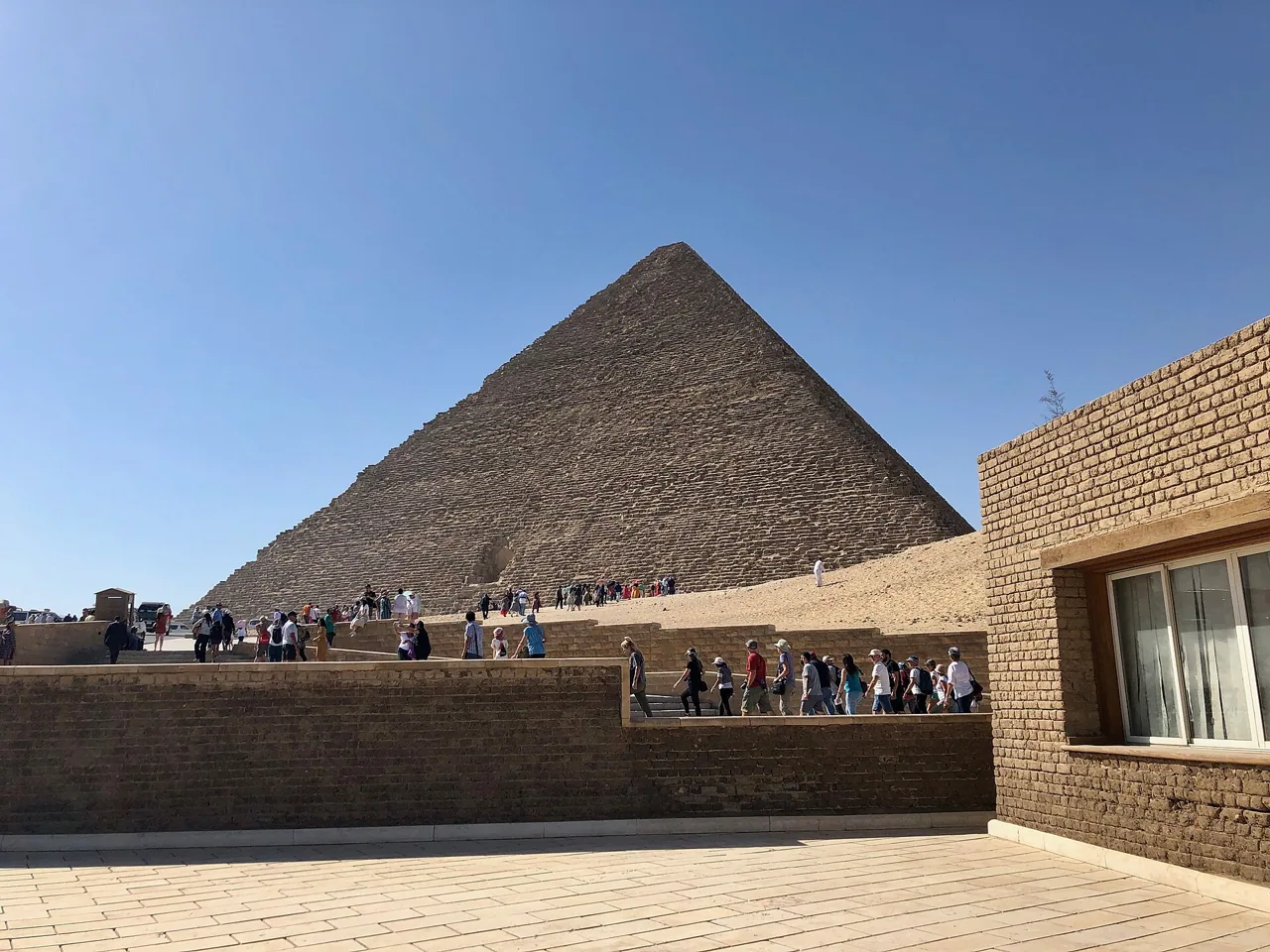
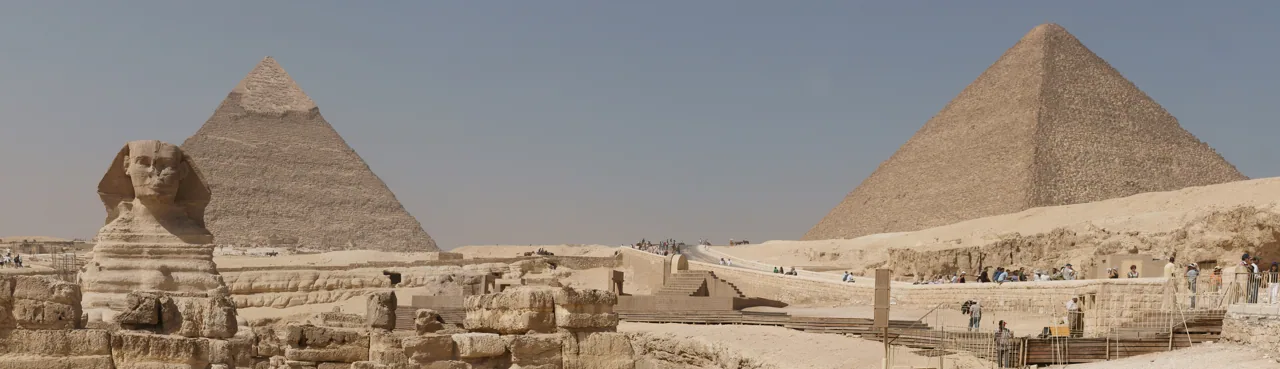
Temples, tombs, and cities. Covered and comfortable. Shoulders and knees hidden, closed shoes, hat on. This is your default look for Giza, the Valley of the Kings, Karnak, Islamic Cairo, and downtown streets.
Mosques. Full cover for women (hair, arms, legs), knees covered for men, shoes off. Keep the scarf handy. Non-Muslims are welcome at major mosques like Al-Azhar and Muhammad Ali outside prayer times, but dress is non-negotiable.
Beach resorts (Hurghada, Sharm el-Sheikh, Marsa Alam, Dahab). Bikinis, trunks, and normal beachwear are completely fine on resort beaches and around pools. These are international tourist bubbles. The courtesy is to throw on a cover-up when you leave the beach for a restaurant, lobby, or the town outside the resort.
Desert safari. Cover up against sun and sand: long sleeves, long trousers, closed shoes, a scarf for your face, and a warm layer for the plunge in temperature after dark. See our best time to visit Egypt guide for how desert nights swing.
A nice dinner or Nile dinner cruise. Smart-casual lifts the evening. Men in a collared shirt and chinos, women in a dress or trousers and a nice top. You don't need formalwear, just a step up from temple-scrambling clothes. Bring a wrap or light jacket, as it gets breezy on the water.
Footwear for dusty sites
The archaeological sites are sandy, rocky, and uneven, and tombs have steep ramps and low ceilings. Open sandals fill with grit and offer no grip.
- Closed, comfortable walking shoes or trainers for temples, tombs, and long museum days
- Sturdy sandals or trainers for resorts and casual days
- Slip-on shoes help at mosques, where you'll be taking them off and on
Break in anything new before you travel. You will walk far more than you expect.
Sun protection is not optional
Egypt's sun is relentless, and the desert light is harsh. Pack:
- A wide-brimmed hat (a cap leaves your neck and ears exposed)
- Sunglasses with real UV protection
- High-SPF sunscreen (50+), reapplied through the day, especially on a cruise deck or in an open jeep
- A refillable water bottle, because dehydration sneaks up fast in dry heat
Long, light sleeves double as sun protection and cut down how much sunscreen you burn through.
Building a one-bag Egypt wardrobe
You can cover a two-week trip with a compact capsule. The trick is picking pieces that mix, layer, and pull double duty across city, temple, cruise, and coast. Neutral, pale colours hide dust and go with everything.
| Item | How many | Why it earns its place |
|---|---|---|
| Loose trousers (linen/cotton) | 2 | Cities, temples, mosques, dinners |
| Maxi dress or midi skirt | 2 | One-piece, cool, already modest |
| Sleeved tops / shirts | 4–5 | Daily wear; mix with trousers |
| Light jacket or fleece | 1 | Cool nights, desert, AC |
| Scarf / pashmina | 1–2 | Mosques, sun, wind, wraps |
| Closed walking shoes | 1 | Dusty sites and long days |
| Sandals or slip-ons | 1 | Resorts, easy mosque removal |
| Swimwear + cover-up | 1 set | Red Sea, hotel pools |
| Hat + sunglasses | 1 each | Non-negotiable sun kit |
Everything here works for both a temple morning and a cruise evening with a quick swap. Laundry is easy to arrange at most hotels and on cruise boats, so you don't need a fresh outfit for every day.
A note on shopping there: markets like Khan el-Khalili sell gorgeous scarves, light cotton tunics, and galabeyas for a few dollars. Picking up a scarf on day one is a cheap, authentic way to solve the mosque problem and take home a souvenir at once. If safety and comfort are on your mind while you browse, dressing modestly quietly smooths those interactions too.
What NOT to wear: common mistakes
- Skimpy tops and short shorts in cities and at sites. Comfortable in theory, but they draw stares and read as disrespectful away from resorts.
- See-through or very tight clothing. Even if it technically covers, sheer or skin-tight fabric misses the point.
- Beachwear off the beach. A bikini is fine on the sand and wrong in a town, a market, or a temple.
- Brand-new stiff shoes. Blisters on day one of a walking-heavy trip are miserable.
- Forgetting a warm layer. People pack for the heat and freeze on winter cruise nights and in the desert.
- No scarf. The single most useful item you can carry, and the one most often left behind.
- All-black everything in summer. It absorbs heat. Go pale and light.
Solo and female travellers sometimes worry about this most, and dressing modestly is one easy lever that reduces unwanted attention. For the fuller picture, our Egypt packing list breaks down every item by trip type.
Get the clothes right and you stop thinking about them, which is the whole idea. Cover the essentials, keep it light, carry a scarf, and you're free to focus on the pyramids, the temples, and the river.
Ready to see it all with someone who knows these sites cold? This is Egypt runs private, Egyptologist-guided tours that bring the monuments to life while you handle nothing but showing up dressed for the day.

A real team available 24/7 to assist you — free
Seif and the team reply on WhatsApp 24/7 — trip questions, custom plans and booking help.
Ask Seif on WhatsAppCommon questions
Do women have to cover their hair in Egypt?
No, not in daily life. You can walk around cities, temples, restaurants, and cruises with your hair uncovered. The one exception is entering a mosque, where women cover hair, arms, and legs. Carry a lightweight scarf so you're always ready.
Can I wear shorts in Egypt?
At resorts, on cruise decks, and around pools, yes. In cities and at religious sites, cover your knees. Knee-length shorts are a reasonable compromise at temples, but long trousers are better for Cairo streets and any mosque. Egyptian men rarely wear shorts in town.
What should I wear to visit the pyramids and temples?
Light, loose clothing that covers shoulders and knees, closed comfortable walking shoes, a wide-brimmed hat, sunglasses, and sunscreen. The sites are dusty, hot, and involve a lot of walking, so prioritise breathability and sturdy footwear over style.
Is it okay to wear a bikini in Egypt?
Yes, on resort beaches and around hotel pools in places like Hurghada, Sharm el-Sheikh, and Marsa Alam. Just add a cover-up when you leave the beach for a restaurant, the lobby, or the town outside the resort.
What fabrics are best for Egypt's heat?
Cotton and linen. Loose, light-coloured natural fibres let air circulate and block the sun better than tight synthetics. Counterintuitively, covered-but-loose keeps you cooler than exposed skin in the desert sun.
Do I need warm clothes in Egypt?
Yes, if you're travelling in winter or doing a Nile cruise or desert trip any time of year. Days are warm but nights can drop below 10°C in the desert, and interiors are heavily air-conditioned. Pack a fleece or light jacket and long sleeves.
What should men wear in Egypt?
Lightweight cotton or linen trousers, t-shirts and short-sleeved shirts, plus a collared shirt for nicer dinners. Long shorts are fine at resorts and on cruises. At mosques, cover knees and remove shoes.
Is there a dress code for a Nile dinner cruise?
Daytime is casual and covered, like anywhere else. For dinner, smart-casual lifts the mood: men in a collared shirt and chinos, women in a dress or nice top and trousers. Bring a wrap or light jacket, as it gets breezy on the water at night.
Egypt's bestsellers
The experiences travelers book most, across the country




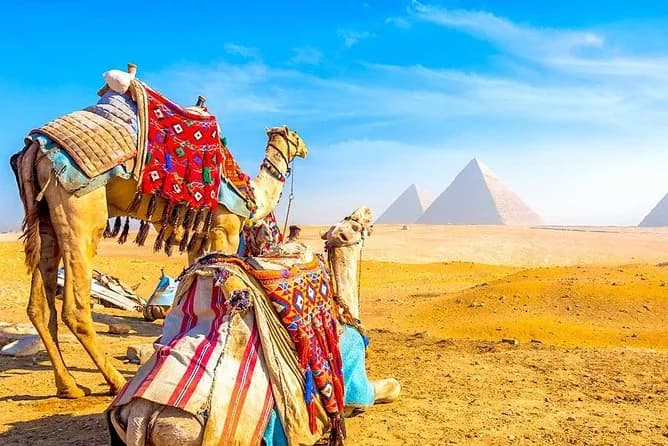
Keep reading
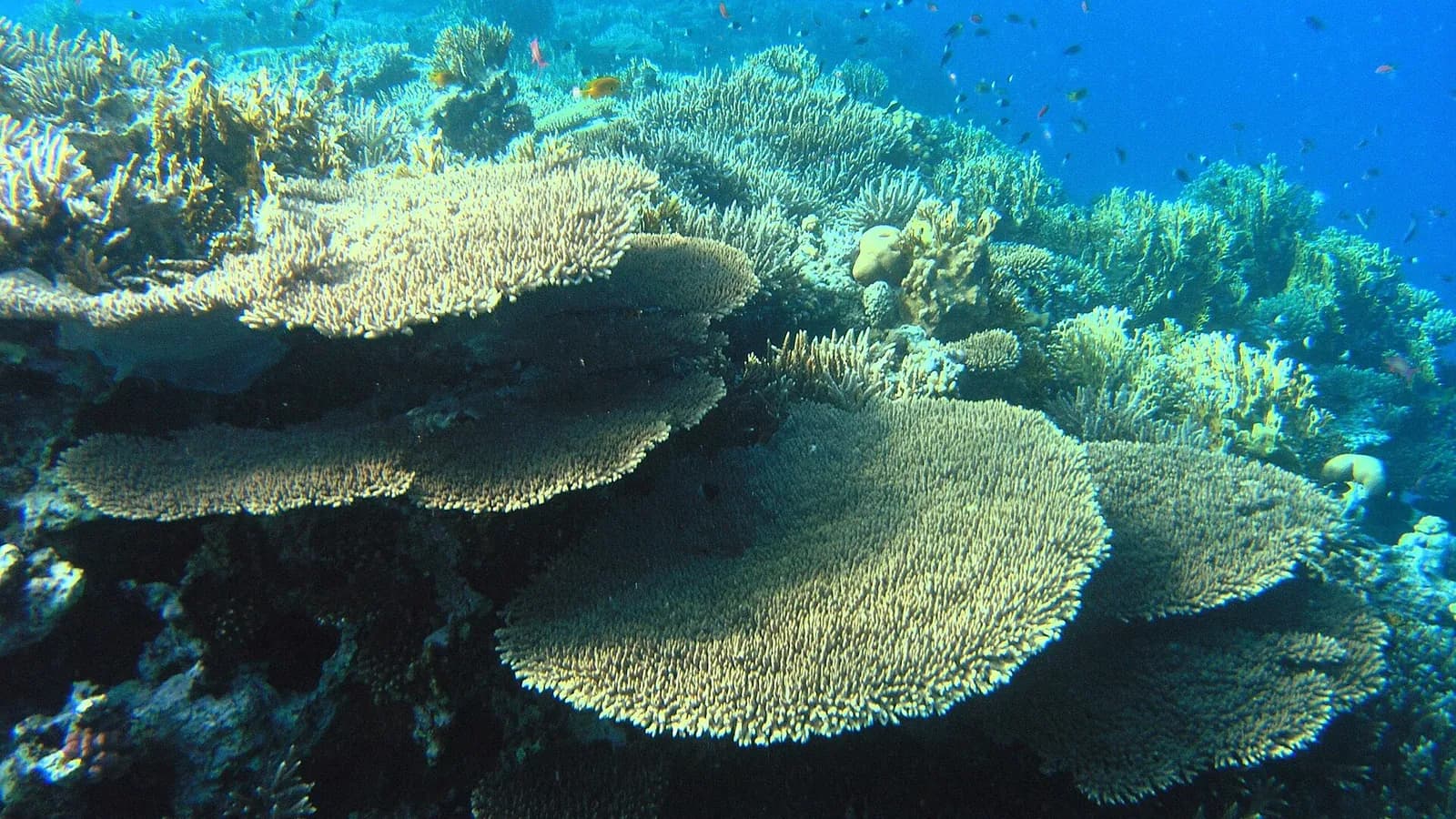
Hurghada Diving (2026): Best Sites, Packages & Prices
Diving in Hurghada — the best reefs (Giftun, Careless Reef, Dolphin House) and Abu Nuhas wrecks, Discover Scuba vs PADI courses, season and water temps, and real 2026 prices.
By TiE Editors7 min read
Hurghada Snorkeling Trips (2026): Best Reefs, Prices & How to Choose
Where to snorkel from Hurghada in 2026 — Orange Bay, Giftun, Mahmya, Utopia and Dolphin House — with boat types, marine life, month-by-month sea temperatures, family tips and real prices from 1,000+ bookable trips.
By TiE Editors7 min read
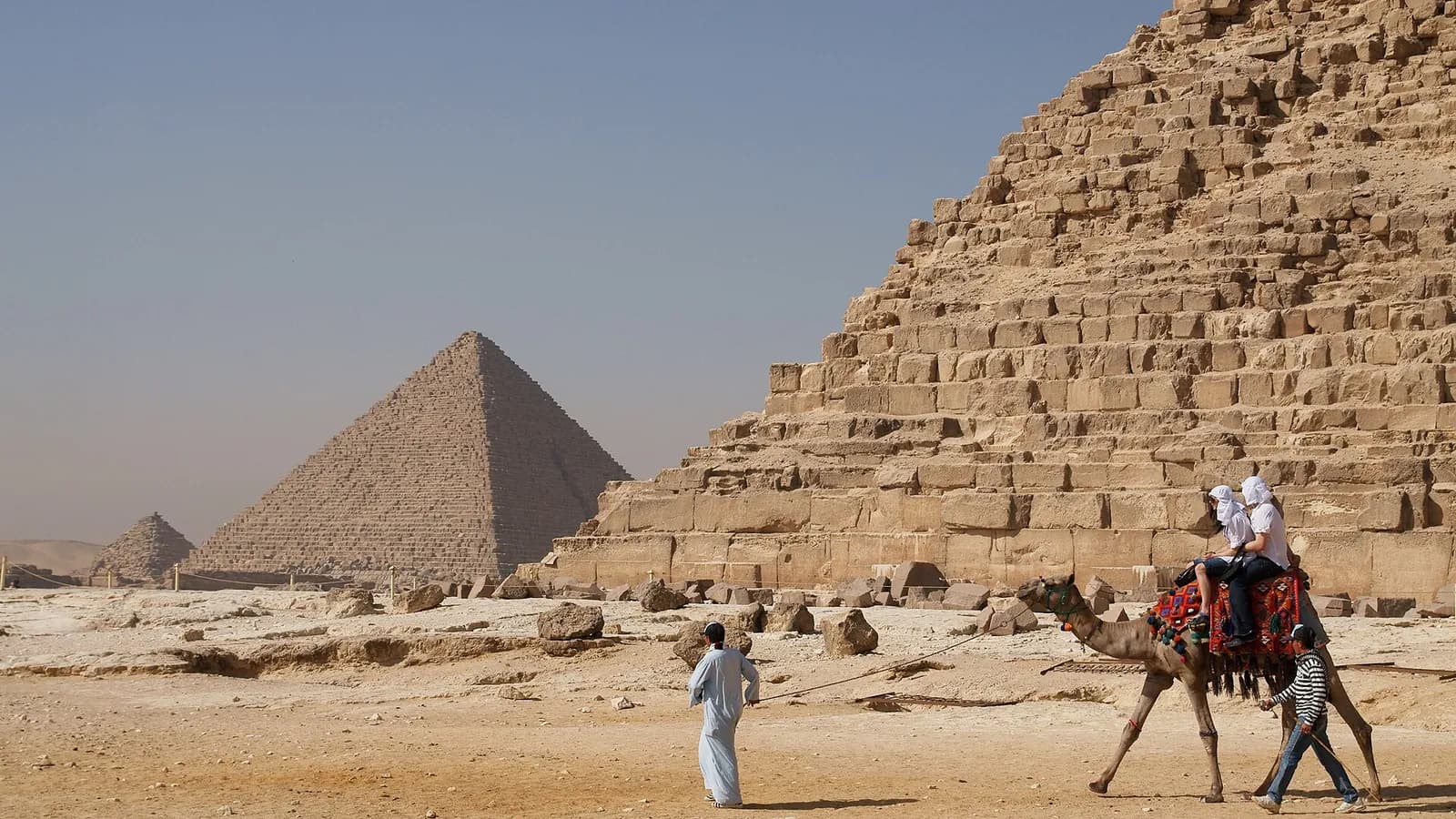
Egypt Tour Prices by Activity (2026): What Each Type Really Costs
What every type of Egypt experience costs — half day, full day or overnight — as a median and a mid-half range in US dollars, from 12,370 live bookable listings.
By TiE Editors6 min read