Egypt Packing List: What to Bring in 2026
A complete, checklist-style Egypt packing list — clothing layers, sun kit, meds, adapters, and the small extras that make touring temples in the heat far easier.
Nile Cruises & Dahabiyas
Turn this guide into a trip
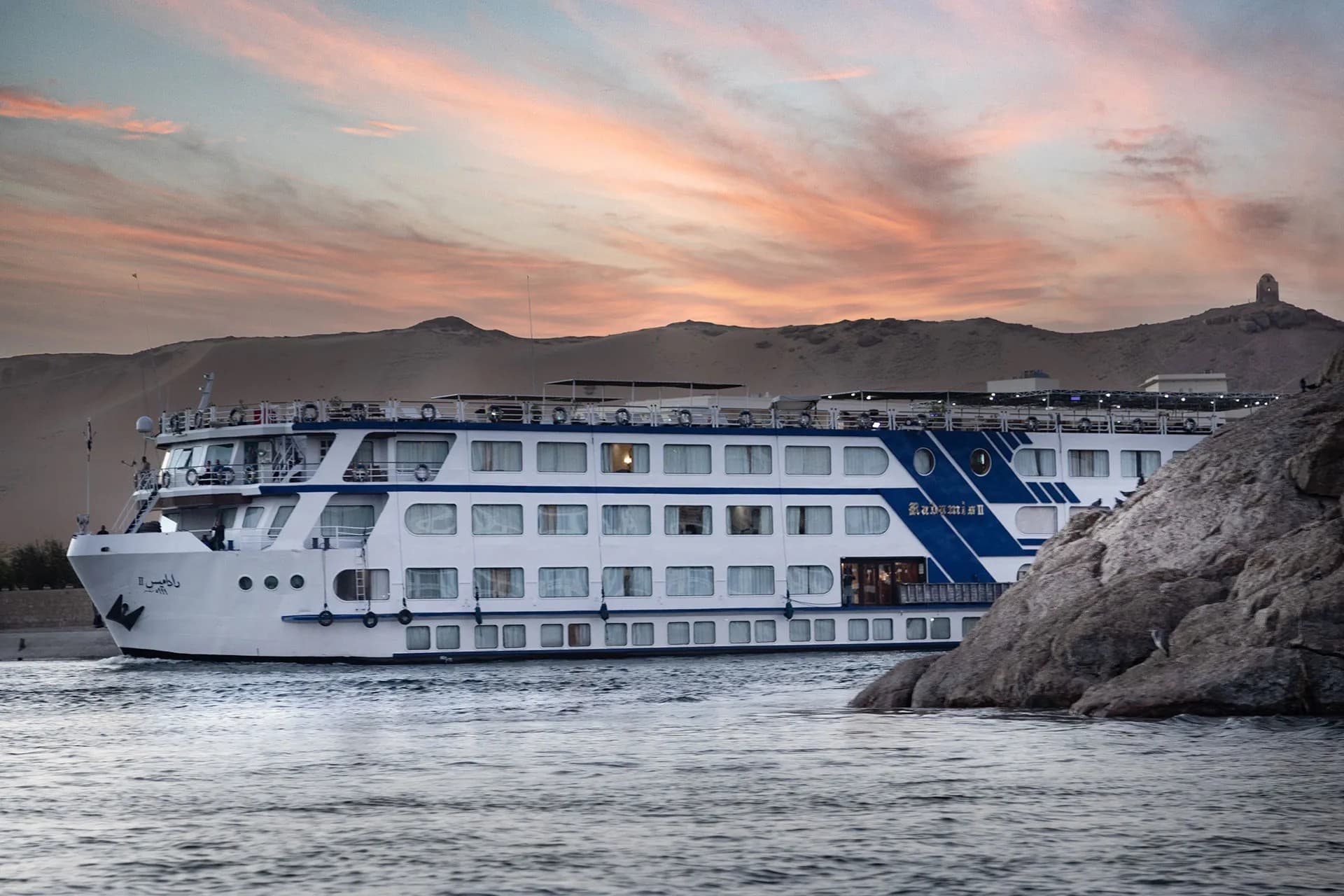
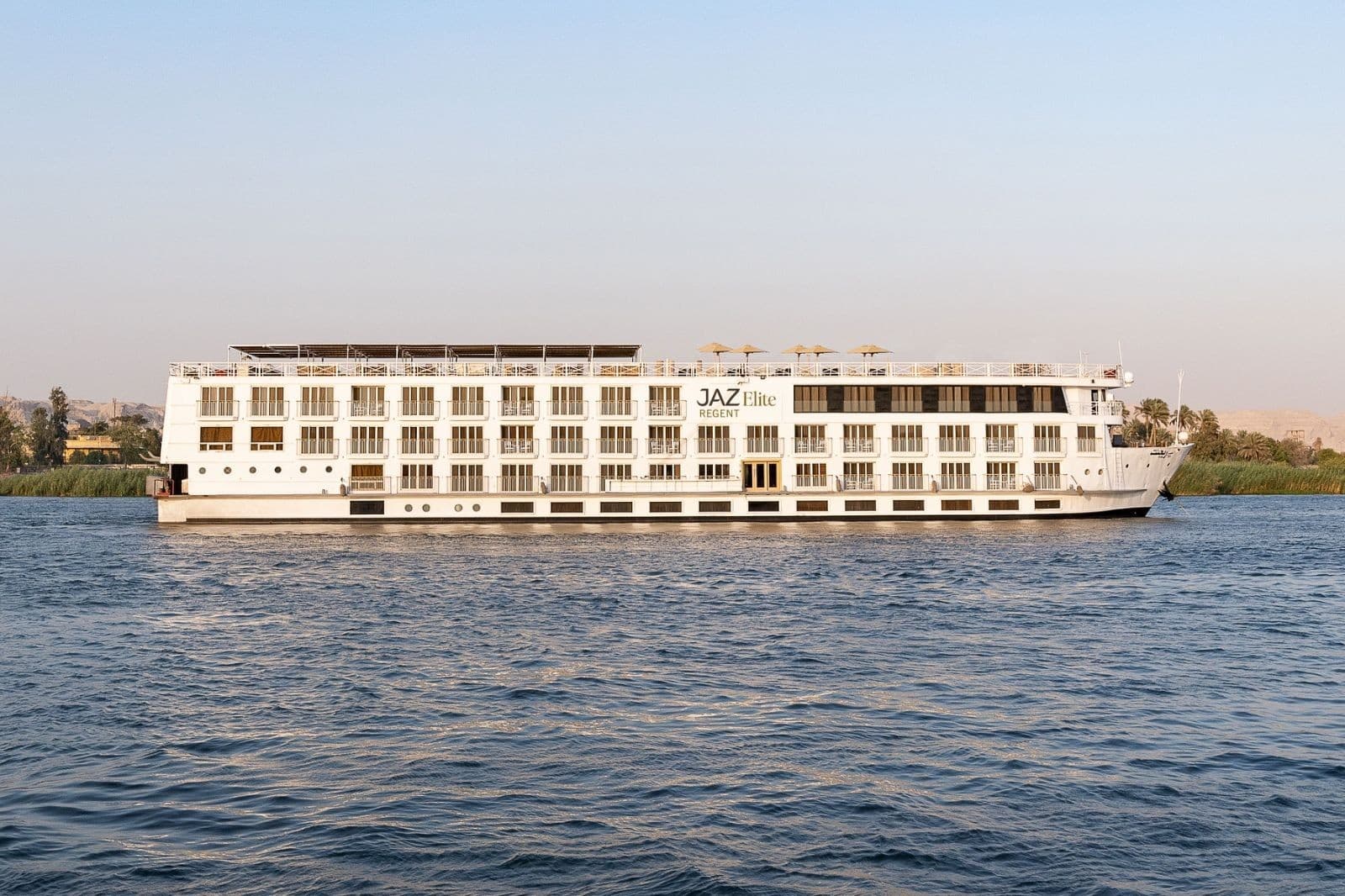
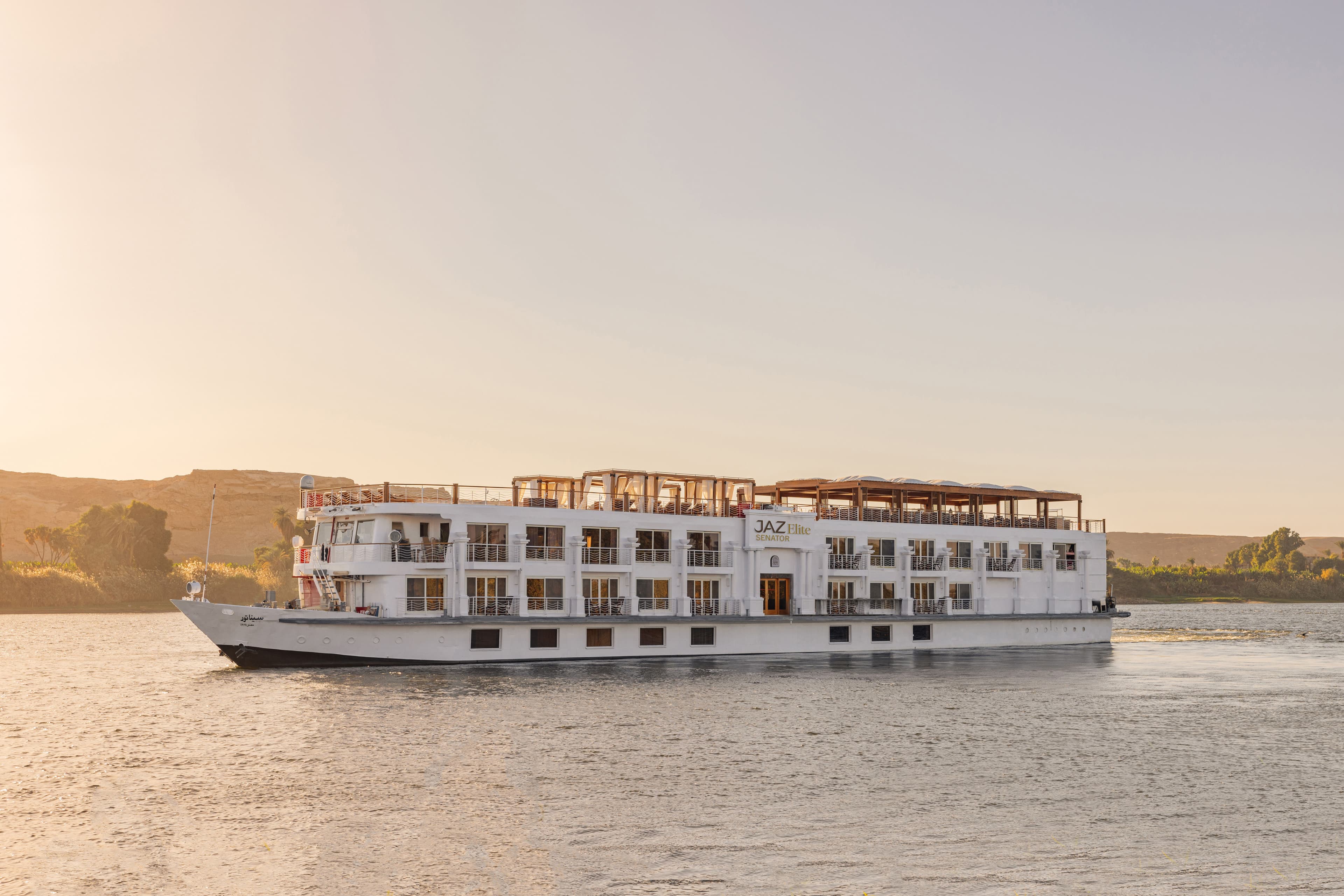
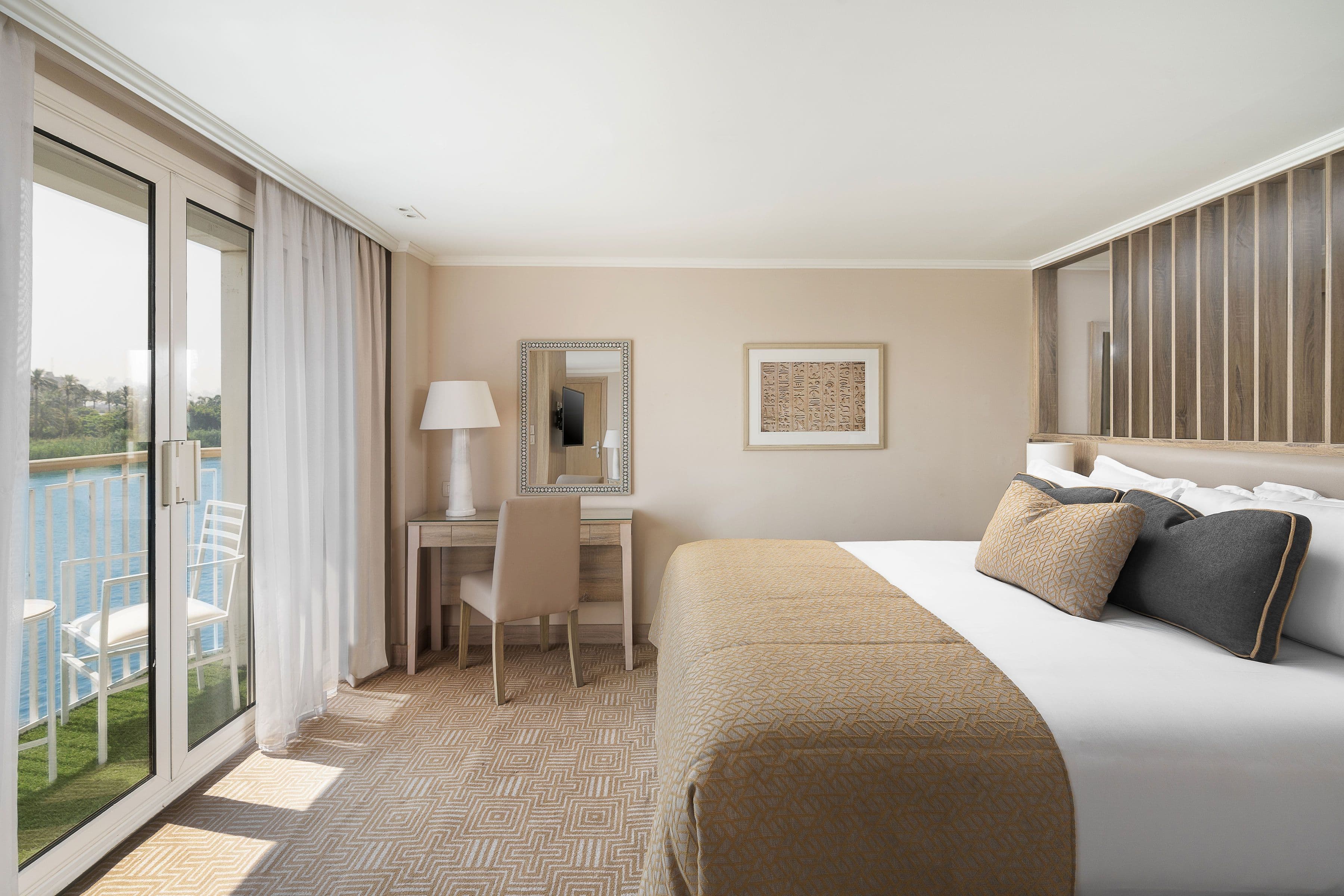
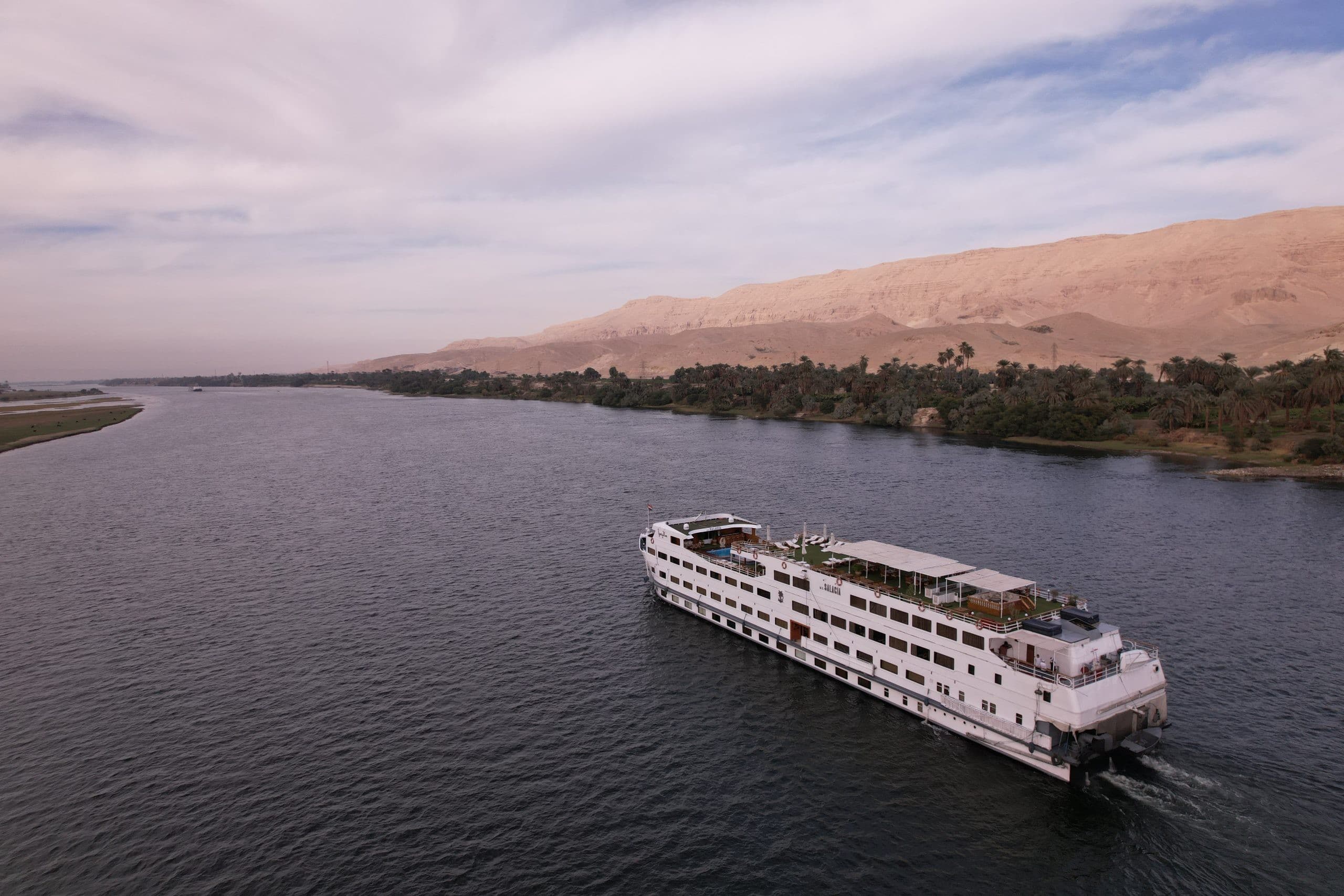
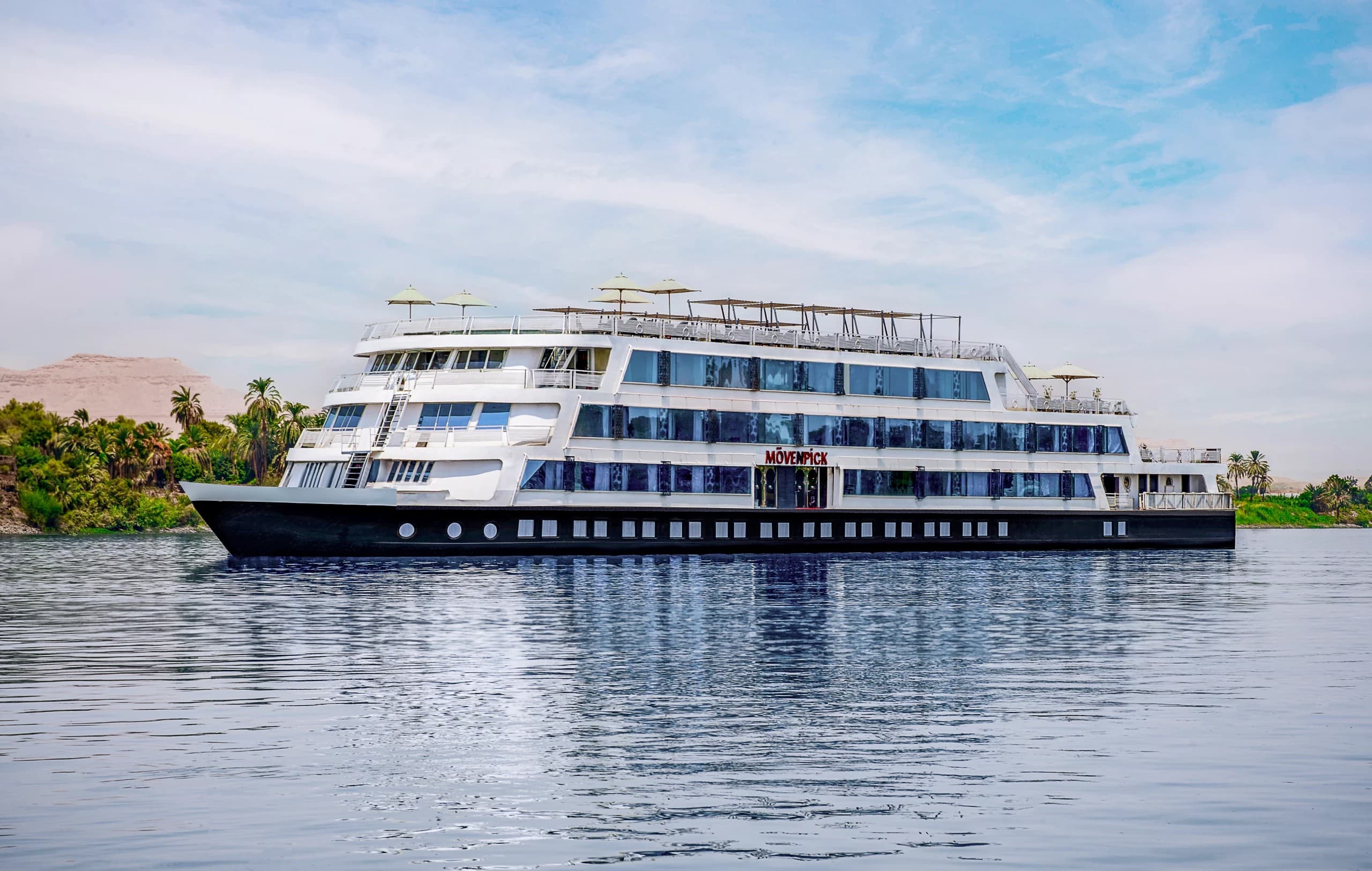
Quick answer: Pack for heat, sun, and dust — then add one warm layer you'll be glad you brought. Egypt runs hot and dry for most of the year, so your core kit is breathable, modest clothing, serious sun protection, comfortable closed shoes, and a small health bag. The extras that separate a smooth trip from a miserable one are unglamorous: rehydration salts, hand sanitiser, tissues, and a refillable water bottle. This is the full checklist, category by category, plus what to skip and what you can simply buy on arrival.
This guide is the packing checklist. For the detailed clothing rules — fabrics, mosque cover-up, colours, resort vs. temple — see what to wear in Egypt. For plugs and power in depth, see the Egypt plug adapter guide.
Clothing: light, modest, layered
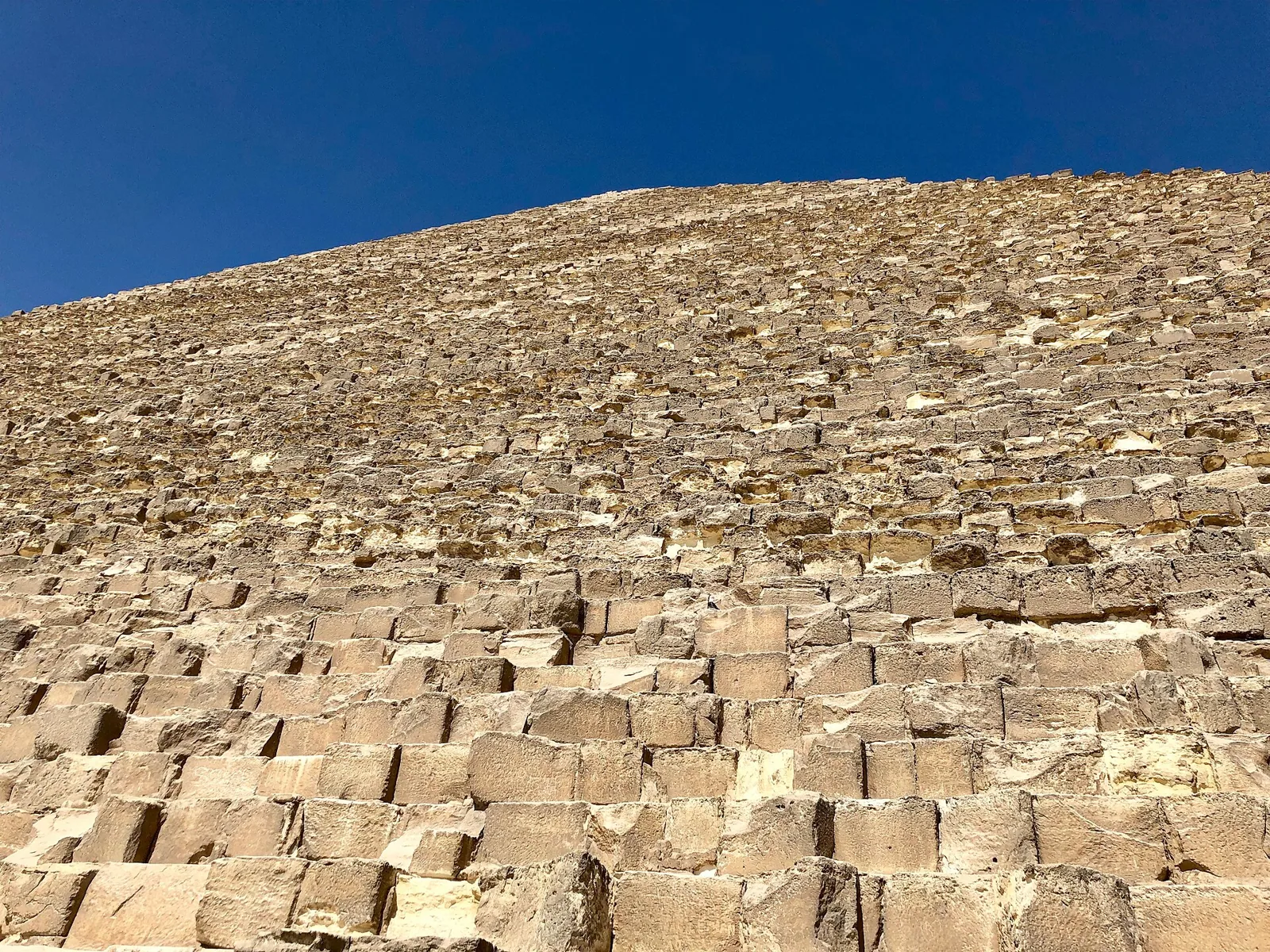
Egypt's dress code is practical, not strict. Cover shoulders and knees at religious sites and you're set; away from mosques and rural villages, resorts and Red Sea beaches are relaxed. Lightweight cotton and linen breathe; loose cuts keep you cooler than tight synthetics and shield your skin from the sun.
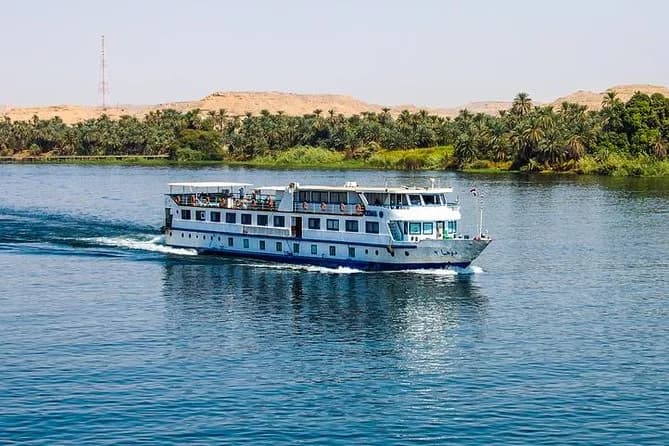
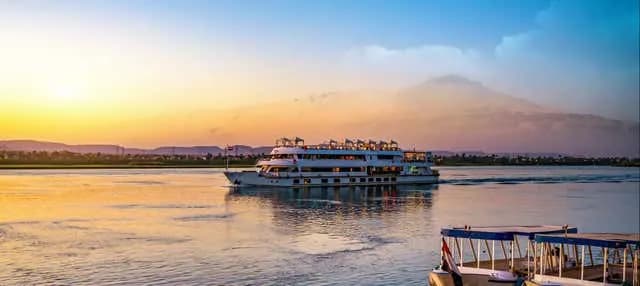
The layer travellers forget is a warm one. Upper Egypt bakes by day but desert and Nile nights drop sharply — winter minimums in the desert can fall near freezing, and a Nile cruise deck after dark in December or January is genuinely cold. Bring a fleece or light jacket even in "hot" seasons.
- Loose trousers, maxi skirts, or long linen pants — cooler and more site-appropriate than shorts
- 4–6 breathable tops, at least two with sleeves that cover the shoulder
- One long-sleeved shirt (sun cover for temple days and camel rides)
- A large scarf or shawl — mosque cover-up, sun shade, and a wrap for chilly evenings, all in one
- A warm layer: fleece or light down jacket for winter cruise nights and the desert
- Swimwear (resorts, Red Sea, hotel pools) — pack a second set so one is always dry
- Sleepwear and enough underwear/socks; laundry service is easy at most hotels
Footwear: comfort over style
You will walk on uneven stone, deep sand, and dusty ground — often for hours. Pack closed, broken-in walking shoes or trainers as your main pair; sites like Karnak, Saqqara, and the Valley of the Kings are large and sun-exposed. Add sandals for evenings, the beach, and cruise decks. Skip anything new: blisters at Abu Simbel are a common, avoidable mistake.
- Comfortable closed walking shoes or trainers (already broken in)
- Sandals or flip-flops for pool, beach, and casual evenings
- Water shoes if you're snorkelling over rocky Red Sea entries
Sun and heat protection
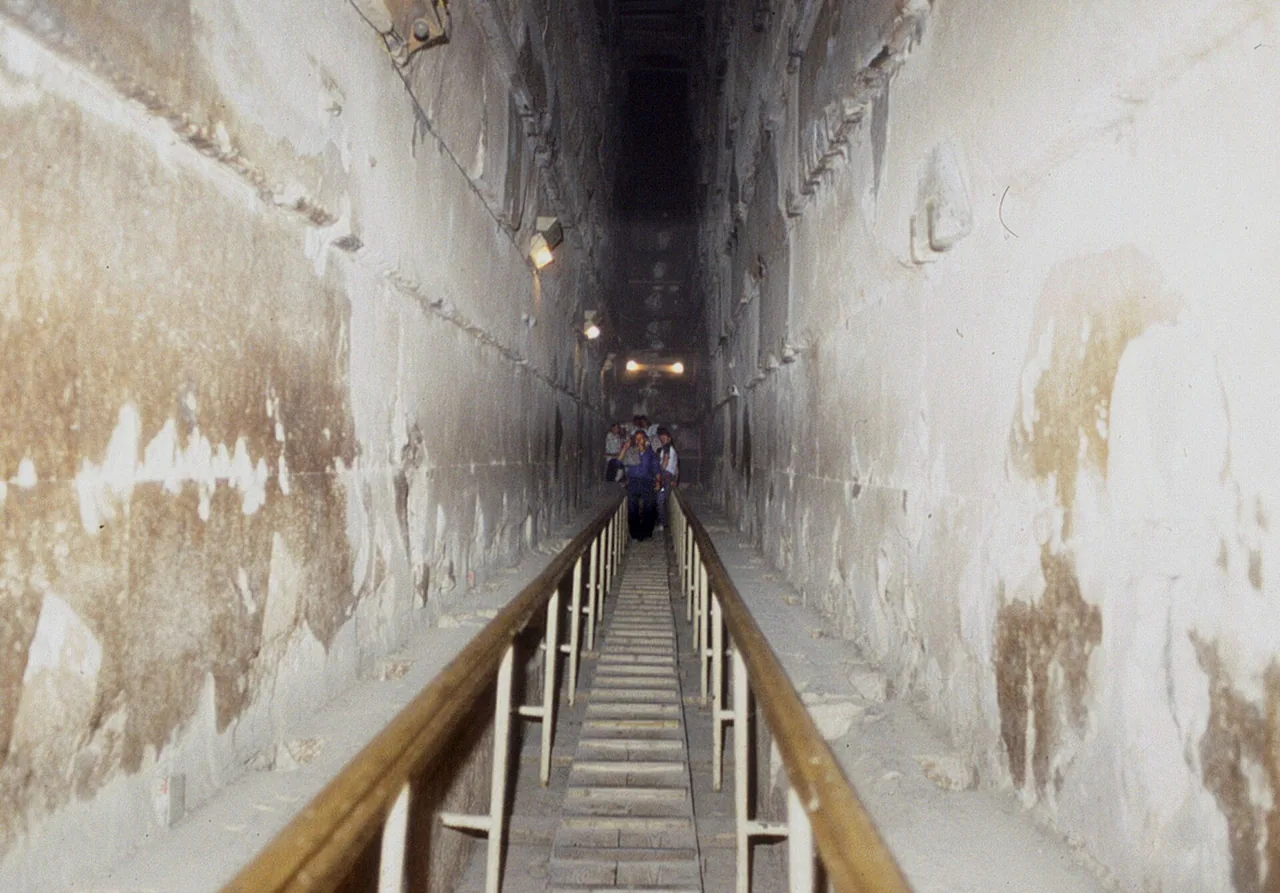
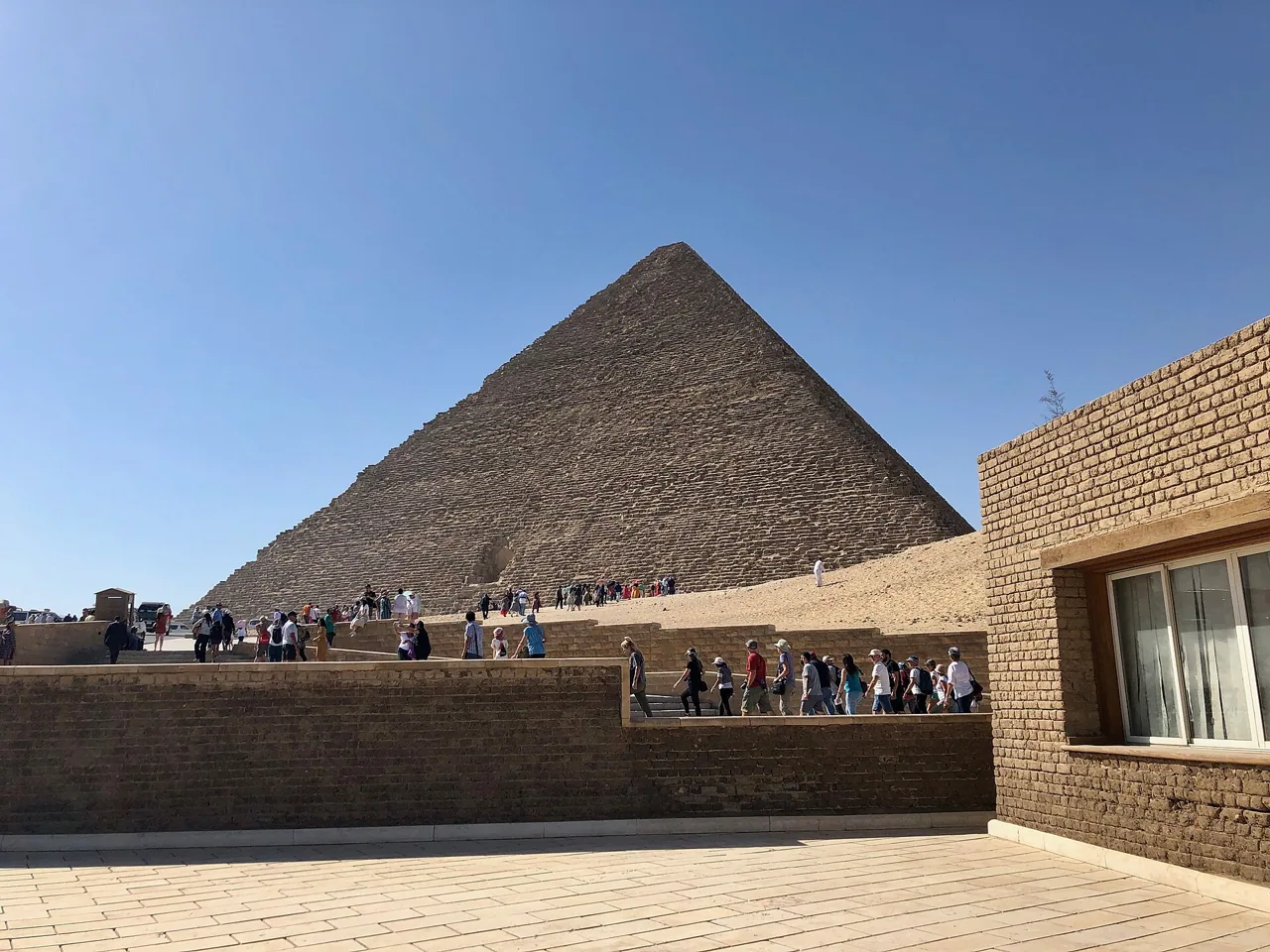
This is the category people under-pack and regret. Egyptian sun is intense year-round, and shade is scarce at open-air sites — the Giza plateau, Karnak, and Abu Simbel offer almost none. Summer highs in Upper Egypt regularly push past 40°C, and even winter midday sun burns unprotected skin. Reapplication matters more than SPF number, so bring enough sunscreen — good high-SPF cream can be pricey and harder to find in tourist areas than at home.
- Wide-brimmed hat or cap (covers face and neck)
- Sunglasses with UV protection
- High-SPF sunscreen (SPF 50+), enough to reapply — consider two bottles
- SPF lip balm — the dry air cracks lips fast, especially on cruises and in the desert
- Refillable water bottle — many hotels and cruise boats offer filtered refill stations
- Optional but loved in summer: handheld fan and a cooling towel
Health and medications
Build a small kit around the two things most likely to slow you down: an upset stomach and dehydration. Tap water isn't recommended for drinking anywhere outside heavily-chlorinated central Cairo — stick to bottled or filtered water, and that alone prevents most trouble. Travellers not used to the local food and water can expect the occasional off day, so pack for it.
- Any prescription medication in its original packaging, plus a copy of the prescription
- Oral rehydration salts (the single most useful item for heat and stomach upset)
- Anti-diarrhoeal (loperamide/Imodium) for travel days you can't afford to lose
- Motion-sickness tablets — useful for Nile cruises, felucca sails, and winding desert drives
- Hand sanitiser and antibacterial wipes (many restrooms lack soap)
- Basic first aid: plasters/blister pads, painkillers, antihistamine
- Any personal items: contact lens supplies, spare glasses, feminine hygiene products
Egypt requires no mandatory vaccinations for most travellers arriving from Europe or North America, but check current CDC/NHS travel advice and your routine jabs before you go. Confirm any prescription meds are legal to carry — a doctor's letter avoids customs questions.
Documents and money
- Passport valid at least six months beyond your arrival date
- Printed and phone copies of your passport, visa, and travel insurance
- Your e-visa confirmation (apply at the official portal visa2egypt.gov.eg — roughly US$30 single-entry) or cash for visa-on-arrival if eligible
- Cash: bring some US dollars (crisp, recent notes) to change; you'll use Egyptian pounds day to day
- Small EGP notes for tips — tipping (baksheesh) is constant and expected; see our money and tipping guide
- A debit and a credit card (Visa/Mastercard widely accepted; keep them separate from your cash)
- Travel insurance documents with an emergency contact number
Electronics
Egypt runs on 220V, 50Hz, with Type C and Type F (European-style, two round pins) sockets. If your devices are from the US, UK, or elsewhere with different plugs, you need an adapter — and US 110V-only appliances need a voltage converter, though most phone and laptop chargers are dual-voltage. Full detail in the Egypt plug adapter guide.
- Universal travel adapter (Type C/F) — a spare is smart
- Power bank — long site days drain phones fast, and you'll want the camera
- Phone charging cables, laptop/tablet chargers as needed
- E-reader for cruise downtime and long transfers
- Headphones; optional camera with a spare battery and memory card
Toiletries and things that are hard to find
Hotels cover the basics, but a few items are worth bringing rather than hunting for:
- Wet wipes and travel tissues (carry tissues everywhere — public toilets often have none)
- Your preferred sunscreen and lip balm (as above)
- Insect repellent (useful near the Nile and in oases at dusk)
- A small quick-dry towel
- Any specific brands you rely on — contact solution, particular medications, tampons
- Reusable shopping bag or packing cube to corral dusty shoes and laundry
Day-pack essentials for site visits
A light daypack is your desert survival kit. Most days you'll leave the hotel or cruise boat at dawn to beat the heat and won't return until afternoon, so carry what you need to stay comfortable, hydrated, and paid-up for tickets and tips. On a temple day you'll want, at minimum:
- Refillable water (more than you think — 1.5–2 litres per person in summer)
- Hat, sunglasses, sunscreen, lip balm
- Small EGP notes for tips, tickets, and cold drinks
- Tissues, hand sanitiser, a snack
- Phone, power bank, and your printed ticket or the egymonuments.com QR
Packing for specific trips
| Trip type | Add these | Skip |
|---|---|---|
| Nile cruise | Warm layer for deck evenings, smart-casual outfit for dinner, motion-sickness tablets, adapter (cabin sockets are Type C/F), lip balm | Formalwear — dress codes are relaxed |
| Red Sea diving/snorkelling | Your own mask and snorkel, rash guard or swim shirt (sun + reef protection), water shoes, reef-safe sunscreen, dive certification card | Bulky gear you can rent cheaply on-site |
| Desert safari | Warm jacket and hat for cold nights, buff/scarf for wind and sand, closed shoes, extra water, torch/headlamp, moisturiser | White clothing — it won't survive the dust |
What NOT to bring — and what to buy there
Leave the drone at home: they're restricted and frequently confiscated at customs. Skip large-denomination worn or torn US bills (banks refuse them), formalwear, and heavy hardback books. You don't need to over-pack toiletries either — much is available locally and cheaply.
The golden rule: pack the things that are genuinely hard to replace — prescriptions, your preferred sunscreen, a comfortable pair of shoes — and don't waste luggage weight on anything sold cheaply on every corner.
Easy to buy in Egypt once you arrive:
- Bottled water — everywhere, inexpensive; buy it rather than lugging litres in
- A cotton scarf, galabeya, or sun hat — markets sell them for a fraction of home prices
- Basic pharmacy items — pharmacies are well-stocked; many medicines are sold over the counter
- A local SIM or eSIM — Vodafone, Orange, and Etisalat kiosks at the airport, cheap data
- Souvenirs and gifts — so leave a little space in your bag
With your marketplace-median tour prices ranging from around 1,540 EGP for tickets and attractions to 13,900 EGP for a Nile cruise (roughly US$32–290), the small stuff — a scarf, a bottle of water, a good hat — is a rounding error. Pack the essentials, buy the rest, and spend your energy on the sites.
Ready to experience this in person? This is Egypt runs private, Egyptologist-guided tours that bring these sites to life — browse our Egypt tours.
Related reading
- What to wear in Egypt — the full clothing and dress-code breakdown
- Egypt plug adapter guide — plug types, voltage, and what actually works
- Getting around Egypt — trains, flights, and transfers between sites
A real team available 24/7 to assist you — free
Seif and the team reply on WhatsApp 24/7 — trip questions, custom plans and booking help.
Ask Seif on WhatsAppCommon questions
What should I pack for Egypt?
The essentials are breathable, modest clothing that covers shoulders and knees, a scarf, a sun hat, sunglasses, high-SPF sunscreen, comfortable closed walking shoes, sandals, a refillable water bottle, a Type C/F plug adapter, and a small health kit with rehydration salts, anti-diarrhoeal, and any prescriptions. Add a warm layer for cool desert and Nile-cruise evenings.
What kind of plug adapter do I need for Egypt?
Egypt uses Type C and Type F sockets (European-style, two round pins) at 220V, 50Hz. Bring a universal adapter. Dual-voltage chargers (most phones and laptops) work fine; single-voltage 110V US appliances need a voltage converter. See our Egypt plug adapter guide.
Can I drink the tap water in Egypt?
It's not recommended for drinking outside heavily-chlorinated central Cairo. Stick to bottled or filtered water, which is cheap and everywhere. Bring a refillable bottle for filtered refill stations at hotels and on cruise boats, and pack rehydration salts in case the change of water upsets your stomach.
How should women dress for Egypt?
Comfortably and modestly. Loose trousers or maxi skirts and tops that cover the shoulders work everywhere and keep you cooler in the heat. Carry a large scarf to cover your head and shoulders at mosques. Resorts and Red Sea beaches are relaxed. Full detail is in our what-to-wear-in-egypt guide.
Do I need warm clothes for Egypt?
Yes, if you're travelling in winter or doing a Nile cruise or desert safari. Days are warm but nights get cold — desert temperatures can approach freezing, and cruise decks after dark in December and January are chilly. Pack a fleece or light jacket even when the daytime forecast looks hot.
What medications should I bring to Egypt?
Any personal prescriptions in original packaging with a copy of the prescription, plus oral rehydration salts, an anti-diarrhoeal like loperamide, motion-sickness tablets for cruises and drives, painkillers, antihistamine, plasters or blister pads, and hand sanitiser. Pharmacies in Egypt are well-stocked if you forget something.
What should I pack for a Nile cruise?
Everything on the general list plus a warm layer for deck evenings, one smart-casual outfit for dinner, motion-sickness tablets, SPF lip balm for the dry air, and a Type C/F adapter for the cabin. Dress codes are relaxed, so leave formalwear at home.
What can I buy in Egypt instead of packing it?
Bottled water, cotton scarves, sun hats and galabeyas from the markets, most pharmacy items, a local SIM or eSIM, and souvenirs. Pharmacies and shops are well-stocked and cheap, so don't over-pack toiletries — leave room for what you bring home.
Is a power bank worth bringing to Egypt?
Absolutely. Long, hot days at sprawling sites drain phone batteries fast, and you'll want your camera all day at places like Karnak and the Grand Egyptian Museum. A power bank plus your adapter means you're never caught without a charge on a temple day.
Book it on This is Egypt
Turn this guide into a trip
Egypt's bestsellers
The experiences travelers book most, across the country


Keep reading
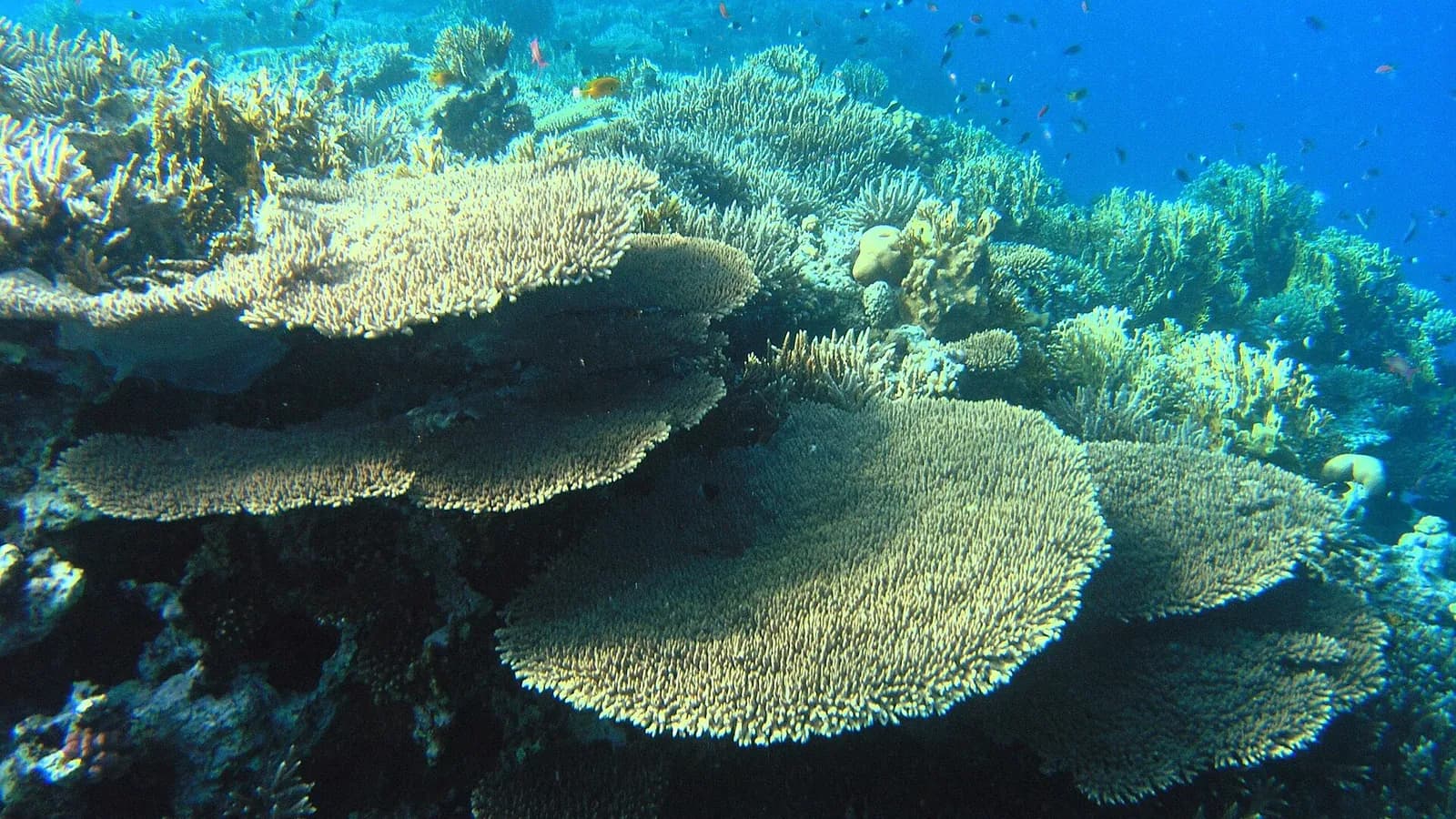
Hurghada Diving (2026): Best Sites, Packages & Prices
Diving in Hurghada — the best reefs (Giftun, Careless Reef, Dolphin House) and Abu Nuhas wrecks, Discover Scuba vs PADI courses, season and water temps, and real 2026 prices.
By TiE Editors7 min read
Hurghada Snorkeling Trips (2026): Best Reefs, Prices & How to Choose
Where to snorkel from Hurghada in 2026 — Orange Bay, Giftun, Mahmya, Utopia and Dolphin House — with boat types, marine life, month-by-month sea temperatures, family tips and real prices from 1,000+ bookable trips.
By TiE Editors7 min read
Egypt Tour Prices by Activity (2026): What Each Type Really Costs
What every type of Egypt experience costs — half day, full day or overnight — as a median and a mid-half range in US dollars, from 12,370 live bookable listings.
By TiE Editors6 min read