Steckdosen & Adapter in Ägypten (2026): Was du brauchst
In Ägypten gibt es Steckdosen der Typen C und F mit zwei runden Stiften und 220V/50Hz. Hier erfährst du, welchen Adapter du einpacken solltest, ob du einen Spannungswandler brauchst und wie du an langen Ausflugstagen alles geladen hältst.
Ägypten nutzt die europäischen Steckdosen mit zwei runden Stiften, die Steckertypen C und F, mit 220-240V bei 50Hz. Wenn du aus Europa kommst, kannst du direkt einstecken. Kommst du aus den USA, Großbritannien, Kanada, Australien oder einem anderen Land mit abweichenden Steckern, brauchst du einen einfachen Reiseadapter, wobei ein Universaladapter am praktischsten ist. Die meisten modernen Geräte wie Handys, Laptops und Kamera-Ladegeräte kommen bereits automatisch mit 220V zurecht, sodass du in der Regel nur den Adapter brauchst und keinen sperrigen Spannungswandler. Die wichtigste Ausnahme sind Heizgeräte mit nur einer Spannung wie manche Föhne und Glätteisen, die ohne Wandler beschädigt werden können.
Das ist im Grunde die ganze Antwort. Hier folgen die Details, damit du genau das Richtige einpackst.
Das Wichtigste auf einen Blick
| Spezifikation | Ägypten | Was das für dich bedeutet |
|---|---|---|
| Steckertypen | C und F (zwei runde Stifte) | Europäischer Standardstecker; US-/UK-/AU-Stecker passen nicht |
| Spannung | 220-240V | Höher als in den USA/Kanada/Japan (~110-120V) |
| Frequenz | 50Hz | Wie in Europa; anders als die 60Hz in den USA |
| Steckdose akzeptiert | Europäische Stecker mit zwei Stiften | Ein Universaladapter deckt dich ab |
Adapter: welchen du mitnehmen solltest
Ein Steckdosenadapter ändert nur die Form der Stifte, damit dein Stecker physisch in die ägyptische Steckdose passt. Er verändert nicht die Spannung.
- Aus den USA, Kanada, Japan (Typ A/B): Du brauchst einen Adapter auf Typ C/F. Deine flachen Stifte passen nicht in die runden Löcher.
- Aus Großbritannien, Irland (Typ G): Du brauchst einen Adapter; die drei rechteckigen britischen Stifte passen nicht.
- Aus Australien, Neuseeland (Typ I): Du brauchst einen Adapter für die schrägen Stifte.
- Aus dem größten Teil Kontinentaleuropas (Typ C/E/F): Deine Stecker passen bereits. Kein Adapter nötig.
Die einfachste Wahl für fast alle ist ein Universal-Reiseadapter, ein einziges Teil, das in Ägypten, zu Hause und so gut wie überall sonst funktioniert. Kauf einen ordentlichen, bevor du fliegst, statt am Flughafen danach zu suchen. Viele gute Universaladapter haben zusätzlich USB- und USB-C-Anschlüsse, was wirklich nützlich ist (siehe unten).
Brauchst du einen Spannungswandler?
Wahrscheinlich nicht, aber prüf es. Genau hier tappen viele in die Falle.
Sieh auf dem Etikett deines Geräts oder Ladegeräts nach. Achte auf die Eingangsangabe:
- Steht dort "100-240V" (oder "110-240V"), ist das Gerät für zwei Spannungen ausgelegt und kommt automatisch mit den 220V in Ägypten zurecht. Dann reicht ein Steckdosenadapter. Das trifft auf fast alle Handys, Tablets, Laptops, Kamera- und Drohnen-Ladegeräte sowie elektrische Zahnbürsten zu.
- Steht dort nur "110-120V", ist das Gerät für eine Spannung ausgelegt und die 220V in Ägypten werden es beschädigen oder zerstören. Dann bräuchtest du einen Spannungswandler (einen Transformator), nicht nur einen Adapter.
Die üblichen Verdächtigen sind Föhne, Glätteisen, Lockenstäbe und manche Elektrorasierer, die in Nordamerika oder Japan gekauft wurden. Heizgeräte mit hoher Wattzahl überfordern zudem kleine Reisewandler, daher ist es ehrlich gesagt am einfachsten, sie zu Hause zu lassen. Die meisten ägyptischen Hotels stellen einen Föhn, und ein günstiges Reisemodell für zwei Spannungen ist leicht zu kaufen. Schlepp keinen schweren Wandler um die halbe Welt für ein Glätteisen.
Schnelle Entscheidung:
- Lies die Eingangsspannung des Geräts.
- Steht dort 100-240V? Dann reicht ein Steckdosenadapter.
- Steht dort nur 110-120V? Dann lass es zu Hause oder nimm einen Wandler mit, der die Wattzahl verträgt.
Lade-Tipps für echte Ägypten-Tage
Ein paar praktische Dinge, die die Reise reibungsloser machen:
- Nimm eine Powerbank mit. Das ist mit Abstand das nützlichste Teil. Tage an den Pyramiden, im Tal der Könige oder auf einer Feluke können lang werden, während Handykamera, Karten- und Übersetzungs-Apps den Akku leeren, und draußen an den Stätten sind Steckdosen rar. Eine Powerbank mit 10.000-20.000 mAh bringt dich durch den Tag. Trag sie im Handgepäck, nicht im aufgegebenen Gepäck, so verlangen es die Airline-Regeln.
- Pack eine kleine Steckdosenleiste oder ein Mehrfach-USB-Ladegerät ein. Ältere Hotelzimmer und viele Kabinen auf Nilkreuzfahrtschiffen haben erstaunlich wenige erreichbare Steckdosen, manchmal nur eine oder zwei. Ein Adapter, der eine Steckdosenleiste versorgt, lässt dich Handy, Kamera, Uhr und Powerbank über Nacht aus einer einzigen Wandsteckdose laden.
- Besorg dir einen USB-/USB-C-Adapter oder ein Mehrfach-Ladegerät. Viele Universaladapter haben USB-Anschlüsse; falls nicht, lässt dich ein kleines USB-Wandladegerät plus dein Adapter mehrere Geräte laden, ohne nach Steckdosen suchen zu müssen.
Strom auf Kreuzfahrten, in der Wüste und an den Stätten
Wo du übernachtest, ändert, wie du deine Ladeplanung angehen solltest:
- Strom auf Nilkreuzfahrten ist in der Regel zuverlässig, aber Steckdosen sind knapp und zwischen den Zielen kann es kurze Unterbrechungen geben; hier zahlt sich der Trick mit der Steckdosenleiste aus.
- Wüstencamps und abgelegene Lodges laufen womöglich über Generatoren mit begrenzten Laufzeiten oder über Solaranlagen mit bescheidener Kapazität. Komm vollständig geladen an, nimm die Powerbank mit und rechne in der tiefen Wüste nicht damit, über Nacht laden zu können.
- Draußen an den Stätten (das Pyramidenplateau, Karnak, das Tal der Könige) solltest du davon ausgehen, dass es gar keine erreichbaren Steckdosen gibt. Alles, was du an dem Tag fotografierst und navigierst, läuft mit dem, womit du das Hotel verlassen hast, also lade über Nacht auf und trag die Powerbank bei dir.
Kurze Packliste
- Ein Universal-Reiseadapter (idealerweise mit eingebautem USB/USB-C)
- Eine Powerbank (10.000 mAh oder mehr), im Handgepäck
- Eine kleine Steckdosenleiste oder ein Mehrfach-USB-Ladegerät für steckdosenarme Zimmer
- Deine normalen Geräteladegeräte (prüf, ob 100-240V draufsteht)
- Einen Spannungswandler nur, wenn du ein Heizgerät für eine Spannung mitbringst, und überleg ehrlich, ob du es überhaupt mitnehmen solltest
Hast du den Adapter und eine Powerbank geregelt, denkst du für den Rest der Reise nie wieder an Strom. Für die komplette Ausstattung siehe unsere Packliste für Ägypten, und für alles andere Wissenswerte vor der Abreise haben dich unsere Reisetipps für Ägypten und der große Ägypten-Reiseführer im Griff. Dann komm zum schönen Teil und stöbere durch Ägypten-Erlebnisse.
Chatte mit einem echten Menschen — kostenlos
Seif und das Team antworten rund um die Uhr auf WhatsApp — Reisefragen, individuelle Pläne und Buchungshilfe.
Seif auf WhatsApp fragenHäufige Fragen
Welchen Steckertyp verwendet Ägypten?
Ägypten verwendet die Steckertypen C und F, die europäischen Stecker mit zwei runden Stiften, in Steckdosen mit 220-240V bei 50Hz. Reisende aus Kontinentaleuropa können direkt einstecken; wer aus den USA, Großbritannien, Kanada, Australien oder anderswo kommt, braucht einen Reiseadapter für die runden Steckdosen.
Brauche ich für Ägypten einen Spannungswandler?
Meistens nicht. Prüf das Etikett deines Geräts: Steht dort 100-240V, ist es für zwei Spannungen ausgelegt und kommt mit nur einem Steckdosenadapter automatisch mit den 220V Ägyptens zurecht, was fast alle Handys, Laptops und Kamera-Ladegeräte abdeckt. Einen Spannungswandler brauchst du nur für Geräte mit einer Spannung (nur 110-120V) wie manche nordamerikanischen Föhne und Glätteisen.
Welchen Adapter sollte ich für Ägypten kaufen?
Ein Universal-Reiseadapter ist die einfachste Wahl, er funktioniert in Ägypten (Typ C/F) und zu Hause. Kauf einen, bevor du fliegst, und nimm idealerweise einen mit eingebauten USB- und USB-C-Anschlüssen, um mehrere Geräte laden zu können. US-, UK- und australische Stecker brauchen alle einen Adapter, da sie nicht in Ägyptens runde Steckdosen mit zwei Stiften passen.
Kann ich meinen US-Föhn in Ägypten benutzen?
Nur wenn er für zwei Spannungen ausgelegt ist (Aufdruck 100-240V). Ein US-Föhn für eine Spannung (110-120V) wird durch Ägyptens 220V beschädigt, selbst mit einem Steckdosenadapter, und bräuchte einen Spannungswandler. Einfacher ist es, ihn zu Hause zu lassen: Die meisten Hotels stellen Föhne, oder du bringst ein günstiges Reisemodell für zwei Spannungen mit.
Welche Spannung hat der Strom in Ägypten?
Ägypten läuft mit 220-240V bei 50Hz, höher als die rund 110-120V in den USA, Kanada und Japan. Moderne Geräte für zwei Spannungen passen sich automatisch an, aber Geräte für eine Spannung aus Ländern mit niedrigerer Spannung können ohne Wandler beschädigt werden.
Sollte ich eine Powerbank nach Ägypten mitnehmen?
Ja, sie gehört zum Nützlichsten, was du einpacken kannst. Tage an den Pyramiden, im Tal der Könige oder auf einer Feluke werden lang und leeren dein Handy, und an den Stätten sind Steckdosen rar. Eine Powerbank mit 10.000-20.000 mAh bringt dich durch. Pack sie ins Handgepäck, da Airlines Powerbanks im aufgegebenen Gepäck nicht erlauben.
Gibt es genug Steckdosen in ägyptischen Hotels und Kreuzfahrtkabinen?
Oft nicht viele. Ältere Hotelzimmer und Kabinen auf Nilkreuzfahrten haben mitunter nur eine oder zwei erreichbare Steckdosen. Nimm eine kleine Steckdosenleiste oder ein Mehrfach-USB-Ladegerät mit, damit eine Wandsteckdose und ein Adapter Handy, Kamera, Uhr und Powerbank über Nacht gleichzeitig laden können.
Jetzt buchen auf This is Egypt
Mach aus diesem Reiseführer deine Reise


Ägyptens Bestseller
Die meistgebuchten Erlebnisse im ganzen Land


Weiterlesen
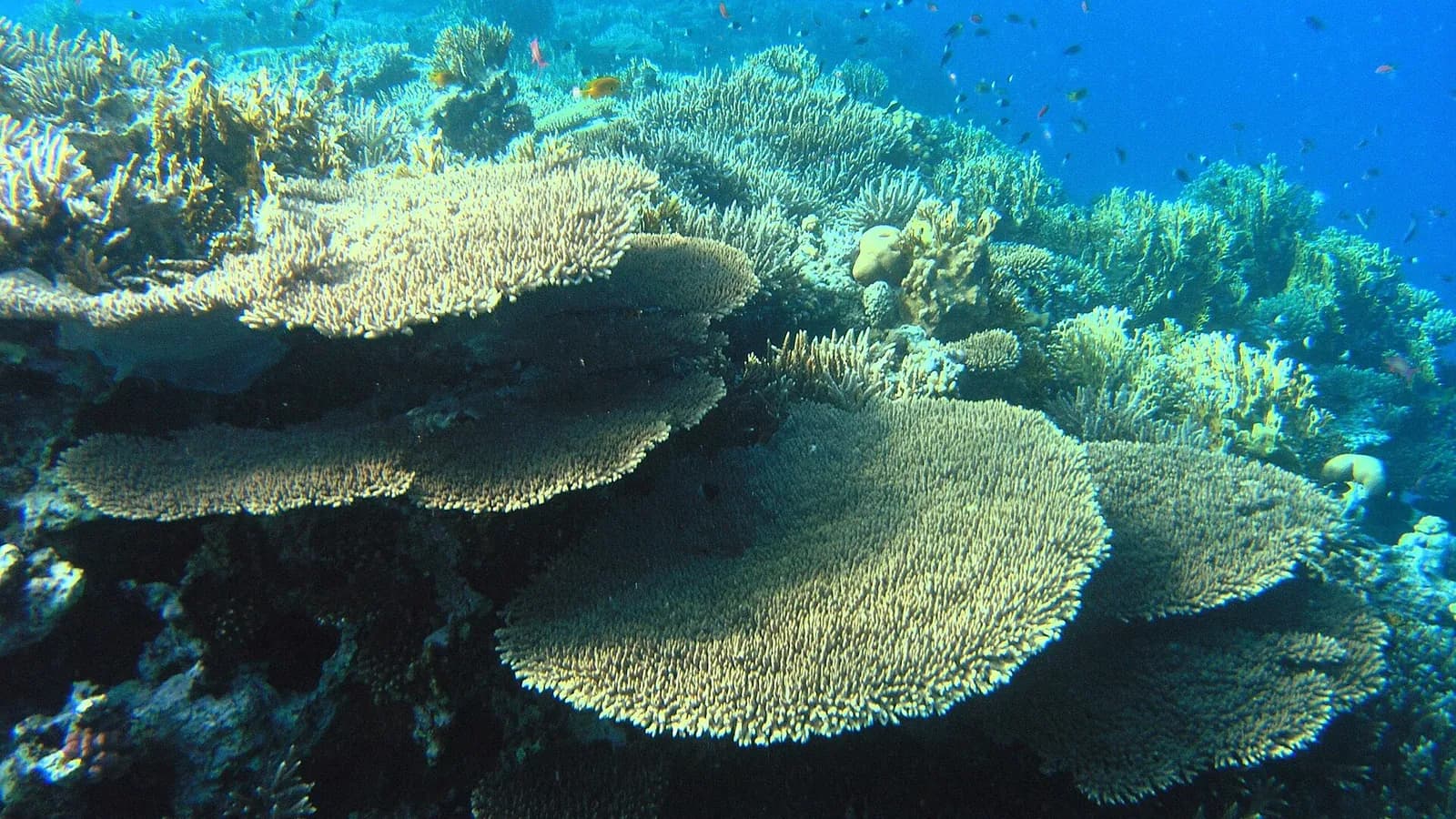
Tauchen in Hurghada (2026): die besten Tauchplätze, Pakete und Preise
Tauchen in Hurghada — die besten Riffe (Giftun, Careless Reef, Dolphin House), Schnuppertauchen oder PADI-Kurse, echte Preise 2026 aus über 160 Ausfahrten und die bestbewerteten Tauchgänge.
Von TiE Editors7 Min. Lesezeit
Schnorcheln in Hurghada (2026): die besten Riffe, Preise und wie du wählst
Die besten Riffe und Inseln zum Schnorcheln ab Hurghada — Orange Bay, Giftun, Dolphin House — mit echten Preisen 2026 aus über 880 buchbaren Ausflügen, plus Saison, Meereswelt und Tipps.
Von TiE Editors7 Min. Lesezeit
Ägypten-Tourpreise nach Aktivität (2026): Was jede Art wirklich kostet
Was jede Art von Ägypten-Erlebnis tatsächlich kostet – vom 1.700-EGP-Kamelritt bis zur 48.500-EGP-Nilkreuzfahrt – auf Basis von 29.710 echten buchbaren Touren über sieben Plattformen.
Von TiE Editors6 Min. Lesezeit