Best Time to Visit Egypt (2026): Month-by-Month Weather and Crowds
When to go to Egypt for comfortable weather, good prices and the right sea temperatures. A month-by-month guide to seasons, crowds and costs.
Book it on This is Egypt
Turn this guide into a trip


Quick answer: Egypt has a simple climate and a simple answer for most travellers: the cooler months from October to April are the best time to visit, and the hot summer from June to August is cheaper but punishing at the ancient sites. The detail matters, though, because the Nile Valley, the Red Sea and the desert each behave differently, and the "best" month depends on what you came for: temples, diving or a beach. Here is how the year breaks down.
The short answer
For sightseeing in Cairo, Luxor and Aswan, come between October and April, when daytime temperatures across much of Egypt sit in a comfortable range of roughly 10-25°C (50-77°F) and the desert sites are bearable. The peak of that window, from December to February, has the most comfortable weather alongside the biggest crowds and highest prices. The shoulder months, March, April, September and October, are the sweet spot: warm, clear and a little quieter, with fewer crowds and better rates. Summer, June to August, is very hot inland but excellent for the Red Sea and much cheaper across the board.
If you only remember one thing: aim for the shoulders. October and November on one side, March and April on the other, give you the best all-round trip, with warm days, cool but not cold nights, sea still worth swimming in, and neither the peak-season prices nor the summer furnace. November in particular is often the best all-round month, pairing comfortable temperatures with manageable crowds and a Red Sea still around 26°C (79°F).
Season by season
Peak winter (October to April, busiest December to February). This is Egypt's high season, and for good reason. Cairo and the Nile Valley are mild and sunny by day and cool at night, so pack layers. It is the ideal stretch for Luxor, Aswan and the Pyramids, when you can walk a temple complex without wilting. It is also the busiest and most expensive time, bringing higher tourist numbers, longer queues at the sites and higher hotel prices. European and North American visitors peak December to February, escaping the northern winter, and the headline sites, Nile cruises and good hotels book up weeks ahead. The Red Sea stays swimmable, best with a wetsuit for longer dives.
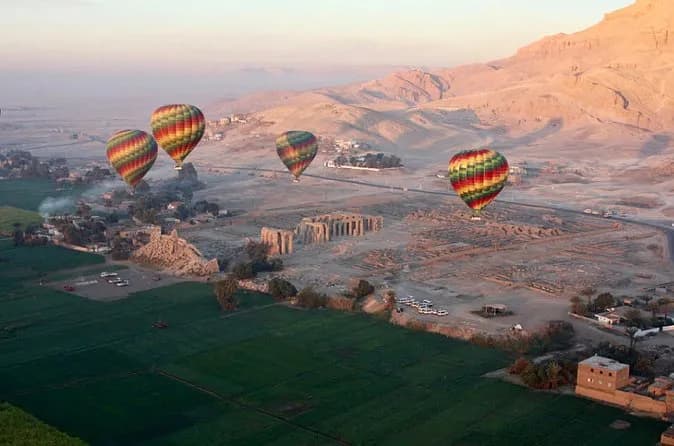
Shoulder spring (March to May). Excellent, and arguably the finest all-round window in its early weeks. Warm, clear and noticeably less crowded than mid-winter, with the sea steadily warming to 25-27°C (77-81°F) by May. Daytime temperatures run about 30-35°C (86-95°F) with cool mornings and evenings. The one caveat is the khamsin, occasional hot, dusty winds that blow up from the desert in spring, covered in detail below. Spring is also prime time for Luxor hot-air balloon rides and photography.
Low and hot summer (June to August). Hot and cheap, with the fewest crowds and the cheapest hotels and cruises. Inland, Luxor and Aswan regularly pass 40°C and can exceed 45°C (113°F) at peak, while Cairo highs run about 33-35°C (91-95°F), so temple visits mean dawn starts and afternoons indoors. But the Red Sea is at its warmest and the resorts are built for the heat, so a summer beach holiday in Hurghada, Sharm el-Sheikh or Marsa Alam works well, and prices for tours and hotels drop sharply. On the Red Sea, summer visitors are mainly domestic and Middle-East travellers, and rates can run 20-40% cheaper.
Shoulder autumn (September to November). The other sweet spot. September is still hot but quieter and cheaper, with warm seas and near-zero rain. Through October the heat eases, the sea stays warm into November, and the crowds have not yet peaked, making these among the best weeks of the year for a temples-plus-sea trip.
Month by month
| Month | Cairo | Luxor / Aswan | Red Sea water | Verdict |
|---|---|---|---|---|
| Jan | ~9-19°C / 48-66°F | Warm day, ~8-9°C night | ~22°C / 72°F | Peak season, coolest, layer up |
| Feb | Mild, sunny | Warm days, cold nights | ~22°C / 72°F | Peak; Abu Simbel festival on the 22nd |
| Mar | High ~28°C / 82°F | ~35°C / 95°F | ~22°C / 72°F | Shoulder starts; watch for khamsin |
| Apr | Pleasant | Hot afternoons | ~24°C / 75°F | Excellent all-round; khamsin peaks |
| May | Warm-hot | ~39°C+ / 102°F+ | ~25-27°C / 77-81°F | Shoulder tips into heat; sea great |
| Jun | Hot | >40°C / 104°F | ~26°C / 79°F | Inland harsh; low season begins |
| Jul | ~33-35°C / 91-95°F | ~41°C / 106°F | ~28°C / 82°F | Hottest; Red Sea only |
| Aug | Very hot | ~41°C / 106°F | ~30°C / 86°F | Hottest water; cheapest inland |
| Sep | Easing | Still hot | ~28°C / 82°F | Heat breaking; good value |
| Oct | Warm days | ~34°C day / 20°C night | ~26-28°C / 79-82°F | Prime shoulder; Abu Simbel on the 22nd |
| Nov | ~24°C / 75°F | Warm days | ~26°C / 79°F | Best all-round month of the year |
| Dec | Cool, sunny | Warm day, cold night | ~22°C / 72°F | Peak; book far ahead for the holidays |
Weather by region
Egypt is not one climate but several, and they can differ by 15 degrees on the same day.
Cairo and the north. The Mediterranean edge keeps Cairo mild year-round: summer highs reach about 35°C (95°F) and winter lows sit around 21°C (70°F), with January averaging a pleasant 9-19°C (48-66°F). Rainfall is very low (about 6mm in January and December) and humidity moderate at 50-60%. Alexandria and the coast are a few degrees cooler, with a genuinely Mediterranean climate: summer highs of a moderate 28-30°C (83-87°F) eased by sea breezes, and about 116mm of rain a year, mostly in winter, with January the wettest month at around 28mm.
Upper Egypt (Luxor and Aswan). This is desert proper, and the hottest part of the country. Winter is glorious, with warm days and crisp nights, but summer is brutal: July highs run around 41°C (106°F) with lows near 25°C (77°F), and Aswan can reach about 42°C (107°F). Aswan is also among the driest places on earth, averaging roughly 1mm of rain a year, with many years recording none at all. The swing between day and night is large: Aswan winter nights can drop to about 8°C (46°F), so evenings surprise people who packed only for the heat. October offers warm ~34°C (94°F) days with nights near 20°C (68°F).
The Red Sea (Hurghada, Sharm, Marsa Alam). Consistently warm and dry. Winter lows are a comfortable ~21°C (70°F), summer highs reach ~38°C (100°F), and Sharm el-Sheikh winter daytime air runs about 15-23°C (59-73°F). It is most comfortable in spring and autumn, but there is effectively no bad month to be on this coast.
The Western Desert and oases. Siwa Oasis is best from October to April, with highs of 20-31°C (69-87°F) and humidity of 44-56%. Summer peaks near 37.5°C (99.5°F), while winter nights can fall to about 5.6°C (42°F), so desert nights are genuinely cold.
Crowds and prices by season
The pattern is straightforward. December to February is the peak, with the highest prices and the fullest sites. The Christmas-to-New-Year window (roughly 20 December to 5 January) is the super-peak, with the heaviest crowds and rates up 50% or more over the off-season, so book cruises and top hotels well ahead. March, April, September and October offer near-peak weather without full peak prices, the best value-to-comfort ratio of the year, with fewer crowds and better rates. June to August is the low season inland, when temples empty out and hotels can be roughly 40-50% cheaper than in peak season, the trade-off being the heat. On the Red Sea the rhythm is slightly different: European summer holidays keep the resorts busy in July and August, while spring and autumn are the value windows there.
Ramadan and holidays
Ramadan, the Islamic holy month, shifts about 10 to 11 days earlier each year on the Gregorian calendar, and exact dates depend on the moon sighting. In 2026 it is expected to run from around 18 February to 20 March, with Eid al-Fitr around 20-22 March; in 2027 it is expected to fall roughly 8 February to 9 March. Eid al-Adha in 2026 is expected around 27-29 May. For travellers, tourist sites, cruises and hotels stay open and operate normally, so Ramadan is not a reason to avoid Egypt. What changes is the daytime rhythm: business hours and restaurant service can be reduced during daytime fasting, and afternoons run quieter. The upside is atmosphere: evenings come alive, and many find it a rewarding time to experience Egyptian daily life.
Other fixed dates worth planning around: Coptic Christmas is celebrated on 7 January, and Sham El-Nessim, a roughly 4,500-year-old spring festival, falls on 13 April 2026, the day after Coptic Easter. Christmas, New Year and school holidays push up crowds and prices at the Red Sea and the headline sites, so book those weeks early.
The Abu Simbel Sun Festival
Twice a year, the rising sun aligns down the axis of the Great Temple of Ramesses II to illuminate the inner sanctuary. It happens on 22 February (marking his ascension) and 22 October (his birth). At sunrise the light reaches in for about 22 minutes, roughly 6:54 to 7:16am, lighting the statues of Ramesses II, Amun and Ra while the god Ptah stays in shadow. Crowds gather on both mornings, and often on the 21st too, so it is a spectacular reason to time an Aswan or Abu Simbel visit around late February or late October.
The khamsin wind
Spring brings the khamsin, the sandstorm season that runs March to May and peaks in April over a roughly 50-day window (the name means "fifty"). These are hot, dry southerly winds that carry sand and dust, with gusts reaching up to 140 km/h and rapid temperature rises. Individual dust storms usually last several hours, and conditions normally settle within a day or two, though they can aggravate respiratory conditions. It is a manageable caveat rather than a reason to avoid spring, but worth building a little flexibility into March and April itineraries.
Red Sea diving and water temperatures
The Egyptian Red Sea dives year round, and there is genuinely no bad month, but the marine calendar rewards timing. Water runs from about 21-23°C (70-73°F) in December to February, around 22°C in February, when a 5mm wetsuit is standard, warming to 25-27°C (77-81°F) by May, up to a bath-warm 30°C (86°F) in the August shallows, then easing to 26-28°C (79-82°F) in autumn with 20-40m visibility and lighter crowds. Sharm el-Sheikh sea temperatures span 22°C (72°F) in February to 29°C (84°F) in August, swimmable all year. The best months for diving and snorkelling overall are March to May and September to November, for calm seas, warm water and top visibility.
The coast suits other water sports too. The best kitesurfing season is May to October with near-daily reliable wind, strongest in September; El Gouna runs March to November at 15-25 knots.
Best time for a Nile cruise
For a Nile cruise, plan for October to April, when daytime temperatures are a comfortable ~15-27°C (60-80°F) under blue skies and low humidity, ideal for deck weather and shore excursions, and stable for a dawn hot-air balloon over Luxor's West Bank. A summer cruise is not recommended: averages climb past 100°F, and closed tombs and sites feel hotter still. Peak-season cruises (December to February) book out fastest and cost the most, so the shoulder months of October, November, March and early April are the value sweet spot: fine weather, better availability and more reasonable fares. As a rough guide, cruise prices swing from around $1,200 per person in January to about $600-700 in June.
Birdwatchers should also aim for the shoulders: roughly 1.5 million soaring birds from 37 species funnel down the Gulf of Suez flyway during the spring (March to May) and autumn (September to November) migrations.
Worst time and how to cope
The hardest window for classic sightseeing is July and August in Upper Egypt, when Luxor, Aswan and Abu Simbel bake past 40°C. It is not impossible, just demanding. To cope: avoid sightseeing between 11am and 5pm, start temple visits the moment sites open, retreat to air conditioning or the pool through the middle of the day, hydrate constantly, and wear a hat, loose light clothing and real sun protection. For the pyramids and desert, the best months are October to March, and even then it pays to visit Giza around 8am or after 3pm to dodge the heat and crowds. If your dates are locked into midsummer, lean the itinerary toward the Red Sea, where summer is a feature rather than a bug, and treat the monuments as a light dusting rather than a full temple marathon.
The verdict
The best time to visit Egypt is the cooler half of the year, October to April, with the shoulder months of autumn and spring offering the finest balance of comfortable weather, thinner crowds and better prices. Come in winter for the classic season and accept the crowds, in summer for cheap Red Sea beaches, and in October, November, March or April for arguably the best all-round trip.
For the full picture on planning a trip, read our complete Egypt travel guide and suggested Egypt itineraries, and check what to pack for Egypt so those cold desert nights don't catch you out. When you've settled on your dates, search live Egypt tours and experiences to line up temples, cruises and Red Sea dives before the good ones sell out.
For exact figures, see our guide to Egypt's weather month by month.

A real team available 24/7 to assist you — free
Seif and the team reply on WhatsApp 24/7 — trip questions, custom plans and booking help.
Ask Seif on WhatsAppCommon questions
What is the best time of year to visit Egypt?
October to April, the cooler months, are best for sightseeing in Cairo, Luxor and Aswan, when daytime temperatures across much of the country sit around 10-25C (50-77F). The shoulder months of October, November, March and April give the best balance of warm weather, thinner crowds and lower prices, while December to February is the peak season with the most comfortable weather but the biggest crowds and highest prices.
Is it too hot to visit Egypt in summer?
Inland, yes for comfort: Luxor and Aswan regularly exceed 40C from June to August and can top 45C (113F), while Cairo runs about 33-35C (91-95F), so temple visits need dawn starts and midday rest between 11am and 5pm. But summer is excellent, cheaper and less crowded for the Red Sea resorts of Hurghada, Sharm el-Sheikh and Marsa Alam, where the sea reaches about 30C (86F) and hotel rates can be 20-40% lower.
When is the best time for a Nile cruise or hot air balloon?
October to April, when daytime temperatures are a comfortable 15-27C (60-80F) with blue skies and low humidity, ideal for deck weather and stable dawn air for ballooning over Luxor. The shoulder months of October, November, March and early April are the sweet spot for fine weather, better availability and lower fares. Summer cruises are not recommended, as averages climb past 100F and closed tombs feel hotter still.
When is the best time for Red Sea diving?
Year round, with visibility often over 30 metres. Water is warmest from June to October (about 30C in the August shallows) and around 21-23C in December to February, when a 5mm wetsuit is standard. The best all-round months for diving and snorkelling are March to May and September to November, for calm seas, warm water of 25-28C, and top visibility. Sharm el-Sheikh sea temperatures span 22C in February to 29C in August.
Does Ramadan affect visiting Egypt?
Ramadan is expected to run from around 18 February to 20 March in 2026, and roughly 8 February to 9 March in 2027, shifting about 10-11 days earlier each year with exact dates set by moon sighting. Tourist sites, cruises and hotels stay open and operate normally, so it is not a reason to avoid Egypt. Some business hours and restaurant service can be reduced during daytime fasting, but the evenings are festive, making it a rewarding time to experience Egyptian life.
What are the shoulder months in Egypt and why are they best?
The shoulder seasons are September to November in autumn, and March to May in spring. They combine warm days of about 30-35C (86-95F) with cool mornings and evenings, a sea still warm enough to swim, and neither the peak-season crowds and prices of December to February nor the extreme heat of midsummer. November is often the best all-round month, and spring is ideal for Luxor balloon rides, though watch for the khamsin winds.
When is the Abu Simbel Sun Festival?
The Abu Simbel Sun Festival falls twice a year, on 22 February (marking Ramesses II's ascension) and 22 October (his birth). At sunrise the light reaches down the temple axis to illuminate the statues of Ramesses II, Amun and Ra for about 22 minutes, roughly 6:54 to 7:16am, while the god Ptah stays in shadow. Crowds gather on both mornings and often on the 21st too, so it is a spectacular reason to time an Aswan visit around late February or late October.
What is the cheapest time to visit Egypt?
June to August is the cheapest for inland Egypt, when temples empty out and hotels can be roughly 40-50% cheaper than in peak season, the trade-off being intense heat in Luxor and Aswan. Nile cruise prices swing from around $1,200 per person in January to about $600-700 in June. On the Red Sea, spring and autumn tend to offer the best value, since European summer holidays keep the resorts busy in July and August, though summer rates there can still run 20-40% lower.
Book it on This is Egypt
Turn this guide into a trip

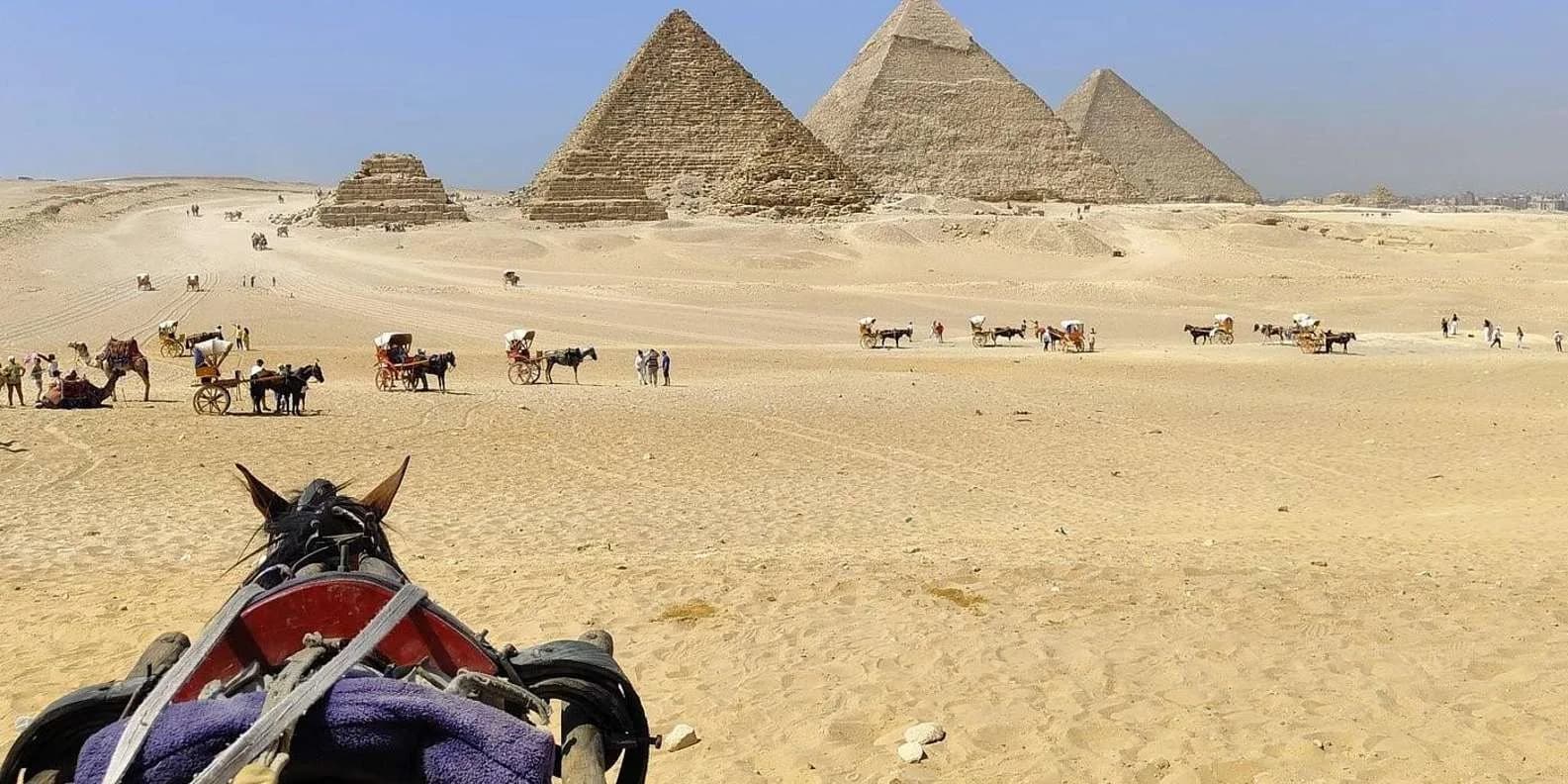

Egypt's bestsellers
The experiences travelers book most, across the country
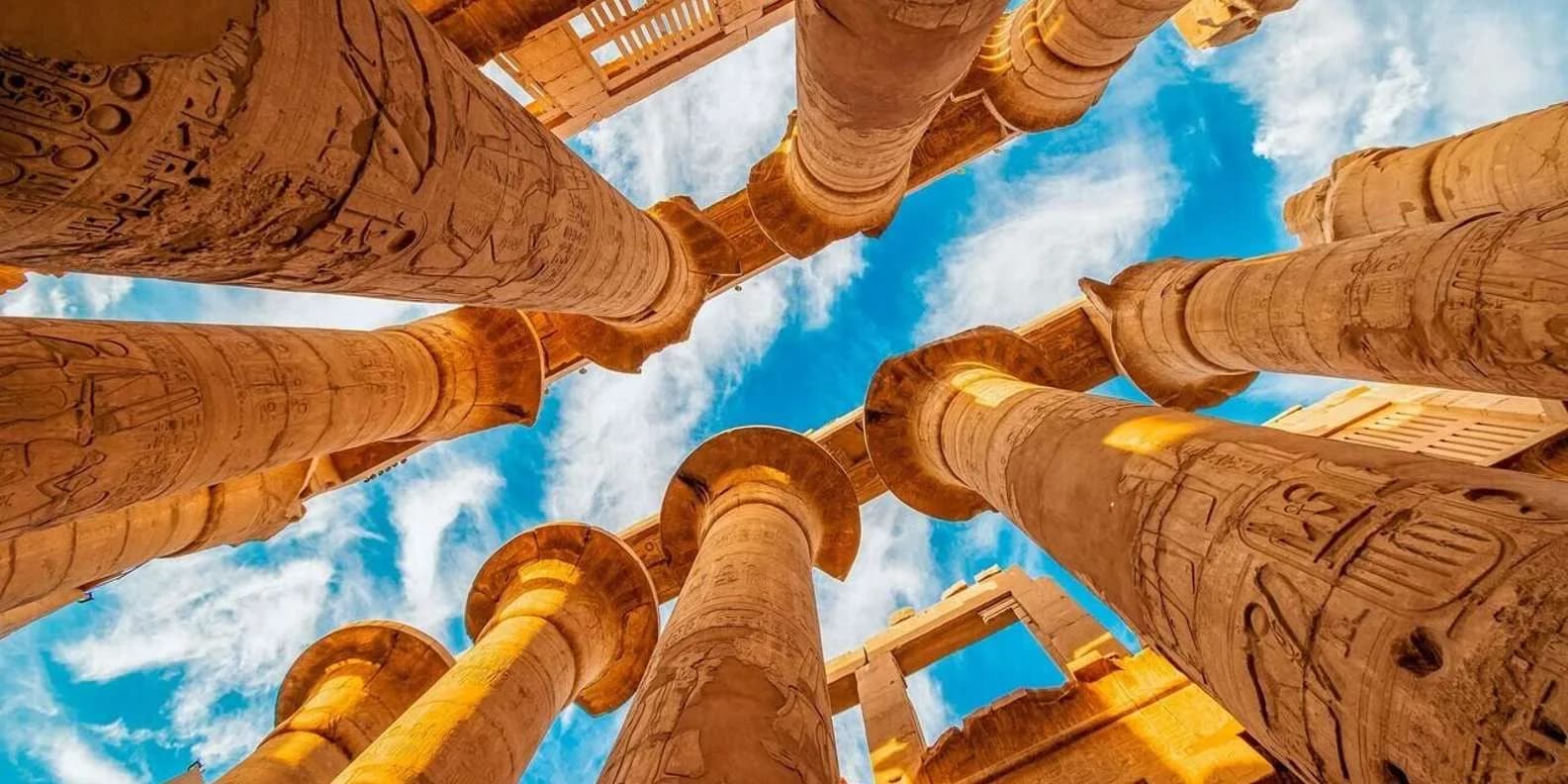
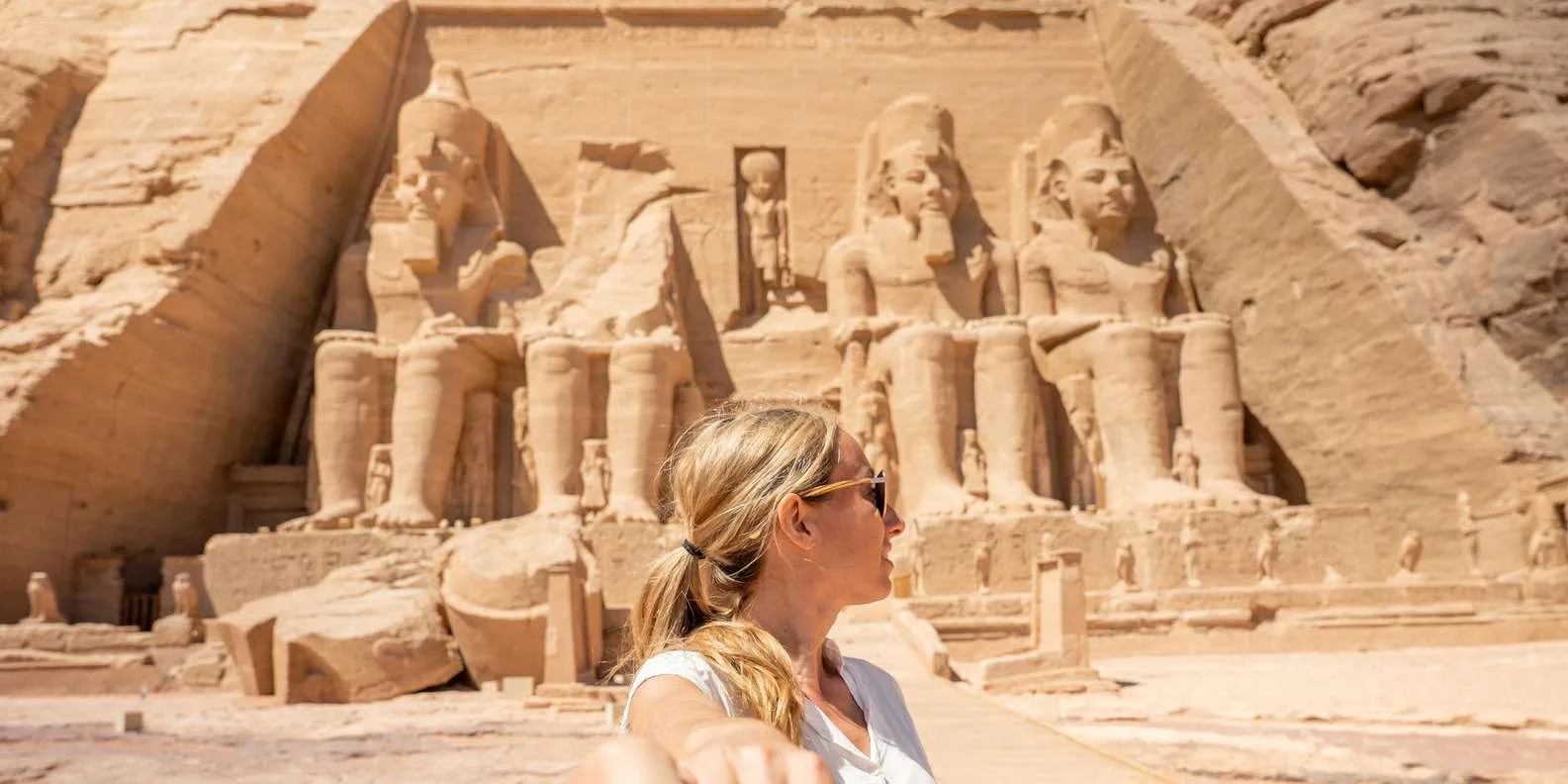

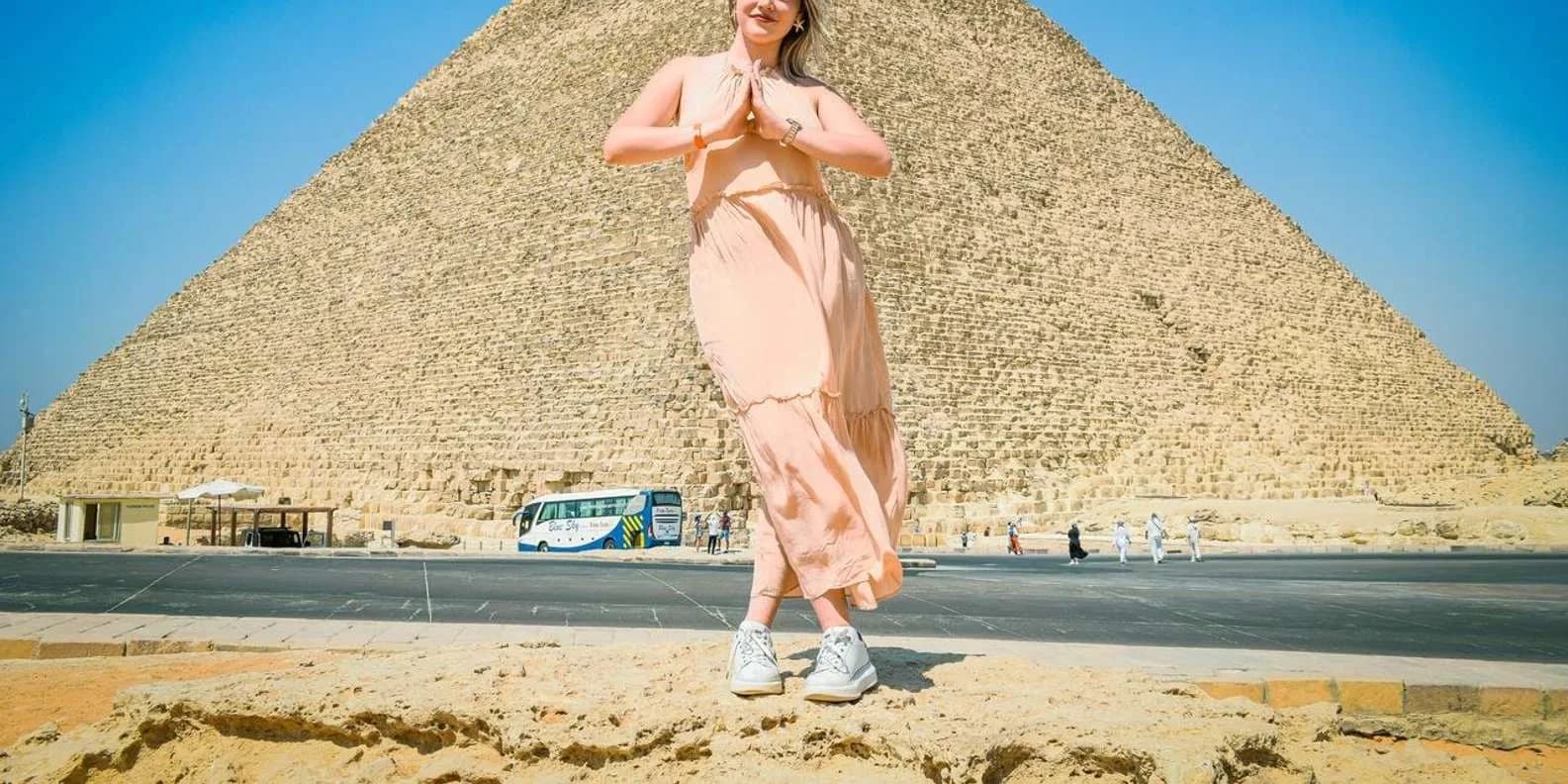
Keep reading
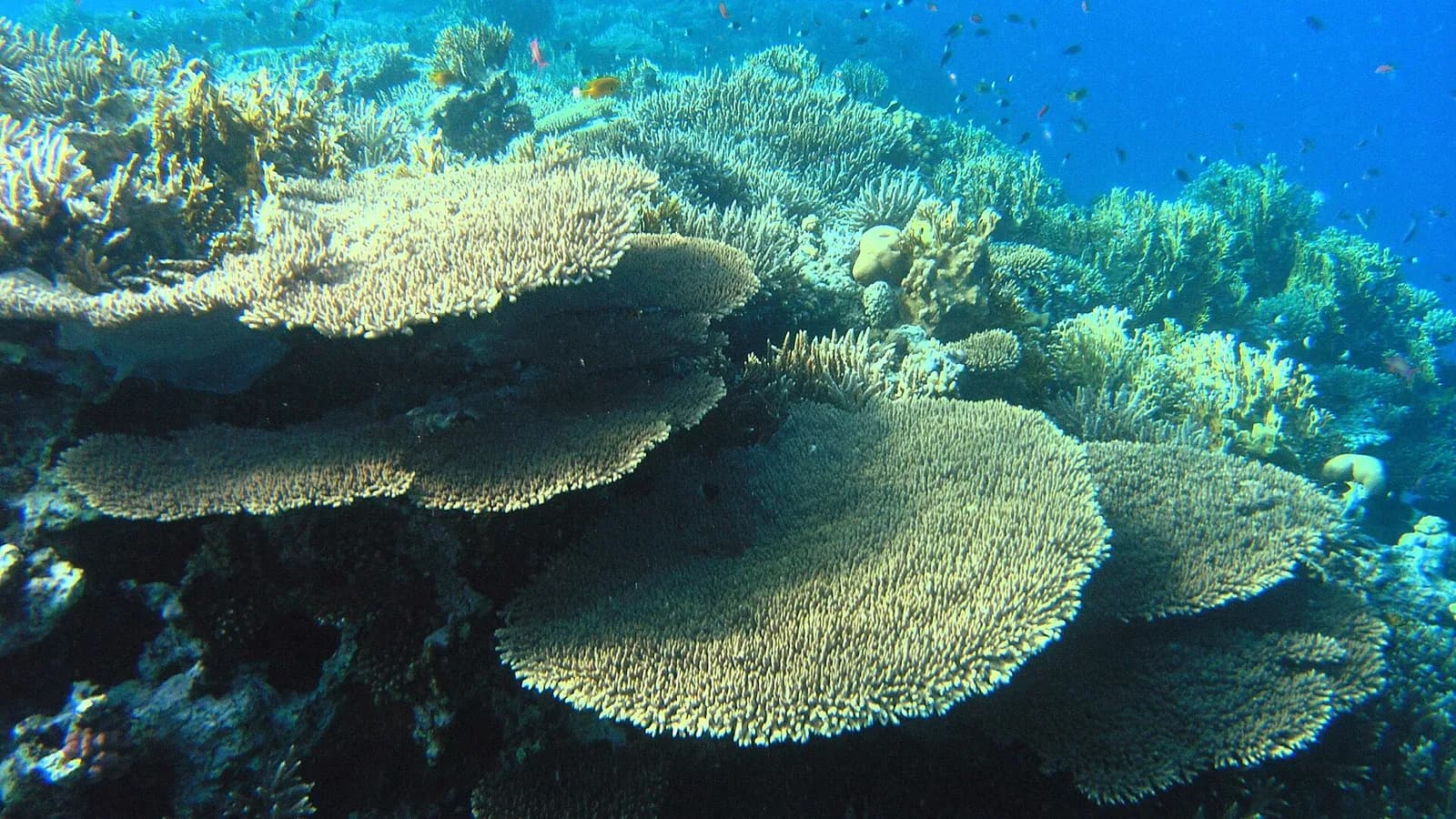
Hurghada Diving (2026): Best Sites, Packages & Prices
Diving in Hurghada — the best reefs (Giftun, Careless Reef, Dolphin House) and Abu Nuhas wrecks, Discover Scuba vs PADI courses, season and water temps, and real 2026 prices.
By TiE Editors7 min read
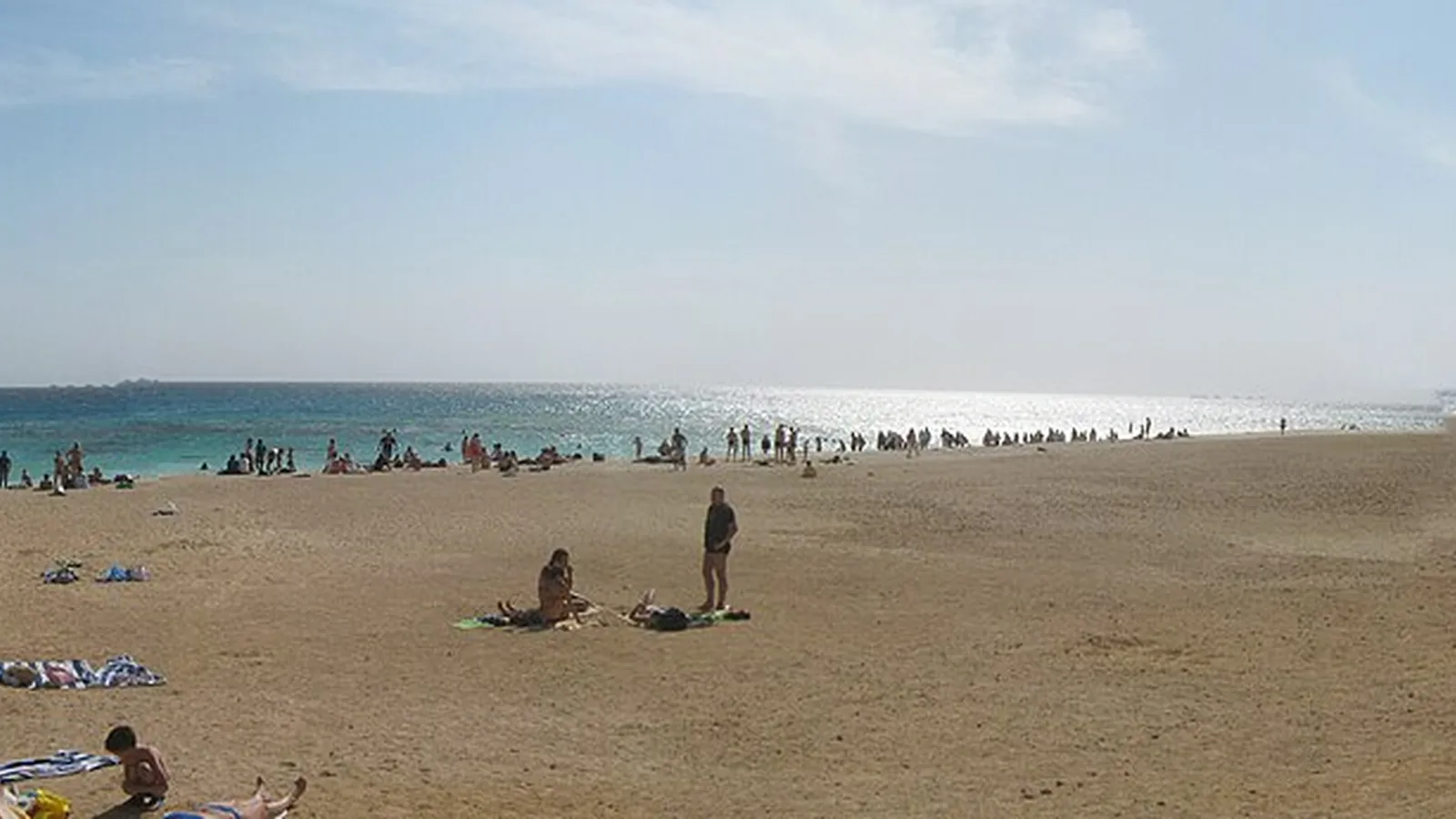
Hurghada Snorkeling Trips (2026): Best Reefs, Prices & How to Choose
Where to snorkel from Hurghada in 2026 — Orange Bay, Giftun, Mahmya, Utopia and Dolphin House — with boat types, marine life, month-by-month sea temperatures, family tips and real prices from 1,000+ bookable trips.
By TiE Editors7 min read
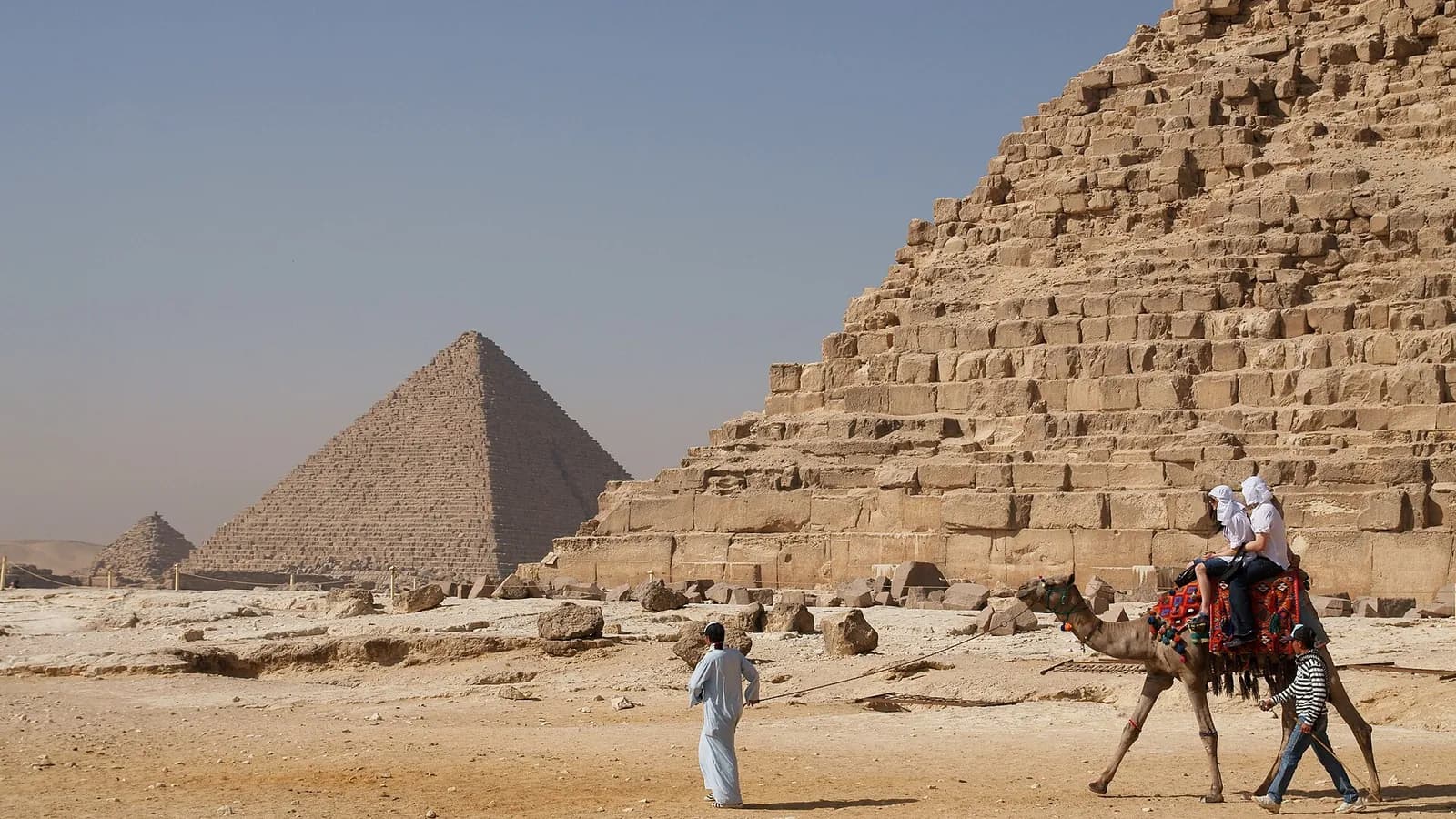
Egypt Tour Prices by Activity (2026): What Each Type Really Costs
What every type of Egypt experience actually costs — from a 1,700 EGP camel ride to a 48,500 EGP Nile cruise — based on 29,710 real bookable tours across seven platforms.
By TiE Editors6 min read