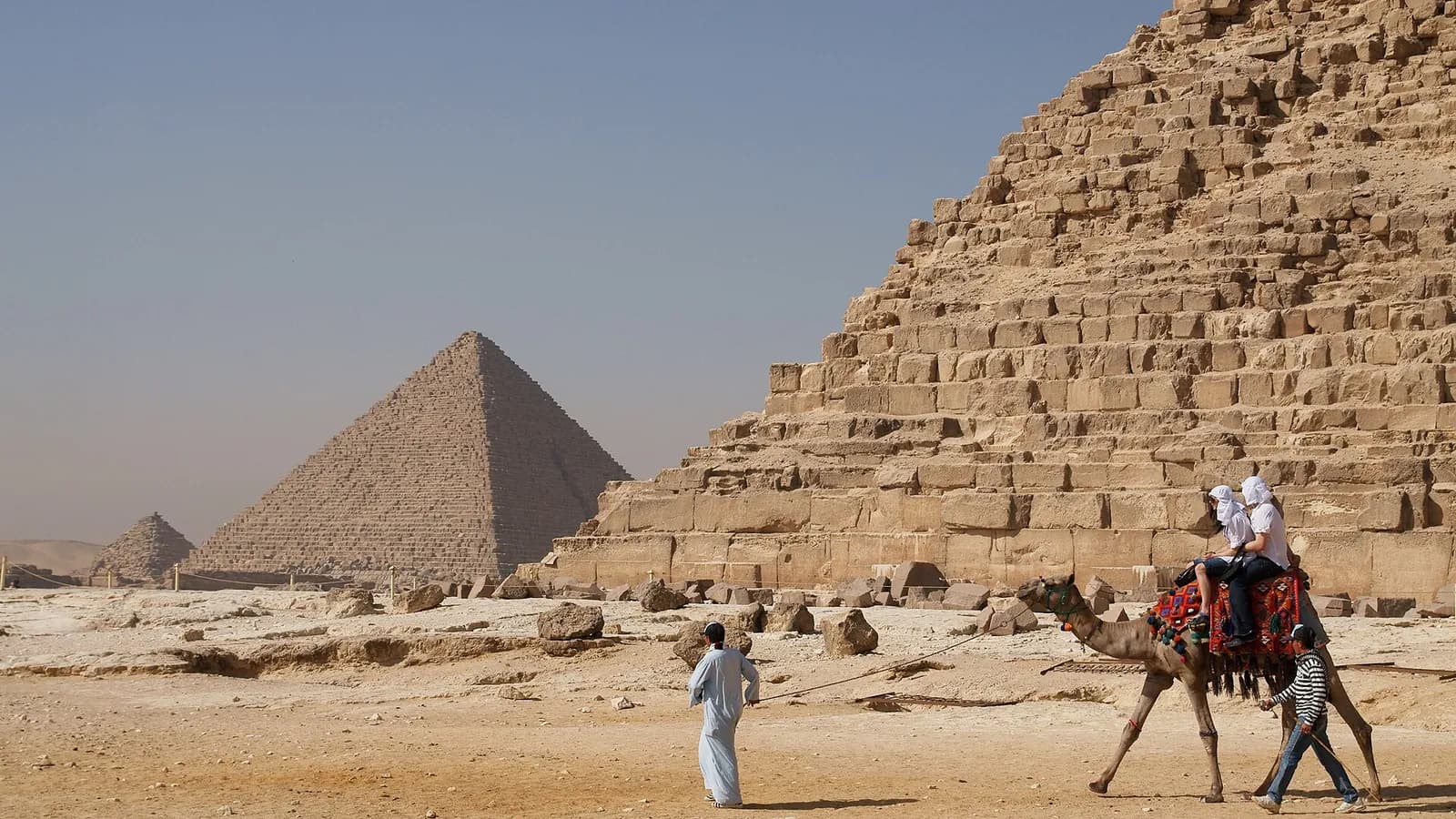
 Photo by Vyacheslav Argenberg, via Wikimedia Commons, CC BY 4.0
Egypt Weather by Month: Temperatures for Cairo, Luxor & the Red Sea
A month-by-month breakdown of Egypt's weather - real temperatures for Cairo, Luxor, Aswan and the Red Sea, plus what each month is actually good for.
Quick answer: Egypt is hot and dry almost all year, but the version of "hot" you get depends entirely on the month and where you stand. December mornings in Cairo can call for a jacket; a June afternoon in Aswan will flatten you. This is the reference table you want open when you're picking dates: what the temperature actually does, region by region, and what each month is good for.
Three things drive Egyptian weather. First, latitude - Cairo sits at the top of the country, Luxor and Aswan are 500-900 km south and run several degrees hotter. Second, the sea - the Mediterranean coast (Alexandria, Marsa Matruh) is milder and more humid, while the Red Sea (Hurghada, Sharm) stays warm and swimmable far later into the year than anywhere inland. Third, the desert effect - very low humidity means huge day-to-night swings, so a 25°C afternoon can drop below 10°C by dawn. Rain barely factors in: the whole Nile Valley gets essentially none, and even the coast sees only about 200 mm a year.
The quick answer
If you just want the headline: October to April is the comfortable window for touring Cairo and Upper Egypt, with October, November, March and April being the sweet spots (warm, not crowded, not freezing at night). December to February is the coolest and the busiest. May to September is hot to brutal inland but excellent - and cheap - on the Red Sea. There is no wrong month for a beach-and-diving trip; there is very much a wrong month for a midday desert hike.
Egypt temperatures month by month
Figures below are typical daytime highs (°C, with °F in brackets) for each region. Luxor and Aswan behave almost identically, so they share a column - Aswan usually runs a degree or two hotter. "Red Sea" covers Hurghada and Sharm el-Sheikh.
| Month | Cairo | Luxor / Aswan | Red Sea coast | Alexandria (Med) |
|---|---|---|---|---|
| January | 19°C (66°F) | 23°C (73°F) | 22°C (72°F) | 18°C (64°F) |
| February | 21°C (70°F) | 25°C (77°F) | 23°C (73°F) | 19°C (66°F) |
| March | 24°C (75°F) | 29°C (84°F) | 25°C (77°F) | 20°C (68°F) |
| April | 28°C (82°F) | 35°C (95°F) | 28°C (82°F) | 23°C (73°F) |
| May | 32°C (90°F) | 40°C (104°F) | 31°C (88°F) | 26°C (79°F) |
| June | 35°C (95°F) | 41°C (106°F) | 33°C (91°F) | 28°C (82°F) |
| July | 35°C (95°F) | 41°C (106°F) | 34°C (93°F) | 30°C (86°F) |
| August | 35°C (95°F) | 41°C (106°F) | 34°C (93°F) | 31°C (88°F) |
| September | 33°C (91°F) | 39°C (102°F) | 33°C (91°F) | 29°C (84°F) |
| October | 30°C (86°F) | 36°C (97°F) | 30°C (86°F) | 27°C (81°F) |
| November | 25°C (77°F) | 30°C (86°F) | 27°C (81°F) | 23°C (73°F) |
| December | 20°C (68°F) | 25°C (77°F) | 23°C (73°F) | 19°C (66°F) |
Two caveats the table can't show. Nights are far cooler than the highs - in winter, Cairo and Luxor can fall to 5-8°C after dark, and the open desert can approach freezing, so cruise and camping evenings are genuinely cold. And Upper Egypt's dry heat feels different from the humid warmth of the coast: 40°C in Aswan with 15% humidity is more tolerable (and more dangerous, because you don't feel yourself dehydrating) than 32°C of sticky Alexandria August.
A third thing worth knowing: the numbers above are daytime averages, and real weather scatters around them. A December cold snap can knock Cairo down to a grey 14°C; an early-May khamsin can push Luxor past 45°C for a day. Plan for the average, but pack for the edges - especially a warm layer, which travellers to "hot Egypt" almost always underpack.
Winter: December, January, February
This is the classic season - and the reason winter Egypt has been a resort tradition since the 19th century, when Europeans came south to escape their own weather. Cairo highs sit around 18-21°C, Upper Egypt is a very comfortable 23-25°C, and the sun shines almost every day. It's ideal for long days at the pyramids, Karnak and the Valley of the Kings without wilting.
The catch is threefold. Nights are cold: pack a proper layer for desert excursions and Nile cruise decks after sunset. Occasional cold snaps and a bit of rain hit Cairo and the north (Alexandria genuinely rains in winter). And it's peak tourist season, so sites are crowded and prices - flights, cruises, hotels - are at their yearly high. December, especially the Christmas-to-New-Year fortnight, is the busiest and priciest of all. See our full breakdowns of Egypt in December and the best time to visit Egypt.
Best for: first-time sightseeing trips, Nile cruises, families who can't travel outside school holidays, anyone heat-averse.
Spring: March, April, May
March and April are lovely - warm, long days, thinning winter crowds, and the shoulder-season prices start to appear. By late April, though, Upper Egypt is already pushing into the mid-30s, and May turns genuinely hot inland (Luxor and Aswan routinely hit 40°C).
Spring's wild card is the khamsin - a hot, dust-laden wind that blows up from the Sahara mainly between March and May. When one arrives it can raise the temperature 20°C in a couple of hours, drop visibility to a brown haze, and coat everything in fine grit for a day or several. They're unpredictable and usually short, but if you have asthma or wear contact lenses, keep a scarf and eye drops handy in spring.
Best for: March/April touring at a relaxed pace; late spring is the moment to pivot toward the coast.
Summer: June, July, August
Inland summer is severe. Luxor and Aswan sit at 40-42°C day after day, and the deep desert can hit 49°C. It is doable - dawn starts, midday rest, relentless hydration - but it is not a casual sightseeing season for Upper Egypt. Cairo is milder at around 35°C but hazy and dusty.
What summer does deliver: near-empty temples, the year's lowest prices, and a Red Sea at its glorious best (water around 28-29°C, superb visibility for diving). The Mediterranean coast around Alexandria and Marsa Matruh is also at its most popular with Egyptians escaping the interior heat. If you're set on summer, read our visiting Egypt in summer heat-strategy guide and lean toward the water.
Best for: Red Sea diving and beach trips, budget travelers, crowd-avoiders willing to work around the heat.
Autumn: September, October, November
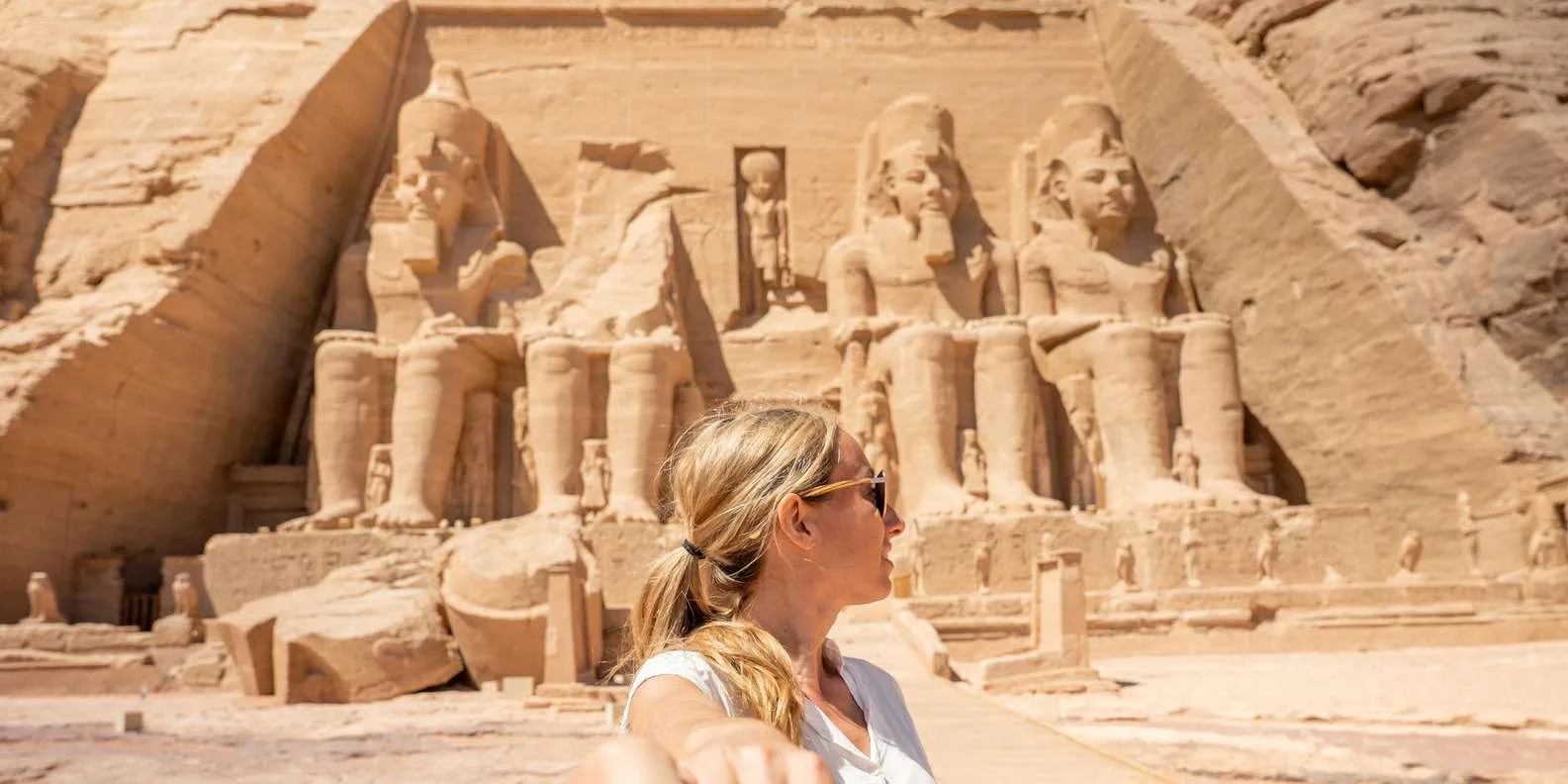
The other shoulder season, and many travelers' favourite. September is still hot but easing; October and November are close to perfect - comfortable touring temperatures inland, warm Red Sea water, clearer light for photography, and crowds well below the winter peak. October has a bonus: the Abu Simbel Sun Festival on 22 October, when the rising sun aligns down the temple axis to light the inner sanctuary for about 20 minutes (it repeats on 22 February). See Egypt in October for the full case.
Best for: the best-balance trip of the year - warm enough for the beach, cool enough for temples, quieter than winter.
Region cheat sheet
Egypt is really three or four different climates at once. Where you're headed matters as much as the month.
- Cairo & the Pyramids: great October-April, with soft light and comfortable days; hot, hazy but manageable in summer with early starts. Winter mornings can genuinely need a jacket. See our Cairo travel guide.
- Luxor & Aswan (Upper Egypt): superb November-March, when full temple days are a pleasure; brutal May-September, when 40°C+ means dawn touring or nothing. Aswan runs a degree or two hotter than Luxor. Details in the Luxor travel guide.
- Red Sea (Hurghada, Sharm, Marsa Alam): good year-round; peak comfort April-June and September-November; hottest but still fine July-August; a thin wetsuit helps December-February. See things to do in Hurghada.
- Mediterranean (Alexandria): the mildest summers in the country and the go-to escape for Egyptians in July-August, but the only region with real winter rain and the most humidity; best May-October.
- Desert & oases (White Desert, Siwa): October-March only. Freezing nights, scorching summer days, and the widest day-to-night swings anywhere - superb stargazing weather, but you'll want a proper sleeping bag.
Sea and water temperatures
Because so much of an Egypt trip can be in the water, here's the other half of the picture. The Red Sea ranges from about 22°C in January-February to 29°C in August-September - swimmable and divable every month, with a thin wetsuit welcome in winter. The Mediterranean is cooler and more seasonal: chilly and rough in winter, comfortable roughly June to October. The Nile itself isn't a swimming river for tourists, but it moderates the air along its banks, which is part of why a cruise can feel a touch kinder than a landlocked desert site on the same day.
When to book what
Weather sets the price. Winter and the December holidays are dear and busy; summer inland is the cheapest window of the year. Across our catalogue, a typical Cairo cultural tour runs around 4,600 EGP and a Nile cruise around 14,000 EGP, but you'll pay a clear premium in December-January and find the softest rates June-August. If your dates are flexible, the shoulder months (October-November, March-April) give you the best mix of good weather and fair prices. Compare live options on the search page once you've settled on a month.
A quick month-picker
Still deciding? Match the month to what you care about most:
- Best all-round weather: October, November, March, April.
- Coolest days for heavy sightseeing: December, January, February.
- Fewest crowds: June, July, August (accepting the inland heat).
- Lowest prices: June-August inland; October-November and March-April for the best weather-to-value balance.
- Best Red Sea diving: comfortable year-round; warmest water and air in September-October.
- Special dates: the Abu Simbel Sun Festival (22 October and 22 February); avoid the busiest, priciest fortnight of Christmas-New Year unless the festive buzz is the point.
Whatever month you land on, the two rules that never change: start early to beat both heat and crowds, and pack layers - Egypt's desert nights are colder than first-timers expect, in every season.

A real team available 24/7 to assist you — free
Seif and the team reply on WhatsApp 24/7 — trip questions, custom plans and booking help.
Ask Seif on WhatsAppCommon questions
What is the best month to visit Egypt weather-wise?
October, November, March and April are the sweet spots - warm enough for the Red Sea, cool enough to tour Luxor and the pyramids comfortably, and less crowded than the December-February peak. If you can only travel in winter, the weather is still excellent, just busier and pricier.
How hot does Egypt get in summer?
Very hot inland. Luxor and Aswan routinely reach 40-42°C (104-108°F) from June through August, and the open desert can hit 49°C (120°F). Cairo is milder at around 35°C. The Red Sea coast stays around 33-34°C but is tempered by the sea breeze and water.
Is it cold in Egypt in winter?
Daytime is mild - Cairo around 19°C, Upper Egypt 23-25°C. Nights are the surprise: Cairo and Luxor can drop to 5-8°C after dark and the desert near freezing. Pack a warm layer for cruise decks, desert trips and early mornings. Alexandria and the north also get some winter rain.
Does it rain in Egypt?
Barely. The Nile Valley and Upper Egypt get almost no rain - a few millimetres a year. The Mediterranean coast is the exception, with around 200 mm annually, mostly as brief winter showers. You can plan an Egypt trip without factoring rain in almost anywhere.
What is the khamsin wind?
A hot, dusty wind that blows off the Sahara mainly between March and May. It can spike the temperature 20°C in a couple of hours and fill the air with sand for a day or more. They're short and unpredictable; if you're in Egypt in spring, keep a scarf and eye drops handy.
Is the Red Sea warm enough to swim year-round?
Yes. Water temperatures range from about 22°C in winter to 29°C in late summer, so Hurghada, Sharm and Marsa Alam are swimmable and divable every month. Comfort peaks in April-June and September-November; a thin wetsuit helps in December-February.
When is the Abu Simbel Sun Festival?
Twice a year, on 22 October and 22 February, when the sunrise aligns down the temple's axis and lights the inner sanctuary statues for about 20 minutes. October's is the more comfortable date to attend. Some sources note the alignment can also appear on the 21st.
How much do nights cool down in the Egyptian desert?
A lot. Low humidity means the desert can swing up to 30°C between afternoon and dawn. A pleasant 25°C day can become a near-freezing night, especially in winter. This is why camping and cruise nights need real layers even after a hot day.
Book it on This is Egypt
Turn this guide into a trip

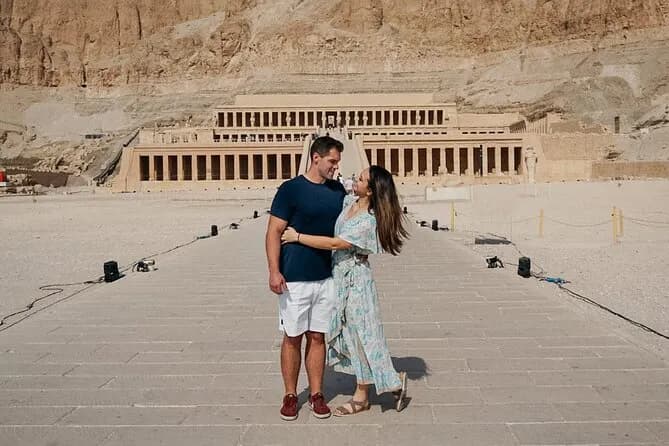



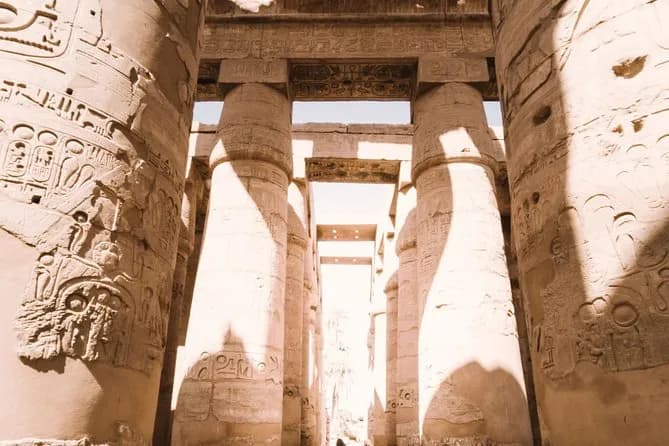


Egypt's bestsellers
The experiences travelers book most, across the country





Keep reading
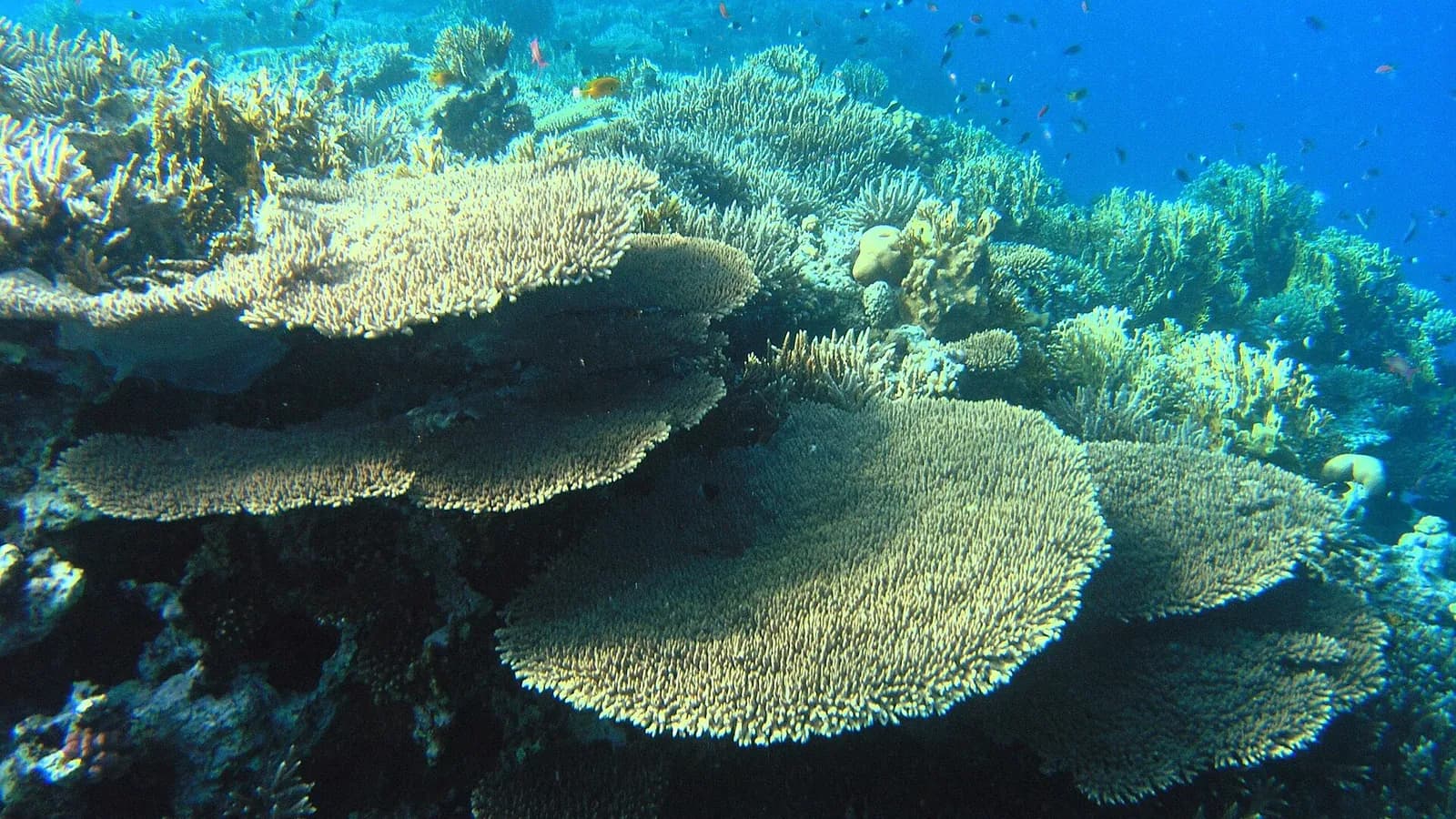
Hurghada Diving (2026): Best Sites, Packages & Prices
Diving in Hurghada — the best reefs (Giftun, Careless Reef, Dolphin House) and Abu Nuhas wrecks, Discover Scuba vs PADI courses, season and water temps, and real 2026 prices.
By TiE Editors7 min read
Hurghada Snorkeling Trips (2026): Best Reefs, Prices & How to Choose
Where to snorkel from Hurghada in 2026 — Orange Bay, Giftun, Mahmya, Utopia and Dolphin House — with boat types, marine life, month-by-month sea temperatures, family tips and real prices from 1,000+ bookable trips.
By TiE Editors7 min read
Egypt Tour Prices by Activity (2026): What Each Type Really Costs
What every type of Egypt experience costs — half day, full day or overnight — as a median and a mid-half range in US dollars, from 12,370 live bookable listings.
By TiE Editors6 min read