Egypt in Summer: Beating the Heat in June, July & August (2026)
Egypt in summer is genuinely hot - Luxor and Aswan top 40°C - but the temples are empty, prices are the year's lowest, and the Red Sea is at its best. Here's the heat strategy.
Quick answer: Egypt in summer is hot - not "warm holiday" hot, but 40-42°C in Luxor and Aswan, day after day, the kind of heat that ends a midday temple visit early. It is not off-limits, though, and it comes with three real rewards: the big sites are close to empty, prices drop to their yearly floor, and the Red Sea is at its glorious best. The whole trip hinges on strategy - go inland at dawn, hide from the midday sun, and lean toward the water. Do that and a summer trip can be surprisingly good.
Just how hot is it?
Hot enough to plan around. Upper Egypt is the extreme: Luxor and Aswan sit at 40-42°C (104-108°F) through June, July and August, and the open desert can reach 49°C (120°F). Cairo is milder but still around 35°C (95°F), often hazy and dusty. The saving grace inland is very low humidity - the heat is dry, which feels more bearable than a humid 32°C but is more dangerous, because you sweat and dehydrate without noticing.
| Region | Summer high | Feel |
|---|---|---|
| Luxor / Aswan | 40-42°C (104-108°F) | Severe, dry - dawn touring only |
| Deep desert | up to 49°C (120°F) | Extreme - avoid midday exposure |
| Cairo | 35°C (95°F) | Hot, hazy, dusty but doable |
| Red Sea coast | 33-34°C (91-93°F) | Hot but tempered by sea breeze |
| Alexandria (Med) | 30-31°C (86-88°F) | Warmest but humid; the coolest option |
The Mediterranean coast is Egypt's summer refuge - Alexandria and Marsa Matruh are where Egyptians themselves flee the interior heat - though it's more humid than anywhere else. See how summer fits the full year in our Egypt weather by month guide.
The heat strategy: how to actually tour in summer
The method is the same one locals and seasoned Egyptologists use:
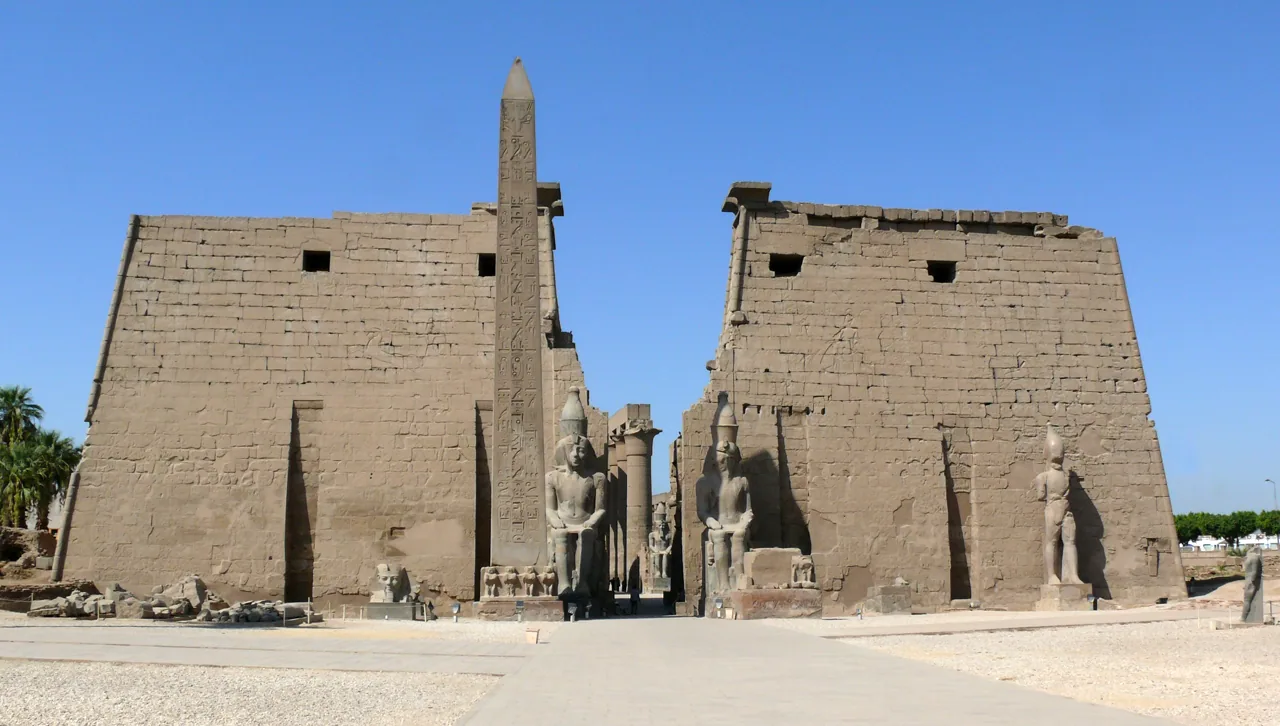
- Start at dawn. Be at the gates when sites open - often 6 or 7 am. You get two or three cool, empty hours before the sun turns cruel. This is non-negotiable for Luxor's west bank, Karnak and the pyramids.
- Disappear at midday. From roughly 12 to 4 pm, be in shade, air conditioning, a pool or a museum. Don't fight it; nothing outdoors is worth heatstroke.
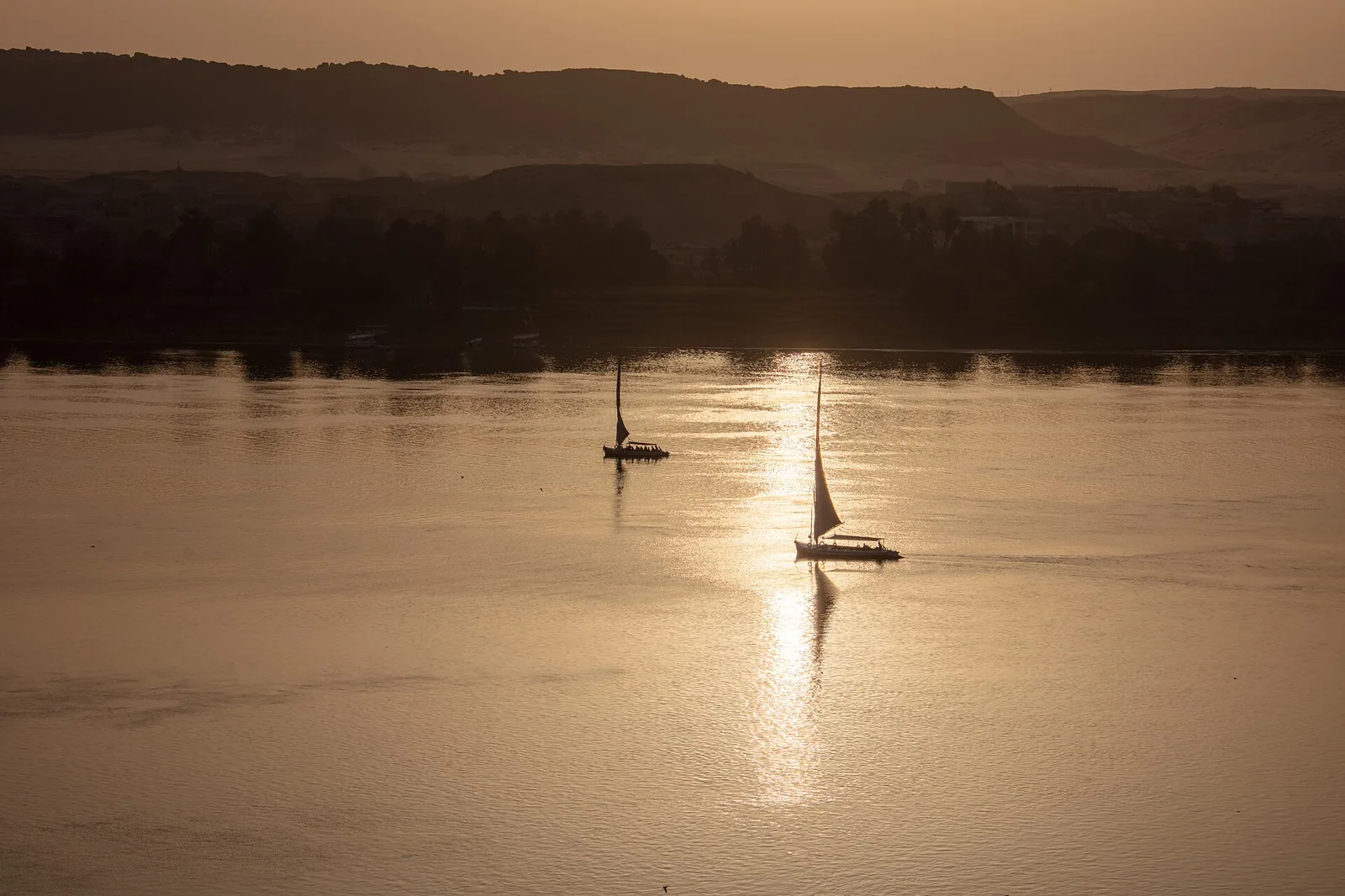
- Resume late afternoon. Sites reopen to comfort around 4-5 pm as the sun drops. Sunset over the Nile or the desert is the summer payoff.
- Hydrate relentlessly. Carry more water than you think you need, add electrolytes, and don't wait until you're thirsty. Heat exhaustion sneaks up fast in dry heat.
- Dress for it. Loose, light, long, pale clothing, a wide hat, real sunglasses and high-SPF sunscreen. Covering up beats baring skin in this sun - see what to wear in Egypt.
Where summer actually shines: the Red Sea
Here's the flip: while inland bakes, the Red Sea is at its absolute peak. Water hits 28-29°C - warm enough to dive all day in a thin wetsuit or none - visibility is superb, and the marine life is excellent. Hurghada, Sharm el-Sheikh and Marsa Alam are made for a summer trip, and the sea breeze takes the edge off the air temperature.
If you're heat-sensitive, the smart summer itinerary is coast-heavy: a few dawn-and-dusk days in Cairo for the pyramids and the Grand Egyptian Museum, then a flight to the Red Sea for the bulk of the trip. See things to do in Hurghada and our Red Sea diving guide for what to book. Across our catalogue, Hurghada experiences are the cheapest of the major bases - a typical Red Sea boat trip runs around 2,500 EGP.
A sensible summer itinerary
The way to enjoy summer is to front-load the hard stuff and let the coast do the heavy lifting. A version that works:
- Days 1-3, Cairo & Giza: the pyramids at opening time, the Grand Egyptian Museum in the air-conditioned middle of the day, Islamic Cairo in the late afternoon. Two or three days, no more, before the heat wears you down.
- Day 4, quick Upper Egypt hit (optional): if you must see Luxor, fly in, tour Karnak and the Valley of the Kings at dawn, and treat the afternoon as pool time. A dawn hot-air balloon over Luxor is one of the few genuinely comfortable summer daytime activities.
- Days 5-8, Red Sea: the reward - Hurghada, Marsa Alam or Sharm for diving, snorkelling and doing very little in the heat of the day. This is where the trip relaxes.
This structure keeps you out of the worst inland heat while still ticking the icons. For fuller routes, see our 7-day Egypt itinerary.
What summer touring actually feels like
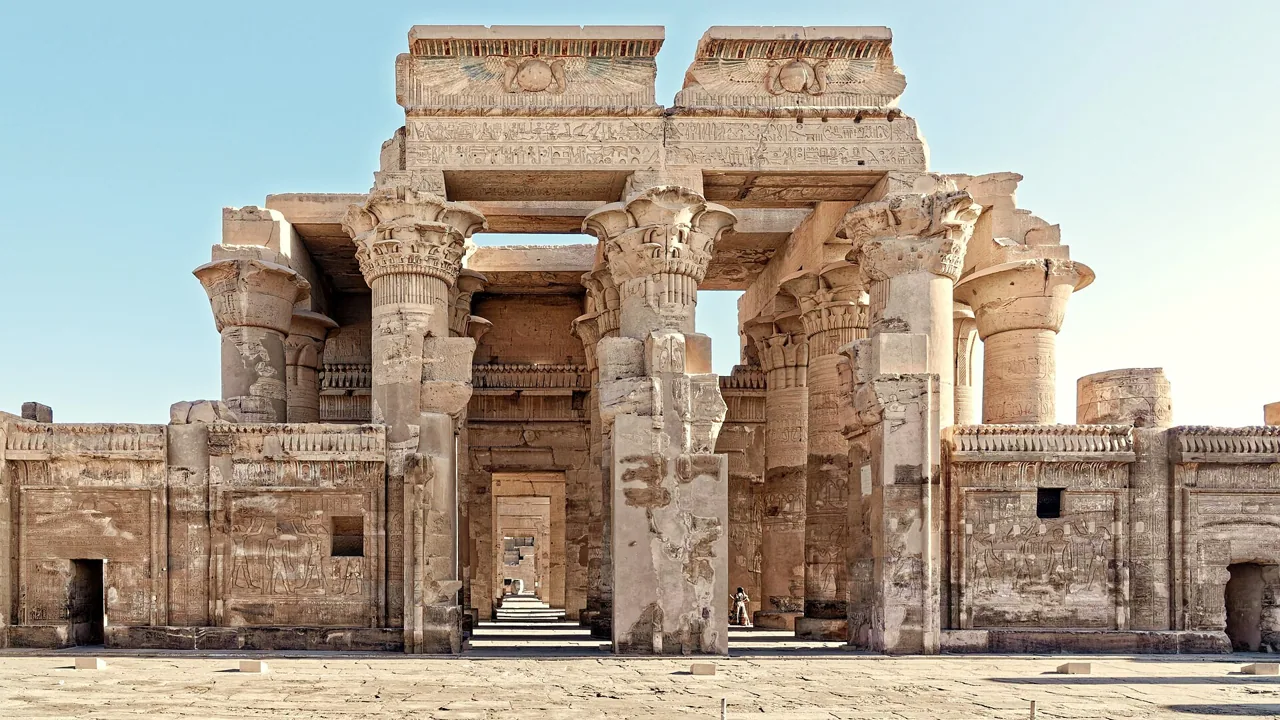
It's worth being honest about the experience, because the brochures aren't. A July morning at Karnak, arriving as the gates open, is superb - long shadows, cool stone, almost nobody there. By 10 am the same courtyard is an oven and the crowd (small as it is) has thinned to a few determined souls fanning themselves in shade. In the deep desert or at an exposed site like the Valley of the Kings, midday is not "uncomfortable," it's a health decision. The flip side is that the discipline pays off in scenes you simply can't get in high season: the Giza plateau nearly empty, a temple courtyard to yourself, a sunset over the Nile with the deck half-full. Summer rewards travellers who respect it and punishes those who wing it.
The upside: empty sites and low prices
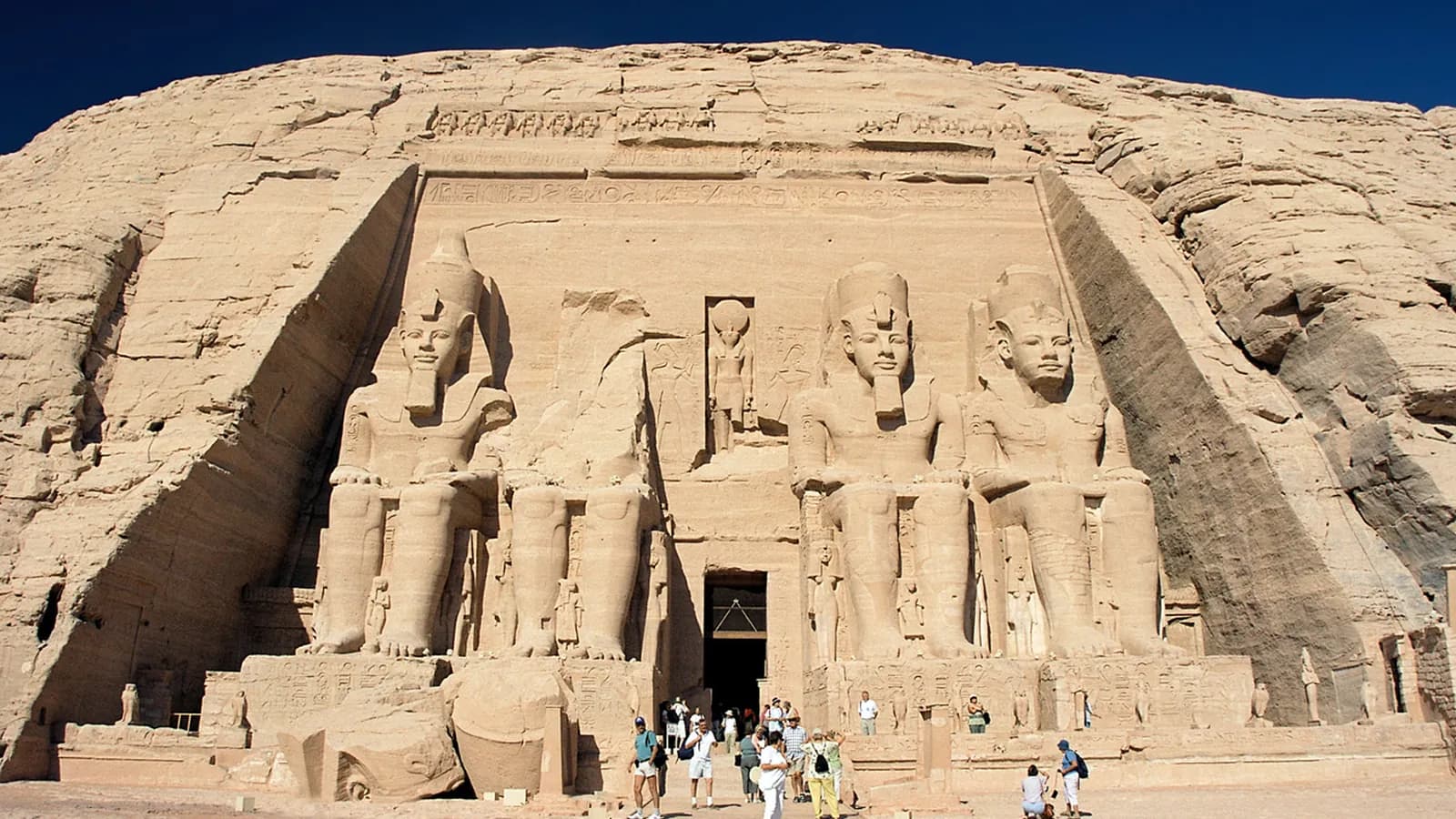
Summer is low season, and it shows. The Valley of the Kings, Abu Simbel and Karnak that heave with people in December are calm in July - you can photograph the pyramids with almost nobody in shot. And because demand collapses, so do prices: flights, Nile cruises and hotels all fall to their yearly lows, and cruise cabins and good rooms that vanish in winter are wide open. Experience prices hold their bands - a Cairo cultural tour around 4,600 EGP, a Nile cruise around 14,000 EGP - but you'll find the softest rates and best availability of the year. Browse live summer dates on the search page.
A note on Ramadan: in some years it falls partly in summer, which changes daytime rhythms and hours. In 2026 it ran in February-March and won't clash with summer for several years, but always check - our Egypt during Ramadan guide explains what shifts.
Heat safety: know the warning signs
Dry heat is deceptive - because your sweat evaporates instantly, you can be dangerously dehydrated before you feel thirsty. Learn the early signals of heat exhaustion: headache, dizziness, nausea, heavy sweating that then stops, cramps, and a rapid pulse. If they appear, get into shade or air conditioning, drink water with salts, and cool the skin. Don't push on "just to finish the temple." Small children and older travellers are more vulnerable, and midday exertion in Upper Egypt or the desert is when trouble happens. A refillable insulated bottle, oral rehydration salts and a genuine willingness to abandon the midday plan are your best safety kit.
Who should visit Egypt in summer - and who shouldn't
Good fit: budget travellers, crowd-haters, Red Sea divers and beach-focused trips, and disciplined early risers who'll commit to the dawn-and-dusk rhythm. If your holiday is mostly water and resort with a short culture hit, summer is arguably a bargain.
Think twice: families with small children, older travellers, anyone with heart or heat-sensitivity issues, and people whose dream trip is long, unhurried days wandering Upper Egyptian temples. For that trip, shift to October-April - the case we make in the best time to visit Egypt guide.
Summer Egypt isn't the easy option, but it's far from a bad one. Respect the heat, build the day around dawn and dusk, give the Red Sea the lead role, and you'll have the sites, and the savings, largely to yourself.

A real team available 24/7 to assist you — free
Seif and the team reply on WhatsApp 24/7 — trip questions, custom plans and booking help.
Ask Seif on WhatsAppCommon questions
How hot is Egypt in summer?
Very hot inland. Luxor and Aswan sit at 40-42°C (104-108°F) through June, July and August, and the deep desert can reach 49°C (120°F). Cairo is milder at around 35°C. The heat is dry, which feels more bearable than humid heat but dehydrates you faster - drink constantly.
Is it worth visiting Egypt in summer?
Yes, if you plan for the heat. The rewards are real: near-empty temples, the year's lowest prices, and a Red Sea at its best for diving. The trick is touring at dawn and dusk, resting through midday, and leaning your trip toward the coast. It's not ideal for long, unhurried temple days.
How do you cope with the heat in Egypt in summer?
Start sightseeing at dawn when sites open, disappear into shade or air conditioning from roughly noon to 4 pm, and resume late afternoon. Drink far more water than you think you need with electrolytes, and wear loose, light, covering clothing with a hat and sunglasses.
Is the Red Sea good in summer?
It's at its best. Water reaches 28-29°C, so you can dive and snorkel all day, visibility is excellent, and the sea breeze takes the edge off the air heat. Hurghada, Sharm and Marsa Alam are ideal summer bases - the smart heat-sensitive itinerary is coast-heavy.
Are Egypt's tourist sites crowded in summer?
No - summer is low season, so the pyramids, Valley of the Kings and Karnak that heave in winter are calm in July and August. You can often photograph the big sites with almost nobody in shot, which for many travellers is worth the heat management on its own.
Is Egypt cheaper in summer?
Yes. Summer is low season, so flights, Nile cruises and hotels fall to their yearly lows and availability is wide open. Experience prices themselves hold their usual bands, but you'll find the best rates and easiest booking of the year, especially on the Red Sea coast.
Which parts of Egypt are coolest in summer?
The Mediterranean coast - Alexandria and Marsa Matruh - is the coolest, which is why Egyptians escape there in summer, though it's more humid. The Red Sea coast is hot but tempered by sea breeze. Upper Egypt (Luxor, Aswan) and the deep desert are the hottest by far.
Egypt's bestsellers
The experiences travelers book most, across the country




Keep reading
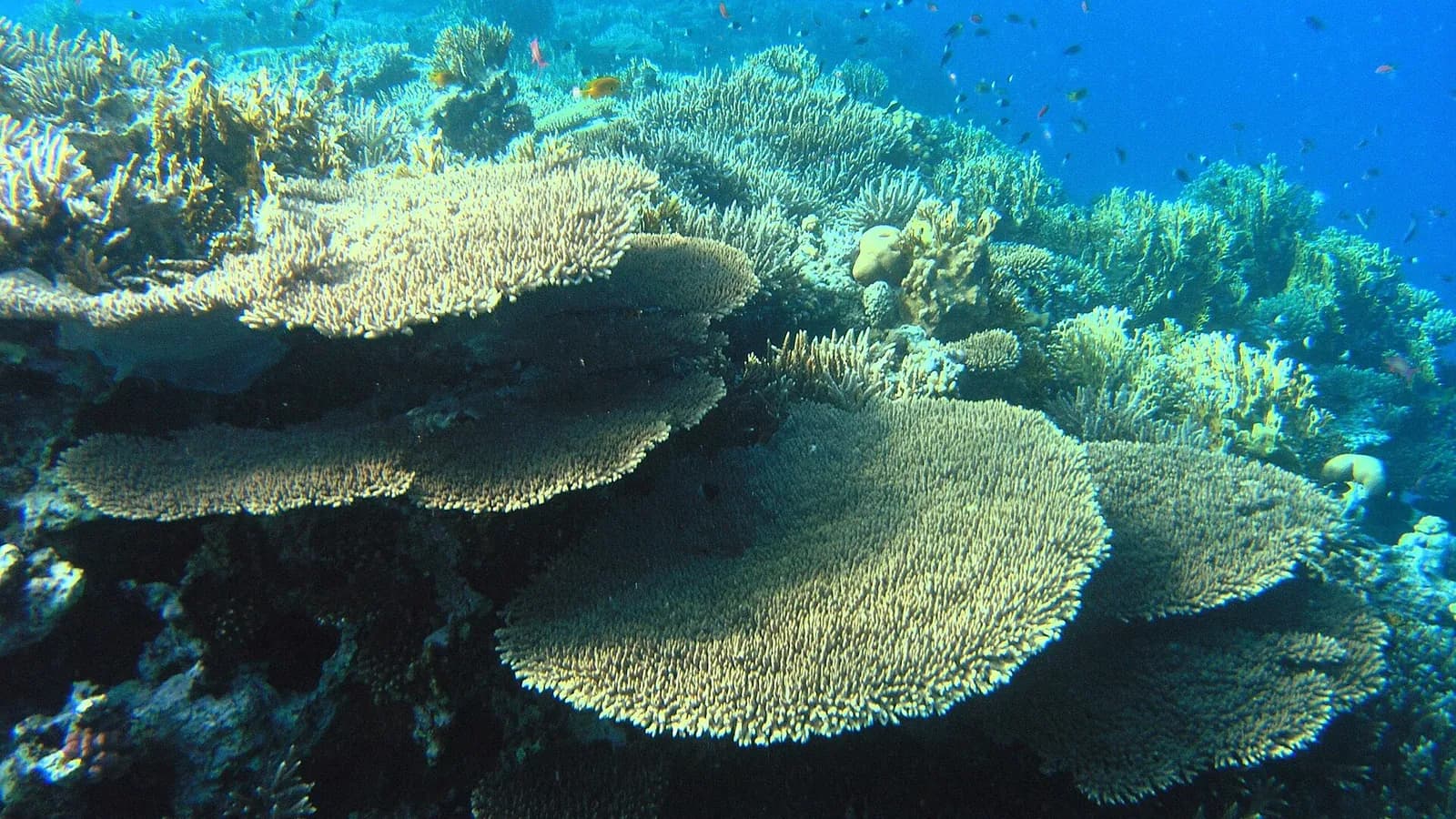
Hurghada Diving (2026): Best Sites, Packages & Prices
Diving in Hurghada — the best reefs (Giftun, Careless Reef, Dolphin House) and Abu Nuhas wrecks, Discover Scuba vs PADI courses, season and water temps, and real 2026 prices.
By TiE Editors7 min read
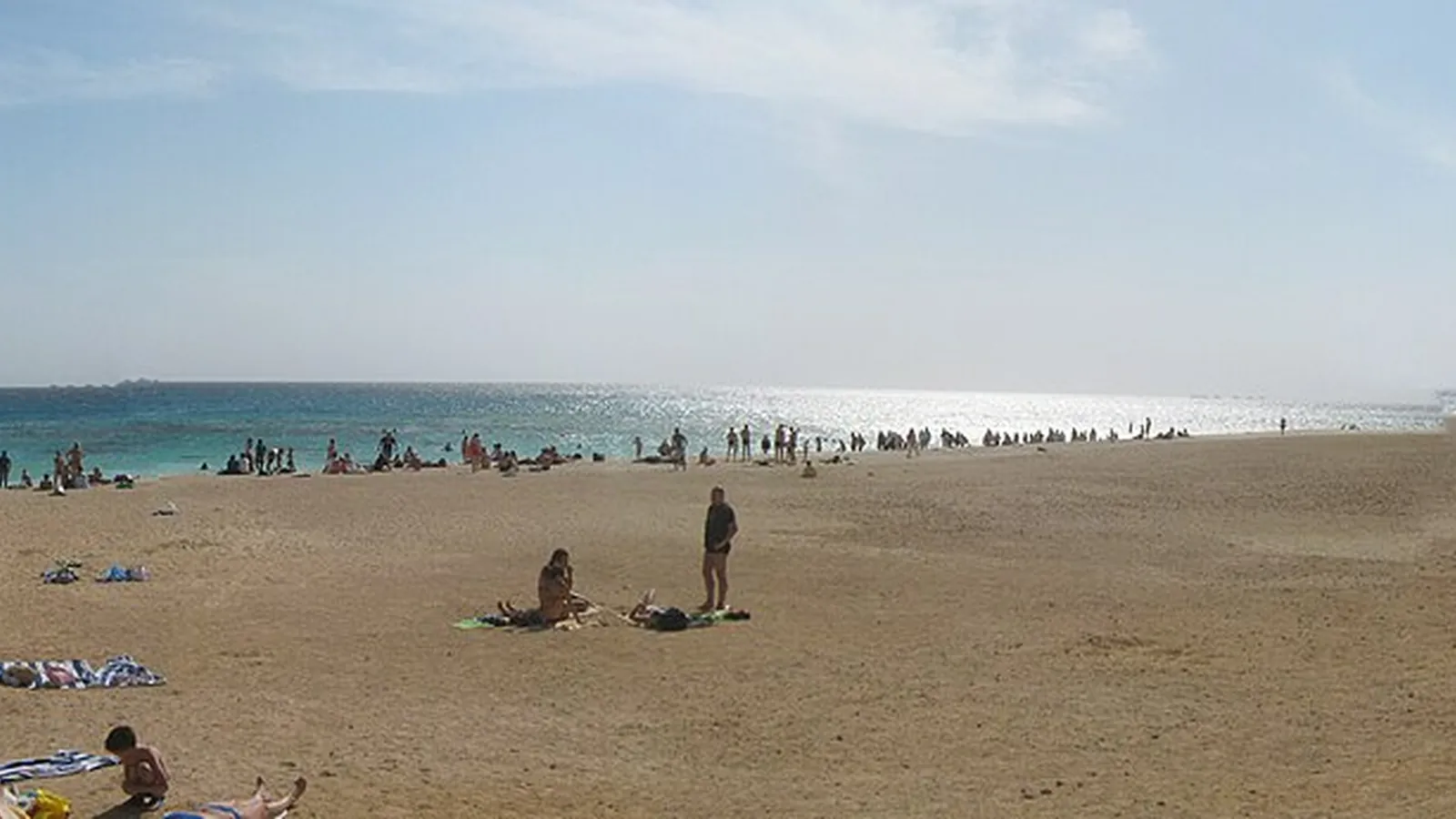
Hurghada Snorkeling Trips (2026): Best Reefs, Prices & How to Choose
Where to snorkel from Hurghada in 2026 — Orange Bay, Giftun, Mahmya, Utopia and Dolphin House — with boat types, marine life, month-by-month sea temperatures, family tips and real prices from 1,000+ bookable trips.
By TiE Editors7 min read
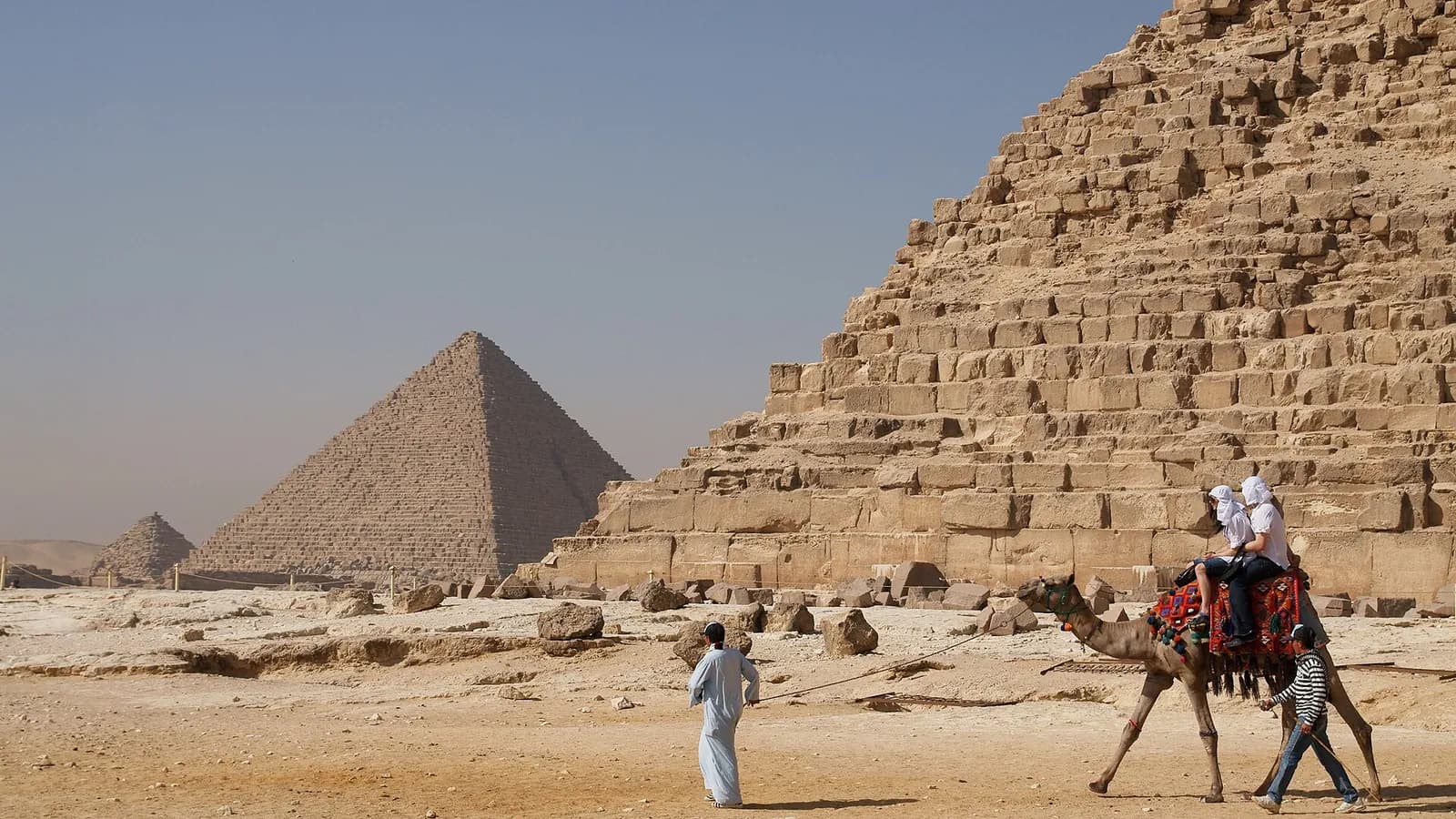
Egypt Tour Prices by Activity (2026): What Each Type Really Costs
What every type of Egypt experience costs — half day, full day or overnight — as a median and a mid-half range in US dollars, from 12,370 live bookable listings.
By TiE Editors6 min read