Red Sea Diving Guide: Best Sites & Seasons (2026)
Where to dive Egypt's Red Sea in 2026 - top reefs and wrecks, marine life, liveaboards, water temps by season, costs, and which hub to base yourself in.
Quick answer: Egypt's Red Sea is one of the planet's great dive destinations, and it earns the title. You get warm, clear water almost year-round, coral reefs in genuinely healthy condition, world-famous wrecks like the SS Thistlegorm, and a cast of animals that runs from clouds of anthias to hammerhead sharks and grazing dugongs. Visibility routinely hits 20 to 40 metres. Dive centres are everywhere, well-run, and cheap by global standards. Base yourself in Sharm el-Sheikh for Ras Mohammed and the Straits of Tiran, Hurghada or El Gouna for easy reef and wreck days, Dahab for laid-back shore diving and the Blue Hole, or Marsa Alam for pristine southern reefs and dugongs. Liveaboards reach the remote offshore giants.
This guide covers where to dive, what you'll see, when to go, what it costs, and how to start if you've never breathed underwater before.
Why the Egyptian Red Sea is world-class
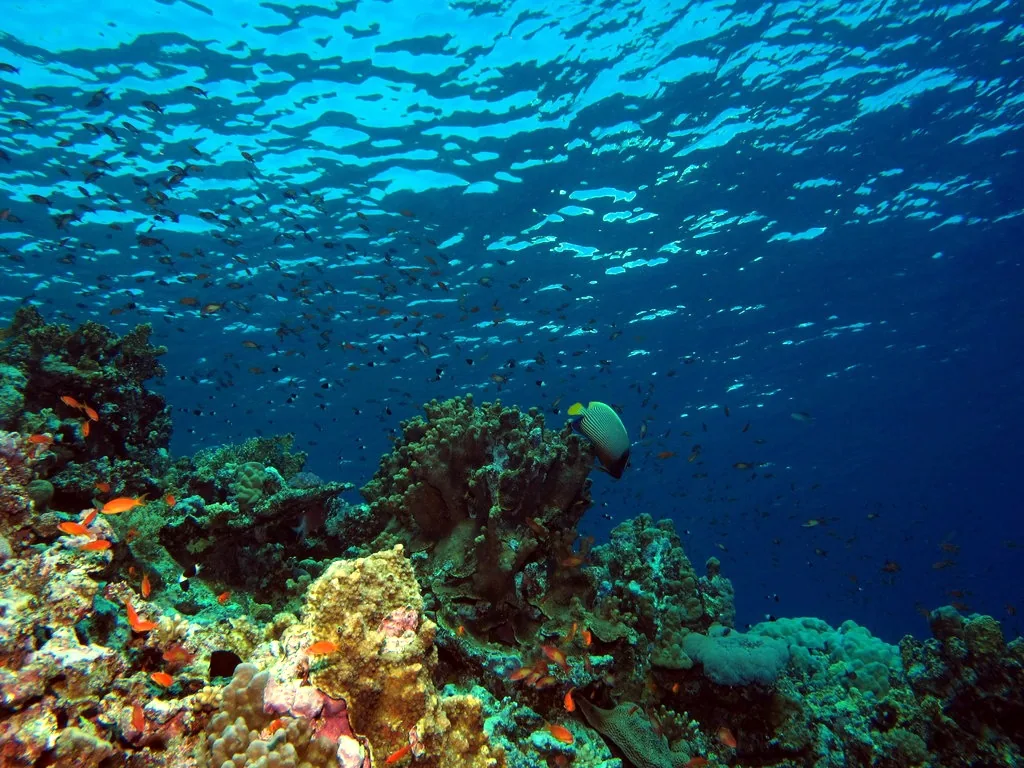
Three things make it special. First, the water. It's warm (21-29°C depending on season), highly saline, and remarkably clear because there's almost no river runoff or plankton bloom to cloud it. Thirty-metre visibility is a normal day, not a lucky one.
Second, the reefs. The Red Sea is a semi-enclosed sea with a huge amount of endemic life - hard and soft corals in absurd colours, fringing reefs that drop straight into deep blue walls, and offshore pinnacles that act as magnets for big fish. Much of it is protected, and the northern reefs in particular have held up well.
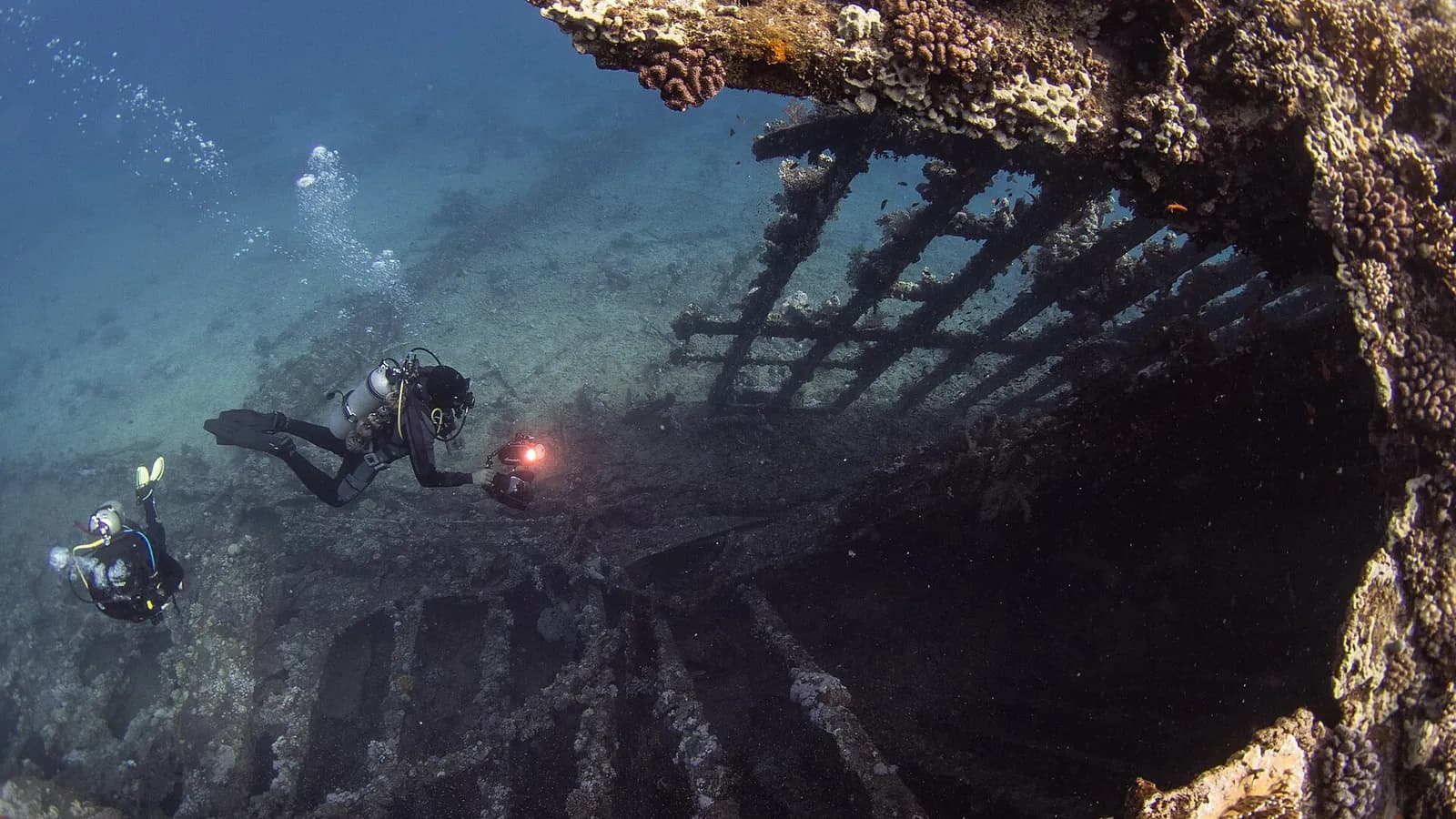
Third, the wrecks. The northern Red Sea was a busy shipping lane, and the seabed holds a collection of wartime and cargo wrecks - none more famous than the Thistlegorm. Add year-round diveability, short flights from Europe, and prices that undercut most tropical destinations, and it's easy to see why divers keep coming back.
The main hubs - and how to choose
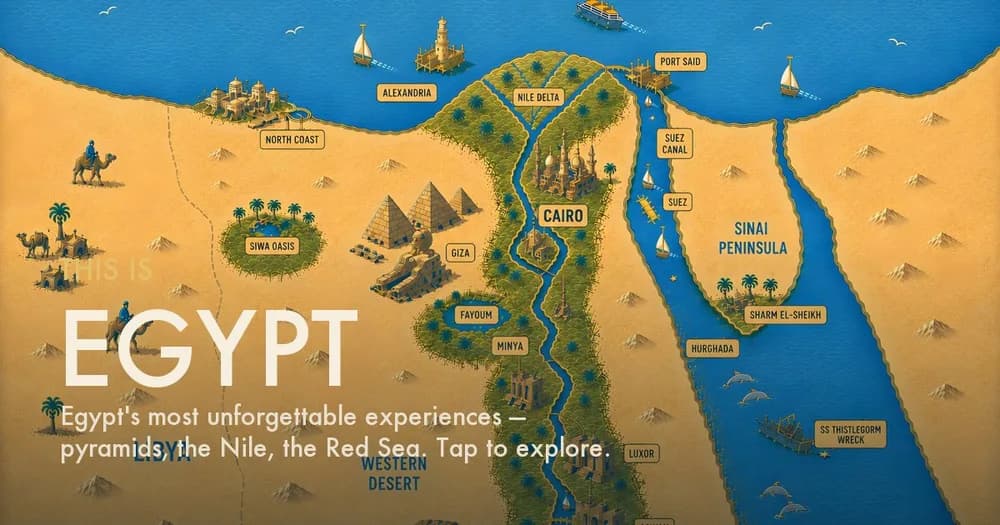
Egypt's dive scene splits between the Sinai side (Sharm el-Sheikh, Dahab) and the mainland coast (Hurghada, El Gouna, Safaga, Marsa Alam). Here's how the main bases compare.
| Hub | Best for | Signature sites | Diver level | Notes |
|---|---|---|---|---|
| Sharm el-Sheikh | Protected reefs, walls, wrecks | Ras Mohammed, Straits of Tiran, Thistlegorm | All levels | Biggest infrastructure; boat diving |
| Hurghada / El Gouna | Easy reef & wreck days, learning | Giftun Island, Abu Nuhas wrecks | Beginner-friendly | Great value; huge choice of centres |
| Dahab | Shore diving, relaxed pace | Blue Hole, The Canyon, Lighthouse | All levels (Blue Hole = experts) | Cheap, mellow, dive-from-the-beach |
| Marsa Alam | Pristine south, big animals | Elphinstone, Dolphin House, Abu Dabbab | Intermediate+ | Dugongs & turtles; quieter reefs |
| Liveaboard | Remote offshore reefs | Brothers, Daedalus, St John's | Advanced | The only way to reach the far sites |
Sharm el-Sheikh, Ras Mohammed & Tiran
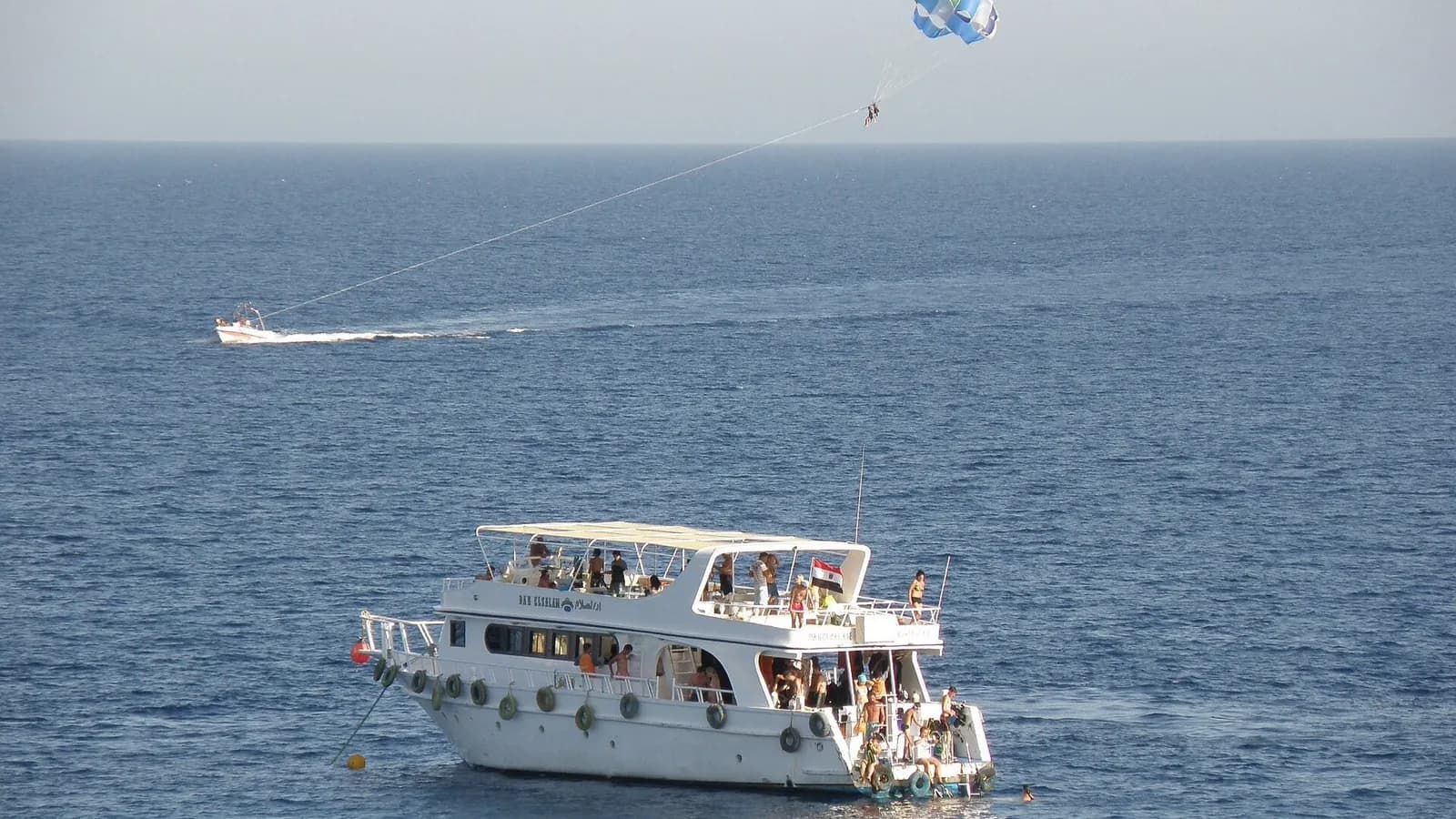
Sharm sits at the tip of the Sinai Peninsula, which puts two of Egypt's best dive areas on its doorstep. Ras Mohammed National Park is the headline: sheer coral walls that plunge hundreds of metres, sites like Shark and Yolanda Reef where the reef is smothered in fan corals and the blue is thick with jacks, snapper, and barracuda. The Straits of Tiran - a run of four reefs (Jackson, Woodhouse, Thomas, Gordon) between Sinai and Saudi Arabia - deliver strong drift dives, big fish, and the occasional shark. Most Sharm diving is done from day boats out of the marina. For a deeper look at the sites and centres here, see our Sharm el-Sheikh travel guide.
Hurghada, El Gouna & Giftun
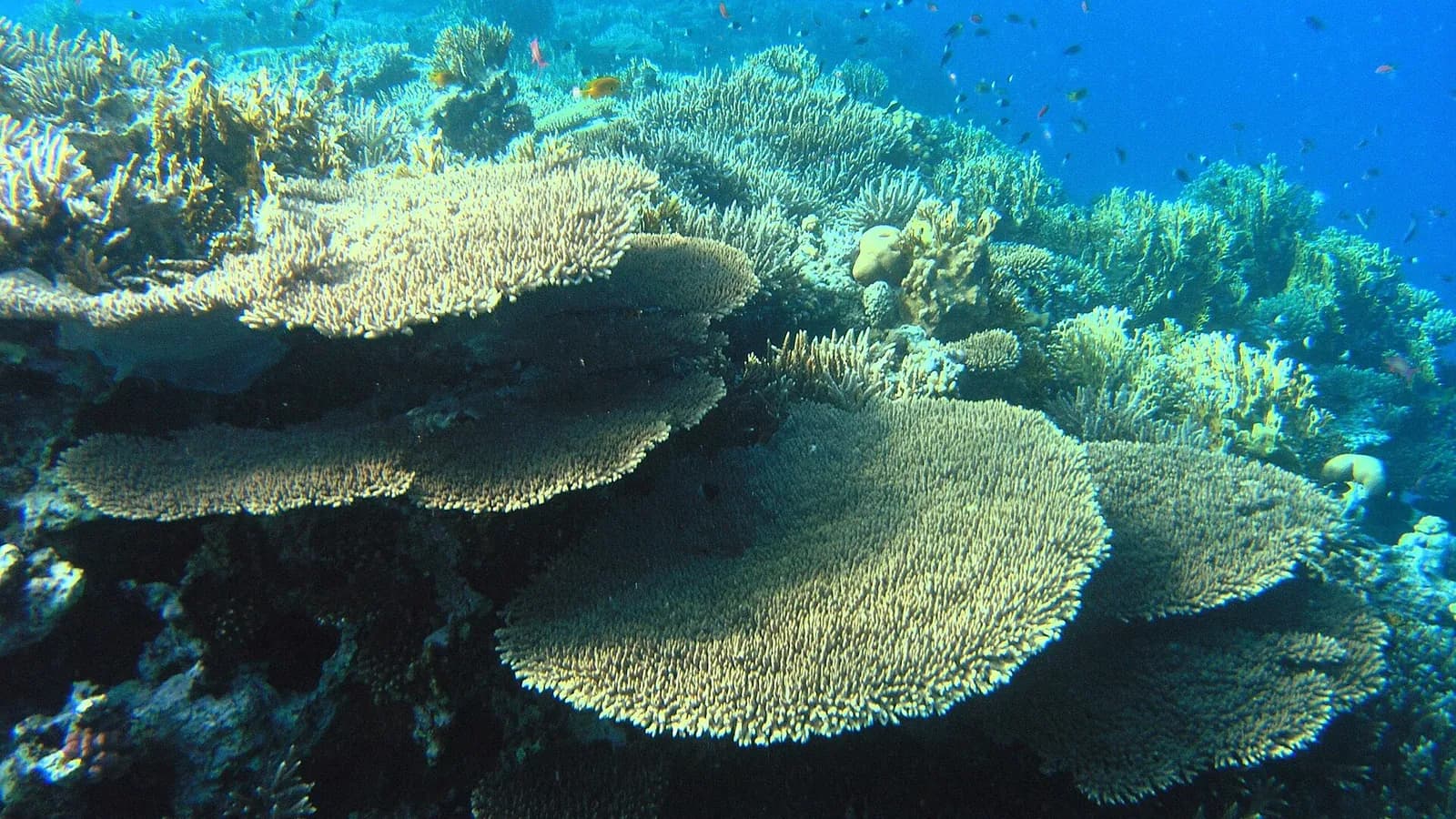
Hurghada is the mainland's original dive town and still the easiest place to learn. Reefs around Giftun Island offer gentle coral gardens perfect for beginners and snorkellers, while day boats push out to the Abu Nuhas reef, a ship graveyard with four accessible wrecks including the famous "Lentil Wreck" (Chrisoula K) and the Giannis D. Neighbouring El Gouna runs quieter, well-managed sites and is a strong base if you want diving plus a polished resort town. For the full picture, read things to do in Hurghada and our El Gouna guide. Wondering which coast suits you? We compare them head-to-head in Red Sea diving: Hurghada vs Sharm.
Dahab & the Blue Hole
Dahab is the Red Sea's shore-diving capital and its most relaxed town - a former Bedouin fishing village where you walk your kit to the water and giant-stride in. The Canyon and Lighthouse are classic, accessible shore dives. The Blue Hole is the legend: a roughly 100-metre-deep sinkhole ringed by reef. Snorkelling and shallow diving around its rim are stunning and safe. The infamous deep "Arch" traverse at ~55m, though, is technical, has killed many divers, and should never be attempted on recreational training - stick to the shallow reef and enjoy it for what it is. Plan a stay with our Dahab travel guide.
Marsa Alam, Elphinstone & the deep south
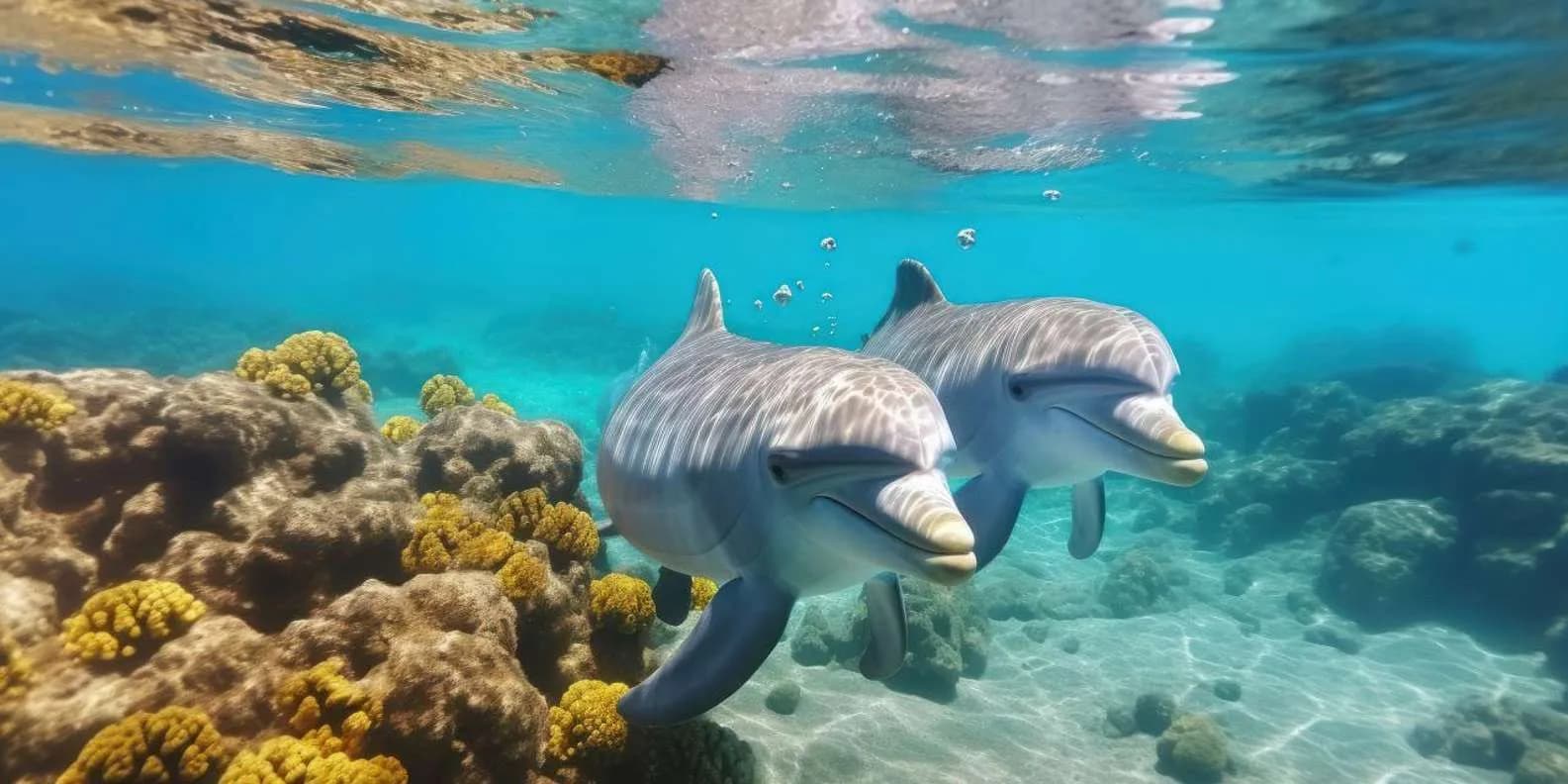
Head south past Port Ghalib and the reefs get wilder and less crowded. Elphinstone, a dramatic offshore reef with plateaus at either end and steep walls, is one of Egypt's signature dives - reef fish, big pelagics, and oceanic whitetip sharks in autumn. Closer in, Abu Dabbab and the bays around Marsa Alam are among the best places in the world to find dugongs and green turtles grazing on seagrass, and Shaab Samadai (Dolphin House) shelters a resident pod of spinner dolphins. It's the base for the pristine far-south reefs of Fury Shoal and Sataya. See our Marsa Alam travel guide to plan the trip.
Liveaboards to the Brothers, Daedalus & Elphinstone
The truly remote sites can't be done as day trips - you need a liveaboard, a boat you live on for a week that reaches reefs a day's sail offshore. The classic "deep south" and "BDE" (Brothers, Daedalus, Elphinstone) routes are shark itineraries: sheer walls draped in soft coral, thresher and grey reef sharks, seasonal scalloped hammerheads, and oceanic whitetips. Northern liveaboard routes focus on wrecks and reefs including the Thistlegorm and Abu Nuhas. Expect to need an Advanced certification and a logged-dive minimum for the offshore trips.
What you'll see underwater
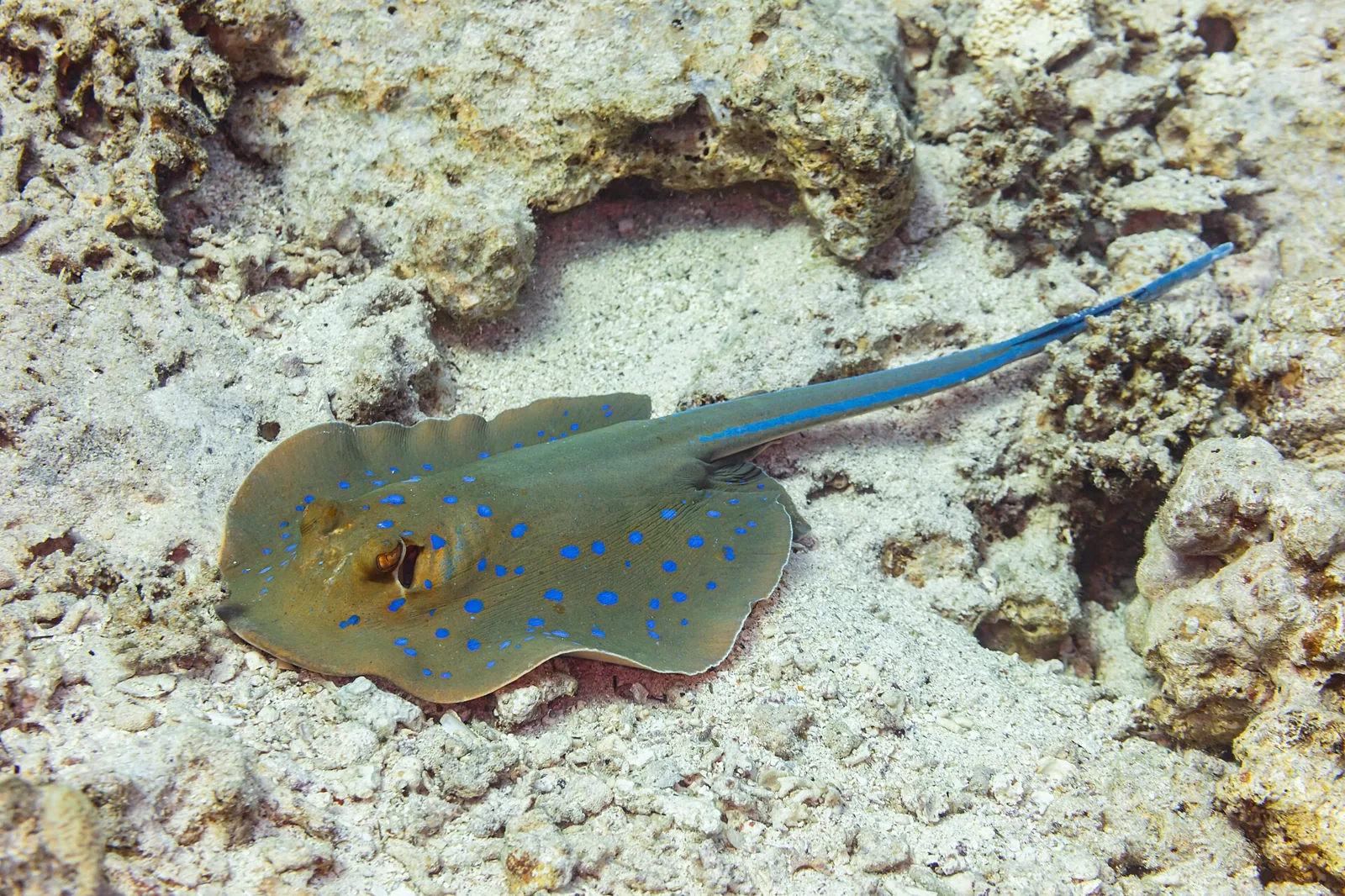
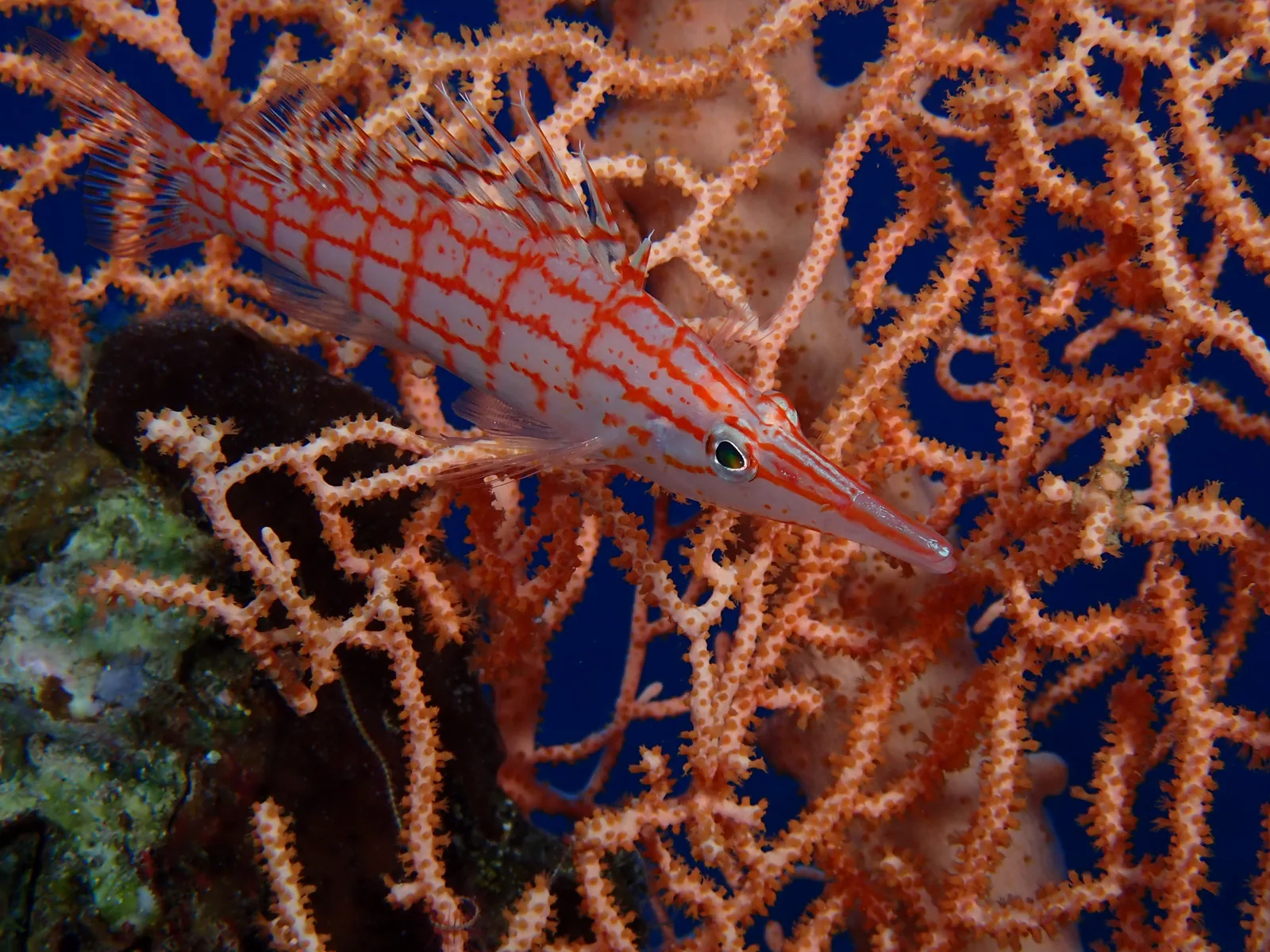
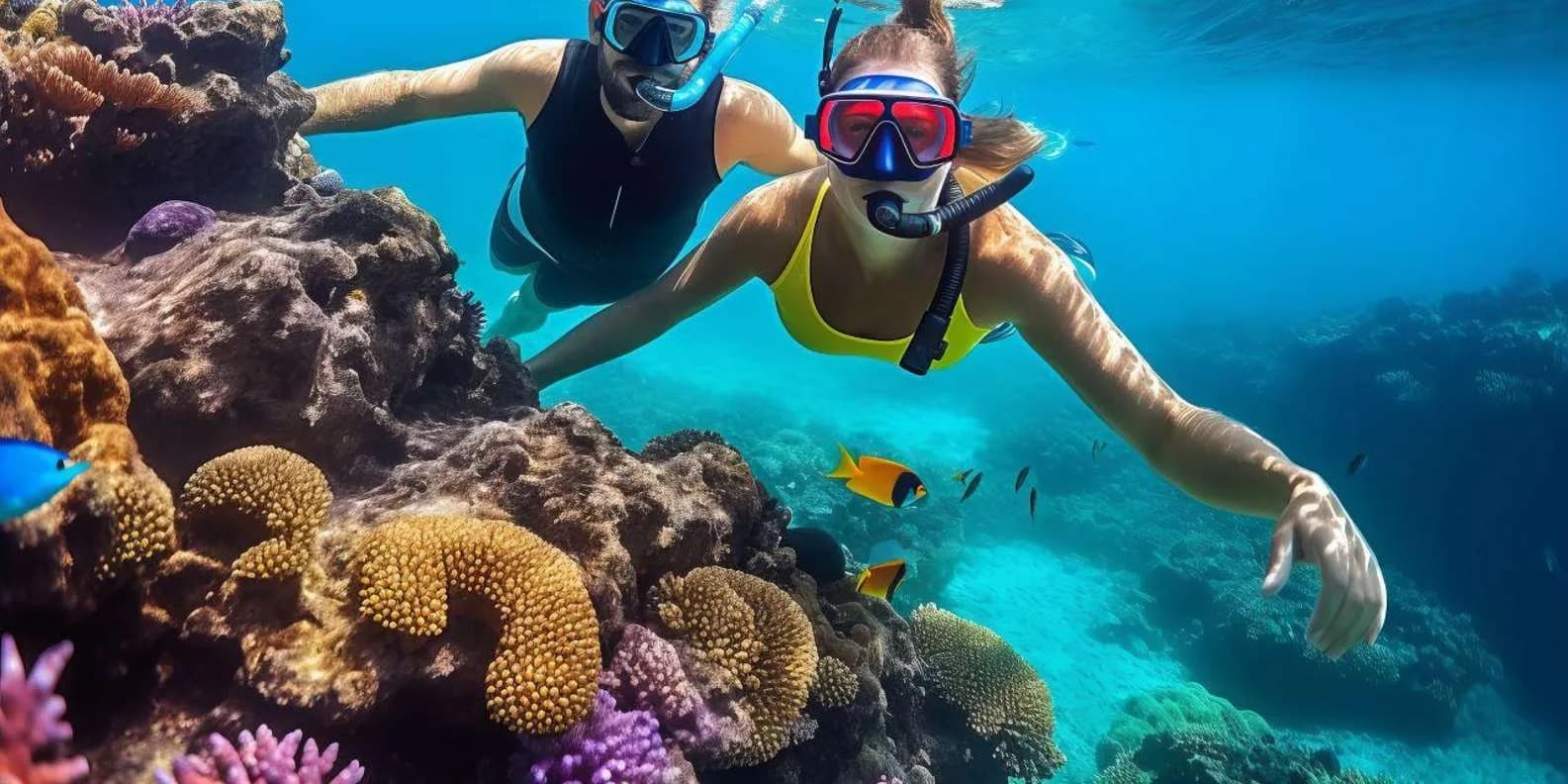
The Red Sea's headline act is its coral - dense hard-coral gardens and walls curtained in soft coral and gorgonian fans. On the reef you'll swim through walls of orange anthias, clownfish tucked in anemones, moray eels, lionfish, blue-spotted rays, Napoleon wrasse, and passing schools of snapper, jacks, and barracuda.
The bigger encounters are what people travel for:
- Sharks - grey reef, whitetip and blacktip on many reefs; scalloped hammerheads and oceanic whitetips at offshore sites like the Brothers and Elphinstone (seasonal, mostly late summer to autumn); thresher sharks on the deeper walls.
- Dolphins - resident spinner dolphin pods at Sataya and Shaab Samadai near Marsa Alam.
- Dugongs - the Red Sea is one of the few places you can reliably see these gentle seagrass-grazers, especially around Marsa Alam and Abu Dabbab.
- Turtles - green and hawksbill turtles on reefs and seagrass beds across the coast.
- Rays - blue-spotted stingrays on the sand, plus eagle rays and, on lucky offshore days, mantas.
The SS Thistlegorm - the world's most famous wreck dive
The SS Thistlegorm is the reason many divers put the Red Sea on their list. She was a 126-metre British armed merchant freighter carrying wartime supplies to North Africa when German bombers sank her in October 1941, near the Straits of Gubal off the Sinai coast. She went down with her cargo - motorcycles, trucks, rifles, aircraft parts, railway wagons, and Wellington boots - and it's all still there, a time capsule sitting upright in about 30 metres of water.
The shallowest deck structure sits around 16m and the deepest points (the propeller, the holds) reach roughly 30-32m, so it's an Advanced-level dive: you'll want good buoyancy, and the site can carry moderate to strong current. Most people dive it as a long day trip from Sharm or Hurghada, or as a stop on a northern liveaboard. It's best March-May and September-November when conditions are calmest. Please dive it with care - the wreck is fragile and heavily visited; take nothing, touch nothing, and penetrate only with proper training.
Best time to dive (and water temps by season)
Egypt is a year-round dive destination, but conditions shift with the seasons. The sweet spots are spring and autumn.
| Season | Water temp | Conditions | Wetsuit |
|---|---|---|---|
| Spring (Mar-May) | 22-26°C | Calm seas, warming water, great viz | 5mm |
| Summer (Jun-Sep) | 27-29°C | Warmest water, busiest, occasional wind | 3mm / shorty |
| Autumn (Oct-Nov) | 25-27°C | Prime months; big-animal season offshore | 3-5mm |
| Winter (Dec-Feb) | 21-23°C | Cooler, some windy days; fewer crowds | 5-7mm |
March-May and September-November give you the most reliable mix of calm water, warm temps, and 30m+ visibility. Summer is warmest and busiest. Winter is cheapest and quietest, but the north can get windy and the water dips into the low 20s - bring a thicker wetsuit. The far south (Marsa Alam and below) stays a degree or two warmer than Sharm year-round.
Certification: try-dives vs full courses
Never dived before? You have two clear paths.
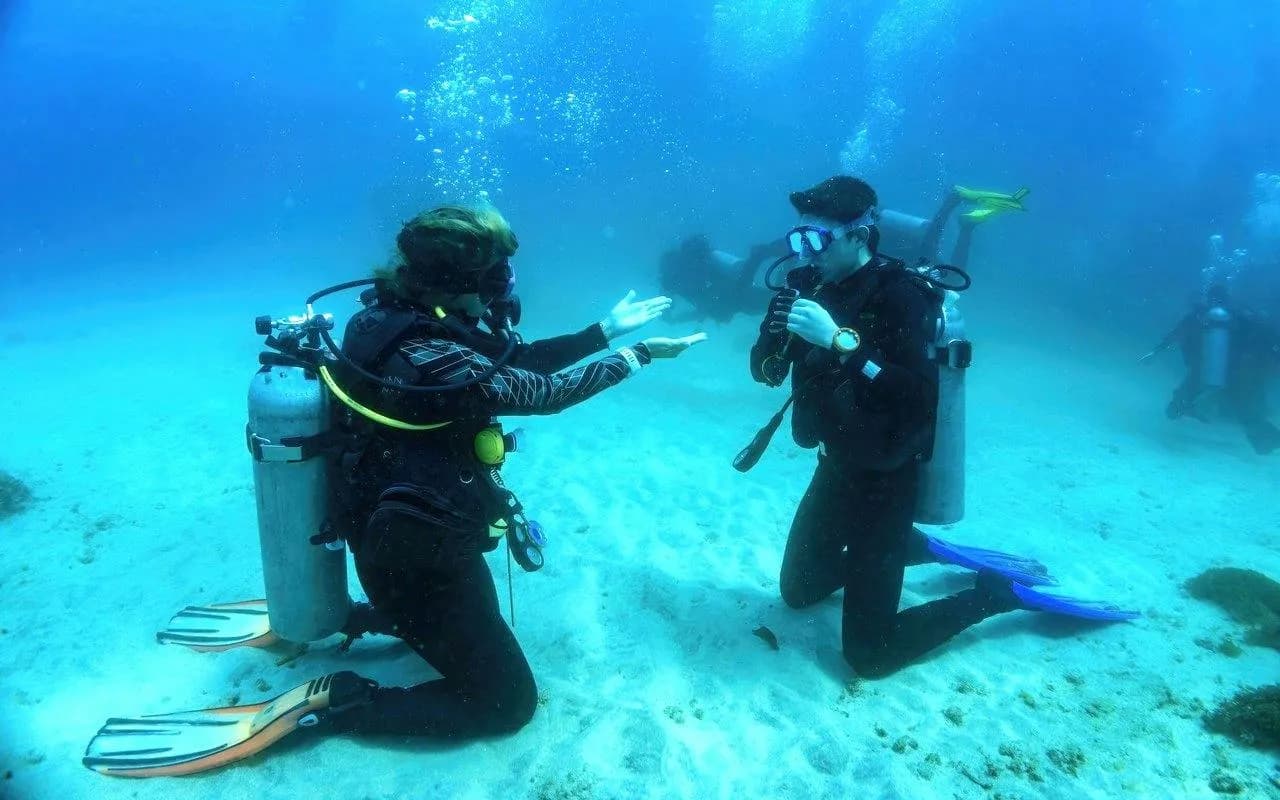
- Try-dive (Discover Scuba Diving) - a half-day intro with an instructor, no certification, no experience needed. You'll do a shallow reef or pool session and one open-water dive. Perfect for testing whether you love it. Budget roughly 2,000-3,000 EGP.
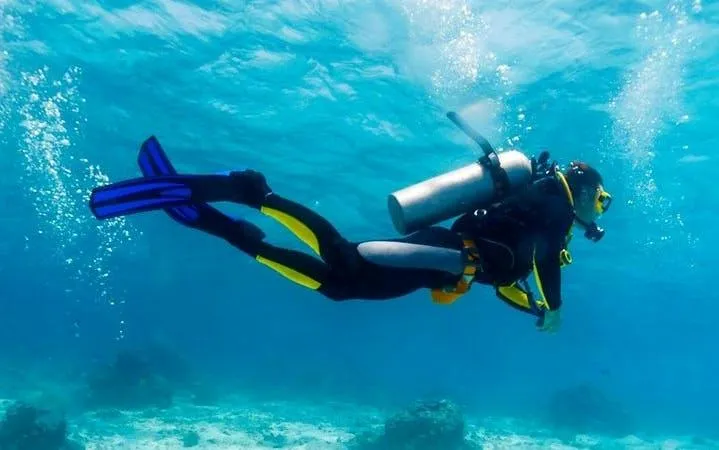
- PADI / SSI Open Water course - the real qualification, usually 3-4 days, that certifies you to dive to 18m independently anywhere in the world. Egypt is one of the cheapest and best places on earth to learn, with warm shallow reefs ideal for training. Expect around US$300-400 (roughly 15,000-20,000 EGP) all in.
Already certified? Bring your card and logbook. If you want the Thistlegorm, offshore reefs, or liveaboards, get your Advanced Open Water - it opens up deeper wrecks and the drift/wall sites where the big animals hang out.
Snorkelling alternatives
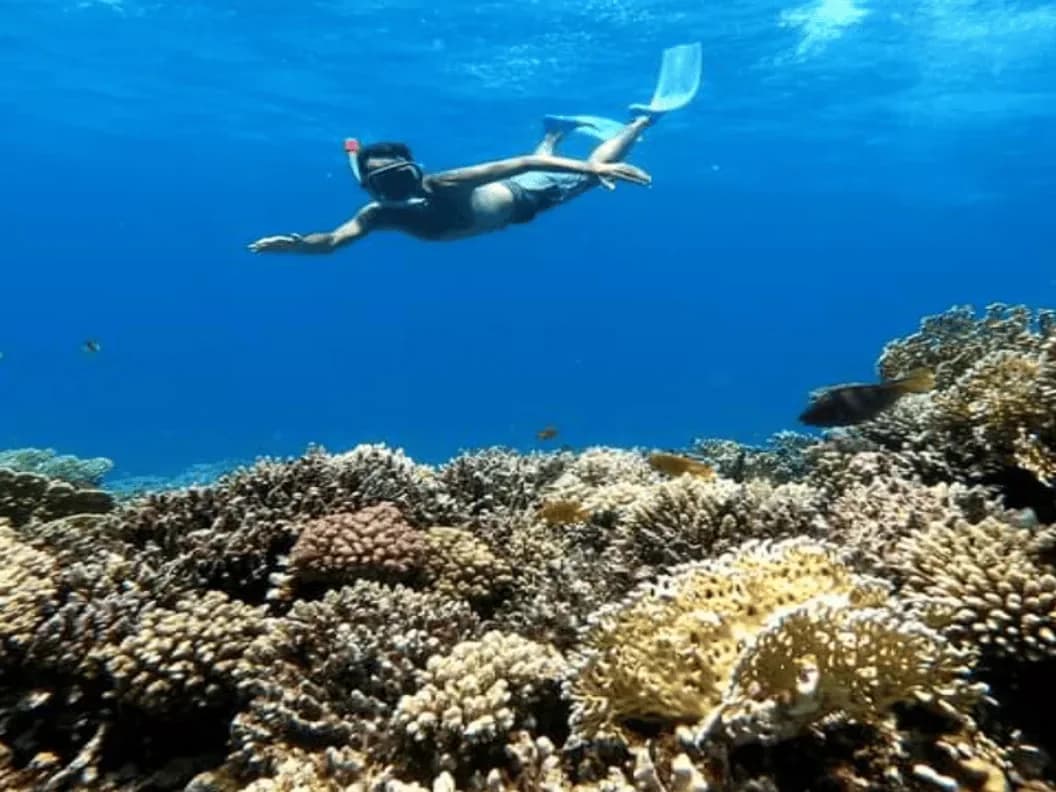
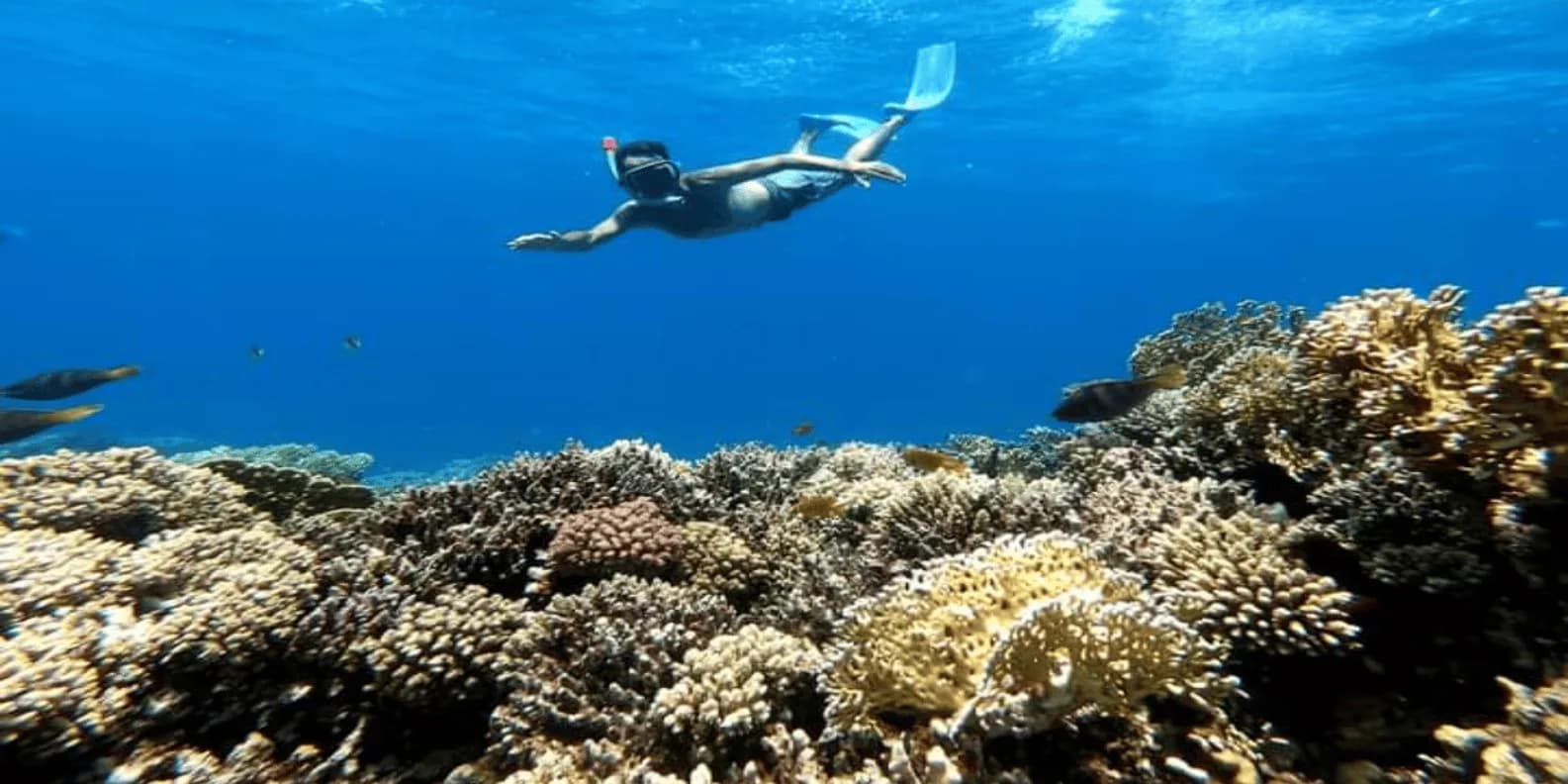
You don't have to scuba to see the Red Sea's colour. Because so many reefs sit in shallow, clear water right off the beach, snorkelling here is exceptional. Giftun Island and Mahmya off Hurghada, the house reefs of El Gouna and Marsa Alam, the rim of Dahab's Blue Hole, and Ras Mohammed's shallows all deliver coral and reef fish in a metre or two of water. Dolphin and turtle snorkelling trips run daily from most hubs. It's the easy, low-commitment way in - and families with young kids can do it together. Browse water activities and snorkelling trips to compare options.
What it costs
Diving in Egypt is a bargain by international standards. As rough guidance (about US$1 = 48-49 EGP; always confirm current rates):
- Two-tank guided boat day - around 2,000-2,800 EGP including tanks, weights and guide. Our catalogue's Water Activities experiences run a median near 2,480 EGP, and Desert & Adventure day trips around 2,340 EGP.
- Try-dive - roughly 2,000-3,000 EGP.
- PADI Open Water course - about US$300-400 (15,000-20,000 EGP).
- Thistlegorm / offshore day trip - a premium day, typically 3,500-5,000+ EGP with the longer boat run.
- Liveaboard week - the big-ticket item; budget from around US$900-1,500+ depending on route and boat.
Equipment rental is cheap and widely available. Marine-park fees apply at Ras Mohammed and some protected reefs - small, usually paid through your centre.
Safety & conservation
Egypt's dive industry is mature and generally very safe, but a few rules matter. Dive within your certification and never let anyone push you deeper than you're trained for - the Blue Hole's deep Arch and over-ambitious wreck penetration have caused most of the country's diving fatalities. Choose a reputable, insured centre, respect the surface interval and no-fly window before your flight home, and carry dive insurance.
For the reefs: don't touch or stand on coral, keep your buoyancy tidy, take nothing from wrecks or reefs, and don't chase or crowd dolphins, dugongs, and turtles. The Red Sea's reefs are resilient but under real pressure from mass tourism and warming water. Diving with operators who follow marine-park rules and small group sizes keeps these sites alive for the next diver.
Want to build a trip around the reefs and wrecks you most want to see? This is Egypt puts together custom itineraries - dive days, liveaboards, snorkelling, and the Nile-and-pyramids side trips that make Egypt more than a beach break. Start planning your dive trip.
For pristine reefs and dugongs, see our Marsa Alam travel guide.
Learn to dive on the Red Sea
Egypt is one of the best — and best-value — places in the world to get certified. Try it first with a Discover Scuba Diving session, get your licence on the Open Water Diver course, then go deeper with Advanced Open Water and Rescue Diver. Browse all dive courses on the Red Sea.
A real team available 24/7 to assist you — free
Seif and the team reply on WhatsApp 24/7 — trip questions, custom plans and booking help.
Ask Seif on WhatsAppCommon questions
Is the Red Sea good for beginner divers?
Yes - it's one of the best places in the world to learn. The water is warm and clear, and shallow reefs off Hurghada, El Gouna and Dahab are ideal for training. A PADI Open Water course takes 3-4 days and costs far less than in most destinations. Non-divers can do a half-day try-dive with no experience needed.
When is the best time to dive the Red Sea?
March-May and September-November are the sweet spots: calm seas, warm water (around 25-27°C) and 30m+ visibility. Summer (June-September) is warmest but busiest; winter (December-February) is cheapest and quietest but cooler, around 21-23°C, with some windy days in the north.
How warm is the Red Sea water for diving?
It ranges from about 21-23°C in winter (December-February) up to 27-29°C in late summer. A 5mm wetsuit suits spring and winter; a 3mm or shorty is fine in summer. The far south around Marsa Alam runs a degree or two warmer than Sharm year-round.
Where should I base myself to dive the Red Sea?
Sharm el-Sheikh for Ras Mohammed, Tiran and the Thistlegorm; Hurghada or El Gouna for easy, great-value reef and wreck days; Dahab for relaxed shore diving and the Blue Hole; and Marsa Alam for pristine southern reefs, dugongs and dolphins. Liveaboards are the only way to reach remote offshore sites.
How deep is the SS Thistlegorm and do I need experience to dive it?
The wreck sits upright in about 30 metres of water, with the shallowest deck around 16m and the deepest points near 30-32m. It's an Advanced-level dive - you'll want good buoyancy and some experience, as the site can carry moderate to strong current. Most people dive it from Sharm, Hurghada or a northern liveaboard.
Can I see sharks, dolphins or dugongs?
Yes. Reef sharks appear on many sites; hammerheads and oceanic whitetips gather at offshore reefs like the Brothers and Elphinstone, mostly in autumn. Spinner dolphins have resident pods near Marsa Alam (Sataya, Dolphin House), and the same area is one of the world's best places to see dugongs and green turtles grazing on seagrass.
Do I have to scuba dive, or can I just snorkel?
Snorkelling is excellent because so many reefs sit in shallow, clear water off the beach. Giftun Island, El Gouna's house reefs, the rim of Dahab's Blue Hole, and Marsa Alam's bays all deliver coral and reef fish in a metre or two of water. Dolphin and turtle snorkelling trips run daily from most hubs.
What does diving in Egypt cost?
A two-tank guided boat day runs roughly 2,000-2,800 EGP (about US$40-58), a try-dive around 2,000-3,000 EGP, and a full PADI Open Water course about US$300-400. Liveaboard weeks start around US$900. Our catalogue's water-activity experiences sit at a median near 2,480 EGP. Confirm current prices when you book.
Is diving in the Red Sea safe?
The industry is mature and generally very safe if you dive within your certification and pick a reputable, insured centre. Most of Egypt's rare diving accidents involve over-ambitious depth - notably the Blue Hole's deep Arch - so never let anyone push you past your training. Carry dive insurance and respect the no-fly window before flying home.
Book it on This is Egypt
Turn this guide into a trip





Egypt's bestsellers
The experiences travelers book most, across the country

Keep reading
Hurghada Diving (2026): Best Sites, Packages & Prices
Diving in Hurghada — the best reefs (Giftun, Careless Reef, Dolphin House) and Abu Nuhas wrecks, Discover Scuba vs PADI courses, season and water temps, and real 2026 prices.
By TiE Editors7 min read
Diving in Sharm El Sheikh (2026): Ras Mohammed, Reefs and the Best Trips
Sharm is Egypt's diving capital, with Ras Mohammed and White Island on the doorstep. The best dive and snorkel trips, real prices, and what non-divers can do too.
By TiE Editors9 min read

Liveaboard vs Day-Boat Diving in the Red Sea (2026): Which to Choose
A liveaboard reaches the remote reefs and wrecks day boats can't — the Brothers, Daedalus, deep-south Egypt — but a day boat is cheaper, flexible and beginner-friendly. Here's the honest choice.
By TiE Editors4 min read