Sharm El Sheikh Travel Guide: Red Sea Reefs & Resorts (2026)
Egypt's premier Red Sea resort, legendary diving at Ras Mohammed and Tiran, effortless snorkelling, desert safaris, and a gateway to Mount Sinai. A detailed guide to what to do and when to go.
Book it on This is Egypt
Sharm El Sheikh · Turn this guide into a trip
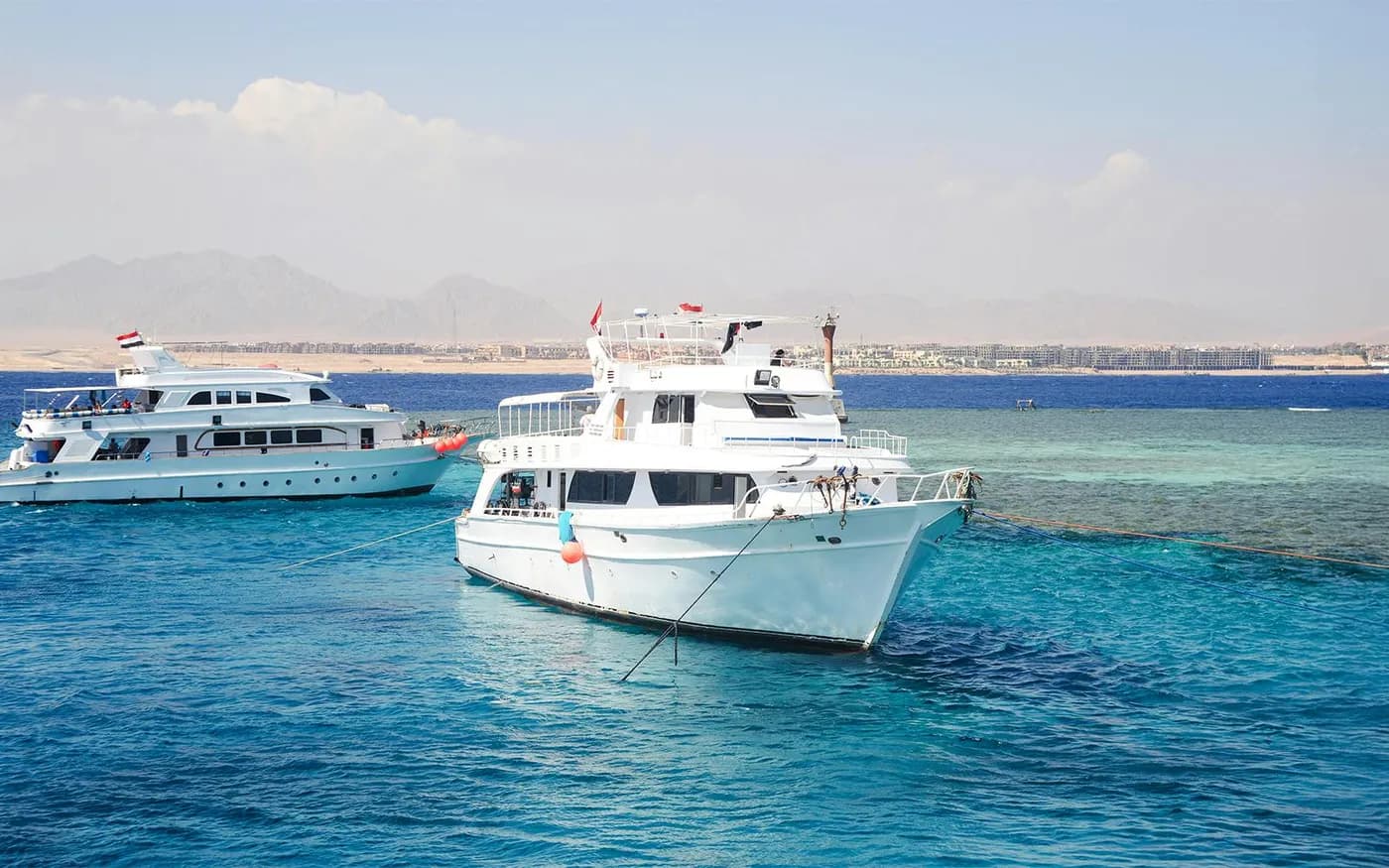
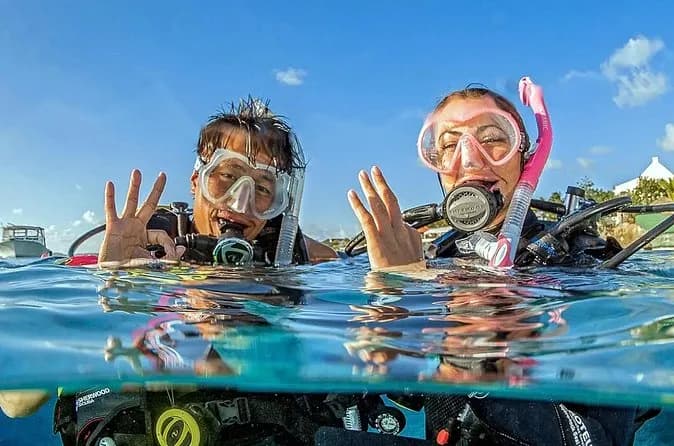
From Sharm El Sheikh: Tiran Island Cruise with Diving, Snorkeling & Lunch
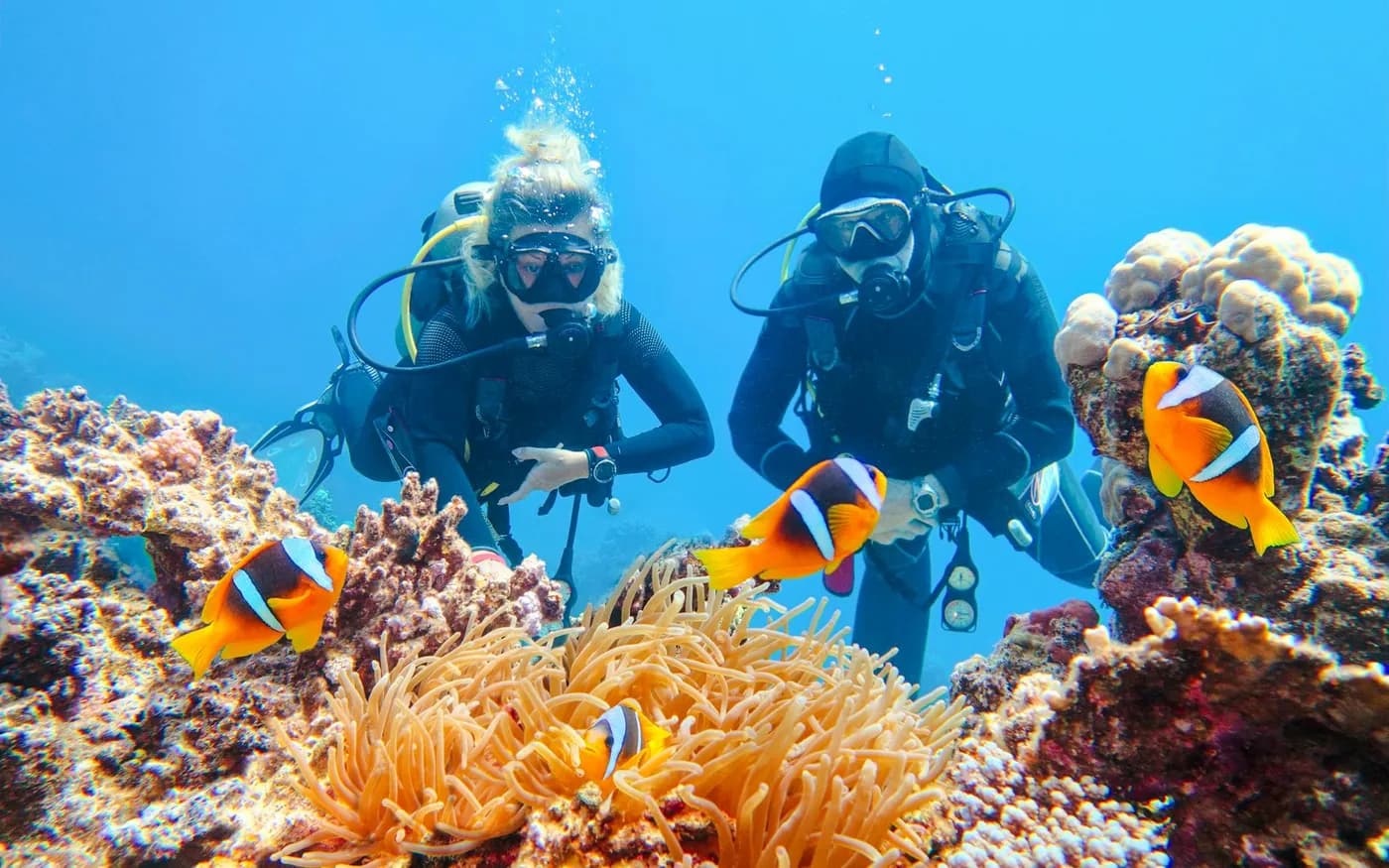
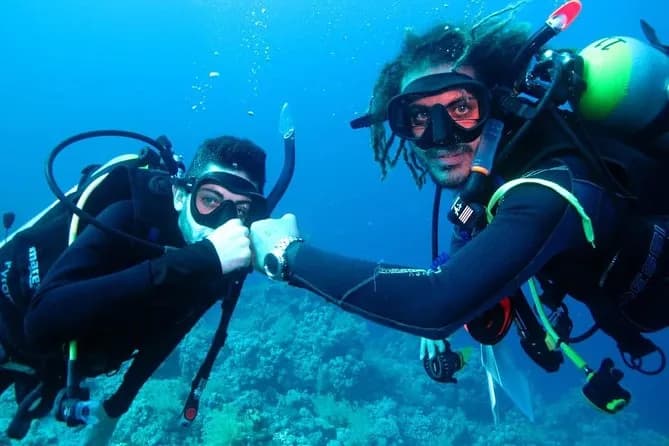
From Sharm El-Sheikh: Diving at Ras Mohamed & White Island with Round-Trip Hotel Transfers
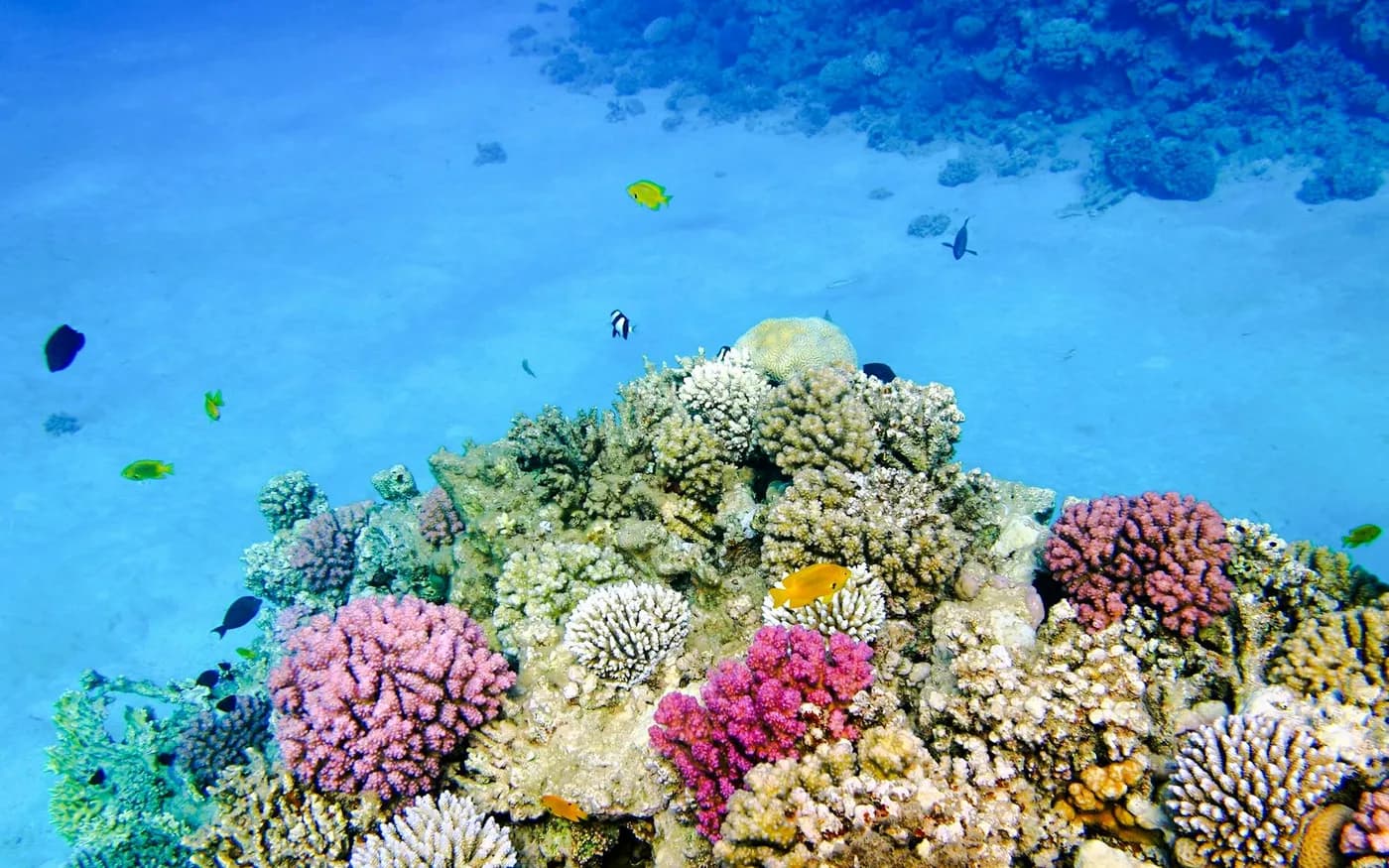
From Sharm El-Sheikh: Ras Mohamed & White Island Diving & Snorkeling Cruise with BBQ Lunch & Transfers

Sharm El Sheikh: ATV Quad Bike, Camel Ride, Bedouin Dinner & Show
Quick answer: Sharm El Sheikh is Egypt's flagship Red Sea resort, a sun-soaked strip on the southern tip of the Sinai Peninsula where the Gulf of Aqaba meets the open sea and some of the finest coral reefs on the planet begin a few metres off the beach. Come for world-class diving and snorkelling above all else, then stay for all-inclusive resorts, desert safaris under enormous skies, and a sacred mountain a couple of hours inland. After the temples and traffic of the Nile Valley, it is where Egypt exhales.
At a glance: Base yourself in Sharm for Ras Mohammed National Park and the Tiran reefs, house-reef snorkelling straight off the sand, Naama Bay and Soho Square nightlife, and desert quad safaris, with Mount Sinai and St Catherine's Monastery a scenic drive away. Spring and autumn are ideal; direct charters and a short hop from Cairo make it easy to reach.
Why visit Sharm El Sheikh
Two things set Sharm apart. The first is the water. The reefs here are protected, healthy and dramatically steep, dropping into blue that stays clear and warm almost year-round; you do not need to be a diver to see coral, turtles and clouds of reef fish, because much of it sits within snorkelling distance of the shore. The second is the setting: a rugged desert peninsula of ochre mountains and Bedouin trails, with Mount Sinai and one of the world's oldest monasteries within reach. That combination, reef and desert, water and wilderness, is what makes Sharm more than a beach.
It is also genuinely easy. Most hotels are all-inclusive, the resort areas are walkable, English is widely spoken, and prices undercut comparable European beach resorts, with the diving in particular exceptional value. Families, couples and serious divers all find their version of the same holiday here.
Diving and snorkelling: the main event
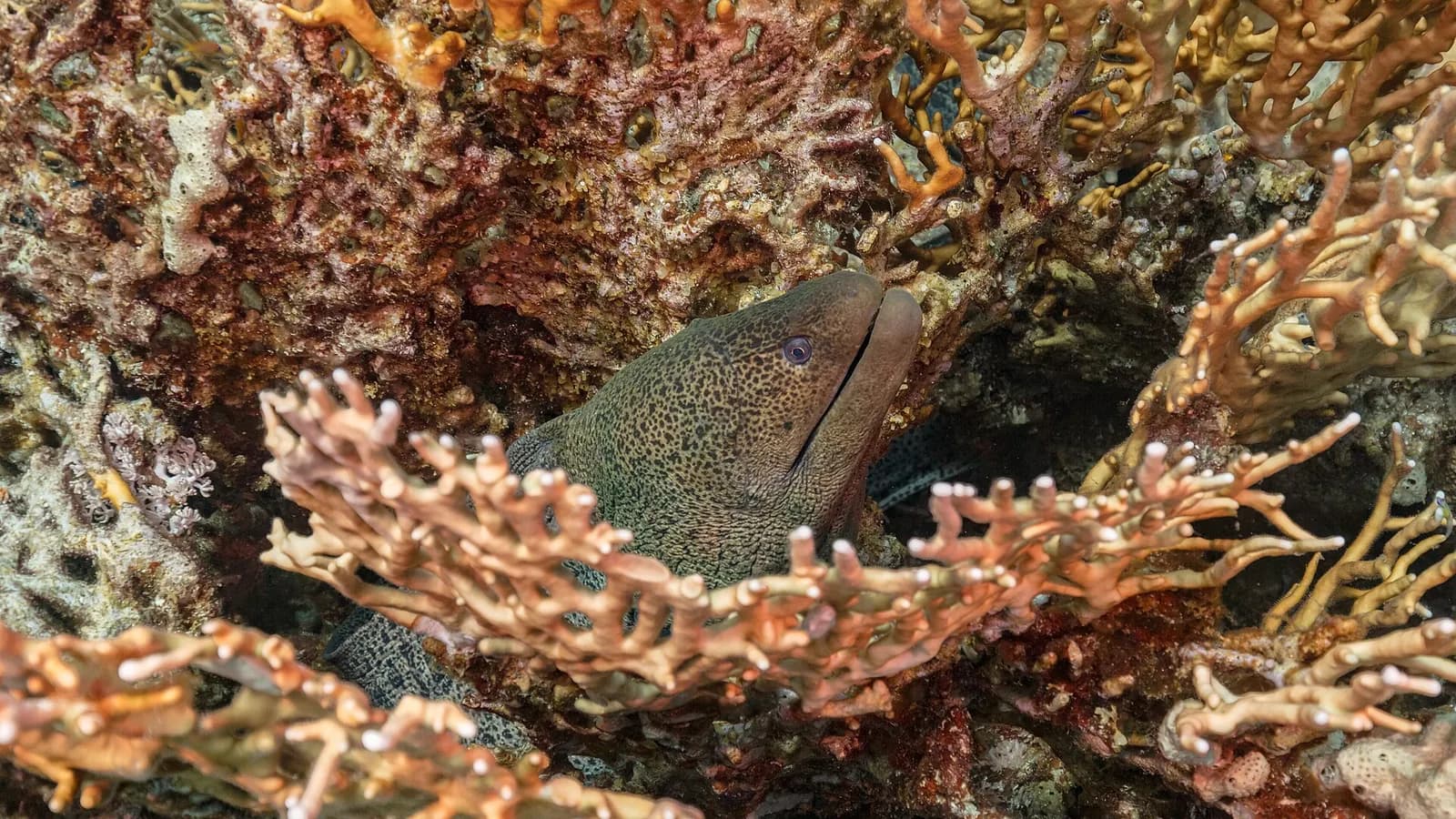
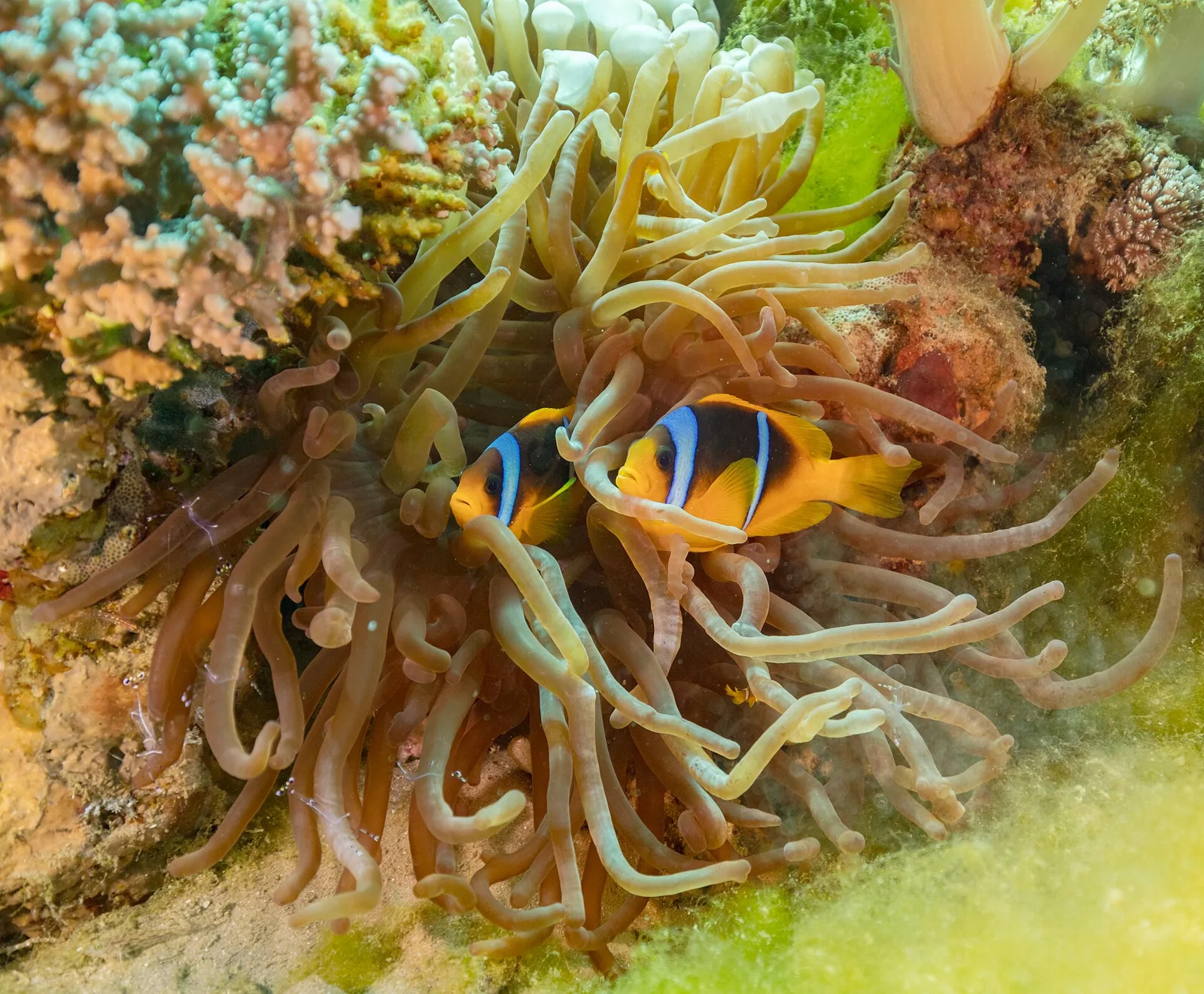 Sharm's fame is built underwater, and the concentration of top-tier dive sites within a short boat ride is hard to match anywhere on earth. Ras Mohammed National Park, at the Sinai's southern tip, is where two seas collide over vertical drop-offs. Its signature sites, Shark Reef and Yolanda Reef, sit on divers' lifetime lists for their sheer coral walls, barracuda schools, turtles and big pelagics in famously clear water; Ras Mohammed is one of the few places where a single dive routinely swims through fish schools a thousand strong. The park is ticketed and also protects mangroves and turtle-nesting beaches.
North of town, the Straits of Tiran string four reefs, Jackson, Woodhouse, Thomas and Gordon, along a deep channel, delivering thrilling drift dives; scalloped hammerheads school near Jackson Reef in the summer months. Further out is the SS Thistlegorm, a WWII British cargo ship sunk in 1941 and still loaded with motorcycles, trucks, rifles and locomotives, consistently ranked among the top wreck dives in the world and usually reached on a long day trip or liveaboard.
Dive centres here run everything from a first Discover Scuba session to full technical and instructor courses, so total beginners and seasoned divers are equally well served. The Sharm El Sheikh diving guide covers the sites, seasons and certifications in depth, and the Hurghada versus Sharm diving comparison helps you pick a base.
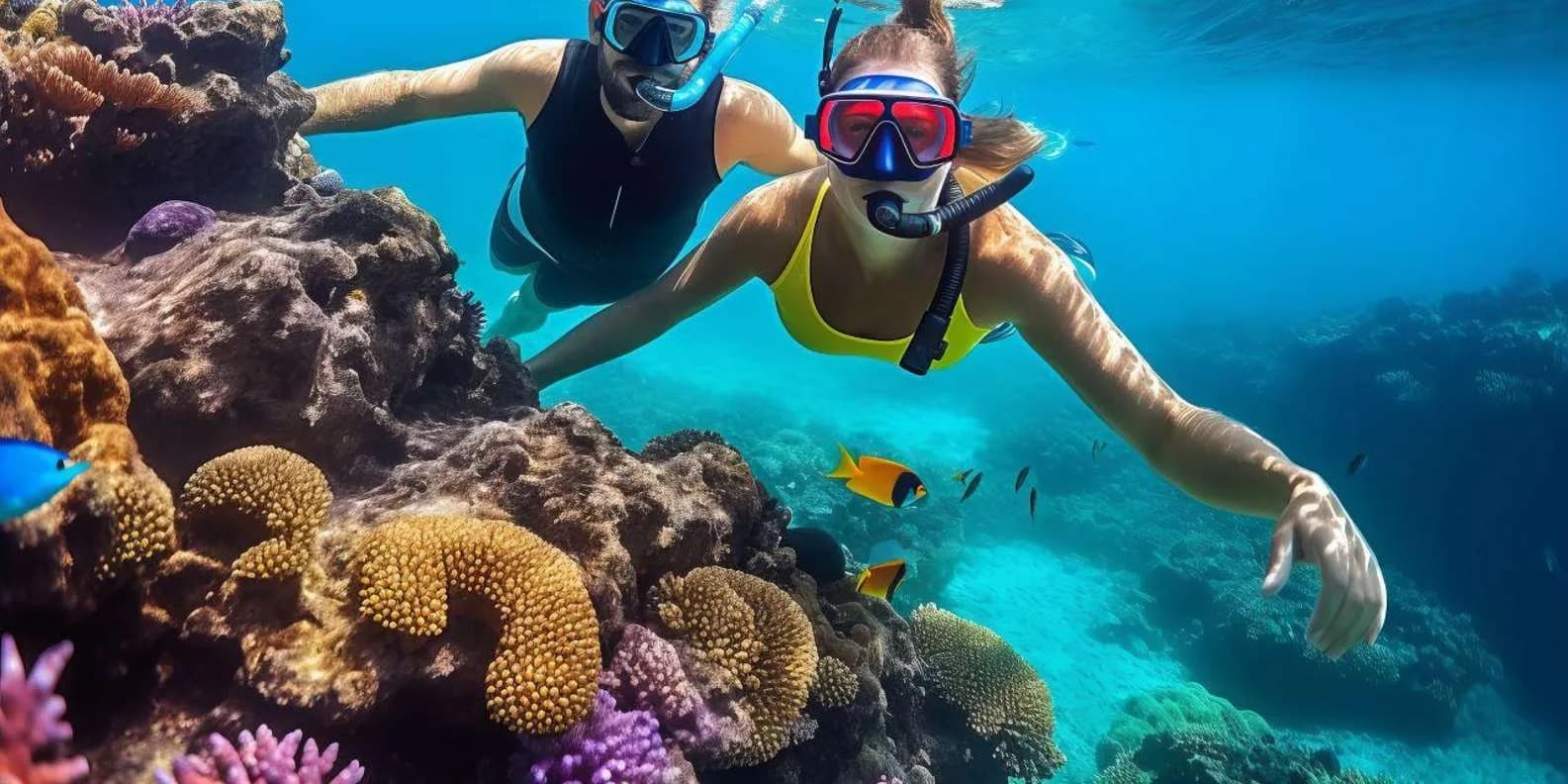
You do not have to dive to see the best of it. The snorkelling off many resort house reefs is genuinely superb, with hard and soft coral, turtles and reef fish a few fin-kicks from the beach. Glass-bottom boats and snorkel cruises open the same reefs, including Ras Mohammed and Tiran, to non-swimmers, small children and nervous first-timers, which is a big part of why Sharm works so well for families.
Naama Bay, Soho Square and nightlife
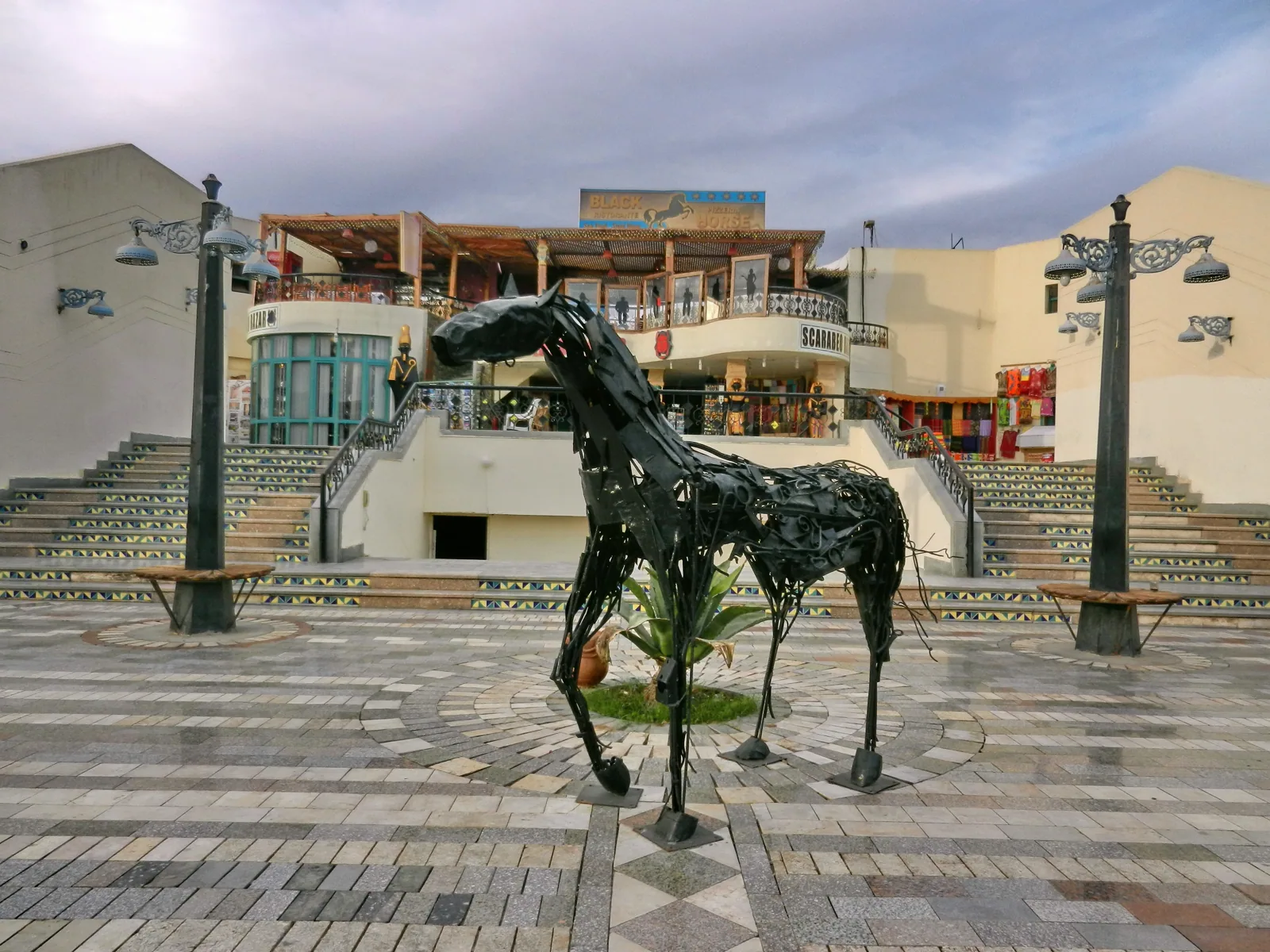 Naama Bay is the resort's social spine, a walkable seafront promenade of restaurants, bars, dive shops, cafes and bazaars that comes alive after dark, the classic Sharm evening of dinner, a stroll, shisha and a little haggling. Soho Square, near the Nabq hotel zone, is the more polished counterpart, a purpose-built entertainment complex with a dancing musical fountain, an ice bar, restaurants, bowling and light shows that draw families and couples alike. Between them they cover most tastes, from quiet cocktails to a proper night out.
Desert safaris, Colored Canyon and Bedouin camps
The Sinai interior is an attraction in its own right. Desert safaris head inland by quad bike, dune buggy, jeep or camel, usually at sunset and often ending at a Bedouin camp with dinner, shisha and some of the clearest stargazing you will ever see. It is the classic Sharm counterpoint to a day on the reef. Further afield, the Colored Canyon near Nuweiba is a narrow, wind-carved sandstone gorge streaked with reds, purples and golds, typically visited on a full-day trip often combined with the laid-back town of Dahab up the coast.
Mount Sinai and St Catherine's Monastery
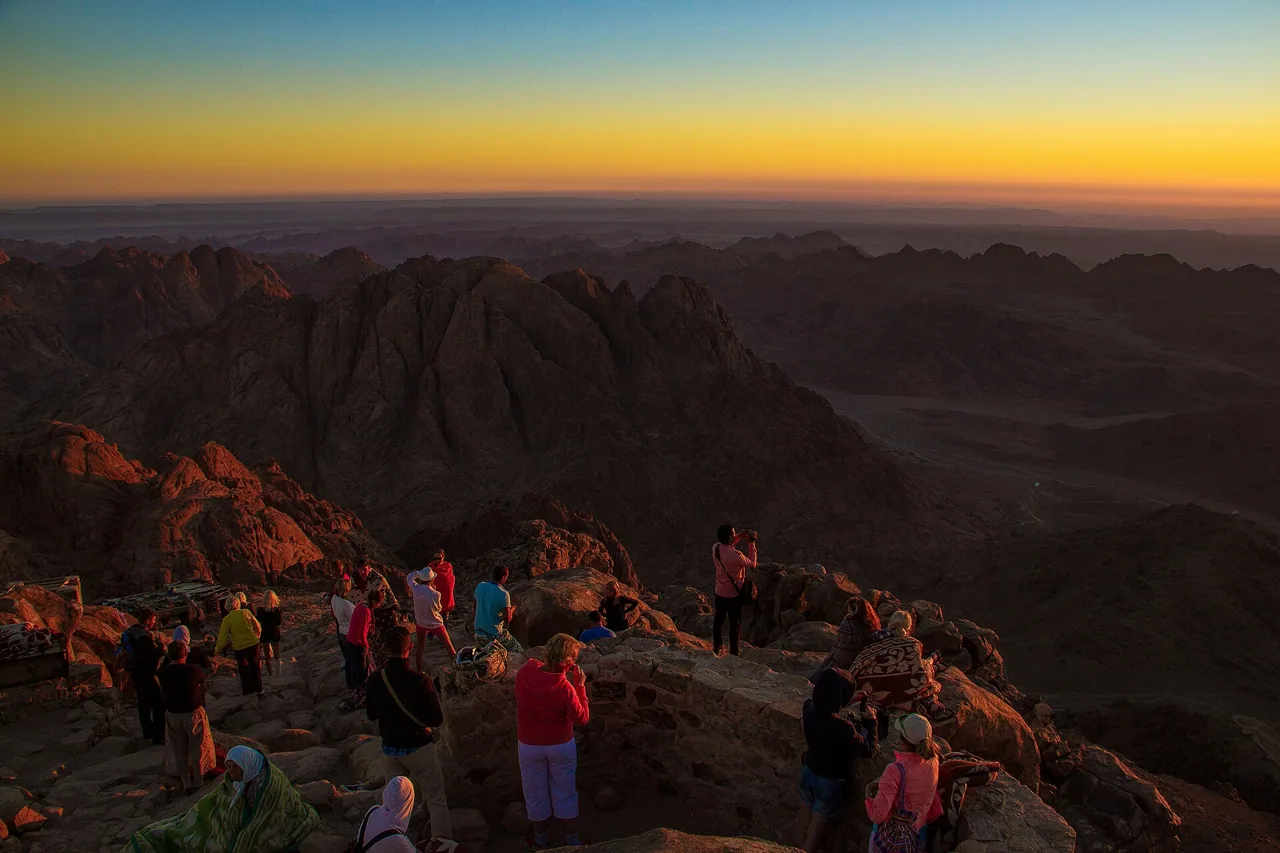 The great inland journey is to Mount Sinai and St Catherine's Monastery, a two-to-three-hour drive from the coast, usually done as an overnight or very early start. Climb Mount Sinai in the dark to reach the summit for sunrise, at the peak where by tradition Moses received the Ten Commandments, then descend to visit St Catherine's, one of the oldest continuously inhabited monasteries on earth, with its 6th-century basilica and ancient library. Bring warm layers for the cold pre-dawn summit and decent shoes for the climb.
Day trips to Cairo and Luxor by air
Because Sharm has its own international airport, it doubles as a launchpad for Egypt's headline sights. Long single-day trips fly you to Cairo for the Giza Pyramids, Sphinx and Egyptian Museum, or to Luxor for the Valley of the Kings and Karnak, returning the same evening. They are long and early, but for a beach trip that still wants a taste of ancient Egypt, they are a tempting add-on. For more ideas, see the complete Egypt travel guide.
Who Sharm El Sheikh suits, and how it compares
Families get calm, clear water, gentle house reefs, glass-bottom boats, big pools and all-inclusive convenience. Divers get Ras Mohammed, Tiran and the Thistlegorm on the doorstep, plus deep, dramatic walls that reward experience. Couples get resort comfort, sunset safaris, spa days and evenings in Naama Bay or Soho Square.
Against its Red Sea rivals, Sharm skews upmarket and dramatic. Hurghada, on the mainland opposite, is generally cheaper, flatter and shallower, arguably easier for young families and simpler to pair with a Nile Valley trip. Dahab, up the Sinai coast, is the budget, backpacker and free-diving alternative, laid-back and cheap where Sharm is polished and resort-driven. If your priority is advanced diving plus Mount Sinai and a comfortable resort base, Sharm wins.
Getting there and getting around
Most visitors fly directly into Sharm El Sheikh International Airport on international charters and scheduled flights, or take a short domestic hop from Cairo (roughly an hour in the air). From the airport, resorts are a 10 to 30 minute transfer; arrange it with your hotel or a tour operator in advance.
Sharm is spread out, so you won't walk between zones. Getting around means taxis, hotel shuttles and local minibuses that run along the main roads for a few pounds. Agree taxi fares before you set off, as meters are rarely used. Most excursions, dives and safaris include hotel pickup, so once checked in you rarely need your own transport.
When to go
Sharm is a genuine year-round destination. Spring (March to May) and autumn (September to November) are ideal, with comfortable heat, warm seas and, for divers, some of the best pelagic and hammerhead action, September to November especially. Summer (June to August) is hot on land but the water is glorious and the reefs at their most alive; it is peak hammerhead season at Tiran. Winter (December to February) is mild, sunny and a popular winter-sun escape, though the sea cools toward 21C and a wetsuit makes water time far more pleasant.
Where to stay
Resorts cluster in a few distinct zones. Naama Bay is central and lively, walkable to restaurants and nightlife, best if you want the buzz on your doorstep. Sharks Bay and Nabq, stretching north toward Ras Nasrani, are quieter and more spread out, often with excellent house reefs, ideal for divers and families who want to swim straight off the beach onto coral rather than boating out every day. Most hotels across all zones are all-inclusive. The single most useful tip: if snorkelling or diving is your priority, choose a hotel with a strong house reef, it transforms the trip.
How long to stay
A relaxed beach-and-reef break works well over 4 to 5 nights. Add a couple of days if you want a serious diving program, a Mount Sinai overnight, or a Cairo or Luxor day trip without feeling rushed, making a week the sweet spot for most visitors. Sharm also slots neatly onto the end of a wider Egypt trip as the place to unwind after the temples.
Practical and safety tips
Sharm's resort corridor is well-policed and geared to tourists, and the classic beach holiday runs smoothly. A few practicalities: use reef-safe sunscreen and rash guards, and never touch or stand on coral. Stay hydrated, the desert sun is stronger than it feels on the water. Carry small cash in Egyptian pounds for taxis, tips and bazaars, and agree prices upfront. Drink bottled water, not tap. Use licensed operators with hotel pickup for desert and mountain trips, and don't fly within 18 to 24 hours of your last dive.
Ready to plan the reef days, safaris and day trips? Browse Sharm El Sheikh experiences to build your itinerary.
What it costs
Sharm runs cheaper than European beach resorts, and the diving is exceptional value for the quality of the reefs. As a rough guide, a two-tank boat dive day is roughly 1,700 to 2,500 EGP, a Ras Mohammed snorkel cruise starts near 1,700 EGP, and a desert quad safari with a Bedouin dinner is about 720 EGP and up. Here is how core Egypt experiences compare per person.
| Experience | From (per person) | Typical |
|---|---|---|
| Giza Pyramids & Sphinx group tour | 2,200 EGP (about 45 USD) | 4,050 EGP |
| Grand Egyptian Museum entry ticket | 1,450 EGP (about 30 USD) | 2,000 EGP |
| Nile dinner cruise, Cairo | 1,900 EGP (about 39 USD) | 2,600 EGP |
| Red Sea boat day, Hurghada | 1,700 EGP (about 35 USD) | 1,900 EGP |
| Desert quad safari | 720 EGP (about 15 USD) | 1,900 EGP |
| Luxor sunrise hot air balloon | 5,400 EGP (about 112 USD) | 7,000 EGP |
| Abu Simbel day trip from Aswan | 3,466 EGP (about 71 USD) | 9,650 EGP |
| 3 to 4 night Nile cruise, full board | 18,000 EGP (about 370 USD) | 22,000 EGP |
After the reefs, unwind — see spa & wellness in Egypt for hammams and resort spas.
A real team available 24/7 to assist you — free
Seif and the team reply on WhatsApp 24/7 — trip questions, custom plans and booking help.
Ask Seif on WhatsAppCommon questions
What is Sharm El Sheikh known for?
World-class Red Sea diving and snorkelling above all, especially Ras Mohammed National Park, the Straits of Tiran and the SS Thistlegorm wreck, plus year-round sun, all-inclusive resorts, desert quad safaris and Bedouin camps, Naama Bay and Soho Square nightlife, and access to Mount Sinai and St Catherine's Monastery inland.
Is Sharm El Sheikh good for non-divers and families?
Very. The snorkelling off many resort house reefs is excellent, and glass-bottom and snorkel cruises reach Ras Mohammed and Tiran for those who don't dive. Add calm pools, desert safaris, a Mount Sinai sunrise climb, and Soho Square, and it's one of Egypt's most family-friendly bases.
When is the best time to visit Sharm El Sheikh?
Spring (March to May) and autumn (September to November) are ideal, with comfortable heat and warm seas; autumn is also prime for pelagic diving. Summer is hot but great for the water and hammerhead season at Tiran; winter is mild, sunny and a popular winter-sun escape, though the sea cools toward 21C and a wetsuit helps.
Sharm El Sheikh or Hurghada, which is better?
Both have superb Red Sea diving. Sharm, on the Sinai, has Ras Mohammed, Tiran and the Thistlegorm plus Mount Sinai nearby, and suits advanced divers and upmarket resort stays. Hurghada, on the mainland, is generally cheaper, flatter and easier to combine with the Nile Valley, making it slightly simpler for young families and budget trips.
How do you get to Sharm El Sheikh and get around?
Fly into Sharm El Sheikh International Airport on direct international charters and scheduled flights, or take a short domestic hop from Cairo. Resorts are a 10 to 30 minute transfer from the airport. Around town, use taxis (agree the fare first), hotel shuttles and local minibuses; most excursions include hotel pickup.
Can you visit Mount Sinai and St Catherine's from Sharm?
Yes. Both are a two-to-three-hour drive inland, usually done as an overnight or very early start so you can climb Mount Sinai in the dark and reach the summit for sunrise, then visit St Catherine's Monastery, one of the oldest continuously inhabited monasteries on earth. Bring warm layers and sturdy shoes.
How many days do you need in Sharm El Sheikh?
A relaxed beach-and-reef break works over 4 to 5 nights. Allow a full week if you want a serious diving program, a Mount Sinai overnight, or a Cairo or Luxor day trip by air without feeling rushed. It also works well as a few days of downtime at the end of a wider Egypt itinerary.
Where should you stay in Sharm El Sheikh?
Naama Bay is central and lively, walkable to restaurants and nightlife. Sharks Bay and Nabq, stretching toward Ras Nasrani, are quieter and often have strong house reefs, ideal for divers and families. Most hotels are all-inclusive; if snorkelling or diving matters to you, pick a hotel with a good house reef so you can swim straight onto coral.
Book it on This is Egypt
Turn this guide into a trip




Egypt's bestsellers
The experiences travelers book most, across the country


Keep reading
Hurghada Diving (2026): Best Sites, Packages & Prices
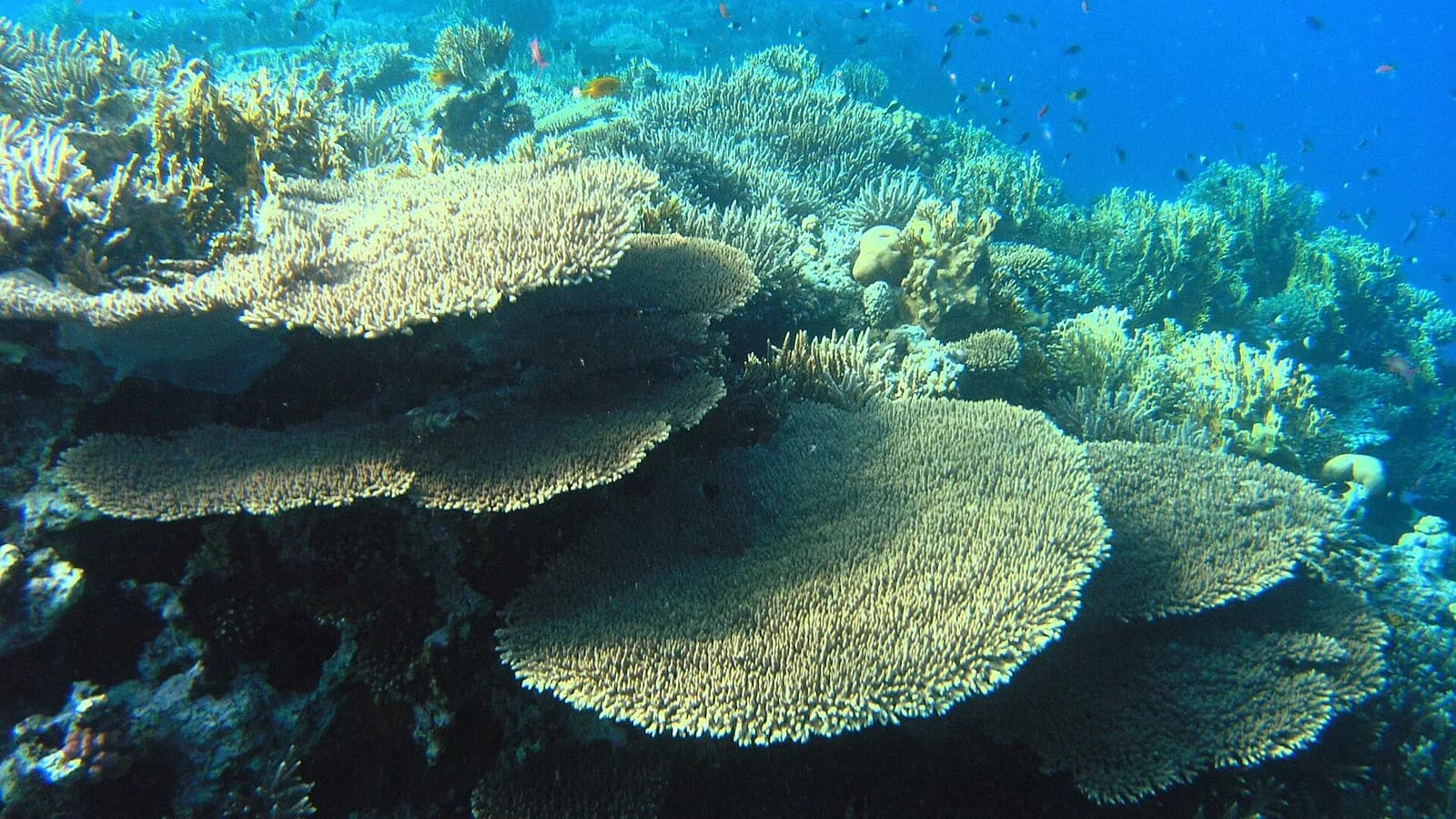
Diving in Hurghada — the best reefs (Giftun, Careless Reef, Dolphin House) and Abu Nuhas wrecks, Discover Scuba vs PADI courses, season and water temps, and real 2026 prices.
By TiE Editors7 min read
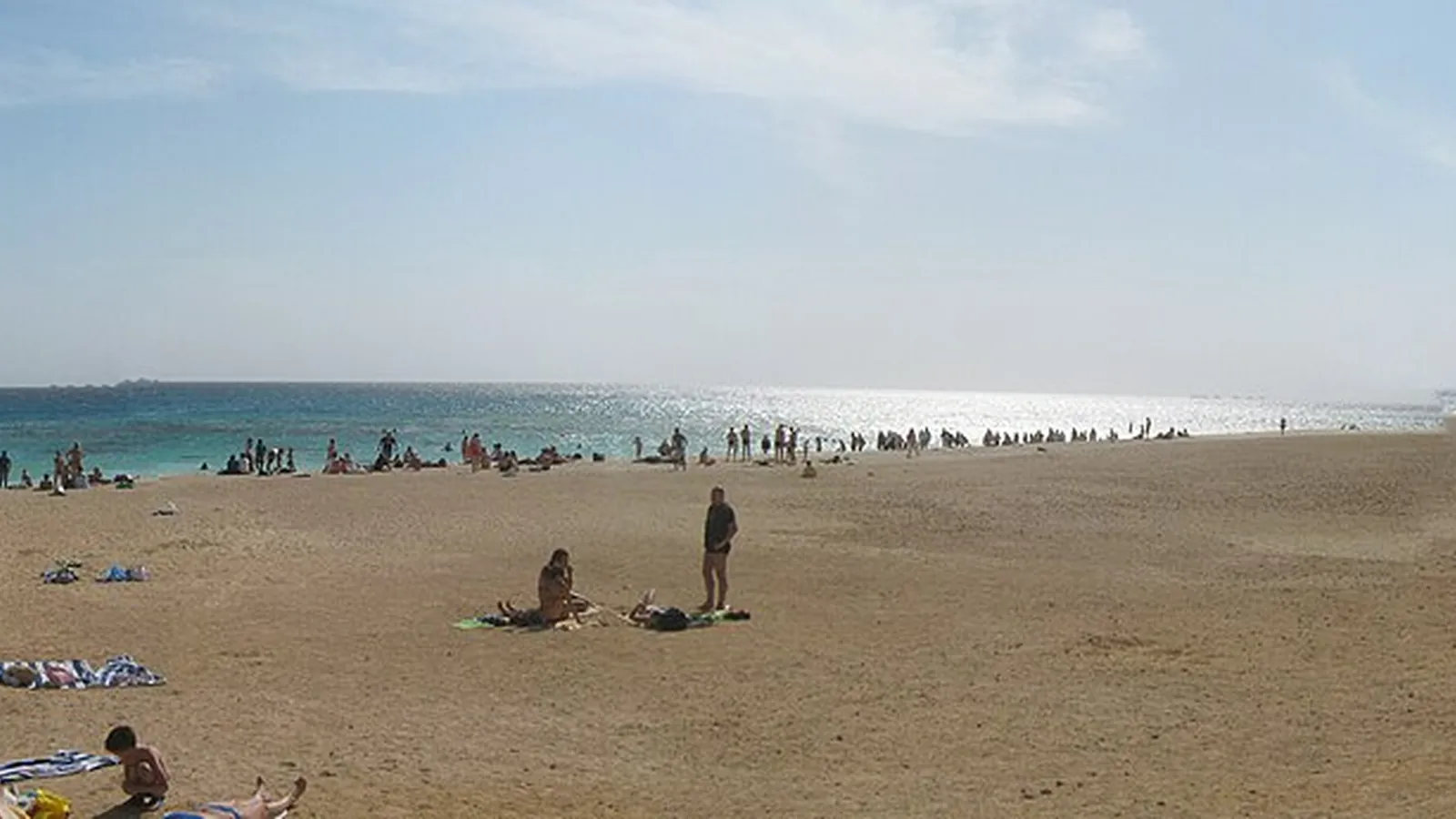
Hurghada Snorkeling Trips (2026): Best Reefs, Prices & How to Choose
Where to snorkel from Hurghada in 2026 — Orange Bay, Giftun, Mahmya, Utopia and Dolphin House — with boat types, marine life, month-by-month sea temperatures, family tips and real prices from 1,000+ bookable trips.
By TiE Editors7 min read
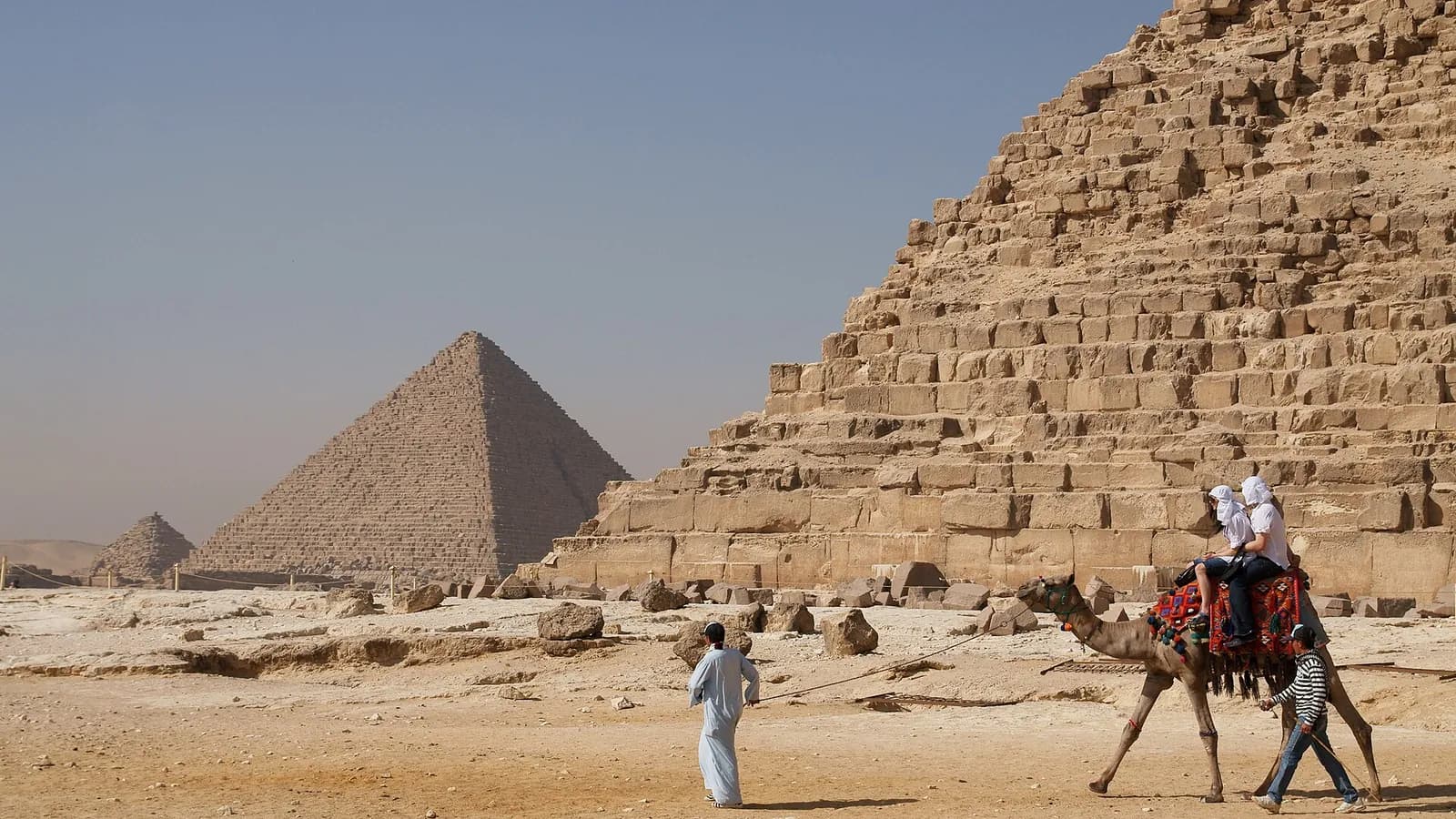
Egypt Tour Prices by Activity (2026): What Each Type Really Costs
What every type of Egypt experience actually costs — from a 1,700 EGP camel ride to a 48,500 EGP Nile cruise — based on 29,710 real bookable tours across seven platforms.
By TiE Editors6 min read