Diving in Sharm El Sheikh (2026): Ras Mohammed, Reefs and the Best Trips
Sharm is Egypt's diving capital, with Ras Mohammed and White Island on the doorstep. The best dive and snorkel trips, real prices, and what non-divers can do too.
Quick answer: Sharm El Sheikh is Egypt's top diving and snorkelling base. The best sites are Ras Mohammed National Park (Shark & Yolanda Reef), the Straits of Tiran (Jackson and Gordon reefs) and White Island, all reached by boat, plus easy house reefs off Naama Bay you can snorkel from shore. A full-day boat trip runs about 1,000–3,000 EGP including lunch and gear; scuba dives and courses cost more. Non-divers snorkel the same reefs.
Sharm diving & snorkelling at a glance
| Best sites | Ras Mohammed, Straits of Tiran, White Island, Near & Far Garden |
| For divers | Discover-scuba (no licence), certified dives, PADI courses, the Thistlegorm wreck |
| For non-divers | Snorkelling the same reefs by boat, or free from the house reefs |
| Best months | Year-round; warmest May–October, excellent visibility all year |
| Typical price | Boat day trip ~1,000–3,000 EGP; scuba dives more |
| How to book | Instantly on This is Egypt, or ask on WhatsApp |
Sharm El Sheikh is Egypt's diving capital, and for underwater Egypt there is no better base in the country. It sits at the southern tip of the Sinai Peninsula, where the Red Sea's richest reefs come almost to the shore, so the best of it, Ras Mohammed, the Straits of Tiran, White Island, is offshore rather than a long haul away. The trips here are among the highest-rated and most-booked in the whole country, with more than 13,000 reviews across the dive and snorkel tours in our catalogue. And you do not need a certification card to enjoy any of it: the same boats carry snorkellers to the same spectacular reefs, and Sharm is one of the cheapest, safest places in the world to learn.
Why Sharm for diving
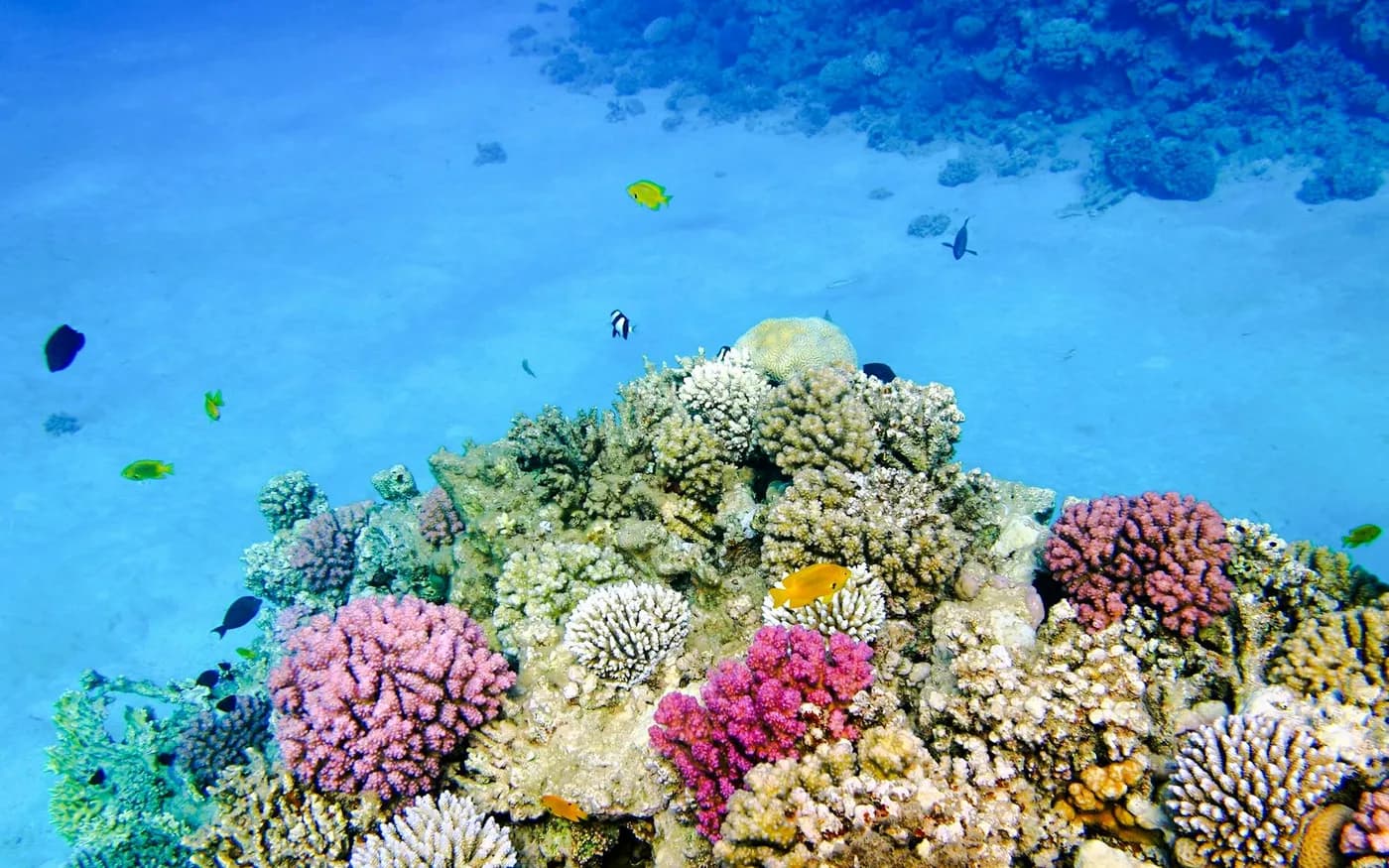
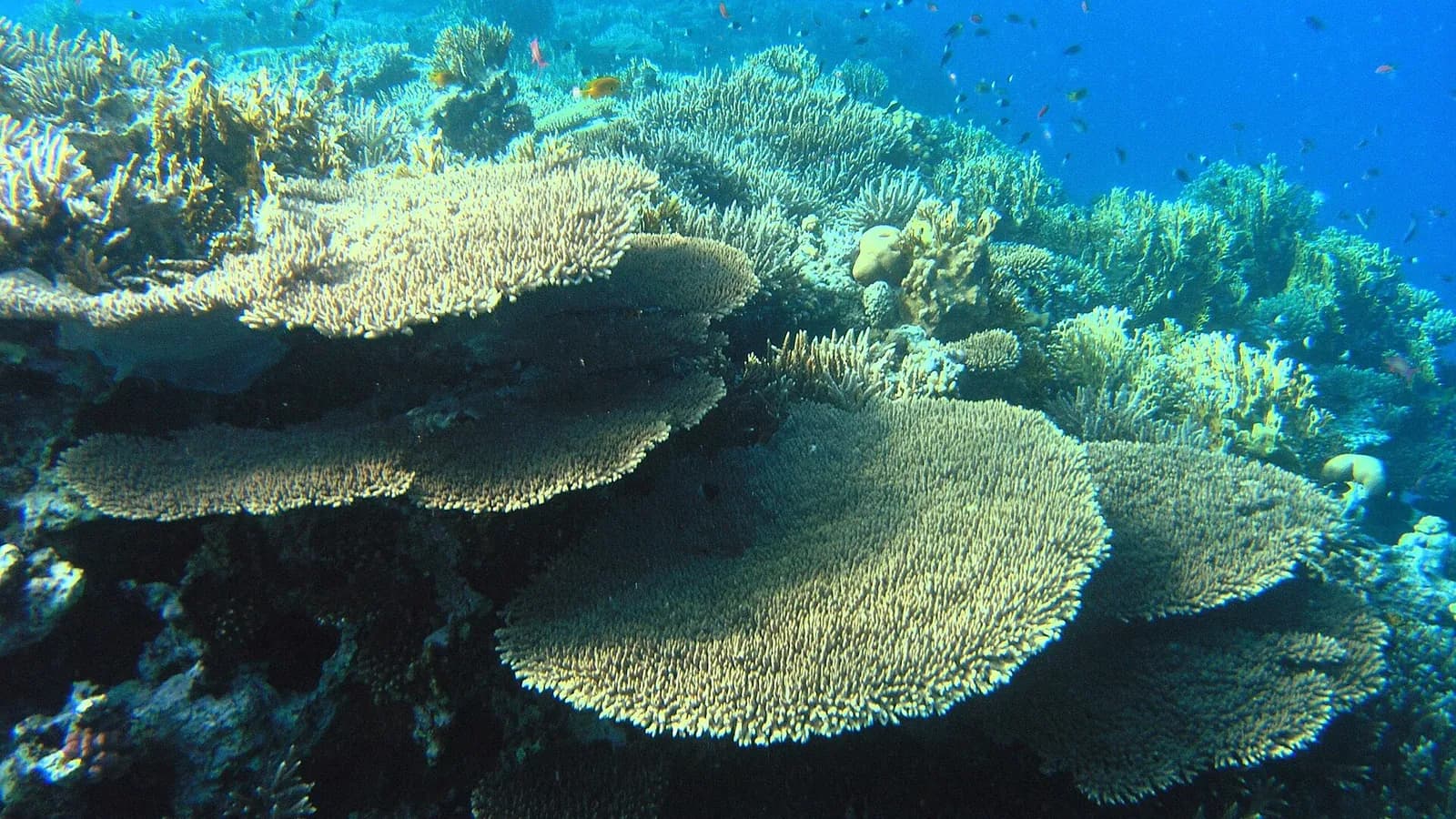
The Red Sea is one of the planet's great diving oceans, and Sharm sits on its best corner. Water clarity is exceptional, often 20 to 30 metres, the reefs are healthy soft-and-hard-coral gardens rather than tired bleached patches, and the fish life is dense enough that even a first snorkel feels like swimming inside an aquarium. The northern Red Sea is warm, salty and calm, ideal for building confidence underwater. Just as important is access: Sharm has a busy international airport, hundreds of dive centres, a decompression chamber in town and a strong regulatory culture. Few genuinely world-class dive destinations are this easy to reach or this affordable once you arrive.
Ras Mohammed National Park
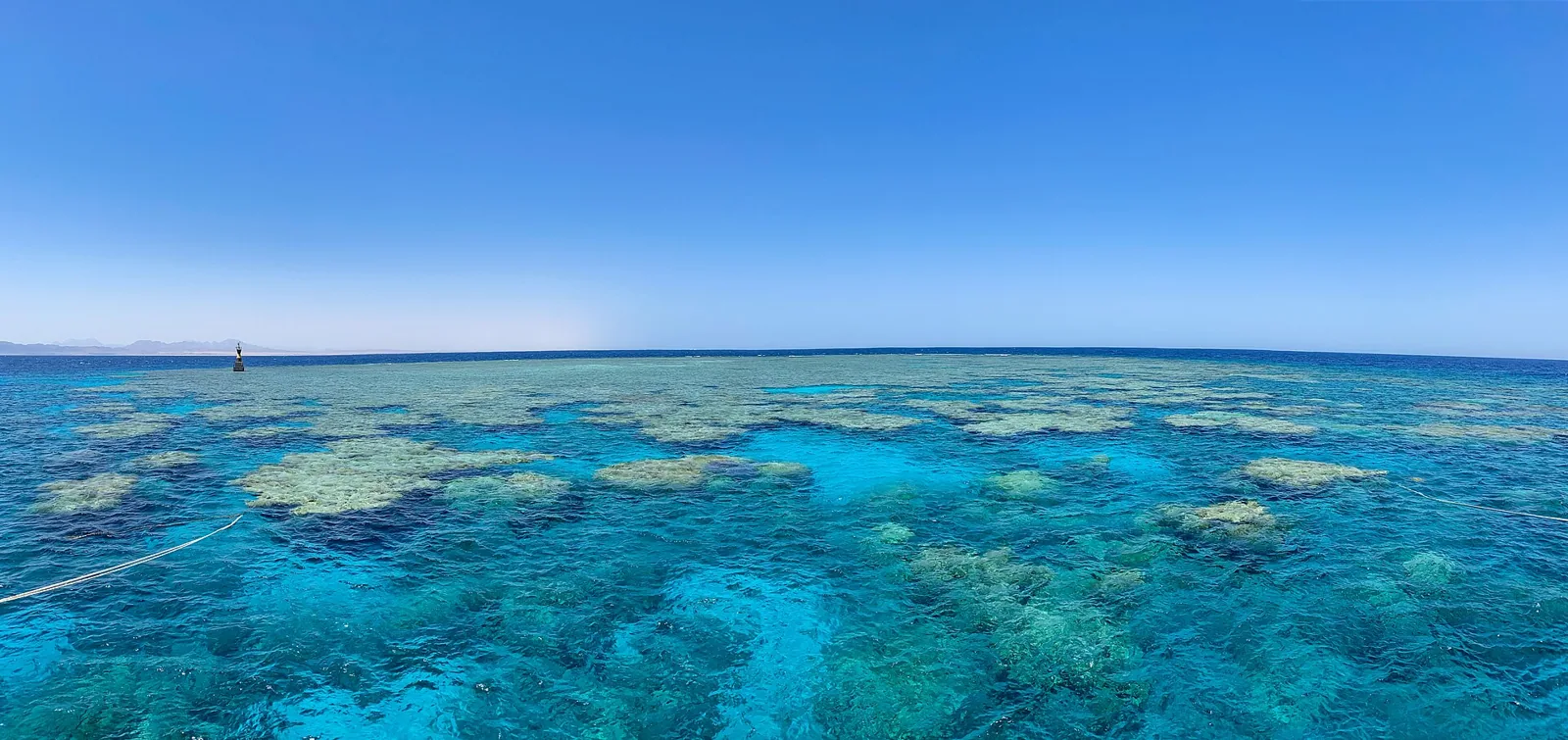 The headline site is Ras Mohammed, a protected national park at the tip of the Sinai where desert mountains meet the sea. It was Egypt's first marine protected area and holds the country's richest biodiversity: sheer reef walls dropping hundreds of metres into deep blue, huge shoals of snapper and barracuda, and the famous double site of Shark Reef and Yolanda Reef, where the scattered cargo of a wrecked freighter, including a cluster of old bathtubs and toilets, still lies on the seabed. Ras Za'atar, Ras Ghozlani and the Eel Garden round out a park that regularly appears on lists of the best dive areas on Earth.
A boat trip combining Ras Mohammed with snorkelling and diving starts from about 1,733 EGP (roughly 36 USD) per person and holds a 4.9 rating across more than 2,600 reviews, exceptional for a trip of this scale. If you would rather stay dry, a land tour into the park by bus stops at panoramic viewpoints over the Gulf of Aqaba, the Allah's Gate entrance, the mangroves that grow straight from the salt water, and the Earthquake and Magic Lake spots, from about 1,003 EGP.
The Straits of Tiran, White Island and the Thistlegorm
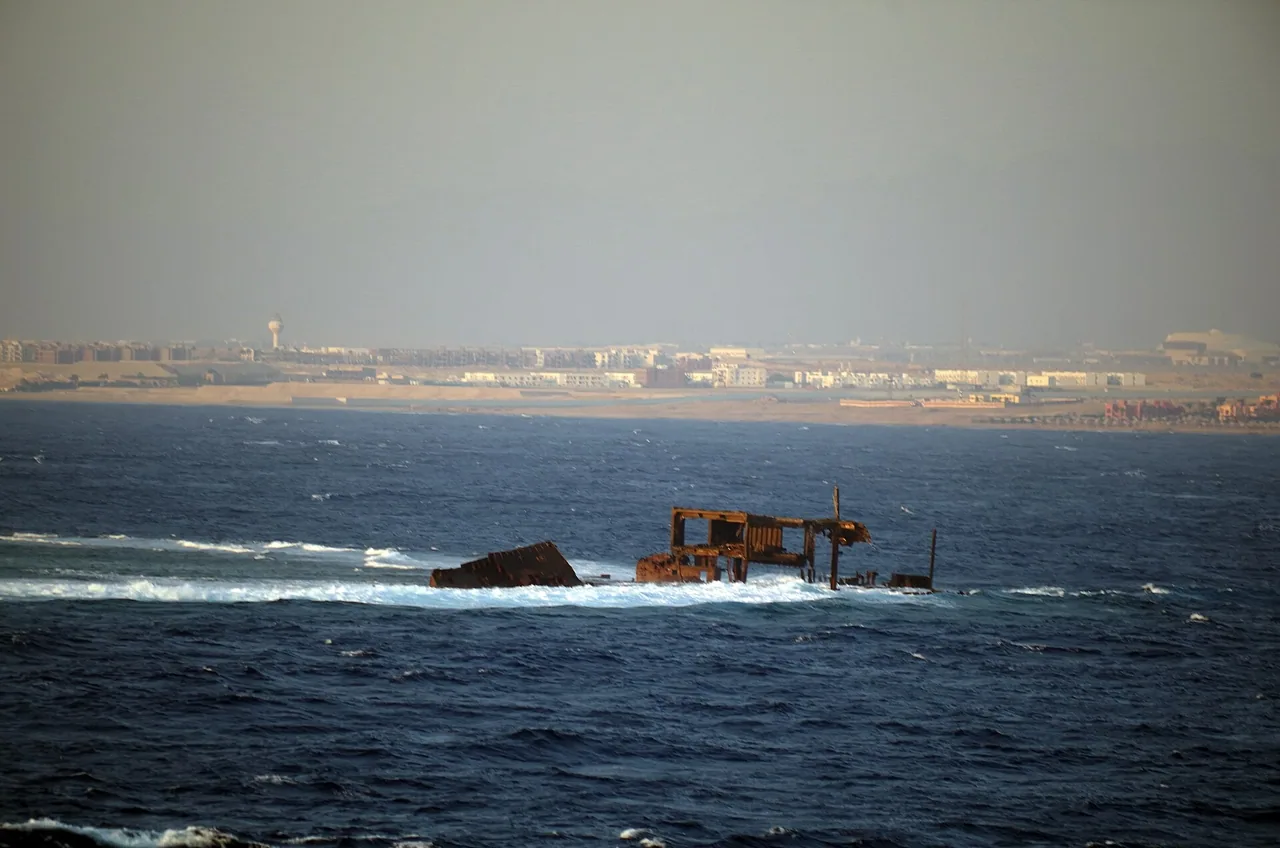 Beyond Ras Mohammed, Sharm's dive menu runs deep. The Straits of Tiran to the north hold four reefs, Jackson, Woodhouse, Thomas and Gordon, in the channel between Tiran Island and the mainland. Strong currents sweep nutrient-rich water across them, meaning prolific coral and good odds of big pelagic life; Jackson Reef is Sharm's fastest, most exhilarating drift dive, best left to experienced divers. White Island is a bare sandbank in open sea, often called the Egyptian Maldives, exposed at low tide and covered at high, and frequently paired with Ras Mohammed on a day trip.
Further afield lies the SS Thistlegorm, a British WWII cargo ship sunk by German aircraft in 1941 and resting at around 30 metres with its trucks, motorbikes, rifles and munitions still packed in the holds. Routinely rated one of the greatest wreck dives in the world, it is a long full-day boat trip or, better, a liveaboard leg. Closer to home, house reefs at Naama Bay and Shark's Bay let you snorkel or shore-dive straight off the beach.
Beginners vs experienced divers
Sharm works brilliantly at both ends of the spectrum. For beginners, the sheltered bays, warm water and shallow, coral-rich reefs make it one of the world's best places to take a first breath underwater. Many operators offer a supervised introductory or "discover scuba" dive with an instructor and no certification required, so the curious can try it before committing to a course.
Experienced divers get a different Sharm: the current-driven drifts of Tiran, the deep walls of Ras Mohammed, wreck diving on the Thistlegorm, and liveaboard routes to the northern wrecks and beyond. The strong currents at some Tiran and Ras Mohammed sites genuinely demand experience and good buoyancy control, so match the dive to your logbook honestly and let the guide brief you fully.
Courses and certification
Sharm is one of the cheapest and best places in the world to earn a diving certification, with PADI and SSI courses from beginner Open Water up to Advanced, Rescue, specialty and technical levels. A three-day PADI Open Water course, the entry-level qualification that lets you dive to 18 metres anywhere in the world, typically runs a few hundred dollars, often split into online theory (eLearning) done before you arrive and the in-water practical days on site. Equipment is usually included; park fees and boat lunches are usually extra, so check. Because you learn in warm, clear, forgiving water rather than a cold quarry, most people find Sharm an easy place to start. If you are already certified, the Advanced course here adds deep, navigation and drift specialties on the region's best sites.
Liveaboards vs day boats
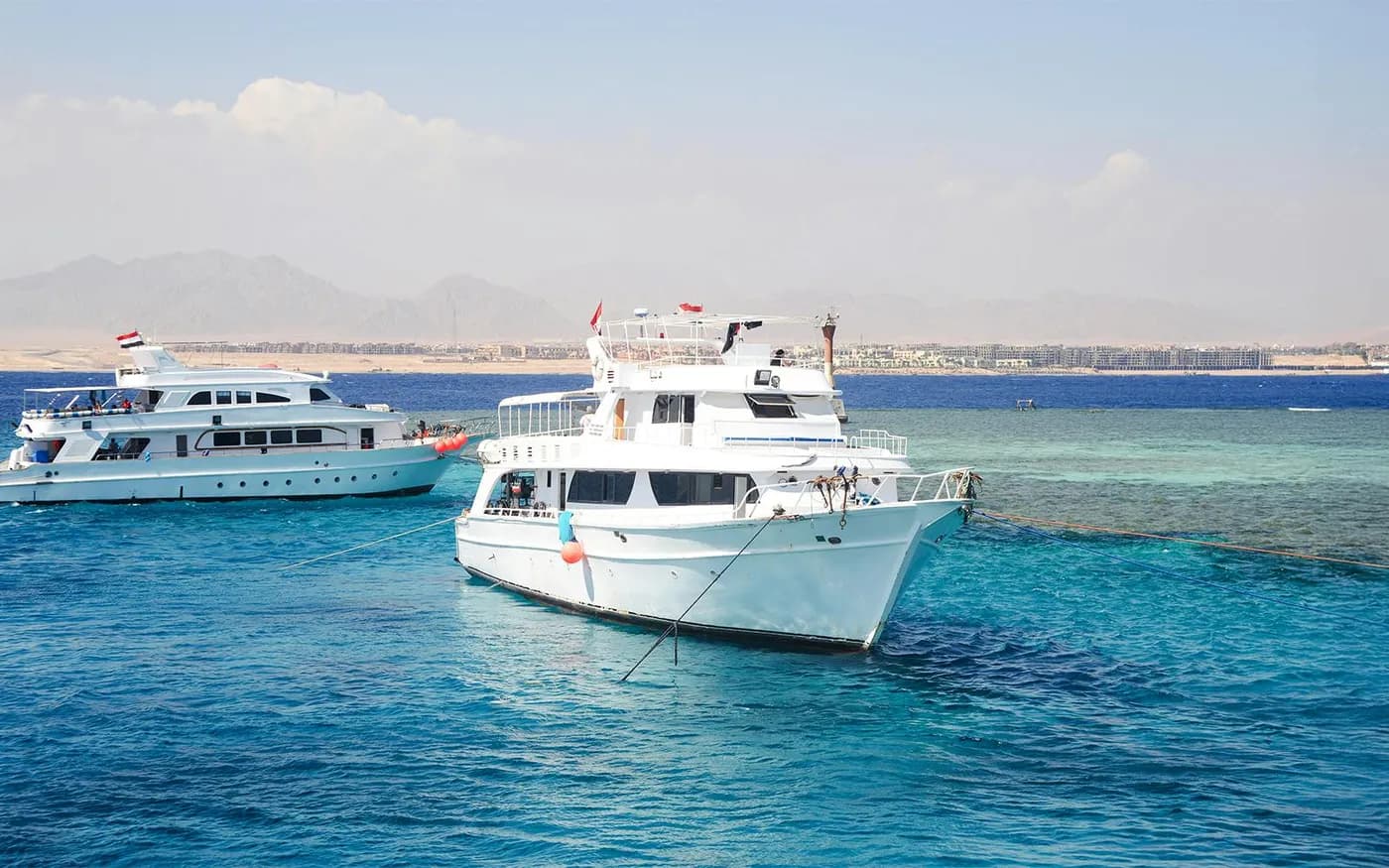
Most of Sharm's diving is done from day boats: you leave the marina in the morning, dive two or three sites, eat lunch aboard and are back by late afternoon. Day boats reach Ras Mohammed, Tiran, White Island and even the Thistlegorm, and they are perfect for divers based in a hotel who want to mix diving with beach time or family.
A liveaboard is a different animal. You live on the boat for several nights, which lets you be first on the sites before the day fleet arrives, dive more often, dive at dawn and dusk, and reach remote wrecks and reefs day boats cannot. For serious divers chasing the Thistlegorm and the northern wrecks, it squeezes the most diving out of a trip. For everyone else, day boats are cheaper, more flexible and plenty.
Marine life and when to see it
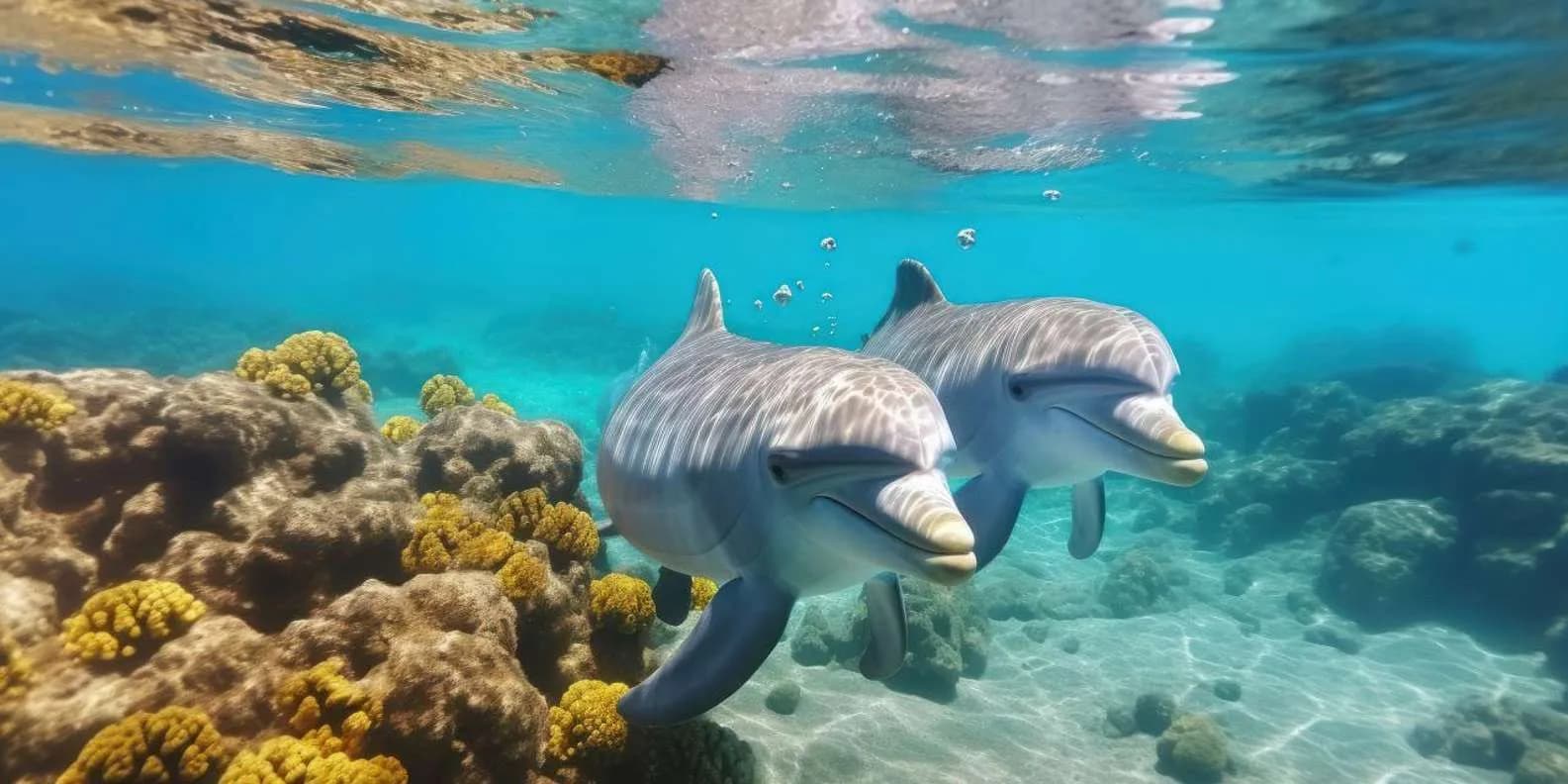
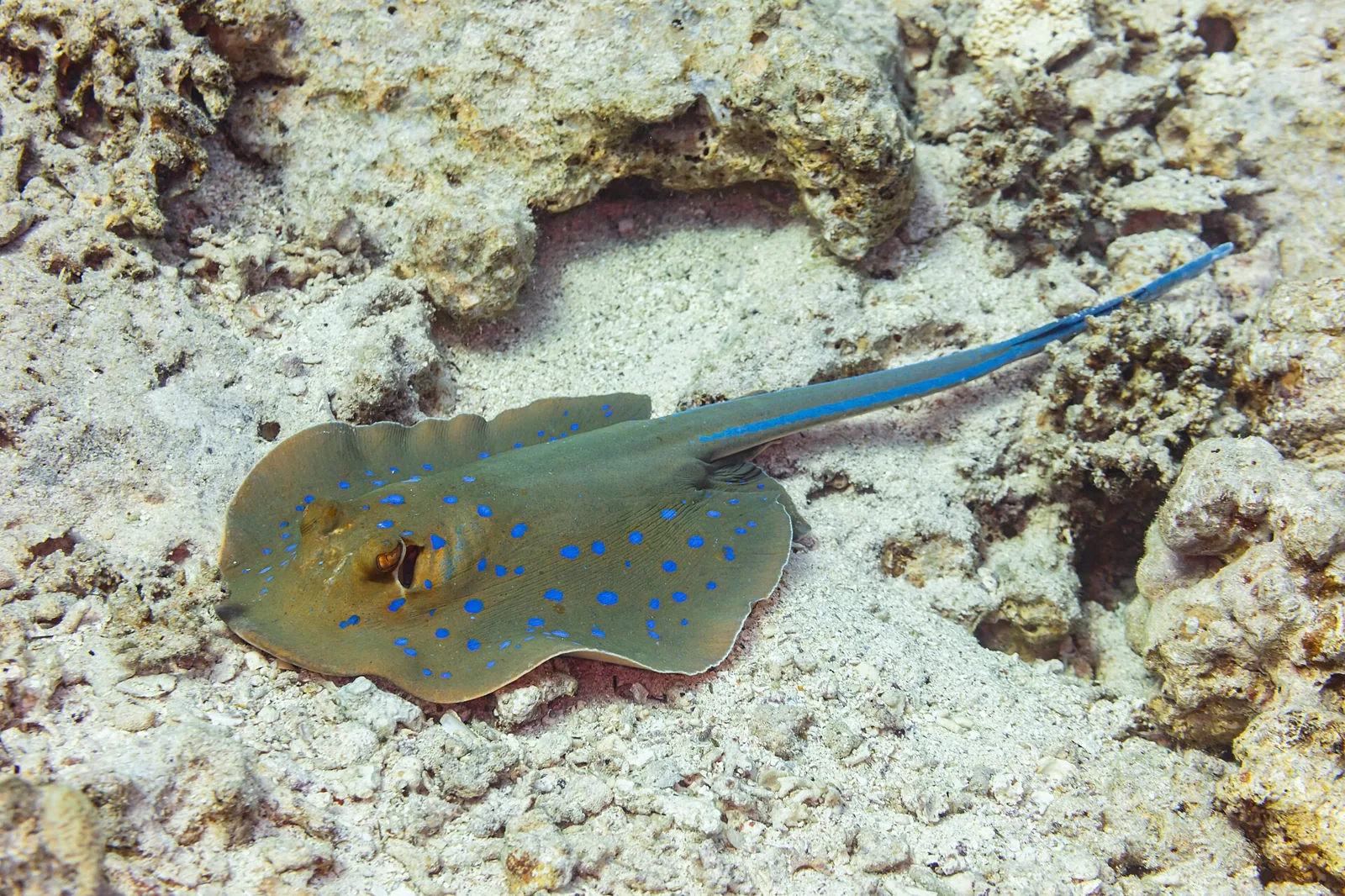 The reefs teem year-round with clouds of orange anthias, parrotfish, angelfish, moray eels, turtles, rays, octopus and reef sharks, so there is never a bad time to get wet. But some encounters are seasonal. Hammerhead sharks push into the northern Red Sea as the water warms, with roughly May through September at the Tiran and offshore sites giving the best odds. Oceanic whitetips, threshers and other larger sharks are more likely in the warmer months and on deeper, current-swept sites. Turtles and rays are reliable through much of the year, and the coral is spectacular in every season.
Water temperature and best season
Diving runs all twelve months. Water is warmest from June to October, peaking around 27 to 28 degrees, when a thin wetsuit is plenty but the land is very hot. It is coolest from December to March, dipping to around 21 to 22 degrees, still comfortable in a 3mm to 5mm wetsuit and quieter on land. The sweet spots are the shoulder seasons, roughly April to May and October to November, when the water sits in the mid-20s, visibility often exceeds 30 metres, and crowds and prices ease. Visibility is excellent across the whole year.
Snorkelling options
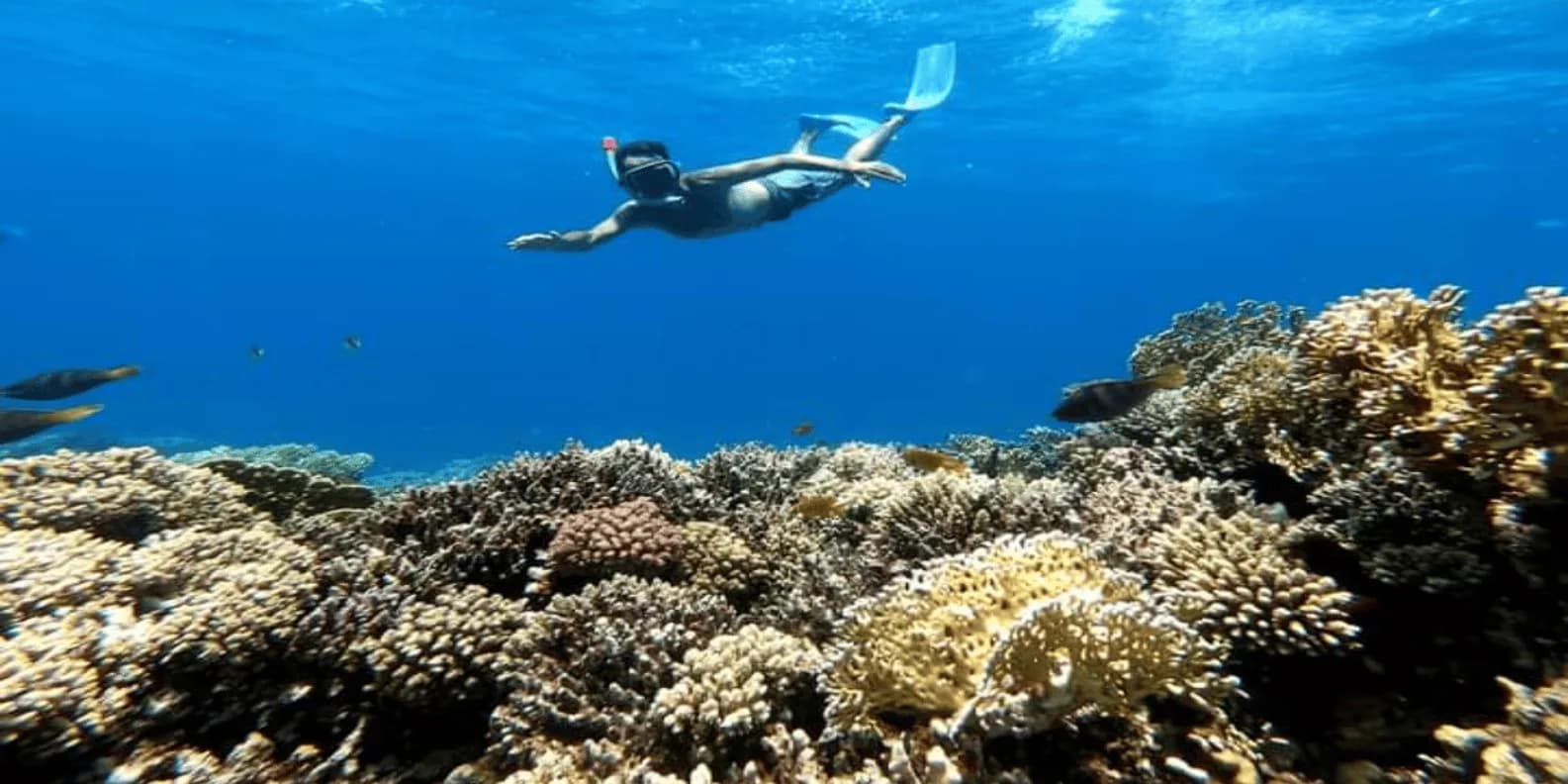
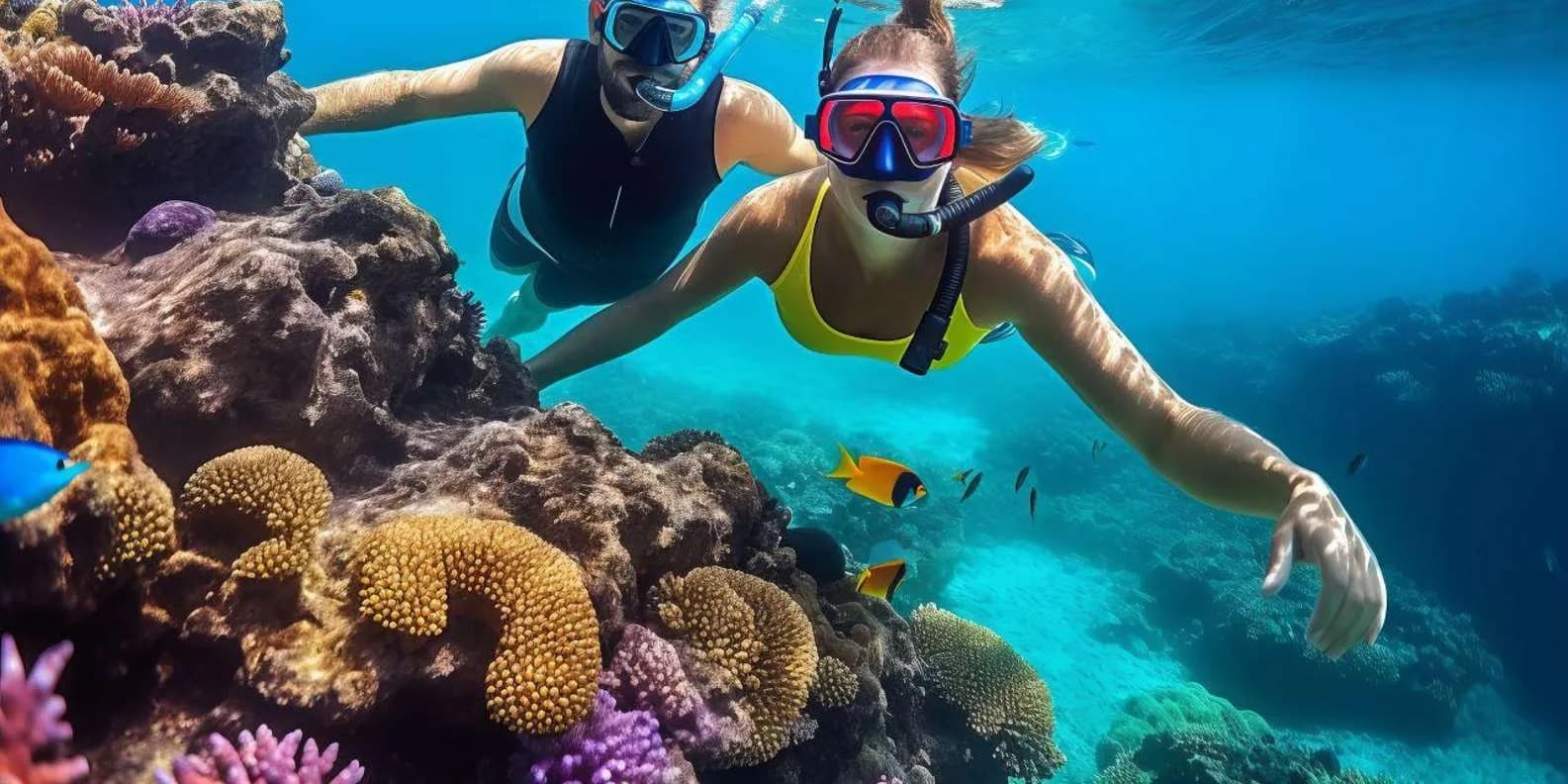
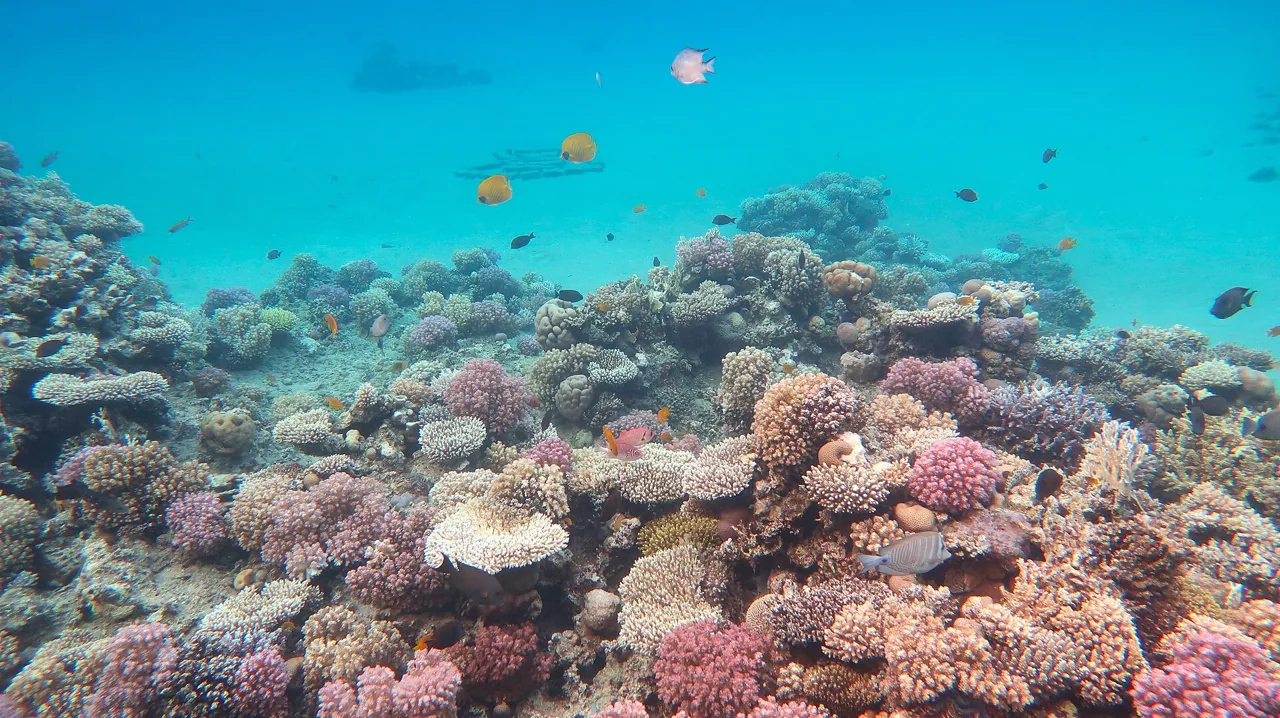 You do not have to dive to see the best of Sharm. The day boats to Ras Mohammed, White Island and Tiran take snorkellers to the same reefs the divers descend on, so floating at the surface you still hang over dramatic coral walls and schooling fish. Many house reefs at Naama Bay and Shark's Bay are reachable straight from shore, and glass-bottom and semi-submarine trips exist for those who would rather not get in at all. Bring or rent a mask that seals well and you will spot turtles and rays from the surface on a good day.
Costs
Sharm is genuinely cheap for the quality on offer. A Ras Mohammed dive-and-snorkel boat day starts from about 1,733 EGP (roughly 36 USD), the land tour from about 1,003 EGP, and a full three-day Open Water certification runs a few hundred dollars all-in. Certified divers pay per-dive or per-day rates that are a fraction of what the same diving costs in Europe or the Caribbean. Watch for extras often quoted separately: gear rental, park fees, boat lunch and hotel transfers. Always confirm what is included before you book.
How to pick an operator
With hundreds of dive centres in town, choose on safety and reputation, not just price. Look for operators accredited by Egypt's Chamber of Diving and Water Sports (CDWS), which enforces international ISO safety standards, and affiliated with a recognised agency such as PADI or SSI. Read recent reviews, check that equipment looks well maintained, keep group sizes small enough for the guide to watch everyone, and expect thorough briefings. A good centre asks about your certification and recent experience before putting you in the water, and never pressures you onto a site beyond your level.
Safety
Sharm has a mature diving-safety culture, a hyperbaric (decompression) chamber in town and easy medical access, and serious incidents are rare. Still, dive within your training, stay hydrated, respect surface intervals and no-fly times before flying home, and never let a boat or buddy talk you into a dive that feels wrong. Standard travel insurance usually excludes scuba, so buy dedicated dive insurance (DAN or DiveAssure) that covers chamber treatment, which can otherwise run into tens of thousands. And because the parks protect the coral, use reef-safe sunscreen or cover up, and never touch or stand on the reef.
The verdict
For underwater Egypt, Sharm El Sheikh is the best base in the country. Ras Mohammed, Tiran and White Island are as good as Red Sea diving gets and sit right offshore, the Thistlegorm is within reach, the trips are cheap and consistently rated near the top from about 1,733 EGP, and the same boats look after divers and snorkellers alike. Whether you are getting certified, chasing a WWII wreck, or just floating over the reef with a mask, this is where the Red Sea is at its finest. If you are still weighing where to base yourself, compare the two big Red Sea hubs in our Hurghada vs Sharm diving guide, plan the rest of your stay with the Sharm El Sheikh travel guide, and see the bigger picture in our Egypt travel guide. Ready to dive in? Search Sharm El Sheikh diving and snorkelling trips.
Learn to dive in Sharm El Sheikh
Start with the Open Water Diver course on Sharm's sheltered house reefs, then earn your Advanced Open Water to dive Ras Mohammed, Tiran and the Thistlegorm. See all Red Sea dive courses.
A real team available 24/7 to assist you — free
Seif and the team reply on WhatsApp 24/7 — trip questions, custom plans and booking help.
Ask Seif on WhatsAppCommon questions
Where is the best diving in Sharm El Sheikh?
Ras Mohammed National Park at the tip of the Sinai is the headline, with sheer reef walls and famous sites like Shark Reef and Yolanda Reef. Trips often add White Island, and the wider menu includes the four Straits of Tiran reefs (Jackson, Woodhouse, Thomas and Gordon) and the legendary SS Thistlegorm WWII wreck. A Ras Mohammed dive-and-snorkel boat trip starts from about 1,733 EGP.
How much does diving in Sharm El Sheikh cost?
A boat trip to Ras Mohammed with snorkelling and diving starts from about 1,733 EGP (roughly 36 USD) per person, rated 4.9 across more than 2,600 reviews. A land tour into Ras Mohammed by bus starts from about 1,003 EGP, an introductory dive is inexpensive, and a full three-day PADI Open Water certification runs a few hundred dollars. Watch for extras like gear, park fees, lunch and transfers.
Can non-divers enjoy Sharm's reefs?
Yes. The same boats carry snorkellers, first-time divers doing a supervised introductory dive, and certified divers to the same reefs, so families and mixed groups all get their version. There is also a land tour into Ras Mohammed with viewpoints, Allah's Gate and mangroves, plus glass-bottom trips and shore-snorkel house reefs at Naama Bay and Shark's Bay for those who prefer to stay near the surface.
When is the best time to dive in Sharm El Sheikh?
Diving runs all year with excellent visibility. Water is warmest from June to October (around 27 to 28 degrees) and cooler but comfortable in a wetsuit from December to March (around 21 to 22 degrees). The shoulder seasons, April to May and October to November, are the sweet spot: mid-20s water, visibility often over 30 metres, and fewer crowds. Hammerhead sightings peak roughly May to July.
How do I get PADI certified in Sharm El Sheikh?
Most people take the three-day PADI Open Water course, usually splitting the theory into online eLearning done before arrival and the in-water practical days on site. It qualifies you to dive to 18 metres worldwide and typically costs a few hundred dollars, with equipment usually included and park fees and lunch extra. Sharm's warm, clear, sheltered water makes it one of the easiest and cheapest places in the world to learn.
Should I choose a liveaboard or day boats?
Day boats leave the marina each morning, dive two or three sites and return by afternoon; they reach Ras Mohammed, Tiran, White Island and even the Thistlegorm, and suit divers who also want beach or family time. A liveaboard means living aboard for several nights, being first on the sites, diving more often, and reaching remote wrecks and reefs, which is ideal for serious divers but costs more. For most visitors, day boats are cheaper and plenty.
What is White Island near Sharm?
White Island is a bare sandbank in the open Red Sea, often called the Egyptian Maldives for its white sand and turquoise water, exposed at low tide and submerged at high tide. It is frequently paired with Ras Mohammed on dive and snorkel day trips and is a favourite photo and swim stop.
Is diving in Sharm El Sheikh safe, and how do I pick an operator?
Sharm has a mature safety culture, a decompression chamber in town and easy medical access, and serious incidents are rare. Choose an operator accredited by the Chamber of Diving and Water Sports (CDWS) and affiliated with PADI or SSI, check recent reviews and equipment, keep group sizes small, and dive within your training. Buy dedicated dive insurance (DAN or DiveAssure), since standard travel policies usually exclude scuba.
Book it on This is Egypt
Turn this guide into a trip





Egypt's bestsellers
The experiences travelers book most, across the country

Attractions in this guide
Keep reading
Hurghada Diving (2026): Best Sites, Packages & Prices
Diving in Hurghada — the best reefs (Giftun, Careless Reef, Dolphin House) and Abu Nuhas wrecks, Discover Scuba vs PADI courses, season and water temps, and real 2026 prices.
By TiE Editors7 min read

Liveaboard vs Day-Boat Diving in the Red Sea (2026): Which to Choose
A liveaboard reaches the remote reefs and wrecks day boats can't — the Brothers, Daedalus, deep-south Egypt — but a day boat is cheaper, flexible and beginner-friendly. Here's the honest choice.
By TiE Editors4 min read

Scuba Diving & Freediving in Dahab: The Complete Guide
Dahab is one of the cheapest places on earth to get certified. Here's the shore-entry sites, course prices, freediving, top centres and the honest safety picture.
By TiE Editors6 min read