 Photo by Diego Delso, via Wikimedia Commons, CC BY-SA 4.0
Scuba Diving & Freediving in Dahab: The Complete Guide
Dahab is one of the cheapest places on earth to get certified. Here's the shore-entry sites, course prices, freediving, top centres and the honest safety picture.
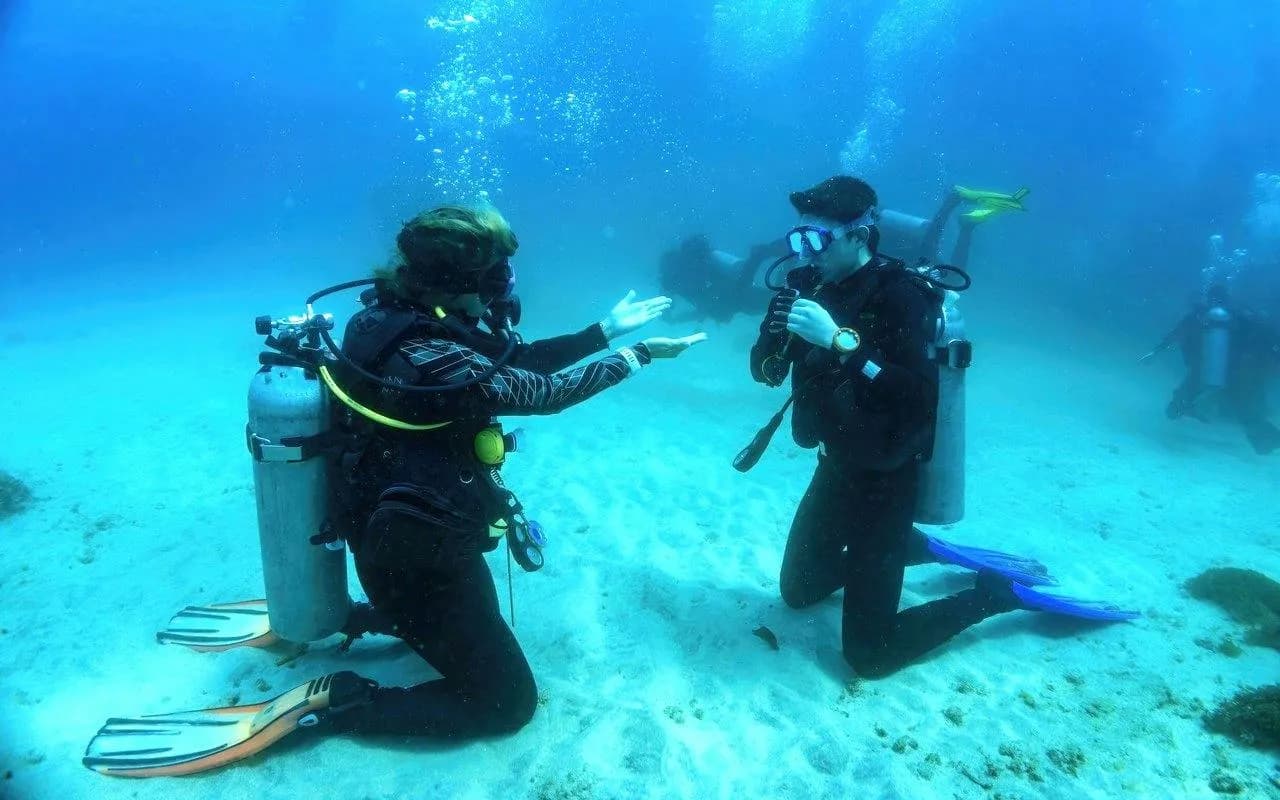
Quick answer: Dahab sits on the Gulf of Aqaba coast of Sinai, and for divers it has a rare combination: warm, clear water, a coral wall that drops to depth within a few metres of the beach, and some of the lowest certification prices anywhere in the world. Almost everything here is a shore dive, which is the real reason the numbers are so low. There are no boats to charter, no daily fuel bills, no long crossings. You walk in off the beach with a guide, and the reef is right there. That model, layered on top of Egypt's general affordability, makes Dahab a magnet for first-time divers, budget backpackers and serious freedivers alike.
It is also a town with a reputation. The Blue Hole, Dahab's most famous site, has a dark nickname earned by decades of deaths. The honest version of that story matters, and this guide gives it to you straight further down. The short version: recreational diving in Dahab, including in the Blue Hole itself, is genuinely safe when you stay inside your certification limits. The fatalities are a very specific, avoidable trap that has nothing to do with a normal guided dive.
Why Dahab is a budget dive and freedive hub
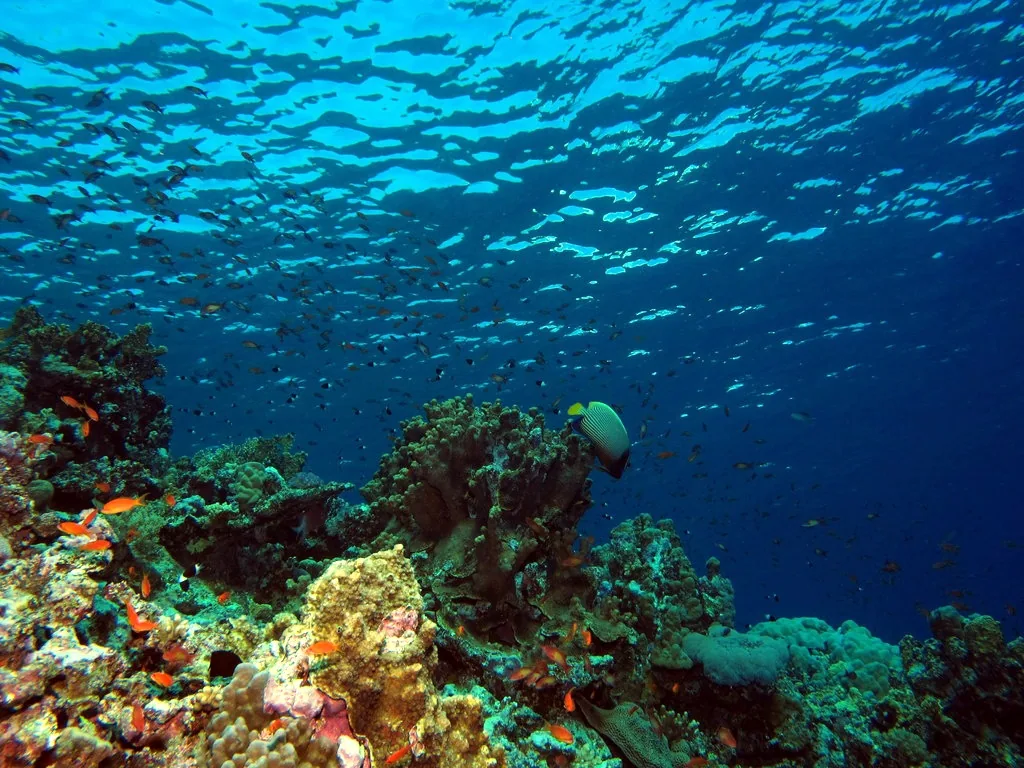 Dahab is one of the cheapest places globally to get scuba certified, with PADI Open Water courses starting around 13,000 EGP (roughly $260 USD). The single biggest driver of that low price is shore access: almost all diving is done by walking in from the beach, which removes the cost of boats entirely. Egypt's low general cost of living does the rest. For freedivers the story is the same. Dahab is often described as the world's cheapest high-quality freediving destination, which puts internationally recognised AIDA certification within reach of people who could never afford it in Europe or Asia.
The famous dive sites
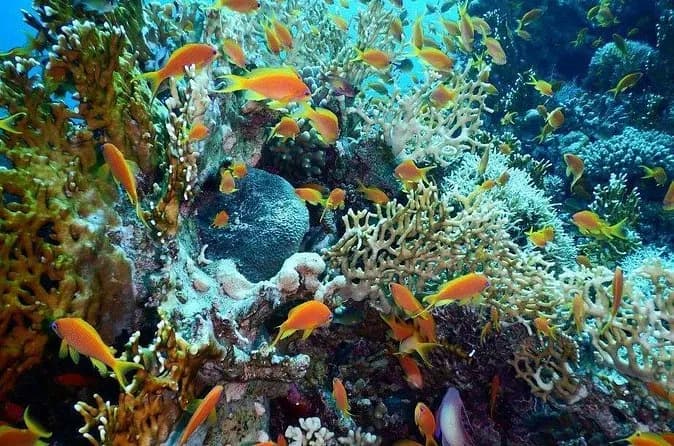
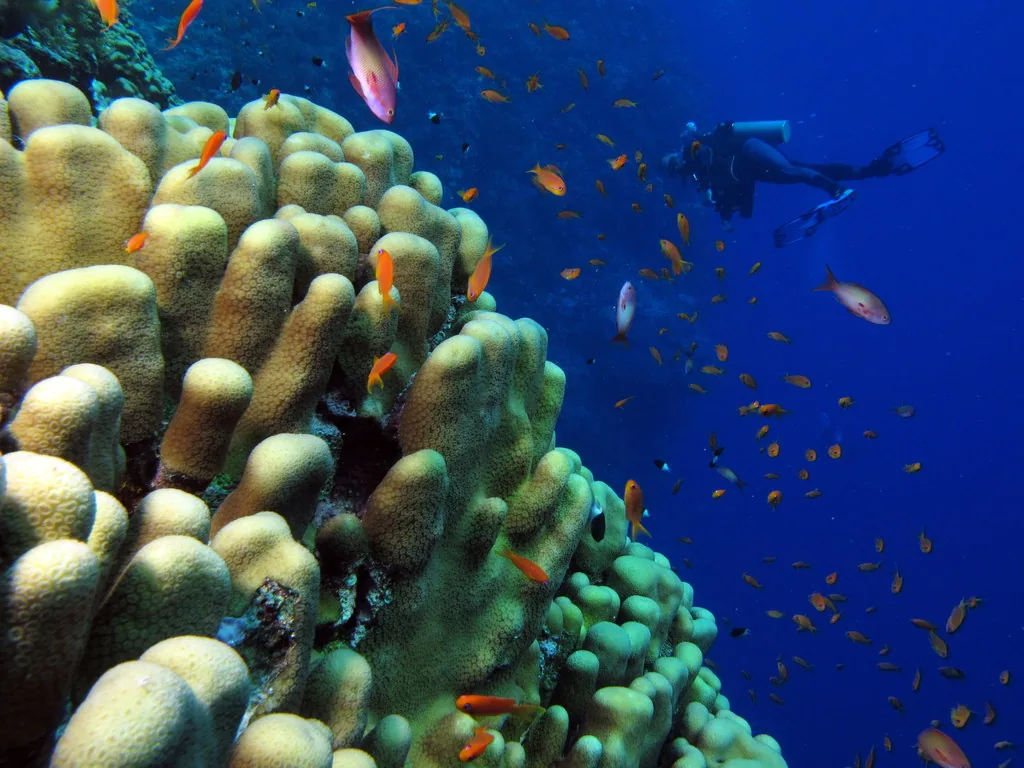 Blue Hole is the headline act: a submarine sinkhole around 110 to 130 metres deep with a shallow saddle at about 6 metres. Recreational divers stay along the rim, the saddle and the outer wall, typically between 5 and 30 metres, drifting past coral and reef life with no need to go anywhere near the deep sections.
The Canyon, on the road to the Blue Hole, has coral gardens at 10 to 20 metres, with the canyon fissure itself dropping to around 54 metres for technical divers only. Lighthouse is Dahab's house reef, the easy-access site in town used for check dives, training and night dives. The Bells is a narrow chimney entry near the Blue Hole descending to about 26 metres and needs Advanced Open Water certification. The Caves offer two shallow caverns entered at roughly 5 and 17 to 18 metres, a gentle taste of overhead environment.
Scuba course and dive prices (as of 2026 — verify)
Prices move, so treat these as bands and confirm with the centre before you commit.
- PADI Open Water: from 13,000 EGP (~$260), 3 to 4 days, usually including eLearning and manuals, all equipment, certification fees, four training dives and confined-water sessions. Minimum age 13. An alternative guide estimate puts it around €285.
- PADI Advanced Open Water: around €200 to €225.
- Single guided fun dive: about €30 to €35. A full day of three dives runs about €75. An intro or discovery dive for non-certified visitors is about €35.
SSI courses are offered alongside PADI at many centres, though specific SSI Open Water pricing was not confirmed in the sources reviewed. Ask directly.
Freediving in a world-class centre
Dahab is one of the planet's premier freediving towns, and the conditions explain why. The reef wall reaches recreational depth within 15 metres of shore, the primary training sites have no current, visibility sits at 20 to 40 metres year-round, and water temperature ranges from 22 to 28°C. That combination is close to ideal.
AIDA course price bands (as of 2026 — verify): AIDA 1 runs €80 to €120; AIDA 2 is €200 to €280 over two days including certification; AIDA 3 is €320 to €450 over three days; AIDA 4 is €450 to €600 over four days. A full AIDA 2-to-4 progression comes to roughly €1,000 to €1,330.
The schools here are serious. Freedive Dahab was founded in 2003 by Lotta Ericson and is noted as the first SSI Instructor Training Center worldwide. Dahab Freedivers, Touchdown Freediving (competition-focused) and Carlos Freediving Club round out a deep bench of instruction, from first breath-hold to elite training.
Named dive centres
Big Blue Dahab is a PADI centre running courses, dive trips and snorkelling, with an air-conditioned classroom, PADI eLearning, gear storage and an on-site restaurant. Fantasea Divers is a PADI 5-Star Resort Dive Center operating since 2003, which states it has certified over 5,000 new divers (self-described — verify). Scuba Seekers Dahab and Dahab Divers Lodge both publish current course and dive price lists online, which makes them easy to compare before you arrive. Whichever you pick, look for a real premises, published prices and recent reviews rather than a beach tout.
Safety: the Blue Hole reputation, honestly
The Blue Hole has a notorious reputation, and it is not marketing hype. Sources estimate roughly 130 to 200-plus deaths over recent decades among scuba divers, freedivers and snorkellers, though Egypt publishes no official figures and some incidents go unreported. That sounds terrifying until you understand where the danger actually lives.
The killer is a feature called The Arch, a tunnel through the reef whose exit sits around 55 to 56 metres deep, far beyond recreational limits. Passing it safely requires technical training, staged or decompression gases and precise planning, or elite freediving control. Most fatalities involved divers attempting the Arch beyond their training and their gas supply. The instructor Yuri Lipski died at around 115 metres on a single air tank with no stage or deco backup, an accident filmed on his own helmet camera. Irish freediving safety diver Stephen Keenan died in the Blue Hole on 22 July 2017 during a deep freedive rescue attempt.
Here is the part that matters for you: recreational diving in the Blue Hole is genuinely safe when done within certification limits. Staying on the saddle and outer wall, roughly 5 to 30 metres, avoids the Arch entirely and still delivers excellent coral and marine life. The Arch is explicitly not a freediving training site for the vast majority of people and is not part of standard AIDA progression. If you go with a reputable centre and dive your limits, you will have a beautiful, ordinary, safe dive.
Best season to go
September to November offers the optimal window, warm water paired with cooling air temperatures. Water sits around 22°C in April and May and is warmest through summer. For freediving, April to June and September to November are ideal; December to February is divable with a 5mm wetsuit; July and August are very hot on the surface but perfectly swimmable.
Who Dahab suits
Beginners and budget travellers get shore-entry sites, low prices and a dense cluster of PADI and SSI schools, making this an excellent place to earn a first certification. Freedivers of all levels get world-class training conditions and the cheapest high-quality AIDA courses anywhere, alongside elite competitors who train here too. Technical and advanced divers get the Canyon depths, the Bells and, with proper tech training only, the Arch. That last one bears repeating: the Arch is emphatically not for recreational or undertrained divers.
Learn to dive (and freedive) in Dahab
Dahab is one of the world's great places to learn. Get certified with the Open Water Diver course, go pro as a Divemaster, or take a one-breath Freediving course at the Blue Hole. See all Red Sea dive courses.
A real team available 24/7 to assist you — free
Seif and the team reply on WhatsApp 24/7 — trip questions, custom plans and booking help.
Ask Seif on WhatsAppCommon questions
How much does it cost to get scuba certified in Dahab?
A PADI Open Water course starts around 13,000 EGP (roughly $260 USD) over 3 to 4 days, typically including eLearning, all equipment, certification fees and four training dives. Dahab is one of the cheapest certification spots on earth, mainly because almost all diving is shore-based, which removes boat costs. Prices as of 2026 — verify with the centre.
Is diving in the Blue Hole actually safe?
Yes, for recreational divers staying within their limits. The Blue Hole's deadly reputation comes almost entirely from the Arch, a tunnel around 55 to 56 metres deep that is far beyond recreational limits and needs technical training. Staying on the saddle and outer wall, roughly 5 to 30 metres, avoids the Arch completely and gives you a normal, safe dive with great coral and marine life.
Why does the Blue Hole have so many deaths?
Estimates put it at roughly 130 to 200-plus deaths over recent decades, though Egypt publishes no official count. Almost all involved divers attempting the deep Arch beyond their training and gas supply, not people on standard guided dives. One instructor died at around 115 metres on a single air tank. The danger is a specific, avoidable trap, not the site as a whole.
Can I freedive in Dahab as a beginner?
Absolutely. Dahab is one of the world's premier freediving towns and among the cheapest for high-quality AIDA certification. The reef reaches training depth within 15 metres of shore, there's no current at the main sites, and visibility is 20 to 40 metres year-round. Schools like Freedive Dahab, Dahab Freedivers and Carlos Freediving Club teach everyone from first breath-hold to competition level.
What are the best dive sites in Dahab?
The Blue Hole and the Canyon are the headline sites, both accessible from shore. Lighthouse is the town house reef used for training and check dives. The Bells is a chimney entry near the Blue Hole needing Advanced certification, and the Caves offer two shallow caverns. The Canyon fissure and the Arch are for technical divers only.
When is the best time of year to dive in Dahab?
September to November is the sweet spot, with warm water and cooling air. Water sits around 22°C in April and May and is warmest in summer. For freediving, April to June and September to November are ideal. December to February needs a 5mm wetsuit, and July to August is hot on the surface but still very swimmable.
Do I need to book a dive centre in advance?
It's wise, especially in peak season, though Dahab has a dense cluster of schools. Choose centres with a real premises, published prices and recent reviews, such as Big Blue Dahab, Scuba Seekers or Dahab Divers Lodge, rather than beach touts. Confirm exactly what your course price includes, since equipment, certification fees and manuals are usually bundled but worth checking.
Book it on This is Egypt
Turn this guide into a trip

Egypt's bestsellers
The experiences travelers book most, across the country
Keep reading
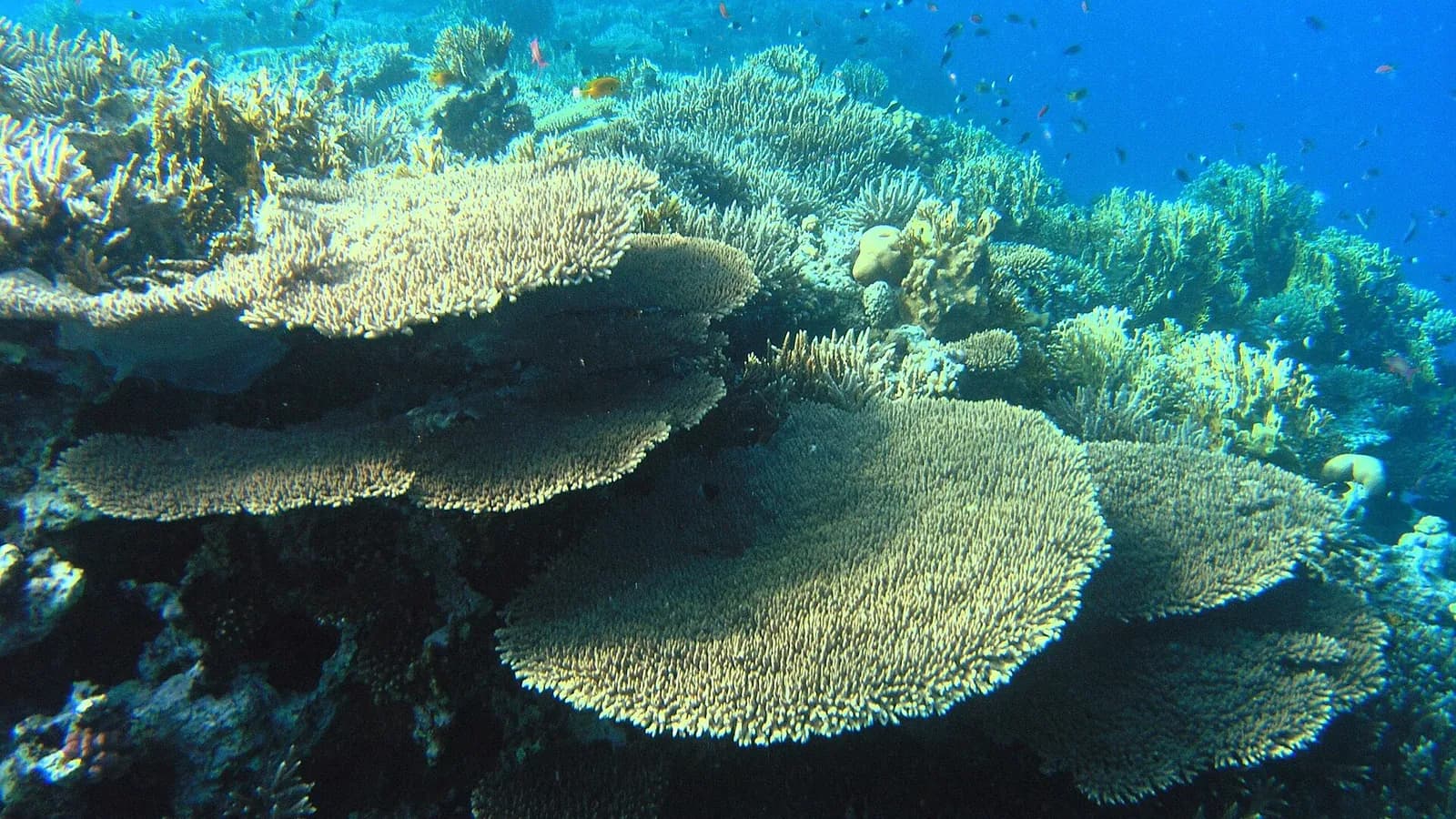
Hurghada Diving (2026): Best Sites, Packages & Prices
Diving in Hurghada — the best reefs (Giftun, Careless Reef, Dolphin House) and Abu Nuhas wrecks, Discover Scuba vs PADI courses, season and water temps, and real 2026 prices.
By TiE Editors7 min read
Diving in Sharm El Sheikh (2026): Ras Mohammed, Reefs and the Best Trips
Sharm is Egypt's diving capital, with Ras Mohammed and White Island on the doorstep. The best dive and snorkel trips, real prices, and what non-divers can do too.
By TiE Editors9 min read

Liveaboard vs Day-Boat Diving in the Red Sea (2026): Which to Choose
A liveaboard reaches the remote reefs and wrecks day boats can't — the Brothers, Daedalus, deep-south Egypt — but a day boat is cheaper, flexible and beginner-friendly. Here's the honest choice.
By TiE Editors4 min read