Dahab Travel Guide (2026): Egypt's Laid-Back Diving Town
Barefoot cafes, world-class shore diving and the Blue Hole. Why Dahab is the Red Sea's most relaxed base, what to do, real prices, and the trips from Sharm.
Quick answer: Dahab is the Red Sea's antidote to the big resorts: a barefoot former Bedouin fishing village on the Sinai coast that became a diving mecca without losing its backpacker soul. Instead of all-inclusive towers you get low-slung camps and seafront cafes with cushions at the water's edge; instead of party boats you get some of the best shore diving in the world, a few steps off the promenade. It is cheaper, slower and more bohemian than Sharm El Sheikh an hour to the south, and the people who love it tend to come back year after year. If your idea of a Red Sea holiday is a wetsuit drying on a balcony rail and Bedouin tea at sunset rather than a wristband and a buffet, this is your town.
Why visit Dahab
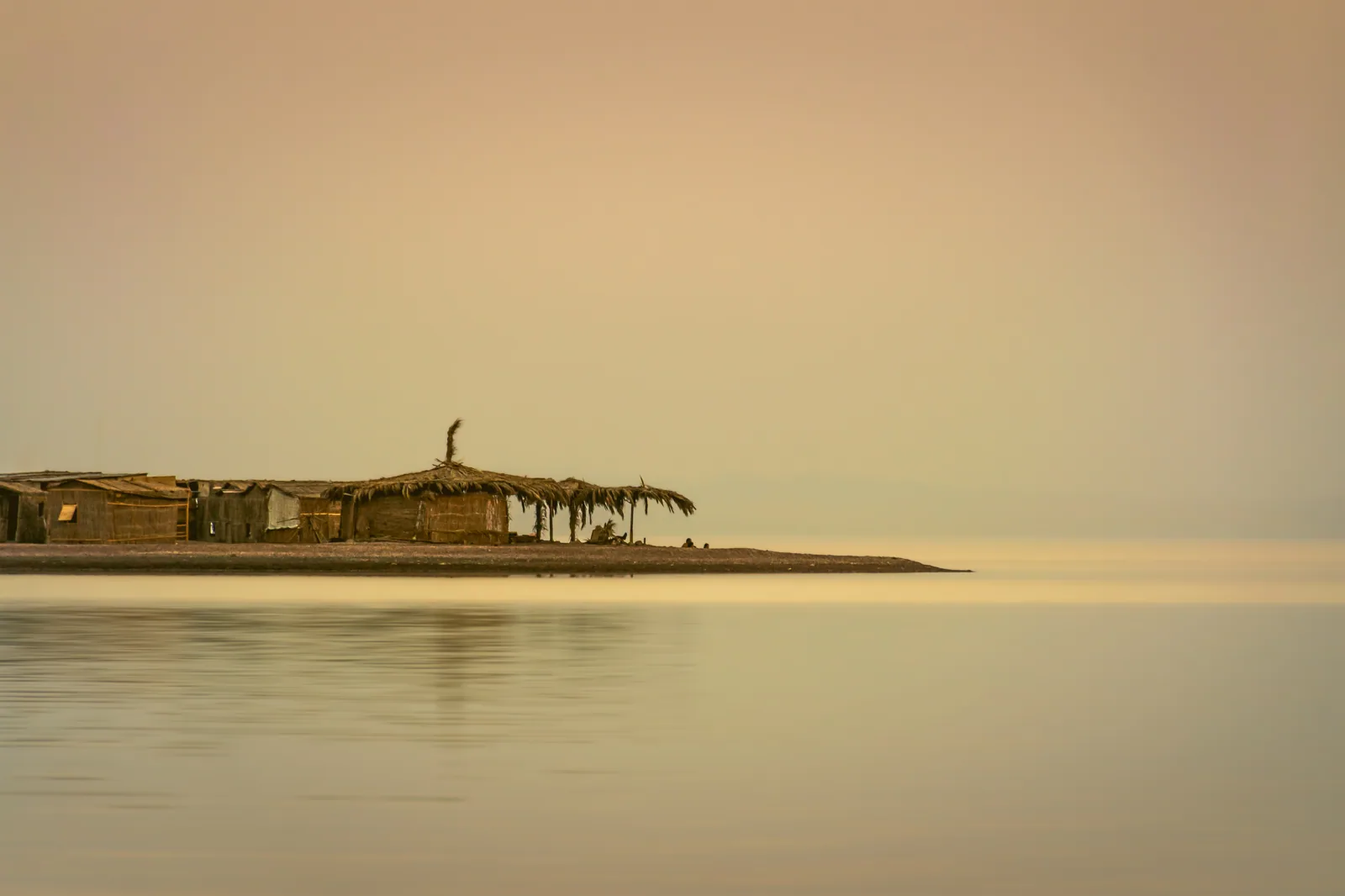
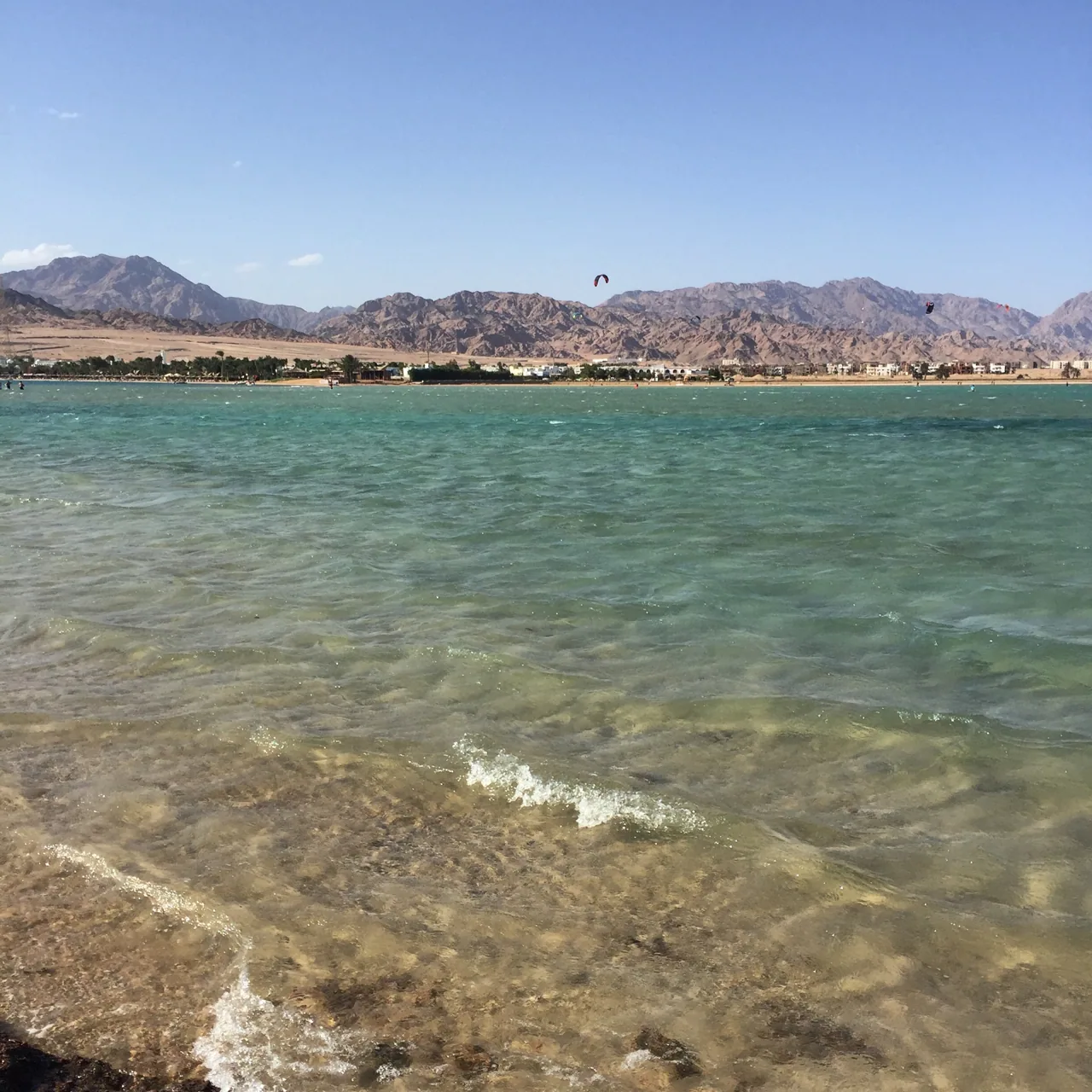
Dahab means "gold" in Arabic, for the colour of its desert sand, and the name still fits the mood: warm, unhurried, a little wild. It sits on a shallow bay where the Sinai mountains fall almost straight into the sea. The town clusters along a single walkable seafront strip in the Assalah and Lighthouse districts, where dive centres, tea houses, yoga studios and reggae bars sit shoulder to shoulder. Prices are a fraction of what you pay in the packaged resorts, and the whole place runs on a gentle, come-as-you-are rhythm.
The short version: Dahab is where independent travellers, divers and slow-holiday people go when Sharm and Hurghada feel too polished. You can spend nothing but time here and leave happy, or pack your days with world-class diving, desert treks and a sunrise on a holy mountain. Few places on the Egyptian coast offer this much variety somewhere so cheap and so relaxed.
Diving and freediving: straight off the shore
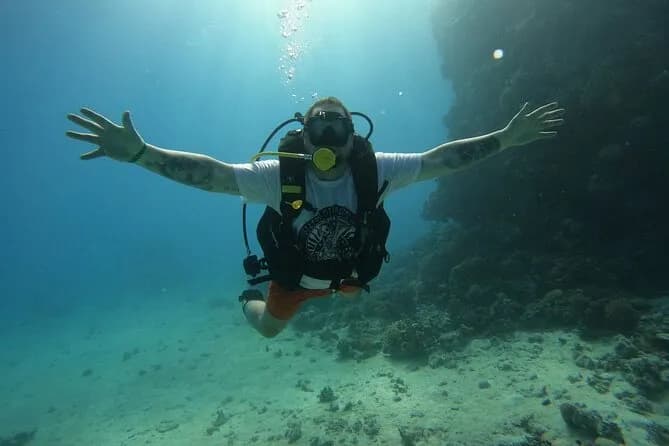
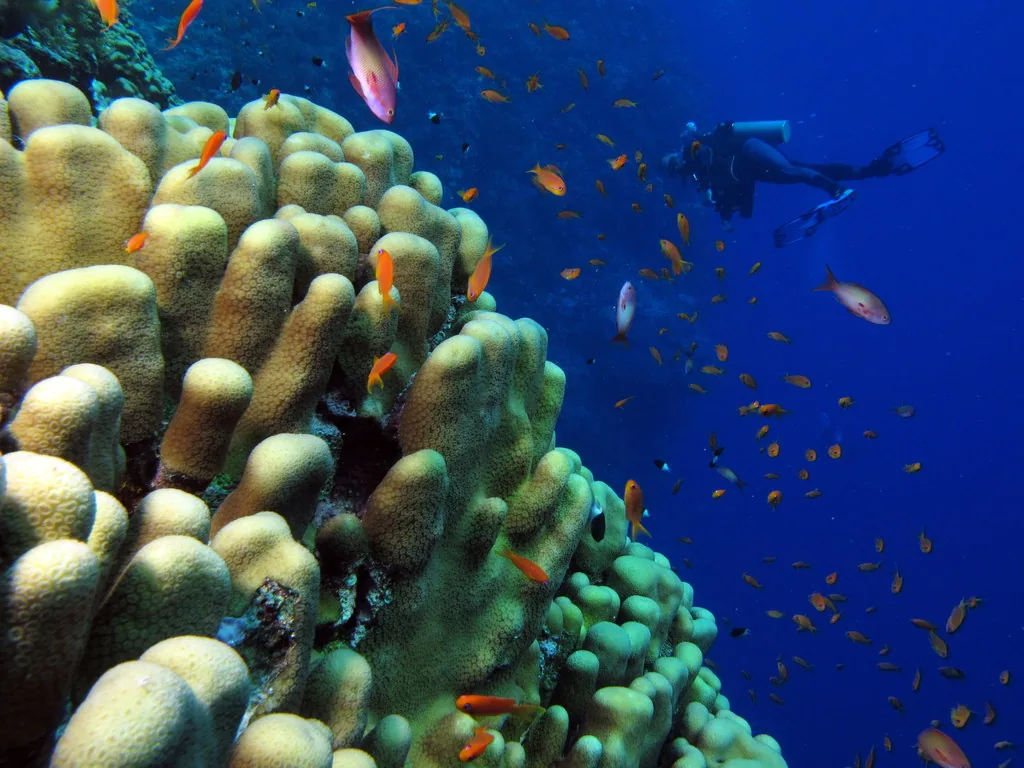 Dahab's calling card is shore diving. You walk into the sea from the coast, kit on your back, and drop onto reefs without ever boarding a boat. That means cheaper diving, flexible timing and long, lazy surface intervals in a cafe rather than on a swaying deck, and it makes Dahab one of the cheapest places on earth to learn to dive or earn your next certification.
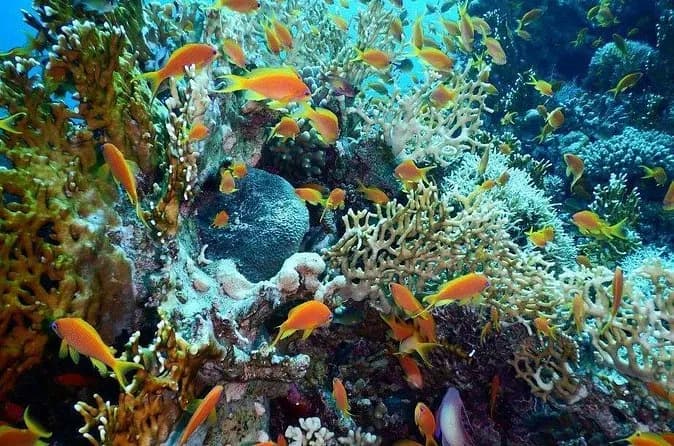
The Lighthouse reef, at the northern tip of the promenade in the middle of town, is where most people learn: shallow, sheltered, minimal current and busy with fish, so beginners can build confidence within sight of a coffee. The Islands, just south, is a maze of coral bommies and sandy lanes perfect for slow, fish-filled dives. Up the coast to the north lies The Canyon, a dramatic crack in the seabed that opens into a deep, cathedral-like cavern for more experienced divers, and Three Pools, a chain of shallow coral-fringed lagoons that doubles as a gorgeous, easy snorkel.
And then there is the Blue Hole, a legendary sinkhole reef about twenty minutes north of town that plunges over 100 metres. It is beautiful, famous and to be treated with real respect: the deep sections and the notorious 26-metre "arch" are strictly for trained technical divers, and the site has a sobering safety record among those who ignore that. For everyone else the shallow reef, the outer wall and the "Bells" entry are spectacular and completely accessible to recreational divers and snorkellers. Dive it within your training, with a reputable centre, and it is one of the most memorable dives in the Red Sea.
Dahab is also a global capital of freediving. The Blue Hole's calm, deep, easy-access water has made it a magnet for breath-hold divers and competitions, and dozens of schools run everything from a half-day taster to full instructor courses. Even if you have never dropped below the surface on a single breath, a beginner freediving session here is one of the town's signature experiences.
Snorkelling off the beach
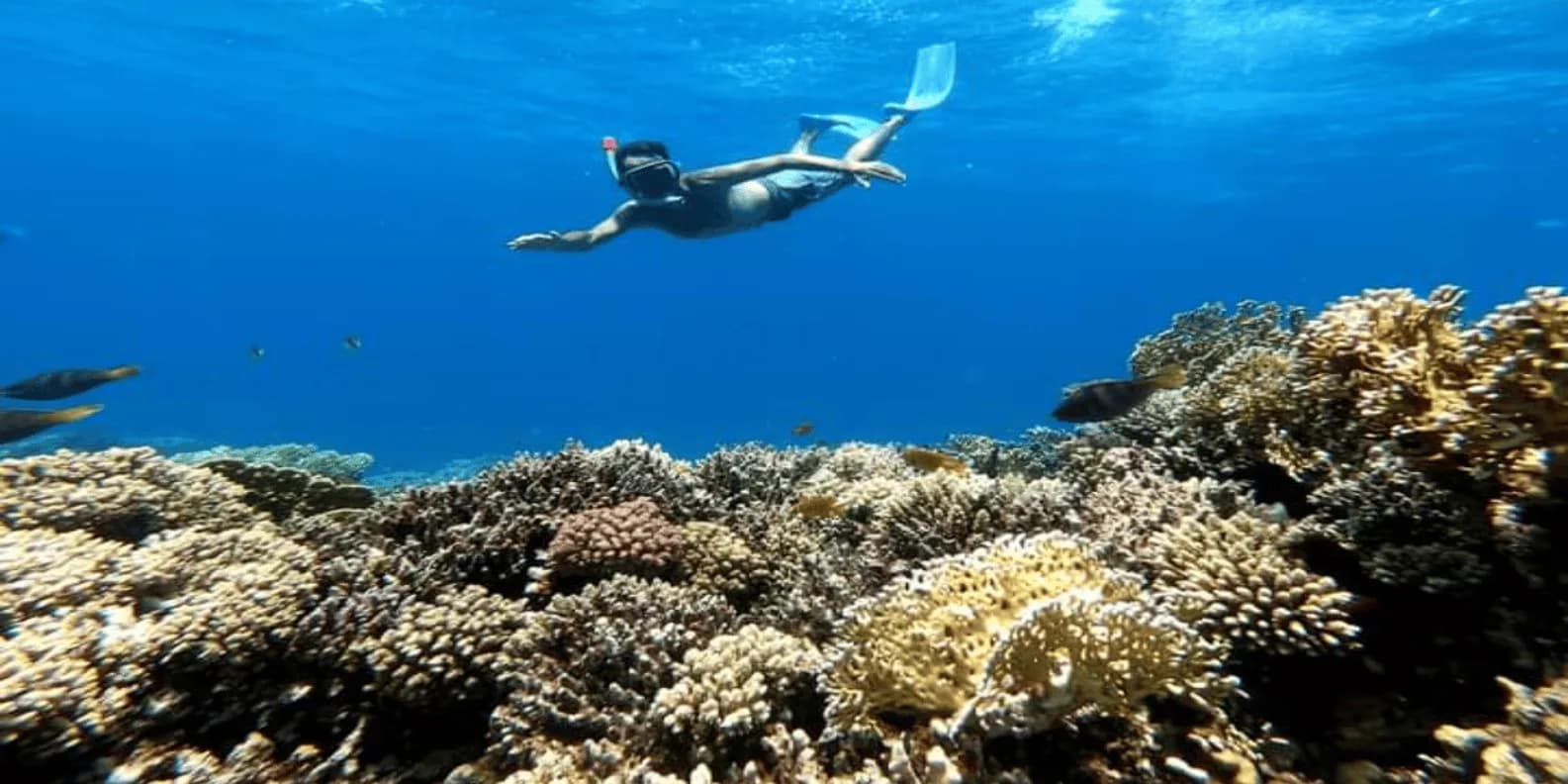
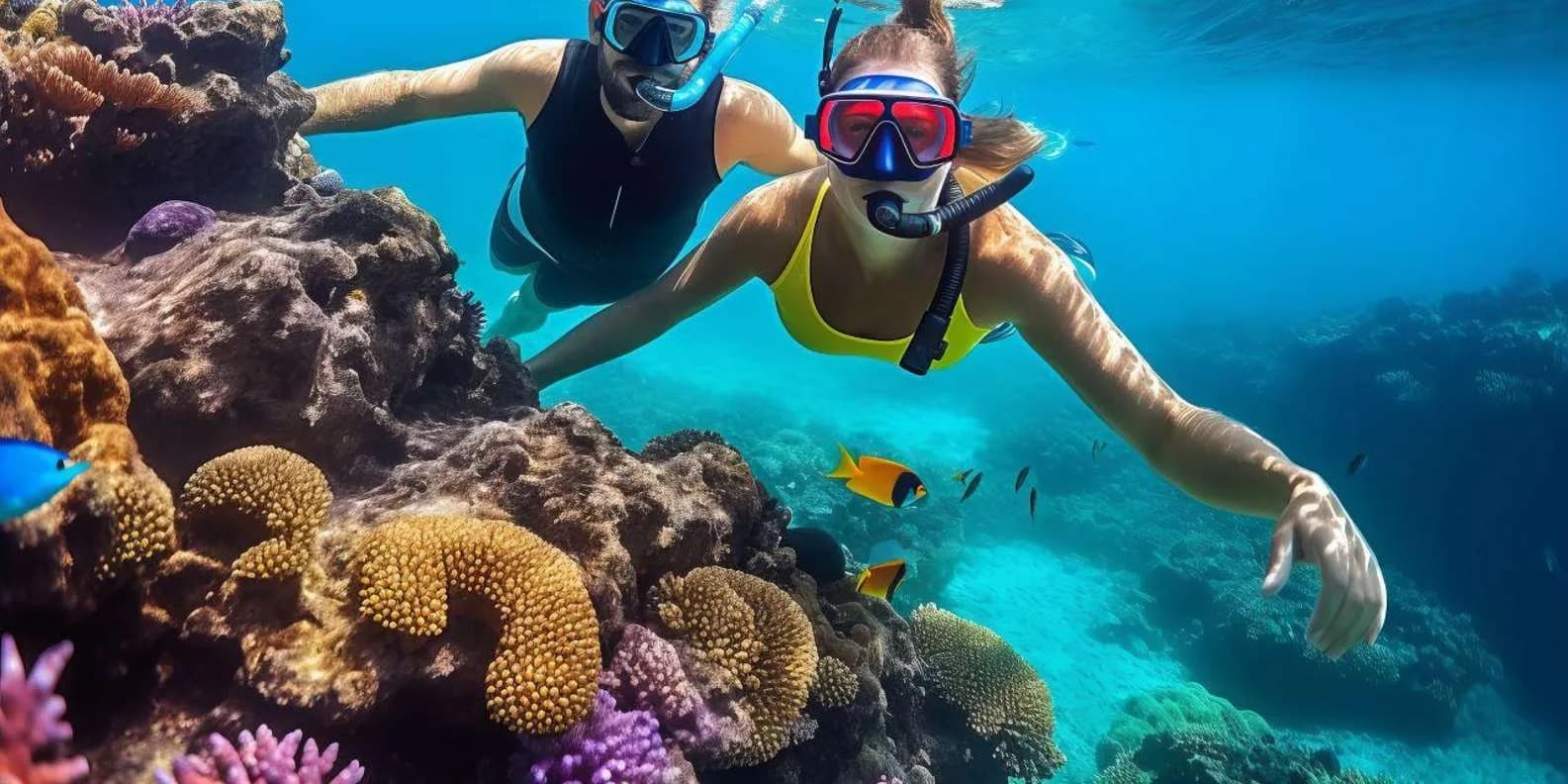
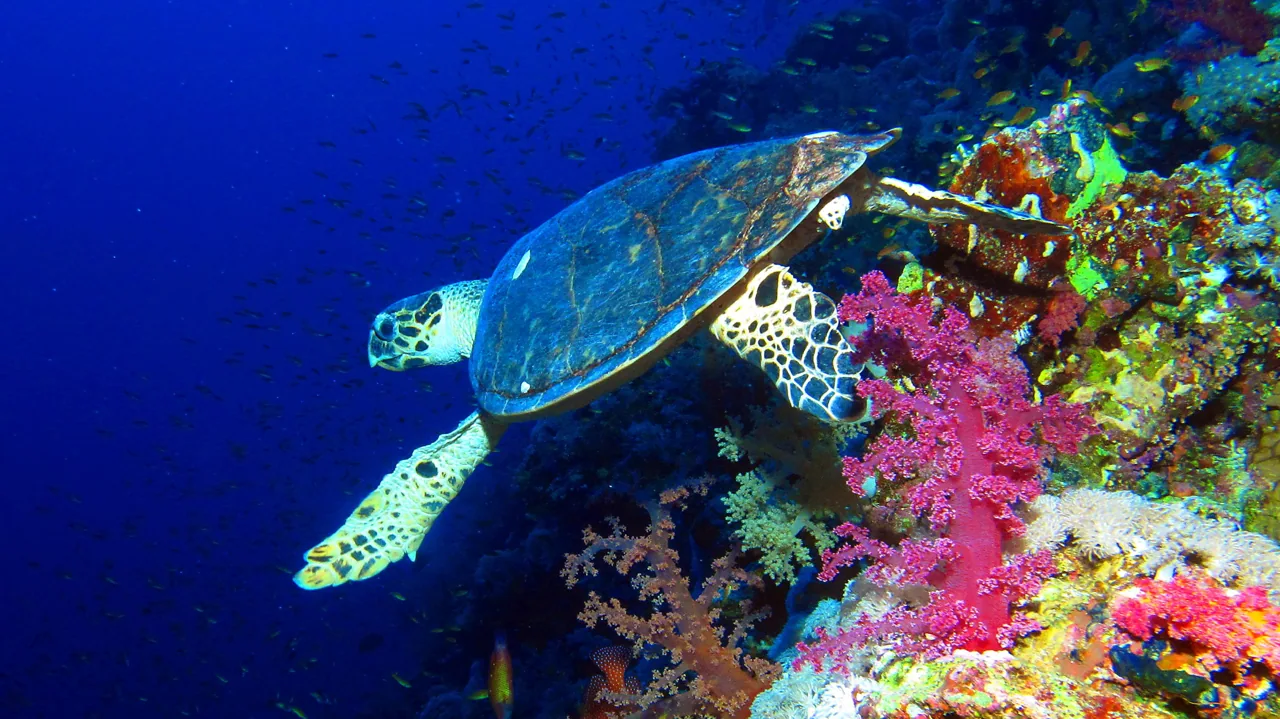 You do not need a certification to see the good stuff. Some of Dahab's best reefs start in knee-deep water right off the promenade, so snorkellers get coral gardens and clouds of fish for the price of a mask. Lighthouse and Mashraba are walk-in reefs along the beachfront, Three Pools is a shallow, sheltered stunner, and even the fringes of the Blue Hole reward a snorkel. Entries are rocky rather than sandy, so water shoes are worth their weight.
Beyond the water: desert, mountains and Bedouin trips
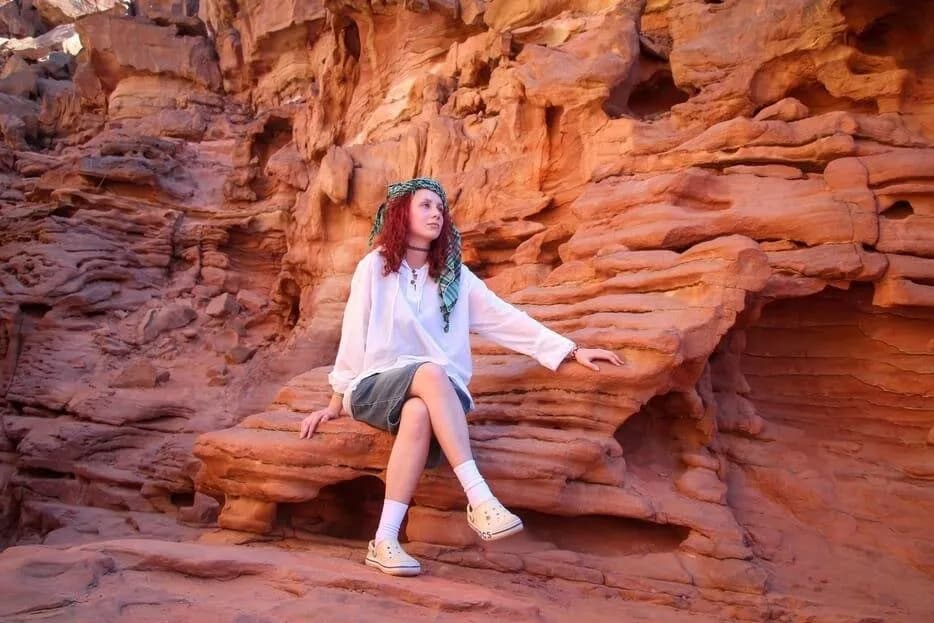
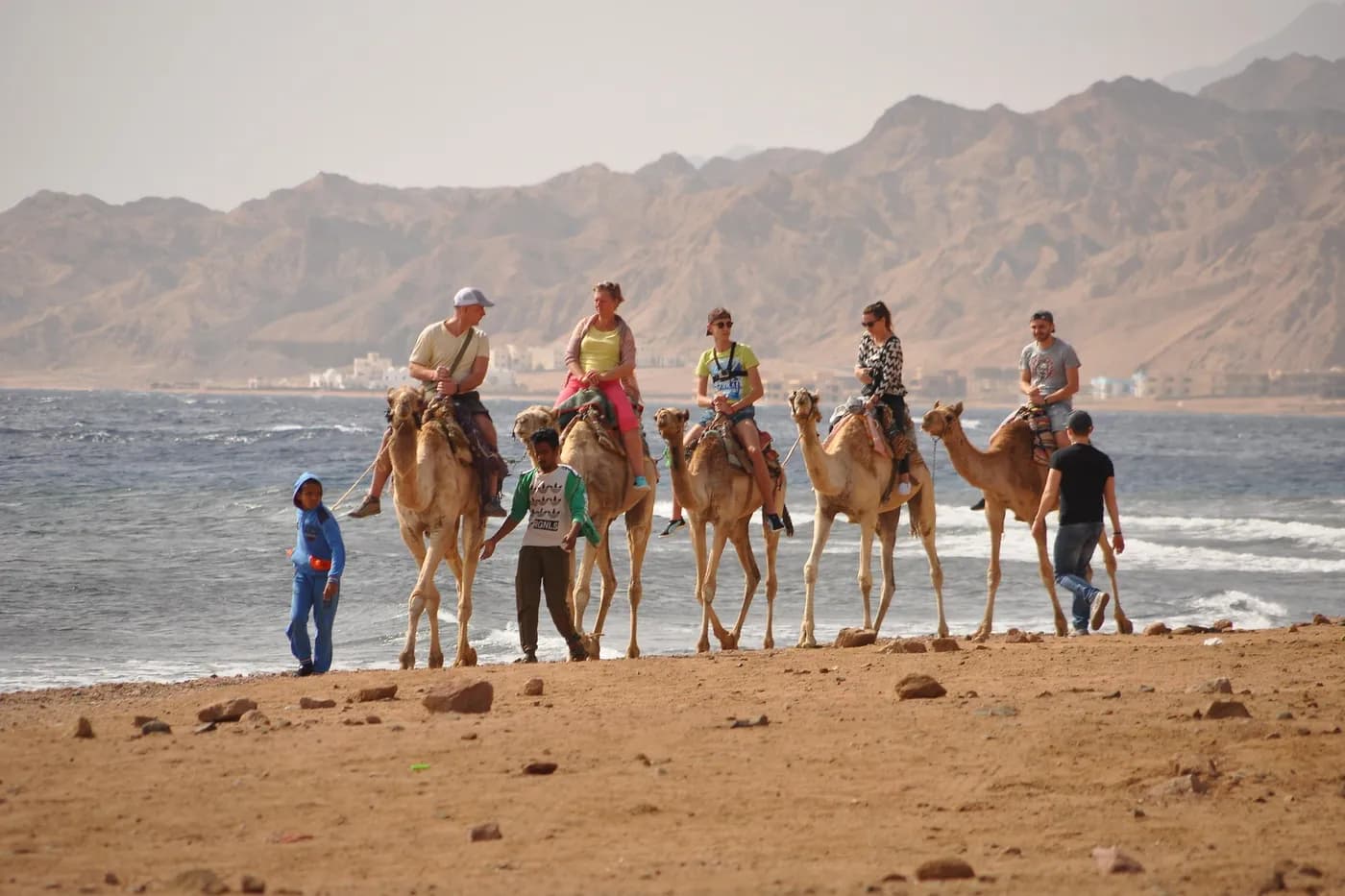
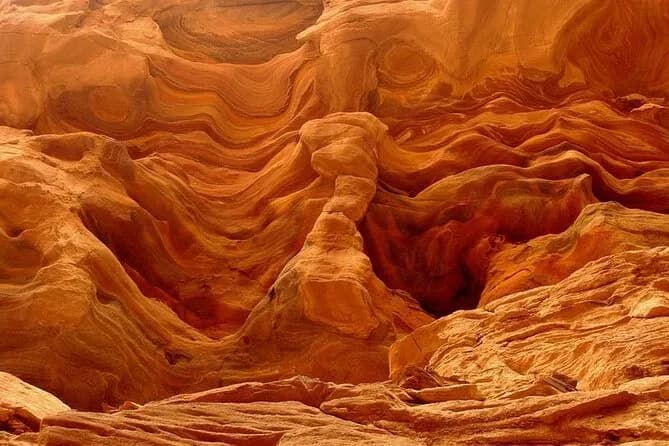
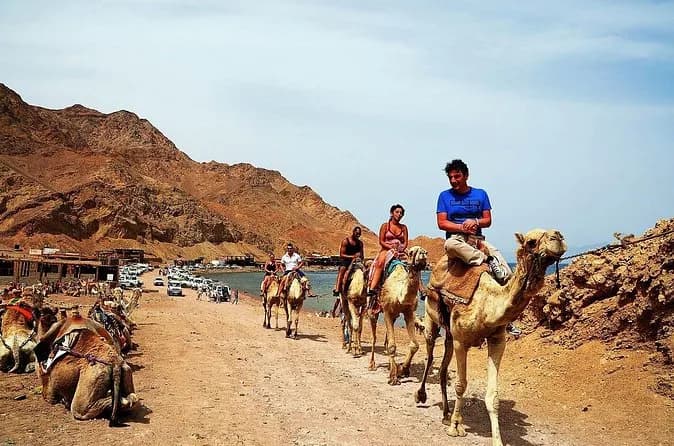
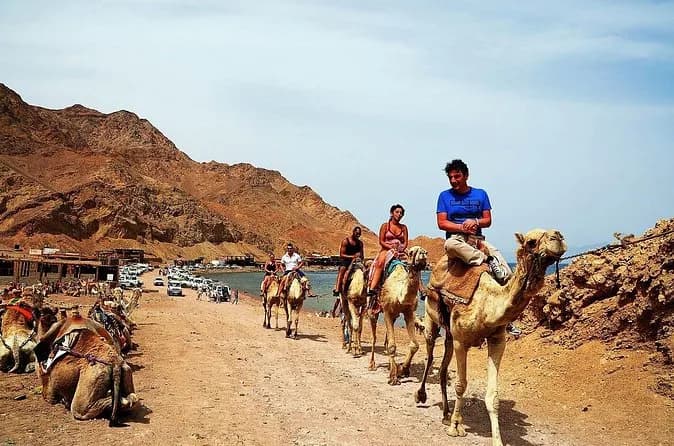
 Behind Dahab the Sinai interior opens into a moonscape of canyons and mountains, and the Bedouin who have lived here for centuries run the trips that explore it. Camel and jeep safaris head to the Coloured Canyon, a slot of wind-carved rock striped in reds and golds, and along the coast to Ras Abu Galum, a protected wilderness of empty coves reached on foot, by camel or by boat. Most trips fold in sweet Bedouin tea brewed over a fire and, if you time it right, dinner under a sky thick with stars.
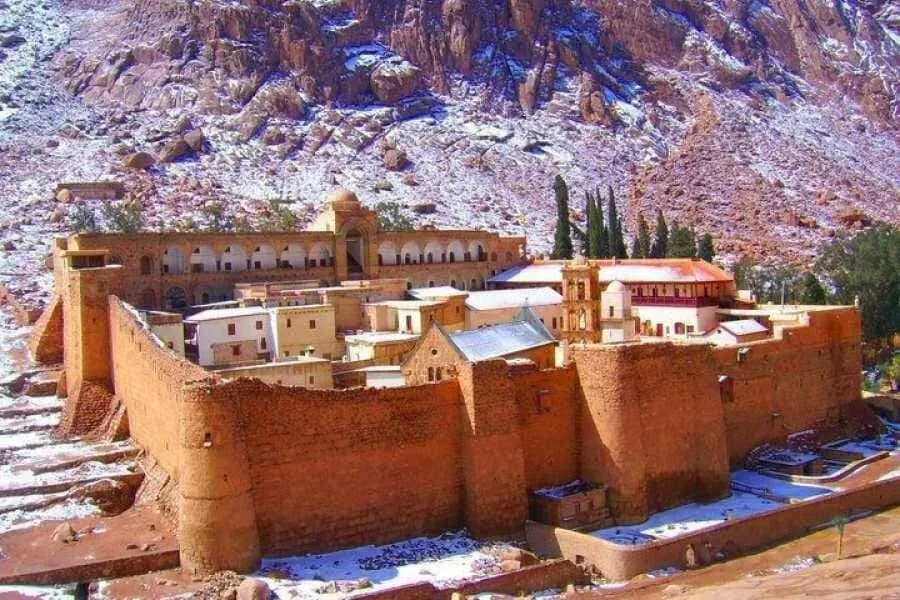
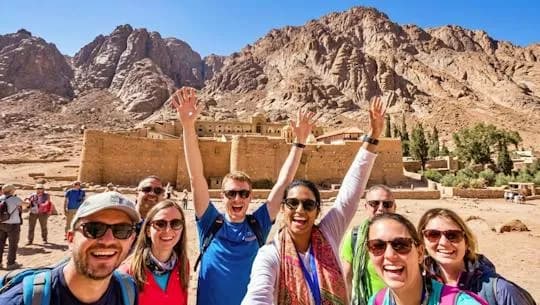
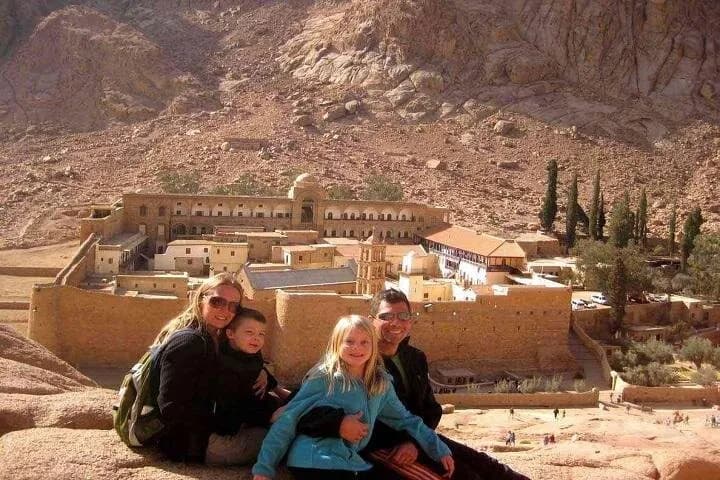
The big inland pilgrimage is Mount Sinai and St Catherine's Monastery. Overnight tours leave Dahab late, climb the 2,285-metre peak in the dark to reach the summit for sunrise, then descend to St Catherine's, the 6th-century monastery built where Moses is said to have seen the Burning Bush and one of the oldest working Christian monasteries in the world. The climb is long but manageable, with the option of a camel for much of the way up; pack warm layers, because the summit is cold before dawn even in summer.
Back in town, Dahab has quietly become one of Egypt's best spots for windsurfing and kitesurfing, thanks to reliable wind and the flat, waist-deep water of the Blue Lagoon just north, which suits beginners and freestylers alike. Add a thriving yoga scene of studios and rooftop classes, and you have plenty to fill the days between dives.
The vibe: Assalah, Lighthouse and the waterfront cafes
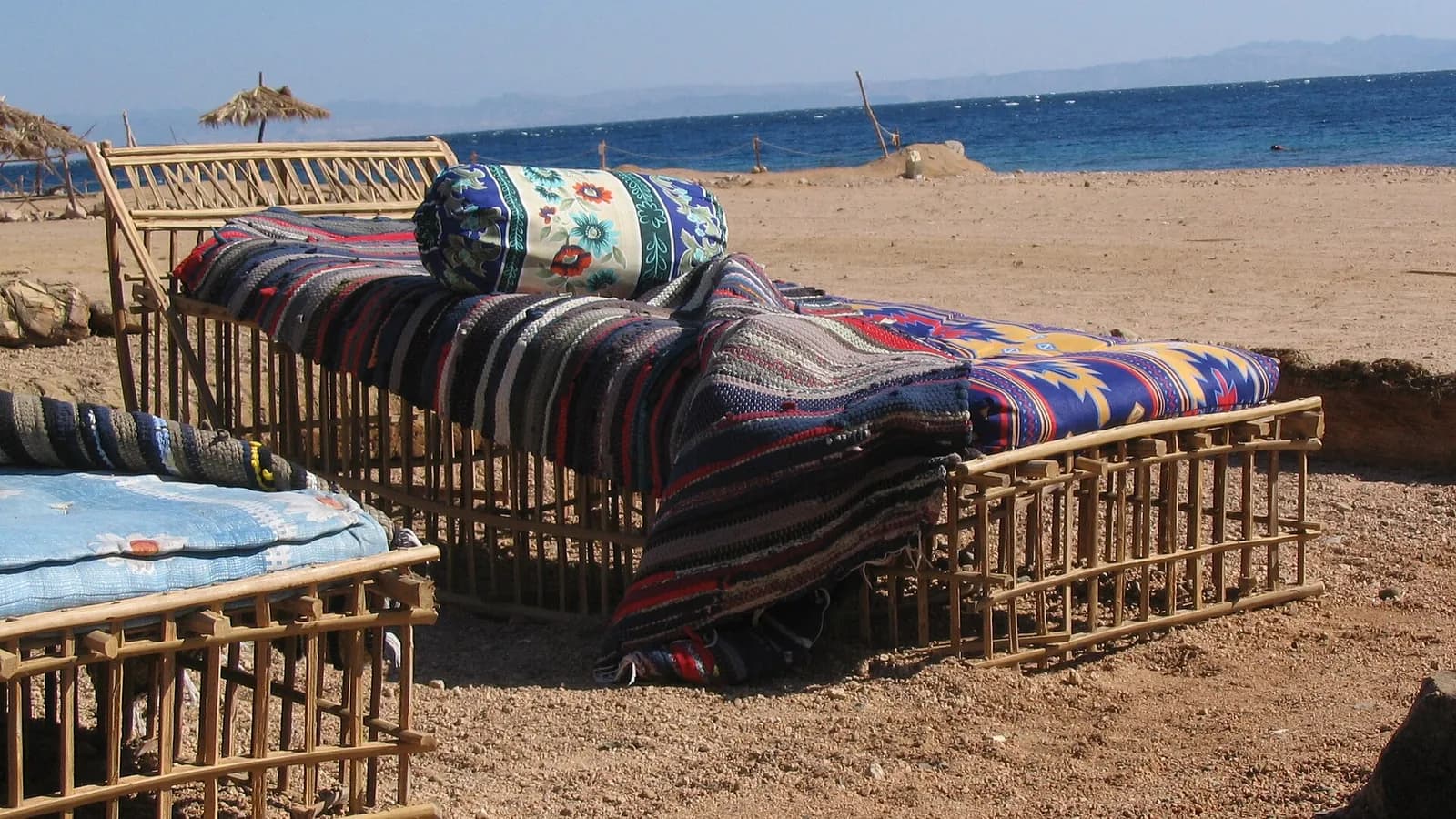
 Dahab's heart is its seafront promenade through the Assalah and Lighthouse districts, a car-free ribbon of cafes, dive shops and little hotels right on the water. This is where the town's personality lives: Bedouin tea next to Italian espresso, shisha pipes beside yoga mats, cushioned platforms over the tideline where you can linger for hours with a book. Reggae drifts out of beach bars, cats weave between the tables, and nobody is in a hurry. As the light goes gold over the mountains across the gulf, the strip settles into the sociable evening that keeps people extending their stays. It is scruffy in the best way, and completely unlike the manicured marinas down the coast.
Getting there and best time to go
Most visitors reach Dahab through Sharm El Sheikh airport, which takes international flights, then transfer by road in about an hour and a quarter. Buses run from Cairo and Sharm, and many people first sample the town on an organised day trip. Day tours from Sharm that combine Dahab with the Blue Hole and the Coloured Canyon, or with St Catherine and Mount Sinai, are widely sold from roughly 1,240 to 1,320 EGP and are an easy taster before you commit to a longer stay.
Dahab works year round. Spring (March to May) and autumn (September to November) are ideal, with warm days and perfect water. Summer is hot but dry, and the sea is at its best. Winter days stay mild and sunny, though nights turn cool and a thicker wetsuit is welcome for diving; the desert can be genuinely cold after dark, so bring a layer if you camp or climb Mount Sinai.
Where to stay
Accommodation clusters in a few walkable areas. Assalah and Lighthouse put you in the thick of the cafes, dive centres and nightlife, ideal for solo travellers, couples and divers who want to roll out of bed and into the sea. Mashraba, just south, is a touch quieter and more family-friendly, with mid-range hotels and easy beach access. Further north, the remote Blue Lagoon is the pick for windsurfers and anyone chasing total solitude. Budget guesthouses and dive-camps start around 20 to 40 US dollars a night, often with breakfast and decent Wi-Fi, and there are a handful of comfortable mid-range resorts if you want a pool. Genuine luxury is thin on the ground, which is rather the point.
Who Dahab suits, versus Sharm and Hurghada
Dahab is for divers, freedivers, windsurfers, yoga-and-hammock travellers and anyone who prefers a beach cushion to a resort wristband. It rewards independent travel and longer stays especially well. It suits families and luxury-seekers less: the vibe is simple and social rather than polished, the sea entries are rocky rather than sandy, and you will not find swim-up bars or big kids' clubs.
Compared with its neighbours, the trade-off is clear. Sharm El Sheikh offers bigger resorts, easier flights, more nightlife and world-famous boat diving out to Ras Mohammed and Tiran. Hurghada, across the water on the mainland, is cheaper again, huge, family-focused and packed with all-inclusives. Dahab is the bohemian middle child: cheaper and mellower than Sharm, more characterful and diver-driven than either. Our Red Sea diving: Hurghada vs Sharm guide breaks down the boat-diving side, and the Sharm El Sheikh travel guide covers the resort option next door.
Practical and safety tips
- Dive or snorkel straight off the shore. The Lighthouse, the Islands, Mashraba and Three Pools are all reachable on foot or a short ride.
- Respect the Blue Hole. The deep dive and the arch are for trained technical divers only; the shallow reef and the Bells are glorious for everyone else. Dive within your certification, always with a reputable centre.
- Try a freediving taster. Dahab is one of the world's top breath-hold destinations, and beginners are welcome.
- Add St Catherine and Mount Sinai for the sunrise climb, and pack warm layers for the summit even in summer.
- Wear water shoes. Reef entries are rocky, not sandy; they save your feet and protect the coral.
- Carry small cash. Dahab is informal and many camps, cafes and Bedouin trips are cash-only.
- Slow down. Dahab rewards staying longer, not rushing through.
The verdict
Dahab is the Red Sea with its shoes off: world-class shore diving, the legendary Blue Hole, freediving, windsurfing, desert canyons and a holy mountain behind it, wrapped in a laid-back town that has resisted the resort mould. It is best for divers and slow travellers, easily sampled on a day trip from Sharm from about 1,240 EGP, but it truly rewards a proper stay. If Hurghada and Sharm feel too packaged, Dahab is your place. Browse Egypt experiences to line up your diving, desert and Mount Sinai trips before you go, and see the wider picture in our Egypt travel guide.
A real team available 24/7 to assist you — free
Seif and the team reply on WhatsApp 24/7 — trip questions, custom plans and booking help.
Ask Seif on WhatsAppCommon questions
What is Dahab known for?
Dahab is a laid-back former Bedouin village on Egypt's Sinai coast, famous for world-class shore diving, the legendary Blue Hole, freediving, windsurfing and a barefoot, bohemian atmosphere of seafront cafes and camps. It is cheaper and slower than nearby Sharm El Sheikh.
Is the Blue Hole in Dahab dangerous?
The deep sections of the Blue Hole and its 26-metre arch are strictly for trained technical divers and have a serious safety record among those who exceed their limits. But the shallow reef, the outer wall and the 'Bells' entry are spectacular and safe for recreational divers and snorkellers. Always dive within your training and with a reputable centre.
How do you get to Dahab?
Most visitors fly into Sharm El Sheikh airport and transfer about an hour and a quarter by road. Buses also run from Cairo and Sharm, and day trips to Dahab, the Blue Hole and the Coloured Canyon are sold from Sharm from about 1,240 to 1,320 EGP.
Is Dahab good for non-divers?
Yes, though it centres on the sea. Non-divers can snorkel off the shore at Lighthouse, Mashraba and Three Pools, take camel and jeep safaris to the Coloured Canyon and Ras Abu Galum, climb Mount Sinai for sunrise and visit St Catherine's Monastery, try windsurfing at the Blue Lagoon, or just settle into the cafe culture. It suits independent, slow travellers more than luxury seekers.
Can you snorkel in Dahab?
Yes, and it is some of the easiest reef snorkelling in Egypt. Coral gardens start in shallow water right off the promenade at Lighthouse and Mashraba reefs, Three Pools is a sheltered shallow spot ideal for beginners, and even the fringes of the Blue Hole and the Islands reward a snorkel. Entries are rocky, so water shoes help.
When is the best time to visit Dahab?
Dahab is a year-round destination. Spring (March to May) and autumn (September to November) are ideal, with warm days and perfect water. Summer is hot but dry with excellent diving, and winter days are mild and sunny, though nights turn cool and the desert can be cold, so pack a layer if you camp or climb Mount Sinai.
Should I visit Dahab or Sharm El Sheikh?
Choose Dahab for cheap shore diving, freediving, windsurfing and a barefoot, bohemian vibe, ideal for divers and slow travellers. Choose Sharm for bigger resorts, boat diving to Ras Mohammed and Tiran, more nightlife and easier flights. Many people first sample Dahab on a day trip from Sharm before committing to a longer stay.
Where should I stay in Dahab?
Stay in Assalah or Lighthouse to be in the thick of the cafes, dive centres and nightlife, ideal for solo travellers, couples and divers. Mashraba just south is quieter and more family-friendly, while the remote Blue Lagoon suits windsurfers seeking solitude. Budget guesthouses and dive-camps start around 20 to 40 US dollars a night; genuine luxury is limited, which is part of the charm.
Book it on This is Egypt
Turn this guide into a trip

Egypt's bestsellers
The experiences travelers book most, across the country

Attractions in this guide
Keep reading
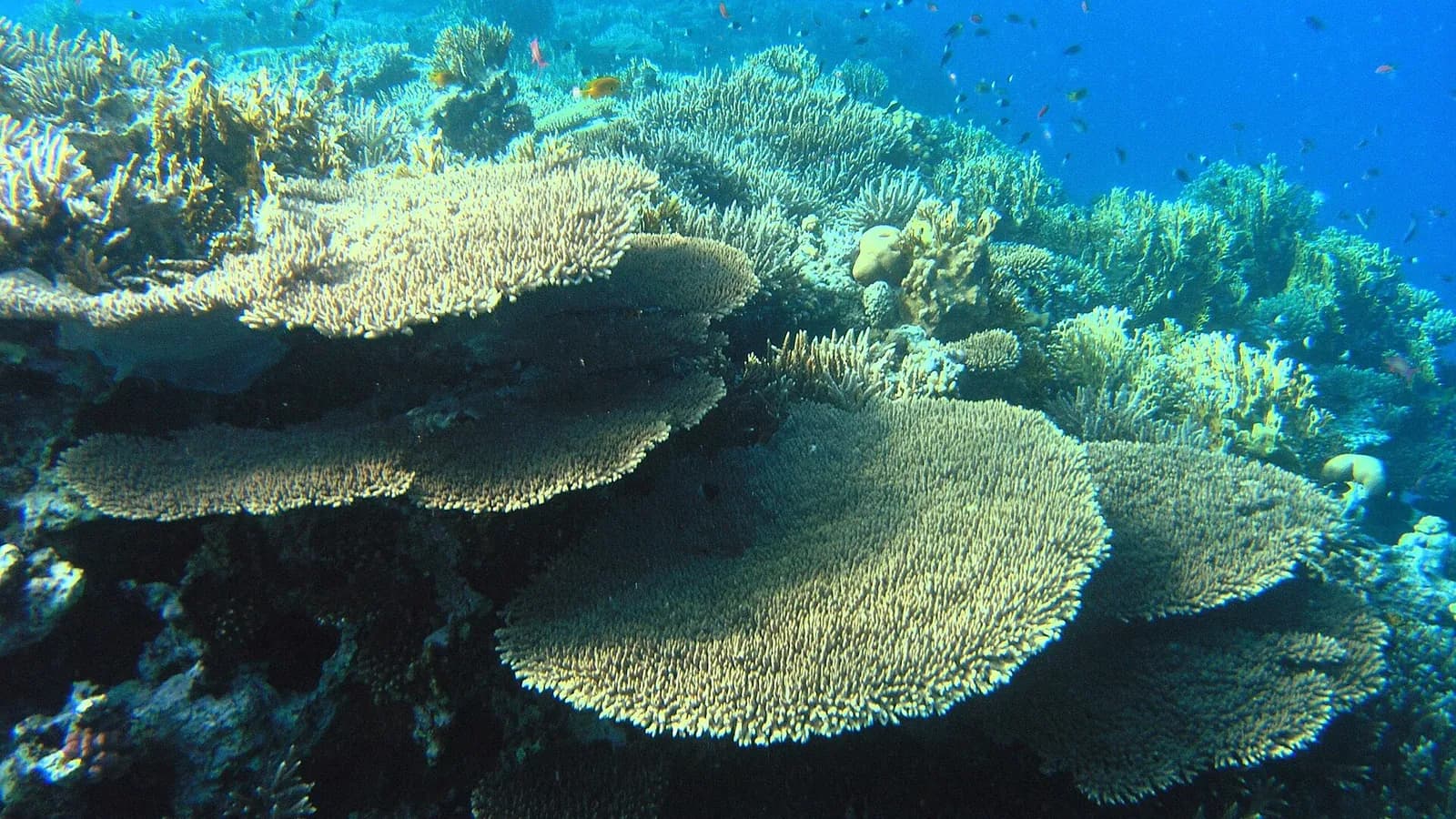
Hurghada Diving (2026): Best Sites, Packages & Prices
Diving in Hurghada — the best reefs (Giftun, Careless Reef, Dolphin House) and Abu Nuhas wrecks, Discover Scuba vs PADI courses, season and water temps, and real 2026 prices.
By TiE Editors7 min read
Hurghada Snorkeling Trips (2026): Best Reefs, Prices & How to Choose
Where to snorkel from Hurghada in 2026 — Orange Bay, Giftun, Mahmya, Utopia and Dolphin House — with boat types, marine life, month-by-month sea temperatures, family tips and real prices from 1,000+ bookable trips.
By TiE Editors7 min read
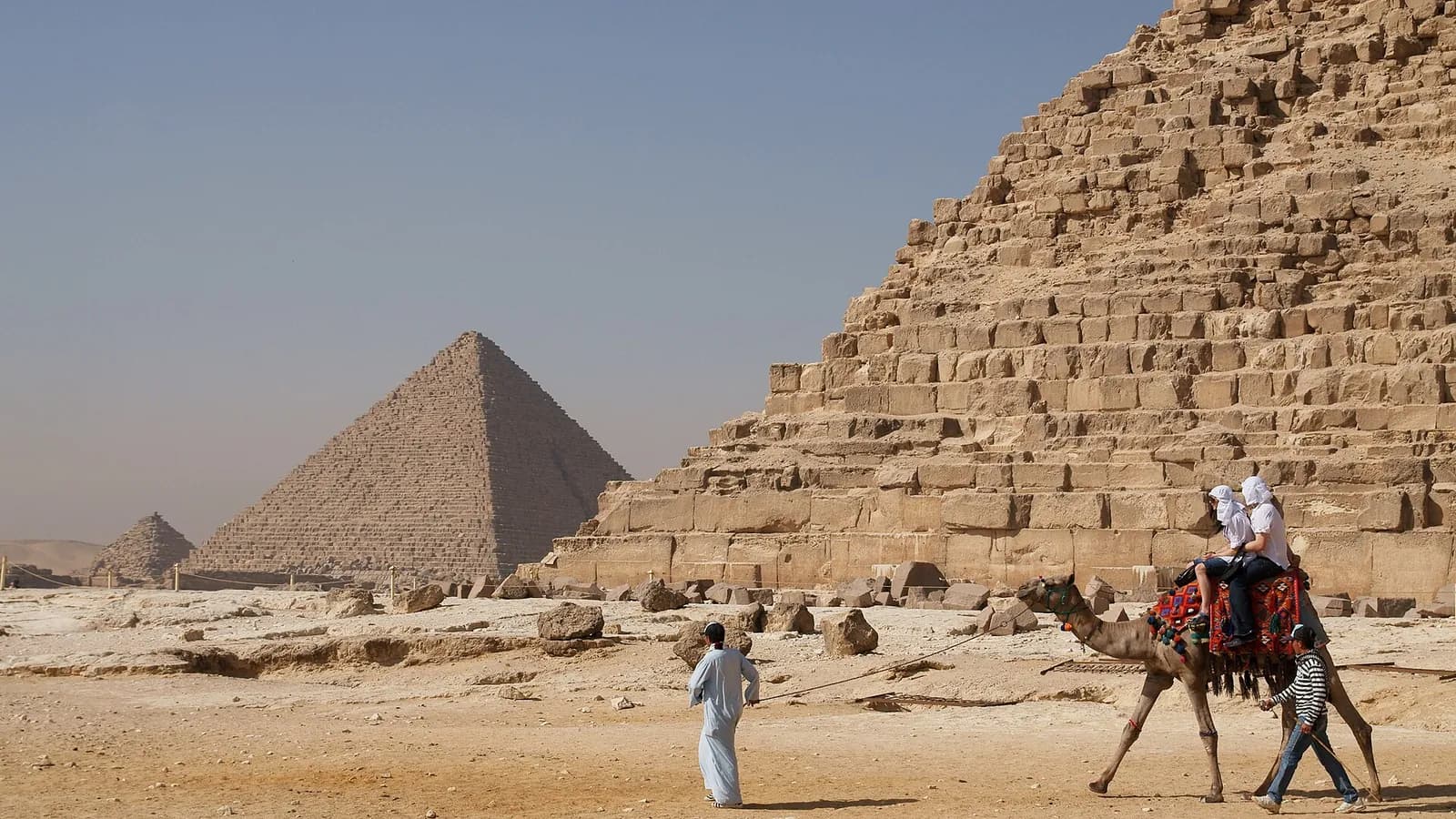
Egypt Tour Prices by Activity (2026): What Each Type Really Costs
What every type of Egypt experience costs — half day, full day or overnight — as a median and a mid-half range in US dollars, from 12,370 live bookable listings.
By TiE Editors6 min read