Marsa Alam Travel Guide (2026): Egypt's Quiet Red Sea Diving Base
Wilder and calmer than Hurghada, Marsa Alam is for reefs, dolphins and dugongs. The best trips, real prices, and who this southern Red Sea resort suits.
Quick answer: Marsa Alam is the Red Sea for people who find Hurghada too busy. Come here for wild dolphins, dugongs grazing on seagrass, and reefs that see a fraction of the boats you get up north. It sits far down Egypt's southern coast with its own international airport, so it stays younger, quieter and closer to some of the country's best marine life. The resorts are spread out and low-key, the Eastern Desert behind them is genuinely empty, and the diving is the real reason to make the trip. If you want stillness, reef and sea over nightlife and monuments, this is your coast. The Marsa Alam trips in our catalogue already draw more than 4,000 reviews.
Why visit Marsa Alam
 Marsa Alam is the Red Sea before the crowds found it. Where Hurghada and Sharm el-Sheikh grew into full resort cities, Marsa Alam stayed a scatter of low-rise hotels along a wild, undeveloped shore. That is precisely its appeal. The water here is clearer, the reefs healthier, and the marine life more abundant because there is simply less pressure on it. You are closer to the great offshore reefs than anywhere else on the Egyptian coast, and the desert rolls straight down to the sea behind you, so a day can hold a dawn dive and an evening under a sky with no light pollution at all. This is a place to slow down, not to tick off sights.
The marine life is the main event
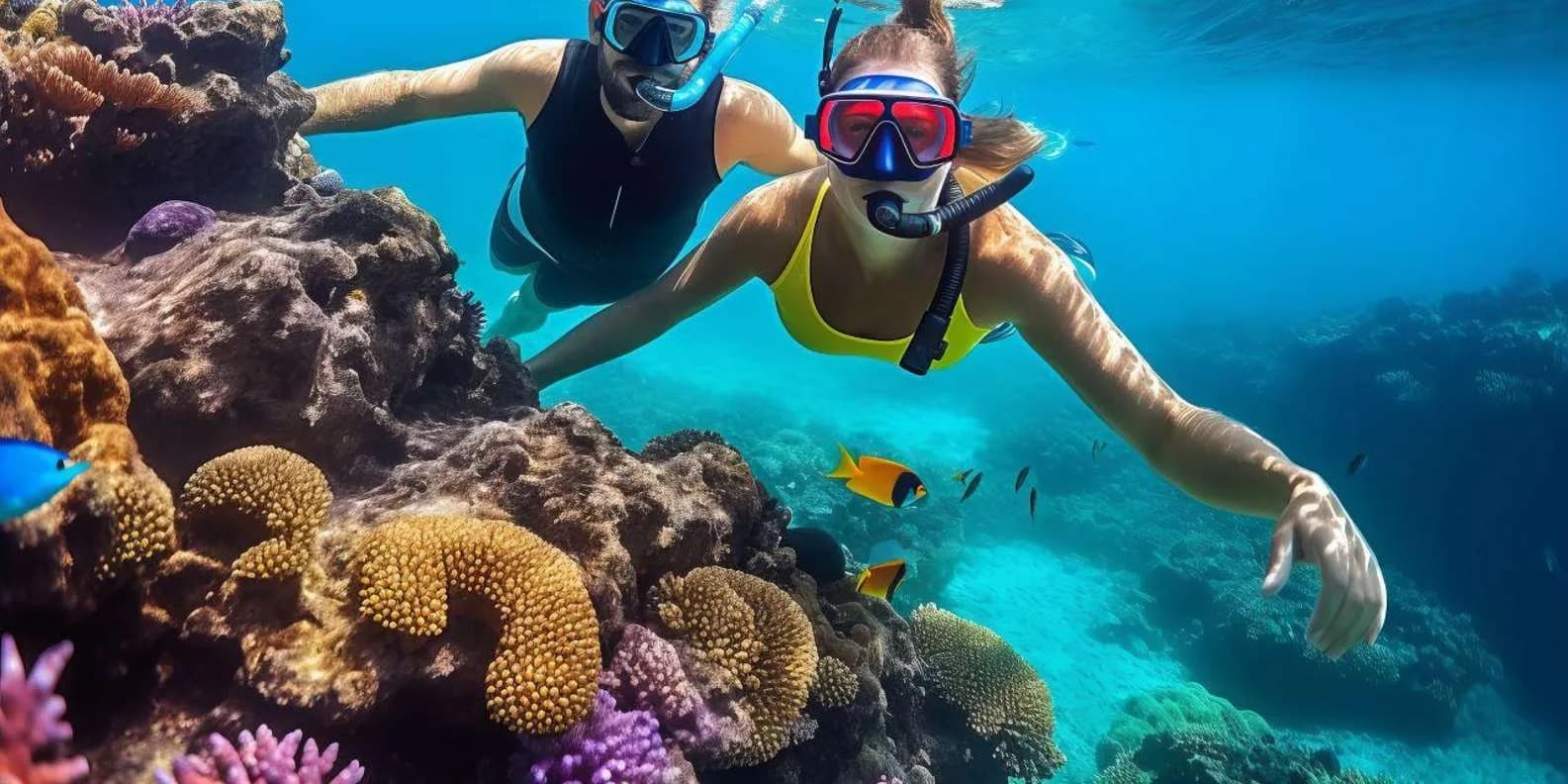
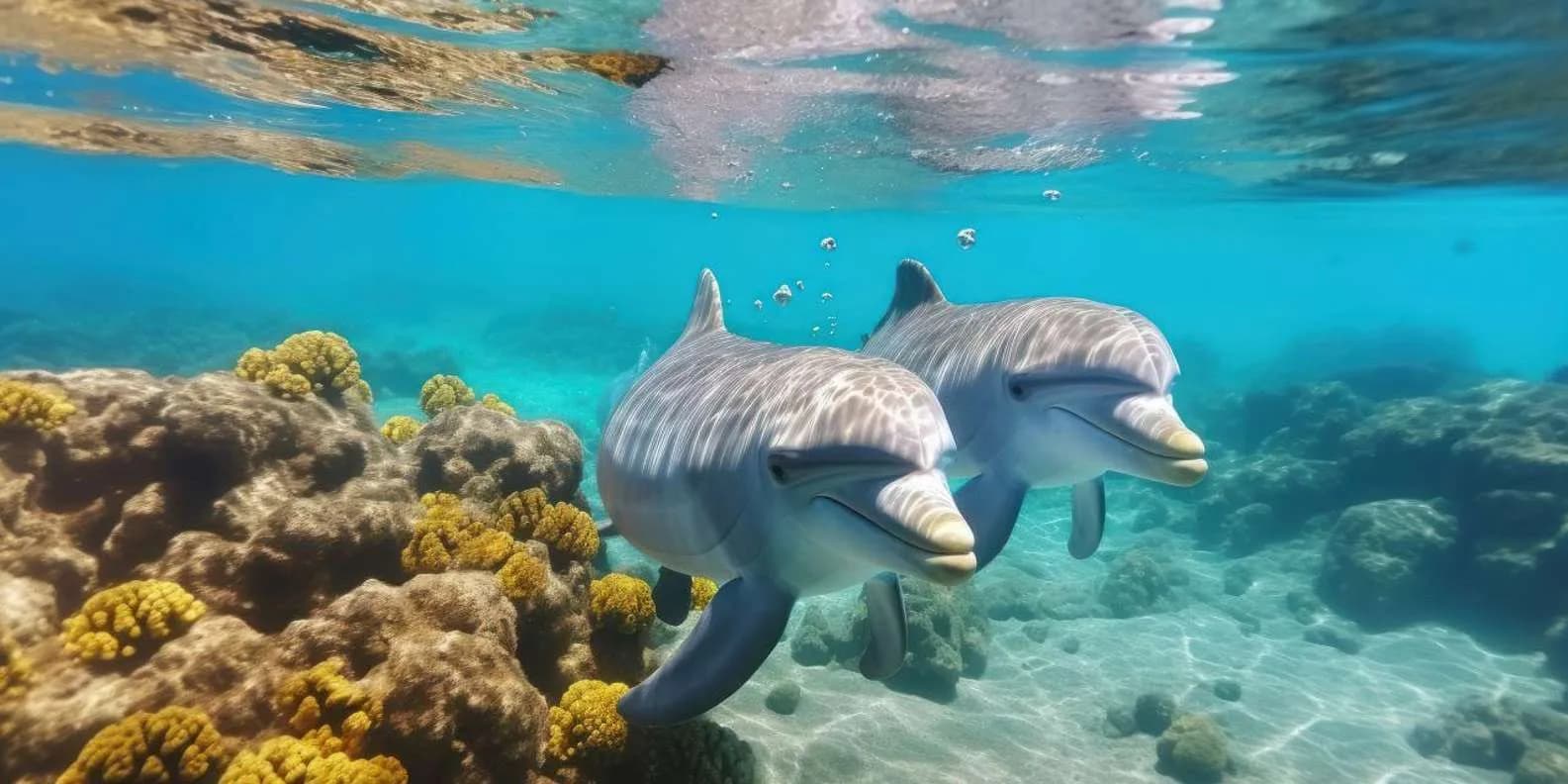
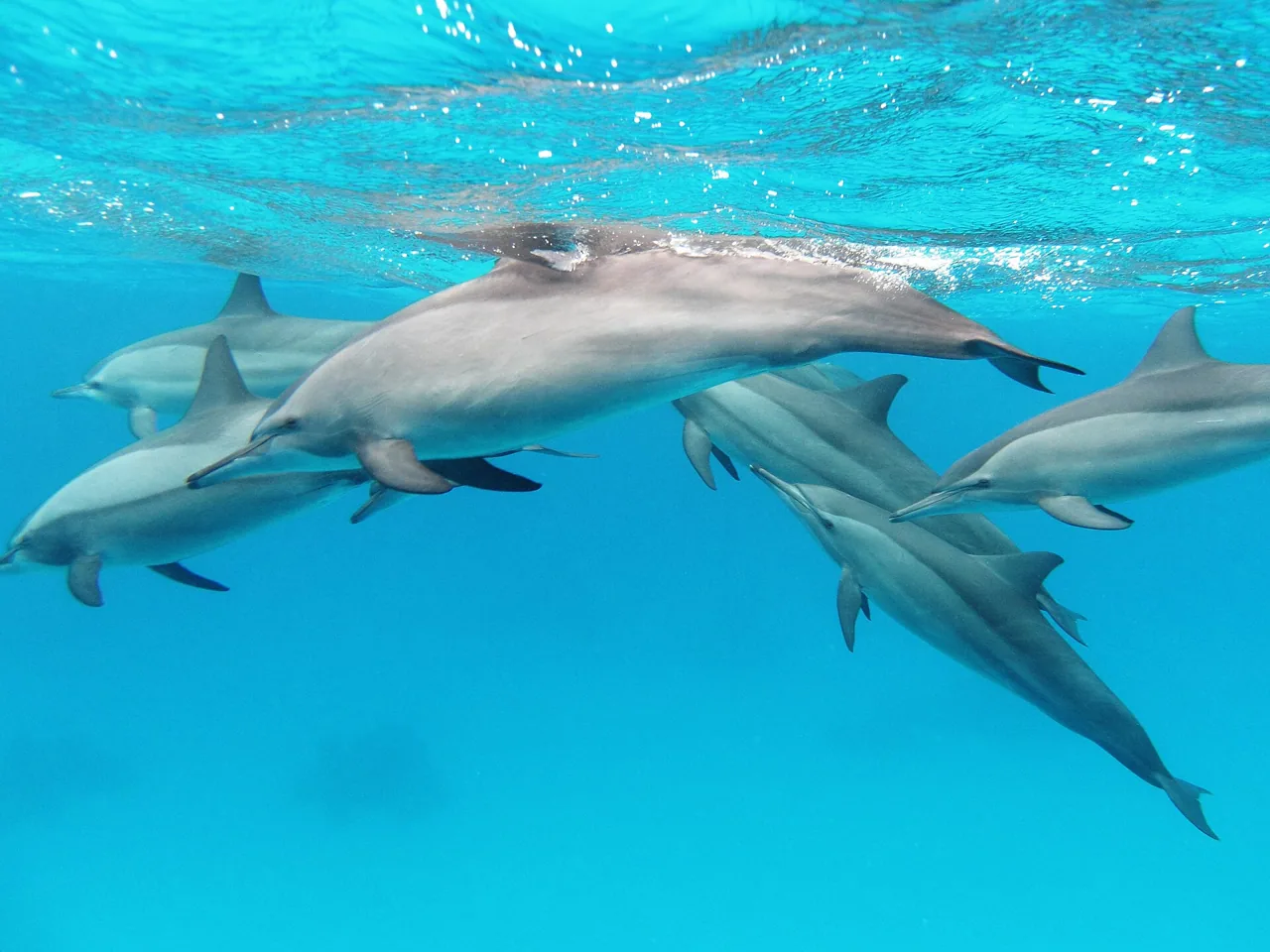 Two things make Marsa Alam special underwater. The first is dolphins. Sataya Reef, widely known as Dolphin House, and Samadai Reef are horseshoe-shaped lagoons where large pods of spinner dolphins come in to rest during the day, and snorkel boats head out so you can swim near them in open water. An all-inclusive VIP Dolphin House and marine trip starts from about 2,228 EGP (roughly 46 USD) per person and holds a 4.86 rating across 800 reviews. Sightings are wild and never guaranteed, but the odds here are among the best in Egypt, and Samadai in particular is a protected reserve with daily visitor limits designed to keep the dolphins undisturbed.
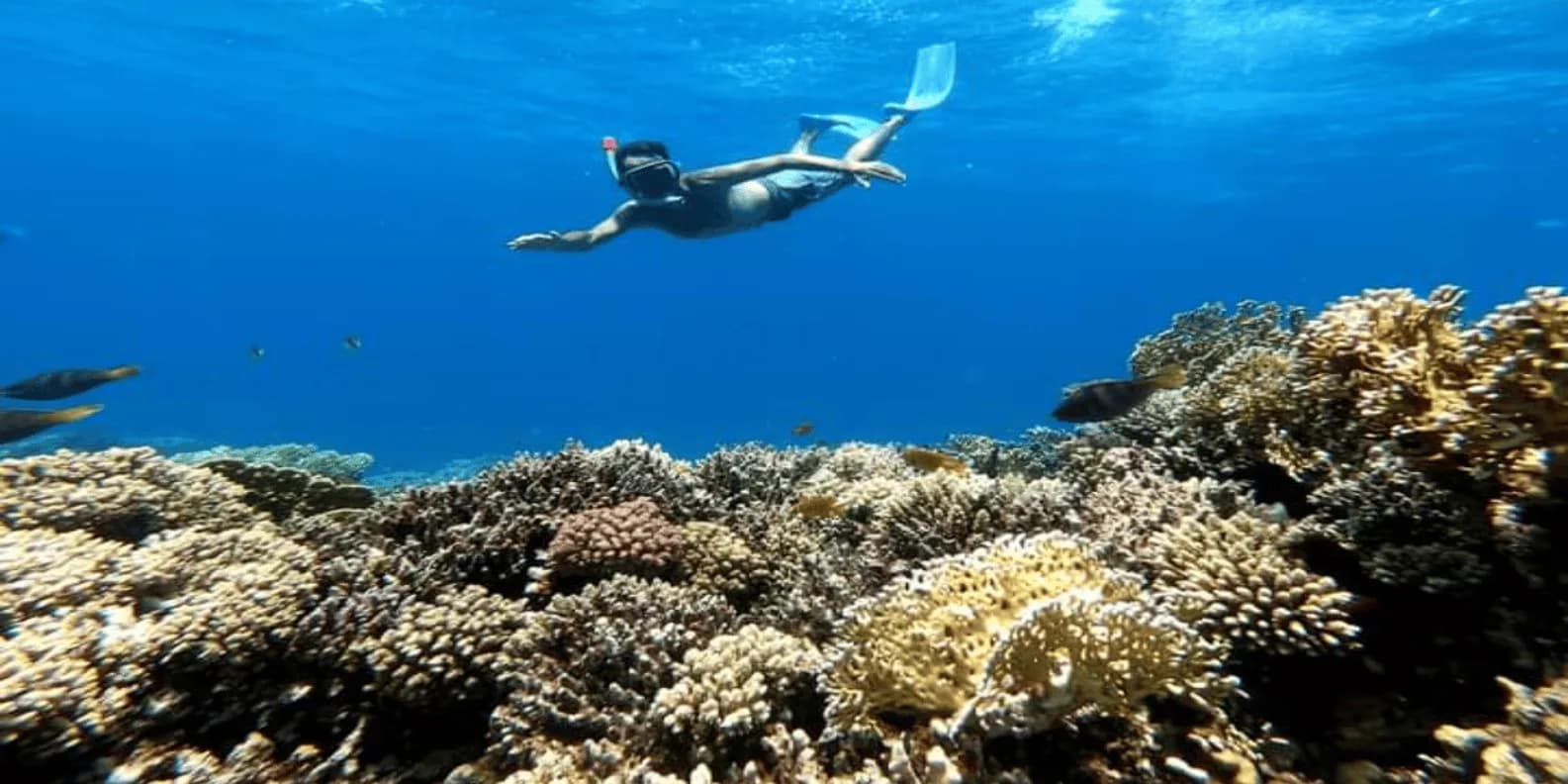
The second is Abu Dabbab. This shallow, seagrass-carpeted bay about 30 kilometres north of town is one of the most reliable places in the world to snorkel with dugongs, the gentle, slow-moving relatives of the manatee that graze in three to fifteen metres of water. The same bay is a stronghold for big green turtles, so even on a quiet day you are likely to share the water with something remarkable. Snorkellers can reach both straight off the beach.
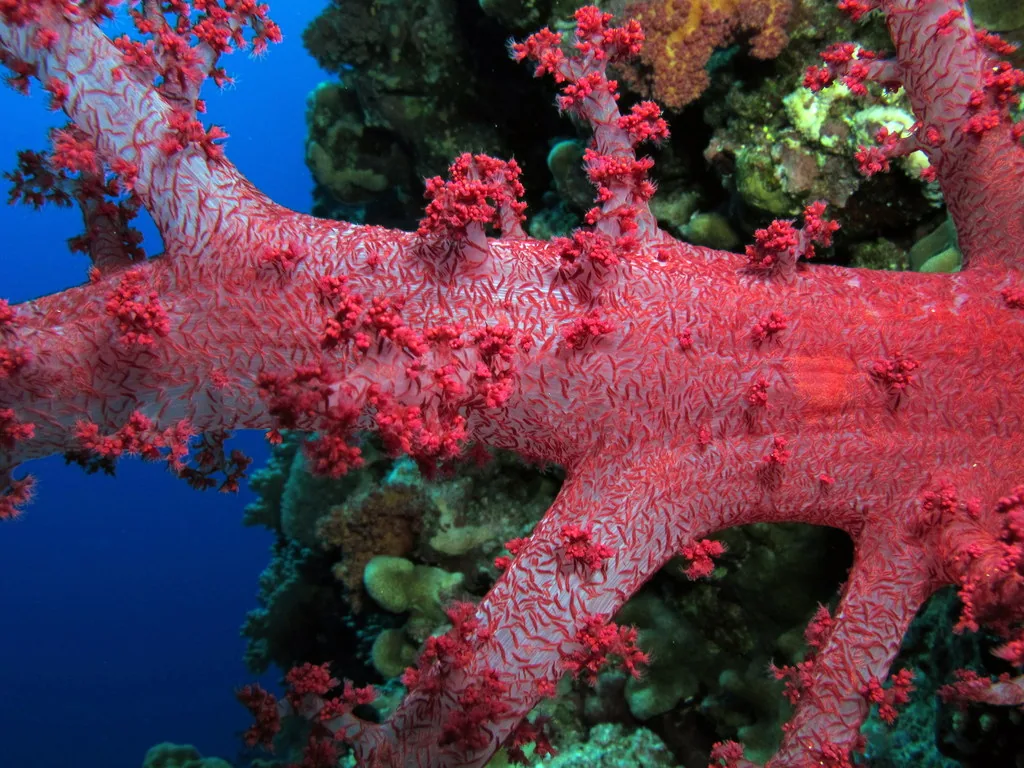
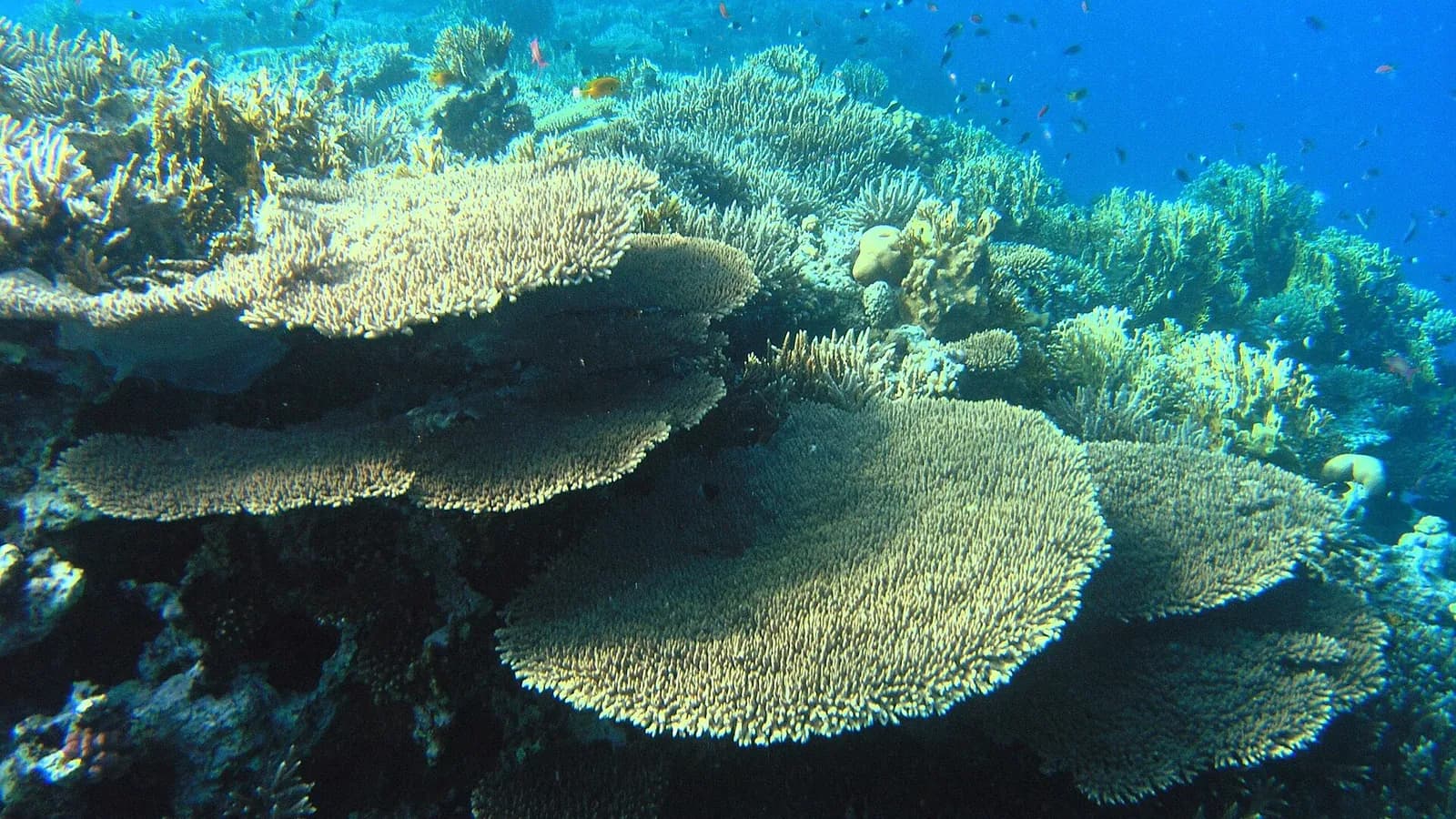
Then there is Elphinstone, Marsa Alam's signature offshore reef, a dramatic wall dropping into deep blue that experienced divers rate among the finest in the country. It is famous for oceanic whitetip sharks, hammerheads and drifting walls of soft coral, and Marsa Alam reaches it, and the further Daedalus Reef, faster than any other base on the coast. Closer in, the house reefs and the sheltered lagoon at Marsa Mubarak deliver easy shore diving, turtles and seagrass, while the protected waters off Wadi el-Gemal National Park hide untouched coral gardens with barely another boat in sight.
Top things to do in Marsa Alam
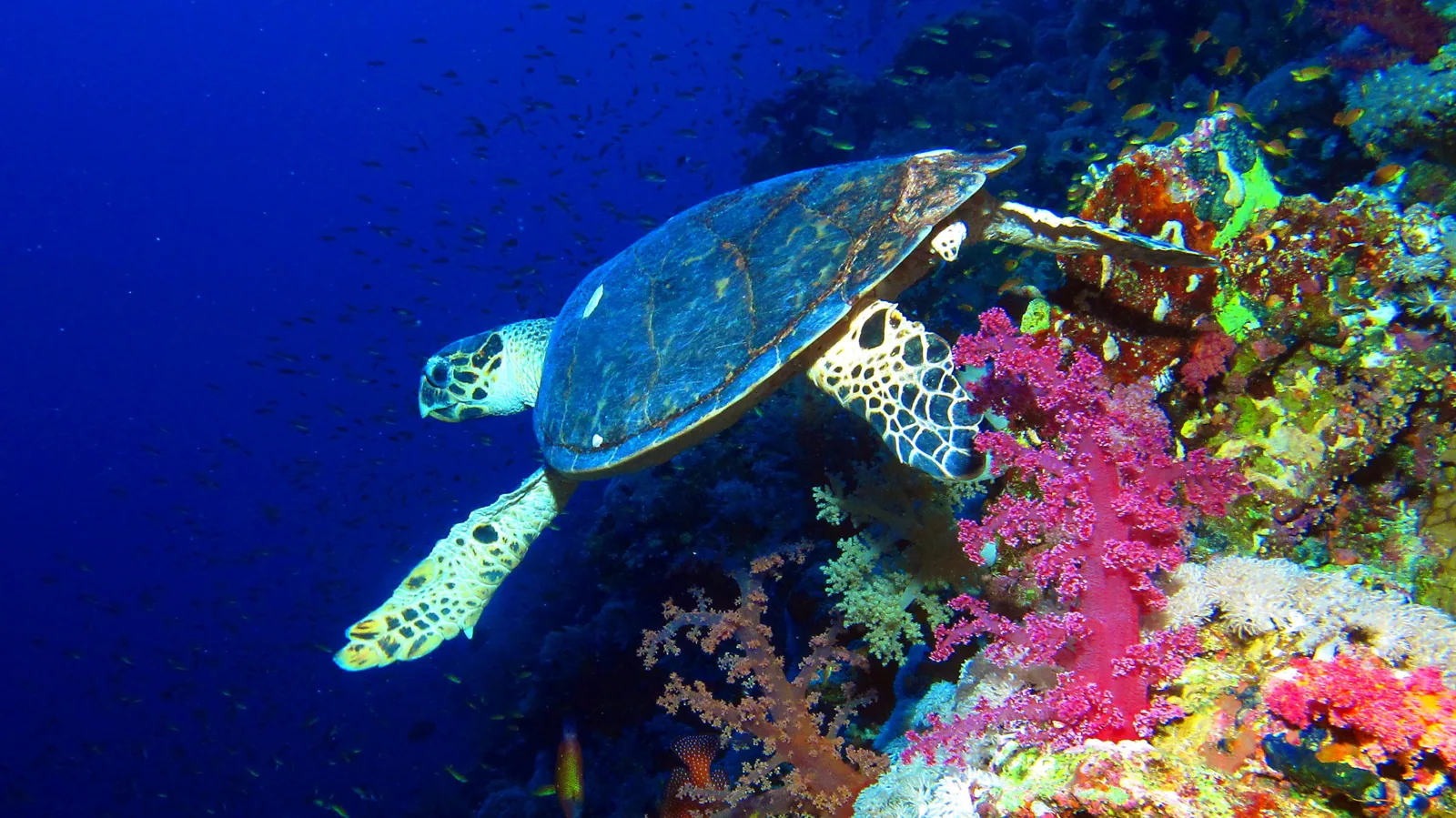
- Dolphins at Sataya and Samadai. Full-day boat trips to swim near resting spinner-dolphin pods in their reef lagoons. The single most popular reason people come.
- Dugongs and turtles at Abu Dabbab and Marsa Mubarak. Shallow, beach-access snorkel bays where seagrass draws dugongs and green turtles. Bring your own mask if you snorkel often.
- Elphinstone Reef. A world-class wall dive for certified divers, best known for oceanic whitetips and dramatic drop-offs. The reason serious divers pick Marsa Alam over the north.
- Wadi el-Gemal National Park. A vast desert-coastal reserve just south of town. Sharm el-Luli, tucked inside it about an hour away, has powder-white sand and shallow, impossibly clear turquoise water, one of Egypt's prettiest beaches.
- Desert and Bedouin trips. The Eastern Desert rolls to the coast, so quad and jeep safaris to Bedouin camps, tea and stargazing are easy half-day escapes from the water.
- Sea-and-desert horse riding. A local favourite along the shore, from about 1,618 EGP, a lovely change of pace at dawn or sunset.
- Yacht snorkelling and beach days. Slow, unhurried days on the water are what this coast does best.
Who Marsa Alam suits, and how it compares to Hurghada
Marsa Alam is built for a specific traveller. Divers and snorkellers get the country's best mix of accessible marine life and uncrowded reefs. Families love the safe, shallow, beach-access bays like Abu Dabbab where children can snorkel with turtles. And anyone chasing calm finds a quiet, low-stimulation coast with almost no town to distract from the sea and sky.
Against Hurghada, the trade-offs are clear. Marsa Alam is quieter, wilder and stronger on serious marine life, but it has little nightlife, few big attractions, and a longer transfer for many international flights. Hurghada offers more hotels, more choice, cheaper flights and easy day trips to Luxor and Cairo, but its reefs are busier. If your priority is diving, dolphins and stillness, choose Marsa Alam. If you want variety, day trips and value, Hurghada wins. For a deeper look at how the whole coast stacks up, see our guide to Red Sea diving: Hurghada vs Sharm.
Getting there
Marsa Alam has its own international airport (RMF), about 60 kilometres north of the resort strip, served by direct charter and scheduled flights from across Europe. Transfers to some hotels take an hour or more, so factor the drive when you book. If your flight lands in Hurghada instead, which is common as Hurghada (HRG) has far more connections, the drive south to Marsa Alam is roughly 220 kilometres and takes about three to three and a half hours by private transfer along the coast road. Most travellers arrange transfers through their hotel or a reputable operator; there is little public transport worth relying on. From further afield, you can also fly domestically from Cairo. For the wider picture of moving around the country, see our Egypt travel guide.
Best time to visit
Like the rest of the Red Sea, Marsa Alam works year round, but the seasons have distinct characters. The sea is warm all year, ranging from about 22°C in winter to 30°C at the height of summer, with excellent visibility in every month. Autumn (September to November) is arguably the sweet spot: calm seas, superb clarity and thriving reefs, without the peak-summer land heat. October to April brings the most comfortable air temperatures, typically 20°C to 28°C, and is the more reliable window for spinner dolphins at Samadai. Summer (May to September) is hot on land but glorious in the water, and quieter on price. Winter is mild, calm and peaceful, ideal if you want the coast almost to yourself. Wildlife sightings are wild and seasonal in their rhythms, so treat any single trip as a chance rather than a guarantee. Our guide to the best time to visit Egypt covers how the Red Sea fits with the rest of the country.
Where to stay and how long
Almost everyone stays all-inclusive here, and for good reason: the resorts are spread along an undeveloped coast with little town and few independent restaurants nearby, so your hotel becomes your base for meals, beach and dive centre alike. Choices range from big family-friendly all-inclusive resorts with house reefs right off the beach to smaller eco-lodges and dedicated dive hotels for the serious diver. When you choose, weigh the airport transfer time and whether the property has a good house reef, which can add hours of free snorkelling to your stay.
For a beach-and-diving break, five to seven nights hits the mark, enough for two or three boat trips, a desert excursion and plenty of unhurried shore time. Divers working toward a certification or wanting to reach the far offshore reefs should plan a full week or more. If you are combining Marsa Alam with Luxor or the Nile, add a few days and build in the transfer.
Practical tips
- Come for the marine life. Sataya and Samadai for dolphins, Abu Dabbab for dugongs and turtles, Elphinstone for wall diving.
- Choose a responsible operator that keeps a respectful distance from wildlife, with no chasing or touching. The good ones enforce it.
- Stay all-inclusive, since resorts are remote with few dining options nearby, and check the house reef before booking.
- Bring reef-safe sunscreen to protect the coral, plus your own mask if you snorkel often.
- Factor the transfer from the airport when choosing a hotel, and expect three-plus hours if you fly into Hurghada instead.
- Add a desert safari or horse ride for a change from the water, from about 1,618 EGP.
- Book marine trips ahead through your hotel or a trusted dive centre, especially the Samadai reserve, which caps daily numbers.
The verdict
Marsa Alam is the southern Red Sea at its calmest and most natural: dolphins, dugongs and quiet reefs, with empty desert behind. It suits divers, snorkellers and families who want sea and stillness over nightlife and day trips, with marine excursions from about 2,228 EGP. If Hurghada feels too busy, this is your coast. Browse Marsa Alam trips and experiences to start planning.
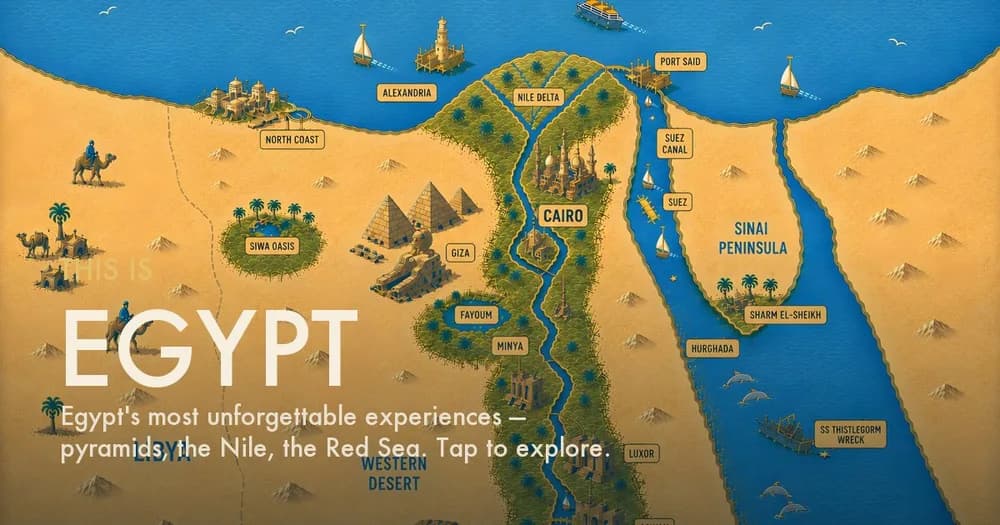
A real team available 24/7 to assist you — free
Seif and the team reply on WhatsApp 24/7 — trip questions, custom plans and booking help.
Ask Seif on WhatsAppCommon questions
What is Marsa Alam known for?
Marsa Alam is Egypt's quieter southern Red Sea base, known for wild spinner dolphins at Sataya (Dolphin House) and Samadai reefs, dugongs and green turtles at Abu Dabbab bay, and uncrowded dive sites like Elphinstone Reef and Wadi el-Gemal National Park. It is calmer, wilder and better for marine life than Hurghada or Sharm.
How much do Marsa Alam trips cost?
An all-inclusive VIP Dolphin House and marine trip starts from about 2,228 EGP (roughly 46 USD) per person, rated 4.86 across 800 reviews. Sea-and-desert horse riding runs from about 1,618 EGP, and yacht snorkelling, dive packages and desert safaris are widely available at a range of prices.
Marsa Alam or Hurghada, which is better?
Marsa Alam is quieter, wilder and better for serious diving, dolphins and dugongs, but has less nightlife and fewer day trips. Hurghada has more hotels, more excursions to Luxor and Cairo, and cheaper flights, but busier reefs. Choose Marsa Alam for calm and marine life, Hurghada for variety and value.
Can you swim with dolphins in Marsa Alam?
Yes. Snorkel boats visit Sataya and Samadai, horseshoe reefs where pods of spinner dolphins rest during the day, so you can swim near them in open water. Samadai is a protected reserve with daily visitor limits. Sightings are wild and never guaranteed, and responsible operators keep a respectful distance without chasing or touching.
Where can you see dugongs in Marsa Alam?
At Abu Dabbab bay, a shallow seagrass lagoon about 30 kilometres north of town and one of the most reliable places in the world to snorkel with wild dugongs. The same bay is a stronghold for big green turtles, and both are reachable straight off the beach.
How do you get to Marsa Alam?
Marsa Alam has its own international airport (RMF), about 60 kilometres north of the resorts, with direct charters from Europe. Many visitors instead fly into Hurghada (HRG), which has more connections, then take a private transfer south of about 220 kilometres and three to three and a half hours. Domestic flights from Cairo are also an option.
When is the best time to visit Marsa Alam?
Year round. Autumn (September to November) offers calm seas and superb visibility, while October to April brings the most comfortable air temperatures of 20 to 28°C and the most reliable spinner-dolphin season. Summer is hot on land but perfect in the sea, which stays 22 to 30°C all year.
How many days do you need in Marsa Alam?
Five to seven nights suits a beach-and-diving break, enough for two or three boat trips, a desert excursion and plenty of unhurried shore time. Divers chasing certifications or the far offshore reefs should plan a full week or more, and add days if combining with Luxor or a Nile trip.
Book it on This is Egypt
Turn this guide into a trip
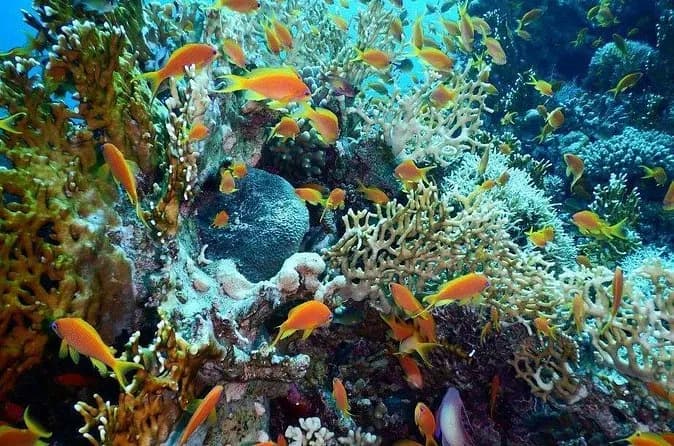
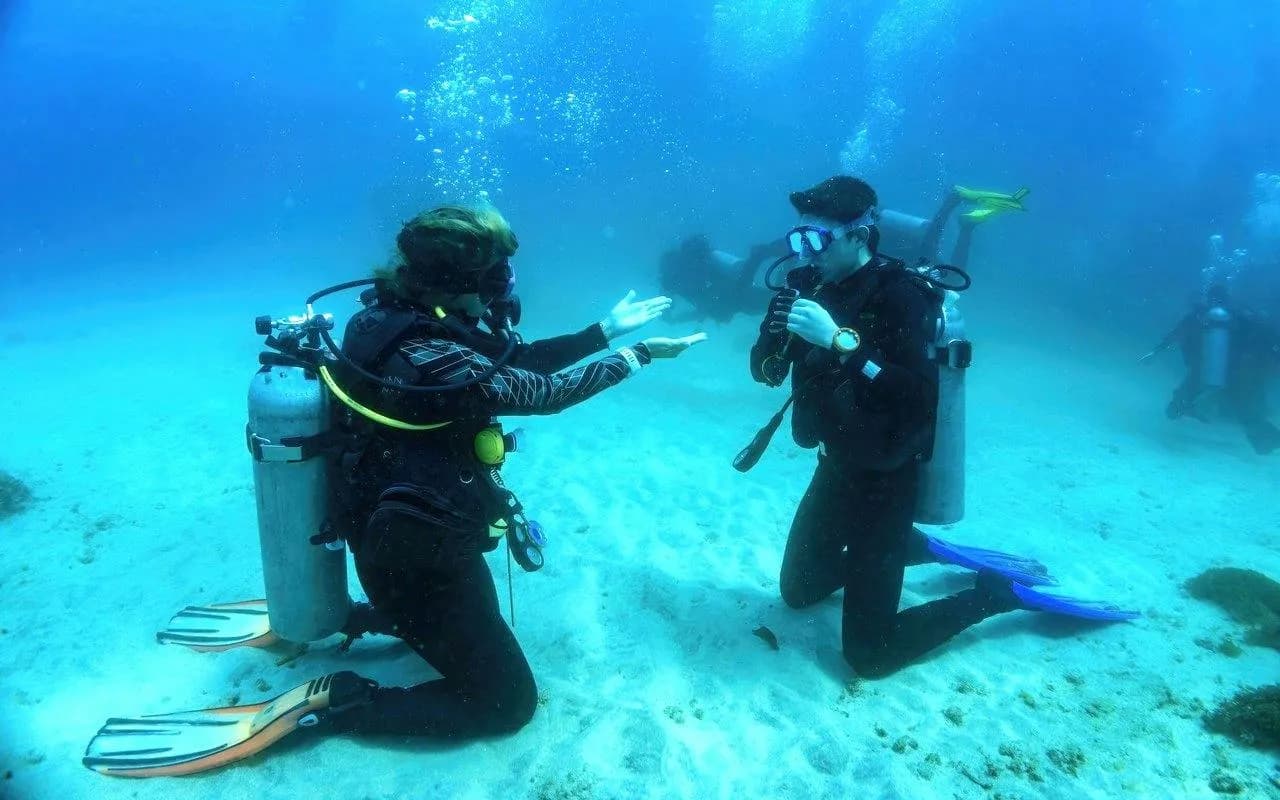




Egypt's bestsellers
The experiences travelers book most, across the country


Keep reading
Hurghada Diving (2026): Best Sites, Packages & Prices
Diving in Hurghada — the best reefs (Giftun, Careless Reef, Dolphin House) and Abu Nuhas wrecks, Discover Scuba vs PADI courses, season and water temps, and real 2026 prices.
By TiE Editors7 min read
Hurghada Snorkeling Trips (2026): Best Reefs, Prices & How to Choose
Where to snorkel from Hurghada in 2026 — Orange Bay, Giftun, Mahmya, Utopia and Dolphin House — with boat types, marine life, month-by-month sea temperatures, family tips and real prices from 1,000+ bookable trips.
By TiE Editors7 min read
Egypt Tour Prices by Activity (2026): What Each Type Really Costs
What every type of Egypt experience costs — half day, full day or overnight — as a median and a mid-half range in US dollars, from 12,370 live bookable listings.
By TiE Editors6 min read