
7 Days in Egypt: The Perfect First-Timer Itinerary (2026)
The classic week in Egypt, day by day: Cairo, Giza and the Grand Egyptian Museum, then the Nile between Luxor and Aswan by cruise. The route most first-timers should take, what to book, and how to pace it.
Book it on This is Egypt
Turn this guide into a trip



Quick answer: Seven days is the sweet spot for a first trip to Egypt: long enough to stand under the Pyramids, walk through the Grand Egyptian Museum and sail past the great Nile temples, but short enough to plan as one clean loop with no wasted backtracking. The route that works for almost everyone is the same: three nights in Cairo and Giza, a short flight or overnight train south, then a Nile cruise carrying you between Luxor and Aswan, home from either end. Fly between Cairo and the south rather than driving, let the cruise handle the temples that are hard to reach any other way, and book the domestic legs early. Here is that week laid out day by day, plus how to shorten it, stretch it, and when to go.
For the wider picture start with the Egypt travel guide, and for other lengths and routings see the Egypt itinerary hub. Ready to book the pieces? Browse tours, cruises and day trips.
At a glance
Three nights in Cairo and Giza for the pyramids, the Sphinx and the Grand Egyptian Museum; a short flight (or overnight sleeper train) to Luxor; then a three- or four-night Nile cruise down to Aswan by way of Edfu and Kom Ombo. Fly home from Aswan or connect back through Cairo. The whole thing hinges on two bookings you should lock in well ahead in the October–April high season: the domestic flight and the cruise cabin.
Day 1: Arrive in Cairo, ease in
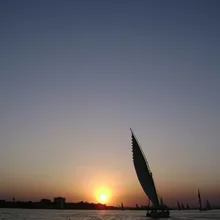
Land, clear the visa-on-arrival or e-visa formalities, and give yourself permission to do very little. Cairo's traffic and the sheer scale of the place are enough to absorb on a jet-lagged first evening, so don't stack sightseeing on top of a long flight. The gentlest possible introduction is an evening felucca sail or a Nile dinner cruise — the city softens beautifully from the water, and it costs you nothing in energy.
Where you sleep sets the tone for the trip. Base near Giza if you want to wake up to pyramid views and a short morning transfer to the plateau. Choose leafy Zamalek on its island in the Nile if you'd rather have good restaurants, calmer streets and easy taxis. Either way, eat well, sleep early, and let Day 2 be the big one.
Day 2: Pyramids of Giza, the Sphinx and the Grand Egyptian Museum
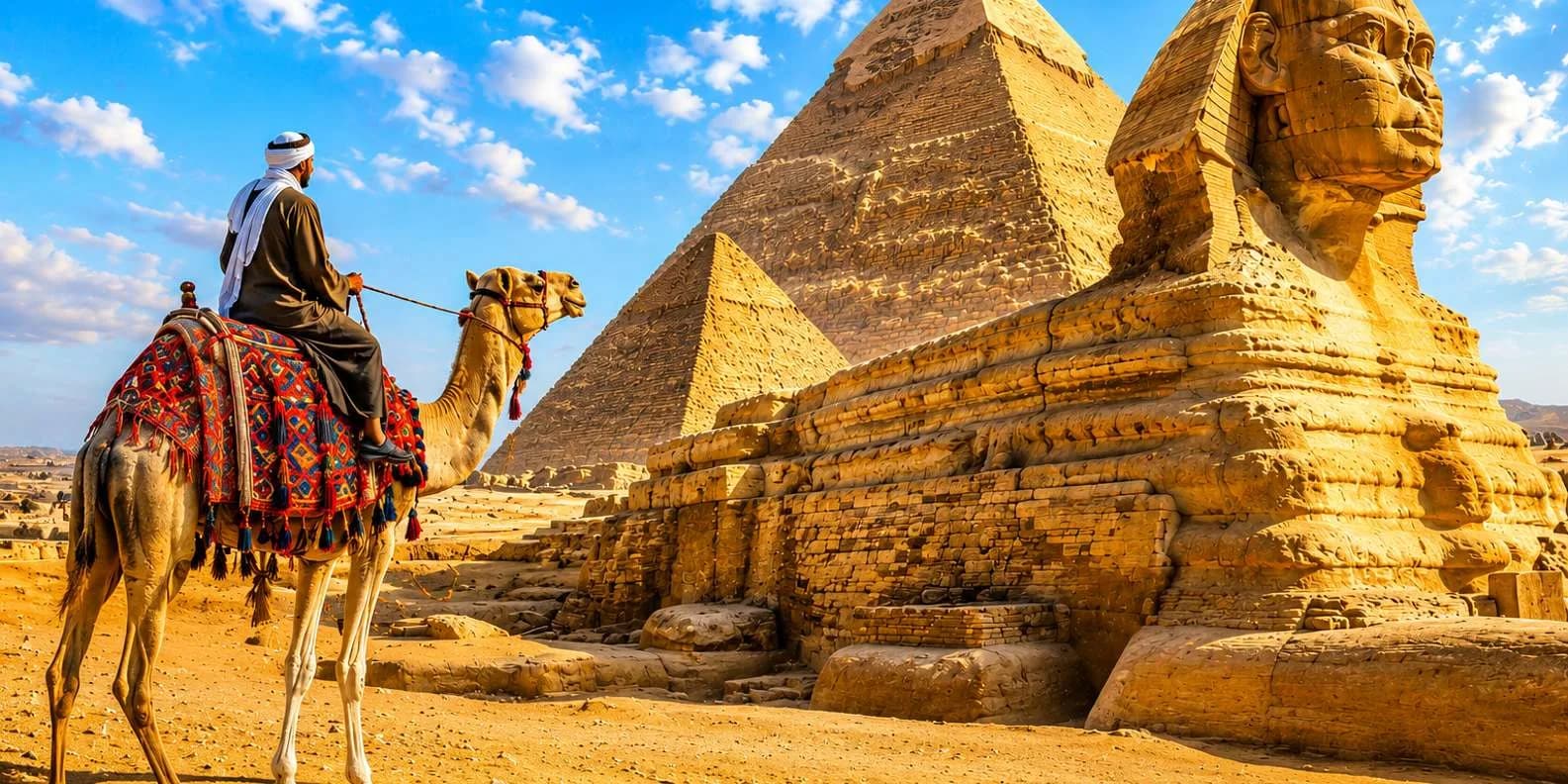
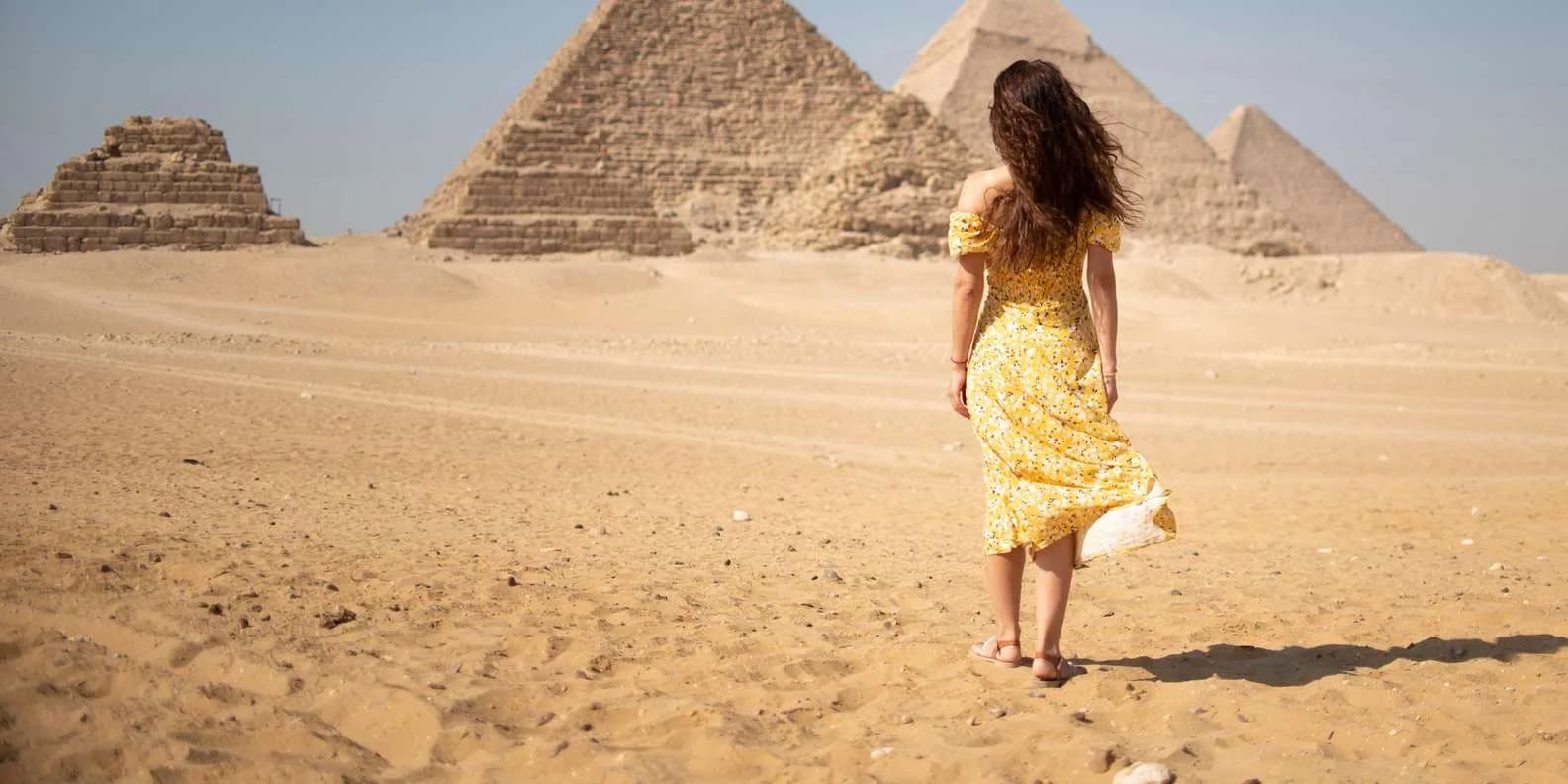
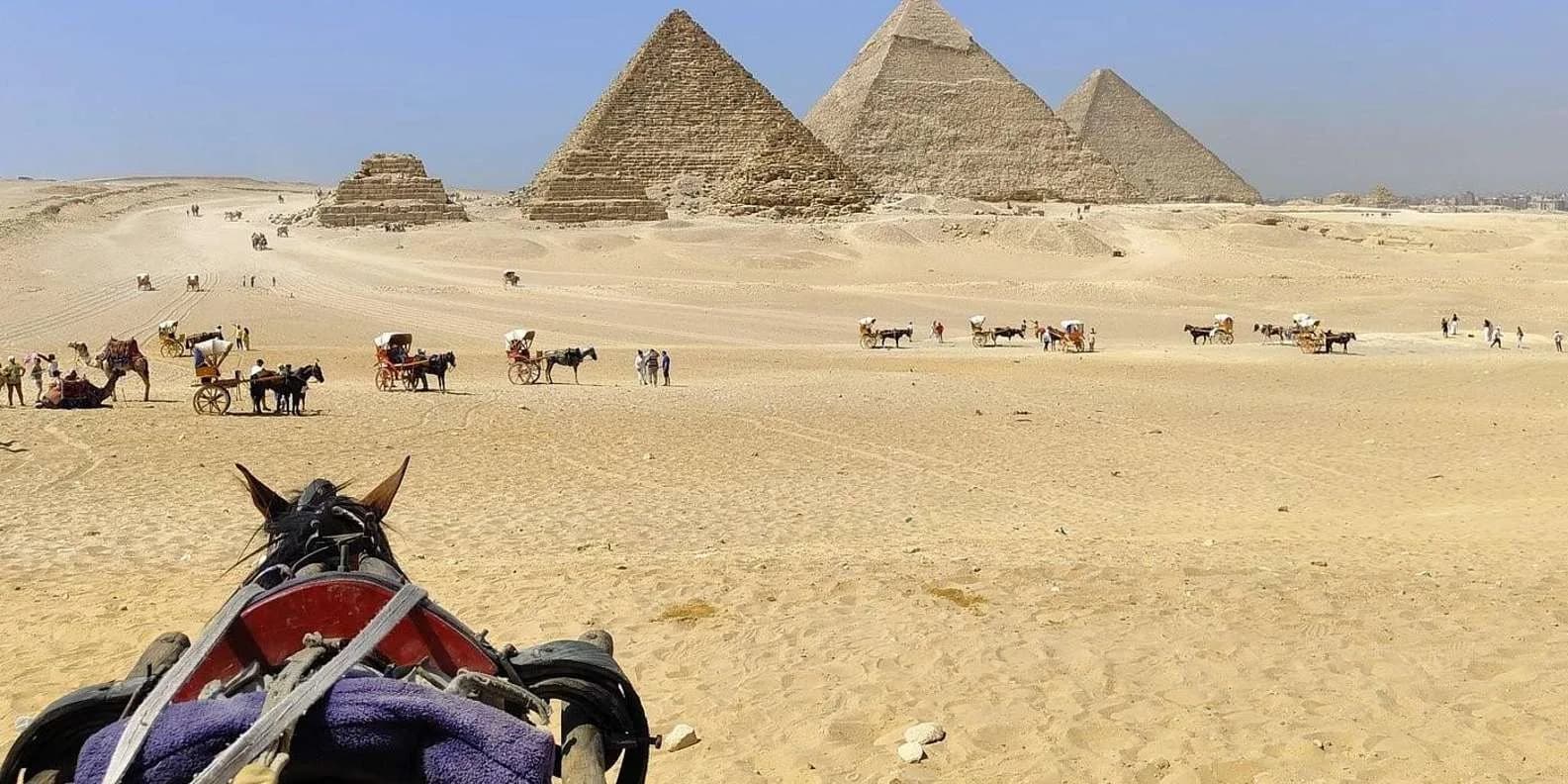
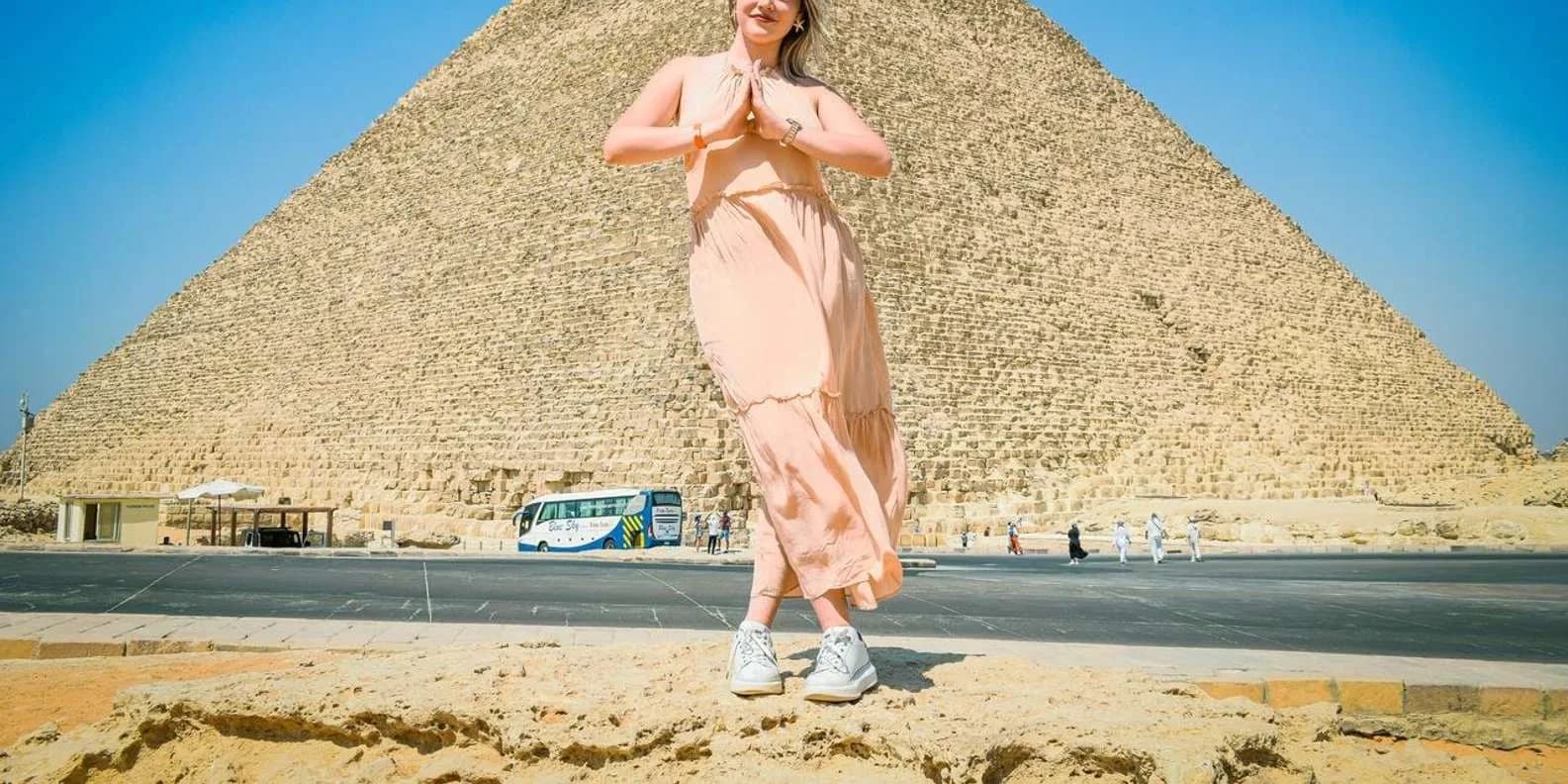
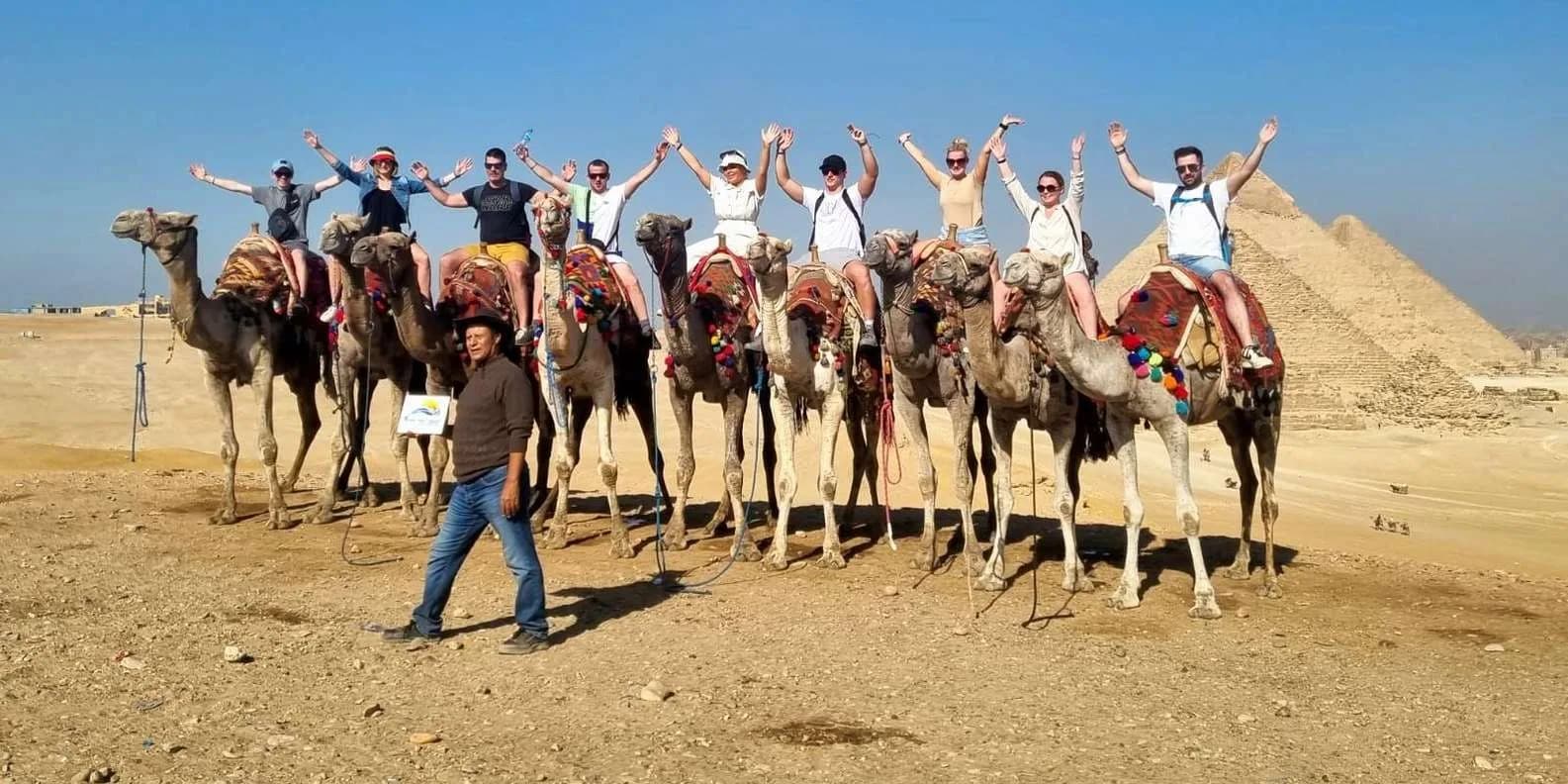
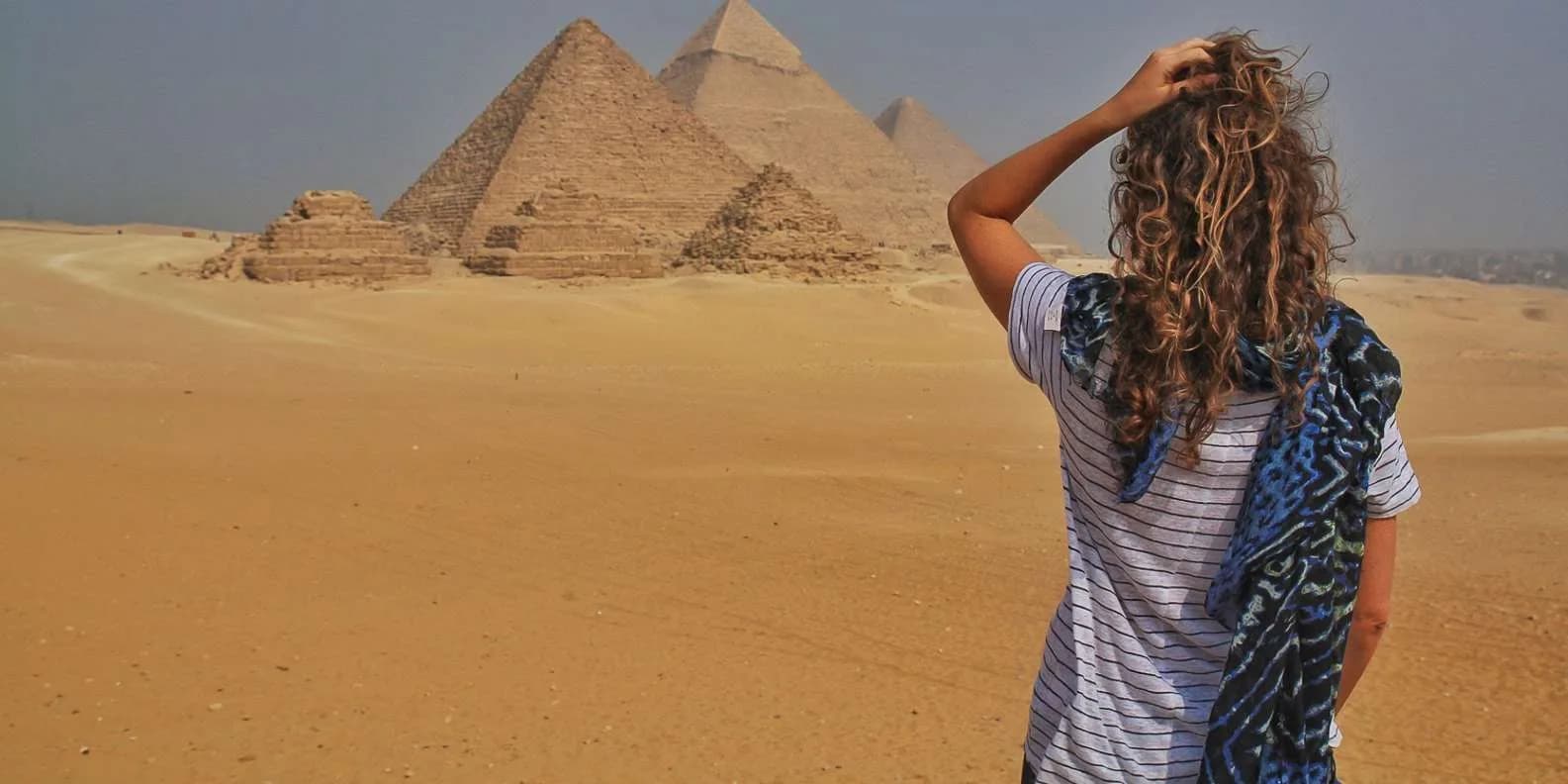
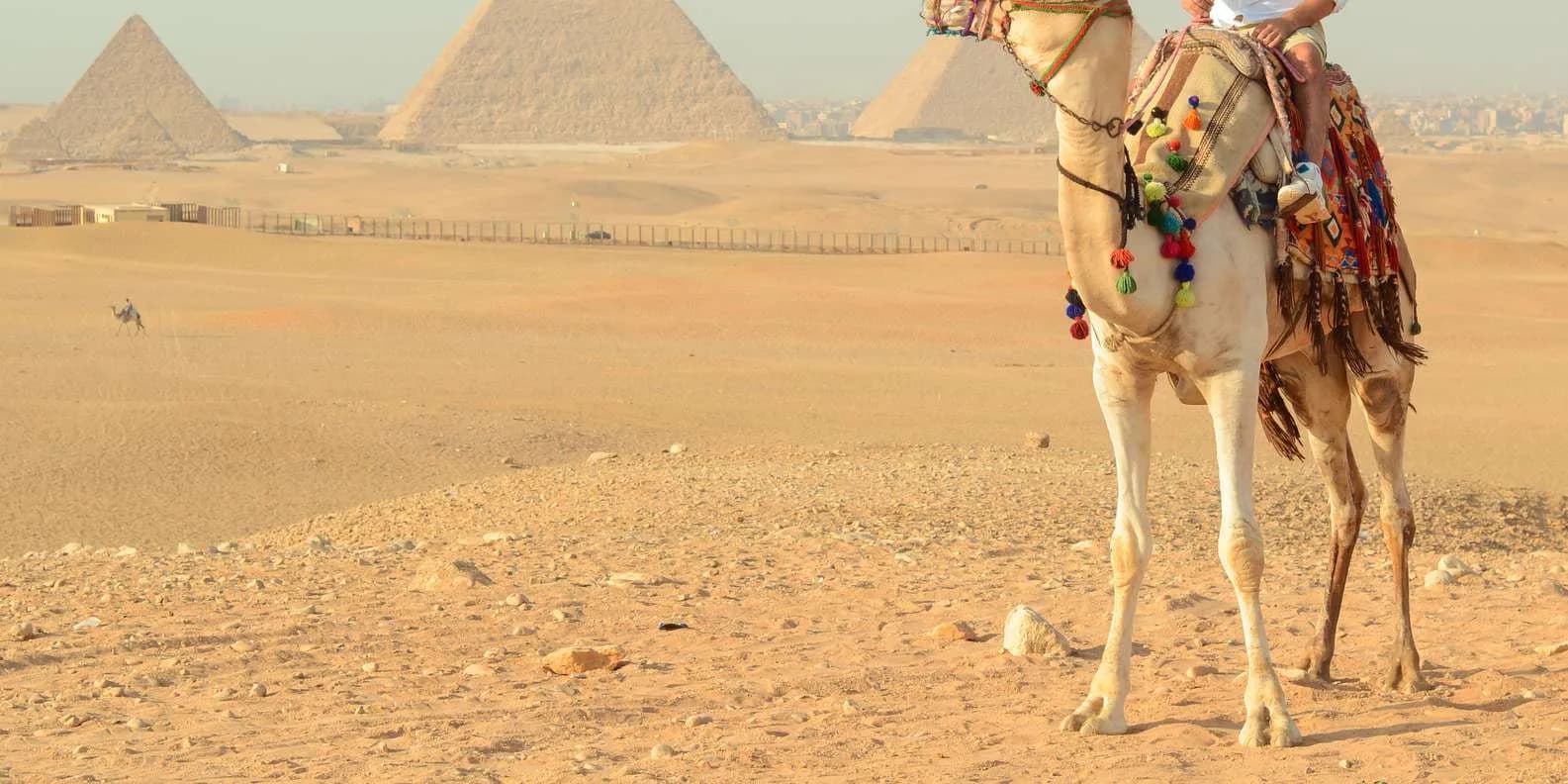
The headline day, and the reason most people come. Get to the Pyramids of Giza early: the light is kinder, the crowds thinner and the heat bearable in the first hours after opening. Walk the base of the Great Pyramid of Khufu, decide whether the claustrophobic climb into the interior chamber is worth it for you (many skip it), and don't rush the Great Sphinx, whose scale only lands when you're standing beneath it. A camel or horse ride across the sand for the classic panorama shot is optional but memorable — agree the price before you mount.
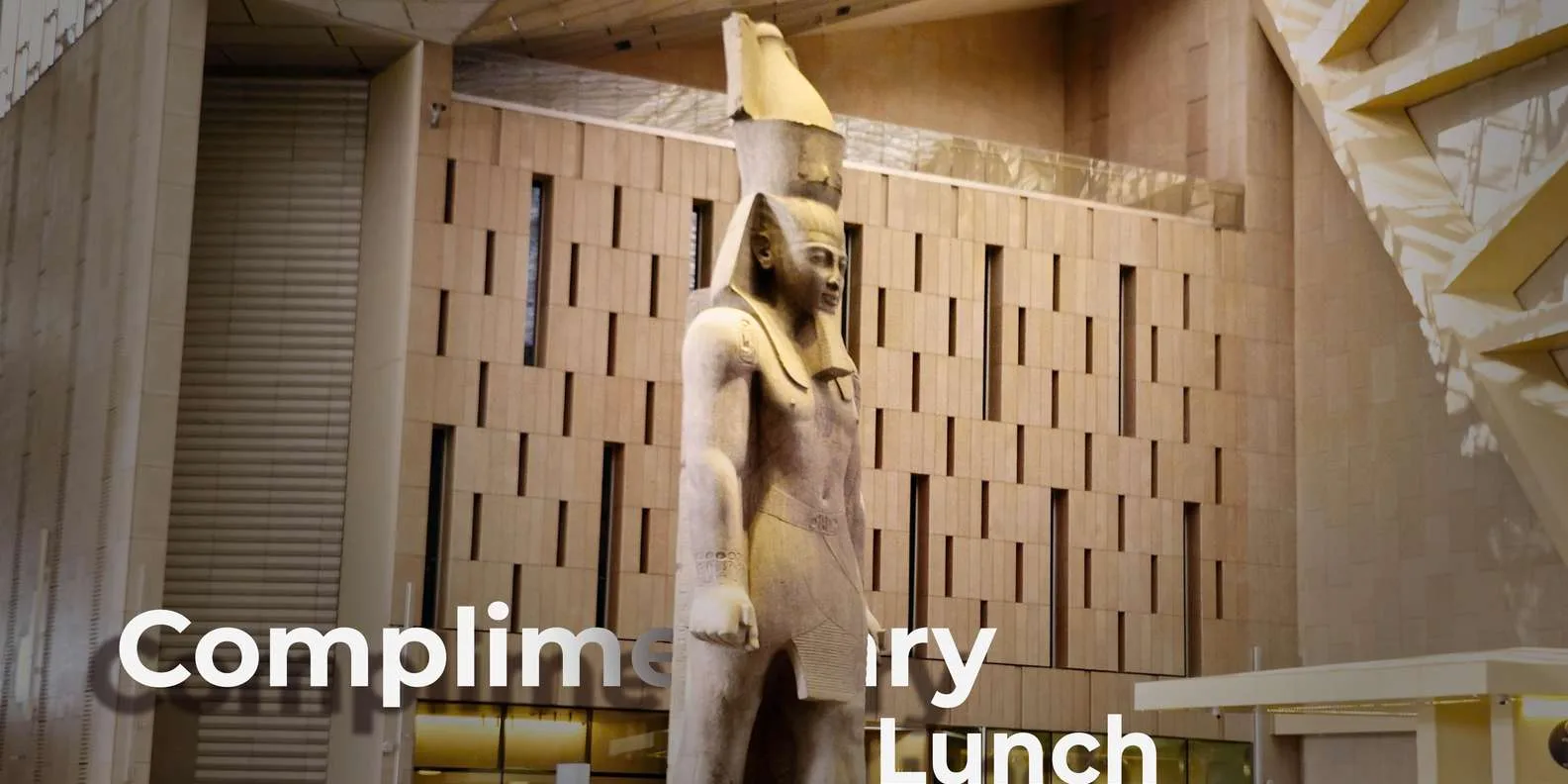
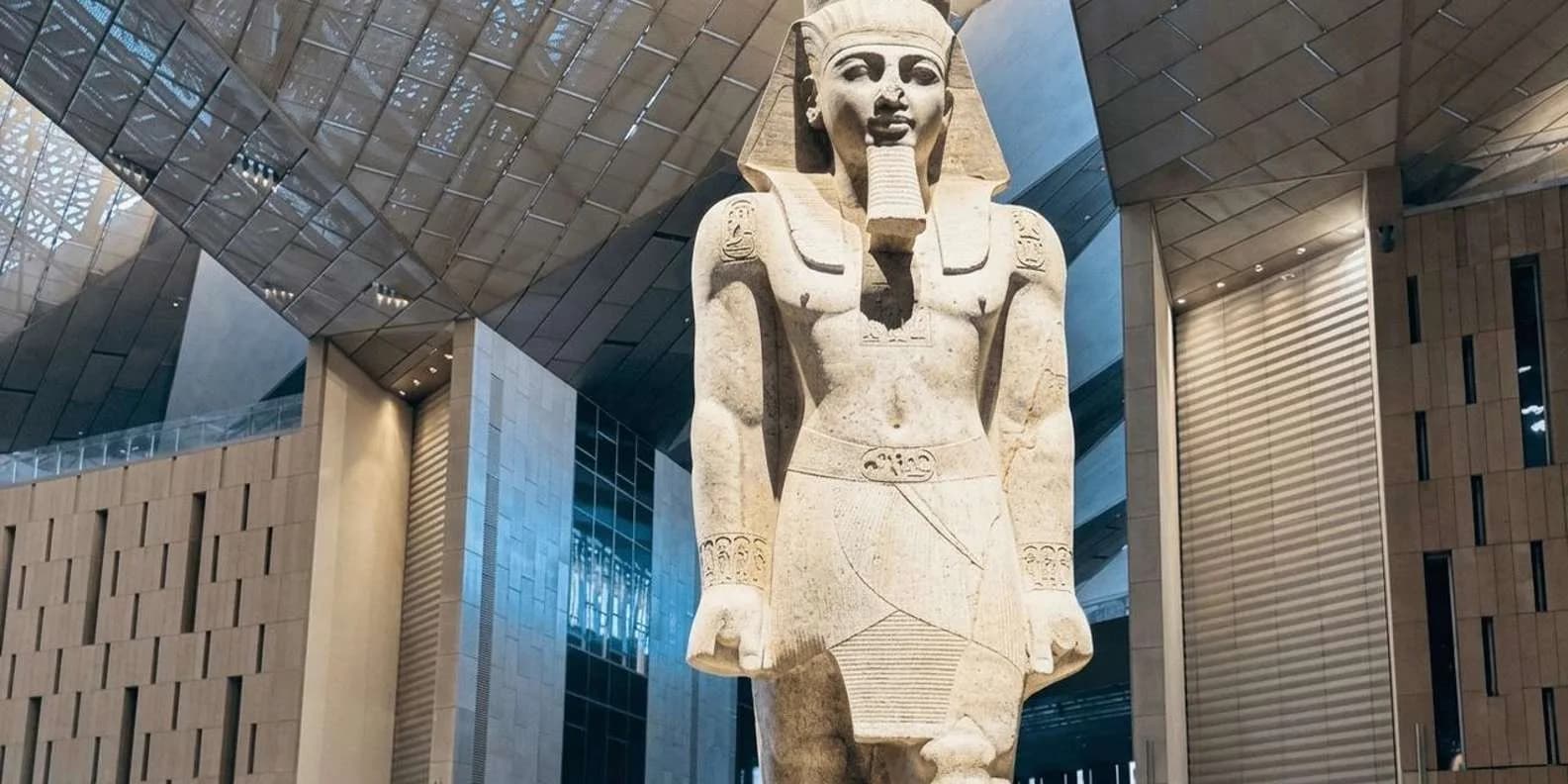
Then cross to the Grand Egyptian Museum, which sits right beside the plateau. This is the world's largest museum devoted to a single civilisation, and its centrepiece is the complete treasure of Tutankhamun — the full collection displayed together for the first time, the golden mask among it. Break for lunch between the two: this is a great deal of wonder for one day and pacing matters. If you have museum stamina left, the Grand Staircase and the main galleries reward a slow walk.
Day 3: Historic Cairo, then head south
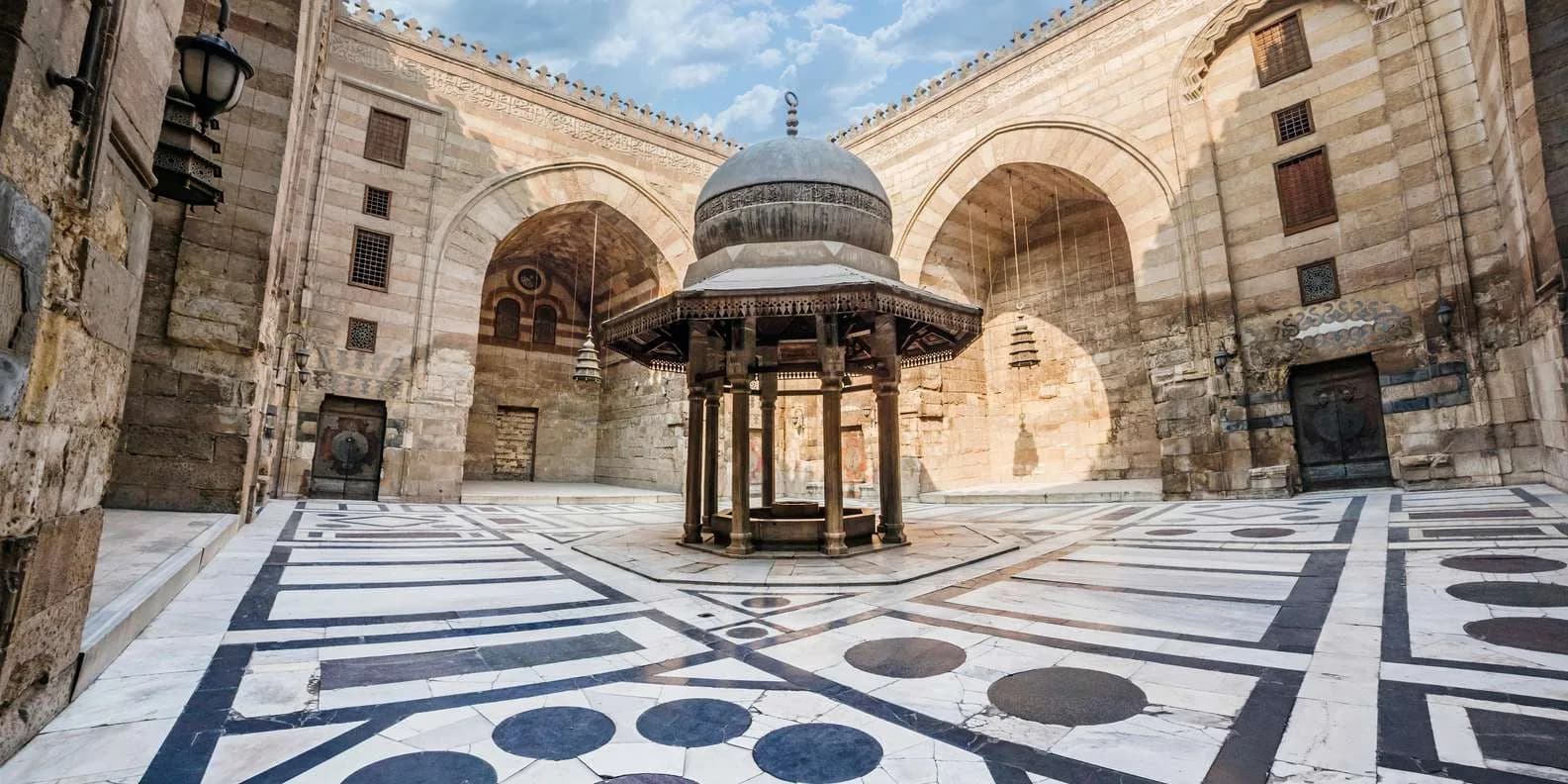
Egypt is more than pharaohs, and Day 3 shows you the layers. Give the morning to Islamic Cairo — the medieval heart of the city — winding through the Khan el-Khalili bazaar for spices, lanterns and mint tea, then climbing the Citadel of Saladin for the alabaster mosque and the panorama across the rooftops. In the afternoon, drop into Coptic Cairo, with its Hanging Church and the old synagogue, or the venerable Egyptian Museum on Tahrir Square, still worth it for the mummies and the pieces that stayed behind after the GEM took the crown jewels.
Prefer ruins to bazaars? Swap the morning for a half-day south to Saqqara and Memphis, where the Step Pyramid of Djoser — Egypt's oldest — and the vast necropolis are far quieter than Giza. Whichever you choose, keep an eye on the clock, because you're moving on. Fly to Luxor this evening on the short domestic hop (about an hour in the air), or take the overnight sleeper train and wake up on the Nile. More on which to pick below.
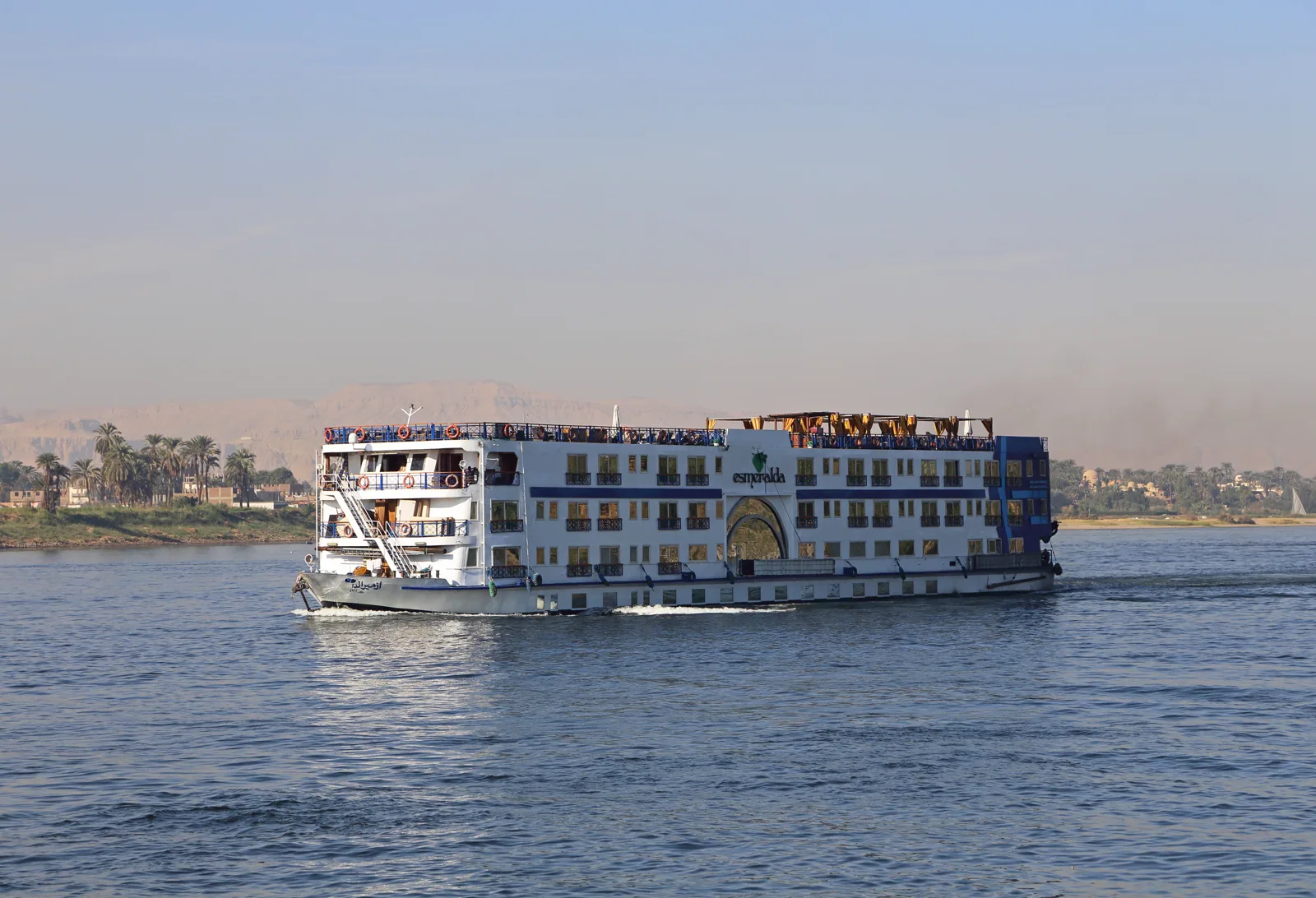
Day 4: Luxor's East Bank, board the cruise
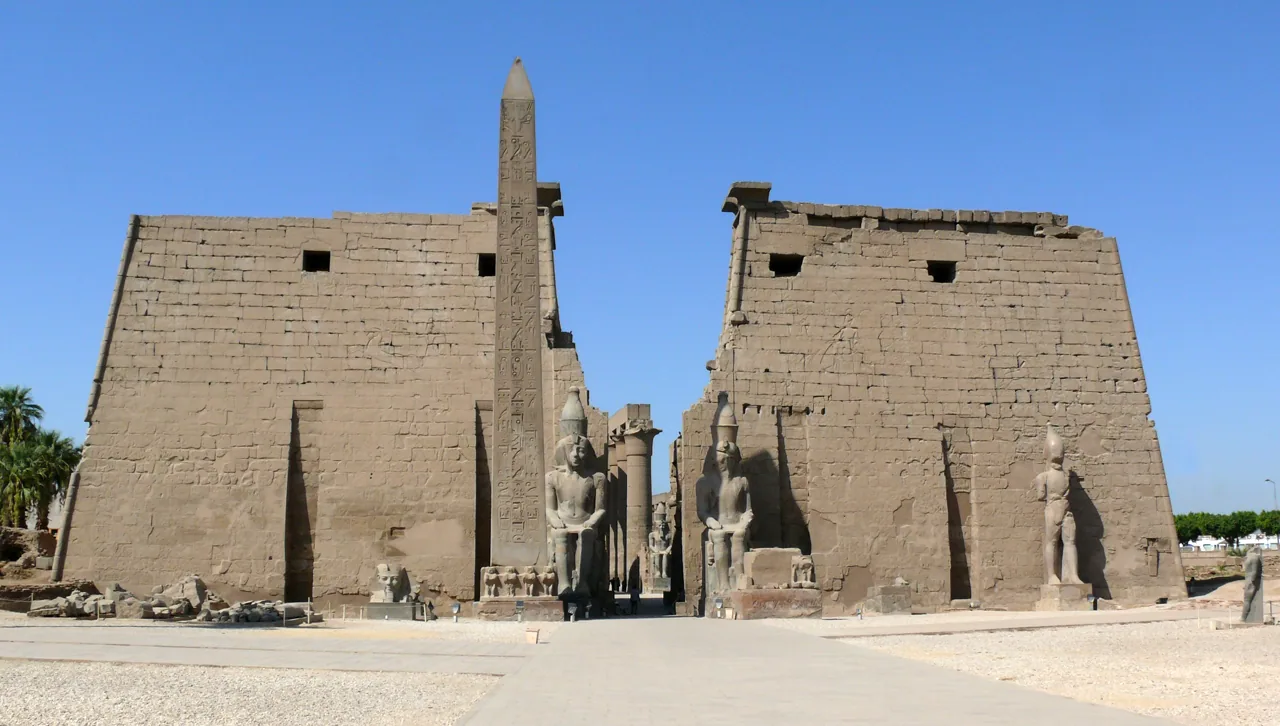
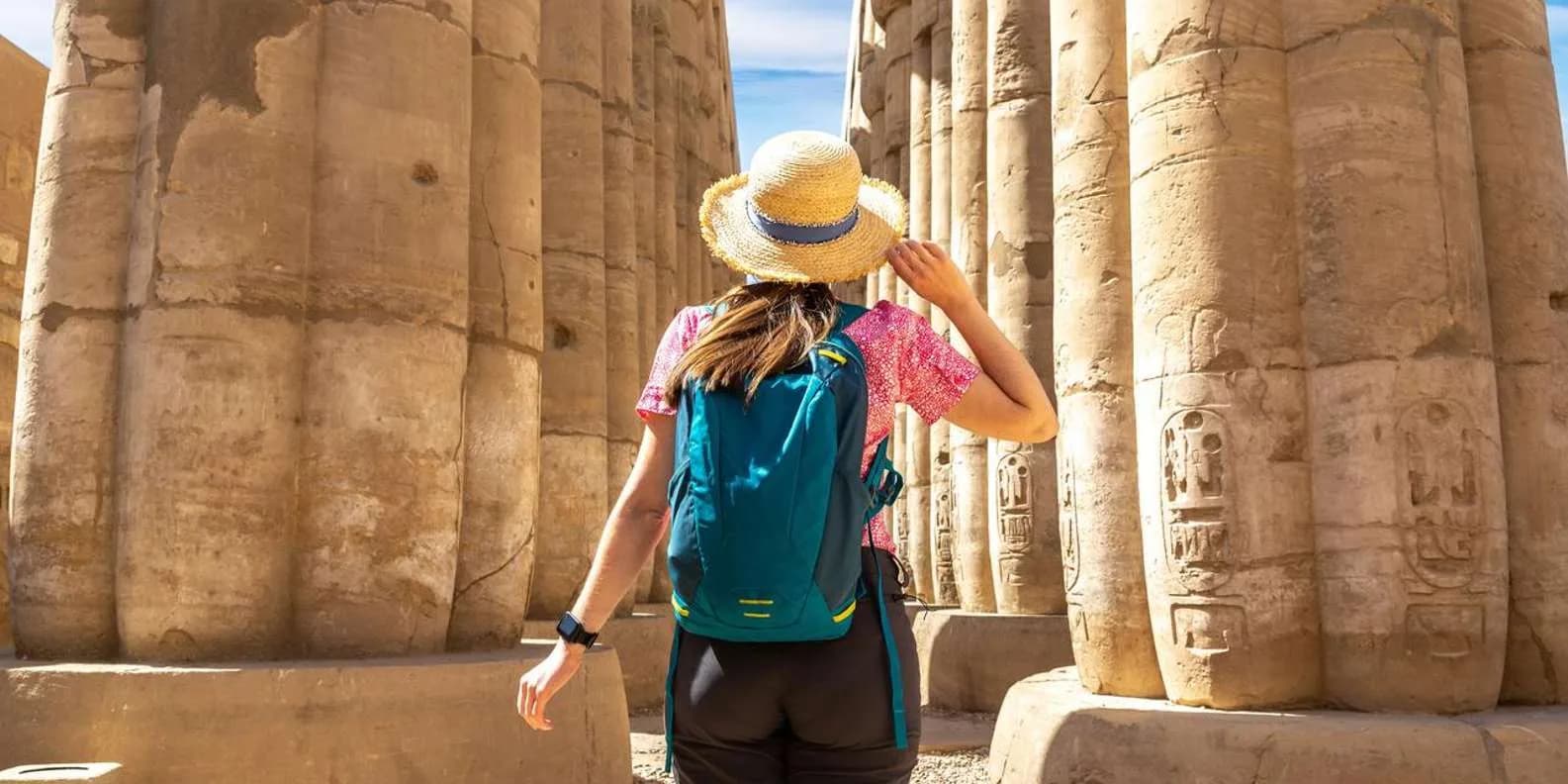
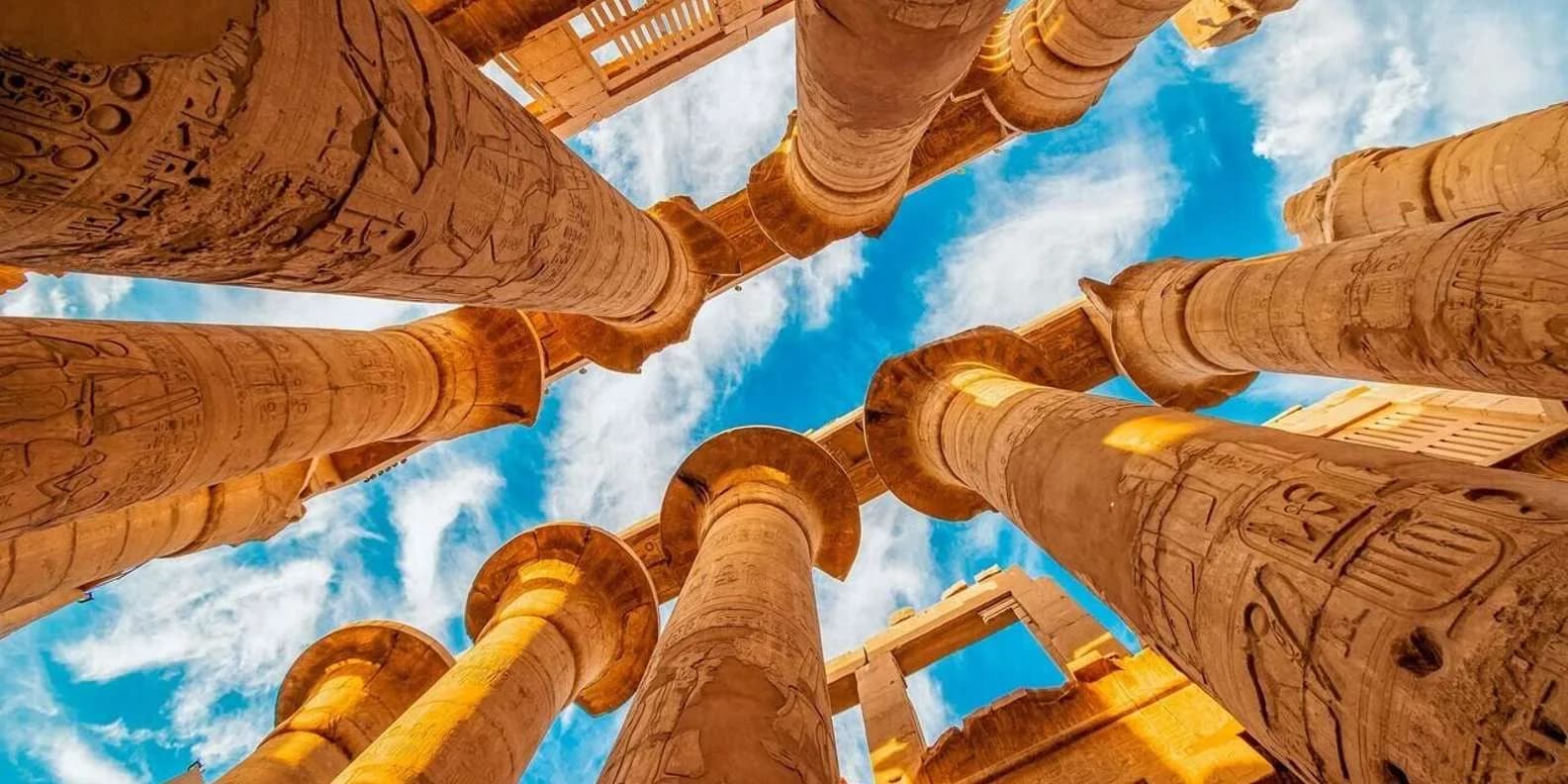
Luxor is the world's greatest open-air museum, and its two banks split cleanly: the living East Bank of temples, the funerary West Bank of tombs. Spend the day on the East Bank. Karnak is the giant — a temple complex built and rebuilt over two thousand years, its Great Hypostyle Hall a forest of 134 towering columns that dwarf everyone beneath them. In the evening, if timing allows, the floodlit Luxor Temple in the town centre is one of Egypt's most atmospheric after-dark sights.
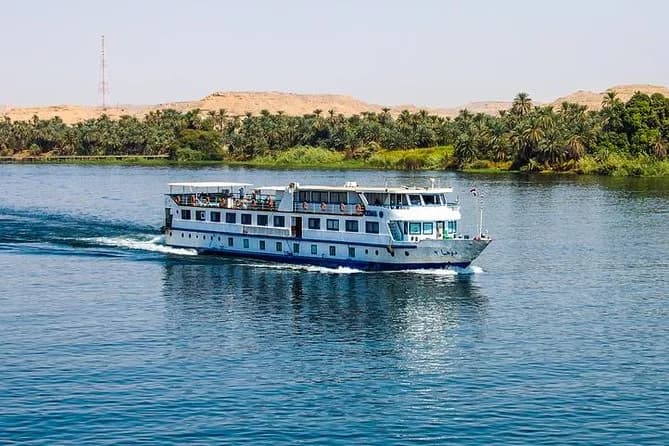
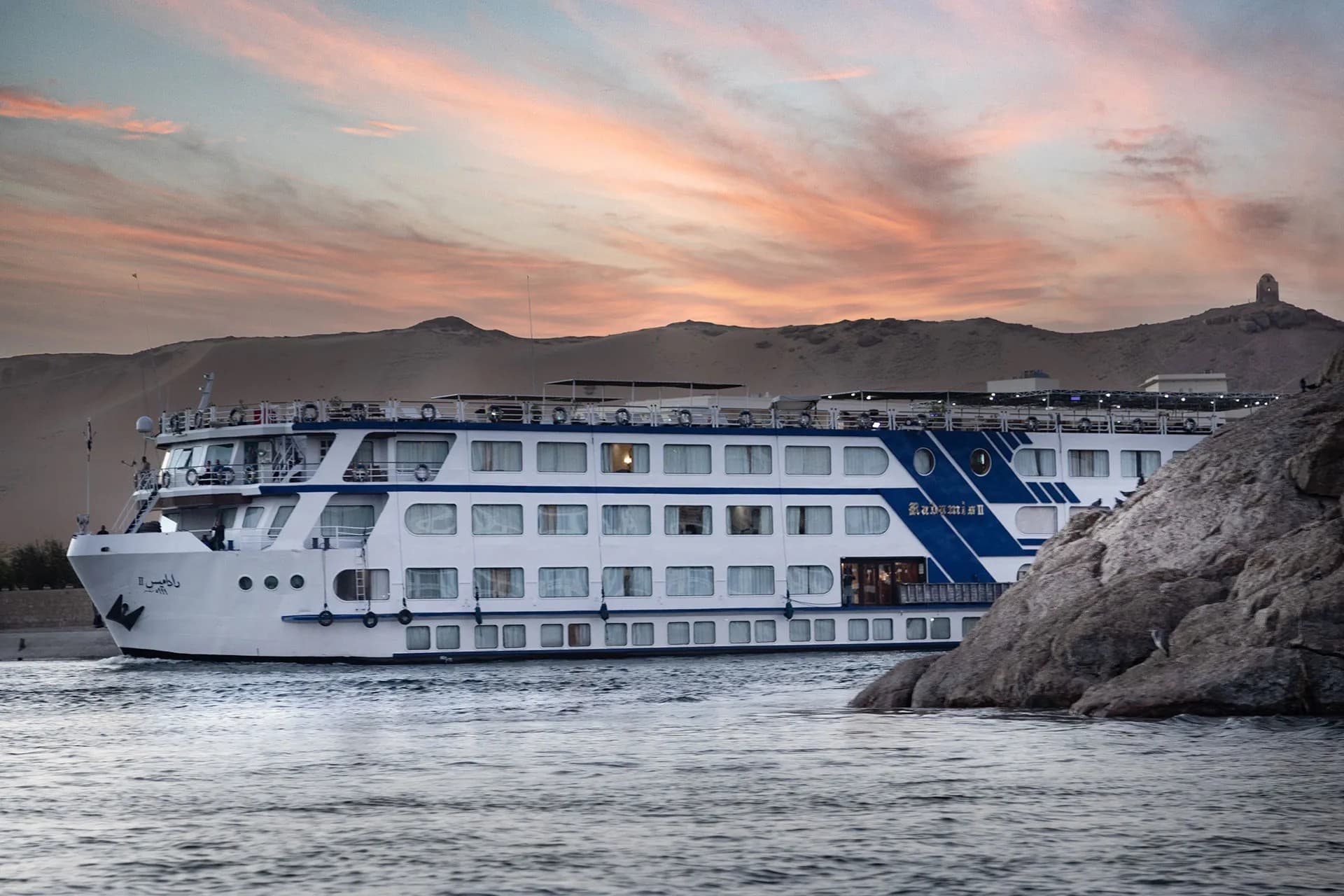
Board your Nile cruise in the afternoon and let the pace change completely. From the sundeck the riverbank slides past — palm groves, water buffalo, children waving from the reeds, a scene that has barely changed in millennia. Most itineraries sail after dinner or overnight.
Day 5: Luxor's West Bank, optional sunrise balloon
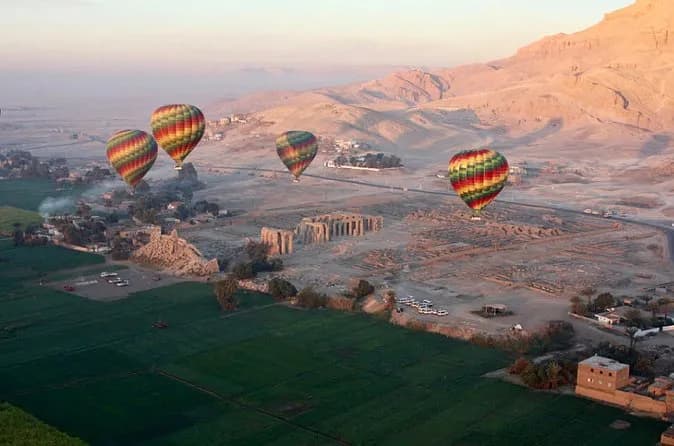
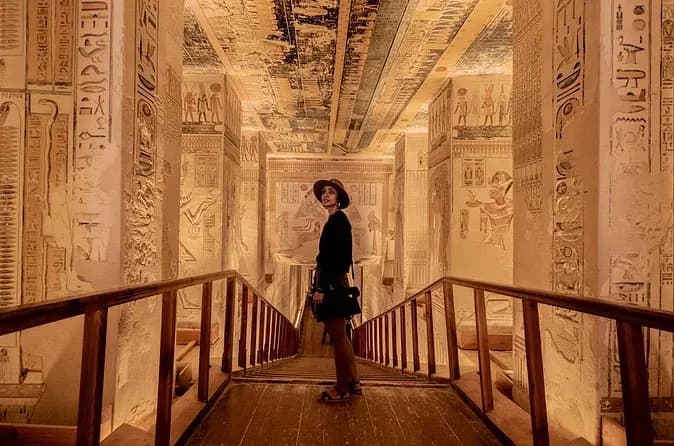
Cross to the West Bank at first light. The optional but unforgettable add-on is a pre-dawn hot-air balloon that lifts you over the Theban hills as the sun comes up over the tombs — book it the day before through your cruise or a local operator. On the ground, the Valley of the Kings holds the rock-cut tombs of Tutankhamun, Ramses and dozens more, their painted ceilings still vivid; your ticket covers a rotating handful, and Tut's tomb and the deep tomb of Seti I usually cost extra. Nearby, the terraced Temple of Hatshepsut rises dramatically against the cliffs, and the two seated Colossi of Memnon guard the plain. Sail south in the afternoon, deck time earned.
Day 6: Edfu and Kom Ombo — the quiet pleasure of the cruise
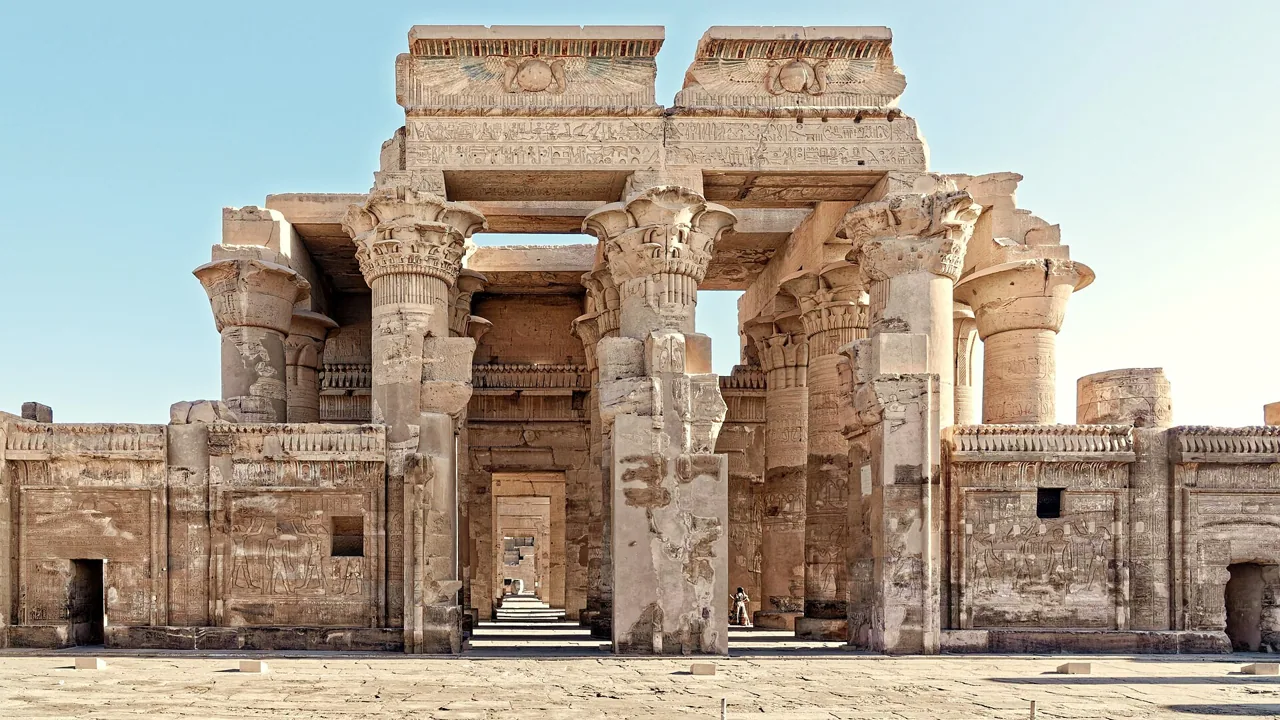
This is the day the river shows why the cruise beats any road. You stop at the Temple of Horus at Edfu, the best-preserved temple in Egypt — walls, roof and gateway still standing, its falcon god intact — often reached by a short horse-carriage clatter through town. Downstream, the double Temple of Kom Ombo sits right on the water's edge, shared between the crocodile god Sobek and the falcon Horus, with a small museum of mummified crocodiles beside it. In between are long, unhurried hours on deck watching a timeless bank go by. Sunset on this stretch, tea in hand, is quietly one of the trip's highlights.
Day 7: Aswan, then depart
Aswan is the gentlest of Egypt's cities, and the perfect place to end. The island Temple of Philae, dedicated to Isis and rescued stone by stone from the rising waters of the dam, is reached by a short motorboat that is half the pleasure. Sail a felucca among the black granite islands as the sun drops — the Nile is at its most beautiful here. If you can fit it, a Nubian village visit adds colour, music and hospitality the rest of the country can't match.
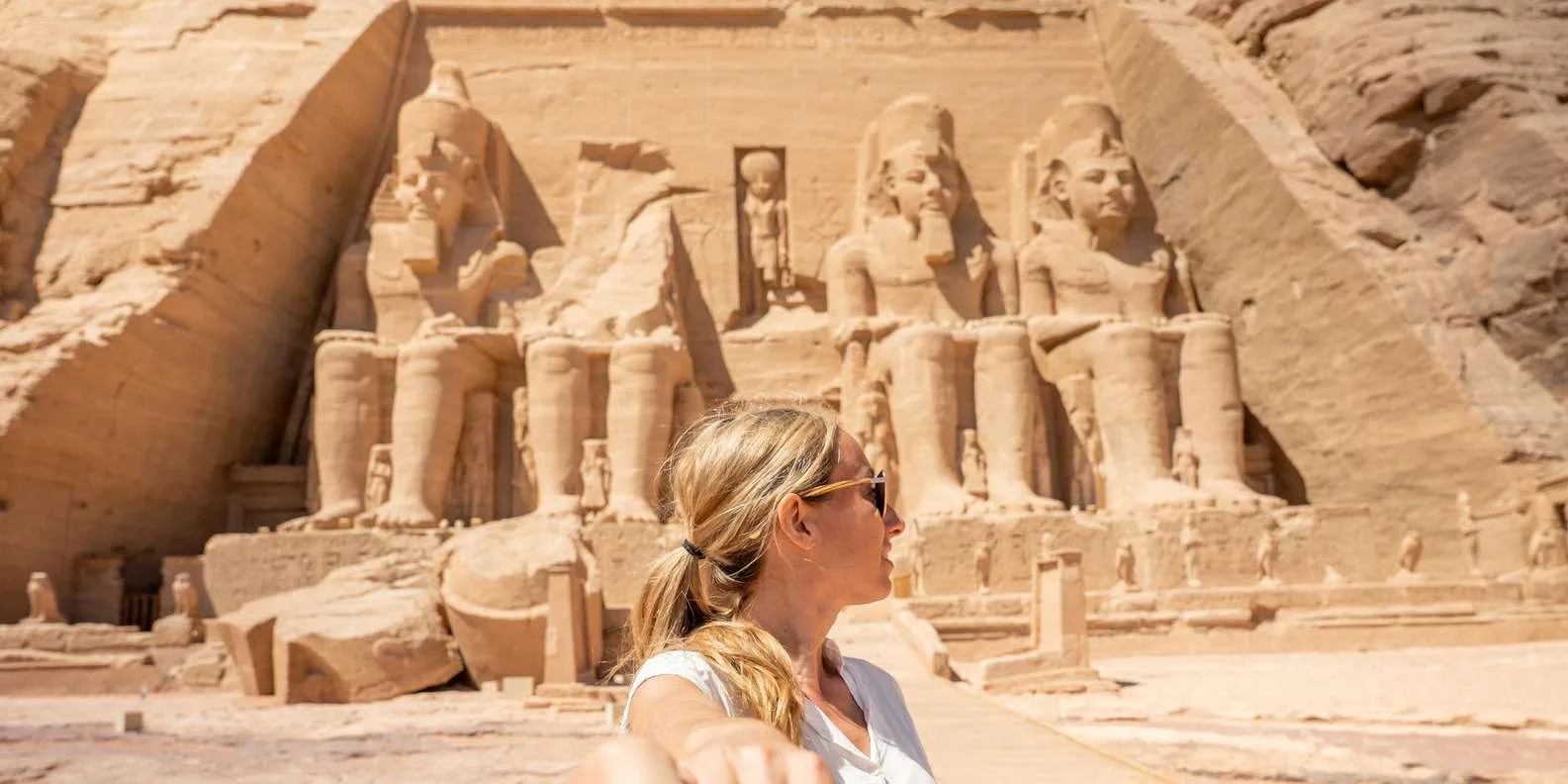
From Aswan you can fly home directly on many international-connecting routes, or hop back to Cairo for a final night and your outbound flight. The one big southern site a week doesn't quite reach is Abu Simbel, three hours south of Aswan — squeeze it in as a long day trip or short flight only if you've built a buffer day.
Fly or take the train?
For the Cairo–Luxor and Aswan–Cairo legs you have two good options. Flying is fastest — about an hour in the air, roughly $50 and up if booked ahead — but you lose an evening to the airport and its check-in buffer. The overnight sleeper train (the Abela service) is the traveller's secret weapon on this route: a private cabin with dinner and breakfast runs about $60–$80 per person, doubles as a night's accommodation so you save a hotel, and delivers you into Luxor or Aswan rested at dawn with no airport friction. Choose the flight if your days are tight; choose the sleeper if you want to bank a night and turn transit into part of the trip.
Which cruise direction and how long?
Nile cruises run both ways between Luxor and Aswan and stop at the same temples regardless of direction, so pick on schedule, not sights. The four-night Luxor-to-Aswan cruise (upstream) is the slower, more relaxed version and pairs naturally with this itinerary's flow. The three-night Aswan-to-Luxor cruise (downstream) is tighter and efficient if you're pressed. Either way, the cruise is the smartest way to see Edfu and Kom Ombo, which are awkward to reach independently, and it saves you two hotel changes. Book the cabin early in high season; the good boats sell out. See the itineraries and boats you can book here.
How to shorten or extend this week
Short on time? Cut Day 3's historic Cairo to a half-day and fly south the same afternoon, or drop a cruise night and do the three-night version — five days still covers Giza, the GEM and the core Nile temples.
Have longer? Add Abu Simbel from Aswan, tack on a few days of Red Sea diving or beach at Hurghada or El Gouna, or slow the whole thing down with an extra Cairo day for Saqqara and the Egyptian Museum. Ten days lets you do all three without rushing.
Best time to go
The comfortable season is October to April, when Upper Egypt is warm and dry rather than brutally hot — this is also peak season, so flights, cruises and hotels cost more and book out earlier. November to February is the sweet spot for cool, clear sightseeing days. May to September brings ferocious heat in Luxor and Aswan (40°C-plus) but real bargains and thin crowds if you can handle early starts and midday shade. Whenever you go, the Nile itself is at its kindest at dawn and dusk.
For more to slot into any version of this trip, see things to do in Egypt, and when you're ready to build the week, start browsing tours and cruises.
Planning the Nile leg? A Nile cruise is the classic way to cover the Luxor–Aswan stretch of an Egypt itinerary — your hotel and transport in one. Compare cruise ships and dahabiyas, see what a Nile cruise costs, or weigh a cruise vs a land tour.

A real team available 24/7 to assist you — free
Seif and the team reply on WhatsApp 24/7 — trip questions, custom plans and booking help.
Ask Seif on WhatsAppCommon questions
Is 7 days enough for Egypt?
Yes — a week is the classic first-timer length. It covers Cairo and Giza (including the Pyramids, the Sphinx and the Grand Egyptian Museum) plus the Nile temples between Luxor and Aswan, usually by cruise, without feeling rushed. Ten days lets you add Abu Simbel or the Red Sea.
What is the best 7-day Egypt itinerary?
Three nights in Cairo and Giza (pyramids, GEM, Islamic and Coptic Cairo), then a flight or overnight train to Luxor and a three- to four-night Nile cruise down to Aswan via Edfu and Kom Ombo. It's the most efficient loop through the icons with no backtracking.
Should I do a Nile cruise as part of a week in Egypt?
For most first-timers, yes. The Luxor–Aswan cruise reaches temples that are hard to visit otherwise — Edfu and Kom Ombo sit right on the river — and doubles as scenic transport and accommodation, so a 7-day trip flows without extra hotel changes.
How much time should I spend in Cairo versus the Nile?
Roughly three days in Cairo and Giza, and three to four on the Nile between Luxor and Aswan. That split gives the pyramids and the Grand Egyptian Museum their due while leaving time for Karnak, the Valley of the Kings and the river temples.
Should I fly or take the train between Cairo and Luxor?
Fly if your days are tight — it's about an hour in the air and often around $50 booked ahead. Take the overnight sleeper train if you'd rather bank a night: a private cabin with meals runs about $60–$80 per person, saves a hotel, and delivers you rested at dawn with no airport queues.
Which direction should the Nile cruise go?
Both directions stop at the same temples, so choose on schedule. Luxor-to-Aswan (four nights, upstream) is the slower, more relaxed option and fits this itinerary naturally; Aswan-to-Luxor (three nights, downstream) is tighter and good if you're short on time.
When is the best time to visit Egypt for this trip?
October to April is the comfortable, dry season and peak tourism — book flights and cruises early. November to February gives the coolest, clearest sightseeing days. May to September is very hot in Upper Egypt but far cheaper and less crowded if you start early and rest at midday.
Can I add Abu Simbel or the Red Sea to a week?
A week is tight for both. Abu Simbel is a long day trip or short flight from Aswan, and the Red Sea (Hurghada or El Gouna) needs its own days. With ten days you can add one or both comfortably; on seven, only if you build in a buffer day.
Book it on This is Egypt
Turn this guide into a trip

Egypt's bestsellers
The experiences travelers book most, across the country


Keep reading

3 Days in Cairo: The Perfect First-Timer's Itinerary
Pyramids, Islamic Cairo, Coptic alleys and the Grand Egyptian Museum: a tested 72-hour Cairo plan with real timings, transport and prices.
By TiE Editors9 min read

7-Night Nile Cruise: Luxor to Aswan Round Trip (2026)
The complete 7-night Luxor-Aswan-Luxor Nile cruise: a relaxed pace, every major temple, optional Abu Simbel and Dendera add-ons, and the full classic Egypt experience.
By TiE Editors8 min read
5-Day Nile Cruise: The Ideal Itinerary (2026)
A relaxed 5-day, 4-night Nile cruise from Luxor to Aswan taking in Karnak, Valley of the Kings, Edfu, Kom Ombo and Philae — with time to spare for Abu Simbel, Egypt's fuller cruise option.
By TiE Editors7 min read