Ägypten während des Ramadan besuchen: Was sich ändert, was geöffnet ist & Etikette (2026)
Sie können Ägypten während des Ramadan problemlos bereisen – die Stätten bleiben geöffnet, die Abende erwachen mit Iftar und Laternen zum Leben. Hier sind der Rhythmus, die Daten und wie Sie ein respektvoller Gast sind.
Ja, Sie können Ägypten während des Ramadan besuchen, und viele Reisende bezeichnen ihn hinterher als ihre liebste Zeit, um das Land erlebt zu haben. Der Tagesrhythmus verlangsamt sich – die meisten Ägypter fasten, manche Geschäfte kürzen ihre Öffnungszeiten, und die Nachmittage werden still –, doch die großen Sehenswürdigkeiten, Hotels und Nilkreuzfahrten laufen normal. Und dann, nach Sonnenuntergang, schaltet das Land sich ein: das Iftar-Mahl, laternenerleuchtete Straßen, Cafés, die bis zum Morgengrauen voll sind, eine Wärme, die man jemandem, der sie nicht gespürt hat, kaum beschreiben kann. Wenn Sie mit ein wenig Achtsamkeit reisen, ist der Ramadan eine besondere – keine verdorbene – Zeit, um in Ägypten zu sein.
Wann ist Ramadan?
Der Ramadan folgt dem islamischen Mondkalender und verschiebt sich daher jedes Jahr um etwa 10 bis 11 Tage nach vorne, und der genaue Beginn hängt von der Sichtung der Mondsichel ab. Aktuelle und kommende Daten:
| Jahr | Ramadan (ca.) | Eid al-Fitr |
|---|---|---|
| 2026 | 18./19. Feb. – 20. März | 21. März |
| 2027 | 8. Feb. – 9. März | ~10. März |
| 2028 | ~28. Jan. – 26. Feb. | ~27. Feb. |
Die Daten können sich je nach Mondsichtung um einen Tag verschieben. Der Ramadan endet mit Eid al-Fitr, einem dreitägigen nationalen Feiertag und einem der größten Feste des Jahres – festlich, aber auch eine Hochphase für Inlandsreisen, sodass Züge, Straßen und beliebte Orte überfüllt sind. Wenn Sie um bestimmte Daten herum planen, bestätigen Sie den offiziellen Beginn des jeweiligen Jahres kurz vor Ihrer Reise.
Was geöffnet bleibt, was sich ändert
Kurz gesagt: Die touristische Infrastruktur funktioniert weiter; das lokale Alltagsleben ordnet sich um das Fasten neu.
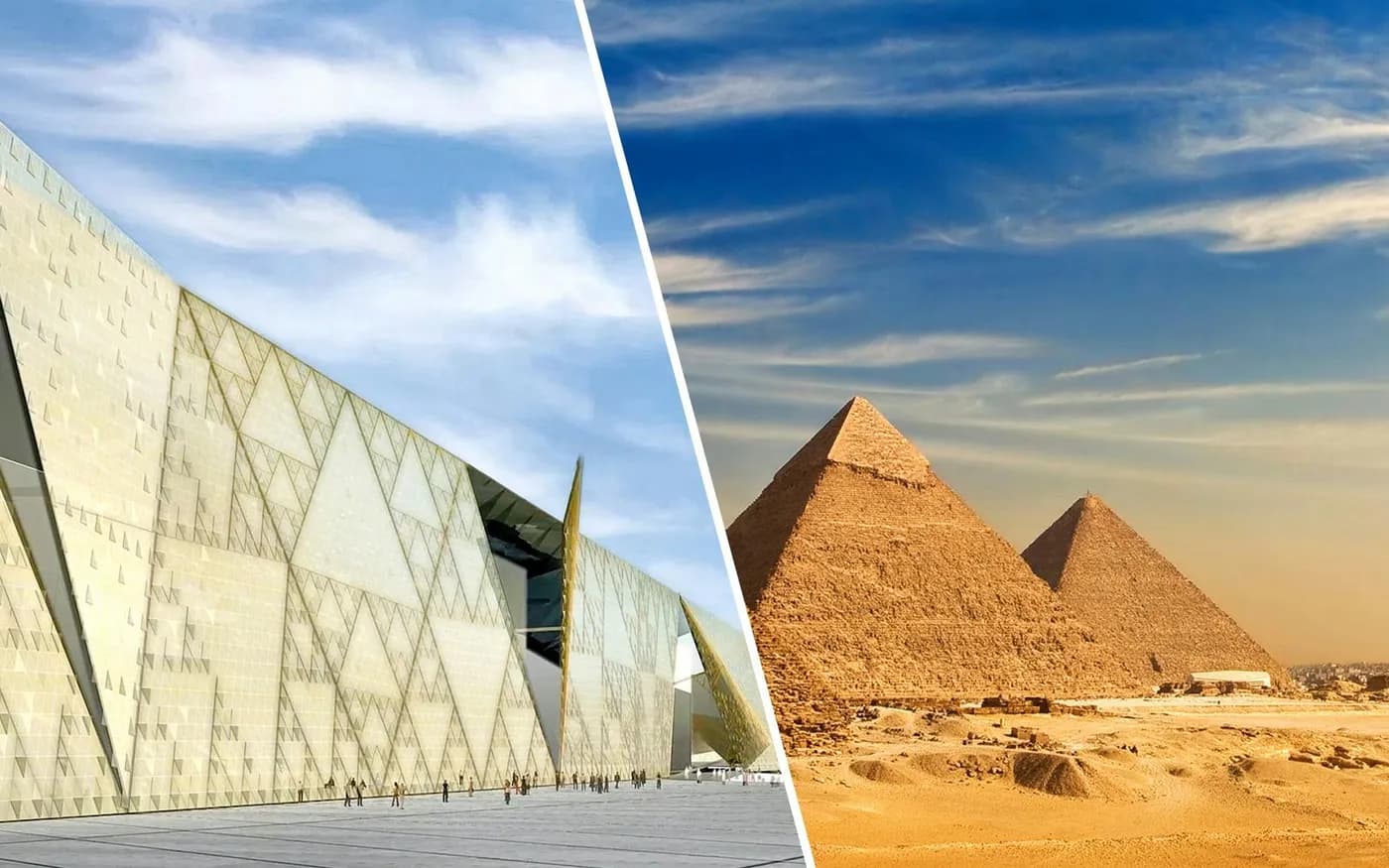
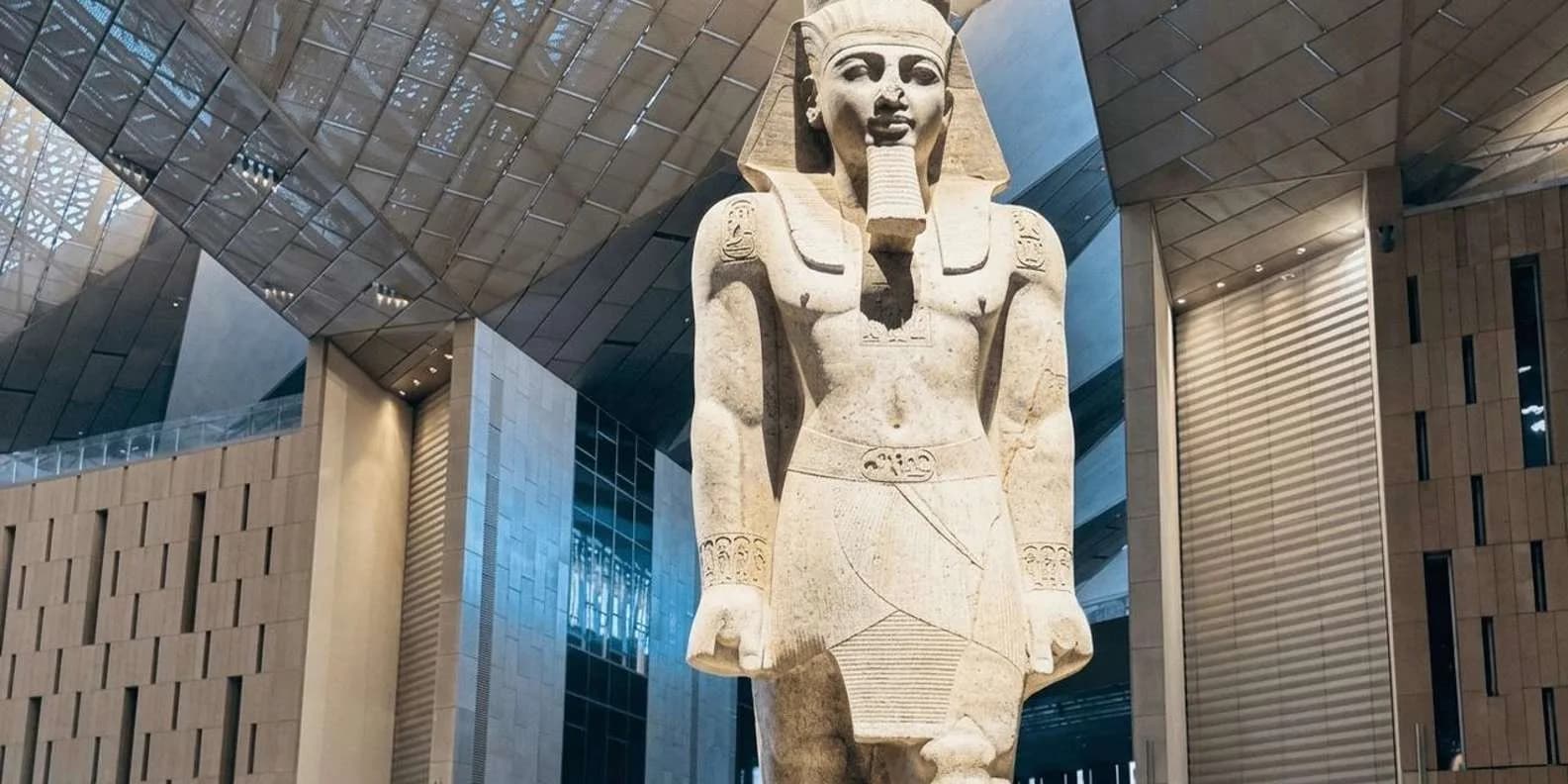
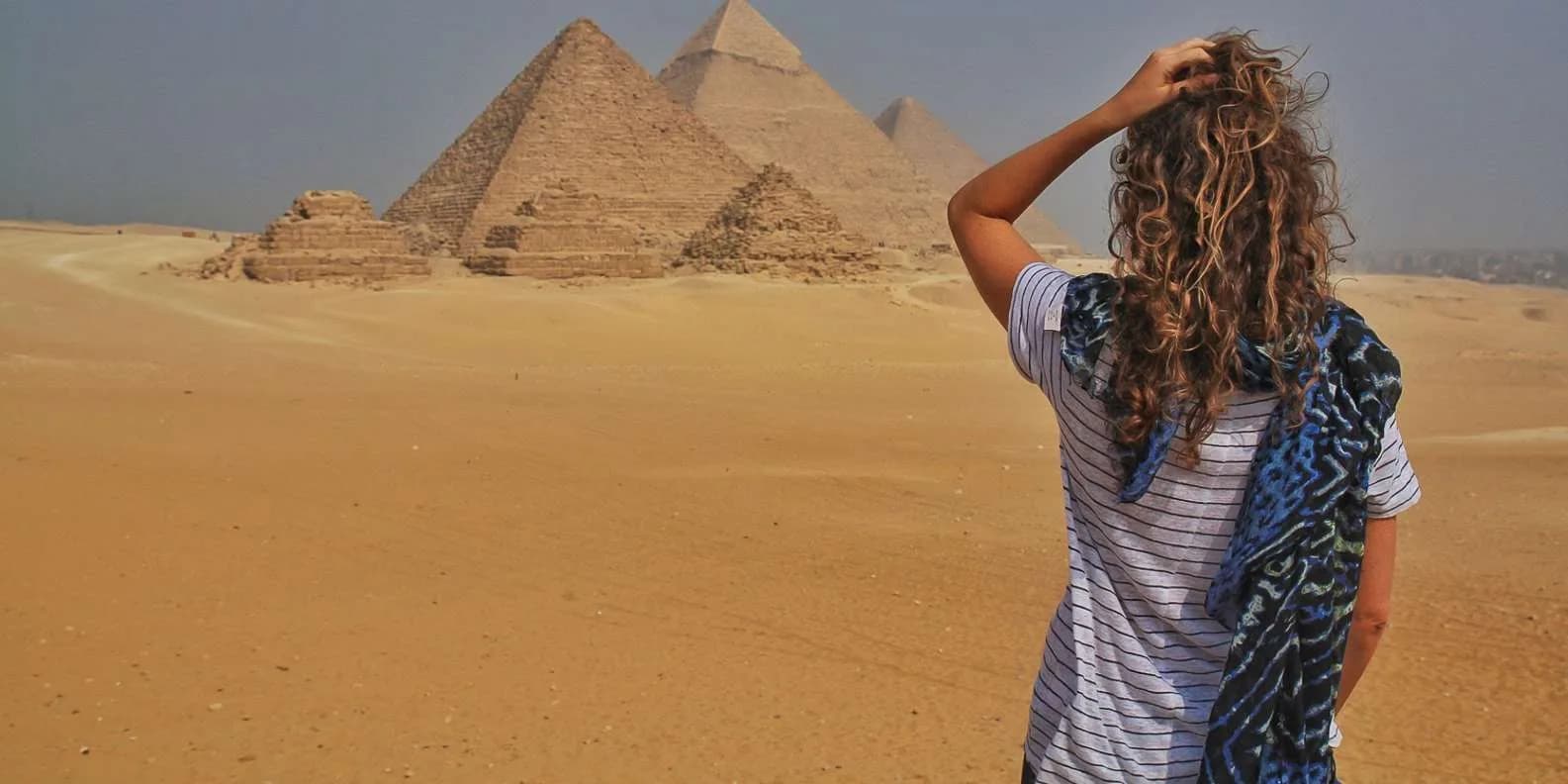
- Touristische Stätten – Pyramiden, Tempel, Museen, das Große Ägyptische Museum – bleiben geöffnet, auch wenn manche ihre Zeiten kürzen (gelegentlich etwas früher schließen). Bestätigen Sie die Zeiten vor Ort, da sie sich im Laufe des Monats ändern können.
- Hotels und Nilkreuzfahrten laufen normal und servieren ihren Gästen den ganzen Tag über Speisen und Getränke; darin werden Sie nicht hungern.
- Restaurants und Cafés variieren. Viele lokale Lokale schließen tagsüber und öffnen bei Sonnenuntergang spektakulär wieder; Restaurants in Touristengebieten und Hotels bleiben in der Regel geöffnet. In manchen Gegenden ist das Speisen tagsüber ruhiger und die Auswahl dünner.
- Geschäfte und Büros halten oft reduzierte oder verschobene Zeiten – ein langsamer Nachmittag, dann ein lebhafter später Abend. Behörden und Banken arbeiten kürzere Tage.
- Alkohol kann schwerer zu finden sein; manche Bars und Läden pausieren den Ausschank tagsüber oder den ganzen Monat, obwohl Touristenhotels und Resorts in der Regel weiterhin servieren.
- Tempo und Verkehr – die Stunde vor dem Iftar bringt einen Ansturm nach Hause und nahezu leere Straßen; direkt nach Sonnenuntergang leeren sich die Städte in die Häuser und füllen sich dann bis tief in die Nacht wieder.
Ein Ramadan-Tag, Stunde für Stunde
Den Tagesrhythmus zu verstehen, macht die Planung des ganzen Monats leichter. Ungefähr so:
- Vor Morgengrauen (vor ca. 4–5 Uhr): Familien essen Suhur, die letzte Mahlzeit, bevor das Fasten bei Tagesanbruch beginnt. In manchen Vierteln zieht noch ein Trommler (der Mesaharaty) durch die Straßen, um die Menschen zu wecken – ein reizvolles, jahrhundertealtes Detail, falls Sie zufällig wach sind.
- Morgen: der ruhigste, kühlste Teil des Tages und, ehrlich gesagt, ein gutes Zeitfenster fürs Sightseeing – die Stätten sind geöffnet und oft leerer, und alle haben frische Energie.
- Früher bis mittlerer Nachmittag: die zähe Phase. Die Fastenden sind müde und die Hitze (in manchen Jahren) erreicht ihren Höhepunkt; Geschäfte und Büros schließen möglicherweise oder laufen im Notbetrieb. Planen Sie hier leichter und erwarten Sie keine flotte Bedienung.
- Die Stunde vor Sonnenuntergang: ein Ansturm nach Hause zum Iftar. Die Straßen leeren sich, der Verkehr steigt sprunghaft an und verschwindet dann, und die Fahrer wollen dringend heim – eine schlechte Zeit, um einen Transfer anzusetzen.
- Sonnenuntergang: das Fasten wird gebrochen. Das ganze Land hält zum Essen inne, und für 30 bis 40 Minuten werden die Städte unheimlich still.
- Abend bis spät in die Nacht: Das Land öffnet sich wieder, heller und belebter als sonst, und bleibt es bis zum Suhur. Das ist die Zeit, draußen zu sein.
Bauen Sie Ihren Tag so, dass Sie am Morgen Sightseeing machen, im toten Nachmittag ruhen oder reisen und nach dem Iftar ausgehen, dann bewegen Sie sich mit dem Rhythmus des Landes statt dagegen.
Die Abende: Iftar, Laternen und der echte Ramadan
Nach Sonnenuntergang zeigt sich der Ramadan von seiner wahren Seite. Das Fasten wird mit dem Iftar gebrochen, traditionell mit Datteln und Wasser, dann folgt ein volles Mahl – und die Großzügigkeit ist wirklich beeindruckend. Die Straßen sind mit den bunten Fanoos (der Ramadan-Laterne) geschmückt, einer Tradition, die die Ägypter als ihre eigene beanspruchen; gemeinschaftliche „Tische der Barmherzigkeit" (Mawa'id al-Rahman) bieten jedem Vorübergehenden kostenloses Iftar an, den Reisenden eingeschlossen; und nach dem Mahl bleiben Cafés, Süßwarenläden und Straßen bis zum Suhur vor Morgengrauen mit Familien belebt.
Diese Großzügigkeit ist nicht neu. Der englische Schriftsteller Edward Lane, der in den 1830er-Jahren in Kairo lebte, berichtete davon, das Fasten auf der Straße mit einem ägyptischen Kaufmann zu brechen, wo „jede vorübergehende Person, wie arm auch immer, eingeladen wurde, an der Mahlzeit teilzuhaben" (— E. W. Lane, 1842). Fast zwei Jahrhunderte später prägt dieser Instinkt den Monat noch immer.
Für einen Besucher sind die Abende der Grund, während des Ramadan zu kommen und nicht trotz seiner. Buchen Sie ein Iftar in einem guten Restaurant oder Hotel, schlendern Sie nach Einbruch der Dunkelheit durch eine geschmückte Altstadtgasse – das islamische Kairo rund um Khan el-Khalili ist magisch – und nehmen Sie eine Einladung an, falls eine ausgesprochen wird. Meist wird es eine geben. Unser Ratgeber zum islamischen Kairo und Khan el-Khalili behandelt die Altstadtgassen, die nach Einbruch der Dunkelheit am lebendigsten werden.
Das Essen ist ein Höhepunkt für sich. Der Ramadan hat seine eigenen Süßspeisen – Qatayef (gefüllte Pfannküchlein), Konafa und in Sirup getränktes Gebäck tauchen überall auf –, und das Iftar-Buffet ist großzügig und festlich. Wenn Sie ein neugieriger Esser sind, ist dies ein reicher Monat; sehen Sie unseren Ratgeber zur ägyptischen Küche für das, wonach Sie Ausschau halten sollten.
Etikette: Wie man ein guter Gast ist
Nichts davon ist schwer; es geht vor allem darum, nicht aufzufallen, während andere fasten.
- Essen, trinken oder rauchen Sie tagsüber nicht offen in der Öffentlichkeit. In Hotels, auf Kreuzfahrten, in Touristenrestaurants, in Ihrem eigenen stillen Moment – alles in Ordnung. Auf einer öffentlichen Straße vor fastenden Menschen – vermeiden Sie es. Führen Sie Wasser diskret mit sich und ziehen Sie sich zum Trinken an einen privaten Ort zurück.
- Kleiden Sie sich bescheiden, wie Sie es ganzjährig an religiösen und lokalen Stätten tun sollten – bedeckte Schultern und Knie. Sehen Sie was man in Ägypten trägt.
- Seien Sie am Nachmittag geduldig. Die Menschen sind hungrig, müde und erhitzt; der Service kann kurz vor dem Iftar langsam sein. Etwas Nachsicht bringt viel.
- Grüßen Sie zur Jahreszeit. „Ramadan Kareem" (einen großzügigen Ramadan) wird überall mit einem Lächeln erwidert.
- Planen Sie kurz vor Sonnenuntergang nichts eng getaktet, wenn alle nach Hause eilen und die Fahrer dringend zum Iftar wollen. Legen Sie Ihr eigenes Abendessen um dieselbe Zeit und genießen Sie das Ritual.
- Geben Sie faires Trinkgeld – ein langer Fastentag ist harte Arbeit; sehen Sie unseren Ratgeber zu Geld und Trinkgeld.
- Buchen Sie Kreuzfahrten und beliebte Restaurants vorab rund um Iftar und Eid, wenn die Nachfrage von Einheimischen wie auch Touristen sprunghaft steigt und die besten Iftar-Tische früh belegt sind.
Für allgemeinere Tipps für Erstbesucher deckt unser Ratgeber Ägypten-Reisetipps Geld, Sicherheit und Etikette an einem Ort ab.
Sollten Sie während des Ramadan reisen?
Das hängt davon ab, was Sie wollen. Tun Sie es, wenn Sie neugierig auf die Kultur sind, langsamere Nachmittage nicht stören und die außergewöhnliche Abendatmosphäre erleben möchten – es ist ein reicherer, menschlicherer Blick auf Ägypten, als ihn der durchschnittliche Tourist bekommt, und die Menschenmengen an manchen Stätten können dünner sein. Überdenken Sie es, wenn Sie lange, ununterbrochene Sightseeing-Tage mit verlässlichem Speisenangebot, eine große Nachtleben-/Bar-Szene oder eine völlig reibungslose Reise wollen – die Verlangsamung tagsüber ist real.
So oder so ist das Wetter auf Ihrer Seite: Der Ramadan fällt derzeit in die kühlen Spätwintermonate (Februar–März), unter die besten Sightseeing-Bedingungen des Jahres – wie unser Ratgeber beste Reisezeit für Ägypten erklärt. Timen Sie ein paar Iftars gut, halten Sie die Tagesetikette einfach, und der Ramadan macht aus einer guten Ägyptenreise eine unvergessliche. Stöbern Sie in Iftar-Erlebnissen und Abendtouren auf der Suchseite.
Chatte mit einem echten Menschen — kostenlos
Seif und das Team antworten rund um die Uhr auf WhatsApp — Reisefragen, individuelle Pläne und Buchungshilfe.
Seif auf WhatsApp fragenHäufige Fragen
Können Touristen Ägypten während des Ramadan besuchen?
Ja, und viele empfinden ihn als besondere Zeit. Touristische Stätten, Hotels und Nilkreuzfahrten arbeiten weitgehend normal, und die Abende – Iftar, laternenerleuchtete Straßen, bis zum Morgengrauen geöffnete Cafés – sind wunderbar. Die Hauptänderung ist ein langsameres Tagestempo, wobei manche Geschäfte und lokale Restaurants reduzierte Zeiten haben.
Wann ist Ramadan in Ägypten?
Er verschiebt sich im Mondkalender jedes Jahr um etwa 10 bis 11 Tage nach vorne. Ramadan 2026 lief ungefähr vom 19. Februar bis 20. März; 2027 etwa vom 8. Februar bis 9. März; 2028 etwa von Ende Januar bis Ende Februar. Die genauen Daten hängen von der Sichtung der Mondsichel ab, bestätigen Sie sie also kurz vor Ihrer Reise.
Sind die touristischen Stätten während des Ramadan geöffnet?
Ja. Die Pyramiden, Tempel, Museen und das Große Ägyptische Museum bleiben geöffnet, auch wenn manche ihre Zeiten kürzen und gelegentlich etwas früher schließen. Hotels und Kreuzfahrten laufen normal. Prüfen Sie die Öffnungszeiten des Tages stets vor Ort, da sie sich im Laufe des Monats verschieben können.
Darf ich in Ägypten während des Ramadan tagsüber essen und trinken?
Ja, aber diskret. Essen, Trinken und Rauchen sind in Hotels, auf Kreuzfahrten, in Touristenrestaurants und im Privaten in Ordnung. Vermeiden Sie es nur, dies offen auf der Straße vor Menschen zu tun, die fasten. Führen Sie Wasser mit sich und ziehen Sie sich für einen Schluck an einen privaten Ort zurück, wenn Sie einen brauchen.
Was ist Iftar und können Besucher daran teilnehmen?
Iftar ist das Mahl bei Sonnenuntergang, das das tägliche Fasten bricht, traditionell mit Datteln und Wasser begonnen. Besucher sind sehr willkommen mitzumachen – buchen Sie eines in einem Restaurant oder Hotel oder nehmen Sie eine lokale Einladung an. Gemeinschaftliche „Tische der Barmherzigkeit" bieten sogar jedem Vorübergehenden kostenloses Iftar an, den Reisenden eingeschlossen.
Was soll ich in Ägypten während des Ramadan tragen?
Dieselbe bescheidene Kleidung, die ganzjährig ratsam ist, vielleicht aus Respekt eine Spur mehr – bedeckte Schultern und Knie, besonders an religiösen und lokalen Stätten. Lockere, leichte Kleidung passt zum kühlen Spätwinterwetter, in das der Ramadan derzeit fällt.
Ist es während des Ramadan schwerer, Alkohol zu finden?
Das kann sein. Manche Bars und Läden pausieren den Ausschank tagsüber oder den ganzen Monat, aber Touristenhotels, Resorts und Kreuzfahrten servieren ihren Gästen in der Regel weiterhin Alkohol. Wenn Ihnen ein Getränk zum Essen wichtig ist, halten Sie sich an Hotel- und Touristenlokale und verlassen Sie sich nicht auf die Verfügbarkeit auf Straßenebene.
Was ist Eid al-Fitr und wie wirkt es sich aufs Reisen aus?
Eid al-Fitr ist der dreitägige nationale Feiertag, der den Ramadan beendet – festlich und freudig, aber auch eine Hochphase für Inlandsreisen. Züge, Straßen und beliebte lokale Orte werden voll, und manche Geschäfte schließen für den Feiertag, buchen Sie also Transport und Unterkunft im Voraus, wenn Sie dann reisen.
Jetzt buchen auf This is Egypt
Mach aus diesem Reiseführer deine Reise


Ägyptens Bestseller
Die meistgebuchten Erlebnisse im ganzen Land




Weiterlesen
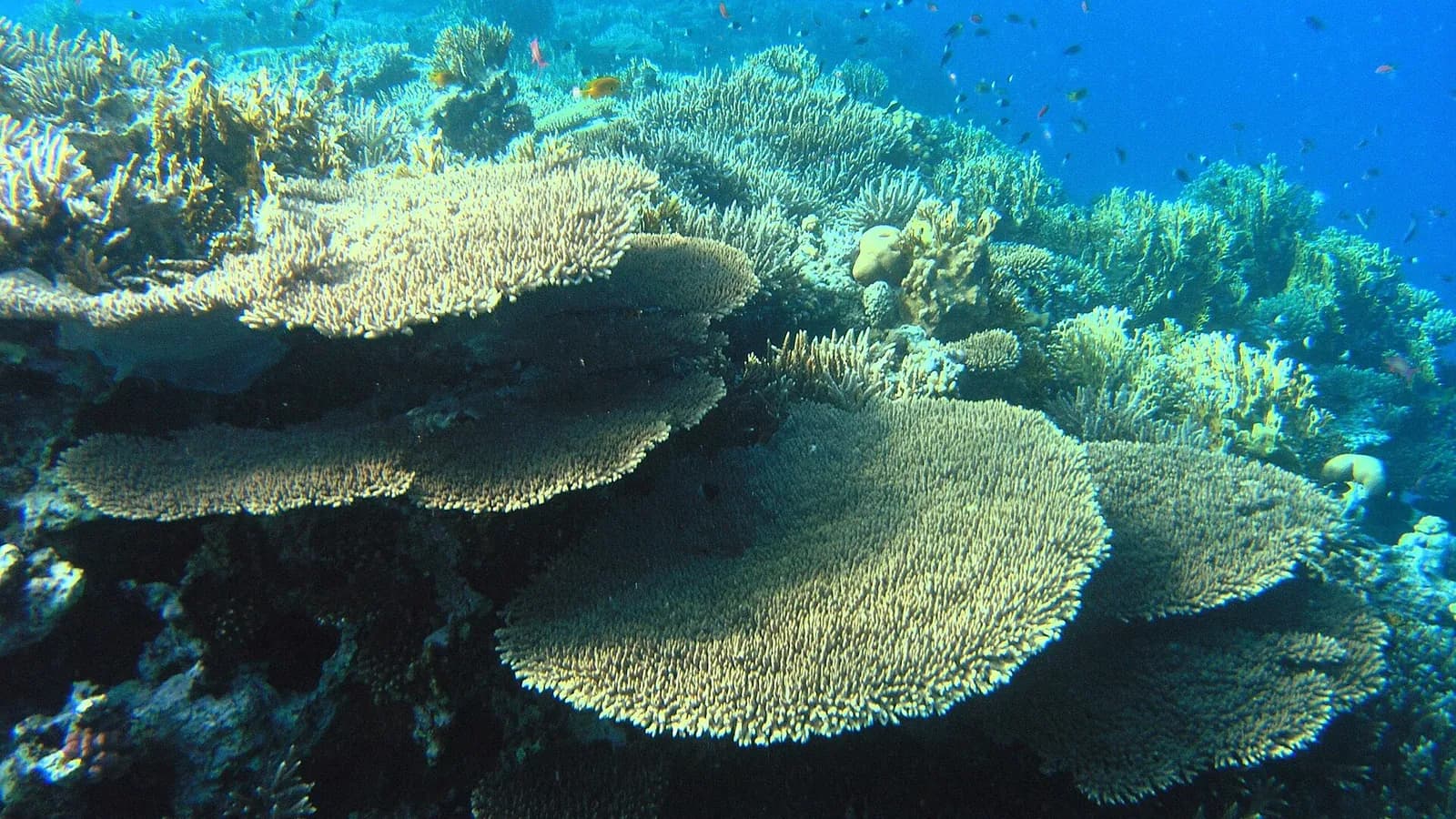
Tauchen in Hurghada (2026): die besten Tauchplätze, Pakete und Preise
Tauchen in Hurghada — die besten Riffe (Giftun, Careless Reef, Dolphin House), Schnuppertauchen oder PADI-Kurse, echte Preise 2026 aus über 160 Ausfahrten und die bestbewerteten Tauchgänge.
Von TiE Editors7 Min. Lesezeit
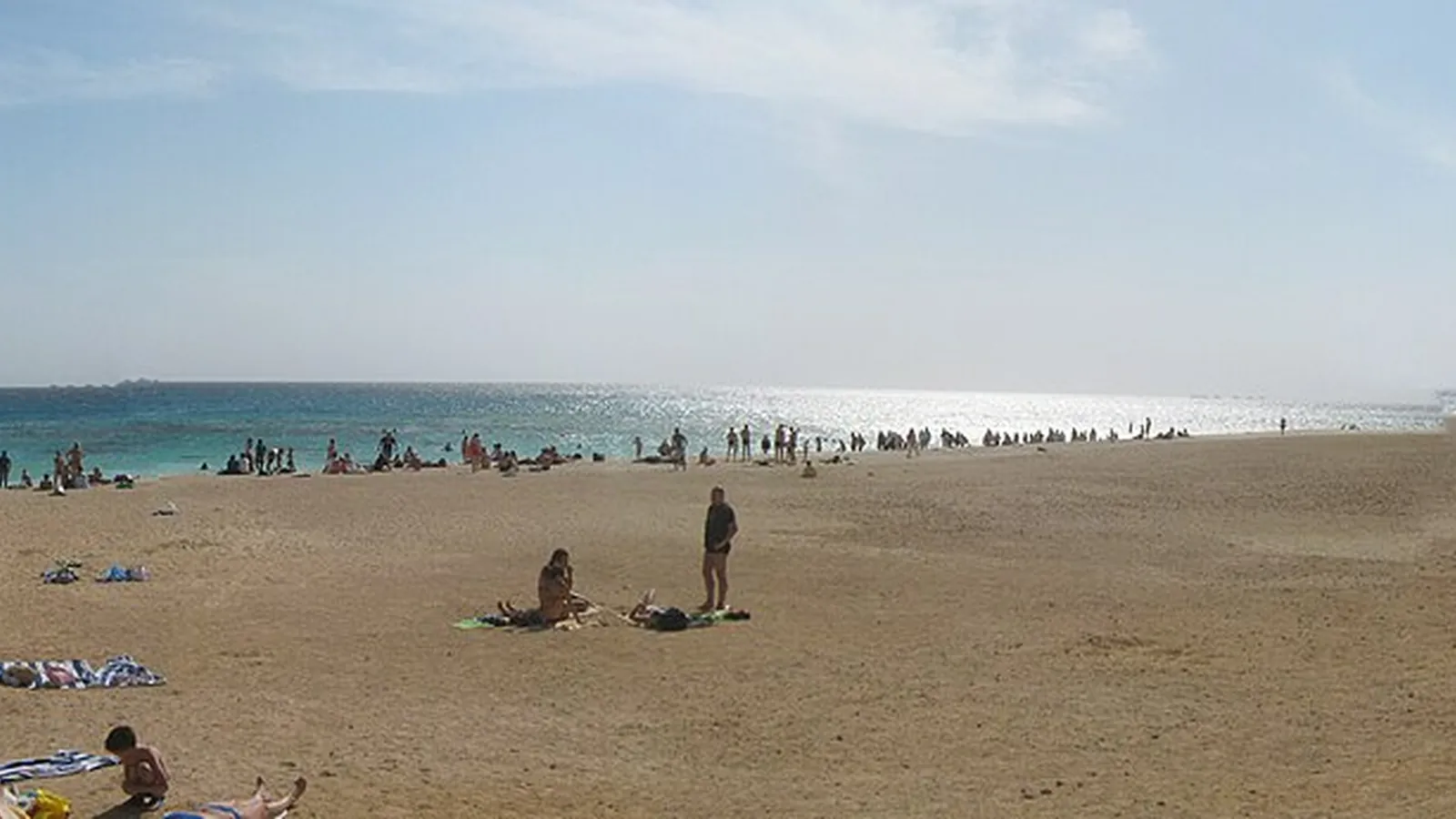
Schnorcheln in Hurghada (2026): die besten Riffe, Preise und wie du wählst
Die besten Riffe und Inseln zum Schnorcheln ab Hurghada — Orange Bay, Giftun, Dolphin House — mit echten Preisen 2026 aus über 880 buchbaren Ausflügen, plus Saison, Meereswelt und Tipps.
Von TiE Editors7 Min. Lesezeit
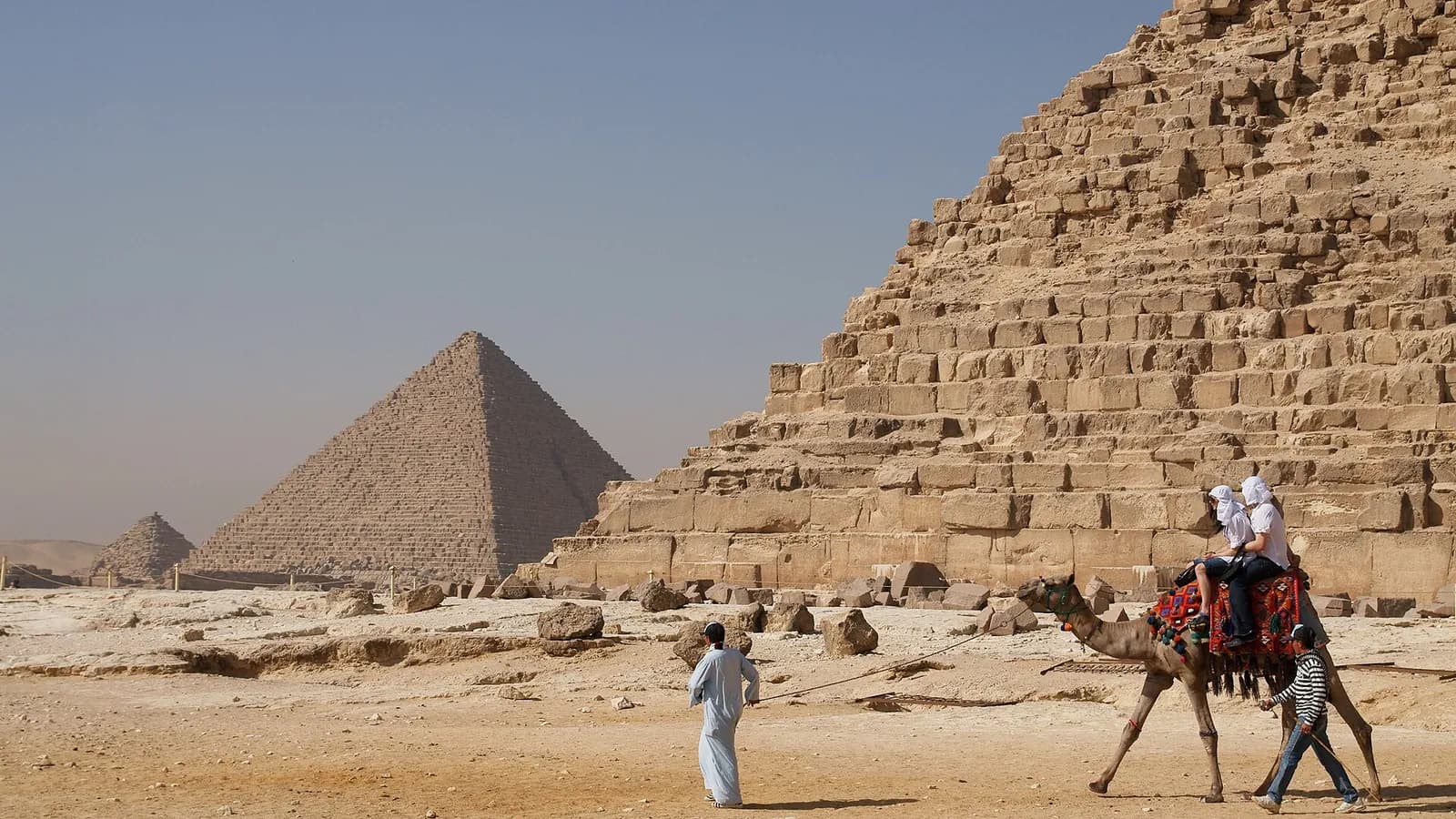
Ägypten-Tourpreise nach Aktivität (2026): Was jede Art wirklich kostet
Was jede Art von Ägypten-Erlebnis tatsächlich kostet – vom 1.700-EGP-Kamelritt bis zur 48.500-EGP-Nilkreuzfahrt – auf Basis von 29.710 echten buchbaren Touren über sieben Plattformen.
Von TiE Editors6 Min. Lesezeit