The Holy Family Trail in Egypt: Pilgrimage Guide
Follow the route of the Holy Family's flight into Egypt — 25 stations from Sinai to Assiut. The story, the churches and monasteries you can visit, and how to travel the pilgrimage today.
Quick answer: The Holy Family Trail is the route that Mary, Joseph and the infant Jesus are said to have taken when they fled into Egypt to escape King Herod — a journey Coptic tradition maps across some 25 stations and more than 2,000 kilometres, from the Sinai coast through the Nile Delta to Middle Egypt and back. Egypt has developed it into an official pilgrimage route, recognised by the Vatican, and you can follow all or part of it today.
This guide explains the story behind the trail, the stations you can actually visit, and how to travel it — whether you want the single most important stop in Coptic Cairo or the full pilgrimage down to Assiut.
The story: the flight into Egypt
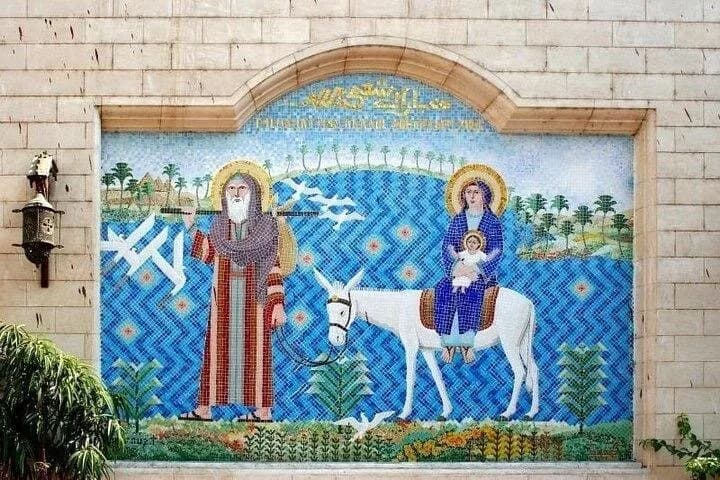
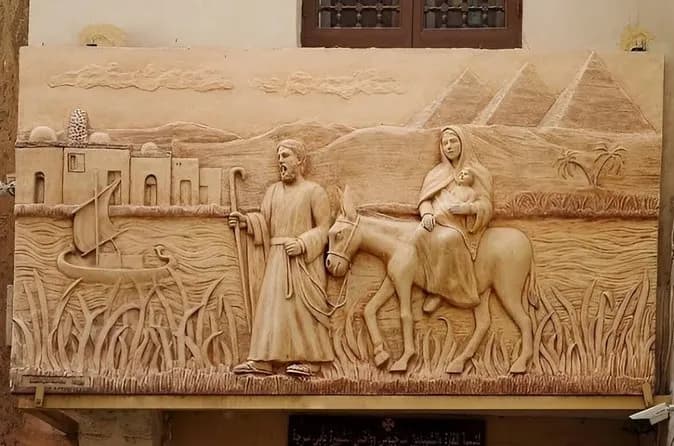
The Gospel of Matthew tells it briefly — an angel warns Joseph to "take the young child and his mother, and flee into Egypt" — but Coptic tradition fills in the itinerary in rich detail, drawing on a vision attributed to Pope Theophilus of Alexandria in the 4th century. By that tradition the family spent around three and a half years in Egypt, sheltering in caves and by wells, with springs said to have burst forth and trees bending to shade them along the way. Those miracle-sites became churches and monasteries, and the thread linking them is the trail.
For Egypt's Coptic Christians — the Middle East's largest Christian community — this is sacred geography, celebrated every 1 June as the Feast of the Entry of the Holy Family into Egypt.
The route in four stages
The trail runs roughly north to south and back. You don't have to do it in order or all at once; most travellers pick the accessible highlights.
| Stage | Region | Key stations you can visit |
|---|---|---|
| 1. Entry | Sinai & eastern Delta | Farma (Pelusium), Tell Basta, Mostorod, Belbeis |
| 2. The Delta | Central & western Delta | Samannud, Sakha (the footprint stone), Wadi El Natrun monasteries |
| 3. Cairo | Greater Cairo | Matariya (the Virgin's Tree), Zeitoun, Abu Serga in Old Cairo, Maadi |
| 4. Middle Egypt | Minya to Assiut | Gabal El-Tair, Al-Ashmunein, Deir El-Muharraq (the southernmost point) |
The essential stations for visitors
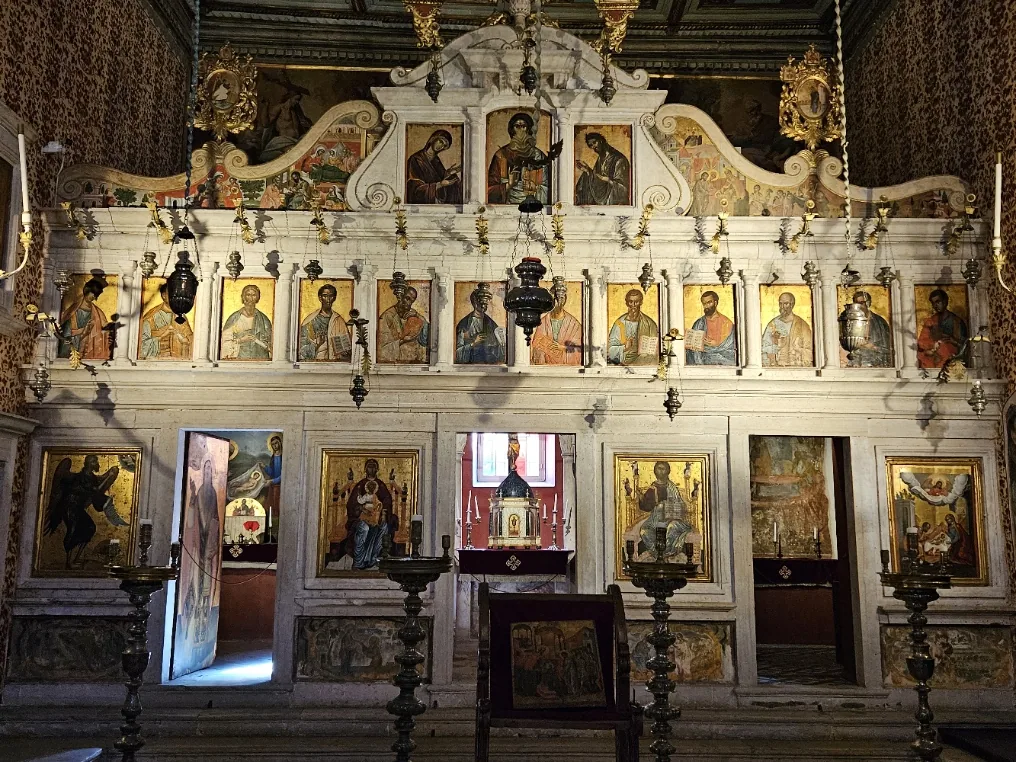 You could spend two weeks on the full pilgrimage. If you have less time, these are the stations with the most to see and the easiest access.
Abu Serga, Old Cairo
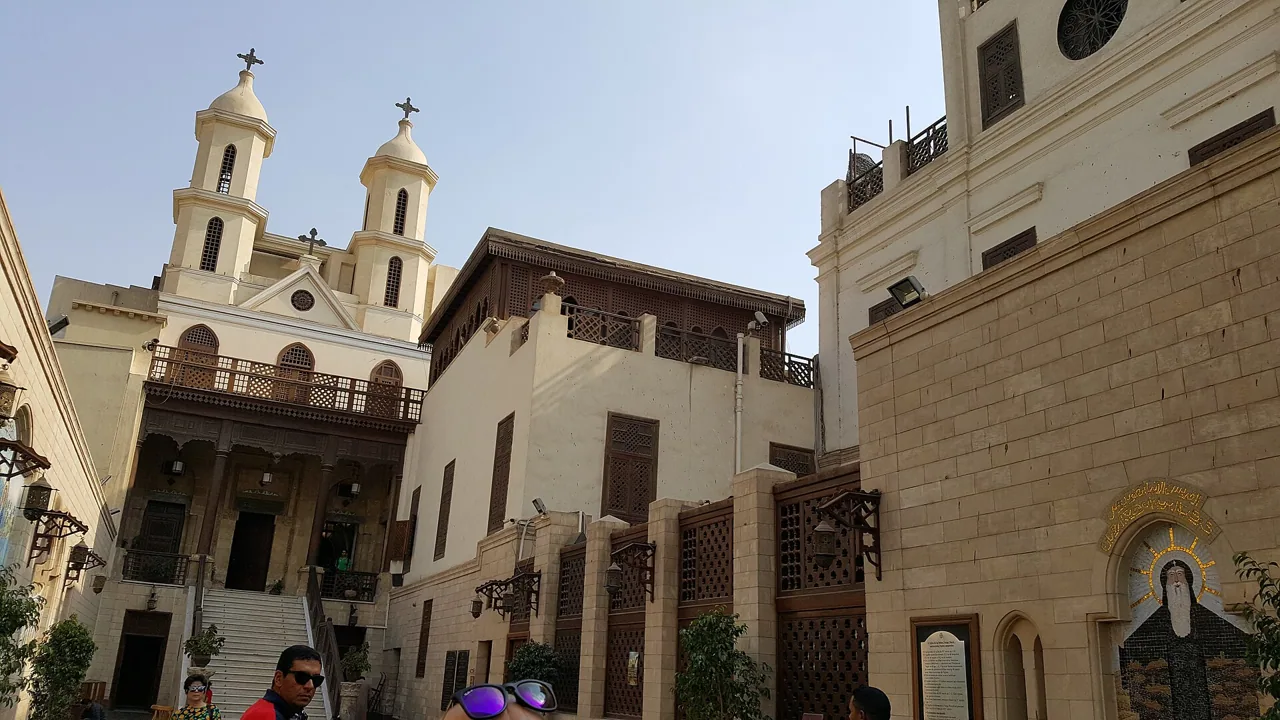 The spiritual heart of the trail for most visitors. Beneath the Church of St Sergius and Bacchus (Abu Serga) in Coptic Cairo is a crypt where the family is said to have sheltered — reachable in 20 minutes by metro from downtown. Combine it with the Hanging Church and the Coptic Museum for a half-day; it's all covered in our Coptic Cairo guide.
Matariya — the Virgin's Tree
In the northern Cairo suburb of Matariya (ancient Heliopolis) stands the Virgin's Tree, a gnarled sycamore descended, by tradition, from one that sheltered the family, beside a spring said to have sprung up for them. There's a small garden and chapel — a quiet, local-feeling stop away from the tour-bus circuit.
Maadi — where they took the boat
At the Church of the Virgin Mary in Maadi, on the Nile's edge, steps lead down to the river from which the family reputedly sailed south to Upper Egypt. An ancient Bible was said to wash ashore here open at a fitting verse. It's an easy stop in leafy Maadi, south of central Cairo.
Gabal El-Tair, Minya
Perched on a cliff above the Nile near Samalut, the Monastery of the Virgin at Gabal El-Tair ("Mountain of the Birds") is one of the oldest churches in Egypt, its sanctuary partly carved into the rock. It draws huge crowds during its August feast.
Deir El-Muharraq, Assiut
The Al-Muharraq Monastery at the foot of Mount Qusqam near Assiut marks the southernmost point of the journey, where tradition says the family stayed about six months — longer than anywhere else. Its ancient church holds an altar-stone revered as the spot where the infant Jesus rested. This is the great destination of the full pilgrimage, busiest during the feast in June.
Wadi El Natrun
Between Cairo and Alexandria, the desert monasteries of Wadi El Natrun — still home to communities of monks — are both a Holy Family station and the cradle of Christian monasticism. An easy detour on the Cairo–Alexandria desert road; pair with the Alexandria travel guide.
How to travel the trail
Do it with a guide or an organised pilgrimage. Several stations are in the Delta and Middle Egypt, well off the standard tourist track, where signage is Arabic-only and public transport is slow. A driver-guide or a dedicated Coptic-heritage tour turns a logistically fiddly route into a smooth one.
- Half a day: Abu Serga + the rest of Coptic Cairo — no special arrangements needed, reachable by metro.
- One day: add Matariya and Maadi for a Cairo Holy Family circuit.
- Two to three days: extend to Wadi El Natrun and down to Gabal El-Tair and Deir El-Muharraq in Middle Egypt, ideally by private car.
Assiut and Minya are reachable by train or domestic connections from Cairo, but a private vehicle is far more practical for the monasteries themselves.
When to go
The trail is a year-round journey, but the feast days transform it. The Feast of the Entry (1 June) and the summer feasts at Gabal El-Tair and Deir El-Muharraq draw enormous, moving crowds — extraordinary to witness, but book ahead and expect queues. For gentler weather and thinner crowds, the cooler months from October to April are ideal, the same window that suits the best time to visit Egypt generally. Note that many stations observe Coptic fasts and feasts on their own calendar; see our note on Egyptian culture and customs.
Practical tips
- Dress modestly — these are active monasteries and churches. Cover shoulders and knees; women carry a light scarf. See what to wear in Egypt.
- Entry is generally free, with donations welcome; the Coptic Museum in Old Cairo is the main ticketed site.
- Photography varies by site and is often restricted inside sanctuaries — ask first, and never photograph worshippers.
- Respect services. Sunday mornings and feast days are for worship first; go early or on weekdays if you're mainly sightseeing.
Plan your pilgrimage
The Holy Family Trail is one of Egypt's most distinctive journeys — a 2,000-kilometre thread of faith running right through the country's Christian heart. Start with the easy, unmissable stop in Coptic Cairo, then decide how far south to follow it. To travel the route with a guide who knows its churches and stories, browse cultural and historic tours in Cairo, or plan the wider trip with our Cairo travel guide and Egypt itinerary.
What's On in Egypt
Events in Cairo

Multimediality in Medieval Iranian Architecture: Stuccos, Wall Paintings and Tiles
Tahrir Cultural Center (AUC) · Downtown (Wust El Balad)

Talents Development Center Concert
Cairo Opera House · Zamalek

Ali El Haggar Concert
Cairo Opera House · Zamalek
A real team available 24/7 to assist you — free
Seif and the team reply on WhatsApp 24/7 — trip questions, custom plans and booking help.
Ask Seif on WhatsAppCommon questions
What is the Holy Family Trail in Egypt?
It's the pilgrimage route tracing the journey of Mary, Joseph and the infant Jesus during their flight into Egypt. Coptic tradition maps about 25 stations over 2,000+ kilometres, from Sinai through the Nile Delta to Middle Egypt, marked today by churches and monasteries.
Is the Holy Family Trail an official pilgrimage route?
Yes. Egypt has developed and signposted it as a formal religious-tourism route, and the Vatican recognised it as an official Christian pilgrimage in 2017. Egypt's Copts mark the Feast of the Entry of the Holy Family each 1 June.
Which is the most important Holy Family site to visit?
For most visitors it's the crypt beneath the Church of St Sergius and Bacchus (Abu Serga) in Coptic Cairo, where the family is said to have sheltered — easily reached by metro and combined with the rest of Old Cairo in a half-day.
How long does it take to follow the whole trail?
The full route from the Delta to Assiut and back needs about a week to two weeks. Most travellers do the Cairo highlights (Abu Serga, Matariya, Maadi) in a day, and add Wadi El Natrun and the Middle Egypt monasteries over two to three more days by private car.
What is the southernmost point of the Holy Family journey?
The Al-Muharraq Monastery (Deir El-Muharraq) at Mount Qusqam near Assiut, where tradition says the family stayed about six months — longer than anywhere else on the journey. Its altar-stone is especially venerated.
Can I visit the Holy Family Trail independently?
The Cairo stations (Coptic Cairo, Matariya, Maadi) are easy to do on your own. For the Delta and Middle Egypt monasteries, a driver-guide or organised pilgrimage is strongly recommended — they're off the tourist track with limited transport and Arabic-only signage.
When is the best time to travel the trail?
October to April for comfortable weather and thinner crowds. The feast days — 1 June and the summer feasts at Gabal El-Tair and Deir El-Muharraq — are spectacular but very crowded, so book ahead if you time your visit to them.
What should I wear and know before visiting?
Dress modestly with shoulders and knees covered; women should carry a scarf. Entry to the churches and monasteries is generally free with donations welcome. Photography is often restricted inside sanctuaries, and Sunday mornings and feast days are primarily for worship.
Book it on This is Egypt
Turn this guide into a trip

Egypt's bestsellers
The experiences travelers book most, across the country





Keep reading
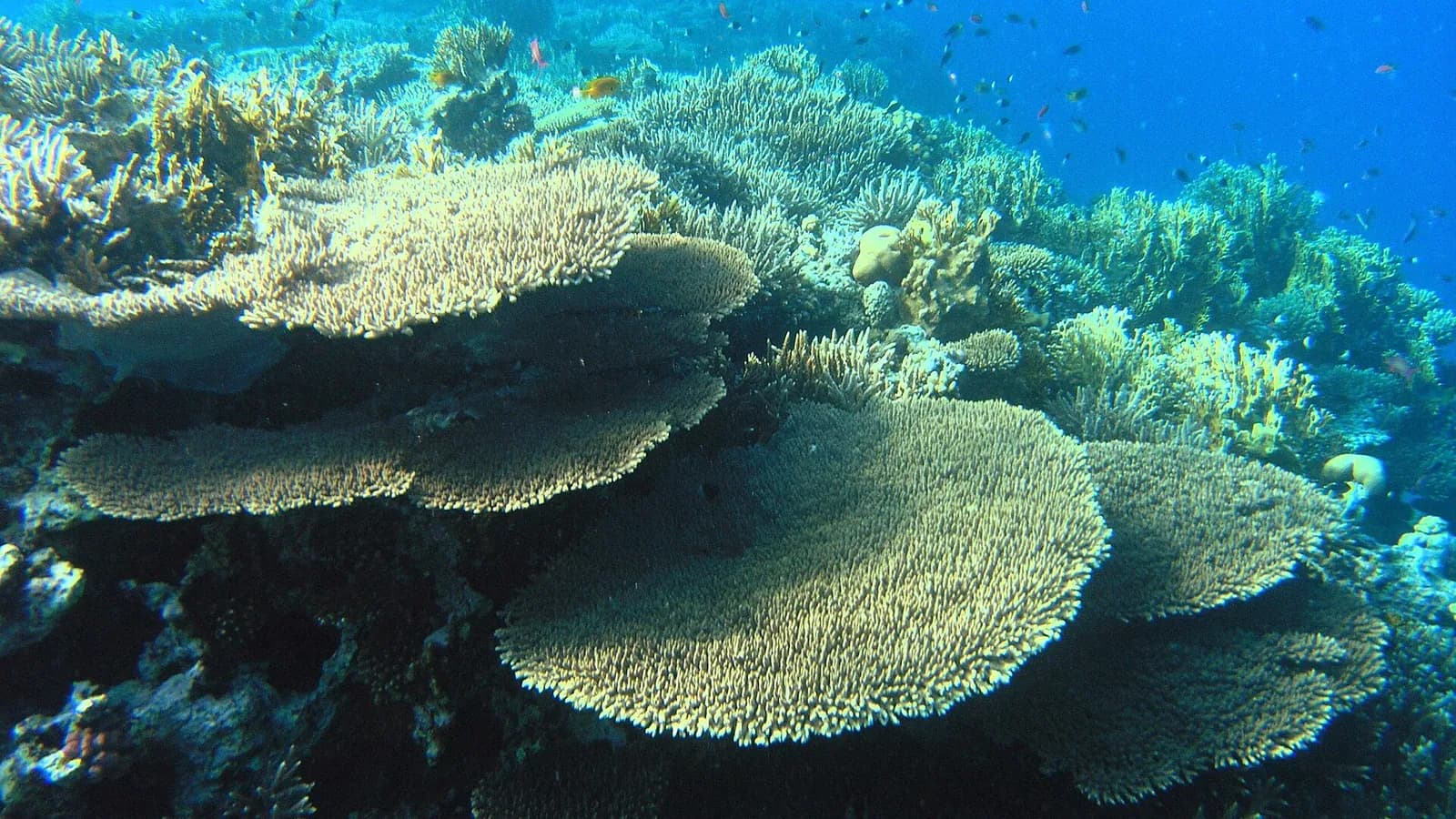
Hurghada Diving (2026): Best Sites, Packages & Prices
Diving in Hurghada — the best reefs (Giftun, Careless Reef, Dolphin House) and Abu Nuhas wrecks, Discover Scuba vs PADI courses, season and water temps, and real 2026 prices.
By TiE Editors7 min read
Hurghada Snorkeling Trips (2026): Best Reefs, Prices & How to Choose
Where to snorkel from Hurghada in 2026 — Orange Bay, Giftun, Mahmya, Utopia and Dolphin House — with boat types, marine life, month-by-month sea temperatures, family tips and real prices from 1,000+ bookable trips.
By TiE Editors7 min read
Egypt Tour Prices by Activity (2026): What Each Type Really Costs
What every type of Egypt experience costs — half day, full day or overnight — as a median and a mid-half range in US dollars, from 12,370 live bookable listings.
By TiE Editors6 min read