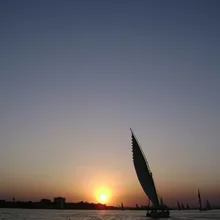
 Photo by Vbman1, via Wikimedia Commons, CC BY-SA 3.0
Alexandria Travel Guide: Egypt's Mediterranean City (2026)
Egypt's Mediterranean city, the modern Library, a fort built on the ruins of the ancient Lighthouse, Roman catacombs and faded Belle Époque cafés. A detailed guide and easy day trip from Cairo.
Book it on This is Egypt
Alexandria · Turn this guide into a trip



Quick answer: Alexandria is the Egypt that faces the other way. Founded by Alexander the Great in 331 BC and once the intellectual capital of the ancient world, home to the legendary Great Library and the Pharos Lighthouse, today's "Alex" trades desert for sea spray and pharaonic temples for Greco-Roman ruins and faded Belle Époque grandeur. It is an easy day trip from Cairo and a genuine change of register, the one Egyptian city where the Mediterranean, not the Nile, sets the mood. If you have two days in Cairo and want a third that feels nothing like the first two, this is where to spend it.
Why visit Alexandria
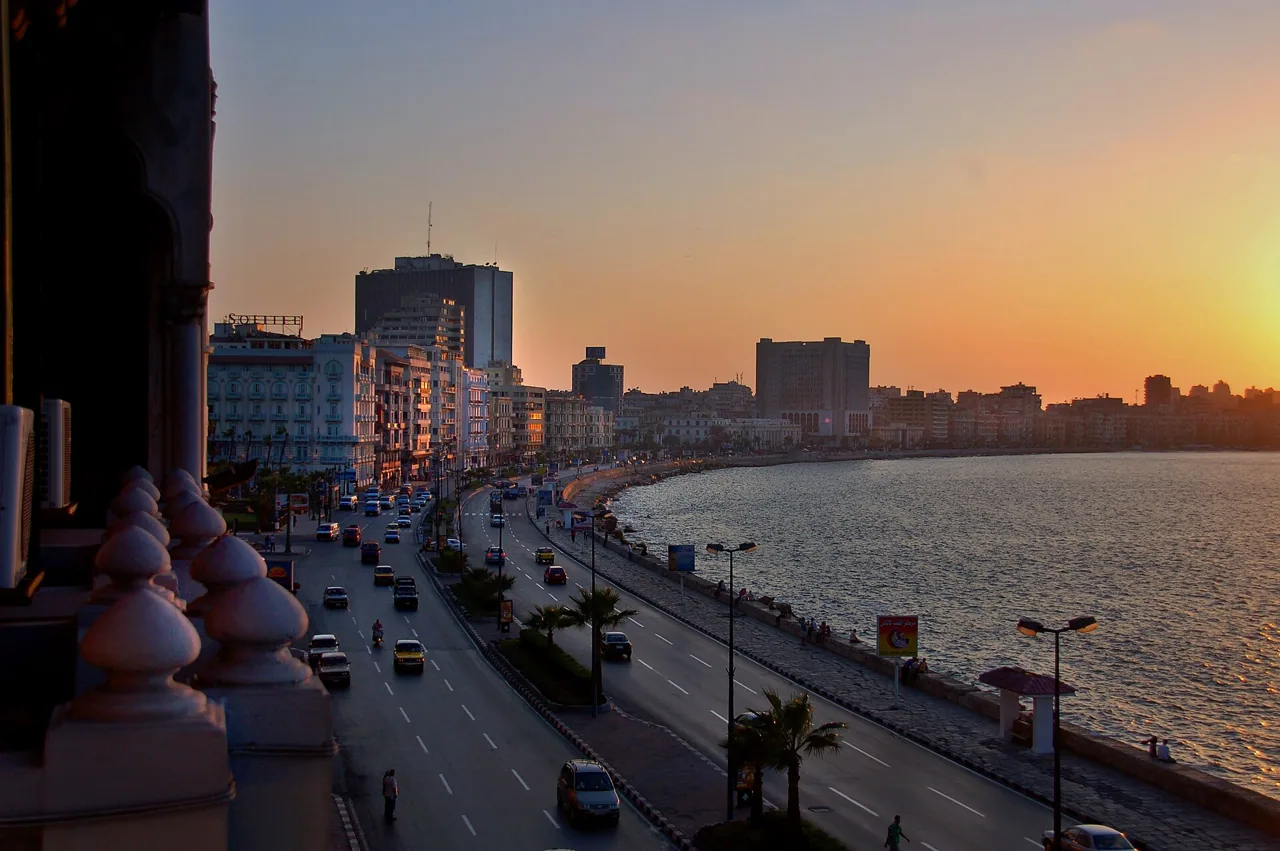 Most travellers meet Egypt through pyramids, temples and desert heat. Alexandria offers the opposite: a long, curving seafront, salt in the air, and a light that changes the moment you arrive off the train. This is Egypt's second city and its "Summer Capital," a place Egyptians themselves escape to when Cairo bakes. The pharaonic monuments are almost entirely absent here. Instead you get the classical world layered under a modern port city, tram lines rattling past crumbling Italianate facades, and a café culture with roots in the city's cosmopolitan Greek, Italian and Levantine past. It is scruffier and less polished than the tourist trail expects, and that is exactly the appeal. Alexandria feels lived-in rather than curated. The pace is slower, the temperature is usually several degrees cooler than the capital thanks to the sea breeze, and the crowds that pack Giza thin out to almost nothing among the city's Roman ruins. For anyone doing a longer Egypt trip who wants a breather from monuments and heat, a day or two here works as a palate cleanser.
Bibliotheca Alexandrina
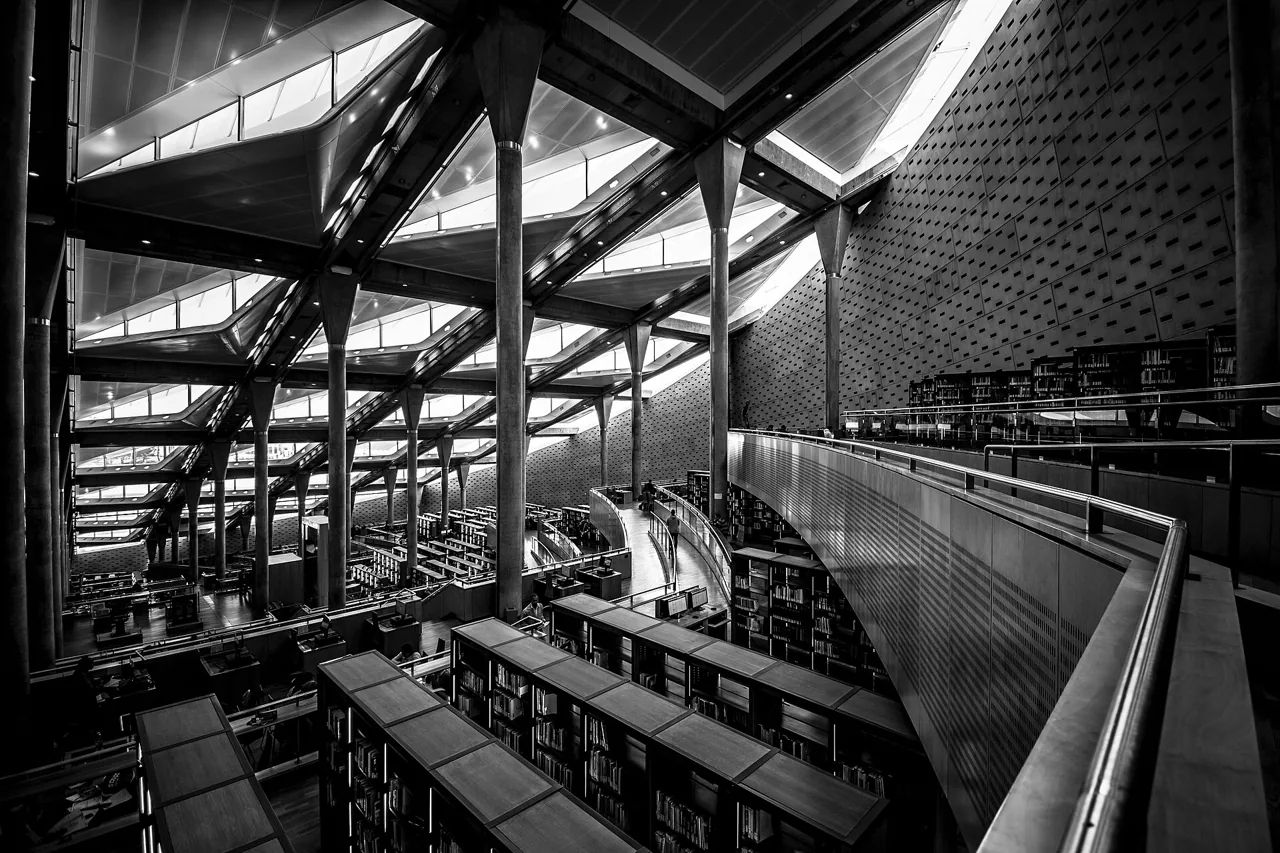 The city's must-see is a deliberate act of revival. Opened in 2002 beside the eastern harbour, the Bibliotheca Alexandrina is a vast tilted glass-and-granite disc, its outer skin carved with the scripts of the world, designed to evoke a second sun rising from the sea and to reclaim the spirit of the lost ancient library. Inside, the cascading main reading room seats thousands across eleven terraced levels, and there are antiquities, manuscript and science museums, plus a planetarium. Even if you never open a book, the architecture alone justifies the visit. Non-Egyptian entry runs roughly 150 EGP for the main library, or about 300 EGP for a combined ticket that adds the Antiquities and Manuscripts museums; the planetarium is ticketed separately. It is closed on Fridays and keeps shorter hours on weekends, so build your day around a weekday visit if you can.
Qaitbay Citadel and the ghost of the Lighthouse
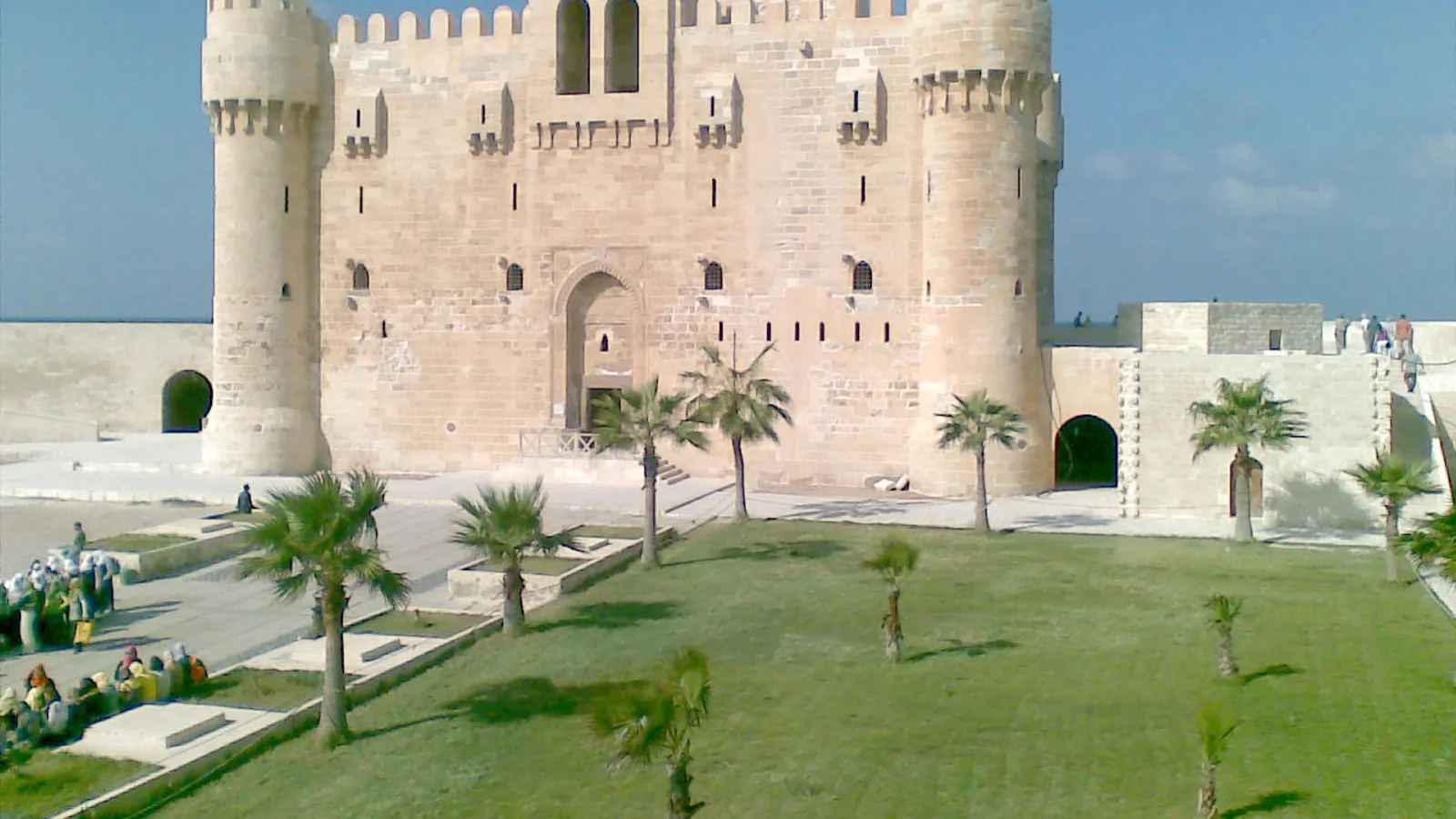
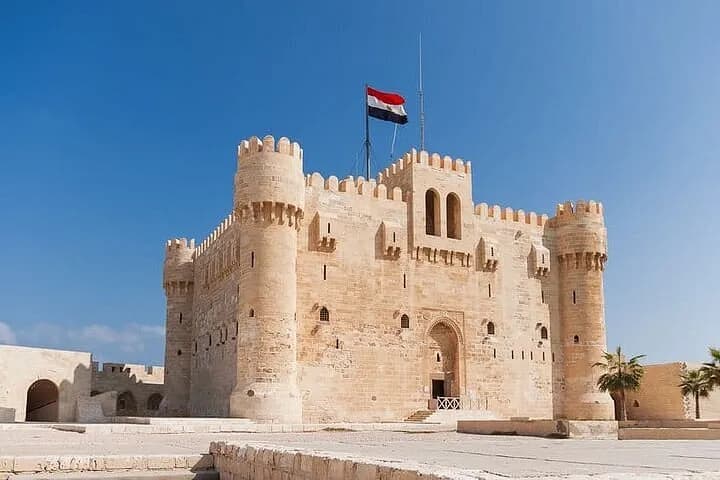
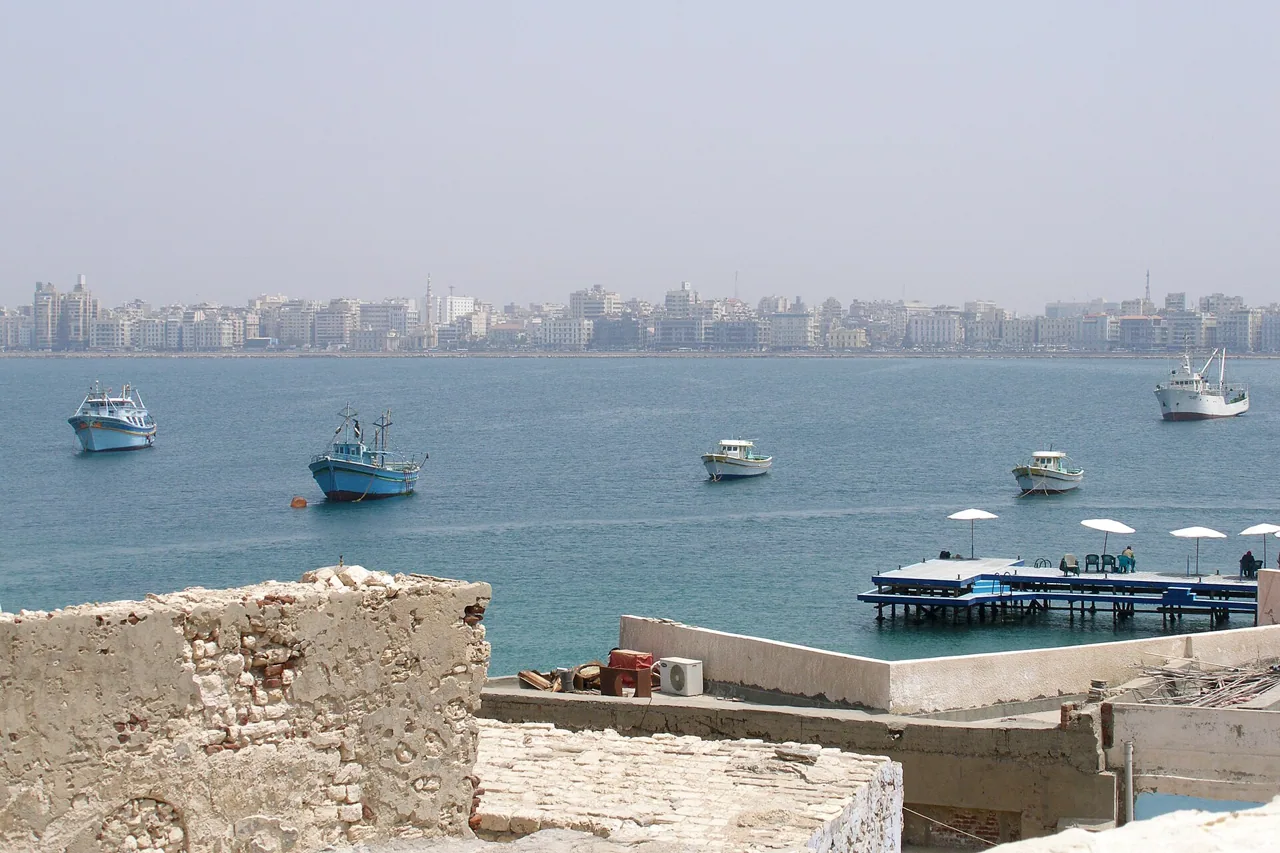 On the tip of the eastern harbour stands the Citadel of Qaitbay, a compact 15th-century fort built in 1477 on the exact spot, and partly from the tumbled limestone, of the Pharos of Alexandria, the ancient Lighthouse and one of the Seven Wonders of the World, finally toppled by medieval earthquakes. The seafront walk out to it, past fishermen and spray, is the most Mediterranean thing you will do in Egypt, and the views back over the curving Corniche are superb at golden hour. The fort itself is quick to tour; the real reward is the setting and the sense of standing where one of antiquity's great structures once threw its light out to sea.
Roman Alexandria underground
The city's classical layer is best felt below ground at the Catacombs of Kom el-Shoqafa, a haunting multi-level 2nd-century AD necropolis where Egyptian gods and Roman togas share the same carved walls, reached by a spiral staircase that winds around a central shaft once used to lower the dead. It is one of the strangest, most atmospheric sites in the country, a genuine blend of two civilisations frozen in stone. Nearby stand the Roman Amphitheatre at Kom el-Dikka, the only one of its kind in Egypt, with thirteen tiers of marble seating and mosaic floors still in place, and Pompey's Pillar, a lone red-granite column nearly 27 metres tall that once marked the great temple of Serapis. Together these three sites form Alexandria's Greco-Roman core and can be seen in a single focused morning.
The Greco-Roman Museum
For context on everything above, the Greco-Roman Museum reopened in October 2023 after an eighteen-year restoration and is once again the finest collection of its kind in Egypt. Spread across 27 halls, it displays some 6,000 objects, coins, sculpture, mosaics and mummies from the era when Alexandria was a Greek-ruled, Roman-administered metropolis. If the catacombs and amphitheatre leave you wanting to understand who these people were, this is where the story is told.
Palaces, gardens and Belle Époque charm
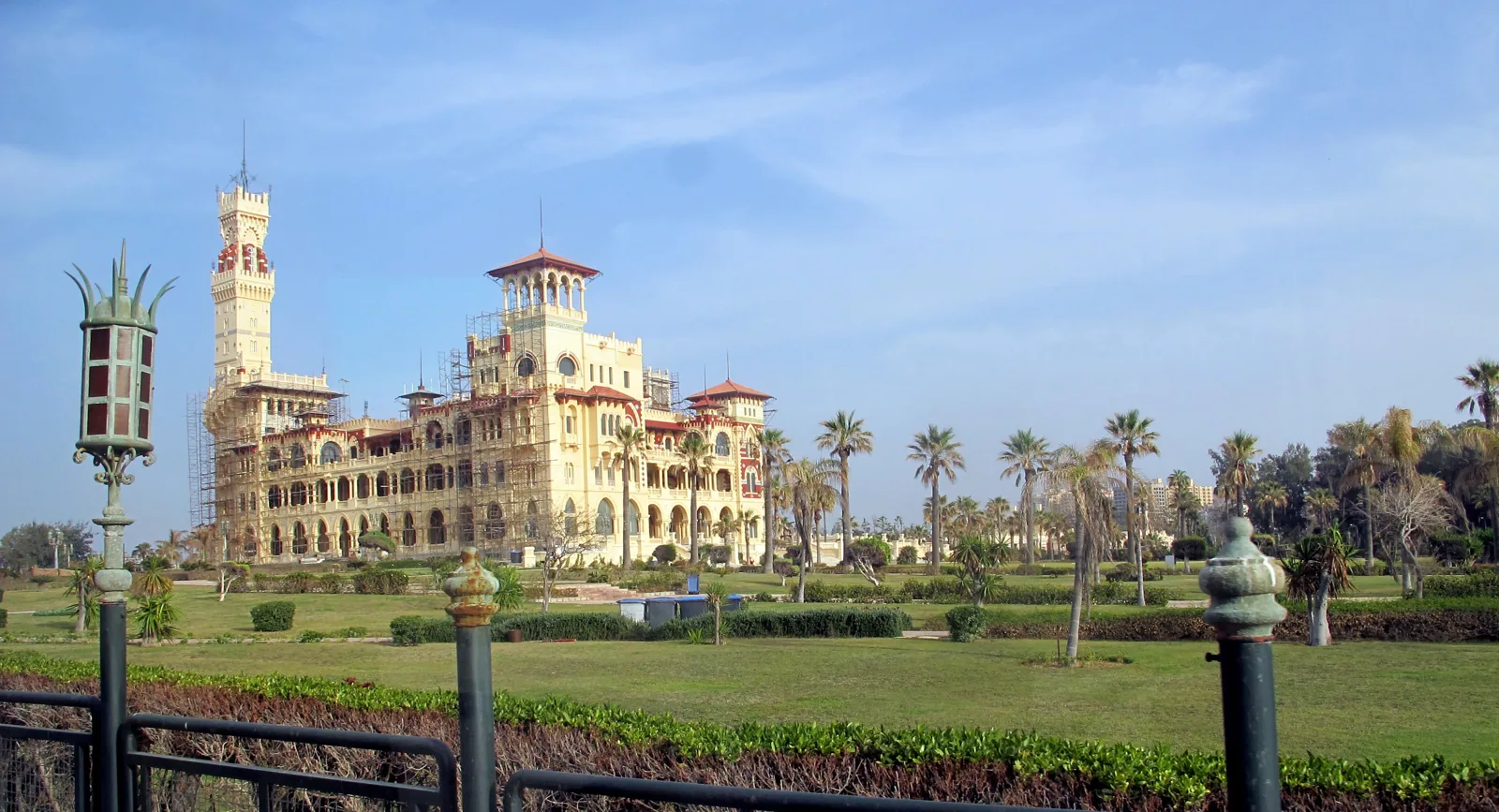 Alexandria's real pleasure is its atmosphere of romantic decline. Stroll the Montazah Palace gardens, a huge royal park of pines, palms and a Florentine-style palace built as a summer retreat for the last of Egypt's kings, perched above its own private beach. Walk the long seafront Corniche that ties the whole city together, and take coffee in a faded grand café like the century-old Trianon or Délices. This is the cosmopolitan, Greek-and-Italian-flecked city that the poet Cavafy and the novelist Lawrence Durrell immortalised; Cavafy's apartment is now a small, moving museum, and the secondhand bookstalls along the corniche still carry the ghost of literary Alexandria. Give yourself an aimless hour here. Alexandria rewards wandering more than it rewards ticking off sights.
Where and what to eat
This is Egypt's seafood capital, and eating well here is half the reason to come. In the Anfoushi district near the citadel you can pick your fish from the catch of the day laid out on ice and have it grilled or fried to order, priced by weight. The city's old fish houses serve sayadeya (spiced fish baked over rice with caramelised onions), fresh prawns, calamari and grilled bream at a fraction of European prices. Institutions like Kadoura, Balbaa and Samakmak are the names locals will point you to. Finish, as Alexandrians do, with a sweet from a historic patisserie or a scoop from an old Italian-style gelateria along the seafront. Prices are gentle by international standards, and a lavish seafood lunch for two often costs less than a mid-range Cairo dinner. Come hungry, and let the waiter steer you toward whatever came off the boat that morning.
Getting there from Cairo
Alexandria sits about 220 km northwest of Cairo, and the trip takes roughly 2.5 to 3 hours by any method. The train is the classic choice: dozens of departures a day from Cairo's Ramses Station, with comfortable air-conditioned first- and second-class cars and reserved seats. It is cheap, scenic in a flat-delta way, and drops you in the heart of the city near the corniche. A private car or driver costs more but gives you door-to-door flexibility and is worth it if you are short on time or travelling as a group. Many visitors simply take an organised day tour that bundles transport, driver and the main sites into one seamless day. For the full breakdown of options, times and fares, see the Cairo to Alexandria day trip guide.
Day trip vs staying overnight
A long day trip absolutely works and is how most people see Alexandria: an early train up, the Bibliotheca, catacombs, Pompey's Pillar, Qaitbay and a seafood lunch, then back to Cairo by evening. It is tight but satisfying. Staying one night, though, transforms the visit. It lets you slow down for the café culture, catch the citadel and corniche at golden hour, eat a proper unhurried seafood dinner, and wander Montazah or the Greco-Roman Museum without watching the clock. If Alexandria is the only coastal stop on your trip, the overnight is the version to choose.
Best time to visit
Alexandria is pleasant for most of the year, but spring (March to May) and autumn (September to November) are the sweet spot, with mild sea air and comfortable daytime temperatures in the mid-20s Celsius. Summer (June to August) is when Egyptians flood the city and its beaches, so it is lively but crowded and humid. Winter is the wild card: cooler, often grey, and prone to Mediterranean storms that can whip the corniche with rain and wind, which some travellers find bleak and others find wonderfully atmospheric. There is no bad time, only different moods.
How long you need
One full, well-planned day covers Alexandria's headline sights. An overnight, ideally two days and one night, is the comfortable version that adds the food, the cafés and the slow seafront. You will not need more than two days unless you are settling in to write your own Alexandria Quartet.
Practical tips
Wear comfortable shoes; the city is best explored on foot and by its charming old trams. Carry cash, as many cafés, fish markets and smaller sites are cash-only. Dress modestly at the citadel and museums, as you would across Egypt. Book train tickets a day or two ahead in peak summer. And keep your plans loose: Alexandria's charm is cumulative and atmospheric, not a checklist. Pair it with a Cairo base and slot it into a wider trip using the Cairo travel guide and the broader Egypt travel guide. When you are ready to book, browse Alexandria tours and experiences or search all Egypt experiences to build the perfect day by the sea.
A real team available 24/7 to assist you — free
Seif and the team reply on WhatsApp 24/7 — trip questions, custom plans and booking help.
Ask Seif on WhatsAppCommon questions
Is Alexandria worth visiting?
Yes, especially as a change of pace. Alexandria offers Mediterranean sea air, the striking modern Bibliotheca Alexandrina, the Qaitbay Citadel on the ancient Lighthouse's site, the Roman Catacombs of Kom el-Shoqafa, some of Egypt's best fresh seafood and a faded Belle Époque charm found nowhere else in the country.
Can you visit Alexandria as a day trip from Cairo?
Yes. It's about 2.5 to 3 hours each way by frequent train or private car, so a long day trip covering the main sites is very doable. Staying one night lets you enjoy the seafront, seafood and café culture at a slower pace and catch the citadel at golden hour.
What was Alexandria famous for in ancient times?
Founded by Alexander the Great in 331 BC, it was home to the Great Library, the ancient world's greatest centre of learning, and the Pharos Lighthouse, one of the Seven Wonders of the World, which stood where the Qaitbay Citadel is today. It was the capital of Greco-Roman Egypt.
How many days do you need in Alexandria?
One full day covers the Bibliotheca Alexandrina, Qaitbay Citadel, the catacombs, Pompey's Pillar and the Corniche. An overnight (two days, one night) adds the seafood, café culture, Montazah gardens and the Greco-Roman Museum at a relaxed pace. More than two days is rarely needed.
How do you get from Cairo to Alexandria?
The train is the classic option: dozens of comfortable air-conditioned departures a day from Cairo's Ramses Station, taking about 2.5 to 3 hours and dropping you near the seafront. A private car or driver offers door-to-door flexibility, and organised day tours bundle transport and sightseeing into one day.
What is the best time to visit Alexandria?
Spring (March to May) and autumn (September to November) are ideal, with mild sea air and comfortable temperatures. Summer is lively but hot, humid and crowded with Egyptian holidaymakers, while winter is cooler and prone to atmospheric Mediterranean storms.
What food is Alexandria known for?
Alexandria is Egypt's seafood capital. In the Anfoushi district you can pick your fish from the day's catch and have it grilled by weight. Local specialities include sayadeya (spiced fish baked over rice), fresh prawns, calamari and grilled bream, best enjoyed at famous fish houses like Kadoura, Balbaa or Samakmak.
Is the Bibliotheca Alexandrina the ancient Library?
No. The ancient Great Library was lost in antiquity. The modern Bibliotheca Alexandrina opened in 2002 as a deliberate revival of that legacy, a striking tilted glass-and-granite building beside the eastern harbour housing reading halls, museums and a planetarium. Its architecture alone is worth the visit.
Book it on This is Egypt
Turn this guide into a trip


Egypt's bestsellers
The experiences travelers book most, across the country




Keep reading
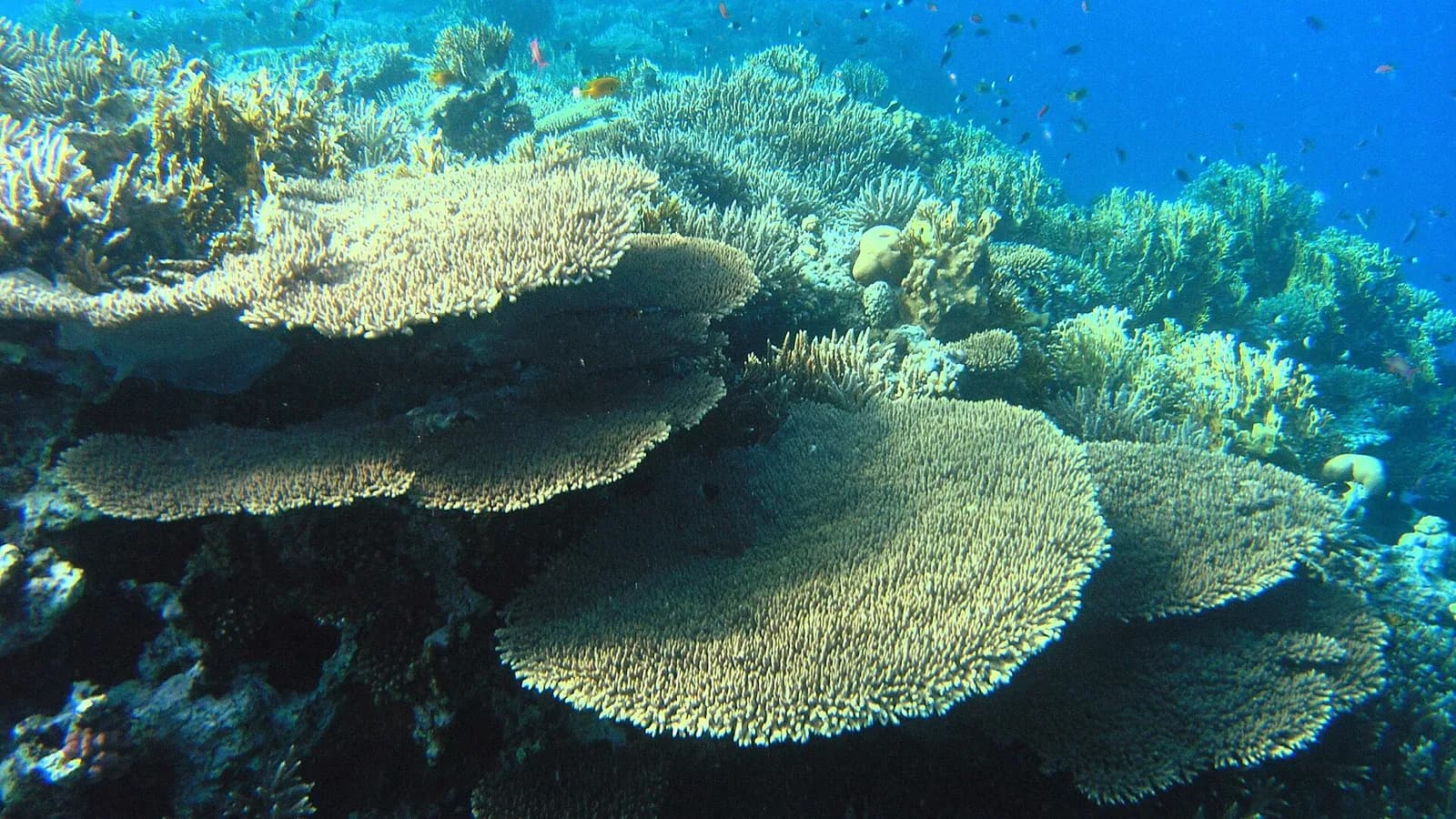
Hurghada Diving (2026): Best Sites, Packages & Prices
Diving in Hurghada — the best reefs (Giftun, Careless Reef, Dolphin House) and Abu Nuhas wrecks, Discover Scuba vs PADI courses, season and water temps, and real 2026 prices.
By TiE Editors7 min read
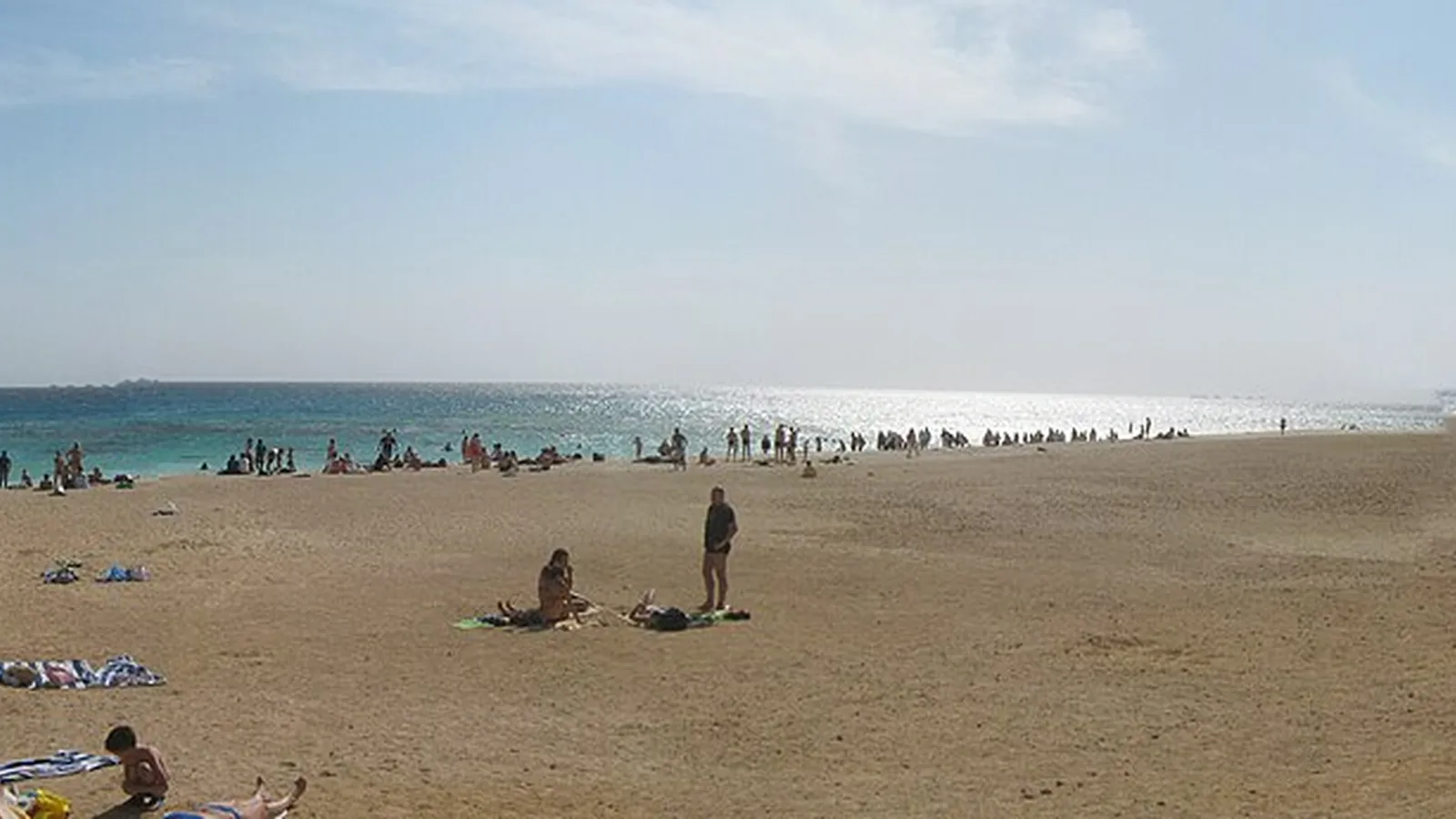
Hurghada Snorkeling Trips (2026): Best Reefs, Prices & How to Choose
Where to snorkel from Hurghada in 2026 — Orange Bay, Giftun, Mahmya, Utopia and Dolphin House — with boat types, marine life, month-by-month sea temperatures, family tips and real prices from 1,000+ bookable trips.
By TiE Editors7 min read
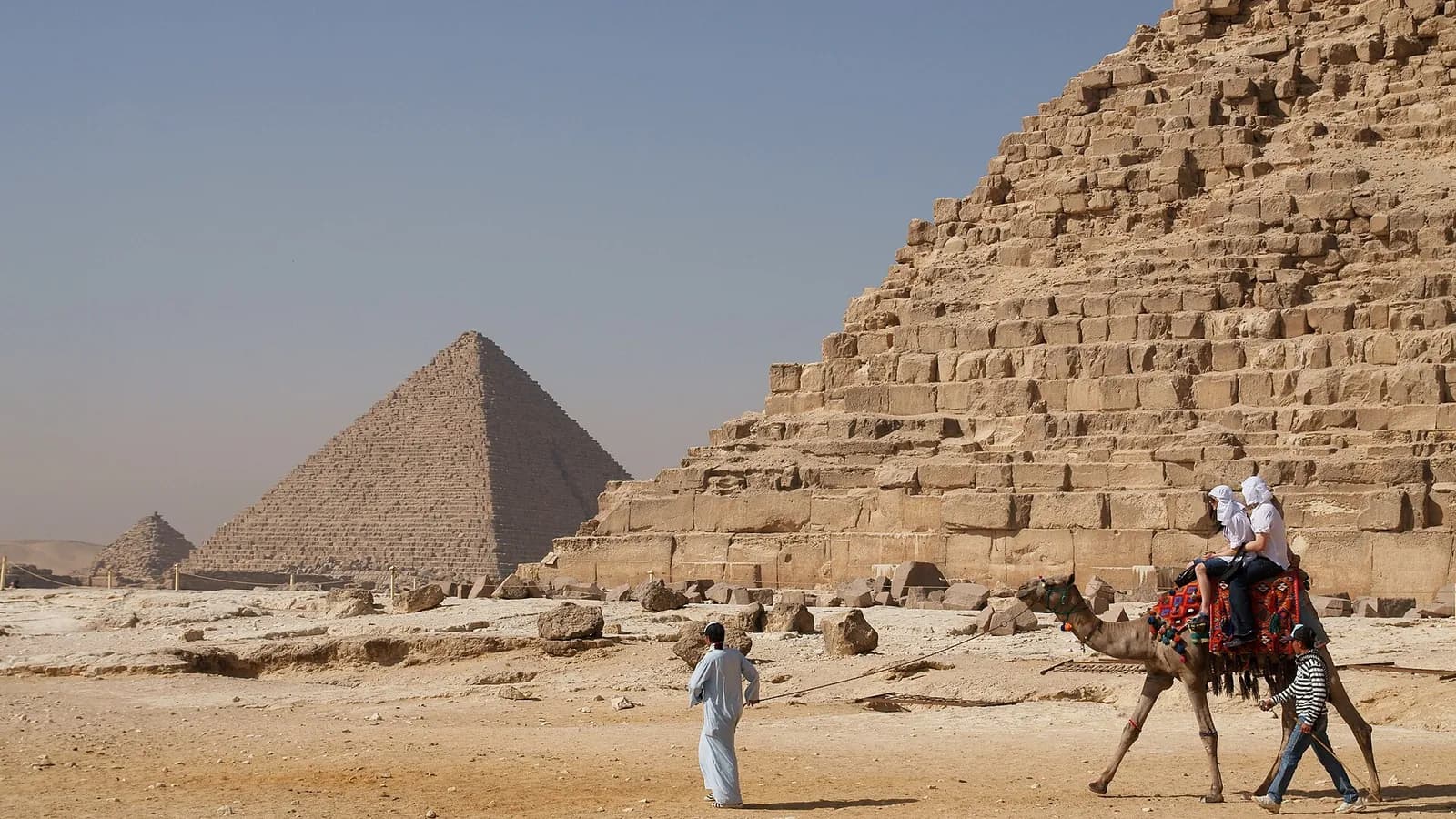
Egypt Tour Prices by Activity (2026): What Each Type Really Costs
What every type of Egypt experience actually costs — from a 1,700 EGP camel ride to a 48,500 EGP Nile cruise — based on 29,710 real bookable tours across seven platforms.
By TiE Editors6 min read