
 Photo by Foua42000, via Wikimedia Commons, CC BY-SA 4.0
Egypt Street Food Guide: What to Eat & Is It Safe?
Koshari, taameya, ful, hawawshi and more — what to eat on Egypt's streets, where to find the best, rough prices in EGP, and how to eat it safely.
Quick answer: Egyptian street food is cheap, fast, meat-optional and woven into daily life — you can eat brilliantly for the price of a coffee back home. The essentials are koshari (the national rice-pasta-lentil bowl), taameya (fava-bean falafel) and ful medames stuffed into fresh baladi bread, hawawshi (spiced meat baked into dough), shawarma, and flaky feteer, washed down with fresh sugarcane juice or ruby-red karkade. Eat where the queue is long and the food comes out hot, drink bottled water, and you'll be fine. A full street meal rarely tops 100 EGP (about US$2).
Most of this is Cairo-centric — the capital is Egypt's street-food heartland — but you'll find the same carts and holes-in-the-wall in Alexandria, Luxor and Aswan. This is the vendor-level companion to our Egyptian food guide and our roundup of where to eat in Cairo; here we stay on the pavement.
What is a must eat in Egypt?
If you eat only one thing in Egypt, make it koshari - the rice, macaroni and lentil bowl that is the national dish - and after that work through the street classics below. The must-eats, ranked:
- Koshari - rice, macaroni and brown lentils topped with spiced chickpeas, tomato sauce and crisp fried onions, finished at the table with garlicky vinegar and chilli sauce; the national dish, vegan by default, about 25-60 EGP a bowl.
- Ful medames - fava beans slow-simmered overnight and mashed with olive oil, lemon, cumin and garlic; Egypt's breakfast, eaten with baladi bread.
- Taameya - Egyptian falafel made from skinned fava beans, bright green inside, rolled in sesame seeds and fried to order, stuffed into baladi bread with tahina, salad and pickles.
- Hawawshi - spiced minced beef or lamb with onion, chilli and parsley, baked inside baladi dough until the bread crisps; best hot from a wood-fired oven.
- Feteer meshaltet - paper-thin dough folded dozens of times with ghee into a flaky pastry, served savoury (cheese, minced meat, egg) or sweet (honey, powdered sugar, syrup).
- Shawarma - marinated chicken or beef shaved off a vertical spit and wrapped with garlic sauce, tahina or pickles.
- Eish baladi - the puffy whole-wheat flatbread that is wrapper, scoop and spoon for everything else, sold warm off roadside racks for next to nothing.
- The cart snacks - roasted sweet potato (batata) and grilled corn (dura mashwi) in the cooler months, and cones of termis (lupini beans) and roasted seeds (lib) all year.
Each dish is covered in detail below, with a price cheat sheet. For the sit-down classics you will not find on a cart - molokhia, mahshi, fattah - see our Egyptian food guide.
What is the most famous Egyptian food?
Koshari is the most famous Egyptian food: a bowl of rice, macaroni and lentils topped with chickpeas, fried onions and tomato sauce, with garlicky vinegar and chilli added to taste, widely called Egypt's national dish and sold everywhere from carts to dedicated koshari houses such as Abou Tarek in downtown Cairo. Its lentil-and-grain base descends from a Pharaonic dish, while the tomato-and-pasta version is a 19th-century layering of Italian, Indian and Egyptian influences.
The dishes you have to try
Koshari — the national dish
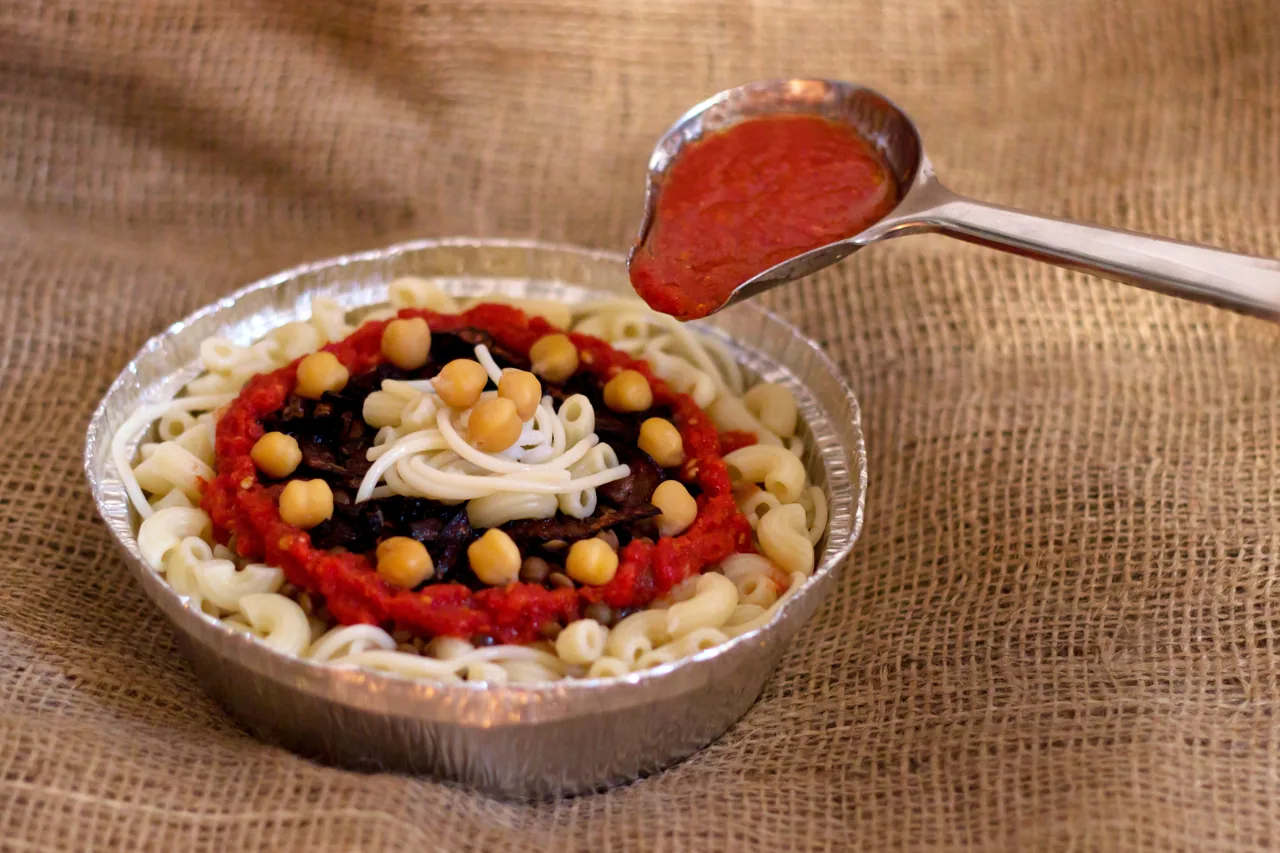 If you eat one thing, make it koshari. It's a carb-on-carb bowl — rice, macaroni and brown lentils layered together, topped with spiced chickpeas, a tangy tomato sauce, a crown of crisp fried onions, and two things you add yourself: garlicky vinegar (da'a) and chilli sauce (shatta). It started as a poor man's dish assembled from whatever grains and beans were around, and it's still Egypt's great equaliser — students, ministers and taxi drivers all eat it. It's also entirely vegan by default, which makes koshari the single most useful dish for plant-based travellers in Egypt.
The lentil-and-rice combination has genuinely ancient roots. Egyptologists trace the dish's lineage back to a Pharaonic ancestor built on lentils, chickpeas and grains cooked together in clay pots — lentils have been found in Egyptian tombs dating to around 2000 BC, and the pairing of pulses with grain has fed Egyptians for five millennia. The modern tomato-and-pasta version is a 19th-century layering of Italian, Indian and Egyptian influences, but the bones of it are as old as the pyramids.
Ful medames and taameya — breakfast, ancient and daily
Ful medames — fava beans slow-simmered overnight, then mashed at the cart with olive oil, lemon, cumin and garlic — is Egypt's breakfast, eaten with baladi bread by tens of millions of people every morning. Taameya is Egypt's falafel, and it's better than the chickpea kind you know: made from skinned fava beans, bright green inside, rolled in sesame seeds and fried to order. Get it stuffed into a pocket of warm baladi bread with tahina, salad and pickles for a sandwich that costs almost nothing.
Both belong to the same deep tradition. Ancient Egyptians ate a largely plant-based diet — bread, beans, lentils, onions and vegetables were the staples of rich and poor alike, with meat a luxury reserved for pharaohs and the wealthy. When you eat ful and taameya off a Cairo cart, you're eating close to what the workers who built the pyramids ate, right down to the bread.
Baladi bread — the plate, the spoon, the staple
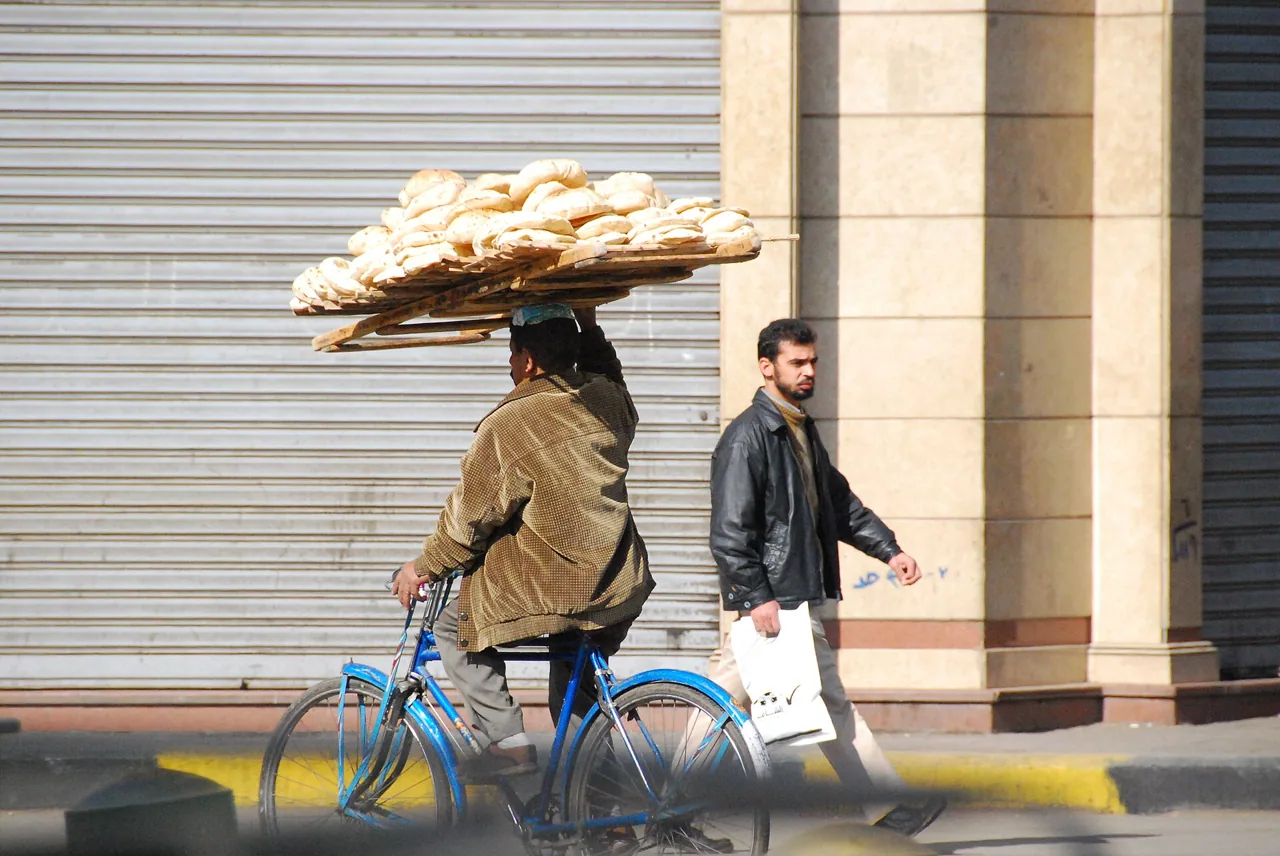 Egyptian eish baladi is a puffy, chewy whole-wheat flatbread, blistered in fierce ovens and often sold warm off a rack by the roadside. "Eish" literally means "life" in Egyptian Arabic — the word tells you how central bread is here. It's a modern descendant of the emmer-wheat bread ancient Egyptians baked, and it still does the same jobs: wrapper for taameya, scoop for ful, edible spoon for anything with sauce. It's heavily subsidised, so it's almost free, and it's everywhere.
Hawawshi and shawarma — the meat carts
When you want meat, two names matter. Hawawshi is spiced minced beef or lamb — packed with onion, chilli and parsley — stuffed inside baladi dough and baked or grilled until the bread crisps and the fat runs. It's rich, messy and best eaten hot from a wood-fired oven. Shawarma needs no introduction: marinated chicken or beef shaved off a vertical spit, wrapped with garlic sauce, tahina or pickles. Both are cart-and-counter staples across every city.
Feteer meshaltet — Egypt's layered pastry
Feteer meshaltet is a paper-thin dough folded over itself dozens of times with ghee, then baked into a flaky, buttery pastry sometimes called "Egyptian pizza." Order it savoury (cheese, minced meat, egg) or sweet (honey, powdered sugar, or drenched in syrup). It's a village and festival food that's gone city-wide, and a good slice is a small event.
The carts: corn, sweet potato and roasted seeds
The seasonal carts are half the fun. In cooler months, vendors roast whole sweet potatoes (batata) over glowing coals and grill corn on the cob (dura mashwi) at the roadside — cheap, warming, handed to you in newspaper. Year-round you'll pass sellers of termis (lupini beans, salted and eaten from a paper cone), roasted watermelon and pumpkin seeds (lib), peanuts and chickpeas. They cost pennies and they're the snack Egyptians actually eat while walking.
Egyptian street food price cheat sheet
Street prices move with inflation, so treat these as rough 2026 ranges and confirm on the day. At roughly 48–49 EGP to the US dollar, almost everything here is well under US$2.
| Item | What it is | Rough price (EGP) |
|---|---|---|
| Koshari (small–large bowl) | Rice, pasta, lentils, chickpeas, fried onion, tomato sauce | 25–60 |
| Taameya sandwich | Fava-bean falafel in baladi bread | 15–40 |
| Ful sandwich | Stewed fava beans in baladi bread | 15–35 |
| Hawawshi | Spiced minced meat baked in dough | 40–80 |
| Shawarma sandwich | Spit-roasted chicken/beef wrap | 40–90 |
| Feteer meshaltet (slice) | Flaky layered pastry, sweet or savoury | 30–100 |
| Baladi bread | Whole-wheat flatbread | 1–5 |
| Grilled corn / sweet potato | Roadside cart, seasonal | 10–30 |
| Termis / roasted seeds | Cone of lupini beans or seeds | 10–25 |
| Sugarcane juice (asab) | Fresh-pressed, to order | 10–30 |
| Karkade / tea | Hibiscus or black tea | 10–25 |
| Sahlab | Warm orchid-root milk drink (winter) | 20–40 |
Drinks: sugarcane, hibiscus, sahlab and tea
Asab (sugarcane juice) is the icon — pressed to order at bright juice bars, frothy, grassy-green and intensely sweet. Look for the loud rolling press and the pile of cane stalks. Karkade is dried-hibiscus tea, served iced and tart in summer or hot and sweet in winter, glowing deep red. Sahlab is a cold-weather treat: a thick, warm milk drink thickened with orchid-root starch and topped with cinnamon, coconut and nuts. And then there's tea — shai — usually black, very sweet, often with fresh mint (na'na), the social glue of every ahwa (café) and street corner. Order it sa'ada if you want it unsweetened.
A note on drinks and safety: fresh juices are wonderful, but they're where tap water and ice sneak in. Stick to juice pressed straight from fruit or cane in front of you, and skip the ice unless you're somewhere that clearly uses filtered water.
Where to eat it
Cairo is the place to graze. A few dependable anchors:
- Abou Tarek (downtown) — the temple of koshari, four floors and little else on the menu since the 1950s. Touristy but genuinely good and a rite of passage.
- Koshary El Tahrir — a reliable chain if you want koshari near the sights without hunting.
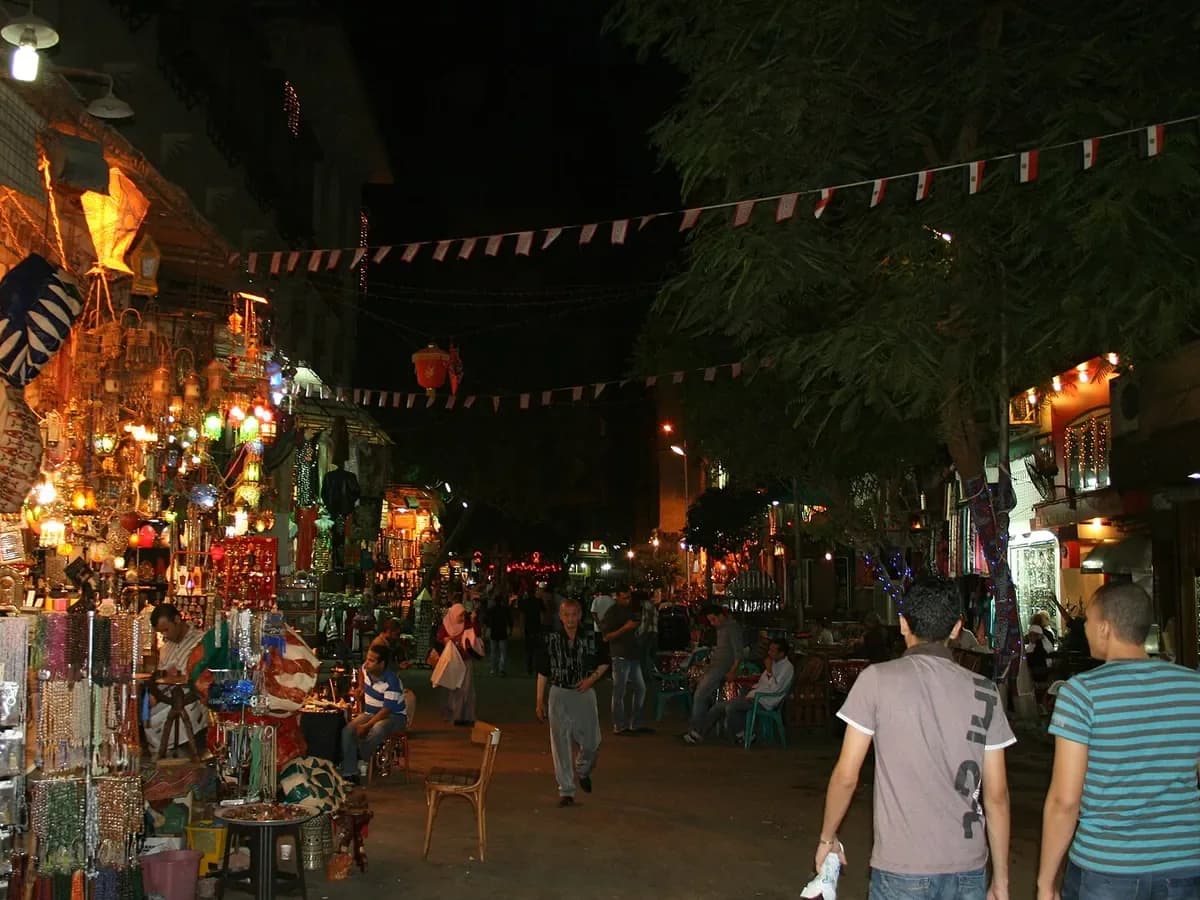
- Khan el-Khalili and Al-Muizz Street — the old Islamic-Cairo bazaar quarter is thick with hole-in-the-wall ful and taameya joints, wood-fired feteer and hawawshi, and ahwas for tea. Combine it with a wander through the medieval city (see our things to do in Cairo guide).
- Any busy neighbourhood corner — the best taameya is often an unnamed cart with a morning queue. Follow the locals.
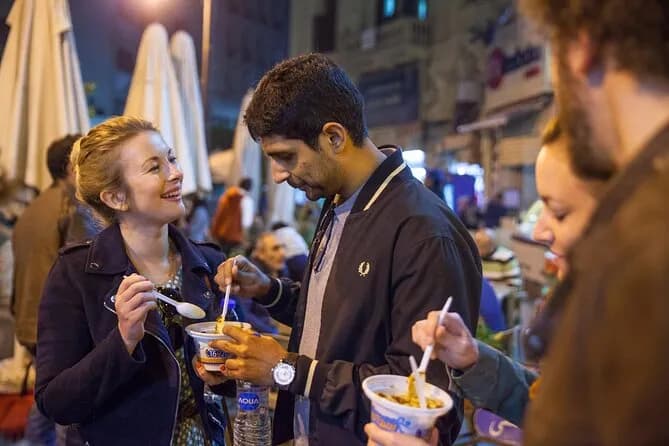
Outside Cairo, the same rules apply: Alexandria adds seafood carts and its own koshari houses; Aswan and Luxor have excellent ful, taameya and feteer around their markets. A guided street-food walk is a low-risk way to try more in one go — a local knows which stalls are clean and busy.
Is Egyptian street food safe? How to eat well without getting sick
Yes — with common sense. "Pharaoh's revenge" is usually about water and hygiene, not the food itself, and millions of Egyptians eat this every day. Follow the same rules locals do:
- Go where it's busy. High turnover means fresh food and fast-emptying pots. A crowded stall is a safe stall.
- Eat it hot and freshly cooked. Taameya straight from the fryer, hawawshi from the oven, koshari ladled from bubbling pots — heat is your friend. Be warier of things sitting lukewarm.
- Drink bottled or filtered water only, and check the seal is intact when you buy it. Skip ice where you can't confirm it's from filtered water.
- Be cautious with raw salads and cut fruit that may have been washed in tap water. Peel your own fruit instead.
- Ease in gradually. Don't sample ten stalls on day one — let your stomach adjust over a few days.
- Carry hand sanitiser. Many stalls are eat-with-your-hands affairs and won't have a sink.
Do that and you'll spend the trip eating like a local, not lying in your hotel room.
A great trip is built around the things you love
Street food can be the through-line of a whole Egypt trip — from a Cairo koshari crawl to feteer in a Nile-side village. This is Egypt builds custom itineraries around exactly the experiences you most want, food and sights alike. Start planning your trip.
Even in the 1830s the traveller Edward Lane described Cairo's great streets as lined with shops and their cooking — the ancestors of today's carts. The menu has barely changed since.
What's On in Egypt
Events in Cairo



A real team available 24/7 to assist you — free
Seif and the team reply on WhatsApp 24/7 — trip questions, custom plans and booking help.
Ask Seif on WhatsAppCommon questions
What is the most famous Egyptian street food?
Koshari — a bowl of rice, macaroni and lentils topped with chickpeas, fried onions and tomato sauce, with garlicky vinegar and chilli added to taste. It's Egypt's national dish, entirely vegan, and sold everywhere from carts to dedicated koshari houses like Abou Tarek in Cairo. A bowl runs about 25–60 EGP.
Is street food in Egypt safe to eat?
Generally yes, if you're sensible. Choose busy stalls with high turnover, eat food that's freshly cooked and served hot, drink only sealed bottled water, avoid ice and raw salads washed in tap water, and ease into it over a few days rather than bingeing on day one. Most stomach trouble in Egypt comes from water, not the food.
How much does street food cost in Egypt?
Very little. A koshari bowl is roughly 25–60 EGP, a taameya or ful sandwich 15–40 EGP, hawawshi or shawarma 40–90 EGP, and drinks like sugarcane juice or tea 10–30 EGP. At about 48–49 EGP per US dollar, a full street meal is usually under US$2. Prices shift with inflation, so confirm locally.
Can vegetarians and vegans eat Egyptian street food?
Easily — Egypt is one of the best countries for it. Koshari, ful medames, taameya (fava-bean falafel), baladi bread, grilled corn and sweet potato, termis and roasted seeds are all plant-based by default. Just confirm taameya is fried in fresh oil and check that ful isn't finished with ghee if you're strict.
What is taameya and how is it different from falafel?
Taameya is Egyptian falafel, but made from skinned fava beans instead of chickpeas. That gives it a bright green interior and a lighter, herbier flavour. It's rolled in sesame seeds, fried to order, and usually stuffed into baladi bread with tahina, salad and pickles.
Where can I find the best street food in Cairo?
Downtown for koshari (Abou Tarek is the landmark), and the Khan el-Khalili and Al-Muizz Street quarter of Islamic Cairo for ful, taameya, wood-fired feteer, hawawshi and tea. Beyond that, the best taameya is often an unnamed neighbourhood cart with a morning queue — follow the locals.
What should I drink from Egyptian street vendors?
Fresh sugarcane juice (asab) is the classic — pressed to order, frothy and sweet. Also try karkade (iced or hot hibiscus tea), sahlab (a warm milk drink in winter), and sweet black tea with mint. Stick to juices pressed in front of you and skip ice unless it's from filtered water.
Does Egyptian street food have ancient roots?
Yes. The lentil-and-grain base of koshari descends from a Pharaonic dish, lentils have been found in tombs from around 2000 BC, and baladi bread is a direct descendant of the emmer-wheat bread ancient Egyptians baked. Ful, beans and bread were staples of the largely plant-based ancient Egyptian diet.
Book it on This is Egypt
Turn this guide into a trip





Egypt's bestsellers
The experiences travelers book most, across the country





Keep reading
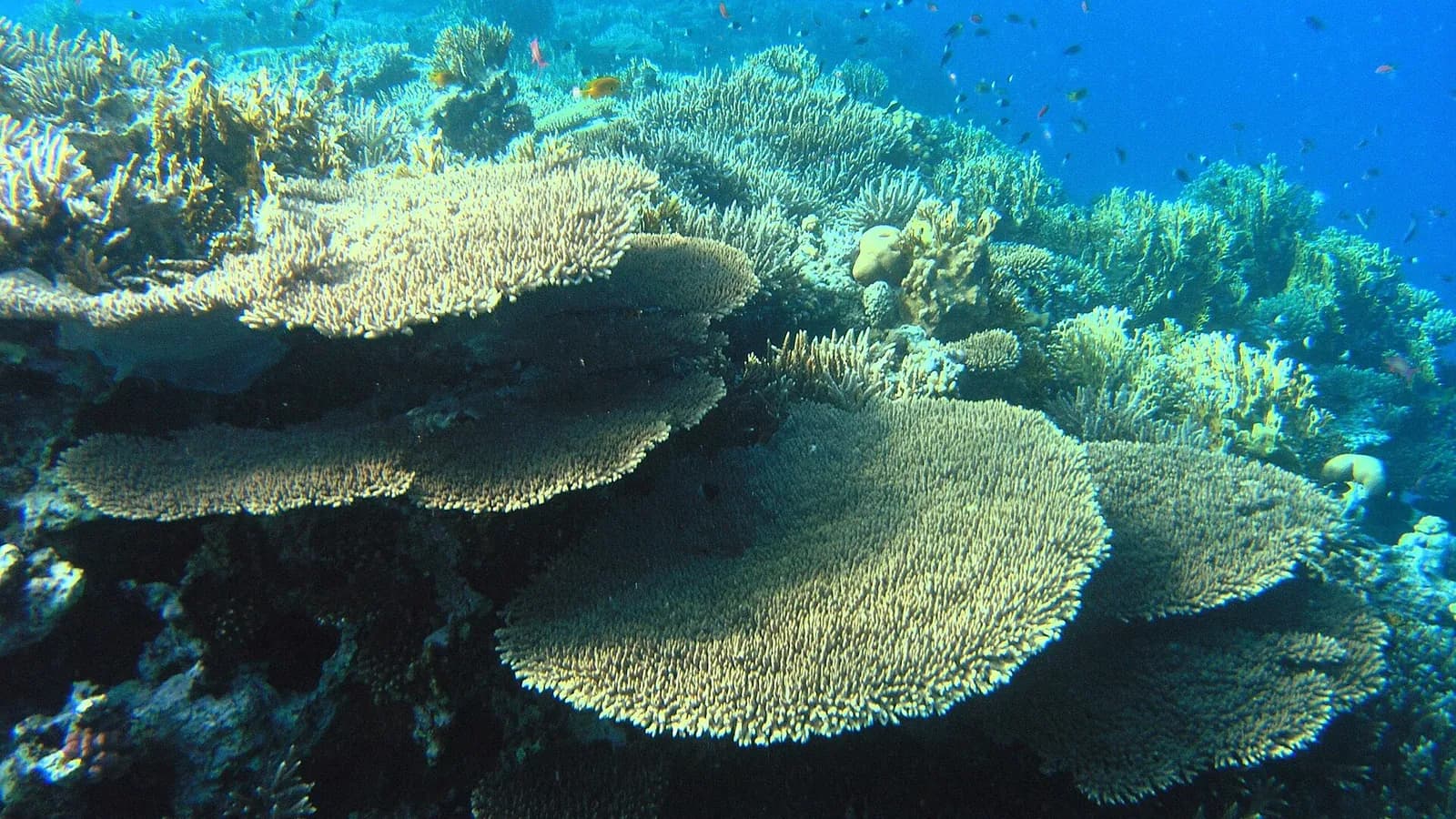
Hurghada Diving (2026): Best Sites, Packages & Prices
Diving in Hurghada — the best reefs (Giftun, Careless Reef, Dolphin House) and Abu Nuhas wrecks, Discover Scuba vs PADI courses, season and water temps, and real 2026 prices.
By TiE Editors7 min read
Hurghada Snorkeling Trips (2026): Best Reefs, Prices & How to Choose
Where to snorkel from Hurghada in 2026 — Orange Bay, Giftun, Mahmya, Utopia and Dolphin House — with boat types, marine life, month-by-month sea temperatures, family tips and real prices from 1,000+ bookable trips.
By TiE Editors7 min read
Egypt Tour Prices by Activity (2026): What Each Type Really Costs
What every type of Egypt experience costs — half day, full day or overnight — as a median and a mid-half range in US dollars, from 12,370 live bookable listings.
By TiE Editors6 min read