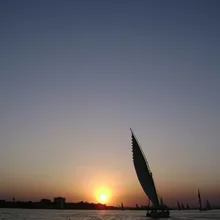
 Photo by Esraa Mohamed Aita, via Wikimedia Commons, CC BY-SA 4.0
Egyptian Drinks Guide: Tea, Karkade, Coffee & What to Sip (2026)
What to drink in Egypt - sweet shai tea, tart hibiscus karkade, thick ahwa coffee, sugarcane juice, sahlab, Ramadan drinks and the truth about alcohol.
Quick answer: The drinks worth trying in Egypt start with tea. Shai - strong black tea, poured extremely sweet and often with fresh mint - is the national cup and turns up everywhere, usually offered the moment you sit down or start browsing a shop. Beyond that: tart-red karkade (hibiscus), thick cardamom-scented ahwa (Turkish-style coffee), pale-green sugarcane juice from street presses, a whole family of Ramadan drinks, and warming winter cups like sahlab. Alcohol exists but plays a quiet, background role. Here is what to order and when.
Drinks are woven into Egyptian hospitality - offering tea or coffee is a cornerstone of the culture, and accepting at least a few sips is the polite thing to do, not an obligation to buy. If you are getting to grips with the wider etiquette, our Egyptian culture and customs guide covers the social side; this one is about what is in the glass.
What is the main drink in Egypt?
The main drink in Egypt is tea - shai - strong black tea poured very sweet into small glasses, often with fresh mint, drunk all day and ranking above even coffee. Karkade - the tart, ruby-red hibiscus infusion nicknamed the "Tea of the Pharaohs" - is the other drink Egypt is known for, but it is shai that fills the glasses day to day. Egyptians take tea seriously: the country is among the world's top tea consumers at roughly a kilogram per person each year, and one of the largest importers on the planet.
There are two main styles. Shai koshari is steeped and lighter, the everyday cup. Shai saiidi is the Upper Egyptian style - boiled hard, dark, intense and heavily sweetened, almost stewed. Both run sweet by default, saiidi especially so. Mint is a popular addition: ask for shai bil na'na and fresh mint leaves go straight into the glass, particularly refreshing in summer. If you do not want it drowned in sugar, say sukkar shwaya (a little sugar) or min gheir sukkar (no sugar) - though be warned, the default is genuinely sweet. A glass at a local cafe costs just a few pounds and buys you a seat for as long as you like.
Coffee (ahwa)
Egyptian coffee is Turkish/Arabic-style: finely ground beans brewed in a small long-handled pot called a kanaka, sometimes with cardamom, and poured - grounds and all - into a small cup. It is served with a glass of water on the side. Cairo has deep coffee roots; it was an early coffeehouse capital, with the first qahveh khaneh appearing around 1550.
Order it by sweetness, not size:
- Ahwa sada - no sugar
- Ahwa mazbout - medium (lightly sweet)
- Ahwa ziyada - very sweet
Let it settle for a minute so the grounds sink, and do not drink the sludge at the bottom. The traditional ahwa baladi - the neighbourhood coffeehouse - is a local fixture where people gather for backgammon, dominoes and shisha over endless cups; the word ahwa does double duty for both the drink and the place. One modern footnote: for all this heritage, instant coffee is actually the most consumed coffee format in Egypt today, with Nescafe dominating the segment, so do not be surprised when a home or small cafe offers you a cup of instant.
Karkade (hibiscus)
Karkade is steeped from dried hibiscus petals, sweetened, and served either hot or chilled over ice - a deep ruby-red infusion that is tart, floral and refreshing. It is one of Egypt's most beloved drinks, nicknamed the "Tea of the Pharaohs" and poured as a welcome drink in the spirit of hospitality. In winter it is served hot; in summer, ice-cold, when it is one of the best things you can drink in the heat.
The hibiscus itself grows abundantly near Aswan in Upper Egypt, and the city's spice souk is the place to buy the best dried flowers by the bag - a classic, packable Egyptian souvenir you can brew at home. Karkade is caffeine-free, and hibiscus (Hibiscus sabdariffa) has been shown in trials to help lower blood pressure and contains potassium and magnesium, so it comes with a mild health halo alongside the flavour.
Herbal and warming drinks
Beyond tea and coffee, Egypt has a rich shelf of infusions, many drunk as much for digestion as for taste.
Sahlab is the classic winter warmer: a hot milk drink traditionally thickened with orchid flour (modern versions use cornstarch), served pudding-thick and topped with cinnamon, chopped nuts and coconut, sometimes perfumed with rose or orange water. Rich and comforting, it is the thing to order on a cool Cairo or Alexandria evening.
Yansoon (anise tea) is sweet and licorice-flavoured, a hot drink taken to aid digestion. Helba (fenugreek tea), boiled from fenugreek seeds, is valued for digestion and blood-sugar and has a distinctive earthy taste. Both turn up in homes and traditional cafes and are worth trying if you like herbal drinks.
Cold and street drinks
Sugarcane juice (aseer asab) is the great Egyptian street drink - fresh cane stalks pressed to order at kiosks and served immediately, yielding a pale-green, intensely sweet juice you drink on the spot. It is one of the country's cheapest and most unifying drinks, something everyone from every walk of life shares. Because it is pressed fresh in front of you, it is also a safer street bet than pre-poured cold drinks.
Fresh juices more broadly are a highlight. Juice shops squeeze mango, guava, orange, pomegranate, strawberry, watermelon and sugarcane to order for pocket change. Egyptian mango juice (manga) is the cherished summer favourite - sweet-tangy and often finished with fresh mint. Limoon bil na'na, fresh lemon blended with mint and ice, is another staple cold cafe drink and a brilliant thirst-quencher in the heat.
Ramadan drinks
During Ramadan, a special roster of drinks appears on iftar tables, sold from street stalls and juice shops through the holy month:
- Qamar el-din - a thick apricot drink made from sheets of apricot fruit-leather soaked down into nectar; the signature Ramadan sipper.
- Tamr hindi - a sweet-and-sour tamarind drink, refreshing and valued for aiding digestion after the fast.
- Sobia - a starchy, milky-white drink; the Egyptian version is coconut-based, cool, filling and dessert-like.
- Kharoub - a refreshing infusion from carob pods, high in fibre and caffeine-free.
- Erksous - a black, tart-sweet drink made from liquorice root, poured by vendors with distinctive brass dispensers; liquorice was prized in antiquity and was even placed in Tutankhamun's tomb.
Even outside Ramadan you can find several of these, but the month is when they are freshest and everywhere. If your trip overlaps the holy month, our culture and customs guide explains what to expect.
Water and staying hydrated
Stick to bottled or filtered water - tap water is not reliably safe for visitors and is the usual cause of upset stomachs. Bottled water is cheap and everywhere; a large bottle costs a handful of pounds. Avoid ice unless you know it is made from purified water, and be a little cautious with pre-poured cold drinks from unknown sources - freshly pressed juice you watch being made is the safer choice. In the summer heat, or on temple days in Luxor and Aswan, drink far more than you think you need.
What about alcohol?
Egypt is a Muslim-majority country, so alcohol is legal but low-key - not woven into daily life the way it is in Europe, and rarely drunk in public. That said, it is readily available to tourists.
The local beer is Stella, Egypt's classic pale lager, brewed since 1897 (originally by the Crown Brewery in Alexandria, and unrelated to Stella Artois). The fuller, premium amber option is Sakara Gold. Both come from Al Ahram Beverages, the Heineken-owned giant that controls roughly 89% of Egypt's beer market. Egypt also makes its own wine: Omar Khayyam is the most iconic red, produced by Gianaclis, and other domestic labels include Grand Marquis, Cru des Ptolemees, Obelisk and Cape Bay. Local aniseed spirits - zabib and araki - round out the picture; served diluted with water, the clear spirit turns milky white (the same "ouzo effect" seen across the region). A serious word of caution here: illegal home-produced moonshine and counterfeit spirits circulate and pose real safety risks, so only ever drink from licensed sources.
On where to buy: alcohol is sold mainly through licensed venues - Drinkies shops (the off-licence chain, with delivery in some cities), airport duty-free on arrival, hotels and resorts, and licensed restaurants and Nile cruises. Local beer from a shop runs roughly the equivalent of $1-2 a bottle; hotel bars charge several times that, and most all-inclusive Red Sea resorts fold local beer, wine and spirits into the package.
A few sensible rules: the legal drinking age is 21, public drinking is banned, so keep it to private or licensed venues. During Ramadan, alcohol service is more restricted - many restaurants pause it, though tourist hotels generally still serve.
Prices at a glance
Street drinks are cheap, and freshly made ones are your safest bet. As a rough local guide, street karkade runs around 40 EGP (more in tourist spots), fresh juices about 15-25 EGP, and a sugarcane juice around 50 EGP - all a fraction of what a hotel bar charges for a beer.
| Drink | What it is | Best served | Notes |
|---|---|---|---|
| Shai | Sweet black tea, often minted | Hot, all year | The national cup; koshari vs saiidi styles |
| Karkade | Hibiscus infusion | Hot in winter, iced in summer | Tart, caffeine-free; buy dried in Aswan |
| Ahwa | Turkish-style coffee, often cardamom | Hot, small cup | Order by sweetness; do not drink the grounds |
| Aseer asab | Fresh sugarcane juice | Ice-cold, summer | Street presses; fresh to order |
| Sahlab | Sweet thickened hot milk | Hot, winter | Cinnamon, nuts and coconut on top |
| Qamar el-din | Apricot fruit-leather drink | Cold, Ramadan | Iftar signature |
| Erksous | Liquorice-root drink | Cold, Ramadan | Black, tart-sweet |
| Stella / Sakara | Local lagers | Cold | From Drinkies, hotels, duty-free |
The one drink not to miss
If you try nothing else, sit down at a street-side ahwa, order a glass of mint tea, and just watch the neighbourhood go by for an hour - it is the most Egyptian thing you can do for the price of small change. In summer, chase it with an ice-cold karkade or a sugarcane juice from the corner press. Hungry too? Pair your drinks with the dishes in our Egyptian food guide, and browse Cairo food and cafe experiences on our search page.
A real team available 24/7 to assist you — free
Seif and the team reply on WhatsApp 24/7 — trip questions, custom plans and booking help.
Ask Seif on WhatsAppCommon questions
What is the national drink of Egypt?
Tea, known as shai - strong black tea served in small glasses, very sweet, and often with fresh mint. It ranks above even coffee, and Egypt is one of the world's top tea consumers at around a kilogram per person a year. It's drunk all day and offered as a gesture of hospitality in homes, shops and cafes across the country.
What is karkade?
Karkade is Egyptian hibiscus tea, steeped from dried hibiscus petals and sweetened to produce a tart, ruby-red drink nicknamed the 'Tea of the Pharaohs.' It's served hot in winter and ice-cold in summer, is caffeine-free, and hibiscus has been shown to help lower blood pressure. The hibiscus grows near Aswan, whose spice souk is the best place to buy the dried flowers as a souvenir.
How do you order coffee in Egypt?
Egyptian coffee (ahwa) is Turkish/Arabic-style, brewed in a small pot called a kanaka, sometimes with cardamom, and ordered by sweetness: 'ahwa sada' (no sugar), 'ahwa mazbout' (medium) or 'ahwa ziyada' (very sweet). It comes with a glass of water - let it settle and don't drink the grounds at the bottom.
What are the traditional Ramadan drinks in Egypt?
The classics are qamar el-din (a thick apricot fruit-leather drink), tamr hindi (sweet-and-sour tamarind, good for digestion), sobia (a coconut-based milky white drink), kharoub (carob, high in fibre and caffeine-free) and erksous (a black, tart-sweet liquorice-root drink). They appear on iftar tables and from street vendors throughout the holy month.
What is sahlab?
Sahlab is a warm Egyptian winter drink of hot milk traditionally thickened with orchid flour (modern versions use cornstarch), served pudding-thick and topped with cinnamon, nuts and coconut, sometimes scented with rose or orange water. It's rich and comforting - the drink to order on a cool evening in Cairo or Alexandria.
Is it safe to drink the water in Egypt?
No - tap water isn't reliably safe for visitors and is a common cause of stomach upsets. Drink bottled or filtered water, which is cheap and everywhere, avoid ice unless it's made from purified water, and favour freshly pressed juice you watch being made over pre-poured cold drinks.
What is Egyptian beer called, and can tourists drink alcohol?
The classic local beer is Stella, a pale lager brewed in Egypt since 1897 (no relation to Stella Artois), with Sakara Gold as a fuller premium option; both come from Al Ahram Beverages, which holds about 89% of the market. Alcohol is legal for tourists but low-key - sold mainly through Drinkies shops, duty-free, hotels and licensed restaurants. The drinking age is 21 and public drinking is banned.
What should I drink in Egypt in summer?
Ice-cold karkade (hibiscus) and freshly pressed sugarcane juice (aseer asab) are the classic summer coolers, along with fresh mango and guava juices and limoon bil na'na (lemon-mint) from juice bars. All are cheap, refreshing and non-alcoholic - street karkade is roughly 40 EGP and a sugarcane juice around 50 EGP.
Egypt's bestsellers
The experiences travelers book most, across the country

Keep reading
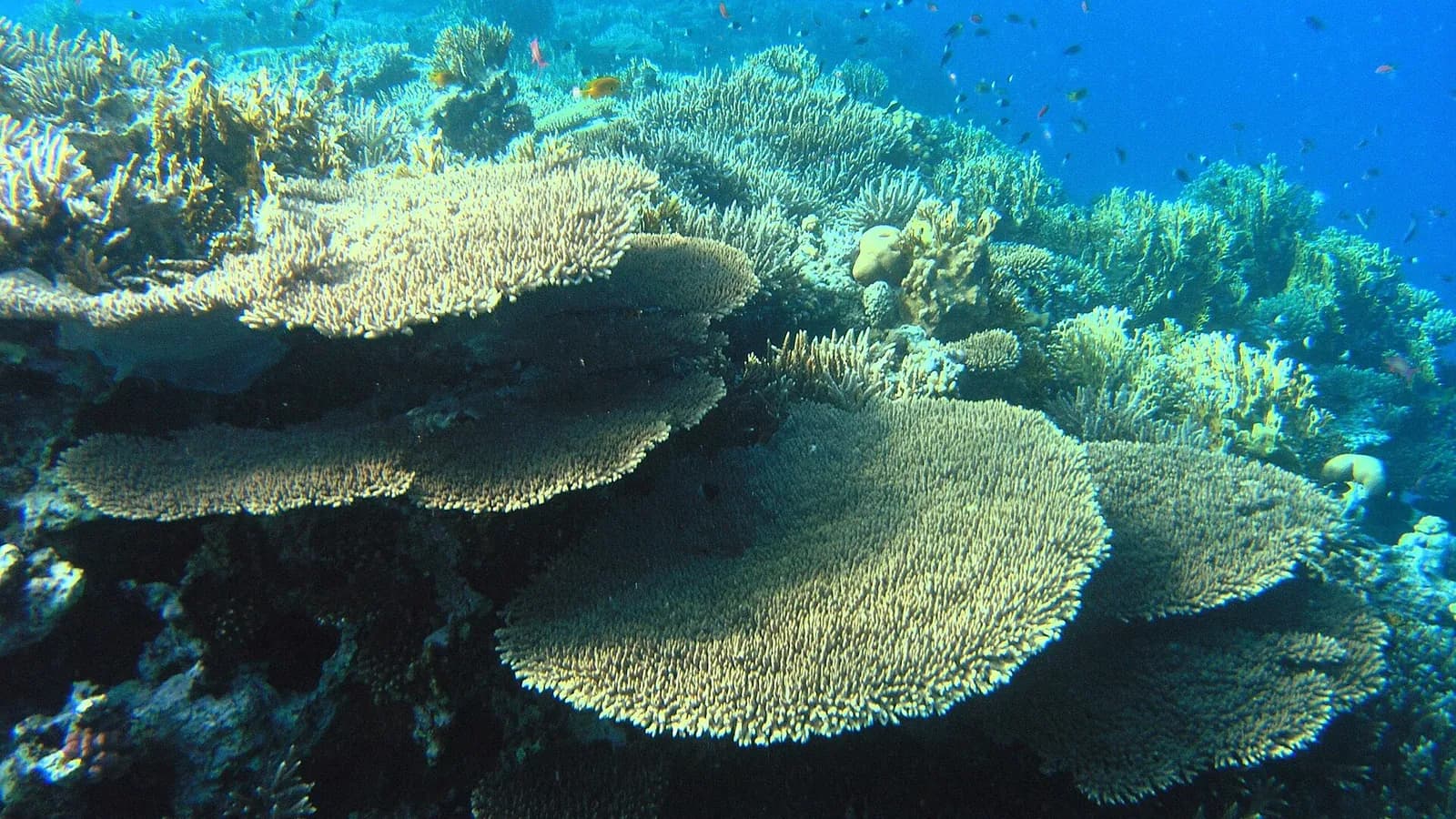
Hurghada Diving (2026): Best Sites, Packages & Prices
Diving in Hurghada — the best reefs (Giftun, Careless Reef, Dolphin House) and Abu Nuhas wrecks, Discover Scuba vs PADI courses, season and water temps, and real 2026 prices.
By TiE Editors7 min read
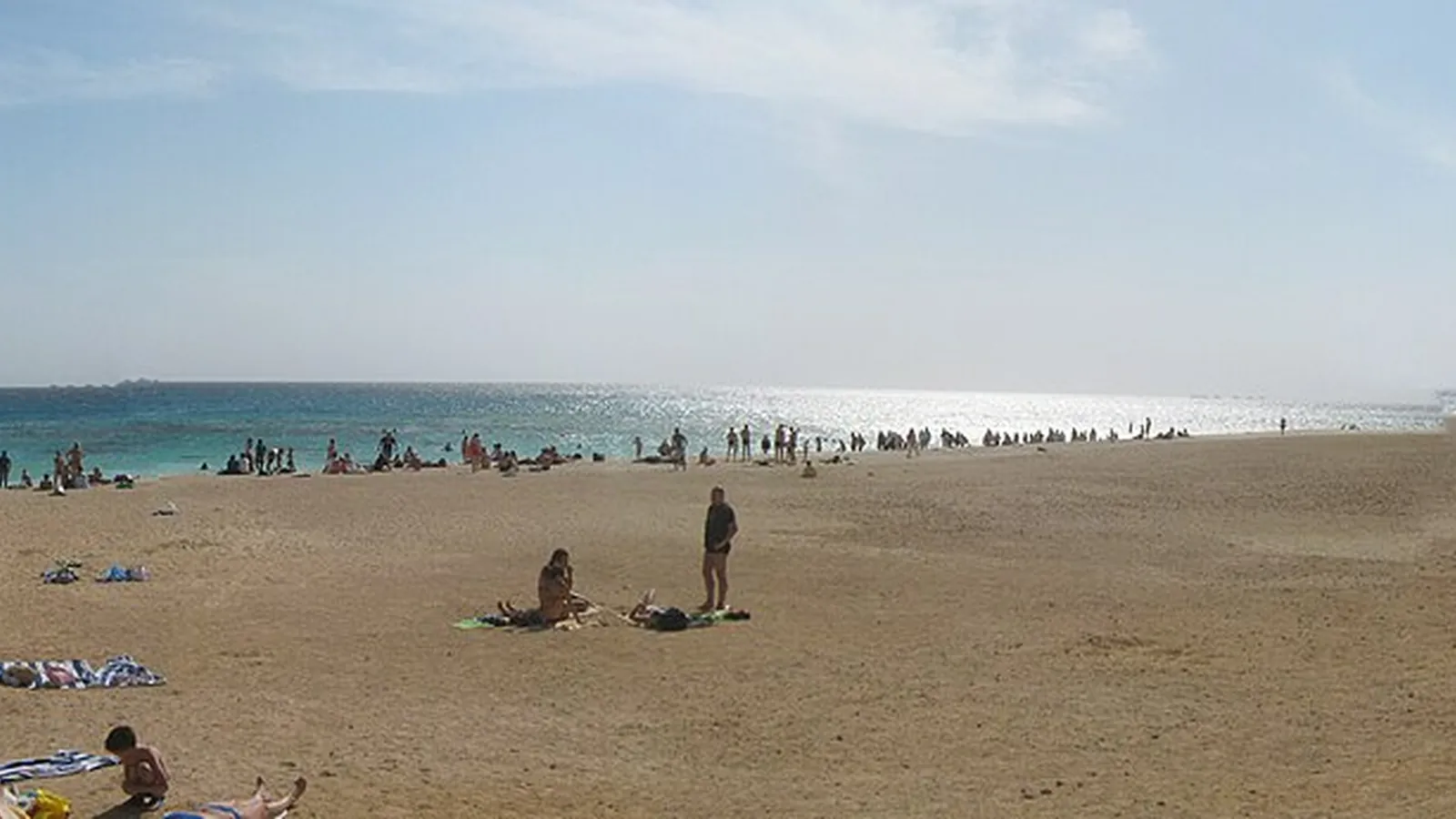
Hurghada Snorkeling Trips (2026): Best Reefs, Prices & How to Choose
Where to snorkel from Hurghada in 2026 — Orange Bay, Giftun, Mahmya, Utopia and Dolphin House — with boat types, marine life, month-by-month sea temperatures, family tips and real prices from 1,000+ bookable trips.
By TiE Editors7 min read
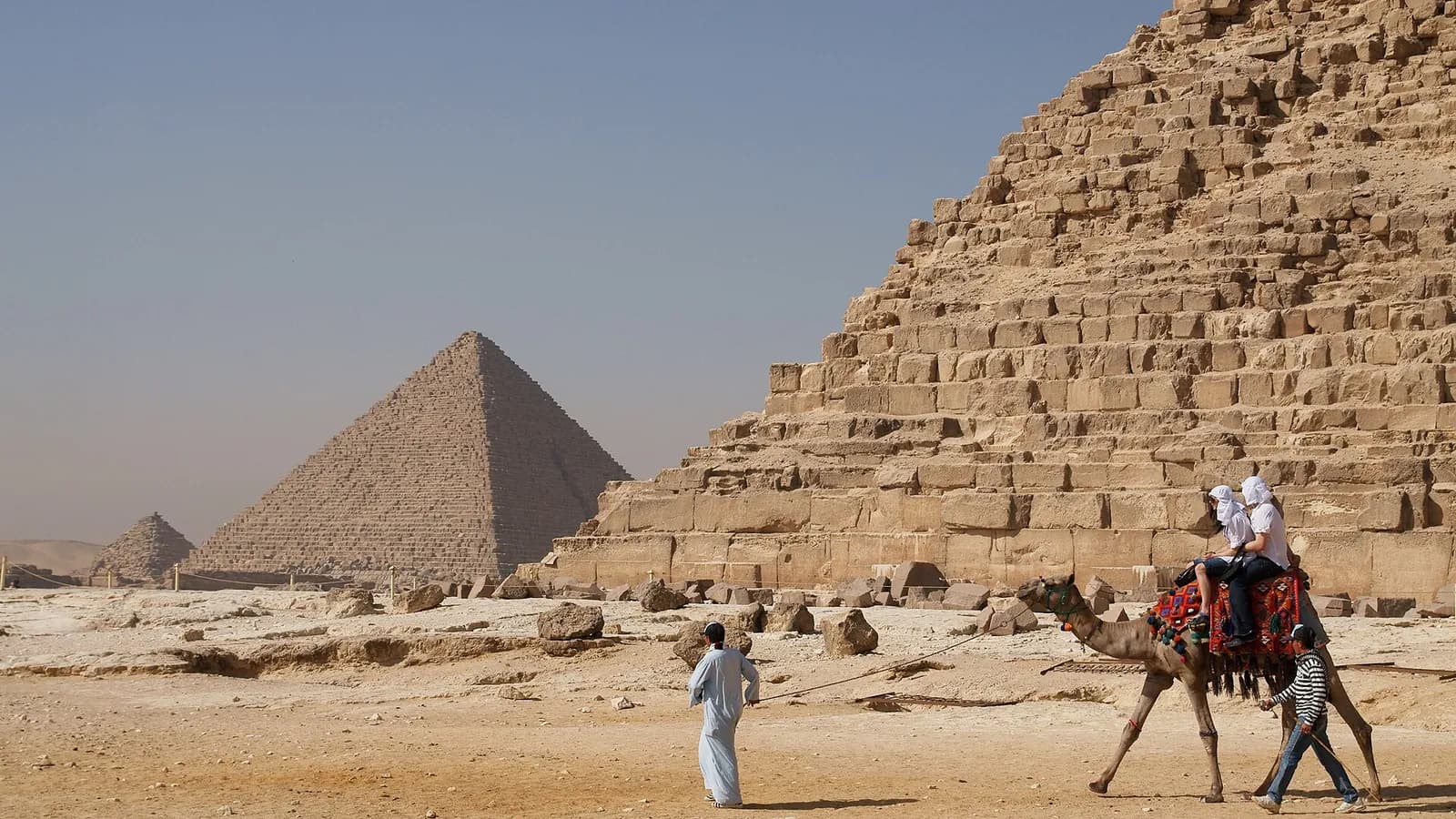
Egypt Tour Prices by Activity (2026): What Each Type Really Costs
What every type of Egypt experience costs — half day, full day or overnight — as a median and a mid-half range in US dollars, from 12,370 live bookable listings.
By TiE Editors6 min read