Luxor vs Aswan (2026): How Egypt's Two Nile Cities Differ — and Which to Prioritize
Luxor is the heavyweight for temples and tombs; Aswan is smaller, calmer and more beautiful. How they compare, which to prioritize, and why most trips do both by cruise.
Nile Cruises & Dahabiyas
Turn this guide into a trip
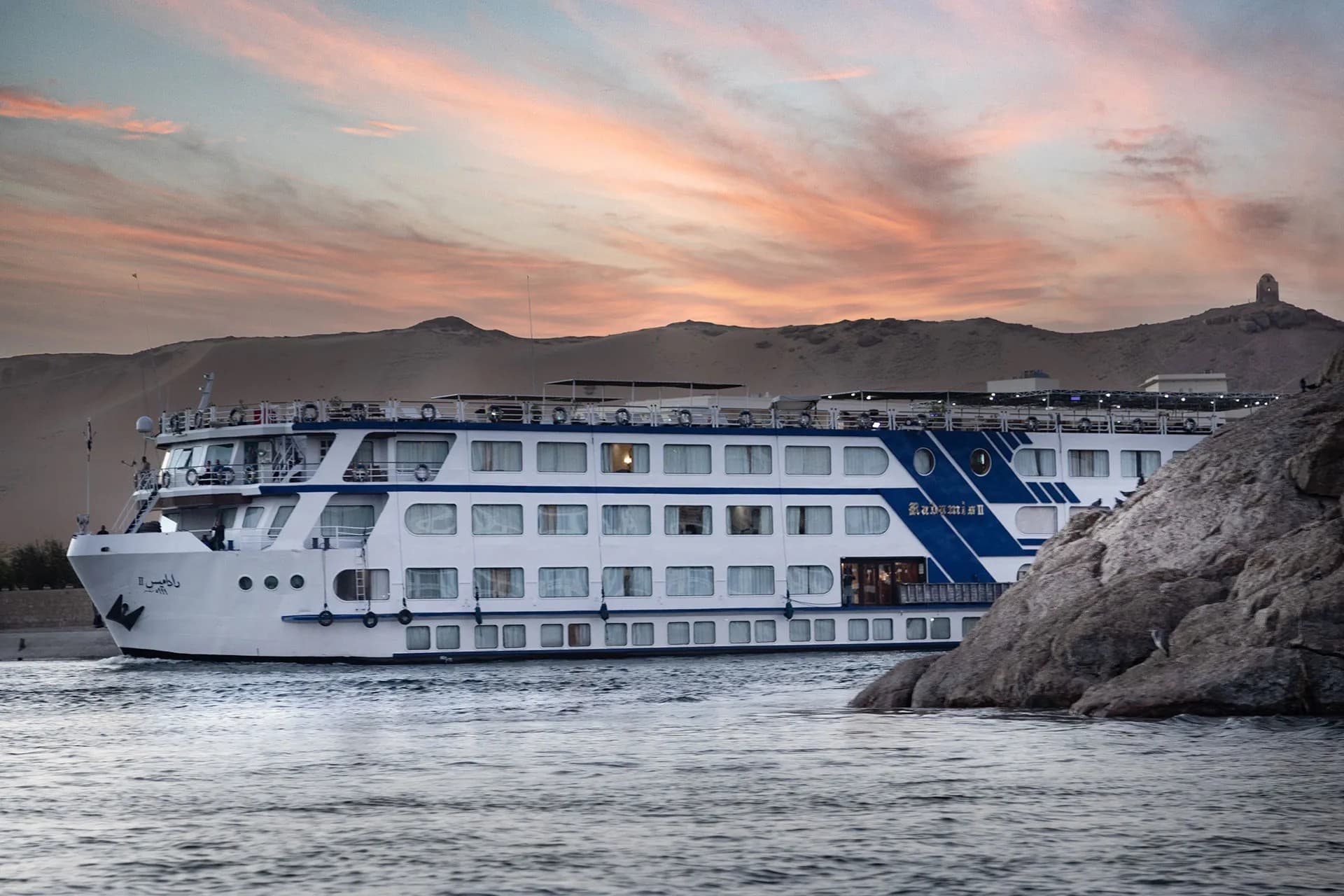
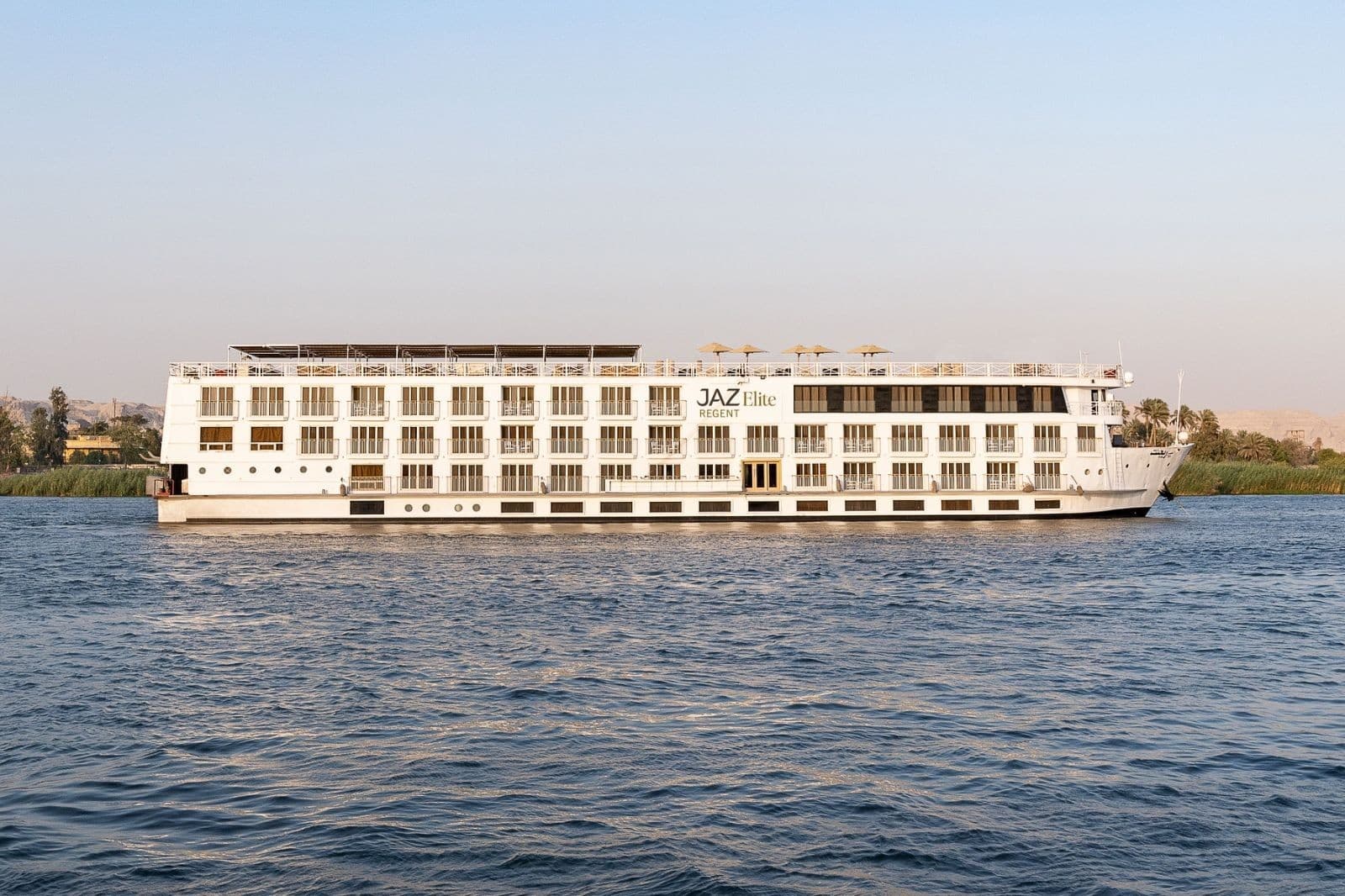
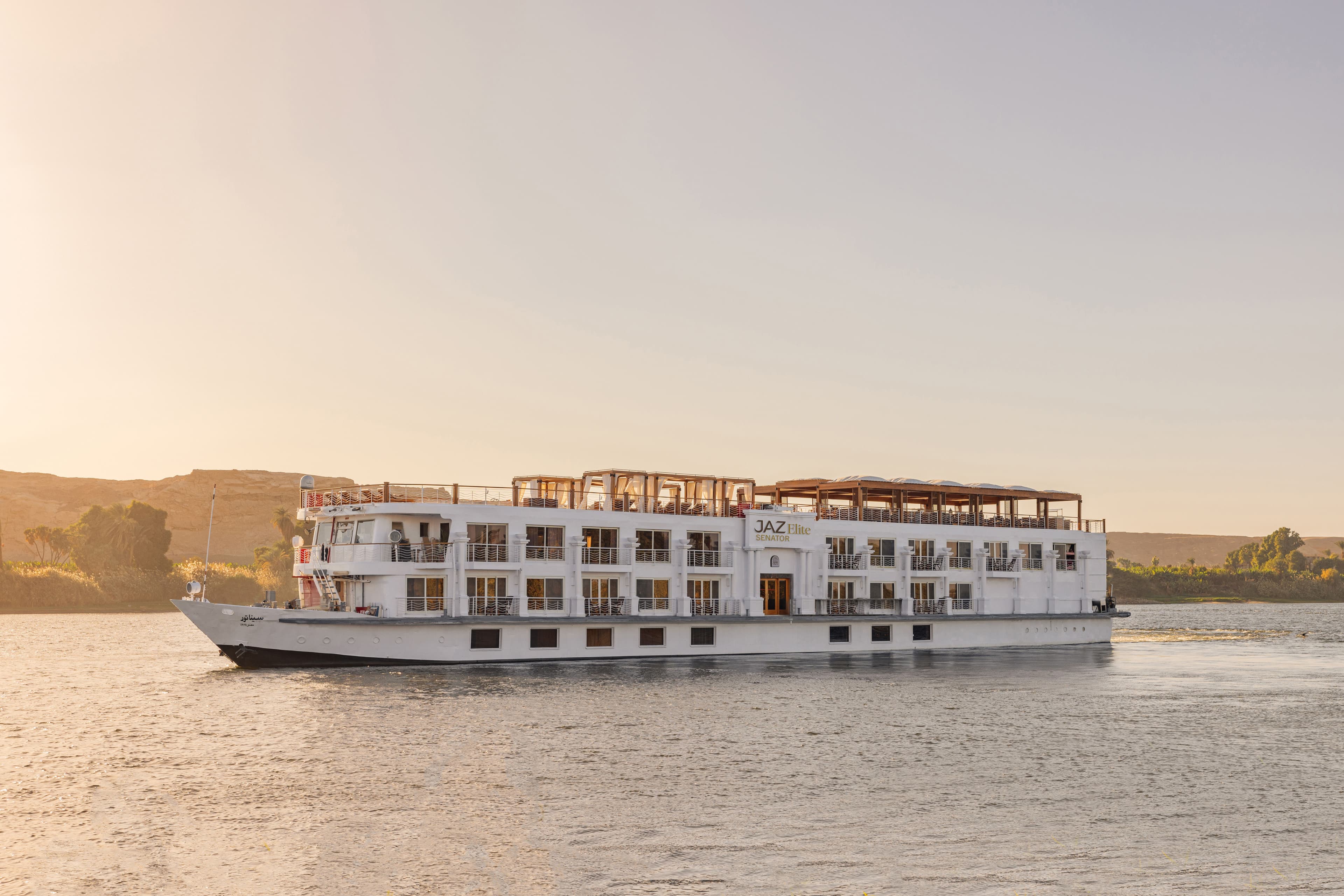
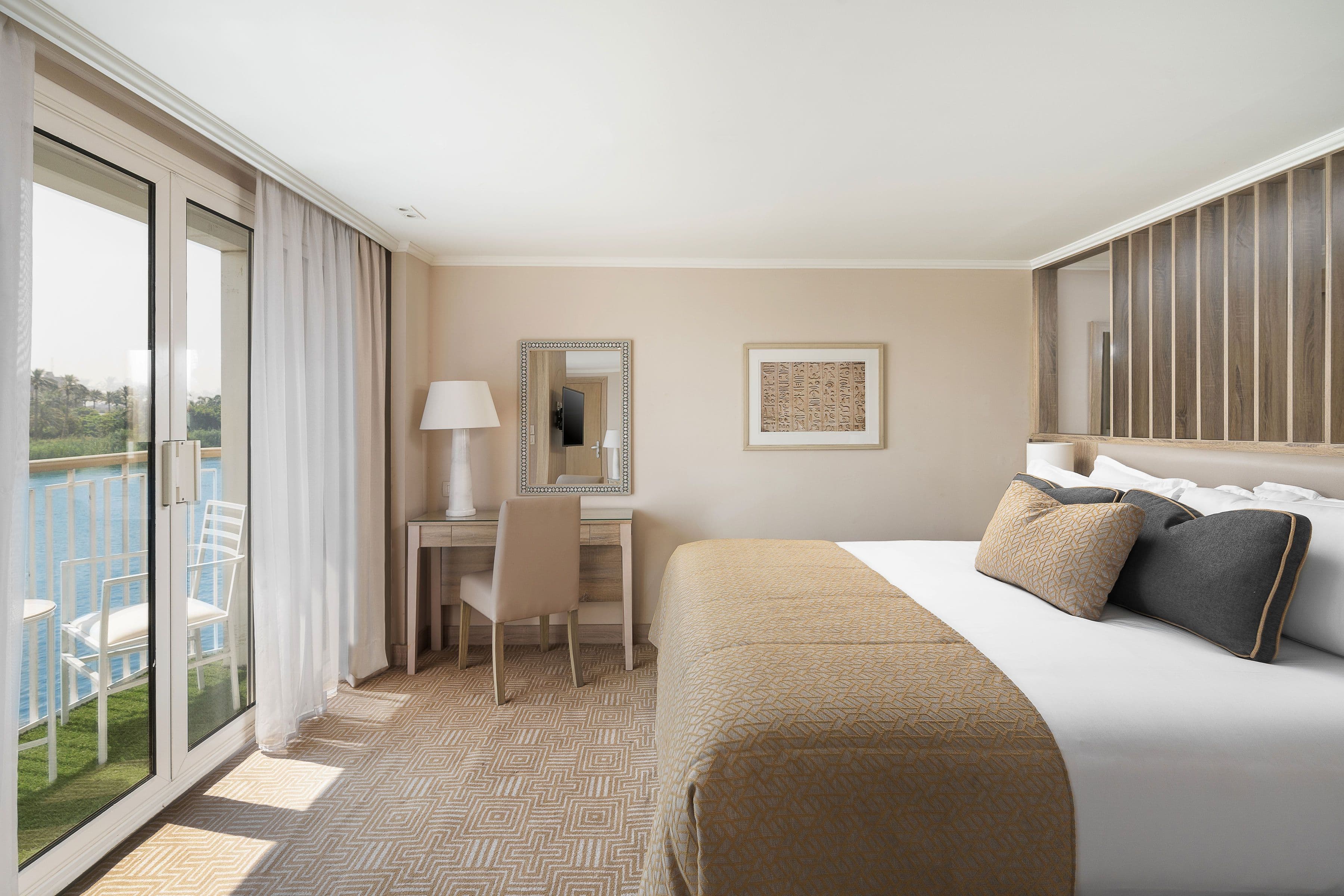
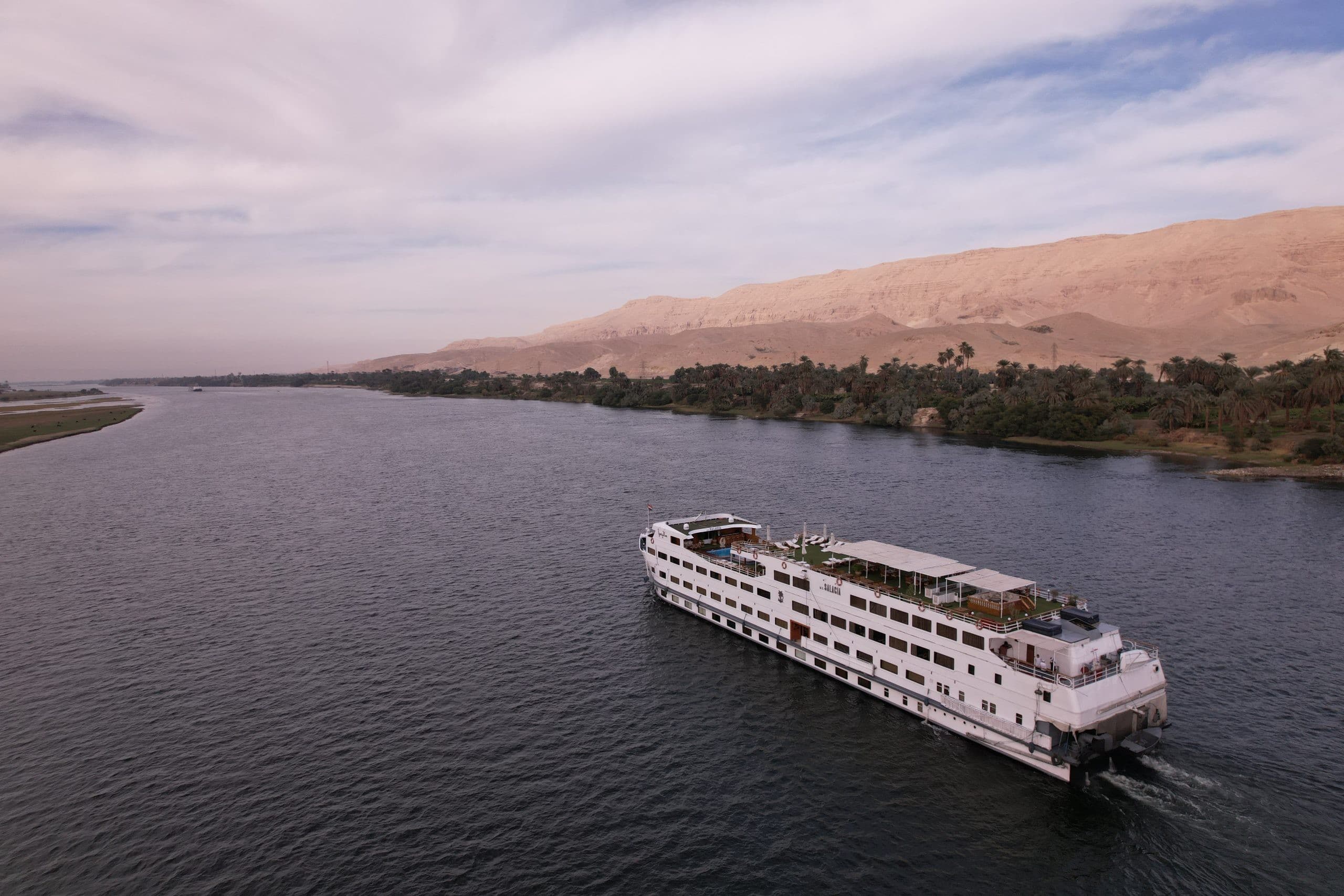
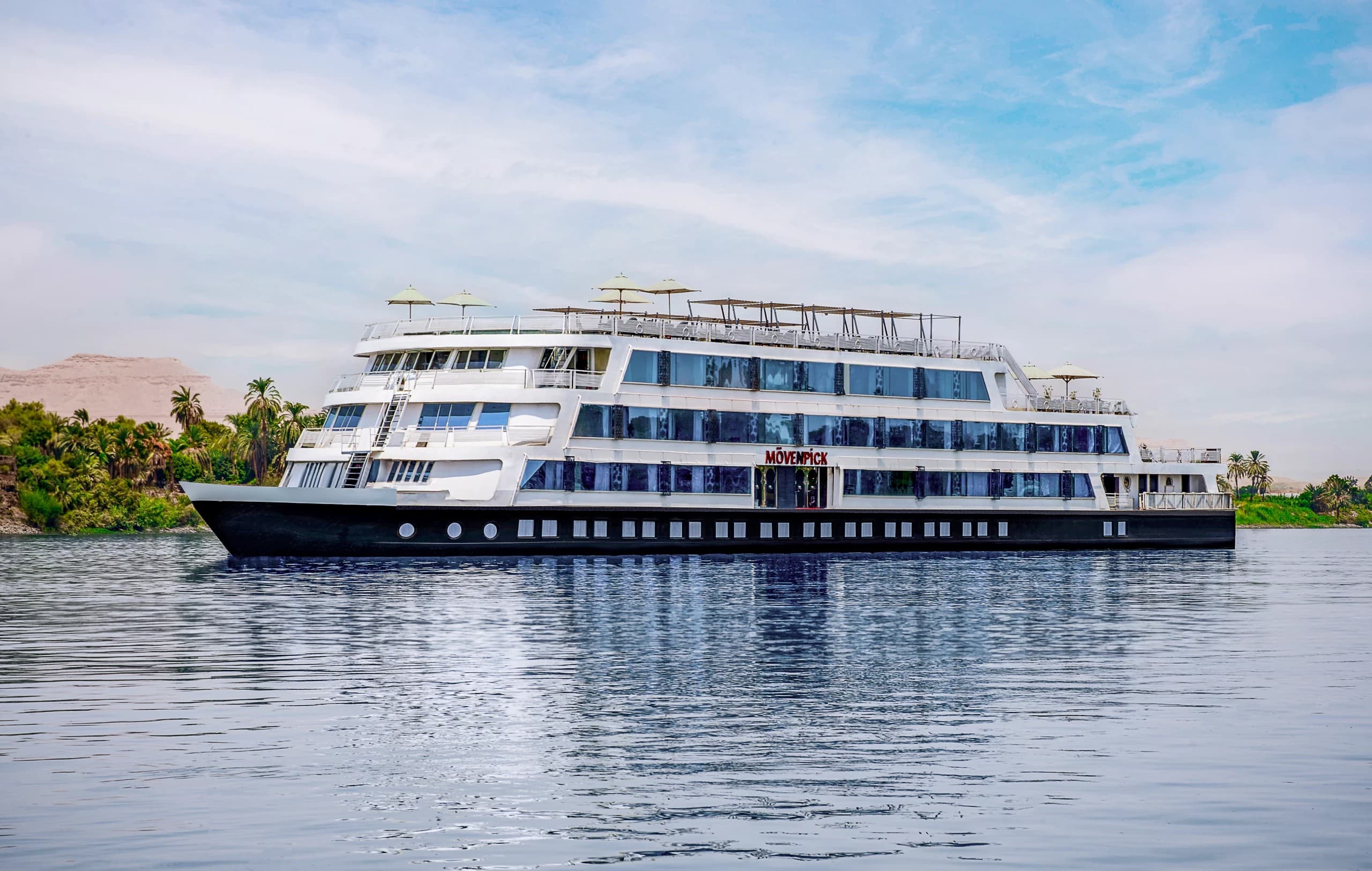
Quick answer: If you only have time for one, pick Luxor for the sheer weight of monuments — the Valley of the Kings, Karnak, Luxor Temple and Hatshepsut's terraces make it the world's greatest open-air museum. Pick Aswan if you want scenery, calm and Nubian culture over tomb-after-tomb, on the prettiest stretch of the Nile. But here's the honest answer most itineraries land on: do both, linked by a Nile cruise, because they're only about 230 km apart and they complement each other perfectly. This guide breaks down how they actually differ so you can weight your days.
Luxor and Aswan are the twin anchors of Upper Egypt, both on the Nile roughly 200 km apart, and the classic Egypt trip pairs them. But they're not interchangeable. Luxor is dense, monumental and tourist-focused; Aswan is smaller, slower and, to a lot of travellers, more beautiful. Knowing which is which stops you over- or under-allocating your precious days.

Luxor vs Aswan at a glance
| Luxor | Aswan | |
|---|---|---|
| Reputation | "World's greatest open-air museum" | The Nile at its most beautiful |
| Main draw | Temples & royal tombs | Scenery, feluccas, Nubian culture |
| Headline sights | Valley of the Kings, Karnak, Luxor Temple, Hatshepsut | Philae, Abu Simbel (day trip), Nubian villages, Elephantine Island |
| Vibe | Busier, more touristy, monument-heavy | Calmer, relaxed, more scenic |
| Size / feel | Bigger town (~500k) | Smaller, sleepier riverside city |
| Best for | History and temple-lovers | Relaxing, sailing, sunsets |
| Ideal stay | 2–3 days | 2 days |
| Nile setting | Broad, working river | Islands, cataracts, sandy desert edge |
Luxor: the monument heavyweight
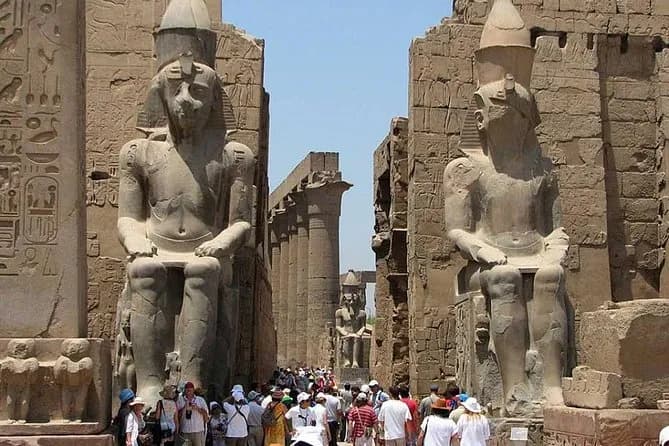
Luxor sits on the site of ancient Thebes — Waset, "The City," to the Egyptians — which ruled Egypt for over 2,000 years and at its height held perhaps a million people. The ancient Greeks called it Thebes, "city of a hundred gates"; when Herodotus visited around 450 BC, its golden age was already ancient history. That depth is why Luxor overwhelms.
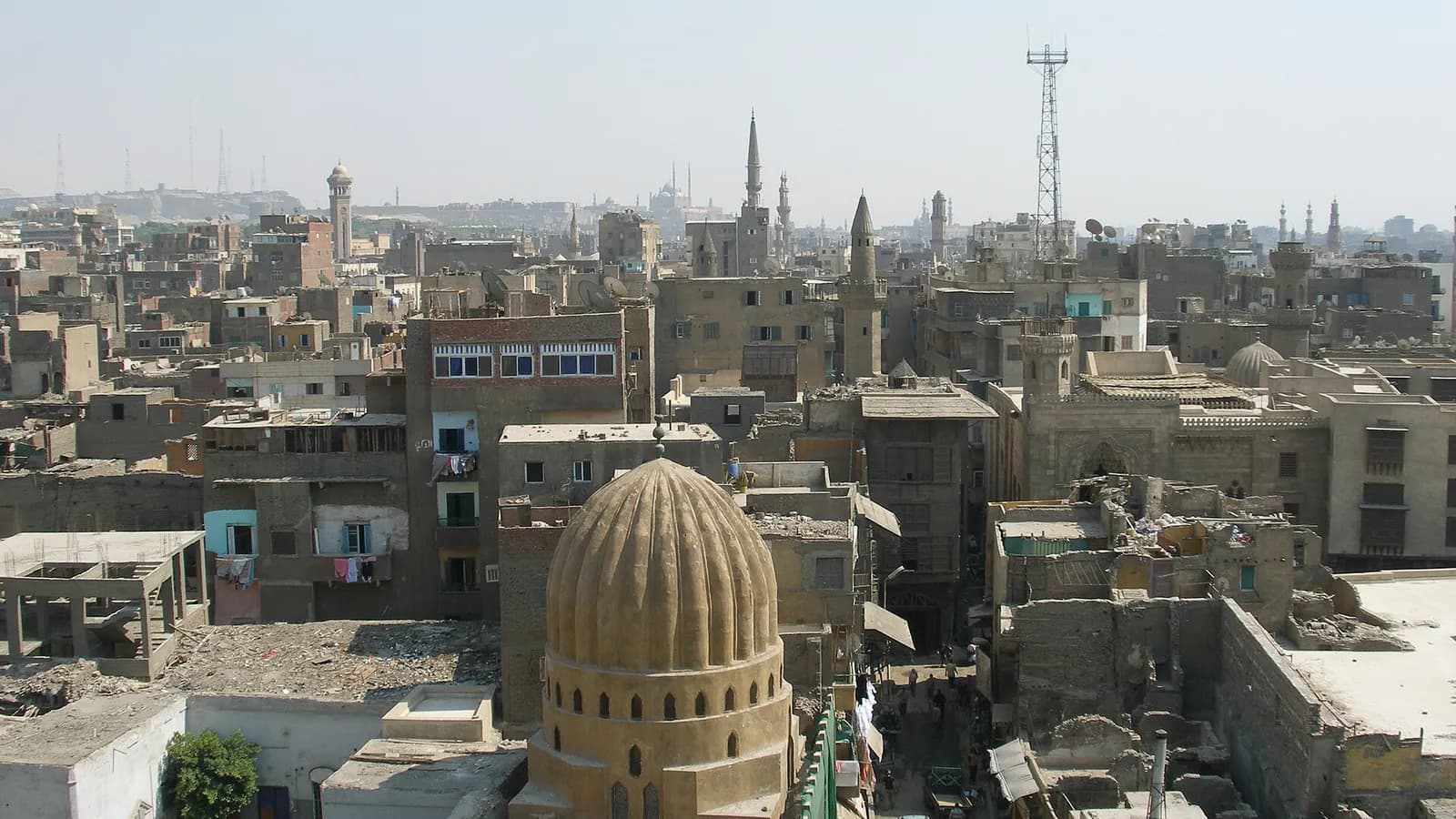
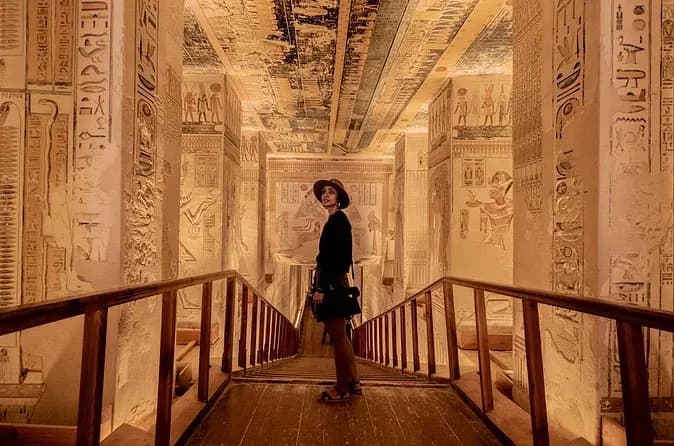
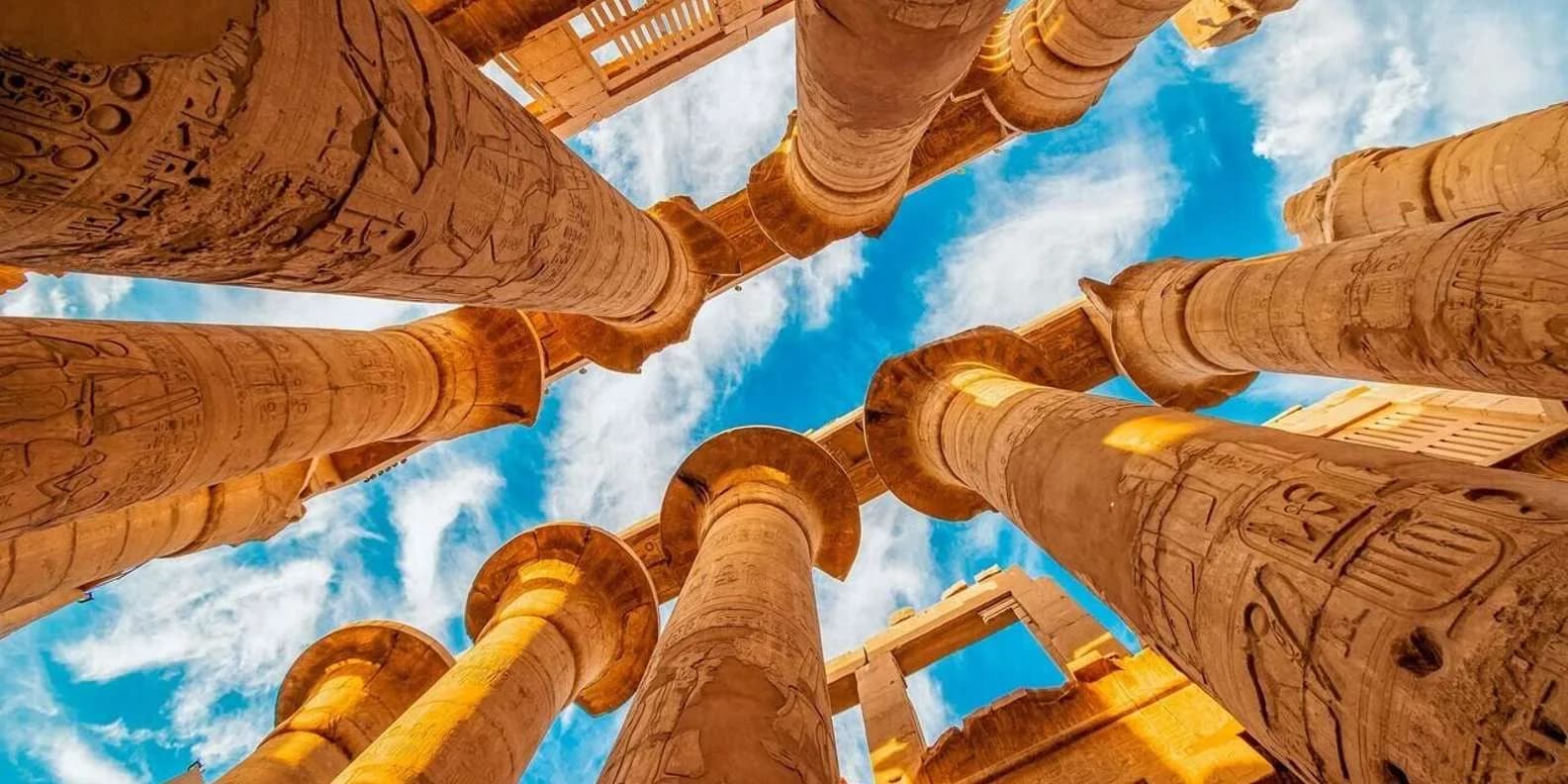
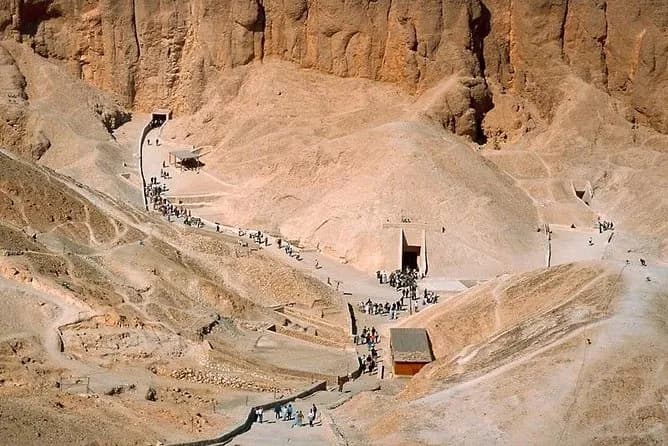
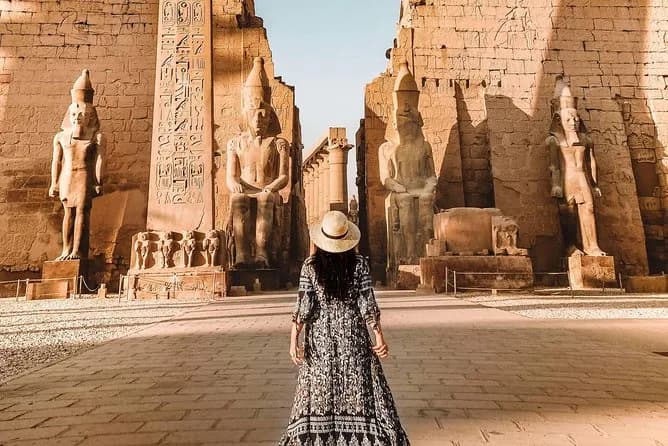
The town splits neatly across the Nile. The East Bank — the land of the living, historically — holds the temples of the city itself: colossal Karnak, the largest religious complex ever built, and elegant Luxor Temple, floodlit and magical at night, linked by a restored avenue of sphinxes. The West Bank — the land of the dead — is where the pharaohs were buried: the Valley of the Kings with its 60-plus royal tombs including Tutankhamun's, the terraced Temple of Hatshepsut, the Valley of the Queens and the Colossi of Memnon.
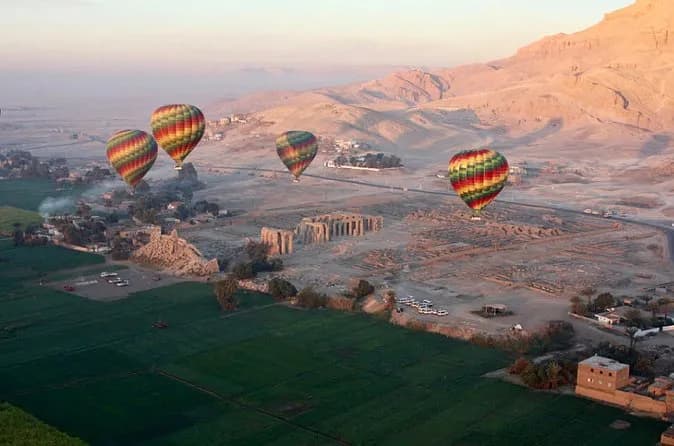
Luxor is also the launch point for the country's best sunrise experience — a hot-air balloon ride over the West Bank — and for temple day trips to Abydos and Dendera. The trade-off: it's busier, hotter, more relentlessly tourist-oriented, and it can feel like a monument production line if you don't pace it. For the full rundown, see the Luxor travel guide and the things to do in Luxor.
Aswan: the beautiful one
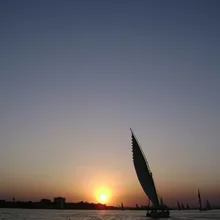
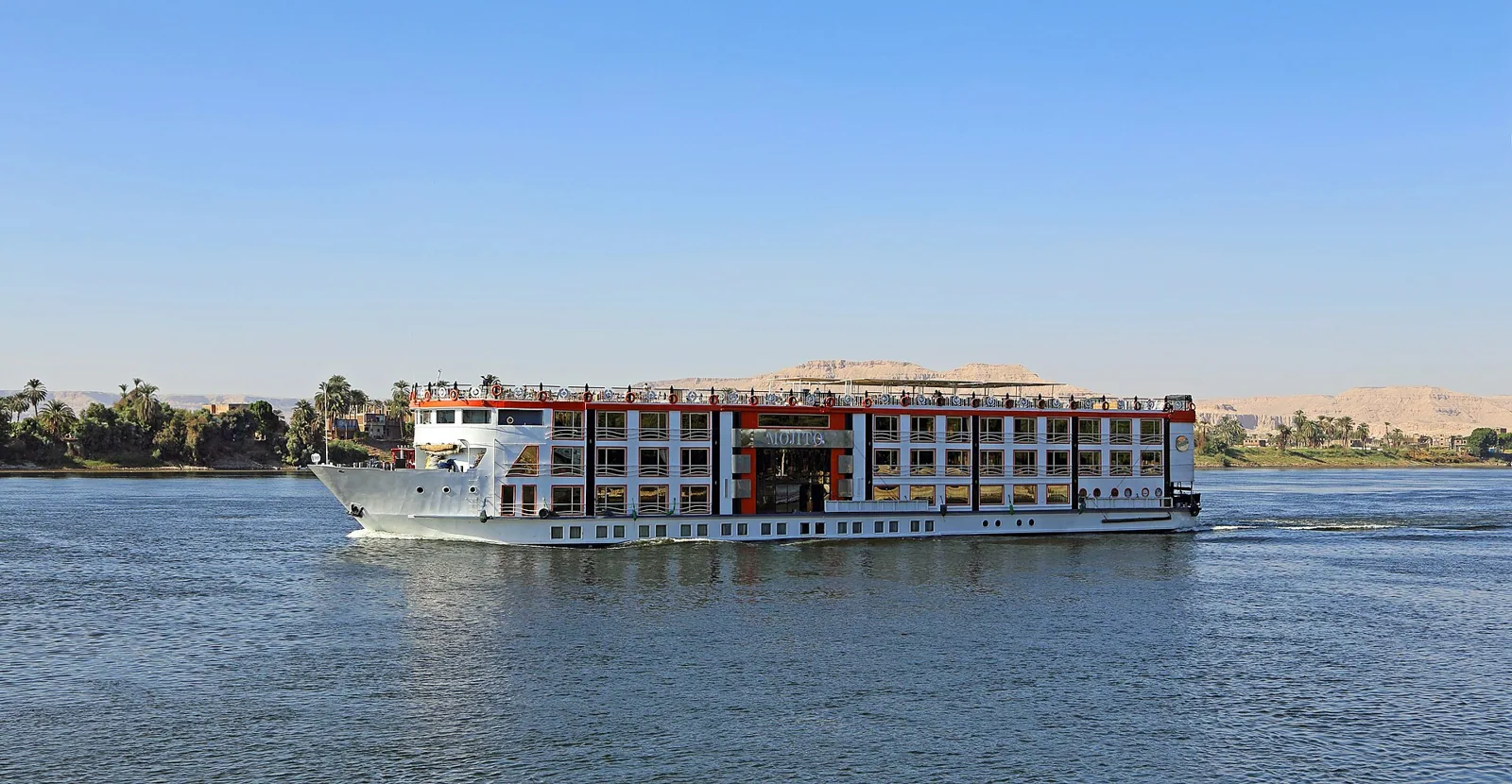
Aswan is Egypt's southern frontier town, and it's where the Nile is at its loveliest — a broad, island-studded stretch flowing past golden desert dunes, with white-sailed feluccas drifting between granite outcrops. It's smaller, calmer and less monument-dense than Luxor, and that's precisely its appeal: this is where you sail, not sprint.
The headline sights are gentler and more scenic. The Temple of Philae, dedicated to Isis, sits on its own island reached by motorboat. Elephantine Island and the Nubian villages along the river offer colour, culture and a warm, distinctly Nubian character — Aswan has a large Nubian community with its own language, music and cuisine. The excellent Nubian Museum tells that story properly. Add the botanical Kitchener's Island, the Old Cataract Hotel where Agatha Christie wrote, and a sunset felucca sail, and Aswan is the trip's exhale.
Aswan is also the springboard for Abu Simbel, Ramesses II's colossal rock temples about 280 km south — usually a very early-morning day trip (or a short flight). See the Aswan travel guide, the things to do in Aswan and the Abu Simbel day trip guide for the detail.
Which should you prioritize?
- You love history, temples and tombs above all → prioritize Luxor. It has more, and bigger, ancient sites than anywhere on earth. Give it 2–3 days.
- You want scenery, calm and culture over ruins → prioritize Aswan. It's prettier and more relaxing, and the felucca-and-Nubia experience is unique. Two days is plenty.
- You're travelling with kids or want a slower pace → Aswan is easier; Luxor's West Bank in the heat is hard work for little legs.
- You have only one full day in Upper Egypt → Luxor, because you can pack in Karnak, Luxor Temple and the Valley of the Kings, though you'll be rushing.
Experience prices in the two cities are broadly similar; on our catalog the typical Aswan experience actually runs a little higher than Luxor's (median around 6,300 EGP vs 4,500 EGP), partly because the long Abu Simbel and Philae trips sit in the Aswan bucket.
Why most itineraries do both — via cruise
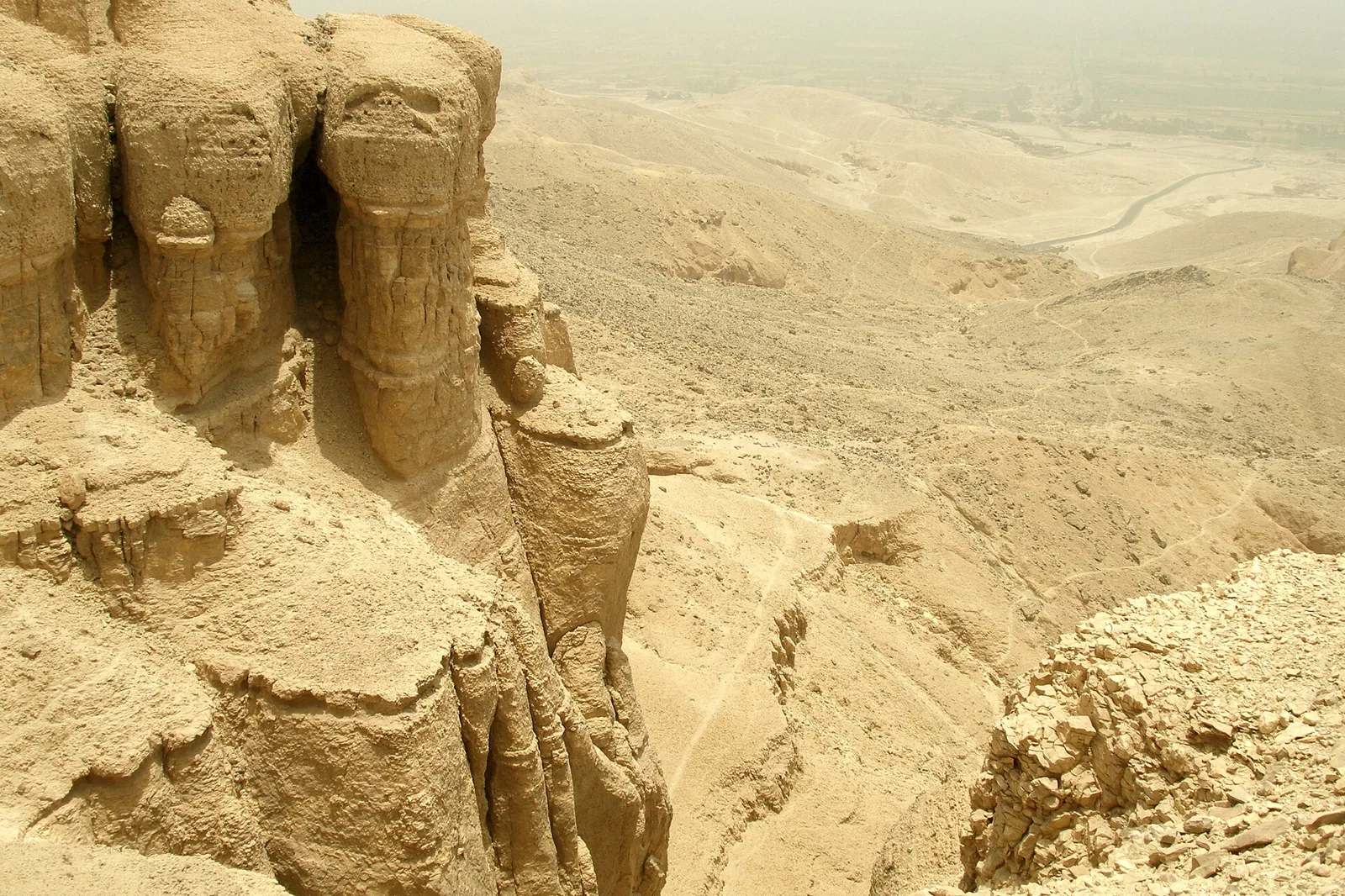
Here's the thing: you rarely have to choose. Luxor and Aswan are the two ends of the classic Nile cruise, and sailing between them is the single best way to see Upper Egypt. Over 3–4 nights the ship stops at temples you can't easily reach otherwise — Edfu (the best-preserved temple in Egypt) and Kom Ombo (the double temple on the riverbank) — while you watch rural Egypt slide past from the deck. It turns "Luxor vs Aswan" into "Luxor and Aswan, plus two bonus temples and the river itself."
| Option | How | Time | Notes |
|---|---|---|---|
| Nile cruise | Boat, both directions | 3–4 nights | The classic — includes Edfu & Kom Ombo |
| Train | Sit-up or sleeper | ~3 hrs | Cheap, scenic, but you skip the river temples |
| Private car | Road transfer | ~3 hrs | Flexible, can stop at Edfu/Kom Ombo by land |
| Domestic flight | Rarely worth it | ~1 hr | Distance too short to justify for most |
Most people sail Luxor → Aswan or Aswan → Luxor; direction barely matters. A common split is 2 nights in/around Luxor, the cruise in the middle, and a night or two in Aswan with the Abu Simbel add-on. For routes, prices and how to choose a boat, see the Nile cruise from Aswan to Luxor guide and the Kom Ombo & Edfu temples guide.
The bottom line
Luxor is for the ancient world at full volume; Aswan is for the Nile at its most serene. If forced to pick one, temple-hunters choose Luxor and scenery-seekers choose Aswan — but the smart move is to do both and let a cruise carry you between them. Plan the temples with the Luxor travel guide and the Aswan travel guide, then browse Nile and Upper Egypt experiences on This is Egypt to build the trip.
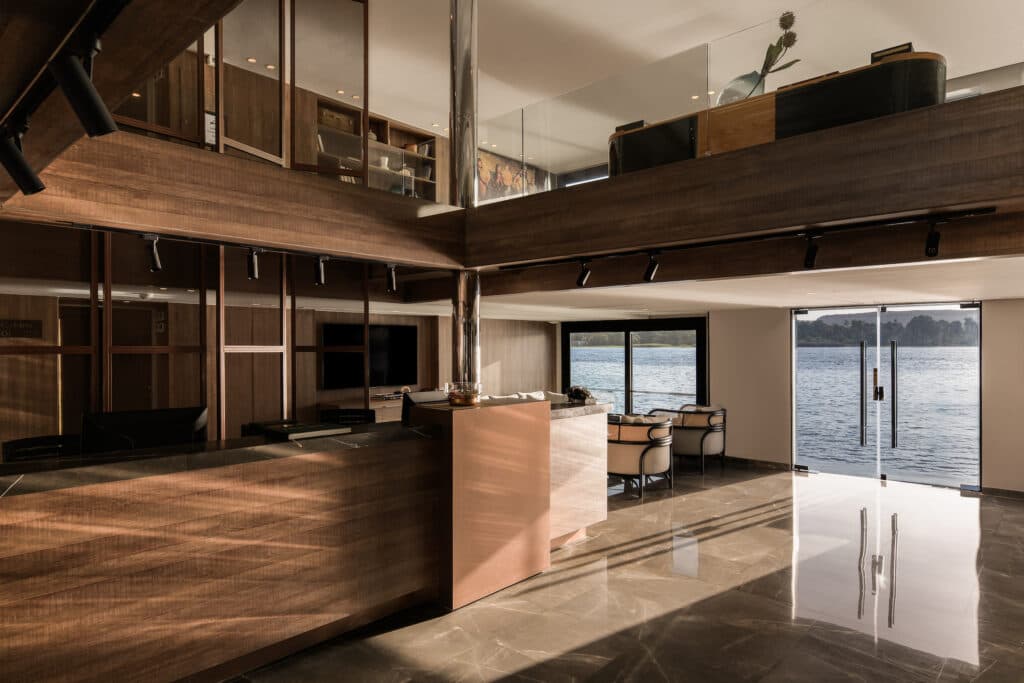
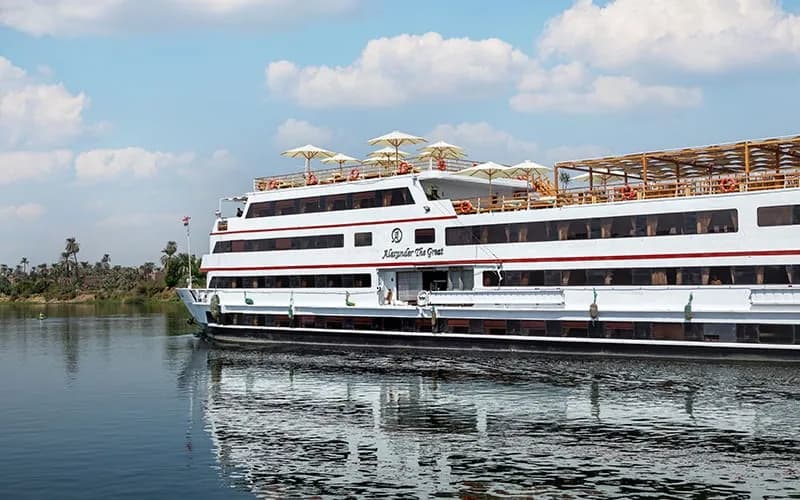
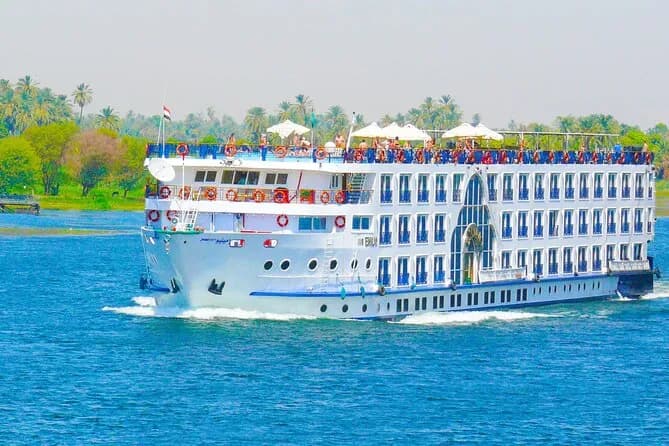
The classic way to do both. A Nile cruise sails between Luxor and Aswan, so you see both cities without choosing. Compare Nile cruise ships and dahabiyas, or read the Nile cruise guide.
A real team available 24/7 to assist you — free
Seif and the team reply on WhatsApp 24/7 — trip questions, custom plans and booking help.
Ask Seif on WhatsAppCommon questions
Is Luxor or Aswan better to visit?
It depends on what you want. Luxor is better for ancient monuments — the Valley of the Kings, Karnak, Luxor Temple and Hatshepsut make it the world's greatest open-air museum. Aswan is better for scenery, calm and Nubian culture, on the prettiest stretch of the Nile. History-lovers lean Luxor; those who want to relax and sail lean Aswan. Most itineraries include both.
Should I choose Luxor or Aswan if I only have time for one?
If temples and tombs are your priority, pick Luxor — it has far more, and bigger, ancient sites, and you can fit Karnak, Luxor Temple and the Valley of the Kings into a busy day or two. If you want scenery, a slower pace, feluccas and Nubian culture, pick Aswan and give it a couple of days.
How far apart are Luxor and Aswan?
About 230 km along the Nile. You can travel between them in roughly 3 hours by train or private car, or over 3–4 nights by Nile cruise, which stops at the Edfu and Kom Ombo temples en route. The distance is too short for domestic flights to be worthwhile for most travellers.
Can I visit both Luxor and Aswan on a Nile cruise?
Yes — that's the classic way to see Upper Egypt. A 3–4 night Nile cruise sails between the two cities in either direction, adding the Edfu and Kom Ombo temples you can't easily reach otherwise, plus days of river scenery. It effectively turns 'Luxor vs Aswan' into seeing both, with bonus temples.
How many days do I need in Luxor and Aswan?
Around 2–3 days for Luxor, given how many major sites it has across the East and West Banks, and about 2 days for Aswan, which is smaller and more relaxed but includes the long day trip to Abu Simbel. A cruise between them typically fills the middle, making a 5–7 day Upper Egypt leg.
Is Aswan worth visiting, or is Luxor enough?
Aswan is well worth it. It's a different experience from Luxor — scenic and calm rather than monument-packed — with the Temple of Philae, Nubian villages, Elephantine Island, a sunset felucca sail and the springboard to Abu Simbel. If you have the days, doing both gives a fuller, better-paced trip than Luxor alone.
Which is cheaper, Luxor or Aswan?
Experience prices are broadly similar. On our catalog the typical Aswan experience runs a little higher than Luxor's — around 6,300 EGP versus 4,500 EGP median — partly because the long Abu Simbel and Philae trips fall in the Aswan bucket. Hotels and food are comparable in both cities.
What's the difference between Luxor and Aswan?
Luxor is the monumental heavyweight, built on ancient Thebes, with the greatest concentration of temples and royal tombs on earth and a busier, more tourist-focused feel. Aswan is a smaller, calmer southern city on the Nile's most beautiful stretch, defined by islands, feluccas, desert edges and Nubian culture rather than dense ruins.
Book it on This is Egypt
Turn this guide into a trip




Egypt's bestsellers
The experiences travelers book most, across the country






Keep reading

5-Star vs 4-Star Nile Cruise (2026): What the Rating Really Means
On the Nile, star ratings are issued locally and generously — almost every boat calls itself 5-star. Here is what actually separates the tiers, and how to read past the label to the real price and quality.
By TiE Editors4 min read

Nile Cruise vs Lake Nasser Cruise (2026): Which Should You Choose?
A Nile cruise sails the temple-lined Luxor–Aswan corridor with dozens of boats to choose from; a Lake Nasser cruise is a remote, uncrowded sail to Abu Simbel and the Nubian temples. Here is the honest comparison.
By TiE Editors4 min read

Liveaboard vs Day-Boat Diving in the Red Sea (2026): Which to Choose
A liveaboard reaches the remote reefs and wrecks day boats can't — the Brothers, Daedalus, deep-south Egypt — but a day boat is cheaper, flexible and beginner-friendly. Here's the honest choice.
By TiE Editors4 min read