 Photo by M.ramadan2014, via Wikimedia Commons, CC BY-SA 3.0
Aswan Travel Guide: The Nile at Its Most Beautiful (2026)
Egypt's gentlest, most beautiful city, island temples, feluccas on a granite-strewn Nile, Nubian culture, and the gateway to Abu Simbel. A detailed guide to what to do, where to stay, and how long to give it.
Quick answer: After the roar of Cairo and the monument-dense days of Luxor, Aswan is where an Egypt trip finally exhales. This is Egypt's gentlest, most beautiful city, strung along a stretch of the Nile that narrows and clears and braids itself around black granite islands at the First Cataract. Feluccas lean into the afternoon wind, the Sahara begins abruptly at the water's edge, and the whole place moves at the unhurried pace of the river. Give it a day or two and it may well be the part of Egypt you remember most fondly. Plan a trip and browse things to do over on the Aswan destination page.
Why visit Aswan
Most people arrive in Aswan expecting a quick stop between temples and leave wishing they had stayed longer. It is the most scenic town on the Nile, the country's Nubian heart, the launch point for Abu Simbel, and the traditional southern anchor of a Nile cruise, all in one compact, walkable place. The sights are excellent, but the real draw is atmosphere: golden light on the water, the sound of Nubian drumming drifting across the river, hibiscus tea on a shaded terrace, and a warmth from locals that travellers single out above the monuments. It is Egypt with the volume turned down, and it works as both a restful finale to a busy itinerary and a springboard for one of the country's great day trips.
The vibe: Egypt's laid-back south
Aswan feels different the moment you step off the train. The air is drier and cleaner, the palms taller, the pace slower. This is Upper Egypt at its most relaxed, a border town with a distinctly African, Nubian character rather than the Mediterranean-facing bustle of the north. The Corniche is made for aimless strolling, the west bank is a wall of golden desert cliffs rising straight from the river, and even in high season it never feels crowded the way Giza or Luxor can. Sunset is the daily ritual here, when the granite turns rose-pink and every felucca on the water seems to be sailing into the same postcard.
Philae: the island temple of Isis
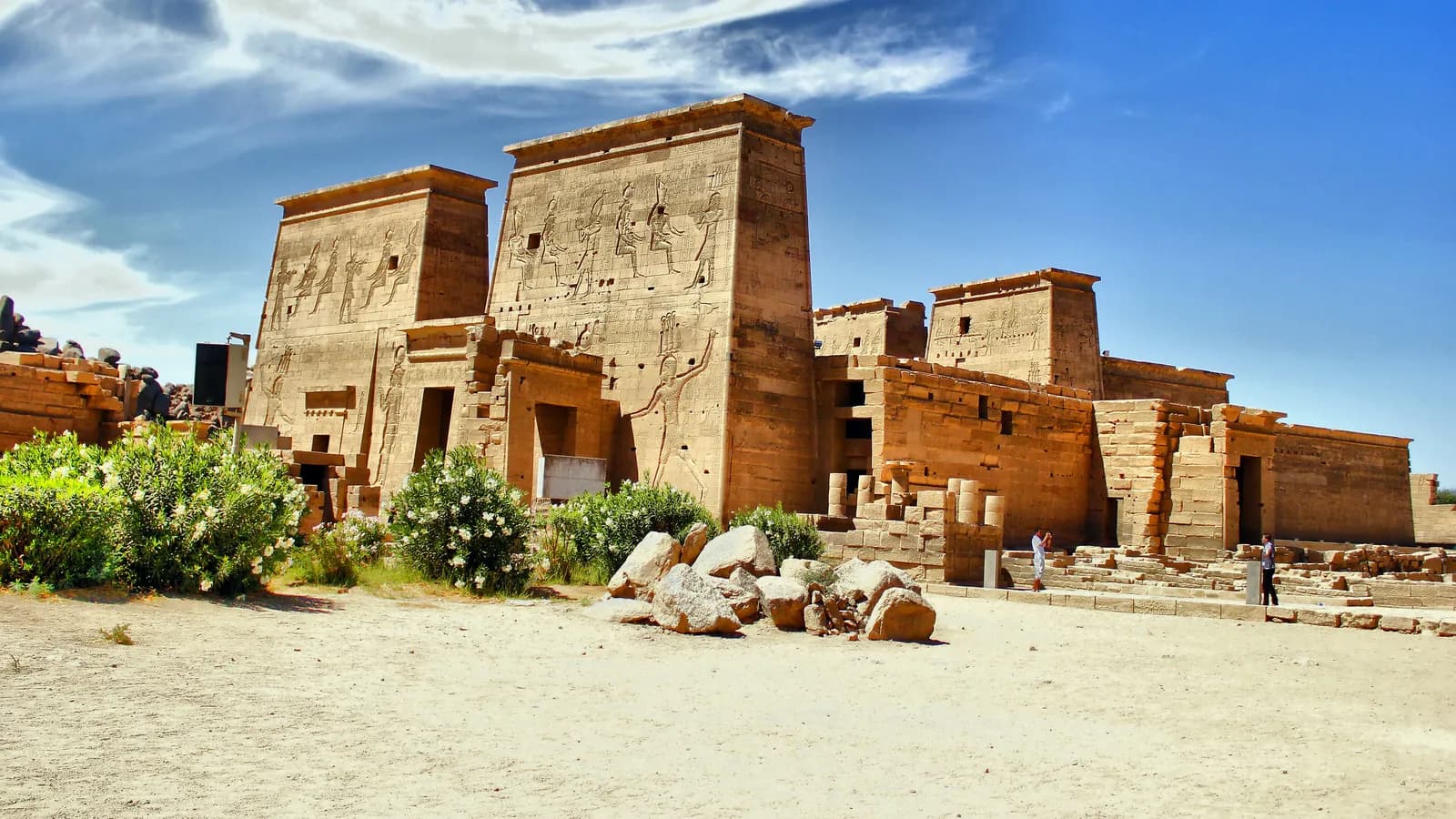
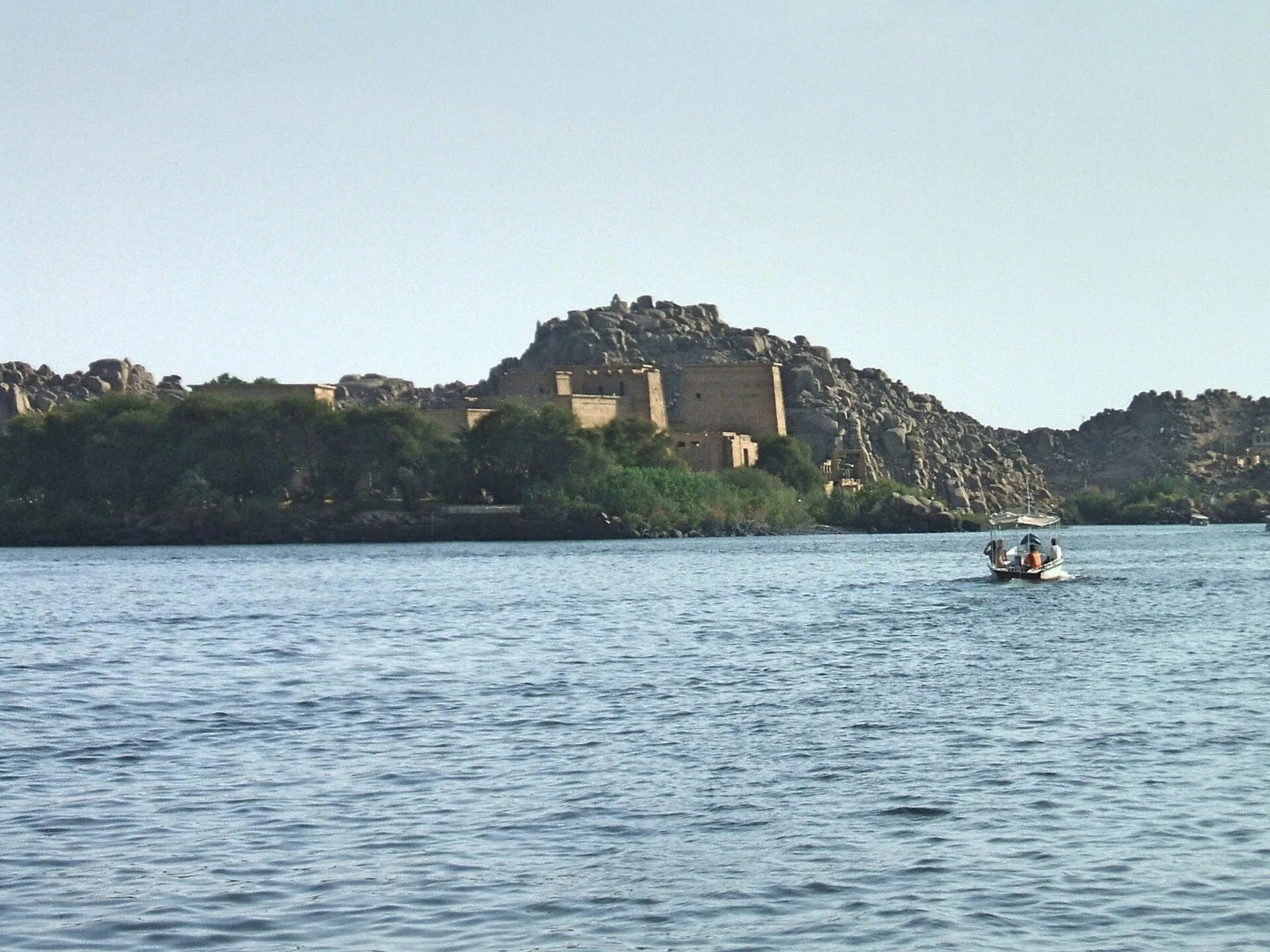 Aswan's signature sight floats on Agilkia Island, reached by a short motorboat ride that slides between granite boulders, an experience in itself. The Temple of Philae, dedicated to the goddess Isis, was one of the last places in Egypt where the old religion was practised, surviving into the 6th century AD. When the Aswan dams threatened to drown it, a 1970s UNESCO campaign cut the temple into some 40,000 blocks and rebuilt it, stone for stone, on higher ground, so what you walk through today was literally moved to save it. Go in the soft early light before the tour buses, or return after dark for the atmospheric sound-and-light show.
Feluccas, Elephantine Island and Kitchener's garden
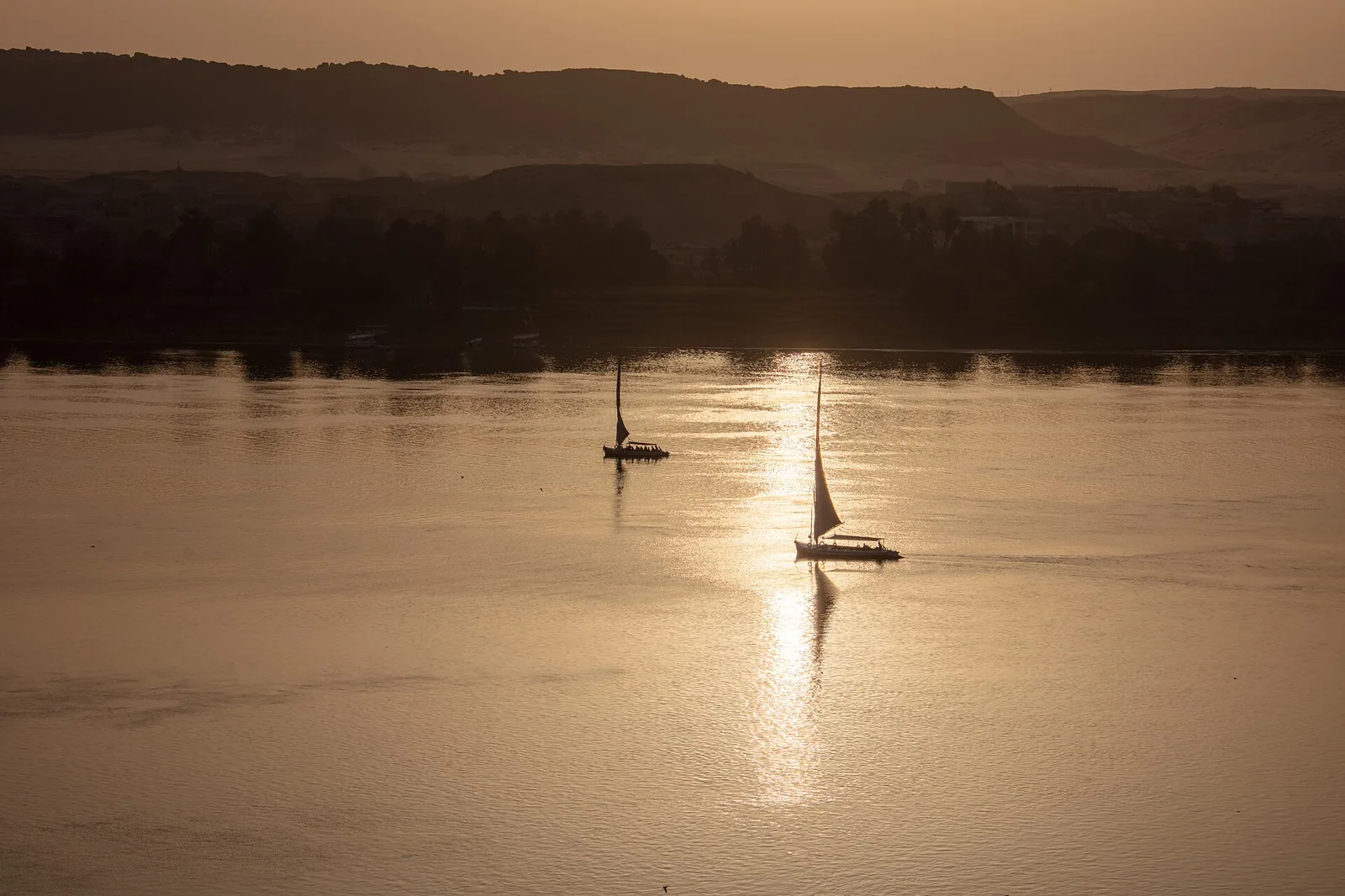 Aswan is felucca country, and an hour under sail here is the quintessential Egyptian experience, and one of the best-value pleasures in the country. Drift around Elephantine Island, with its ancient Nilometer and layered ruins, then on to Kitchener's Island and the lush Aswan Botanical Garden that covers it, planted with subtropical trees gathered from across the empire. From the water you can also see the Tombs of the Nobles cut into the west-bank cliffs, the desert glowing gold behind them, and the Old Cataract hotel commanding its pink-granite bluff. Do not sail at midday, take a felucca at sunset, when the light is at its most extravagant and the temperature finally drops.
Nubian villages and culture
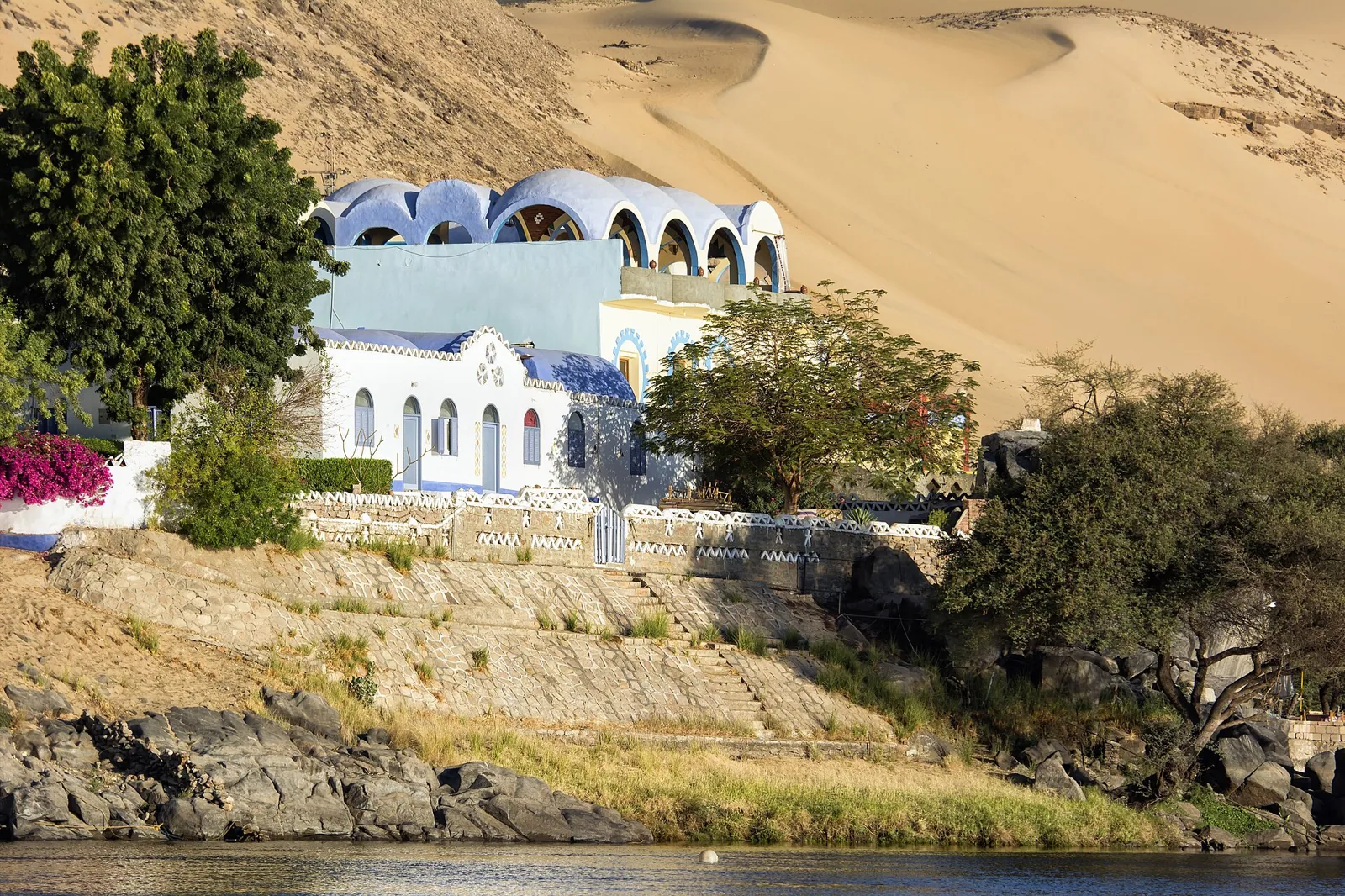 South of the dam, the Nubian people have their own language, music and architecture, distinct from the rest of the Nile Valley, and a hospitality that many travellers rate as the highlight of their whole trip. A visit to a village like Gharb Soheil means cobalt-and-ochre painted houses, glasses of ruby hibiscus tea, henna, and (a local quirk) the occasional resident crocodile kept for luck. The colourful villages of Siou and Koti on Elephantine Island are reachable by a cheap local ferry and free to wander. To understand the culture that Lake Nasser displaced when it flooded old Nubia, the excellent Nubian Museum in town is essential, and genuinely one of the best museums in Egypt.
The souq, the dam and the deep past
Aswan's souq runs parallel to the Corniche and is one of the more relaxed markets in Egypt, less hard-sell than Cairo's Khan el-Khalili, piled high with spices, hibiscus, dates, Nubian scarves and baskets. In the northern quarries lies the Unfinished Obelisk, abandoned mid-cut with a fatal crack still visible; it would have stood 42 metres and weighed over 1,000 tonnes, and it is an unmatched window into how the ancients carved their monuments straight from the bedrock. To the south, the Aswan High Dam and the vast Lake Nasser it created tell the modern chapter, an engineering feat that reshaped Egypt and the map of the whole region.
Abu Simbel from Aswan
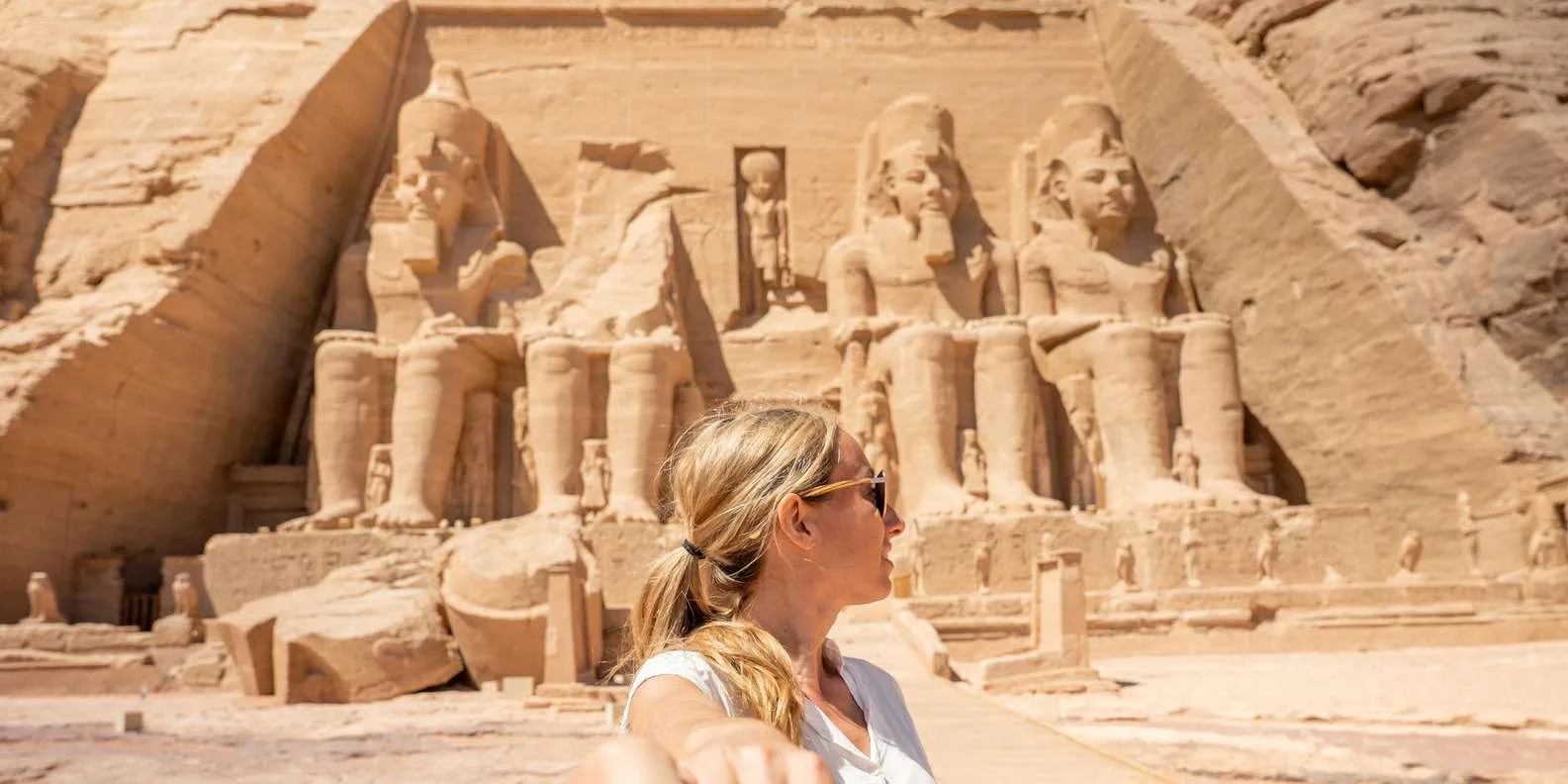
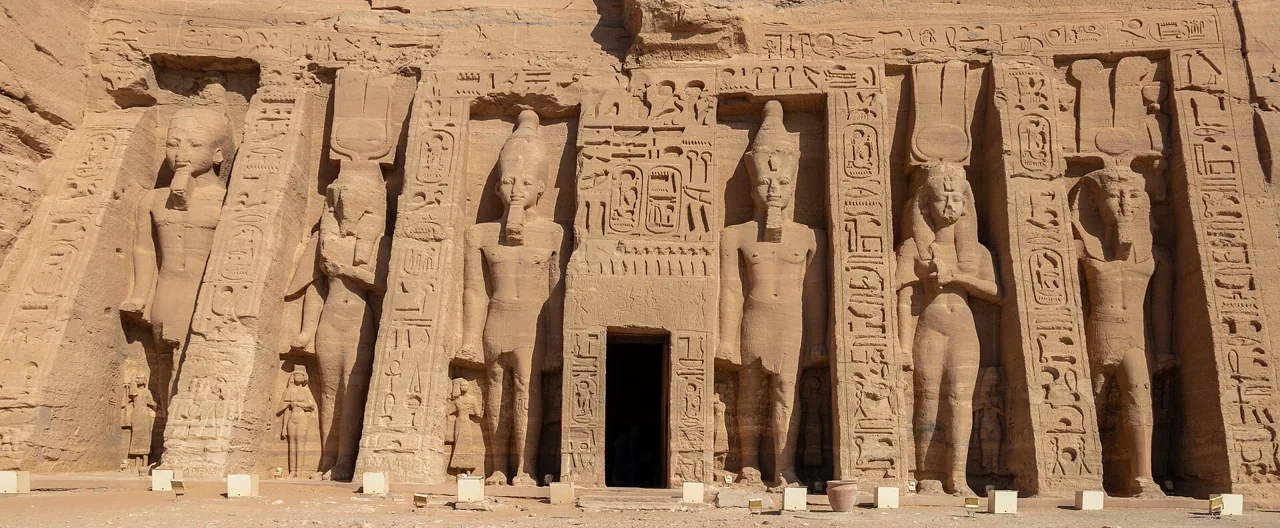 Most travellers use Aswan as the launch point for Abu Simbel, Ramses II's colossal rock-cut temples 280 km south near the Sudanese border. You can go by short flight of about 45 minutes each way, or by an early-morning road trip of roughly three hours in each direction, usually starting before dawn to reach the temples in the cool early light. It is long enough to be a real excursion but comfortably done as a day trip, and for many it is the single most jaw-dropping sight in Egypt. See our full Abu Simbel day trip from Aswan for how to choose between road and air and how to plan the timing.
Aswan as a Nile cruise start or finish
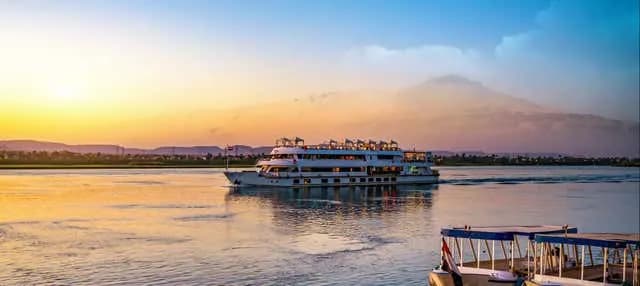
Aswan is the traditional southern turning point of the classic Nile cruise, so many visitors arrive or depart by boat rather than train or plane. The standard route runs between Aswan and Luxor, taking in Kom Ombo and Edfu along the way, and it works equally well in either direction: sail upstream to finish in tranquil Aswan, or start here and end amid Luxor's temple-heavy west bank. Doing the river by boat means you wake up to a moving landscape of palm-fringed banks and working feluccas, and Aswan makes a particularly gentle place to begin or end. For the full picture, see our Nile cruise Aswan to Luxor guide.
Getting there
Aswan sits in the deep south of Egypt, and there are three good ways in:
- By air: the quickest option, with frequent domestic flights from Cairo (around 90 minutes) and short hops from Luxor. Aswan's small airport is close to town.
- By sleeper train: the atmospheric choice. Overnight sleeper services run from Cairo (via Luxor) with private two-berth cabins and dinner and breakfast included, so you travel while you sleep and wake up on the Nile.
- By cruise: arrive by river from Luxor as part of a Nile cruise, the most scenic approach of all.
Best time to visit
Aswan is the hottest city in Egypt, so timing matters. Aim for October to April, when days are warm and comfortable (roughly 20 to 30 degrees Celsius) and evenings are pleasant. Summer, from May to September, is genuinely fierce, with daytime highs regularly topping 40 degrees, so if you must come then, plan dawn starts and long midday breaks by the water. Winter is peak season for good reason.
How long you need
Give Aswan one to two days, plus a half-day or full day for Abu Simbel. Two days is the sweet spot: one for the temples and monuments (Philae, the Unfinished Obelisk, the High Dam) and one for the river and Nubian side (a felucca sail, a Nubian village, the souq and the Nubian Museum). If you are combining it with a cruise, factor in extra time on the water. Pair Aswan with Luxor for the full sweep of Upper Egypt, and see how both fit a first visit in the Egypt travel guide.
Where to stay
- The Old Cataract, the legendary 1899 palace hotel on a pink-granite bluff above the river, where Agatha Christie wrote part of Death on the Nile. Worth a sunset drink on the terrace even if you sleep elsewhere.
- Nubian guesthouses on the west bank and Elephantine Island for colour, character and home-cooked food.
- Nile-view mid-range hotels in town for convenience and easy access to the Corniche and souq.
Practical tips
- Dress for the heat but pack a layer for cool desert evenings and early Abu Simbel starts.
- Carry small cash for felucca rides, ferries and the souq; agree a felucca price before you board.
- Slow down. Aswan rewards unhurried afternoons on the water more than a checklist sprint between sights.
- Book Abu Simbel and cruises ahead in peak winter season, when demand is high.
Ready to plan? Browse things to do in Aswan and build your southern-Egypt trip around the Nile at its most beautiful.
See it from the river. Aswan is where most Nile cruises begin or end — the classic sailing runs from here to Luxor past the temples of Kom Ombo and Edfu. Compare Nile cruise ships and dahabiyas, or read the Nile cruise guide.
Related guides: the Unfinished Obelisk
A real team available 24/7 to assist you — free
Seif and the team reply on WhatsApp 24/7 — trip questions, custom plans and booking help.
Ask Seif on WhatsAppCommon questions
What is Aswan known for?
Aswan is Egypt's most scenic, relaxed city, known for the island Temple of Philae, feluccas sailing among black-granite islands, Nubian villages and culture, the Unfinished Obelisk, the High Dam and Lake Nasser, and as the gateway to Abu Simbel.
How many days do you need in Aswan?
One to two days covers Philae, a felucca sail, a Nubian village, the souq and the Unfinished Obelisk, plus a half-day or day trip to Abu Simbel. Two days is the sweet spot, and Aswan is also a natural start or end point for a Nile cruise.
Is Philae Temple worth visiting?
Yes. The island temple of Isis is one of Egypt's most romantic sights, and it was famously relocated block by block to save it from the rising dam waters. Visit in the soft morning light or return for the evening sound-and-light show.
How do you get from Aswan to Abu Simbel?
By a short 45-minute flight or an early-morning road trip of about three hours each way, usually as a day trip that starts before dawn. Many cruises and tours include an Abu Simbel option from Aswan.
How do you get to Aswan from Cairo?
By a roughly 90-minute domestic flight, by overnight sleeper train with private cabins and meals included, or by arriving on a Nile cruise from Luxor. Flying is fastest; the sleeper train is the most atmospheric.
When is the best time to visit Aswan?
October to April, when days are warm and comfortable and evenings are pleasant. Aswan is the hottest city in Egypt, so avoid the May to September summer if you can, or plan dawn starts and long midday breaks.
Where should I stay in Aswan?
The historic Old Cataract for grandeur and river views, a Nubian guesthouse on the west bank or Elephantine Island for colour and character, or a Nile-view mid-range hotel in town for convenience.
Is Aswan a good place to start or end a Nile cruise?
Yes. Aswan is the traditional southern turning point of the classic Aswan-to-Luxor cruise, which also stops at Kom Ombo and Edfu. It works well as either the relaxed finish or the gentle beginning of a river journey.
Book it on This is Egypt
Turn this guide into a trip


Egypt's bestsellers
The experiences travelers book most, across the country





Attractions in this guide
Keep reading
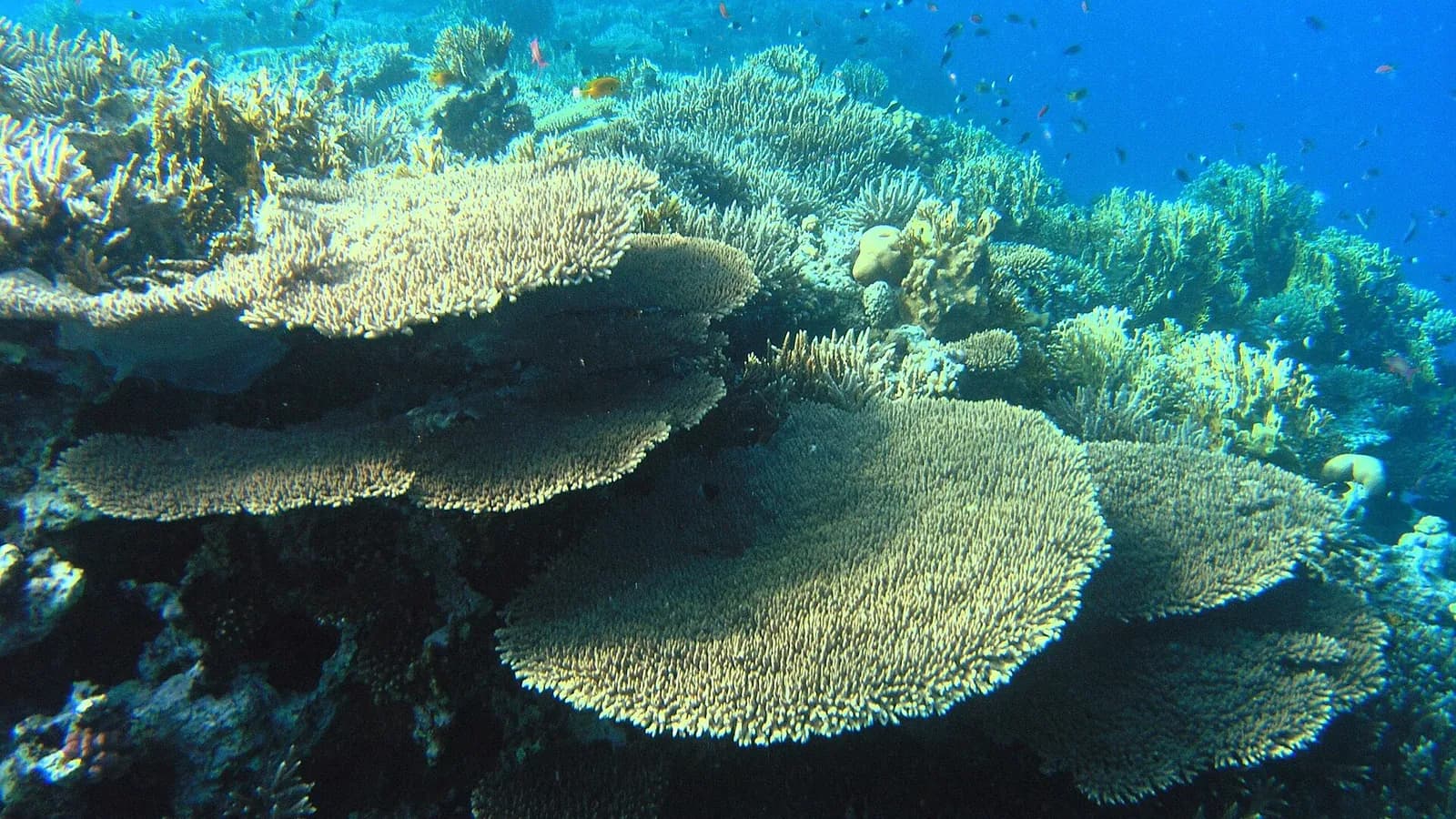
Hurghada Diving (2026): Best Sites, Packages & Prices
Diving in Hurghada — the best reefs (Giftun, Careless Reef, Dolphin House) and Abu Nuhas wrecks, Discover Scuba vs PADI courses, season and water temps, and real 2026 prices.
By TiE Editors7 min read
Hurghada Snorkeling Trips (2026): Best Reefs, Prices & How to Choose
Where to snorkel from Hurghada in 2026 — Orange Bay, Giftun, Mahmya, Utopia and Dolphin House — with boat types, marine life, month-by-month sea temperatures, family tips and real prices from 1,000+ bookable trips.
By TiE Editors7 min read
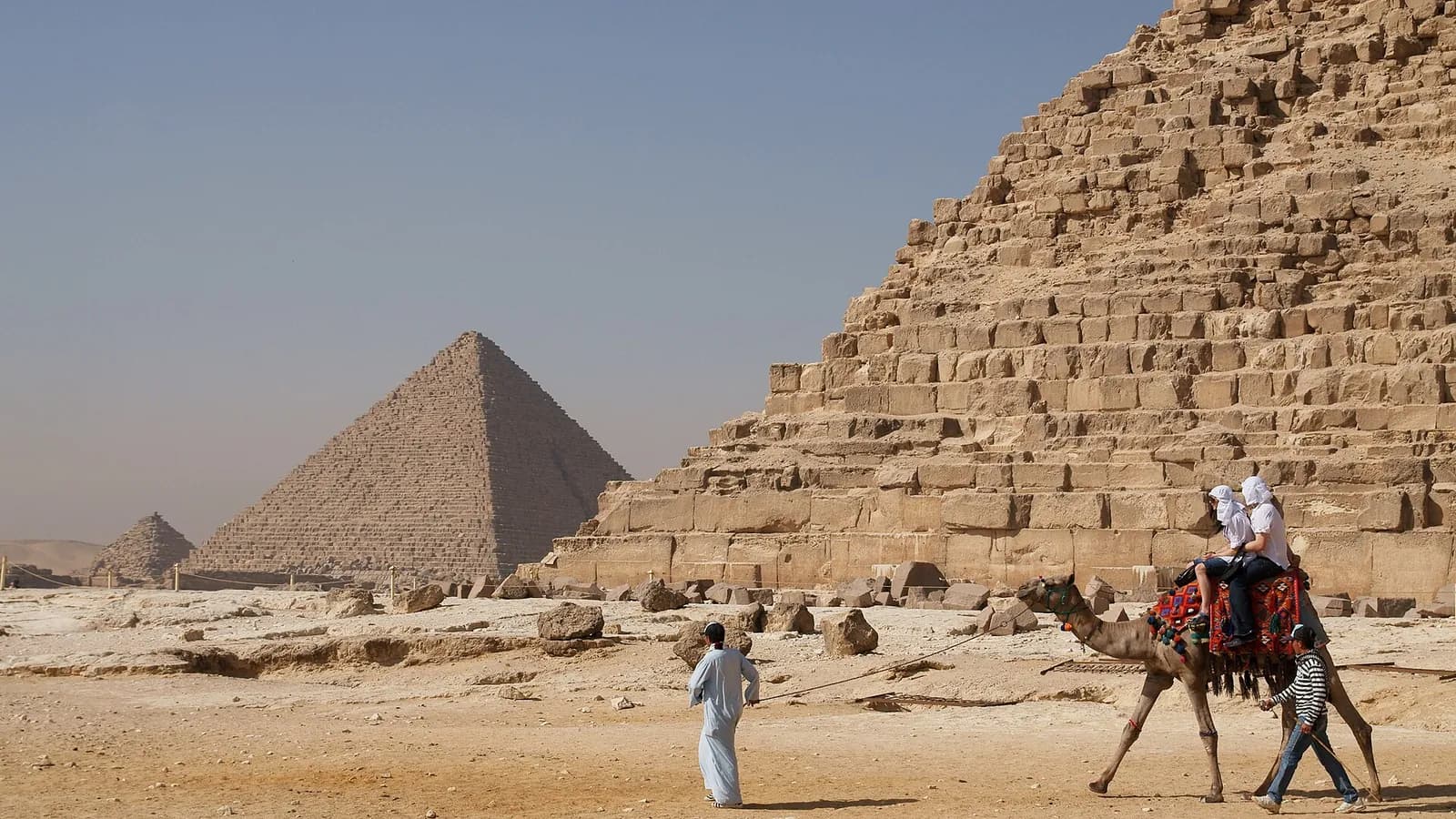
Egypt Tour Prices by Activity (2026): What Each Type Really Costs
What every type of Egypt experience costs — half day, full day or overnight — as a median and a mid-half range in US dollars, from 12,370 live bookable listings.
By TiE Editors6 min read