
Aswan High Dam Tours & Tickets
Browse 27 the engineering feat that created Lake Nasser in Aswan, starting from 1,046 EGP (about 22 USD), with an average rating of 4.7 out of 5. Real prices compared across booking platforms and updated for 2026.

Private Full-Day Luxor Highlights East and West Banks

From Cairo: 5-Day Egypt Highlights Private Tour with Flights

Hurghada: Private Guided City Highlights Tour with Shopping Stops
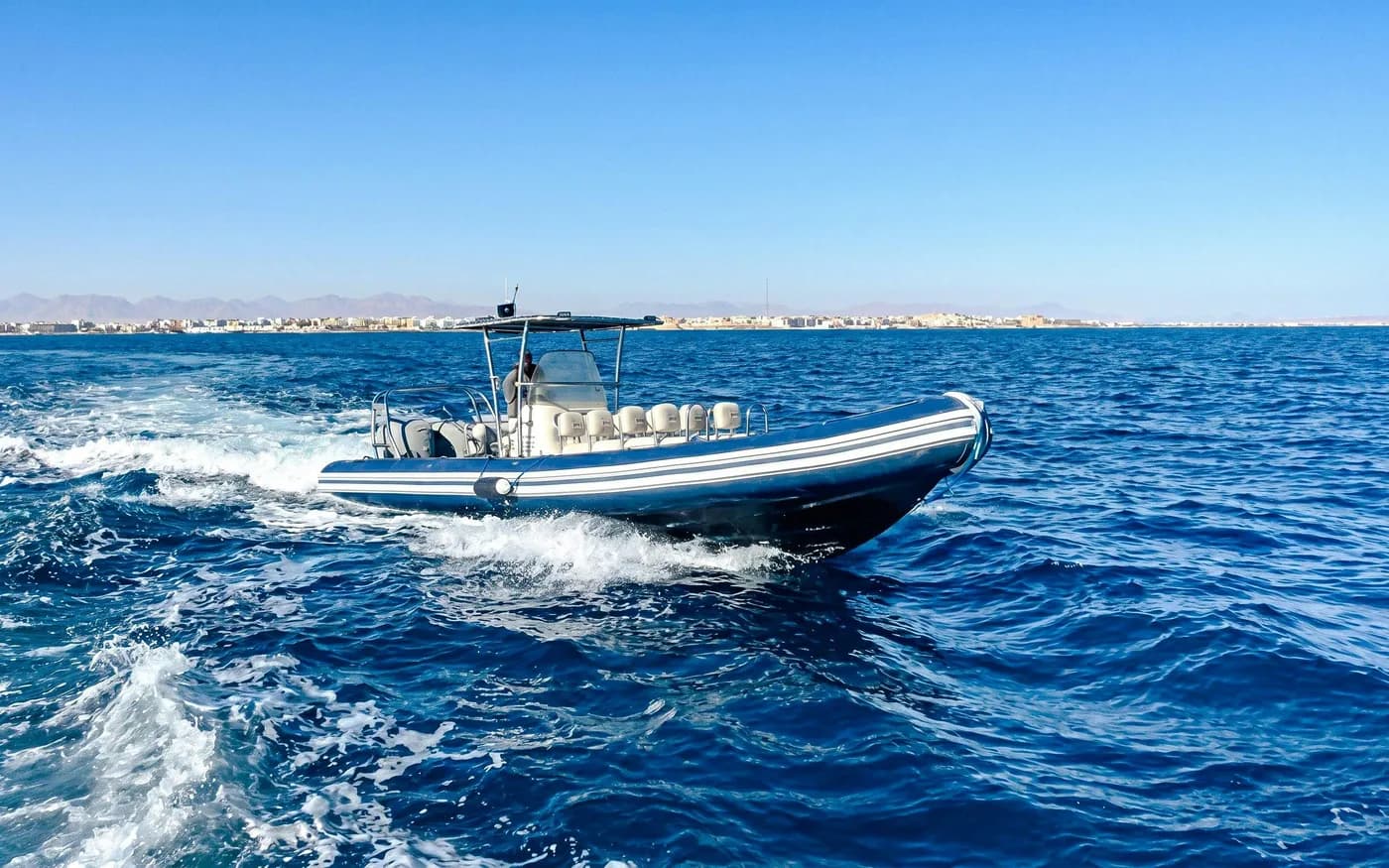
High-Speed Sea Taxi Tour to Orange Bay or Magawish with Round-Trip Hotel Transfers

Hurghada: Cairo and Giza Highlights by mini Van with BBQ Lunch

All Inclusive 2-Day Ancient Egypt and Old Cairo Highlights Tour

Private Cairo Highlights Tour (Pyramids, Grand Museum)

Private, High-End Photography Experiences in Egypt

Private tour Full-Day Luxor Highlights East and West Banks

Private Tour of Luxor Highlights – East & West Bank with Guide
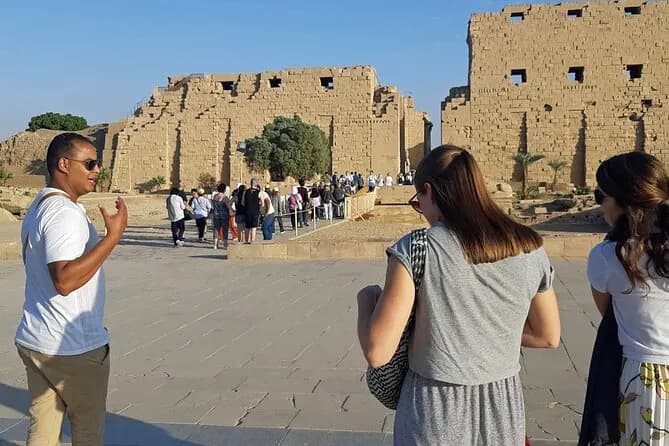
Full day Luxor highlights, private tour with lunch

From Alexandria: Highlights of Alexandria Full City Tour

Hurghada: Private Guided City Highlights Tour with Shopping Stops

Private Luxor Highlights in Two Days
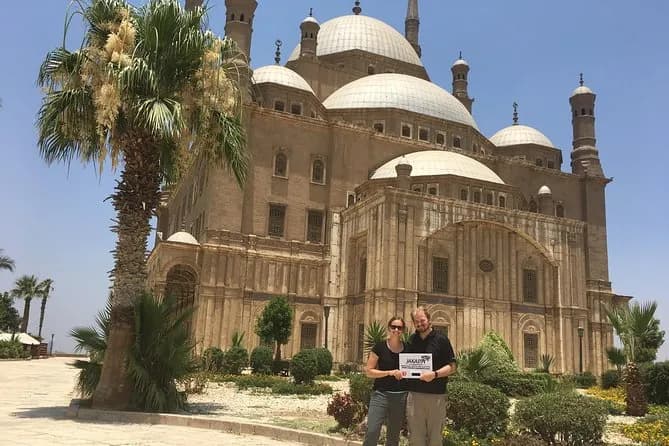
Cairo Sightseeing Highlights Tour Visiting Egyptian Museum Citadel with Mohamed Ali Mosque and khan khalili Bazaar
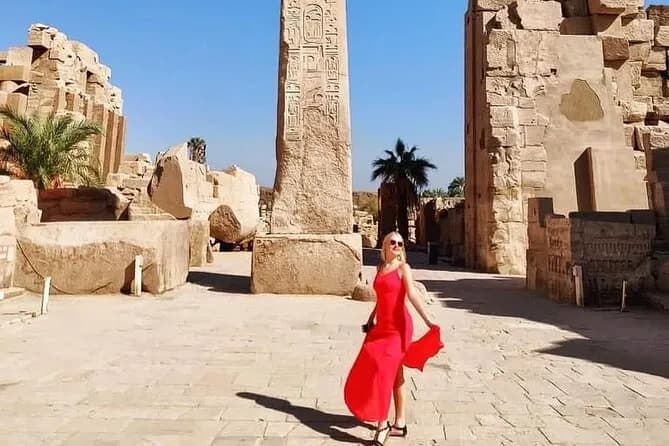
Private Luxor Tour: East and West Bank Highlights
Cairo: All-Inclusive 6-Day Egypt Highlights & Nile Cruise

Two Days Private tour to Cairo highlights
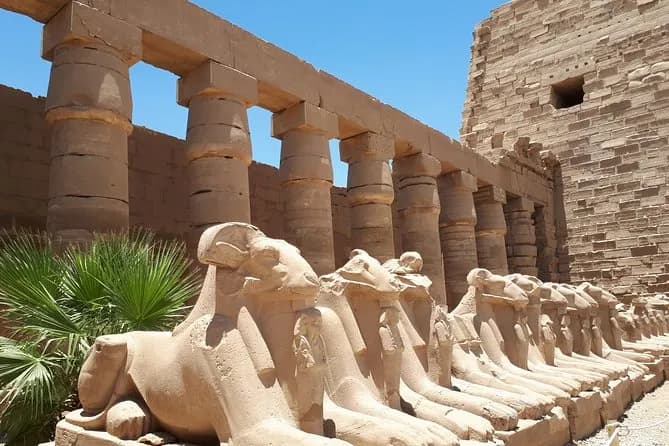
Private Full-Day Luxor Highlights East and West Banks

From Hurghada to Cairo & Giza Highlights with GEM Full-Day Tour

Luxor Highlights Private Guided Tour with an Expert

Private Luxor Highlights Tour | East & West Bank
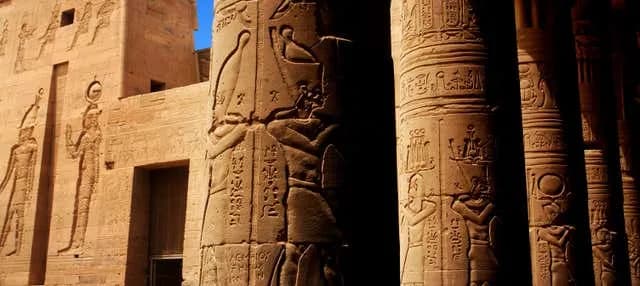
Aswan Dam Philae Temple and The Unfinished Obelisk

Cairo: 11-Day Egyptian Highlights with Nile Cruise & Balloon
Visiting Aswan High Dam: what to know
Updated 26 September 2026Be clear about what the Aswan High Dam is as a visit: it is a viewpoint on top of a very large embankment, with a monument at one end, a checkpoint, and a great deal of water on one side. It is not beautiful. Nobody goes for the architecture. It is on almost every Aswan itinerary because of what it did, and it did more to change Egypt than anything else built in the twentieth century.
Most tours give it twenty to thirty minutes, usually as the first or last stop of a morning that also takes in Philae and the Unfinished Obelisk. That is about right for the site itself. What follows is what makes those twenty minutes worth having.
What it actually did
Before 1970 the Nile flooded every summer. The flood was the basis of Egyptian agriculture for five thousand years: it watered the fields and, crucially, it laid down a fresh layer of silt each year that fertilised them for free. It was also unreliable. A low flood meant famine and a high one meant destruction, and the whole country's fortunes turned on a measurement.
The High Dam ended that. It holds the flood in Lake Nasser and releases water on a schedule, which means year-round irrigation, several harvests instead of one, land reclaimed from desert, and protection from both drought and inundation. It also generates a substantial share of Egypt's electricity.
The costs were equally large. The silt now settles in the lake instead of on the fields, so Egyptian agriculture depends on manufactured fertiliser in a way it never did. The Delta coastline, no longer fed with sediment, is eroding. And the reservoir drowned Lower Nubia.
Nubia, which is the part usually skipped
Filling Lake Nasser flooded the Nubian homeland along the river south of Aswan. Something in the order of a hundred thousand Nubians in Egypt and Sudan were resettled, most of them moved to new villages well away from the river their culture was built around. Nubian communities in Aswan today are the descendants of that displacement, and the loss is present in Nubian music and writing in a way it is not present on any information board at the dam.
If your itinerary includes a Nubian village visit, which many Aswan programmes do, it is worth doing the dam first and the village second rather than the other way round. The sequence makes sense of both.
The temples that were moved
The same flooding threatened the monuments of Lower Nubia, and the response was the largest archaeological rescue operation ever attempted. Under a UNESCO campaign through the 1960s, Abu Simbel was cut into blocks and reassembled on higher ground, and the temple complex of Philae was dismantled and rebuilt on a neighbouring island. Several smaller temples were moved as well, some of them out of the country to the museums that had contributed funding.
This is why Abu Simbel and Philae are on your itinerary at all. Both would be under water. The campaign is also the reason the World Heritage system exists in its modern form: it was created in the aftermath.
The politics, briefly
The dam was built between 1960 and 1970 with Soviet finance and engineering, and it became Soviet only after the United States and Britain withdrew their funding offer in 1956. Nasser's response to that withdrawal was to nationalise the Suez Canal, which triggered the Suez Crisis. The dam is therefore not only an engineering project but the pivot of a geopolitical episode that reshaped the region.
The monument at the western end, a large lotus-shaped tower, commemorates the Soviet and Egyptian cooperation that built it.
Practical notes
There are photography restrictions and a security presence, since the dam is critical infrastructure. Follow what your guide tells you; this is not a place to improvise with a drone.
There is little shade on top and it is usually windy, which is a relief in summer and cold in January mornings more often than people expect.
Is it worth visiting?
As a sight, no. As the explanation for almost everything else you will see in Aswan, yes. Philae stands where it does because of this dam. Abu Simbel sits sixty metres above its original position because of this dam. The Nubian villages are where they are because of this dam. Twenty minutes and a guide who will tell you the whole story is a good trade.
If your time in Aswan is very short and you are choosing, Philae and the Unfinished Obelisk are the better sites. But they read differently once you have stood on the dam.
Other Egypt attractions
Frequently asked questions
How much does it cost to visit Aswan High Dam?
Tours and tickets start from 1,046 EGP (about 22 USD), with a median price of about 3,400 EGP per person.
How many Aswan High Dam tours are available?
There are 27 bookable tours and tickets for Aswan High Dam.
What is the best Aswan High Dam tour?
A top-rated pick is "Private Full-Day Luxor Highlights East and West Banks".
Why is the Aswan High Dam important?
It ended the Nile's annual flood, replacing it with year-round controlled irrigation. That allowed multiple harvests, land reclamation and protection from both drought and destructive floods, and it generates a substantial share of Egypt's electricity. The trade-offs were the loss of the fertile silt the flood used to deposit, coastal erosion in the Delta, and the flooding of Lower Nubia.
Why was the Aswan High Dam controversial?
Filling Lake Nasser displaced roughly a hundred thousand Nubians in Egypt and Sudan from their homeland along the river. It also drowned the monuments of Lower Nubia, prompting the UNESCO rescue campaign, and it cut off the silt that had fertilised Egyptian fields for millennia.
What was flooded by the Aswan Dam?
Lower Nubia, including its villages and much of its archaeology. Abu Simbel and the temple complex of Philae were saved by being cut apart and rebuilt on higher ground; several smaller temples were relocated, some abroad to countries that funded the rescue.
Is the Aswan High Dam worth visiting?
As a sight, not especially: it is a viewpoint on an embankment and most tours give it twenty to thirty minutes. As context it is very worthwhile, because it explains why Philae and Abu Simbel stand where they do and why Aswan's Nubian communities live where they live.
Can you take photos at the Aswan High Dam?
There are restrictions, since the dam is critical infrastructure with a security presence. Follow your guide's instructions on where photography is permitted, and do not fly a drone.