The Unfinished Obelisk, Aswan: Ancient Egypt's Biggest 'What If' (2026)
The Unfinished Obelisk would have been the largest ever raised — until a crack ended it. Abandoned in an Aswan quarry, it's the best window into how the Egyptians cut granite. A quick, worthwhile stop.
Book it on This is Egypt
Turn this guide into a trip
 Original
Grand Egyptian Museum + Nile Dinner Cruise with Show
 Original
Giza Pyramids, Sphinx, Saqqara & Memphis — Full-Day Tour
 Original
Ras Mohammed & White Island Luxury Yacht Snorkel — Sharm
 Original
Valley of the Kings & Hatshepsut Temple — Luxor West Bank
Quick answer: The Unfinished Obelisk lies in an ancient granite quarry in Aswan, and it would have been the largest obelisk ever raised — around 42 metres tall and over 1,000 tonnes — if a crack hadn't appeared in the stone during carving, forcing the ancient workers to abandon it. Left lying in the bedrock, it is an open-air window into how the Egyptians quarried and shaped granite. It's a quick, worthwhile stop in Aswan, where most Nile cruises begin or end. (Confirm opening hours and ticket price on the day.)
Most of Egypt's monuments are finished masterpieces. The Unfinished Obelisk is fascinating precisely because it isn't — it's a construction site frozen mid-project. Here is what it is and why it's worth a stop.
What the Unfinished Obelisk is
Carved directly out of the pink granite bedrock of an Aswan quarry, the obelisk was intended to be a colossus — had it been finished and raised, it would have stood taller and heavier than any obelisk the Egyptians ever erected. It is usually attributed to the reign of Hatshepsut. But partway through the work a fissure opened in the granite, making the monument unusable, and it was left where it lay, still attached to the rock on one side.
Why it matters — a lesson in ancient engineering
Because it was abandoned mid-carving, the obelisk shows the quarrying process in a way no finished monument can. You can see the channels cut around it, the marks of the pounding tools, and the sheer scale of what the workers were attempting with stone, copper and dolerite hammers. It answers, better than any museum caption, the question everyone asks about ancient Egypt: how did they actually do it? For that reason it's a favourite stop for the curious.
Visiting the Unfinished Obelisk in Aswan
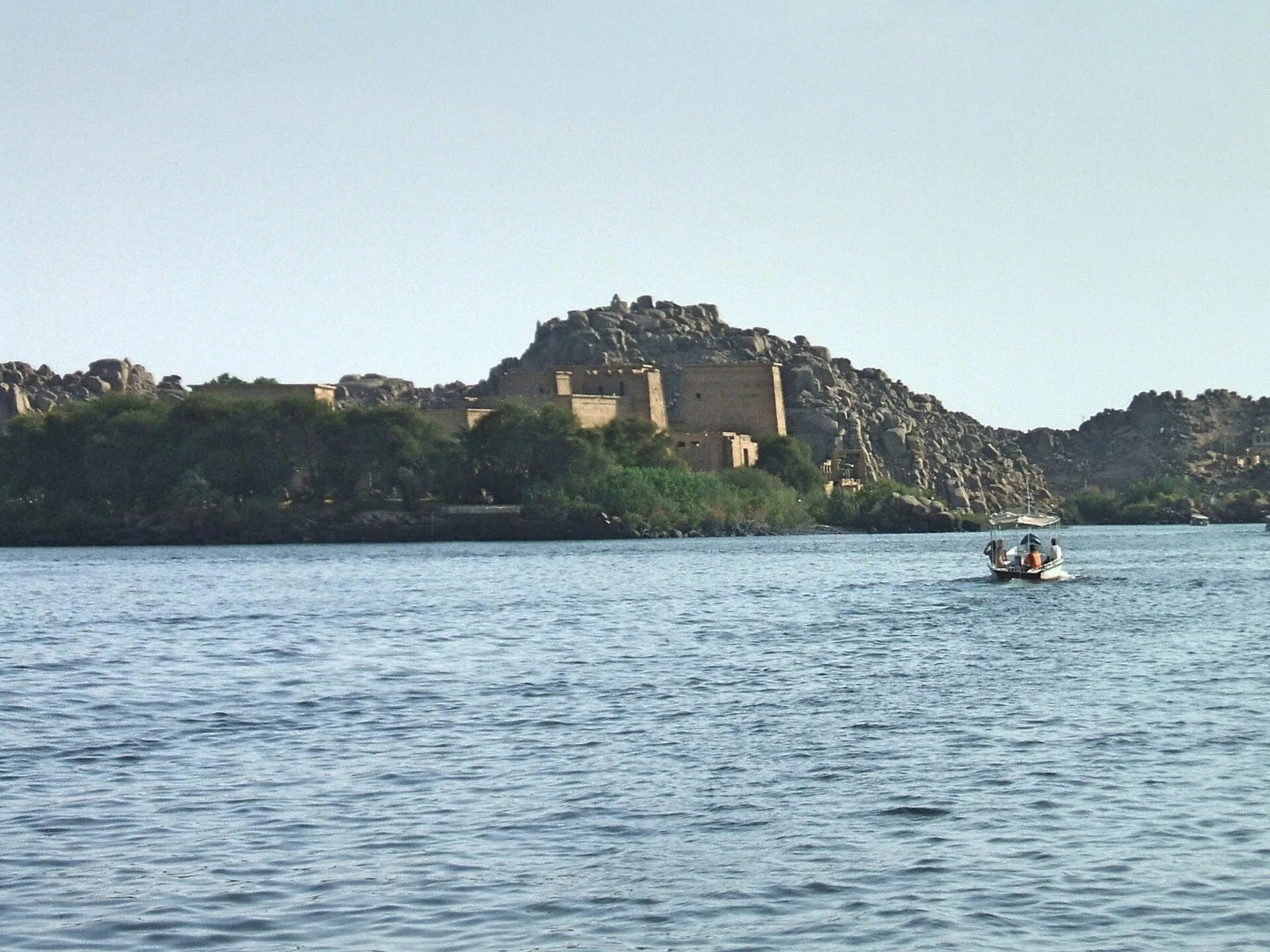
The quarry is on the edge of Aswan and takes only twenty to thirty minutes to see, so it slots easily into an Aswan itinerary alongside the High Dam and the island temple of Philae. It's open-air and exposed, so go early or late to avoid the fierce midday heat, and bring water and a hat. Confirm the current opening hours and ticket price when you go.
Aswan is where the Nile cruise begins or ends
Aswan is one end of the classic Luxor–Aswan Nile cruise, so the Unfinished Obelisk is easy to fold into the start or finish of a sailing, along with Philae and the High Dam. See things to do in Aswan and the Aswan travel guide for the wider city.
Aswan's granite and its monuments
The Unfinished Obelisk makes most sense as part of Aswan's larger story. For thousands of years these quarries supplied the hard, pink Aswan granite prized for the finest work across Egypt — the sarcophagi of the pyramids, the great standing obelisks of Karnak, colossal statues and temple doorways. Barges carried the stone downriver on the flood to sites hundreds of kilometres away. Standing in the quarry, you're at the source of some of the most famous monuments in the country, which makes it a fitting stop in a city that is itself the gateway to the far south — to Philae, the High Dam, Nubia and, beyond, Abu Simbel.
Getting there and visiting
The quarry is on the edge of Aswan, a quick twenty-to-thirty-minute stop that slots easily into an Aswan itinerary alongside the High Dam and the island temple of Philae — see things to do in Aswan. It's open-air and exposed, so go early or late to dodge the fierce midday heat, and bring water, sun protection and a hat. Confirm the current opening hours and ticket price on the day.
See it around a Nile cruise. Aswan is where most Nile cruises begin or end — the Unfinished Obelisk pairs neatly with Philae and the High Dam on the Aswan leg. Compare Nile cruise ships and dahabiyas, or read the Nile cruise guide.
How the Egyptians raised an obelisk
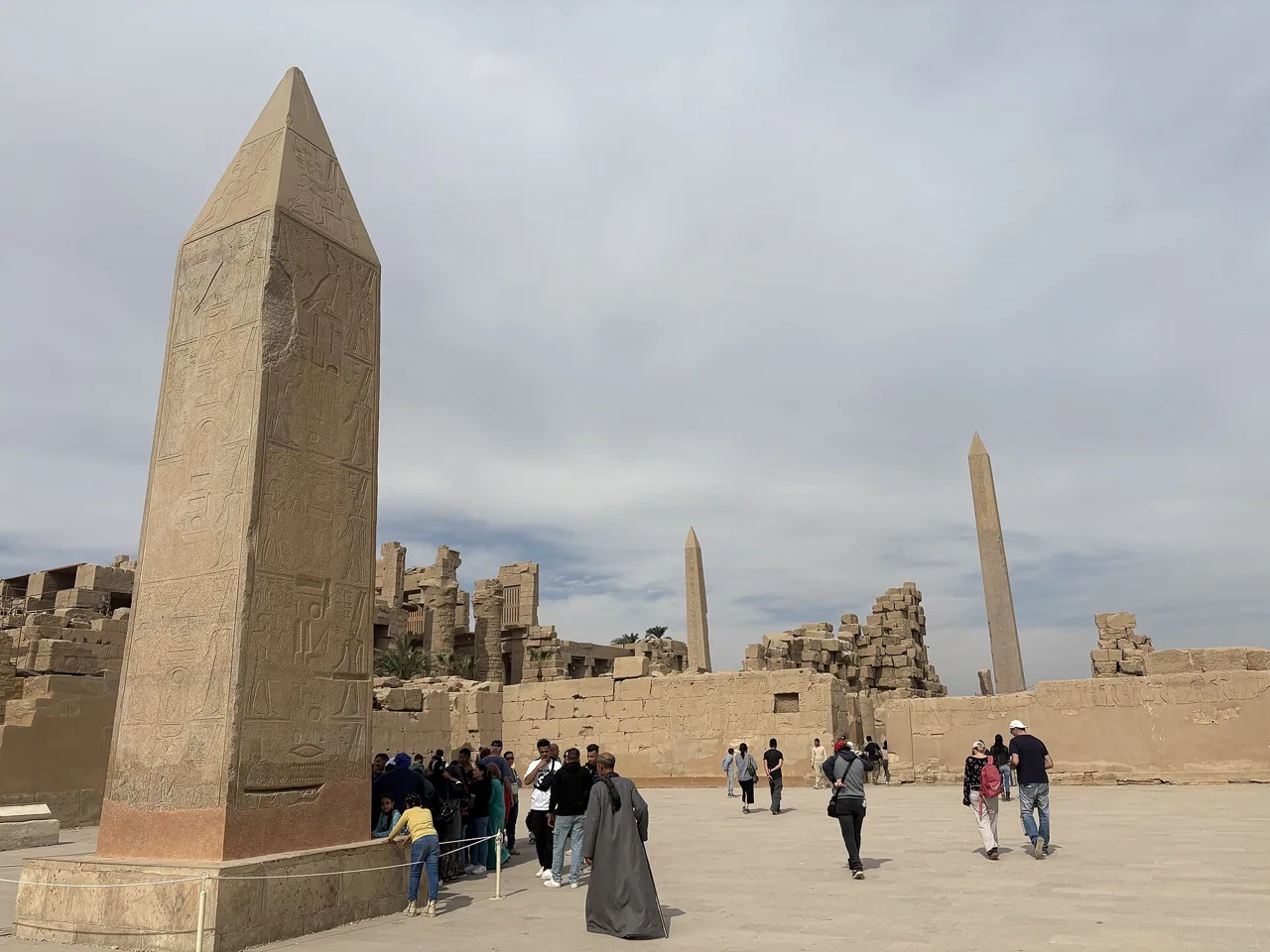
The Unfinished Obelisk is only half the story; the other half is what was supposed to happen next. Aswan's pink granite was the material of choice for Egypt's greatest obelisks, and once a shaft was cut free and shaped, the plan was to move it — floated on a huge barge down the Nile during the annual flood, when the high water made the impossible weight manageable, to a temple often hundreds of kilometres north. There it would be dragged up an earthen ramp and levered upright onto its base, its tip sometimes sheathed in gleaming electrum to catch the sun. Astonishingly, they succeeded again and again: the towering obelisk still standing at Karnak was raised by Hatshepsut, and others cut from these same quarries now stand in Rome, Paris, London and New York, carried off in later ages. Seeing the Unfinished Obelisk lying in the quarry, and then seeing a finished one soaring over a temple courtyard, closes the loop — you grasp both the ambition and the engineering. It's a small stop that quietly reframes everything else you see in Egypt: every standing obelisk began exactly like this one, as a shape emerging from the living rock, and only the luck of an uncracked stone separated triumph from the giant that never rose. Around the abandoned shaft the quarry itself repays a close look: you can still see the rows of holes where wedges were driven, the rounded pounding marks left by dolerite hammer-stones, and the trial trenches where workers tested the rock. Little signboards walk you through the method, and from the upper edge of the quarry there's a fine view over the granite landscape that supplied monuments to half the ancient world. Read the Aswan travel guide and things to do in Aswan.
A real team available 24/7 to assist you — free
Seif and the team reply on WhatsApp 24/7 — trip questions, custom plans and booking help.
Ask Seif on WhatsAppCommon questions
What is the Unfinished Obelisk in Aswan?
A colossal obelisk carved directly out of the granite bedrock of an ancient Aswan quarry and abandoned when a crack appeared in the stone. Had it been finished, at around 42 metres and over 1,000 tonnes it would have been the largest obelisk the Egyptians ever raised.
Why was the Unfinished Obelisk abandoned?
A fissure opened in the granite partway through carving, making the monument unusable, so the workers left it lying in the quarry, still attached to the bedrock on one side. It's usually dated to the reign of Hatshepsut.
Is the Unfinished Obelisk worth visiting?
Yes, as a quick stop — because it was abandoned mid-carving it shows the ancient quarrying process like no finished monument can: the cut channels, tool marks and sheer scale. It takes twenty to thirty minutes and pairs with Philae and the High Dam in Aswan.
How big would the Unfinished Obelisk have been?
Around 42 metres tall and over 1,000 tonnes — taller and heavier than any obelisk the Egyptians actually erected, which is what makes the abandoned attempt so striking.
Where is the Unfinished Obelisk and how do I visit it?
It's in a quarry on the edge of Aswan, an easy twenty-to-thirty-minute stop usually combined with the High Dam and Philae temple. It's open-air, so go early or late to avoid the heat. Aswan is also where most Nile cruises begin or end, so it folds into a sailing easily.
Who built the Unfinished Obelisk?
It's usually attributed to the reign of Queen Hatshepsut. It was never finished — the crack in the granite ended the project — so it was never inscribed or raised.
What was Aswan granite used for?
For thousands of years the Aswan quarries supplied the hard pink granite prized for Egypt's finest work — the sarcophagi of the pyramids, the great standing obelisks of Karnak, colossal statues and temple doorways — floated downriver on the Nile flood to sites across the country. The Unfinished Obelisk is a window onto that whole industry.
How long does the Unfinished Obelisk take to visit?
About twenty to thirty minutes — a quick stop on the edge of Aswan that combines easily with the High Dam and Philae temple. It's open-air, so go early or late to avoid the midday heat, and confirm the current hours and ticket price.
Book it on This is Egypt
Turn this guide into a trip




Egypt's bestsellers
The experiences travelers book most, across the country




Keep reading
Hurghada Diving (2026): Best Sites, Packages & Prices
Diving in Hurghada — the best reefs (Giftun, Careless Reef, Dolphin House) and Abu Nuhas wrecks, Discover Scuba vs PADI courses, season and water temps, and real 2026 prices.
By TiE Editors7 min read
Hurghada Snorkeling Trips (2026): Best Reefs, Prices & How to Choose
Where to snorkel from Hurghada in 2026 — Orange Bay, Giftun, Mahmya, Utopia and Dolphin House — with boat types, marine life, month-by-month sea temperatures, family tips and real prices from 1,000+ bookable trips.
By TiE Editors7 min read
Egypt Tour Prices by Activity (2026): What Each Type Really Costs
What every type of Egypt experience actually costs — from a 1,700 EGP camel ride to a 48,500 EGP Nile cruise — based on 29,710 real bookable tours across seven platforms.
By TiE Editors6 min read