12 Best Things to Do in Aswan, Egypt (2026)
Egypt at its most relaxed: the best things to do in Aswan, from Philae Temple and Abu Simbel to felucca sails and Nubian villages.
Nile Cruises & Dahabiyas
Turn this guide into a trip
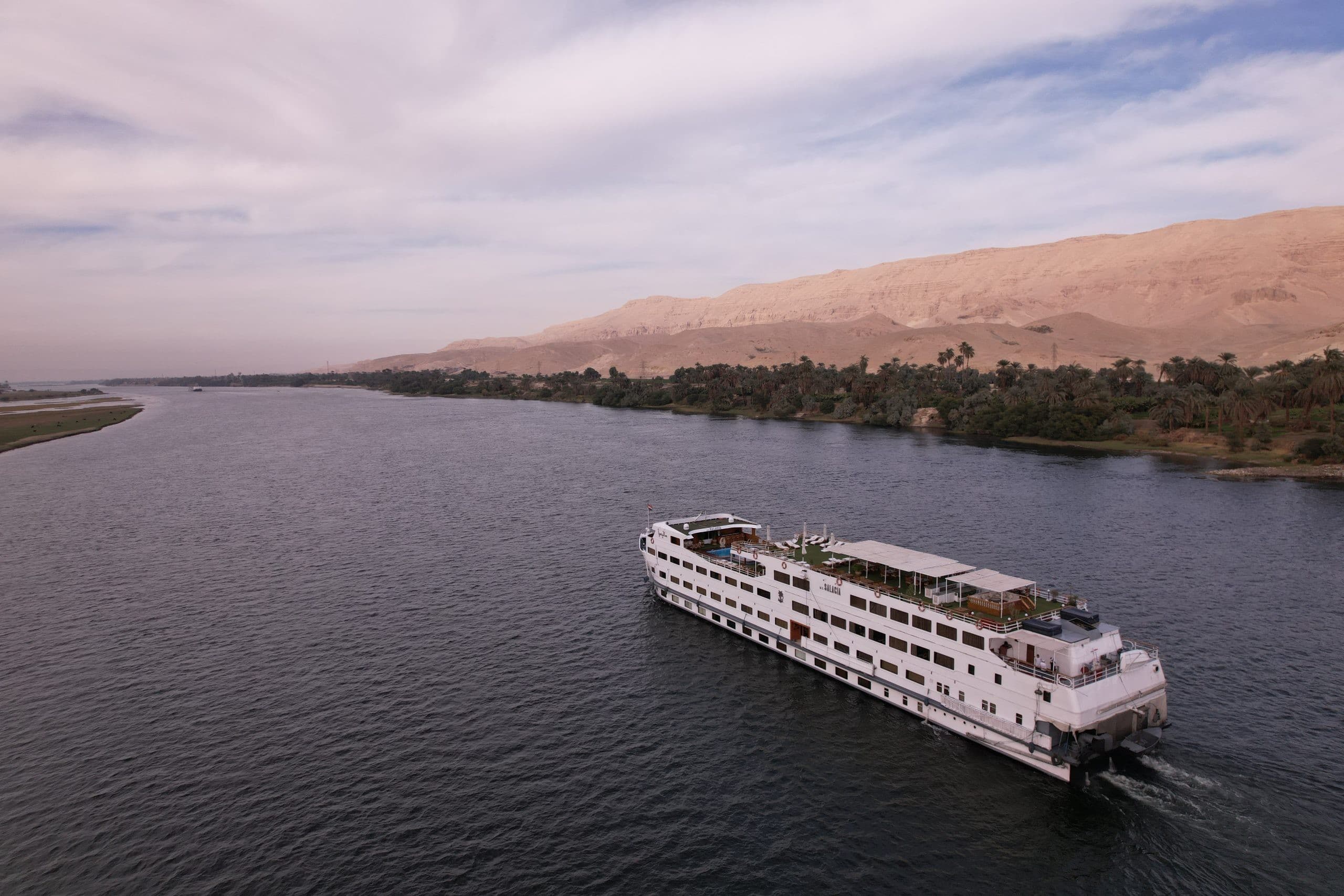
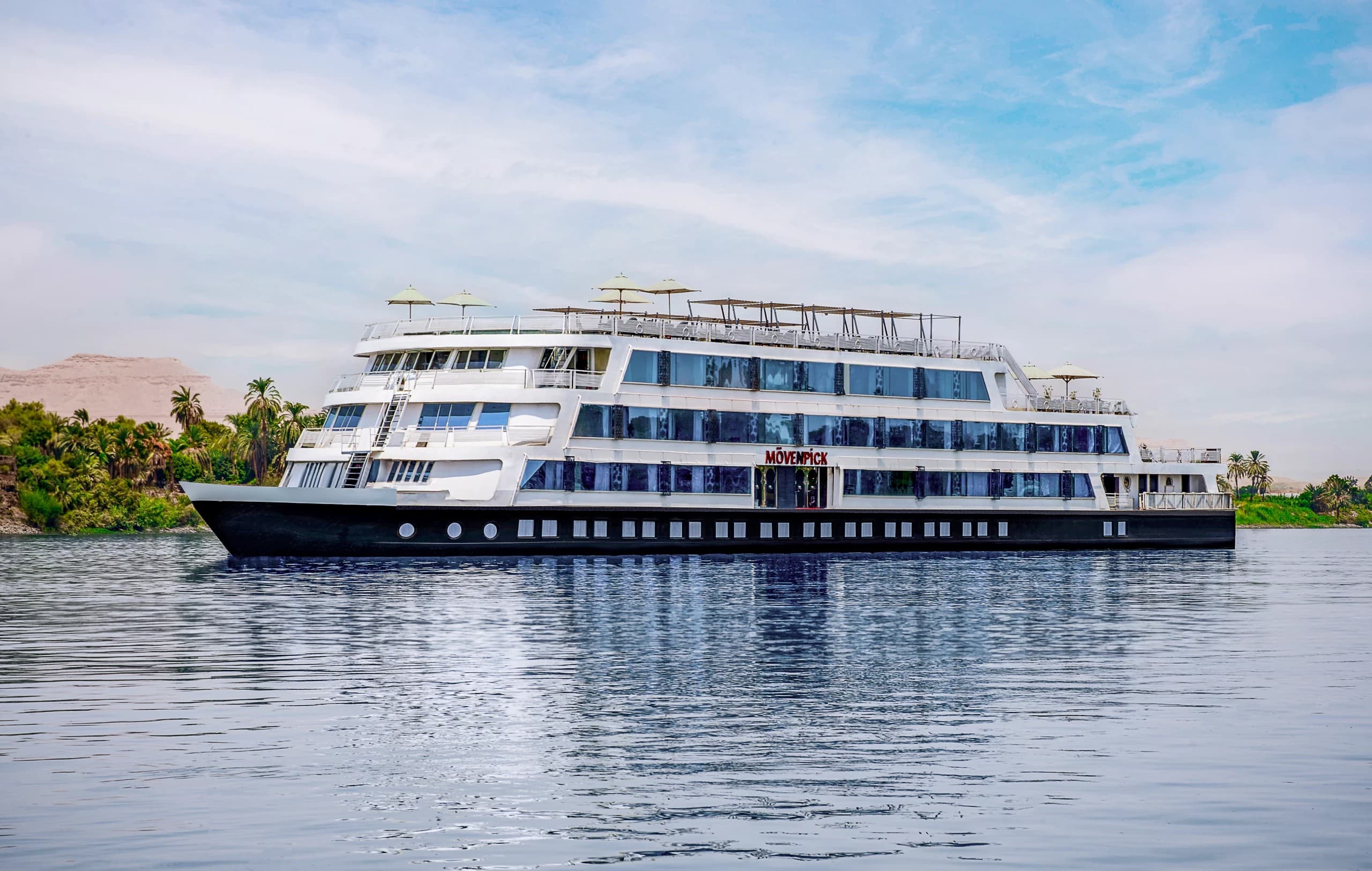
Quick answer: Aswan is the Nile at its most beautiful and Egypt at its most relaxed. The island temple of Philae is the star, reached by a short boat ride; the High Dam and the cracked Unfinished Obelisk bookend the story of ancient and modern Egypt; and the city is the launch point for Abu Simbel, Ramesses II's colossal temples three hours south. But Aswan's real magic is on the water — sail a felucca around Elephantine and Kitchener's islands, and visit a Nubian village for spices, music, and a welcome that feels distinct from anywhere else in Egypt. Give it two full days, three if you're doing Abu Simbel properly.
Egypt's southernmost city sits at the First Cataract, where the Nile spills over granite islands and the desert comes right down to the water's edge. Its ancient name, Swenet, meant "trade" — this was the frontier market town and garrison that guarded Egypt's southern border and quarried the pink granite (syenite) that built temples and obelisks the length of the country. Baedeker's 1895 handbook already knew it as "a wild cataract," scattered with unfinished obelisks left in the rock. Come in winter and you'll understand why Aswan has drawn sun-seekers for over a century.
Here are the 12 things worth your time.
The temples and monuments
1. Philae Temple (on Agilkia Island)
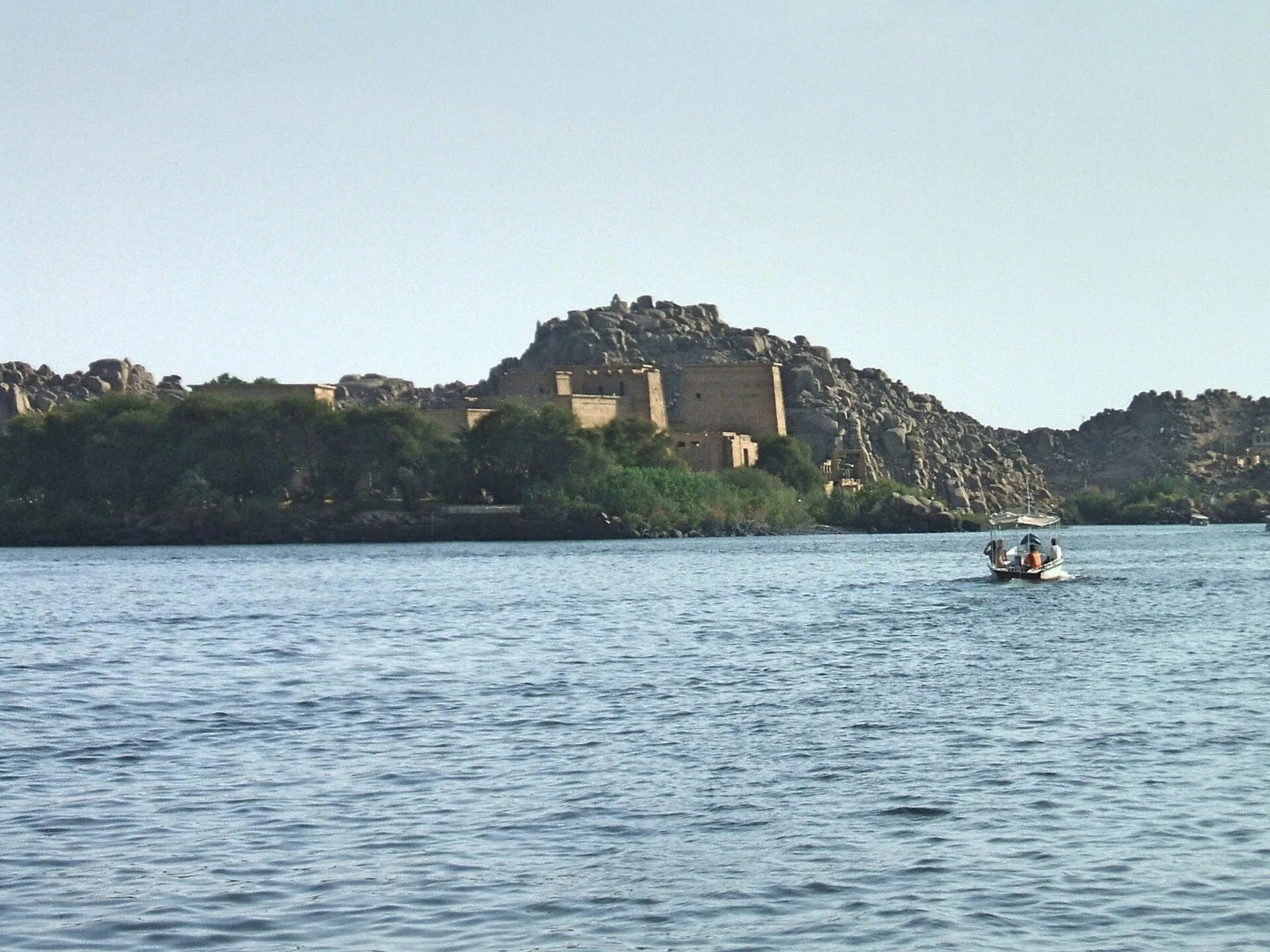 Aswan's showpiece, and you reach it by boat — which is half the pleasure. The temple of Isis at Philae was one of the last strongholds of ancient Egyptian religion, still worshipping the old gods into the 6th century AD, long after the rest of Egypt had turned Christian. When the first Aswan dam was built in 1902 the temple spent much of each year half-drowned; the Italian traveller who came before that saw it whole, and Belzoni in 1817 marvelled at how the sanctuary still held "a figure of Isis sitting."
In one of UNESCO's great rescue feats, the entire complex was dismantled block by block in the 1970s and rebuilt 500 metres away on higher Agilkia Island, safe above the reservoir. What you see today is faithful to the original: the great pylons, the Kiosk of Trajan (the "Pharaoh's Bed"), and the elegant colonnades reflected in the water. Go early or stay for the evening sound-and-light show. Foreign entry runs around 300 EGP (~US$6), plus a separate motorboat fare you'll negotiate at the jetty — agree the round-trip price and your wait time before you get in.
2. The Unfinished Obelisk
Still lying in its quarry on the edge of town, this is the most instructive monument in Aswan. Had it been finished, it would have stood about 42 metres tall and weighed some 1,200 tons — the largest obelisk Egypt ever attempted. The workers abandoned it around 1500 BC (some link it to Hatshepsut) when a crack ran through the granite during cutting.
Because it was never removed, you can see exactly how obelisks were made: the trenches chiselled around the shaft, the pounding-ball marks, the whole industrial process frozen mid-job. It's a short visit — 30 to 45 minutes — and foreign entry is cheap, around 100 EGP (~US$2), often bundled into a combined Aswan ticket with Philae and the High Dam.
3. The Aswan High Dam
Modern Egypt's defining engineering project. Completed in 1970 with Soviet help, the Sadd el-Aali tamed the Nile's annual flood, created Lake Nasser (one of the world's largest reservoirs, stretching 500 km into Sudan), and generates a huge share of the country's electricity. It also displaced tens of thousands of Nubians and drowned dozens of temples — which is why Philae and Abu Simbel had to be moved.
As a sight it's more concept than spectacle: a broad rampart with a monument to Egyptian-Soviet friendship and long views over the lake on one side and the river on the other. Most people give it 20–30 minutes as part of a combined half-day tour. It pairs naturally with Philae and the Unfinished Obelisk, all three within a short drive of each other.
4. The Nubian Museum
The best indoor hours in Aswan, and a fitting answer to what the dam swept away. Opened in 1997 in a handsome sandstone building that echoes Nubian architecture, the museum tells the 5,000-year story of Nubia — the civilisation that stretched south from the First Cataract deep into today's Sudan. Highlights include prehistoric rock art, a huge statue of a 25th-Dynasty Nubian pharaoh, and a moving section on the UNESCO campaign that saved the temples and the villages lost under Lake Nasser.
It's open daily, roughly 9am–5pm (confirm current hours and any midday break on the day), and its cool galleries make an ideal midday stop. Go before you visit a Nubian village and the whole region snaps into focus.
On the water
5. A felucca around Elephantine & Kitchener's Islands
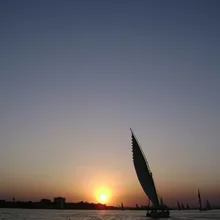
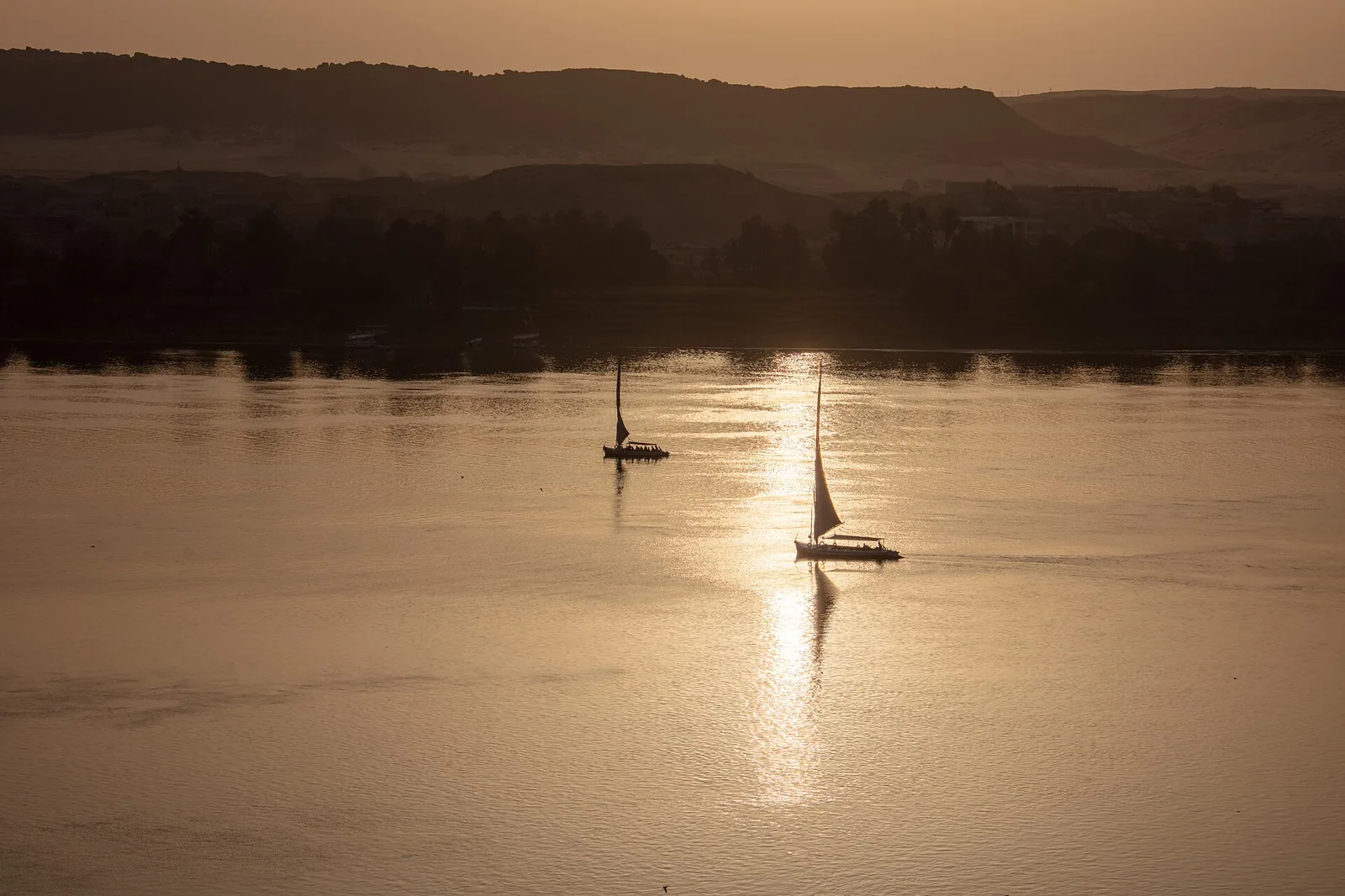 This is why you came. Aswan's stretch of the Nile is the widest and prettiest in Egypt, dotted with green islands, and the way to see it is under sail. Hire a felucca — the traditional wooden boat with the tall triangular sail — for an hour or two in the late afternoon and let the wind carry you between the islands as the light turns gold.
Elephantine Island sits mid-stream opposite the city. Once the ancient frontier fortress of Abu, it holds the ruins of the Temple of Khnum (the ram-headed god of the cataract), a Roman Nilometer used to measure the flood, and two Nubian villages still lived in today. Kitchener's Island — properly the Aswan Botanical Garden — was gifted to Lord Kitchener in the 1890s, and he planted it with exotic trees and palms from across the empire. It's now a shady, bird-filled garden you can wander in half an hour. Agree the boat price and route up front, and tip the captain if he's good.
6. A Nubian village at Gharb Soheil
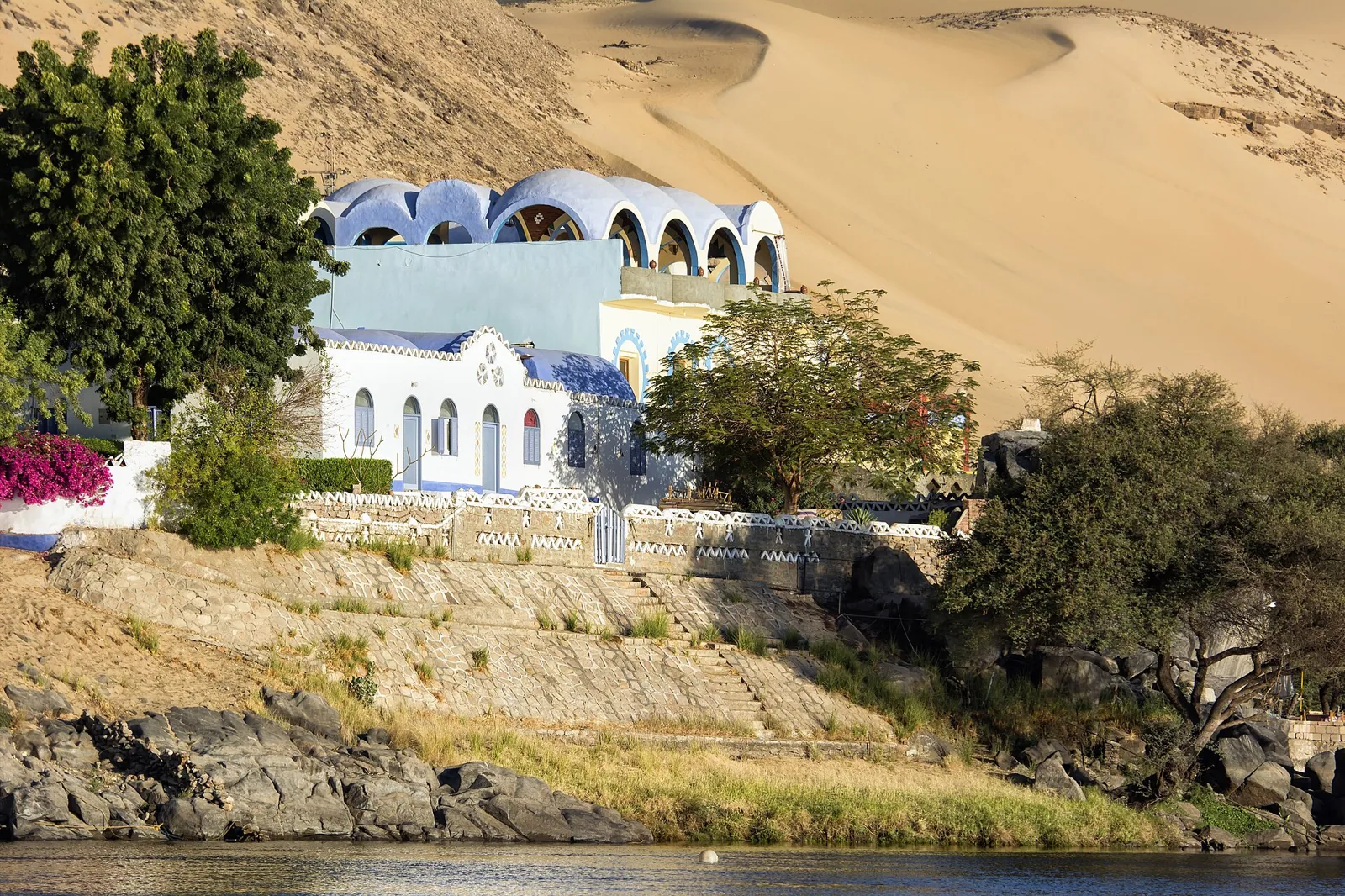 Cross to the West Bank and the mood changes completely. Gharb Soheil is the best-known of Aswan's Nubian villages — a run of bright blue, ochre, and pink houses climbing the sand above the river, hand-painted with camels, palms, and geometric patterns. Nubians have lived along this reach of the Nile for millennia, and after so many were resettled by the dam, village tourism has become both a livelihood and a point of pride.
You'll usually arrive by boat, be welcomed for hibiscus tea (karkadeh) in a family home, browse open sacks of spices and dried hibiscus in the little market, and get a feel for a culture, language, and cuisine quite distinct from the rest of Egypt. Some homes famously keep a small crocodile; henna and Nubian music are part of the show. It's touristy but genuinely warm — go with a light heart and a little cash for tea and spices.
7. The Old Cataract Hotel
Even if you're not staying, come for a drink. The Sofitel Legend Old Cataract is Aswan's landmark: a rose-red Victorian palace on a granite bluff above the river, opened in 1899 to house the winter tourists Thomas Cook was bringing up the Nile. Agatha Christie stayed and set part of Death on the Nile here; Churchill, kings, and film stars followed.
The classic move is afternoon tea or a sunset drink on the terrace, looking across to Elephantine Island and the tomb-dotted West Bank — one of the great Nile views. Note for 2026: the hotel is closed for a long renovation (from May 2026 into 2027), so check before you plan a visit; the terrace and its view may be off-limits during the works.
The big day trips
8. Abu Simbel
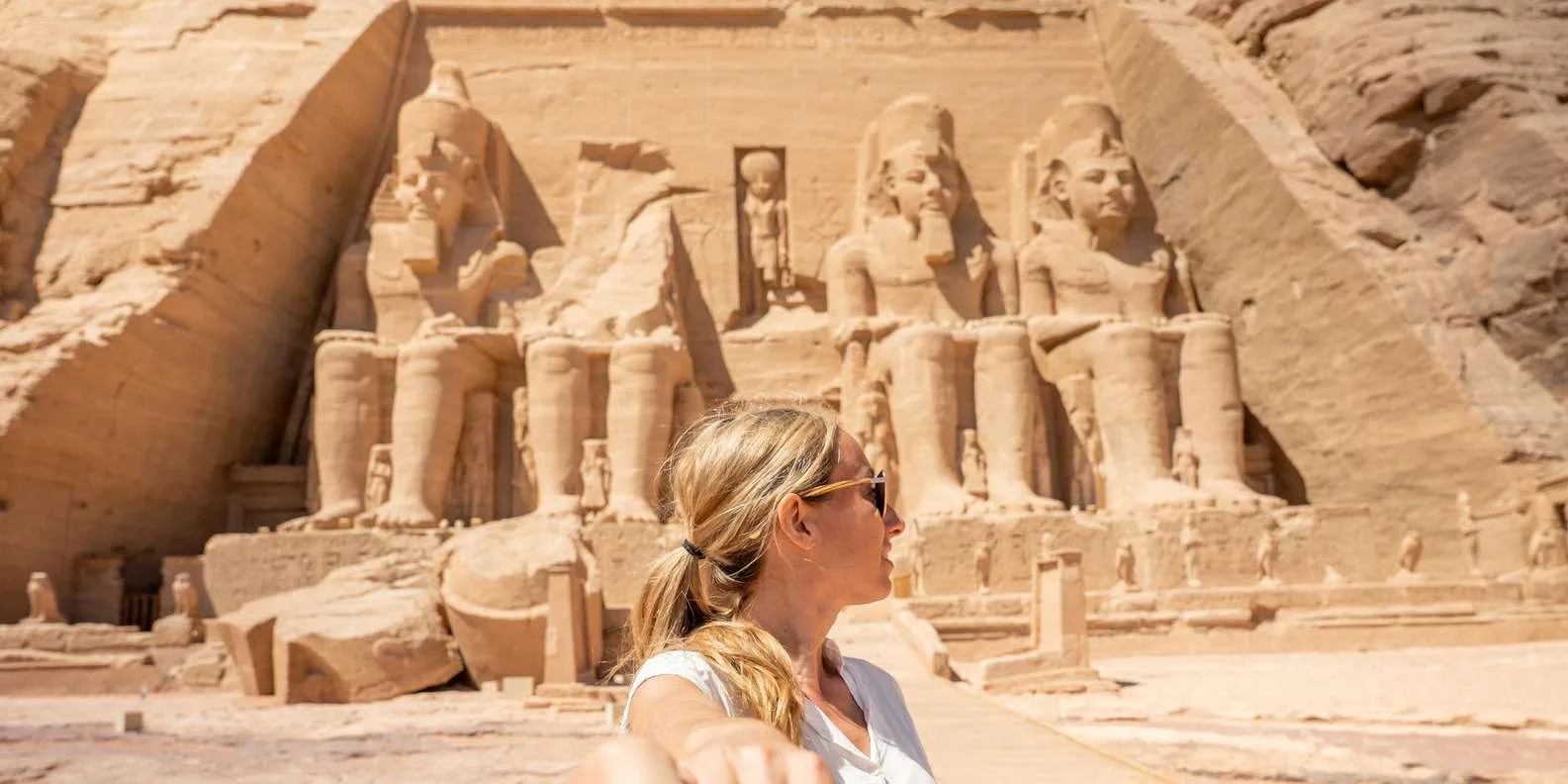
The unmissable one — and a genuine expedition. Ramesses II's Great Temple at Abu Simbel, guarded by four enthroned colossi carved 20 metres high into the cliff, is the most dramatic monument in Egypt after the Pyramids. Beside it stands the smaller temple to his queen, Nefertari. When Belzoni first cleared the sand-choked entrance in 1817 he found the interior "in a very perfect state," its painted halls untouched. Like Philae, the whole thing was cut apart and lifted 65 metres up the cliff in the 1960s to escape the rising lake — arguably the greatest archaeological rescue ever attempted.
Abu Simbel is about 280 km / a 3–3.5 hour drive each way from Aswan, or a short 45-minute flight. Most people go by road as an early-morning day trip, leaving around 4am; a scenic alternative is the Lake Nasser cruise that reaches it from the water. Aim to be there for the twice-yearly solar alignment (around 22 February and 22 October), when the dawn sun pierces the temple to light the gods in the inner sanctuary. Foreign entry is around 550 EGP (~US$11); the drive and guiding push a full day-tour higher. See our dedicated Abu Simbel guide for timings and how to choose road vs. flight.
9. Kom Ombo & Edfu, heading north
If you're travelling on to Luxor, the two temples between the cities are worth the stops — most Nile cruises call at both. Kom Ombo, about 45 km north of Aswan, is a rare double temple dedicated to two gods at once: the crocodile god Sobek and the falcon-headed Haroeris. Its riverside setting is beautiful, and the attached Crocodile Museum displays dozens of mummified crocodiles pulled from the sands nearby.
Another 60 km north, Edfu is the best-preserved major temple in Egypt — the great Ptolemaic Temple of Horus, buried in sand until the 1860s and so complete you can climb to the roof and read the walls like a book. Both make easy road stops from Aswan or, better, unfold naturally on a cruise.
Slow travel
10. A Nile cruise leg to Luxor
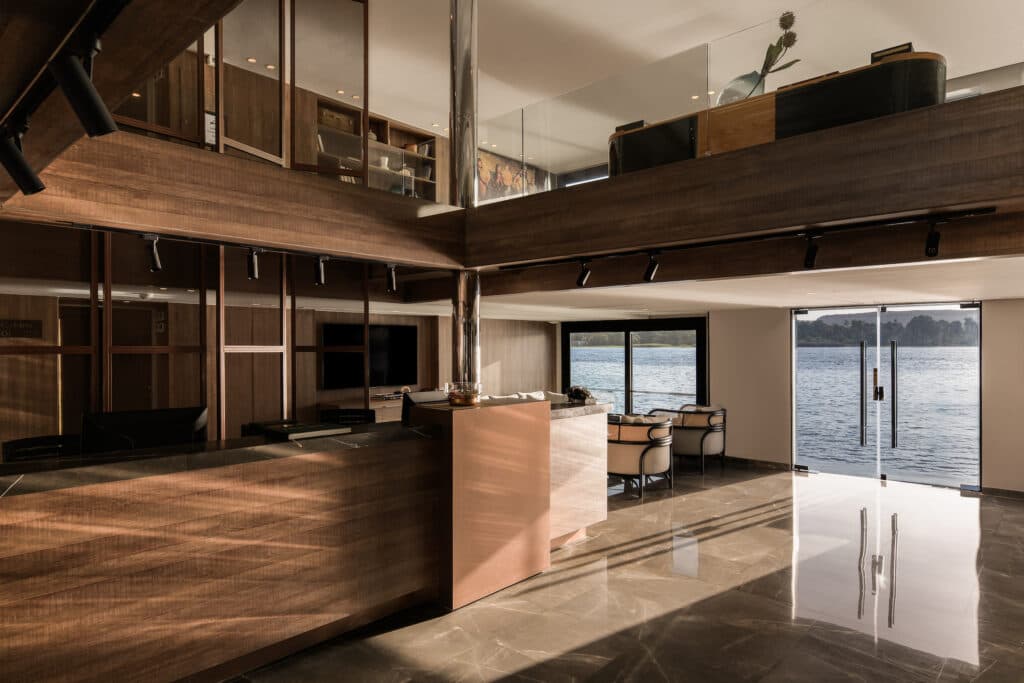
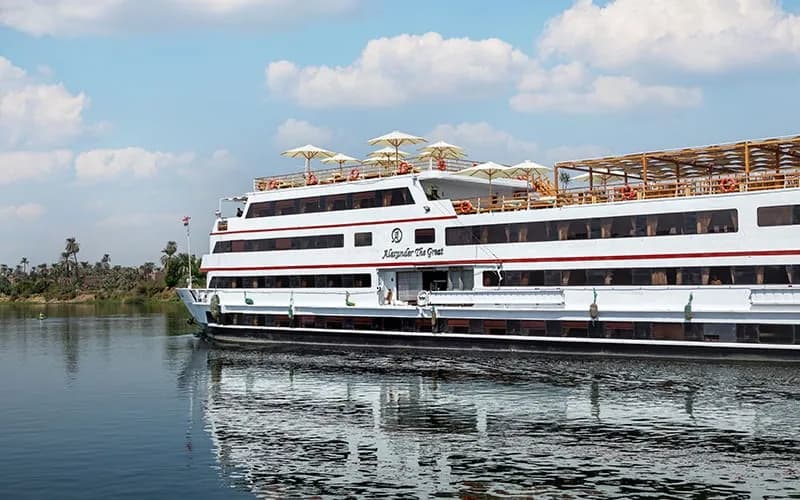
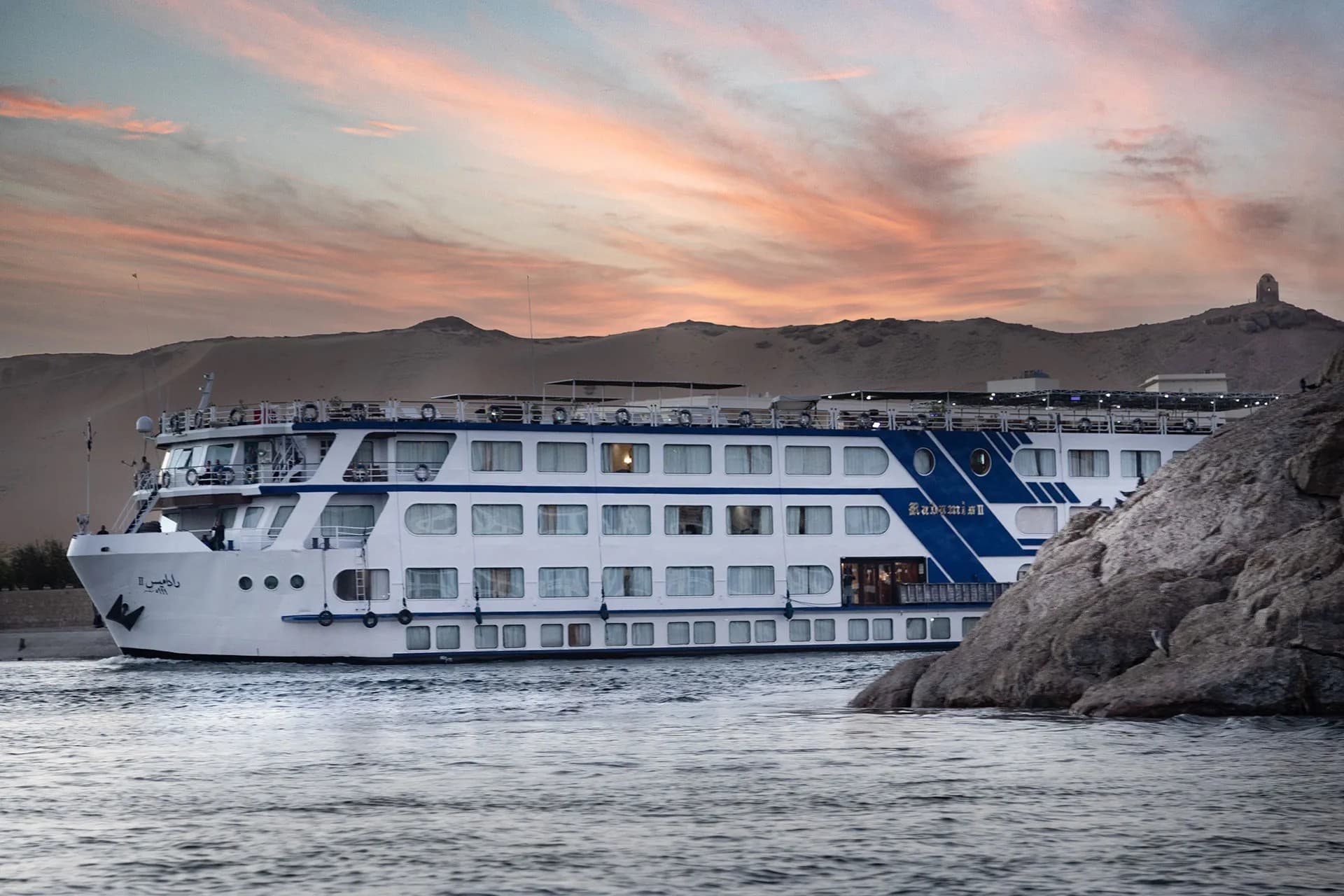
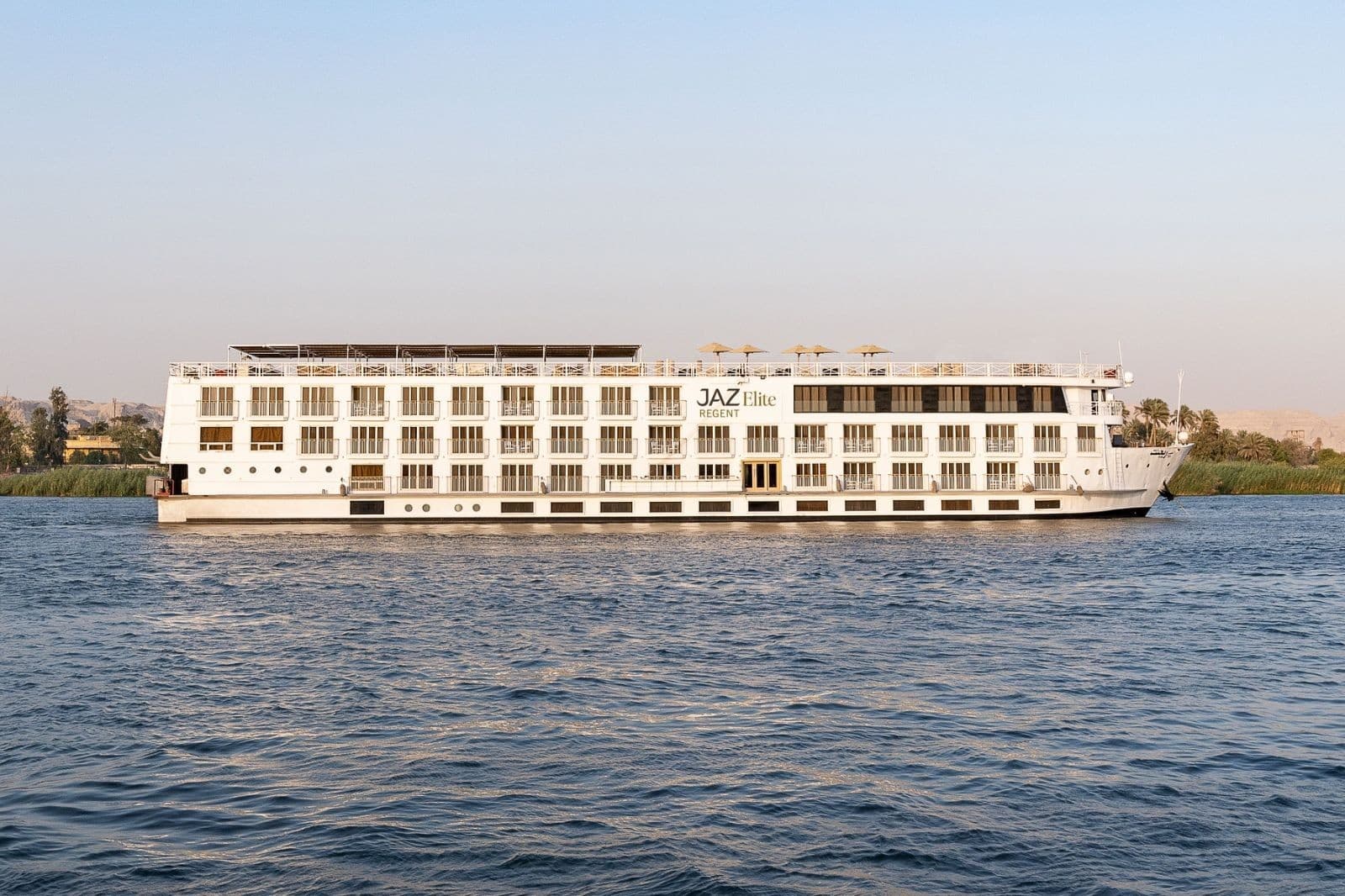
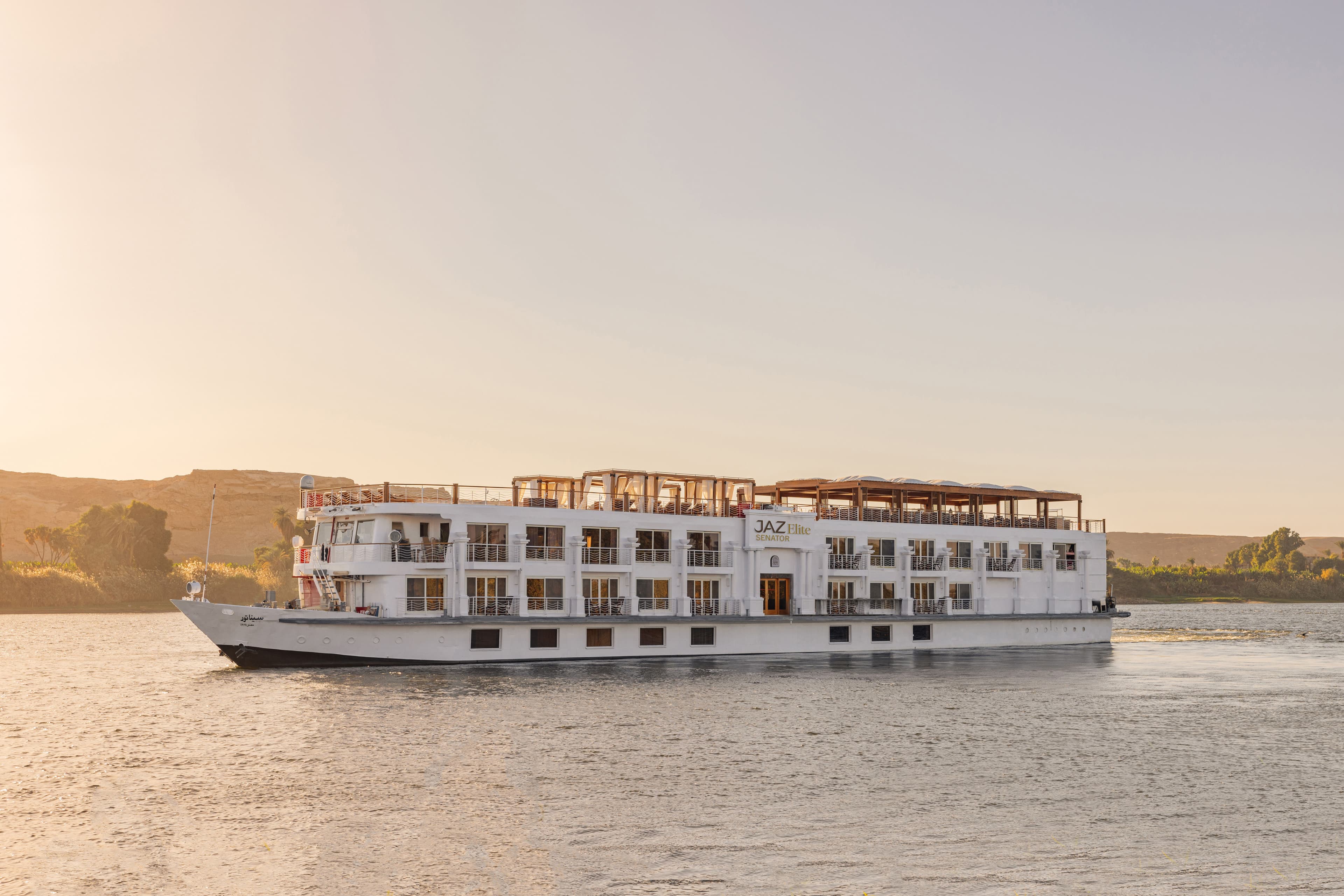
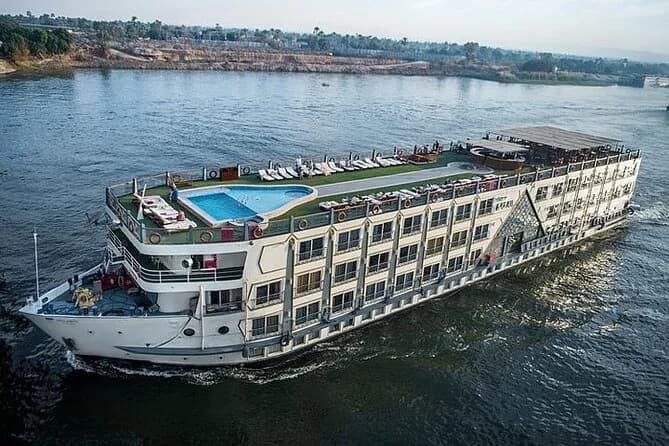
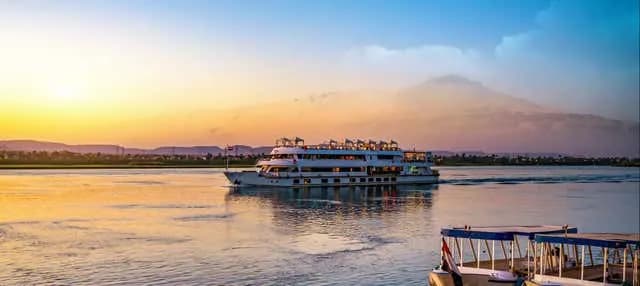
The classic Egyptian journey. A Nile cruise between Aswan and Luxor typically runs 3 nights (4 days), drifting north past Kom Ombo and Edfu with the temples spaced out like stations along the river. It's the same slow, temple-hopping route Thomas Cook first sold tourists in 1869, and still the most romantic way to travel between the two cities. Cruises are Aswan's priciest experience by far — the median in our catalogue sits well into five figures in EGP — but they roll transport, hotel, meals, and sightseeing into one. Sail downstream from Aswan to Luxor rather than the reverse and the current carries you the whole way. Our Egypt itinerary guide shows how to slot a cruise leg into a wider trip.
11. The West Bank: Aga Khan Mausoleum, St Simeon & the Tombs of the Nobles
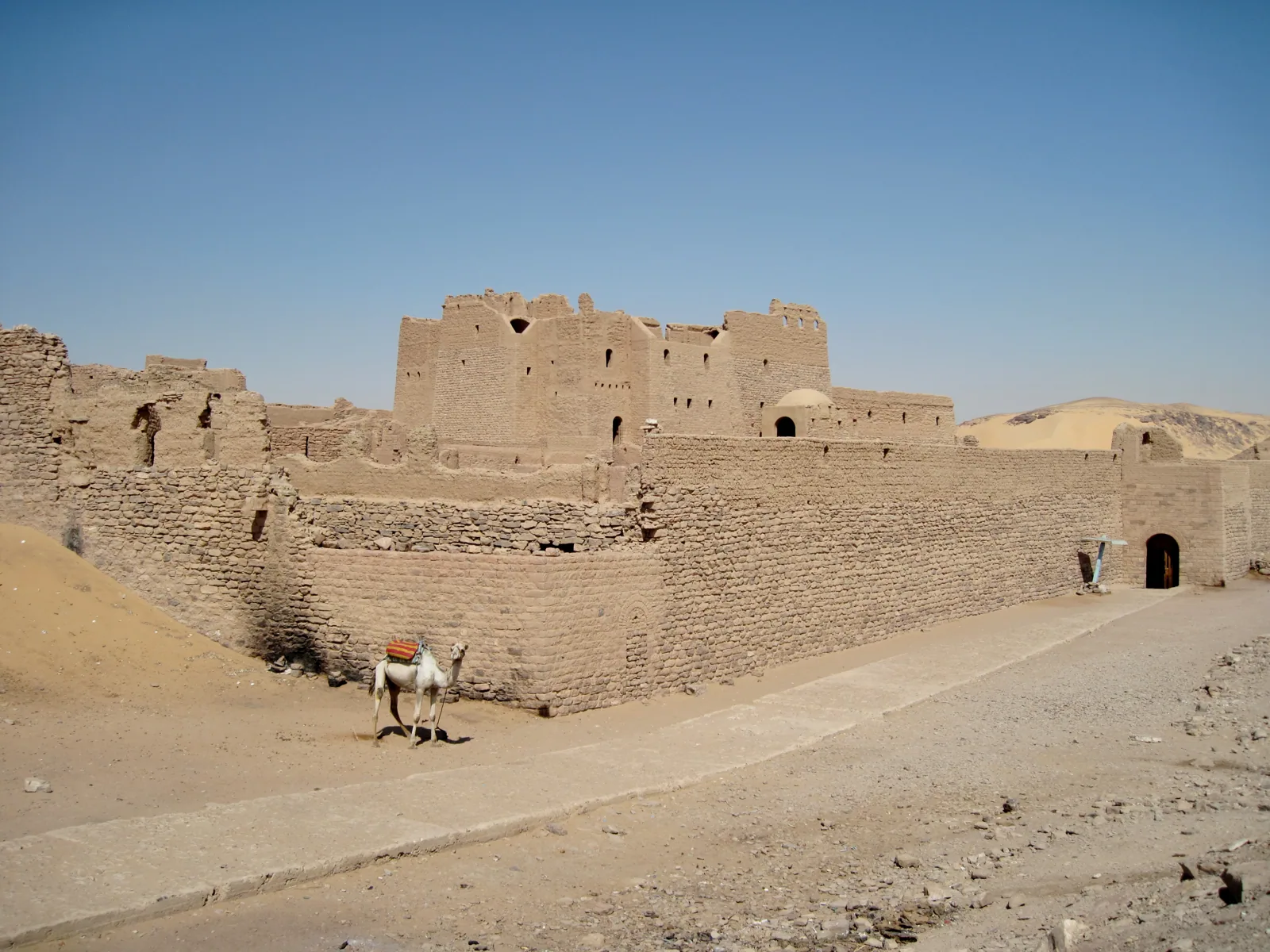 Aswan's West Bank is almost pure desert, with a few striking monuments standing over the sand. The domed Mausoleum of the Aga Khan — the leader of the Ismaili Muslims, who loved Aswan and was buried here in 1957 — crowns a bluff above the river (viewed from the boat rather than entered). Below it sits the ruined 7th-century Monastery of St Simeon, one of Egypt's largest surviving Coptic monasteries, reached by a short camel or foot trek across the dunes. Nearby, the ancient Tombs of the Nobles are cut high into the cliff, their painted walls surveying the whole city. Roll these into a felucca or motorboat afternoon.
12. The souk and a sunset on the Corniche
Aswan's market street, running parallel to the Corniche, is one of the most relaxed and least hassly bazaars in Egypt — piled with hibiscus, spices, henna, scarves, and Nubian crafts, and best in the cool of the evening. Afterwards, take a seat on the Corniche or a café terrace and watch the feluccas tack home against a pink sky over the granite islands. Aswan doesn't ask you to rush, and this is the hour that proves it.
Aswan's top sights at a glance
| Sight | Type | Time needed | Rough foreign ticket |
|---|---|---|---|
| Philae Temple | Island temple | 2 hrs (+ boat) | ~300 EGP + boat |
| Unfinished Obelisk | Quarry monument | 30–45 min | ~100 EGP |
| High Dam | Engineering site | 20–30 min | small fee |
| Nubian Museum | Museum | 1–2 hrs | mid-range |
| Felucca / islands | Nile sail | 2–3 hrs | boat hire (negotiate) |
| Nubian village | Cultural visit | half-day | boat + tea/spice cash |
| Abu Simbel | Day trip | full day | ~550 EGP + transport |
Prices drift up — confirm current government tickets on egymonuments.com and negotiate boat fares before you board.
Suggested plan: 2 days in Aswan
| Day | Morning | Afternoon / Evening |
|---|---|---|
| Day 1 | Combined tour: High Dam, Unfinished Obelisk, then Philae Temple by boat | Nubian Museum in the heat of the day; felucca around Elephantine & Kitchener's Islands at sunset |
| Day 2 | Early start to Abu Simbel (or a short flight) | Nubian village at Gharb Soheil; souk and Corniche sunset — or roll straight onto a Nile cruise to Luxor |
Short on time? Do the Day 1 sights and skip Abu Simbel — or fly it to save the long drive.
When to go, and for how long
Best time: November to March. Aswan is the hottest of Egypt's Nile cities — summer highs routinely top 40°C (104°F) and can push toward 45°C — so the winter window is when it turns from furnace to sun-resort. December to February is glorious, with daytime highs around 22–26°C (72–79°F) and cool nights; it's also the busiest and priciest stretch. Late October and March are excellent shoulder months. Whenever you come, do outdoor sights early and hide from the midday sun.
How many days: two full days covers the essentials, one for the temples-and-islands loop and one for Abu Simbel. Add a third if you want to slow down, do the West Bank, or catch a Nubian village and the souk properly. If you're continuing to Luxor, a 3-night cruise effectively adds Kom Ombo, Edfu, and the journey itself.
Getting around Aswan
Aswan is compact and easy. The centre and its Corniche are walkable, and almost everything scenic happens on the water — the city runs on motorboats and feluccas, hired at the jetties along the river (always agree the price, route, and wait time first). For the High Dam, Unfinished Obelisk, and Philae jetty you'll want a taxi or a half-day driver; most visitors book these three as one combined tour. Abu Simbel is done as an organised road day-trip or a flight from Aswan Airport, about 25 km from town. Aswan is also a main Nile cruise terminal and is linked to Cairo and Luxor by EgyptAir flights and by comfortable sleeper and day trains.
The top-rated experiences travellers book
The best-reviewed Aswan experiences on This is Egypt right now:
- From Aswan: Abu Simbel Temple Day Trip with Hotel Pickup — 4.45★ · 3,227 reviews · from 3,487 EGP (~$71).
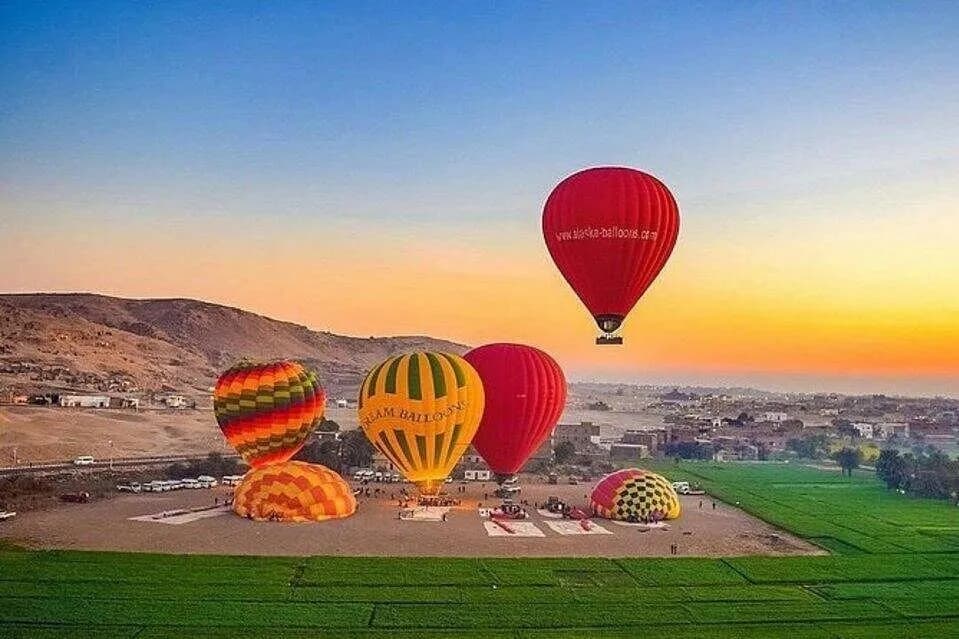
- 4 Days Nile Cruise from Aswan to Luxor including Abu Simbel and Hot Air Balloon — 4.7★ · 553 reviews · from 12,405 EGP (~$253).
- From Aswan: Abu Simbel Group Tour with Guide & Entrance Fees — 4.49★ · 485 reviews · from 3,238 EGP (~$66).
- Abu Simbel Private Full-Day Tour from Aswan — 4.9★ · 264 reviews · from 4,235 EGP (~$86).
- 3 Night Nile Cruise from Aswan to Luxor — 3.7★ · 1,644 reviews · from 18,765 EGP (~$383).
- From Aswan: Abu Simbel Day Tour with Private Guide and Car — 4.49★ · 437 reviews · from 6,377 EGP (~$130).
Browse all things to do in Aswan to compare dates and prices, or see how activity prices stack up in the Egypt activity price guide.
Practical tips
- Carry a card and small cash. Government sites increasingly take card only; cash is essential for boats, tips, tea, and the souk.
- Negotiate every boat fare before boarding — round trip, route, and how long the captain waits. It avoids the one classic Aswan misunderstanding.
- Start early, especially for Abu Simbel and Philae. Cooler, quieter, and better light.
- Dress modestly for temples, mosques, and village visits; bring a hat, sunscreen, and more water than you think.
- Try the local flavours: karkadeh (hibiscus tea), Nubian spices, and fresh Nile perch. Aswan's food is its own thing.
- Tip modestly — boatmen, guides, and the guardians who point out a hidden relief all expect a little.
Aswan rewards the traveller who slows down. The temples are extraordinary, but the memory you take home is usually a felucca leaning into the wind between granite islands at dusk. Getting the order of sights and the Abu Simbel logistics right is exactly where local knowledge pays off — This is Egypt builds custom itineraries around the places you most want to see. Start planning your Aswan trip.
More reading: our full Egypt itinerary guide, the detailed Abu Simbel guide, and our curated Aswan experiences.
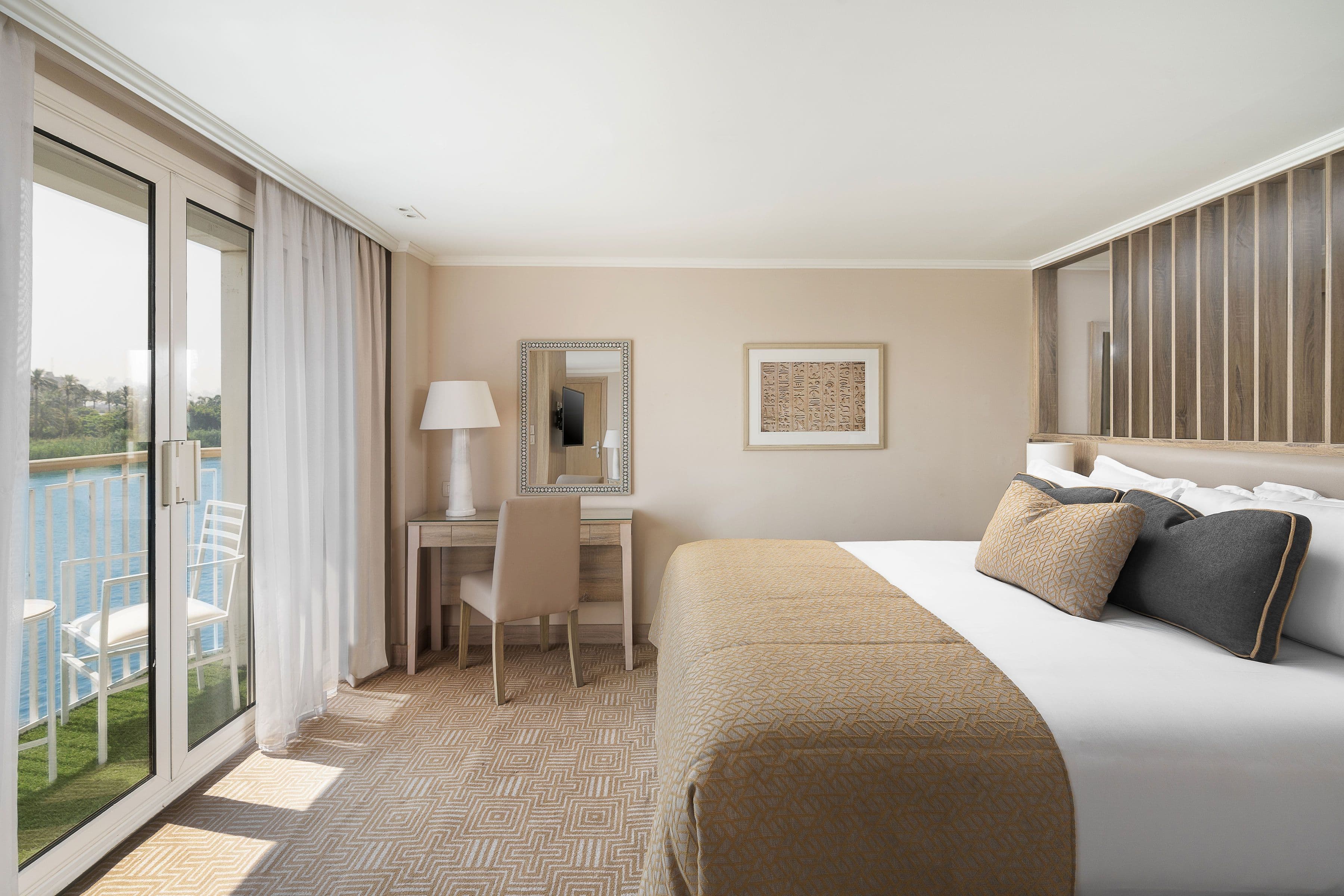
See it from the river. Aswan is where most Nile cruises begin or end — the classic sailing runs from here to Luxor past the temples of Kom Ombo and Edfu. Compare Nile cruise ships and dahabiyas, or read the Nile cruise guide.
Related guides: the Unfinished Obelisk
A real team available 24/7 to assist you — free
Seif and the team reply on WhatsApp 24/7 — trip questions, custom plans and booking help.
Ask Seif on WhatsAppCommon questions
What are the best things to do in Aswan?
The essentials are Philae Temple (reached by boat), the Aswan High Dam, the Unfinished Obelisk, and the Nubian Museum, plus a felucca sail around Elephantine and Kitchener's Islands and a visit to a Nubian village at Gharb Soheil. Abu Simbel, three hours south, is the standout day trip.
How many days do you need in Aswan?
Two full days covers the essentials — one for the temples-and-islands loop (High Dam, Unfinished Obelisk, Philae, Nubian Museum, a sunset felucca) and one for Abu Simbel. Add a third day if you want to explore the West Bank, do a Nubian village properly, or wander the souk without rushing.
What is the best time of year to visit Aswan?
November to March. Aswan is the hottest of Egypt's Nile cities, with summer highs above 40°C (104°F), so winter is when it becomes a comfortable sun destination, with daytime temperatures around 22–26°C (72–79°F). December to February is peak season; late October and March are quieter shoulder months.
How do you get from Aswan to Abu Simbel?
By road it's about 280 km, a 3–3.5 hour drive each way, usually done as an early-morning day trip leaving around 4am. Alternatively, a short 45-minute EgyptAir flight from Aswan Airport saves the long drive, and some travellers reach it on a Lake Nasser cruise. See our Abu Simbel guide for how to choose.
Why was Philae Temple moved?
The building of the Aswan dams raised the water level so much that the original Philae Island was flooded for much of the year. In the 1970s, a UNESCO campaign dismantled the entire temple of Isis block by block and rebuilt it on higher Agilkia Island nearby, where it stands safely today.
Is a felucca ride in Aswan worth it?
Absolutely — it's the signature Aswan experience. Aswan has the widest, most scenic stretch of the Nile, and a late-afternoon felucca sail around Elephantine and Kitchener's Islands, ideally toward sunset, is the highlight of most visits. Agree the price, route, and duration with the captain before you set off.
Should you do a Nile cruise from Aswan or Luxor?
Either works, but sailing downstream from Aswan to Luxor lets the current carry you and puts the temples in chronological order for many itineraries. A standard Aswan–Luxor cruise runs 3 nights (4 days) and stops at Kom Ombo and Edfu along the way. It's Aswan's priciest experience but bundles transport, hotel, and sightseeing.
Is Aswan safe for tourists?
Yes. Aswan is one of Egypt's most relaxed and welcoming cities, with a laid-back pace and famously friendly Nubian communities. Normal travel sense applies: agree boat fares in advance, keep valuables secure in the souk, and check your government's current travel advice before you go.
Book it on This is Egypt
Turn this guide into a trip



Egypt's bestsellers
The experiences travelers book most, across the country




Keep reading
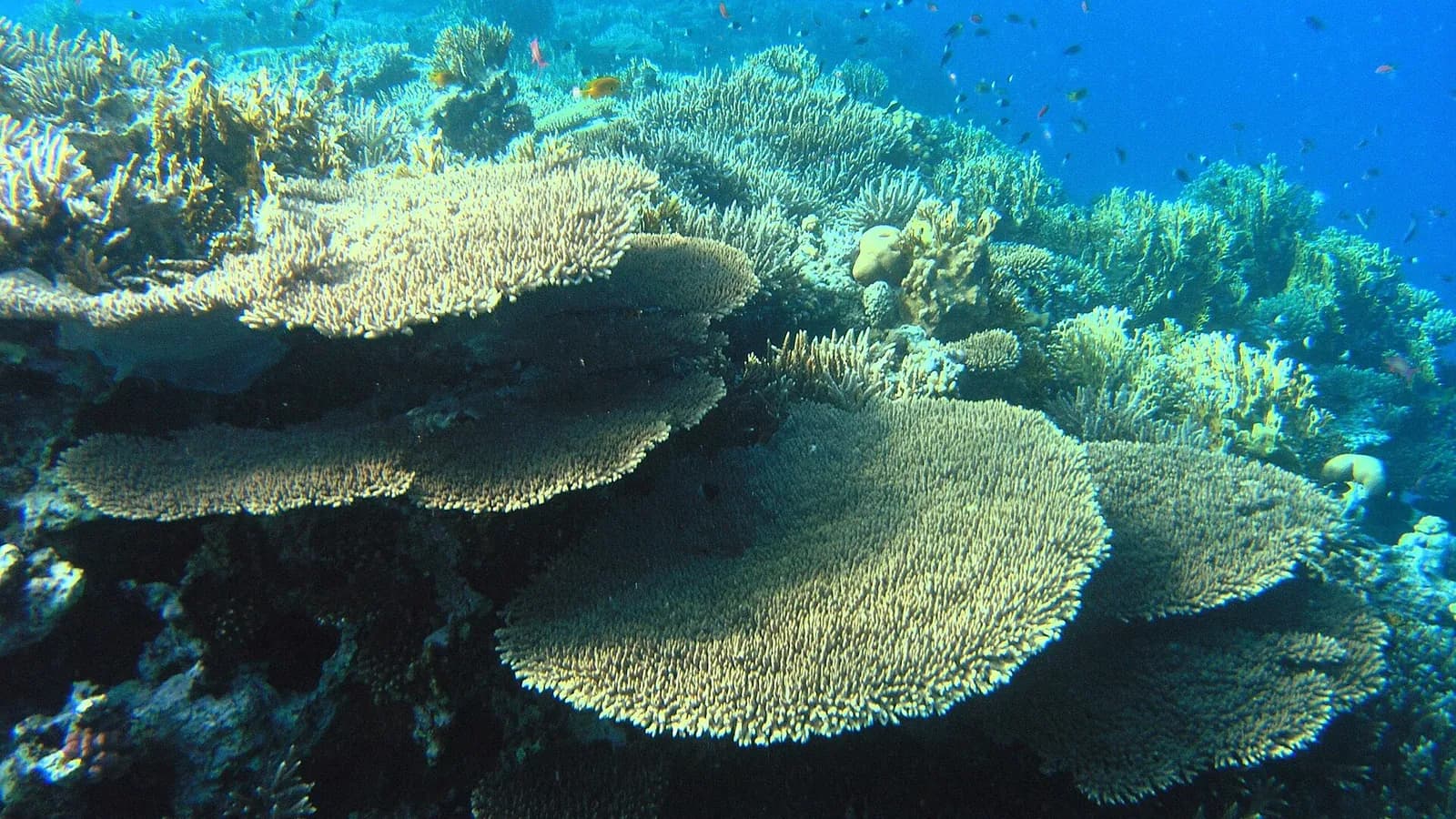
Hurghada Diving (2026): Best Sites, Packages & Prices
Diving in Hurghada — the best reefs (Giftun, Careless Reef, Dolphin House) and Abu Nuhas wrecks, Discover Scuba vs PADI courses, season and water temps, and real 2026 prices.
By TiE Editors7 min read
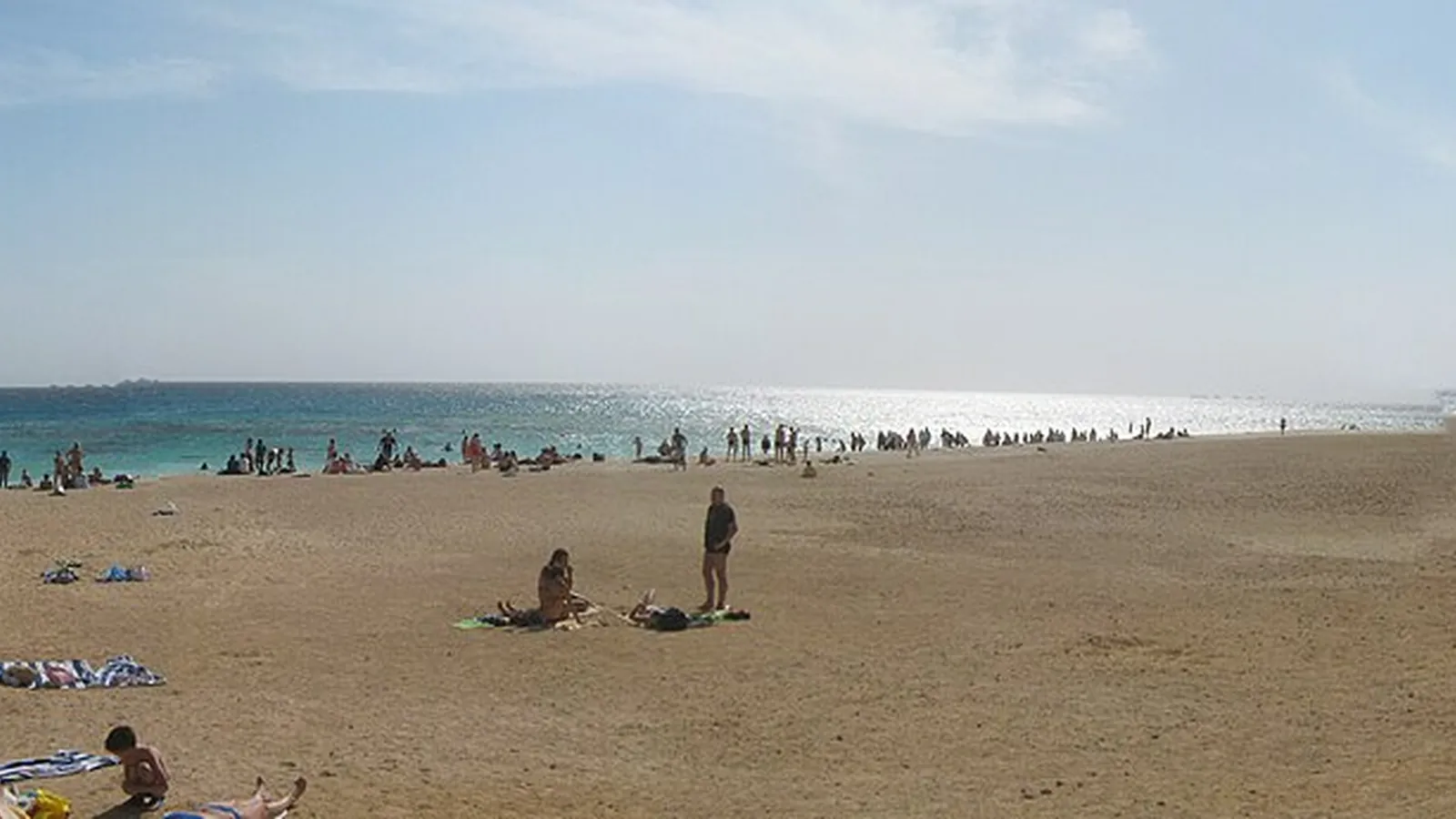
Hurghada Snorkeling Trips (2026): Best Reefs, Prices & How to Choose
Where to snorkel from Hurghada in 2026 — Orange Bay, Giftun, Mahmya, Utopia and Dolphin House — with boat types, marine life, month-by-month sea temperatures, family tips and real prices from 1,000+ bookable trips.
By TiE Editors7 min read
Egypt Tour Prices by Activity (2026): What Each Type Really Costs
What every type of Egypt experience costs — half day, full day or overnight — as a median and a mid-half range in US dollars, from 12,370 live bookable listings.
By TiE Editors6 min read