

5-Star vs 4-Star Nile Cruise (2026): What the Rating Really Means
On the Nile, star ratings are issued locally and generously — almost every boat calls itself 5-star. Here is what actually separates the tiers, and how to read past the label to the real price and quality.
Nile Cruises & Dahabiyas
Turn this guide into a trip
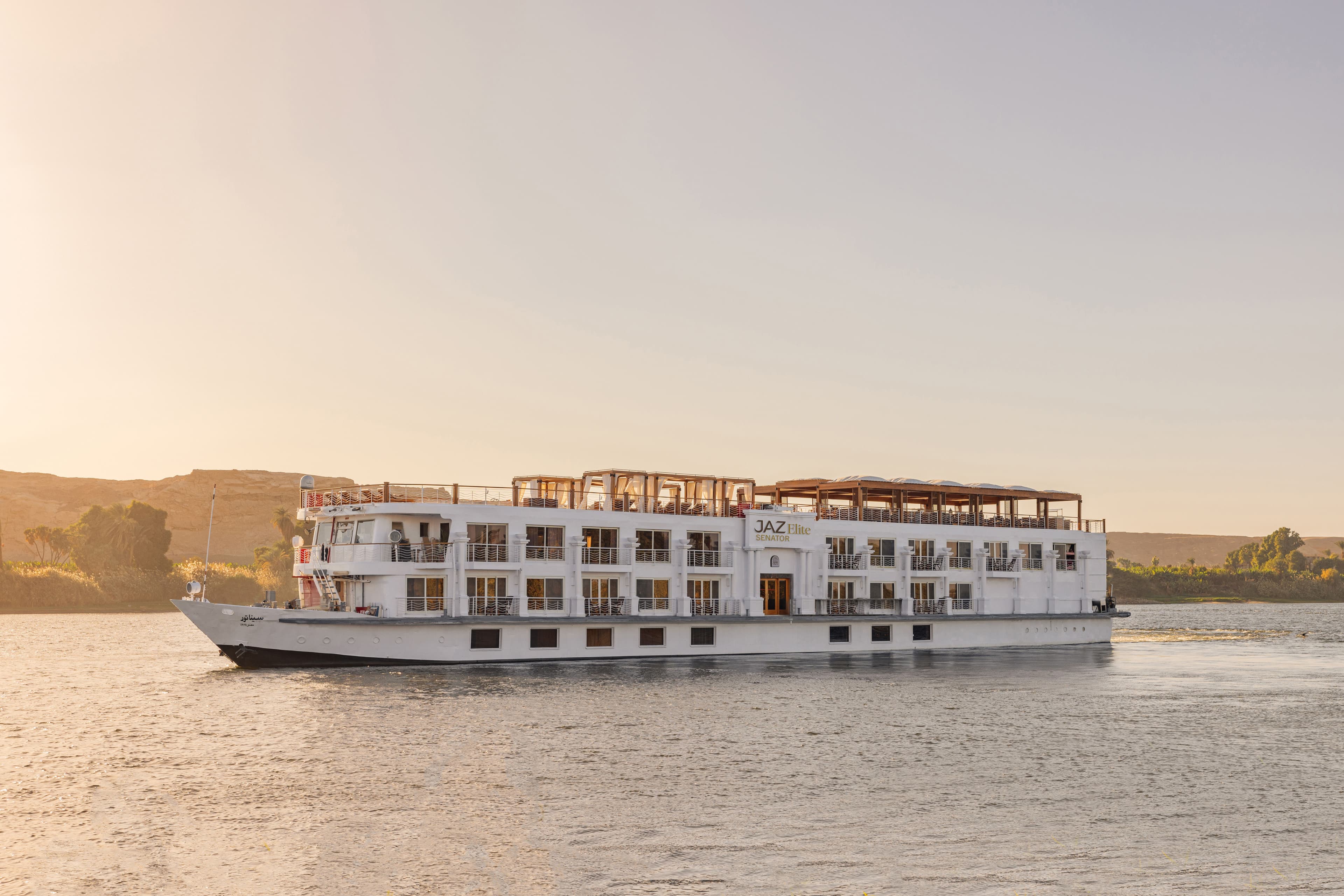
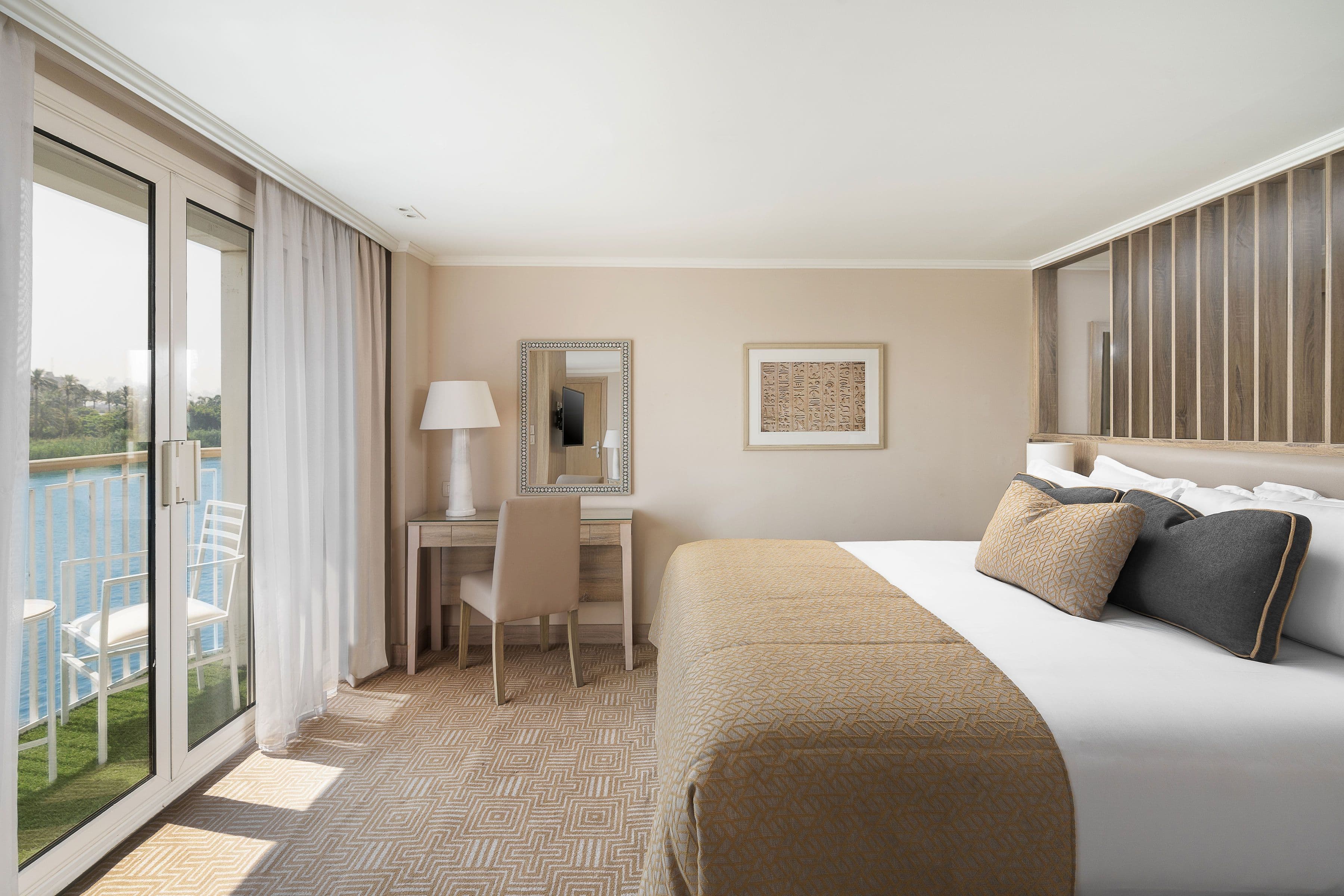
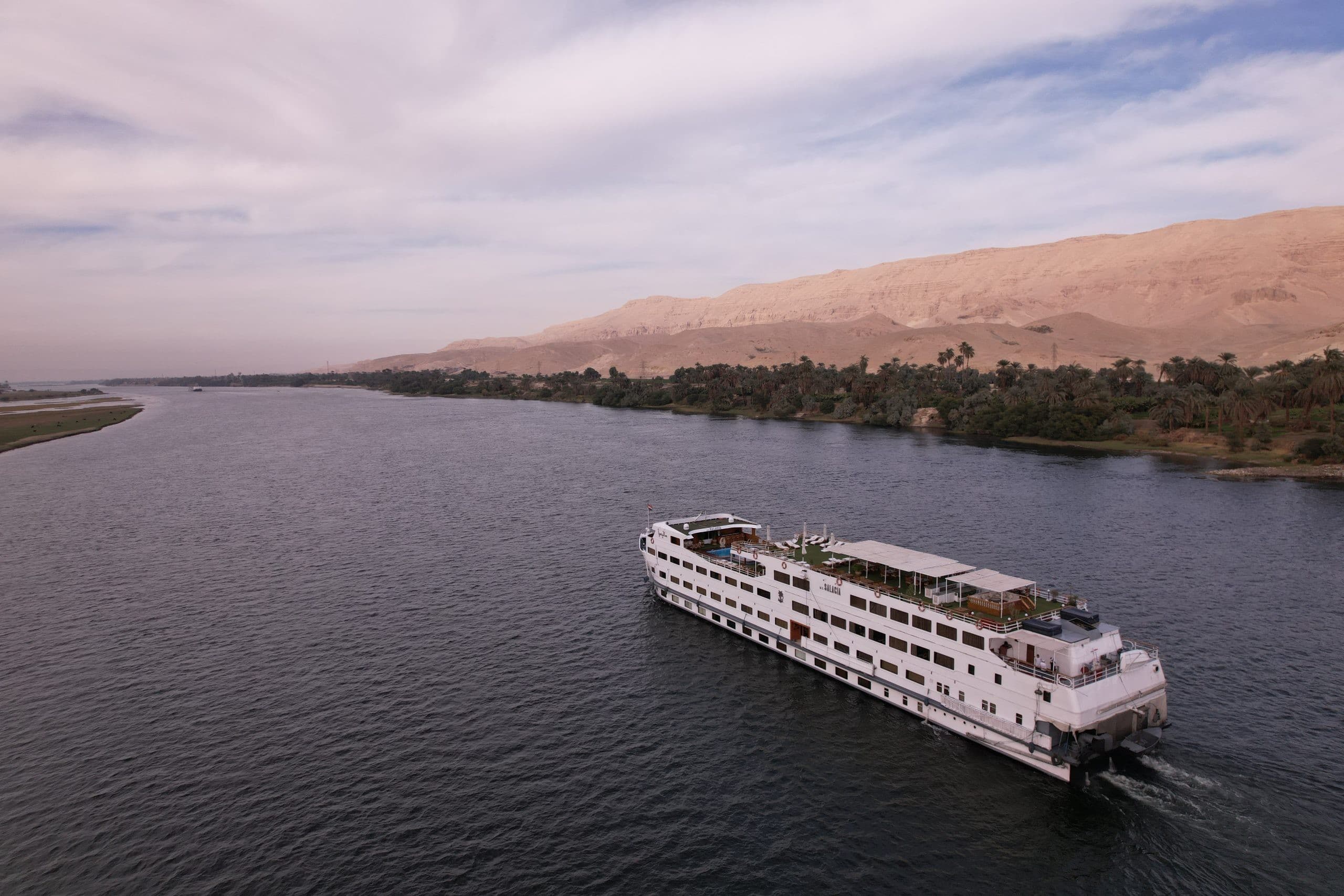
Quick answer: On the Nile, the star rating is issued locally and generously, so almost every boat markets itself as "5-star" — the label alone tells you little. What actually separates the tiers is cabin size, dining quality, group size and service, and the surest signal is the price: a boat asking ~US$95–160 per person for a 3-night sailing is a value 4-star whatever the brochure says, while a genuine 5-star deluxe runs US$650–1,300+ and an all-suite boutique boat more again. Read the price and the specifics, not the stars.
"Is it 5-star or 4-star?" is the wrong question on the Nile, because the honest answer is "it says 5-star, but…". Here's how to read past the label.

Why the stars mislead
Nile boat star ratings are awarded locally and generously — a boat one operator would call four-star is routinely marketed as five. So the star count on the brochure is close to meaningless as a comparison tool. Almost the entire fleet claims five stars, from tired 2005 hulls to genuine all-suite flagships. To compare boats you have to ignore the label and look at what actually differs.
What actually separates the tiers
| Factor | Value / "4-star" reality | Genuine 5-star / deluxe |
|---|---|---|
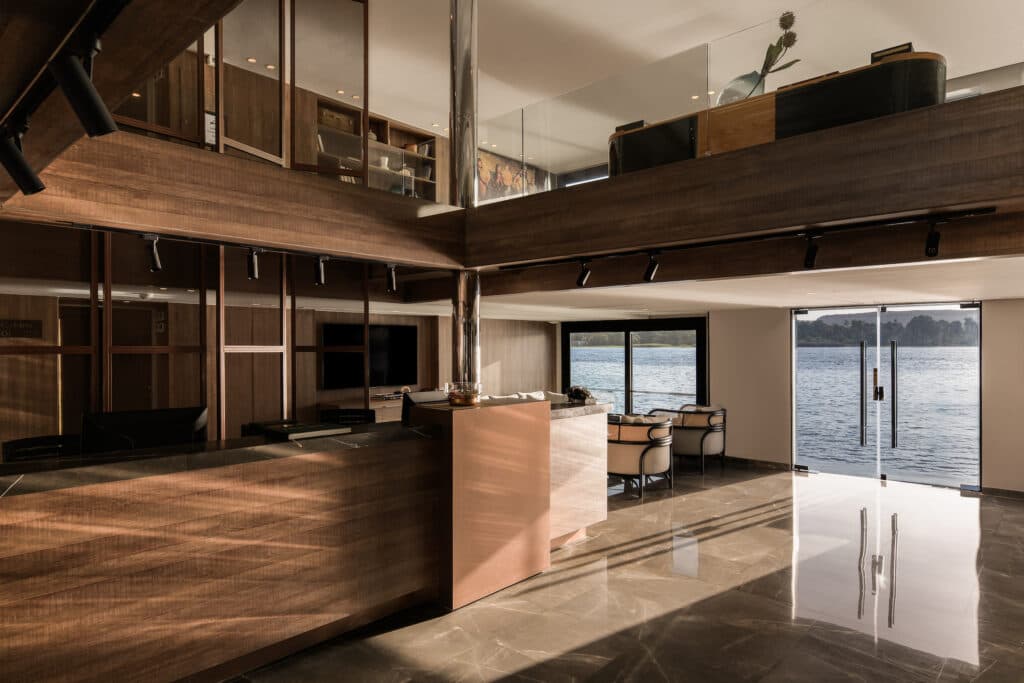
| Cabin | ~15–18 m², picture window | 20–35 m²+, often a balcony or suite |
| Dining | Buffet, three meals, limited choice | Buffet plus à-la-carte nights, higher quality |
| Group size | 120–150 guests, one big group per guide | Smaller boats, better guide-to-guest ratio |
| Service | Functional, you queue | Attentive, faster, more staff |
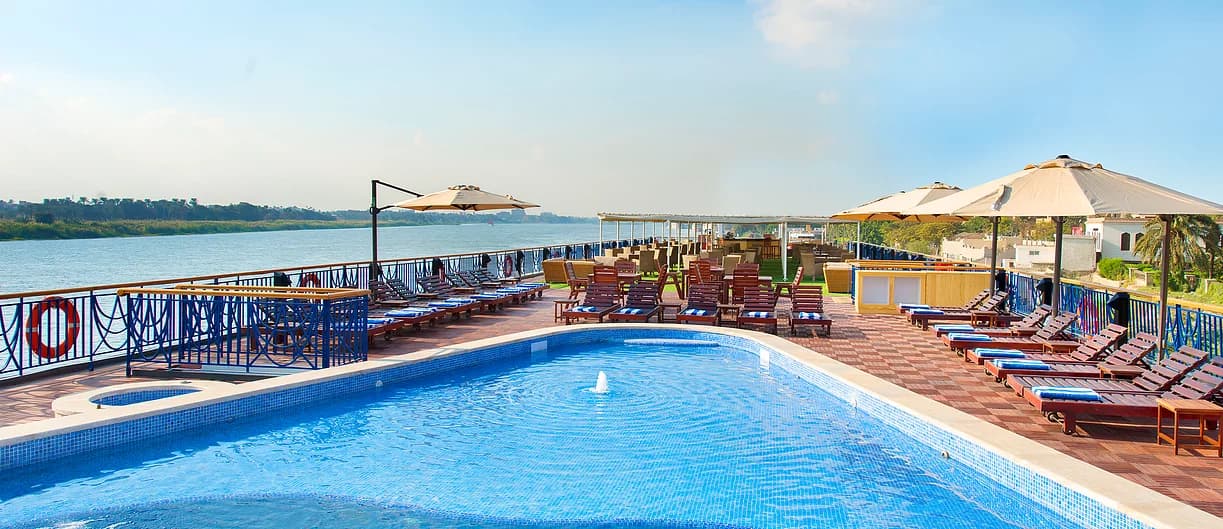
| The hull | Older (1990s–2000s), refitted | New or fully rebuilt, spa, better pool deck |
| What's included | More often "cruise-only" (extras billed) | More inclusive |
Read the price, not the label
Because the stars are unreliable, price is the honest signal. As a rule of thumb, per person for a 3–4-night sailing:
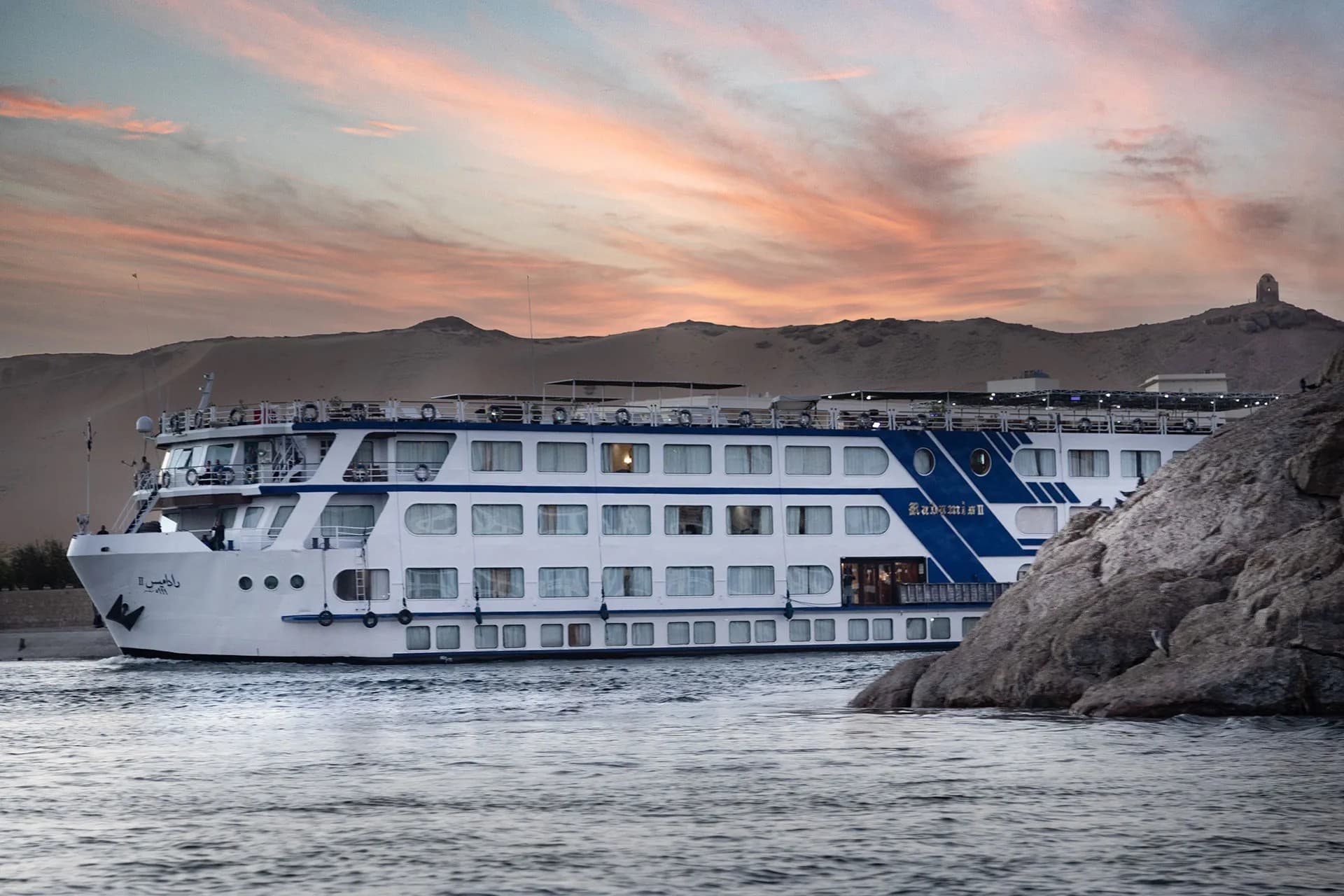
- ~US$95–160 = a value boat (a real 3–4 star, however it's marketed) — same temples, older hull, bigger groups.
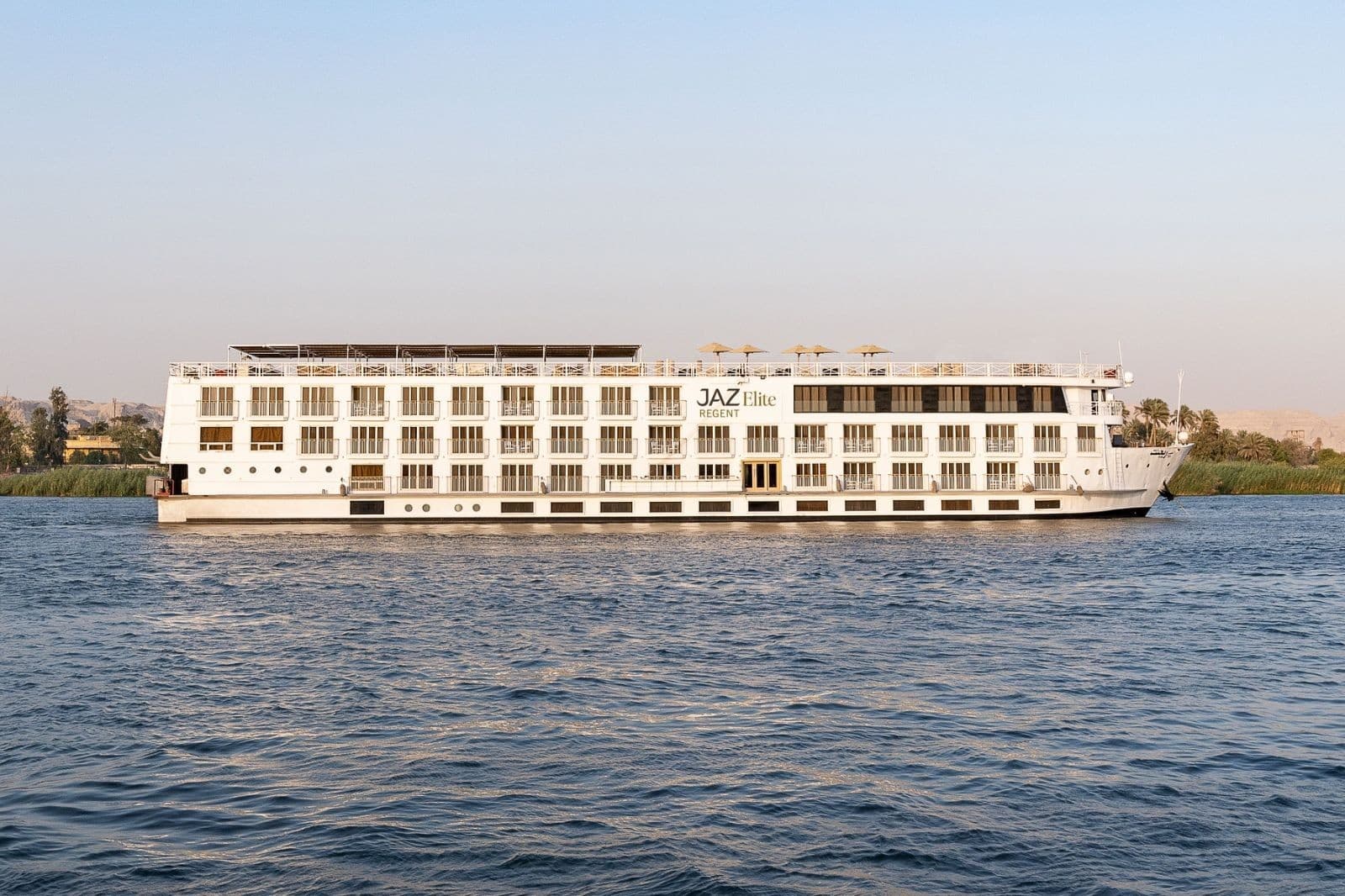
- ~US$650–1,300 = a genuine mainstream five-star (Sonesta, Mövenpick, Jaz Regent) — the comfortable middle most travellers choose.
- ~US$1,300–3,800+ = boutique and all-suite (Historia, Le Fayan, the Oberoi boats) — large suites, à-la-carte dining, small groups.
A boat asking US$140 a person and calling itself "superior five-star" is a value vessel, and that's fine — it floats past the exact same 4,000-year-old temples as the boat costing three times more. Just know what you're paying for. The extra money on a genuine five-star doesn't buy you different sights or a shorter itinerary; it buys a bigger and newer cabin, better food, a smaller and quieter boat, and service that doesn't keep you queuing. Whether that's worth it depends entirely on how much of your trip is spent enjoying the boat versus simply using it to reach the next temple.
The labels you'll actually see — decoded
Because everyone claims five stars, operators invent qualifiers to sound higher, and it helps to translate them. "Superior five-star" or "five-star deluxe" usually just means a mid-market boat trying to stand out — check the price. "Boutique" is more meaningful: it signals a small, design-led, often all-suite boat (Historia, Le Fayan) and a genuinely different experience. "Nile cruiser" vs "dahabiya" is a real distinction — the first is a motor ship, the second a wind-powered sailing boat. And a boat calling itself five-star while quoting a per-night rate under about US$50 is, plainly, a value boat. The single most reliable move is to read recent guest reviews for that specific hull rather than the star claim: refurbishment dates and service quality vary far more boat-to-boat than the rating ever captures, and a boat relaunched in the last two years is a different proposition from a tired one wearing the same number of stars.

So which should you book?
Decide by what you actually value, then match the price band:
- Value (nominal 4-star): you want the temples for the lowest price and don't mind an older boat, a bigger group and cruise-only extras.
- Genuine 5-star: you want a pool, a proper buffet-plus, a licensed Egyptologist and a comfortable modern cabin — the mainstream sweet spot.
- Boutique / all-suite: you want a large suite or balcony, à-la-carte dining and a small, quiet boat.
For the cheap end read budget Nile cruises; for the top end luxury Nile cruises and the Nile cruise ships guide. See exactly what each costs in how much a Nile cruise costs, and compare boats on This is Egypt.
A real team available 24/7 to assist you — free
Seif and the team reply on WhatsApp 24/7 — trip questions, custom plans and booking help.
Ask Seif on WhatsAppCommon questions
What is the difference between a 5-star and 4-star Nile cruise?
Officially little, because Egyptian star ratings are issued generously and almost every boat claims five stars. In reality the difference is cabin size, dining quality, group size and service — and the clearest signal is price: a value boat runs US$95–160 per person for 3 nights, a genuine 5-star US$650–1,300, and all-suite boats more again.
Are Nile cruise star ratings reliable?
No. Ratings are awarded locally and generously, so a boat another country would call four-star is routinely marketed as five. Ignore the label and compare boats on cabin size, dining, group size, the hull's age and — above all — the price.
Do 4-star and 5-star Nile cruises visit the same temples?
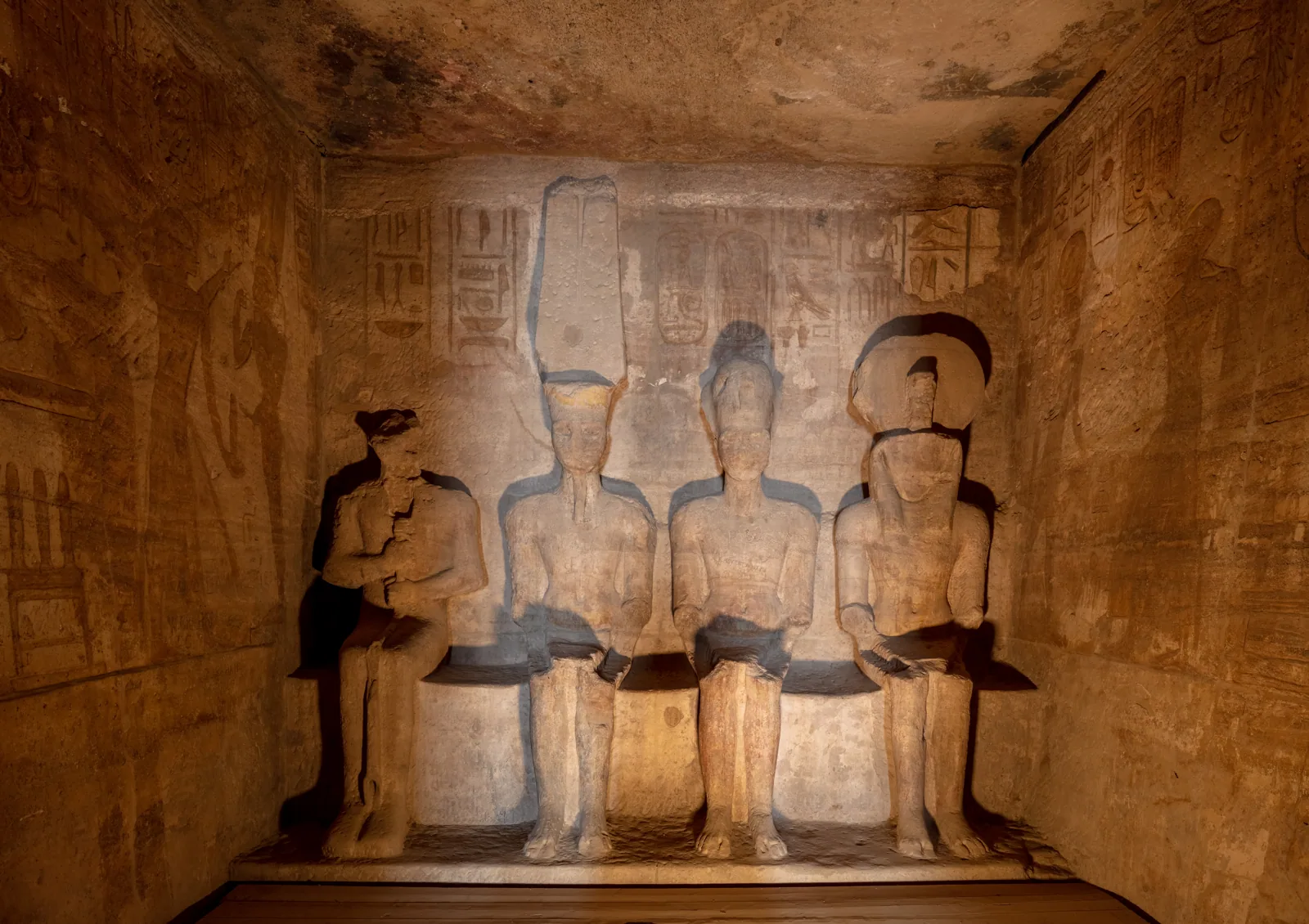
Yes. Every Nile cruise, at any star level or price, sails the same Luxor–Aswan corridor and stops at the same temples — Karnak, the Valley of the Kings, Edfu, Kom Ombo and Philae. You pay for the boat and the service, not for different sights.
How can I tell a boat's real quality if the stars are unreliable?
Read the price band, the cabin size, the refurbishment date and recent guest reviews. A boat asking US$140 a person for 3 nights is a value vessel whatever it's called; a genuine deluxe boat with large suites and à-la-carte dining costs several times more and says so in the fare.
Is a 5-star Nile cruise worth the extra money?
If you value a larger, modern cabin (or a balcony suite), better food, a smaller group and attentive service, yes. If you mainly want to see the temples for the lowest price, a value boat delivers the identical itinerary — the upgrade is comfort, not sights.
What is the cheapest reliable Nile cruise tier?
A value boat at roughly US$95–160 per person for a 3-night sailing — often marketed as 5-star but really a comfortable 3–4 star. Confirm what's included (temple tickets, drinks) before booking, since value fares are more often cruise-only.
Book it on This is Egypt
Turn this guide into a trip


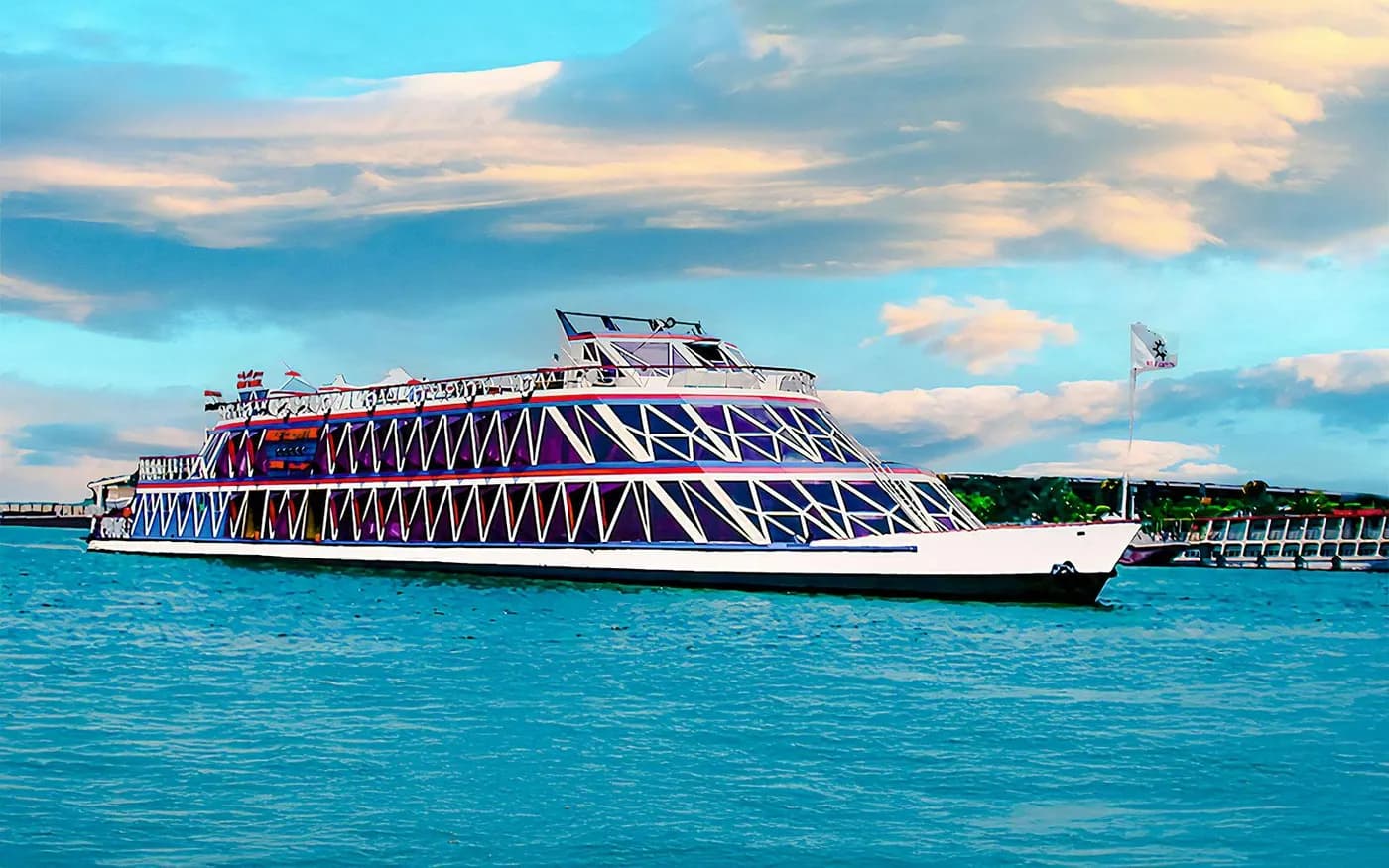
![[Headout Exclusive] Nile Crystal 4-star Cairo Dinner Cruise with Guaranteed Window Seating](/_next/image?url=https%3A%2F%2Frykdfeyxw08gsipa.public.blob.vercel-storage.com%2Fexperiences%2Fheadout-exclusive-nile-crystal-4-star-cairo-dinn-3v47w%2F0.webp&w=3840&q=75)







Egypt's bestsellers
The experiences travelers book most, across the country












Plan your Nile cruise
Popular Nile cruise ships
Free downloads
Take the Nile home with you
Two illustrated PDFs, no email required: our 12-page introduction to choosing between a cruise ship and a dahabiya, and the classic 4-night Luxor to Aswan itinerary, day by day.
Keep reading

Nile Cruise from Aswan to Luxor (or Luxor to Aswan): 2026 Guide
A 3 or 4 night cruise between Aswan and Luxor is the classic way to see Egypt's temples. The stops, real prices, why direction and boat choice matter, and how to avoid a bad one.
By TiE Editors9 min read
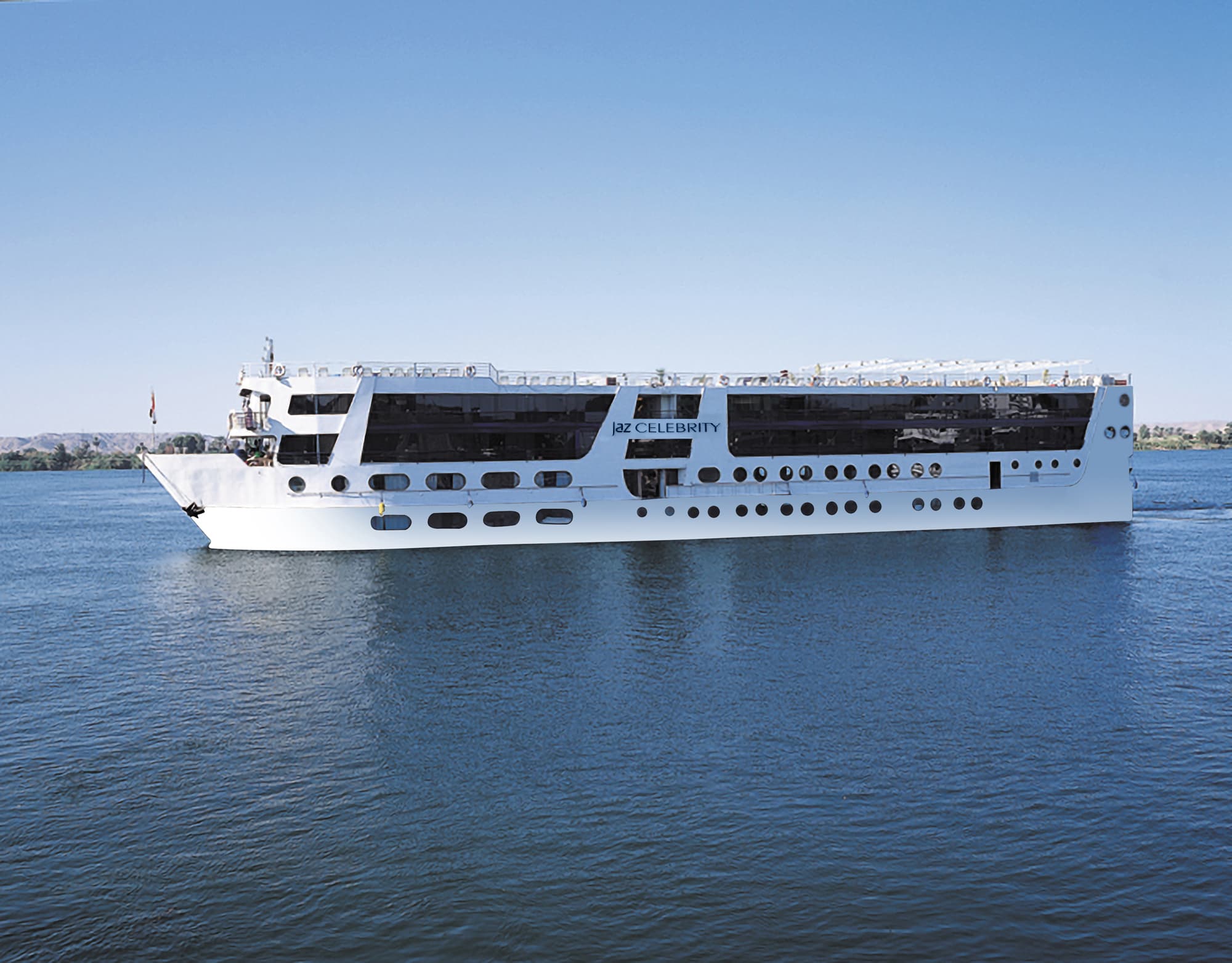
Jaz Nile Cruises (2026): Fleet, Routes & How to Book
Jaz is the Nile cruise arm of JAZ Voyages, part of Travco Group, and runs the largest fleet in our directory: twelve ships on the Luxor–Aswan route plus three Farouz El Nil dahabiyas.
By TiE Editors6 min read

Nile Cruise for the 2027 Solar Eclipse (Aug 2): Sail Egypt's Totality
On 2 August 2027 a total solar eclipse passes over Luxor with 6+ minutes of totality. A Nile cruise is the best way to see it — in the path, accommodation solved. How eclipse sailings work and why to book early.
By TiE Editors5 min read