Kom Ombo & Edfu: The Great Nile Cruise Temples
Kom Ombo and Edfu are the two Ptolemaic temples every Nile cruise stops at between Aswan and Luxor - the crocodile god, the best-preserved temple in Egypt, and what to expect.
Nile Cruises & Dahabiyas
Turn this guide into a trip
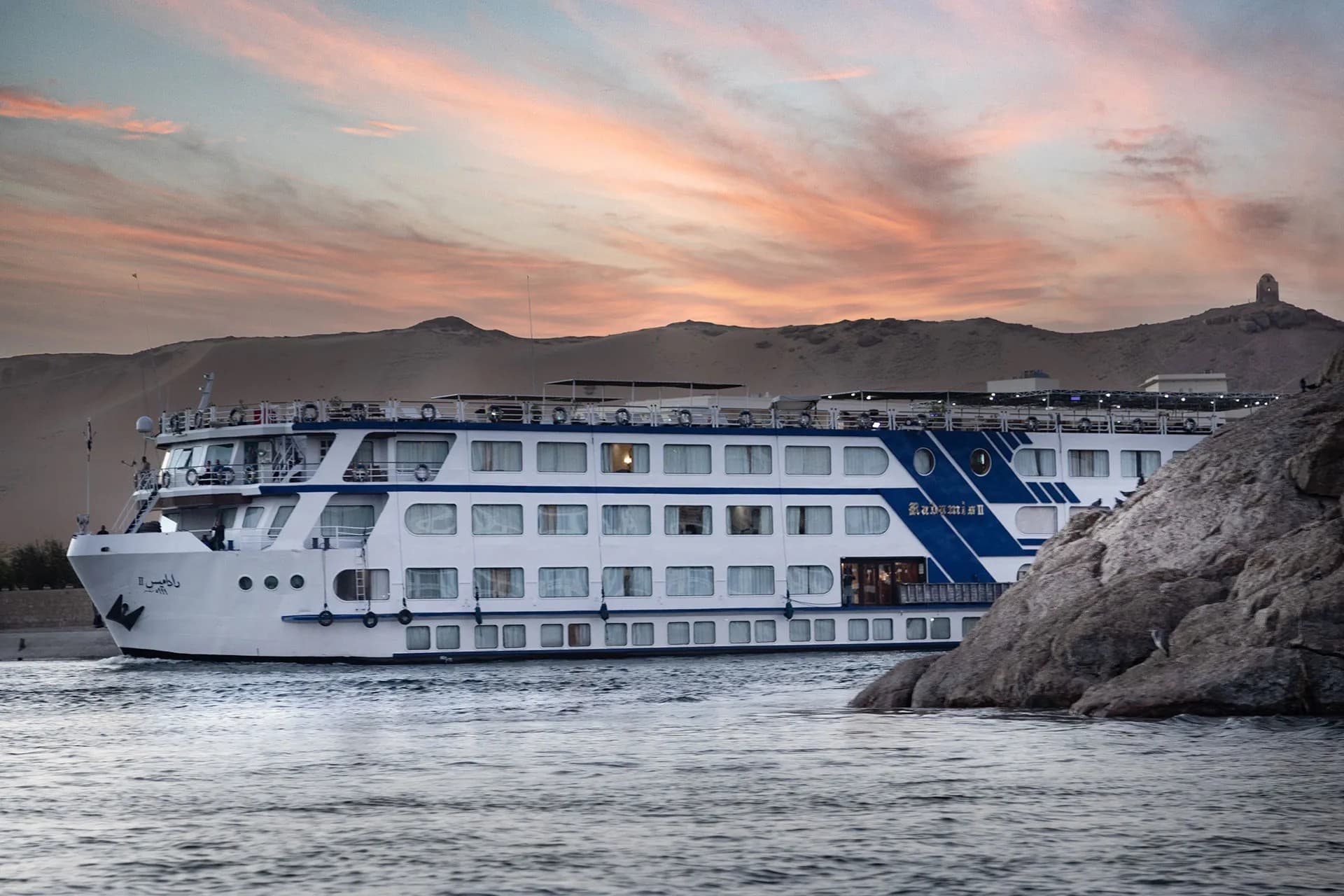
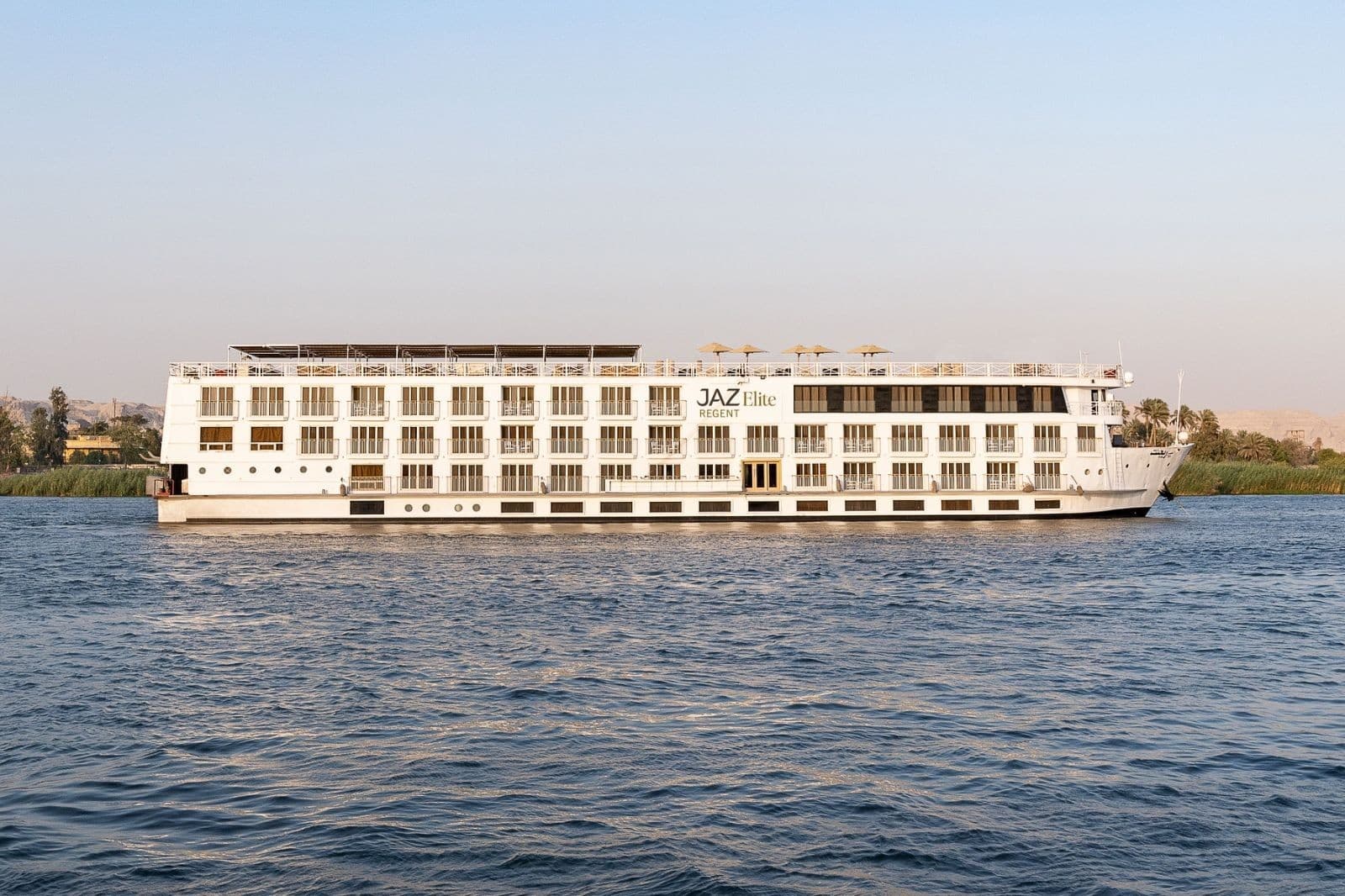
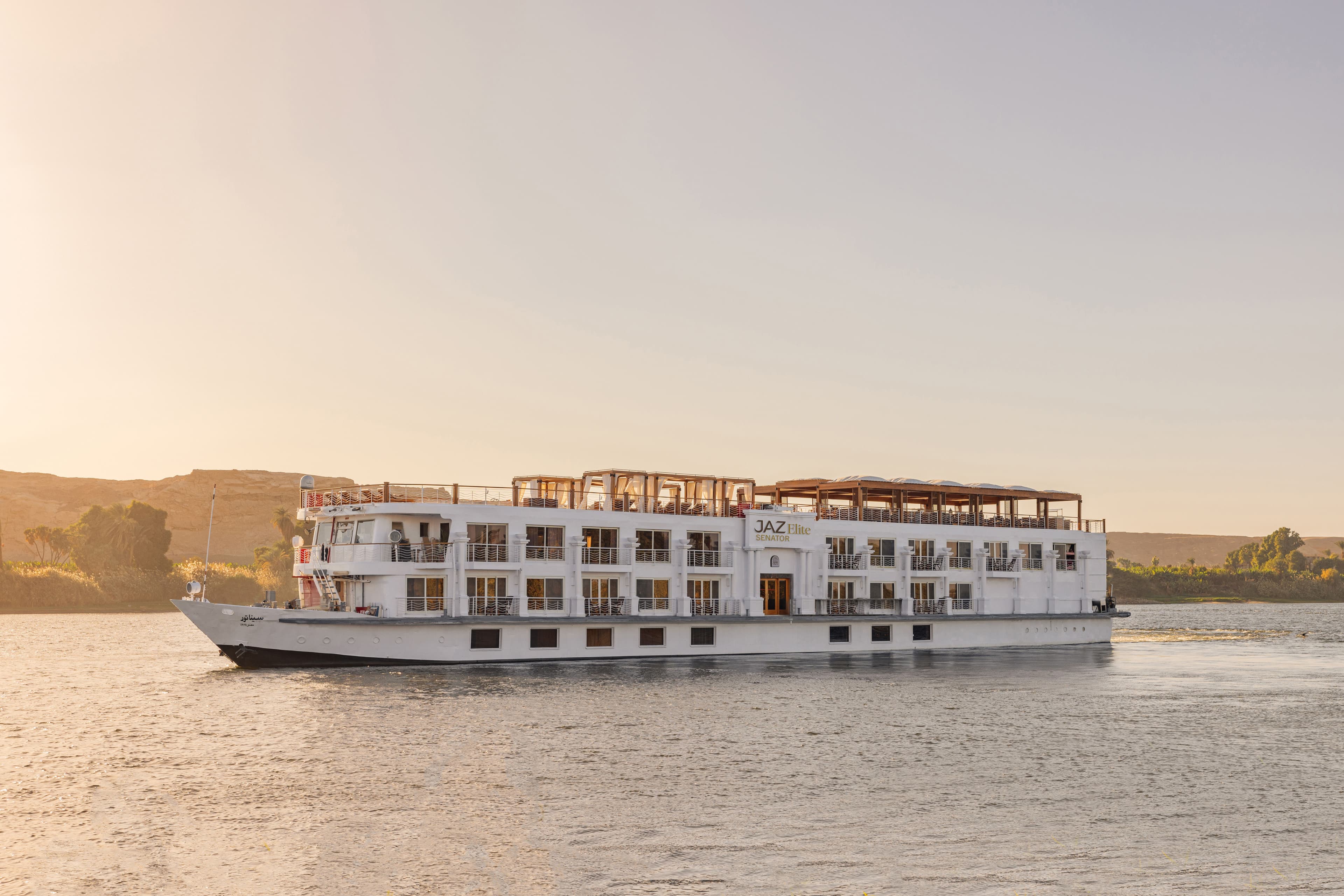
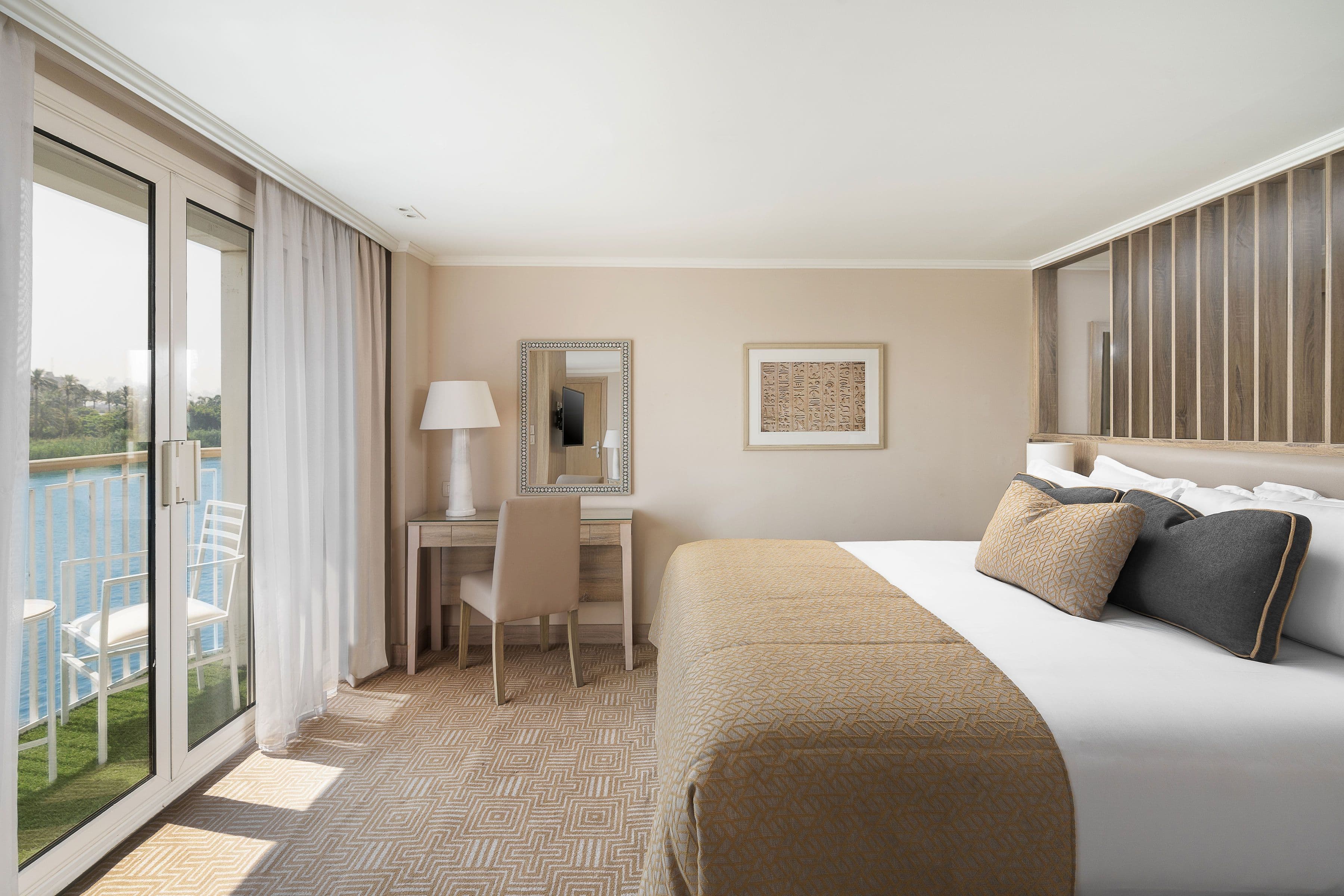
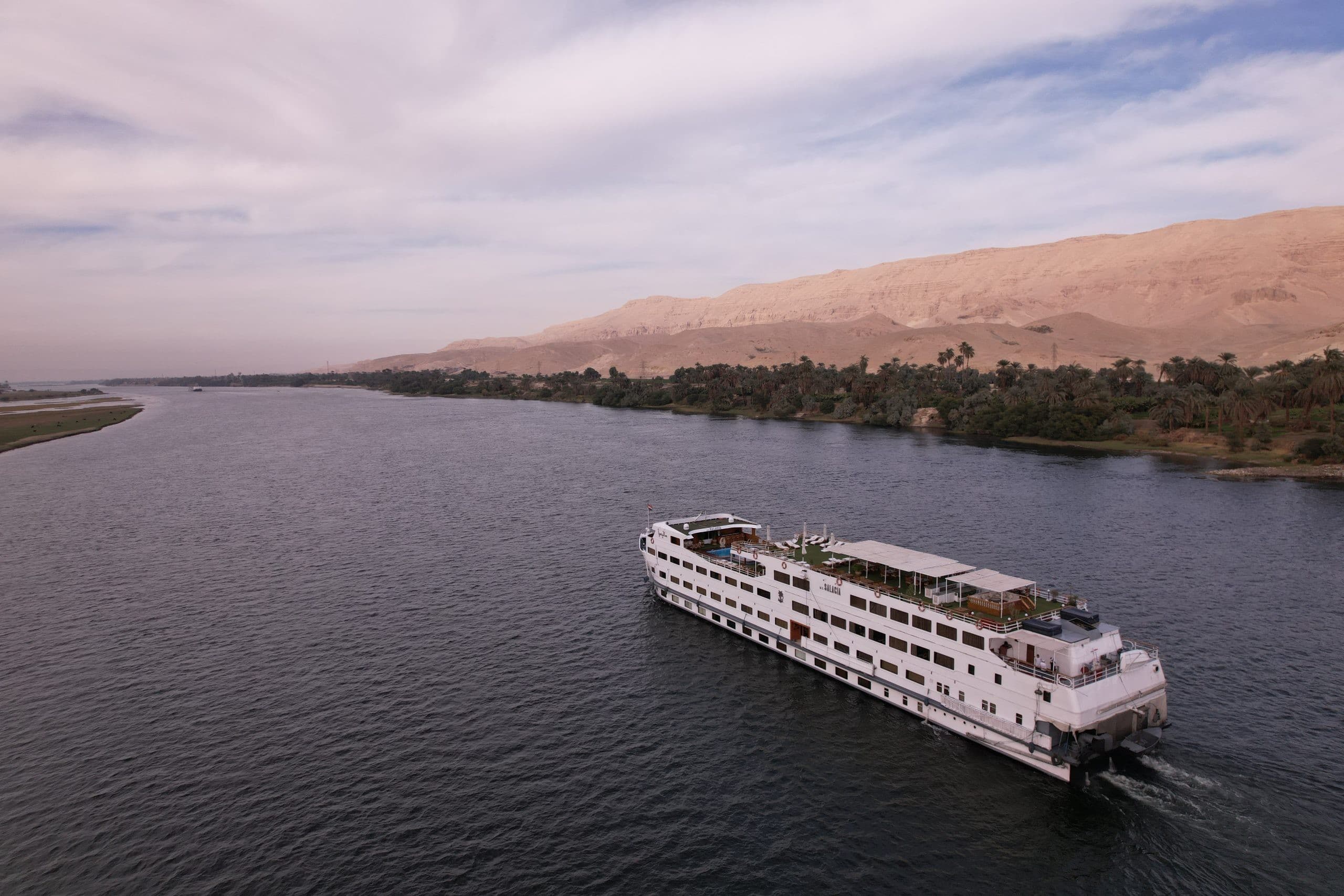
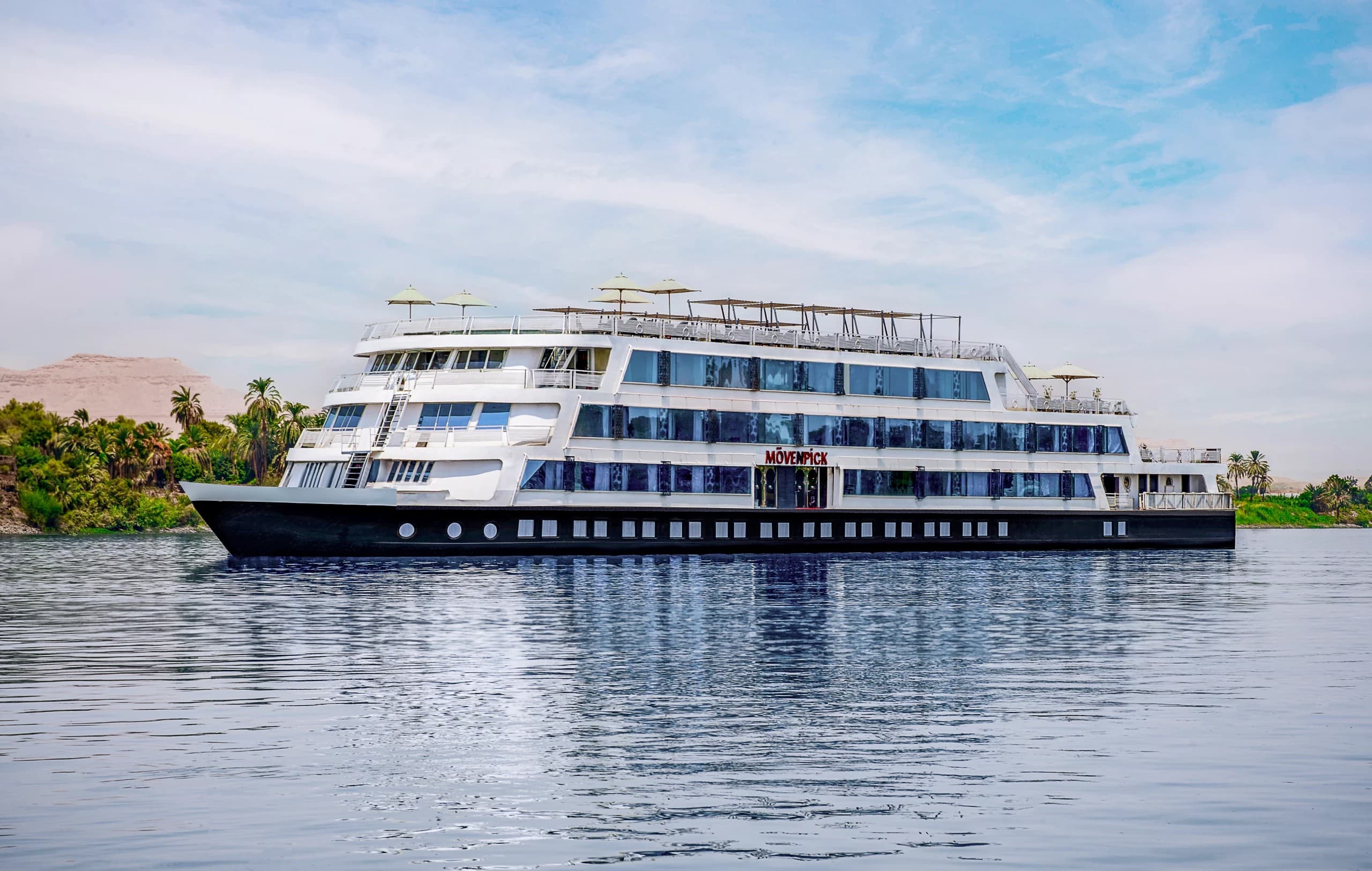
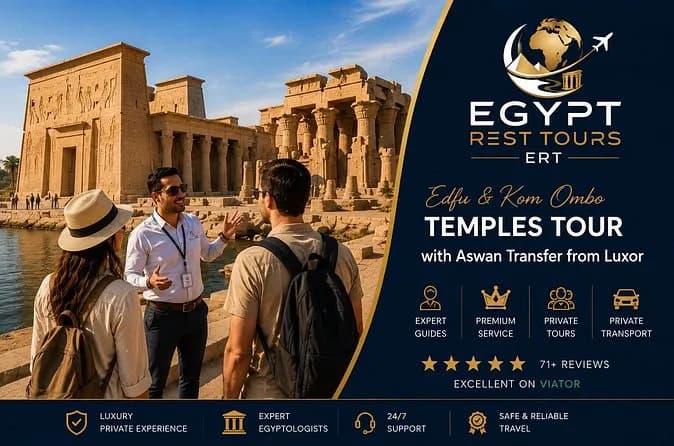
Quick answer: Kom Ombo and Edfu are the two temples every Nile cruise stops at on the stretch between Aswan and Luxor, and they are the reason that stretch of river is worth doing by boat rather than by road. Kom Ombo sits right on the water, an unusual double temple shared between Sobek the crocodile god and Horus the Elder, with a small museum of mummified crocodiles beside it. Edfu, dedicated to the falcon god Horus, is the most complete large temple standing in Egypt - buried in sand for centuries, which is exactly why it survived so well. Most people see both as guided shore excursions off a cruise: Kom Ombo you walk to straight from the deck, Edfu you reach by a short horse-carriage ride through town.
This guide covers what makes each temple special, how they fit a cruise versus a road day-trip, current tickets and hours, and the practical details cruise brochures leave out.
Why these two temples matter
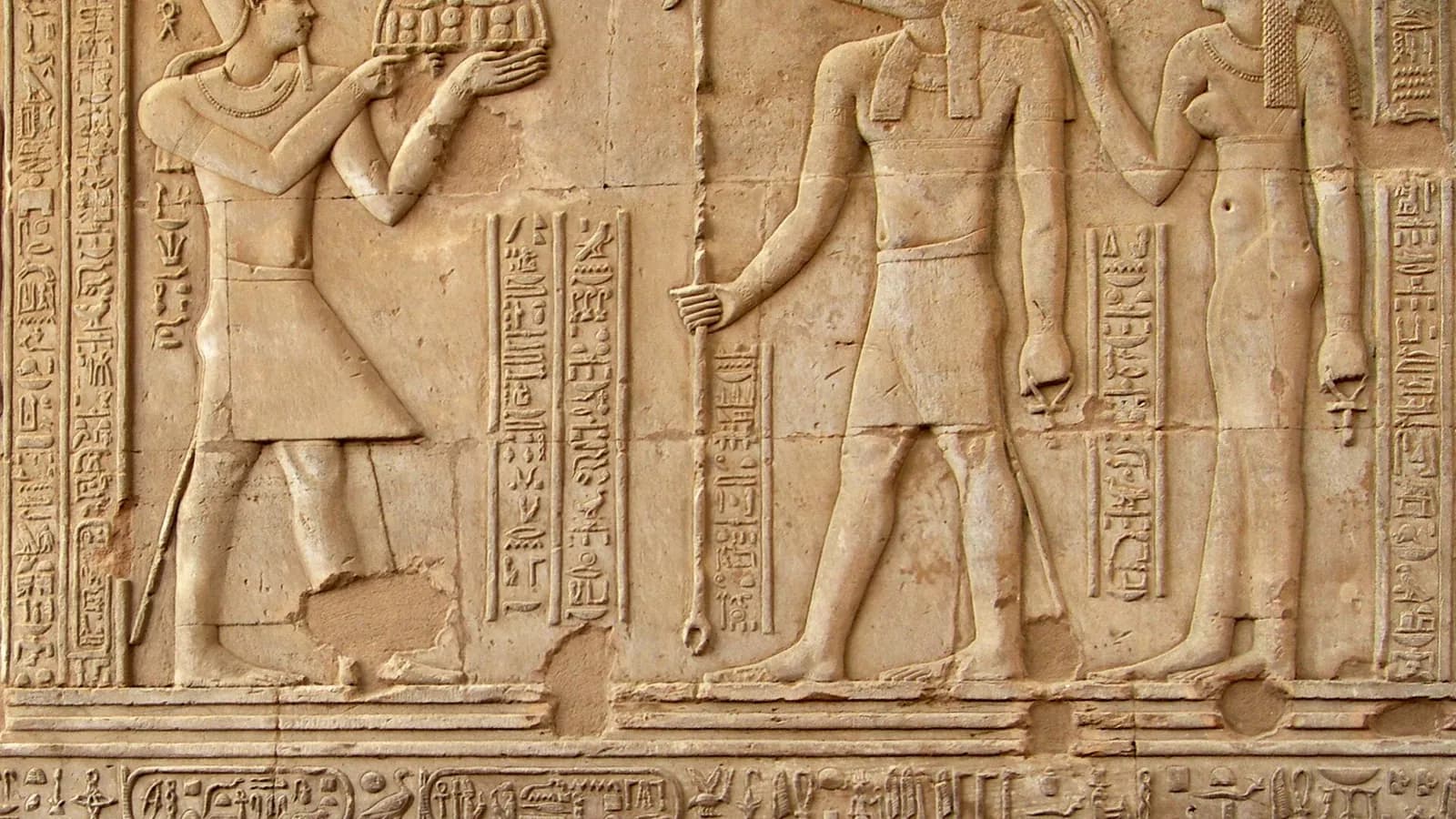
Both are Ptolemaic - built by the Greek dynasty that ruled Egypt after Alexander, from roughly the 2nd and 1st centuries BC. That makes them young by Egyptian standards; the pyramids were already older to the Ptolemies than the Ptolemies are to us. But being late has advantages. The carving is crisp, the walls are dense with hieroglyphs and reliefs, and because the ancient Egyptian religion was in its last chapter, the priests recorded everything they knew across every surface - festivals, rituals, the daily care of the god. Baedeker's 1895 handbook grumbled that at temples like these "every column, every pillar, and every wall is embellished" to the point of clutter. Modern visitors tend to love exactly that density.
Kom Ombo: the double temple to Sobek and Horus
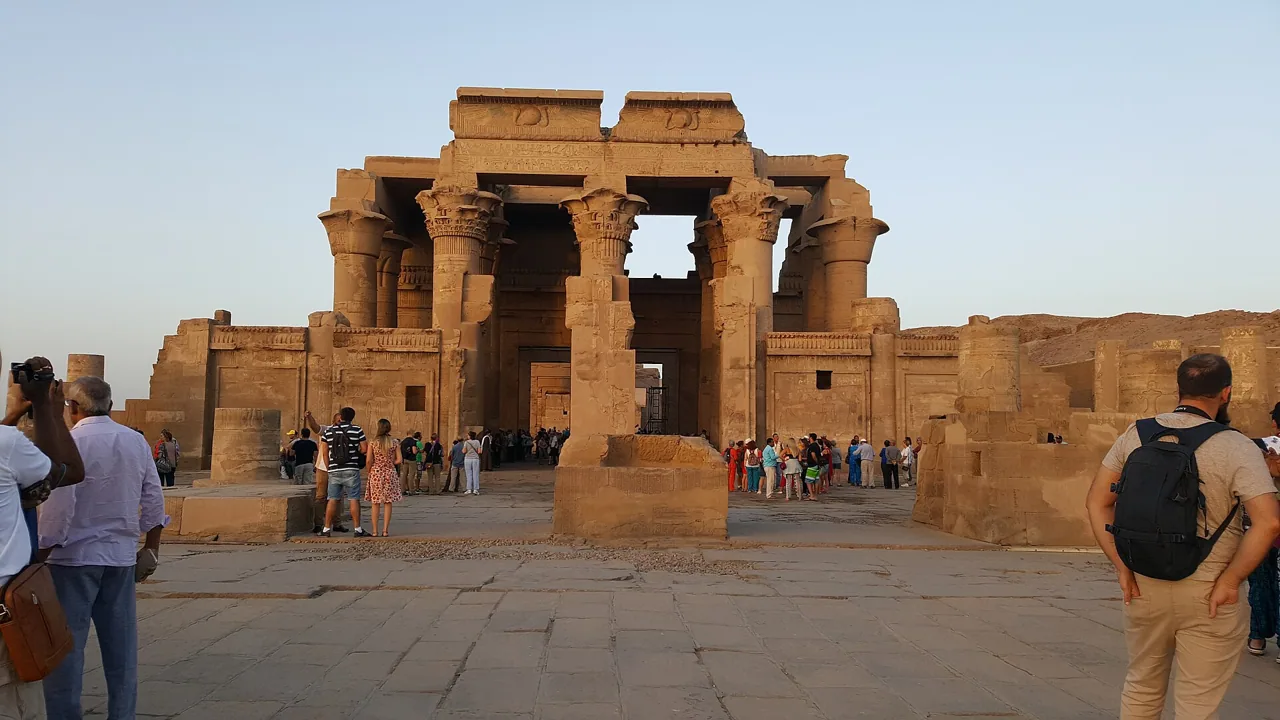
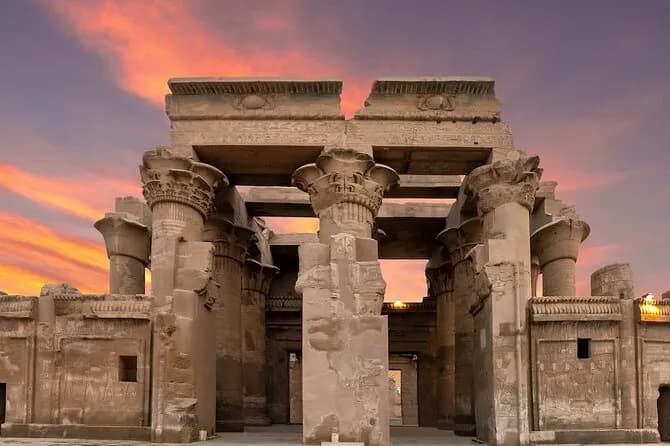
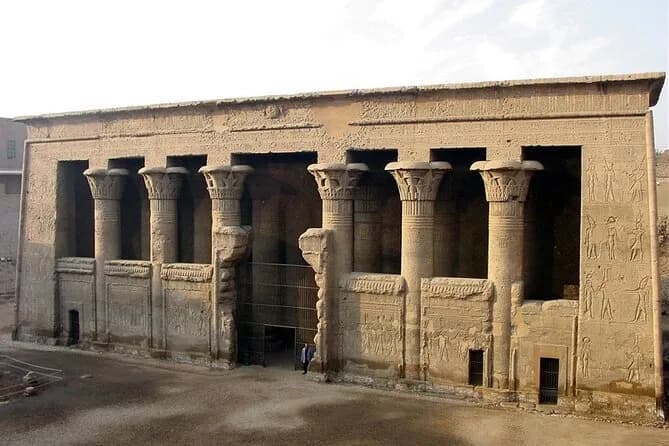
Kom Ombo is the one temple in Egypt built with a mirror plan. Two entrances, two hypostyle halls, two sanctuaries running side by side - the left (northern) half for Horus the Elder (Haroeris), the right (southern) half for Sobek, the crocodile god who, as the ancients believed, made the Nile waters rise. Both halves share a single facade, so it reads as one temple until you notice everything comes in pairs.
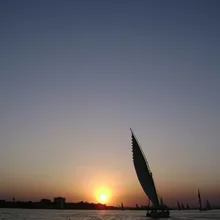
Sobek was worshipped here for good reason: this reach of the river was thick with crocodiles. The god is shown crocodile-headed, crowned with the sun disk and twin plumes. Kom Ombo's setting is the other draw - it stands on a bluff directly above the Nile, so it looks magnificent from the deck as you approach, and it catches the light beautifully at sunset, when most cruise boats time the stop.
The famous relief here is the so-called "surgical instruments" panel on the temple's back outer wall - a carved set of objects that look strikingly like scalpels, forceps, scales, and what some read as birthing stools. Egyptologists debate whether they are genuinely medical or ritual, but it is one of the most photographed reliefs in the country and your guide will make a point of it.
The Crocodile Museum
Right beside the temple is the Crocodile Museum, opened in 2012 to display crocodiles that were mummified and buried here as offerings to Sobek. Around thirty are shown, from small juveniles to a four-metre-plus adult, lit in a dark hall with the wrapped mummies and stone sarcophagi. Entry is included in the temple ticket. It is small - fifteen or twenty minutes - but it is the one place on the whole cruise where the mythology becomes literal.
Edfu: the best-preserved temple in Egypt
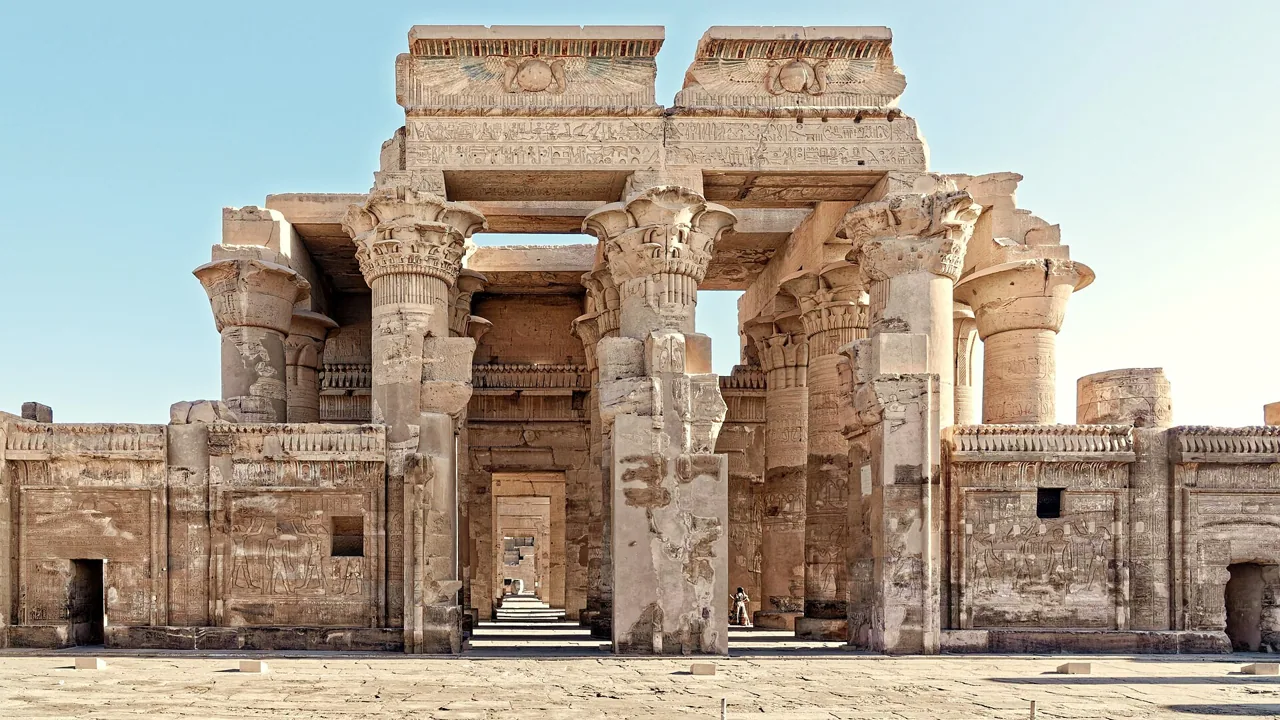
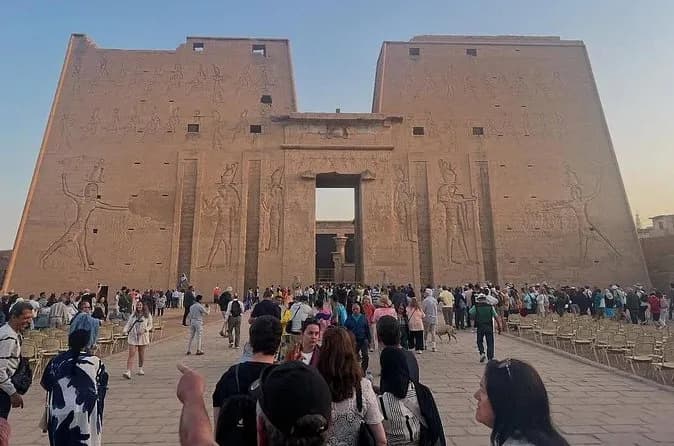
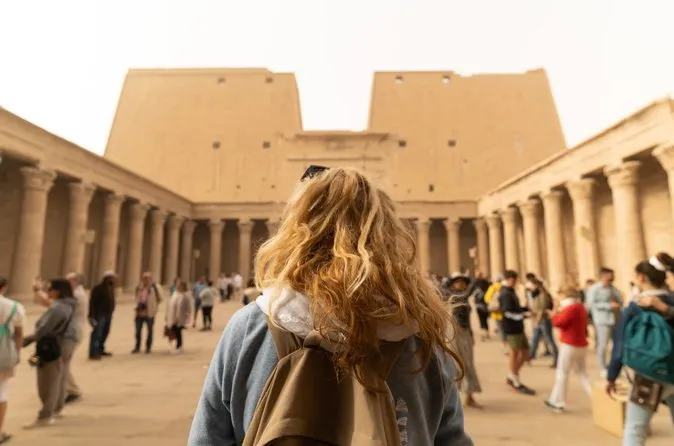
If you see one temple on the cruise that makes you feel what these places were, it is Edfu. The Temple of Horus is the most completely preserved major temple in Egypt: the towering front pylon still stands nearly intact, the roof is still on over the inner halls, and you can walk from the bright open court into rooms that get progressively darker and lower until you reach the black sanctuary at the heart, where a polished granite shrine once held the god's statue.
It survived because it was buried. Over the centuries after the old religion ended, Nile silt and drifting sand filled the temple almost to the tops of its walls, and a village grew on top. Auguste Mariette began clearing it in the 1860s, and what emerged was a temple frozen in time. Guard the entrance are the famous falcon statues - Horus as a hawk in polished black granite, wearing the double crown - and the huge front pylon carries colossal reliefs of the king smiting his enemies.
The walls tell a story too: Edfu was the mythological site of the great battle between Horus and Seth, and inscriptions here record Horus's victory as the triumph of good over evil, ordered to be carved over every doorway. It is the best place in Egypt to read a temple's own account of its rituals.
The caleche ride
Edfu's temple sits about two kilometres from the cruise dock, in the middle of a working town. The traditional transfer is by caleche - a horse-drawn carriage - and the clattering ride through Edfu's streets and markets, past ordinary life, is genuinely part of the experience. A word of honesty: some travellers find the state of the horses upsetting, so it is fair to choose a taxi or a cruise minibus instead if that matters to you, and to tip the driver either way.
Cruise vs. road day-trip
| On a Nile cruise | By road day-trip | |
|---|---|---|
| How you arrive | Kom Ombo on foot from the deck; Edfu by caleche from the dock | Private car/van from Aswan or Luxor |
| Time at each site | Guided, unhurried, often at good light | Rushed - long drives bookend short visits |
| Both temples in a day? | Yes, spread over the sailing naturally | Possible but a very long day (~6-8 hrs driving from Luxor) |
| Tickets | Usually bundled into the cruise package | You pay at each gate |
| Best for | Anyone doing Aswan-Luxor; the classic way | Travellers short on days or not cruising |
The honest verdict: these two temples were made to be seen from the river. On a cruise they arrive naturally as you sail, at the pace the sites deserve, with a guide who knows the walls. A road trip works if you are based in Luxor or Aswan and can't spare cruise nights, but you will spend more of the day in a vehicle than in the temples. If you're weighing the two approaches overall, our Nile cruise guide from Aswan to Luxor breaks down ships, routes, and what's included.
Tickets, hours, and what to bring
Government site tickets are cheap and paid at the gate in Egyptian pounds (or bundled into your cruise). Confirm current prices on the day, as they change.
- Kom Ombo: roughly 400-450 EGP for foreign adults (about US$8-9), Crocodile Museum included. Open daily, about 7am-5pm in winter and later, to around 8-9pm, in summer - cruise boats usually arrive late afternoon.
- Edfu: roughly 200-300 EGP for foreign adults (about US$4-6). Open daily, about 6am-4/5pm winter and later in summer. The caleche transfer is separate - agree the fare (and tip) before you set off.
Bring water, a hat, and small cash for tips and the carriage. Both sites are largely unshaded and warm year-round; carry a torch or use your phone light for Edfu's dark inner rooms and Kom Ombo's museum. Modest, cool clothing is best. Neither temple is fully step-free, though both are manageable for most people at an easy pace.
Where they sit on a classic itinerary
On the standard three- or four-night Aswan-to-Luxor cruise, Kom Ombo and Edfu fall on the middle sailing days, between the Aswan sights - the High Dam, Philae Temple, a felucca around the islands - and the Luxor finale of Karnak, Luxor Temple, and the Valley of the Kings. If you're building the wider trip, see our guides to things to do in Aswan at one end and the vast Karnak Temple complex at the other. Kom Ombo and Edfu are the connective tissue between them - the river's mythology, told in stone, on the way through.
An inscription at Edfu records that, after the victory of Horus, Thoth commanded the winged sun-disk to be placed over every temple entrance - the sign of good's triumph over evil. (Baedeker's Egypt, 1895)
See it from the water
Kom Ombo and Edfu reward the slow approach - arriving by river, at the right light, with time to read the walls. This is Egypt curates Nile cruises for exactly this stretch, from classic ships to intimate dahabiyas. Compare Nile cruise options and let the temples come to you.
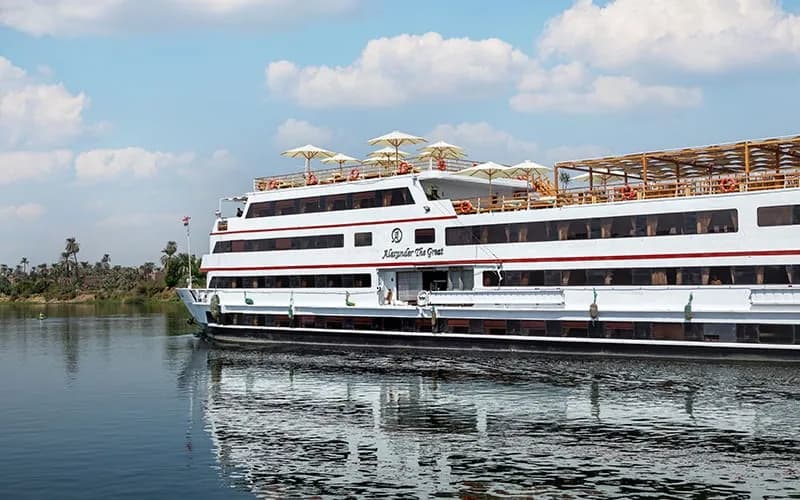
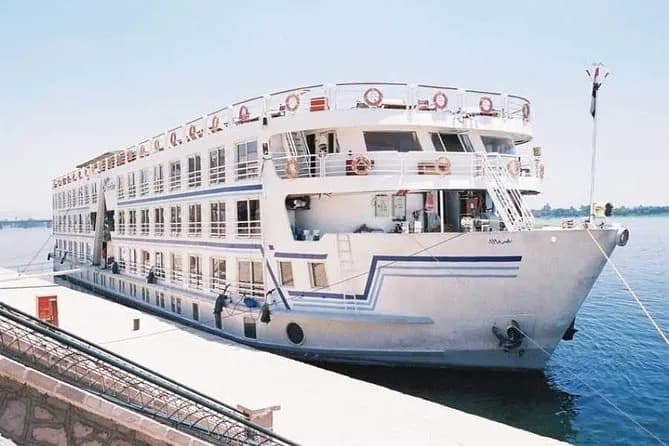
See it from the river. Nile cruise boats moor right beside the temples of Edfu and Kom Ombo — the classic mid-route stops between Luxor and Aswan. Compare Nile cruise ships and dahabiyas, or read the Nile cruise guide.
A real team available 24/7 to assist you — free
Seif and the team reply on WhatsApp 24/7 — trip questions, custom plans and booking help.
Ask Seif on WhatsAppCommon questions
Are Kom Ombo and Edfu worth visiting?
Yes. Edfu is the best-preserved major temple in Egypt - roof intact, pylon standing, dark inner sanctuary - and Kom Ombo is the country's only mirror-image double temple, dedicated to two gods, with a museum of mummified crocodiles beside it. On a Nile cruise they're two of the most memorable stops between Aswan and Luxor.
What is special about Kom Ombo temple?
It's a double temple built on a symmetrical plan, with two entrances, two halls, and two sanctuaries - one side for Sobek the crocodile god, one for Horus the Elder. It stands right on the Nile with a beautiful river view, and it holds the famous 'surgical instruments' relief plus an adjacent Crocodile Museum of mummified crocodiles.
Why is Edfu temple so well preserved?
It was buried. Over the centuries after the old religion ended, sand and Nile silt filled the temple nearly to the tops of its walls and a village grew on top, sealing it until 19th-century excavation cleared it. That burial protected the roof, walls, and reliefs, leaving the most complete large temple in Egypt.
How do you get from the cruise dock to Edfu temple?
The temple is about two kilometres inland, and the traditional transfer is by caleche - a horse-drawn carriage - through the town of Edfu. A taxi or cruise minibus is also fine. Agree the caleche fare and a tip before you set off, and choose a taxi instead if the condition of the horses concerns you.
Can you visit Kom Ombo and Edfu without a cruise?
Yes, both are reachable by road as a day-trip from Aswan or Luxor, and both have train stations nearby. But it makes for a long day with a lot of driving, and you lose the river approach the temples were designed for. A cruise remains the classic and most relaxed way to see them.
How much are tickets for Kom Ombo and Edfu?
Government tickets run roughly 400-450 EGP (about US$8-9) for Kom Ombo, which includes the Crocodile Museum, and roughly 200-300 EGP (about US$4-6) for Edfu. Prices change, so confirm at the gate. On most cruises the entry tickets are already included in your package; the Edfu caleche is usually extra.
What are the opening hours?
Both open early and close in the late afternoon, extending in summer - Kom Ombo roughly 7am to 5pm (later in summer), Edfu roughly 6am to 4-5pm (later in summer). Cruise excursions are scheduled inside these windows, with Kom Ombo often timed for late-afternoon light.
Which is better, Kom Ombo or Edfu?
They're different, and you'll usually see both. Edfu wins for scale and preservation - it's the temple that makes you feel what these places were. Kom Ombo wins for its unique double plan, its riverside setting, and the crocodile story. Don't pick; the cruise gives you both.
Are the temples suitable for children and older travellers?
Broadly yes. Both are walkable at an easy pace, though neither is fully step-free and Edfu's inner rooms are dark - bring a light. Kids tend to love the Crocodile Museum and the caleche ride. Bring water and sun protection, as both sites are largely unshaded.
Book it on This is Egypt
Turn this guide into a trip



Egypt's bestsellers
The experiences travelers book most, across the country

Keep reading
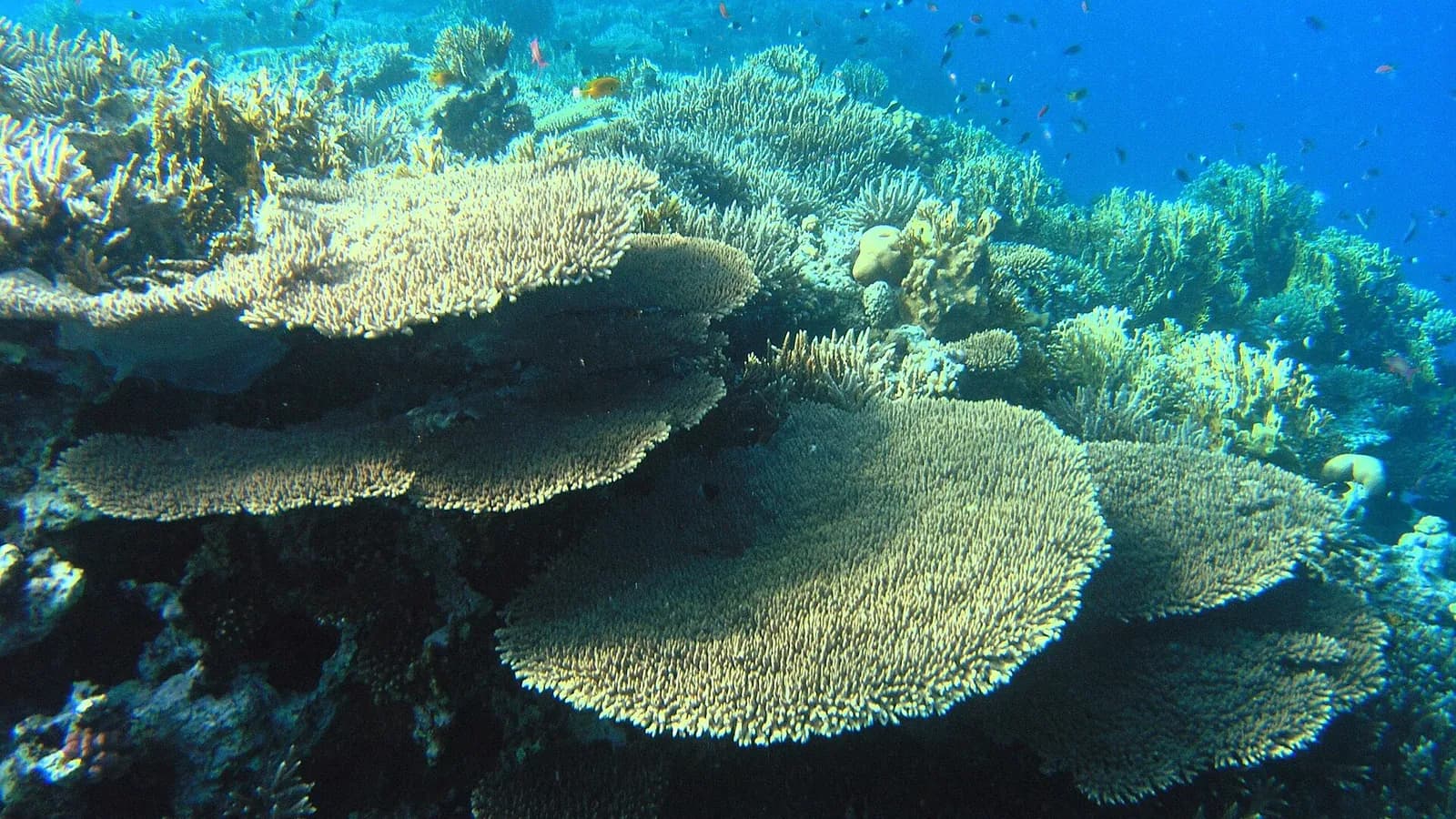
Hurghada Diving (2026): Best Sites, Packages & Prices
Diving in Hurghada — the best reefs (Giftun, Careless Reef, Dolphin House) and Abu Nuhas wrecks, Discover Scuba vs PADI courses, season and water temps, and real 2026 prices.
By TiE Editors7 min read
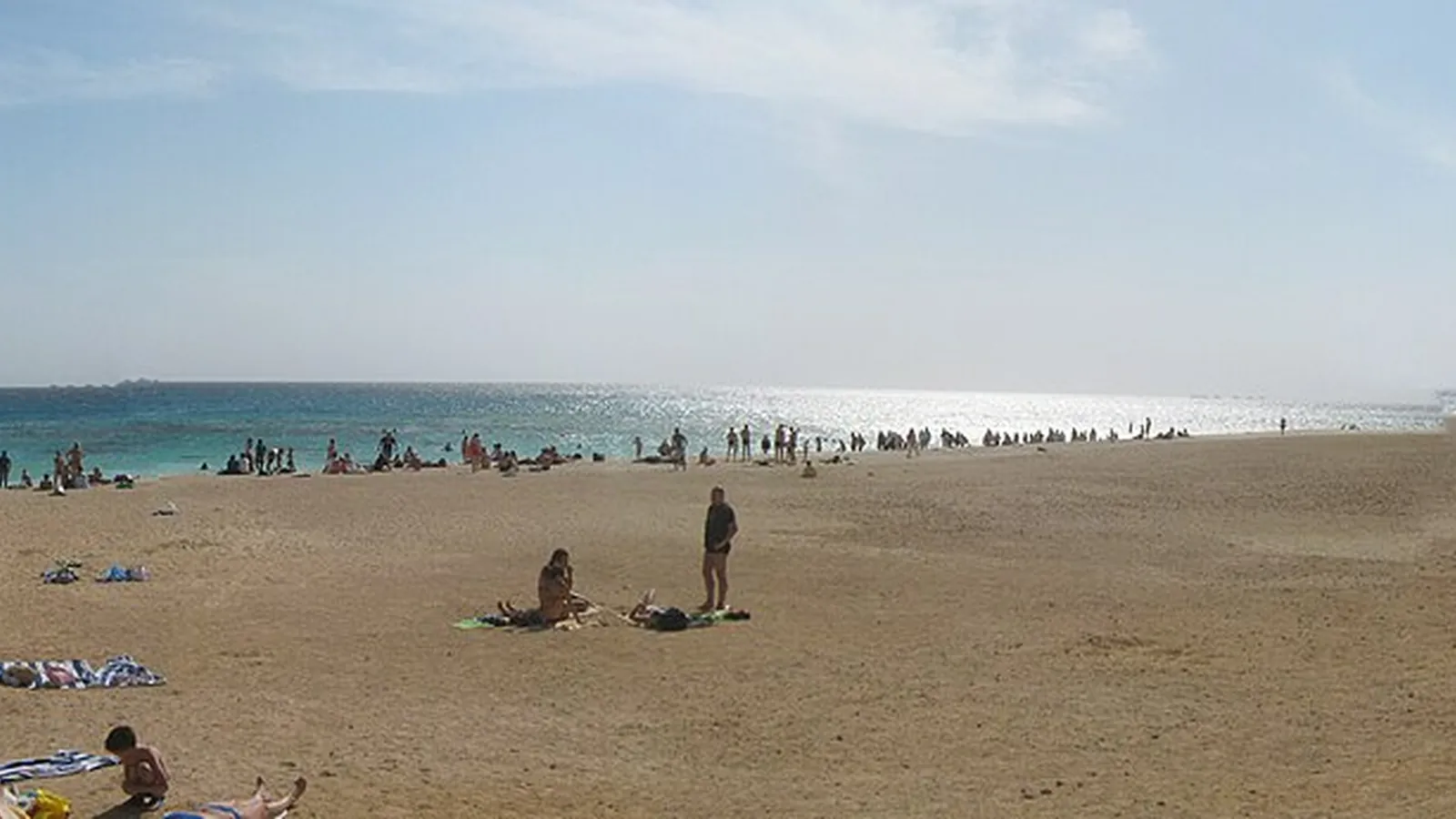
Hurghada Snorkeling Trips (2026): Best Reefs, Prices & How to Choose
Where to snorkel from Hurghada in 2026 — Orange Bay, Giftun, Mahmya, Utopia and Dolphin House — with boat types, marine life, month-by-month sea temperatures, family tips and real prices from 1,000+ bookable trips.
By TiE Editors7 min read
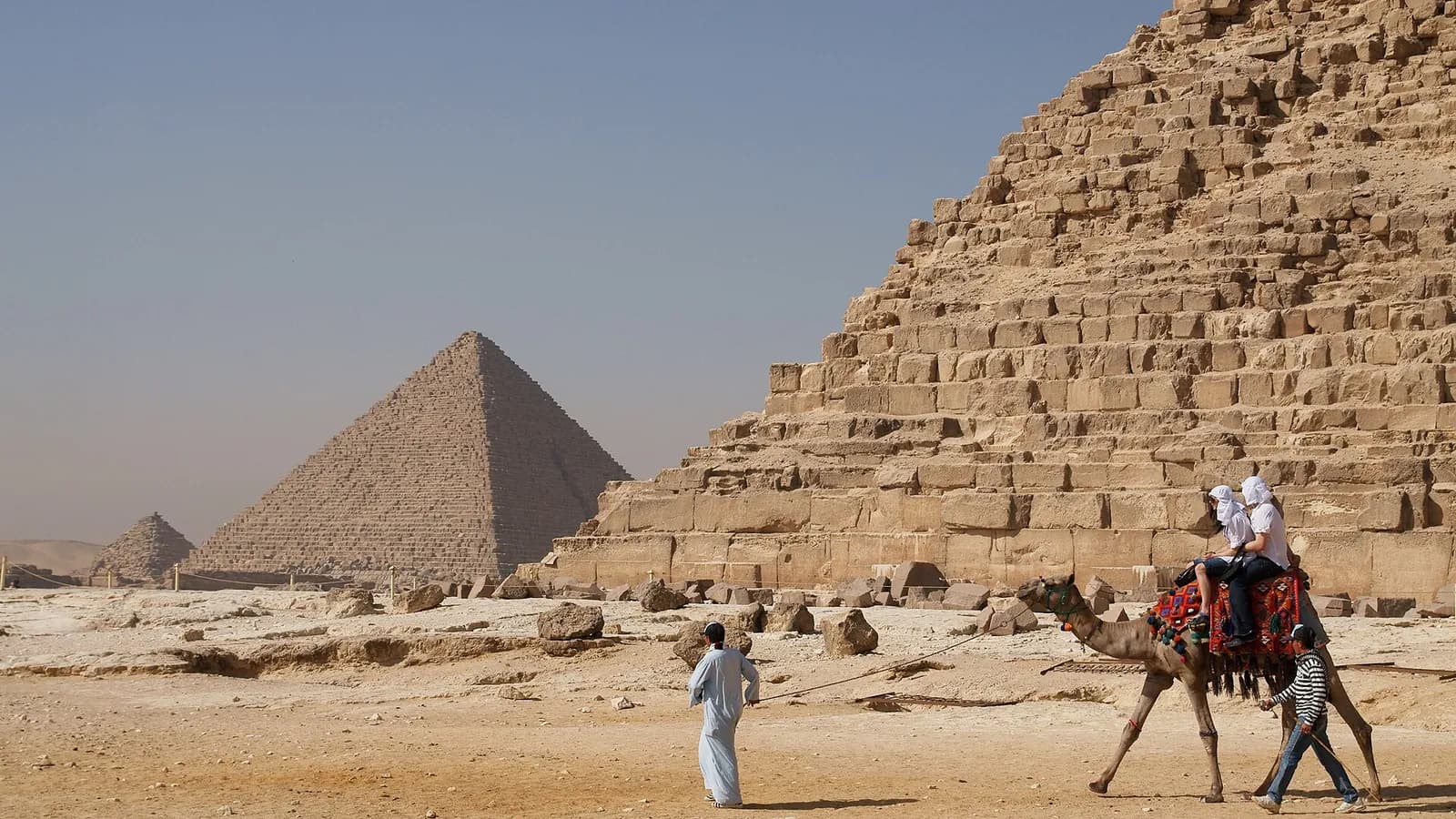
Egypt Tour Prices by Activity (2026): What Each Type Really Costs
What every type of Egypt experience costs — half day, full day or overnight — as a median and a mid-half range in US dollars, from 12,370 live bookable listings.
By TiE Editors6 min read