Nile Cruise from Aswan to Luxor (or Luxor to Aswan): 2026 Guide
A 3 or 4 night cruise between Aswan and Luxor is the classic way to see Egypt's temples. The stops, real prices, why direction and boat choice matter, and how to avoid a bad one.
Book it on This is Egypt
Aswan · Turn this guide into a trip
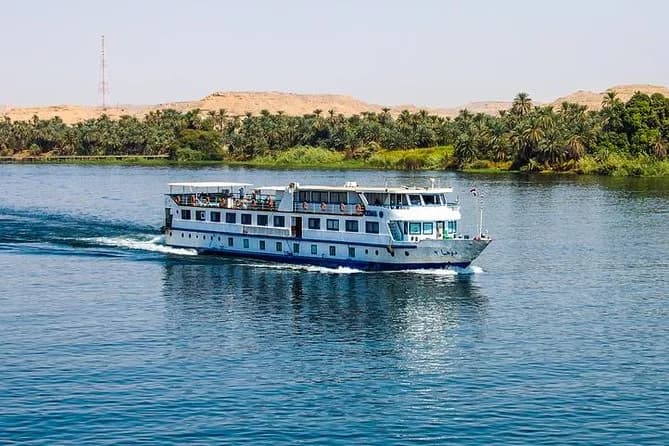
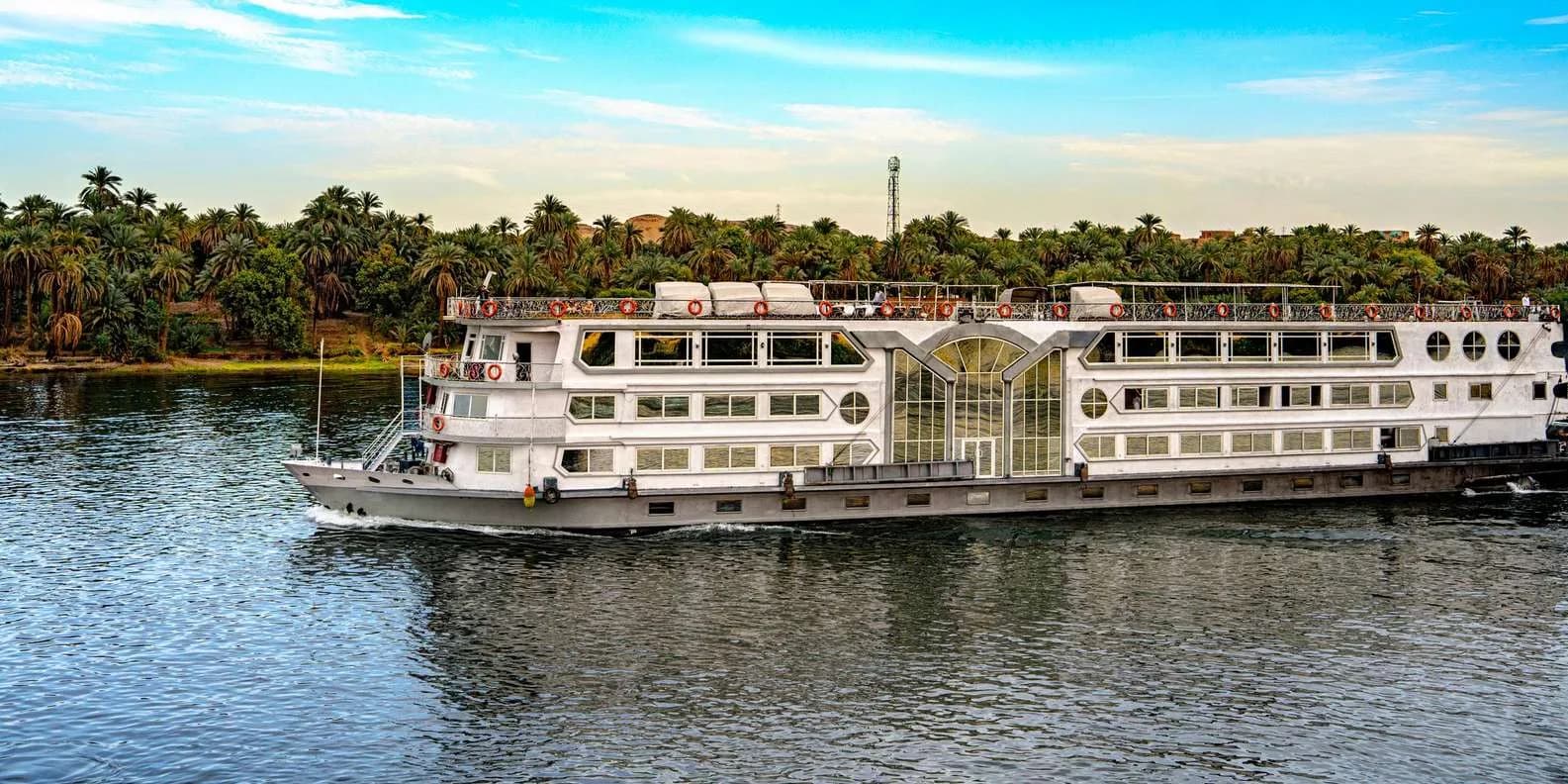
Quick answer: A 3- or 4-night Nile cruise between Aswan and Luxor is the classic Egyptian journey — you sail between the temples and sleep on a floating hotel, waking beside a new site most mornings. Direction and boat choice matter more than headline price; Aswan→Luxor is the shorter, downstream run.
A Nile cruise between Aswan and Luxor is the classic Egyptian journey and still the most relaxed way to see the great river temples. Instead of long day drives across the desert, you sail between the sites and sleep on a floating hotel, waking beside a new temple most mornings. Almost every cruise runs three or four nights and covers the same core stops. The catch is that quality varies enormously from boat to boat, so choosing well matters more here than almost anywhere else in Egypt. Spend a little more on a well-reviewed vessel and this becomes the highlight of the whole trip.
What a Nile cruise is, and why it beats driving
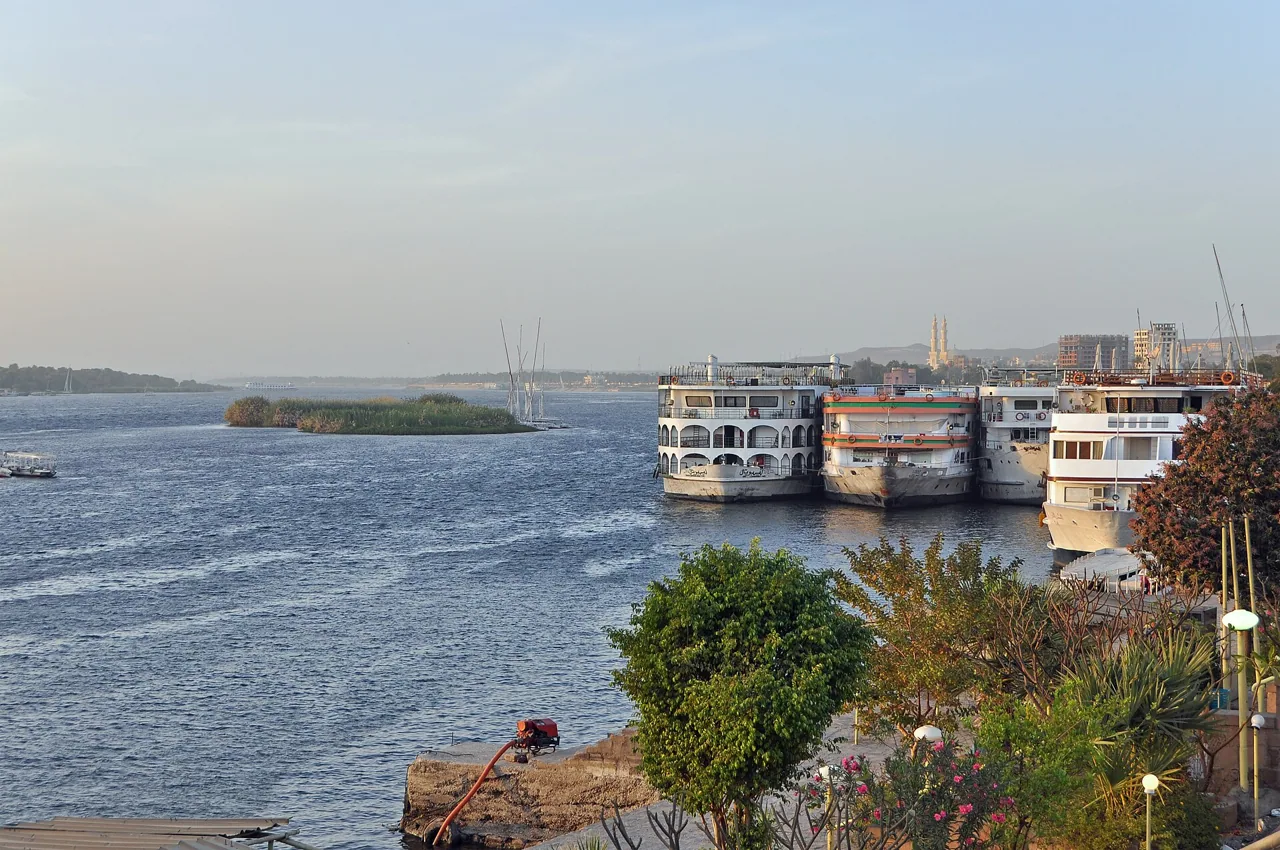 Upper Egypt's most famous temples are strung along a 200-kilometre stretch of river between Aswan and Luxor. Two of them, Kom Ombo and Edfu, sit right on the bank and are genuinely awkward to reach by road. A cruise threads all of them together in one unbroken journey: the boat becomes your hotel, your restaurant and your transport, and it moves you overnight or during the lazy middle of the day so you arrive at each temple rested rather than road-weary.
That is the real argument for cruising. Drive the same route and you spend hours on the desert highway, check in and out of hotels, and still miss the two riverside temples unless you build detours around them. On a boat the drives vanish. You sightsee in the cool of the morning, then watch the Nile do its slow, green, four-thousand-year-old thing while someone else steers. For a country that can be intense and hot, that drifting downtime is a large part of the appeal.
The route and what you see at each stop
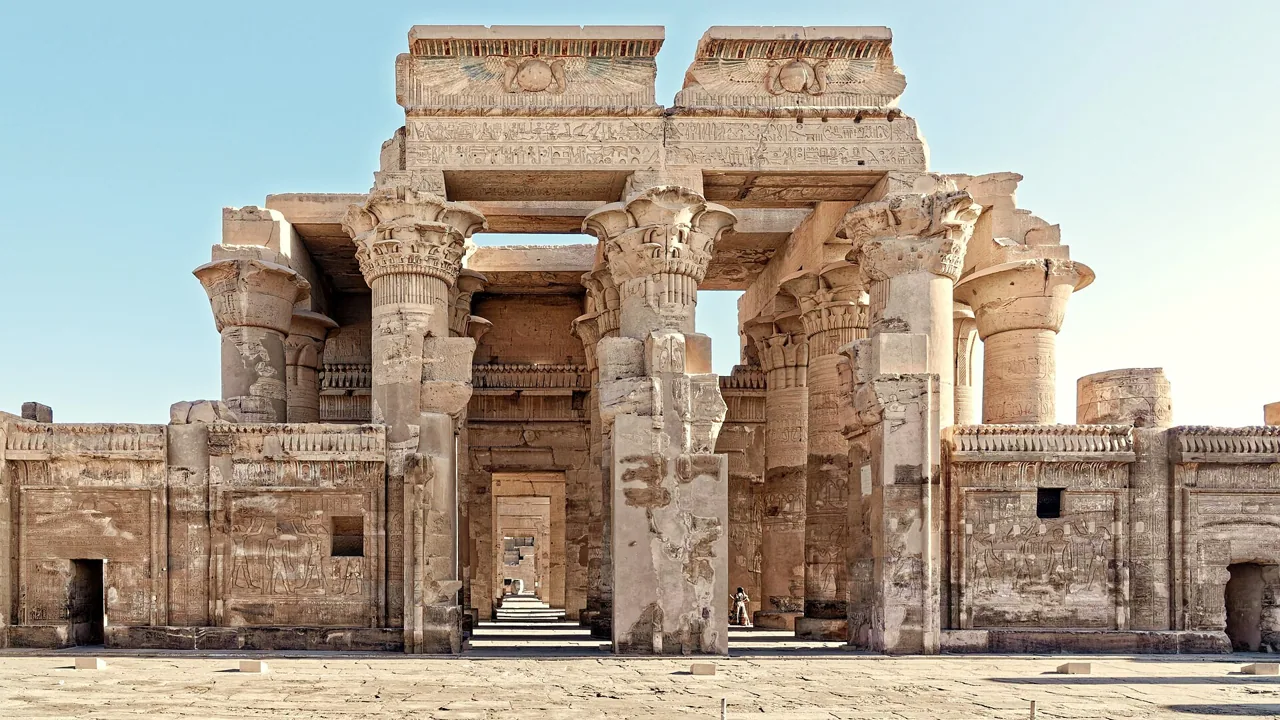 The standard cruise sails between Aswan and Luxor in either direction, stopping at the same handful of sites. Here is the run of them.
- Aswan. The gentlest, most southerly city on the route. The island Temple of Philae, romantically stranded on its own islet and reached by motorboat, is the highlight. Add the Aswan High Dam, the Unfinished Obelisk lying cracked in its ancient granite quarry, and a felucca sail around Elephantine Island and the greenery of Kitchener's Island at golden hour. Abu Simbel is the big optional add-on from here.
- Kom Ombo. A rare double temple, perfectly symmetrical and shared between two gods: Sobek the crocodile and Horus the falcon. It stands right at the water's edge, floodlit and dramatic at dusk, with a small museum of mummified crocodiles beside it. Many boats moor almost at its steps.
- Edfu. The Temple of Horus, one of the best-preserved temples in all of Egypt, its walls and towering pylon almost intact. You reach it from the dock by horse-drawn carriage clattering through the town, which is half the fun.
- Esna. The boats queue to pass through the Esna lock, a slow, oddly hypnotic piece of river theatre where local vendors row alongside tossing scarves and tablecloths up to the sundeck for sale. Some itineraries also visit the recently restored, vividly coloured Temple of Khnum in the town.
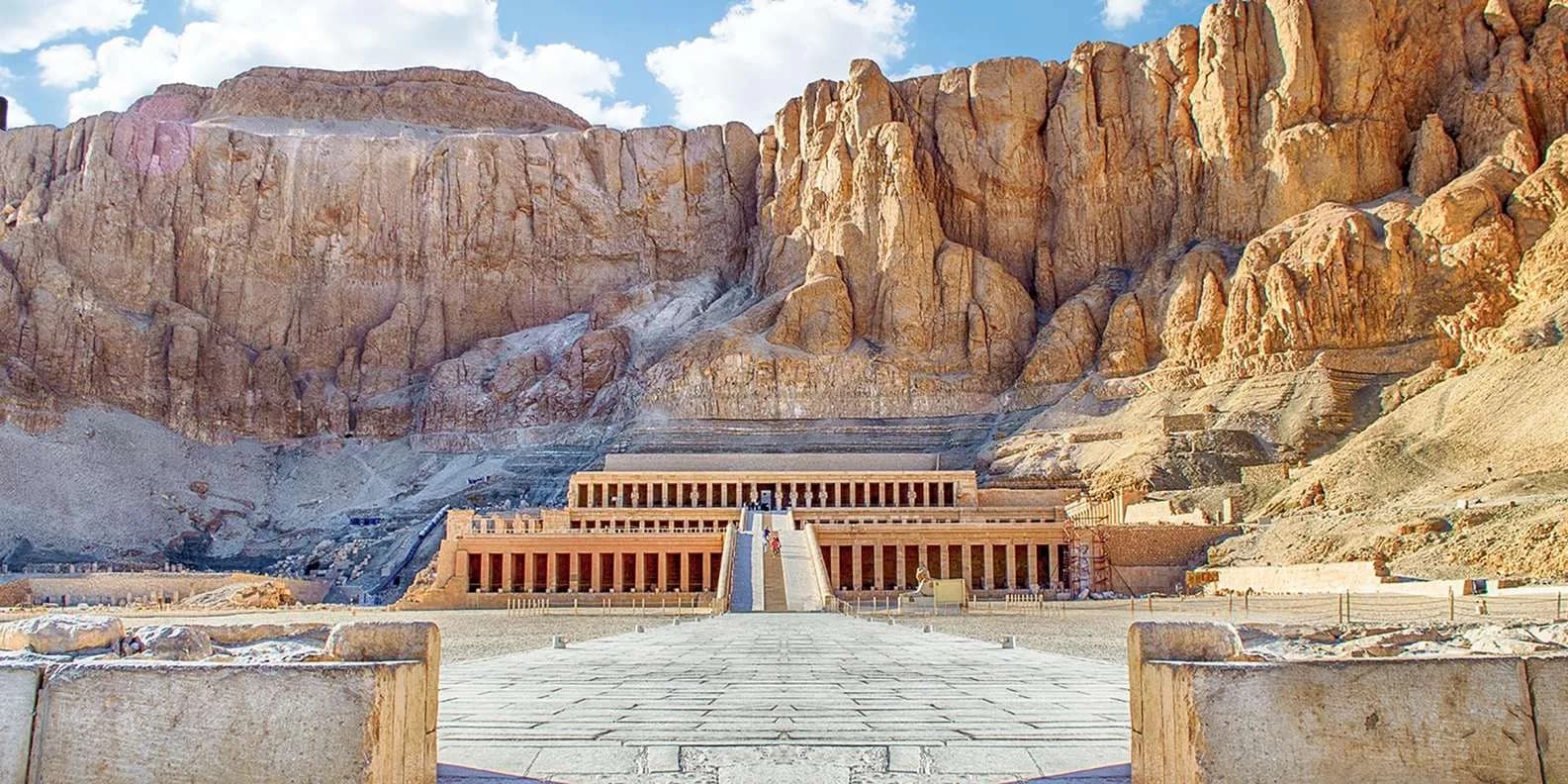
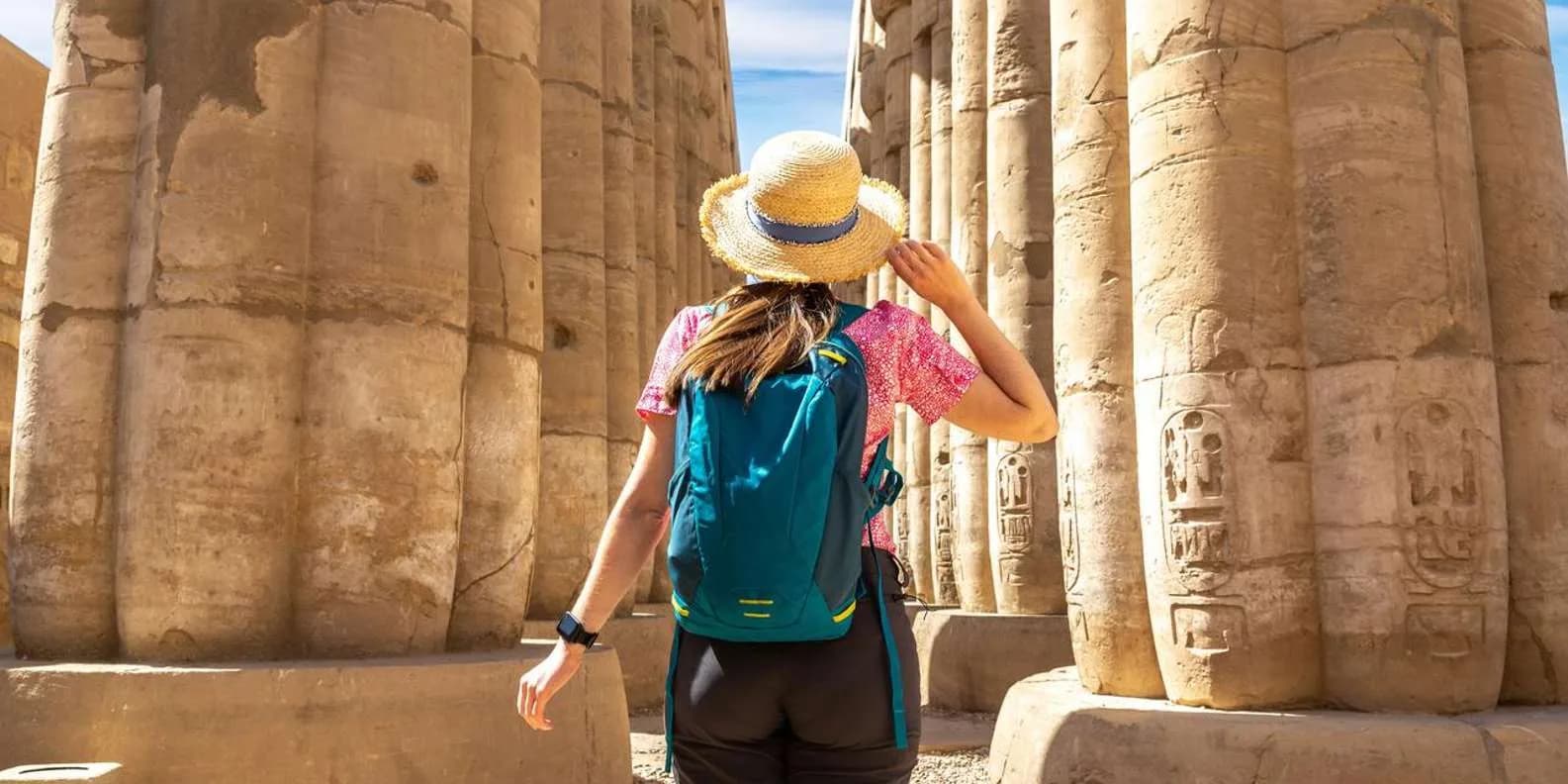
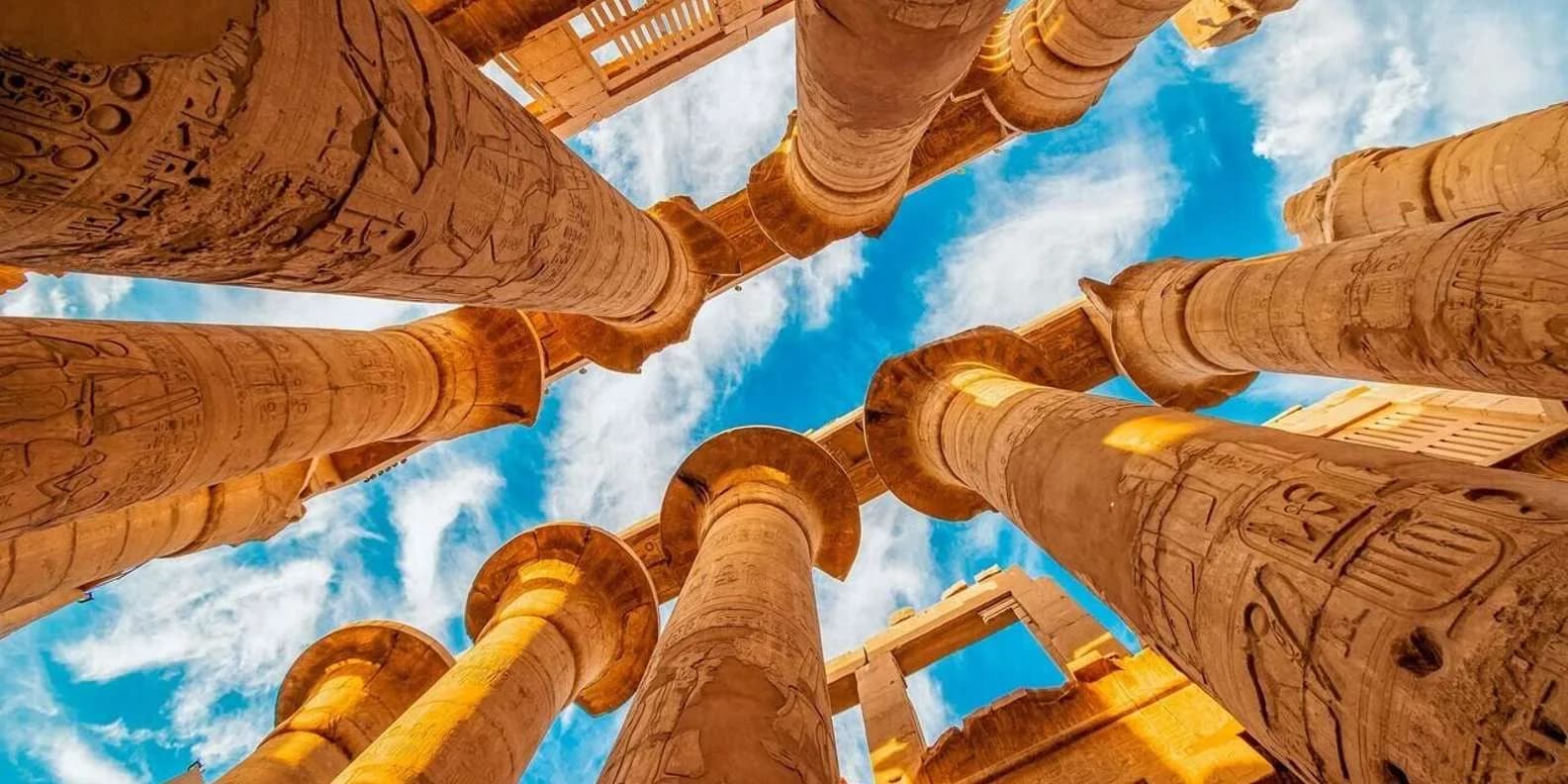
- Luxor. The grand finale, and worth two nights if your itinerary allows. On the East Bank stand the vast Karnak complex, the largest religious building ever raised, and Luxor Temple, best seen lit up after dark. Across the river on the West Bank lie the Valley of the Kings and Tutankhamun's tomb, the terraced Temple of Hatshepsut, and the lonely Colossi of Memnon.
Three nights or four, and which direction
Direction follows the river's geography. Aswan to Luxor is downstream, running four nights with the current behind you, and it builds toward Luxor's headline sites as a climax. Luxor to Aswan is upstream, usually a three-night trip, and it often costs a little less. Both see exactly the same temples in a different order, so this is the smaller of the two decisions.
Length matters more. Three nights covers the essentials at a slightly brisker clip and is plenty if your days in Egypt are tight. Four nights adds breathing room, a more relaxed pace, and often an extra afternoon at anchor rather than another early start. If you can spare the day, four nights is the more civilised choice, and the Aswan-to-Luxor downstream direction is the traditional way to sail it.
Cruise ship, dahabiya or sandal
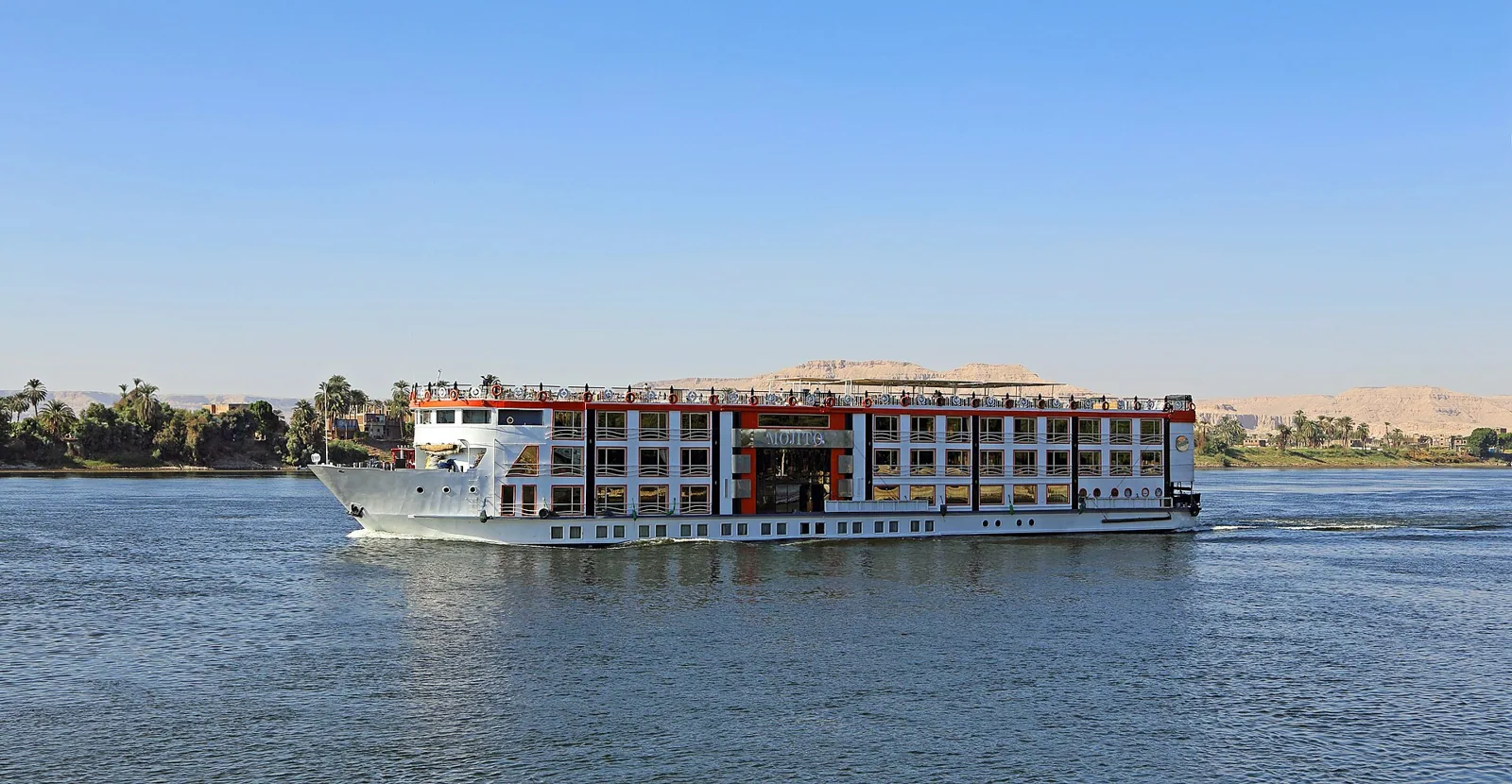 There are three broad kinds of vessel, and they are genuinely different holidays.
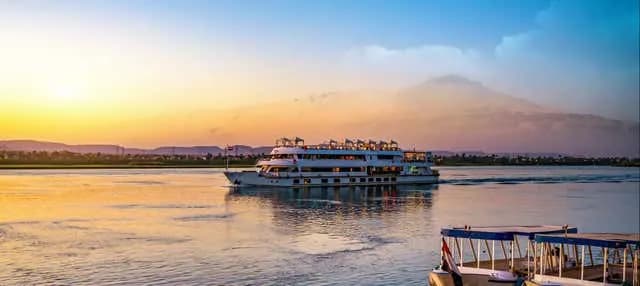
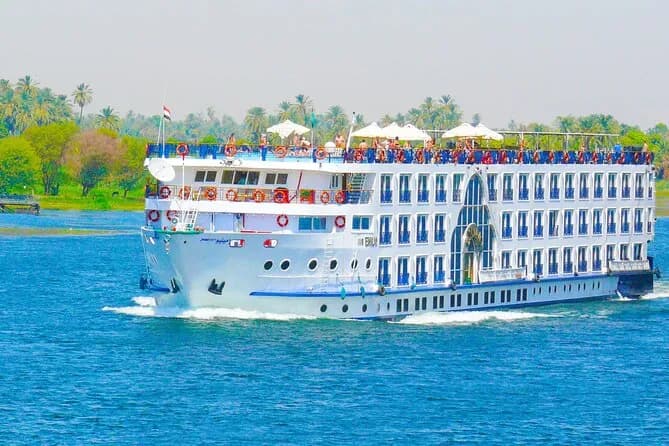
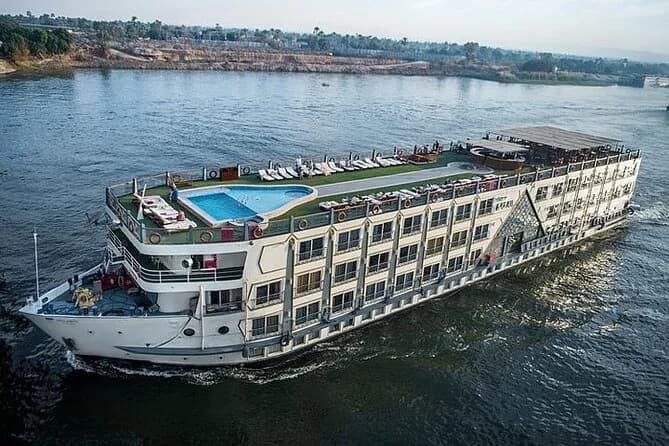
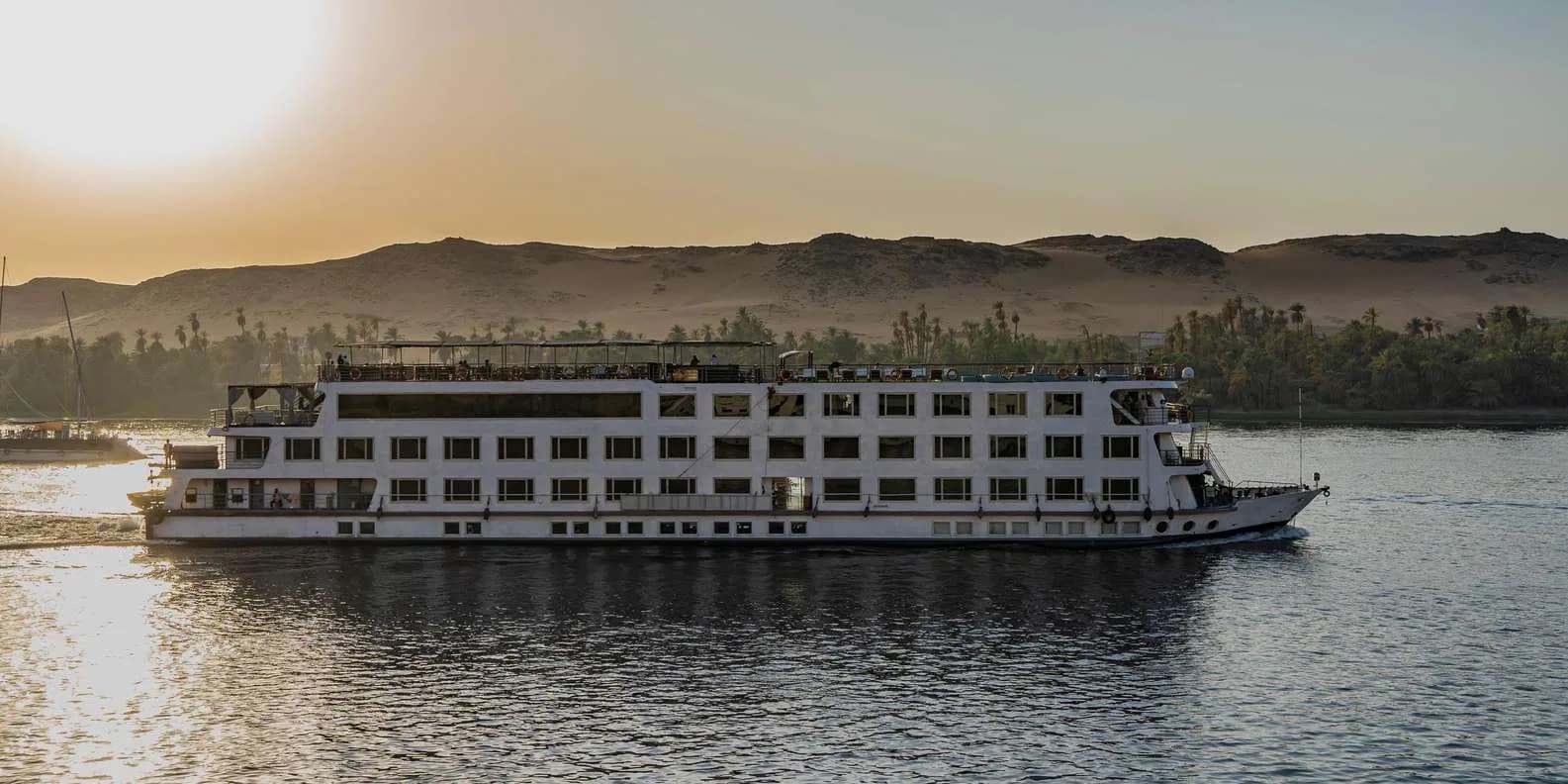
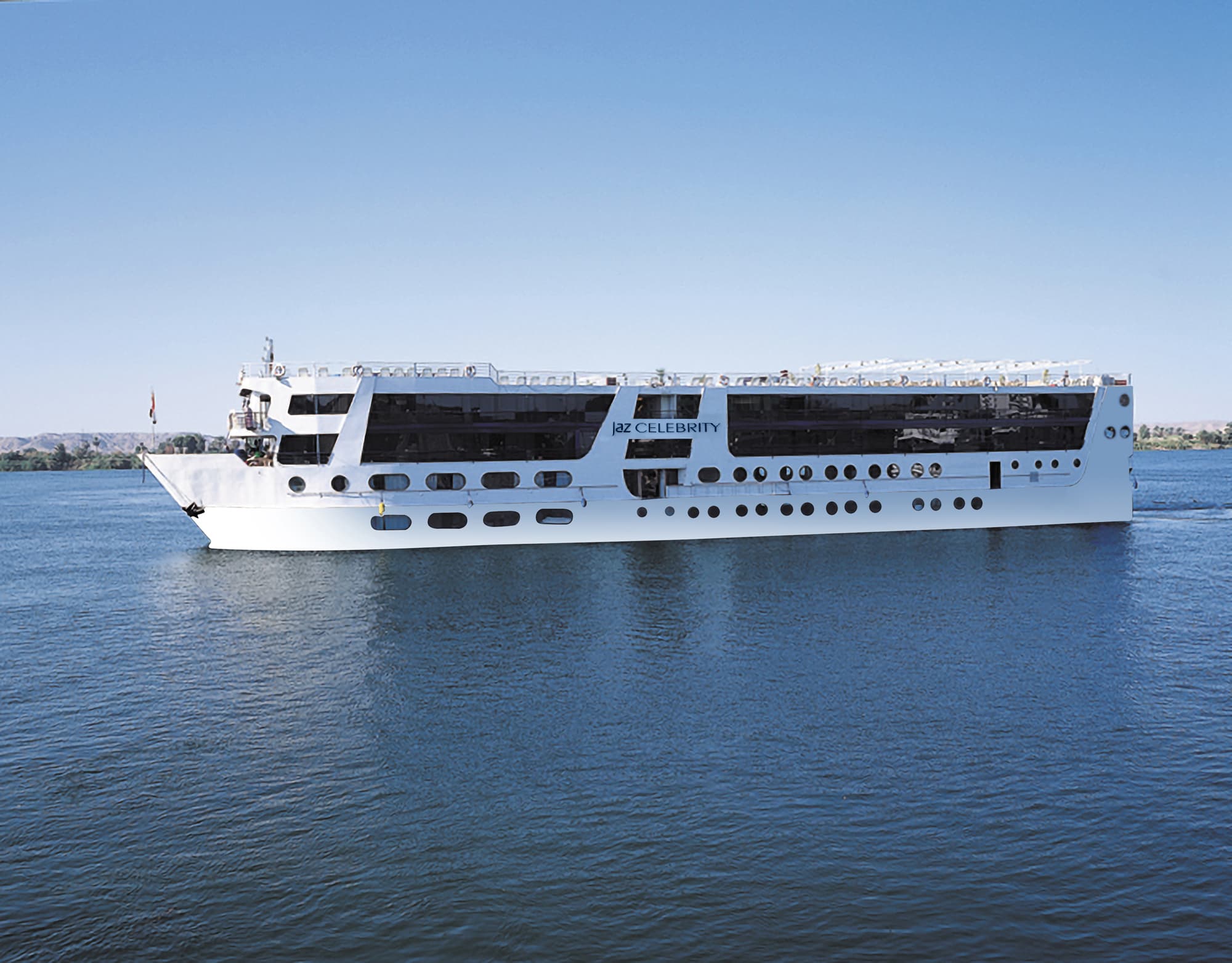
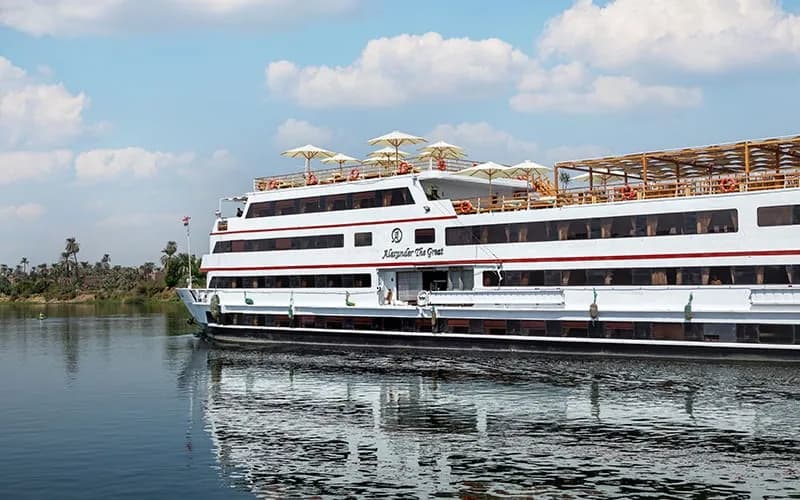
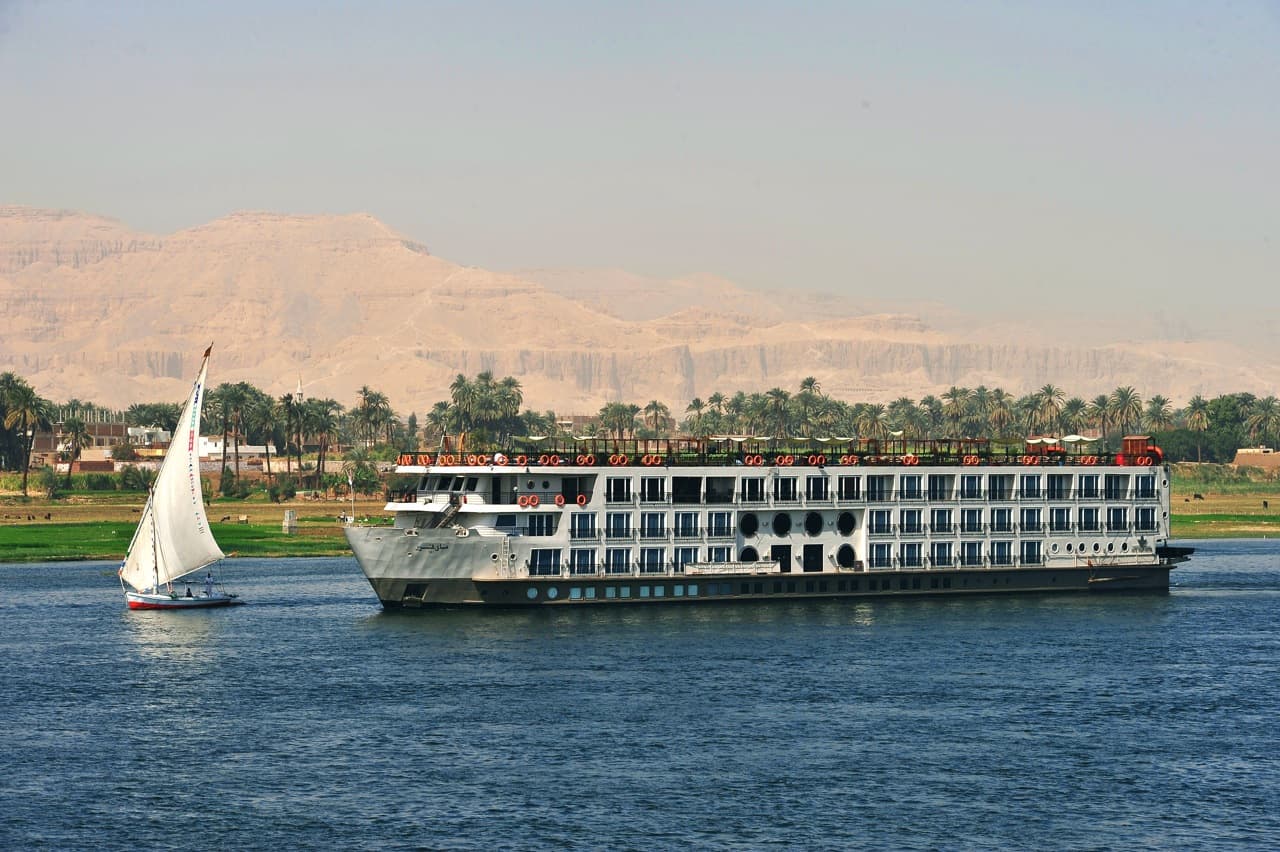
A standard Nile cruiser is a five-star floating hotel carrying 50 to 150 guests across several decks, with picture-window cabins, a small sundeck pool, a buffet restaurant, a bar and nightly entertainment. This is what most people book, and for good reason: it is comfortable, sociable, efficient and covers the temples on a reliable schedule.
A dahabiya is the romantic alternative: a small twin-masted sailing boat carrying only 8 to 20 guests, moving by wind when it can (a small tugboat helps when the breeze dies). It costs more and takes a night or two longer, but it is quiet, intimate and closer to how the Nile was travelled a century ago. Its shallow draft lets it moor at sandbanks the big ships cannot reach, and there are often nearly as many crew as guests. Expect roughly 300 to 600 USD per person per night, so a four-night dahabiya runs around 1,200 to 2,400 USD per person.
A sandal is the smaller cousin of the dahabiya: a traditional two-sailed boat, once used to haul stone and pottery, now converted to just three or four cabins for groups of up to eight. It is the most stripped-back and private option of all, ideal for a small party who want the whole boat to themselves.
What is included, and a typical day on board
Most cruises are sold full board: three meals a day, usually served as generous buffets, plus the cabin and the sailing itself. Guided shore excursions to the temples are included on the great majority of boats, led by an Egyptologist guide, though it is worth confirming this rather than assuming. Drinks are the usual grey area — bottled water is normally provided, but soft drinks, alcohol, specialty coffees, tips and any optional tours such as Abu Simbel or a hot-air balloon are typically extra. Always check the fine print on what the headline price actually covers.
The rhythm of a day is gentle and repeats pleasantly. You visit a temple in the cool early morning, return to a late breakfast, then sail through the warm middle of the day while you read, doze by the pool or watch farmers, fishermen and palm-fringed villages slide past. A second, shorter excursion often comes in the late afternoon. Evenings bring dinner and light entertainment: a galabeya party where everyone wears local dress, a belly dancer, or on a dahabiya simply tea and stars on the open deck.
How to choose a good boat
Here is the honest part. Nile cruises range from excellent to genuinely disappointing, and the ratings show it. Some of the highest-volume boats sit at only 3.7 to 3.9 stars, while smaller, better-run operations rate well above 4.5 — and they all sail the same river to the same temples. The difference is the boat's age, the food, the cabins and the crew, not the itinerary.
So choose by recent reviews, not the headline price. Read the latest ones closely, look for photographs of the actual cabins rather than brochure shots, and confirm exactly what is included before you pay. Be wary of any price far below the rest of the field; on the Nile a suspiciously cheap fare usually buys a tired boat. A mid-range five-star cruiser with strong recent reviews is the reliable sweet spot, while a dahabiya is worth the premium if you value quiet over a pool and a dance floor.
Best time to cruise
Sail between October and April, when daytime temperatures on deck are comfortable and the evenings are pleasant. This is Upper Egypt, so the summer months from May to September are punishingly hot, often above 40°C, and far less enjoyable when you are climbing around exposed stone temples at midday — though prices do drop steeply in that window if heat does not deter you. December and January are peak season and the busiest; the shoulder months of October, November, March and April blend good weather with slightly thinner crowds.
Costs and the big add-ons
A four-night cruise typically runs from about 18,000 to 22,000 EGP per person including full board and guided excursions, though prices swing widely with the season and the standard of the boat. Dahabiyas cost considerably more, as above.
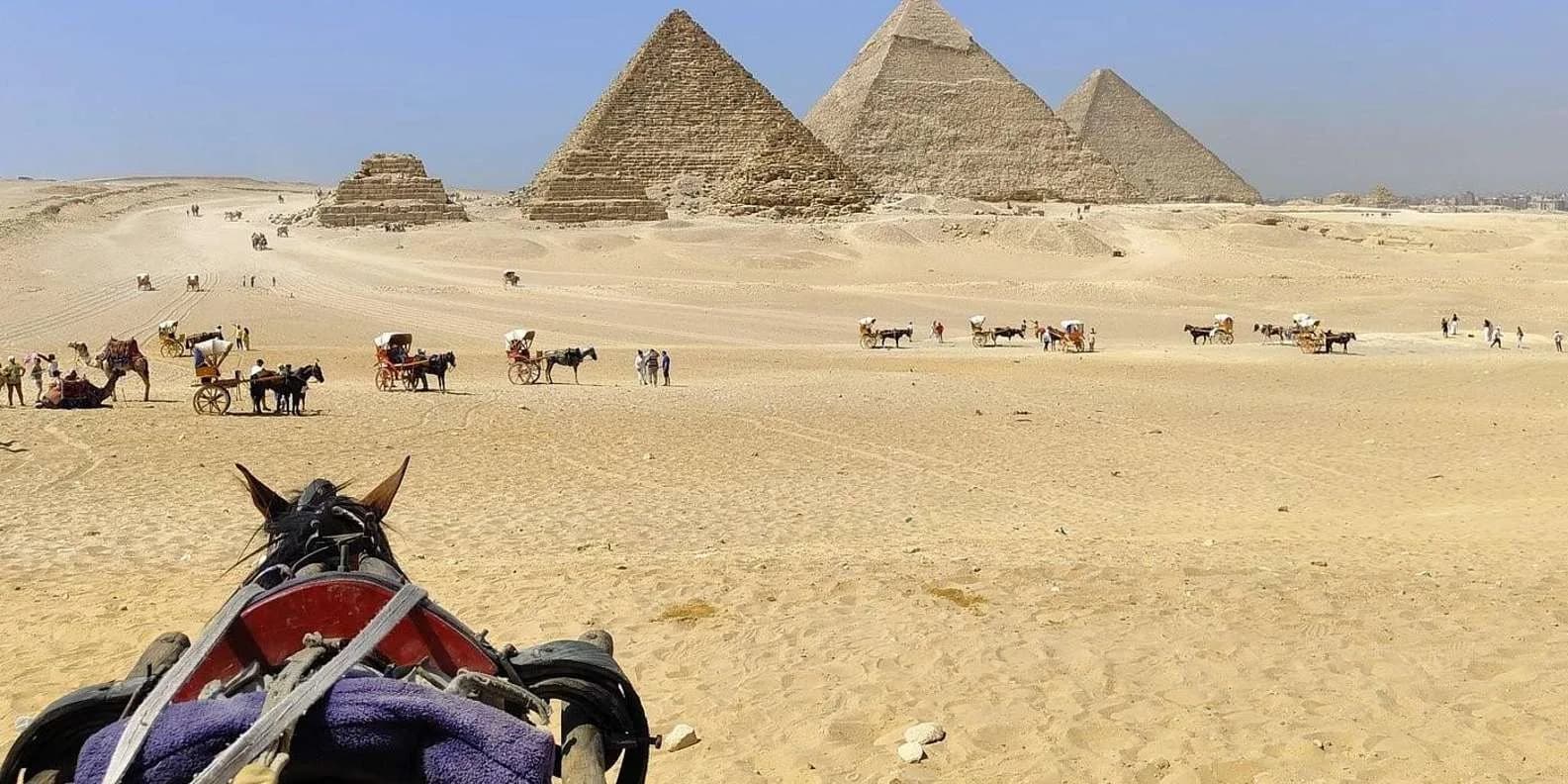
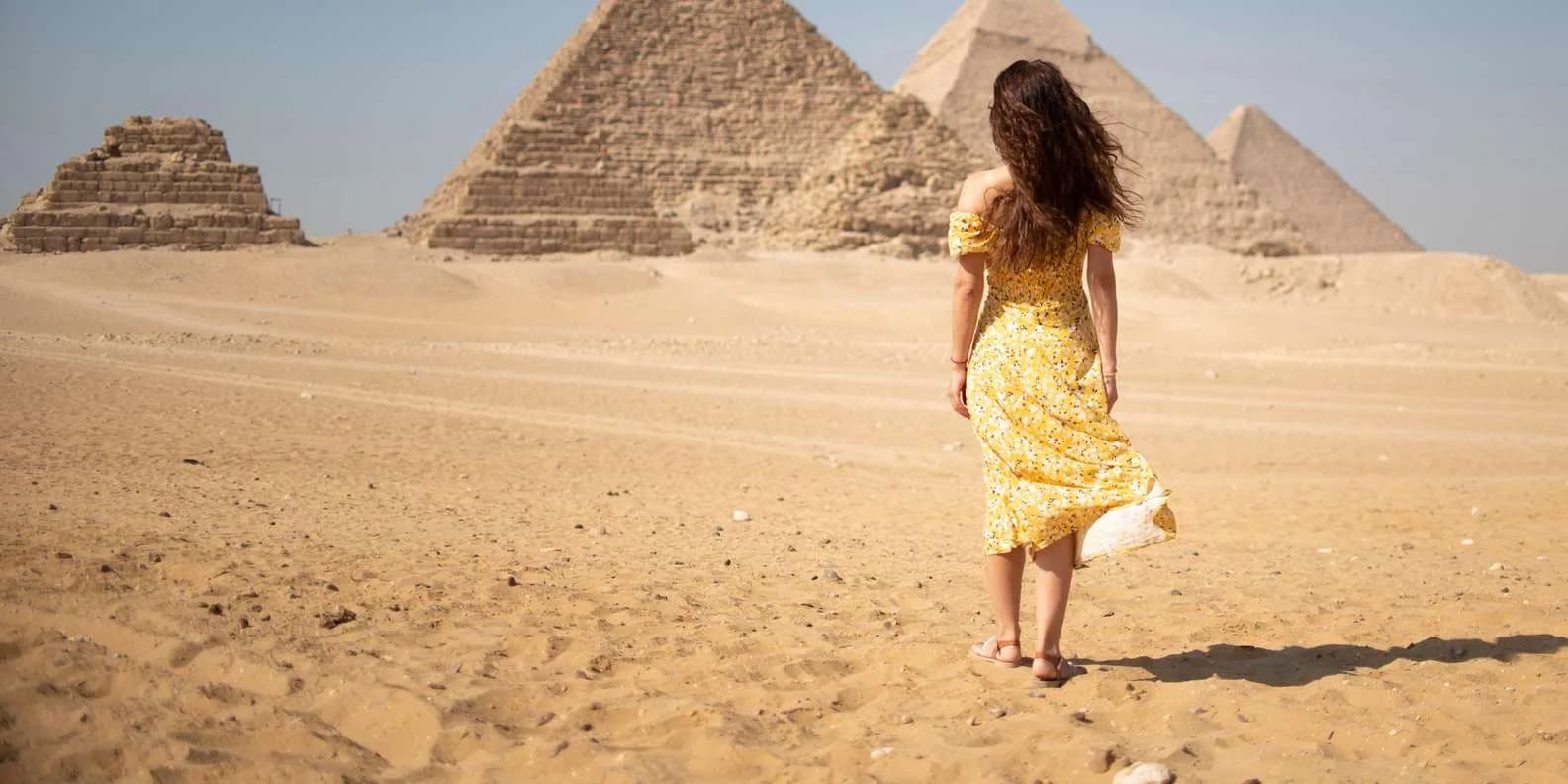
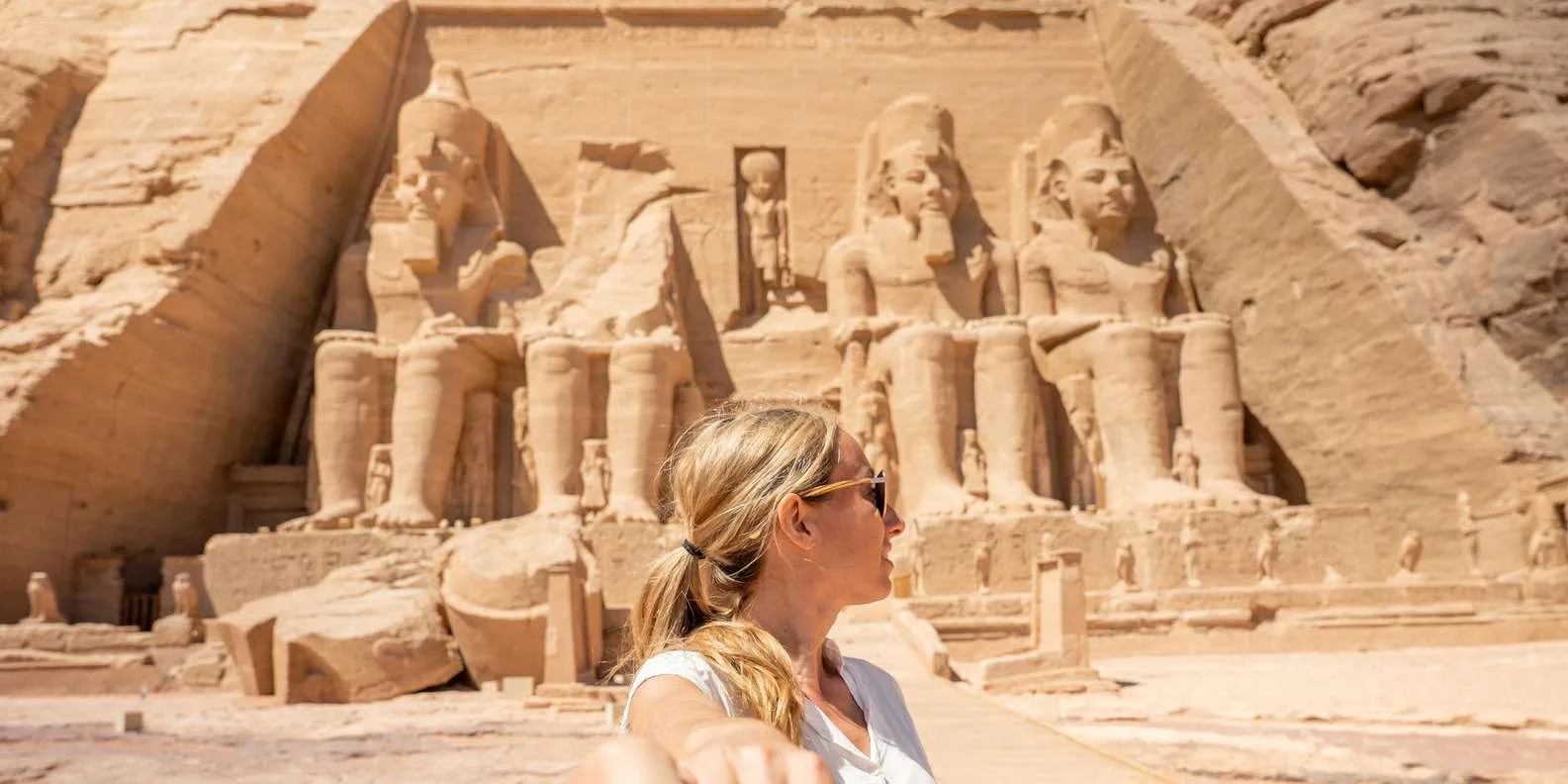
Two add-ons are worth budgeting for. Abu Simbel, the colossal rock-cut temples of Ramesses II, sits three hours south of Aswan and is usually a separate excursion by road or a short flight; it is one of the most staggering sights in Egypt and worth the effort if it is not already bundled in. A sunrise hot-air balloon over Luxor's West Bank floats you above the Valley of the Kings and Hatshepsut's temple as the sun comes up, and it is a bucket-list morning; it typically runs from around 40 to 60 USD per person, occasionally more with tours attached.
Is a Nile cruise worth it?
Yes, and for many travellers it is the single best part of Egypt. Sailing removes the tiring drives between Aswan and Luxor, delivers Kom Ombo and Edfu that are hard to see any other way, and paces the whole thing so that you actually enjoy the temples rather than endure the logistics. The one rule is to spend a little more on a well-reviewed boat, because a poor cruise can quietly sour the entire trip.
Practical tips
- Pick the boat by recent reviews, not the headline price. Quality varies far more than the route.
- Study cabin and deck photos and confirm precisely what is included before booking.
- Budget for tipping. A crew tip box and a separate tip for your guide and driver are expected; put aside a modest daily sum in cash.
- Dress modestly at the temples. Cover shoulders and knees, wear a hat and comfortable shoes for uneven stone, and bring sunglasses and water.
- Three nights covers the essentials; four nights adds a more relaxed pace and sometimes extra stops.
- Add Abu Simbel and a balloon flight at the Aswan and Luxor ends if they are not already in the package.
- Travel October to April for comfortable temperatures on deck.
The verdict
The Aswan-to-Luxor Nile cruise is the classic way to see Egypt's river temples, and at three to four nights it folds Aswan, Kom Ombo, Edfu and Luxor into one relaxed journey from about 18,000 EGP. Just choose the boat with care. On the Nile, the gap between a great trip and a mediocre one is almost entirely which vessel you step onto.
Plan the ends of your voyage with our Aswan travel guide and Luxor travel guide, and see where a cruise fits your wider trip in our Egypt itinerary guide. When you are ready to book, browse Nile cruises and sailing trips to compare boats, dates and reviews.
Nile cruises to book (2026 prices)
Across 1,700+ bookable Nile cruises, a 3–4 night sailing (the most popular length) starts from around 14,500 EGP (~$295) per person all-inclusive; most fall between 30,000 and 82,000 EGP depending on ship class and length, and 80% offer free cancellation. Top-rated cruises:
- 4-Day 3-Night Nile Cruise from Aswan to Luxor&Abu Simbel+Balloon — 4.8★ from 2,775 reviews, from 17,377 EGP (~$355).
- 4 Days Nile Cruise from Aswan to Luxor including Abu Simbel and Hot Air Balloon — 4.7★ from 546 reviews, from 14,439 EGP (~$295).
- **4-Day 3-Night Nile Cruise from Aswan to Luxor - Private Tour
Prefer to sail the other way? A Luxor-to-Aswan cruise covers the same temples in reverse and often suits travellers who fly into Luxor first — the itinerary and price are broadly the same.** — 4.8★ from 448 reviews, from 30,665 EGP (~$626).
A real team available 24/7 to assist you — free
Seif and the team reply on WhatsApp 24/7 — trip questions, custom plans and booking help.
Ask Seif on WhatsAppCommon questions
How much is a Nile cruise from Aswan to Luxor?
A three or four night cruise typically runs from about 18,000 to 22,000 EGP per person, including full board and guided excursions. Prices vary widely with the season and the standard of the boat, so compare recent reviews rather than just the headline price. A traditional dahabiya costs far more, roughly 300 to 600 USD per person per night.
What temples do you see on an Aswan to Luxor cruise?
The classic route stops at Philae Temple and the High Dam in Aswan, the double temple of Kom Ombo, the Temple of Horus at Edfu, and Karnak, Luxor Temple, the Valley of the Kings and Hatshepsut in Luxor. It also passes through the Esna lock, and Abu Simbel is a common add-on at the Aswan end.
How many nights should a Nile cruise be?
Three nights covers the essential temples between Aswan and Luxor and suits a tight schedule. Four nights adds a more relaxed pace and sometimes extra stops, and is the traditional length for the downstream Aswan-to-Luxor direction. A dahabiya or sandal takes a night or two longer but is quieter and more intimate.
How do I choose a good Nile cruise boat?
Choose by recent reviews, not the lowest price. Quality varies enormously: some high-volume boats rate only 3.7 to 3.9 stars while smaller, better-run ones sit well above 4.5, even though every cruise sees the same temples. Look at real cabin photos, confirm what is included, and avoid prices far below the rest of the field.
Which direction is better, Aswan to Luxor or Luxor to Aswan?
Aswan to Luxor is downstream, usually four nights, and builds toward Luxor's headline sites as a finale. Luxor to Aswan is upstream, usually three nights, and often a little cheaper. Both see the same temples, so the boat you choose matters far more than the direction.
What is included in a Nile cruise price?
Most cruises are full board, meaning three buffet meals a day plus the cabin and sailing. Guided temple excursions with an Egyptologist are included on the great majority of boats. Drinks beyond bottled water, alcohol, tips, and optional extras such as Abu Simbel or a balloon flight are usually charged separately, so always check the fine print.
What is the difference between a Nile cruise ship, a dahabiya and a sandal?
A standard cruise ship is a five-star floating hotel for 50 to 150 guests with a pool, bar and entertainment. A dahabiya is a small twin-masted sailing boat for 8 to 20 guests, quieter and more intimate but pricier and slower. A sandal is smaller still, with just three or four cabins for up to eight people, the most private option of all.
When is the best time to take a Nile cruise?
Sail between October and April, when temperatures on deck are comfortable and evenings are pleasant. Summer, from May to September, is punishingly hot in Upper Egypt, often above 40 degrees, though fares fall sharply then. December and January are peak season, while the shoulder months offer good weather with thinner crowds.
How many Nile cruise ships and dahabiyas sail Aswan to Luxor?
The Aswan-to-Luxor direction is typically the 3-night option, offered by 87 of the 68 ships and 105 dahabiyas in This is Egypt's directory. Both directions call at Kom Ombo and Edfu; the choice comes down to your flights, not the experience.
Book it on This is Egypt
Turn this guide into a trip



Egypt's bestsellers
The experiences travelers book most, across the country





Plan your Nile cruise
Popular Nile cruise ships
Free downloads
Take the Nile home with you
Two illustrated PDFs, no email required: our 12-page introduction to choosing between a cruise ship and a dahabiya, and the classic 4-night Luxor to Aswan itinerary, day by day.
Keep reading
Jaz Nile Cruises (2026): Fleet, Routes & How to Book
Jaz is the Nile cruise arm of JAZ Voyages, part of Travco Group, and runs the largest fleet in our directory: twelve ships on the Luxor–Aswan route plus three Farouz El Nil dahabiyas.
By TiE Editors6 min read
Nile Cruise for the 2027 Solar Eclipse (Aug 2): Sail Egypt's Totality
On 2 August 2027 a total solar eclipse passes over Luxor with 6+ minutes of totality. A Nile cruise is the best way to see it — in the path, accommodation solved. How eclipse sailings work and why to book early.
By TiE Editors5 min read
All-Inclusive Nile Cruises (2026): What's Really Included
"All-inclusive" means different things on the Nile. What full board covers, why sightseeing, drinks and tips are usually extra, and which cruises are genuinely all-in.
By TiE Editors5 min read