Ancient Egypt History: A Traveler's Crash Course
The Old, Middle and New Kingdoms, the pharaohs worth knowing, and exactly which sites you'll see them at — 3,000 years of history in one clear read.
Quick answer: Ancient Egypt ran for about 3,000 years — longer than the gap between Cleopatra and you. Historians split that vast stretch into three great high points: the Old Kingdom (roughly 2686–2181 BCE), when the Giza pyramids went up; the Middle Kingdom (about 2055–1650 BCE), a literary and administrative golden age; and the New Kingdom (about 1550–1069 BCE), the empire era of Luxor's temples, the Valley of the Kings, Tutankhamun and Ramesses II. Between and after those peaks came unstable "Intermediate Periods," then the Greek Ptolemies (Cleopatra's family) and Roman rule, and finally Christian and Islamic Egypt. Learn this spine and the country stops being a jumble of ruins — it becomes one continuous story you can walk through.
A note on dates before we start: Egyptologists still argue over the exact years, especially deep in the past, so most numbers you'll see (here and on museum labels) are educated estimates that can wobble by decades. Don't sweat the precise figures. Get the order of events fixed in your head and everything you visit will fall into place.
The quick version: Egypt's timeline at a glance
| Era | Rough dates | Rulers to know | Where you'll see it |
|---|---|---|---|
| Predynastic & Unification | before ~3100 BCE | Narmer (Menes) | Egyptian Museum & GEM, Cairo |
| Early Dynastic | ~3100–2686 BCE | first pharaohs | Abydos, Saqqara |
| Old Kingdom (Pyramid Age) | ~2686–2181 BCE | Djoser, Sneferu, Khufu, Khafre | Giza, Saqqara, Dahshur |
| First Intermediate Period | ~2181–2055 BCE | rival local rulers | — (a chaotic gap) |
| Middle Kingdom | ~2055–1650 BCE | Mentuhotep II, Senusret III | Karnak (earliest parts), Faiyum, Luxor museums |
| Second Intermediate (Hyksos) | ~1650–1550 BCE | foreign Hyksos kings | Delta sites, museum pieces |
| New Kingdom (the Empire) | ~1550–1069 BCE | Hatshepsut, Thutmose III, Akhenaten, Tutankhamun, Ramesses II | Luxor, Karnak, Valley of the Kings, Abu Simbel |
| Third Intermediate & Late Period | ~1069–332 BCE | Libyan, Nubian, Persian rulers | Tanis, Karnak additions |
| Ptolemaic (Greek) | 332–30 BCE | Ptolemy I–XII, Cleopatra VII | Philae, Edfu, Kom Ombo, Dendera, Alexandria |
| Roman | 30 BCE–395 CE | Roman emperors | Alexandria, Dendera, temple graffiti |
| Coptic (Christian) | ~1st century CE on | — | Old Cairo, Coptic Museum, desert monasteries |
| Islamic | 641 CE on | Amr ibn al-As, later dynasties | Islamic Cairo, the Citadel, Al-Azhar |
Before the pharaohs: the Predynastic and Narmer's unification
Egypt began as two lands. Upper Egypt was the narrow southern Nile valley; Lower Egypt was the broad northern Delta. Around 3100 BCE a southern king traditionally named Narmer (often equated with the legendary Menes) conquered the north and fused the two into one kingdom — the founding act of Egyptian civilization. You can see the proof in Cairo: the Narmer Palette, a carved slate showing the king wearing the crowns of both lands, one of the most important objects in the Egyptian Museum on Tahrir Square. This union is why pharaohs forever styled themselves "Lord of the Two Lands" and wore the red-and-white double crown.
The Old Kingdom: the age of pyramids
This is the era most people picture when they think "ancient Egypt," and it's older than almost anything else you'll see anywhere on Earth. The breakthrough came under Djoser, whose architect Imhotep stacked stone into the Step Pyramid at Saqqara (about 2670 BCE) — the world's first large stone building. Recently reopened after restoration, Saqqara is one of the most rewarding half-days near Cairo and far quieter than Giza.
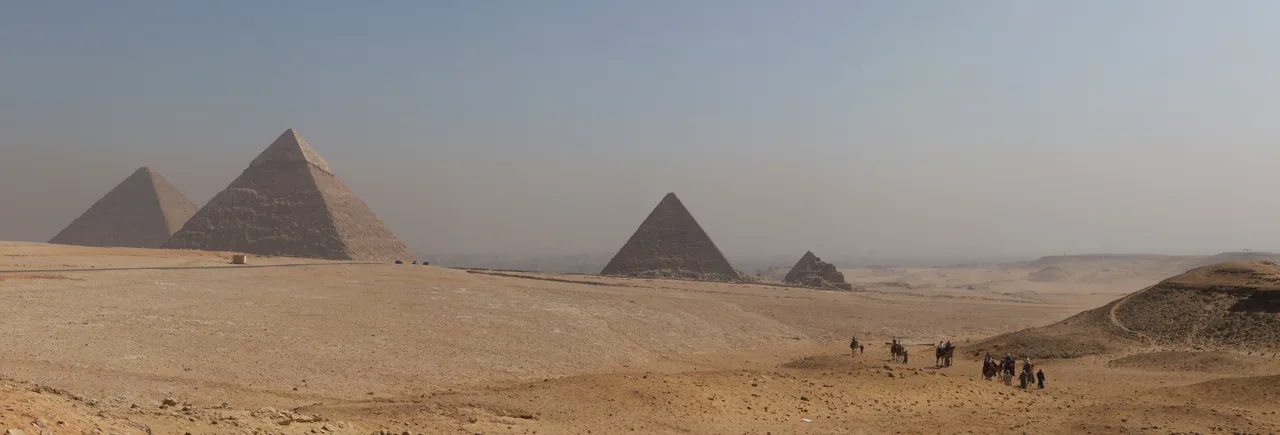
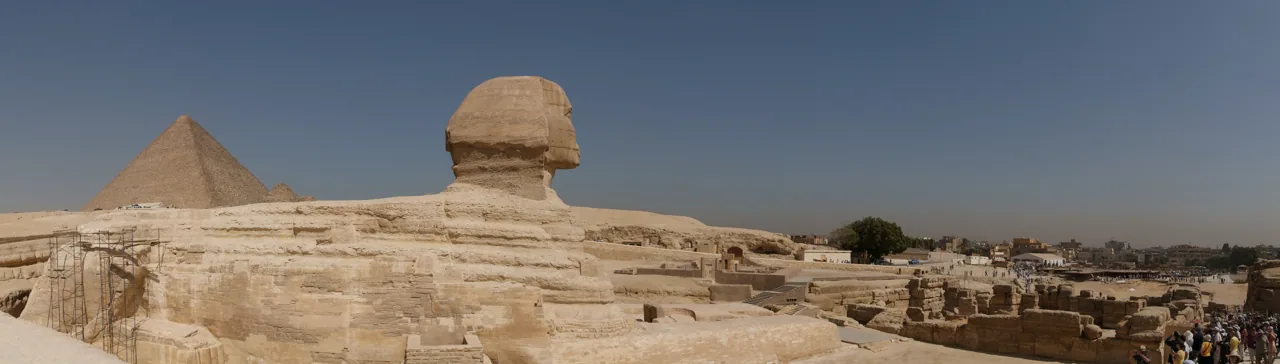
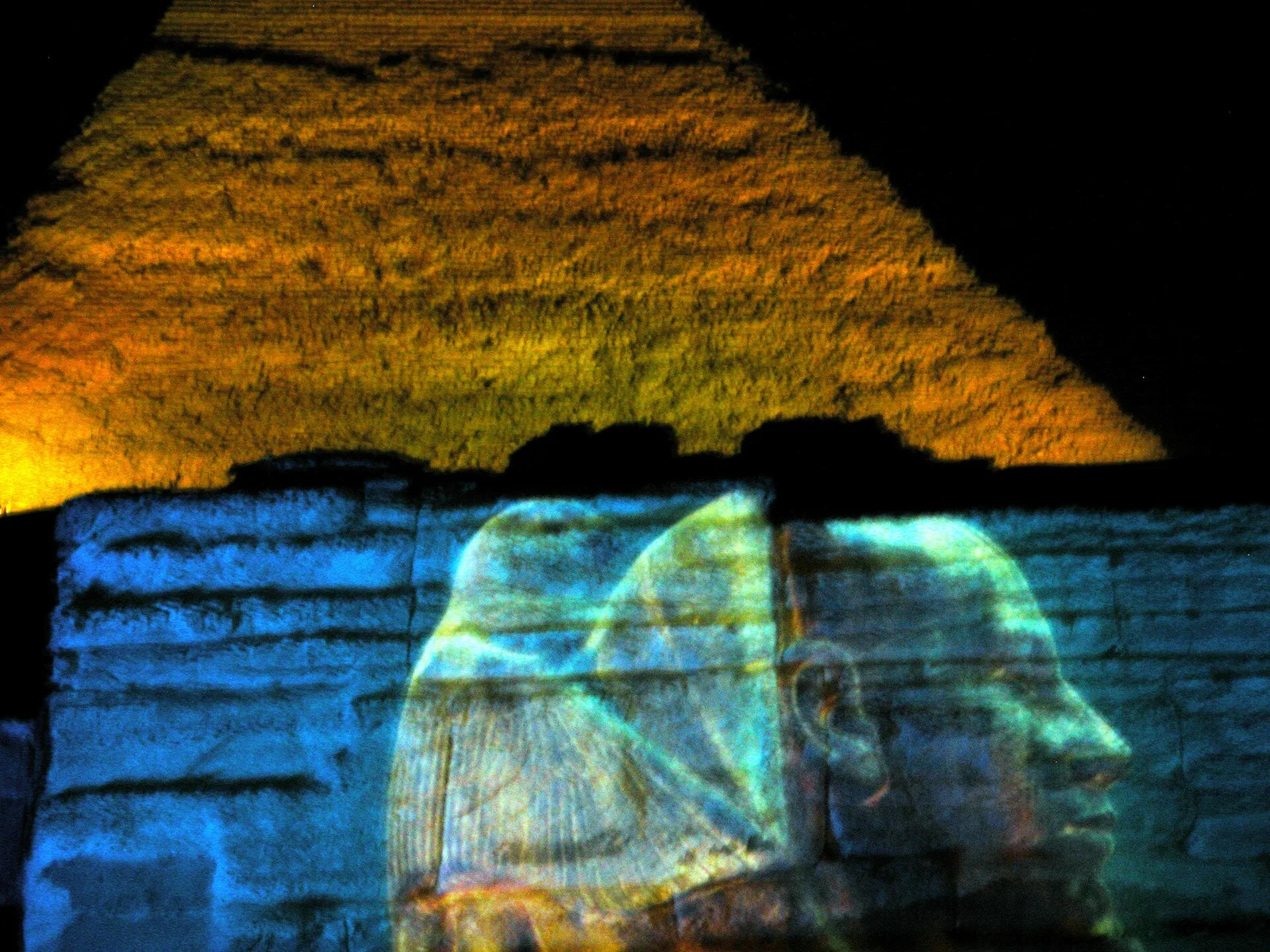
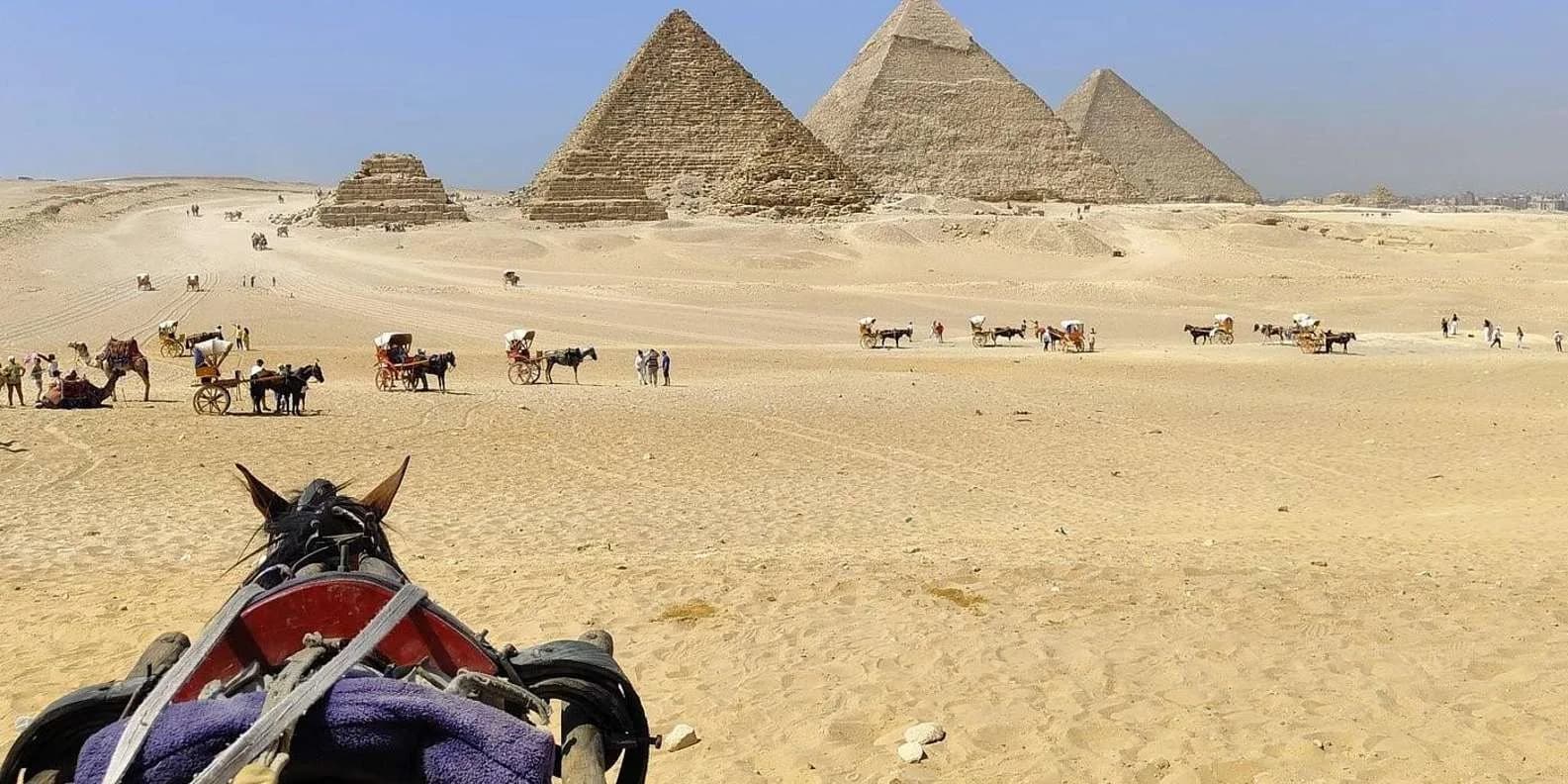
Next came Sneferu, the great experimenter, who built three pyramids at Dahshur — including the Bent Pyramid (where the angle changes partway up) and the Red Pyramid, the first true smooth-sided pyramid. His son Khufu then raised the Great Pyramid of Giza around 2560 BCE: roughly 2.3 million stone blocks, the tallest structure humans built for nearly 4,000 years. Khufu's son Khafre built the second Giza pyramid and, almost certainly, the Great Sphinx that guards it.
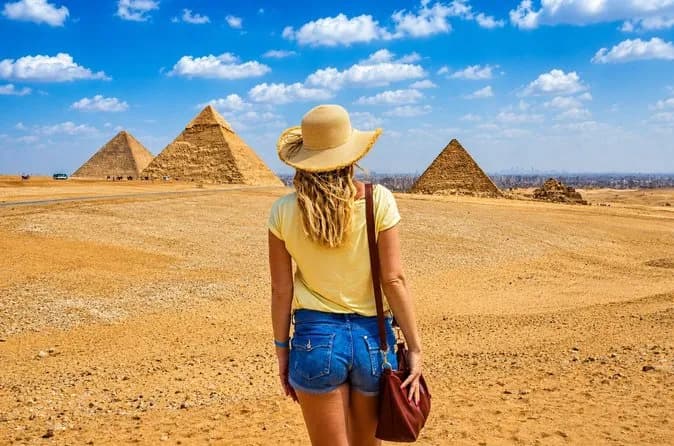
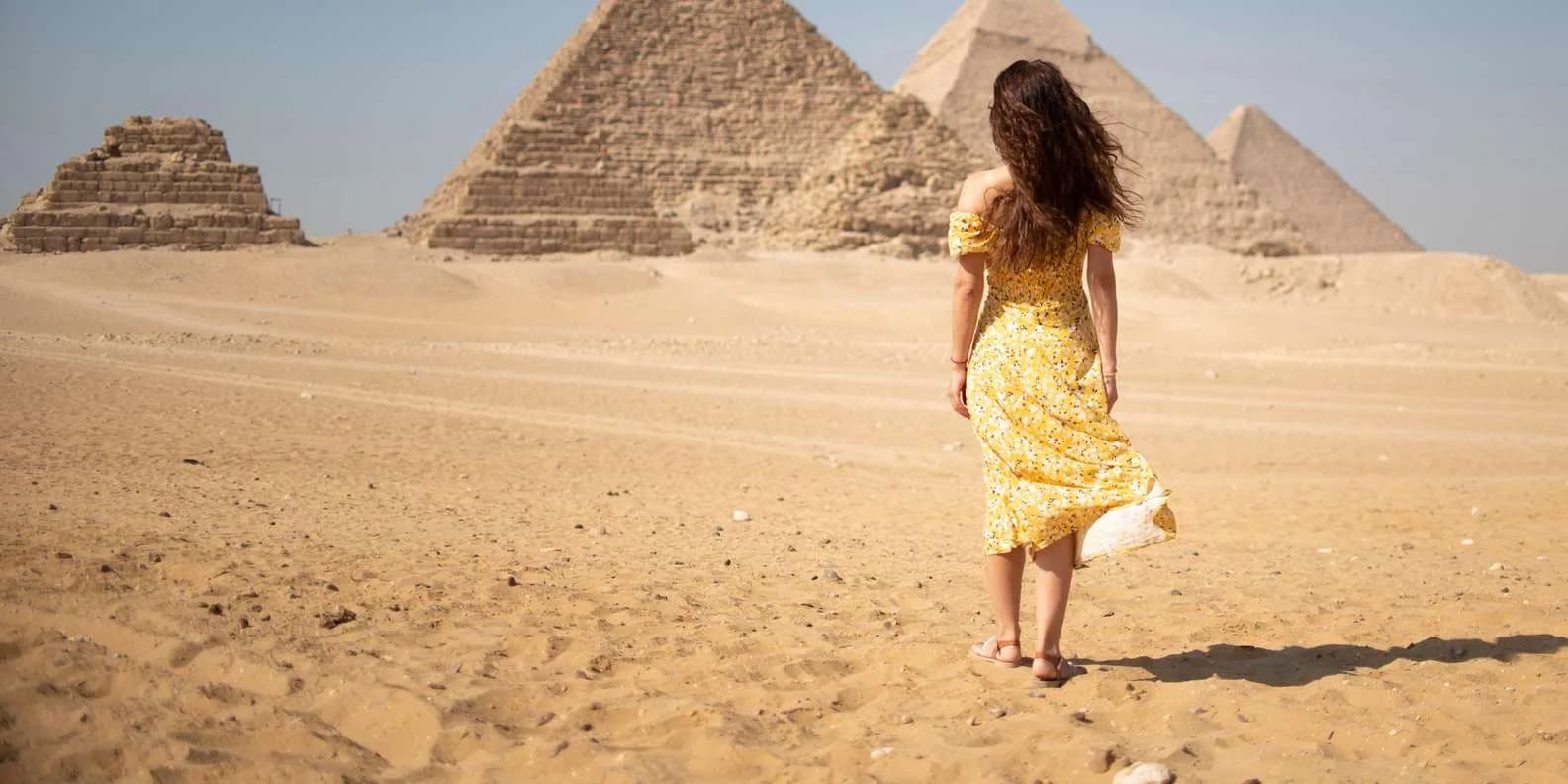
So when someone asks how old the pyramids are — the Giza pyramids are about 4,500 years old. They were already ancient ruins when Cleopatra was born, and older to her than she is to us. For the full breakdown of tickets, timing and what's inside, see our Pyramids of Giza guide and our Great Sphinx of Giza guide.
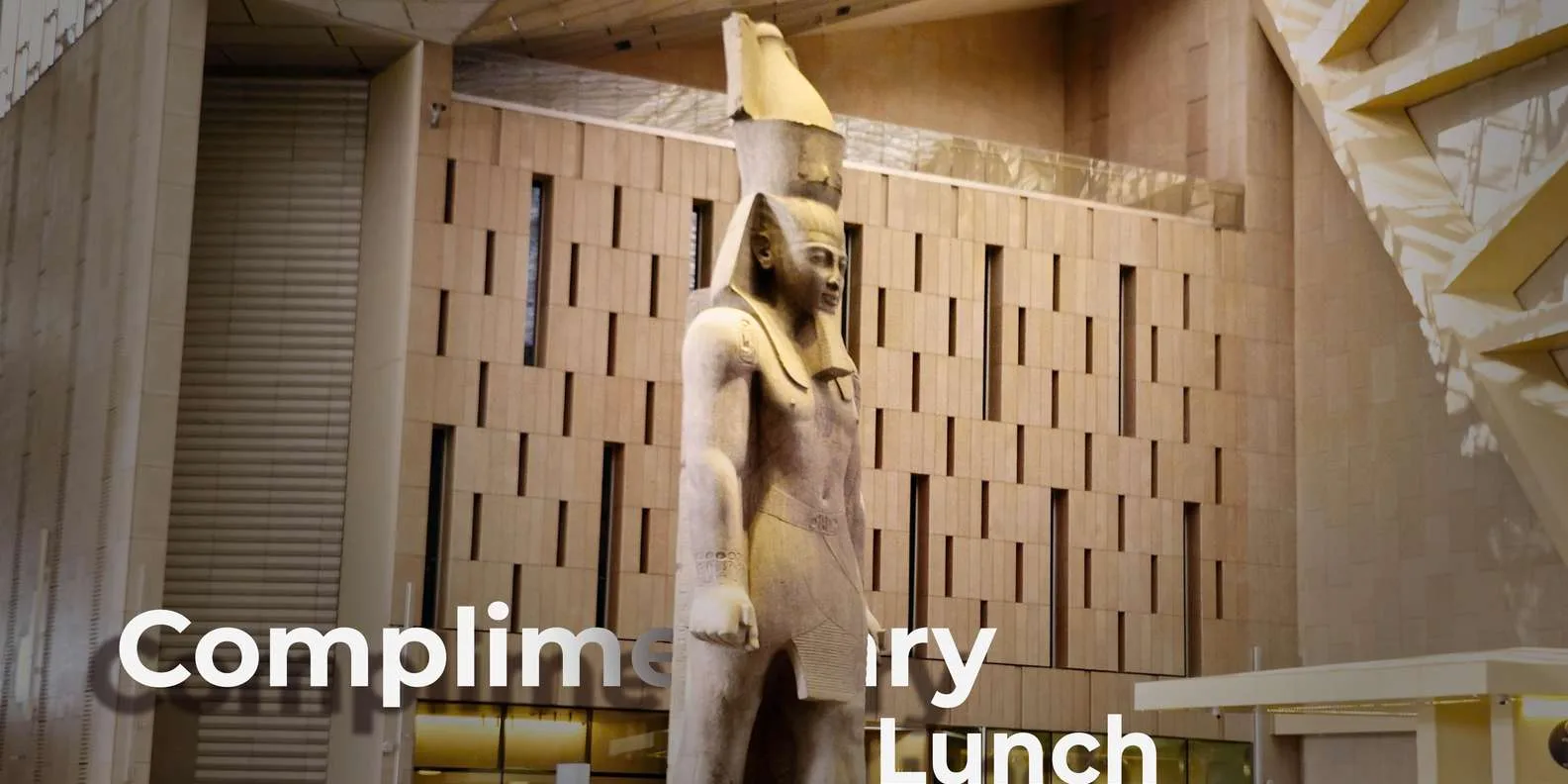
You'll see the Old Kingdom at: Giza, Saqqara, Dahshur, and the new Grand Egyptian Museum (GEM) near the pyramids, now fully open with the world's largest Tutankhamun collection and a soaring hall of Old Kingdom statuary.
The Middle Kingdom: reunion and a golden age
After the Old Kingdom collapsed into a century-plus of disorder (the First Intermediate Period), a Theban king, Mentuhotep II, reunited Egypt around 2055 BCE and launched the Middle Kingdom. This was Egypt's classical age — the era of its finest literature, tighter government, and pharaohs like Senusret III who pushed the border deep into Nubia. The Middle Kingdom left fewer blockbuster monuments than the eras on either side, so travelers mostly meet it in museums and in the earliest foundations at Karnak. Its capital sat near the fertile Faiyum oasis southwest of Cairo, still a lovely lake-and-farmland day trip.
The Hyksos and the Second Intermediate Period
The Middle Kingdom faded, and for the first time foreigners ruled part of Egypt: the Hyksos, Levantine kings who controlled the northern Delta from about 1650 BCE. Egyptians resented them but learned from them — the Hyksos are credited with introducing the horse-drawn chariot and the composite bow, tools the Egyptians would soon turn against everyone else. Theban kings eventually drove them out, and that war of liberation rolled straight into Egypt's most dazzling chapter.
The New Kingdom: empire, Luxor and the great names
If you have one era to understand for a Nile trip, it's this one. From about 1550 BCE, Egypt became a genuine empire stretching into Syria and deep into Nubia, and its wealth poured into the temples and tombs around Luxor — ancient Thebes. Nearly everything on a classic Luxor day belongs to the New Kingdom.
Hatshepsut (reigned about 1479–1458 BCE) was one of very few women to rule as pharaoh in her own right, and one of the most successful. She sent trading fleets to the land of Punt and built the stunning terraced temple at Deir el-Bahari, cut into the cliffs across the river from Luxor — see our Hatshepsut Temple guide. Her stepson Thutmose III became Egypt's greatest warrior king, winning battle after battle and stretching the empire to its widest.
Then came the strangest king of all: Akhenaten (about 1353–1336 BCE), the "heretic pharaoh." He abandoned Egypt's many gods for a single sun-disc, the Aten, and moved the whole court to a brand-new desert city, Amarna, in a religious revolution that scandalized the priesthood. It didn't outlive him. His young successor restored the old gods and changed his name from Tutankhaten to Tutankhamun — the boy-king who died around 1323 BCE, aged about 19. He was a minor ruler in his own time, but because his tomb in the Valley of the Kings survived nearly intact until Howard Carter opened it in 1922, his golden mask became the face of ancient Egypt. That treasure now lives, complete, at the Grand Egyptian Museum.
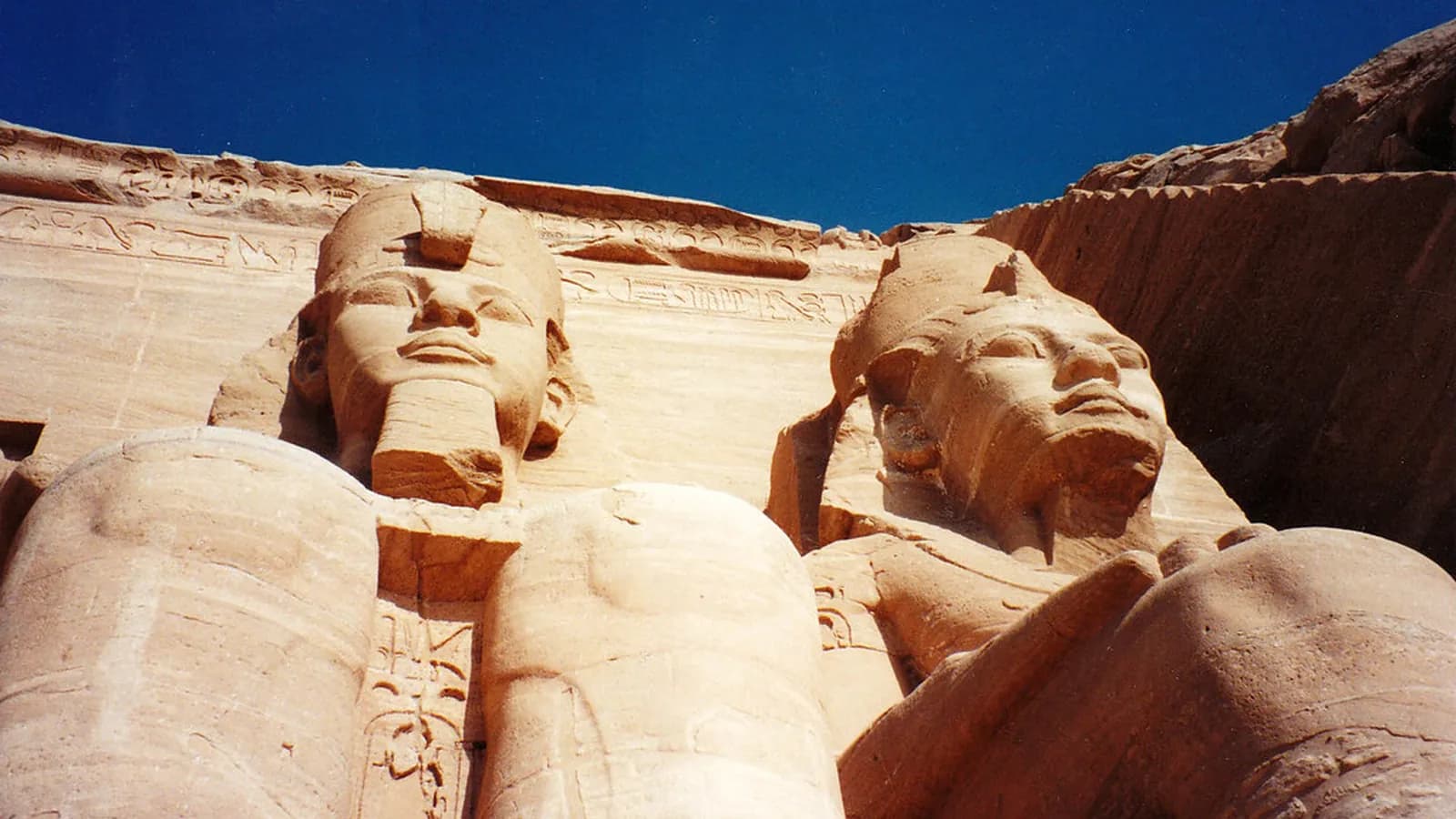
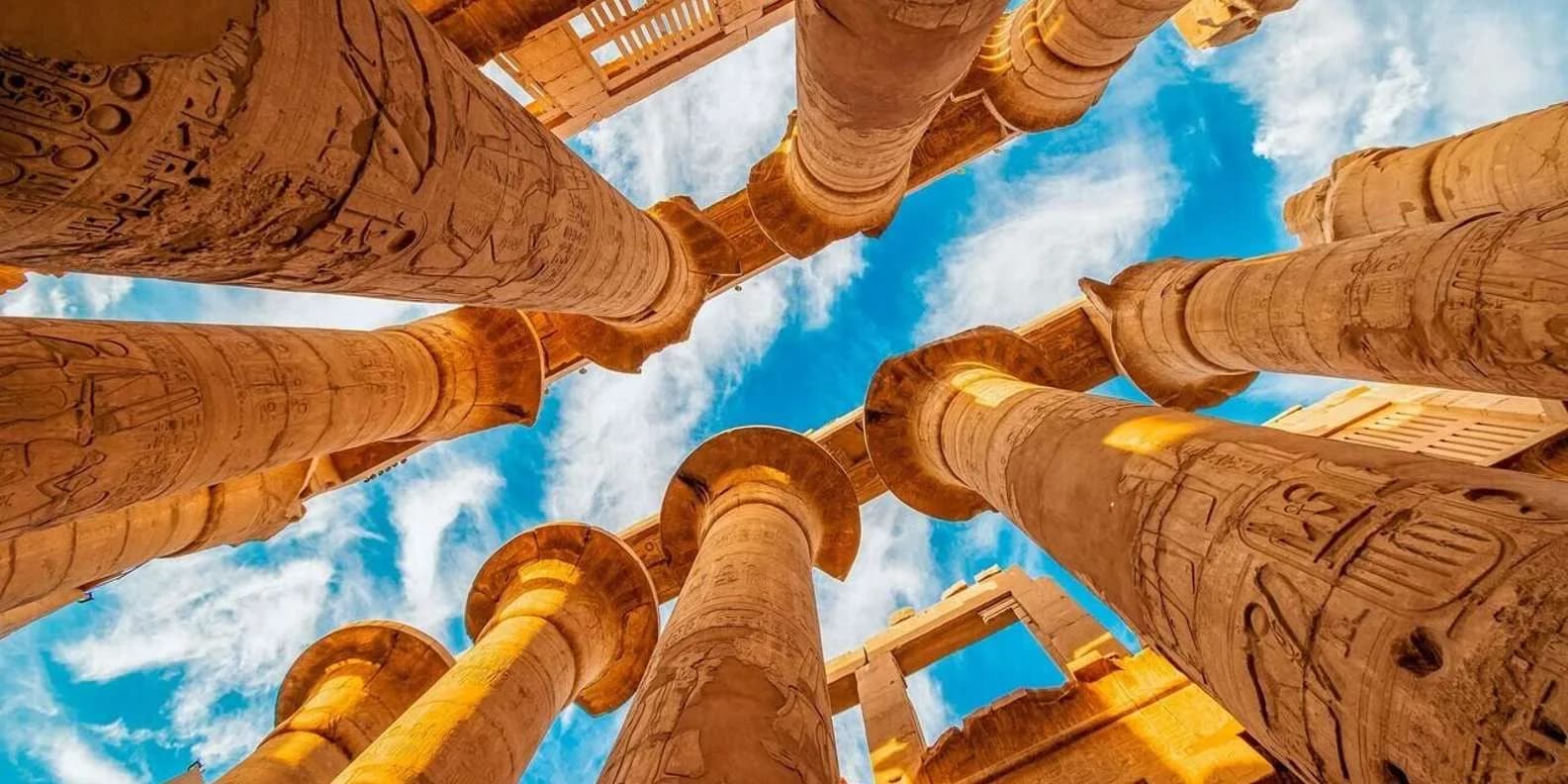
The last of the great builders was Ramesses II, "Ramesses the Great" (reigned about 1279–1213 BCE), who ruled for 66 years, fathered dozens of children, and stamped his name on more stone than any pharaoh before or since. He finished the vast hypostyle hall at Karnak, raised the colossal Ramesseum on the west bank, and carved the mountain-temples of Abu Simbel in far southern Nubia — famously rescued from the rising Nile in the 1960s and moved, block by block, to higher ground. The nearby town of Aswan is the base for visiting them; see things to do in Aswan.
New Kingdom pharaohs stopped building pyramids (too obvious for tomb robbers) and instead cut hidden rock-cut tombs into a single desert valley across from Luxor. Over 60 have been found. Our Valley of the Kings guide covers which tombs to prioritize and how to buy the extra tickets for Tutankhamun's and Seti I's.
Standing among these ruins two centuries ago, the explorer Giovanni Belzoni marveled at "how a nation, which was once so great as to erect these stupendous edifices, could so far fall into oblivion." That sense of scale still lands. For the wider city, see things to do in Luxor.
Decline, the Ptolemies and Cleopatra
After the New Kingdom, Egypt fragmented again through the Third Intermediate and Late Periods — ruled in turn by Libyans, Nubian pharaohs from the south, and twice by the Persians. Native power never fully recovered. In 332 BCE Alexander the Great took Egypt without a fight, founded Alexandria, and on his death his general Ptolemy started a Greek-speaking dynasty that would rule for nearly 300 years.
The Ptolemies were foreign kings who played Egyptian pharaoh convincingly, and they were prolific temple-builders. Many of the best-preserved temples you'll visit are actually theirs, not the ancient dynasties': Edfu (the most complete temple in Egypt), Kom Ombo, Dendera, and the beautiful island temple of Philae near Aswan — see our Philae Temple guide. The dynasty ended with its most famous member, Cleopatra VII (reigned 51–30 BCE), whose alliances with Julius Caesar and Mark Antony couldn't stop Rome. Her death in 30 BCE closed 3,000 years of pharaonic Egypt and handed the country to the emperors.
Roman, Coptic and Islamic Egypt
Rome ran Egypt as its private grain basket for centuries. Christianity took deep root early — Egyptian Christians are the Copts, and their heritage is very much alive: ancient churches in Old Cairo, the Coptic Museum, and remote desert monasteries. Then in 641 CE Arab armies under Amr ibn al-As brought Islam, and Egypt entered the era that shaped modern Cairo: the medieval mosques, the Citadel built by Saladin, and Al-Azhar, among the oldest universities in the world. This is why a single day in Cairo can carry you from a pharaonic pyramid to a Roman fort to a Coptic church to a Mamluk mosque — the whole timeline stacked in one city.
How the story maps to a typical trip
Most Egypt itineraries trace the timeline almost by accident:
- Cairo & Giza — Old Kingdom pyramids, plus the GEM and Egyptian Museum where the whole span is on display, then Coptic and Islamic Cairo.
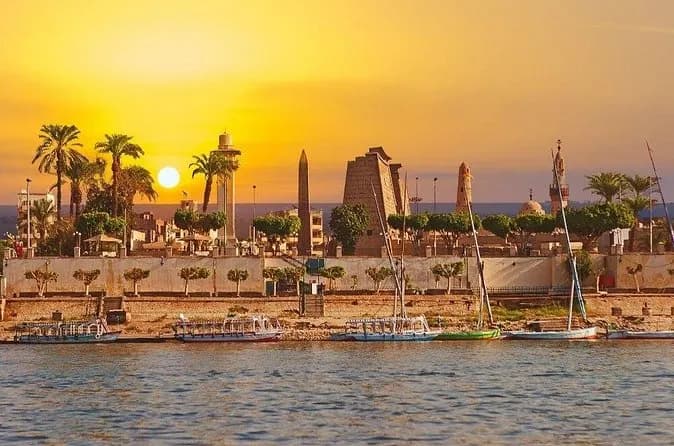
- Luxor — New Kingdom heartland: Karnak, Luxor Temple, the Valley of the Kings, Hatshepsut's temple.
- Nile cruise (Luxor to Aswan) — mostly Ptolemaic temples: Edfu, Kom Ombo, Philae.
- Aswan & Abu Simbel — Ramesses II's Nubian masterpiece, plus Philae.
- Alexandria — Greek and Roman Egypt, and Cleopatra's lost capital.
Know which era you're standing in and each site clicks into the larger arc instead of blurring together.
Ready to see it in person? This is Egypt runs private, Egyptologist-guided tours that turn these stones back into a story — browse Egypt tours and experiences.
A real team available 24/7 to assist you — free
Seif and the team reply on WhatsApp 24/7 — trip questions, custom plans and booking help.
Ask Seif on WhatsAppCommon questions
How old are the pyramids of Giza?
The Giza pyramids are about 4,500 years old, built during the Old Kingdom around 2560 BCE under King Khufu. They were already ancient when Cleopatra lived — she was closer in time to us than to their construction.
Who was the greatest pharaoh of ancient Egypt?
There's no single answer, but Ramesses II ('the Great,' reigned about 1279–1213 BCE) is the usual pick — he ruled 66 years and built Abu Simbel, the Ramesseum and much of Karnak. For sheer military success, Thutmose III built Egypt's largest empire; Hatshepsut is the most celebrated female pharaoh.
How long did ancient Egyptian civilization last?
About 3,000 years, from the unification under Narmer around 3100 BCE to Cleopatra's death in 30 BCE. That's why historians divide it into Old, Middle and New Kingdoms, separated by unstable 'Intermediate Periods.'
What's the difference between the Old, Middle and New Kingdoms?
The Old Kingdom (about 2686–2181 BCE) was the pyramid age around Cairo. The Middle Kingdom (about 2055–1650 BCE) was a golden age of literature and government. The New Kingdom (about 1550–1069 BCE) was the empire era of Luxor's temples, the Valley of the Kings, Tutankhamun and Ramesses II.
Was Cleopatra Egyptian?
Culturally yes, ethnically no. Cleopatra VII belonged to the Ptolemies, a Greek-Macedonian dynasty descended from one of Alexander the Great's generals. They ruled Egypt for nearly 300 years and presented themselves as pharaohs, but their heritage was Greek. Cleopatra was reportedly the first of her line to actually learn Egyptian.
Who was Akhenaten and why does he matter?
Akhenaten (reigned about 1353–1336 BCE) was the 'heretic pharaoh' who tried to replace Egypt's many gods with worship of a single sun-disc, the Aten, and built a new capital at Amarna. His revolution collapsed after his death, and his son restored the old religion — that son was Tutankhamun.
Why did pharaohs stop building pyramids?
Pyramids were obvious targets for tomb robbers, and every Old Kingdom pyramid was eventually plundered. New Kingdom pharaohs switched to hidden rock-cut tombs in the Valley of the Kings near Luxor, hoping secrecy would protect their burials. It mostly didn't — but Tutankhamun's tomb survived nearly intact.
Which era are most temples on a Nile cruise from?
Surprisingly, many are Ptolemaic (Greek period, 332–30 BCE) rather than from the ancient dynasties. Edfu, Kom Ombo, Dendera and Philae were all built or completed by the Ptolemies, which is why they're so well preserved — they're 'only' about 2,000 years old rather than 3,000-plus.
Do I need to memorize the dates before I travel?
No. Egyptologists themselves disagree on exact years, and museum labels give estimates. Just fix the order in your head — Predynastic, Old Kingdom pyramids, Middle Kingdom, New Kingdom empire, Ptolemies and Cleopatra, then Roman, Coptic and Islamic Egypt — and every site will slot into the story.
Book it on This is Egypt
Turn this guide into a trip




Egypt's bestsellers
The experiences travelers book most, across the country





Keep reading
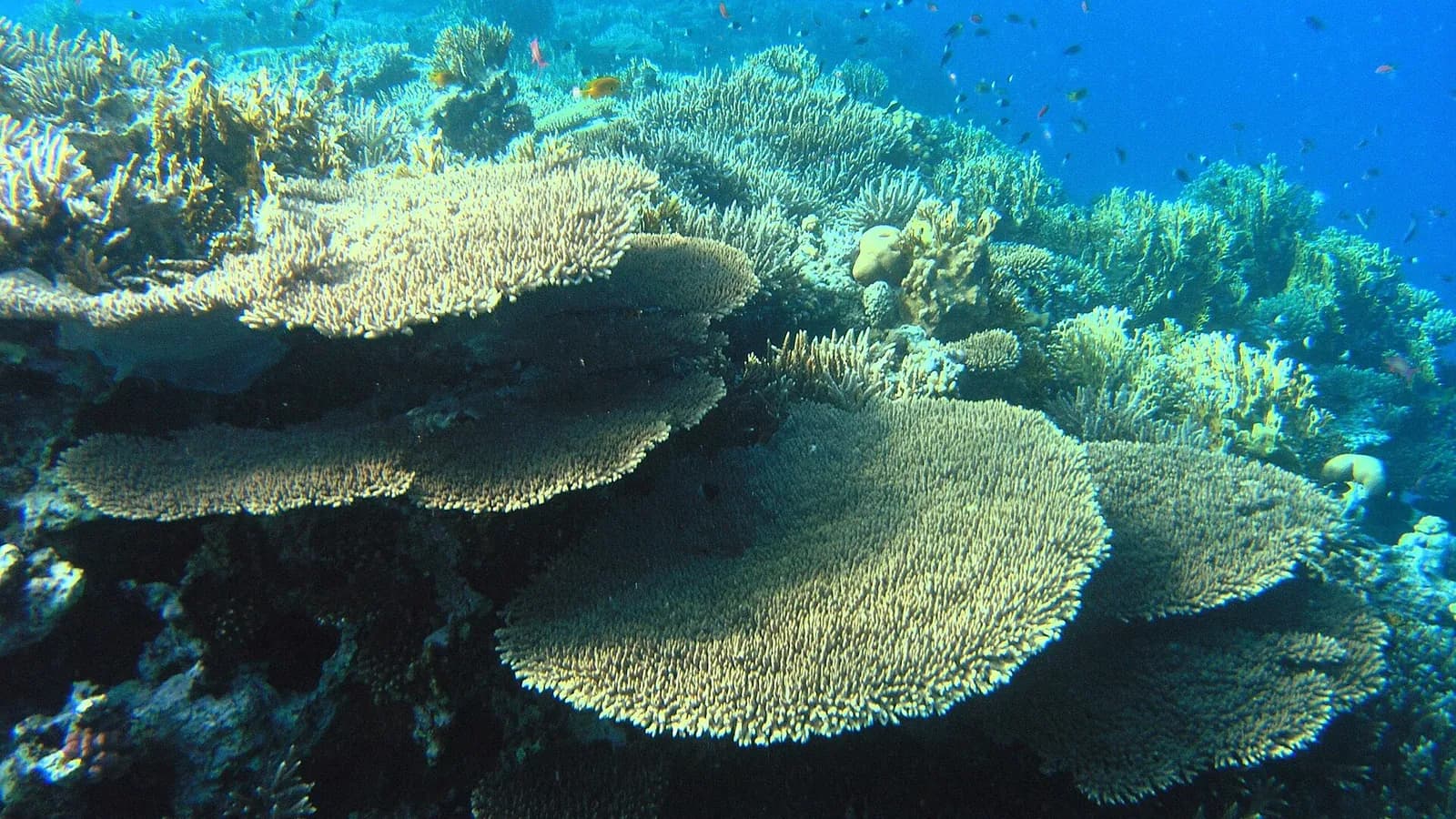
Hurghada Diving (2026): Best Sites, Packages & Prices
Diving in Hurghada — the best reefs (Giftun, Careless Reef, Dolphin House) and Abu Nuhas wrecks, Discover Scuba vs PADI courses, season and water temps, and real 2026 prices.
By TiE Editors7 min read
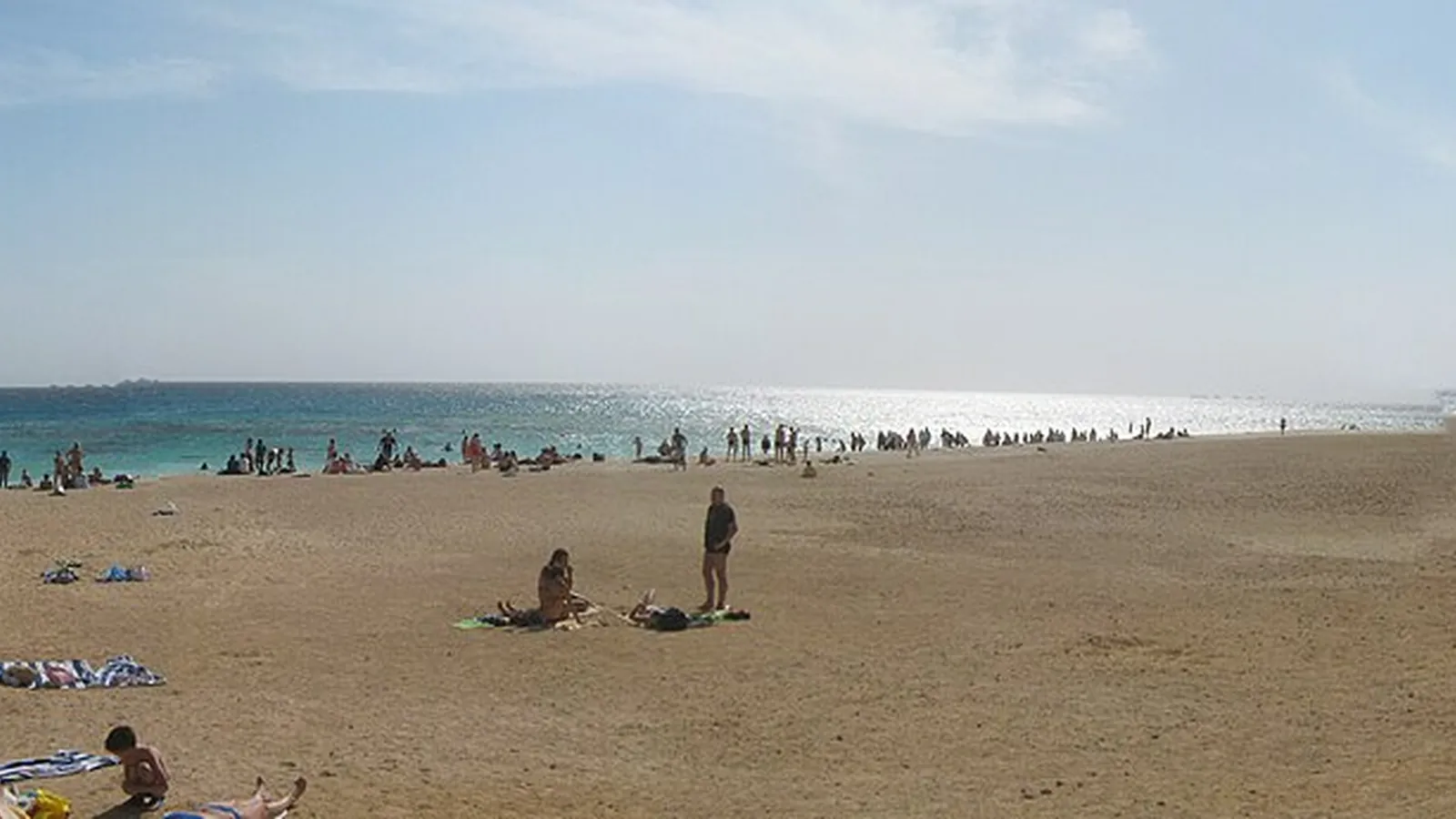
Hurghada Snorkeling Trips (2026): Best Reefs, Prices & How to Choose
Where to snorkel from Hurghada in 2026 — Orange Bay, Giftun, Mahmya, Utopia and Dolphin House — with boat types, marine life, month-by-month sea temperatures, family tips and real prices from 1,000+ bookable trips.
By TiE Editors7 min read
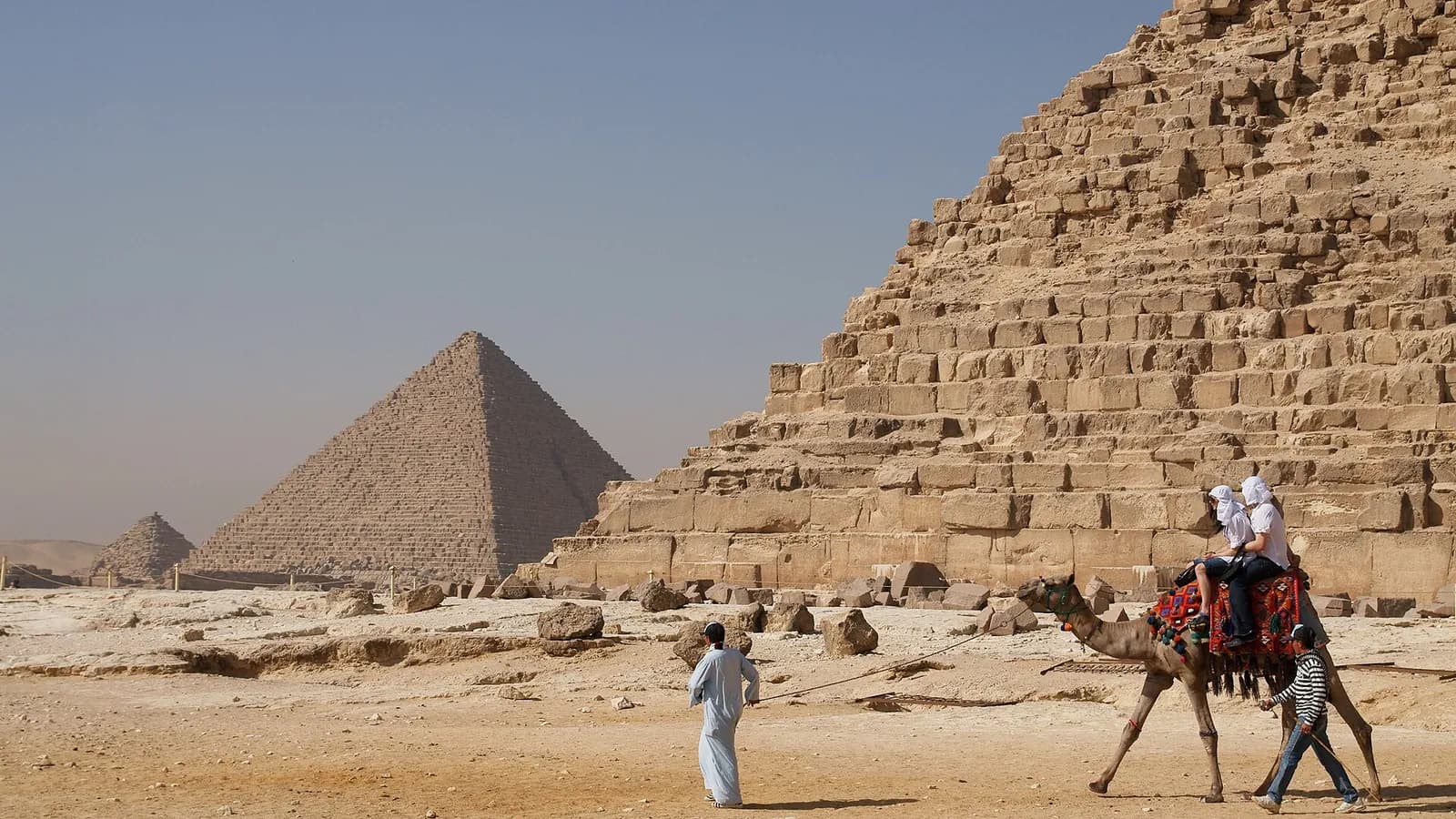
Egypt Tour Prices by Activity (2026): What Each Type Really Costs
What every type of Egypt experience costs — half day, full day or overnight — as a median and a mid-half range in US dollars, from 12,370 live bookable listings.
By TiE Editors6 min read