
Abu Simbel Tours & Tickets
Browse 322 day trips to Ramses II's rock temples in Asuán, starting from 1,113 EGP (about 23 USD), with an average rating of 4.7 out of 5. Real prices compared across booking platforms and updated for 2026.
Abu Simbel tickets & opening hours (2026)
| Entry | 750 EGP |
| Sun Festival (22 Feb / 22 Oct) | 1,200 EGP |
About 3 hours by road from Aswan, or a short flight. Twice a year the rising sun lights the inner sanctuary (22 Feb & 22 Oct).
Prices are site entry fees for foreign adults, updated 2026-07. Many tours below include tickets and skip-the-line entry.
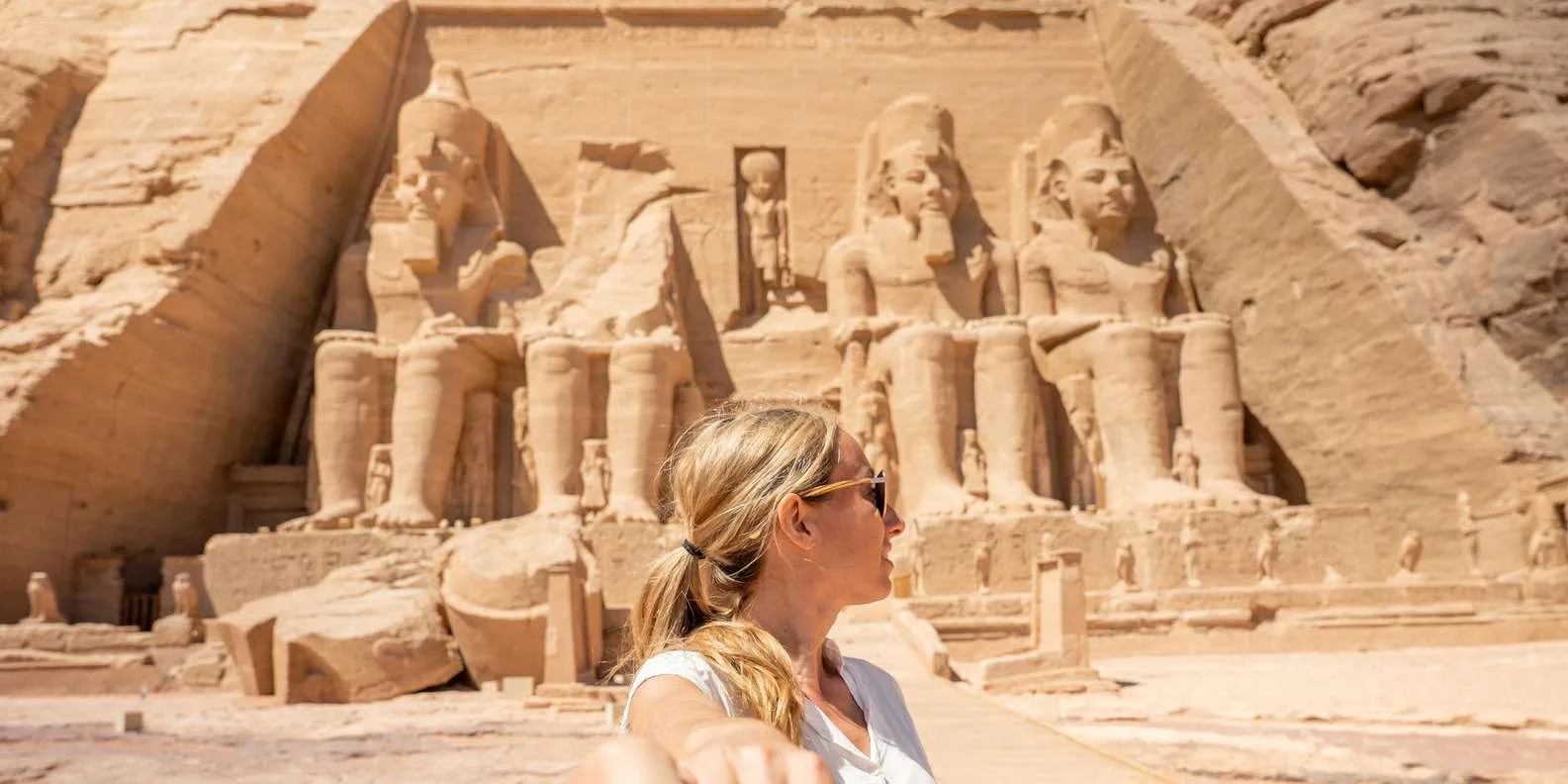
Desde Asuán: Excursión de un día al Templo de Abu Simbel con servicio de recogida del hotel
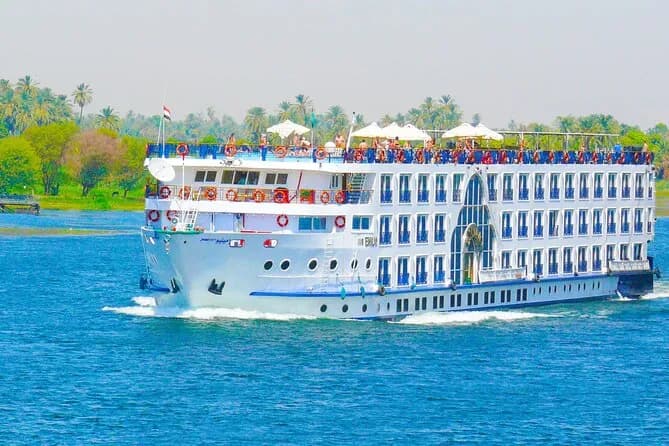
Crucero de 4 días por el Nilo de Asuán a Luxor con Abu Simbel y globo aerostático
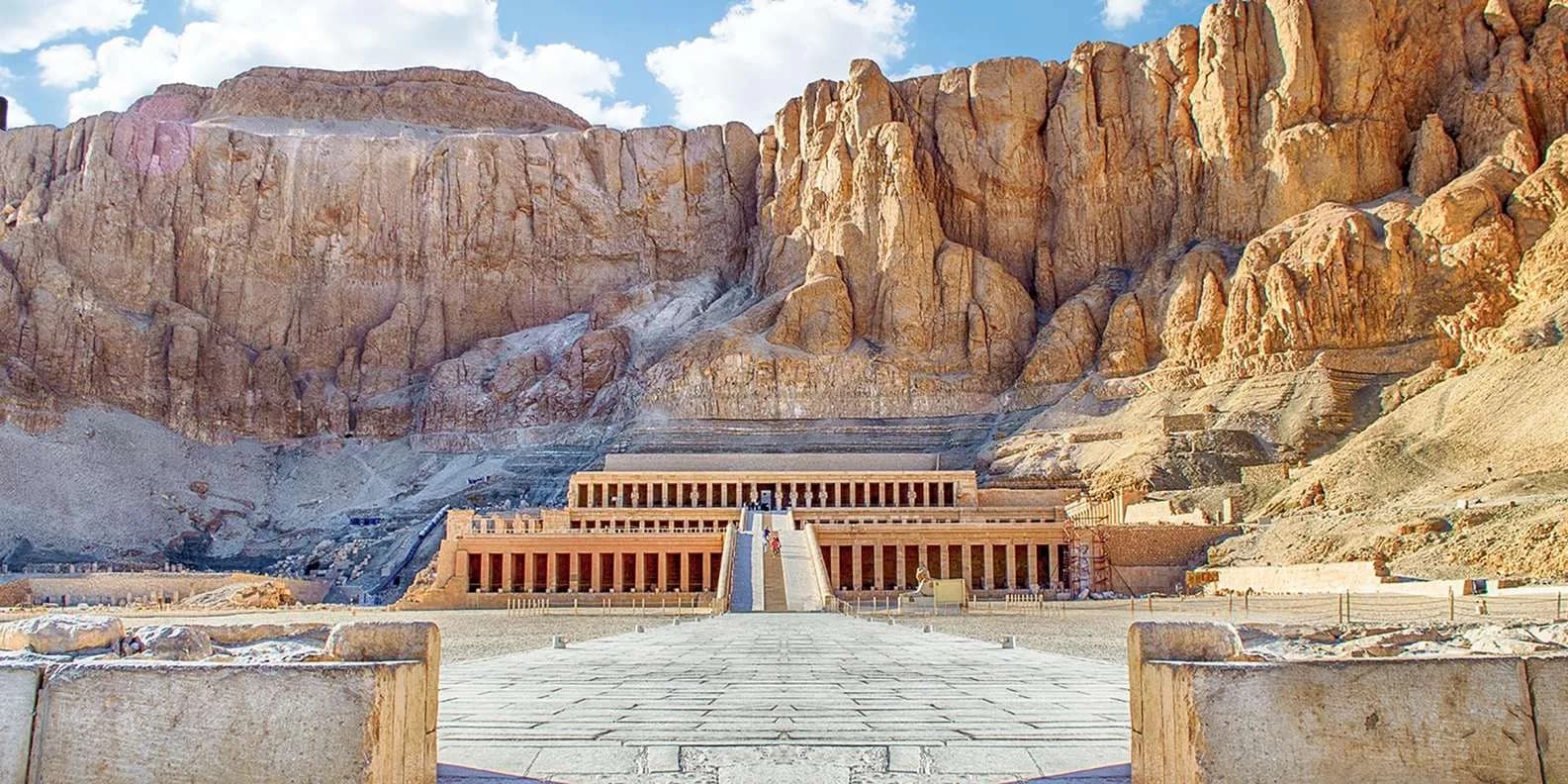
Desde Asuán: crucero de 4 días por el Nilo, Luxor, Abu Simbel y globo
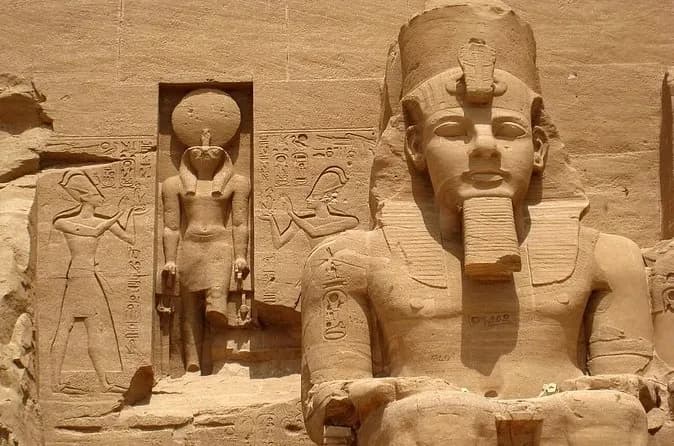
Excursión de un día a Abu Simbel

Abu Simbel desde Luxor: tour en grupo reducido con almuerzo
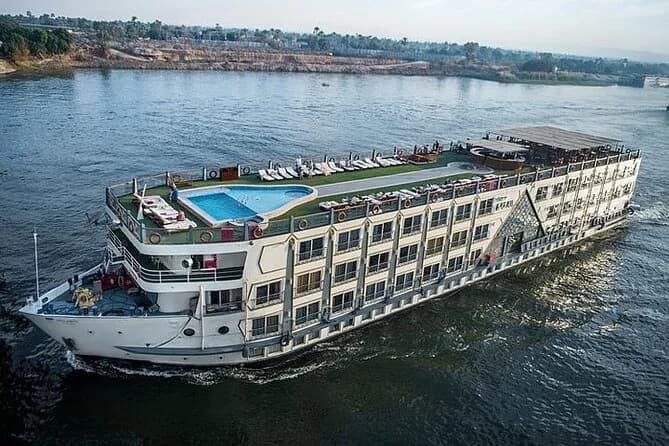
Crucero por el Nilo desde Asuán hasta Luxor Abu Simbel y globo aerostático

Excursión privada de día completo a Abu Simbel desde Asuán

3 Night Nile Cruise from Aswan to Luxor with Abu Simbel Visit
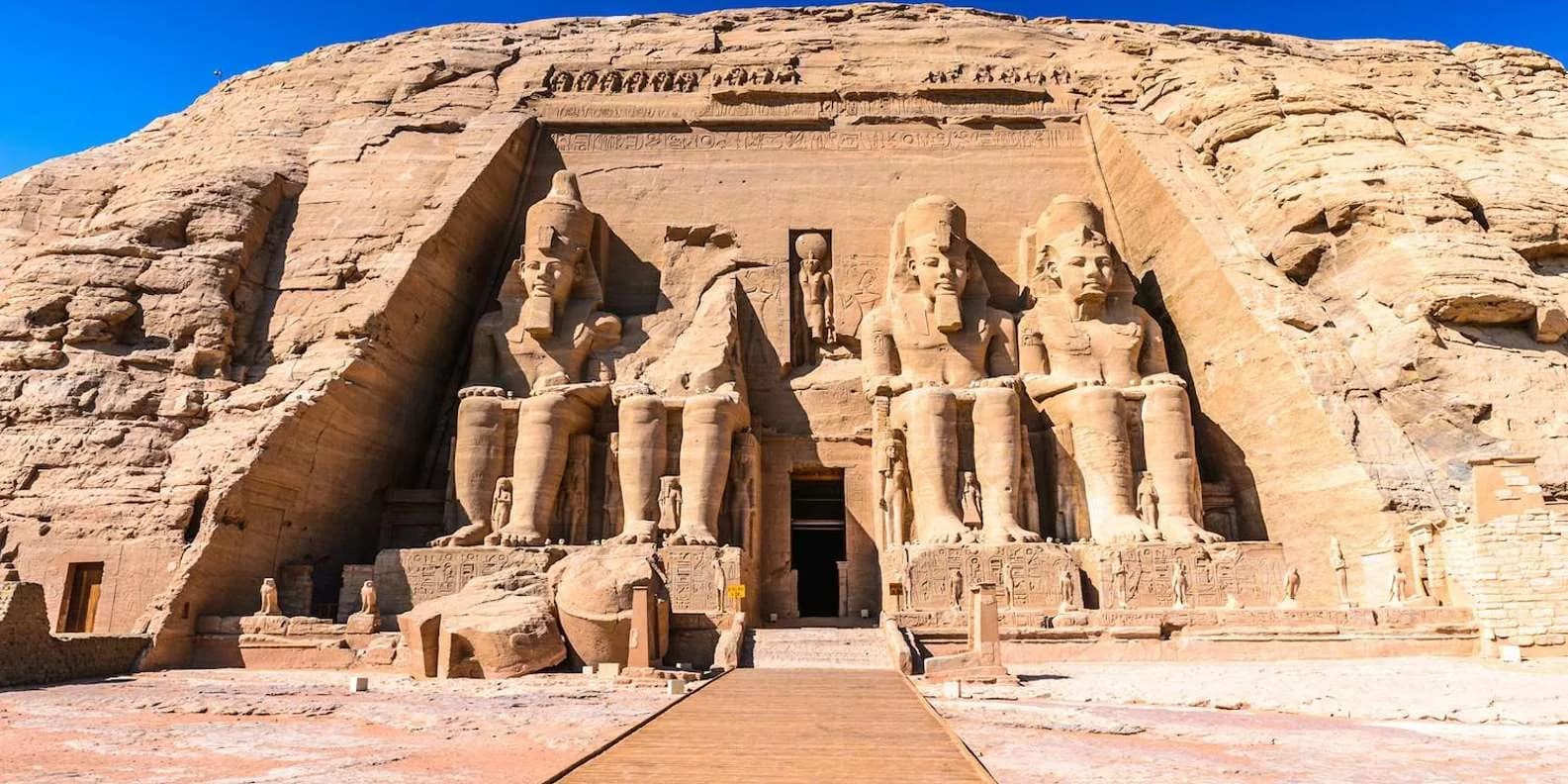
Desde El Cairo: Excursión de 2 días a Abu Simbel y Luxor

Luxor: Crucero de 4 días por el Nilo con visitas guiadas y Abu Simbel

Crucero por el Nilo de 4 noches de Luxor a Asuán con Abu Simbel y globo aerostático

Excursión privada a Abu Simbel con guía desde Luxor
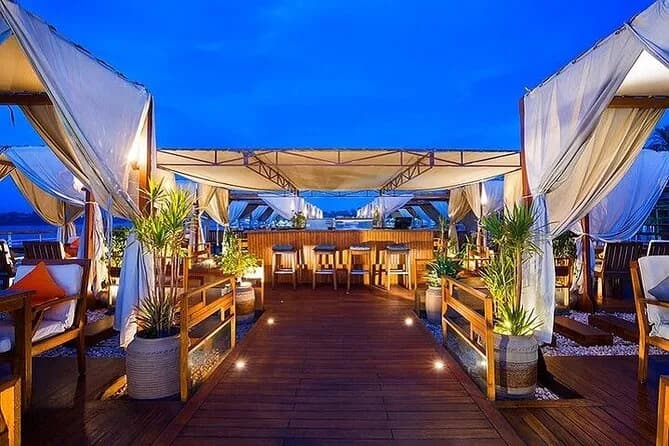
Crucero de lujo de Asuán a Luxor (4 días con templo de Abu Simbel)

Tour privado: El Cairo copto, la iglesia Colgante, Abu Serga, Ben Ezra

Tour de snorkel de medio día en Abu Dabbab desde Marsa Alam
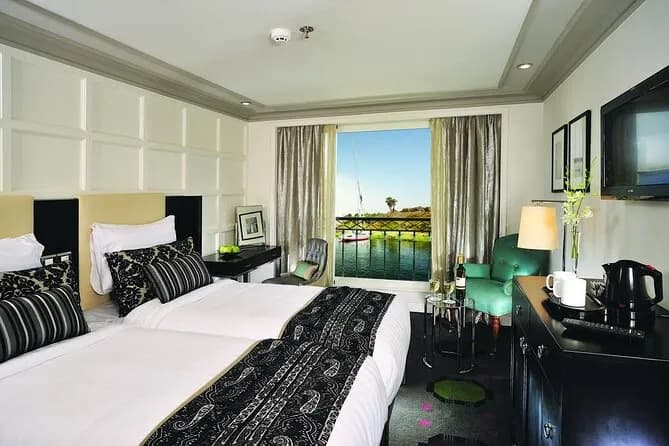
Crucero de 5 días por el Nilo en Luxor y Asuán con Abu Simbel y globo aerostático

Tour privado a Medinet Habu, el Valle de los Nobles y Deir el-Medina con almuerzo

Excursión a Abu Simbel y Asuán desde Luxor
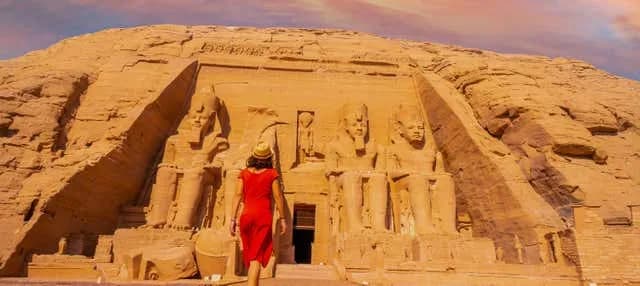
Excursión de 2 días a Abu Simbel con espectáculo de luz y sonido

Medio día privado en Luxor: Valle de los Reyes, Habu y Hatshepsut
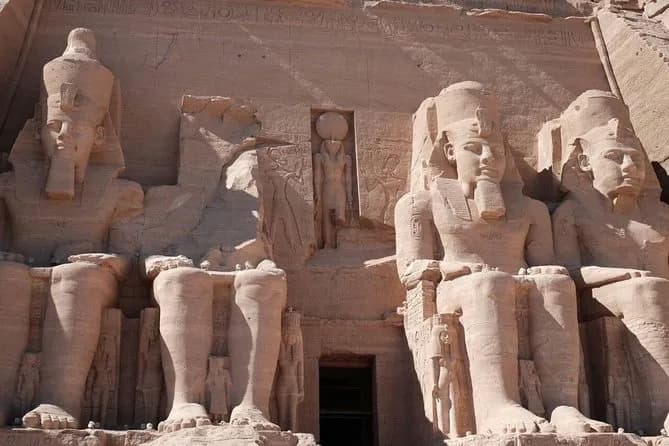
Lo mejor en 6 días: El Cairo, pirámides de Guiza, Luxor, Asuán y Abu Simbel

Tour privado al Valle de las Reinas, el Valle de los Artesanos y el templo de Habu
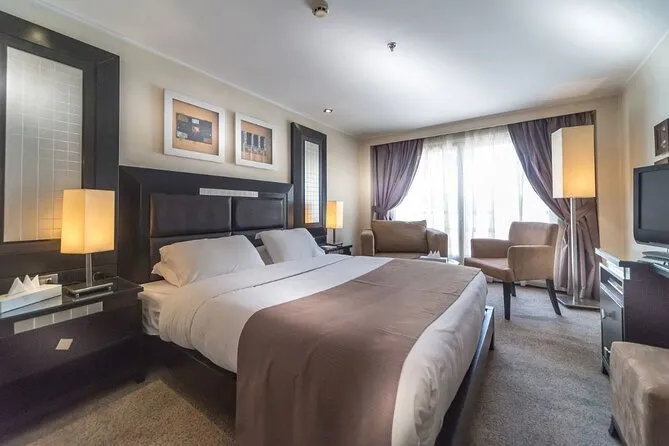
5 Day Nile Cruise Luxor to Aswan with HotAir Balloon & Abu Simbel

2 Nights Nile cruise from Aswan to Luxor&Abu Simbel And Balloon
Short answer
Abu Simbel: is it worth it, how long, how much, how far
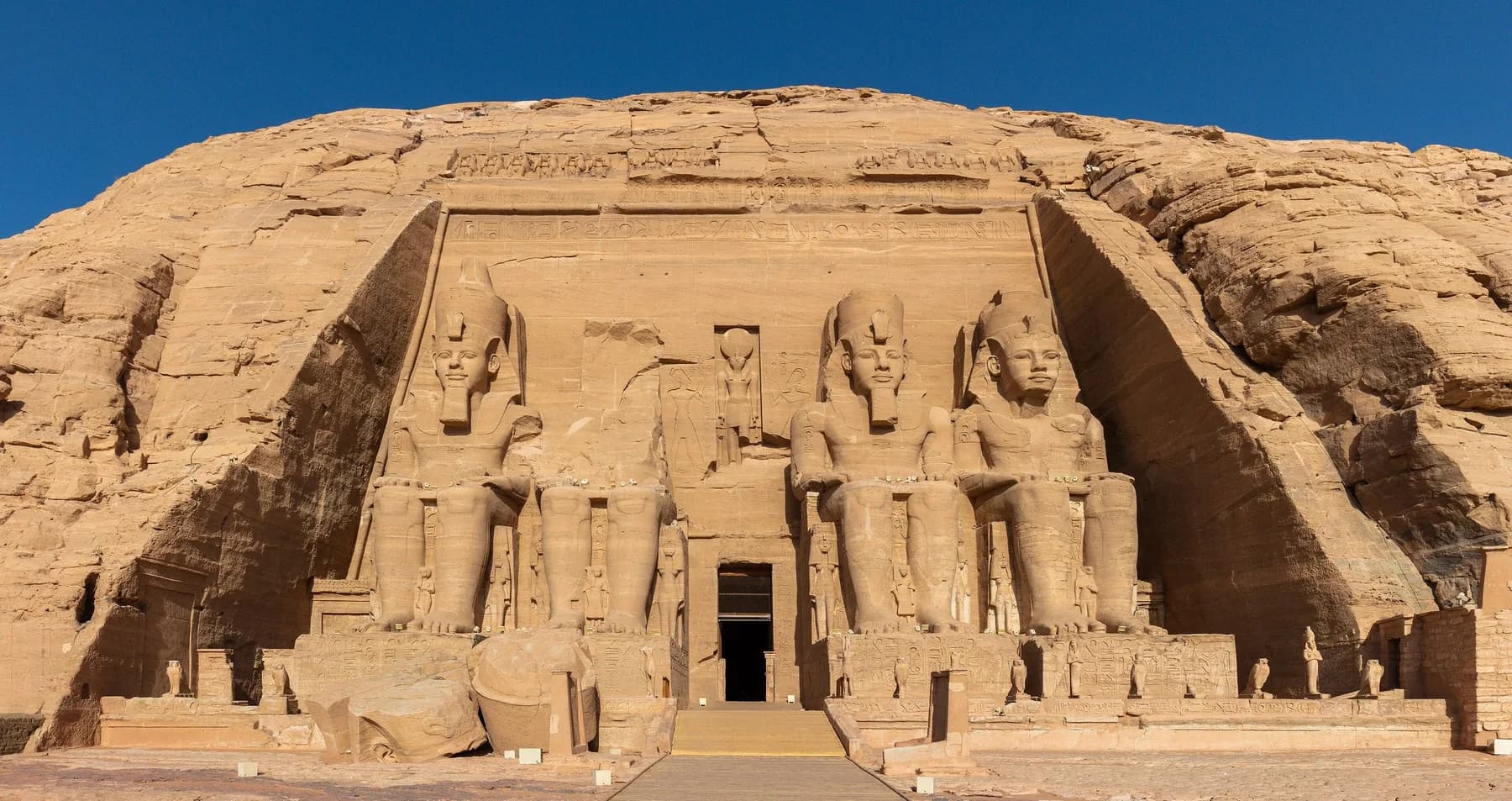
Abu Simbel is the pair of rock temples Ramesses II cut into a cliff above what is now Lake Nasser, about 280 km south of Aswan, fronted by four 20-metre colossi and moved block by block in the 1960s to escape the reservoir. It is worth the long day: Tripadvisor rates it 4.9 from 3,942 reviews. Allow 1.5 to 2 hours on site. Entry is EGP 750 (EGP 1,200 on the Sun Festival days, 22 February and 22 October). From Aswan it is 3.5 to 4 hours each way by road, no convoy required any more, or about 45 minutes by air.
- What it is
- The Great Temple of Ramesses II and the Small Temple of Nefertari, relocated by UNESCO in 1964 to 1968
- Worth it?
- Yes. Tripadvisor 4.9 from 3,942 reviews; the most dramatic single monument in Egypt
- How long
- 1.5 to 2 hours at the temples; a full day by road, a half-day by air
- How much
- EGP 750 entry; shared tours from Aswan median about US$43, private car median US$115, flight median US$450
- How far
- About 280 km from Aswan: 3.5 to 4 hours by road, about 45 minutes by air
- Hours
- 06:00 to 17:00 (Ministry); last entry 16:00 reported by operators
Practical information
Abu Simbel tickets, hours and logistics at a glance
Official Ministry of Tourism and Antiquities prices, undated on the Ministry site, checked 21 September 2026; other published figures shown where they differ.
| Item | Figure | Notes and other published figures |
|---|---|---|
| Entry ticket (foreign adult) | EGP 750, both temples | Foreign student EGP 375. Other published figures: EGP 600 (operators); EGP 820 (blogs); EGP 822 (blogs). The EGP 820 to 822 figures cite the online booking portal and may include a fee. |
| Sun Festival days (22 Feb and 22 Oct) | EGP 1,200 (student EGP 600) | – |
| Vehicle ticket | Car or taxi EGP 25; microbus EGP 50; coaster EGP 75; bus EGP 100 | – |
| Sound and Light show | US$20 adult, US$11 child (6 to 12); shows at 20:00 and 21:00 | Official show operator prices. The first show needs a minimum of 50 Egyptians or 10 foreigners. Other published figures: EGP 960 (blogs); EGP 300 (operators). |
| Opening hours | 06:00 to 17:00 daily (Ministry) | One blog gives 05:00 to 18:00; the Ministry page shows no seasonal split. |
| Last entry | 16:00 (operator, not stated on the Ministry page) | – |
| Time to allow | 1.5 to 2 hours for both temples | – |
| Best time of day | First hour after opening for the light; from about 11:00 for space, once the dawn coaches leave | – |
| Road from Aswan | About 280 km, 3.5 to 4 hours each way | Police convoy no longer required; checkpoints remain. Bring your passport. One blog says 290 km and 2.5 to 3 hours. |
| Flight from Aswan | About 45 minutes; EgyptAir and Air Cairo | Schedules vary by season; sources disagree on whether flights run daily. One operator quotes 30 minutes in the air. |
| Photography | Personal photography free; no flash and no tripods inside the temples | – |
Rows marked with blog or operator figures are labelled in the notes; where the Ministry publishes nothing, we say so rather than guess. Egyptian nationals pay a separate, lower tariff.

What a tour costs
How much is a Abu Simbel tour?
How much is the Aswan to Abu Simbel tour? A shared minibus or coach day trip is advertised from about US$25 to US$65 per person on the OTAs, median about US$43; the cheapest listings leave out the EGP 750 entry ticket. A private car day trip is US$68 to US$210 per person, median US$115, falling as the group grows. Flying from Aswan costs about US$400 to US$720 per person, median US$450, for a half-day with about 90 minutes at the temples.
| Tour type | Listings | From | Median | Up to |
|---|---|---|---|---|
| Shared minibus or coach day trip from Aswan | 8 | US$25 | US$43.39 | US$130 |
| Private car day trip from Aswan | 13 | US$68 | US$115 | US$210 |
| Flight day trip from Aswan | 7 | US$130 | US$450 | US$720 |
| Flight package from Cairo | 4 | US$425 | US$575.50 | US$750 |
| Add-on from a Nile cruise at Aswan | 1 | US$90 | US$90 | US$90 |
| Overnight in Abu Simbel with the Sound and Light show | 3 | US$300 | US$310 | US$848 |
Per person, published “from” prices in US dollars across OTA and local operator listings, captured 21 September 2026. Group size, season and whether entry tickets are included vary by listing, so read the inclusions before you compare. The US$130 flight figure is a single Tripadvisor card we could not verify; every other flight listing sits between US$400 and US$720. Local operators' private tours with a guide and tickets run about US$200 per person for two. Only one clear cruise add-on price was published; most Luxor to Aswan cruises now either include Abu Simbel or sell it through the ship.
The bookable tours at the top of this page are live listings with current prices and free-cancellation terms; the table above is the market context for judging them.

What visitors say
Reviews of Abu Simbel, in visitors’ own words
Tripadvisor 4.9 from 3,942 reviews, #1 of 6 things to do in Abu Simbel. GetYourGuide 4.3 from 10,802 reviews. These are third-party ratings quoted for context; the quotes below are verbatim from the platforms named, with typos left as written.
Praise
“One of the absolute jewels of Egypt, and absolutely worth the 4-5 hour drive across the desert to witness this cultural marvel.”
“Photographs do not prepare you for the scale, detail, or atmosphere of this place.”
Tips
“Would suggest you need a.couple of hours here. The best light is mid morning to early afternoon.”
“We did the transportation only option, and the transfer was great. I will say it was a bit on the earlier side (3:30 am), but we got there before the crowds so pictures were great.”
Warnings
“However, be warned, it is a long trip and several tours leave Aswan at around 4am! It's worth getting a private tour in a car rather than be bundled into a minibus.”
“About 50 other buses arrived in Abu Simbel at the same time, with thousands of tourists creating a crush inside the amazing temple. If you go in the morning, you'll encounter all the cruise ship pax, so go later.”

Visiting Abu Simbel: what to know
Updated 21 September 2026Abu Simbel is a pair of rock temples on the western shore of Lake Nasser, more than 280 kilometres south of Aswan and near the Sudanese border. Ramesses II had them cut directly into a sandstone cliff in the 13th century BC, and the larger temple announces itself with four seated statues of the king, each roughly 20 metres tall, staring out across the water with an expression of untroubled confidence. Nothing else in Egypt lands quite this hard on first sight, and that was the intention: this was the southern gate of the kingdom, built so that anyone arriving from Nubia understood exactly whose land they were entering.
Two stories run through the site, and both reward knowing in advance. The first is ancient: a temple aligned so precisely that twice a year the rising sun travels 60 metres into the mountain and lights the gods seated in the innermost sanctuary. The second is modern: in the 1960s the entire complex was sawn into blocks and reassembled on higher ground to save it from the reservoir rising behind the Aswan High Dam. Standing on the forecourt today you are looking at both achievements at once, and it takes real effort to see where one ends and the other begins.
Most visitors come on a day trip from Aswan, by road or by air, and spend around two hours at the site, which is enough to cover both temples without rushing. The remoteness filters the crowds but does not remove them, because the coaches tend to arrive together, so a little timing strategy goes a long way here. Below is the substance, the walkthrough and the logistics.
Ramesses II's twin temples and the mountain that moved
Ramesses II built the Great Temple around 1265 BC and dedicated it to Amun-Ra, Ra-Horakhty, Ptah and, with no visible embarrassment, to himself. The facade is the famous part: four colossi of the enthroned king, carved straight from the cliff face, with much smaller figures of his mother, his queen Nefertari and several of his children standing around their legs, dwarfed to the scale of ankles. A row of baboons lines the cornice above, greeting the sunrise. An earthquake in antiquity brought down the upper half of the second colossus; the head and torso still lie at the statue's feet, and the engineers who moved the temple in the 1960s set them back exactly where they had fallen.
Inside, the theatre continues. A tall hall of pillars carved as standing figures of Ramesses himself leads deeper into the rock, its walls covered with his account of the Battle of Kadesh, the great chariot clash with the Hittites that he fought to a draw and then commemorated across Egypt as a triumph. The reliefs show the king at full gallop with his bow drawn and the enemy collapsing in front of him; history was less tidy, but the carving is superb. Beyond a second, smaller hall, some 60 metres from the entrance, sits the sanctuary, where four figures wait in the dark: Ptah, Amun-Ra, Ra-Horakhty and a deified Ramesses seated among them as an equal. A king placing himself in the company of gods was not subtle messaging, and it was not meant to be.
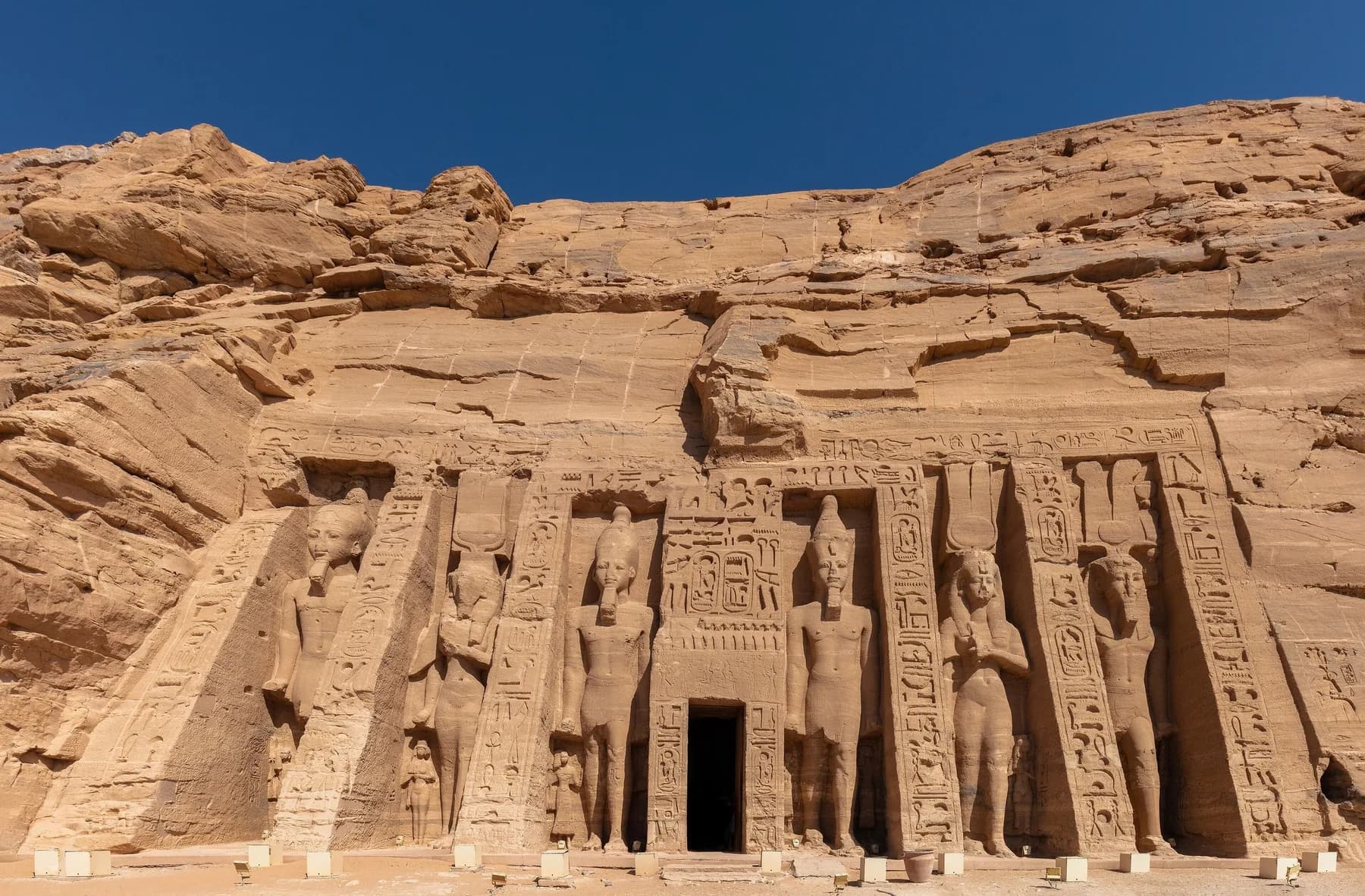
Beside the Great Temple stands its smaller companion, the Temple of Nefertari, dedicated to the king's favourite queen and to the goddess Hathor. Six standing colossi front it, and the detail that matters is proportion: Nefertari is carved at the same height as her husband. Queens were normally rendered knee-high beside the king, so this is a near-unheard-of honour, and it makes the smaller temple one of very few in Egypt built for a queen. Inside, Hathor-headed pillars and scenes of the queen with Isis and Hathor repay slow, unhurried looking.
The sun alignment of 22 February and 22 October
The Great Temple was oriented so that on two mornings a year the first light of dawn runs the full length of the axis and floods the sanctuary. For roughly 20 minutes, Amun-Ra, Ra-Horakhty and the deified Ramesses glow gold, while Ptah, a god associated with the underworld and darkness, stays in shadow, exactly as designed. The two dates are traditionally read as marking Ramesses' birthday and his coronation. The alignment originally fell on 21 February and 21 October; the 1960s relocation, accurate as it was, shifted the effect by about a day, which is why the sun now keeps its appointment on the 22nd.
Those mornings have grown into the Abu Simbel Sun Festival, with crowds gathering in the dark from around four in the morning, Nubian drumming and dancing outside, and a brief, packed viewing as the beam creeps across the sanctuary. It is a rare chance to watch an ancient building do precisely what it was engineered to do, but plan for far larger numbers than on a normal day and book everything months ahead; the Abu Simbel Sun Festival guide covers the timings and tactics in detail.
Sawn into blocks and lifted above the flood
None of this stands where it was built. When the Aswan High Dam rose in the 1960s, the reservoir gathering behind it was set to swallow this whole stretch of Nubia, and the temples would have drowned under tens of metres of water. Between 1964 and 1968 an international team assembled by UNESCO cut both temples into more than a thousand numbered blocks, some weighing up to 30 tonnes, hauled them up the escarpment and reassembled them 65 metres higher and around 200 metres back from the original site. Because the new position had no cliff, engineers built one: a vast concrete dome, buried inside an artificial hill, carries the weight of the false mountain above the Great Temple.
The precision of the rebuild is the point. Stand on the forecourt and the seams between blocks are faint as scars, findable only if you go looking for them. The rescue became the founding story of the World Heritage movement, and the temples are listed today as part of the Nubian Monuments World Heritage site. Knowing all this adds a layer the ancient builders never intended: a 3,200-year-old monument that was also, within living memory, lifted out of the path of a flood.
What to see
The site is arranged so that you approach from behind. From the entrance you walk around the base of the artificial hill with Lake Nasser opening beside you, and the facades stay out of sight until the final bend, which makes for one of the better arrival moments in Egypt if you let it happen.
Start with the Great Temple facade and give it real time. Work through the details: the four colossi and the fallen upper half of the second one, the small family figures at the royal legs, the baboons along the top catching the first sun. Then go inside for the pillared hall and the Kadesh reliefs; this is where a guide earns their fee, because the battle narrative reads like a strip cartoon once someone shows you the sequence. Push on to the sanctuary and, before you leave it, turn around and look back along the axis to the bright doorway: the alignment that makes the February and October mornings famous becomes obvious from exactly that spot.
Two things first-timers regularly miss. The side chambers opening off the main hall, probably storerooms for temple goods, are carved with offering scenes and are usually empty of people. And the Temple of Nefertari gets shortchanged by coach groups running tight schedules; its interior is gentler and more intimate than the Great Temple, and the carving of the queen with the goddesses is some of the finest work at the site. Give it a proper half hour.
Before heading back, walk down toward the water for the wide view of both facades with the lake behind, and look for the block seams up close. The hill itself is hollow; somewhere behind those colossi a concrete dome is holding up a mountain, which is a strange and satisfying thing to know while you stand under it.
Getting there
There are three honest ways to do this from Aswan, and the right one depends on budget and stamina.
By road it is roughly three to three and a half hours each way across open Nubian desert. For years traffic left Aswan in a fixed police-escorted convoy at 3:30 or 4:00 in the morning; that strict system has largely relaxed into checkpoints along the route, which gives operators flexibility, but the pre-dawn start remains standard because it beats the heat and gets you to the temples early. Group coaches with hotel pickup are how most people go. Private day trips cost more and buy you the schedule: leaving Aswan around 8:00 lands you at the temples in late morning, just as the dawn coaches pull out. Bring your passport whichever you choose; this is border country and it gets checked.
By air, short domestic flights connect Aswan and Abu Simbel in about 45 minutes each way, turning the visit into a comfortable half day: fly down in the morning, spend a couple of hours at the temples, and be back before lunch. It costs more than the coach and schedules can be thin, but if time or energy is short it is the gentlest option by a wide margin.
By water, a Lake Nasser cruise approaches Abu Simbel the way it was meant to be seen. Only about seven vessels are licensed to sail the lake, on three- and four-night itineraries between the High Dam and Abu Simbel, calling at rescued Nubian temples that have no practical road access, Kalabsha, Wadi es-Sebua and Amada among them, with a slow circle of the island fortress of Kasr Ibrim. Ships moor overnight below the temples, so you walk up at dawn before a single coach arrives. It is the slowest and most expensive route, and the most atmospheric; the Lake Nasser cruise guide covers the small fleet and the stops.
There is also a quiet fourth option: a handful of hotels in Abu Simbel village itself. Sleeping there turns the 3am desert drive into a five-minute transfer and gives you the temples at opening and again in the evening calm. Rooms are few, and they vanish months ahead around the festival dates.
Best time of day
The gates open at six in the morning, and the first hour is the classic one: the facade faces east, so the rising sun hits the colossi full on, the air is still cool, and the light is the light the builders designed for. The catch is arithmetic. Everyone who left Aswan before dawn arrives at roughly the same time, so early morning is also the busiest window of the day. If you want that first light, accept the company.
The counter-strategy is late morning. From around 11:00 the dawn coaches head back to Aswan and the site thins dramatically; you trade cooler air for something close to privacy, and the facade holds decent light until early afternoon before sliding into shade. Private tours are built for this timing. Early afternoon is the emptiest window of all, and the hottest, worth considering in winter and punishing in summer.
Cruise passengers hold the best cards: moored overnight, they are on site at opening, ahead of every vehicle from Aswan. And on the festival mornings in February and October the rhythm changes completely, with crowds gathering from well before dawn for a brief, shuffling view of the illuminated sanctuary. Treat those two dates as their own event rather than a normal visit.
Tips for your visit
- Bring your passport. The road south passes through checkpoints near the Sudanese border and you will be asked for it.
- Pick one crowd strategy on purpose: arrive at opening for the light, or late morning for the space. Splitting the difference gets you neither.
- Carry water, a hat and proper sun protection. The site is fully exposed, shade is scarce, and summer middays here are serious.
- Dress in layers for a road trip. The desert is cold before dawn and hot by mid-morning.
- Two hours on site covers both temples comfortably; add a little margin for the walk from the entrance and the viewpoint by the lake.
- Guides give their explanations outside, so listen to the full briefing first, then take your time inside without commentary.
- Photography is straightforward outside; interior rules vary and may involve a photo ticket or a tripod ban, so check on the day rather than assuming.
- Do not shortchange the Temple of Nefertari. Ten rushed minutes is the standard mistake.
- If your dates land near 22 February or 22 October, decide early whether you want the festival, and book transport and rooms months ahead either way, because those crowds affect normal visits too.
- Pair the trip with Aswan's own sights on a separate day, Philae Temple, the High Dam and the Unfinished Obelisk among them, rather than cramming them around the long drive.
What a day trip from Aswan includes, and what to budget
A standard road day trip covers hotel pickup in Aswan, the round-trip drive in an air-conditioned vehicle and around two hours at the site, which is enough to see both temples without rushing. Better-value private and small-group tours add an Egyptologist guide who brings the reliefs and the relocation story to life. Entry tickets are sometimes included and sometimes charged separately, which is the single biggest reason two listings at very different prices can be the same product, so confirm before you book. Flight packages bundle the return airfare, the airport transfers and usually a guide, and compress the whole thing into a few hours with about 90 minutes at the temples.
- 1Pickup, 03:30 to 05:00. Reviewers describe pickups from 02:00 to 04:00 on shared tours; these are their own tours, not a timetable. The road south is no longer a fixed convoy, but checkpoints remain and you will need your passport.
- 2The drive, 3.5 to 4 hours. About 280 km of open Nubian desert each way. Layers help: cold before dawn, hot by mid-morning.
- 3On site, 1.5 to 2 hours. The Great Temple first, then a proper half hour in the Temple of Nefertari, then down to the water for the wide view of both facades.
- 4Back in Aswan by mid-afternoon. Private tours can invert the day, leaving Aswan around 08:00 and arriving as the dawn coaches pull out.
For the budget, put the pieces side by side: the EGP 750 ticket (EGP 1,200 on 22 February and 22 October), a vehicle fee of EGP 25 to 100 paid at the gate, the tour itself at US$43 shared or US$115 private on the medians above, and US$20 for the Sound and Light show if you stay the night. The one fixed national cost sits outside the day: the Egypt e-visa is US$30 for a single entry. Day trips from Luxor exist but add several hours to an already long day; base yourself in Aswan for this one, and see our Aswan travel guide for the rest of the town.

The Sun Festival: is it worth planning around?
Twice a year, on 22 February and 22 October, the first light of dawn runs the full length of the Great Temple’s axis and reaches the sanctuary, lighting Amun-Ra, Ra-Horakhty and the deified Ramesses while Ptah stays in shadow. The Ministry marks both dates with an event, the entry ticket doubles to EGP 1,200 (EGP 600 for students), and the crowds gather in the dark from around 04:00. How long the beam lasts depends on who you ask: Ahram Online, quoting the Aswan antiquities director, reported the February 2024 alignment beginning at 06:22 and lasting 20 minutes, and the October 2024 event at 20 to 25 minutes with nearly 3,000 visitors; one operator says the light on the faces themselves lasts about three minutes. Before the 1960s relocation the dates were 21 February and 21 October.
Whether to plan around it is a genuine choice. In favour: watching a 3,200-year-old building do exactly what it was engineered to do, with Nubian music and dancing on the forecourt, is a rare thing. Against: the site is at its most crowded, the viewing of the sanctuary is brief and shuffling, rooms in Abu Simbel village and Aswan sell out months ahead, and one five-star reviewer’s advice was blunt: avoid the festival and come on any other day for a cheaper ticket and no queue. Our view is that first-time visitors get more from a normal early morning, and that the festival is for people who have already seen the temples or who care about the alignment itself. If you do go, the Sun Festival guide covers timings and tactics.

Combining Abu Simbel with a Nile cruise
Abu Simbel is not on the standard Luxor to Aswan cruise route, but almost everyone who sails that route can add it. The usual pattern is to reach Aswan by ship, then take the road or flight day trip from there on the day the cruise ends or the morning before it begins; many ships now sell the excursion on board, and some four-day cruises include it in the fare. The day-by-day itineraries show where the Aswan day falls on each route, and the ship directory lists which vessels include it.
The other way is to make the temples the destination rather than the errand. A Lake Nasser cruise of three or four nights sails between the High Dam and Abu Simbel, calling at the rescued Nubian temples that have no practical road access, Kalabsha, Wadi es-Sebua and Amada among them, and moors overnight below the colossi so that you walk up at dawn before a single coach arrives. Operators quote about £650 to £850 per person all-inclusive for three to four nights. Only a handful of ships are licensed to sail the lake; see the Lake Nasser section of the itineraries page and the Lake Nasser cruise guide for the fleet and the stops.

Combine with
What to pair with Abu Simbel
- Philae Temple Aswan's island temple of Isis, another UNESCO-rescued monument; do it on a separate Aswan day, not around the long drive.
- Nubian Museum The story of the land Lake Nasser covered and the rescue campaign that saved Abu Simbel; an afternoon in Aswan.
- Lake Nasser cruises Three or four nights on the lake ending below the temples at dawn, the slowest and most atmospheric way in.
- Nile cruise ships Luxor to Aswan cruises that include or sell the Abu Simbel excursion from Aswan.
- Things to do in Aswan The High Dam, the Unfinished Obelisk, a felucca at sunset and the Nubian villages.
- Luxor vs Aswan How many nights each town deserves when Abu Simbel is on the list.
Other Egypt attractions
Frequently asked questions
How much does it cost to visit Abu Simbel?
Tours and tickets start from 1,113 EGP (about 23 USD), with a median price of about 23,436 EGP per person.
How many Abu Simbel tours are available?
There are 322 bookable tours and tickets for Abu Simbel.
What is the best Abu Simbel tour?
A top-rated pick is "Desde Asuán: Excursión de un día al Templo de Abu Simbel con servicio de recogida del hotel".
Is Abu Simbel worth the 3am start from Aswan?
For almost everyone, yes: this is the most dramatic single monument in Egypt, and around two hours on site justifies the six or seven hours of driving. If the pre-dawn alarm is the deal-breaker, there are gentler routes: a private tour leaving Aswan around 8:00 arrives as the dawn coaches leave, the 45-minute flight turns the trip into a half day, and a night in Abu Simbel village replaces the drive with a five-minute transfer.
Should I visit Abu Simbel by road, by flight or by cruise?
Road is the cheapest and most common way: three to three and a half hours each way from Aswan with a very early start. Flying costs more but compresses the whole visit into a comfortable half day, which is worth it if time or energy is short. A three- or four-night Lake Nasser cruise is the slowest and most expensive option, and the most atmospheric, mooring overnight below the temples so you visit at dawn before the day-trippers arrive.
How long do you need at the temples?
Around two hours covers both the Great Temple and the Temple of Nefertari without rushing, and most road tours allow about that. Add a little margin for the walk around the hill from the entrance and the viewpoint by the lake. On the Sun Festival mornings of 22 February and 22 October the arithmetic changes: people arrive from around four in the morning, and the illuminated sanctuary itself is a brief, crowded viewing of roughly 20 minutes.
How far is Abu Simbel from Aswan?
About 280 km by road, which takes 3.5 to 4 hours each way across the desert; one blog gives 290 km and a faster 2.5 to 3 hours. By air it is about 45 minutes with EgyptAir or Air Cairo. The police convoy is no longer required, but checkpoints remain and you need your passport.
How much is the Aswan to Abu Simbel tour?
A shared minibus or coach day trip is advertised from about US$25 to US$65 per person on the OTAs, median about US$43, often without the EGP 750 entry ticket. A private car day trip is US$68 to US$210 per person, median US$115, cheaper per head as the group grows. Flying costs about US$400 to US$720 per person, median US$450. Figures captured 21 September 2026.
How much is the Abu Simbel entry ticket?
EGP 750 for foreign adults and EGP 375 for students, covering both temples, according to the Ministry of Tourism and Antiquities page. On the Sun Festival days of 22 February and 22 October it rises to EGP 1,200 (EGP 600 for students). Some blogs quote EGP 820 to 822 from the online booking portal, which may include a fee. A vehicle fee of EGP 25 to 100 is charged at the gate.
What does the Abu Simbel Sun Festival cost, and when is it?
It falls on 22 February and 22 October, when the dawn light reaches the sanctuary at the back of the Great Temple. Entry on those two days is EGP 1,200 for foreign adults and EGP 600 for students, double the normal price. Crowds gather from around 04:00 and the alignment itself is brief, reported at about 20 minutes by Ahram Online and about three minutes on the statues' faces by one operator.
Do you still need a convoy to get to Abu Simbel?
No. The fixed police-escorted convoy that once left Aswan before dawn is no longer required, and tours now drive independently through security checkpoints on the desert road. Most still leave between 03:30 and 05:00 to arrive at opening and avoid the heat. Carry your passport; it is checked close to the Sudanese border.
Can you take photos inside Abu Simbel?
Yes. Personal photography with a phone or camera is free under Egypt's national rule, and visitors report shooting freely inside both temples. Flash and tripods are not allowed inside. One operator lists an EGP 300 permit for professional cameras, which no official source confirms, so ask at the gate if you are carrying serious kit.