Lake Nasser Cruise: Aswan to Abu Simbel by Water (2026)
A 3–4 night Lake Nasser cruise sails Aswan to Abu Simbel past temples you can only reach by water — Kalabsha, Wadi es-Sebua, Amada and Abu Simbel at dawn.
Nile Cruises & Dahabiyas
Turn this guide into a trip
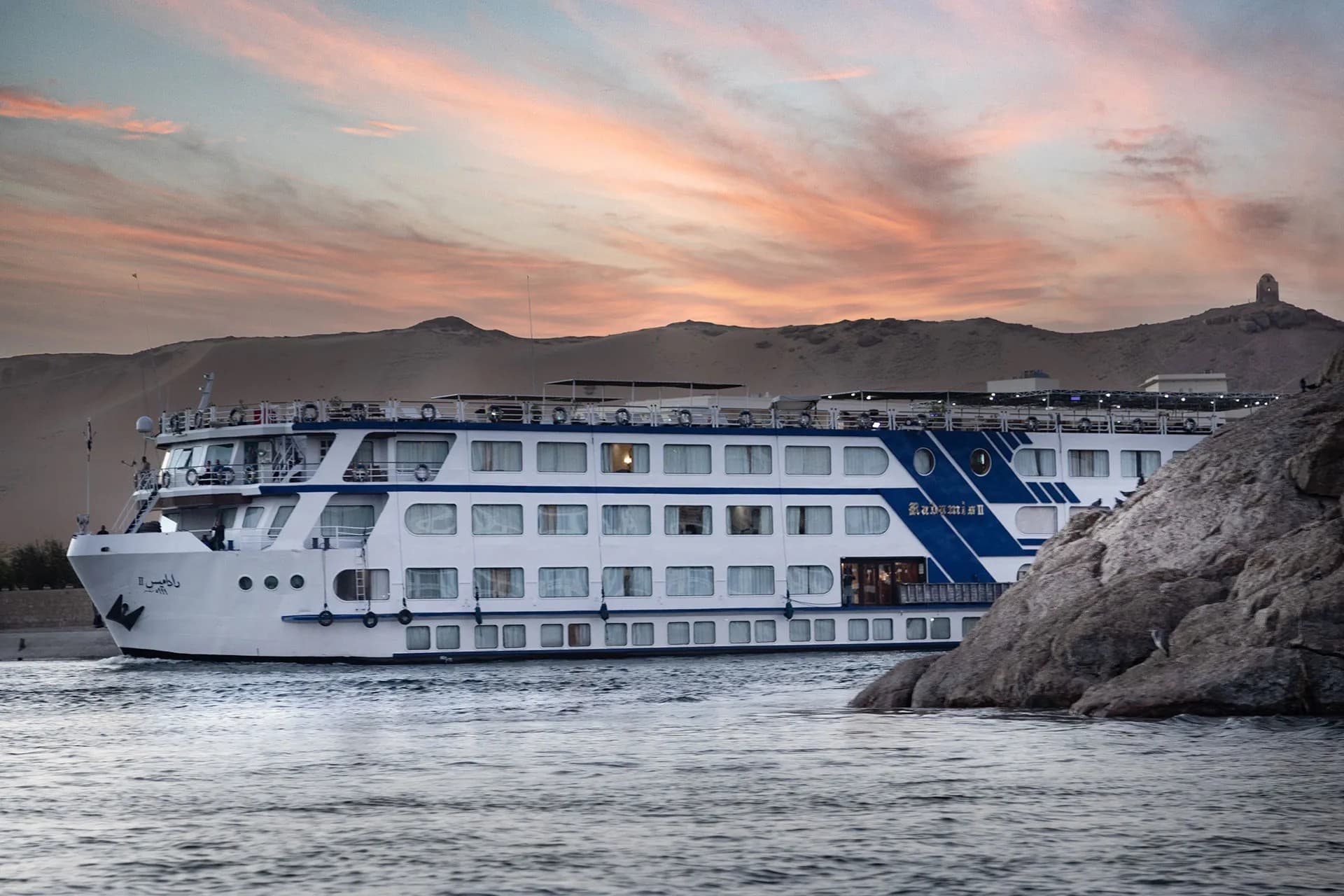
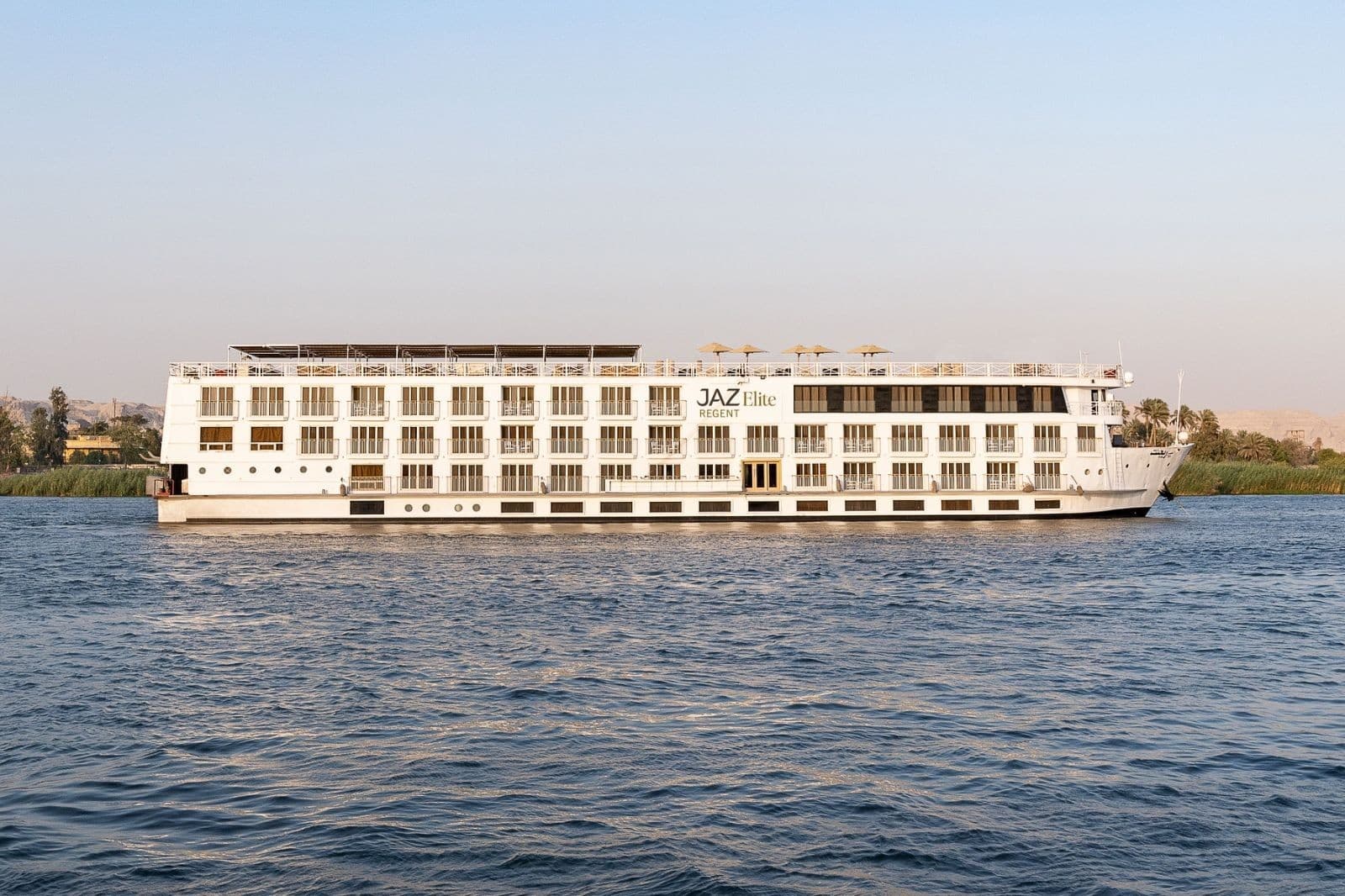
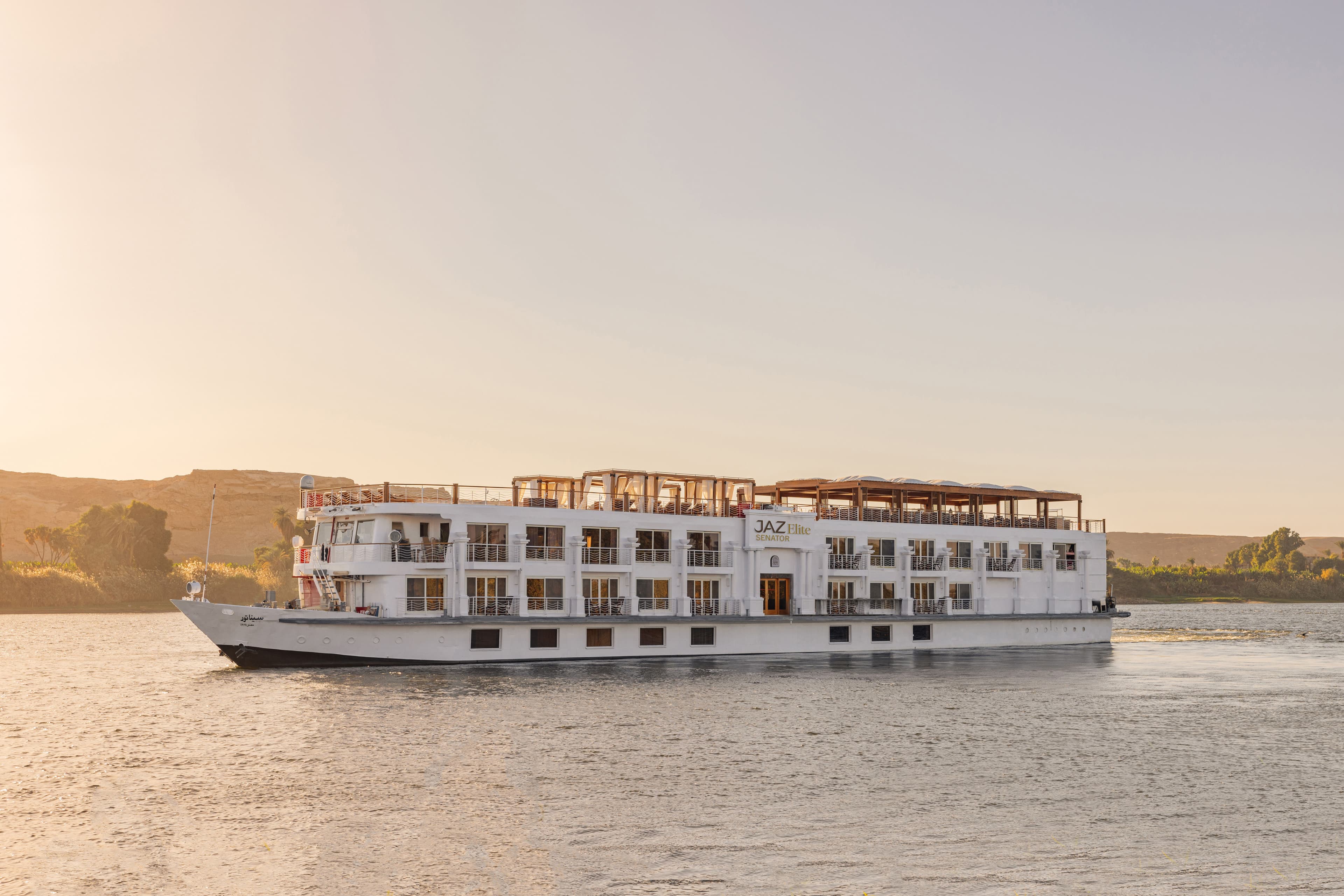
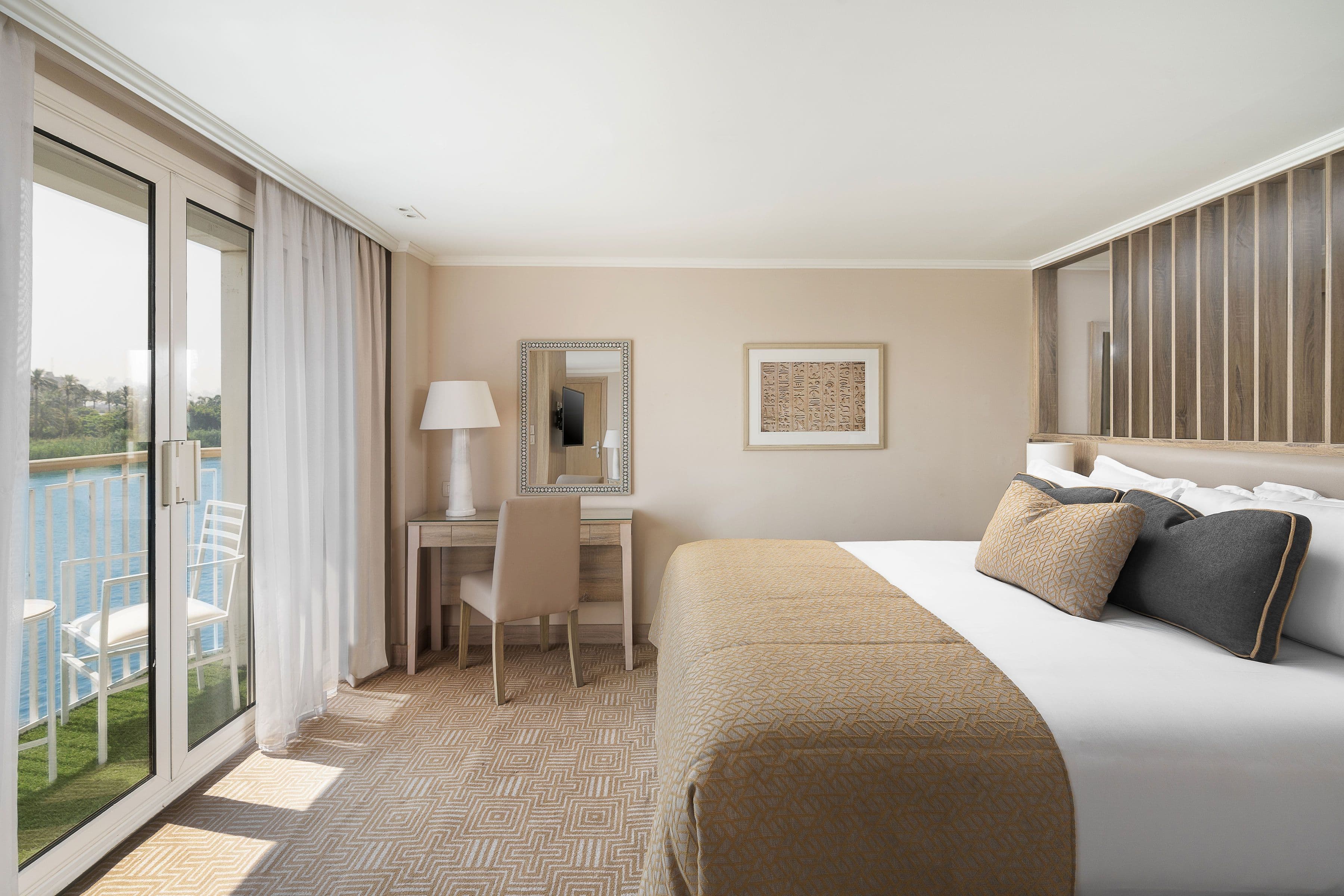
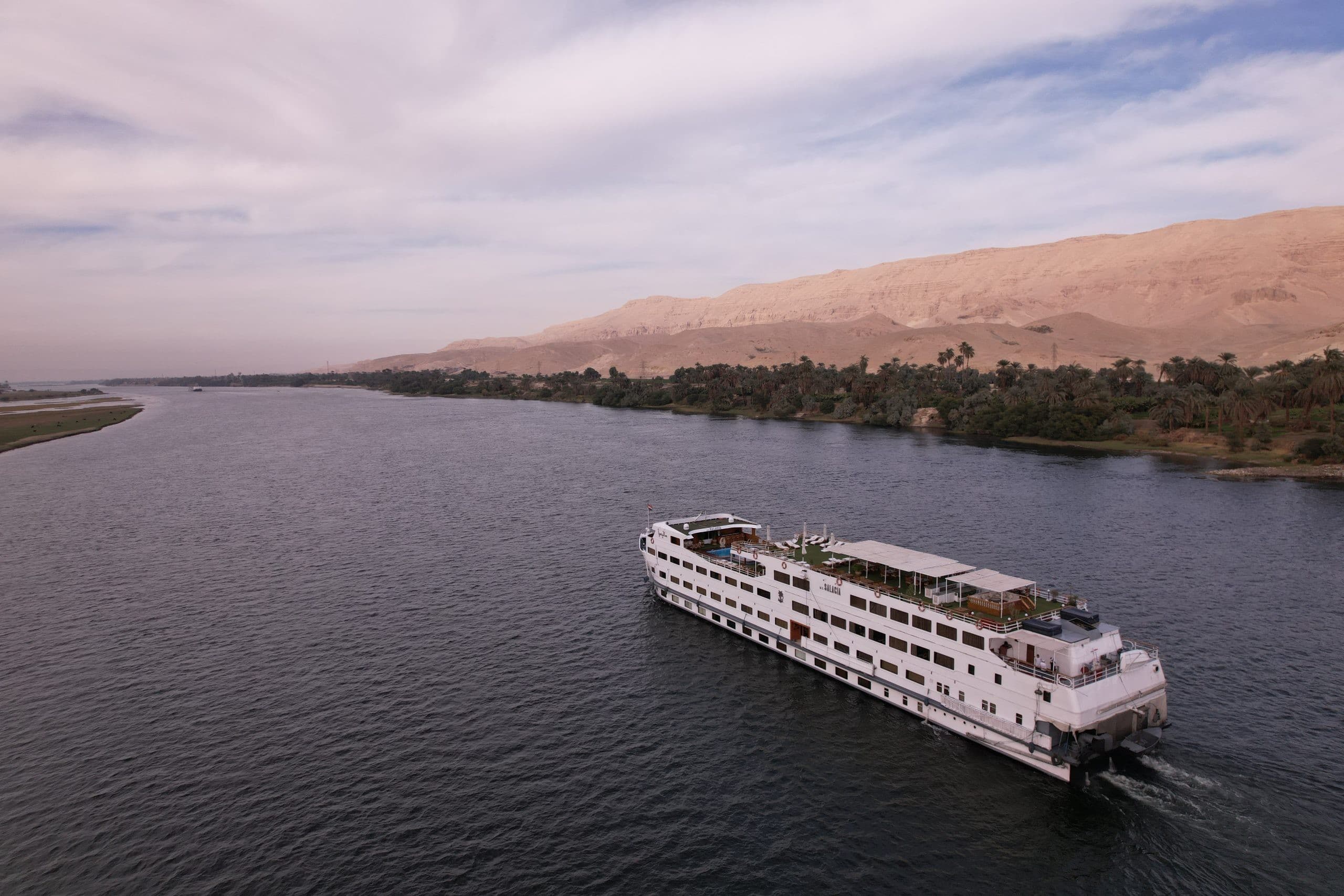
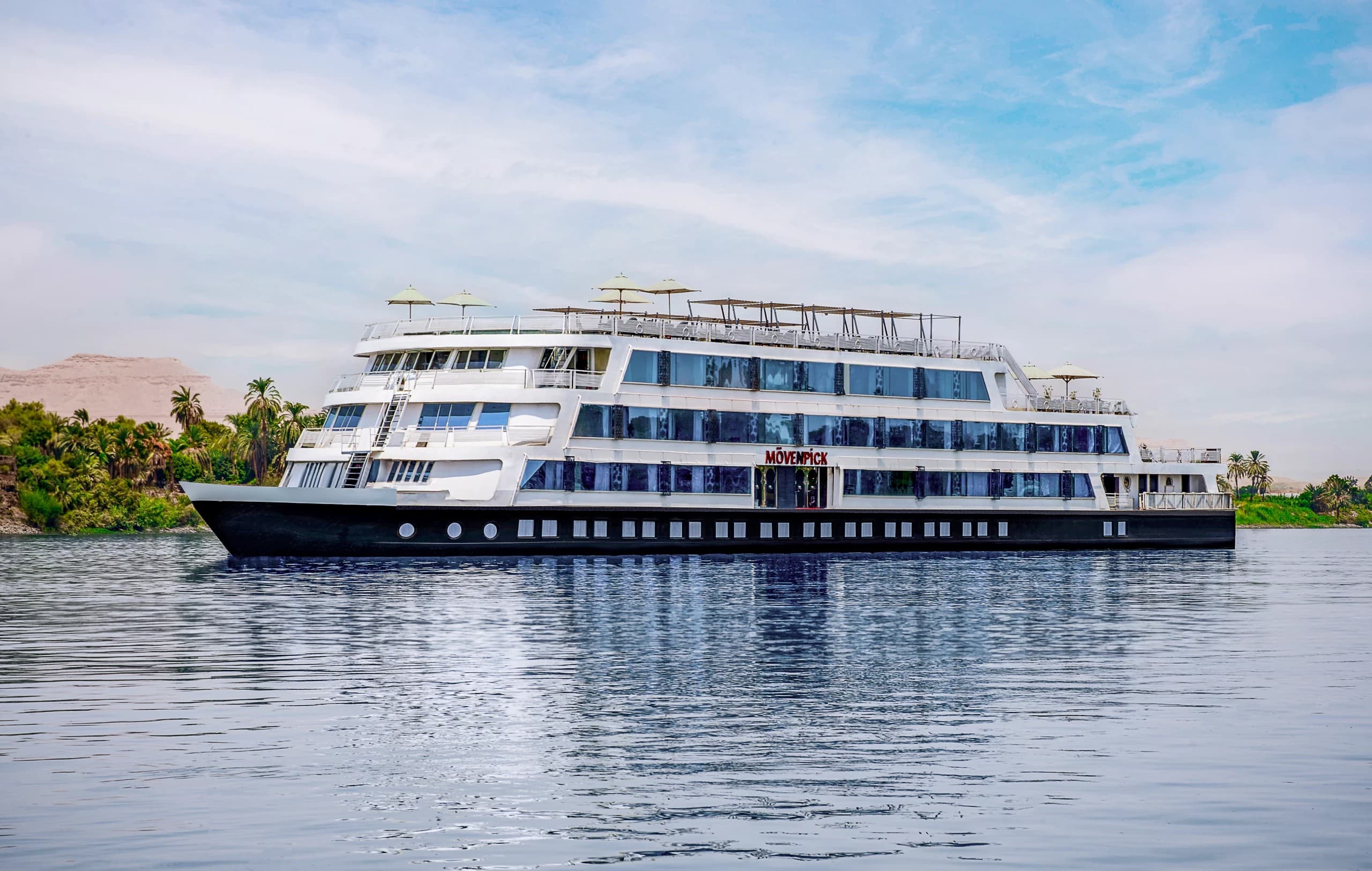
Quick answer: A Lake Nasser cruise sails Aswan to Abu Simbel over 3–4 nights — the quiet, cinematic alternative to the busy Luxor–Aswan run. You cross a 500 km desert lake to reach Nubian temples accessible only by water (Kalabsha, Wadi es-Sebua, Amada) and Abu Simbel at dawn.
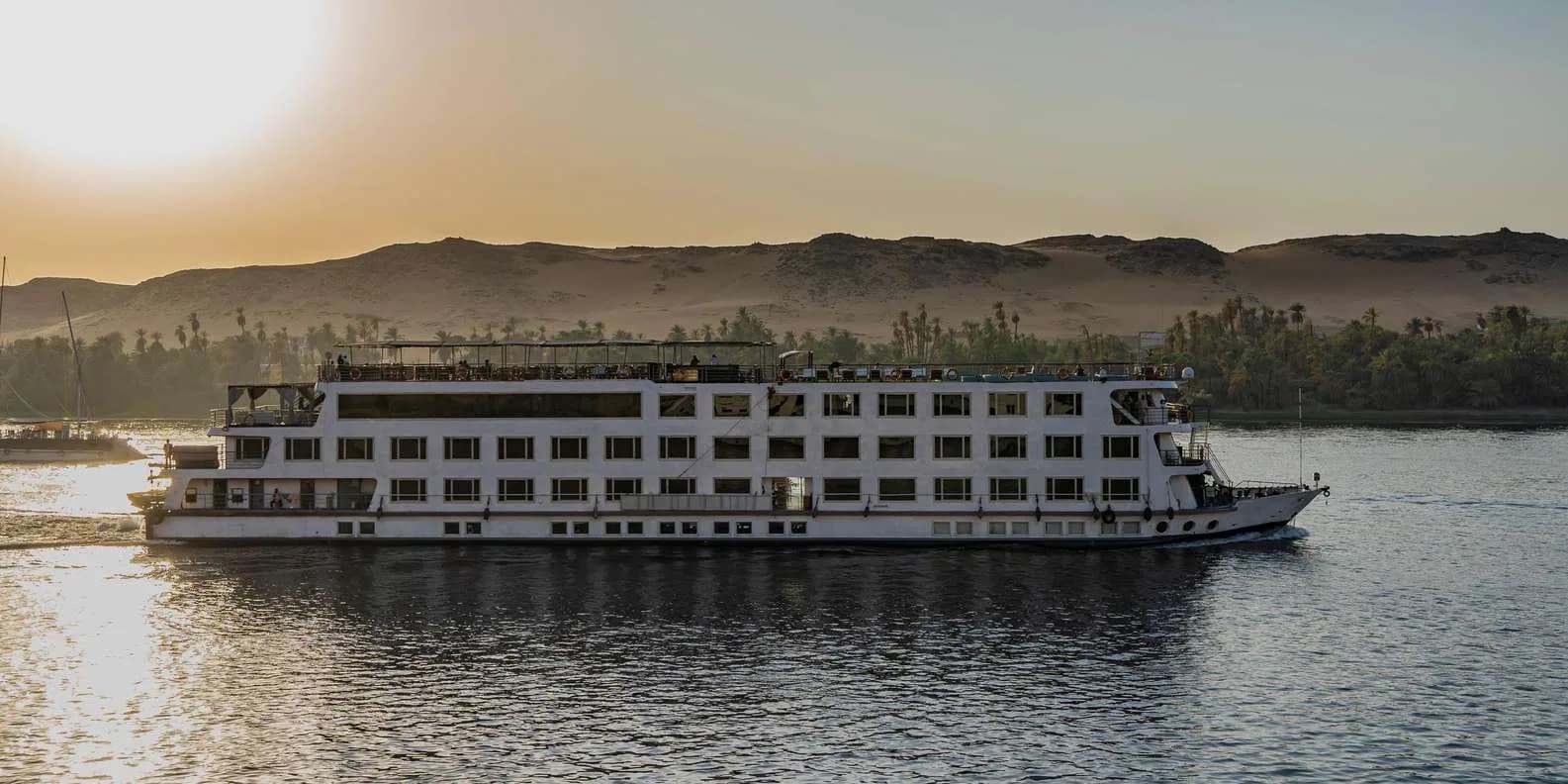
A Lake Nasser cruise is the quiet, cinematic alternative to the busy Luxor–Aswan Nile run. Over three or four nights you sail south from the Aswan High Dam across a 500-kilometre desert lake to Abu Simbel, stopping at Nubian temples that were cut from cliffs, lifted block by block in the 1960s, and rebuilt on higher ground when the reservoir filled. Almost none of these sites have a road worth the name. The boat is the road.
There are only about seven vessels licensed to work this water, so cabins are limited and good dates sell out months ahead. If your image of an Egypt cruise is a wall of ninety identical boats moored six-deep at Luxor, this is the opposite: empty horizons, a handful of ships, and temples where you may be the only group ashore.
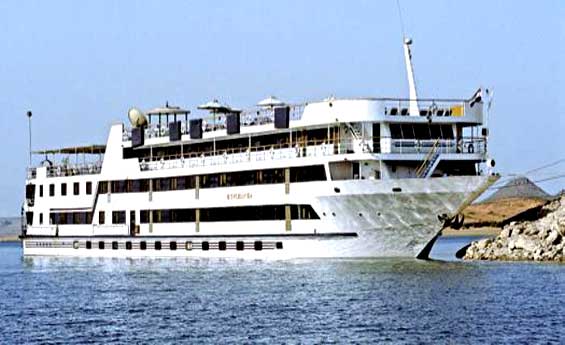
What a Lake Nasser cruise actually is
Lake Nasser is the vast reservoir the Aswan High Dam created when it was completed in 1970, drowning much of ancient Lower Nubia. Before the water rose, a UNESCO rescue campaign sawed apart and relocated a string of temples that would otherwise have vanished. Today those temples sit above the shoreline in small clusters, and a Lake Nasser cruise is essentially a floating expedition that connects them.
Most itineraries run in one of two directions:
- Aswan → Abu Simbel (3 nights): board near the High Dam, sail south, and finish at Abu Simbel.
- Abu Simbel → Aswan (4 nights): the reverse, usually with an extra night and a second Abu Simbel visit.
Either way the rhythm is gentle. You sail in the morning or overnight, go ashore in the cooler hours, and spend the middle of the day on deck watching a shoreline where crocodiles bask and the only sound is the engine. There is no town to moor at, no bazaar, no traffic — which is exactly the point.
The lake itself is worth understanding before you go. It stretches roughly 500 kilometres from the High Dam down into Sudan, and it is one of the largest artificial lakes on the planet. Where a Nile cruise threads a narrow green corridor of villages and date palms, here the banks are bare sandstone and the water can be several kilometres wide, so the horizon is often nothing but desert and sky. Nights are for stars: with no towns and no light pollution for a hundred kilometres, the deck after dinner is one of the darkest, clearest skies you will find in Egypt.
The temples you reach only by water
This is the heart of the trip. Each stop is a Nubian monument that was moved to escape the flood, and most are effectively unreachable except from the lake.
Kalabsha sits on an island near the High Dam and is usually the first call. The main Temple of Mandulis is one of the largest free-standing temples in Nubia, and the same relocated site holds the delicate rock-cut chapel of Beit el-Wali, carved for Ramesses II, plus the reassembled Kertassi Kiosk with its Hathor-headed columns.
Wadi es-Sebua, the «Valley of the Lions», is named for the sphinx-lined avenue leading to a temple of Ramesses II that is half built, half hewn from rock. Nearby stand the temples of Dakka and Maharraqa, moved to the same spot — three monuments within a short walk across the sand.
Amada is the oldest temple on the lake, with painted reliefs that keep their colour remarkably well; alongside it are the rock temple of Derr and the tomb of the Nubian viceroy Pennut.
Kasr Ibrim is the one site you do not land on. This ancient fortress-town is the only major Nubian monument left on its original ground — everything around it was submerged, so it now stands on an island, and boats slow and circle so you can photograph it from the water.
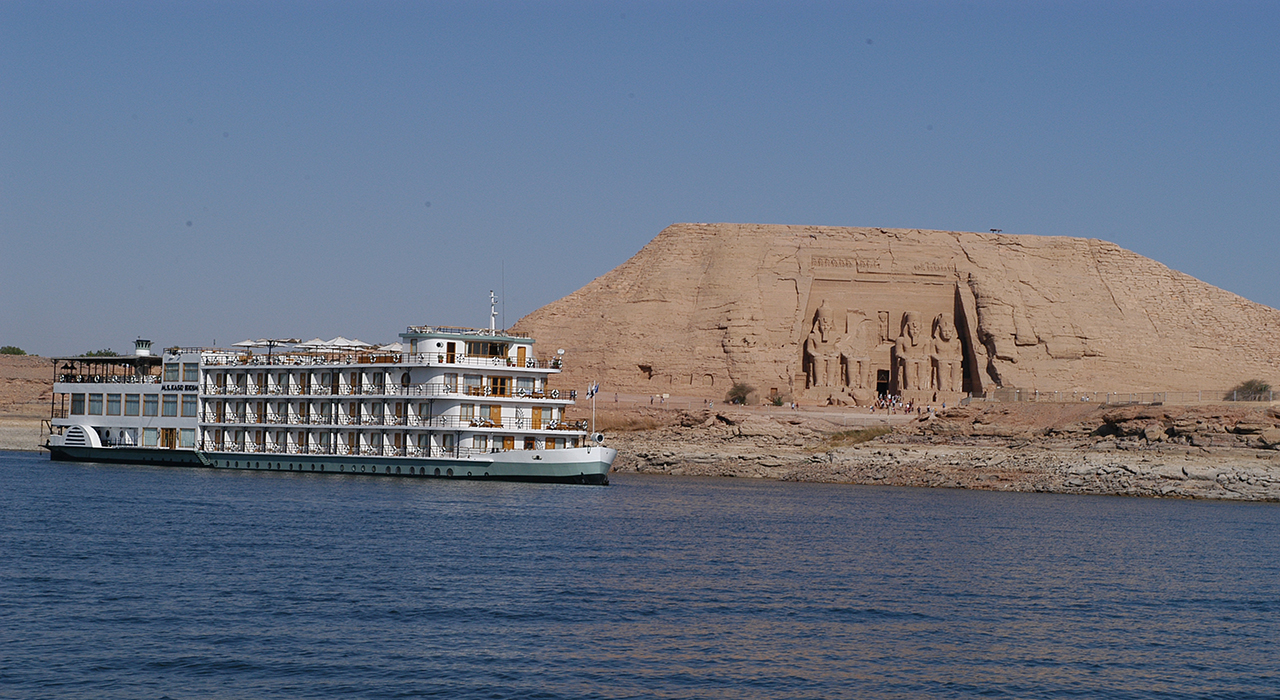
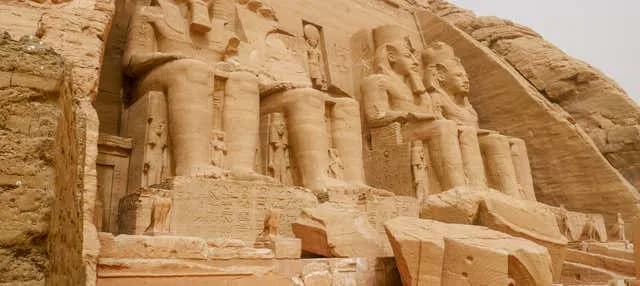
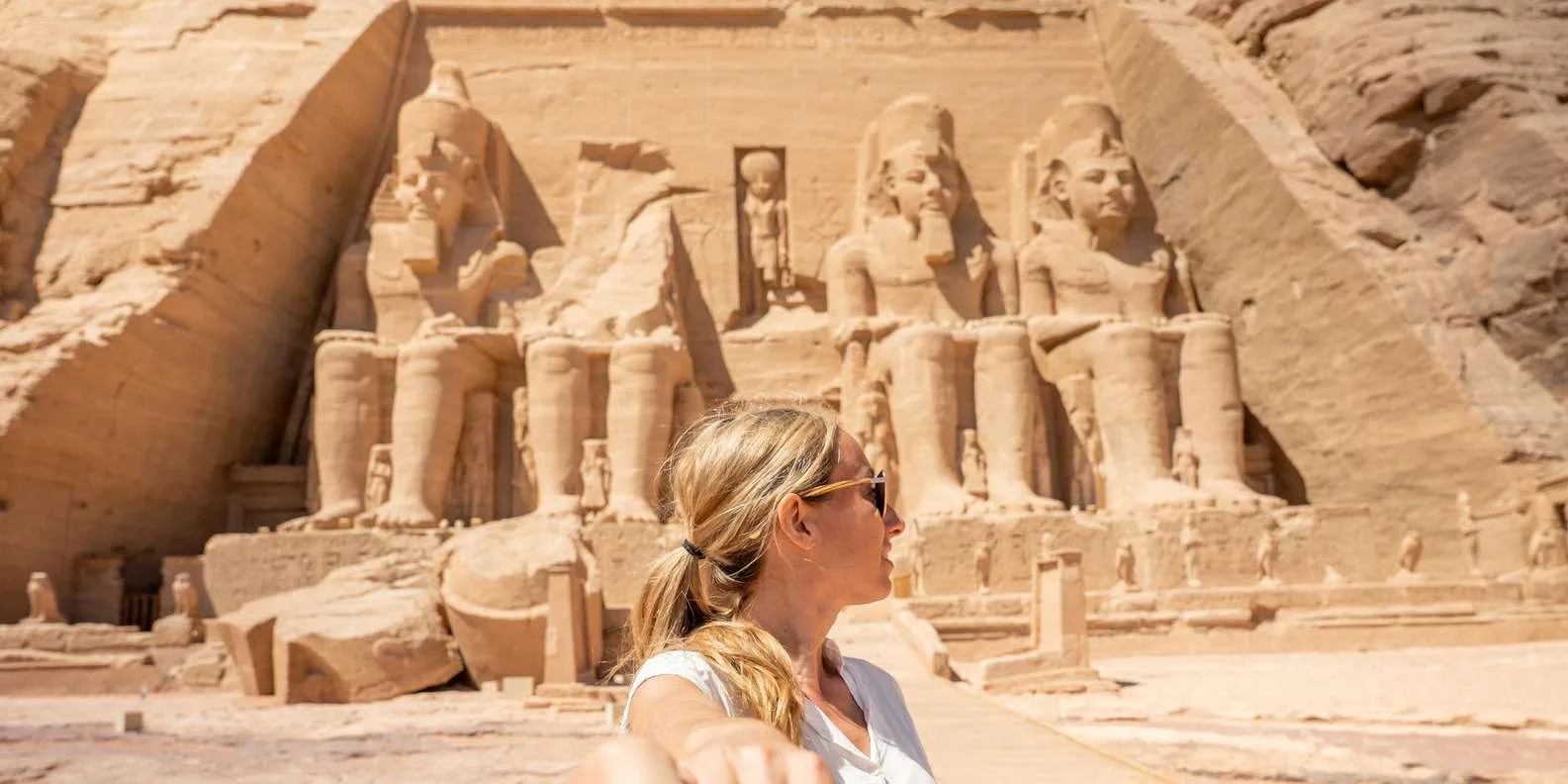
Then comes Abu Simbel. Ships moor overnight so you can be at the Great Temple of Ramesses II and the smaller temple of Nefertari at dawn, before the day-tripper convoys arrive from Aswan. Watching first light hit those four colossal seated figures, with the lake behind you and almost no one around, is the single reason many people book this cruise. If you want the full story of the temples themselves, read our Abu Simbel guide.
Lake Nasser vs the standard Nile cruise
People often assume a «Nile cruise» and a «Lake Nasser cruise» are the same product in different water. They are not. Here is the honest contrast:
| Lake Nasser cruise | Classic Nile cruise | |
|---|---|---|
| Route | Aswan High Dam ↔ Abu Simbel | Luxor ↔ Aswan |
| Length | 3–4 nights | 3–7 nights |
| Sites | Nubian temples: Kalabsha, Wadi es-Sebua, Amada, Abu Simbel | Karnak, Luxor, Edfu, Kom Ombo, Philae |
| Fleet size | ~7 vessels total | 250+ vessels |
| Crowds | Very few; often alone at a site | Busy; boats moored several deep |
| Scenery | Open desert lake, no towns | Green riverbanks, villages, farmland |
| Access | Temples reachable only by boat | Most sites also reachable by road |
| Best paired with | A Nile cruise before or after | Abu Simbel by road or air |
The two are complements, not rivals. A common plan is a classic Nile cruise from Luxor to Aswan, then a Lake Nasser cruise onward to Abu Simbel — so you experience the living river and the drowned frontier back to back. If you are still choosing a boat for the northern stretch, our roundup of Nile cruise ships for 2026 covers the main fleet.
The small fleet — every boat that sails the lake
Because the lake is a protected, remote environment, the number of cruisers is deliberately tiny. That scarcity is why itineraries book out and why the ships skew upmarket. Here are the vessels working the Aswan–Abu Simbel route:
| Ship | Operator | Cabins | Nights | From (USD) |
|---|---|---|---|---|
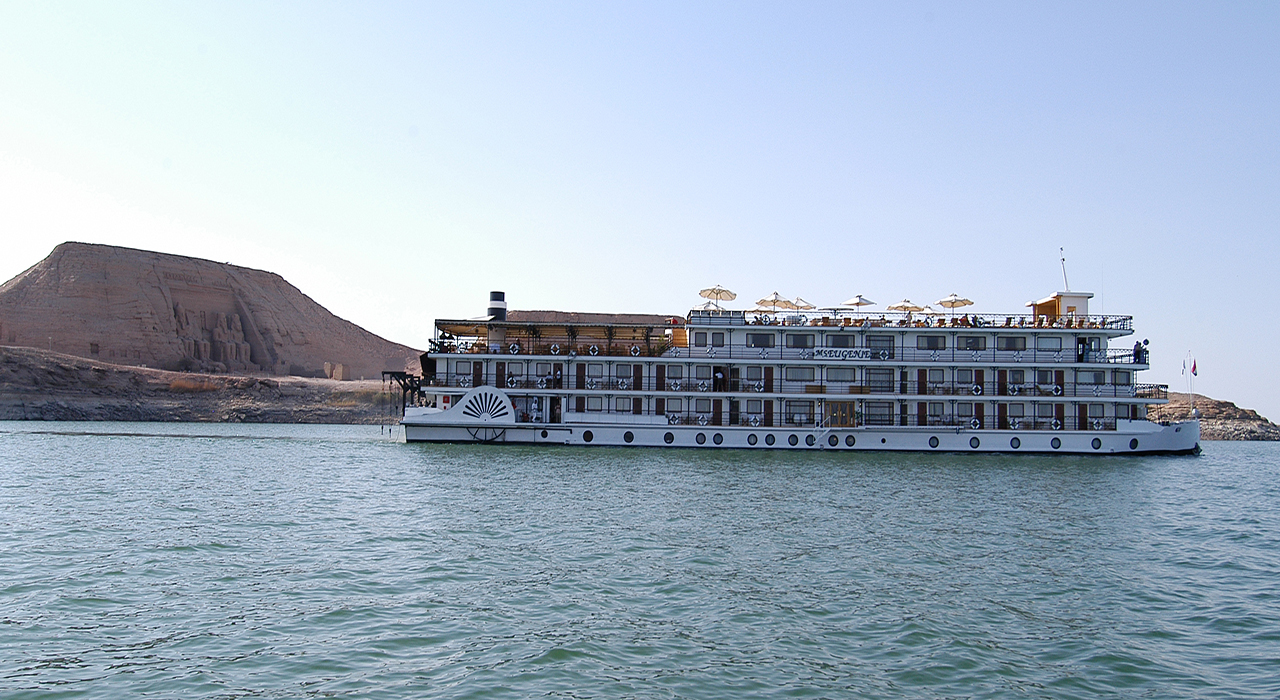
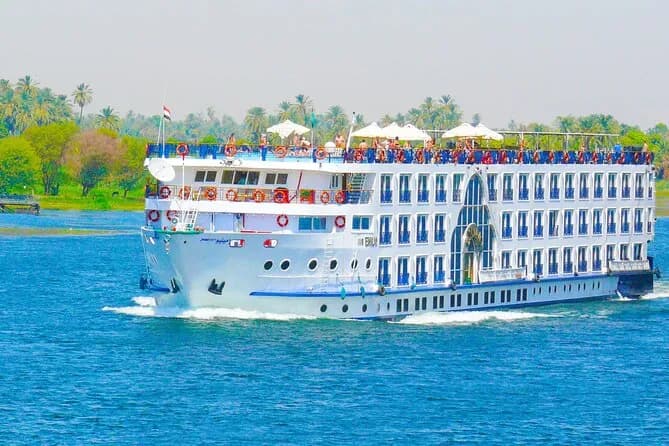
| MS Eugenie | Belle Époque Travel | 52 | 3–4 | $620 |
| MS Kasr Ibrim | Belle Époque Travel | 55 | 3–4 | $640 |
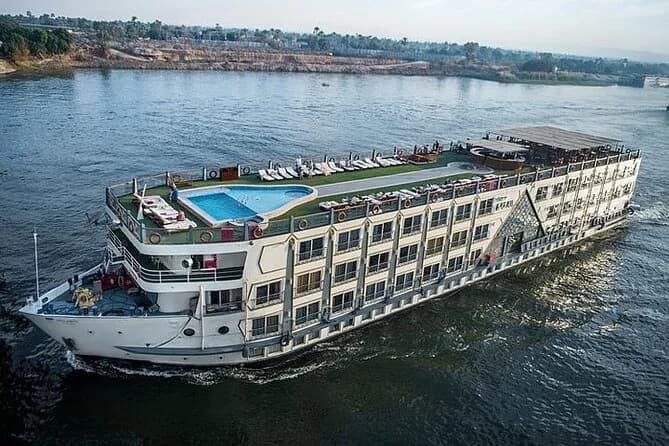
| Mövenpick MS Prince Abbas | Mövenpick (Accor) | 65 | 3–4 | $720 |
| Steigenberger Omar El Khayam | Steigenberger (H World) | 80 | 3–4 | $699 |
| MS Nubian Sea | — | 70 | 3–4 | $450 |
| MS Tania | — | 43 | 3–4 | $285 |
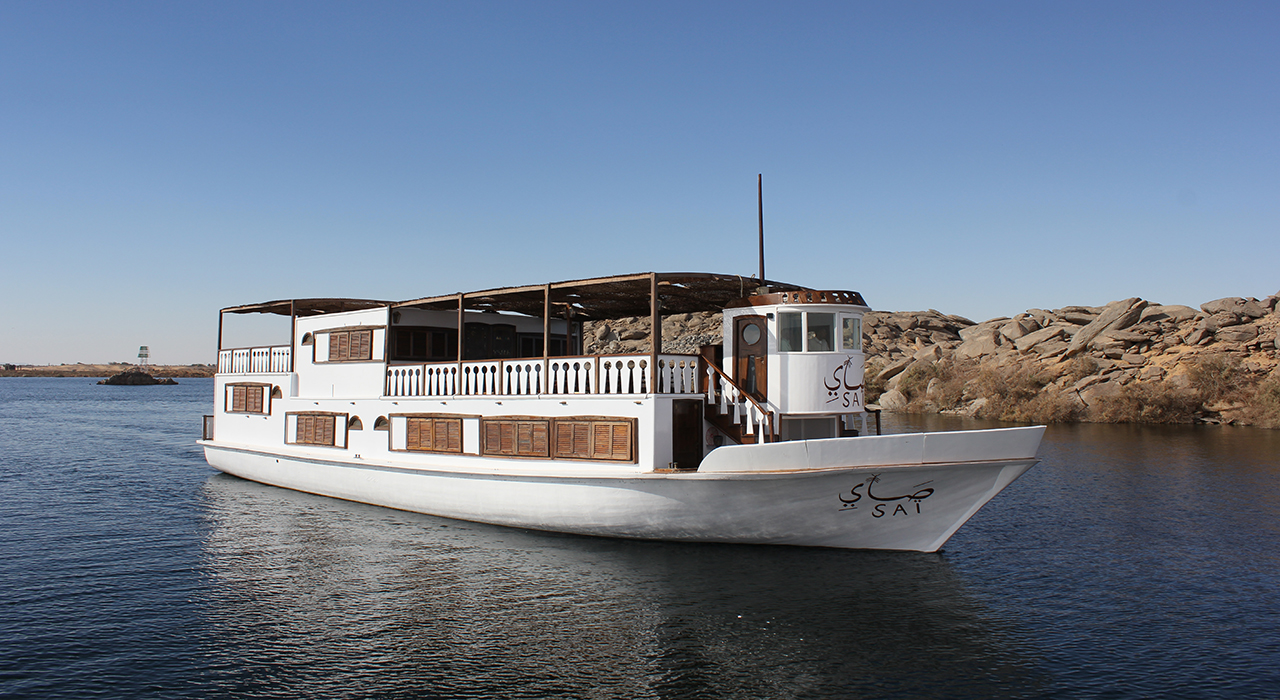
| SAÏ | Egitalloyd Travel | 6 | 3–4 | on request |
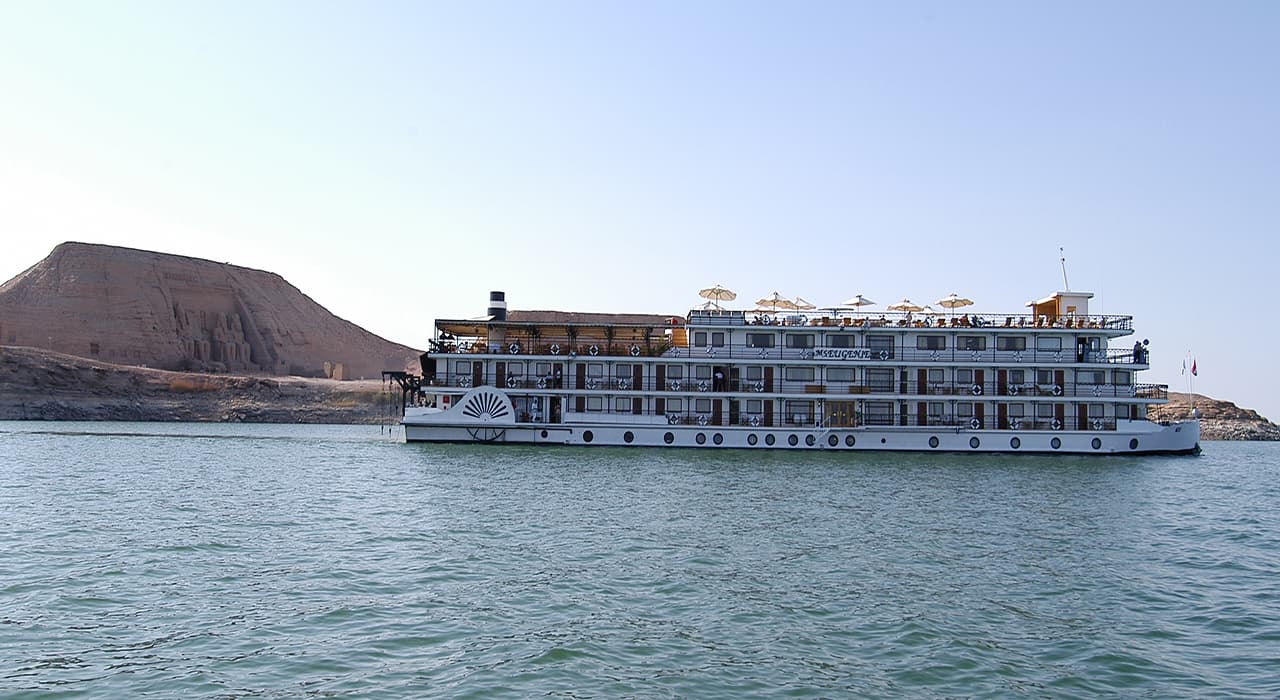
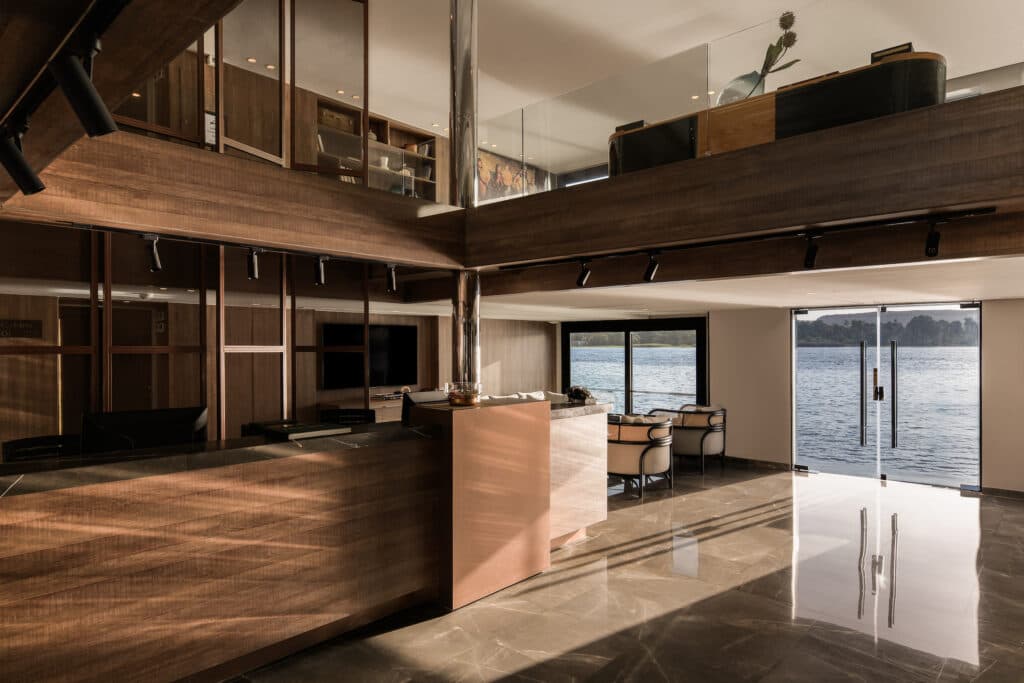
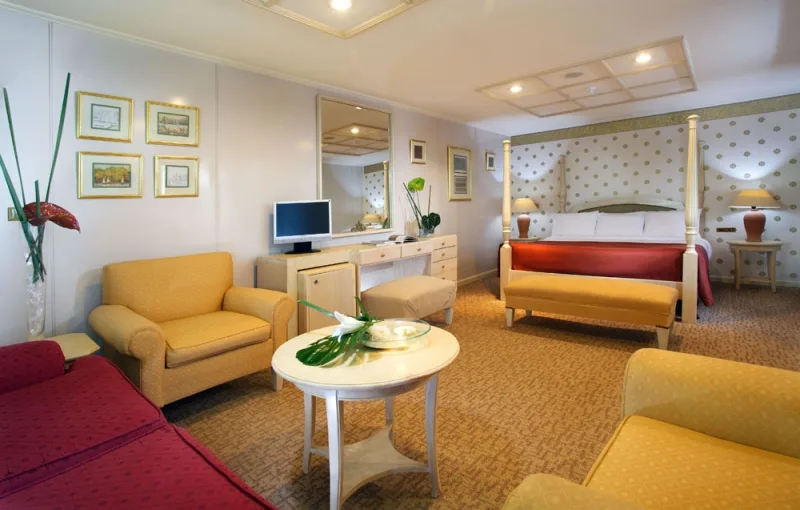
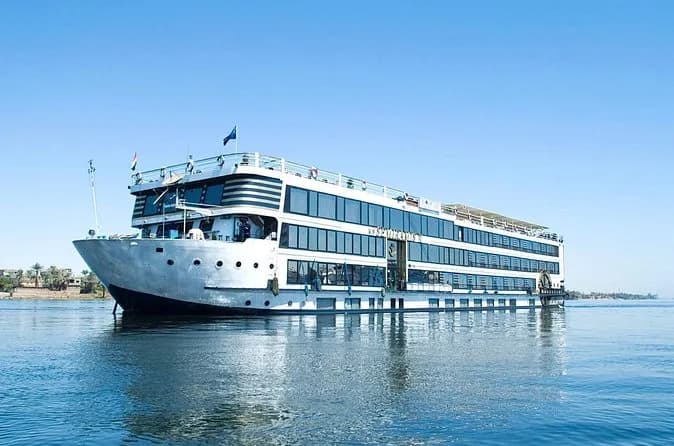
A few notes on character. MS Eugenie and MS Kasr Ibrim are the veteran Belle Époque pair — 1930s Agatha Christie styling, dark wood and brass, the ships that more or less invented Lake Nasser cruising. The Mövenpick Prince Abbas and the 113-metre Steigenberger Omar El Khayam are the large international-brand deluxe options, with pools and full sun decks. MS Nubian Sea and MS Tania sit at the more affordable end. SAÏ is the outlier: a tiny six-cabin dahabiya-style boat for travellers who want something intimate and near-private rather than a full-size cruiser. Prices are per person and shift with season, cabin grade and how full the boat is, so treat the «from» figure as a floor.
When to go
The lake is deep desert, so weather drives everything.
- October to April is the sweet spot: warm days, cool evenings on deck, comfortable temple visits. This is high season, and it is when cabins go first.
- May to September is genuinely hot — often above 40°C at midday — but rates soften and the lake is at its emptiest. If you can handle heat and start excursions at dawn, it is workable.
- February 22 and October 22 are special dates at Abu Simbel: the rising sun aligns down the Great Temple's axis to light the inner sanctuary. Cruises around these days book far ahead and cost more.
Whatever the month, mornings and late afternoons are when you go ashore; the hard sun in between is deck-and-pool time.
What it costs
Lake Nasser is a premium, low-volume product, so it runs higher per night than a standard Nile cruise. As a rule of thumb the per-person, all-inclusive fare (cabin, full board, guided excursions, entry fees) starts around US$285 (roughly 14,000 EGP) on the value boats and climbs past US$1,500 (about 73,000 EGP) for top suites on the deluxe ships in peak season. For context, our catalogue's median cruise-and-sailing experience sits near 13,900 EGP, so even the cheapest lake fares are a step up — you are paying for scarcity and remoteness.
What is usually included: your cabin, all meals, and the guided temple visits with entry fees. What is usually not: international flights, the Aswan or Abu Simbel transfers to reach the boat, drinks, tips, and your Egypt e-visa (about US$25, buy it on the official portal visa2egypt.gov.eg). Confirm exactly what your fare covers before you pay, because «all-inclusive» is defined differently by different operators.
How to plan it
Board near the Aswan High Dam, about a 40-minute drive from Aswan city, or at Abu Simbel if you are sailing north. Many travellers fly into Aswan, do a Nile cruise or a few Aswan nights first, then join the lake boat — pairing the two is the strongest itinerary Egypt's south offers. Pack for real temperature swings: sun protection and light layers for the days, something warmer for open-deck evenings, and sturdy shoes for uneven, sandy temple ground.
One more distinction worth flagging: a temple-by-water cruise is not the same as a Lake Nasser fishing safari, which is a separate live-aboard trip chasing Nile perch and tigerfish. If that is what you are after, see our Lake Nasser fishing guide instead.
With so few ships and such tight capacity, the deciding factor is usually availability, not price — the boat that has your dates open is often the boat you take. Browse and compare Lake Nasser and Nile sailings on This is Egypt and lock in your cabin early, especially for the winter high season and the Abu Simbel sun dates.

A real team available 24/7 to assist you — free
Seif and the team reply on WhatsApp 24/7 — trip questions, custom plans and booking help.
Ask Seif on WhatsAppCommon questions
How many nights is a Lake Nasser cruise?
Three or four nights. The Aswan-to-Abu Simbel direction is usually 3 nights; the reverse, Abu Simbel to Aswan, is usually 4 nights with an extra Abu Simbel visit.
Which temples do you see on a Lake Nasser cruise?
Kalabsha (with Beit el-Wali and the Kertassi Kiosk), Wadi es-Sebua, Dakka and Maharraqa, Amada with Derr and the tomb of Pennut, the island fortress of Kasr Ibrim seen from the water, and Abu Simbel at dawn. Almost all are reachable only by boat.
How is it different from a normal Nile cruise?
A classic Nile cruise runs Luxor to Aswan on the river past Karnak, Edfu and Kom Ombo, with 250-plus boats and busy moorings. A Lake Nasser cruise sails south of the High Dam across a desert reservoir to Abu Simbel, with only about seven vessels, very few crowds, and Nubian temples you cannot reach by road.
How many cruise ships sail Lake Nasser?
Only about seven are licensed for the route, including MS Eugenie, MS Kasr Ibrim, Movenpick Prince Abbas, Steigenberger Omar El Khayam, MS Nubian Sea, MS Tania and the tiny six-cabin SAI. Capacity is limited, so good dates sell out early.
How much does a Lake Nasser cruise cost?
Per-person all-inclusive fares start around US$285 (about 14,000 EGP) on value boats and rise past US$1,500 (about 73,000 EGP) for top suites on deluxe ships in peak season. Fares cover cabin, full board and guided excursions; flights, transfers, drinks, tips and your visa are extra.
When is the best time to go?
October to April brings warm days and cool evenings and is the most comfortable window, but it is also the busiest. May to September is very hot but cheaper and quietest. February 22 and October 22 are prized dates for the sunrise alignment at Abu Simbel.
Where do Lake Nasser cruises start?
Near the Aswan High Dam, about a 40-minute drive from Aswan city, if you are sailing south to Abu Simbel; or at Abu Simbel if you are sailing north to Aswan. Many travellers fly into Aswan and combine the lake with a Nile cruise.
Can you visit Abu Simbel at sunrise on the cruise?
Yes. Ships moor at Abu Simbel overnight so you can be at the Great Temple and the Temple of Nefertari at dawn, before the road and air day-trippers arrive from Aswan. Seeing first light on the four colossi with almost no one there is the highlight of the trip.
Is a Lake Nasser cruise the same as a fishing safari?
No. A temple cruise is a comfortable live-aboard focused on Nubian monuments. A Lake Nasser fishing safari is a separate expedition targeting Nile perch and tigerfish, usually on smaller boats with camping ashore. They share the lake but are different trips.
Book it on This is Egypt
Turn this guide into a trip

Egypt's bestsellers
The experiences travelers book most, across the country


Keep reading

Hurghada Diving (2026): Best Sites, Packages & Prices
Diving in Hurghada — the best reefs (Giftun, Careless Reef, Dolphin House) and Abu Nuhas wrecks, Discover Scuba vs PADI courses, season and water temps, and real 2026 prices.
By TiE Editors7 min read

Hurghada Snorkeling Trips (2026): Best Reefs, Prices & How to Choose
Where to snorkel from Hurghada in 2026 — Orange Bay, Giftun, Mahmya, Utopia and Dolphin House — with boat types, marine life, month-by-month sea temperatures, family tips and real prices from 1,000+ bookable trips.
By TiE Editors7 min read

Egypt Tour Prices by Activity (2026): What Each Type Really Costs
What every type of Egypt experience costs — half day, full day or overnight — as a median and a mid-half range in US dollars, from 12,370 live bookable listings.
By TiE Editors6 min read