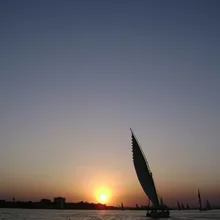

Karnak Temple Tours & Tickets
Browse 358 tours of the great temple complex in Luxor, starting from 261 EGP (about 5 USD), with an average rating of 4.7 out of 5. Real prices compared across booking platforms and updated for 2026.
Karnak Temple tickets & opening hours (2026)
| Entry (incl. Open-Air Museum) | 600 EGP |
| Mut Temple | 200 EGP |
| Sound & Light show | ≈ 300 |
One inclusive ticket covers the temple and the Open-Air Museum. The evening Sound & Light show is a separate ticket.
Prices are site entry fees for foreign adults, updated 2026-07. Many tours below include tickets and skip-the-line entry.
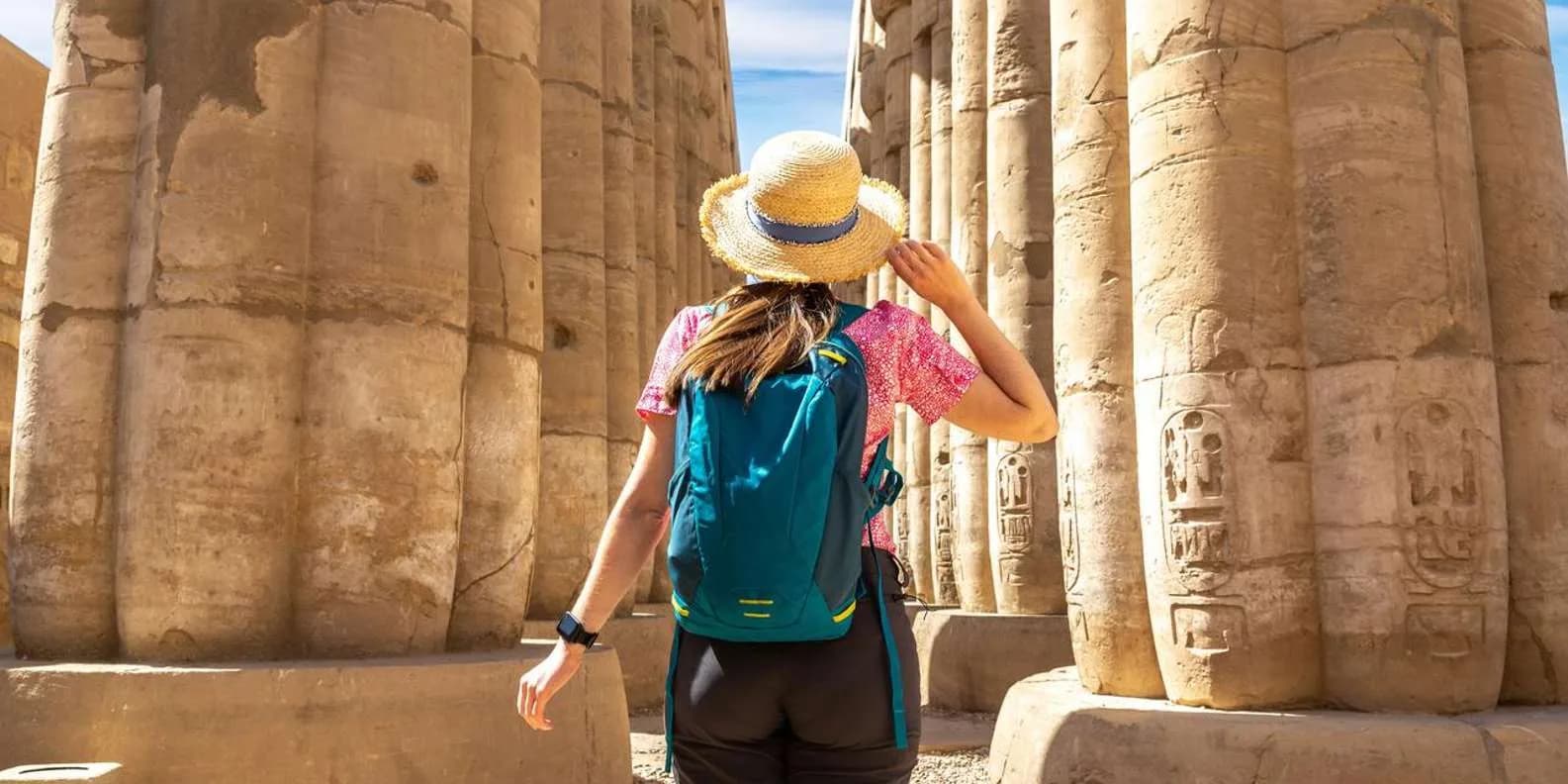
Gita di un giorno a Luxor da Hurghada in piccolo gruppo con la tomba di Tutankhamon
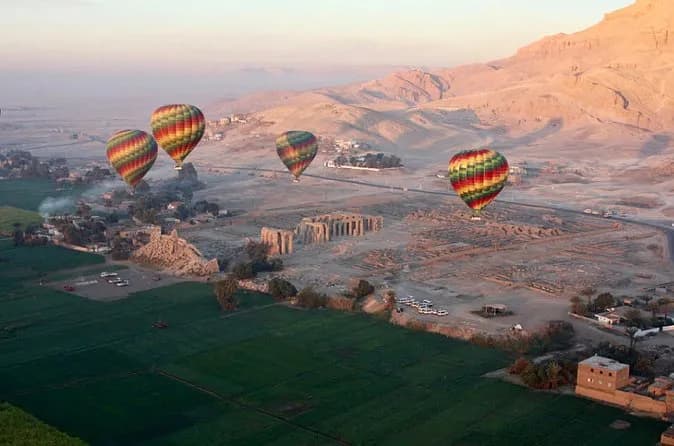
Volo in mongolfiera a Luxor, Egitto, con trasferimenti inclusi
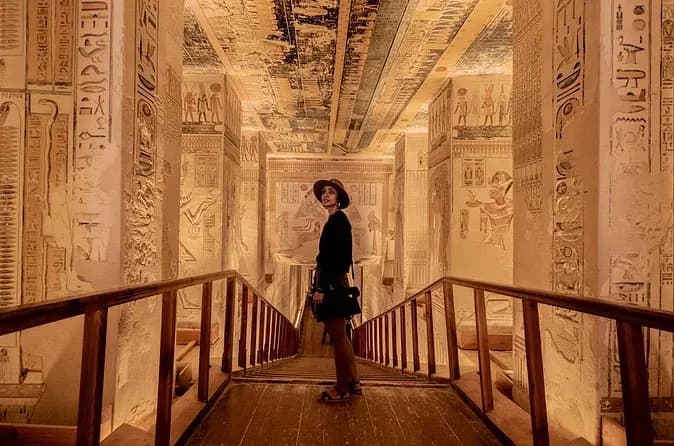
Hurghada: gita alla Valle dei Re e alla tomba di Tutankhamon a Luxor
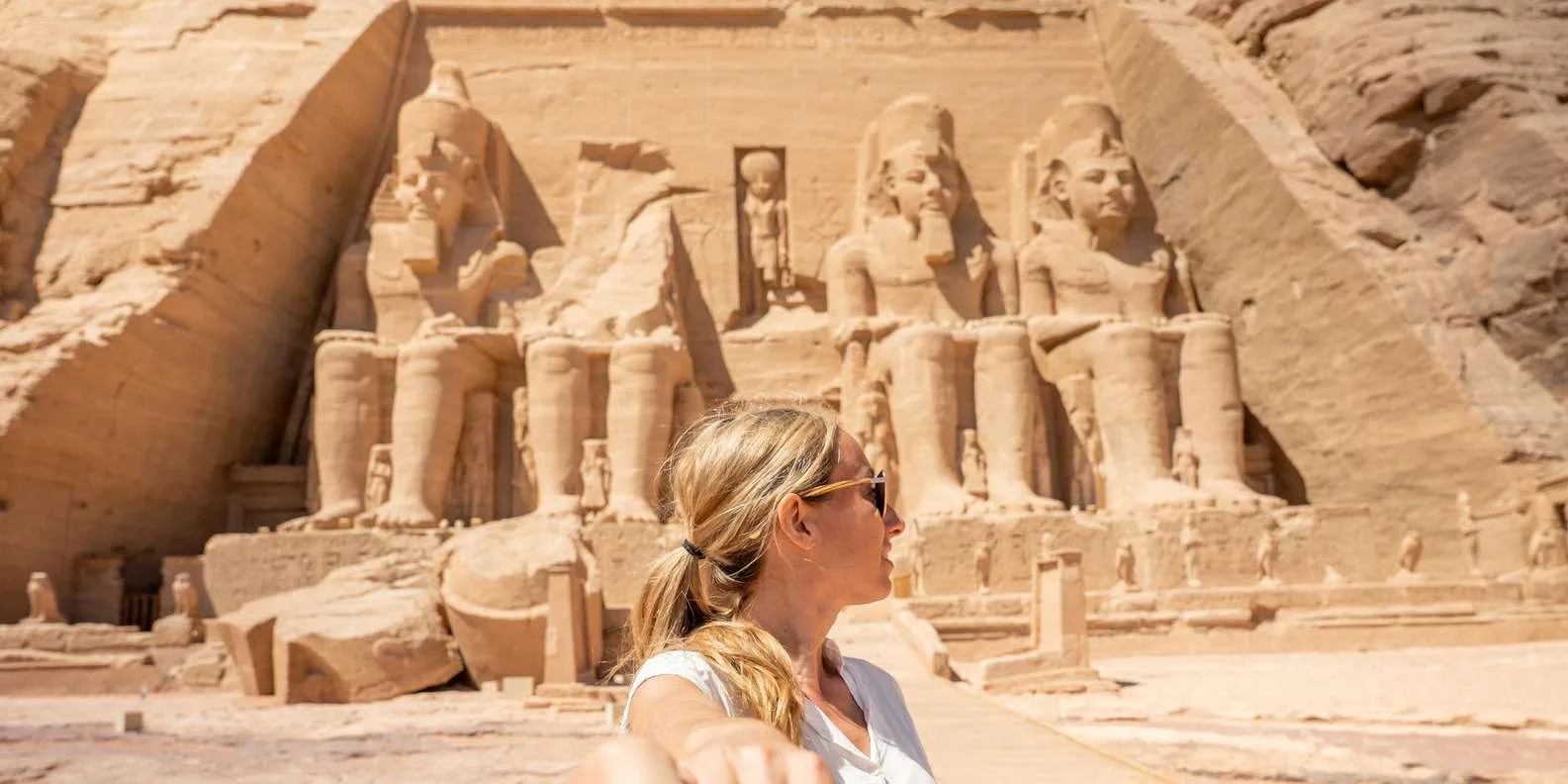
Da Assuan: Escursione al Tempio di Abu Simbel con servizio di prelievo in hotel
Hurghada: tour di Luxor con Valle dei Re e Tutankhamon

Luxor: giro in mongolfiera sulle reliquie di Luxor
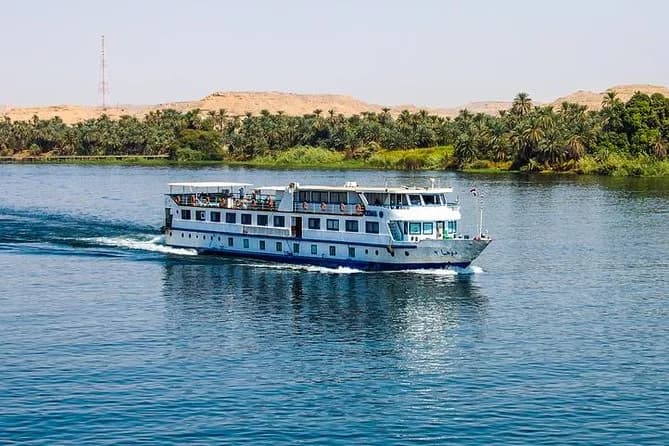
Crociera di 4 giorni sul Nilo da Luxor ad Assuan
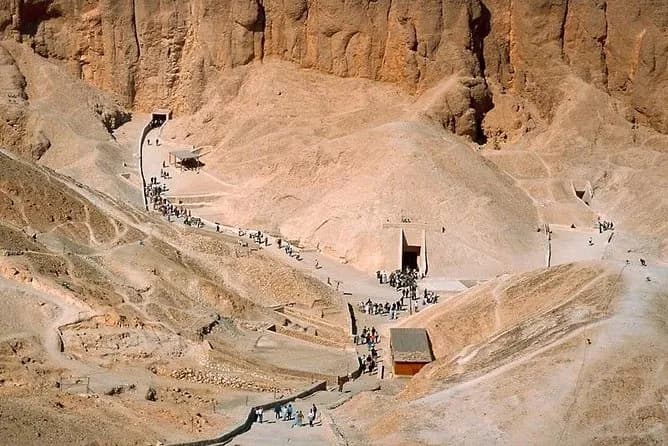
Luxor: tour di un giorno alla Valle dei Re e delle Regine e ai templi di Hatshepsut
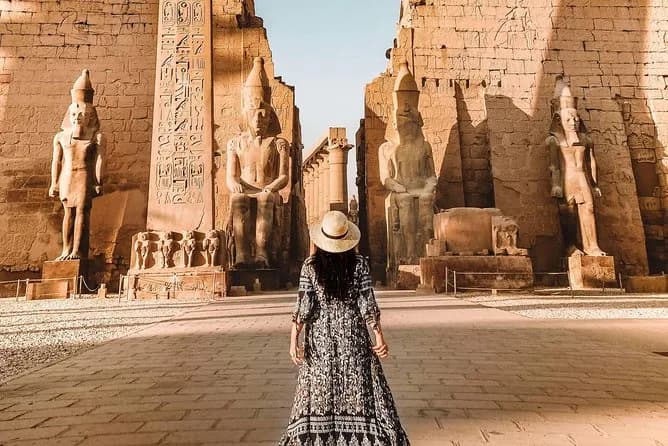
Tour di un'intera giornata alle rive est e ovest di Luxor

Crociera di 3 notti sul Nilo da Assuan a Luxor
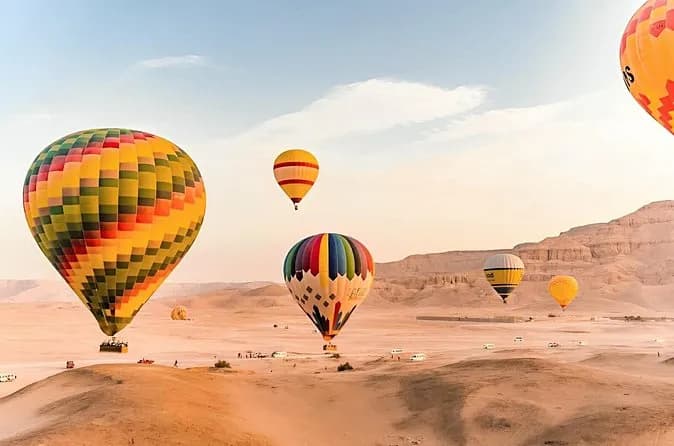
Hurghada: Tour di 2 giorni a Luxor con hotel, mongolfiera e giro in barca

Luxor: volo di lusso in mongolfiera all'alba con prelievo in hotel
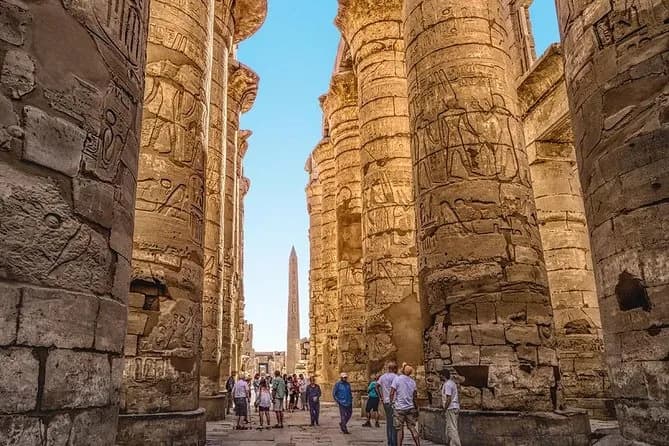
Luxor: Valle dei Re, tempio di Hatshepsut, Karnak — tour di un giorno
Tour di Luxor in piccolo gruppo da Hurghada
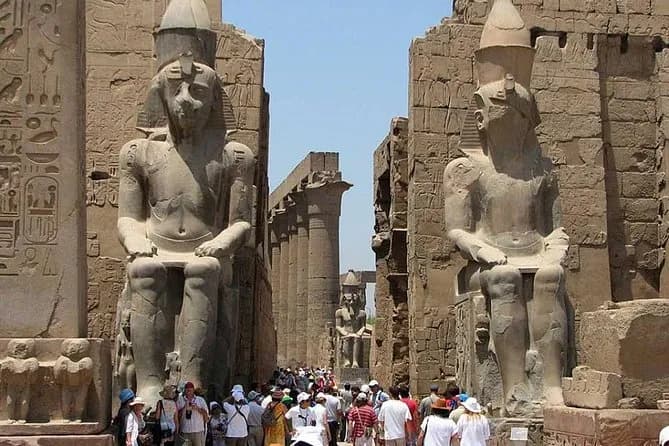
Tour VIP di Luxor da Hurghada, El Gouna, Makadi e Soma Bay

Luxor: tour di un'intera giornata alle rive ovest ed est con pranzo

Volo in mongolfiera all'alba su Luxor
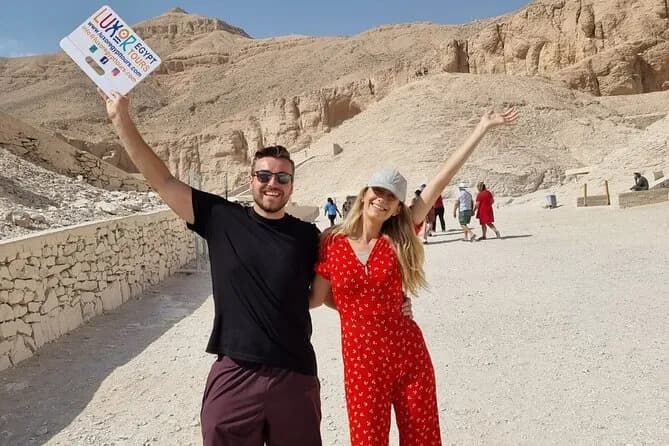
Tour di un'intera giornata ai templi e alle tombe della riva ovest di Luxor (privato)
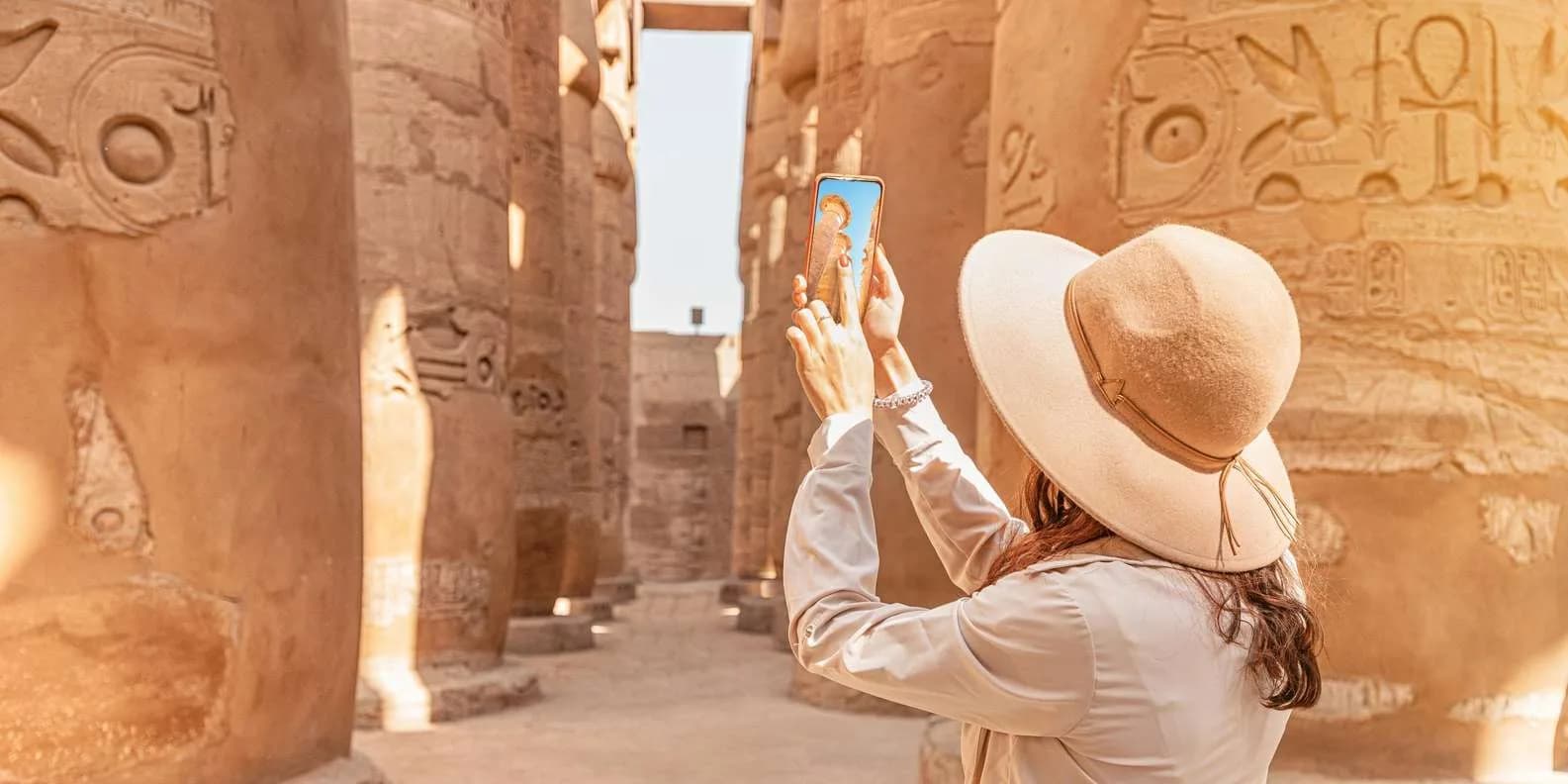
Il Cairo: Tour privato di Luxor con biglietti d'ingresso in aereo

Volo di lusso in mongolfiera a Luxor
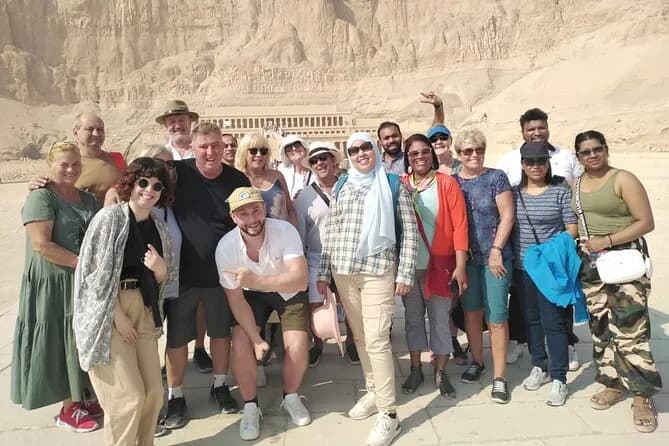
Escursione in piccolo gruppo alla Valle dei Re di Luxor da Hurghada

Tour privato di un'intera giornata ai luoghi salienti di Luxor: rive est e ovest
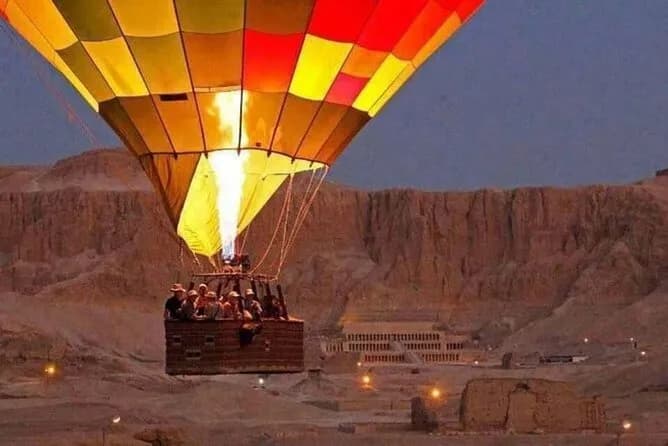
Volo in mongolfiera all'alba sui siti storici di Luxor
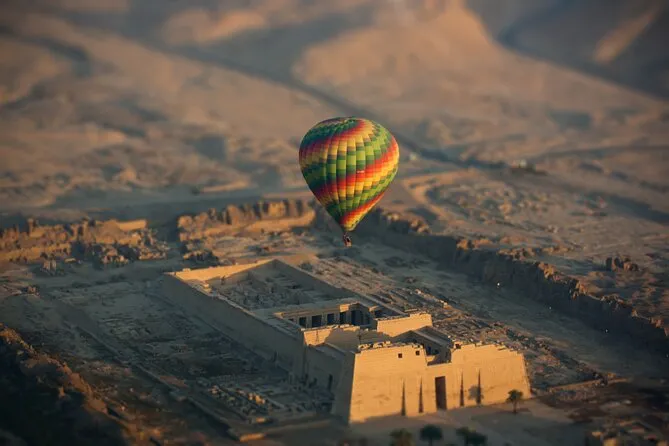
Mongolfiera all'alba a Luxor con transfer inclusi
Short answer
Karnak Temple: is it worth it, how long, how much, how far
Karnak is the largest religious complex ever built, a walled city of temples on Luxor’s East Bank that more than thirty pharaohs enlarged over nearly two thousand years, and its Great Hypostyle Hall of 134 columns is the single most overwhelming interior to survive from the ancient world. It is worth it: Tripadvisor rates it 4.8 from 8,030 reviews. Allow two to three hours. Entry is EGP 600 including the Open Air Museum; the separate Mut precinct is EGP 200 and Luxor Temple, 3 km south, is EGP 500. The gates open at 06:00, and the first hour is the whole game.
- What it is
- The precinct of Amun-Ra: pylons, courts, obelisks, a sacred lake and the 134-column Great Hypostyle Hall
- Worth it?
- Yes. Tripadvisor 4.8 from 8,030 reviews, #2 of 150 things to do in Luxor
- How long
- 2 to 3 hours by day; the Sound and Light show is a separate 75-minute evening
- How much
- EGP 600 entry incl. the Open Air Museum; half-day Karnak + Luxor Temple tours median about US$48
- How far
- About 3 km north of Luxor Temple and the Corniche hotels: 15 minutes by taxi, 30 on foot
- Hours
- 06:00 to 17:00 (Ministry); blogs report a 16:00 close, last entry 16:00
Practical information
Karnak Temple tickets, hours and logistics at a glance
Official Ministry of Tourism and Antiquities prices, undated on the Ministry site, checked 21 September 2026; other published figures shown where they differ.
| Item | Figure | Notes and other published figures |
|---|---|---|
| Entry ticket (foreign adult) | EGP 600, including the Open Air Museum | Foreign student EGP 300. One source still lists a separate EGP 60 Open Air Museum ticket; the Ministry page says it is included. |
| Mut Temple | EGP 200 | Student EGP 100. Separate precinct, separate ticket. |
| Luxor Temple (for the combined day) | EGP 500 | Student EGP 250. Bought at the Luxor Temple gate. |
| Sound and Light show | US$20 adult, US$11 child (6 to 12); 20:00 in English, 21:00 multi-language | Official show operator prices; about 75 minutes. Other published figure: EGP 960 (blogs). |
| Opening hours | 06:00 to 17:00 daily (Ministry) | Blogs report a 16:00 close all year; another source gives 06:00 to 18:00 from May to September and 06:00 to 17:00 from October to April. |
| Last entry | 16:00 (reported April 2026, not on the Ministry page) | – |
| Time to allow | 2 to 3 hours including the Open Air Museum | – |
| Best time of day | Arrive by 07:00 and be leaving by 10:00; from about 15:00 is the quieter second window | – |
| Distance from Luxor Temple | About 3 km: 15 minutes by taxi or 30 minutes on foot; the Avenue of Sphinxes between them is 2.7 km | – |
| Photography | Phone and camera photography free; tripods, lighting and drones need permission | – |
| Dress | Modest: shoulders and knees covered; very little shade | – |
| Luxor Pass | Standard US$130 (student US$70); Premium US$250 (student US$130); 5 days | Blog-reported prices; covers Karnak, Luxor Temple and the West Bank sites. Cash in US dollars or euros only. |
Rows marked with blog or operator figures are labelled in the notes; where the Ministry publishes nothing, we say so rather than guess. Egyptian nationals pay a separate, lower tariff.


What a tour costs
How much is a Karnak Temple tour?
A half-day tour of Karnak and Luxor Temple is advertised from about US$18 to US$112 per person, with a median of about US$48, usually with a licensed Egyptologist and air-conditioned transport and usually without the two entry tickets (EGP 600 and EGP 500). Sound and Light show tours run US$27 to US$75, median US$50, against the US$20 show ticket bought direct. A full East Bank day, or the East and West Banks combined, sits between US$15 and US$110, median about US$73.
| Tour type | Listings | From | Median | Up to |
|---|---|---|---|---|
| Half-day Karnak and Luxor Temple | 8 | US$18 | US$47.50 | US$112 |
| Karnak Sound and Light show tour | 6 | US$27 | US$50 | US$75 |
| Full-day East Bank, or East and West Banks combined | 6 | US$15 | US$72.50 | US$110 |
Per person, published “from” prices in US dollars across OTA and local operator listings, captured 21 September 2026. Group size, season and whether entry tickets are included vary by listing, so read the inclusions before you compare.
The bookable tours at the top of this page are live listings with current prices and free-cancellation terms; the table above is the market context for judging them.

What visitors say
Reviews of Karnak Temple, in visitors’ own words
Tripadvisor 4.8 from 8,030 reviews, #2 of 150 things to do in Luxor. GetYourGuide 4.6 from 33,788 reviews. These are third-party ratings quoted for context; the quotes below are verbatim from the platforms named, with typos left as written.
Praise
“The hypostyle hall of 134 massive columns is breathtaking.”
Tips
“The only downside was the heat. We visited during the summer, and it was much hotter than we expected. Our guide suggested that we come back in the evening for the Sound and Light Show, and we're so happy we did.”
“It does get very busy in the morning but from lunchtime onwards the crowds thinned out considerably and when you reach outlying areas there is often very few people around.”
“I felt that our time there was too short due to guided tour; we could have spent all day there.”
Warnings
“Top tip is to get there when the monument opens. 6am on the day we visited, within two hours the place was heaving with tourists and became unpleasantly packed.”
“The (presumably paid by the state) guardians still want their backsheesh though, very irritating!”
Visiting Karnak Temple: what to know
Updated 21 September 2026Karnak is the largest religious complex ever built, and no photograph prepares you for the scale of it. Spread across roughly 247 acres on Luxor's east bank, it is not one temple but a walled city of temples: pylon after pylon, courts opening onto further courts, obelisks, chapels, a sacred lake, and a hall of columns so vast that the people walking beneath them look like insects. More than thirty pharaohs built here over nearly 2,000 years, each adding something to the estate of Amun-Ra and trying to outdo the last, and the result is a stone timeline of Egyptian power that you physically walk through, from the Middle Kingdom to the Ptolemies.
The ancient Egyptians called it Ipet-Isut, "the most select of places", and for centuries it functioned as the spiritual capital of the whole country. Even that undersells it. Within the mudbrick enclosure walls sat treasuries, granaries, bakeries, breweries, workshops, priests' quarters and administrative offices; at its peak Karnak employed tens of thousands of people and controlled estates up and down the Nile. When Napoleon's soldiers marched up the river in 1799 and saw it rise out of the desert, they reportedly stopped in their tracks and presented arms. Champollion, the man who cracked hieroglyphs, reckoned its builders must have designed it for men one hundred feet tall.
For you, the case is simpler. Karnak holds the Great Hypostyle Hall, one of the most overwhelming interior spaces to survive from the ancient world, along with the tallest standing obelisk in Egypt and some of the finest carving in the country. It is a short taxi ride from the hotels along the Corniche, the gates open at 6am, and if you arrive with the first light you will have those columns nearly to yourself. Give it two to three hours, then come back another evening for the sound and light show: the same temple, twice, in two completely different moods.
Two thousand years of building
The reason Karnak feels so layered is that no single ruler built it, and no single ruler could have. Each pharaoh added pylons, courts, obelisks, chapels and colonnades in front of and around whatever already stood, partly as piety toward Amun-Ra, king of the gods, and partly as a public claim to be his favourite. Construction ran almost continuously for close to two millennia. The first Amun temple and the exquisite White Chapel of Senusret I date to the Middle Kingdom, roughly 2000 to 1700 BC. The great 18th Dynasty rulers raised the obelisks: Thutmose I first, then his daughter Hatshepsut, whose granite needle still stands. Thutmose III added his festival hall and the so-called botanical garden, a room walled with carvings of the plants and animals he brought back from campaigns in Syria. The 19th Dynasty gave the site its centrepiece, the Great Hypostyle Hall, under Seti I and Ramesses II. The Kushite pharaoh Taharqa left a kiosk of towering columns in the first court, and the Ptolemies were still working on the First Pylon, the biggest of them all, when Rome arrived. It was never finished: you can still see the mudbrick construction ramp leaning against its back.
What you see today is really three walled precincts. The huge central one belongs to Amun-Ra, and it is where nearly all visitors spend their entire visit. To the south, connected by its own avenue of sphinxes, lies the smaller precinct of Mut, Amun's consort, on a separate ticket and skippable on a first visit. To the north sits the rarely visited precinct of Montu. Your entry ticket covers the Amun-Ra precinct and the Open-Air Museum, which is more than enough for one morning.
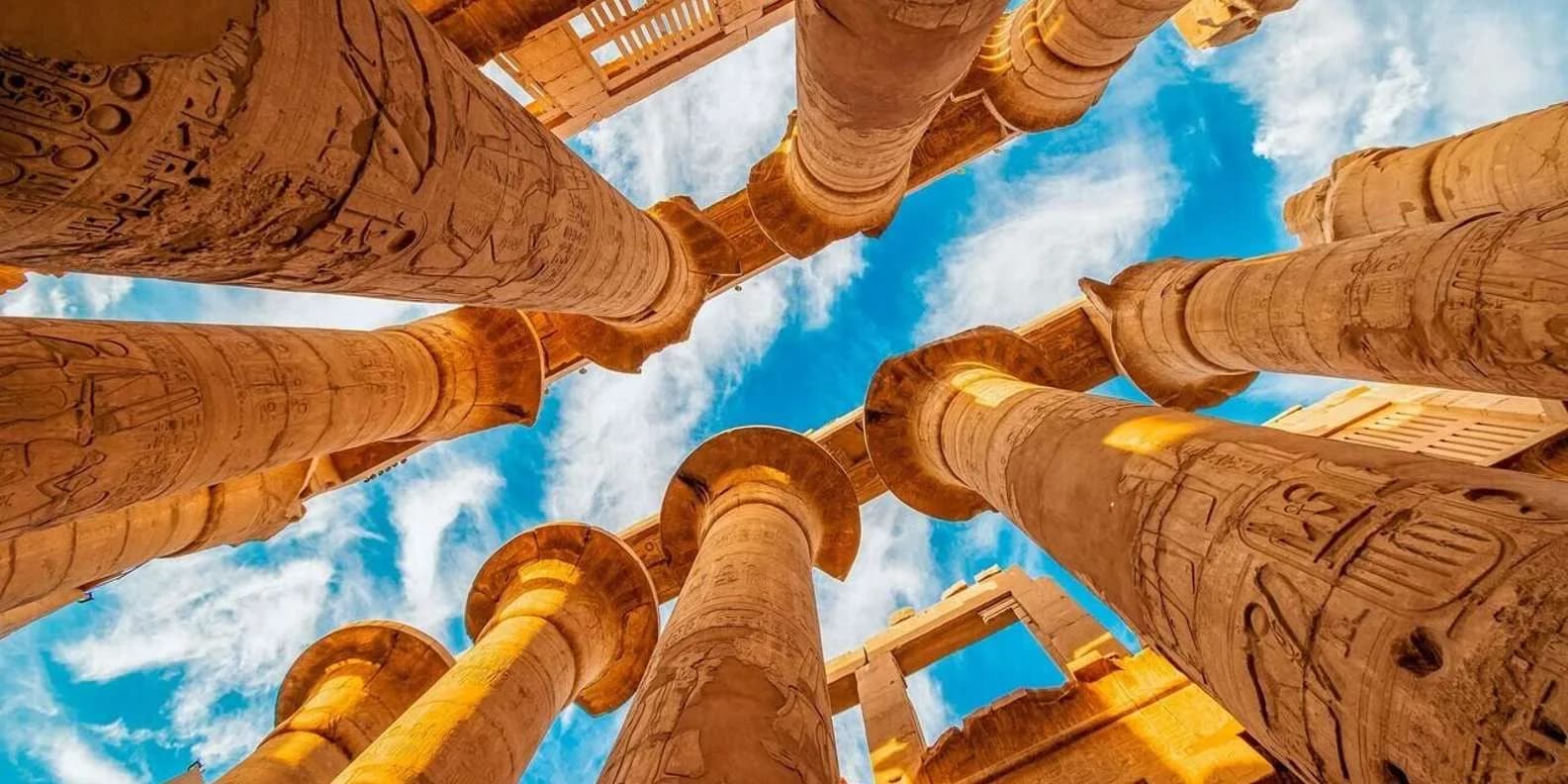
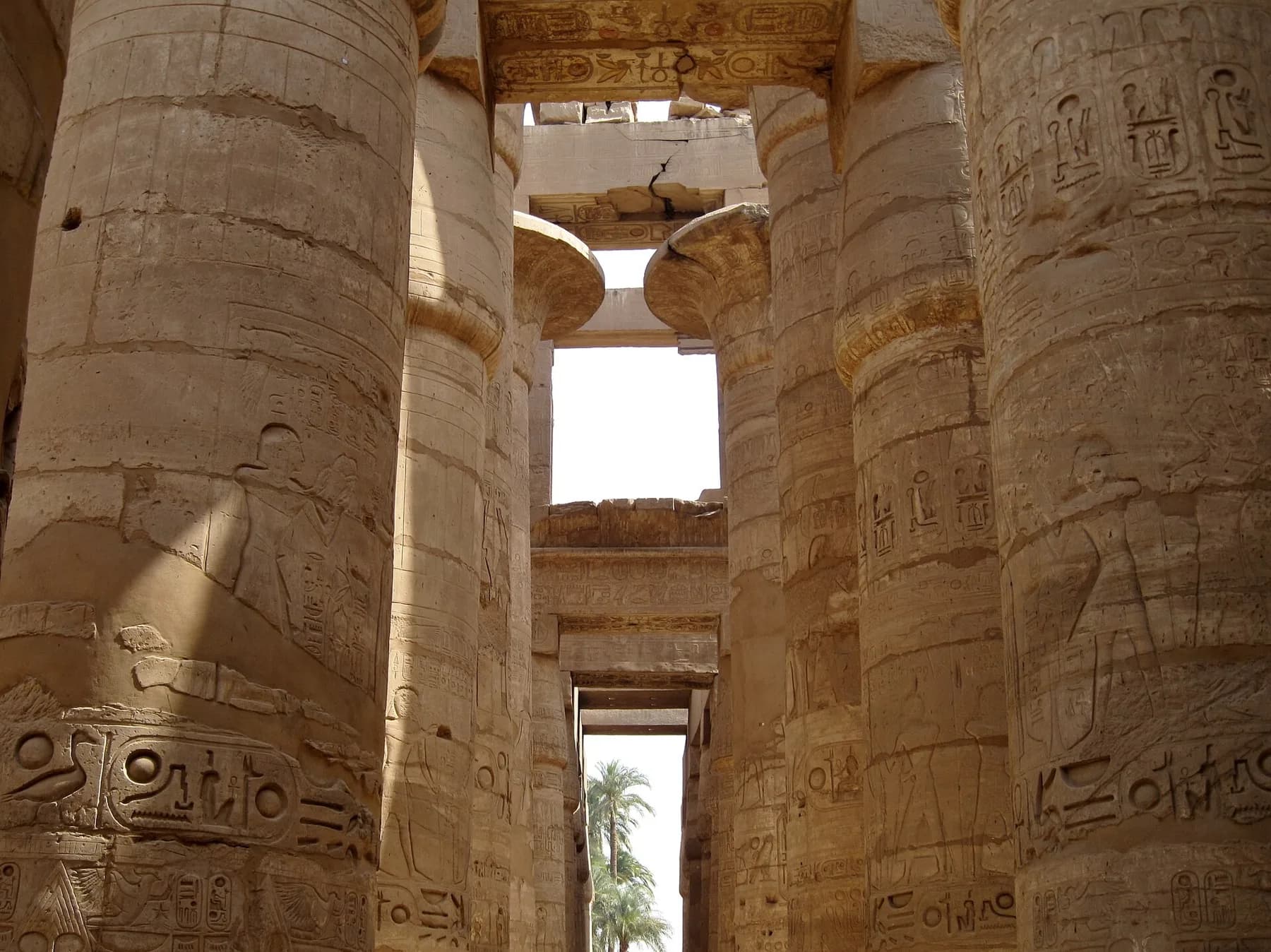
The Great Hypostyle Hall deserves its own paragraph, because it is the moment people travel to Luxor for. It covers about 5,000 square metres, roughly 103 metres wide by 52 deep, and packs in 134 sandstone columns arranged in 16 rows. The twelve columns lining the central aisle are the giants, around 21 metres tall and topped with open papyrus capitals broad enough for dozens of people to stand on; the 122 flanking columns are shorter, with closed papyrus-bud capitals, and the height difference once carried clerestory windows that let light flood the nave while the aisles stayed in shadow. Seti I began the hall and Ramesses II finished it in the 13th century BC, and the carving competes with the architecture: Seti's raised reliefs on the northern side are exquisite, while Ramesses switched to faster, cheaper sunk relief on his half. The roof is gone, so a space built for near-darkness now stands open to the sky. Look up at the undersides of the architraves and you will find surviving patches of original paint, a reminder that this whole forest of honeyed stone once blazed with colour.
Then there are the obelisks. The one raised by Hatshepsut is about 29.5 metres tall and roughly 340 tonnes, cut as a single piece of Aswan granite, and it is the tallest surviving ancient obelisk in Egypt; quarrying, shipping and standing it upright remains one of the great engineering feats of the ancient world. The older obelisk of her father Thutmose I stands nearby. The upper half of a second Hatshepsut obelisk lies on its side near the sacred lake, which makes it one of the few places in Egypt where you can read royal hieroglyphs at eye level, crisp as the day they were cut.
What to see
Walk the site as a rough line from the entrance inward, and give the quieter corners their due.
You enter past a short avenue of ram-headed sphinxes, each with a small statue of a king tucked between its front paws, and through the First Pylon into the great court, where Taharqa's kiosk rises on the axis. Beyond the Second Pylon comes the Hypostyle Hall. Do not rush this. Walk the central aisle slowly, then drift into the side aisles where the columns crowd closer together, and stand still long enough to let the scale settle. Early in the morning, low light rakes between the shafts and the hall does something no photograph captures.
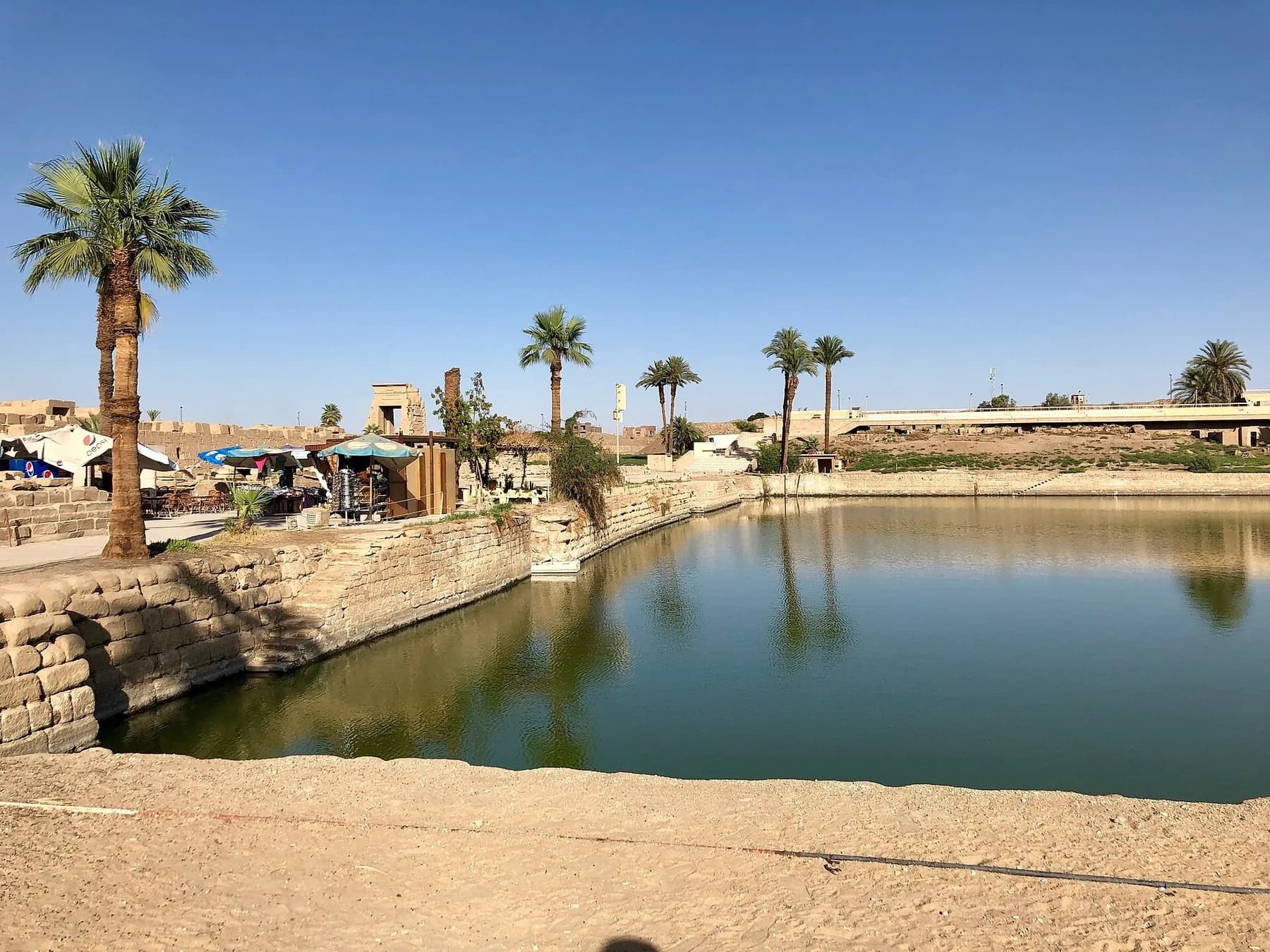
Past the hall, the axis threads between the obelisks of Thutmose I and Hatshepsut toward the sanctuary. Push deeper and the crowds thin fast: the festival hall of Thutmose III sits near the back, with the botanical garden room just beyond it, its walls a carved catalogue of exotic plants and animals. South of the main axis lies the sacred lake, where priests purified themselves before rituals; the low wall around it catches some shade and is the best place on site to rest. Beside it stand the giant stone scarab of Amenhotep III, which visitors circle for luck, and the fallen Hatshepsut obelisk. Close by is the Cachette Court, where excavators in the early 1900s pulled more than 17,000 buried statues out of the ground, one of the greatest archaeological hauls ever made.
Finally, in the northwest corner, the Open-Air Museum gathers early shrines reassembled from thousands of scattered blocks, including the White Chapel of Senusret I, whose Middle Kingdom carving is among the finest in Egypt, and the elegant Red Chapel of Hatshepsut. Most visitors skip it. Do not: it is covered by your entry ticket, it stays quiet even mid-morning, and the carving rewards a close look more than almost anything on the main axis. If you keep a list of things first-timers miss, the Open-Air Museum, the botanical garden and the eye-level inscriptions on the fallen obelisk are the top three.
Getting there
Karnak sits on the east bank at the northern edge of Luxor, about 3 km north of Luxor Temple and the town centre. From any east bank hotel it is a short, cheap taxi ride; you can walk it along the Corniche if the weather is kind, but there is no shade. From west bank accommodation, cross on the public ferry and take a taxi from the dock, or drive the long way round over the bridge.
Most organised east bank half-days pair Karnak with Luxor Temple, with a licensed Egyptologist guide and air-conditioned transport, and that pairing is the natural one: the two temples were partners in a single religious system, joined by the 2.7 km Avenue of Sphinxes along which the god's statue travelled during the Opet festival each year, renewing the pharaoh's right to rule. Originally lined with more than a thousand ram-headed and human-headed statues, the avenue was excavated from beneath the modern town and reopened in November 2021, and you can now walk long stretches of the exact processional route. If you are arriving by Nile cruise, Karnak is the standard first excursion after the boat docks.
The royal tombs, including the Valley of the Kings, lie across the river and are best treated as a separate outing: the tidy Luxor formula is a temple day on the east bank and a tomb morning on the west.
Best time of day
The gates open at 6am, and the first hour is the whole game. The air is cool, the light rakes low between the columns of the Hypostyle Hall, and the halls are close to empty. From mid-morning the cruise excursion coaches arrive in waves and the central axis fills shoulder to shoulder; Luxor mornings run on the cruise timetable, and Karnak is the first stop on almost every itinerary. Midday is brutal: the site is huge, unshaded and slow to cross, and the stone throws the heat straight back at you. If dawn is impossible, come from about 3pm, when the groups have moved on and the light begins to soften again.
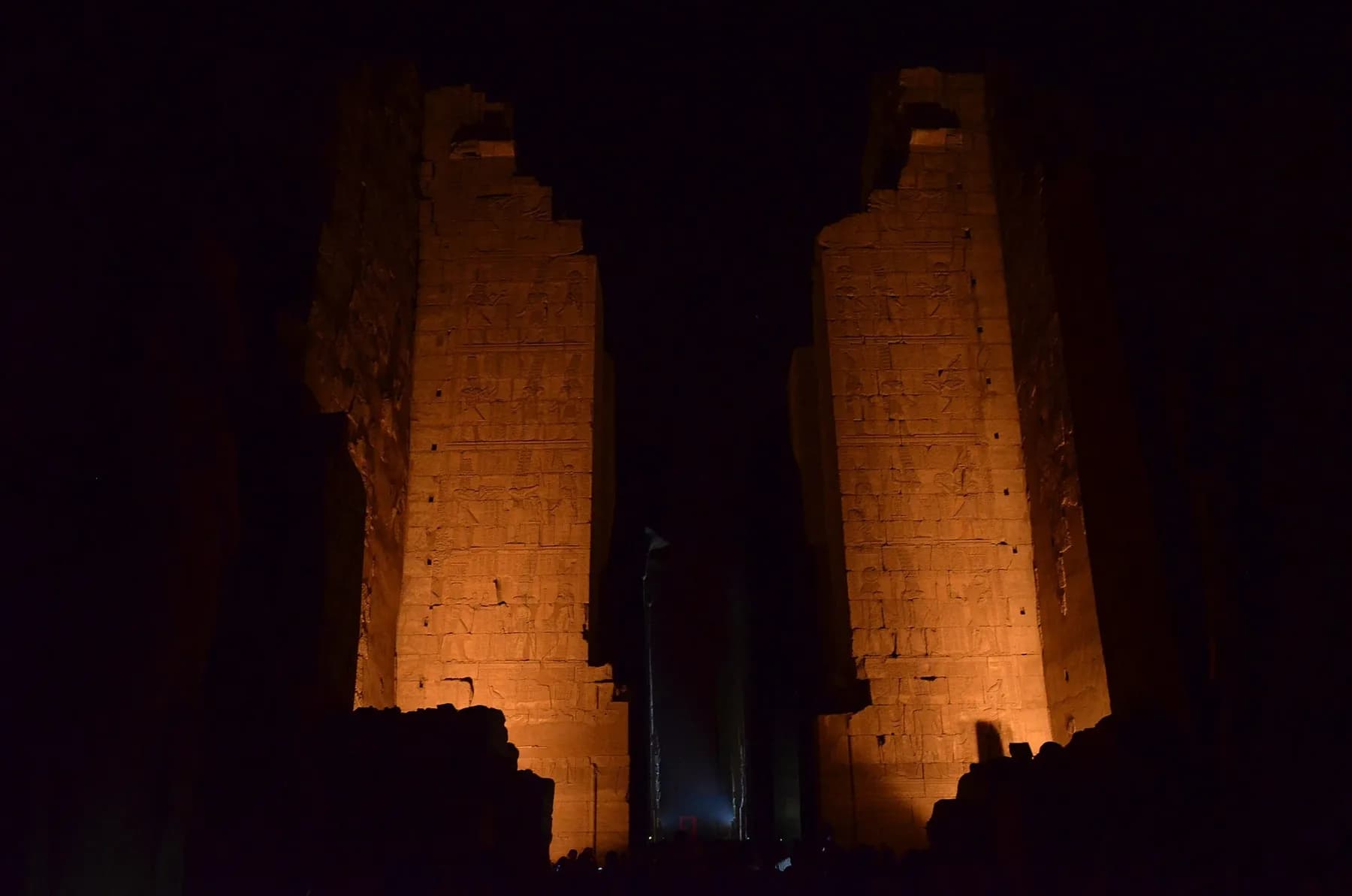
Then there is the night visit. Most evenings Karnak stages a sound and light show, and it is the best of the three big ones in Egypt: rather than sitting in a grandstand, you walk through the darkened temple as the narration and floodlights move with you, down the avenue of sphinxes, through the Hypostyle Hall as the columns light up one by one, ending seated beside the sacred lake for the finale. It runs roughly 75 minutes, the script is theatrical and a little dated, and none of that matters much on a warm Luxor night with the temple nearly empty. It needs a separate ticket from daytime entry, and the narration language rotates by session and by day, so confirm the schedule for your language a day ahead through your hotel or operator.
Tips for your visit
- Bring a bank card. Karnak, like most major Egyptian sites, is card-only at the gate, and prices are revised often, so confirm the current rate on the day.
- Budget two to three hours. One hour covers only the Hypostyle Hall and the main axis at a jog; three lets you reach the lake, the museum and the quiet rear courts.
- Hire a licensed Egyptologist guide, here more than anywhere else in Egypt. Without one the reliefs read as beautiful but blank; with one the walls turn into legible propaganda, theology and family feuds.
- Carry more water than you think you need and wear a hat: shade is scarce and the distances inside are long.
- Do not skip the Open-Air Museum. It is included in your entry and holds some of the site's best carving.
- Save the Mut precinct for a second visit unless you have a particular interest; the main precinct will fill your morning on its own.
- If you plan on the sound and light show, dress warmly in winter (you sit outdoors by the lake for the finale) and arrive a little early for the walk-through start.
- Build the classic east bank day around the light: Karnak at opening, a long break through the heat, then floodlit Luxor Temple after dark.
The Avenue of Sphinxes
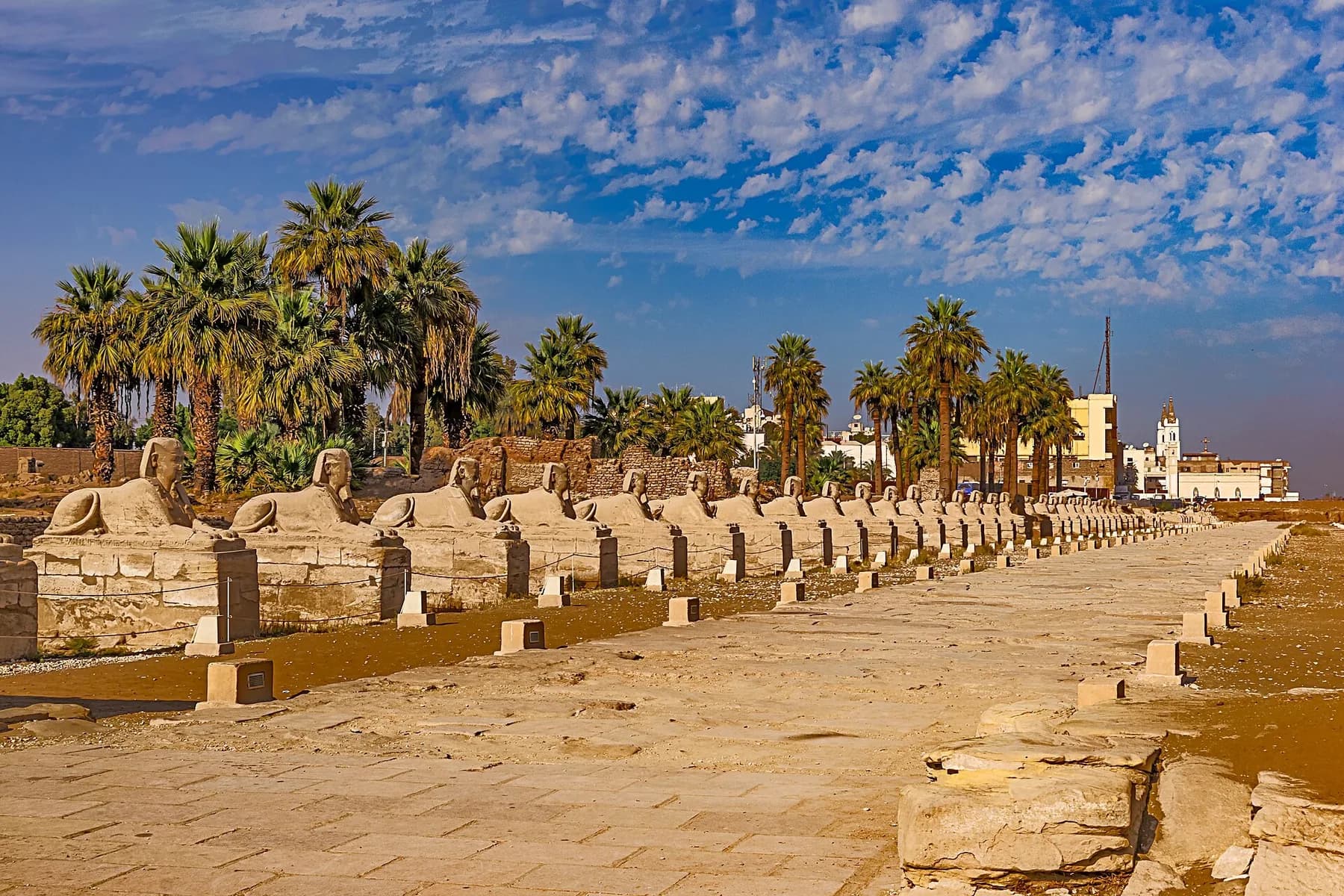
The Avenue of Sphinxes is the ceremonial road that once linked Karnak to Luxor Temple, about 2.7 km long and lined originally with well over a thousand ram-headed and human-headed statues; blogs count roughly 1,350 today. Along it, each year during the Opet festival, the statue of Amun travelled south in its barque so that the living pharaoh’s right to rule could be renewed at Luxor Temple, which is why the two temples were never rivals but partners in a single religious machine. Buried for decades under the modern town, the avenue was excavated and reopened in November 2021 with a televised night parade, and you can now walk long stretches of the exact processional route.
The practical point is that the avenue has entrances at both temples and no ticket of its own: to walk it end to end you need tickets for Karnak (EGP 600) and Luxor Temple (EGP 500), and the full 2.7 km in the sun is a real walk. Our advice is to walk a stretch from whichever temple you are already inside, then take the 15-minute taxi between the two rather than treating the avenue as the transfer. In the evening it is floodlit at the Luxor Temple end and makes a pleasant approach to the temple after dark.
Combining Karnak with Luxor Temple
The classic East Bank day is built around the light. Karnak at the 06:00 opening, when the air is cool and the sun rakes low between the columns of the Hypostyle Hall; a long break through the hot middle of the day; then Luxor Temple after dinner, when the floodlights bring the sandstone up in warm gold and the crowds thin to a trickle. Luxor Temple keeps longer hours precisely so that you can see it lit, and it is a smaller, more graceful site that needs about an hour. Both sit within an easy taxi ride of the Corniche hotels, and the tickets are separate at each gate: EGP 600 for Karnak, EGP 500 for Luxor Temple, both card only. Our Luxor Temple guide covers what to look for there, including the Abu el-Haggag mosque perched on the ancient walls.
If you are arriving by Nile cruise, Karnak is the standard first excursion after the ship docks and Luxor Temple is often offered as an evening walk; the day-by-day itineraries show where the Luxor days fall on each route. On a land itinerary the tidy formula is a temple day on the East Bank and a tomb morning on the West Bank at the Valley of the Kings. If you plan to do both banks over several days, the Luxor Pass (about US$130 standard, reported by blogs, valid five days) covers Karnak, Luxor Temple and the West Bank sites and can beat buying tickets gate by gate; for a single East Bank day it does not.
One more thing the reviews agree on: the vendors and the site guardians who expect baksheesh for pointing out a relief or unlocking a side chapel. A polite, firm no is normal, a small note for a guardian who has genuinely shown you something is also normal, and neither should be allowed to sour the morning. Guided tours are the easiest way to sidestep it, and the guided half-days paired with Luxor Temple are the ones visitors rate highest. Reviewers’ most common regret is time: several wished their guided visit had allowed longer, so if Karnak matters to you, book a private tour or add a second, unguided visit in the late afternoon.
Combine with
What to pair with Karnak Temple
- Luxor Temple The southern half of the same religious system, 3 km down the Avenue of Sphinxes; see it floodlit after dark.
- Valley of the Kings The West Bank counterpart: temple day on this side of the river, tomb morning on the other.
- Hatshepsut Temple Her obelisk stands at Karnak; her terraced temple is across the river on the West Bank half-day.
- Nile cruise itineraries Karnak is the first excursion on almost every Luxor to Aswan cruise; see where the Luxor days fall.
- Nile cruise ships Compare the ships that moor on the Luxor Corniche a short drive from the First Pylon.
- Things to do in Luxor The rest of the East Bank, from the Luxor Museum to a felucca at sunset.
Other Egypt attractions
Frequently asked questions
How much does it cost to visit Karnak Temple?
Tours and tickets start from 261 EGP (about 5 USD), with a median price of about 2,601 EGP per person.
How many Karnak Temple tours are available?
There are 358 bookable tours and tickets for Karnak Temple.
What is the best Karnak Temple tour?
A top-rated pick is "Gita di un giorno a Luxor da Hurghada in piccolo gruppo con la tomba di Tutankhamon".
How long do you need at Karnak?
Two to three hours is the sweet spot. One hour covers the Hypostyle Hall and the main axis at a rush; three gives you the sacred lake, the Open-Air Museum and the quieter rear courts without hurrying. If you return for the sound and light show, that is a separate evening of about 75 minutes plus transfers.
Is the Karnak sound and light show worth it?
Yes, and it is the best of Egypt's three big shows. Instead of watching from a grandstand you walk through the darkened temple as the lighting moves with you, finishing seated by the sacred lake. The script is theatrical and dated, but the Hypostyle Hall at night carries it. It needs its own ticket, and narration languages rotate nightly, so confirm the schedule the day before.
Can you visit Karnak and Luxor Temple on the same day?
Easily, and you should. The classic pattern is Karnak at the 6am opening, a long break through midday, then Luxor Temple after dark when it is floodlit. The two sites are about 3 km apart, linked by the excavated Avenue of Sphinxes, and taxis run between them constantly.
Is Karnak Temple worth visiting?
Yes. It is the largest religious complex ever built, and the Great Hypostyle Hall of 134 columns is one of the most overwhelming spaces to survive from the ancient world. Visitors rate it 4.8 from 8,030 reviews on Tripadvisor, second of 150 things to do in Luxor. Arrive at the 06:00 opening for cool air, low light and near-empty halls.
How much is the Karnak Temple ticket?
EGP 600 for foreign adults and EGP 300 for students, including the Open Air Museum, according to the Ministry of Tourism and Antiquities page. The Mut precinct is a separate EGP 200 ticket. The evening Sound and Light show is US$20 for adults and US$11 for children aged 6 to 12 through the official show operator. Payment is by card.
How far is Karnak from Luxor Temple?
About 3 km, roughly 15 minutes by taxi or 30 minutes on foot along the Corniche. The restored Avenue of Sphinxes between them is 2.7 km long and can be walked with tickets for both temples. Karnak is at the northern edge of Luxor; Luxor Temple sits in the centre of town.
Can you take photos at Karnak?
Yes. Phone and camera photography for personal use is free under Egypt's national rule and no permit is sold. Tripods, professional lighting and drones need permission in advance. The Sound and Light show can be photographed from your seat by the Sacred Lake.
Is the Luxor Pass worth it for Karnak?
Only as part of a multi-day Luxor plan. The standard pass, about US$130 according to blogs, covers Karnak, Luxor Temple and the West Bank sites including the Valley of the Kings for five days; the premium pass at about US$250 adds Seti I and Nefertari. For a single East Bank day of Karnak and Luxor Temple, the two tickets at EGP 600 and EGP 500 are far cheaper.
How much does a Karnak tour cost?
A half-day guided tour of Karnak and Luxor Temple is advertised from about US$18 to US$112 per person, median about US$48, usually excluding the entry tickets. Sound and Light show tours run US$27 to US$75. A full East Bank day or a combined East and West Bank day runs US$15 to US$110, median about US$73. Figures captured 21 September 2026.