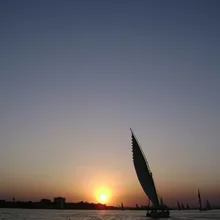

Luxor Temple Tours & Tickets
Browse 171 tours of the riverside temple in the heart of Luxor in Luxor, starting from 334 EGP (about 7 USD), with an average rating of 4.8 out of 5. Real prices compared across booking platforms and updated for 2026.
Luxor Temple tickets & opening hours (2026)
| Entry | 500 EGP |
One of the few Luxor sites open into the evening — visit at dusk, when the temple is dramatically floodlit.
Prices are site entry fees for foreign adults, updated 2026-07. Many tours below include tickets and skip-the-line entry.
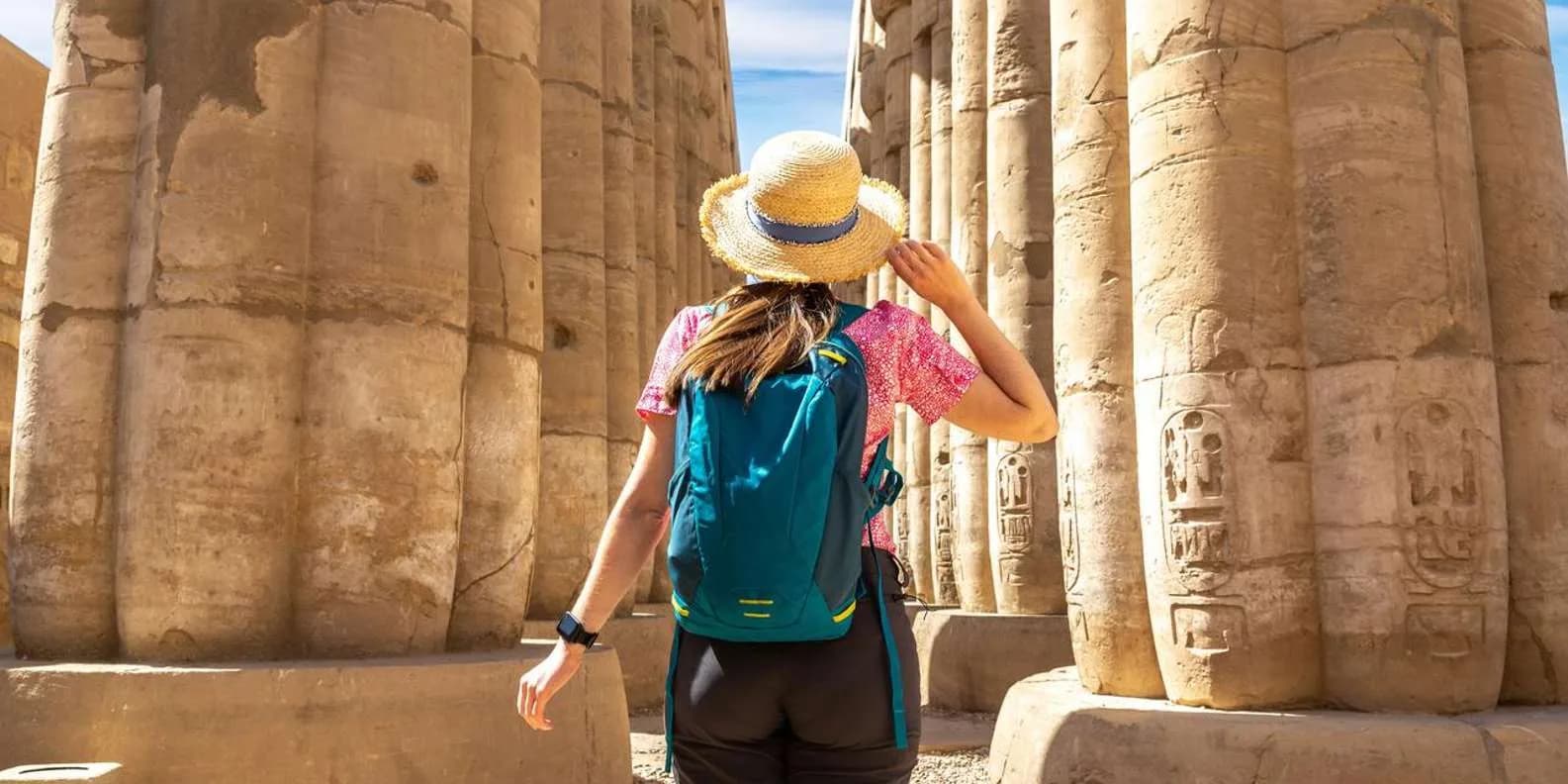
Luxor Day Trip from Hurghada: Small Group & Tutankhamun's Tomb
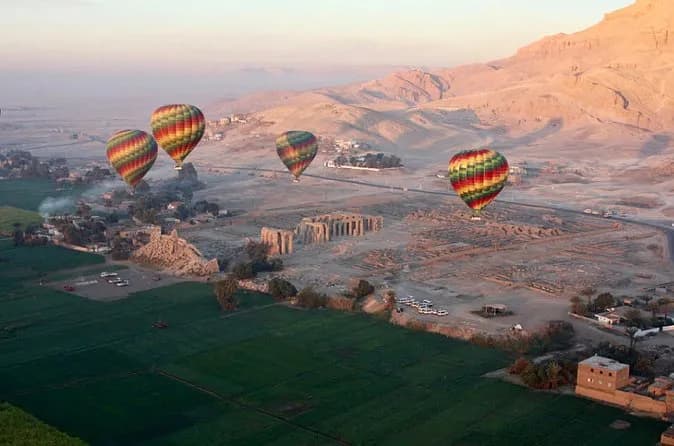
Hot Air Balloon Ride in Luxor Egypt with Transfers Included
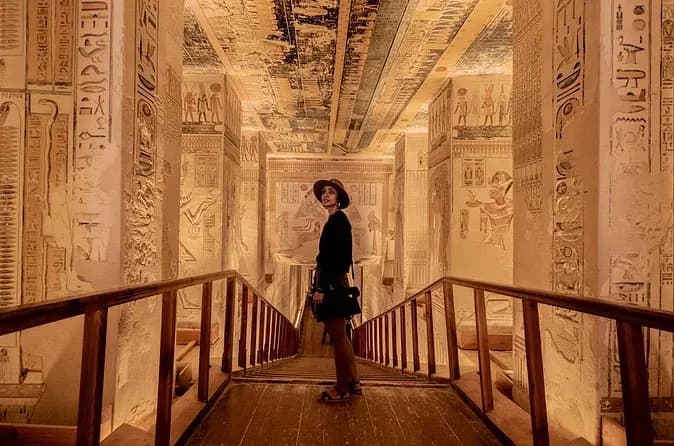
Hurghada: Luxor Valley of the Kings & Tutankhamun Tomb Trip
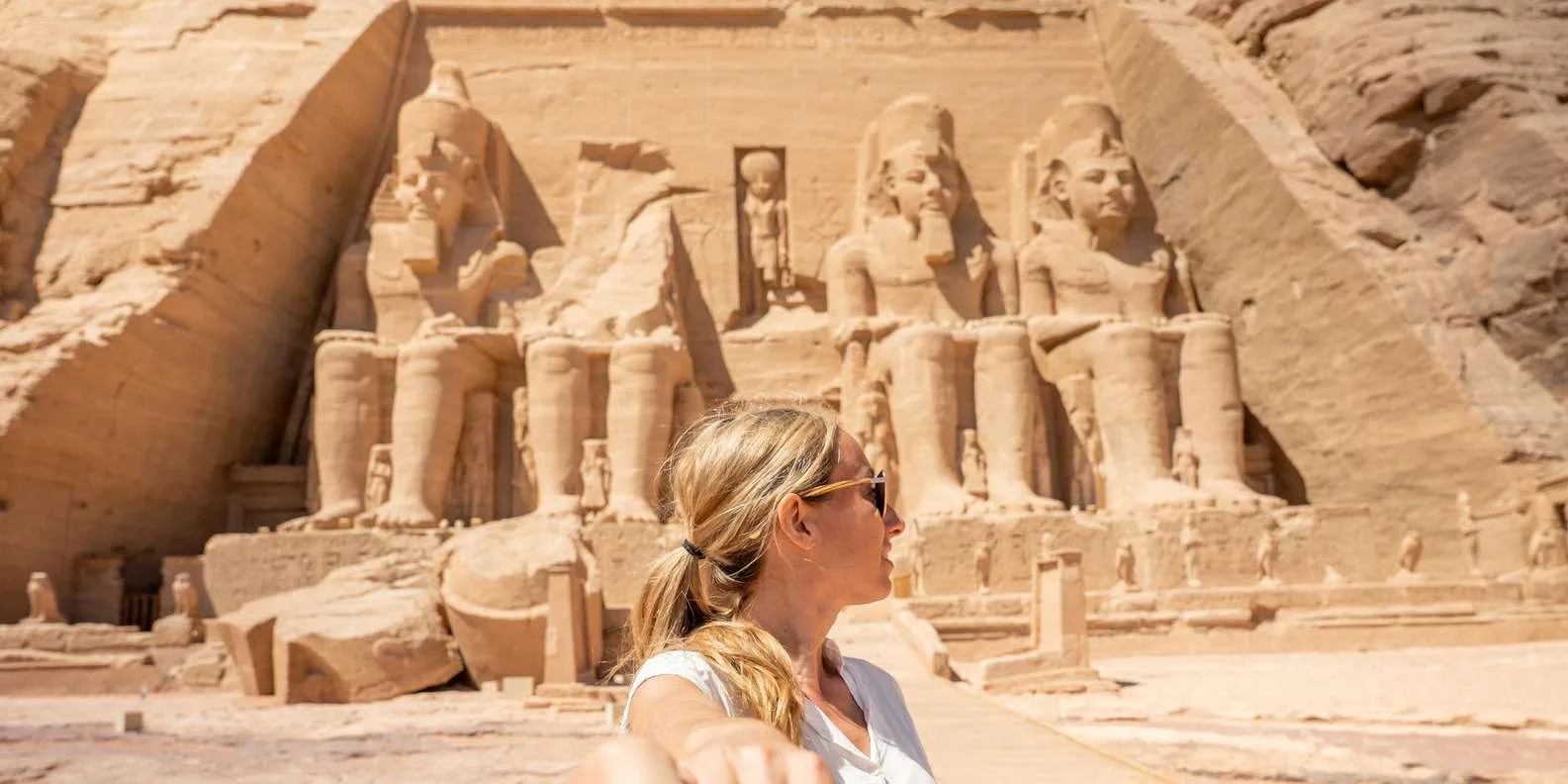
From Aswan: Abu Simbel Temple Day Trip with Hotel Pickup
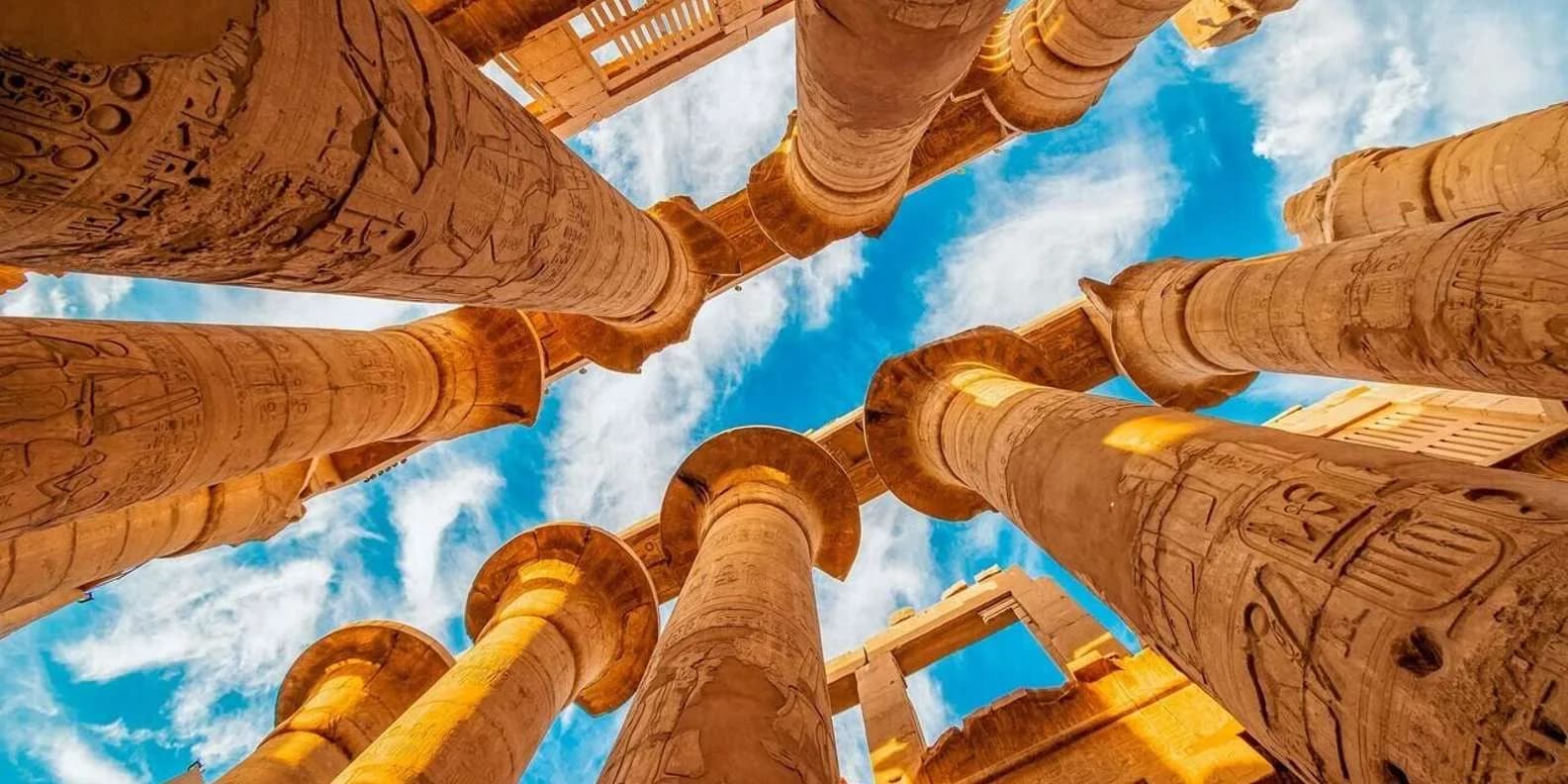
Hurghada: Luxor Tour with Valley of the Kings & Tutankhamun

Luxor: Hot Air Balloon Ride over Luxor Relics

5-Day Nile Cruise from Luxor to Aswan
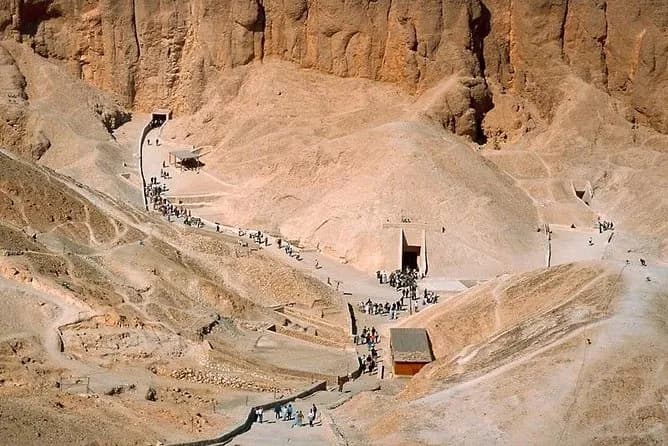
Luxor Day Tour: Valley of Kings & Queens & Hatchepsut Temples
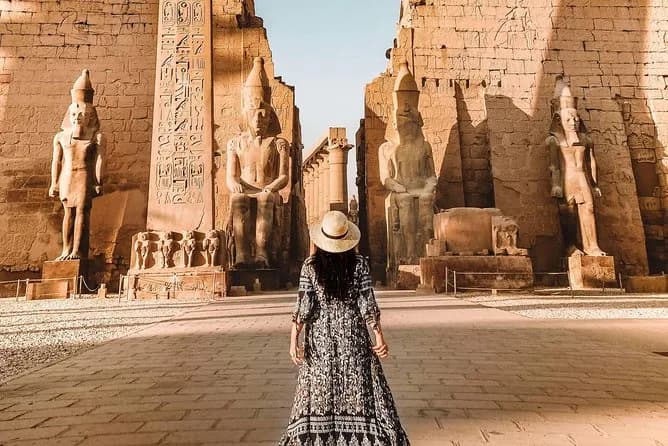
Full Day Tour to East and West Banks of Luxor

3 Night Nile Cruise from Aswan to Luxor

Hurghada: 2-Day Luxor Tour with Hotel, Balloon, & Boat Ride

Luxury Sunrise Balloon Ride in Luxor with Hotel Pickup
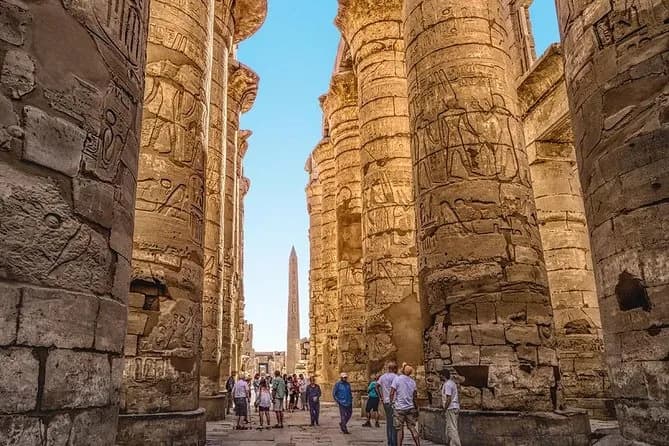
Luxor: Valley of Kings, Hatchepsut Temple ,Karnak & Luxor-DayTour
Luxor Small-group Tour from Hurghada
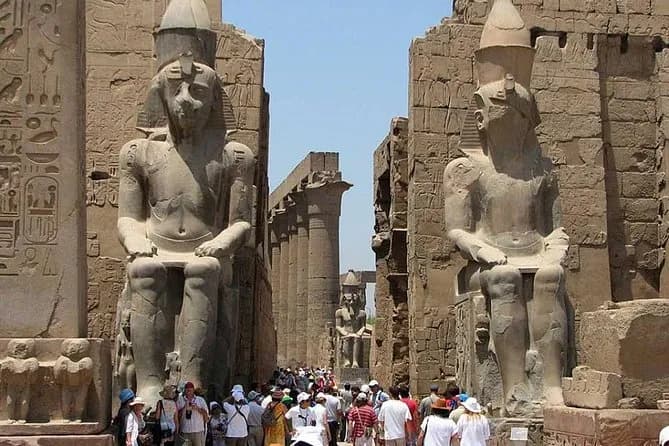
VIP Luxor Day Tour from Hurghada, El gouna, Makadi, Soma Bay

Luxor Full Day Tour to Luxor West and East Banks and Lunch

Sunrise Hot Air Balloon Ride Over Luxor
Full Day Tour of Luxor West Bank Temples and Tombs (Private)
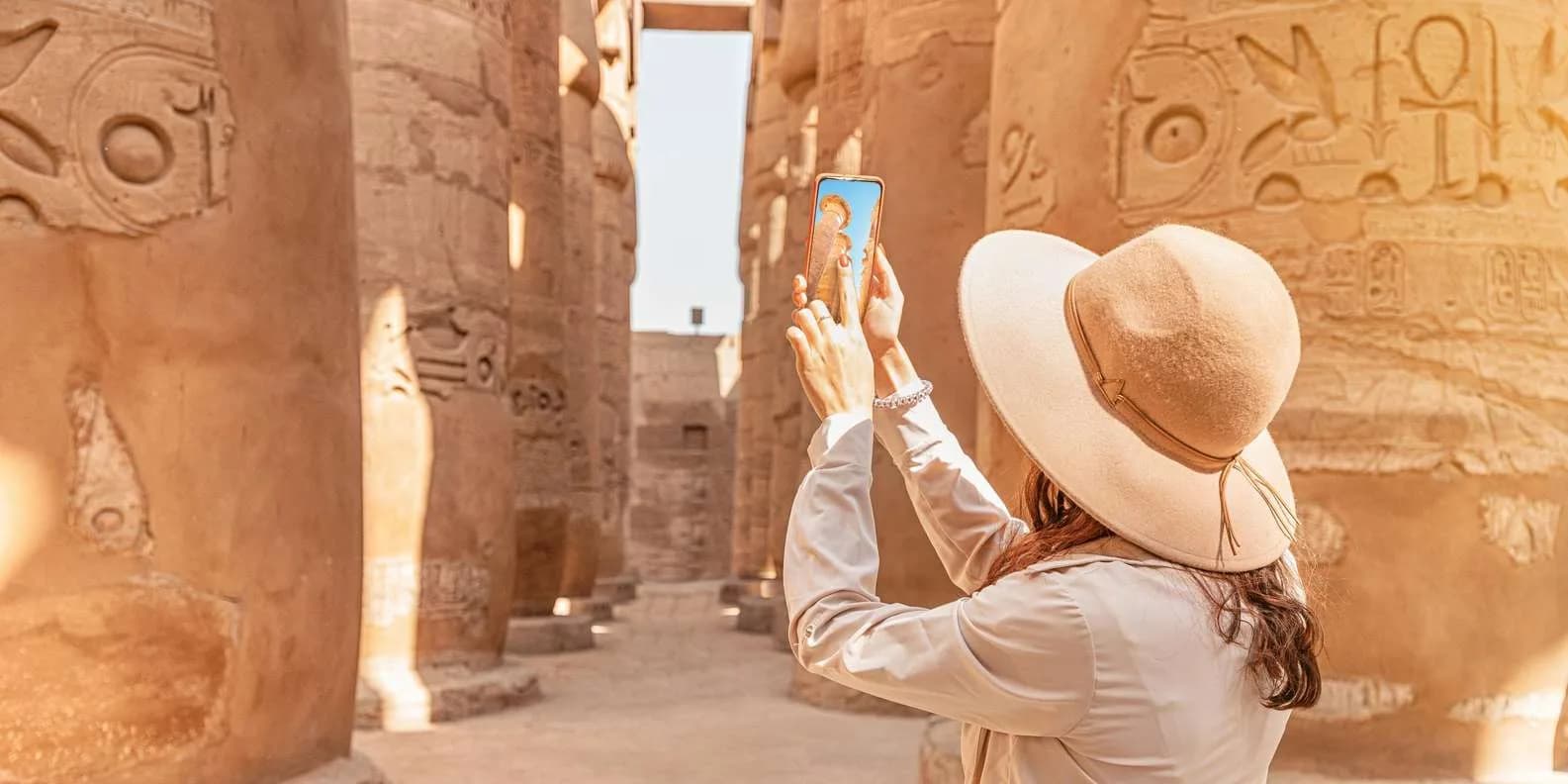
Cairo: Private Luxor Day Tour with Entrance Fees and Flights

Luxury Hot Air Balloon Riding in Luxor
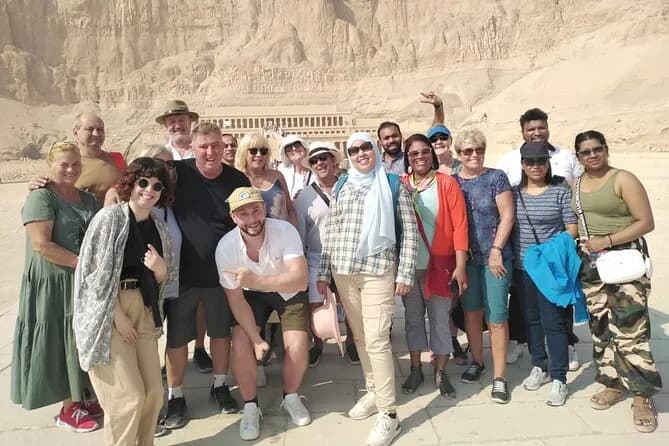
Small Group Excursion to Luxor Valley of the Kings from Hurghada

Private Full-Day Luxor Highlights East and West Banks
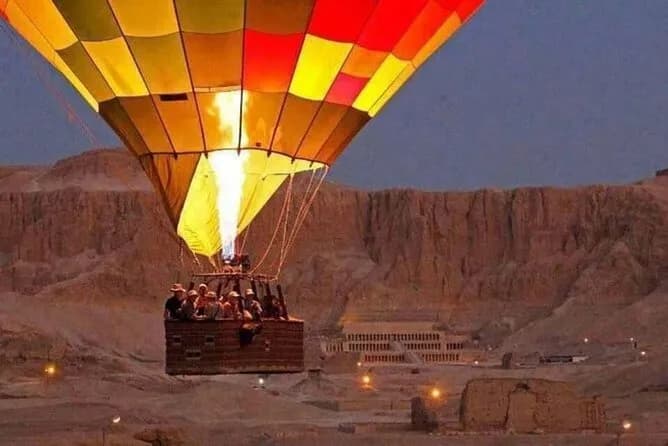
Sunrise Hot Air Balloon Over the Historical sites in Luxor
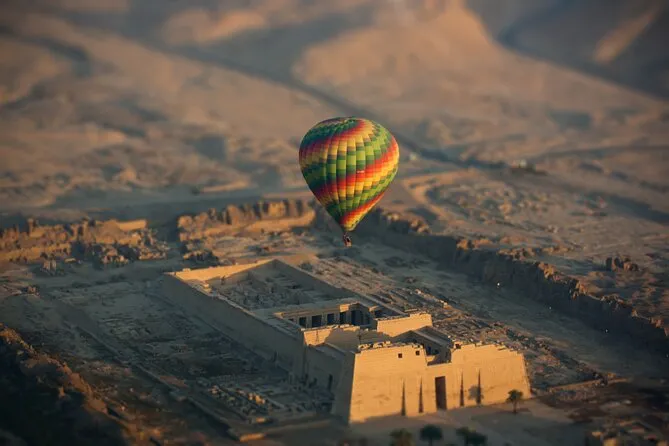
Sunrise Ballooning Luxor with Transfers Included
Visiting Luxor Temple: what to know
Updated 26 September 2026Luxor Temple is the one you can walk to. It stands in the middle of the modern town, a few steps off the Corniche, hemmed in by streets and cafés, and that setting is not a compromise. It is the point. Almost every other great Egyptian temple sits out in the desert or across the river. This one has never stopped being in the middle of a living city, and people have been worshipping on the spot continuously for roughly three and a half thousand years.
It was built mainly by Amenhotep III in the fourteenth century BC and extended by Ramesses II, who added the entrance pylon, the forecourt and the colossal statues of himself at the front. Unlike the temples on the west bank it was not built for a dead king. It was built for the living one: the place where the ruler's divine essence was renewed each year, which made it less a mausoleum than a coronation hall used over and over.
The mosque on the roof
The strangest and best thing about Luxor Temple is visible before you buy a ticket. Halfway up the wall of the forecourt, apparently floating, is the doorway of a mosque.
The Abu el-Haggag mosque has stood here since the thirteenth century, built on top of the temple when the courtyard below was buried under centuries of debris. When archaeologists dug the temple out in the twentieth century they took the ground away from under the mosque but left the mosque, because it was and is a working place of worship. Its original door now opens onto a drop of several metres.
Stand in the court and read the stack. Pharaonic temple at the bottom. Then a Roman military chapel, its Christian-era frescoes painted over Egyptian reliefs and still faintly visible. Then a church. Then a mosque that is still in use today, with a congregation that arrives for prayers while tourists photograph the columns below. Very few buildings anywhere show three religions and two millennia in one elevation.
Are Karnak and Luxor Temple the same place?
No, and the question is common enough to answer plainly. They are two separate temples about three kilometres apart, connected by a processional road.
Karnak is enormous, out at the northern edge of town, and takes two to three hours. Luxor Temple is compact, in the centre, and takes an hour. Karnak is the estate of the god Amun. Luxor Temple is where his statue went to visit each year, carried in procession down the avenue between them during the Opet Festival, which was the main religious event of the Theban year.
That avenue, lined with sphinxes, was buried under the modern town for centuries. It was excavated over decades and reopened in 2021, so for the first time in a very long time you can walk the full processional route between the two temples. It is a long, hot, flat walk in full sun and almost nobody does the whole thing, but the Luxor Temple end is worth a few hundred metres for the sense of scale.
The missing obelisk
Two obelisks once stood at the entrance. One is still there. The other is in the Place de la Concorde in Paris, given to France in the 1830s, which is why the pylon looks subtly unbalanced and why the temple appears in two cities at once.
The colossal seated statues of Ramesses II at the front have been progressively restored and re-erected, so the facade you see now is closer to its ancient state than it was twenty years ago.
Go at night
This is the practical advice that matters most and the reason to plan around it. Luxor Temple stays open into the evening and is lit after dark, and the lighting is genuinely good: the columns of the Amenhotep colonnade throw shadows up their own shafts, the stone warms, and the crowds thin.
The town is right there, so you can eat on the Corniche and walk in afterwards. If you are on a cruise moored at Luxor, an evening visit costs you nothing from your daytime schedule and is the easiest good decision on the whole itinerary.
An hour is enough. Ninety minutes if you linger in the colonnade.
Is Luxor Temple worth it after Karnak?
Yes, and they are not interchangeable. Karnak is about scale and accumulation, a site so large it stops registering as a building. Luxor Temple is about proportion. It is small enough to hold in your head, the colonnade is one of the most elegant spaces the Egyptians built, and the layered history in the courtyard tells a story Karnak does not.
If you only have time for one, take Karnak. If you have an evening free, take Luxor Temple after dark, which is when it is better than Karnak.
Other Egypt attractions
Frequently asked questions
How much does it cost to visit Luxor Temple?
Tours and tickets start from 334 EGP (about 7 USD), with a median price of about 2,962 EGP per person.
How many Luxor Temple tours are available?
There are 171 bookable tours and tickets for Luxor Temple.
What is the best Luxor Temple tour?
A top-rated pick is "Luxor Day Trip from Hurghada: Small Group & Tutankhamun's Tomb".
Why is Luxor Temple famous?
It sits in the centre of the modern town and has been in continuous religious use for around three and a half thousand years. Its courtyard carries a pharaonic temple, a Roman chapel with Christian frescoes painted over Egyptian reliefs, and a thirteenth-century mosque still in use today, stacked in one elevation.
Are Karnak and Luxor Temple the same?
No. They are separate temples about three kilometres apart, joined by the Avenue of Sphinxes. Karnak is far larger and takes two to three hours; Luxor Temple is compact and takes about an hour. The statue of Amun was carried between them in procession during the annual Opet Festival.
Why is there a mosque inside Luxor Temple?
The Abu el-Haggag mosque was built in the thirteenth century when the courtyard was buried under debris. Excavation later removed the ground beneath it but the mosque was kept because it is a working place of worship, which is why its original door now opens onto a drop.
Where is the second Luxor Temple obelisk?
In the Place de la Concorde in Paris. It was given to France in the 1830s, which is why only one of the original pair still stands at the temple entrance.
Is Luxor Temple better at night?
Most visitors think so. It stays open into the evening and the lighting suits the colonnade, the crowds are thinner and the temperature is far more comfortable. It is also a short walk from the Corniche, so an evening visit costs nothing from your daytime schedule.