
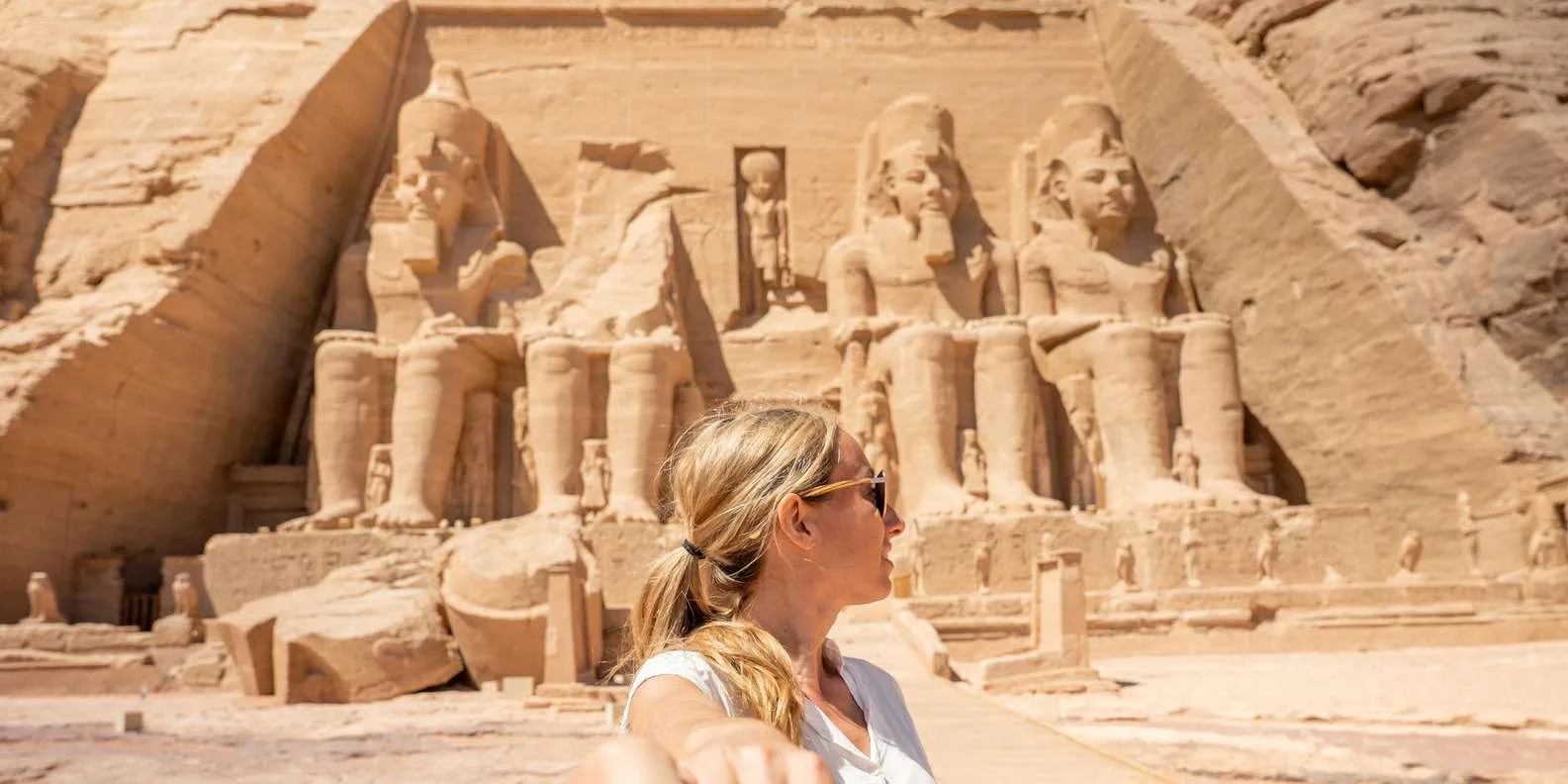
 Photo by Diego Delso, via Wikimedia Commons, CC BY-SA 4.0
Égypte ou Turquie : quel voyage vous correspond ?
L'Égypte propose un séjour ciblé entre monuments antiques et Nil à petit budget quotidien ; la Turquie est une destination plus polyvalente, entre Istanbul, la Cappadoce et le littoral. Voici comment choisir.
Croisières sur le Nil & dahabiyas
Transformez ce guide en voyage
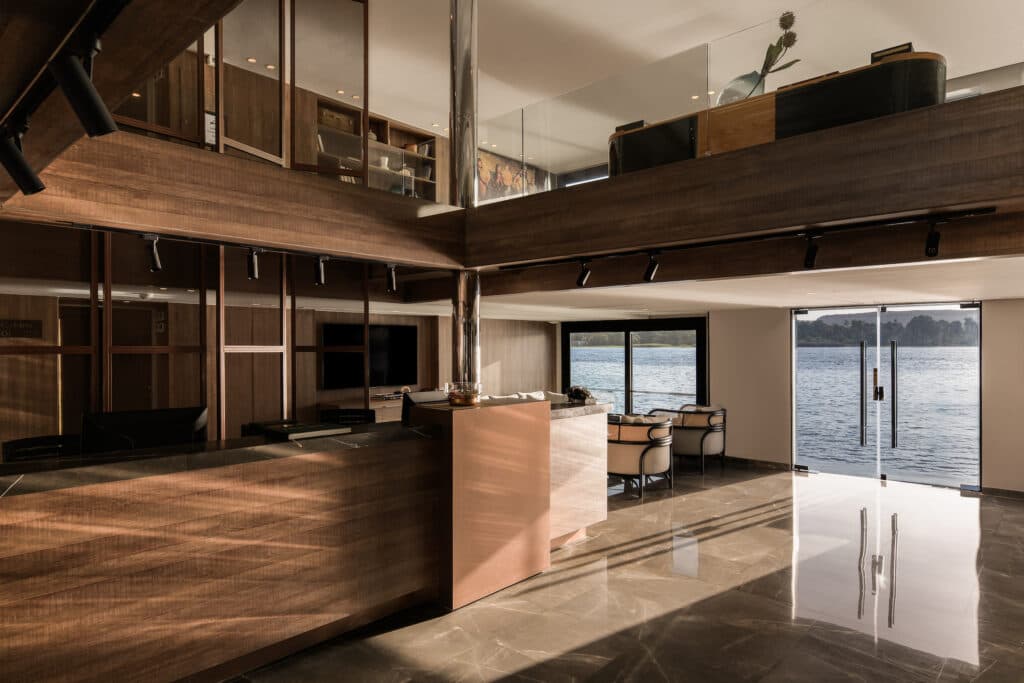
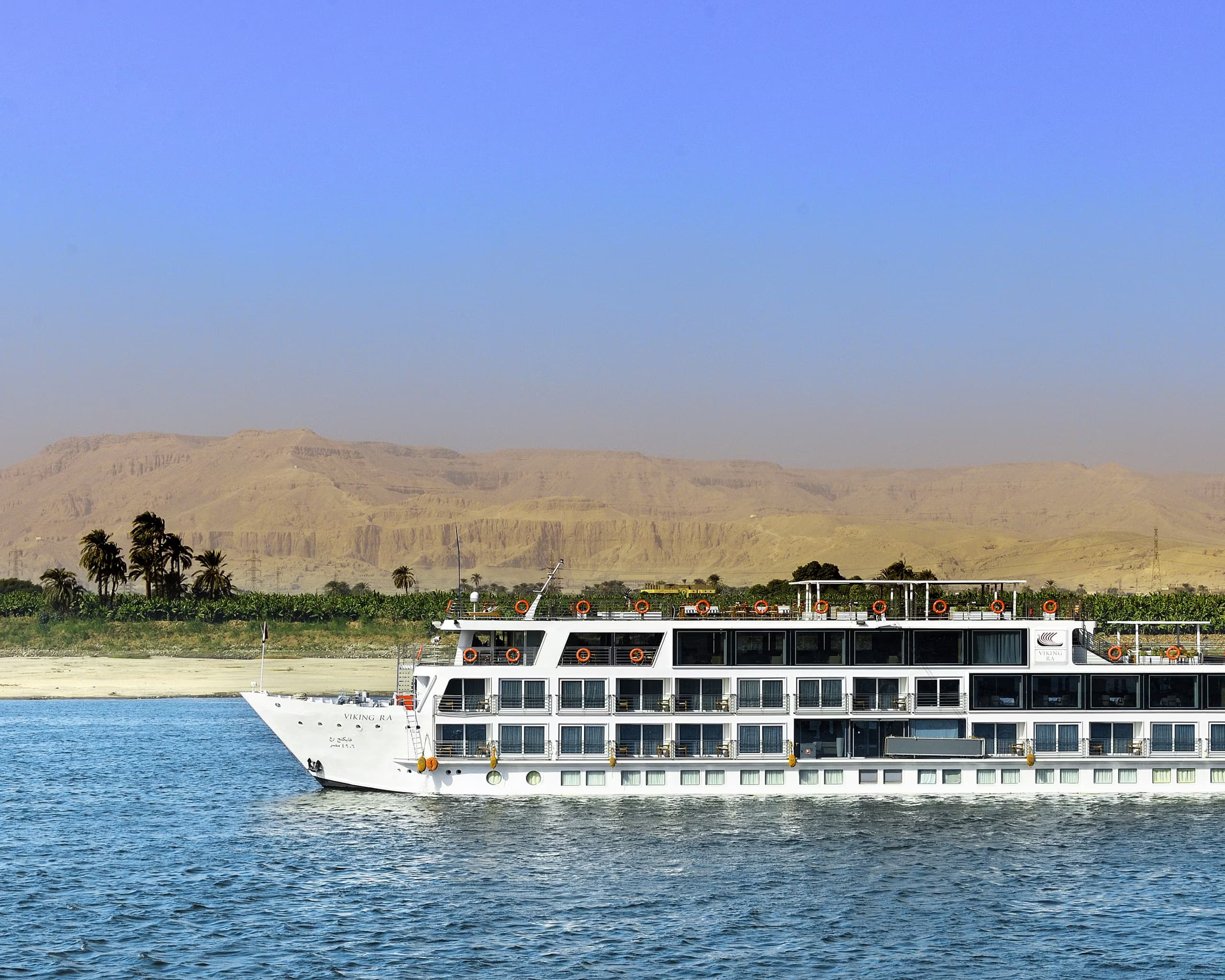


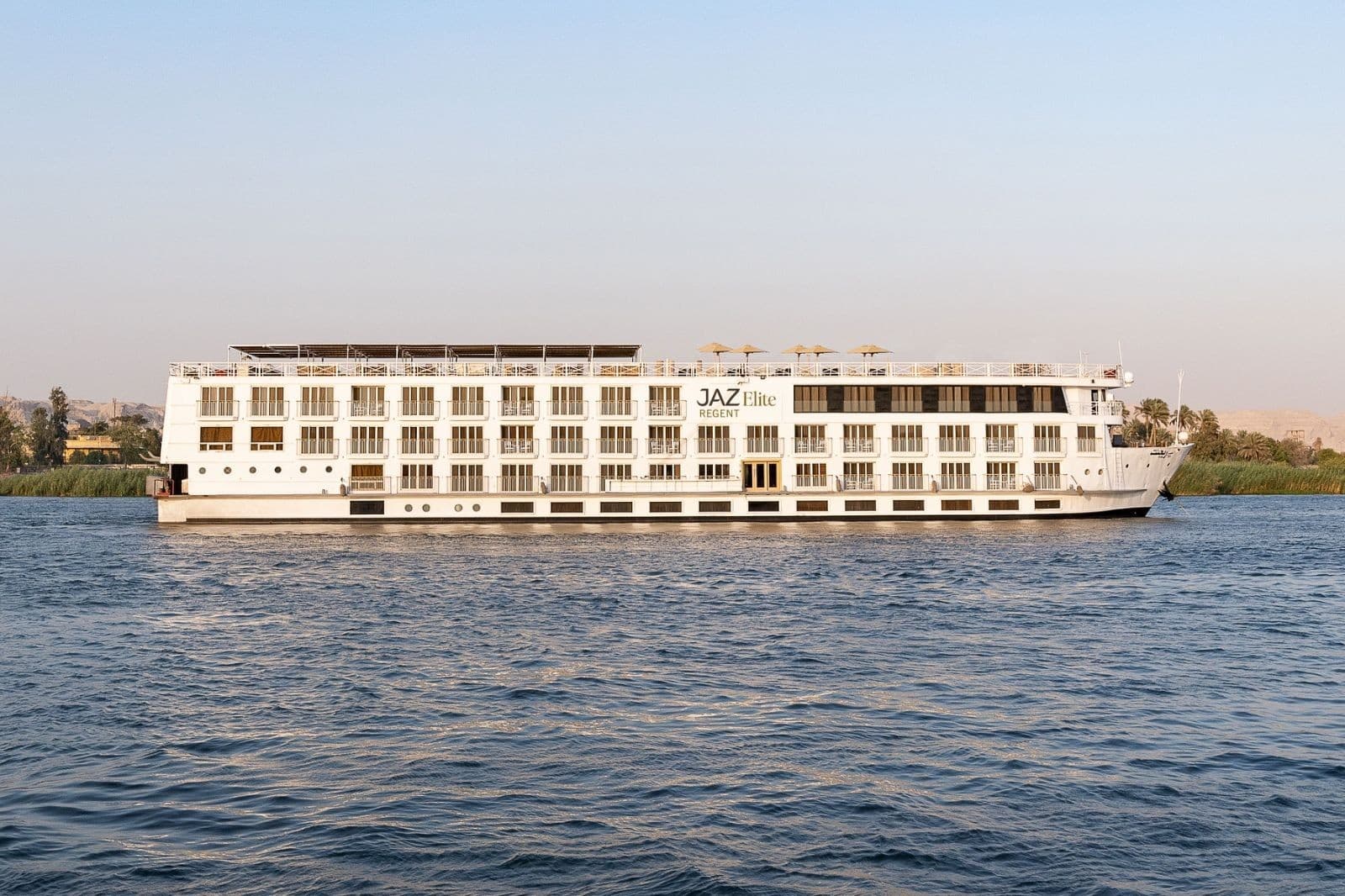

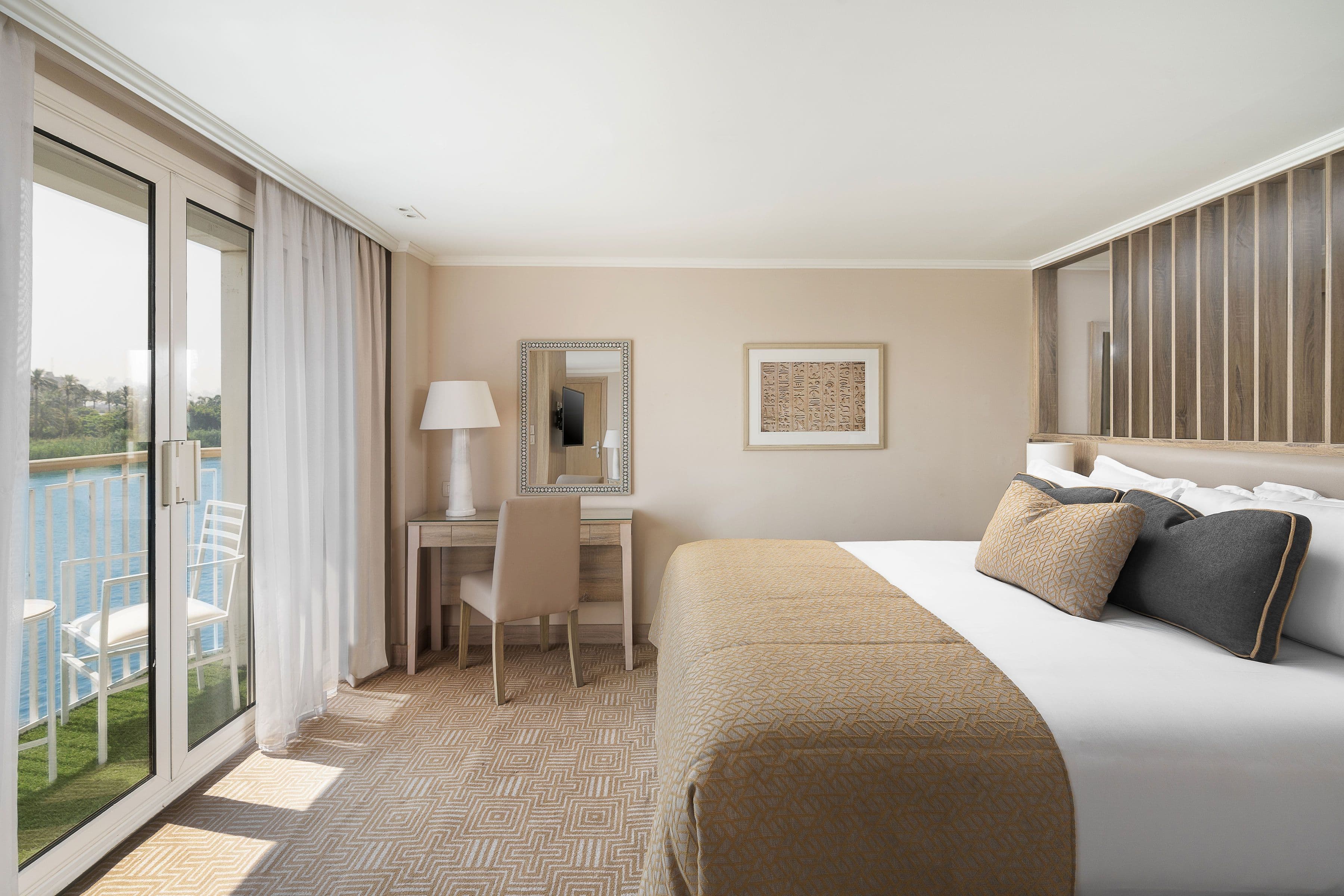
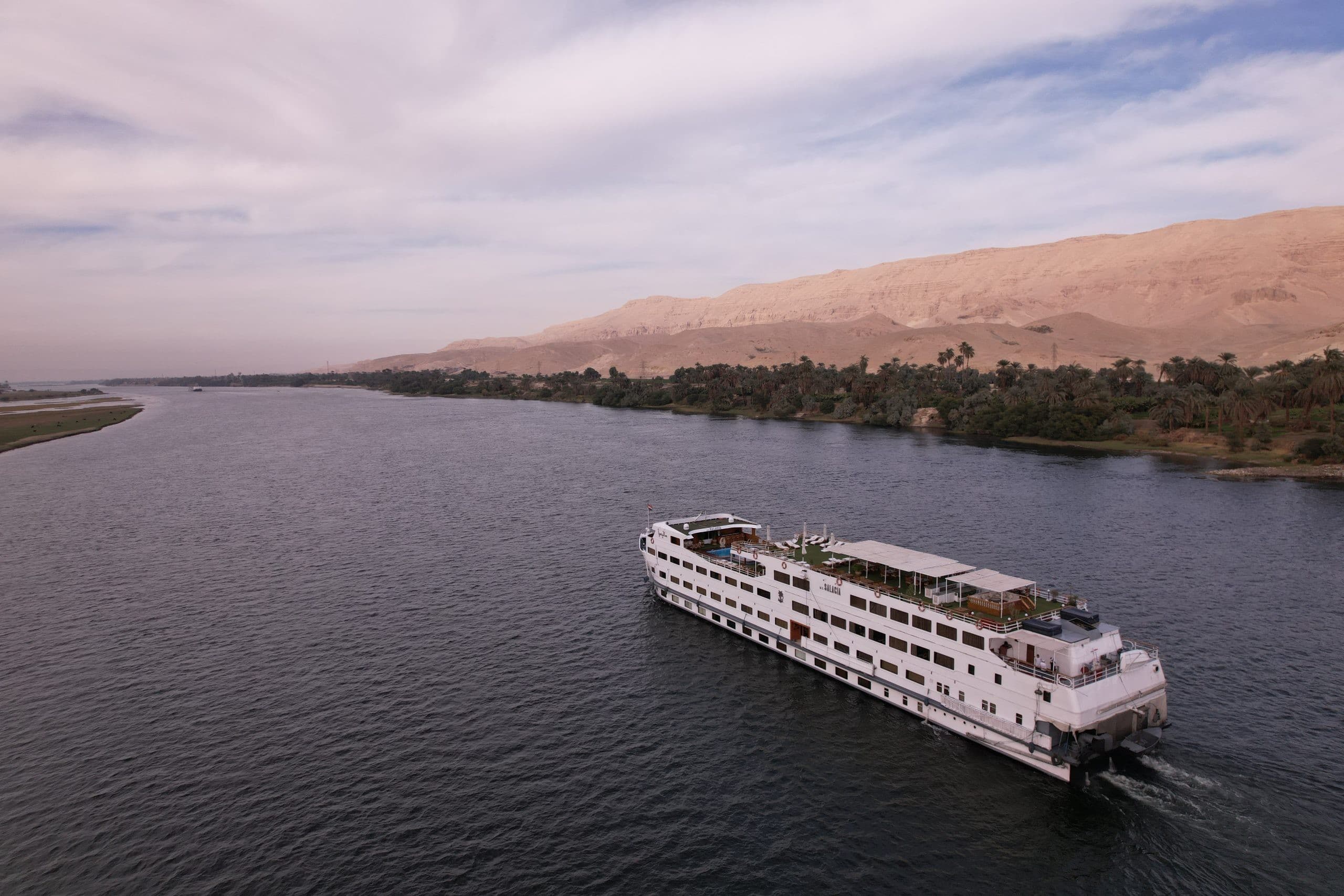
L'Égypte et la Turquie sont toutes deux faciles à idéaliser et faciles à confondre — deux pays baignés de soleil, à l'histoire profonde et aux ruines célèbres. Mais elles répondent à des envies différentes. L'Égypte est étroite et profonde : une grande civilisation, dense, complétée par une croisière sur le Nil et de la plongée en mer Rouge, le tout à un coût quotidien vraiment bas. La Turquie est large et confortable : une métropole mondiale à Istanbul, le paysage surréaliste de la Cappadoce, des ruines romaines et grecques, et le littoral méditerranéen et égéen, le tout porté par une infrastructure plus fluide. Pour beaucoup de primo-voyageurs, la Turquie est le séjour tout-terrain le plus simple ; pour ceux venus spécifiquement pour l'Égypte antique, rien d'autre ne fera l'affaire. Les prix ci-dessous sont des fourchettes 2026 à vérifier avant réservation.
Le bilan honnête pour chacune
L'Égypte convient aux voyageurs qui veulent le circuit de monuments antiques le plus dense au monde et qui acceptent, pour cela, plus de chaleur et d'agitation. On vient pour les pyramides, les temples et les tombeaux, le Nil et la mer Rouge, et on obtient tout cela à bas prix, jour après jour. La Turquie convient aux voyageurs qui veulent de la variété dans un seul pays — une grande métropole, un paysage qui ne ressemble à nul autre au monde, des ruines superposées et un littoral — avec de meilleurs transports et une meilleure cuisine en chemin. L'Égypte, c'est une civilisation vécue en profondeur ; la Turquie superpose une ville moderne, des paysages volcaniques et des plages à son histoire antique. Pour la concentration, préférez l'Égypte ; pour l'étendue, préférez la Turquie.
Coût
Les coûts quotidiens se situent dans une fourchette similaire, la Turquie étant légèrement plus chère en milieu et haut de gamme dès qu'on y ajoute le vol en montgolfière en Cappadoce. L'Égypte revient à environ 35–65 $/jour en petit budget, 90–180 $ en milieu de gamme et 250 $+ en luxe (en 2026 — à vérifier). La Turquie revient à environ 25–45 €/jour en petit budget, 55–90 € en milieu de gamme et 120–300 €+ en luxe, hors vols, Antalya étant la moins chère, Istanbul dans la moyenne et la Cappadoce la plus chère une fois le vol en montgolfière ajouté (en 2026 — à vérifier).
Sur le coût total du voyage, un séjour de 7 jours combinant Istanbul et la Cappadoce se situe généralement autour de 800–2 500 € par personne selon le standing, tandis qu'un voyage classique en Égypte pour un premier séjour totalise généralement autour de 2 500–4 000 $ par personne une fois comptées la croisière sur le Nil et les vols intérieurs (en 2026 — à vérifier). En Turquie, le prix varie beaucoup selon la base choisie : Antalya sur la côte est la moins chère, Istanbul se situe au milieu, et la Cappadoce devient la plus chère des trois dès qu'on y ajoute un vol en montgolfière — l'endroit où l'on passe ses nuits modifie donc sensiblement le budget quotidien.
Les folies emblématiques diffèrent par nature : côté turc, c'est le vol en montgolfière au lever du soleil en Cappadoce, environ 150–250 € par personne (certaines sources citent 50–350 € selon la saison), tandis que côté égyptien, c'est la croisière sur le Nil plus les vols intérieurs. Le coût des sites pris isolément diverge aussi — les expériences égyptiennes restent modestes (une sortie snorkeling partagée en mer Rouge coûte environ 25–60 $), alors que les entrées des monuments d'Istanbul s'additionnent vite : la galerie de Sainte-Sophie autour de 25 €, Topkapı avec le harem autour de 50 €, et la citerne basilique autour de 15–20 €. En cumulez quelques-unes sur une même journée, et la réputation d'Istanbul « ville pas chère » commence à paraître optimiste.
Sites et expériences phares
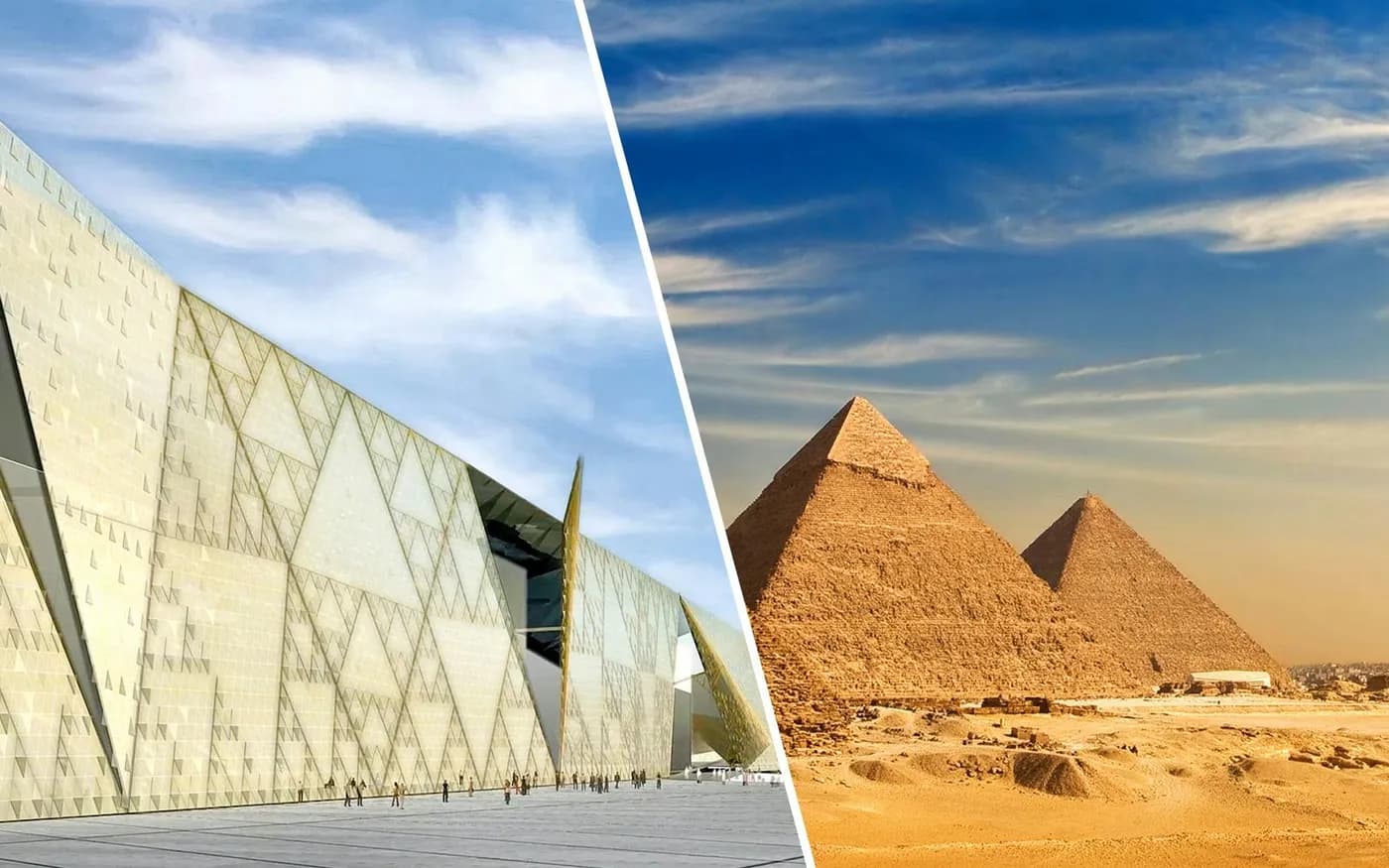
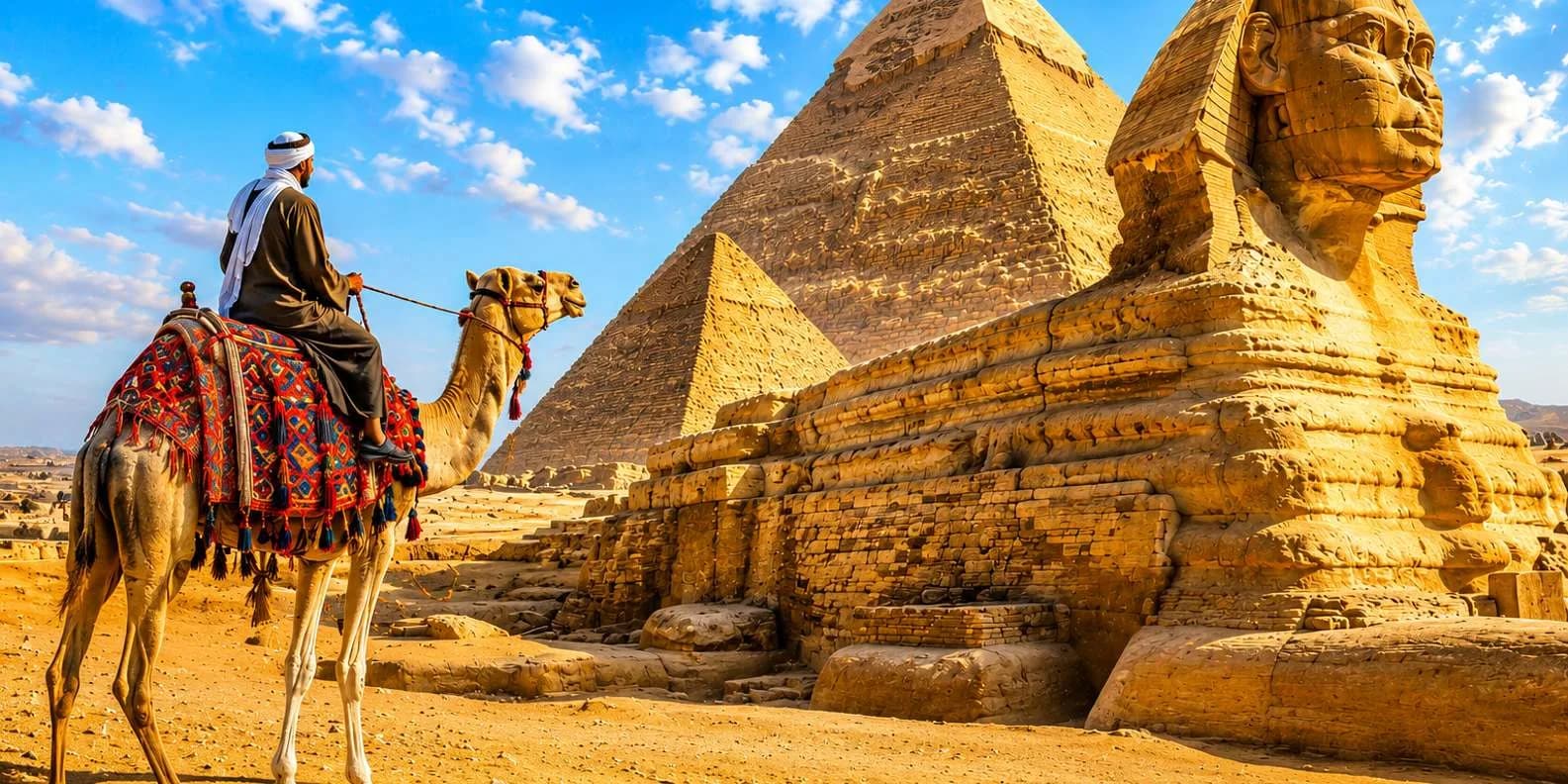
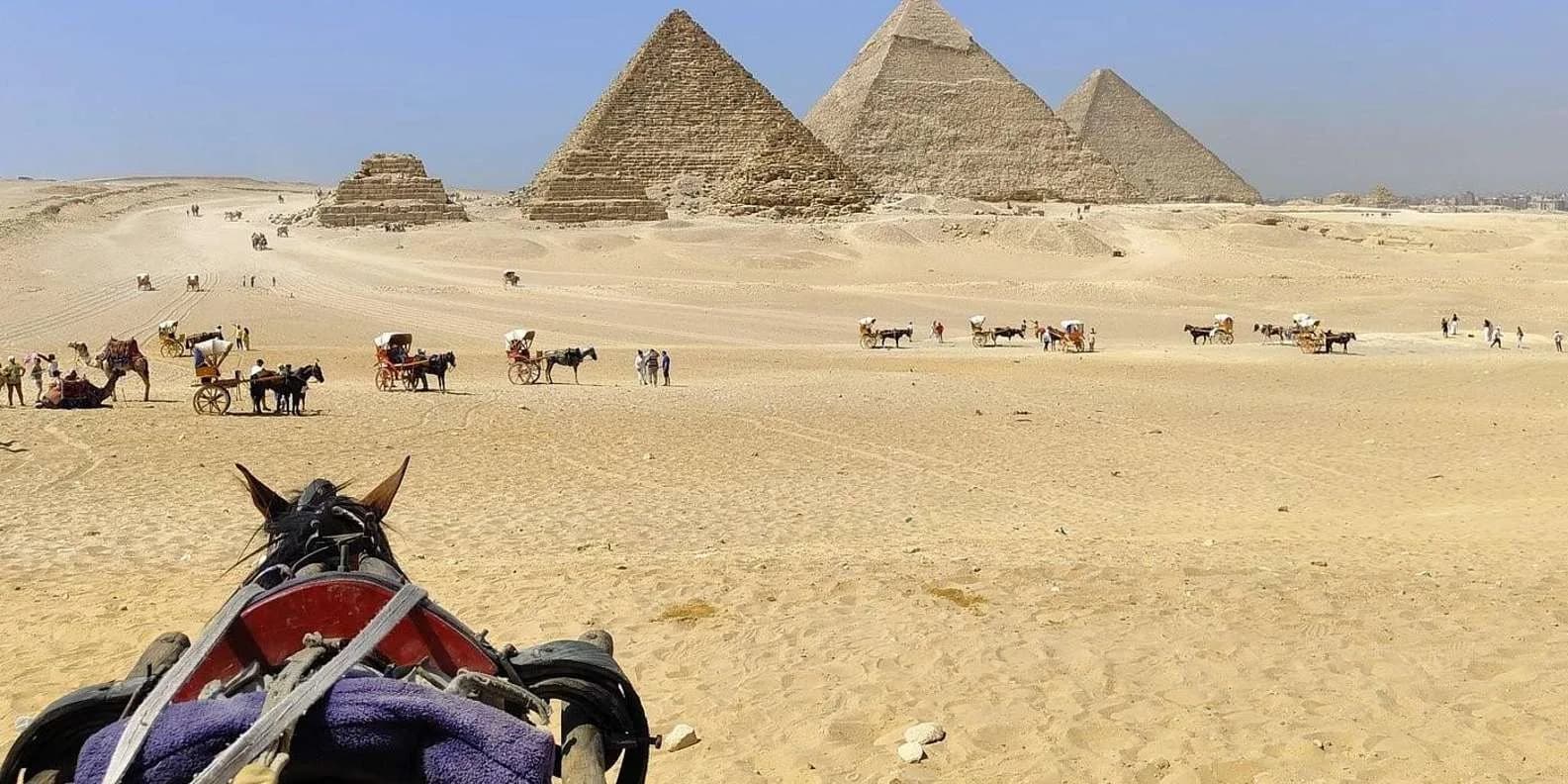
L'Égypte s'ancre autour des pyramides de Gizeh et du Sphinx, ainsi que du Grand Musée égyptien, entièrement ouvert le 1er novembre 2025 près du plateau de Gizeh, avec environ 100 000 objets exposés. Une croisière sur le Nil entre Louxor et Assouan, ainsi que la plongée ou le snorkeling en mer Rouge, complètent le cœur du séjour.
L'ancrage de la Turquie, c'est Istanbul — Sainte-Sophie, Topkapı, la Mosquée bleue, le Bosphore et le Grand Bazar — une ville vivante plutôt qu'un musée à ciel ouvert. Au-delà, les cheminées de fées et les montgolfières au lever du soleil de la Cappadoce, les terrasses blanches de travertin de Pamukkale, et la côte égéenne et méditerranéenne autour d'Antalya donnent à la Turquie un éventail de paysages et de plages que le circuit égyptien n'offre tout simplement pas. L'Égypte l'emporte sur la profondeur monumentale ; la Turquie l'emporte sur la variété.
Effort et logistique
La Turquie dispose d'une infrastructure solide et accueillante pour les voyageurs. Un vol intérieur Istanbul–Cappadoce coûte environ 30–70 $ et dure environ 1 h 30, contre un bus de nuit de 10 à 12 heures, et se déplacer y est généralement simple. L'Égypte s'appuie elle aussi sur les vols intérieurs (Le Caire–Louxor/Assouan) et les croisières sur le Nil pour couvrir les distances, mais l'ambiance de rue et le démarchage y sont plus intenses pour beaucoup de primo-voyageurs, ce qui explique en partie pourquoi les circuits organisés y sont si répandus.
L'entrée sur le territoire est simple pour de nombreux voyageurs occidentaux dans les deux pays. La Turquie est sans visa jusqu'à 90 jours sur toute période de 180 jours pour les citoyens américains et, depuis février 2026, britanniques ; les nationalités qui ont besoin d'un e-visa le demandent sur le site officiel evisa.gov.tr (environ 50 $ pour les Américains), et les guichets de visa à l'arrivée à l'aéroport pour les voyageurs sans réservation préalable sont désormais fermés (en 2026 — à vérifier). L'Égypte propose un e-visa (entrée simple, environ 25 $) ou un visa à l'arrivée pour les ressortissants de plus de 45 pays, pour un séjour de 30 jours (une source indique que le visa à l'arrivée est passé à 30 $ en espèces depuis le 1er mars 2026 — à vérifier). Vérifiez les règles actuelles pour votre passeport.
Sécurité
Les deux pays partagent le même niveau principal du Département d'État américain : niveau 2, faire preuve d'une prudence accrue. L'Égypte fait l'objet de mentions spécifiques « Ne pas s'y rendre » pour le nord et le centre du Sinaï ainsi que certaines parties du désert occidental près de la frontière libyenne. La Turquie fait l'objet d'une mention « Ne pas s'y rendre » pour le sud-est près des frontières syrienne et irakienne. Dans les deux cas, les principales zones touristiques — Le Caire et le Nil pour l'Égypte, Istanbul, la Cappadoce et la côte ouest pour la Turquie — sont bien à l'écart de ces zones. Vérifiez les conseils actuels avant de partir.
Meilleure saison
L'Égypte se visite idéalement d'octobre à avril, la fenêtre la plus fraîche et la plus chère, fin avril–mai et septembre–début octobre offrant un compromis chaleur contre bon rapport qualité-prix. La Turquie se visite idéalement en avril–mai et septembre–octobre, la meilleure période côté météo pour Istanbul, la Cappadoce et le littoral. Une différence notable : le littoral turc prolonge la saison balnéaire estivale (chaud mais baignable), tandis que l'été égyptien est implacablement chaud à l'intérieur des terres — les stations de la mer Rouge restant toutefois une option toute l'année. Pour une plage en plein été, la Turquie est plus confortable.
Choisissez l'Égypte si… / Choisissez la Turquie si…
Choisissez l'Égypte si l'Égypte antique est tout l'intérêt du voyage — pyramides, temples, tombeaux, une croisière sur le Nil et de la plongée en mer Rouge — à petit budget quotidien, et que vous acceptez, pour cette profondeur, plus de chaleur et une ambiance de rue plus animée.
Choisissez la Turquie si vous voulez de la variété dans un seul pays — une grande ville, un paysage surréaliste, des ruines superposées et des plages — avec une logistique et une cuisine plus faciles, et que des coûts légèrement plus élevés en milieu et haut de gamme ne vous dérangent pas. En bref : l'Égypte pour la profondeur d'une civilisation, la Turquie pour l'étendue et le confort d'une destination tout-terrain.
Peut-on combiner les deux ?
Oui, dans le cadre d'un itinéraire plus large en Méditerranée orientale. Les deux pays ne sont séparés que par un court vol — Le Caire–Istanbul dure environ deux heures (à vérifier) — donc les relier est facile en principe. Mais ce n'est pas un classique circuit à deux centres comme Égypte-plus-Jordanie. Comme chaque pays remplit facilement une semaine ou plus à lui seul, mieux vaut envisager deux étapes distinctes reliées par un vol intérieur plutôt qu'un circuit étroitement intégré.
Idées reçues courantes
« La Turquie, c'est une destination pas chère sur tout. » Le voyage petit budget y est abordable, mais les entrées des monuments d'Istanbul et la montgolfière de Cappadoce font grimper les séjours milieu et haut de gamme vers le niveau de l'Égypte, voire au-delà.
« Il faut se battre avec un visa pour la Turquie. » De nombreux voyageurs occidentaux, dont les citoyens américains et (depuis février 2026) britanniques, entrent désormais sans visa jusqu'à 90 jours.
« Toute l'Égypte ou toute la Turquie est dangereuse. » Les deux sont au niveau 2, avec des zones frontalières ou le Sinaï spécifiquement déconseillés, bien à l'écart des principaux circuits touristiques. Vérifiez les conseils actuels.
« L'Égypte et la Turquie sont des voyages de ruines interchangeables. » L'Égypte, c'est l'Égypte antique dense en monuments plus le Nil ; la Turquie superpose une métropole moderne, des paysages volcaniques et des plages à ses ruines.
Que faire en Égypte
Événements à Cairo

Egypt Press Photo Exhibition
Tahrir Cultural Center (AUC) · Downtown (Wust El Balad)

Exhibition Open Call
Tahrir Cultural Center (AUC) · Downtown (Wust El Balad)

Mental Health Week 2026
Tahrir Cultural Center (AUC) · Downtown (Wust El Balad)

Parlez à une vraie personne — gratuitement
Seif et l'équipe répondent sur WhatsApp 24h/24 — questions de voyage, circuits sur mesure et aide à la réservation.
Demander à Seif sur WhatsAppQuestions fréquentes
L'Égypte ou la Turquie, laquelle est la moins chère ?
Les coûts quotidiens sont similaires, la Turquie étant légèrement plus chère en milieu et haut de gamme dès qu'on ajoute la montgolfière en Cappadoce. L'Égypte revient à environ 35–65 $/jour en petit budget, 90–180 $ en milieu de gamme et 250 $+ en luxe ; la Turquie environ 25–45 € en petit budget, 55–90 € en milieu de gamme et 120–300 €+ en luxe (en 2026 — à vérifier).
Quelle est la meilleure destination pour un premier voyage ?
Pour beaucoup de primo-voyageurs, la Turquie est la destination tout-terrain la plus simple — une grande ville, des paysages surréalistes, des ruines et des plages, avec une infrastructure et une cuisine plus fluides. L'Égypte est le meilleur choix si les monuments antiques et une croisière sur le Nil sont précisément ce que vous recherchez, même si cela demande plus d'efforts.
Quelles sont les folies emblématiques de chaque pays ?
Côté turc, c'est le vol en montgolfière au lever du soleil en Cappadoce, environ 150–250 € par personne (certaines sources citent 50–350 € selon la saison). Côté égyptien, c'est la croisière sur le Nil entre Louxor et Assouan plus les vols intérieurs reliant Le Caire, Louxor et Assouan. Prévoyez un budget à part pour ces deux dépenses.
Faut-il un visa pour la Turquie ou l'Égypte ?
La Turquie est sans visa jusqu'à 90 jours pour les citoyens américains et, depuis février 2026, britanniques ; les autres nationalités utilisent l'e-visa officiel sur evisa.gov.tr. L'Égypte propose un e-visa (environ 25 $) ou un visa à l'arrivée pour les ressortissants de plus de 45 pays, pour 30 jours (le visa à l'arrivée serait passé à 30 $ en espèces depuis mars 2026, selon certaines sources — à vérifier). Vérifiez les règles propres à votre passeport.
L'Égypte et la Turquie sont-elles sûres à visiter ?
Les deux sont classées niveau 2 par le Département d'État américain, prudence accrue, avec des zones spécifiquement déconseillées — le Sinaï et la frontière du désert occidental en Égypte, le sud-est près de la Syrie et de l'Irak en Turquie. Les principales zones touristiques sont bien à l'écart de ces zones. Vérifiez les conseils actuels avant de partir.
Quand faut-il partir ?
L'Égypte se visite idéalement d'octobre à avril, avec des périodes intermédiaires fin avril–mai et septembre–début octobre. La Turquie se visite idéalement en avril–mai et septembre–octobre. Le littoral turc prolonge la saison balnéaire estivale, tandis que l'été égyptien est très chaud à l'intérieur des terres, les stations de la mer Rouge restant toutefois une option toute l'année.
Puis-je combiner l'Égypte et la Turquie ?
Oui, dans le cadre d'un itinéraire plus large en Méditerranée orientale — Le Caire–Istanbul n'est qu'à environ deux heures de vol (à vérifier). Mais ce n'est pas un classique circuit à deux centres comme l'Égypte et la Jordanie, et chaque pays remplit à lui seul une semaine ou plus, mieux vaut donc les traiter comme deux étapes distinctes reliées par un vol intérieur.
Réservez-le sur This is Egypt
Transformez ce guide en voyage









Les incontournables d'Égypte
Les expériences les plus réservées à travers le pays







Continuer la lecture

Croisière sur le Nil 5 étoiles ou 4 étoiles (2026) : ce que signifient vraiment les étoiles
Sur le Nil, les étoiles sont attribuées localement et généreusement : presque tous les bateaux se disent 5 étoiles. Voici ce qui distingue réellement les catégories, et comment regarder au-delà de l’étiquette pour juger du vrai prix et de la vraie qualité.
Par TiE Editors4 min de lecture

Croisière sur le Nil ou sur le lac Nasser (2026) : laquelle choisir ?
Une croisière sur le Nil suit l'axe Louxor–Assouan, jalonné de temples, avec des dizaines de bateaux au choix ; une croisière sur le lac Nasser est une navigation isolée, loin de la foule, vers Abou Simbel et les temples nubiens. Voici une comparaison honnête.
Par TiE Editors4 min de lecture

Liveaboard vs Day-Boat Diving in the Red Sea (2026): Which to Choose
A liveaboard reaches the remote reefs and wrecks day boats can't — the Brothers, Daedalus, deep-south Egypt — but a day boat is cheaper, flexible and beginner-friendly. Here's the honest choice.
Par TiE Editors4 min de lecture