
 Left (Petra, Jordan): Photo by Vyacheslav Argenberg, CC BY 4.0 (https://commons.wikimedia.org/wiki/File%3AAl-Khazneh_%28The_Treasury%29%2C_Petra%2C_Jordan.jpg); Right (Giza, Egypt): Photo by Ricardo Liberato, CC BY-SA 2.0 (https://commons.wikimedia.org/wiki/File%3AAll_Gizah_Pyramids.jpg) — via Wikimedia Commons
Egypt vs Jordan: Which Should You Visit (or Should You Combine Them)?
Egypt or Jordan? A clear comparison of highlights, cost, length, ease and vibe – plus why so many travelers combine both into one two-week Middle East trip.
Quick answer: If you can only pick one, choose Egypt for sheer ancient grandeur – the Pyramids, the Nile and endless temples across a big, cheap, endlessly deep country – and Jordan for relaxed, easy adventure headlined by Petra, Wadi Rum and the Dead Sea. Egypt is more overwhelming and comes with more hustle; Jordan is smaller, calmer and simpler to travel independently. But the honest answer for most people with two weeks is: do both. They sit next door, flights between them are short, and together they make one of the best trips on earth. Here's how to decide, and how to combine them.

The short answer
- Pick Egypt if your priority is bucket-list wonder – the Great Pyramid, a Nile cruise, the Valley of the Kings – and you don't mind a busier, more full-on experience for a lower daily cost.
- Pick Jordan if you want a shorter, smoother, more relaxed trip you can largely self-drive, with Petra and desert landscapes at its heart.
- Combine them if you have 12–14 days: roughly a week in Egypt plus four or five days in Jordan is a near-perfect two-week itinerary. See our Egypt & Jordan itinerary for a ready-made plan.
Egypt vs Jordan at a glance
| Factor | Egypt | Jordan |
|---|---|---|
| Headline sights | Pyramids of Giza, Nile temples, Valley of the Kings, GEM | Petra, Wadi Rum, Dead Sea, Jerash |
| Trip length sweet spot | 7–14 days | 4–7 days |
| Daily cost | Lower (budget from ~US$50/day) | Higher (budget from ~US$70–90/day) |
| Ease of independent travel | Harder – more hassle, touts | Easier – calm, self-drive friendly |
| Best mode | Guided tour or Nile cruise | Self-drive or small-group |
| Crowds & touts | More | Fewer |
| Beaches | Red Sea (superb diving) | Aqaba (small, decent) |
| Visa | e-visa US$30 | Jordan Pass often best value |
Highlights: wonder vs. atmosphere
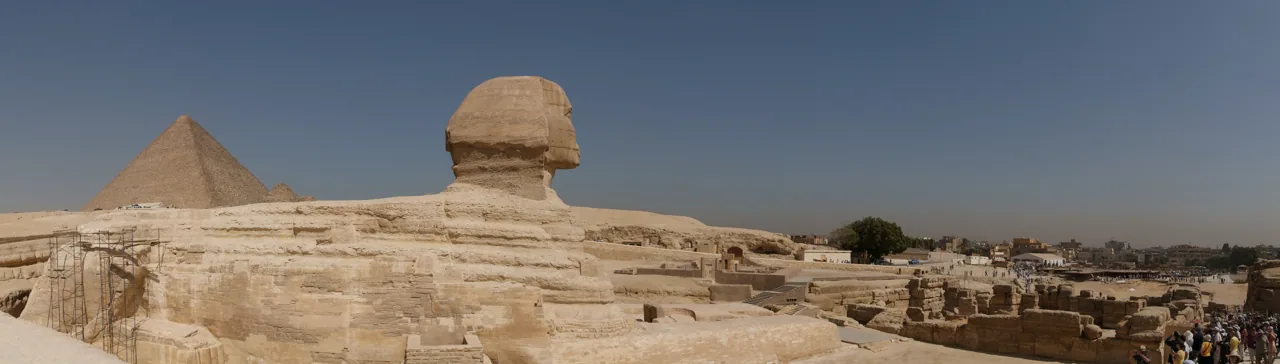
Egypt wins on scale and depth. Nothing in Jordan matches standing beneath the Great Pyramid, sailing the Nile past temples that have stood for three or four thousand years, or the newly opened Grand Egyptian Museum with the full Tutankhamun collection. Egypt is 5,000 years of continuous civilization, and it shows in the sheer density of sites – you could visit for a month and not exhaust it. If ancient history is your reason for travelling, Egypt is unbeatable. Our best places to visit in Egypt gives the full spread.
Jordan wins on the single perfect experience. Petra – the rose-red city carved into a canyon, reached through the narrow Siq – is arguably the most cinematic ancient site anywhere, and you'll want two days to do it justice. Add Wadi Rum, the Mars-red desert where you sleep in a Bedouin camp under staggering stars, and floating in the Dead Sea, and Jordan delivers a tight, varied, high-quality trip without ever feeling like a slog. Jerash, one of the best-preserved Roman cities, is a bonus.
Put simply: Egypt overwhelms; Jordan delights. Neither is "better" – they scratch different itches.
Cost: Egypt is cheaper day to day
Egypt is one of the better-value destinations in the region. Food, local transport and everyday costs are low, and experiences are affordable: our catalog shows Cairo tours around a 4,600 EGP median and tickets-and-attractions near 1,500 EGP. Backpackers manage on US$40–60 a day; mid-range travelers land around US$100–200. The costs that add up are Nile cruises, domestic flights and private guides. For the detail, see Is Egypt expensive? and our Egypt trip cost guide.
Jordan is noticeably pricier day to day. Petra entry alone is steep (about 50 JOD for one day), hotels and food cost more, and there's less budget infrastructure. The Jordan Pass softens this a lot: from around 70 JOD, it bundles Petra entry with 40-plus sites and waives the tourist visa fee if you stay at least three nights – buy it before you fly. Even so, expect Jordan to cost more per day than Egypt for a similar comfort level.
Ease of travel: Jordan is smoother
This is where Jordan pulls ahead. It's small – you can drive the King's Highway from Amman to Petra to Wadi Rum to Aqaba in a few days – roads are good, and it's very manageable to self-drive or use small-group tours. The hustle is minimal, English is widely spoken in tourism, and it feels calm and easy.
Egypt rewards you enormously but asks more of you. Touts and persistent vendors around the big sites, chaotic Cairo traffic, and constant baksheesh (tipping) can wear first-timers down. The fix is a good guide-and-driver or a well-run tour, which removes almost all of it – but it means Egypt is less of a casual DIY destination. Our Egypt travel tips and scams to avoid guides prepare you well.
Safety
Both are generally safe for tourists and popular with families and solo travelers alike, with normal precautions. Both have areas near borders that governments advise against, well away from the tourist trail. Jordan feels a touch more relaxed underfoot; Egypt is heavily policed around tourist sites. Check your government's current advisory before booking, and read our is Egypt safe guide for the Egyptian picture.
Which is better for which traveler?
- First big trip / history buffs: Egypt. The wonder-to-effort ratio is unmatched, especially on a guided tour or Nile cruise.
- Independent travelers / self-drivers: Jordan. Easy roads, calm vibe, a rental car and the Jordan Pass and you're set.
- Short holiday (under a week): Jordan fits a week beautifully; Egypt in under a week means hard choices (see our 5-day and how many days in Egypt guides).
- Families: Both work well; Jordan's shorter distances are easier with young kids, Egypt's camels-and-pyramids wow-factor is hard to beat.
- Divers and beach lovers: Egypt, hands down – the Red Sea's reefs are among the best on the planet; Jordan's Aqaba is pleasant but small.
Combining Egypt and Jordan
The best-value answer is often "why choose?" The two countries are neighbours, and combining them is a classic two-week trip. A simple shape:
- Egypt first (~7 days): Cairo and Giza, then a Nile cruise or Luxor and Aswan. Our 10-day Egypt itinerary can be trimmed to a week.
- Fly to Jordan (~1 hour): Cairo–Amman or Sharm–Aqaba flights are short and frequent.
- Jordan (~5 days): Amman and Jerash, Petra (two days), Wadi Rum overnight, Dead Sea to finish.
Our dedicated Egypt & Jordan itinerary lays out the day-by-day version, including how to handle the two visas and where the short hop flights run. Do Egypt first while your energy is high – it's the more demanding half – and let Jordan be the gentler wind-down.
A few practical notes for the combined trip. You'll need two separate visas – Egypt's US$30 e-visa and, for Jordan, the Jordan Pass, which is usually the cheapest route because it waives the tourist visa fee for stays of three nights or more. Flights are the easy way between the two: Cairo–Amman is about 90 minutes, and there are also useful Sharm el-Sheikh–Aqaba hops if you're finishing Egypt on the Red Sea. There's also a ferry across the Gulf of Aqaba (Nuweiba–Aqaba) for the adventurous, but flying is faster and less fuss. Pack for two climates – Egypt's desert heat and Jordan's cooler, higher-altitude nights, especially at Petra and Wadi Rum, which get genuinely cold after dark in winter.
The verdict
If you're forced to choose, go to Egypt for unrivalled ancient grandeur and better value, or Jordan for a smoother, more relaxed adventure crowned by Petra. But if your calendar allows two weeks, combine them – a week of Egyptian wonder followed by five days of Jordanian ease is one of the most rewarding trips in the world, and the short flight between them makes it easy. Start planning with our Egypt travel guide, then browse Egypt experiences and Nile cruises to anchor the first half of the trip.

A real team available 24/7 to assist you — free
Seif and the team reply on WhatsApp 24/7 — trip questions, custom plans and booking help.
Ask Seif on WhatsAppCommon questions
Is Egypt or Jordan better to visit?
Egypt is better for sheer ancient grandeur and value – the Pyramids, the Nile and endless temples, at a lower daily cost. Jordan is better for a shorter, calmer, easier trip built around Petra, Wadi Rum and the Dead Sea. Neither is objectively superior; Egypt overwhelms, Jordan delights. Many travelers with two weeks simply combine both.
Is Egypt cheaper than Jordan?
Yes, Egypt is noticeably cheaper day to day. Food, local transport and everyday costs are low, and experiences are affordable. Jordan costs more for hotels, food and especially Petra entry, though the Jordan Pass (from about 70 JOD) bundles Petra and 40-plus sites and waives the visa fee for stays of three nights or more, which softens the gap.
Can you combine Egypt and Jordan in one trip?
Absolutely, and it's a classic two-week trip. Roughly a week in Egypt (Cairo plus a Nile cruise or Luxor and Aswan) followed by four or five days in Jordan (Petra, Wadi Rum, Dead Sea) works beautifully. Flights between Cairo and Amman, or Sharm and Aqaba, take about an hour. Do Egypt first while your energy is high.
How many days do you need for Egypt vs Jordan?
Egypt rewards 7–14 days given its density of sites; under a week means hard choices. Jordan fits neatly into 4–7 days thanks to its small size. If combining, plan around a week in Egypt and four to five days in Jordan for a well-paced two-week trip.
Is Jordan easier to travel than Egypt?
Yes. Jordan is small, roads are good, it's very self-drive friendly, and there's minimal hassle from touts. Egypt is more rewarding but more full-on – chaotic traffic, persistent vendors and constant tipping – which a good guide-and-driver or organised tour largely solves. Egypt is less of a casual DIY destination.
Which has better beaches, Egypt or Jordan?
Egypt, by a wide margin. The Red Sea coast at Hurghada, Sharm el-Sheikh and Marsa Alam offers some of the planet's best diving and snorkeling and plenty of resorts. Jordan's only coastline is a short stretch at Aqaba on the Gulf of Aqaba – pleasant and good for diving, but small compared with Egypt's Red Sea.
Do I need separate visas for Egypt and Jordan?
Yes, they're separate countries with separate visas. Egypt's single-entry e-visa is US$30 (2026), best arranged online in advance. For Jordan, the Jordan Pass is usually the smart choice – it waives the tourist visa fee if you stay at least three nights and bundles Petra and dozens of sites. Buy the Jordan Pass before you travel.
Which is safer, Egypt or Jordan?
Both are generally safe for tourists with normal precautions, and both are popular with families and solo travelers. Each has border areas that governments advise against, well away from the tourist trail. Jordan feels slightly more relaxed on the ground; Egypt is heavily policed around its main sites. Always check your government's current advisory before booking.
Book it on This is Egypt
Turn this guide into a trip


Egypt's bestsellers
The experiences travelers book most, across the country










Keep reading

5-Star vs 4-Star Nile Cruise (2026): What the Rating Really Means
On the Nile, star ratings are issued locally and generously — almost every boat calls itself 5-star. Here is what actually separates the tiers, and how to read past the label to the real price and quality.
By TiE Editors4 min read

Nile Cruise vs Lake Nasser Cruise (2026): Which Should You Choose?
A Nile cruise sails the temple-lined Luxor–Aswan corridor with dozens of boats to choose from; a Lake Nasser cruise is a remote, uncrowded sail to Abu Simbel and the Nubian temples. Here is the honest comparison.
By TiE Editors4 min read

Liveaboard vs Day-Boat Diving in the Red Sea (2026): Which to Choose
A liveaboard reaches the remote reefs and wrecks day boats can't — the Brothers, Daedalus, deep-south Egypt — but a day boat is cheaper, flexible and beginner-friendly. Here's the honest choice.
By TiE Editors4 min read