

How Many Days Do You Need in Egypt? (2026)
Five days, a week, ten, or two: how long you really need for Egypt, with the honest breakdown and the right itinerary for each length.
Book it on This is Egypt
Turn this guide into a trip




Quick answer: For a first trip, plan on seven to ten days in Egypt. That window covers Cairo and the Giza pyramids, then the Nile stretch between Luxor and Aswan that holds the country's greatest temples, without leaving you sprinting between airports. Fewer than five days and you are seeing Cairo alone; more than two weeks and you can add the Red Sea, the Western Desert, and the Mediterranean coast at a genuinely relaxed pace. The number you land on drives everything else: which flights you book, how many cruise nights you pay for, and whether the trip feels like travel or like transit.
Egypt's icons are not clustered. They run from Cairo in the north, up the Nile to Luxor and Aswan in the south, then east to the Red Sea and west into the desert. Distances are real, and the smart way to cross them is by air, not road. So before you fixate on a day count, understand what each length actually buys you.
The short answer
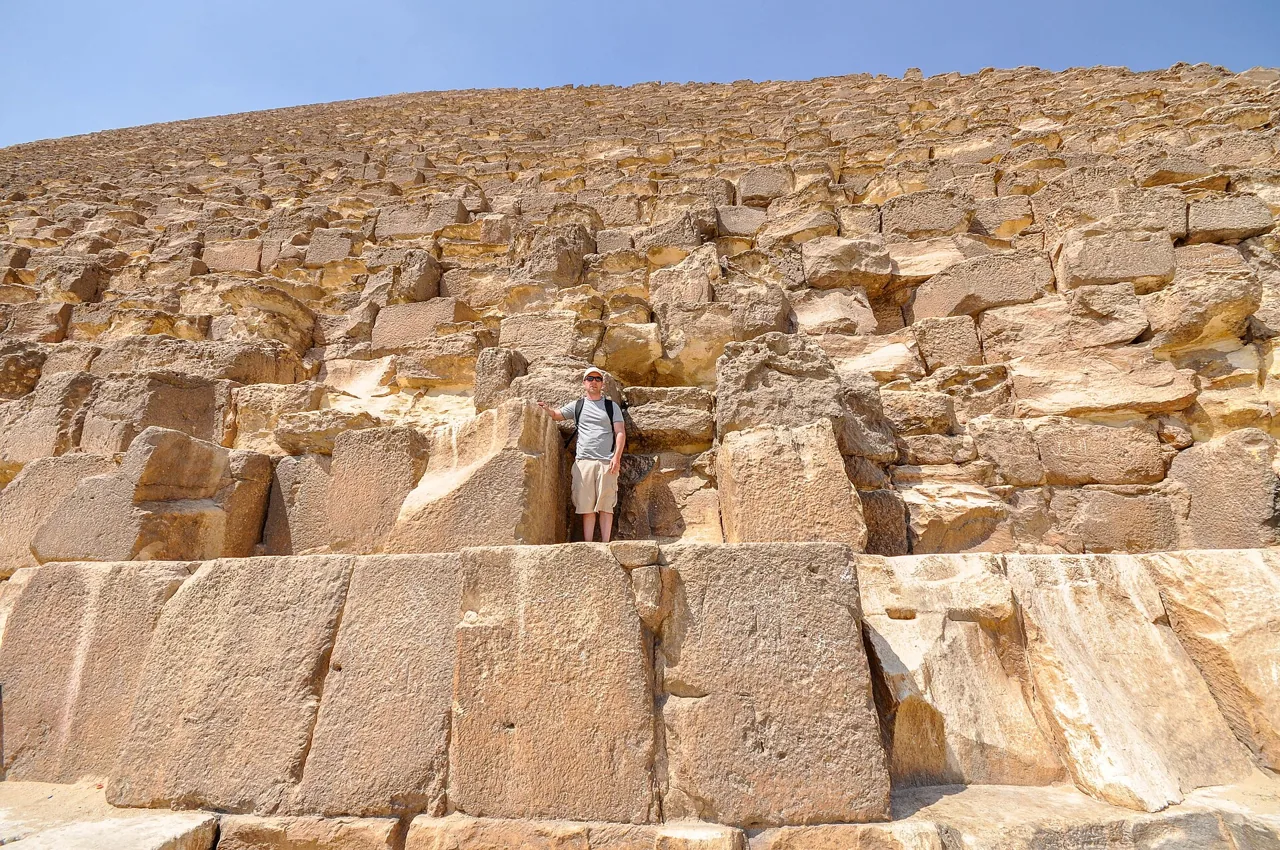
Seven to ten days is ideal for a first visit, and if forced to pick one number, make it ten. Seven days lets you pair Cairo with a proper Nile cruise and hit every headline sight. Ten days adds Abu Simbel and a Red Sea finish with breathing room built in. Five days is a focused highlights run rather than a full trip. Fourteen or more is for travellers who want depth, a second region, and real rest days rather than a checklist. Whatever you choose, the season matters as much as the length: aim for October through April, when Upper Egypt sits around a comfortable 22 to 28C rather than the 40C-plus of high summer. Map the whole route with our Egypt itinerary and Egypt travel guide.
Days to what you see
| Days | Route | What you get | Nile cruise? |
|---|---|---|---|
| 3–4 | Cairo only | Giza pyramids, Sphinx, Grand Egyptian Museum, Islamic and Coptic Cairo | No |
| 5 | Cairo + Luxor by air | Above, plus Karnak, Luxor Temple, Valley of the Kings | No — fly, don't cruise |
| 7 | Cairo + Nile stretch | Cairo, then a 3–4 night Luxor–Aswan cruise with Edfu and Kom Ombo | Yes, the sweet spot |
| 10 | Cairo + Nile + Abu Simbel + Red Sea | Everything above, plus Abu Simbel and a beach or reef finish | Yes, with rest days |
| 14+ | Add coast, desert, Alexandria, Siwa | The full sweep at a relaxed pace, with slack for the unexpected | Yes, plus a second region |
3 to 4 days: Cairo only
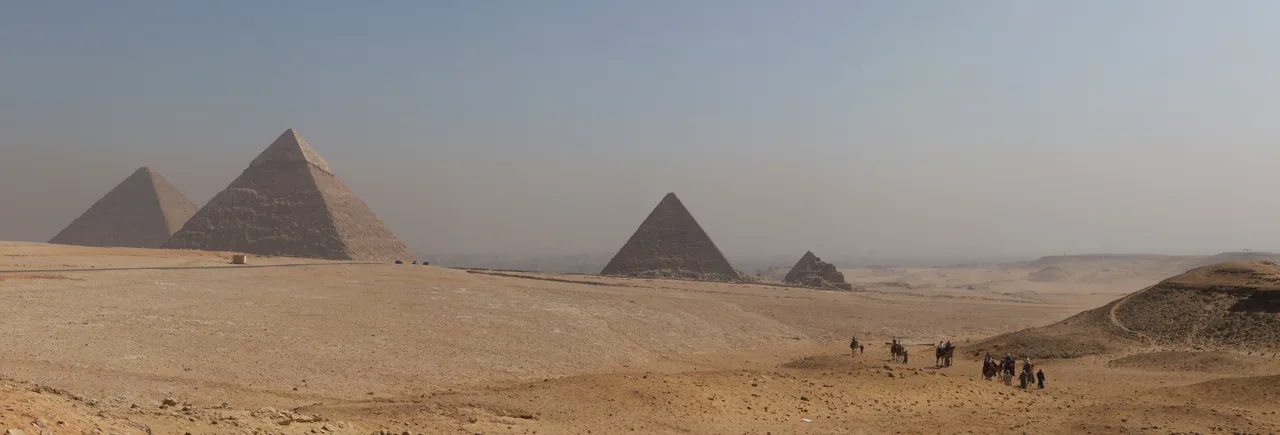
This is a city break, not an Egypt trip, and that is fine if you know what you are choosing. Three or four days is enough to stand at the Giza pyramids, meet the Sphinx, and spend the better part of a day in the Grand Egyptian Museum, where the complete Tutankhamun collection is now displayed together for the first time. Add Islamic Cairo's mosques and the Khan el-Khalili bazaar, or a half day at Saqqara and Dahshur for the Step Pyramid and the smoother Bent and Red pyramids. What you will not do is see a single Nile temple in the south, because Luxor is a flight away and there is no room for it. Treat this as a strong stopover or the front half of a longer regional trip.
5 days: Cairo plus Luxor by air
Five days is the shortest length that reaches Upper Egypt. Give Cairo and Giza two to three days, then take the 70-minute flight to Luxor for Karnak, Luxor Temple, the Valley of the Kings, and Hatshepsut's terraces before flying back. You will see the two poles of ancient Egypt — the pyramids and the Theban temples — and skip everything in between. The key decision here is to fly rather than cruise. A Nile cruise needs three to four nights, and a five-day trip cannot spare them, so anyone trying to squeeze a cruise into this window ends up rushing both ends. This length suits a first taste, a stopover en route elsewhere, or a return visitor filling a gap.

7 days: Cairo plus a Nile stretch
Seven days is the classic first trip and the length most people should book. The standard shape is three days in Cairo and Giza, then a flight south to join a three- or four-night Nile cruise sailing between Luxor and Aswan, stopping at the well-preserved temples of Edfu and Kom Ombo along the way. The cruise is not just transport — it is the most comfortable way to cover the Luxor-to-Aswan corridor, and floating between sites beats a string of hotel check-ins. In a week you hit every headline sight without a punishing pace. Build the river nights in early, because they anchor the whole trip. Our 7-day Egypt itinerary lays out the day-by-day version.
10 days: the sweet spot
Ten days is the most rewarding length for a complete first visit, and the reason is Abu Simbel plus slack. Ramses II's colossal cliff temples, relocated stone by stone above Lake Nasser in the 1960s, sit a 3.5-hour drive or a short flight south of Aswan — too far to squeeze into a seven-day trip without cutting something. Ten days makes room for them, and still leaves you a Red Sea finish at Hurghada or Sharm el-Sheikh for a couple of days of reef diving or simply not moving. The classic ten-day sweep is Cairo, fly to Aswan, cruise up to Luxor, add Abu Simbel, then either fly home from Luxor or bolt on the coast. The extra three days over a week do not just add sights; they add the rest days that keep a temple-heavy trip from blurring together.
14 or more days: depth and a second region
Two weeks lets you slow down and add a whole second Egypt. Options include Alexandria on the Mediterranean for its Greco-Roman layer and seafront, more reef time on the Red Sea, the surreal white chalk formations of the White Desert around Farafra, or three nights in Siwa Oasis for salt lakes, palm groves, and the Oracle Temple that Alexander the Great once consulted. Fourteen days is the only length that comfortably fits both the desert oases and the coast alongside the classic Nile route, and it builds in genuine rest days rather than back-to-back sightseeing. It suits honeymoons, once-in-a-lifetime trips, and anyone who would rather travel deep than fast.
How the Nile cruise fits
The Nile cruise is the pivot of any trip longer than five days, and it dictates your minimum length. A standard cruise runs three or four nights between Luxor and Aswan, taking in Edfu, Kom Ombo, and Esna's lock along the way. Because those nights are fixed, they set the floor: you cannot do a meaningful cruise in fewer than about seven total days once you add Cairo. Sail in either direction — Luxor to Aswan or the reverse — and consider a slower dahabiya sailboat if you want a quieter, small-group feel over a large motor vessel. Whatever you pick, block the cruise nights into your calendar first and build Cairo and any extensions around them, not the other way round.
Why you shouldn't rush it, and why you should fly
The most common mistake is treating Egypt like a compact country you can drive across. It is not. Cairo to Luxor is a 70-minute flight or a ten-hour overnight train; the drive is longer still and cuts through empty desert with little payoff. The Luxor-to-Aswan leg is best done on the water, not the road. Fly the long hops, cruise the river, and reserve road time for short local transfers. Trying to save money by driving between cities burns your best hours in transit and adds fatigue that shows up at every temple you are too tired to enjoy. A rushed Egypt trip is worse value than a shorter, focused one — better to see Cairo and Luxor properly in five days than to smear seven days thin across the whole map.
How long by travel style
Your interests shift the ideal number as much as your calendar does. History buffs should lean toward ten to fourteen days: the Nile temples reward slow, repeated visits, and Abu Simbel, Dendera, and Abydos are worth the extra days that a week cannot spare. If you want a beach add-on, budget seven to ten days minimum, because the Red Sea only makes sense once the Cairo-and-Nile core is covered — otherwise you are trading pyramids for a pool. Travellers after quick highlights can do a lot in three to five days if they accept a focused Cairo-plus-Luxor plan and fly every long leg. Families and honeymooners usually want the ten-to-fourteen-day range, where the rest days live.
Best time to go
Season shapes how much you can physically do in a day, so it is nearly as important as trip length. October to April is peak for good reason: Upper Egypt and the Red Sea sit around 22 to 28C, ideal for long days among open-air temples. December and January are busiest and coolest, with cold desert nights. From June to August, Luxor and Aswan routinely top 40C, which forces early starts and midday breaks and quietly shortens what you can cover — meaning a summer trip may need an extra day to see what a winter trip does in one. Shoulder months, roughly October, November, March, and April, balance warm weather with thinner crowds and are the sweet spot for most itineraries.
Once you have settled on a length, the next step is filling it with the right sights and experiences. Browse tours, cruises, and day trips across every city on the route and search all Egypt experiences to build the trip around the days you have.

A real team available 24/7 to assist you — free
Seif and the team reply on WhatsApp 24/7 — trip questions, custom plans and booking help.
Ask Seif on WhatsAppCommon questions
How many days do you need in Egypt?
Seven to ten days is ideal for a first visit. That covers Cairo and Giza plus the Nile between Luxor and Aswan, with ten days adding Abu Simbel and a Red Sea finish. Five days handles only the headline sights via flights, and two weeks allows real depth with Alexandria, the desert, or Siwa.
Is 3 or 4 days enough for Egypt?
It is enough for Cairo only — the Giza pyramids, the Sphinx, the Grand Egyptian Museum, and Islamic and Coptic Cairo, plus a possible half day at Saqqara. You will not reach the Nile temples at Luxor, which need a domestic flight and at least five total days. Treat three to four days as a strong stopover, not a full Egypt trip.
Is 5 days enough for Egypt?
Yes, for the headlines. Five days covers Cairo and Giza plus a short flight to Luxor for Karnak, Luxor Temple, and the Valley of the Kings. You will skip Aswan and Abu Simbel. Fly rather than cruise, since a Nile cruise needs three to four nights that a five-day trip cannot spare.
Is one week enough for Egypt?
Yes — seven days is the classic first trip and the length most people should book. Three days in Cairo and Giza, then a three- or four-night Nile cruise between Luxor and Aswan taking in Edfu and Kom Ombo, hits every headline sight without rushing.
Do you need 10 days for Abu Simbel and the Red Sea?
Effectively yes. A seven-day trip fills up with Cairo and the Nile, so adding Abu Simbel — a 3.5-hour drive or short flight from Aswan — plus a Hurghada or Sharm beach finish realistically needs ten days to avoid a punishing pace. Ten days also builds in the rest days a temple-heavy trip needs.
How does the Nile cruise fit into an Egypt trip?
A standard Nile cruise runs three or four nights between Luxor and Aswan, stopping at Edfu and Kom Ombo. Those nights are fixed, so they set your minimum length: once you add Cairo, a meaningful cruise needs about seven total days. Block the cruise nights first and build the rest of the trip around them.
Should you drive between cities in Egypt or fly?
Fly the long hops. Cairo to Luxor is a 70-minute flight versus a ten-hour overnight train or a longer drive through empty desert. The Luxor-to-Aswan leg is best done by cruise. Reserve road time for short local transfers only — driving the long legs burns your best hours and adds fatigue with little payoff.
When is the best time to visit Egypt?
October to April, when Upper Egypt and the Red Sea sit around 22 to 28C, ideal for long days among open-air temples. December and January are coolest and busiest. June to August tops 40C in Luxor and Aswan, which forces early starts and can quietly shorten what you cover in a day.
Book it on This is Egypt
Turn this guide into a trip






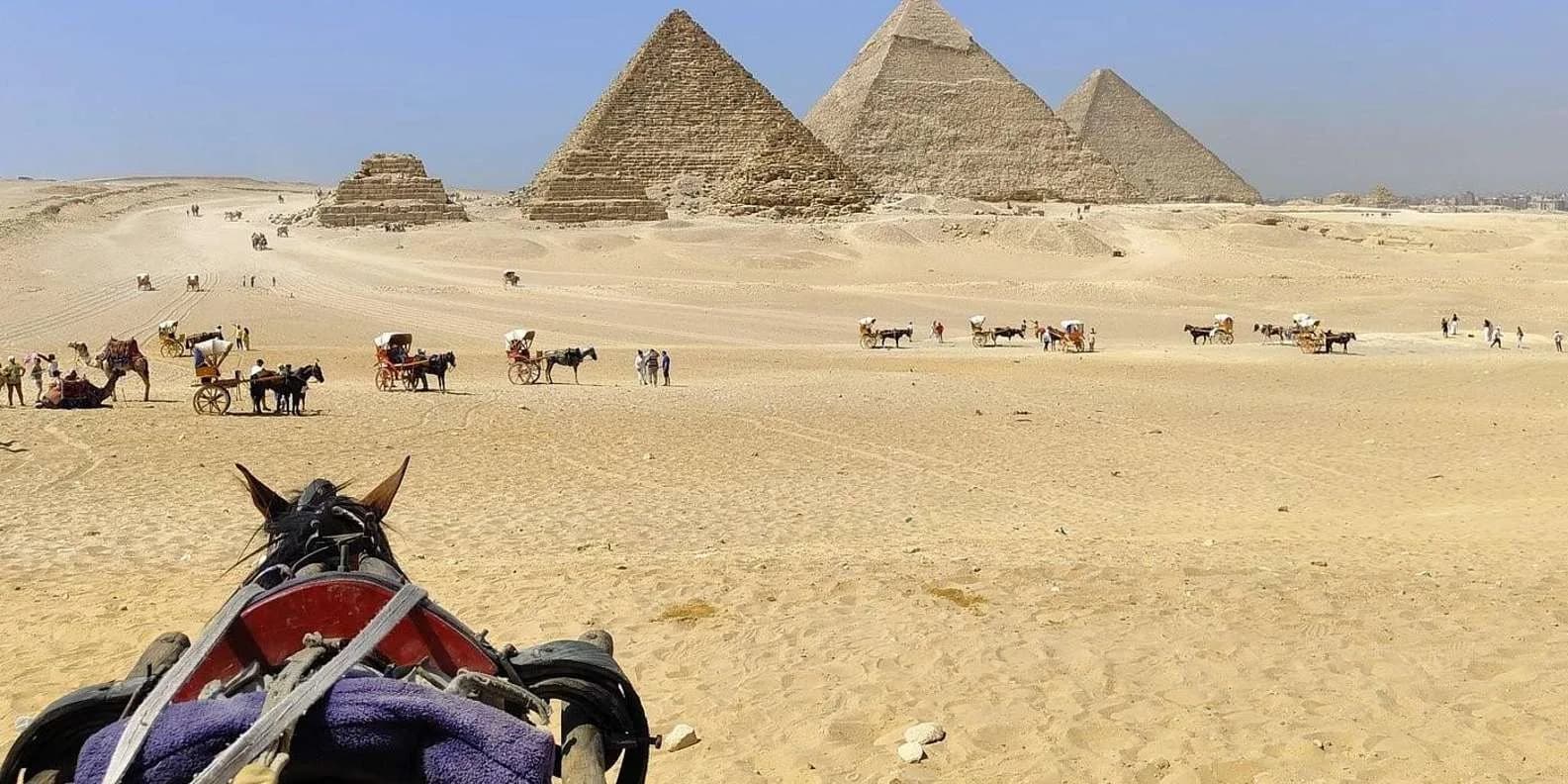

Egypt's bestsellers
The experiences travelers book most, across the country







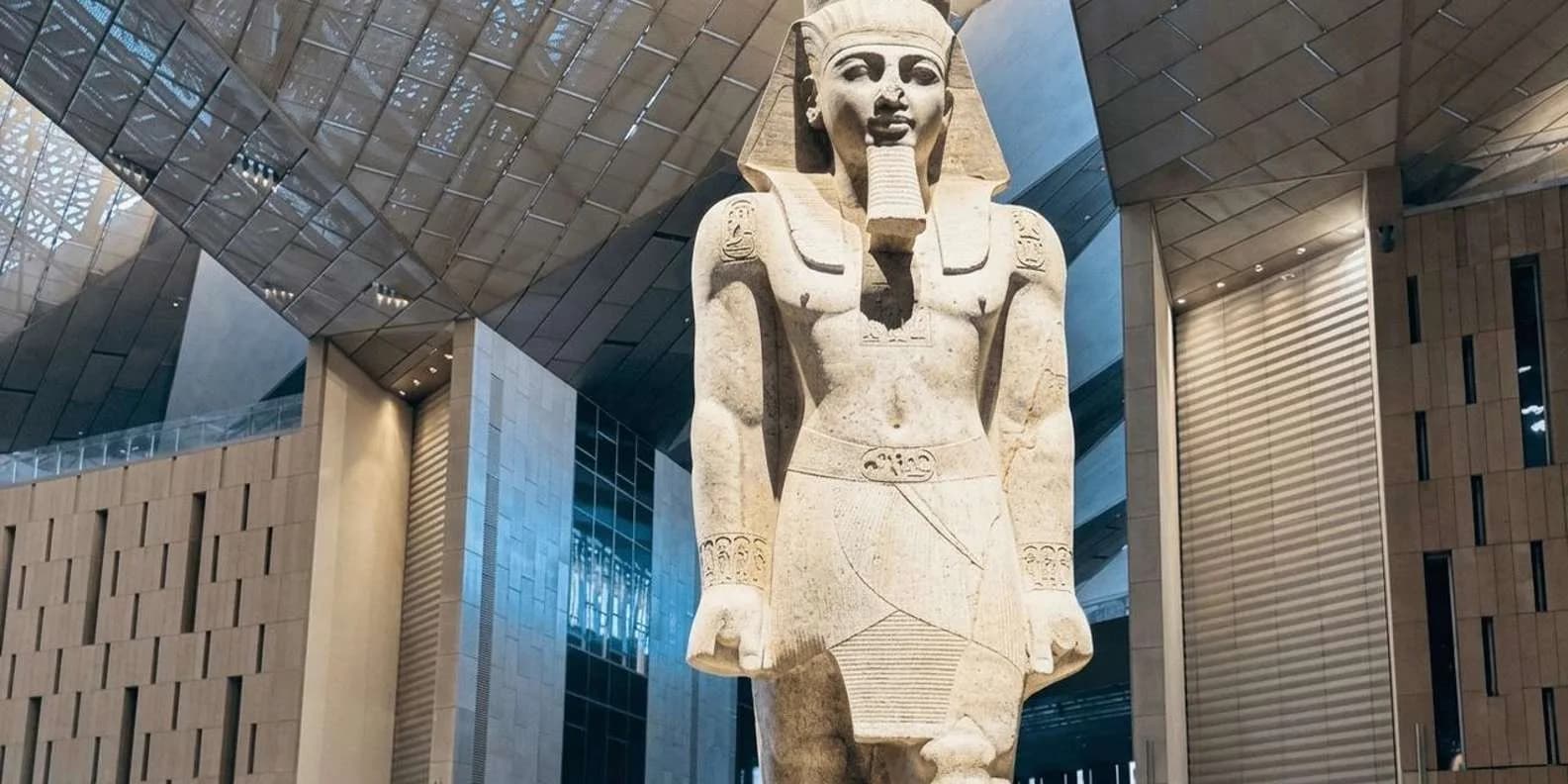


Keep reading

3 Days in Cairo: The Perfect First-Timer's Itinerary
Pyramids, Islamic Cairo, Coptic alleys and the Grand Egyptian Museum: a tested 72-hour Cairo plan with real timings, transport and prices.
By TiE Editors9 min read

7-Night Nile Cruise: Luxor to Aswan Round Trip (2026)
The complete 7-night Luxor-Aswan-Luxor Nile cruise: a relaxed pace, every major temple, optional Abu Simbel and Dendera add-ons, and the full classic Egypt experience.
By TiE Editors8 min read

5-Day Nile Cruise: The Ideal Itinerary (2026)
A relaxed 5-day, 4-night Nile cruise from Luxor to Aswan taking in Karnak, Valley of the Kings, Edfu, Kom Ombo and Philae — with time to spare for Abu Simbel, Egypt's fuller cruise option.
By TiE Editors7 min read